
The Tudor Ranger and the Rolex Explorer are two of the most cross-shopped adventure watches in the luxury market, and the comparison has shifted in the last two years.
Rolex added a 40mm Explorer in 2023, and Tudor added a 36mm Ranger and a Dune white dial in late 2025, which means buyers now have real size and dial choices on both sides instead of one option each.
Collectors still gravitate to the Explorer for the brand and the resale floor. First-time luxury buyers still lean toward the Ranger because it costs less and feels closer to a 1960s field watch.
The bones of the comparison are the same. What’s different in 2026 is which exact reference you’re comparing, and that changes the right answer for a lot of people.
This guide walks through the current lineup on both sides, what each watch is like to live with day to day, and where the price and supply picture sits today.
Tudor Ranger Overview
The Tudor Ranger is Tudor’s expedition watch, named after a trademark Hans Wilsdorf registered back in 1929. The aesthetic most people recognize (large Arabic numerals at 3, 6, 9 and 12, plus snowflake-style hands) comes from the 1960s.
The current Ranger landed in 2022 as the ref. 79950, replacing the older 41mm Heritage Ranger 79910 with a more period-correct 39mm case and a real in-house movement.
In late 2025 Tudor expanded the line at Dubai Watch Week with a 36mm version (ref. 79930) and a “Dune white” dial that nods to the brand’s Dakar Rally partnership. The current collection runs eight references across the two case sizes, both dials, and steel-bracelet or fabric-strap options.
It runs on the Manufacture Calibre MT5402 (39mm) or MT5400 (36mm), both COSC-certified, both with a silicon balance spring and a 70-hour reserve. The case is fully satin-brushed steel, water-resistant to 100 metres, with a domed sapphire crystal.
For buyers who want the Explorer formula (rugged, time-only, legible) without the Rolex price or the waiting list, the Ranger has been the obvious answer for three years now.
Our dedicated Tudor Ranger buying guide covers the lineup, current pricing, and what to look for on the secondary market in more depth.
Rolex Explorer Overview
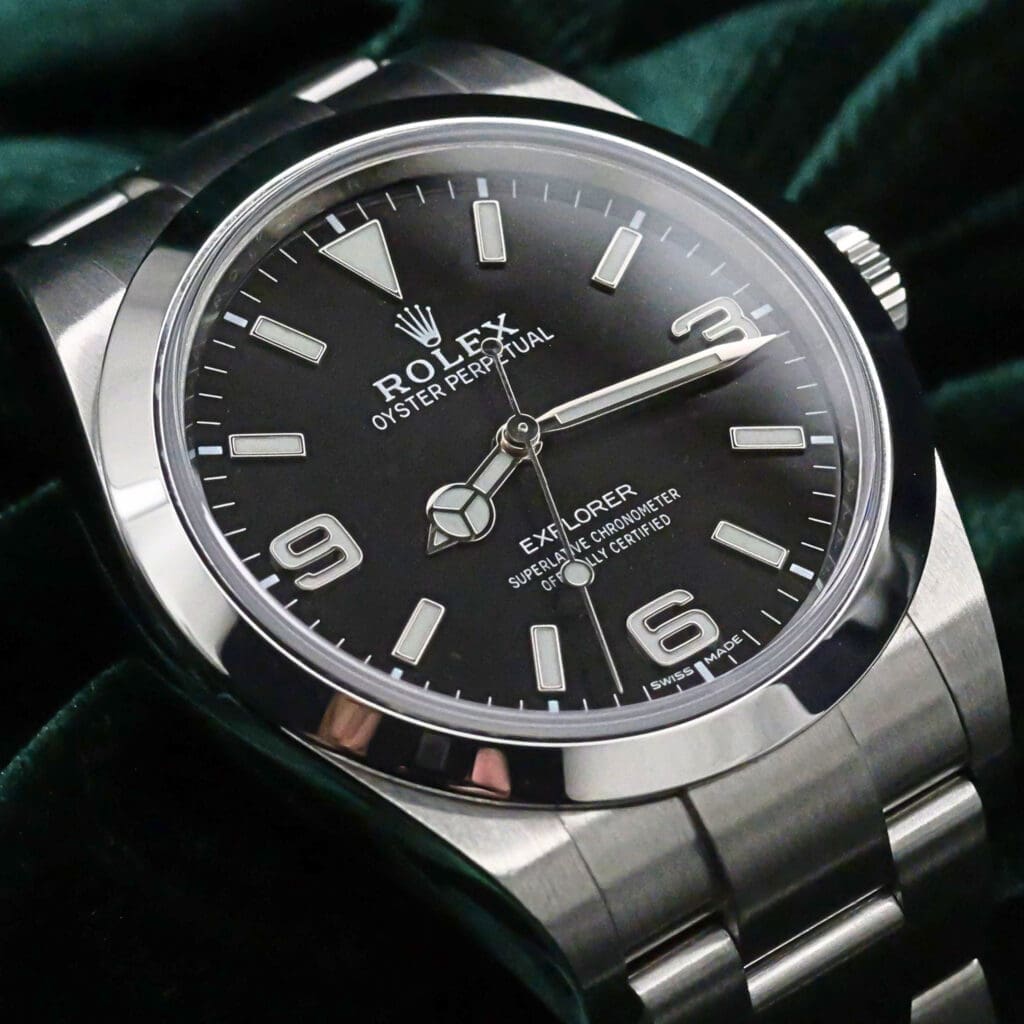
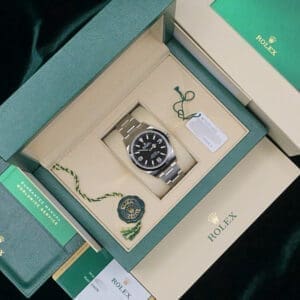
The Rolex Explorer is Rolex’s no-date, time-only field watch, the simplest watch in the catalog and one of the oldest names in continuous production. Rolex introduced the model in 1953 after Sir Edmund Hillary and Tenzing Norgay reached the summit of Everest with Oyster Perpetuals on hand, and the design language has barely moved since.
The current lineup is built around an Oystersteel case (Rolex’s 904L stainless), a smooth bezel, a black lacquered dial with applied 3-6-9 numerals, and Mercedes hands. It runs on the in-house Caliber 3230 with a 70-hour power reserve and Paraflex shock absorbers, water-resistant to 100 metres.
The reason it stays in the conversation seventy years later is that nothing about the formula needs updating. Three numerals, a clear handset, no date. It reads at a glance, fits under a cuff, and doesn’t try to do anything else. We’ve covered the model in more depth in our full Rolex Explorer buying guide.
What Changed in the Lineup Since 2023
The two-year gap between 2023 and the end of 2025 reshaped this comparison more than any single year before it. Three changes matter when you’re shopping today.
Rolex added the Explorer 40 (ref. 224270). Launched at Watches & Wonders 2023, the 224270 is the first 40mm Explorer in the model’s history. It sits alongside the 36mm 124270 in the current catalogue with the same Caliber 3230 and the same dial layout, only the case diameter is different.
Tudor added the Ranger 36 (ref. 79930). Introduced at Dubai Watch Week in late 2025, the 79930 takes the existing 79950 and shrinks it to 36mm. Same finish, same dial options, same 70-hour reserve, on the slightly smaller MT5400 movement.
Tudor added a Dune white dial. Rolled out alongside the 36mm at the same Dubai Watch Week launch, the Dune white is now available across both the 36mm and 39mm Ranger references. It’s the only white-dial option in this comparison; the Explorer is black-dial only.
The practical impact: where a 2022 buyer compared one 36mm Explorer against one 39mm Ranger, a 2026 buyer chooses among two Explorer sizes and four Ranger configurations (two sizes × two dials), with Tudor having raised retail prices in 2026 to reflect the expanded range. The rest of this guide walks through how those options stack up against each other.
Tudor Ranger vs Rolex Explorer: Most Notable Differences

Both watches do the same job. The differences sit in case sizing, dial layout, movement pedigree, and what the resale market does after you buy. Here’s how each one breaks down.
1. Size and Case Design
The Explorer comes in 36mm (ref. 124270) and 40mm (ref. 224270). The 36mm sits at 11.6mm thick with a 20mm lug width. The 40mm shares the exact same 11.6mm height (Rolex kept the case profile flat) with a 21mm lug.
Finishing on both is the same: brushed sides, polished bevels, polished smooth bezel. The dial side leans toward dressy, the case side toward tool watch.
The Ranger comes in 39mm (ref. 79950) and 36mm (ref. 79930). The 39mm is 12mm thick on a 20mm lug; the 36mm is 11mm thick on a 19mm lug. Finish is fully satin-brushed steel; no polished surfaces anywhere on the case or bracelet.

That’s the visual fork in the road. The Explorer mixes brushed and polished and reads as a refined sports watch. The Ranger is matte from end to end and reads as a tool.
One detail buyers tend to underweight: the Explorer 40 and Ranger 39 are roughly the same wrist size, and the Explorer 36 and Ranger 36 are roughly the same wrist size. Sizing is no longer the dividing line. Finish and dial are.
2. Dial and Hands
The Explorer dial is glossy black with applied 18k white-gold 3-6-9 Arabic numerals, baton hour markers, an inverted triangle at 12, and Mercedes hands. Lume is Chromalight, which glows blue. It’s polished, controlled, and reads more refined than utilitarian.
The Ranger dial is fully matte. The 39mm black dial uses cream-toned printed numerals at 3, 6, 9 and 12 with cream-filled arrow hands. The new 36mm carries those same cues over, and there’s now a Dune white option with black-printed numerals and lume pips on the minute track instead of lumed numerals. Lume is Super-LumiNova, beige-tinted to match the printing.
Both watches read instantly under any light. The Explorer dial is more elegant; the Ranger dial is more honest about what kind of watch it is. If you’ve handled both, the Explorer feels like a Rolex first and a tool second, and the Ranger feels like a tool first.
3. Movement
The Explorer runs on Rolex’s Caliber 3230: in-house, COSC-certified, 70-hour reserve, Chronergy escapement, Parachrom hairspring, Paraflex shock absorbers, and Rolex’s own Superlative Chronometer spec of -2/+2 seconds per day after casing. Service intervals are roughly ten years if you don’t push them, and parts and service support is global.
The Ranger runs on Tudor’s MT5402 (39mm) or MT5400 (36mm), both COSC-certified, both with a non-magnetic silicon balance spring, a free-sprung balance with variable inertia adjustment, and a 70-hour reserve.
The movement is built by Kenissi, the manufacture co-owned with Chanel and Breitling, and shares its base architecture with the Black Bay 58 and BB54. That’s an upside, not a downside. The calibre family has a strong track record for accuracy out of the box.
On paper they’re close. The Rolex is more refined and easier to service through the brand’s own network. The Tudor is more robust on the spec sheet (silicon hairspring, free-sprung balance) and cheaper to service down the line.
Buyers who service through an independent watchmaker tend to prefer the Tudor; buyers who plan to use the brand’s service centre tend to prefer the Rolex.
4. Price and Market Demand
Retail prices below reflect the 2026 Rolex and Tudor price lists.
Rolex Explorer 124270 (36mm): approximately $8,450 retail. Secondary market sits around $7,000–$8,500 depending on year, condition, and whether it’s full-set. Per WatchCharts, the 124270 trades roughly at or slightly below retail and clears the secondary market in about two weeks.
Rolex Explorer 224270 (40mm): approximately $8,350 retail. Secondary trades close to retail, generally $8,000–$9,000. Demand has been steadier on the 40mm than on the 36mm because the larger case lined up with what most buyers wanted when the 36mm came back in 2021.
Tudor Ranger 79950 (39mm): retail ranges from $3,550 (fabric strap) to $4,025 (steel bracelet, Dune dial) depending on configuration. Secondary market is around $2,400–$3,000 for full-set examples. WatchCharts shows the 79950 trading roughly 35–37% below retail, which is in line with most current-production Tudor pieces.
Tudor Ranger 79930 (36mm): retail of $3,350 on fabric strap and $3,700 on steel bracelet. Too new for a deep secondary track record yet, but early listings on Chrono24 are trading just below retail.
The simple read: the Explorer holds value almost like cash on the secondary market. The Ranger discounts the moment it leaves the boutique, the way most non-Rolex sports watches do. That gap is part of why an Explorer ends up costing two to three times what a Ranger costs once you account for resale.
The pattern isn’t unique to the Explorer; we’ve covered why Rolex watches hold their value across the catalog separately.
Notable Tudor Ranger References

The Ranger lineup is shorter than the Explorer’s, but Tudor expanded it more in 2025 than in the previous three years combined.
1. Tudor Heritage Ranger Ref. 79910 — The 41mm Predecessor
Produced from 2014 to 2022, the 79910 is the predecessor to the current Ranger and a different watch in important ways. It measures 41mm, runs on the ETA 2824-2 (not an in-house calibre), and uses a different dial layout. It was discontinued when the 79950 launched in 2022.
Pre-owned examples trade between $1,800 and $2,500 depending on completeness, and they appeal to buyers who specifically want the bigger case and the older movement at a lower entry price.
For wider context on Tudor’s lineup beyond the Ranger, our Tudor brand buying guide covers the main families and how they fit together.
2. Tudor Ranger Ref. 79950 — The Current 39mm Standard
In production since 2022, the 79950 is the 39mm modern Ranger and what most people mean when they say “Ranger” today. It runs on the in-house MT5402 and is currently available in matte black or Dune white dials, on steel bracelet or fabric strap. Retail runs from $3,550 to $4,025; secondary sits around $2,400–$3,000 for full-set examples per WatchCharts.
3. Tudor Ranger Ref. 79930 — The New 36mm Vintage-Leaning Pick
In production since late 2025, the 79930 is the new 36mm Ranger introduced at Dubai Watch Week. Same finish, same dial options, same 70-hour reserve, but on the slightly smaller MT5400 movement and an 11mm-thick case with a 19mm lug width. Retail is $3,350 on the fabric strap and $3,700 on the bracelet.
The smaller proportions and the Dune white dial together have pulled in a different buyer than the 79950 did: vintage-leaning collectors who wanted something closer to a 1960s Explorer 1016 in feel.
Related Models from Majestix
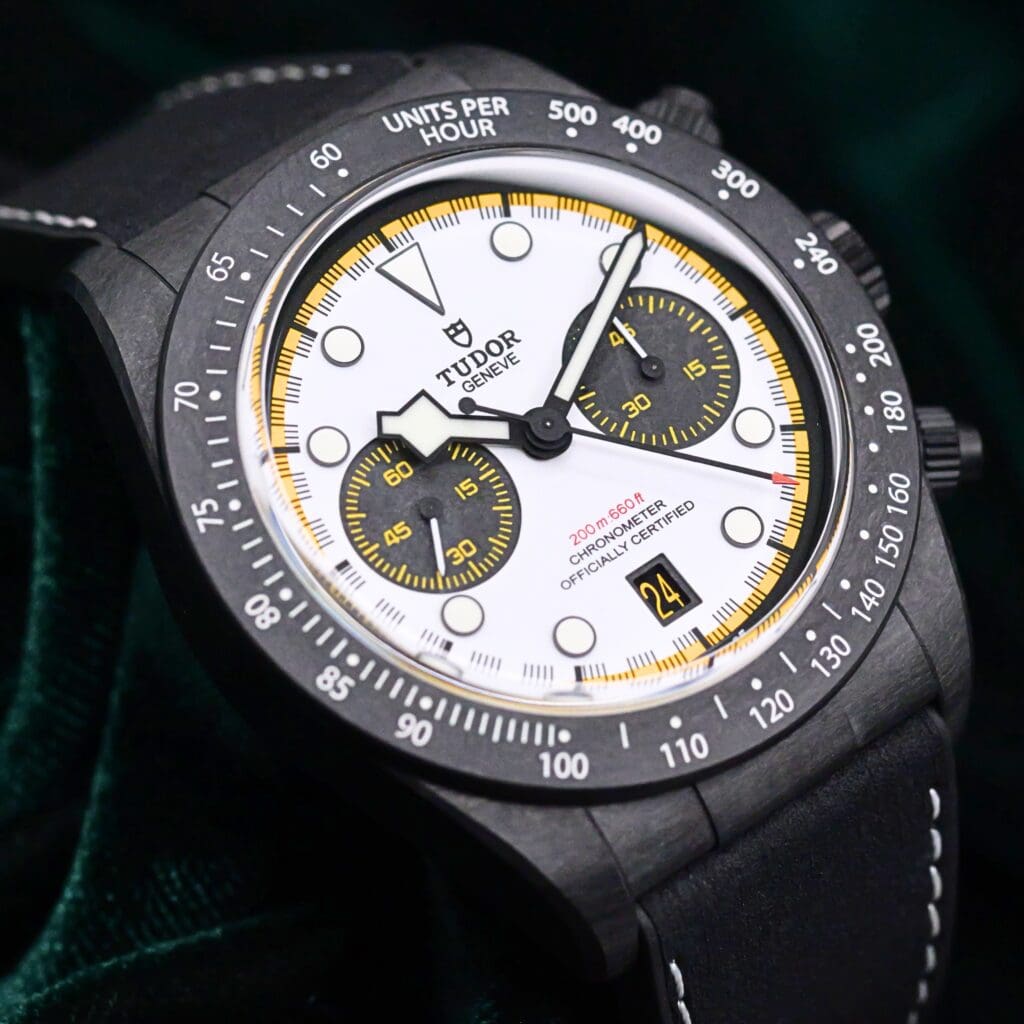
2026 NEW UNWORN Tudor Black Bay Chrono “Carbon 26” Limited Edition of 2026 Pieces White Dial Yellow Accents Black Hybrid Leather Rubber Strap Black Carbon Fiber 42mm COMPLETE SET 79377KN-0003

Tudor Pelagos FXD Blue Dial Blue Bezel Blue Fabric Strap 42mm MINT CONDITION COMPLETE SET 25707B

Tudor Black Bay Chrono "Panda" White Dial Black Bezel Oyster Bracelet Stainless Steel 41mm MINT CONDITION COMPLETE SET 79360N

Tudor Pelagos Black Dial Black Bezel Titanium Bracelet 39mm MINT CONDITION COMPLETE SET 25407N
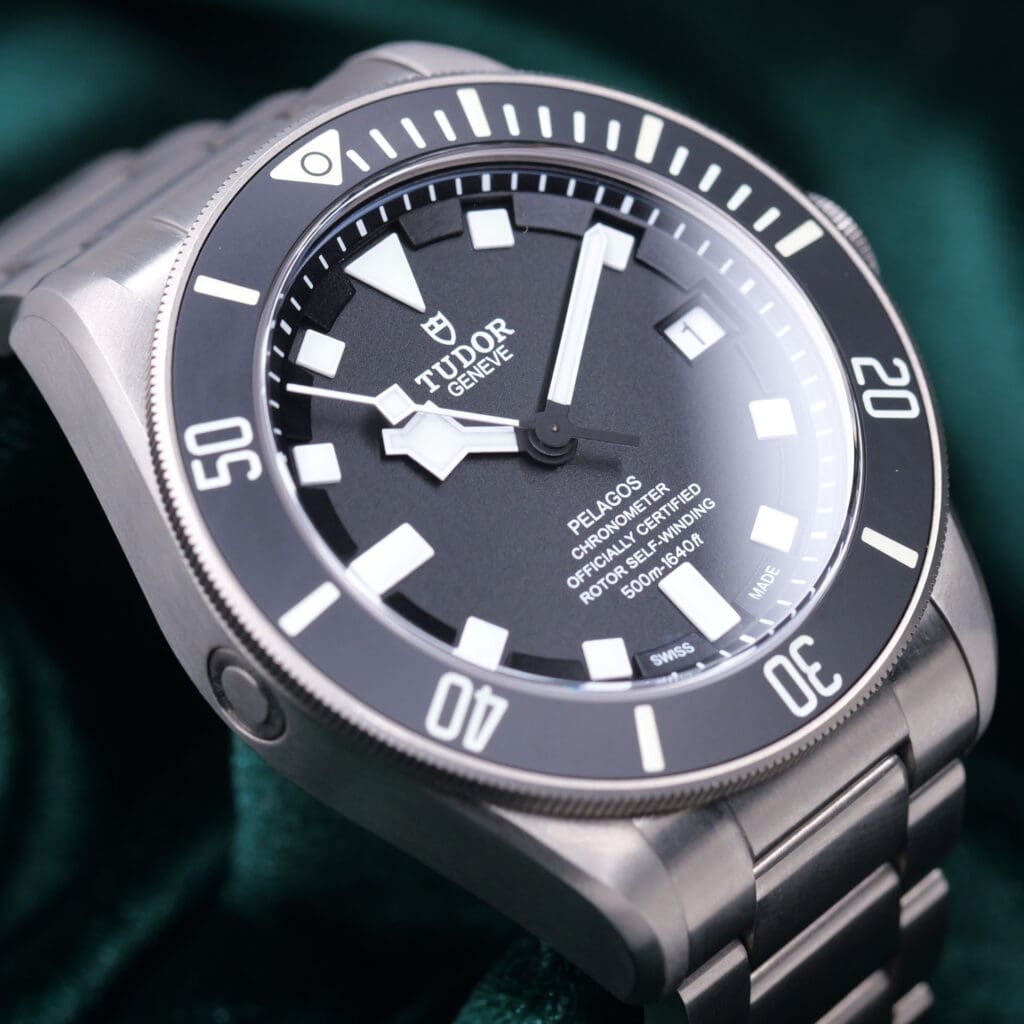
Tudor Pelagos Black Dial Black Bezel Titanium 42mm MINT CONDITION M25600TN-0001
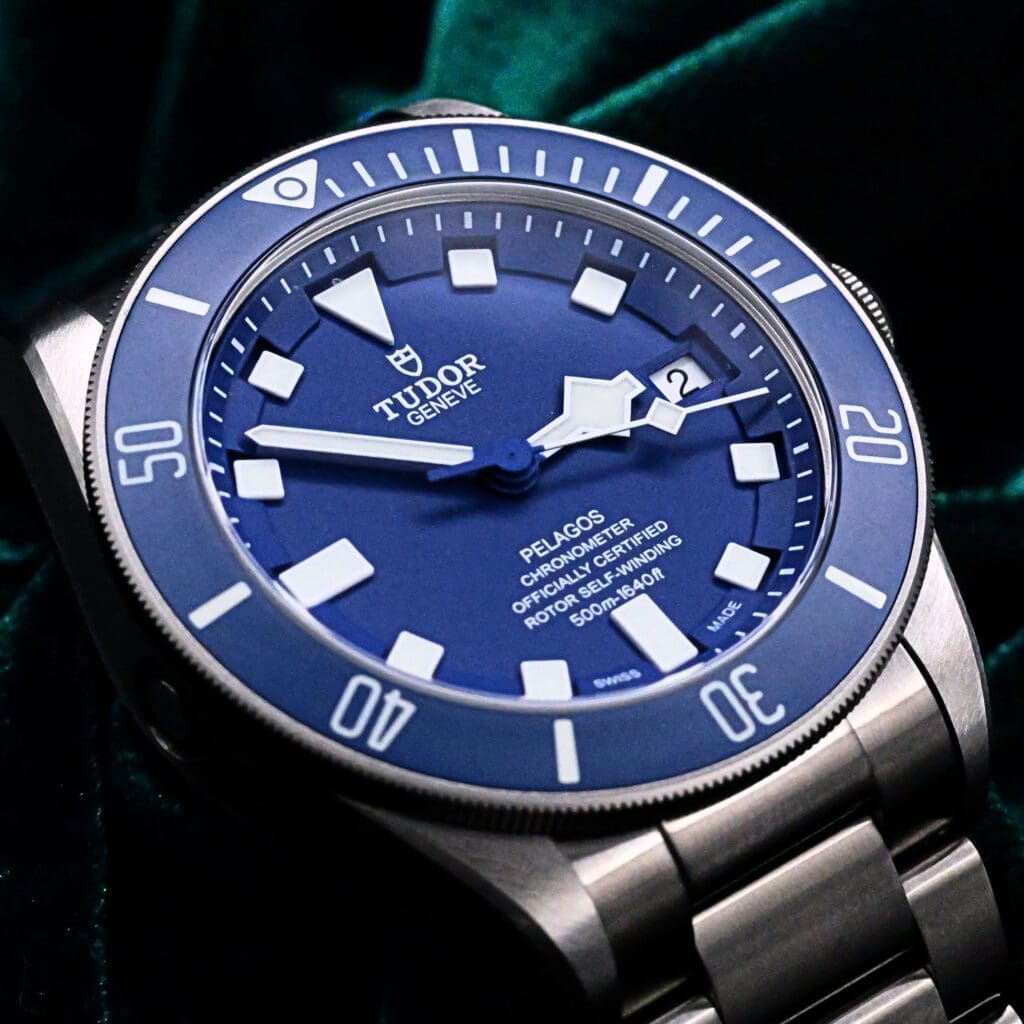
2026 NEW UNWORN Tudor Pelagos Blue Dial Blue Bezel Titanium 42mm COMPLETE SET 25600TB
Most Notable Rolex Explorer References

Each Explorer reference reflects a specific era of the model: the case sizing, the crystal, the movement generation, and what condition you’ll realistically find on the secondary market.
1. Rolex Explorer Ref. 1016 — The Vintage Benchmark
The 1016 ran from 1963 to 1989 and is the longest-running Explorer reference, the watch most vintage Explorer buyers eventually end up with. It used the Caliber 1560 and later the 1570, both behind an acrylic crystal, with tritium lume that ages to a warm cream on clean examples.
Condition drives everything: an unpolished case with original tritium can cross $25,000, while a serviced example with relumed dial will sit closer to $12,000–$15,000. If you’re newer to vintage and want a broader frame for what to look for, our vintage Rolex buying guide covers the basics across models.
2. Rolex Explorer Ref. 14270 — The Sapphire-Era Bridge
Produced from 1989 to 2001, the 14270 was the first Explorer with a sapphire crystal and applied white-gold hour markers, running the Caliber 3000. It’s the bridge between vintage acrylic-era Explorers and modern sports Rolex models.
Market prices generally fall between $5,500 and $8,000, with the earlier “blackout” dial variants (where the 3-6-9 numerals are matte black with no white-gold surround) commanding more.
3. Rolex Explorer Ref. 114270 — The Best-Value Modern Pick
Produced from 2001 to 2010, the 114270 kept the 36mm format and upgraded to the Caliber 3130 with improved finishing. It uses Super-LumiNova rather than tritium and sits between the 14270 and the modern 124270 visually.
Per WatchCharts data, it currently trades around $5,000, about $2,000 less than the current 124270, which makes it one of the better-value entry points into the modern Explorer line.
4. Rolex Explorer Ref. 214270 — The Discontinued 39mm Option
Produced from 2010 to 2021, the 214270 was the 39mm Explorer, the only modern reference to break from the 36mm template until the 40mm arrived. Early production used short hands that looked stubby on the larger dial, which Rolex corrected in 2016.
Post-2016 examples (Maxi dial, longer hands) trade in the $7,000–$8,500 range and are popular with buyers who want a 39mm Explorer now that Rolex no longer makes one.
5. Rolex Explorer Ref. 124270 — The Current 36mm Daily Wearer
In production since 2021, the 124270 returned the Explorer to its original 36mm sizing and brought the Caliber 3230 with it. Retail is around $8,450; secondary trades close to retail, occasionally a little below. It’s the Explorer most buyers wear day to day because it slips under a cuff easily.
6. Rolex Explorer Ref. 224270 — The First 40mm Explorer
In production since 2023, the 224270 is the first 40mm Explorer in the model’s history, introduced at Watches & Wonders 2023. Same Caliber 3230, same dial layout, same 11.6mm thickness as the 36mm, Rolex kept the case profile flat. Retail is approximately $8,350. Secondary clears around $8,000–$9,000 and supply has been tight since launch.
Buyers running into long waits sometimes weigh the Air King against the Explorer as a more available 40mm Rolex sport watch.
Related Models from Majestix
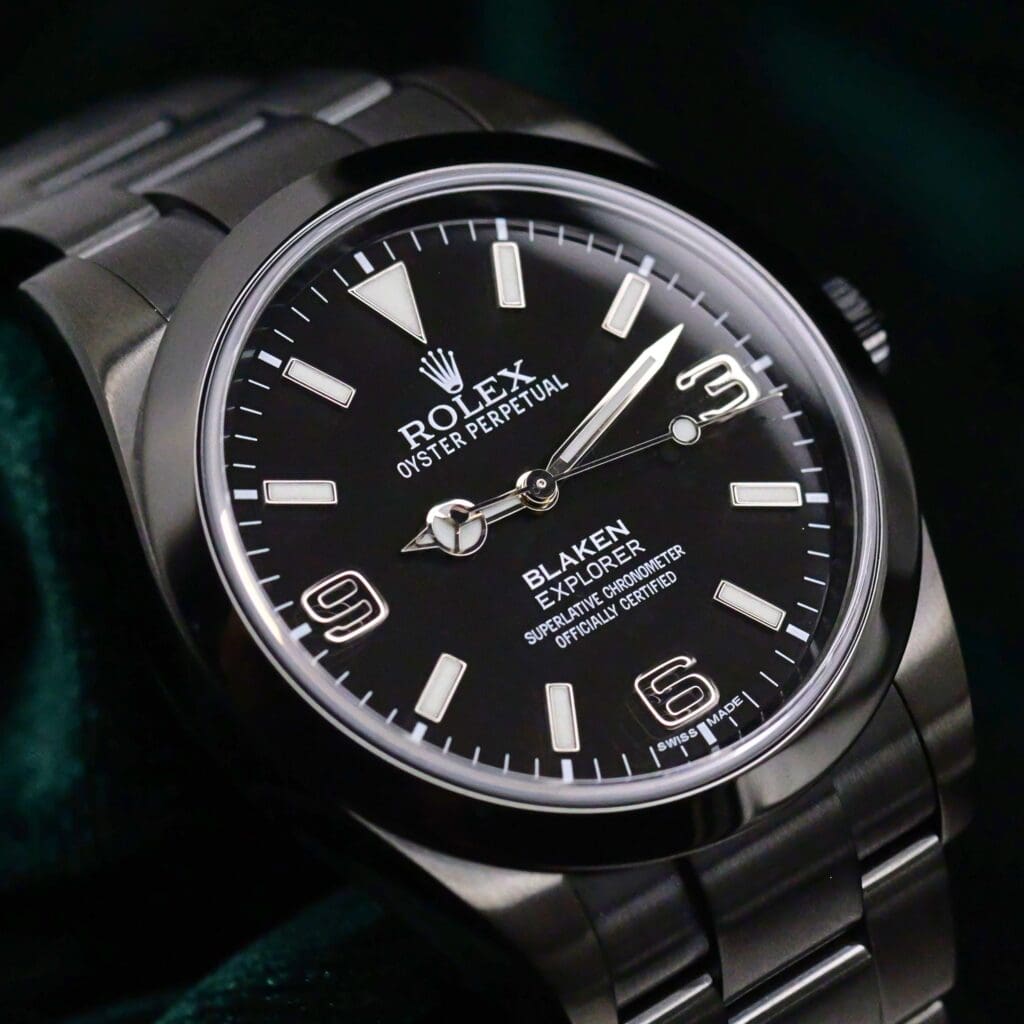
Rolex Explorer Blaken Black Dial Oyster Bracelet DLC Black Stainless Steel 39mm MINT CONDITION COMPLETE SET 214270

Rolex Explorer I Black Dial Stainless Steel 39mm MINT CONDITION COMPLETE SET 214270

2026 NEW UNWORN Rolex Explorer II "Polar" White Dial 42mm COMPLETE SET 226570

Rolex Explorer II "Polar" White Dial Stainless Steel 40mm MINT CONDITION COMPLETE SET 16570
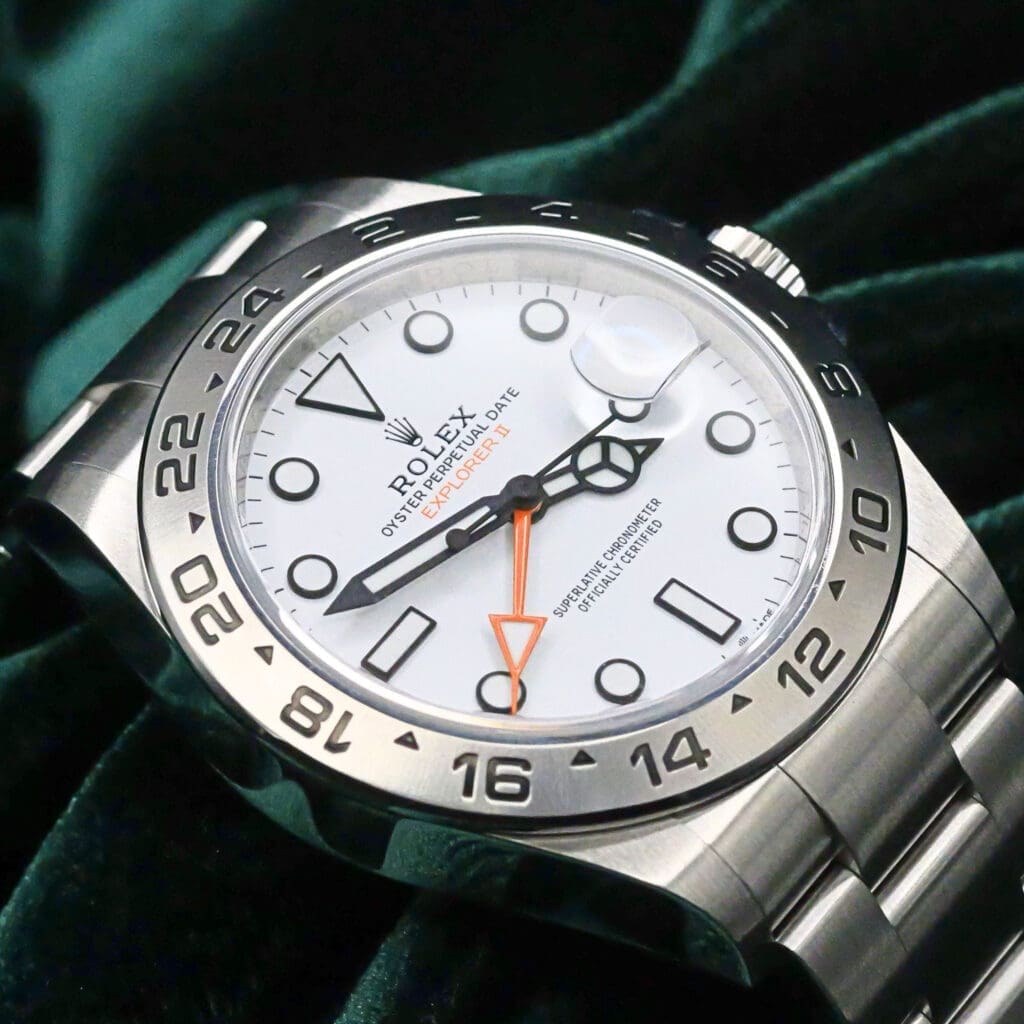
2026 NEW UNWORN Rolex Explorer II "Polar" White Dial Stainless Steel 42mm 226570

Rolex Explorer II “Polar” White Dial Stainless Steel 40mm MINT CONDITION COMPLETE SET 16570
Which Size Should You Get?
Most buyers do best with the Ranger 39 (79950) or the Explorer 40 (224270). The 36mm options work for wrists under 6.5″, but the 39mm and 40mm sizes are the safer default for everyone else. Both lines now offer a smaller and a larger case, and the right pairing depends more on wrist size and dress style than on brand.
For wrists under 6.5″: The Explorer 36 (124270) or Ranger 36 (79930) wear better. The Ranger 36 is slightly thinner (11mm vs 11.6mm) and sits flatter under a cuff, which is the main reason vintage-leaning buyers gravitated toward it at launch.
For wrists 6.5″–7.25″: Either size works on either watch. The Explorer 36 still wears comfortably here; the Ranger 39 is the most natural fit if you want some presence without going large.
For wrists over 7.25″: The Explorer 40 (224270) or Ranger 39 (79950) will look more proportional. The Explorer 40 is the larger of the two and the only Rolex sport watch other than the Yacht-Master available in two sizes.
A practical note: lug width matters for strap swaps. The Ranger 36’s 19mm lug is the odd one out in this group, so strap selection is thinner than at 20mm or 21mm. If you plan to swap straps regularly, the 79950 (20mm) or the Explorer 40 (21mm) give you the most options.
Which Watch Should You Choose?
Choose the Ranger if you’d rather save $4,000–$5,000 and don’t care about brand prestige; choose the Explorer if you want a watch that holds value close to retail and reads more refined. The technical gap between these two is small. The buying decision usually comes down to budget, brand, and how the watch fits your daily life.
Choose the Rolex Explorer if:
- Brand recognition matters and you want a watch that holds value close to retail
- You service through Rolex and want global parts and warranty support
- You prefer a refined dial: gloss black, applied gold markers, polished bevels
- You’re choosing between a 36mm with restraint or a 40mm with presence
Choose the Tudor Ranger if:
- You’d rather put $4,000–$5,000 saved into another watch or another aspect of life
- Matte, fully brushed, tool-watch finish is what you want
- You like the option of the Dune white dial; there’s no white-dial Explorer
- You service independently and don’t need brand-name service infrastructure
A simpler framing: if the watch’s role is “the Rolex I wear,” buy the Explorer. If the role is “my one good field watch,” the Ranger does the job for less and looks the part doing it.
Buyers also weigh the Explorer against the Oyster Perpetual when staying inside Rolex. That’s a separate decision and we’ve covered it on its own page.
Where to Buy Authentic Watches Online
There are a handful of legitimate channels for buying either of these watches pre-owned. Chrono24 is the largest aggregator and lets you filter by year, condition, and whether the seller offers buyer protection.
We’ve put together a separate walkthrough on what to watch for when buying on Chrono24 if you’ve never used it before.
eBay’s Authenticity Guarantee program covers both the Explorer and the Ranger and inspects the watch before it ships, which matters more on the Explorer side where fake Rolexes are common enough to know what to look for. Grailzee runs auction-format sales with a tighter focus on enthusiast-grade pieces.
Independent grey-market dealers and watch forums round out the rest of the supply, with the usual caveat that condition reporting varies a lot between sellers. We’ve laid out our broader framework for buying pre-owned luxury watches online if you want a wider perspective on the channels.
We also sell, buy, and trade luxury watches, and the reason clients work with us instead of buying off a marketplace listing is the layered communication before the purchase.
999+ Timepieces Available
Explore Our Timepieces
Authenticated, unworn, and ready to ship worldwide.
Rolex · Audemars Piguet · Patek Philippe · Omega · Cartier · Richard Mille · Hublot · Tudor
Newly Listed
Vacheron Constantin Overseas Silver Dial Black Rubber Strap Stainless Steel 41mm MINT CONDITION COMPLETE SET 4500V/110A-B126
$29,975.00
Panerai Luminor 1950 Equation of Time 8 Days GMT Brown Dial Brown Alligator Strap Titanium 47mm MINT CONDITION COMPLETE SET PAM00656
$13,199.00
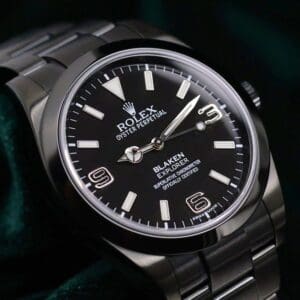
Rolex Explorer Blaken Black Dial Oyster Bracelet DLC Black Stainless Steel 39mm MINT CONDITION COMPLETE SET 214270
$16,000.00
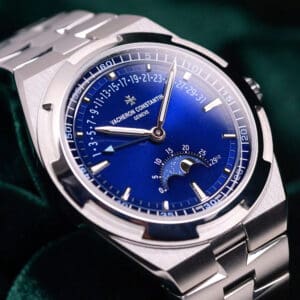
2025 Vacheron Constantin Overseas Moon Phase Retrograde Date Blue Dial Stainless Steel Bracelet 41mm MINT CONDITION COMPLETE SET 4000V/210A-B911
$52,800.00
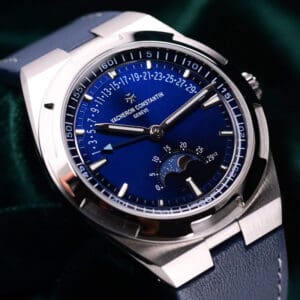
2025 Vacheron Constantin Overseas Moonphase Retrograde Date Blue Dial Blue Leather Strap Stainless Steel 41mm MINT CONDITION COMPLETE SET 4000V/210A-B911
$52,800.00
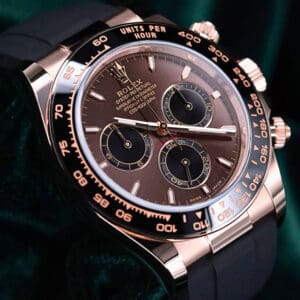
Rolex Cosmograph Daytona Chocolate Brown Dial Black Ceramic Bezel Black Subdials Black Oysterflex 18K Rose Gold 40mm MINT CONDITION 126515LN-0010
$58,396.00
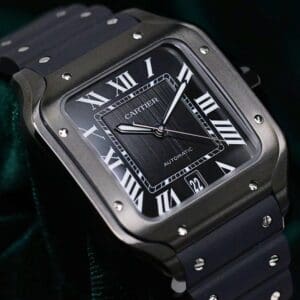
2026 Cartier Santos De Cartier Black Dial Black ADLC Stainless Steel Black Rubber Strap 39.8mm MINT CONDITION COMPLETE SET WSSA0039
$9,849.00
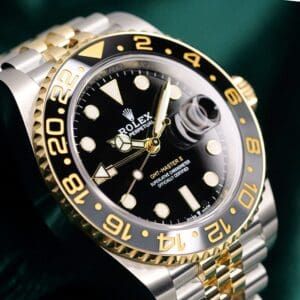
2026 Rolex GMT-Master II Zombie Black Dial Black/Grey Ceramic Bezel Jubilee Bracelet Two-Tone 18K Yellow Gold Stainless Steel 40mm MINT CONDITION COMPLETE SET 126713GRNR
$23,794.00
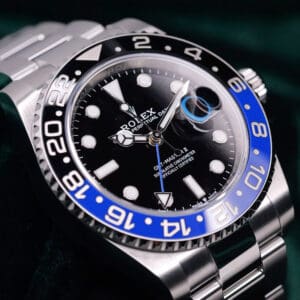
2026 Rolex GMT-Master II Batman Black Dial Black Blue Cerachrom Bezel Oyster Bracelet Oystersteel 40mm MINT CONDITION COMPLETE SET 126710BLNR
$19,735.00
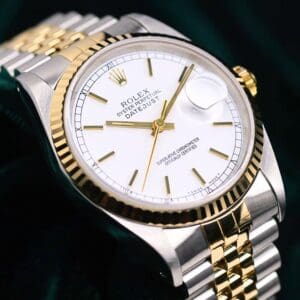
Rolex Datejust White Dial Fluted Bezel Jubilee Bracelet Two-Tone 18K Yellow Gold Stainless Steel 36mm MINT CONDITION 16233
$8,250.00
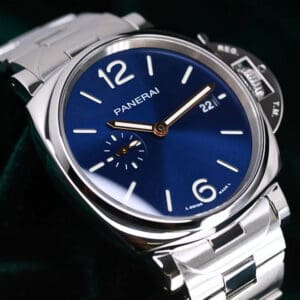
Panerai Luminor Due Blue Dial Stainless Steel 42mm MINT CONDITION COMPLETE SET PAM01124
$7,315.00
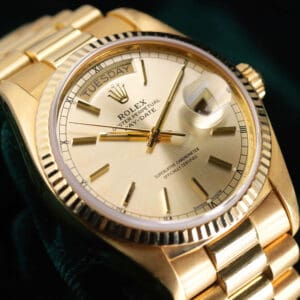
Rolex Day-Date Champagne Dial Fluted Bezel President Bracelet 18k Yellow Gold 36mm MINT CONDITION 18038
$25,849.00
Before you commit to a Ranger or an Explorer, we send tour videos of the actual watch on the wrist, detailed condition notes (case finish, bracelet stretch, dial age, original parts), and a real conversation with someone who has handled the piece. You’re not buying blind off a listing.
That’s reflected in our 4.9-star Google rating, which comes from clients who appreciate knowing exactly what they’re getting before the wire goes out.
The two newest references in this comparison are the ones we get the most buyer questions on: the Explorer 224270 (40mm) and the Ranger 79930 (36mm).
If you want a tour video, condition notes, and a real conversation about either one, or about the longer-running 124270 or 79950, reach out and we’ll help you source one based on what you’re after.
Closing Thoughts on Tudor Ranger vs Rolex Explorer
Both watches do the same job: small, legible, well-built, time-only field watches. The choice is brand, finish, and budget, in that order. The Explorer holds value and reads more refined. The Ranger costs less than half, looks more like a tool, and now offers a smaller case and a white dial the Explorer can’t match.
One bonus tip if you’re buying pre-owned: check the bracelet end-link fit before you wire. The Tudor T-fit clasp and the Rolex Easylink both show wear patterns there before they show on the case finish.
The right watch is the one you’ll reach for every morning. For most buyers, that’s the Ranger. For buyers who care about brand and resale, it’s the Explorer.
If you’re cross-shopping Tudor and Rolex more broadly, our Tudor Black Bay vs Rolex Submariner comparison covers the same trade-off in the dive watch category.