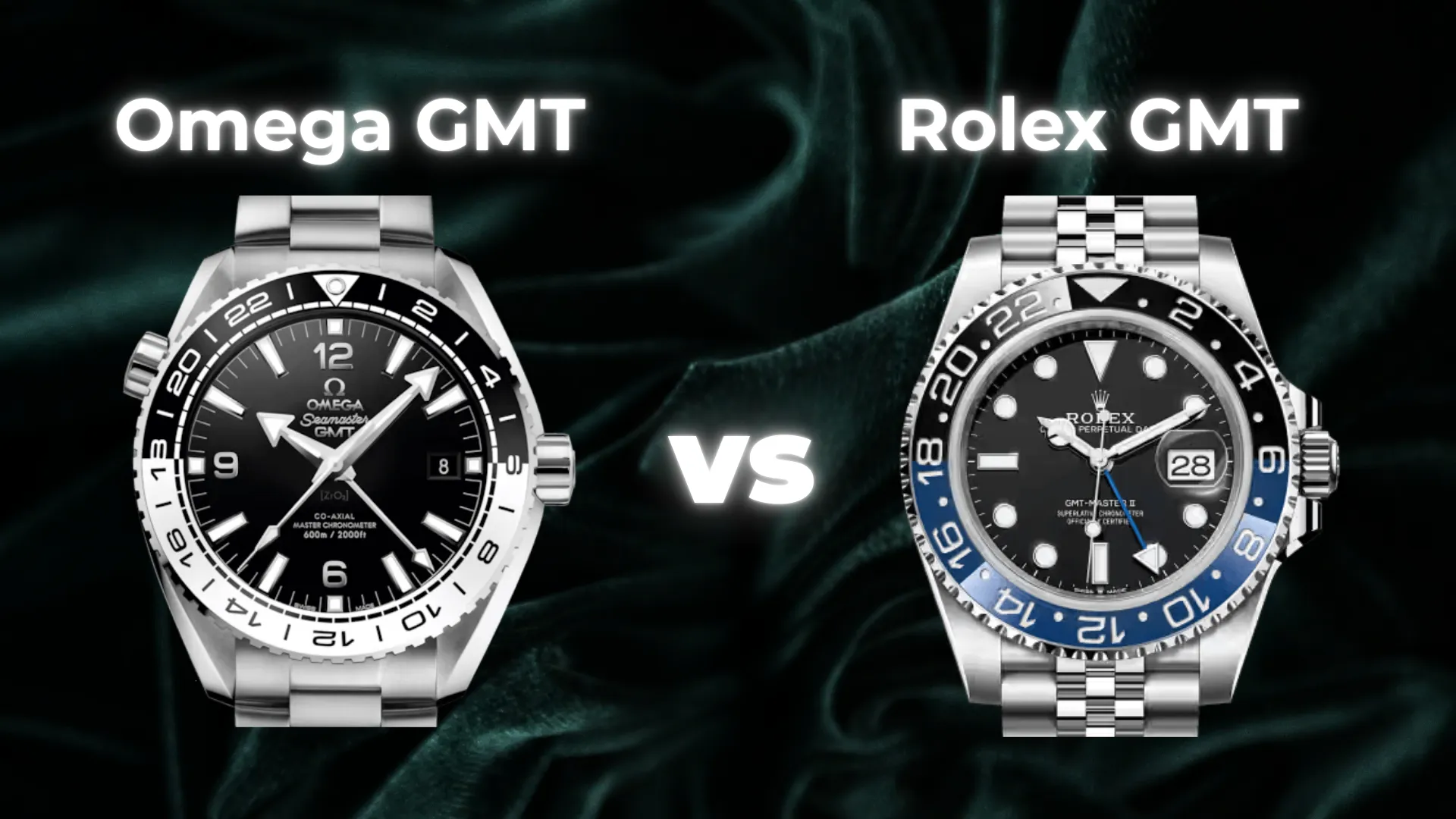

Buyers often end up comparing the Sea-Dweller and the GMT-Master II because both sit in Rolex’s professional lineup and promise real-world capability. In the sea dweller vs gmt discussion, the choice usually comes down to function rather than looks, especially once you start thinking about how you’ll actually use the watch.
Both are unmistakably Rolex tool watches, but they’re built for very different jobs. The Rolex Sea-Dweller was designed for extreme underwater use, while the Rolex GMT-Master II was created to track multiple time zones for pilots and travelers. That difference shapes everything from case size to daily comfort.
In this comparison, we’ll look at their history, core functions, wrist feel, durability, pricing, and who each watch is best suited for. The goal is to help you choose the Rolex that fits how you actually live with your watch and use it day to day.
Rolex Sea-Dweller Overview
The Rolex Sea-Dweller is a purpose-built dive watch created for professional saturation diving, where extreme depths and long periods underwater are routine. It was developed to go beyond what a standard dive watch could handle, prioritizing reliability and safety over everyday convenience.
A defining feature of the Sea-Dweller is its helium escape valve, which lets trapped gas exit the case safely during decompression. Combined with its 1,220-meter depth rating, this makes the watch suitable for environments most owners will never experience. That over-engineering is the point, and the Sea-Dweller is built to perform when conditions are harsh.
That focus shapes how it wears. At 43mm wide and 15.5mm thick, the case is larger and taller than most Rolex sports models, and it feels solid and serious on the wrist. You can wear it daily, but the Sea-Dweller never pretends to be slim or subtle. It’s a tool-first design.
For the full reference history and collector context, our Sea-Dweller buying guide goes deeper.
Notable Modern References
Rolex Sea-Dweller 126603 — Two-tone Rolesor version in Oystersteel and yellow gold, adding a dressier look while keeping the same case and depth rating.
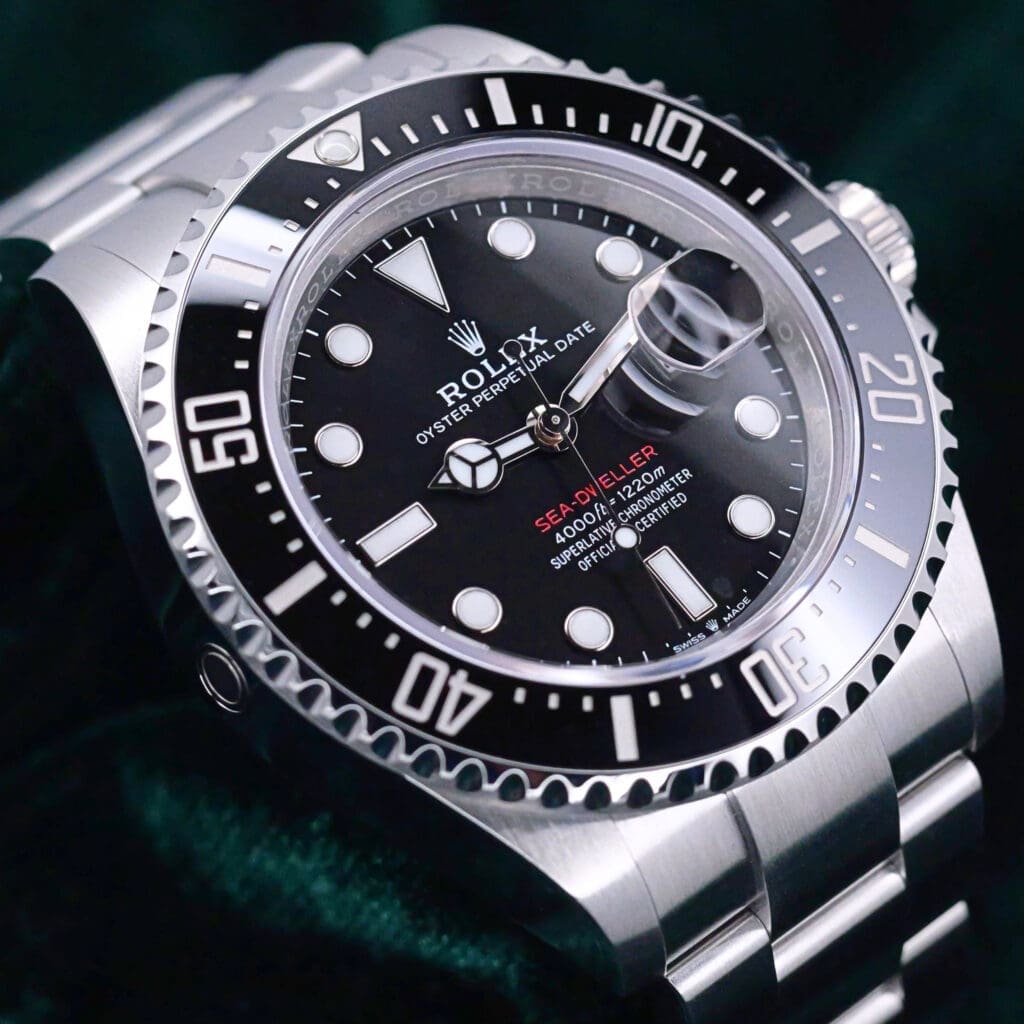
Rolex Sea-Dweller 126600 — 43mm steel case with the red “Sea-Dweller” text on the dial, a nod to the original Single Red Sea-Dweller from the late 1960s. This is the reference most buyers consider.

Key Features
- Reference: 126600 (steel) / 126603 (two-tone)
- Case: 43mm wide, 15.5mm thick
- Bezel: Black Cerachrom ceramic, unidirectional 60-minute dive scale
- Dial and lume: Black dial with large markers, Chromalight blue-glow lume
- Bracelet and clasp: Oyster bracelet with Oysterlock clasp and Glidelock fine-adjustment extension
- Movement: In-house Caliber 3235 automatic with roughly 70 hours of power reserve
- Water resistance: 1,220 meters / 4,000 feet
- 2026 retail price: Approximately $13,150 in the US after the January 2026 price adjustment
- Positioning: A pure tool watch, dive-first, designed for extreme environments rather than subtle daily wear
What About the Rolex Deepsea?
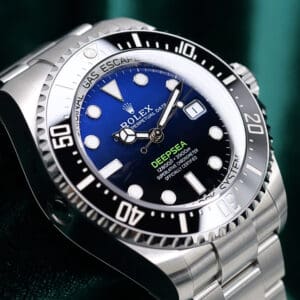
The Sea-Dweller 126600 is not the deepest watch in Rolex’s lineup. The Deepsea (ref. 136660, with the D-Blue James Cameron dial in 136660-0001) goes to 3,900 meters and adds a Ringlock case system. It also pushes the case to 44mm wide and noticeably thicker.


For most buyers, the Sea-Dweller 126600 already provides far more depth capability than they will ever use. The Deepsea trades daily wearability for spec sheet bragging rights you’ll never feel underwater. Unless you’re saturation diving, the 126600 is the more sensible end of the depth-rated Rolex range.
If you’re cross-shopping the two, our Sea-Dweller vs Deepsea breakdown covers the differences in detail.
Rolex GMT-Master II Overview
The Rolex GMT-Master II was designed for pilots and frequent travelers who needed a simple way to track more than one time zone at once. Its purpose is practical rather than extreme, focused on everyday usability instead of pushing technical limits.
What sets the GMT-Master II apart is its dual-time functionality. An extra 24-hour hand works with a rotating bezel to let you read a second time zone at a glance. The feature is easy to use in daily life, whether you travel often or just want to keep track of another location.
The current GMT-Master II is 40mm wide with a roughly 12mm-thick case, which makes it noticeably slimmer than the Sea-Dweller. It fits comfortably under a cuff and transitions easily between work, travel, and casual settings. For many owners, it’s the one-Rolex answer.
Our full GMT-Master II buying guide walks through the family history and reference-by-reference detail.
Current GMT-Master II Lineup
The GMT-Master II lineup looks different now than it did a year ago. Here’s what’s in the current Rolex catalog and what’s not.
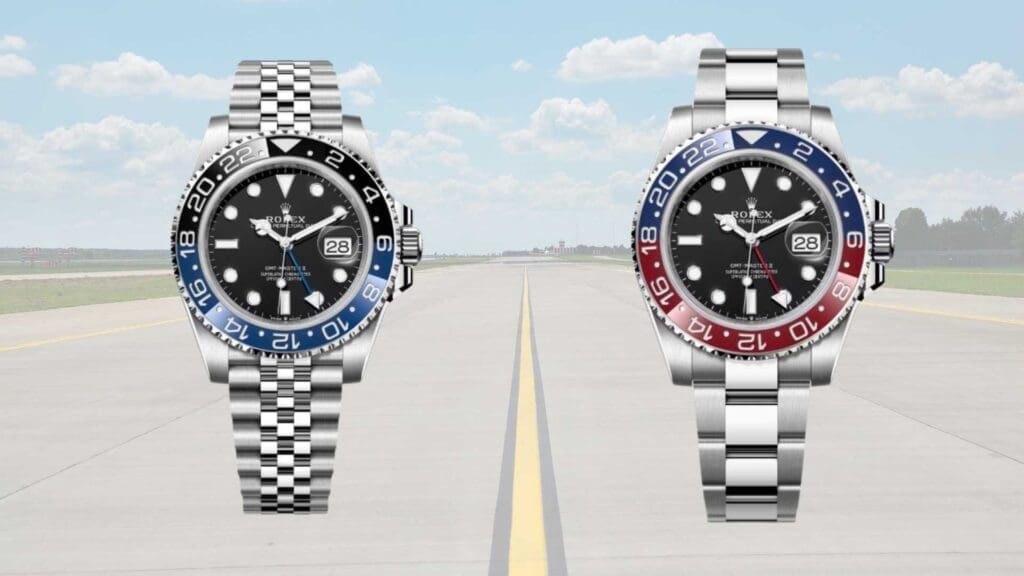
- Rolex GMT-Master II 126710BLNR — Known as the “Batman” on the Oyster bracelet and the “Batgirl” on the Jubilee. Black-and-blue Cerachrom bezel. Still in production.
- Rolex GMT-Master II 126710GRNR — Known as the “Bruce Wayne.” Black-and-grey Cerachrom bezel, launched at Watches & Wonders 2024. Available on both Oyster and Jubilee. This is the newest steel reference in the line.
- Rolex GMT-Master II 126720VTNR — Known as the “Sprite.” Left-handed (destro) crown configuration with a green-and-black bezel. The only left-handed option in the current GMT-Master II catalog.
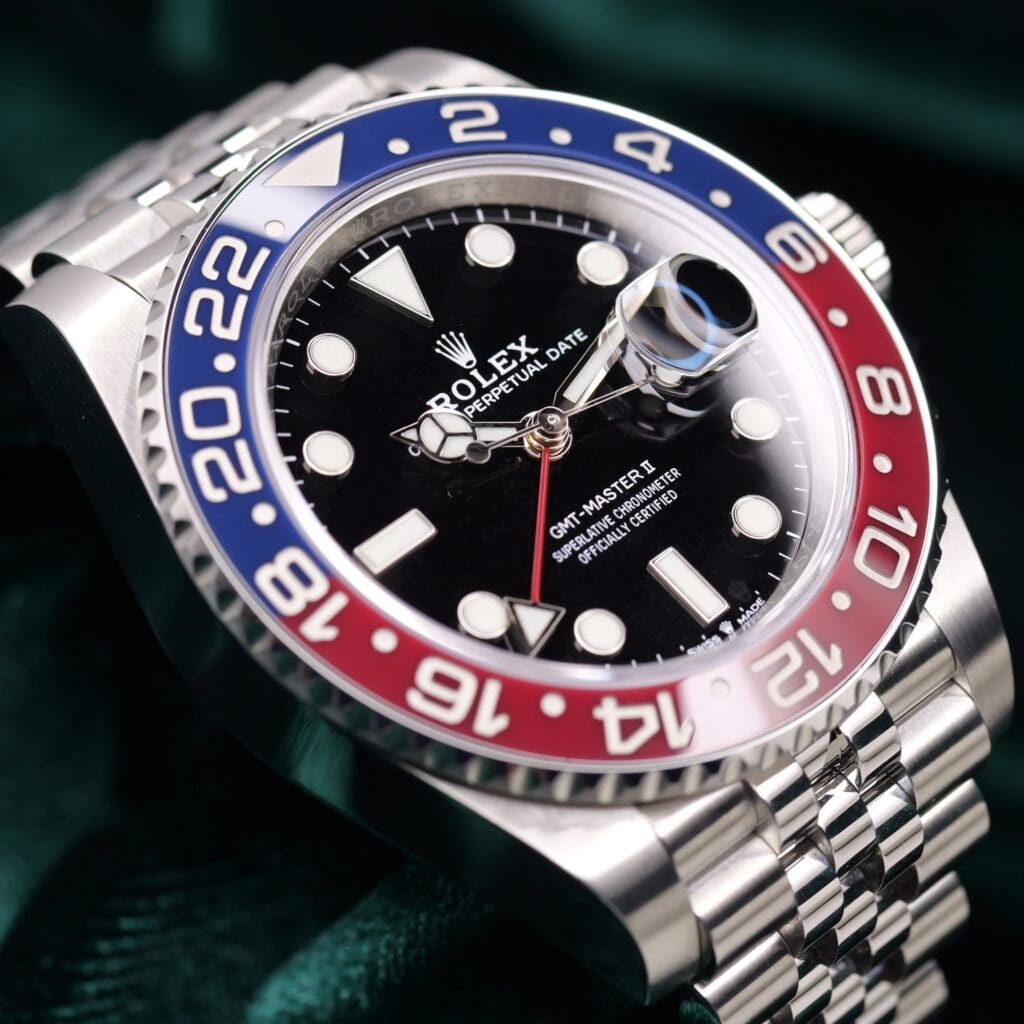
- Rolex GMT-Master II 126710BLRO (discontinued) — The “Pepsi” with the red-and-blue Cerachrom bezel. Rolex pulled this reference from the catalog at Watches & Wonders 2026 alongside the white-gold version (ref. 126719BLRO). No direct replacement was announced. More on the market fallout below.
Key Features
2026 retail price: Approximately $11,800 for the BLNR and BLRO; the Bruce Wayne sits slightly lower at roughly $11,100–$11,300 depending on bracelet
- Reference: 126710BLNR / 126710GRNR / 126720VTNR
- Case: 40mm Oystersteel, ~12mm thick
- Bezel: Two-color Cerachrom ceramic with 24-hour scale for second time zone tracking
- Dial and lume: Black dial with clear markers, Chromalight blue-glow lume
- Bracelet options: Oyster (three-link) or Jubilee (five-link), depending on configuration
- Movement: In-house Caliber 3285 automatic GMT with roughly 70 hours of power reserve
- Water resistance: 100 meters / 330 feet
- 2026 retail price: Approximately $11,800 for the BLNR and BLRO; the Bruce Wayne sits slightly lower at roughly $11,100–$11,300 depending on bracelet
- Positioning: A travel-focused tool watch that prioritizes versatility, comfort, and everyday wearability
What Changed in 2026: The Pepsi Discontinuation
This is the biggest reason the Rolex Sea-Dweller vs GMT-Master II decision looks different today than it did a year ago.
On the opening day of Watches & Wonders 2026, Rolex removed the GMT-Master II Pepsi from its catalogue without a press release or a named successor. The steel ref. 126710BLRO, the white gold ref. 126719BLRO, and the configurator option for a red-and-blue Cerachrom bezel all quietly vanished from rolex.com on April 14, 2026.
The Coke replacement that most of the industry expected never showed up. If you’re curious how a Coke might stack up against the Pepsi whenever it eventually arrives, we’ve laid out what to expect.
The market response was immediate. Chrono24 reported a 500% surge in purchase requests for the 126710BLRO in the first week of March alone, before the official discontinuation. Post-announcement, secondary market prices on the steel Pepsi have pushed past $30,000, with unworn examples climbing above $40,000.
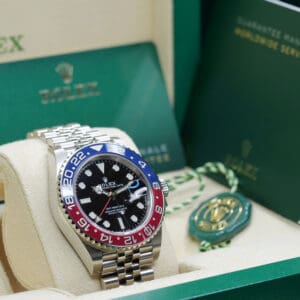
For buyers asking the Sea-Dweller vs GMT-Master II question today, three things changed:
- The steel red-and-blue GMT is no longer available at retail under any conditions, including authorized dealer waitlists. It only exists on the secondary market.
- The other current GMT-Master II references (Batman/Batgirl, Bruce Wayne, and Sprite) are getting more attention as the only color-bezel options left in production. The Batman is now the most available color-bezel steel GMT-Master II in the catalog.
- The price gap between the Sea-Dweller and the most-wanted GMT-Master II has widened dramatically. A year ago the gap was a few thousand dollars. Today, if you’re chasing a Pepsi, you’re looking at more than double what a steel Sea-Dweller costs.
None of this makes the GMT-Master II a bad buy. The Batman, Batgirl, and Bruce Wayne are excellent watches that do the same job the Pepsi did. It just means the decision now lives in a different price landscape depending on which GMT you want.
Sea-Dweller vs GMT-Master II: What Makes Them Different?
Short answer: the Sea-Dweller is built for extreme dive use and trades close to retail, while the GMT-Master II is built for tracking time zones and currently trades at significant premiums driven by the Pepsi discontinuation.
We focus on modern steel references here because that’s what most buyers consider. On paper, both are professional Rolex sports watches. In practice, they live very different lives on the wrist.
For the broader context on how every Rolex sports model fits together, our overall Rolex buying guide is the parent reference.
Purpose and Intended Use
The Sea-Dweller was built for saturation diving, where extreme depth and pressure are part of the job. It’s intentionally overbuilt, with features most owners will never need but some professionals rely on.
The GMT-Master II was designed for global travel. Its extra 24-hour hand and rotating bezel solve a common, everyday problem: tracking time across locations. One is about maximum capability, the other about daily usefulness, and it shapes how often each watch feels practical to wear.
Case Size and Wrist Presence
The Sea-Dweller is large, thick, and heavy. Its 43mm case and 15.5mm height give it serious wrist presence, which some buyers enjoy and others find tiring after long days. The crown guards and Glidelock clasp add to the visual mass.
The GMT-Master II wears slimmer at 40mm wide and roughly 12mm thick. The lighter feel and lower profile make it easier to wear for extended periods, especially under a cuff or at a desk. Comfort is where many buyers start leaning one way or the other.
Bezel Function and Practicality
The Sea-Dweller’s bezel is a dive timer, built to track elapsed minutes underwater. For most owners, it’s rarely used outside of occasional cooking or parking timing.
The GMT-Master II’s bezel tracks a second time zone, which many owners use daily even without frequent travel. Rotating it feels more interactive and practical, which makes the function part of regular wear rather than a backup feature.
Dial Layout and Readability
The Sea-Dweller’s dial is clean and tool-focused. Large markers, bold hands, and minimal information keep it easy to read in any condition. The red “Sea-Dweller” text on the 126600 is the only color on the dial.
The GMT-Master II adds an extra hand and a 24-hour scale, which puts more information on the dial without sacrificing clarity. It’s still easy to read, but visually busier. Some buyers like the added function, others prefer the Sea-Dweller’s simplicity.
Movement: Caliber 3235 vs Caliber 3285
The Sea-Dweller runs the Caliber 3235, Rolex’s standard time-and-date workhorse that’s also used in the Submariner Date. The GMT-Master II uses the Caliber 3285.
The 3285 adds the local-hour jumping function, so you can change time zones during travel without stopping the seconds hand. Both calibers use Rolex’s Chronergy escapement and carry the brand’s Superlative Chronometer rating of +2/-2 seconds per day, which is twice as tight as standard COSC certification.
Our breakdown of Rolex’s in-house movements covers how the family fits together.
Bracelet, Clasp, and Everyday Comfort
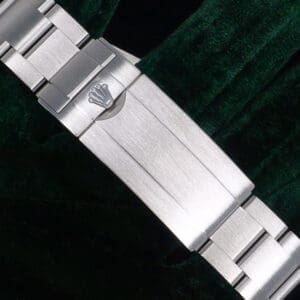
Both watches use Rolex’s Oyster bracelet with a secure clasp, but the adjustment systems differ. The Sea-Dweller has the Glidelock extension, which lets you fine-tune bracelet length without tools, useful if your wrist swells in heat or after a workout.
We cover the full Easylink vs Glidelock breakdown in a separate guide.
The GMT-Master II uses the simpler Easylink extension on the Oyster, or the five-link Jubilee on the Batgirl and one of the Bruce Wayne variants. If you’re torn between the two bracelet styles, we walk through Jubilee vs Oyster in detail elsewhere.
The Sea-Dweller’s mass is noticeable, especially over long wear. The GMT-Master II feels lighter and better balanced, which reduces wrist fatigue.
Price and Market Demand in 2026
Price is where the Sea-Dweller and GMT-Master II clearly separate, and after the Pepsi discontinuation, the gap is wider than it has been in years.
The Rolex Sea-Dweller 126600 currently retails for around $13,150 in the US following the January 2026 price increase. On the secondary market, clean examples on Chrono24 typically sit between $13,000 and $15,500 depending on age, condition, and whether the full set is included.



Per WatchCharts data, the Sea-Dweller 126600 took a median of 21 days to sell in March 2026, faster than 85% of watches on the market. That’s solid liquidity without speculative pressure.
The GMT-Master II story is different for every reference in 2026:
- Batman / Batgirl (126710BLNR): Retail roughly $11,800. Secondary market typically $16,000–$20,000+, with the Batgirl trading at a slight premium over the Batman because of Jubilee bracelet demand.
- Bruce Wayne (126710GRNR): Retail roughly $11,100–$11,300. Secondary market $19,000–$23,000+. Trading roughly 66% above retail per WatchCharts. If you’re weighing it as a substitute now that the Pepsi is out of the catalog, our Pepsi vs Bruce Wayne breakdown goes through the trade-offs.
- Pepsi (126710BLRO, discontinued): No longer available at retail. Secondary market well above $30,000 for clean examples and pushing past $40,000 for unworn full sets. This is the reference driving most of the conversation in 2026, and our Rolex Pepsi buying guide covers the reference history in full.
The Sea-Dweller is priced like a serious tool watch you can buy and wear today. The GMT-Master II behaves like a high-demand Rolex icon, where availability and the Pepsi-driven market reshape the cost of the entire family.

Sea-Dweller vs GMT-Master II: Quick Side-by-Side Comparison
This table puts the Sea-Dweller and GMT-Master II next to each other so you can quickly see how they differ in purpose, size, pricing, and overall personality.
| Feature | Rolex Sea-Dweller | Rolex GMT-Master II |
| Reference | 126600 | 126710BLNR / 126710GRNR / 126720VTNR |
| Primary purpose | Professional saturation diving | Travel and multiple time zones |
| Case size | 43mm wide, 15.5mm thick | 40mm wide, ~12mm thick |
| Case feel on wrist | Thick, heavy, very solid | Slimmer, lighter, more balanced |
| Bezel function | Dive timing (elapsed minutes) | Second time zone tracking |
| Movement | Caliber 3235 automatic | Caliber 3285 automatic GMT |
| Water resistance | 1,220 meters / 4,000 feet | 100 meters / 330 feet |
| 2026 retail price (US) | ~$13,150 | ~$11,100–$11,800 |
| 2026 secondary market | ~$13,000–$15,500 | ~$16,000–$23,000 (or $30,000+ for the discontinued Pepsi) |
| Overall personality | Overbuilt, dive-first tool watch | Versatile, travel-focused daily watch |
Should You Buy the Sea-Dweller or the GMT-Master II?
Both watches are built as serious tools, but they suit very different owners. The right choice depends on how you plan to wear the watch once, and, in 2026, how patient you are with market pricing.

Choose the Sea-Dweller If:
- You want a true professional dive watch designed for extreme underwater use.
- You prefer maximum durability and don’t mind a thicker, heavier 43mm watch.
- You enjoy the feel of large, solid tool watches that prioritize strength over subtlety.
- You’d rather buy a Rolex close to retail than chase a market premium.
Choose the GMT-Master II If:
- You travel often or regularly need to track another time zone.
- You want one Rolex that works in most situations, from meetings to weekends.
- You value comfort and a slimmer 40mm case over extreme depth ratings.
- You’re open to paying above retail on the secondary market, especially for the more colorful bezel options.
The Sea-Dweller is about capability. The GMT-Master II is about daily usability. One practical note before shopping: if you’re set on a specific GMT-Master II reference, decide your maximum budget before you start. The post-Pepsi market is moving fast, and chasing prices upward is a quick way to overpay.
Where to Buy a Sea-Dweller or GMT-Master II Online
There are a handful of legitimate online channels for buying a Sea-Dweller or GMT-Master II.
Chrono24 is the largest international marketplace, with thousands of listings from dealers and private sellers, and a buyer protection program that escrows funds until you confirm the watch is as described. If you’ve never bought there before, what to watch for on Chrono24 is worth a read first.
eBay carries similar inventory and runs an Authenticity Guarantee program on listings over a certain price, which inspects the watch before it reaches you.
Grailzee is a US-based auction platform focused on watches, useful if you want to bid on a specific reference rather than browse fixed listings. Watch forums like Rolex Forums and WatchUSeek have classifieds sections too, though those are private-party sales without marketplace protections.
We also sell, buy, and trade luxury watches at Majestix Collection. The reason clients work with us instead of going through a big marketplace is the layer of communication that happens before you commit.
We send tour videos of the watch you’re considering, walk you through condition notes, and have a real conversation about whether the specific Sea-Dweller or GMT-Master II in front of you matches what you’re looking for.
You’re not buying blind off a stock photo, and you’re not paying premium markups for a watch you’ve never seen in motion. That approach is reflected in our 4.9-star Google rating, from clients who valued having someone on the other end who’d handled the watch in person.
If you’d rather take a look first, browse our available watches to see what’s in stock now.
If you want that kind of walkthrough on a specific Sea-Dweller 126600 or one of the current GMT-Master II references, reach out and we’ll line up options that match your budget and preferences.
Final Thoughts on Sea-Dweller vs GMT-Master II
The Sea-Dweller vs GMT-Master II decision isn’t about which Rolex is better. It’s about which function fits your daily life, and the 2026 market reality has made that distinction sharper than ever.
The Sea-Dweller makes sense if you value the depth rating and overbuilt construction, and you can buy it without paying a large premium. The GMT-Master II will feel easier to live with if tracking time across places matters more.
One bonus tip: try both on before you commit. The 3mm size difference reads bigger in person than on paper, and a Sea-Dweller that looked perfect online can feel oversized on a 6.5-inch wrist.
999+ Timepieces Available
Explore Our Timepieces
Authenticated, unworn, and ready to ship worldwide.
Rolex · Audemars Piguet · Patek Philippe · Omega · Cartier · Richard Mille · Hublot · Tudor
Newly Listed
2026 NEW UNWORN Rolex Deepsea "James Cameron" D-Blue Black and Blue Dial Black Ceramic Bezel Stainless Steel 44mm COMPLETE SET 136660-0005
$20,208.00
Panerai Luminor Marina 1950 3 Days Limited Edition Black Sandwich Dial Stainless Steel Black Rubber Strap 47mm MINT COMPLETE SET PAM00422
$7,503.00
Panerai Luminor Marina 1950 3 Days Black Dial Stainless Steel Brown Leather Strap 47mm LIMITED EDITION MINT CONDITION COMPLETE SET PAM00422
$7,503.00
Cartier Santos-Dumont Micro-Rotor Skeleton Dial Black Alligator Strap 18k Rose Gold 43.5 x 31mm MINT CONDITION COMPLETE SET WHSA0030
$40,425.00
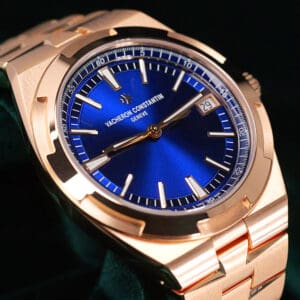
2026 Vacheron Constantin Overseas Blue Dial 18k Rose Gold 41mm MINT CONDITION COMPLETE SET 4520V/210R-B705
$72,764.00
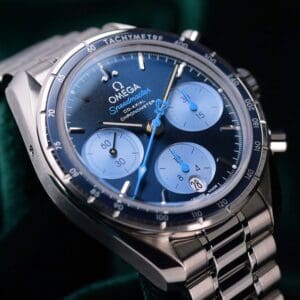
Omega Speedmaster 38 Orbis Edition Blue Dial Stainless Steel 38mm MINT CONDITION COMPLETE SET 324.30.38.50.03.002
$6,599.00
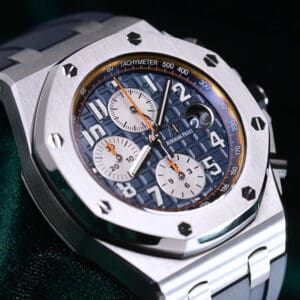
Audemars Piguet Royal Oak Offshore Chronograph “Navy” Blue Dial Orange Accents Blue Rubber Strap Stainless Steel 42mm MINT CONDITION COMPLETE SET 26470ST.OO.A027CA.01
$22,245.00
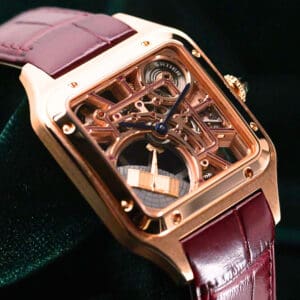
Cartier Santos-Dumont Micro-Rotor Skeleton Dial 18K Rose Gold Burgundy Alligator Strap 31mm MINT CONDITION COMPLETE SET WHSA0030
$40,425.00
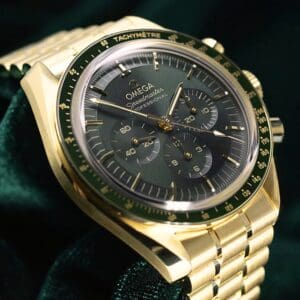
Omega Speedmaster Professional Moonwatch "Moonshine" Green Dial 18K Yellow Gold 42mm MINT CONDITION COMPLETE SET 310.60.42.50.10.001
$35,695.00
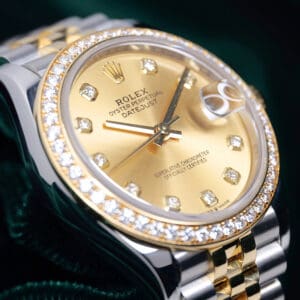
Rolex Datejust 31 Champagne Diamond Dial Diamond Bezel Jubilee Yellow Gold & Stainless Steel 31mm MINT CONDITION COMPLETE SET 278383RBR
$31,990.00
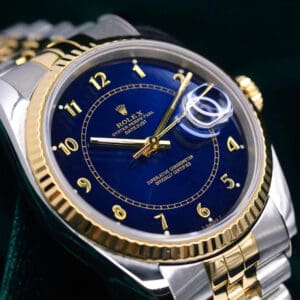
Rolex Datejust Blue Arabic Numeral Refinished Dial Fluted Bezel Jubilee Bracelet 18k Yellow Gold Stainless Steel 36mm MINT CONDITION 16233
$7,975.00
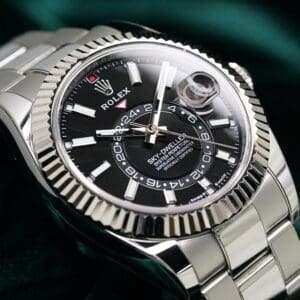
2025 Rolex Sky-Dweller Bright Black Dial 18k White Gold Fluted Bezel Stainless Steel Oyster Bracelet 42mm MINT CONDITION COMPLETE SET 336934
$22,895.00