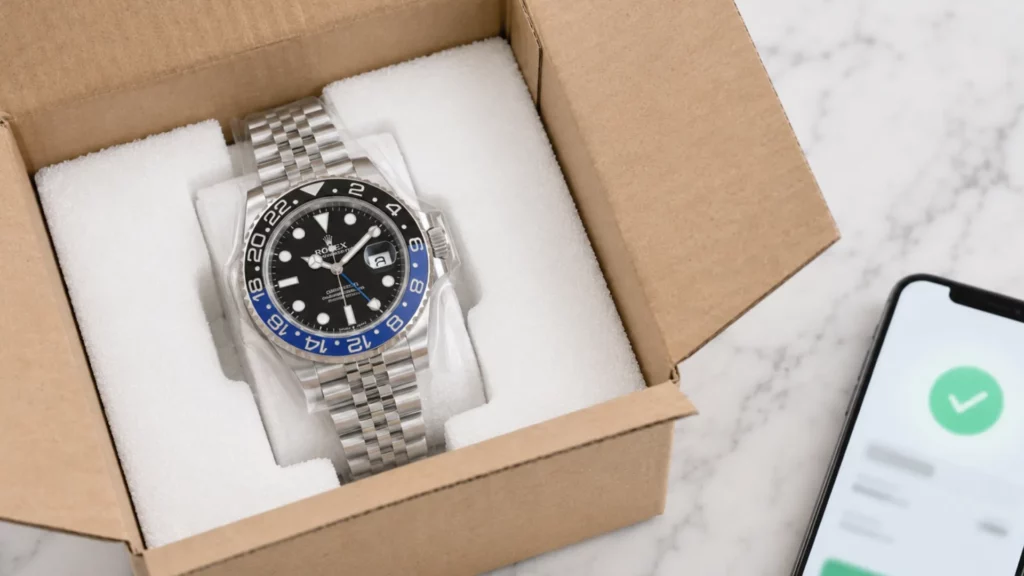
You found the watch. The photos look clean, the price seems fair, and the seller has a few reviews. So why does clicking “Buy” still feel like a gamble?
Buying a watch on Chrono24 is safe when you know how to use the platform correctly. The site has hundreds of thousands of active listings, but the sellers behind them range from vetted dealers to private individuals with one watch to sell. Who you buy from changes the rules.
Most guides walk you through how the platform works. This one shows you how to buy on Chrono24 the way a dealer does.
What Is Chrono24?
Chrono24 is the largest place online to buy and sell pre-owned and new luxury watches. It launched in Germany in 2003 and now hosts 530,000 to 560,000 active listings, connecting buyers with professional dealers and private sellers in over 100 countries.
Chrono24 is not a retailer. It doesn’t own the watches listed on the site. The platform is a marketplace and escrow service that holds the buyer’s payment until delivery is confirmed and the inspection window passes. Chrono24 earns a 6.5% commission from sellers on completed sales.
The seller mix is what matters most for buyers. The majority of listings come from professional watch dealers, including authorized retailers and pre-owned specialists. The remainder comes from private sellers, individuals selling one watch from their personal collection. The protections you get and the price you pay depend on which side of that line your seller sits on.
If you want to step back and see how Chrono24 fits next to authorized dealers, grey market sellers, and other marketplaces, our guide to where to source a pre-owned watch covers each channel side by side.
8 Steps to Buy a Watch on Chrono24 Safely

The biggest mistake first-time buyers make is falling for a listing before checking who’s selling it. Follow these steps to avoid the most common issues buyers face.
1. Qualify the Seller Before the Listing
Pull up the seller’s profile before you look at the watch. Look at four things:

Chrono24 has two badges worth understanding. The Trusted Seller badge means Chrono24 has verified the dealer’s trade license, business address, and tax number. The Certified badge on a listing means a contracted watchmaker physically inspected and authenticated that specific watch before it went live.
The Certified badge is watch level. The Trusted Seller badge is dealer level.
Review count and rating come straight from buyers, which makes them the most honest signal on the page. A dealer with 400+ reviews and a 4.8 rating who has been active since 2012 is a very different proposition from someone who registered last year with 11 reviews. Also, check how recent the reviews are. A cluster of old five-stars and nothing in the past year is a red flag.
Walk away if you see any of these:
- Fewer than 10 reviews on a new account
- No business address on the seller profile
- Photos that look copied from another source rather than taken by the seller
For a sense of what a fully vetted profile looks like in practice, here’s our Chrono24 dealer profile. It meets all four criteria above.
2. Choose Between a Dealer and a Private Seller
This distinction determines your legal protections. Here’s what changes.
| Factor | Professional Dealer | Private Seller |
| Escrow availability | Almost always | Sometimes |
| 14-day return right | Yes, legally required | Not required |
| Authenticity guarantee cap | Up to $60,600 lifetime | Not covered |
| Accountability | Trade license on file | ID verification only |
| Price expectation | Usually higher | Often lower |
The $60,600 lifetime authenticity guarantee cap is a hard ceiling most buyers never read. If you’re buying a Patek Nautilus 5711 or AP Royal Oak 15202 at $40,000+, you’re already above the annual cap for non-trusted sellers, around $9,100 per year.
Private sellers can offer better prices. A lightly used Omega Speedmaster Professional from a private seller often sits $300 to $600 below dealer asking. For a first purchase, the small price premium of going through a trusted seller is worth the added protection. If you’re also weighing Chrono24 dealers against buying from an authorized dealer or the grey market, our breakdown of authorized dealers vs the grey market walks through the differences.
3. Read the Listing Like a Dealer Would
A legitimate listing has 8 to 10 photos: dial, caseback, bracelet, clasp, crown, crystal at an angle, and any visible wear. Three dial shots and nothing else isn’t shyness. It’s hiding something.
Read the condition description carefully. “Excellent” means nothing. Look for specifics: “light scratching on the case at 4 o’clock,” “bracelet shows some stretch at the center links,” “crystal scratch-free.” A seller who knows their watch describes it precisely. Vague condition language is a signal to keep looking. If you want a clearer sense of what each grade actually implies, our breakdown of how watch condition grading really works covers the standard terms and what to look for behind each one.
Before focusing on the listed price, compare it with what similar watches have actually sold for on Chrono24, not just what other sellers are asking. If a watch is priced 15% to 20% below recent sold examples, it is worth checking more carefully. If it is around 30% below market value, there is usually a reason, such as condition issues, aftermarket parts, missing details, or other concerns that need to be verified before buying.
Box and papers matter for resale. On a Rolex Submariner or Omega Seamaster, a complete set (original box, warranty card, hang tag) adds $500 to $2,000 to your recovery when you eventually sell. Always ask before assuming.
4. Use the Right Search Filters
When searching for a watch, filter by “Chrono24 Payment” to show only listings where Chrono24 handles the transaction through their escrow account. This is a holding account where your funds are secured until delivery is confirmed. Listings without this filter require direct payment to the seller, with no Chrono24 intermediary in the middle of the transaction.
That’s not automatically risky with a highly-rated dealer, but Chrono24 can’t help you if something goes wrong. For a first purchase, only buy through escrow.
Two other search tools worth knowing:
- Price alert. Notifies you when a specific reference hits your target.
- Listing date filter. Shows watches that have been sitting. A Tudor Black Bay 58 listed for 90 days is a negotiating signal. A freshly listed Rolex GMT-Master II 126710BLNR typically sells within days.
5. Know How the Escrow and Fees Work

The money goes to Chrono24, which holds it in escrow until you confirm receipt. The seller ships, you receive, and you have 14 days (for a dealer purchase) or 7 days (for a private seller purchase) to inspect the watch before funds release. If something is wrong, contact Chrono24 support before the window closes..
Do not hit “Confirm Delivery” the moment the package lands. That button releases funds immediately. The 14-day window exists because you need time to look at the watch properly.
Take it to a watchmaker or authorized service center if you have any doubts. Regulars on r/Watches and Watchuseek consistently flag the inspection window as the biggest first-timer trap, especially on purchases above $3,000. Do not skip it because the listing looked clean.
How funds actually release after delivery can vary based on the seller’s badge status and whether you’ve manually confirmed delivery. Don’t assume your funds are still held just because you haven’t clicked “Confirm Delivery.” Check the order status before you open the box, and treat the full inspection window as your safety net.
What you pay on Chrono24:
Buyers pay nothing to transact on Chrono24. The platform earns a 6.5% commission from the seller on completed sales, and the escrow service is free for both parties.
The one exception is the optional Chrono24 certified authentication service for private seller listings, which costs $249 (€199 in Europe) and is paid by the buyer. For a private seller purchase above $5,000 or so, it’s worth it.
Payment methods accepted:
- Credit card
- Bank transfer
AmEx cardholders may see a small surcharge to offset Chrono24’s higher processing fee with that network.
6. Factor in Shipping and Customs Costs
Ask the seller for the declared value on the shipment before confirming the purchase. If a seller offers to undervalue the package to lower your import duty, refuse. Undervaluing voids your shipping insurance and could get you in trouble if customs opens the box.
Import duty depends on where you’re buying and where the watch is shipping from:
- US buyers, importing from outside the country: Every watch now faces duties.
- EU buyers, purchasing within the EU: No duty.
- EU buyers, importing from a non-EU country: Both customs fees and local VAT apply.
The US picture changed in August 2025 when the $800 duty-free threshold was eliminated. The base rate on most wristwatches runs around 6.5 to 7% plus any country-specific tariffs in effect. For any cross-border purchase, get a landed-cost quote from the seller before confirming.
Ask for a fixed shipping quote before committing. Fully insured shipping on a $10,000 watch from Europe to Asia runs $80 to $150 depending on the carrier. Chrono24 requires dealers to ship insured but only verifies the tracking number. The insured amount is on the seller’s word. Confirm both before the watch leaves the seller.
Build the transit time into your planning. Domestic purchases typically arrive in 3 to 7 days. International shipments usually take 7 to 14 business days, and cross-border orders can get held up at customs, which eats into your inspection window. For international purchases, factor in shipping before you start counting the 14 days.
7. Inspect the Watch Before Releasing Funds
When the package arrives, photograph the outer packaging, inner packaging, and the watch itself before opening anything. This protects you if a damage claim ever comes up.
Then check these six things before touching the confirm button.

If something is wrong, email Chrono24 support with clear photos before the return window closes. A return may be accepted if the watch is not as described, such as undisclosed damage, incorrect parts, or missing items from the listing. A simple change of mind usually does not qualify.
If the watch turns out to be fake: Do not release escrow funds. Photograph the packaging, the watch, and anything that doesn’t match the listing. Contact Chrono24 support immediately with photos.
Chrono24’s authenticity guarantee covers dealer purchases up to $60,600 per person lifetime and will initiate a return and refund. For purchases above that cap, or for private seller transactions not covered by the main guarantee, buying through escrow still gives you leverage because your funds haven’t moved yet.
8. Negotiate the Right Way on Chrono24

Private sellers expect negotiation. Opening 5 to 10% below asking is normal. Use the Chrono24 Messenger to start the conversation rather than the formal offer system. A message that shows you’ve read the listing closely gets a better response than a bare price request. Ask about service history, whether original links are included, or the condition of the clasp.
Professional dealers have tighter margins but will often move on watches listed for 60+ days. The listing date is visible on every page. A watch sitting for three months is not moving at that price, and the seller knows it.
Advice from Rolex Forums is worth considering here. Avoid making a very low offer to a dealer with a clean listing and strong reviews. You’ll get ignored. Show genuine interest in the watch, ask smart questions, and make a reasonable offer. Dealers respond to buyers who clearly know what they’re looking at. If you want a fuller playbook before sending an offer, our guide to negotiating watch prices covers the wording, timing, and limits that actually work.
Final Thoughts on Buying a Watch on Chrono24
Buying a watch on Chrono24 can be a safe option when you take the right precautions. For a first purchase, look for a Trusted Seller with 100+ reviews, choose a Certified listing where available, and keep payment inside Chrono24’s escrow system.
Before paying, screenshot the full listing page so you have a record of the description, photos, accessories, and condition notes. For higher-value purchases, especially above $5,000, it is also worth checking the serial number through The Watch Register before you commit.
The main point is simple: do not rely on the platform alone. Check the seller, verify the watch, document the listing, and inspect everything before releasing funds.
If you want a more guided buying process, Majestix Collection can help you compare specific references, review condition details, and source the right watch for you with full videos and clear notes before you make a decision.
Available at Majestix Collection
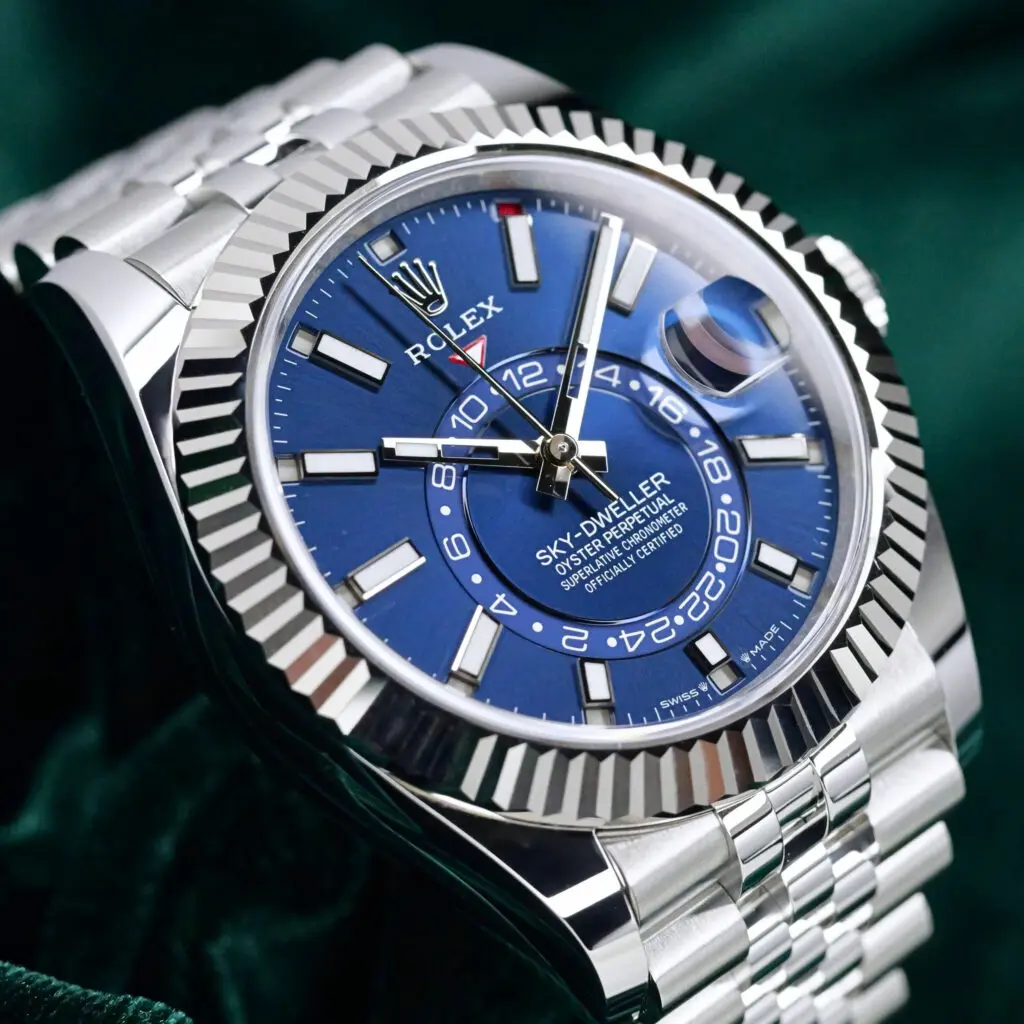
2026 NEW UNWORN Rolex Sky-Dweller Bright Blue Dial 18K White Gold Fluted Bezel Jubilee Bracelet Stainless Steel 42mm COMPLETE SET 336934-0006

Richard Mille RM 67-02 "Sprint" Wayde van Niekerk 38.7mm Skeleton Dial Green Yellow Quartz TPT Green Elastic Strap MINT COMPLETE SET RM 67-02
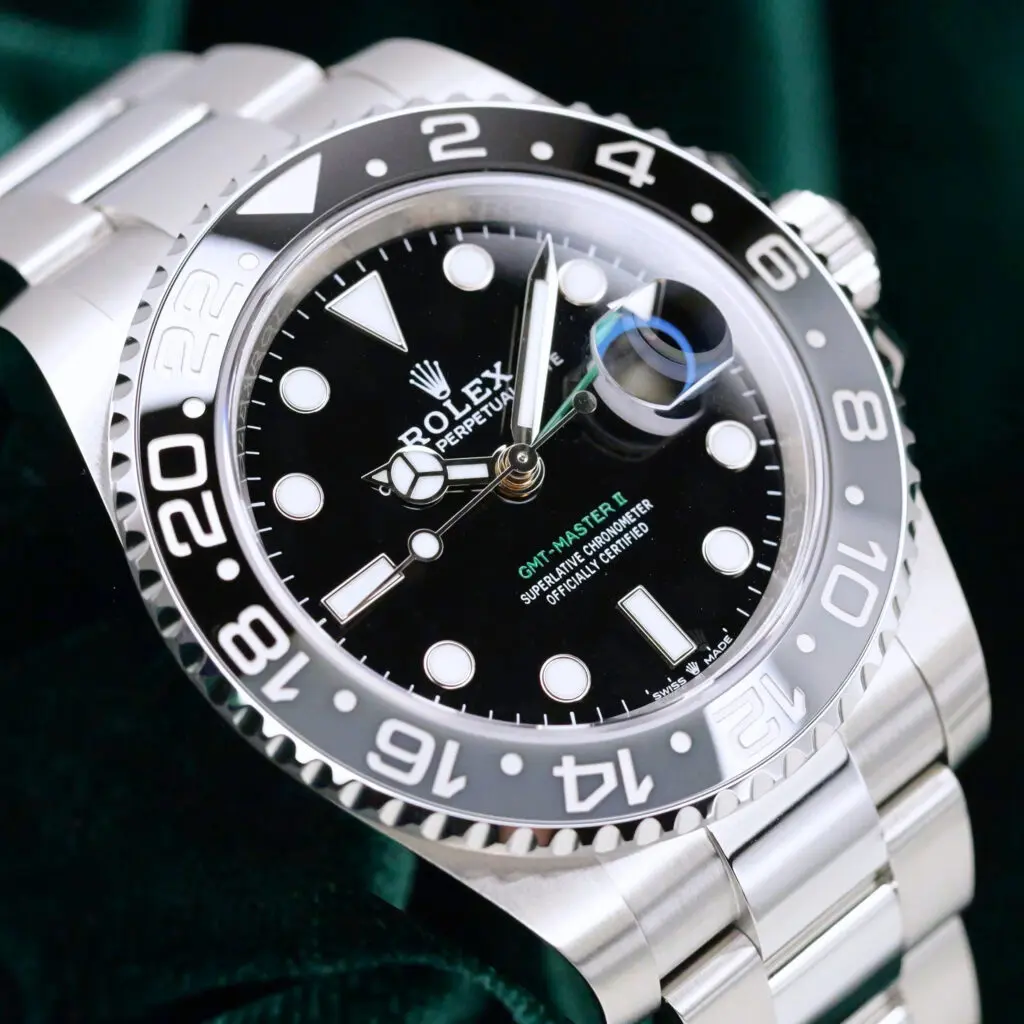
2026 NEW UNWORN Rolex GMT-Master II Bruce Wayne Black Dial Grey and Black Ceramic Bezel Stainless Steel Oyster Bracelet 40mm COMPLETE SET 126710GRNR-0004
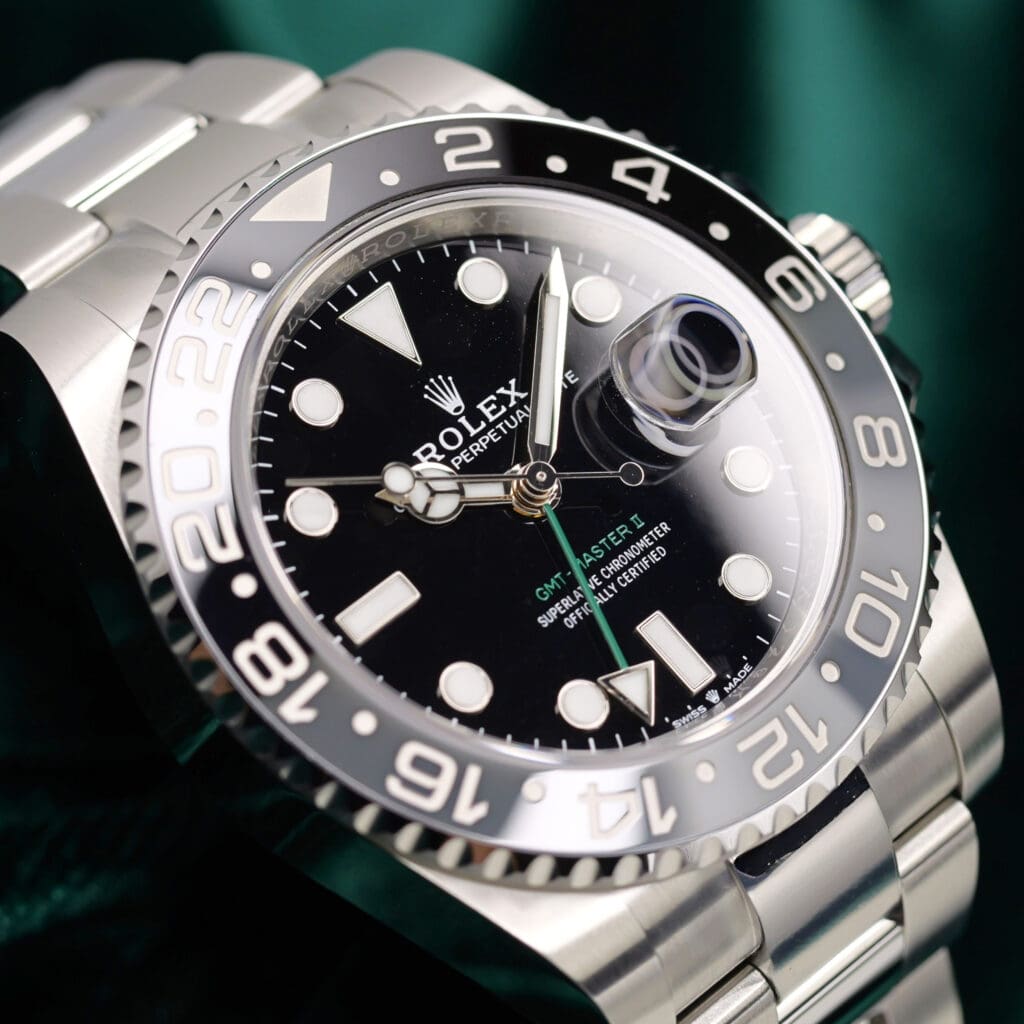
Rolex GMT-Master II Bruce Wayne Black Dial Grey and Black Ceramic Bezel Stainless Steel Oyster Bracelet 40mm MINT CONDITION COMPLETE SET 126710GRNR
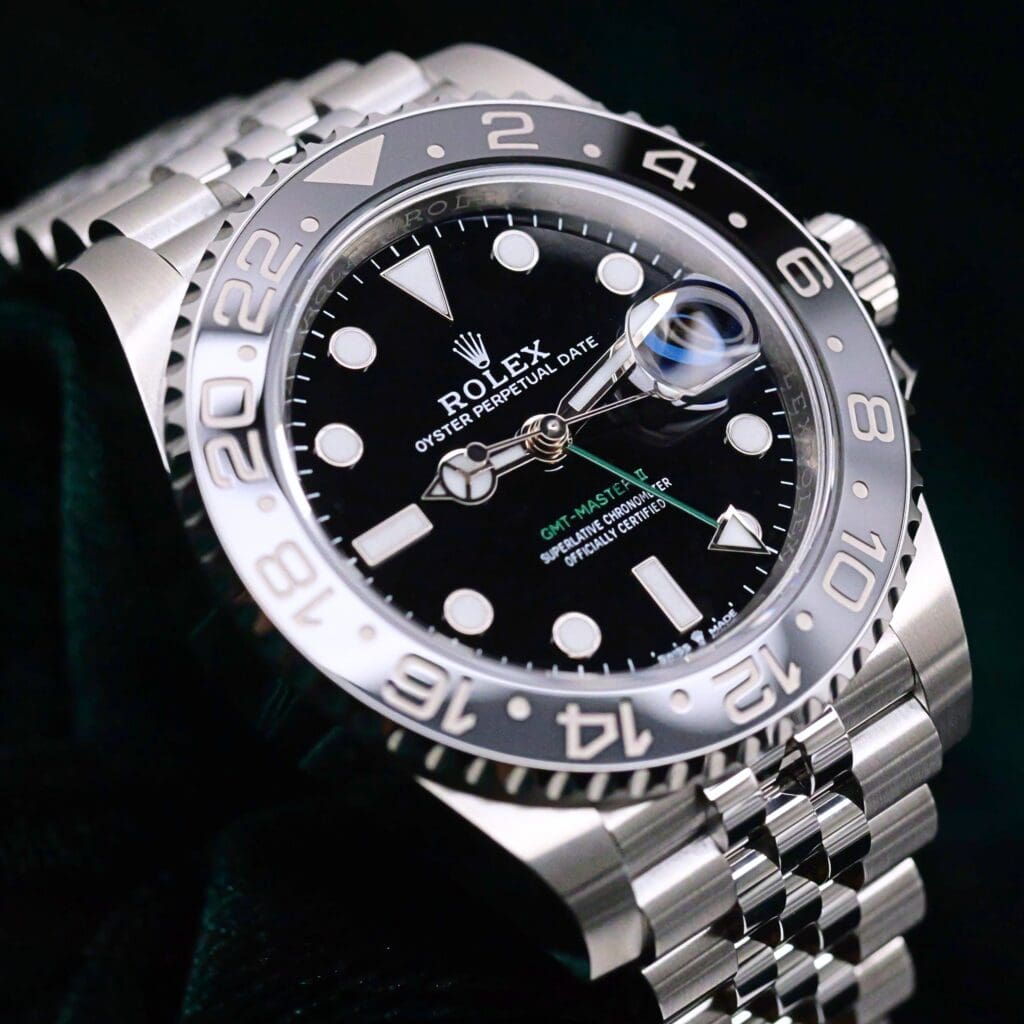
2026 NEW UNWORN Rolex GMT-Master II "Bruce Wayne" Black Dial Black Grey Ceramic Bezel Jubilee Bracelet Stainless Steel 40mm COMPLETE SET 126710GRNR-0003

Rolex Sky-Dweller Bright Black Dial 18k White Gold Fluted Bezel Stainless Steel Oyster Bracelet 42mm MINT CONDITION COMPLETE SET 336934