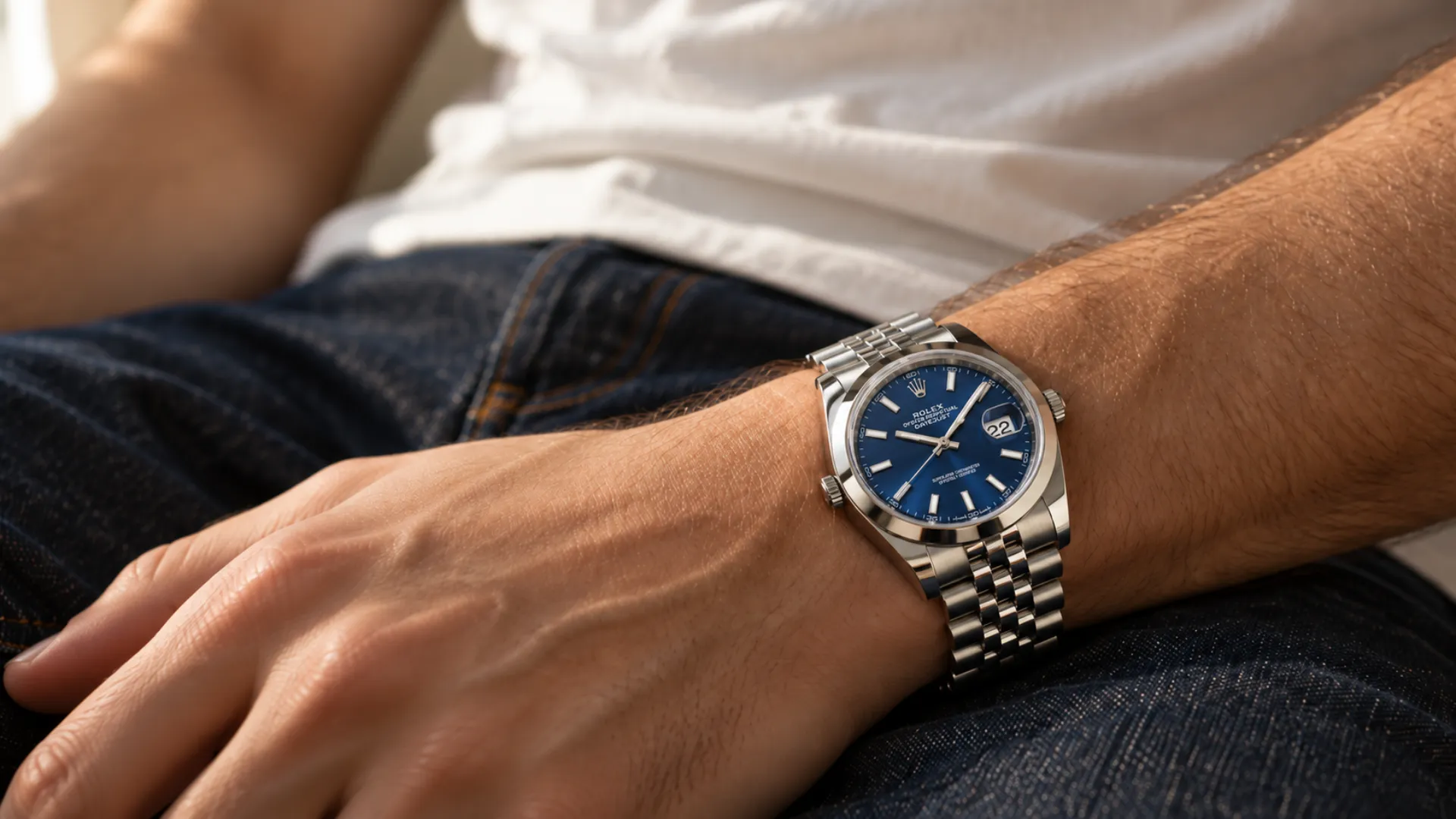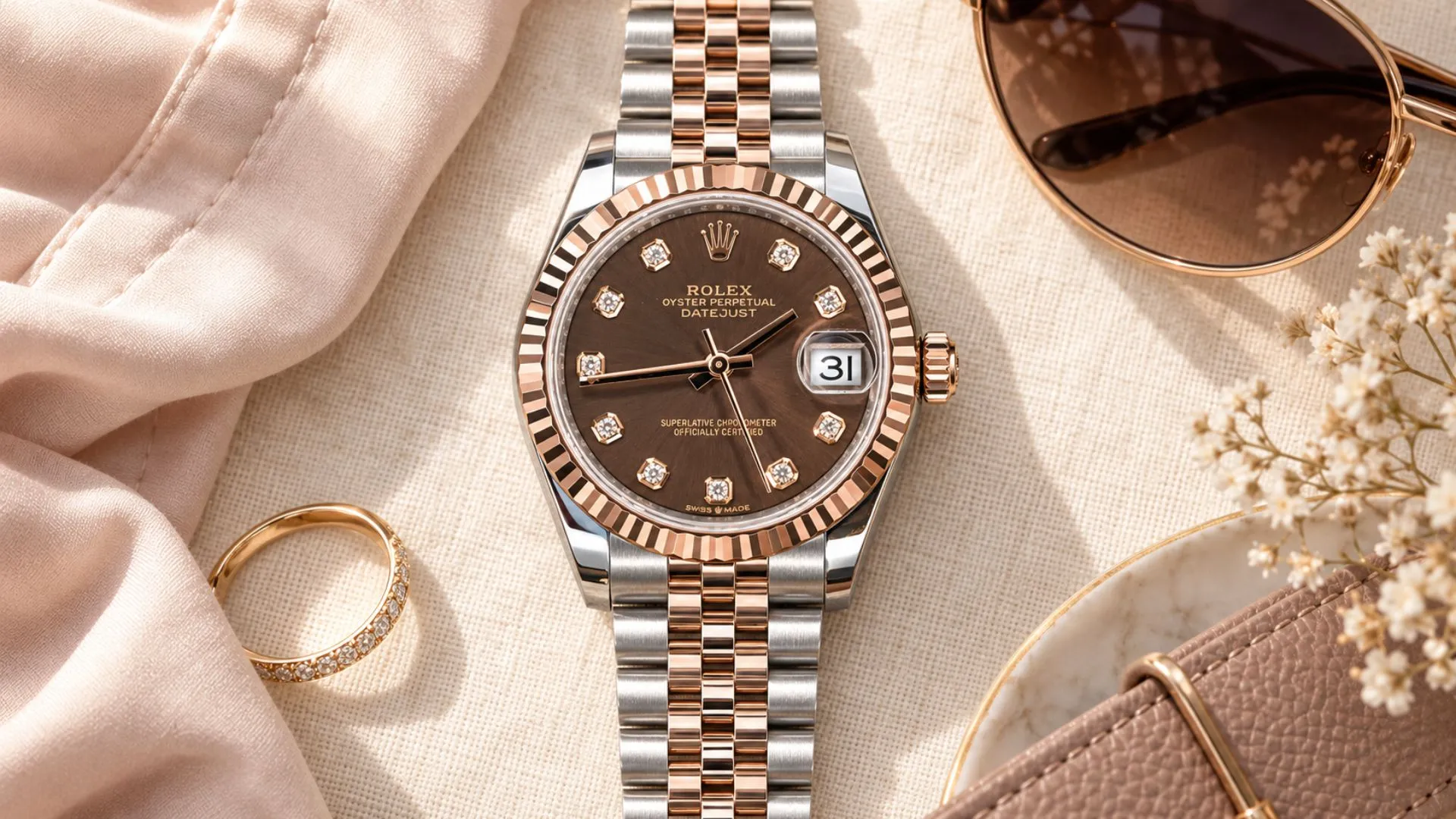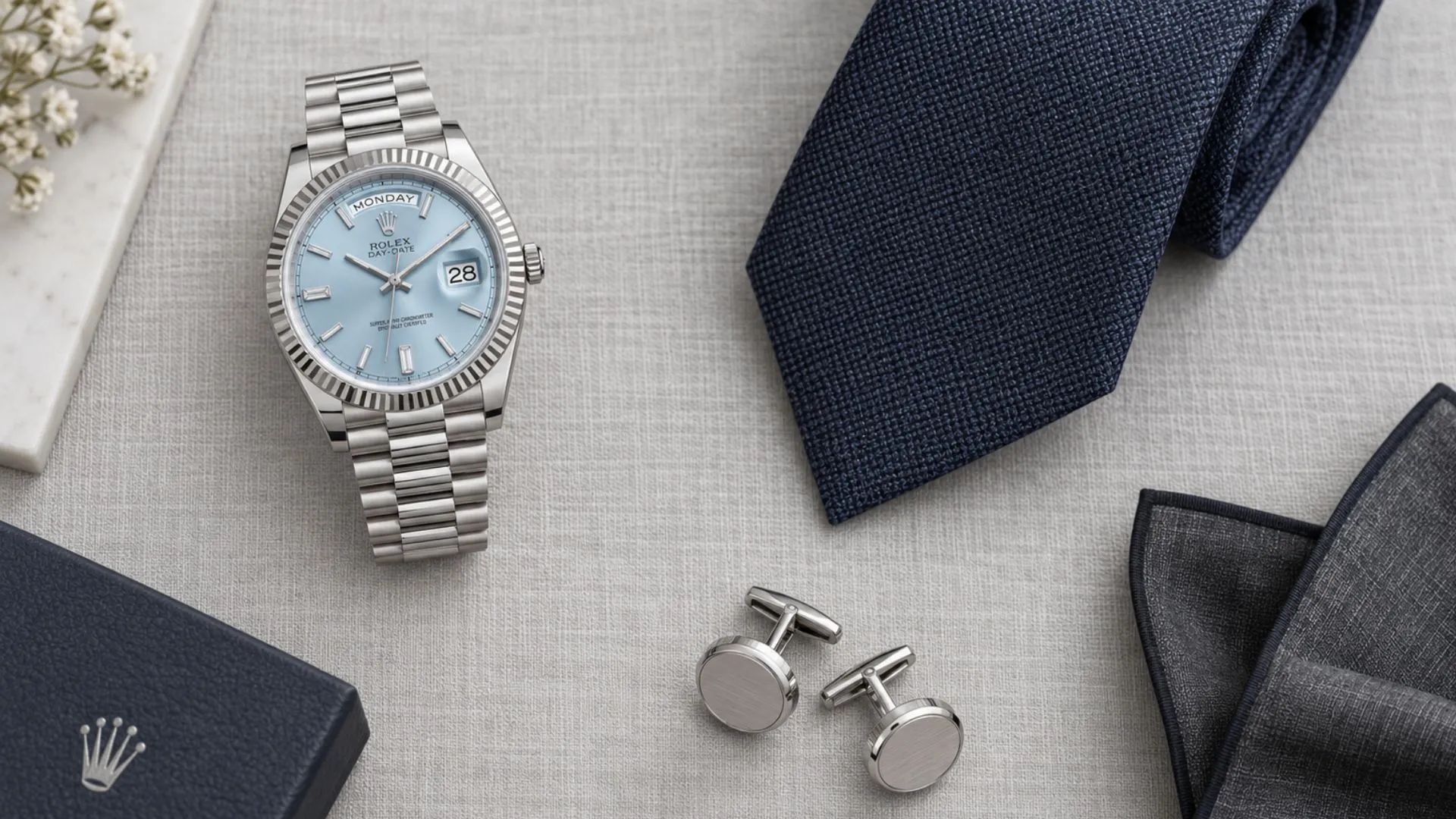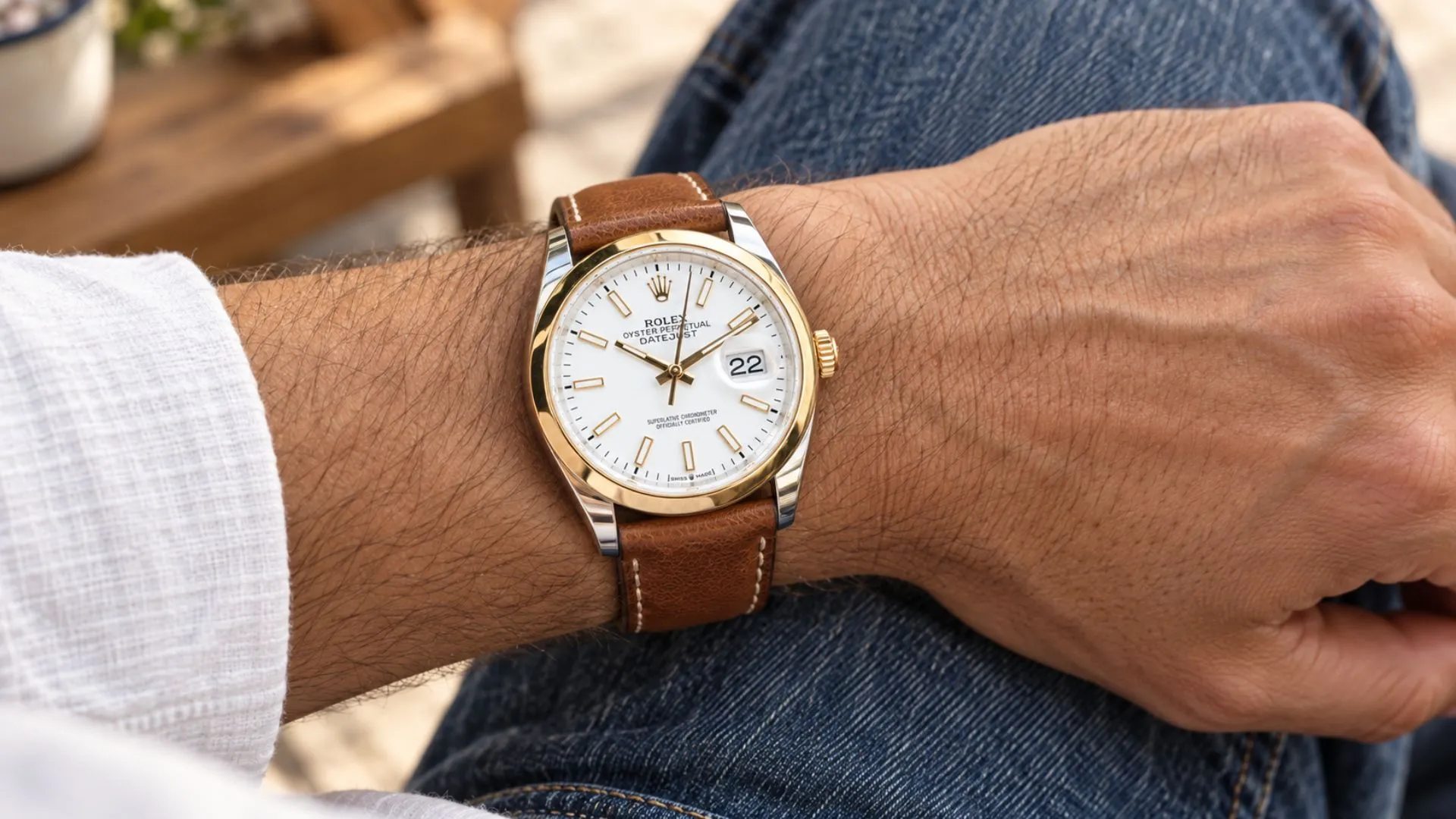

You find a Rolex Submariner on a grey market site with an “Excellent condition” label. It sounds reassuring until the watch arrives covered in polished edges, bracelet stretch, and scratches that never appeared in the listing photos. That confusion happens because watch condition grading has no universal industry standard, even among respected dealers and marketplaces.
One seller’s “Excellent” can mean lightly worn and collector worthy, while another uses the same label for a heavily polished watch that simply functions correctly. Trusted dealers like Majestix Collection often explain condition details more clearly.
Experienced buyers now look beyond simple grading terms before making a purchase. Here is what each watch condition grading label actually means.
It also explains why identical grades can describe very different watches and what you should inspect before handing over your money.
What Does Watch Condition Grading Mean?
Watch condition grading is a shorthand system dealers use to describe the physical state of a pre-owned watch. It covers visible wear such as scratches and polishing, as well as internal aspects like movement performance and whether original components are still intact.
Watch condition grading is a marketing language layered on top of subjective inspection. While platforms like Chrono24 have introduced more structured reporting in recent updates, and services like Wristcheck use a 10 point scoring system that separates case, dial, bracelet, and movement condition, most of the secondary market still relies on descriptive labels.
This creates a major inconsistency in how grades are applied. Two watches with the same grade can differ significantly depending on how strictly the seller evaluates wear and whether recent servicing has been done. Another key factor is how much of the watch retains its original parts and finishing.
Another important detail often overlooked is how lighting, polishing, and photography techniques can influence perceived condition. A watch may appear sharp in listing photos but reveal softened lugs, uneven brushing, or bracelet stretch under direct inspection.
A condition grade should always be treated as a preliminary reference point rather than a confirmed assessment of quality. What the grade suggests is only a general position in a seller’s internal scale, while the true condition depends on detailed verification of finishing, originality, and service history before purchase.
What Are the Standard Watch Condition Grades?

Most grey market dealers and pre-owned platforms use a broadly similar seven tier condition scale to describe a watch’s physical and functional state. The wording can vary between sellers, but the meaning behind each grade usually follows a consistent structure across the industry.
Understanding how each level is applied helps you interpret listings more accurately and avoid relying on labels alone.
1. Unworn — Factory Delivered Condition With No Signs of Wear
An unworn watch has never been worn and remains in a state as close as possible to how it left the manufacturer. It often retains factory stickers, untouched case finishing, and shows no visible signs of use.
Unworn is the highest and rarest condition in the secondary market. Even careful handling by dealers during inspection or storage can introduce minor hairline marks on clasps or case backs, which is why true unworn examples with full stickers are uncommon.
This grade is often priced at a premium because it represents the closest experience to buying directly from an authorized dealer, especially for discontinued or high demand references where availability is limited.
2. Mint — Exceptional Condition Relative to Age
A mint watch shows no visible scratches under normal viewing conditions and preserves its original finishing, but it has still been worn or previously owned. Mint condition focuses on preservation rather than being brand new.
A watch several years old can still qualify if it has been lightly worn or carefully stored with minimal wrist time. These pieces typically attract buyers who prioritize original surface integrity and long term collectability.
3. Excellent — Light Wear With Strong Visual Appeal
An excellent watch displays minimal signs of wear, such as faint hairlines visible under direct light. It still maintains strong case geometry and a tight bracelet condition with no noticeable stretch. This grade is often considered the most balanced option in the pre-owned market because it offers strong visual appeal without the premium of mint condition.
Many buyers choose excellent condition watches for daily wear since they maintain a clean appearance on the wrist while still reflecting responsible previous ownership.
Pricing is generally more accessible compared to higher grades, making it a practical entry point for luxury models.
4. Very Good — Worn Regularly by a Careful Owner
A very good watch shows visible scratches without magnification and possible light bracelet stretch. It may also have undergone light polishing during a previous service.
At this level, the watch has clearly been worn but still maintains acceptable presentation and full functionality. Differences between very good and excellent condition can significantly affect pricing, especially on popular models like the Rolex Submariner 126610LN.
Our Rolex Submariner buying guide walks through the lineup and pricing tiers in detail. Buyers often consider this grade when prioritizing value and wearability over cosmetic perfection, especially if long term resale is not a major concern.
5. Good — Clearly Used, Still Functional
A good watch has noticeable surface wear, potential small dings on the case, and visible bracelet stretch. It remains fully operational, with original components generally intact.
Watches in this category often require future servicing or cosmetic attention, depending on usage history. The appeal of this grade lies in its lower entry price.
It makes it suitable for buyers who want access to a specific reference without prioritizing aesthetics or resale value. Service history becomes more important than appearance, as mechanical condition plays a greater role in long term reliability.
6. Fair or Poor — Restoration Territory
A fair or poor watch shows significant cosmetic wear and possible non original parts. It may also require major servicing or full restoration before regular use.
These grades are typically avoided by first time buyers and are more relevant to collectors focused on restoration projects or sourcing discontinued parts. The pricing can appear attractive. However, the total cost of bringing the watch back to standard condition often changes the value equation significantly.
A careful breakdown of service, parts replacement, and authenticity checks is essential before considering a purchase in this category.
Why Do Two “Excellent” Watches Look So Different?

The reason two watches with the same grade can look completely different is that most dealers only assess cosmetic condition and do not evaluate originality. This means the grading system often reflects surface appearance only.
Important factors like factory parts, case finishing, and service history are usually not included in the grade.
| Layer | What It Covers | Why It Matters |
| Cosmetic condition | Scratches, bracelet stretch, dial clarity, crystal condition | This is what most grading systems focus on |
| Originality | Factory parts, case finishing, dial originality, service replacements | This directly affects collector value and long term desirability |
A watch may score highly on cosmetic condition but still be compromised in originality. One of the most common examples is polishing, where a watchmaker uses a buffing wheel to remove scratches. We cover what actually happens when a watch gets polished in a separate guide.
This improves appearance, but it also removes the original factory brushed finishing and softens the sharp edges of the lugs, the “horns” that connect the case to the bracelet. Once a case has been polished, it cannot be restored to its original factory geometry.
The collectors on platforms like Watchuseek and r/Watches often price polished Submariner examples 15 to 25 percent lower than unpolished ones with similar cosmetic grades. This is because the original case definition is permanently altered.
We’ve broken down how polishing affects Rolex value in a separate guide. Another important factor is a service dial, which is a replacement dial fitted during an authorised service rather than the original factory dial.
Collectors often apply a discount when originality has been partially lost, even if the watch appears visually correct. Polishing and dial replacement are not reflected in standard grading labels, which is why condition grades alone can be misleading.
How Condition Grade Affects Pre-owned Watch Pricing
Condition grading has a direct impact on how a watch is priced in the pre owned market. Small differences in grade can lead to meaningful price gaps, especially on popular references where demand stays consistently high. Below is how pricing typically shifts across condition levels and listing factors.
1. Core Price Drivers in Condition Grading
Condition is one of the strongest pricing factors after reference number and configuration. It influences how buyers perceive wear, originality, and overall desirability, which directly affects what they are willing to pay in the grey market.
A clear example can be seen with the Rolex Submariner 126610LN, where a watch graded Mint can sell for around $1,500 to $3,000 more than the same reference in Very Good condition. This difference depends on timing and overall market conditions.
An Omega Seamaster 300M in Excellent condition also consistently trades higher than a Good example, even when both watches are fully functional and keeping accurate time. For more on this lineup, see our Omega Seamaster buying guide.
In these cases, the difference in price is driven mainly by case condition, surface wear, and overall presentation, rather than movement performance.
2. Full Set Value Impact

Packaging and documentation add a separate layer of value that sits on top of condition grading. While it does not change the physical grade of the watch, it influences buyer confidence and long term resale potential.
A full set refers to the inclusion of the original box, warranty card, and booklets. On modern watches under 10 years old, this can add a premium of around $500 to $2,000, depending on brand and model. Collectors often prefer full sets because they improve traceability and resale liquidity, especially for recent references.
3. Pricing Distortion From Grade Inflation
Price expectations are often affected by inconsistent grading practices across sellers. The same watch can be labeled differently depending on how strictly a dealer evaluates wear, which leads to variations in asking prices for similar pieces.
Grade inflation occurs when a watch is listed one level higher than its actual condition, such as a Very Good piece being presented as Excellent or an Excellent watch labeled as Mint. This usually reflects differences in grading standards rather than clear misrepresentation.
Because of this, buyers need to rely on actual photographs and detailed condition notes rather than trusting the grade alone.
How Are Vintage Watches Graded Differently?
Vintage watches, generally defined as pieces over 20 years old, follow a different condition standard because natural aging changes how “good condition” is interpreted. In this segment of the market, originality and preserved character often matter more than surface perfection, which shifts how grades are applied compared to modern watches.
A 1970s Rolex Datejust graded as Very Good is not judged against the same surface expectations as a modern Datejust with the same grade. On vintage pieces, bracelet stretch or droop develops from decades of wear and is often considered acceptable. It does not automatically lower the condition rating the way it would for a newer watch.
Another key difference is how dial aging is perceived. Patina, such as natural dial darkening or lume discoloration on the lume plots (the luminous markers on the dial and hands), is often viewed as a sign of originality rather than wear.
A refinished dial on a vintage watch usually reduces collector value, even if it looks cleaner than an aged original. For this reason, detailed photos and condition descriptions carry more weight than the grade label when evaluating vintage pieces.
If vintage is what you are weighing, our vintage Rolex buying guide covers what to look for across eras.
How to Check a Watch’s Condition Before You Buy
Condition labels are only a starting point in evaluating a pre owned watch. Our broader checklist for what to inspect when buying a watch covers the same ground beyond condition labels.
To understand what you are actually buying, you need to look beyond the listing grade and verify physical details, originality, and service history. The following checks help you identify whether the watch matches its description before you commit to a purchase.
1. Request Macro Photos of the Case Lugs
Ask for close up macro images of the case lugs, ideally taken under angled or raking light. This type of lighting reveals the true surface geometry and finishing that standard listing photos often hide.
Sharp, well defined lug edges usually indicate that the factory finishing is intact, while soft or rounded edges often point to past polishing with a buffing wheel. Since polishing permanently alters case lines, these details are essential for assessing long term originality.
2. Ask for a Single Raking Light Photo

Request a full watch image under a single raking light source, where light is directed across the surface at a low angle. This setup exposes fine scratches, polishing marks, and uneven finishing that are not visible in evenly lit studio photos.
Sellers who avoid providing this type of image may be concealing surface refinishing or heavier wear. It is one of the most effective ways to verify whether the cosmetic grade matches the actual condition.
3. Verify Dial Originality
Confirm whether the dial has ever been replaced or refinished during servicing. On Rolex watches, service dials can show subtle differences in font thickness or coronet detailing compared to factory originals.
On Omega models, replacement dials may use printed markers instead of applied indices, which changes the visual depth of the dial. An original dial with natural aging is often more desirable to collectors than a newer replacement, even if it shows minor patina.
4. Review Service History Carefully
Service records provide insight into how the movement has been maintained and whether the watch has passed through an authorised service centre. These services often include case polishing and component replacement, which may not be disclosed in basic listings.
A watch with multiple service entries is more likely to have undergone cosmetic or part changes, which should be factored into both value and negotiation. This does not automatically reduce desirability but does affect originality assessment.
5. Check Bracelet Reference Consistency
The bracelet reference engraved inside the clasp should match the production period of the watch on Rolex sports models. A mismatch can indicate a replacement bracelet fitted at some point in its life.
This does not make the watch inauthentic, but it does affect originality and collector value. Confirming bracelet consistency helps ensure that the watch has not been assembled from mixed components and allows for a more accurate price evaluation.
Not sure the listing matches what the seller is saying? Send us the link and the photos and we’ll tell you what we’d flag before you put money down — polishing signs, service-dial tells, bracelet mismatch. No pressure to buy from us. Reach out to our team.
999+ Timepieces Available
Explore Our Timepieces
Authenticated, unworn, and ready to ship worldwide.
Rolex · Audemars Piguet · Patek Philippe · Omega · Cartier · Richard Mille · Hublot · Tudor
Newly Listed
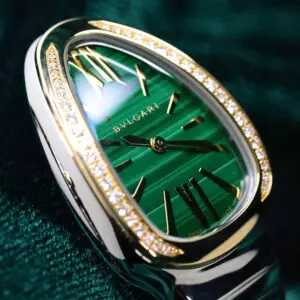
2026 NEW UNWORN Bvlgari Serpenti Tubogas Studs Capsule Limited Edition Green Dial Diamond Bezel Steel & 18k Yellow Gold 35mm COMPLETE SET 104360
$24,255.00
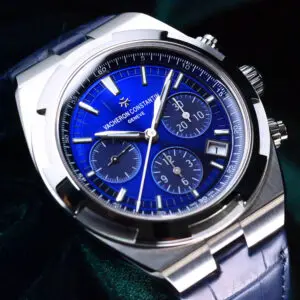
Vacheron Constantin Overseas Chronograph Blue Dial Blue Leather Strap Stainless Steel 42.5mm MINT CONDITION COMPLETE SET 5500V/110A-B148
$37,793.00
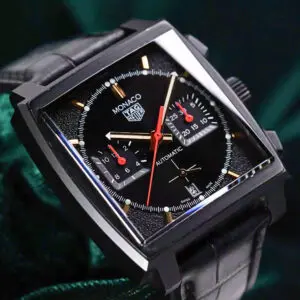
Tag Heuer Monaco Chronograph “Dark Lord” Special Edition Black Dial Black Leather Strap DLC Titanium 39mm MINT CONDITION COMPLETE SET CBL2180.FC6497
$8,135.00
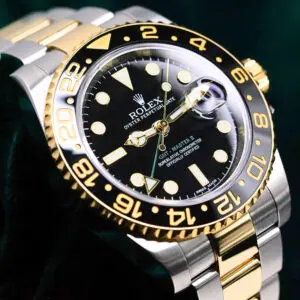
Rolex GMT-Master II “Green Arrow” Black Dial Black Ceramic Bezel Oyster Bracelet Two-Tone 18K Yellow Gold Stainless Steel 40mm MINT CONDITION COMPLETE SET 116713LN
$15,740.00
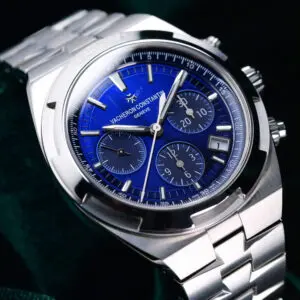
Vacheron Constantin Overseas Chronograph Blue Dial Stainless Steel 42.5mm MINT CONDITION COMPLETE SET 5500V/110A-B148
$37,793.00
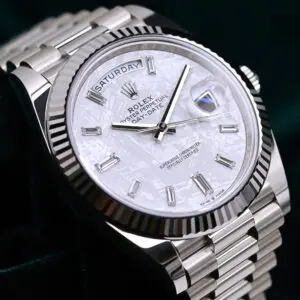
Rolex Day-Date Meteorite Baguette Diamond Dial Fluted Bezel President 18K White Gold 40mm MINT CONDITION COMPLETE SET 228239
$78,629.00
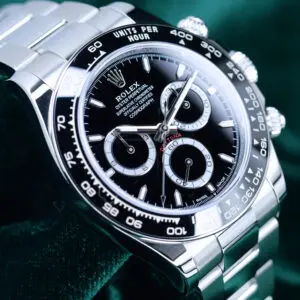
2026 Rolex Cosmograph Daytona Black Dial Black Ceramic Bezel Oyster Bracelet Stainless Steel 40mm MINT CONDITION COMPLETE SET 126500LN
$33,594.00
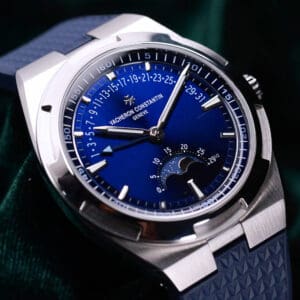
2025 Vacheron Constantin Overseas Moonphase Retrograde Date Blue Dial Blue Rubber Strap Stainless Steel 41mm MINT CONDITION COMPLETE SET 4000V/210A-B911
$52,800.00
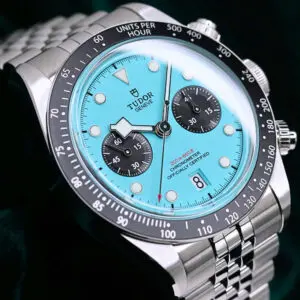
2025 Tudor Black Bay Chrono "Flamingo Blue" Turquoise Dial Black Bezel Stainless Steel 41mm MINT CONDITION COMPLETE SET 79360N-0024
$10,494.00
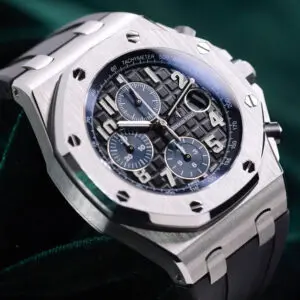
Audemars Piguet Royal Oak Offshore Chronograph "Batman" Black Dial Blue Accents Black Rubber Strap Stainless Steel 42mm MINT CONDITION COMPLETE SET 26470ST.OO.A028CR.01
$25,715.00
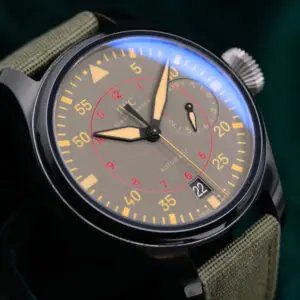
IWC Big Pilot's Watch Top Gun Miramar Grey Dial Green Textile Strap Black Ceramic 48mm MINT CONDITION COMPLETE SET IW501902
$7,240.00
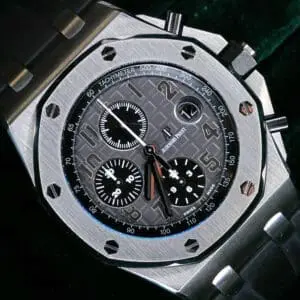
Audemars Piguet Royal Oak Offshore Chronograph "Elephant" Gray Dial Stainless Steel Rubber Strap 42mm 26470ST.OO.A104CR.01
$23,974.50
Where to Buy a Pre-Owned Watch With Verified Condition
Most of what makes a pre-owned watch worth its price is invisible in a listing photo. Surface scratches are easy to see. Polished lugs, swapped dials, and replacement bracelets are not visible in most standard listings.
That is why the safest place to buy a pre-owned watch is from a seller who has inspected the exact piece in person and can explain its condition beyond a simple grade.
This part of buying pre-owned cannot be solved by a written description or a simple photo carousel alone. You either inspect the watch in person or rely on someone who has already done that inspection for you.
When you buy from us, every watch is inspected in person before it is listed. We clearly state whether the case has been polished, whether the dial is original, and the true condition of the bracelet and overall finishing, rather than relying on a single word grade. If you want a detailed video of the exact watch before committing, you can request it and we will provide it routinely.
You can also browse our current inventory or message us directly with the reference you are looking for. We will tell you what we have available, what is coming in, and which pieces meet our standards before they are listed.
Frequently Asked Questions
Before looking at individual questions, it helps to understand one key point: most confusion in the pre-owned watch market comes from incomplete grading and missing context. These answers explain the most common pricing and authenticity concerns.
1. Is a polished watch worth less than an unpolished one?
Yes. Collectors consistently price polished watches lower than unpolished examples at the same cosmetic grade. This is because polishing permanently alters the original factory case finishing.
The level of value reduction depends on how the watch was polished. A light professional polish that preserves most of the original lug definition is treated more leniently than a heavy polish that softens the entire case geometry.
The most reliable indicators of heavy polishing include rounded lugs instead of sharp edges, brushed surfaces replaced with a mirror-like finish, and loss of crisp chamfered edges along the case lines.
2. What Does LNIB Mean on a Watch Listing?
LNIB stands for “Like New In Box” and refers to a pre-owned watch that has been worn. It still remains in excellent cosmetic condition and comes with its original box, papers, and documentation.
LNIB sits close to Mint condition, although its exact positioning varies between sellers. Some treat it as a step below Unworn, while others place it just under Mint.
The practical difference is simple: LNIB confirms prior wear history, while Unworn indicates no use at all. For most buyers, LNIB and a strong Mint full set often overlap in real-world condition and pricing.
3. How Do I Spot Grade Inflation on a Listing?
Grade inflation usually appears when a watch is labeled higher than its actual condition, often to justify a stronger asking price. A reliable way to detect it is to compare similar listings across different dealers.
If the same grade describes noticeably different levels of wear, one listing is likely inflated. Another indicator is lack of detail in the description. A genuinely Mint watch is usually supported by specifics such as no visible hairlines, intact original finishing, and tight bracelet condition.
A vague “Mint condition” label without explanation often signals a loosely applied grade. Pricing that sits unusually low compared to similar listings can also indicate an inflated grade.
4. What If the Box and Papers Look Wrong?
Boxes and papers increase value only when they are fully consistent with the watch itself. Always verify that the serial number on the warranty card matches the watch case and that dates fall within the correct production timeline.
We explain how Rolex serial numbers actually work in a separate breakdown. Inconsistencies such as incorrect dealer stamps, mismatched paperwork, or documentation outside the expected production period are serious red flags.
A so-called full set with incorrect papers can reduce value significantly because it raises questions about the watch’s overall provenance. In many cases, a clean watch without paperwork can be more reliable and more valuable than a mismatched set.
Final Thoughts on Watch Condition Grading
Watch condition grading is useful shorthand, but it comes with a clear limitation: no two dealers apply exactly the same standard. The label only gives a broad idea of where a watch sits cosmetically.
It does not confirm whether the case has been polished, the dial has been replaced during service, or the bracelet has been swapped at some point in its history. For most buyers, excellent condition remains the most practical target for a daily wear piece because it balances appearance and value.
If your focus is long-term holding or resale, originality and untouched finishing matter more than cosmetic perfection, since these factors have a stronger impact on collector demand over time. Majestix Collection reinforced this approach by prioritizing detailed condition transparency instead of relying on a single grading label.
Condition grading is one slice of the bigger picture — where you source a pre-owned watch matters just as much. A useful rule to remember is simple: if a seller refuses to provide raking light photos or close up lug shots, it is often a sign that important condition details are being hidden.
In most cases, that missing visibility is exactly what you needed to make a confident decision.