
Every watch enthusiast has asked themselves the question: what happens when you polish a watch? At first, it seems straightforward: remove scratches, restore shine, and make your timepiece look new.
But luxury watches are built with precise edges, delicate engravings, and carefully applied finishes, and even a professional polish can subtly change their character. Polishing can enhance appearance, but it can also soften case edges, alter bevels, and impact the overall value. In this guide, we’ll break down exactly what happens when you polish a watch, the risks involved, and how to protect your timepiece while keeping it looking its best.
What Happens When You Polish a Watch?
Polishing a watch actively changes the metal, finishes, and structural details. Luxury brands such as Rolex, Omega, and Patek Philippe are particularly sensitive because even minor material removal can alter case geometry, engraving depth, and surface textures.
While polishing removes scratches and restores shine, it also impacts how the watch sits, looks, and interacts with its bracelet or strap. The following sections break down the specific changes that occur during polishing and explain why each can affect the watch’s appearance, function, and value.
Material Removed from Case and Bracelet
Polishing removes tiny layers of metal from the case and bracelet. A single pass can remove 20–100 microns, depending on the method and abrasives used.
Repeated polishing gradually thinns lugs, case walls, and bracelet links, slightly weakening their structure. Even minor material loss can reduce edge sharpness and alter case proportions.
Watches made of soft metals, such as gold or platinum, are especially vulnerable. Aggressive polishing can permanently affect their integrity and durability.
Case Edges and Lug Shapes Become Softer
Sharp edges and crisp lug shapes gradually round off during polishing. On intricately designed models, like the Omega Speedmaster or Rolex Daytona, this rounding can noticeably reduce definition.
Even careful polishing may soften bevels and contour lines, making the case appear less sculpted. Over time, repeated polishing further diminishes these details. This can subtly alter the watch’s visual balance and how it sits on the wrist, especially on models where lug geometry affects comfort and aesthetics.
Brushed and Polished Finishes Change
Factory finishes, including brushed, satin, and polished surfaces, can be altered during polishing. Brushed areas may appear shinier, and polished surfaces can develop slight inconsistencies if not done properly.
The contrast between brushed and polished sections can diminish, affecting the intended design and overall visual appeal. Luxury watches often rely on precise finishes for their character, so even subtle changes can make a watch look slightly different from its original state. Maintaining the balance of these finishes requires experience and careful technique.
Bevels, Crown Guards, and Lug Holes Can Distort
Polishing can distort fine details like case bevels, crown guards, and lug holes. Misaligned or rounded bevels and uneven crown guards may appear after aggressive or repeated polishing.
Lug holes can widen slightly, affecting the fit of spring bars or straps. These changes reduce visual symmetry and may interfere with bracelet or strap attachment.
For collectors, even small alterations in these areas can affect perceived originality, making careful polishing essential to preserve the structural and aesthetic integrity of the watch.
Engravings and Caseback Text Become Shallow
Engraved elements such as serial numbers, logos, or caseback inscriptions can become less defined with polishing. Repeated removal of metal layers gradually makes engravings shallower, reducing clarity and potentially affecting collectibility or resale value.
Even precise polishing requires extreme caution around engraved areas. Watches with deep, detailed inscriptions can lose the crispness of the text, while subtle factory markings may almost disappear.
Bezel Teeth and Insert Edges Lose Sharpness
Bezel teeth and insert edges, particularly on dive and tool watches, gradually round during polishing. This affects tactile grip, making the bezel harder to operate precisely.
The crisp visual appearance of the bezel also diminishes, altering the original design aesthetic. On models like the Rolex Submariner or Omega Seamaster, this can impact both usability and collectibility.
Even minor rounding changes how the bezel interacts with the case, highlighting why professional techniques and careful polishing are necessary to maintain both function and appearance.
End-Link Fit and Bracelet Shape Can Change
Polishing can subtly alter end-link geometry and bracelet curvature. Links may become slightly looser or fit differently against the case, impacting how the watch sits on the wrist.
Bracelet integrity and alignment may also shift over time with repeated polishing, affecting comfort and overall aesthetics. Even small changes can be noticeable, particularly on watches with integrated bracelets. Maintaining fit requires careful polishing, ideally by professionals.
Water-Resistance Areas Around Caseback and Crown Can Be Affected
Polishing near the crown tube, caseback, or gasket surfaces can compromise water resistance. Over-polishing these areas may reduce sealing efficiency, potentially allowing moisture to enter the watch.
Even minor material removal on the caseback or crown surfaces can affect gasket compression and longevity. Professional polishing includes masking and careful treatment of these critical areas, which keeps seals effective and preserves both the functionality and safety of the watch, particularly for dive and sports models designed for underwater use.
Overall Look Changes from Natural Wear to Refinished
After polishing, a watch transitions from showing natural wear to a more “refinished” look. While scratches and minor imperfections disappear, the watch loses the subtle patina collectors often value.
The overall appearance becomes cleaner but can feel less authentic. This transformation is especially noticeable on vintage or well-loved watches, where polishing may alter the character created by years of careful use.
Understanding this visual change helps owners make informed decisions about when and how to polish their timepieces.
How Professional Watch Polishing Works

Professional watch polishing is a precise process that balances aesthetics with preservation of the watch’s structure. Expert watchmakers follow a step-by-step method to remove scratches, restore shine, and maintain the original case geometry, finishes, and engravings.
Every stage requires careful planning, specialized tools, and deep material knowledge to maintain the watch’s value and functional integrity. Here’s how professionals approach polishing luxury timepieces.
1. Checking the Case Shape and Metal Thickness
Before polishing, watchmakers examine the case to assess its original shape and metal thickness. They measure lugs, bevels, and case walls to confirm that material removal does not compromise structural integrity. This step identifies safe polishing areas versus spots that require minimal intervention. By mapping thickness and contours, professionals prevent over-polishing, which can soften edges, distort angles, or thin the case excessively, particularly on gold, platinum, or titanium.
2. Masking the Watch’s Sensitive Parts
Watchmakers protect sensitive areas by masking the bezel, crystal, crown, pushers, and caseback. Masking prevents accidental scratches, polishing compound residue, or unintended material removal. This step preserves finishes, coatings, and functional elements such as water-resistance seals. Proper masking directs polishing only to intended surfaces while protecting delicate parts, preventing costly damage to high-value watches.
3. Using Different Tools and Compounds
Polishing requires a variety of tools and compounds, selected based on metal type and finish. Rotary tools, soft buffs, diamond pastes, and specialized polishing compounds target scratches, swirl marks, and surface dullness. Professionals adjust speed, pressure, and technique for each area to restore shine without over-removing material. Using the correct combination produces even finishes and preserves intricate case details throughout the process.
4. Restoring Brushed and Polished Finishes
After initial polishing, watchmakers carefully restore the original brushed, satin, or polished surfaces. They replicate factory patterns, maintaining the contrast between brushed and shiny areas. Specialized brushes, abrasive pads, and precision techniques allow for consistent finishes across lugs, bracelets, and case surfaces. This step preserves the design intent of luxury watches, ensuring the final result looks authentic rather than overly refinished.
5. Final Cleaning and Reassembly
The last stage involves thorough cleaning to remove polishing compounds and metal dust, followed by smoothing minor edge inconsistencies. Professionals then inspect the watch for uniform finishes and structural integrity before reassembling components like the bracelet, bezel, and crown. This allows the watch to look refined, function correctly, and maintain water resistance, comfort, and the high-quality appearance expected of luxury timepieces.
How Does Polishing a Watch Affect Its Value
Polishing a watch can impact its value in ways that go beyond mere aesthetics. For timepieces with a strong collector following, such as vintage Rolex Submariners or limited-edition Patek Philippe models, polishing may reduce market appeal. Collectors and investors often prefer the original factory surfaces, valuing authenticity and the watch’s natural patina over a freshly polished finish.Even small changes in patina or finish can make a piece feel less authentic. Watches that are over-polished may also face long-term restoration challenges, as future refinishing options become limited. The timing and frequency of polishing, combined with the watch’s rarity and demand, determine how much its value is affected.
When to Polish and When Not To

You should carefully consider polishing a watch, especially luxury models like Rolex, Omega, or Audemars Piguet, because the decision can impact both appearance and long-term maintenance. Polishing is appropriate when minor scratches interfere with readability or aesthetics, or when preparing a watch for occasional display or light wear.
Avoid polishing when the watch is vintage, rare, or has unique finishing, as removing even small amounts of metal can permanently alter the original craftsmanship.Understanding the purpose, condition, and rarity of your watch helps polishing enhance rather than diminish its value and longevity.
Situations Where Polishing Is Reasonable
- Minor scratches or swirl marks reduce aesthetic appeal.
- The watch has been heavily used and needs surface smoothing for comfort.
- Preparing a non-collectible watch for sale or presentation.
- Cosmetic restoration for watches intended for regular wear rather than investment.
- Light touch-ups on modern models with standard production finishes.
Situations Where Polishing Is Risky
- The watch is vintage, limited edition, or highly collectible.
- Factory finishes, engravings, or special coatings must remain untouched.
- The case or bracelet is already thin due to previous polishing.
- To avoid compromising structural integrity.
Removing the patina that contributes to the watch’s historical value.
Alternatives to Full Watch Polishing
Owners of luxury watches like Rolex, Omega, and TAG Heuer can maintain the appearance of their timepieces without performing a full polish. These alternatives reduce material loss, preserve original finishes, and protect the watch’s value while addressing specific wear issues.
Each method targets different needs, from removing dirt to repairing minor damage, allowing the watch to look refreshed without extensive refinishing.
- Ultrasonic Cleaning: Uses high-frequency vibrations in a cleaning solution to remove dirt and grime from bracelets and metal surfaces without affecting the case finish.
- Localized Spot Refinishing on a Single Lug or Link: Targets only small, scratched areas instead of the entire case or bracelet, preserving overall originality.
- Brushing Only: Restores satin or brushed finishes without polishing glossy surfaces, maintaining the watch’s factory look.
- Laser Welding: Repairs small dents or deformations in metal cases and bracelets without removing material through traditional polishing.
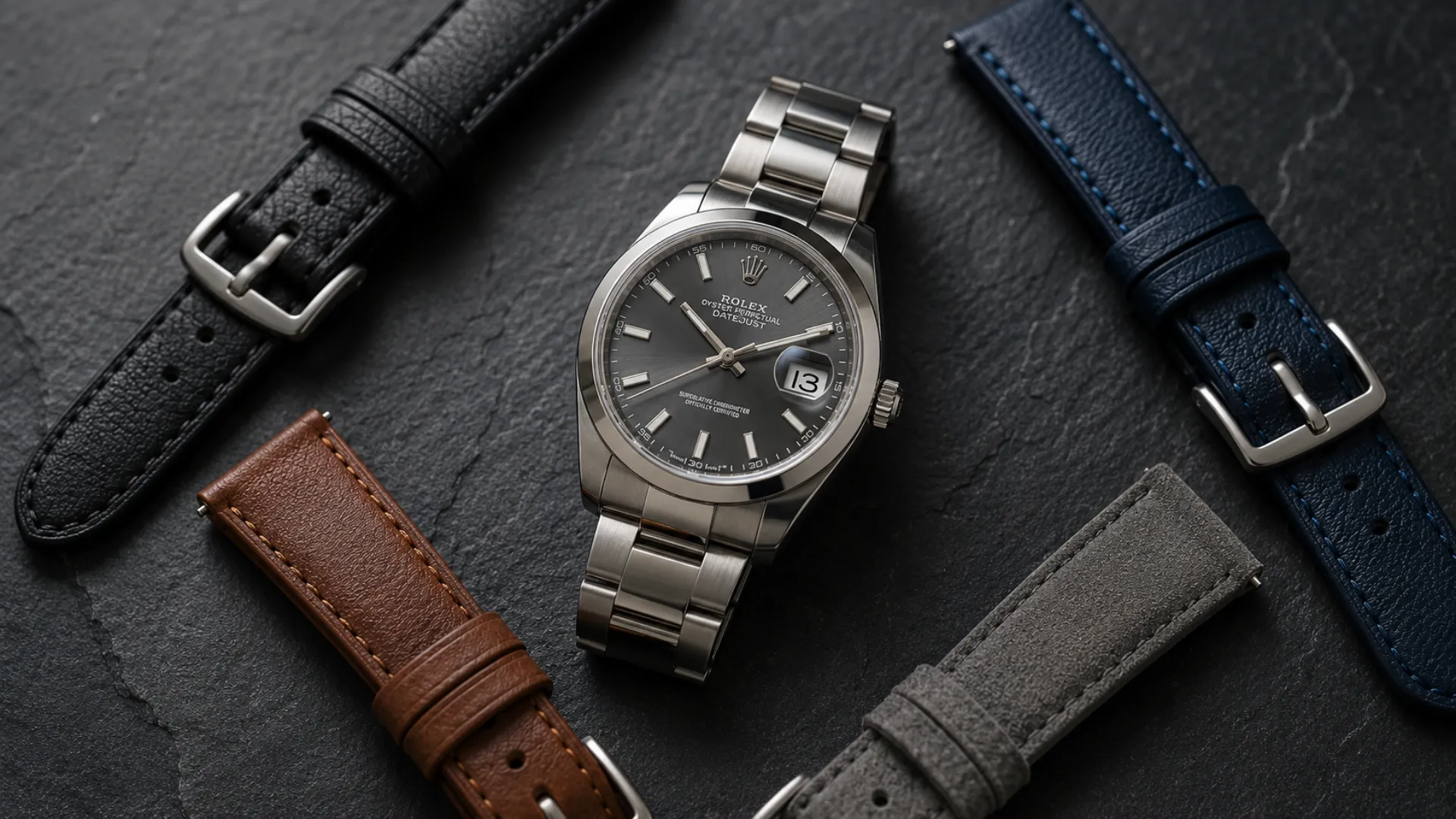
- Using Straps Instead of Bracelets: Replacing metal bracelets with leather, rubber, or fabric straps can conceal scratches on lugs and reduce wear, avoiding polishing entirely.
Final Thoughts: What Polishing Does to a Watch
Polishing a watch can dramatically improve its appearance, but it also changes how the metal, finishes, and details behave over time. Now you know exactly what happens when you polish a watch, from softening edges to affecting engravings and bezel teeth.
If you decide to polish, take a careful approach, consider professional services, and weigh alternatives like ultrasonic cleaning or brushing to preserve originality. Protect sensitive areas and avoid frequent polishing to maintain long-term value.
Remember, small precautions, like inspecting gaskets and keeping a record of past refinishing, help your timepiece stay beautiful and functional for years to come.