
Two watches. Both track two time zones. Both cost serious money. The debate keeps coming up because they are genuinely different tools built on different ideas.
One is a bigger, more technically loaded package with deep dive-watch DNA. The other is slimmer, more versatile, and carries decades of collector recognition. Choosing between them comes down to what kind of daily ownership you want.
And in 2026, the math shifted. Rolex discontinued the steel Pepsi, the secondary market reacted hard, and the value gap between these two watches is wider than it has been in years. This article covers every meaningful difference, the key references on each side, and what the market looks like now.
Omega Seamaster Planet Ocean GMT Background

The Seamaster line started in 1948 as Omega’s waterproof dress watch, with the professional tool watch identity developing over the following decades. The Planet Ocean sub-collection launched in 2005. The GMT version came in 2013, and Omega positioned it in the travel watch space.
Pieces from 2016 onward use the Cal. 8906. It carries METAS Master Chronometer certification and 15,000 gauss anti-magnetic resistance.
Most popular references:
- 215.30.44.22.01.001
- 215.33.44.22.01.001
- 215.92.46.22.01.001
Rolex GMT-Master II Background

The GMT-Master came out in 1955, built with Pan Am to help long-haul pilots track two time zones at once. The original logic was simple: a bold two-color bezel that split day from night at a glance. Rolex has not changed that idea in seven decades.
The current 1267xx generation started in 2018 and runs on the Cal. 3285. Each steel version carries a nickname that has become part of watch culture, and two of them describe the same watch.
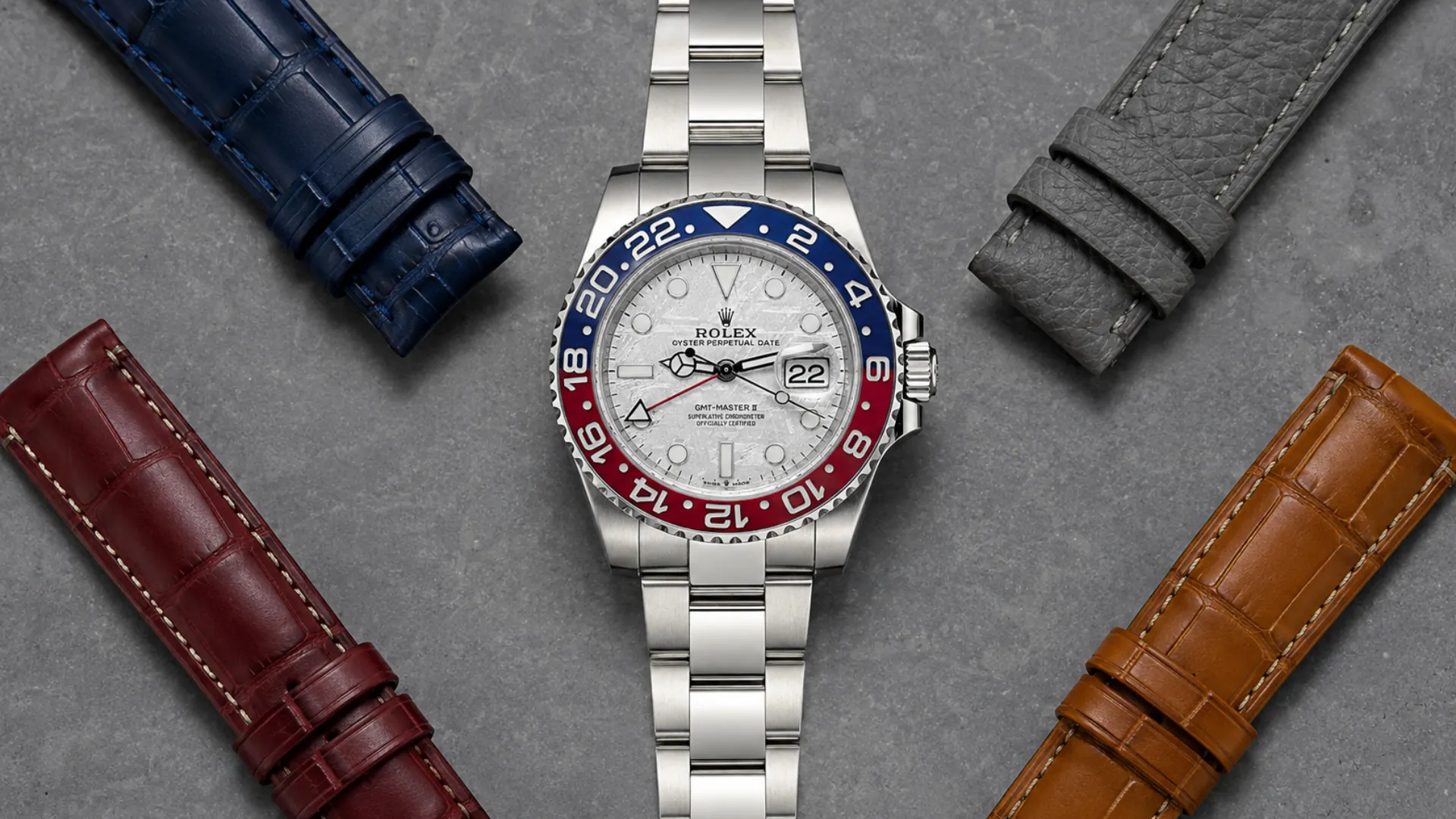
The 126710BLNR is the “Batman” on the Oyster bracelet and the “Batgirl” on the Jubilee. The 126710GRNR is the “Bruce Wayne,” and the 126720VTNR left-hander is the “Sprite.” The Pepsi was the steel 126710BLRO until its 2026 discontinuation.
Most popular references:
- 126710BLNR
- 126710BLRO
- 126710GRNR
Omega Planet Ocean GMT vs Rolex GMT-Master II: Most Notable Differences

These two watches share a purpose and not much else. Every difference below shows up in daily wear.
1. Case Profile
The Planet Ocean GMT measures 43.5mm wide and around 17mm thick, with a 49mm lug-to-lug. It sits tall on the wrist, clears most shirt cuffs poorly, and reads sport-first from every angle. The helium escape valve at 10 o’clock adds to the bulk.
The GMT-Master II is 40mm wide and around 12mm thick, with a 48mm lug-to-lug. The lug numbers are nearly identical, but the 5mm height difference changes how the watch sits entirely. It tucks under a cuff and scales across wrist sizes. It does not read as a tool watch in a business context.
Related Models from Majestix
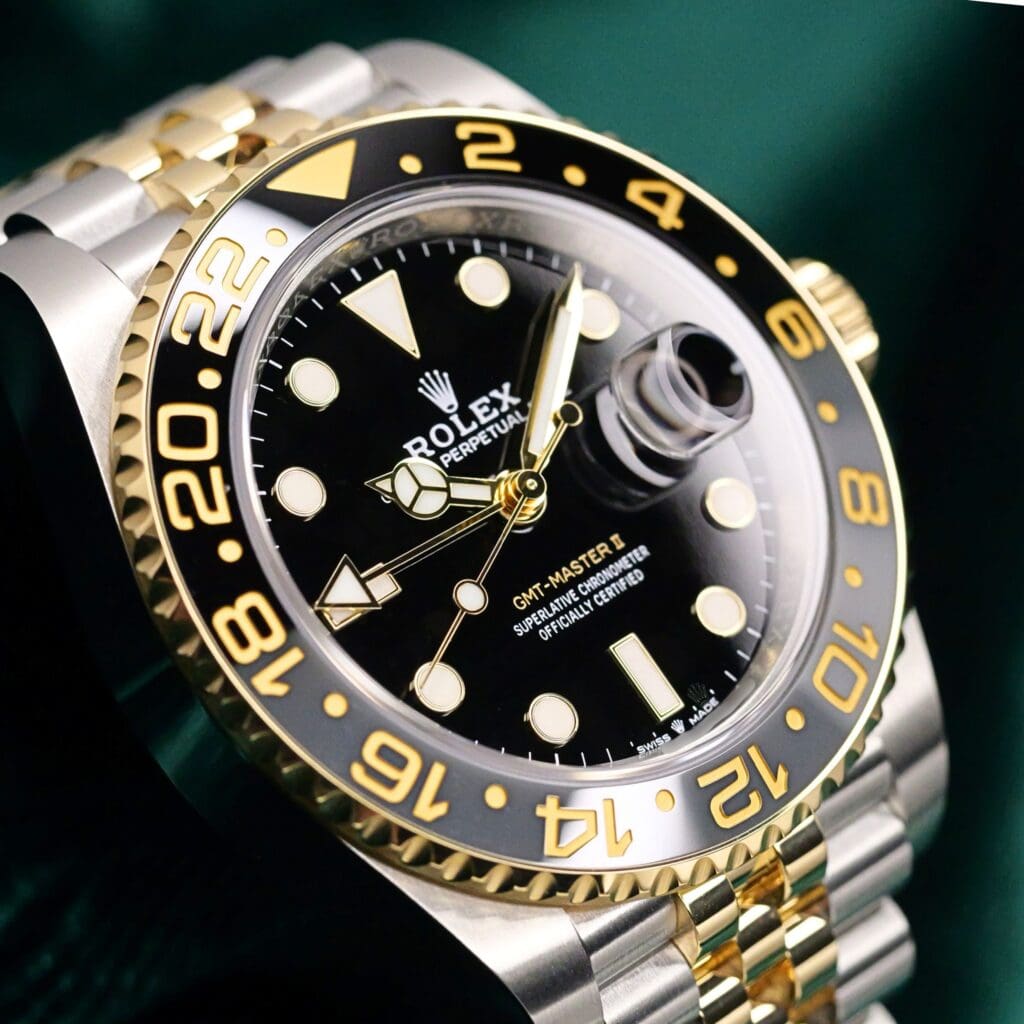
Rolex GMT-Master II Zombie Black Dial Black/Grey Ceramic Bezel Jubilee Bracelet Two-Tone 18K Yellow Gold Stainless Steel 40mm MINT CONDITION COMPLETE SET 126713GRNR
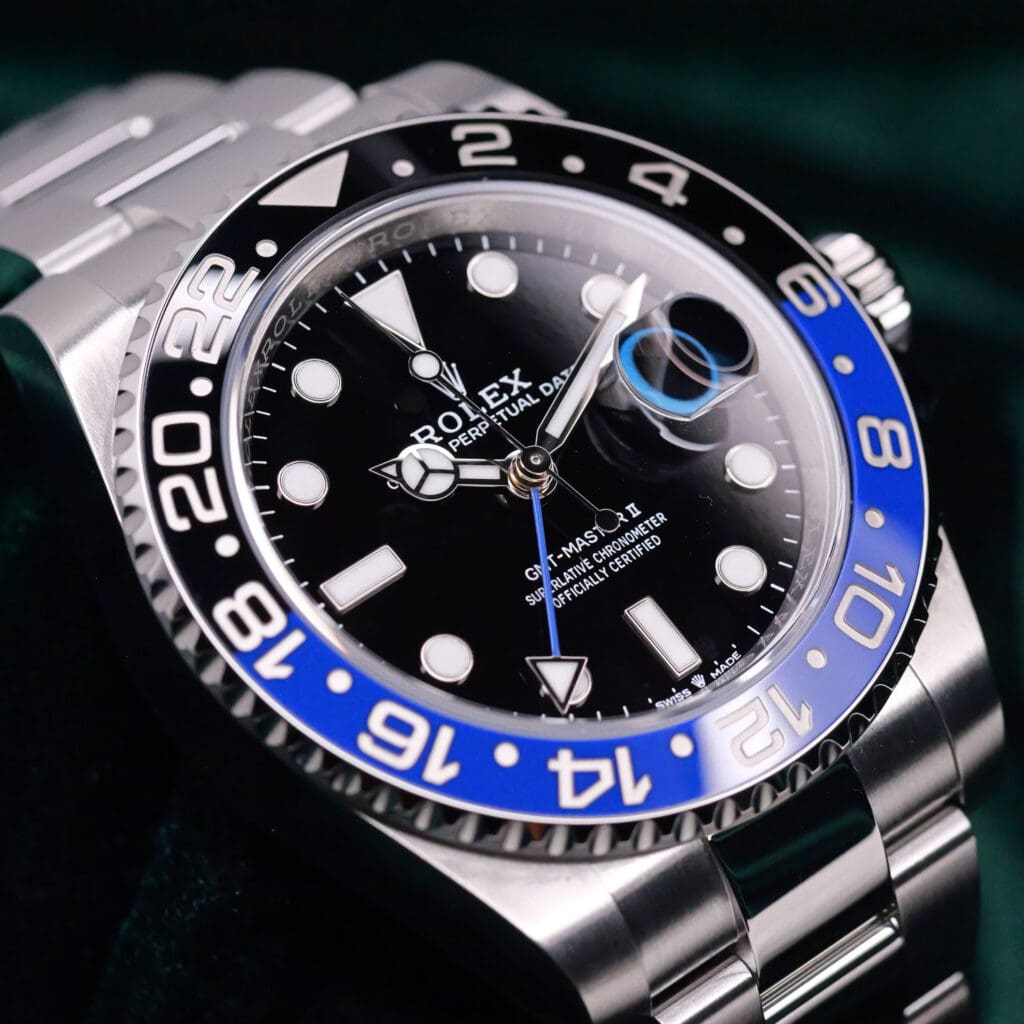
2026 Rolex GMT-Master II Batman Black Dial Black Blue Cerachrom Bezel Oyster Bracelet Oystersteel 40mm MINT CONDITION COMPLETE SET 126710BLNR
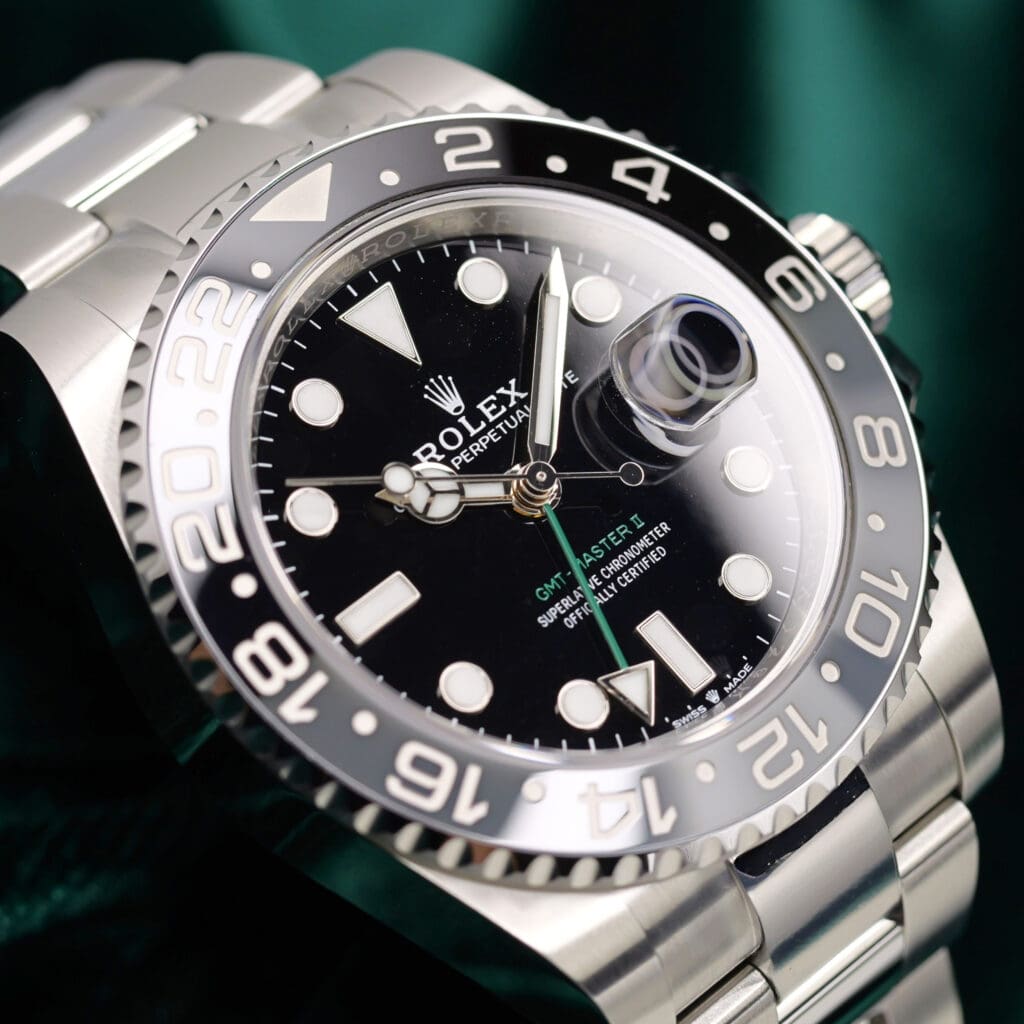
Rolex GMT-Master II Bruce Wayne Black Dial Grey and Black Ceramic Bezel Stainless Steel Oyster Bracelet 40mm MINT CONDITION COMPLETE SET 126710GRNR
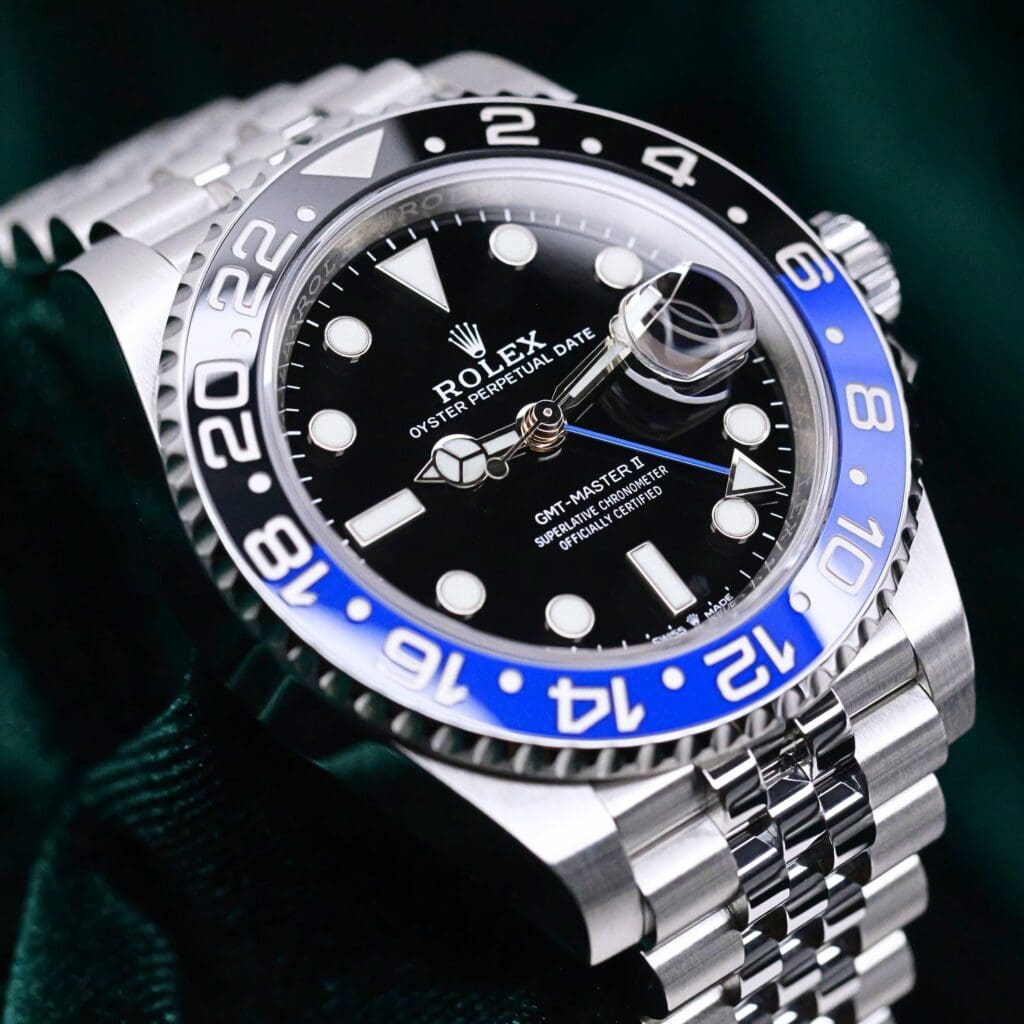
Rolex GMT-Master II "Batgirl" Black Dial Black Blue Ceramic Bezel Jubilee Bracelet Stainless Steel 40mm MINT CONDITION COMPLETE SET 126710BLNR
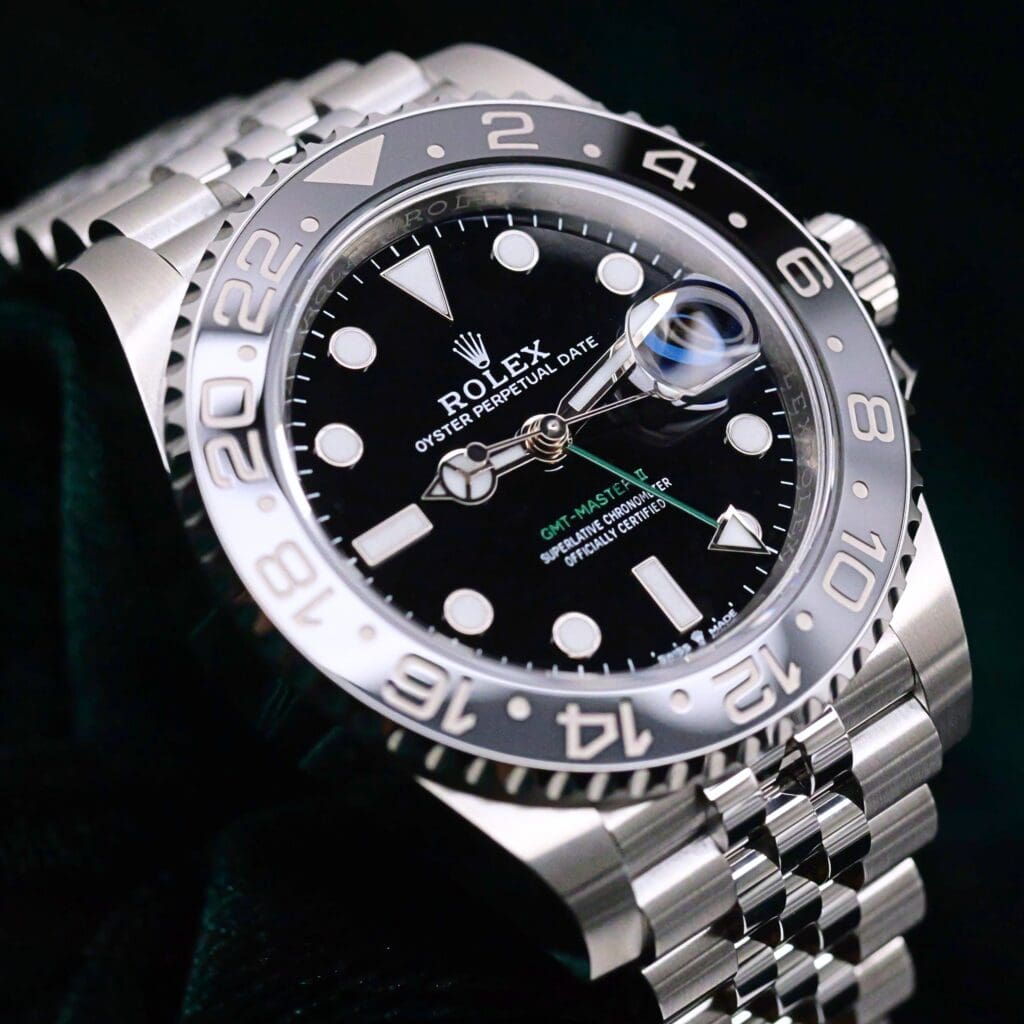
2026 NEW UNWORN Rolex GMT-Master II "Bruce Wayne" Black Dial Black Grey Ceramic Bezel Jubilee Bracelet Stainless Steel 40mm COMPLETE SET 126710GRNR-0003
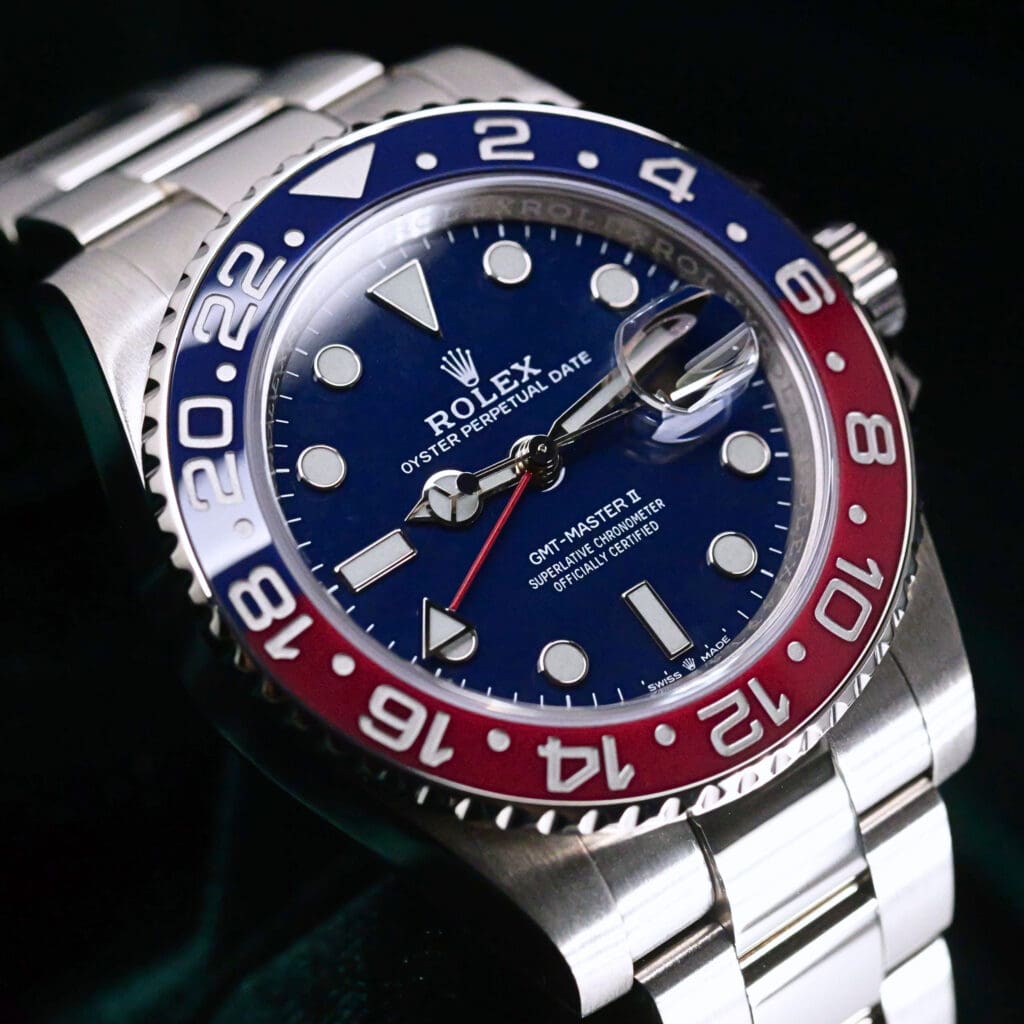
Rolex GMT-Master II "Pepsi" Blue Dial Red Blue Bezel 18K White Gold Oyster Bracelet 40mm MINT CONDITION COMPLETE SET 126719BLRO
2. Water Resistance
The Planet Ocean GMT is rated to 600m / 2,000ft. That comes from thicker case walls, a screw-down crown, and a helium escape valve. The watch is thicker than a pure travel watch needs to be because it was built for diving first.
The GMT-Master II is rated to 100m / 330ft. The Triplock crown handles swimming and general sport use without issue. For most buyers, 100m covers every realistic scenario. The gap only matters if you actually dive.
3. GMT Mechanism
Both watches use a true traveler’s GMT. The local hour hand jumps independently in one-hour increments while the GMT hand keeps tracking home time. The date follows local time on both. Crown feel and feedback differ slightly, but in actual travel use, both work cleanly. This one is a tie.
4. Movement Specs
| Specification | Omega Cal. 8906 | Rolex Cal. 3285 |
| Power reserve | ~60 hours | ~70 hours |
| Accuracy | 0/+5 sec/day (METAS) | -2/+2 sec/day |
| Anti-magnetic | 15,000 gauss | Paramagnetic components |
| Caseback | Transparent | Solid |
The Omega’s 15,000 gauss anti-magnetic rating is the headline spec. The silicon balance spring resists magnetism and lets Omega recommend a 7-8 year service interval. The display caseback shows a well-finished movement: rhodium-plated rotor, Geneva wave bridges.
Rolex wins on accuracy and power reserve. The Cal. 3285 runs to -2/+2 sec/day and stays wound through a full weekend. Rolex does not publish a gauss figure, but the paramagnetic components are not rated to the same threshold as the Cal. 8906.
5. Bezel Construction
Omega’s black and white bezel uses two physically separate ceramic pieces bonded together. Neither color is a treatment applied to the other. It was a manufacturing first in 2016, and Omega currently only produces the black and white configuration.
Rolex starts with a single ceramic piece and treats one section with PVD to create the dual color. The result is scratch-resistant and color-fast. That method gives Rolex more color options: Batman, Bruce Wayne, Sprite, and, until 2026, Pepsi. The Omega method is more complex to manufacture. The Rolex method produces more variety.
Related Models from Majestix
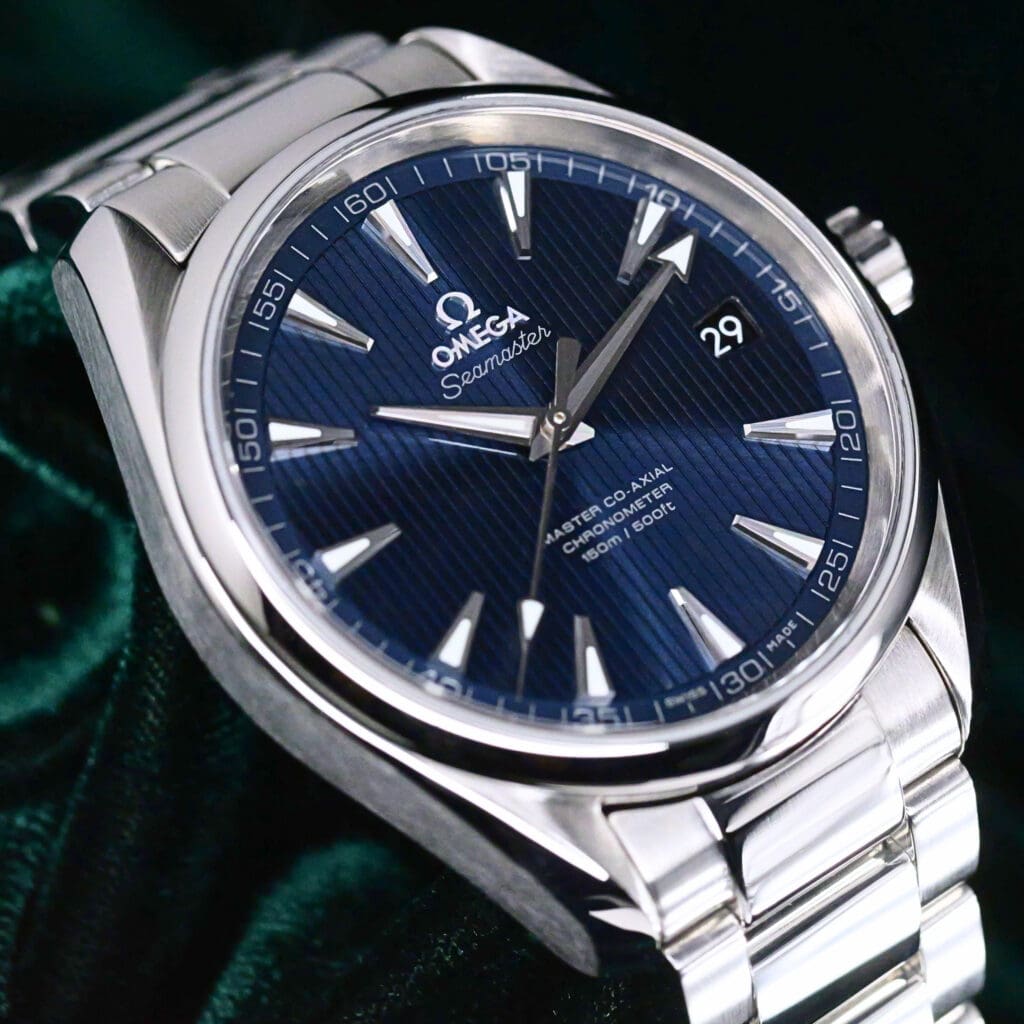
Omega Seamaster Aqua Terra 150M Master Co-Axial Chronometer Blue Teak Dial Stainless Steel 41.5mm MINT CONDITION COMPLETE SET 231.10.42.21.03.003
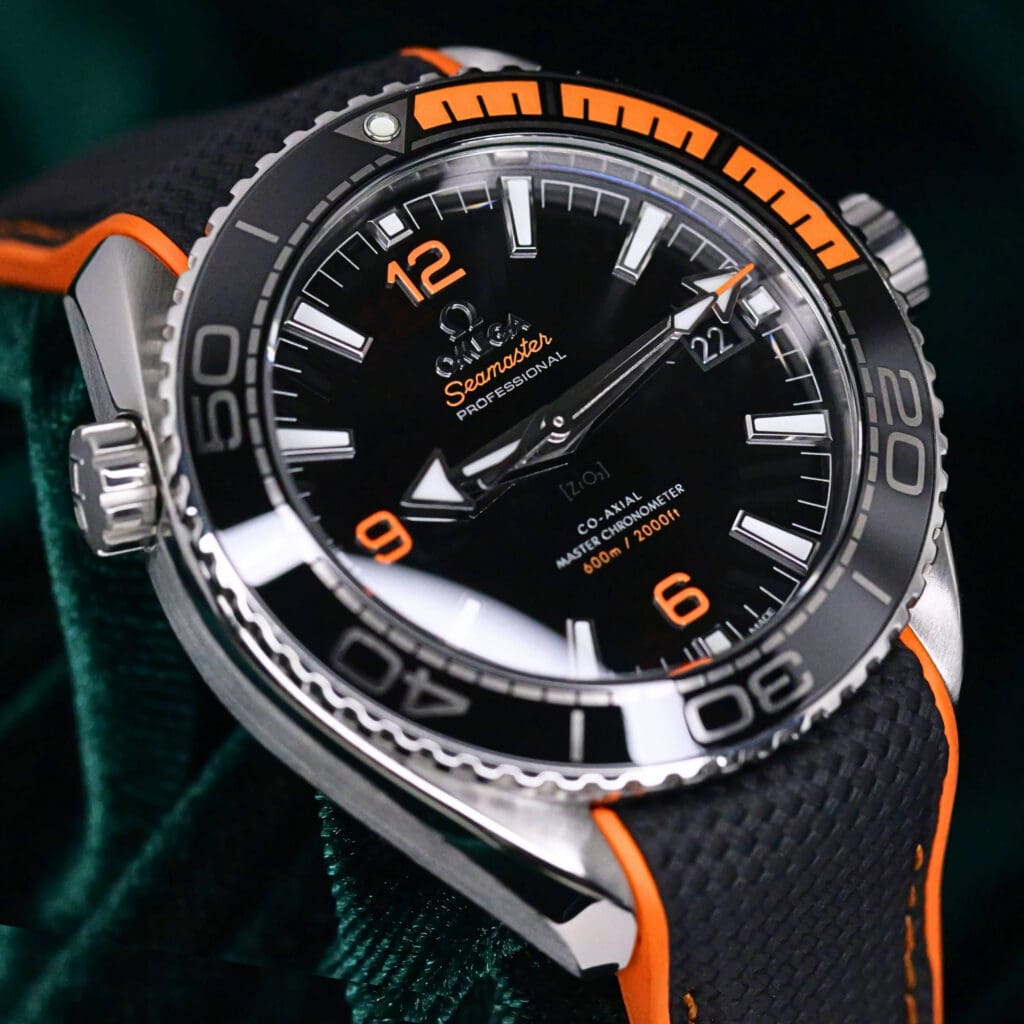
Omega Seamaster Planet Ocean 600M Black Dial Black Orange Ceramic Bezel Black Orange Rubber Strap Stainless Steel 43.5mm MINT CONDITION COMPLETE SET 215.32.44.21.01.001
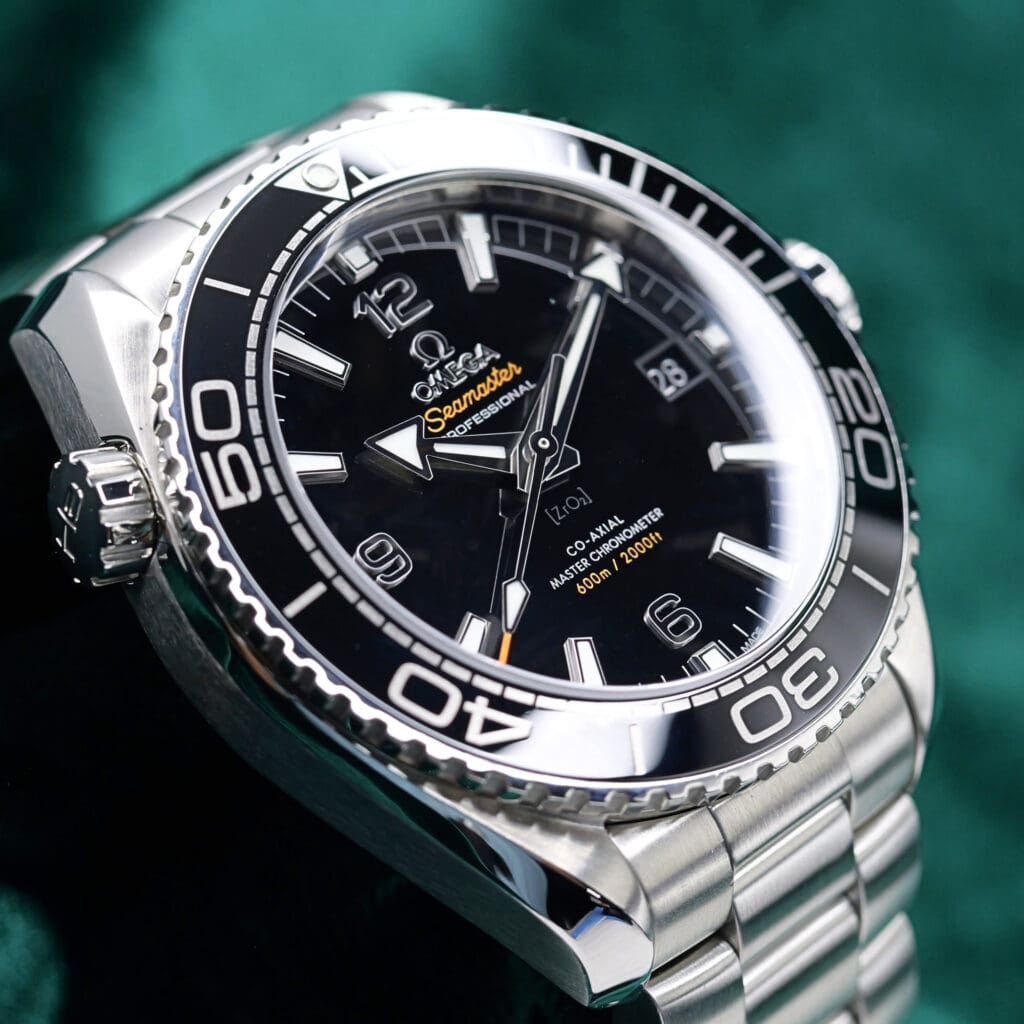
Omega Seamaster Planet Ocean 600M Black Dial Stainless Steel 43.5mm MINT CONDITION COMPLETE SET 215.30.44.21.01.001
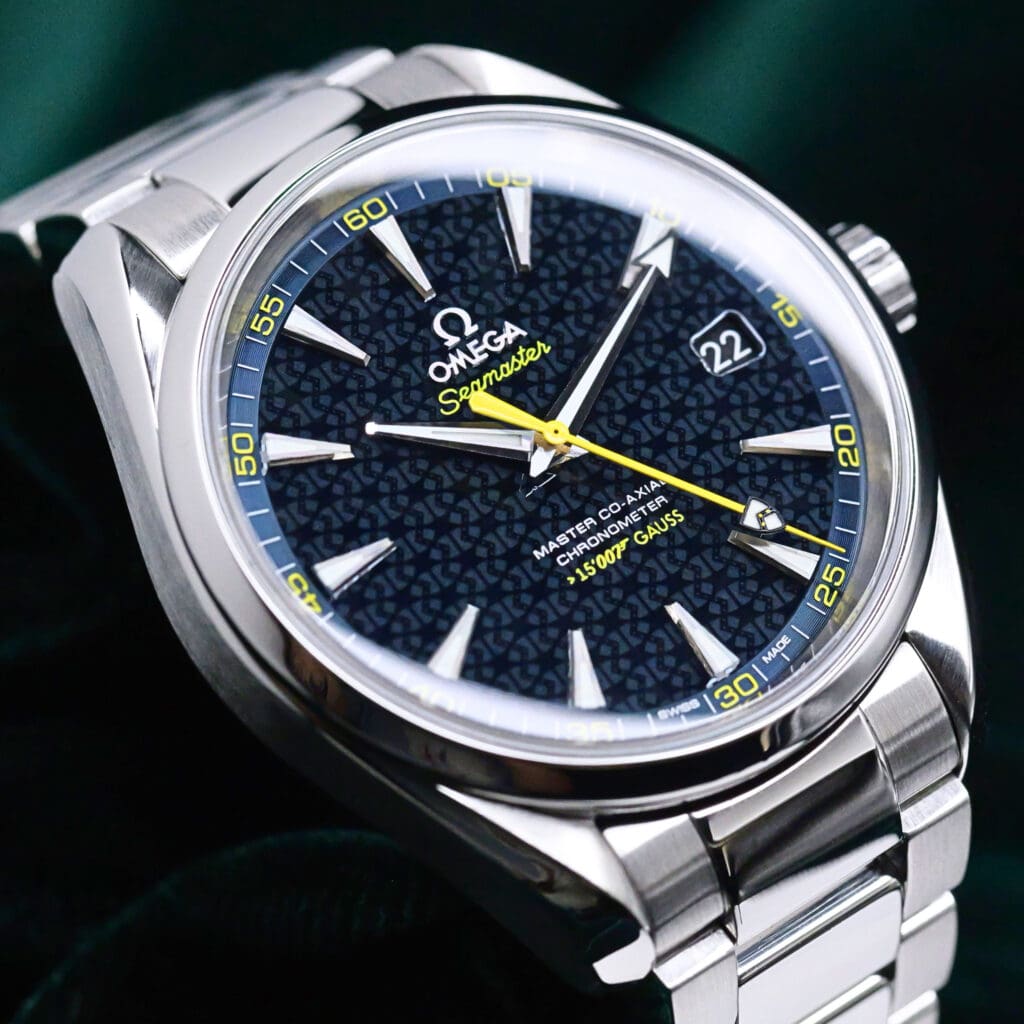
Omega Seamaster Aqua Terra 150M "James Bond Spectre" Blue Dial Yellow Accents Stainless Steel 41.5mm MINT CONDITION COMPLETE SET 231.10.42.21.03.004

Omega Seamaster Diver 300M "James Bond 007 Commander's Watch" Limited Edition White Dial Blue Ceramic Bezel Stainless Steel 41mm MINT CONDITION COMPLETE SET 212.32.41.20.04.001
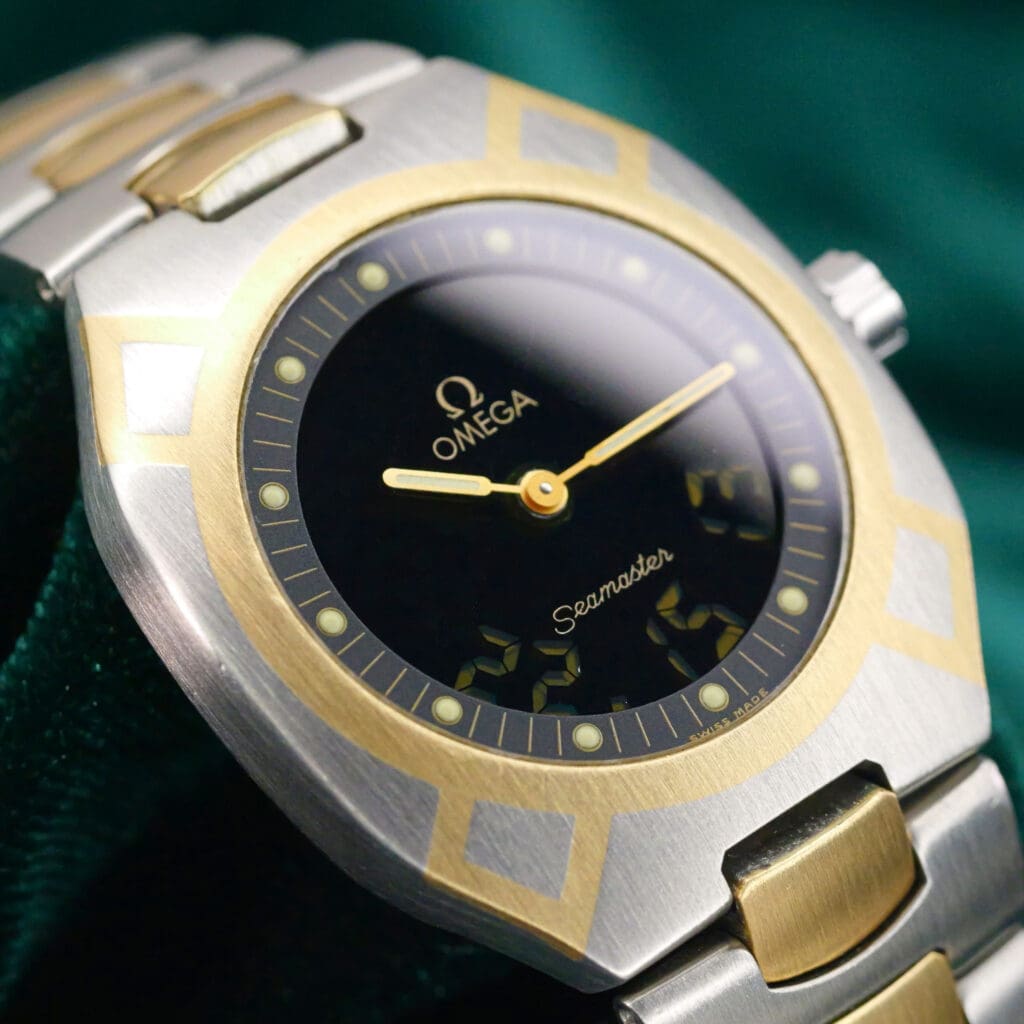
Omega Seamaster Polaris Multifunction Black Dial Two-Tone Stainless Steel & Yellow Gold 32mm Excellent 386.0822
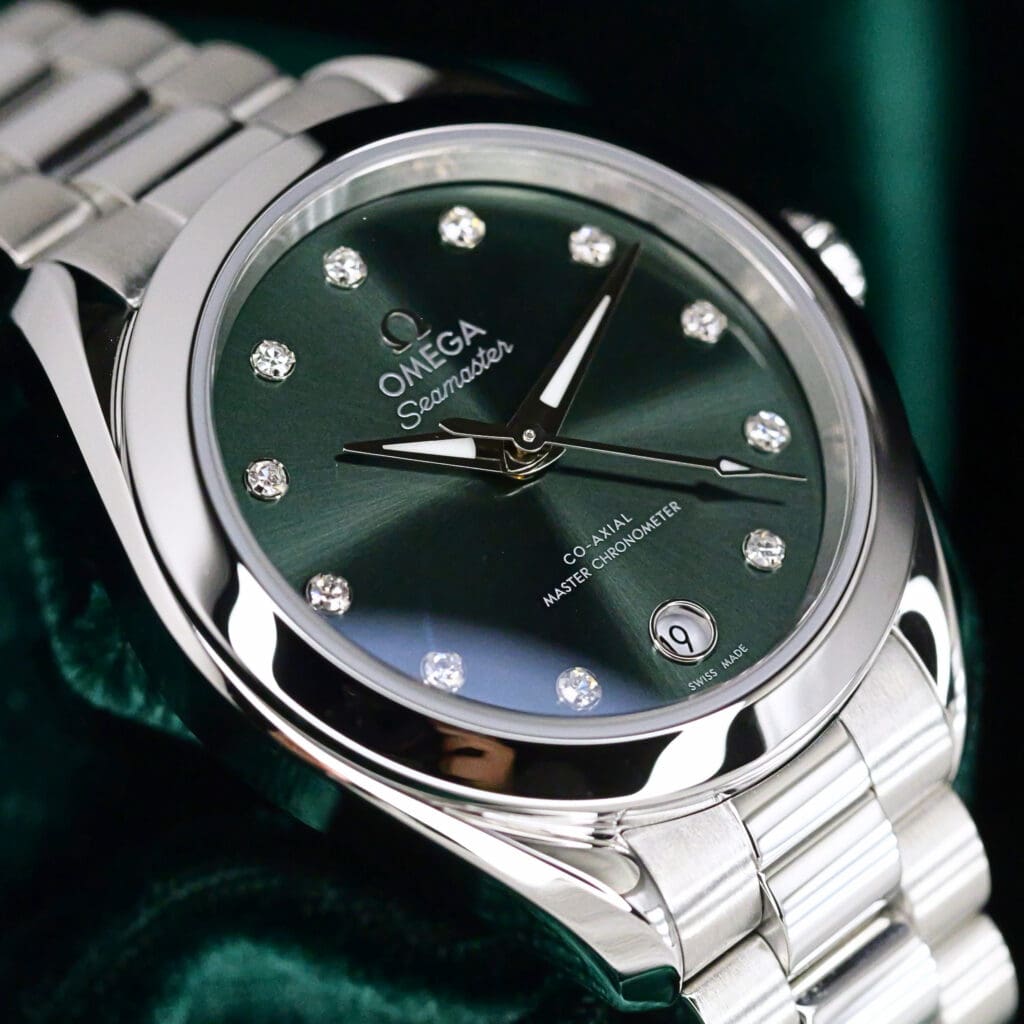
2026 NEW UNWORN Omega Seamaster Aqua Terra Green Sunburst Dial Diamond Markers Stainless Steel 30mm . COMPLETE SET 220.10.30.20.60.001
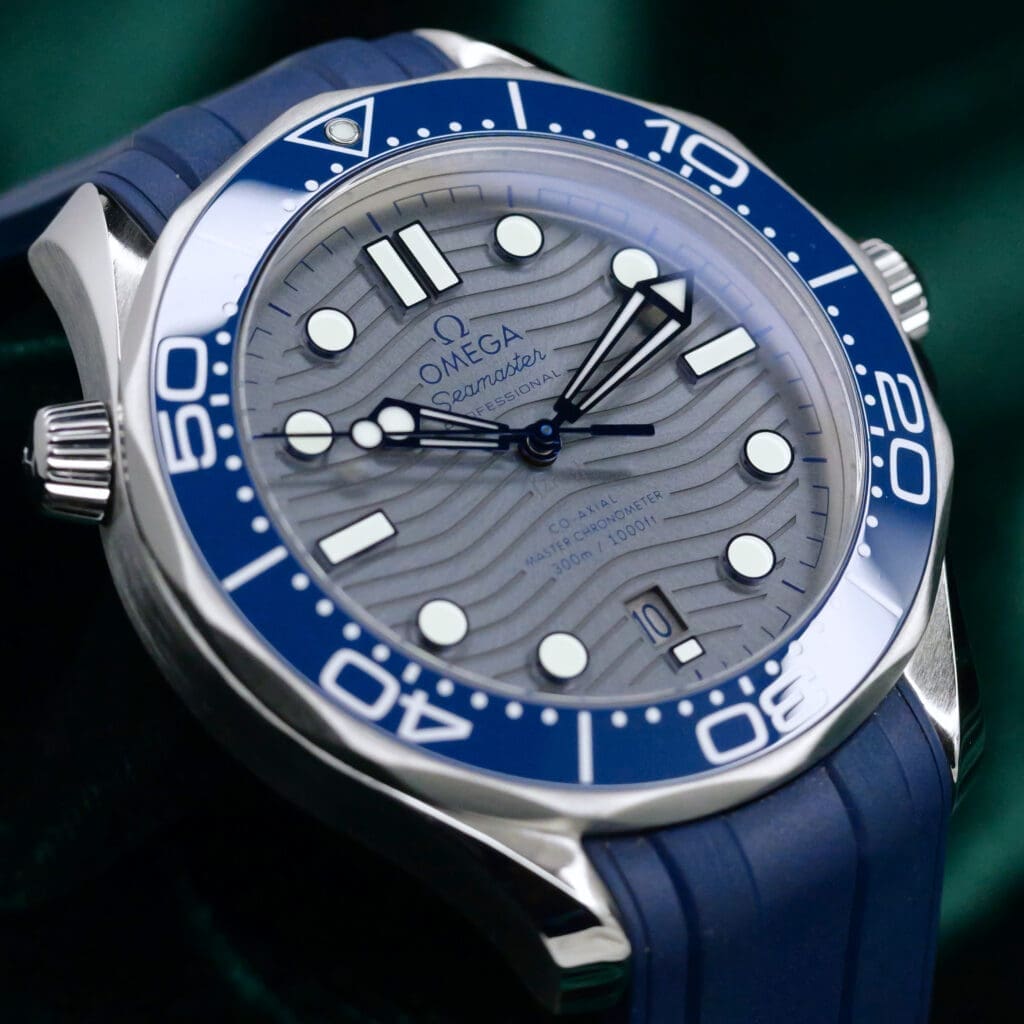
Omega Seamaster Diver 300M Grey Wave Dial Blue Ceramic Bezel Stainless Steel 42mm MINT CONDITION COMPLETE SET 210.32.42.20.06.001
6. Bracelet Quality
The GMT-Master II uses 904L Oystersteel, which has better corrosion resistance than the 316L steel Omega uses. The scratch resistance difference is minor and contested, but 904L polishes more brightly and holds its finish longer.
The Jubilee bracelet includes an Easylink clasp that adjusts without tools, with an Oyster option also available. If you’re torn between them, we walk through Jubilee vs Oyster in detail separately.
The Planet Ocean GMT uses 316L stainless steel, with a foldover clasp and diver’s extension. The fit and feel sit below the Rolex Jubilee. The 21mm lug width also limits strap options compared to the Rolex’s standard 20mm.
What Changed for This Comparison in 2026
The steel Pepsi is gone. On April 14, 2026, at the opening of Watches and Wonders in Geneva, Rolex discontinued the steel GMT-Master II Pepsi (ref. 126710BLRO) along with the white gold 126719BLRO. No successor was announced.
The reaction was immediate. Purchase requests for the Pepsi spiked, and secondary prices that had been sitting in the high teens ran past $30,000, with unworn 2026-dated examples pushing north of $40,000.
For this comparison, two things follow. First, the Pepsi is no longer a watch you cross-shop against the Omega at $19,000 to $22,000. It is a collector piece now, priced accordingly.
Second, the steel colors still in production, Batman, Batgirl, Bruce Wayne, and Sprite, absorbed some of that attention. That keeps the whole Rolex side of this comparison expensive on the grey market.
Rolex also took a price adjustment in January 2026. Steel GMT-Master II retail now sits around $11,100 to $11,800 depending on reference and bracelet, up from the $10,700 the model carried before.
Price and Market Demand
The retail prices are closer than the grey-market prices. What happens after purchase is where these two split hard.
The Planet Ocean GMT Oreo (ref. 215.30.44.22.01.001) retails at $9,800 at authorized dealers, with stock available without a waitlist. Pre-owned examples with box and papers trade around $5,000 to $5,600, roughly 48% below retail. It has been a soft performer, up only single digits over five years while the broader market climbed more.
The GMT-Master II retails at roughly $11,100 to $11,800 for steel references as of 2026. Getting one at retail requires an established AD relationship, which is the whole tradeoff between buying at an AD and on the grey market.
On the secondary market, the current-production Batman and Batgirl (ref. 126710BLNR) trade around $16,000 to $20,000, and the Bruce Wayne (ref. 126710GRNR) around $19,000 to $23,000. The discontinued Pepsi now sits far above both.
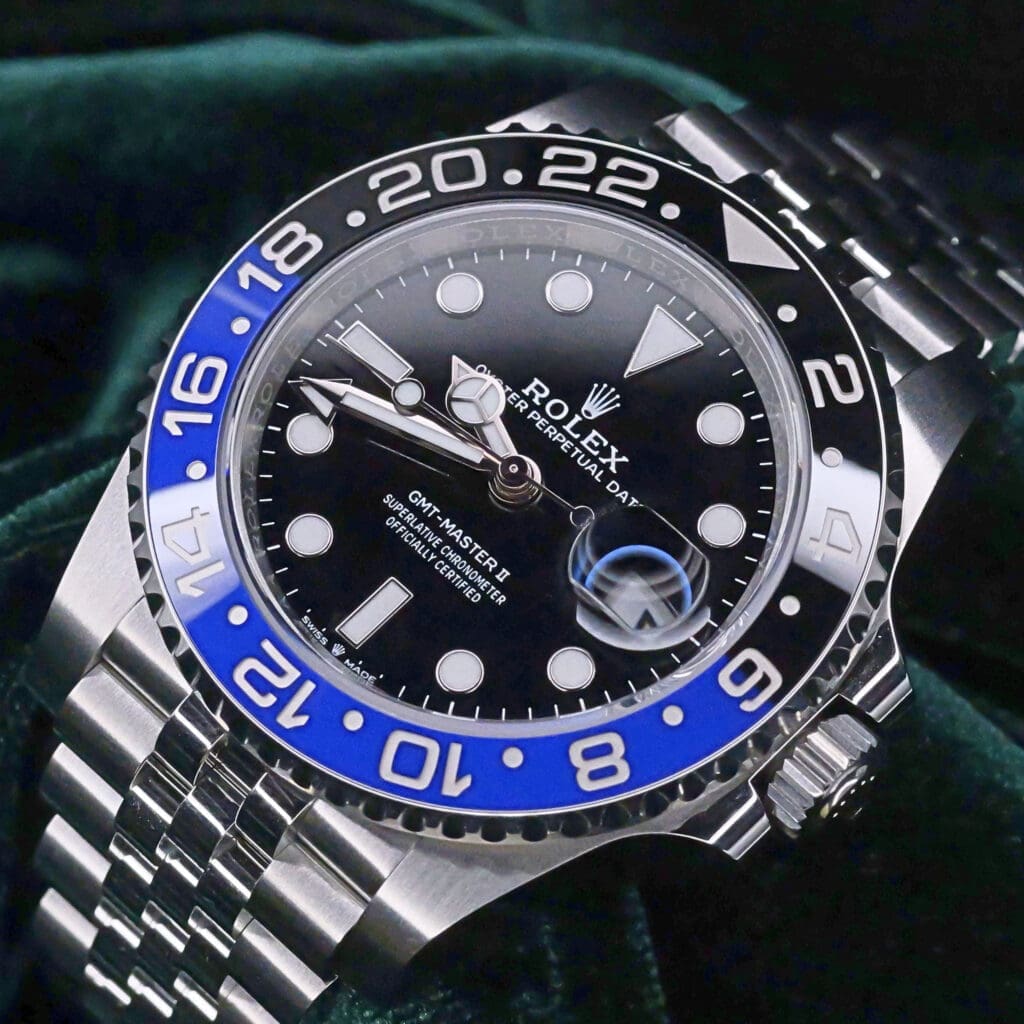

The retail gap is roughly $1,300 to $2,000. The grey-market gap is far larger: buying a Rolex at market versus an Omega at retail is a $6,000 to $18,000 swing depending on the reference. The Omega is the better value on entry. The Rolex holds and builds value on exit, and we go deeper on how Omega and Rolex hold their value in a separate breakdown.
Liquidity tells the same story. Omega examples tend to sit before they sell. Rolex references move fast, and a full set, mint condition, and a recent warranty date push prices to the top of the range. For the Omega, movement generation matters most: Cal. 8906 post-2016 pieces command a premium over earlier Cal. 8605 references.
Notable Omega Seamaster Planet Ocean GMT References

These references represent the main buying decisions within the collection, and our Omega GMT buying guide walks through the full lineup.
1. Omega Seamaster Planet Ocean GMT Ref. 215.30.44.22.01.001
The Oreo is the current flagship and the reference most directly compared against the GMT-Master II. It runs the Cal. 8906, carries the bi-ceramic black and white bezel, and delivers 600m water resistance. Stock is available at authorized dealers without a waitlist.
- Case size: 43.5mm
- Thickness: ~17mm
- Material: 316L stainless steel
- Movement: Cal. 8906, METAS Master Chronometer
- Power reserve: ~60 hours
- Water resistance: 600m
- Bezel: Bi-ceramic black/white, two-piece construction
- Typical price range: $5,000–$5,600 pre-owned / $9,800 new
2. Omega Seamaster Planet Ocean GMT Ref. 215.33.44.22.01.001
Same watch as the steel-bracelet Oreo. Same Cal. 8906, same bi-ceramic bezel, same METAS certification. The only difference is the strap: black alligator leather with rubber lining. It trades at a slight discount on the secondary market.
- Case size: 43.5mm
- Material: 316L stainless steel
- Movement: Cal. 8906, METAS Master Chronometer
- Power reserve: ~60 hours
- Water resistance: 600m
- Bezel: Black and white bi-ceramic
- Strap: Black alligator leather with rubber lining
- Typical price range: $4,500–$5,200 pre-owned


3. Omega Seamaster Planet Ocean GMT Ref. 215.92.46.22.01.001
The Deep Black runs the Cal. 8906 in a full ceramic case, bezel, and dial. At 45.5mm wide and ~17.2mm thick, it is a large watch. It suits buyers who want an all-ceramic instrument and are not worried about cuff compatibility.
- Case size: 45.5mm
- Thickness: ~17.2mm
- Material: Full ceramic (ZrO₂)
- Movement: Cal. 8906, METAS Master Chronometer
- Power reserve: ~60 hours
- Water resistance: 600m
- Bezel: Black ceramic, 60-minute unidirectional dive scale
- Typical price range: $6,500–$9,500 pre-owned / ~$13,000 new
Notable Rolex GMT-Master II References

The bezel color changes the personality of the watch considerably. The choice between references is often as much cultural as it is technical, and our Rolex GMT-Master II buying guide breaks down the full lineup.
1. Rolex GMT-Master II Ref. 126710BLNR
The Batman (Oyster) and Batgirl (Jubilee) are the same black-and-blue reference, and together they are the most transacted GMT-Master II on the secondary market. The colorway reads more restrained than the Pepsi, which lets it work across more contexts without drawing attention.
The Jubilee has more articulation than the Oyster and adjusts fit without tools via the Easylink clasp.
- Case size: 40mm
- Thickness: ~12mm
- Lug-to-lug: ~48mm
- Material: 904L Oystersteel
- Movement: Cal. 3285, Superlative Chronometer
- Power reserve: ~70 hours
- Bezel: Black and blue Cerachrom ceramic
- Water resistance: 100m
- Typical price range: $16,000–$20,000 secondary market


2. Rolex GMT-Master II Ref. 126710GRNR
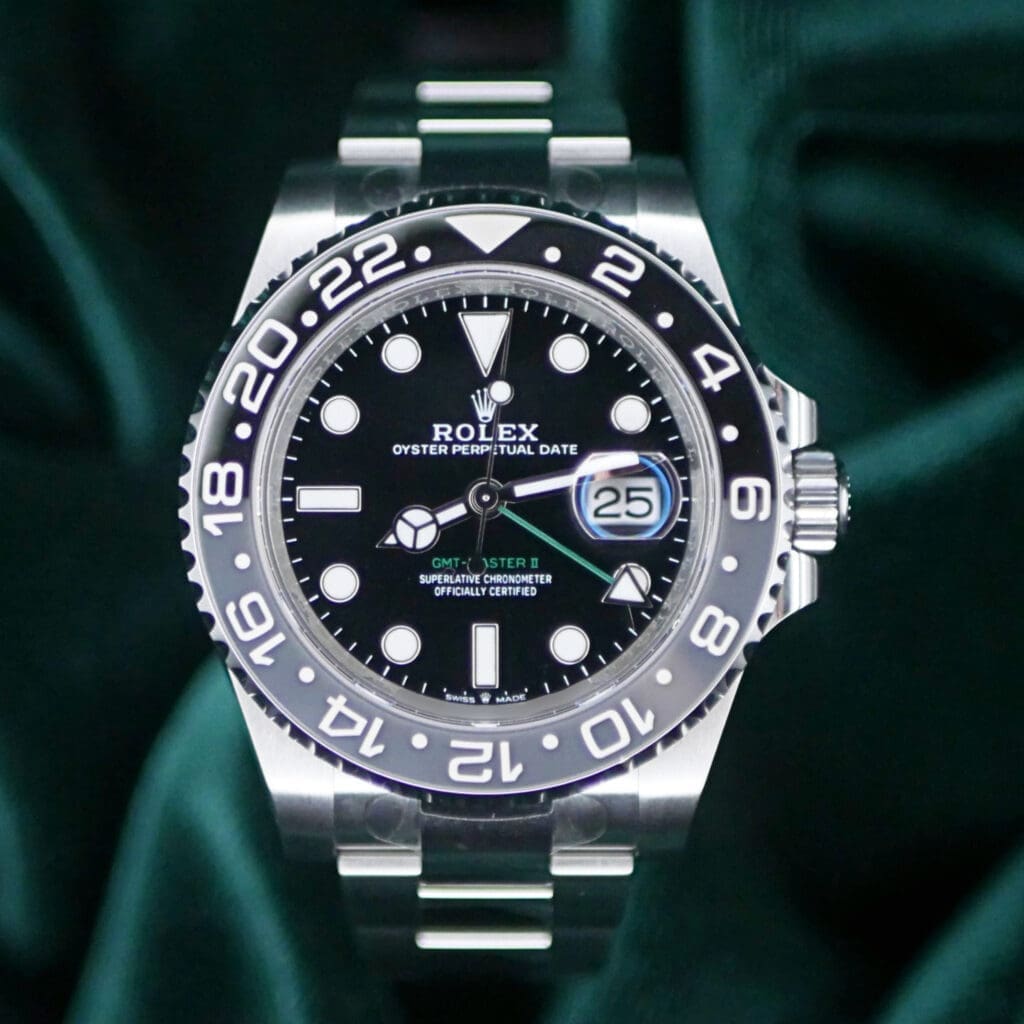
The Bruce Wayne arrived in 2024 as the most restrained option in the steel lineup. The grey section uses a platinum PVD fill. Green accents on the GMT hand and dial text are the only color. It shares the movement, case, and bracelet options with the rest of the range. Prices corrected down from a 2024 launch spike and have held above retail since.
If you’re choosing between it and the blue-bezel Batman, our full Batman vs Bruce Wayne comparison covers the differences.
- Case size: 40mm
- Thickness: ~12mm
- Material: 904L Oystersteel
- Movement: Cal. 3285, Superlative Chronometer
- Power reserve: ~70 hours
- Bezel: Grey and black Cerachrom, platinum PVD fill
- Water resistance: 100m
- Typical price range: $19,000–$23,000 secondary market
3. Rolex GMT-Master II Ref. 126710BLRO (Discontinued 2026)
The red and blue Pepsi traces directly to 1955. The steel version returned in 2018 after years existing only in white gold, and Rolex pulled it from the catalog in April 2026.
It was already the priciest steel GMT-Master II reference, and discontinuation pushed it into a different tier. For buyers who want the watch that defined the GMT category, this is it, but you are now paying collector money. Our Rolex Pepsi buying guide covers what to look for on the pre-owned market.
- Case size: 40mm
- Thickness: ~12mm
- Material: 904L Oystersteel
- Movement: Cal. 3285, Superlative Chronometer
- Power reserve: ~70 hours
- Bezel: Red and blue Cerachrom ceramic
- Water resistance: 100m
- Typical price range: ~$25,000–$40,000+ secondary market


Which GMT Watch Should You Choose?
The decision comes down to how you weigh the factors that affect daily use.
Choose the Omega Seamaster Planet Ocean GMT if:
- You want a dive watch that also tracks two time zones
- The 43.5mm case works on your wrist
- You want to buy at retail without a waitlist
- Movement finishing and anti-magnetic performance matter to you
- Pre-owned pricing around $5,000 fits your budget
Related Models from Majestix
Omega Seamaster Aqua Terra 150M Master Co-Axial Chronometer Blue Teak Dial Stainless Steel 41.5mm MINT CONDITION COMPLETE SET 231.10.42.21.03.003
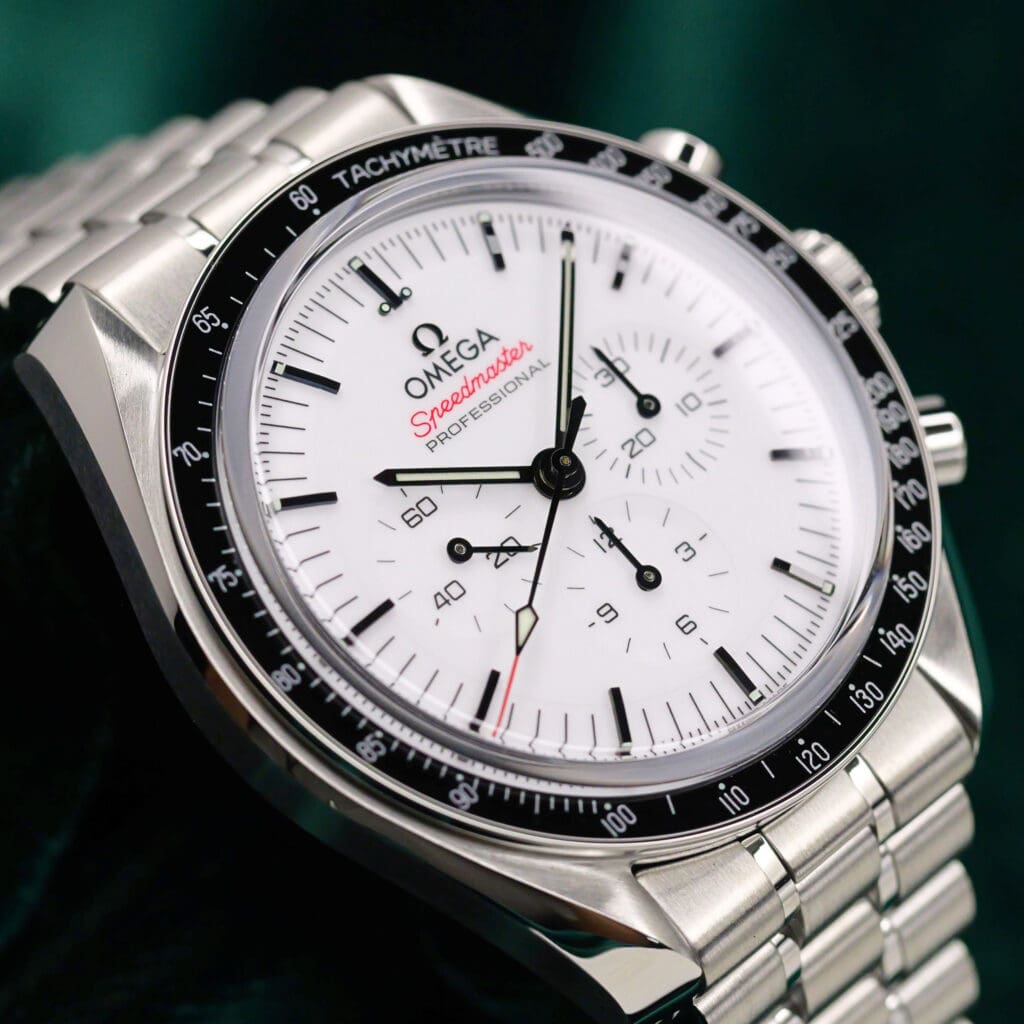
2026 NEW UNWORN Omega Speedmaster Moonwatch Professional White Dial Stainless Steel 42mm COMPLETE SET 310.30.42.50.04.001
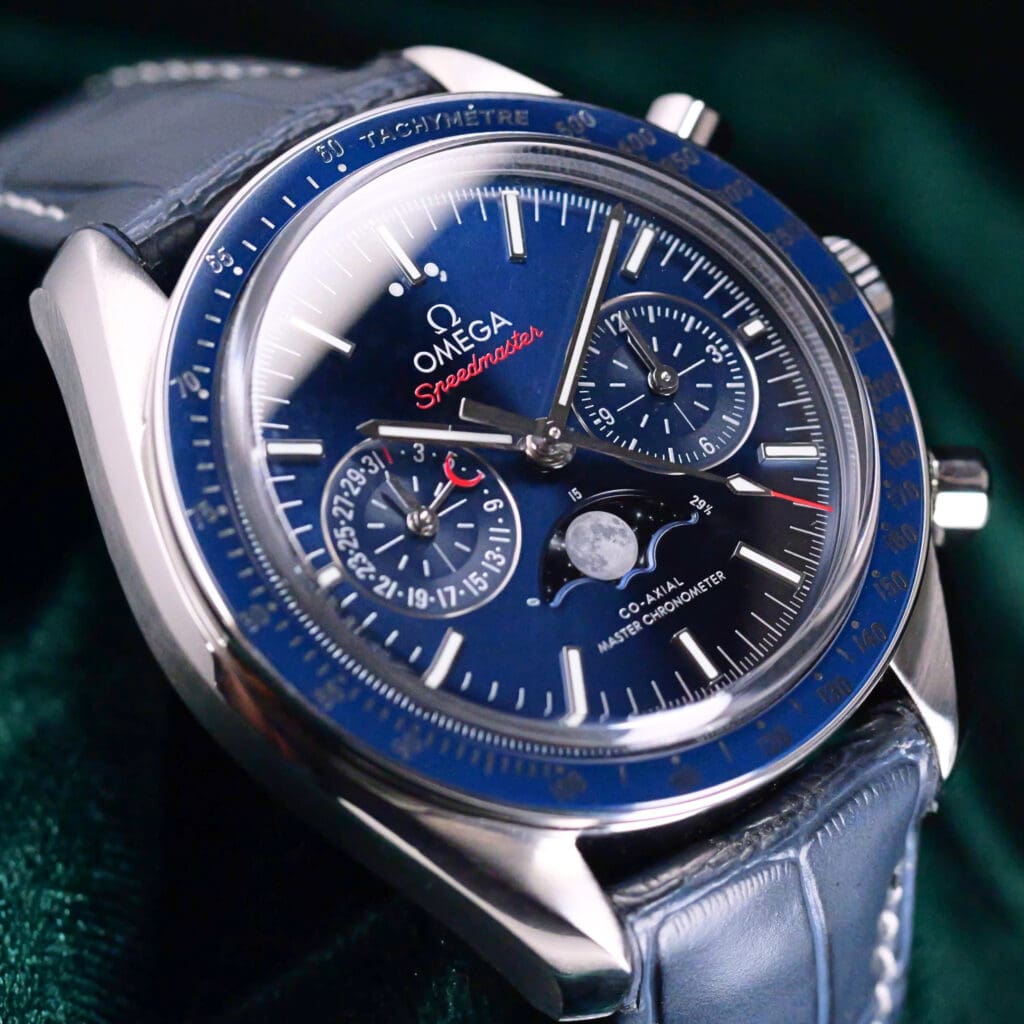
Omega Speedmaster Moonphase Blue Dial Blue Leather Strap Stainless Steel 44.25mm MINT CONDITION COMPLETE SET 304.33.44.52.03.001
Omega Seamaster Planet Ocean 600M Black Dial Black Orange Ceramic Bezel Black Orange Rubber Strap Stainless Steel 43.5mm MINT CONDITION COMPLETE SET 215.32.44.21.01.001

Omega Speedmaster "Orbis Edition" 38mm Blue Dial Blue Bezel Stainless Steel Bracelet MINT COMPLETE SET 324.30.38.50.03.002
Omega Seamaster Planet Ocean 600M Black Dial Stainless Steel 43.5mm MINT CONDITION COMPLETE SET 215.30.44.21.01.001
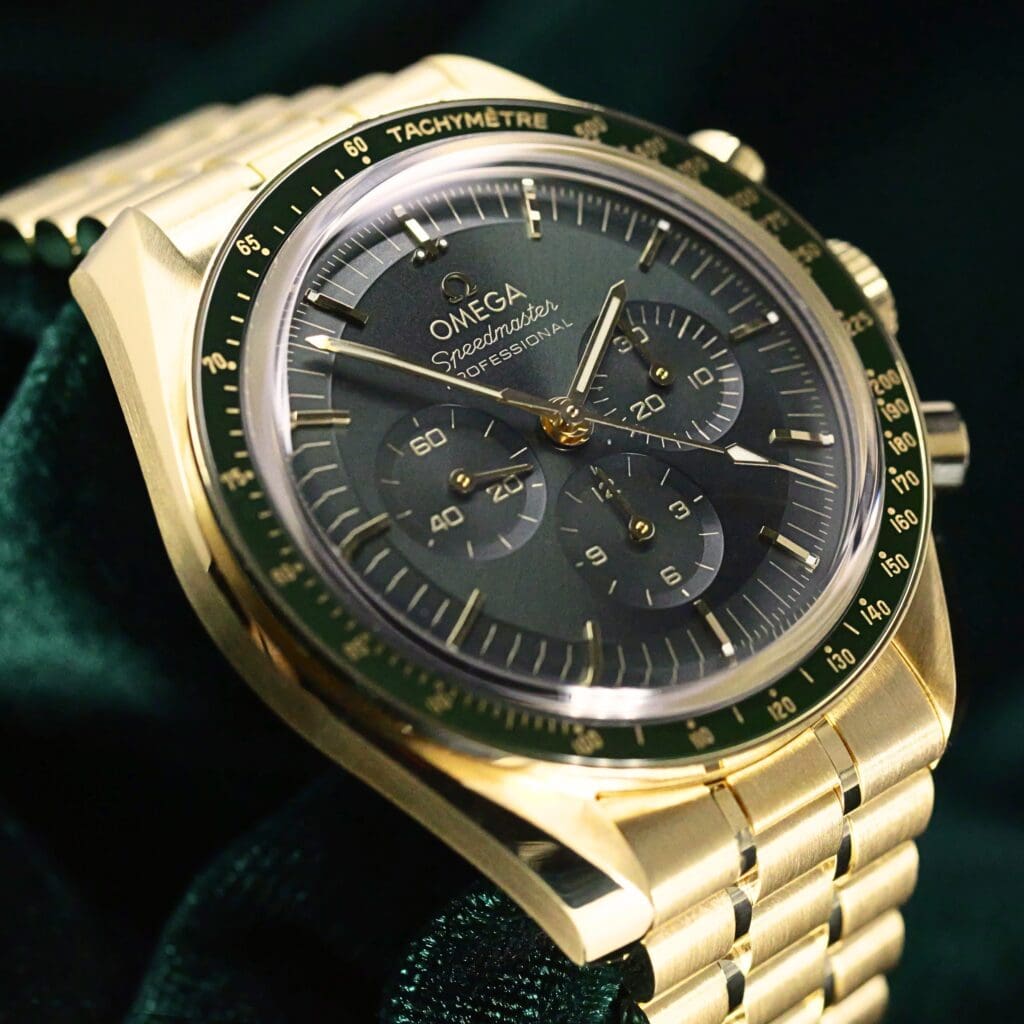
Omega Speedmaster Professional Moonwatch "Moonshine" Green Dial 18K Yellow Gold 42mm MINT CONDITION COMPLETE SET 310.60.42.50.10.001
Omega Seamaster Aqua Terra 150M "James Bond Spectre" Blue Dial Yellow Accents Stainless Steel 41.5mm MINT CONDITION COMPLETE SET 231.10.42.21.03.004

Omega Speedmaster Split-Seconds "Rattrapante" Black Carbon Fiber Dial Stainless Steel 42mm MINT CONDITION 3540.50
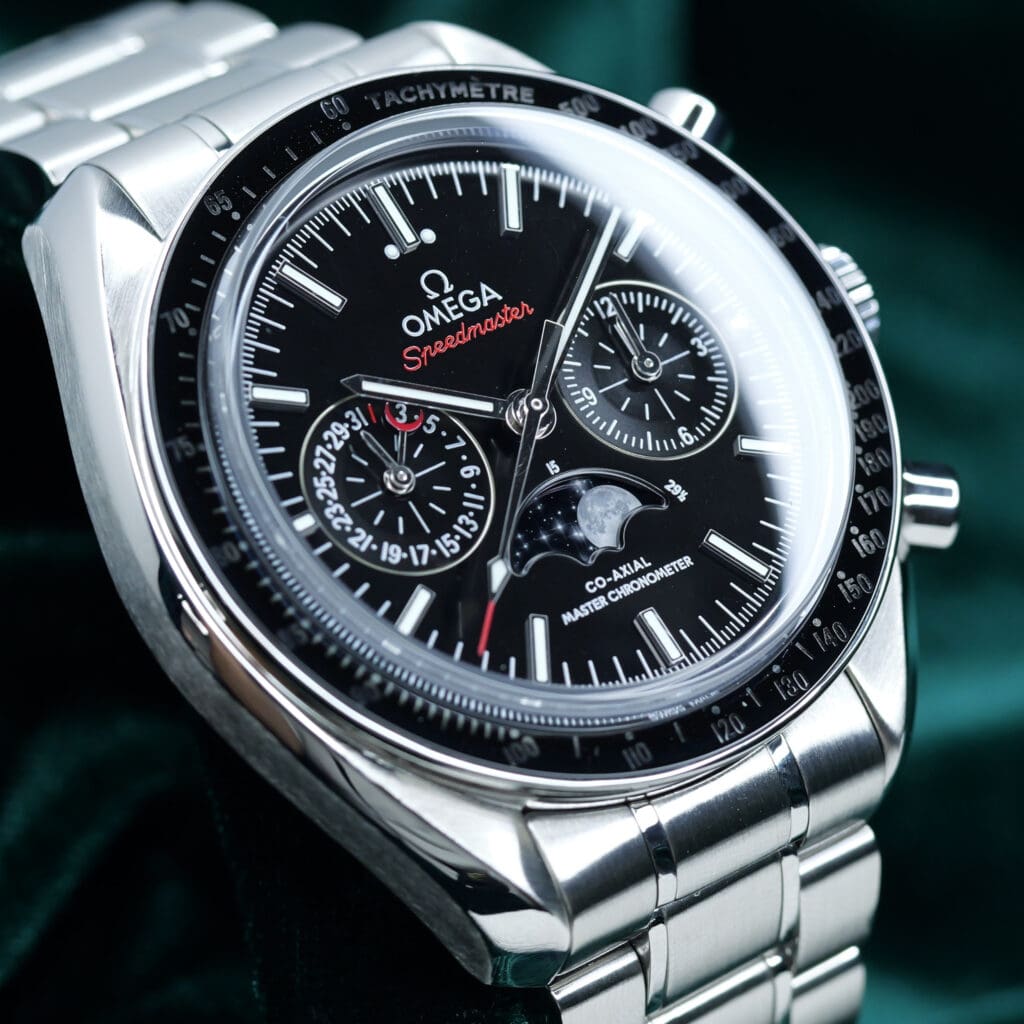
Omega Speedmaster Moonphase Co-Axial Master Chronometer Chronograph Black Dial Stainless Steel 44.25mm MINT CONDITION COMPLETE SET 304.30.44.52.01.001
Omega Seamaster Diver 300M "James Bond 007 Commander's Watch" Limited Edition White Dial Blue Ceramic Bezel Stainless Steel 41mm MINT CONDITION COMPLETE SET 212.32.41.20.04.001
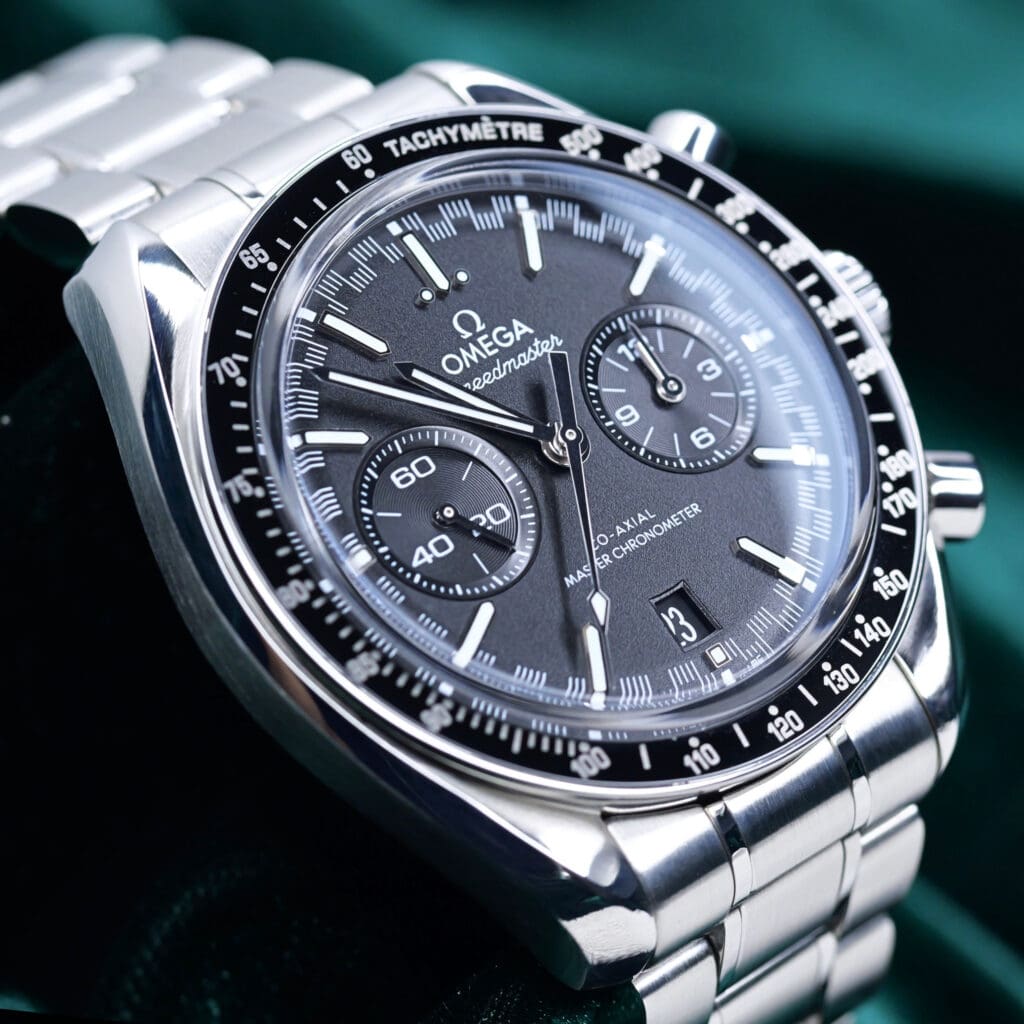
Omega Speedmaster Racing Co-Axial Master Chronometer Black Dial Stainless Steel 44.25mm MINT CONDITION COMPLETE SET 329.30.44.51.01.001
Choose the Rolex GMT-Master II if:
- You want a watch that fits under a shirt cuff
- You want a watch that works in any setting
- Bracelet quality and long-term finish matter for daily wear
- Value retention and resale liquidity are part of your decision
- Collector recognition behind the reference matters to you
Related Models from Majestix
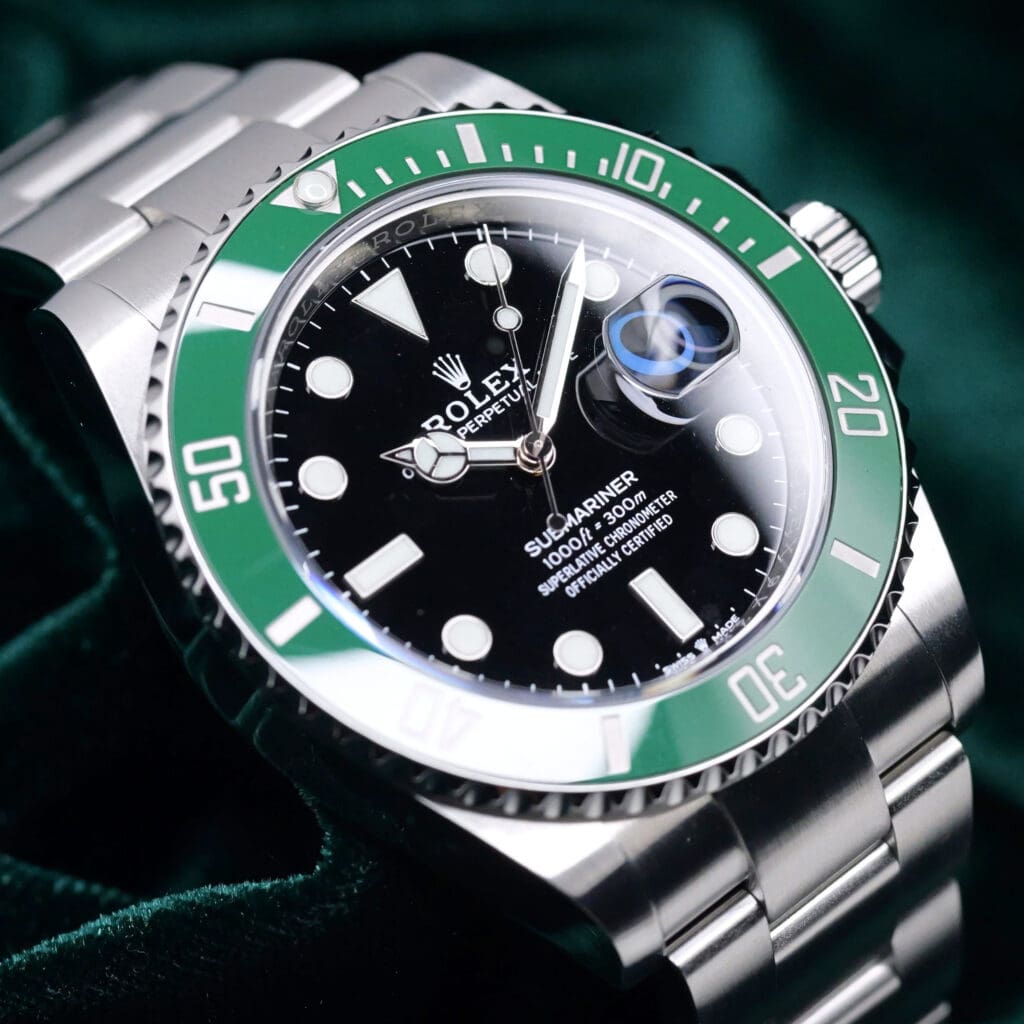
Rolex Submariner Date Starbucks Black Dial Green Ceramic Bezel Oyster Bracelet Stainless Steel 41mm MINT CONDITION COMPLETE SET 126610LV

Rolex Sea-Dweller Deepsea James Cameron D-Blue Dial Black Ceramic Bezel Oyster Bracelet Stainless Steel 44mm MINT CONDITION 116660-0003
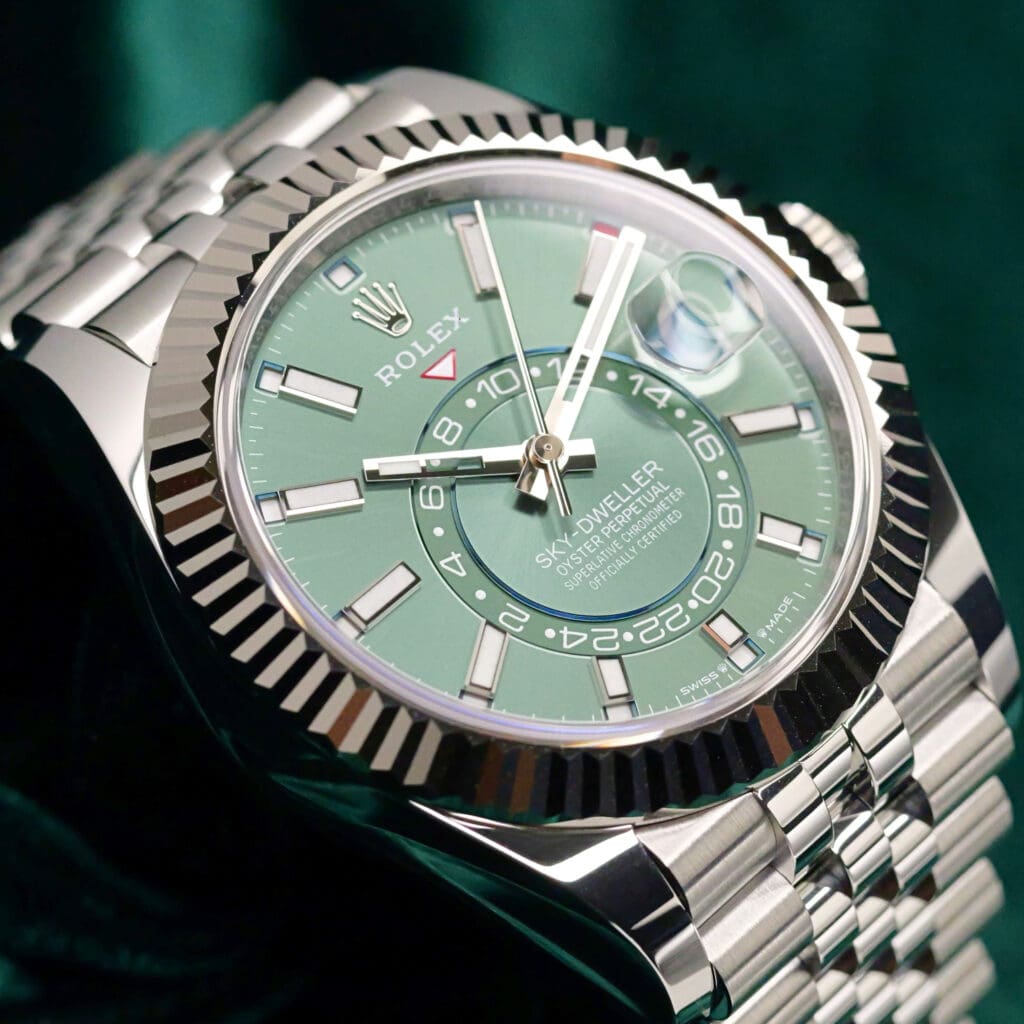
2026 NEW UNWORN Rolex Sky-Dweller Mint Green Dial 18K White Gold Fluted Bezel Jubilee Bracelet Stainless Steel 42mm COMPLETE SET 336934-0002
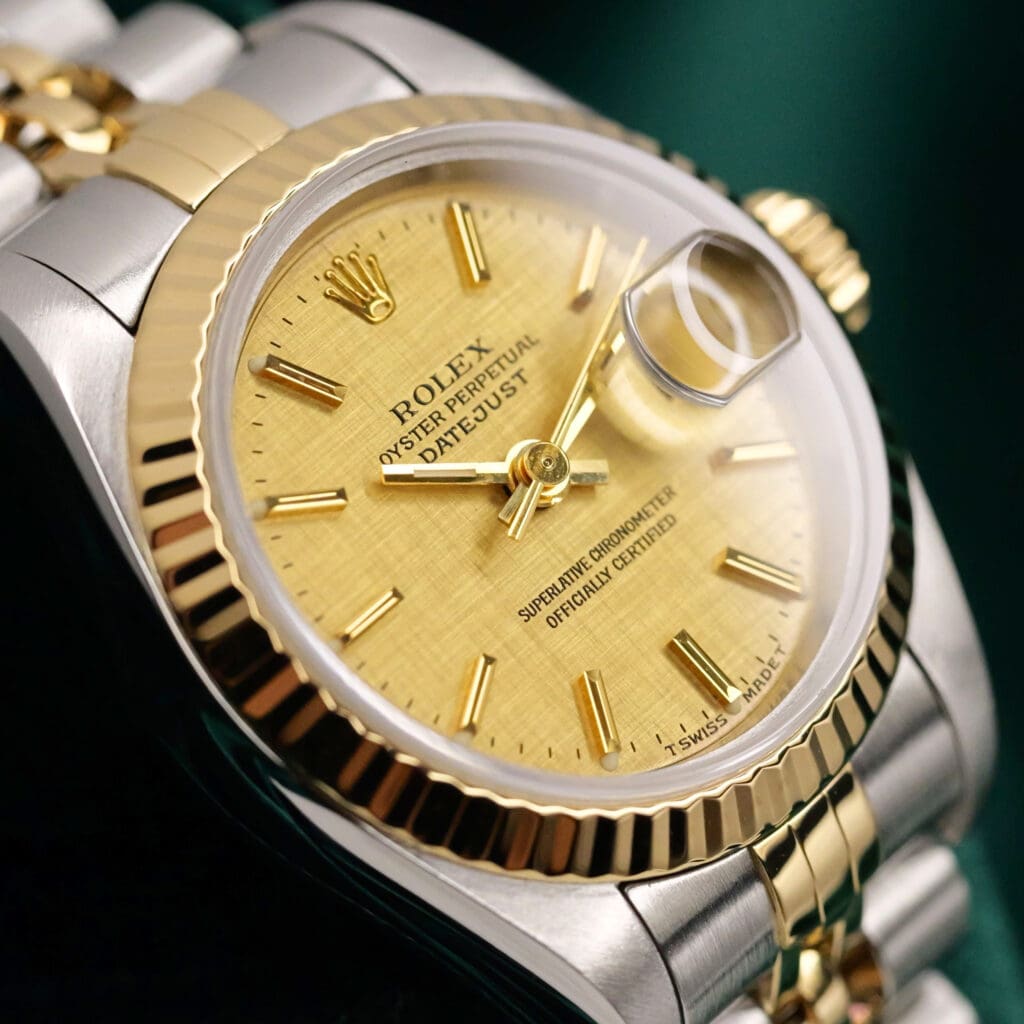
Rolex Lady-Datejust Champagne Linen Dial 18k Yellow Gold Fluted Bezel Jubilee Bracelet Two Tone Steel & Gold 26mm MINT CONDITION COMPLETE SET 69173
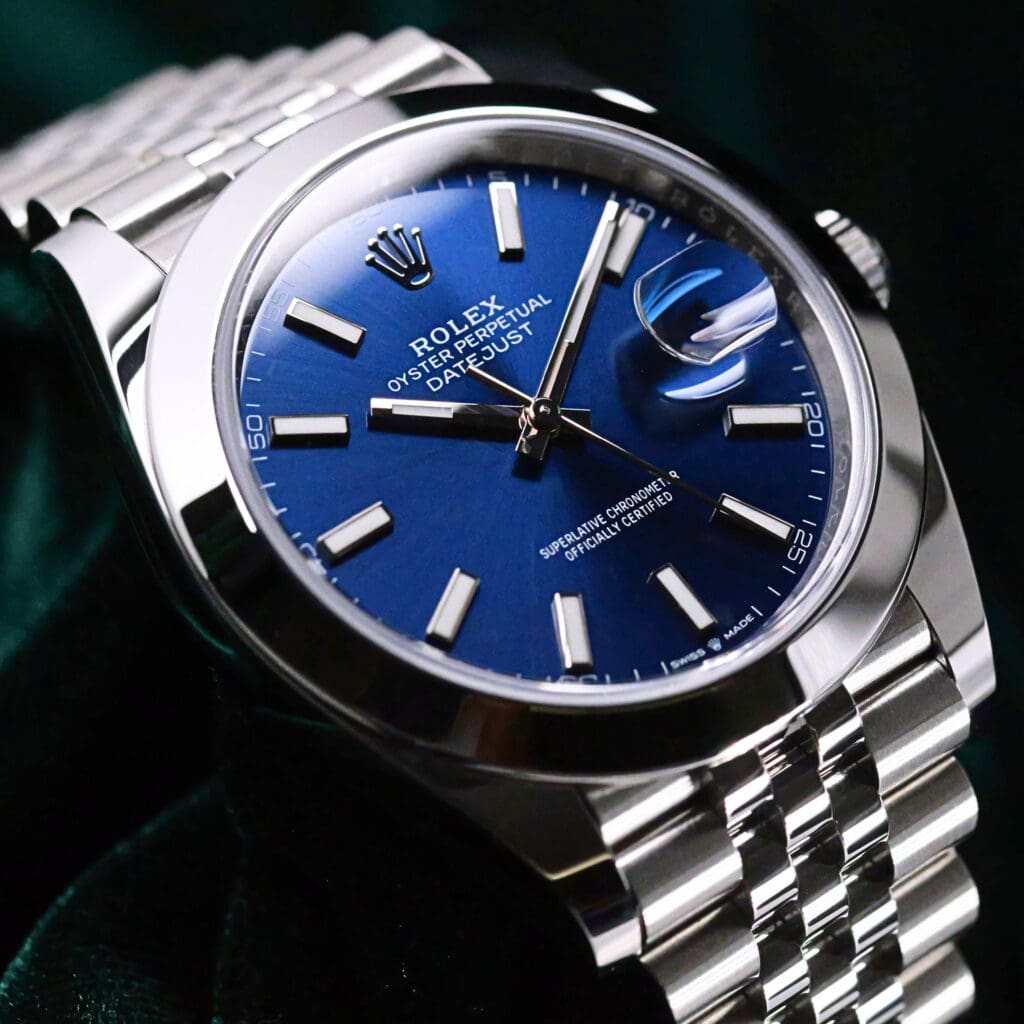
2026 Rolex Datejust Blue Dial Smooth Bezel Jubilee Bracelet Stainless Steel 41mm MINT CONDITION COMPLETE SET 126300
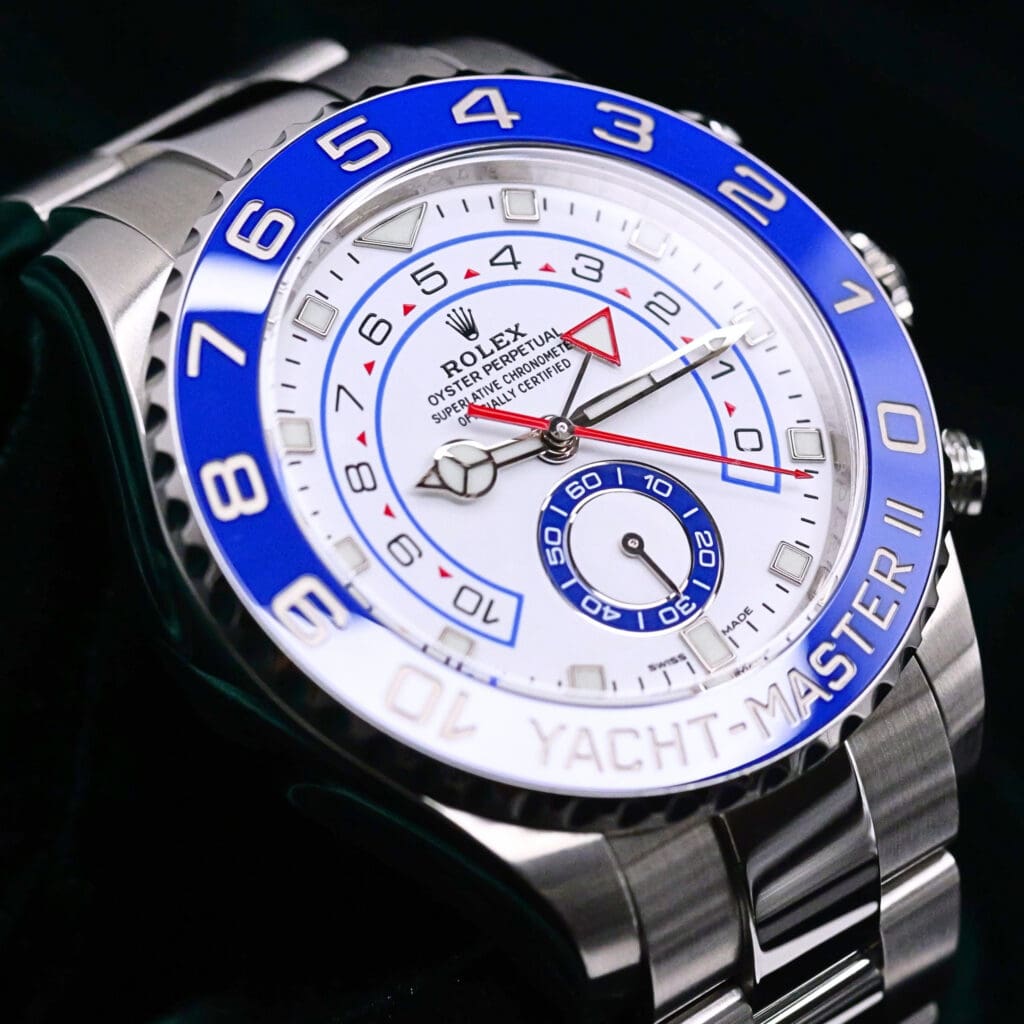
Rolex Yacht-Master II White Dial Blue Ceramic Bezel Oyster Bracelet Stainless Steel 44mm MINT CONDITION COMPLETE SET 116680
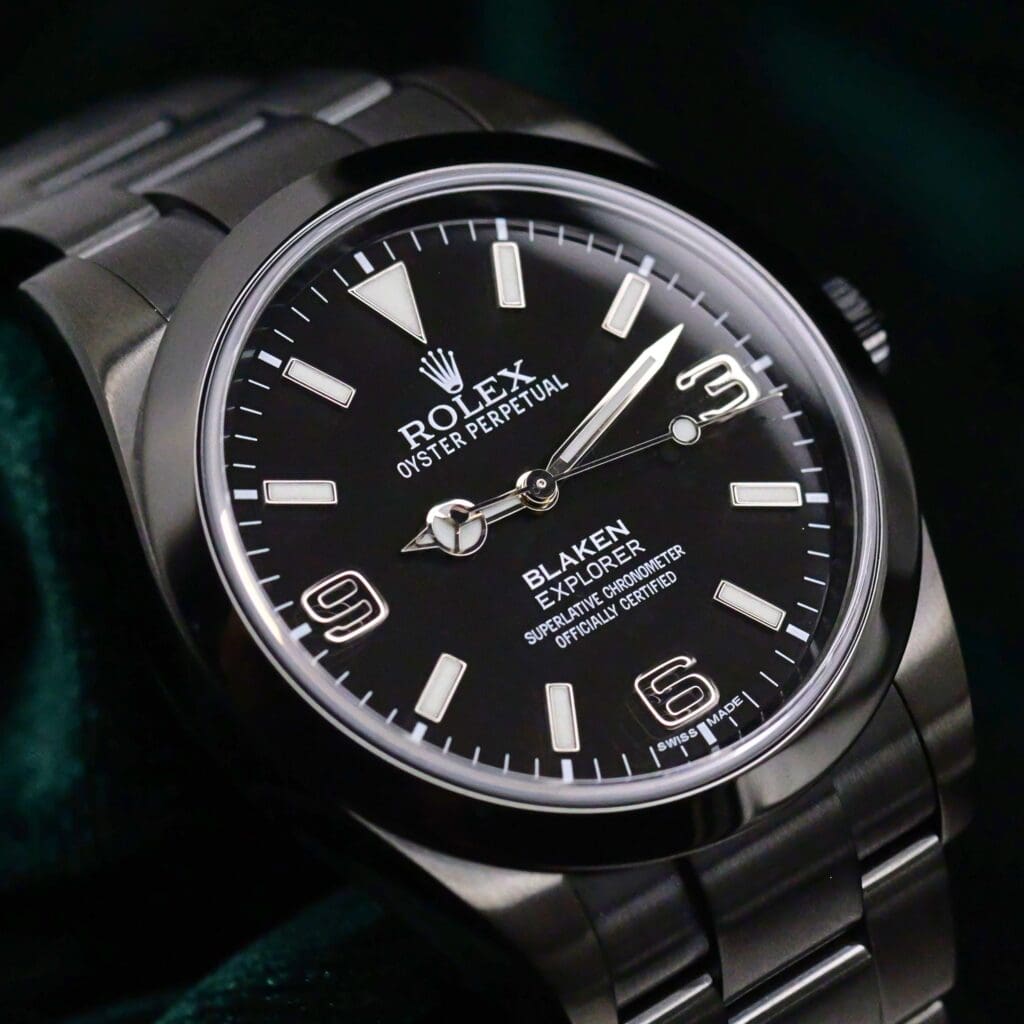
Rolex Explorer Blaken Black Dial Oyster Bracelet DLC Black Stainless Steel 39mm MINT CONDITION COMPLETE SET 214270
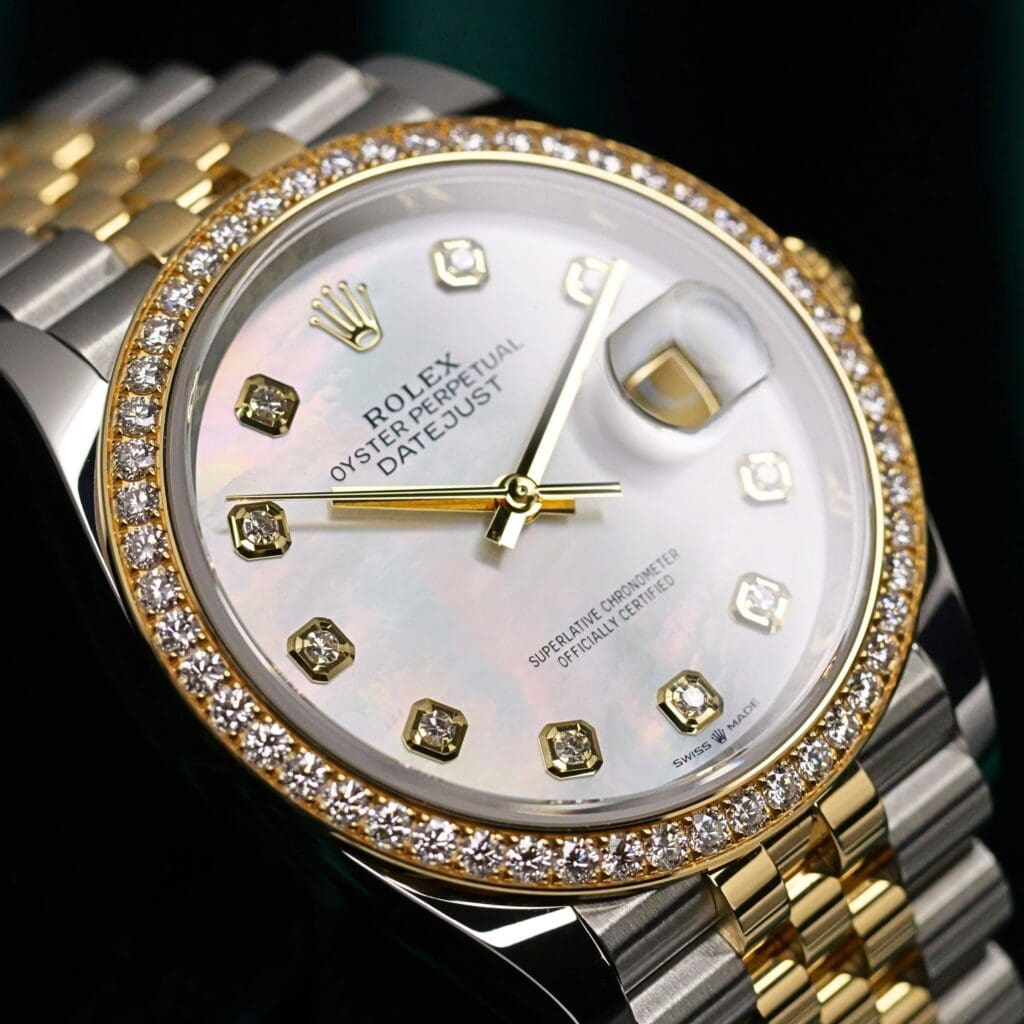
2026 NEW UNWORN Rolex Datejust 36 Mother of Pearl Diamond Dial Diamond Bezel Jubilee Two-Tone Steel 18k Yellow Gold 36mm COMPLETE SET 126283RBR-0009
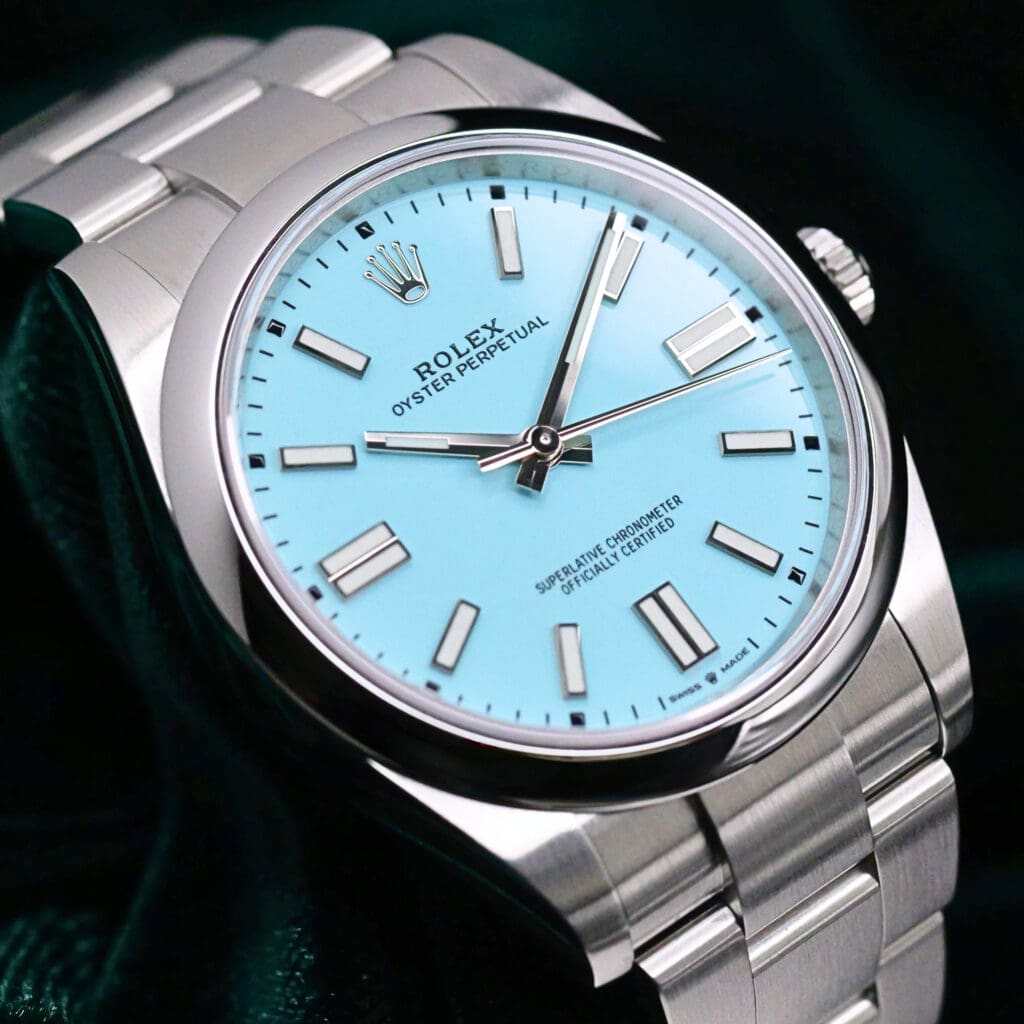
Rolex Oyster Perpetual "Tiffany" Turquoise Blue Dial Oyster Bracelet Stainless Steel 41mm MINT CONDITION COMPLETE SET 124300
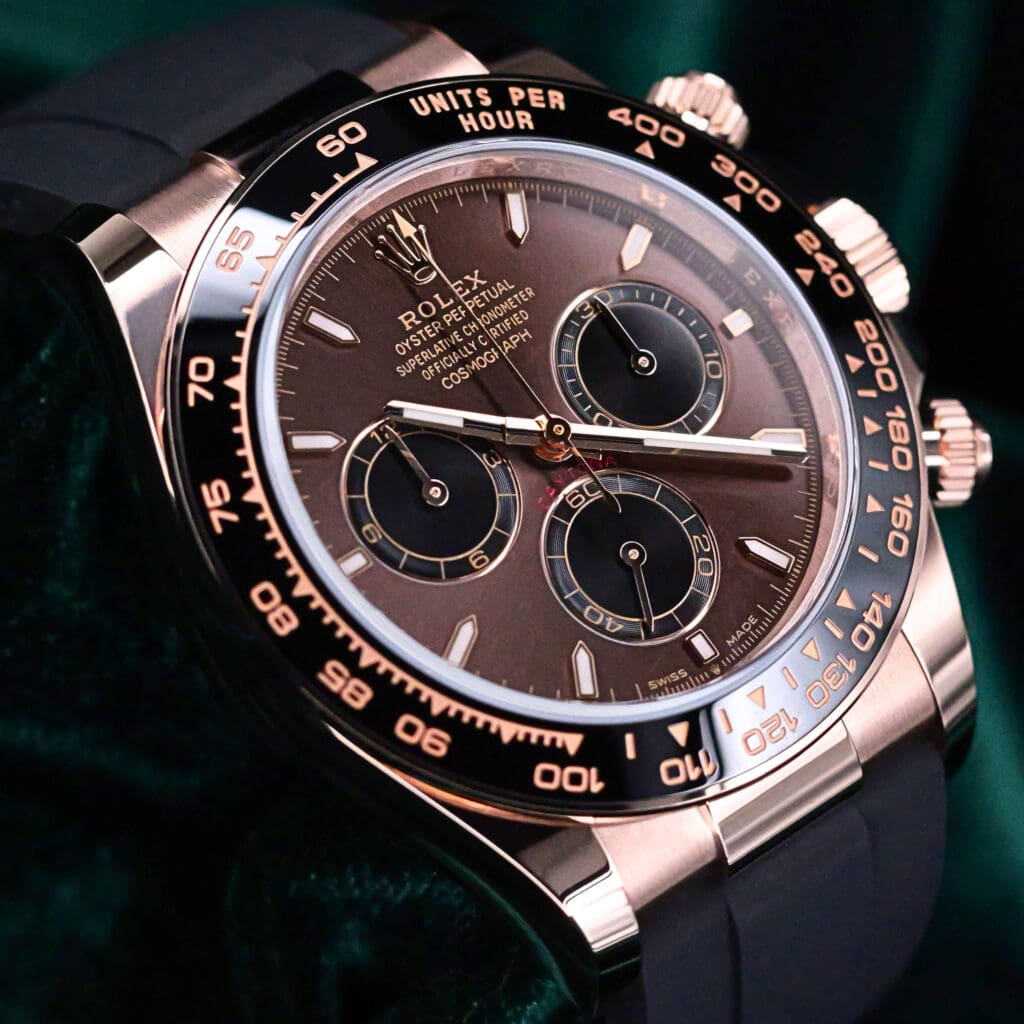
Rolex Cosmograph Daytona Chocolate Brown Dial Black Ceramic Bezel Black Subdials Black Oysterflex 18K Rose Gold 40mm MINT CONDITION 126515LN-0010
Rolex GMT-Master II Zombie Black Dial Black/Grey Ceramic Bezel Jubilee Bracelet Two-Tone 18K Yellow Gold Stainless Steel 40mm MINT CONDITION COMPLETE SET 126713GRNR
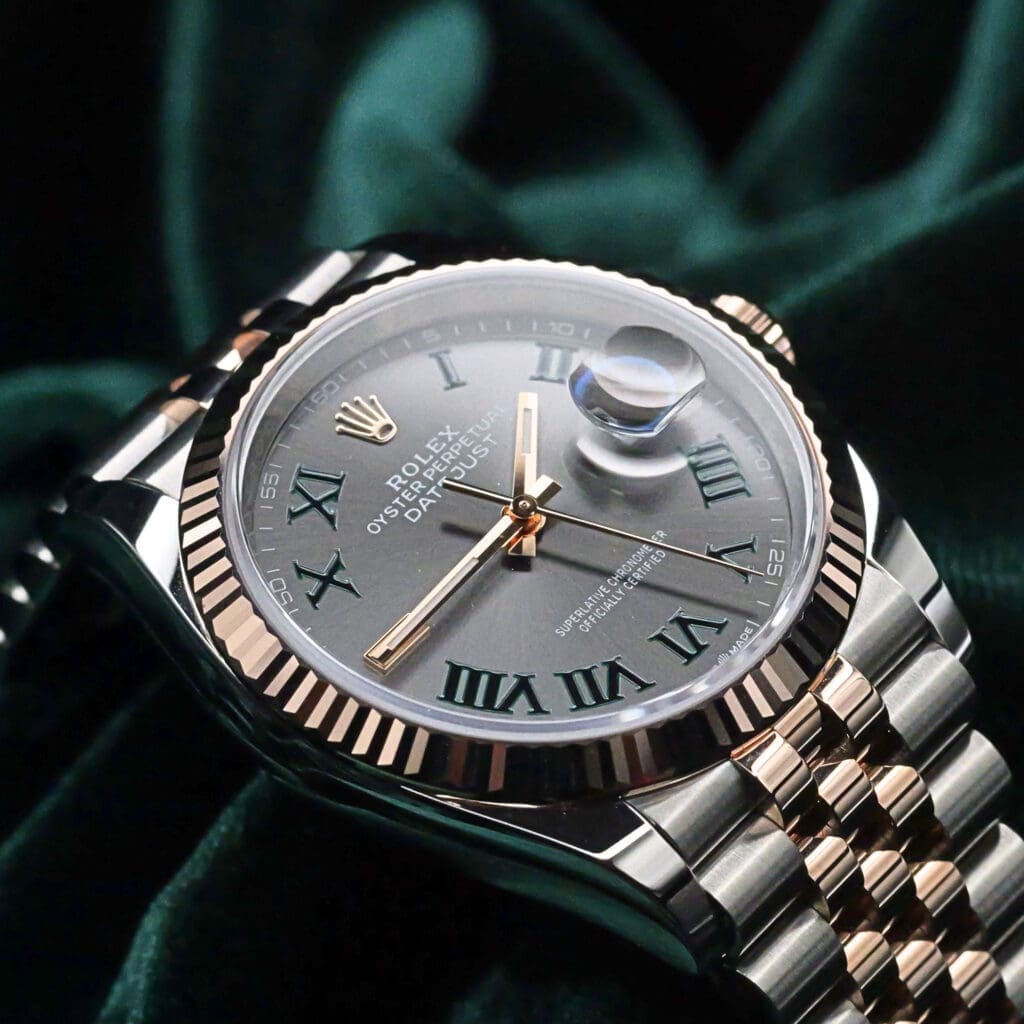
Rolex Datejust 36 Grey Wimbledon Dial Fluted Bezel Jubilee Bracelet Two-Tone Rose Gold Stainless Steel MINT COMPLETE SET 126231
Where to Buy Authentic Watches Online
A few legitimate online channels cover both of these watches. Chrono24 is the largest global marketplace and has an escrow option that holds your money until the watch is verified. eBay runs an Authenticity Guarantee program on watches above a price threshold, where the piece is inspected before it reaches you.
Grailzee runs enthusiast-focused watch auctions. Watch forums like Rolex Forums and WatchUSeek are also worth reading for private sales and honest condition talk. Our guide on where to buy a pre-owned watch lays out the full landscape.
We also buy, sell, and trade luxury watches, and the reason clients come to us instead of a big listing page is the walkthrough before they commit. You get tour videos of the actual watch, not stock photos, detailed condition notes, and a conversation with a real person who has handled the piece.
That matters more than usual on a discontinued Pepsi, where condition and papers drive a lot of the price.
That approach is reflected in our 4.9-star Google rating. If you want that kind of walkthrough on a specific Planet Ocean GMT or GMT-Master II, reach out and we’ll line up options that match what you’re after.
Final Thoughts on Omega GMT vs Rolex GMT
These are two different watches built for two different buyers. The Planet Ocean GMT delivers more technical specification, easier retail access, and genuine dive capability. The GMT-Master II gives you a slimmer case, stronger value retention, and decades of collector recognition.
Neither is the wrong choice. In 2026 the Pepsi’s exit only sharpened the split: the Omega is the value play at retail, the Rolex is the liquidity-and-culture play on exit.
Two quick tips before you buy. On the Omega, confirm it is the post-2016 Cal. 8906, not an earlier Cal. 8605. On the Rolex, weigh the Jubilee against the Oyster in person, since the bracelet changes the wear more than the spec sheet suggests. Then wear the one you will actually reach for.
999+ Timepieces Available
Explore Our Timepieces
Authenticated, unworn, and ready to ship worldwide.
Rolex · Audemars Piguet · Patek Philippe · Omega · Cartier · Richard Mille · Hublot · Tudor
Newly Listed
Vacheron Constantin Overseas Dual Time Silver Dial Brown Leather Strap 18K Rose Gold 41mm MINT CONDITION COMPLETE SET 7900V/000R-B336
$41,894.00
Rolex Sea-Dweller Deepsea James Cameron D-Blue Dial Black Ceramic Bezel Oyster Bracelet Stainless Steel 44mm MINT CONDITION 116660-0003
$14,272.00
Vacheron Constantin Overseas Dual Time Silver Dial 18K Rose Gold Brown Rubber Strap 41mm MINT CONDITION COMPLETE SET 7900V/000R-B336
$41,894.00
Rolex Lady-Datejust Champagne Linen Dial 18k Yellow Gold Fluted Bezel Jubilee Bracelet Two Tone Steel & Gold 26mm MINT CONDITION COMPLETE SET 69173
$9,345.00
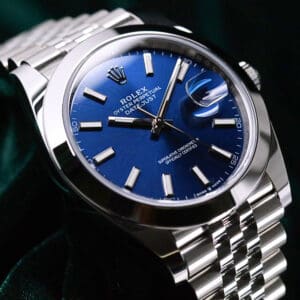
2026 Rolex Datejust Blue Dial Smooth Bezel Jubilee Bracelet Stainless Steel 41mm MINT CONDITION COMPLETE SET 126300
$13,796.00
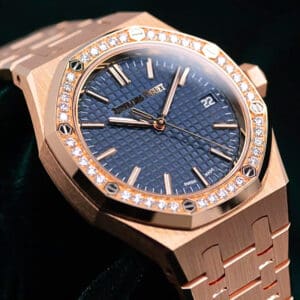
Audemars Piguet Royal Oak Selfwinding "50th Anniversary" Bleu Nuit Nuage 50 Blue Dial Diamond Bezel 18K Rose Gold 37mm MINT CONDITION COMPLETE SET 15551OR.ZZ.1356OR.02
$99,745.00
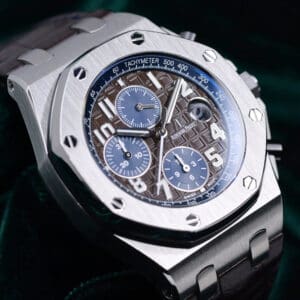
Audemars Piguet Royal Oak Offshore Chronograph "Havana" Brown Dial Blue Subdials Brown Leather Strap Stainless Steel 42mm MINT CONDITION COMPLETE SET 26470ST.OO.A099CR.01
$24,827.00
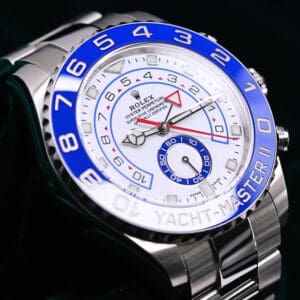
Rolex Yacht-Master II White Dial Blue Ceramic Bezel Oyster Bracelet Stainless Steel 44mm MINT CONDITION COMPLETE SET 116680
$19,409.00
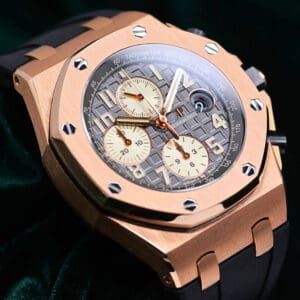
Audemars Piguet Royal Oak Offshore Chronograph “Half Brick” Ruthenium Grey Dial 18K Rose Gold Black Rubber Strap 42mm MINT CONDITION COMPLETE SET 26470OR.OO.A125CR.01
$40,892.00
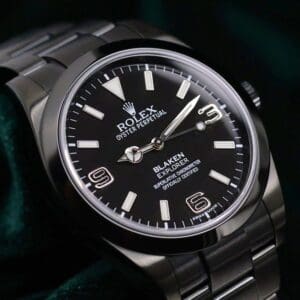
Rolex Explorer Blaken Black Dial Oyster Bracelet DLC Black Stainless Steel 39mm MINT CONDITION COMPLETE SET 214270
$16,000.00
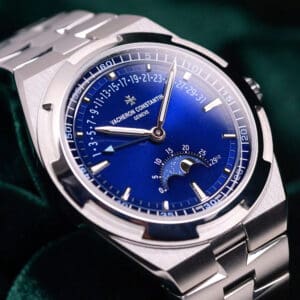
2025 Vacheron Constantin Overseas Moon Phase Retrograde Date Blue Dial Stainless Steel Bracelet 41mm MINT CONDITION COMPLETE SET 4000V/210A-B911
$52,800.00
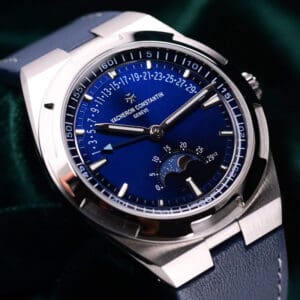
2025 Vacheron Constantin Overseas Moonphase Retrograde Date Blue Dial Blue Leather Strap Stainless Steel 41mm MINT CONDITION COMPLETE SET 4000V/210A-B911
$52,800.00