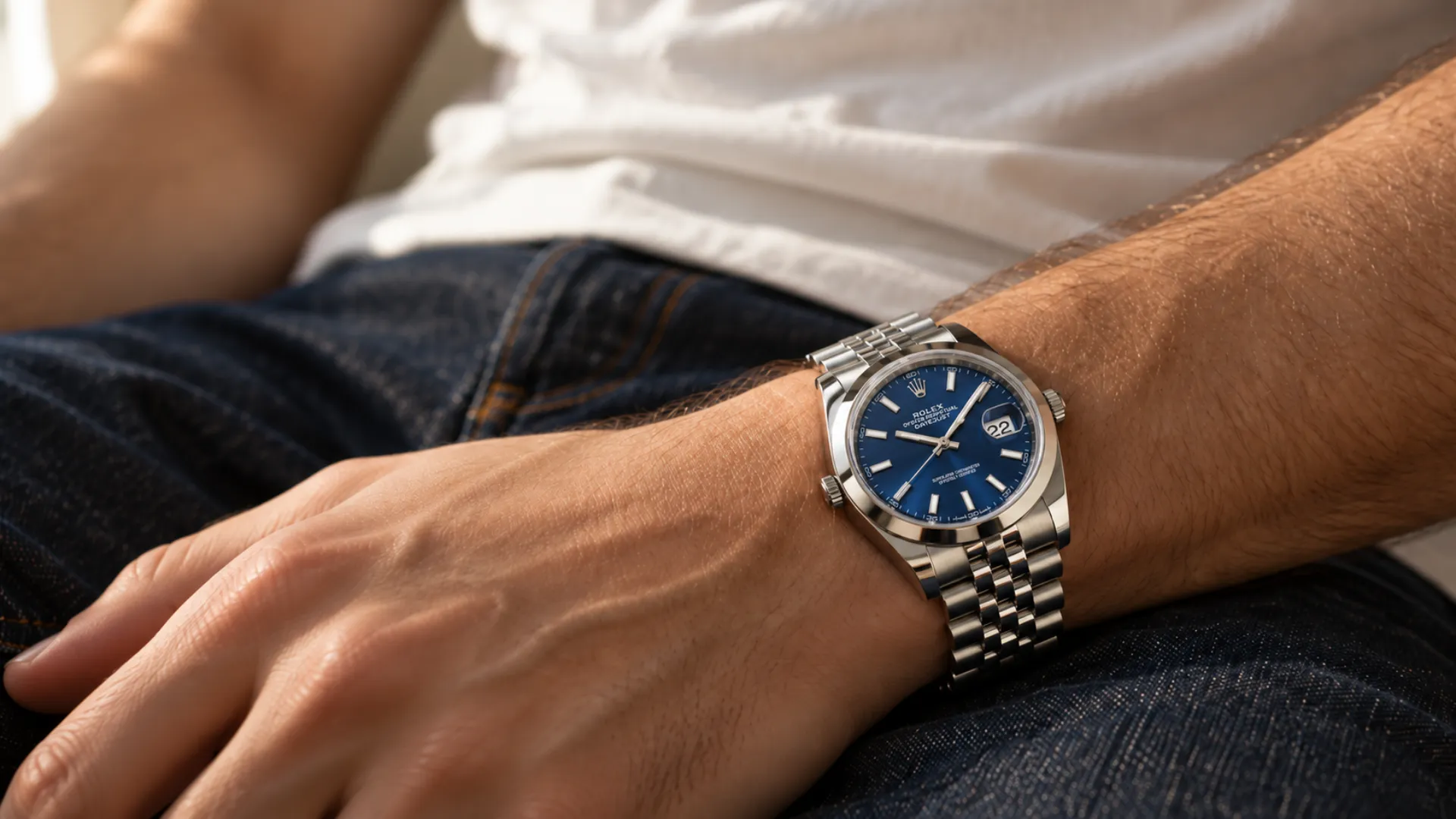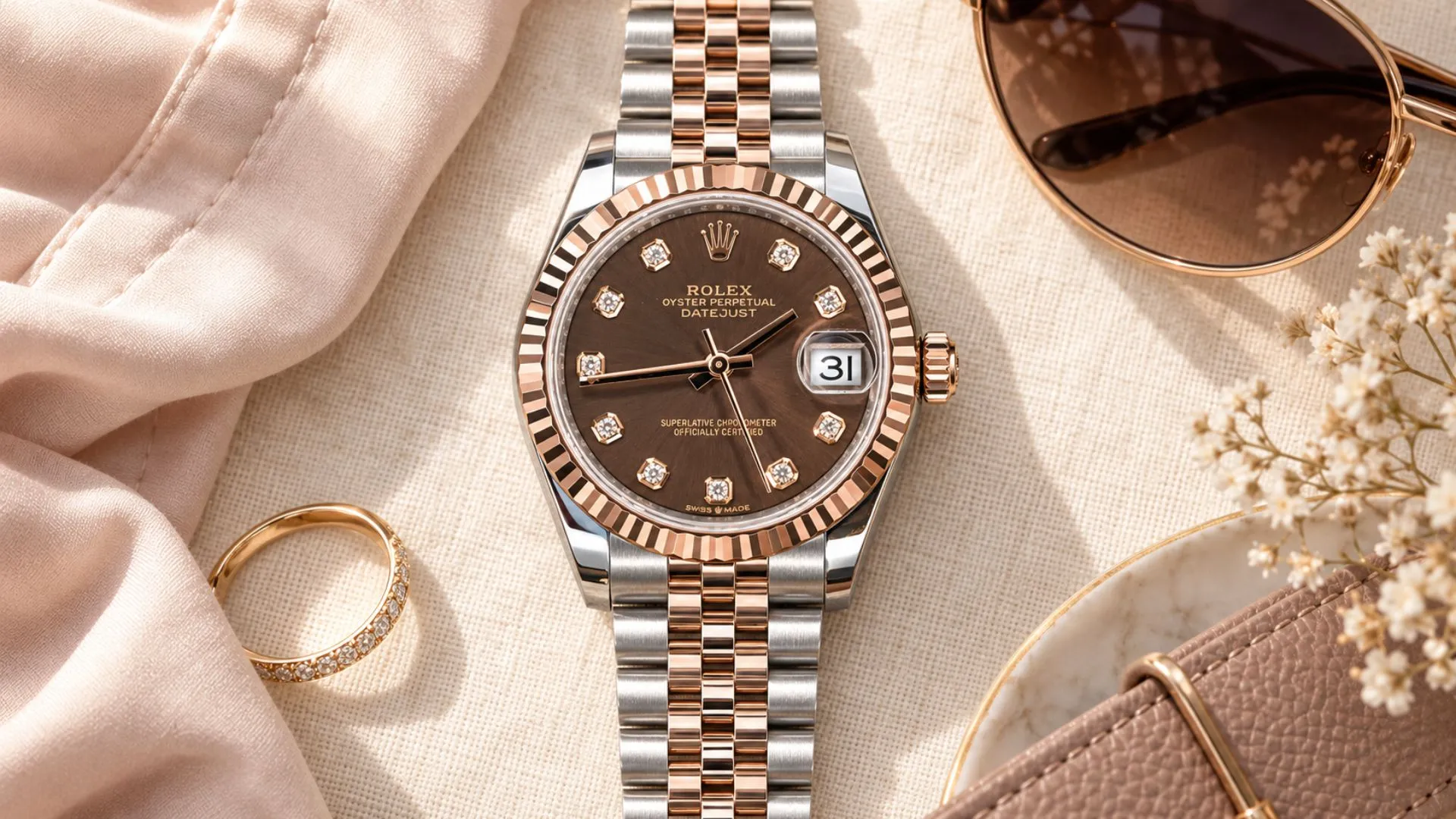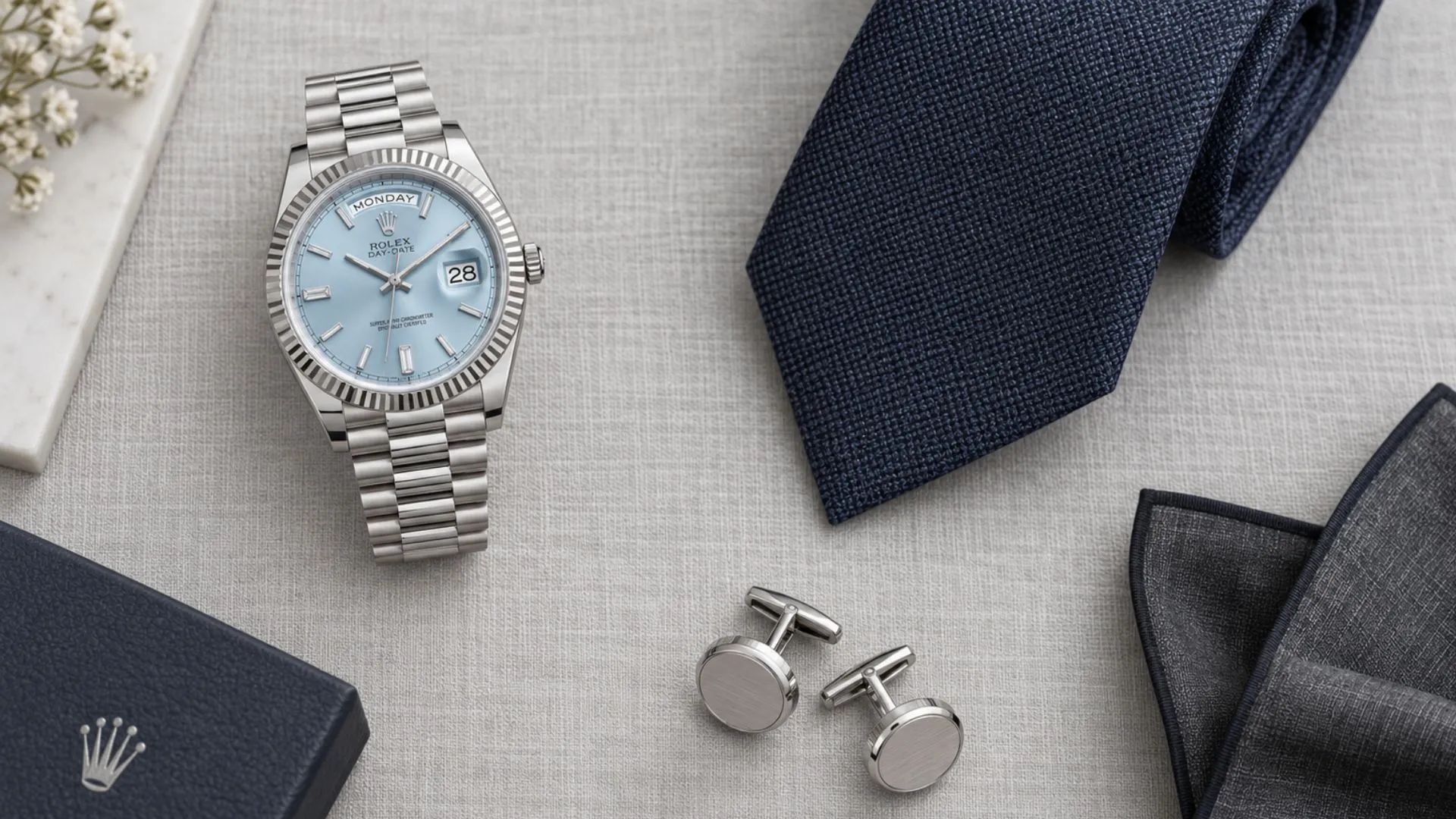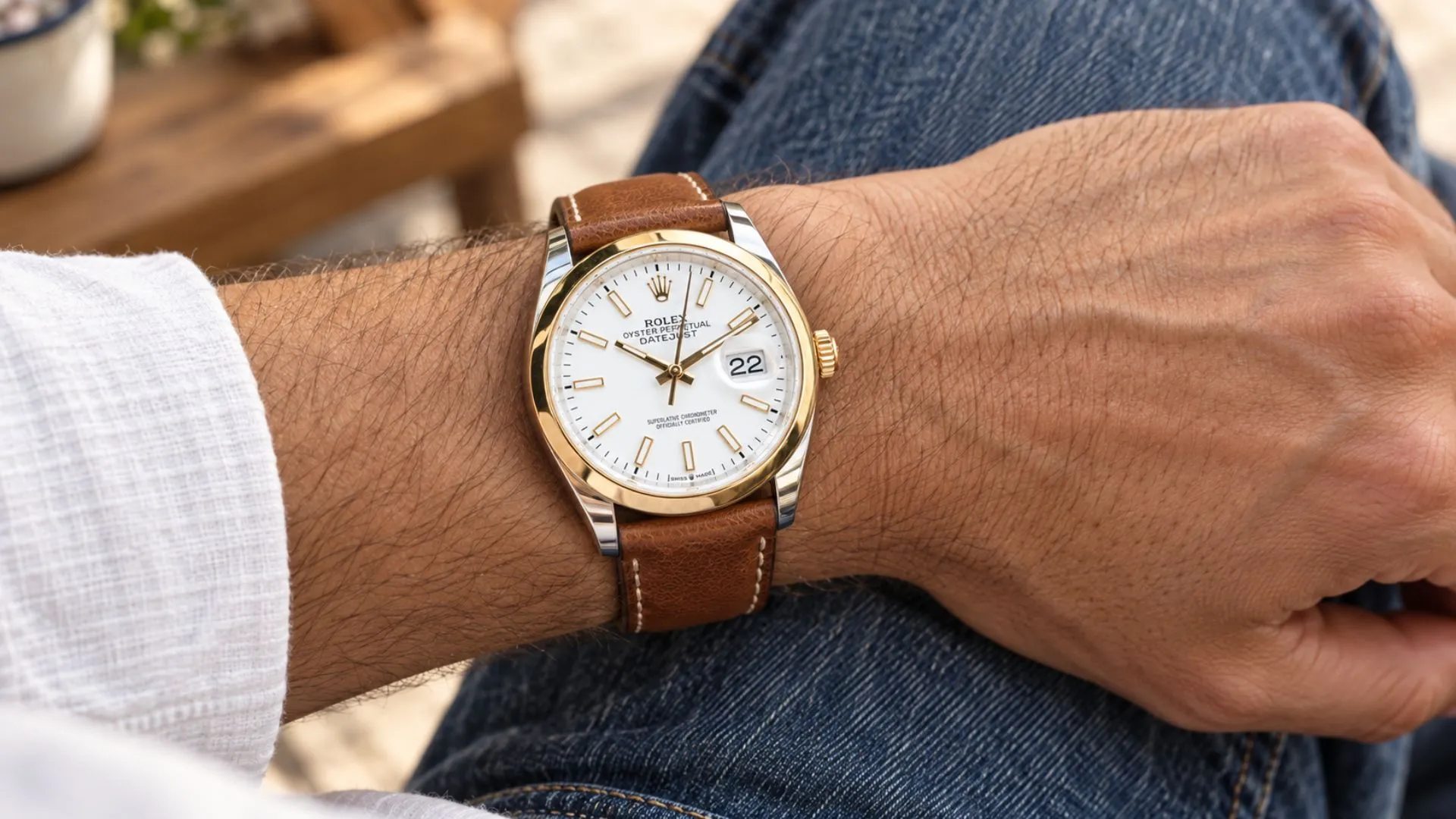
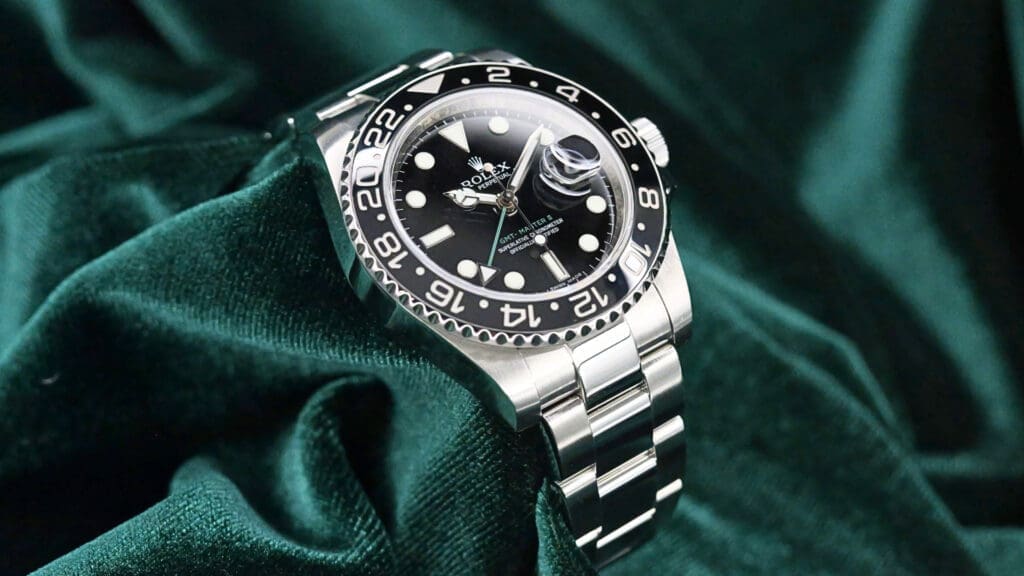
In almost every case, an unpolished Rolex holds its value better than a polished one. Collectors pay more for original, untouched cases, and over-polishing can cut resale value by 5–20% on its own, with condition grading swinging the final price by 30–50% on identical references. A polish can make your Rolex look new again, but it also shaves metal off the case every single time, and that metal doesn’t come back.
The real question is whether a polish makes sense for your specific watch. A modern Submariner you wear daily and plan to keep is a very different conversation from a 1970s GMT you want to flip to a collector. This guide walks through both sides so you can make the right call.
What Does It Mean for a Rolex to Be Polished?
Polishing a Rolex means refinishing the case and bracelet to restore its shine and remove scratches or dents. It involves buffing the steel, gold, or platinum surfaces with specialized tools to make them look smooth and new again. Polishing is usually done during a full Rolex service, and it can be carried out either at an official Rolex Service Center or by an independent watchmaker.
At the factory level, polishing is highly precise. Technicians reapply the original finishing patterns: brushed satin on the lugs and bracelet links, and mirror polish on smooth areas like the bezel or case sides. That combination of finishes, along with the sharp edge where they meet, is what gives a Rolex case its recognizable look.
The materials of your Rolex also influence how polishing affects it:
- Oystersteel (904L stainless steel): Extremely corrosion-resistant but still loses microscopic layers when polished repeatedly.
- Precious metals (yellow gold, Everose gold, platinum): Softer than steel, which means they are more vulnerable to over-polishing and loss of edge definition.
- Two-tone models: Require extra care to maintain the contrast between polished gold and brushed steel.
A professional polish at a Rolex Service Center in 2026 runs roughly $200 to $600 as a standalone cosmetic refinish, or it’s bundled into a complete service at around $800 to $1,000 for a Submariner, Datejust, or GMT. A Daytona service runs closer to $1,000 because of the chronograph movement, and a Sky-Dweller sits higher still.
What Is an Unpolished Rolex?
An unpolished Rolex is a watch that has never been refinished since it left the factory. It keeps the original case shape, sharp edges, and brushed surfaces exactly as Rolex made them. Collectors value this because it proves authenticity and keeps the watch’s true design intact.
You can often spot an unpolished Rolex by looking at the lugs and case. The edges stay sharp, and the brushed finish runs in clean, straight lines. Even if the watch has scratches or dents, the surface looks natural instead of rounded or overly smooth.
Collectors pay more for unpolished watches because the case preserves every detail of Rolex’s craftsmanship. A vintage GMT-Master 1675 with its original bevels is worth far more than the same reference that has been polished several times. The scratches and small marks add character and show the watch’s history while keeping the factory finish intact.
A practical note: on a watch that’s been through multiple owners over 20+ years, a truly untouched case is rare. Most sellers who describe a vintage Rolex as “unpolished” really mean “lightly polished once or twice and still shows sharp edges.” Ask for macro photos of the lugs, chamfers, and crown guards before trusting the word. (Our guide to how to spot a fake Rolex covers related authentication details worth checking at the same time.)
How Polishing Affects a Rolex Over Time
Polishing makes your Rolex look newer, but over the years it slowly changes the watch in ways you can’t reverse. Each polish takes off a thin layer of metal, which makes the case and lugs thinner. The sharp edges on the lugs and bevels turn softer and rounded, while the crown guards wear down and start to look uneven or smaller.
The overall case shape can also change, losing the crisp lines and proportions that came from the factory. On engraved bezels, polishing can blur or fade the numbers and markings. Even the bracelet is affected. Too much polishing removes metal from the links and speeds up bracelet stretch, leaving it weaker and looser.
Is Laser Welding a Better Option Than Polishing?
For deep scratches and dings, laser welding is a better option than traditional polishing. Specialist watchmakers use it to add metal back into a deep ding or groove before any polishing begins, which means the surrounding case doesn’t have to be ground down to remove the damage. A skilled hand can rebuild sharp edges and keep the original case geometry.
The trade-off is cost and access. Laser welding is more expensive than a standard polish and not every shop offers it. But for a watch you care about, especially a vintage or discontinued reference, it’s a much better path than aggressive traditional polishing. If your watch has deep case damage, ask your watchmaker whether they offer laser welding before committing to a full refinish.
How Often Can a Rolex Be Polished?
A common industry rule of thumb is that a Rolex case can be meaningfully refinished about five times before the lines and sharp edges are lost. After that, the lugs start to look rounded, the crown guards shrink, and the case thins out enough to be visible side-by-side with an unpolished reference photo.
That’s a rule of thumb, not a law. A light refinish by a skilled hand can be done more times with less damage, and a single aggressive polish by a bad technician can do more harm than five careful ones. What matters is cumulative metal loss, not a count. If you’re tracking polishes at all, you’re already more careful than most owners.
A practical habit: keep a simple ownership log. When you send the watch for service, note the date, the service center, and whether you asked for a polish or a no-polish. When the watch eventually sells, that log is evidence for a buyer, and evidence is worth money.
When Should You Keep a Rolex Unpolished?
For many owners, the best choice is to leave a Rolex exactly as it is. Keeping it unpolished protects originality and supports long-term resale. Here are situations where that approach makes the most sense:
- If you own a vintage or discontinued model: These older Rolex watches are no longer in production and are prized by collectors for originality and rarity. References like the Explorer II 1655, Sea-Dweller 1665, Day-Date 1803, and Milgauss 1019 all carry more value when left in their untouched factory finish.
- If you plan to sell to collectors: Collectors pay a premium for unpolished pieces because originality matters more than a clean shine. Over-polishing in the vintage market can cut value by 20–30% or more, and overall condition grading can swing the final price by 30–50% on identical references in 2026. (If you’re weighing a sale, our guide on how much a used Rolex sells for breaks down how condition affects final offers.)
- If you want to preserve case details: Chamfers, crown guards, and brushed surfaces are the parts of Rolex case work that polishing softens or removes first.
- If you appreciate patina and character: Honest wear, scratches, and natural patina give a Rolex authenticity and charm that collectors and enthusiasts actively seek out.
- If you see your Rolex as an investment: Watches kept unpolished usually command higher resale prices and stronger demand at auction. This is one of the reasons Rolex watches hold their value as well as they do.
Situations Where Polishing Makes Sense
Not every Rolex is a collector piece. There are real cases where polishing is the right call:
- Modern Rolex models in daily use: If you wear your watch every day and want it to look fresh, a professional polish once in a long while can restore shine without major risk to value.
- Heavy scratches or dents: Deep marks on the case or bracelet can be reduced through careful polishing, or better, laser welding plus light refinishing, which improves both comfort and appearance.
- Personal enjoyment over collectibility: If you plan to keep your Rolex rather than sell it, polishing lets you enjoy a watch that looks nearly new.
- Resale to non-collectors: Casual buyers often prefer a polished Rolex that looks clean and presentable rather than one with visible wear.
One caveat: Rolex Service Centers will polish your watch by default unless you tell them not to. It’s built into the standard service workflow. If you want the case left alone, you need to say so in writing when you check the watch in.
How to Tell if Your Rolex Has Been Polished
Spotting whether a Rolex has been polished isn’t always easy, especially for new owners. Pay attention to these details to see if your watch still has its original factory finish:
- Rounded lugs and crown guards: Examine the edges under good lighting. On an unpolished Rolex, these should look sharp and well-defined. If they appear rounded, uneven, or too smooth, the case has been polished.
- Loss of case thickness: Compare your watch to official Rolex specifications or reference photos of the same model. If the case looks thinner or less substantial, polishing has likely removed metal.
- Faded or thinned bezel engravings: Look closely at the bezel numbers or text. On an unpolished watch, engravings are crisp and deep. Shallow, blurry, or hard-to-read engravings are a sign of repeated polishing.
- Smoothed chamfers: Inspect the bevels (angled edges) on the lugs with a magnifier. A factory finish shows sharp, even chamfers. Faint, uneven, or missing bevels mean the case has been altered.
- Inconsistent brushing and polishing: Rolex cases have distinct finishes: brushed on the lugs, polished on the case sides. Hold the watch under light and check for clear contrast. Blended or sloppy transitions point to poor refinishing.
- Polished bracelet links: Links should show sharp separation between brushed and polished finishes. Blurred lines or an overly shiny bracelet is a sign of polishing.
- Overly glossy finish: A vintage Rolex should have a softer luster, not a mirror-like shine. If it looks too glossy for its age, it’s probably been polished to create artificial shine.
Where to Buy an Unpolished Rolex
If you’re shopping specifically for an unpolished or lightly polished Rolex, there are a few legitimate online channels. Chrono24 is the largest secondary market platform and lets you filter by condition, full set status, and seller reputation. eBay works if you stick to the Authenticity Guarantee program, which physically inspects watches over a certain price threshold before they ship. Grailzee is an auction-style platform focused on mid-range to collector-grade pieces.
If those options don’t fit what you’re looking for, we also sell, buy, and trade luxury watches. The reason clients choose us over a big marketplace is that we give you layered communication before you commit. You get a video walkthrough of the actual watch (not stock photos), honest condition notes on the lugs, chamfers, and bracelet, and direct conversation with a real person who has the watch in hand. You’re not buying blind off a listing. We’ll tell you if a case has been polished, how heavily, and what it means for long-term value.
That’s reflected in our 4.9-star Google rating, which comes from clients who appreciate getting the full picture before the money moves. If you want that kind of walkthrough on a specific Rolex reference, vintage or modern, polished or unpolished, reach out and we’ll line up options for you.
Frequently Asked Questions
Does Rolex Polish Your Watch Automatically During Service?
Yes. Polishing is part of the standard Rolex service procedure unless you specifically request no polish. When you drop off or ship a Rolex to an official service center, the default workflow includes refinishing the case and bracelet to restore the original luster. If you want your watch left alone, you need to state “no polishing” in writing at check-in. Service centers will honor the request and often note on the final quote that some scratches may remain.
How Much Does It Cost to Polish a Rolex?
A standalone cosmetic polish at a Rolex Service Center in 2026 typically runs $200 to $600, depending on the model and the extent of refinishing. Polishing is also included in a complete service, which costs around $800 for a Submariner, Datejust, GMT-Master II, or Explorer, roughly $900 for a Day-Date, and about $1,000 for a Daytona. Independent watchmakers charge less but vary widely in skill. A bad polish can cost you more than you save.
Will Polishing My Rolex Void the Warranty?
Polishing done by an official Rolex Service Center will not void the warranty. Polishing done by an unauthorized third party can affect warranty coverage, and any modifications using non-genuine parts will void it. If your watch is still under warranty and needs refinishing, send it to Rolex or an authorized retailer to protect the coverage.
Can a Polished Rolex Be Restored to Unpolished Condition?
No. Once metal is removed by polishing, it cannot be put back. A skilled watchmaker can use laser welding to fill deep scratches or gouges and rebuild sharp edges, but a case that has been rounded over by multiple aggressive polishes cannot be returned to factory geometry. That’s why collectors treat “unpolished” as a one-way street. If you’re unsure whether to polish, don’t.
How Much Does Polishing Lower the Value of a Vintage Rolex?
Heavy or repeated polishing can reduce the resale value of a vintage Rolex by 20–30% or more, and overall condition grading can swing the final price by 30–50% on identical references in 2026. The exact hit depends on how early the case has been polished, how aggressive the job was, and how rare the reference is. On highly collectible pieces like early Submariners, GMT-Masters with desirable bezels, or Paul Newman Daytonas, the penalty can be even steeper because originality is almost the entire point of the purchase.
Is It Safe to Polish a Rolex at Home With a Cape Cod Cloth?
A Cape Cod cloth will remove light surface marks from polished areas, but it also removes metal and can leave micro-scratches under close inspection. On a modern daily-wear Rolex, occasional light use is common among owners. On a vintage piece or anything with sharp chamfers you want to preserve, leave it alone. Household polishing cloths are not a substitute for professional refinishing, and they can cross-contaminate brushed surfaces if you’re not careful with tape masking.
Final Thoughts on Polished vs Unpolished Rolex
The short version: if your Rolex is modern and worn daily, a light polish once in a long while won’t hurt much. If your Rolex is vintage, discontinued, or you’re treating it as an investment, unpolished condition almost always keeps its value better in 2026’s market.
If it’s your first Rolex, our advice is to leave it unpolished as long as possible so you preserve the original lines and details. Focus on proper watch care instead. Wipe it down regularly, rinse it with fresh water after saltwater exposure, store it safely, and service it only at authorized centers. The watch will age with character and hold stronger resale value if you ever decide to sell.
Two bonus tips most owners miss: First, keep a simple ownership log with every service date and whether you requested a polish. That paperwork is worth real money when you sell. Second, if your watch ever needs deeper case work, ask whether the watchmaker offers laser welding before committing to traditional polishing. It saves metal you can’t get back any other way.
Pro tip: Always request “no polishing” in writing when sending your Rolex for service if you want to keep it original.