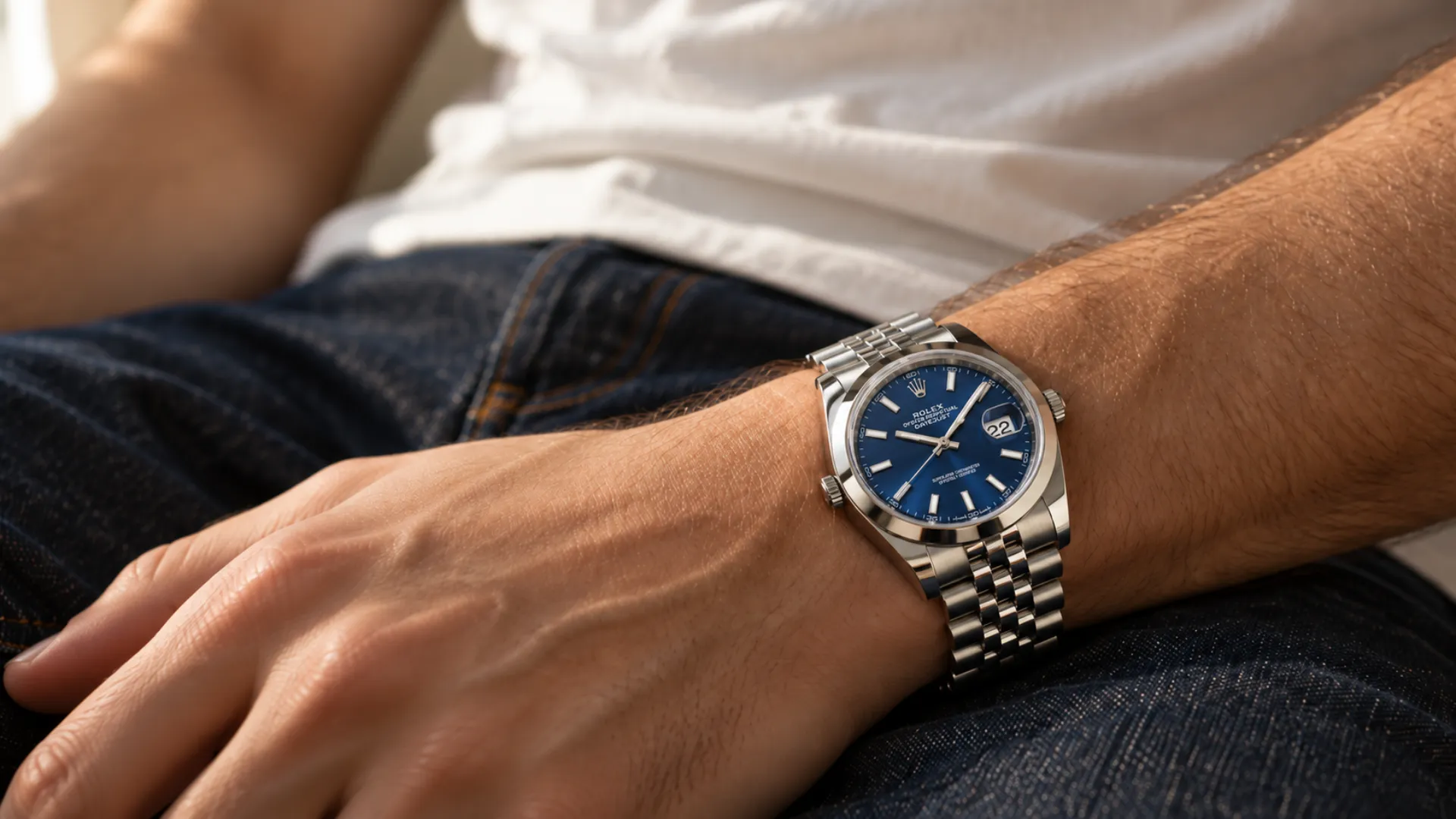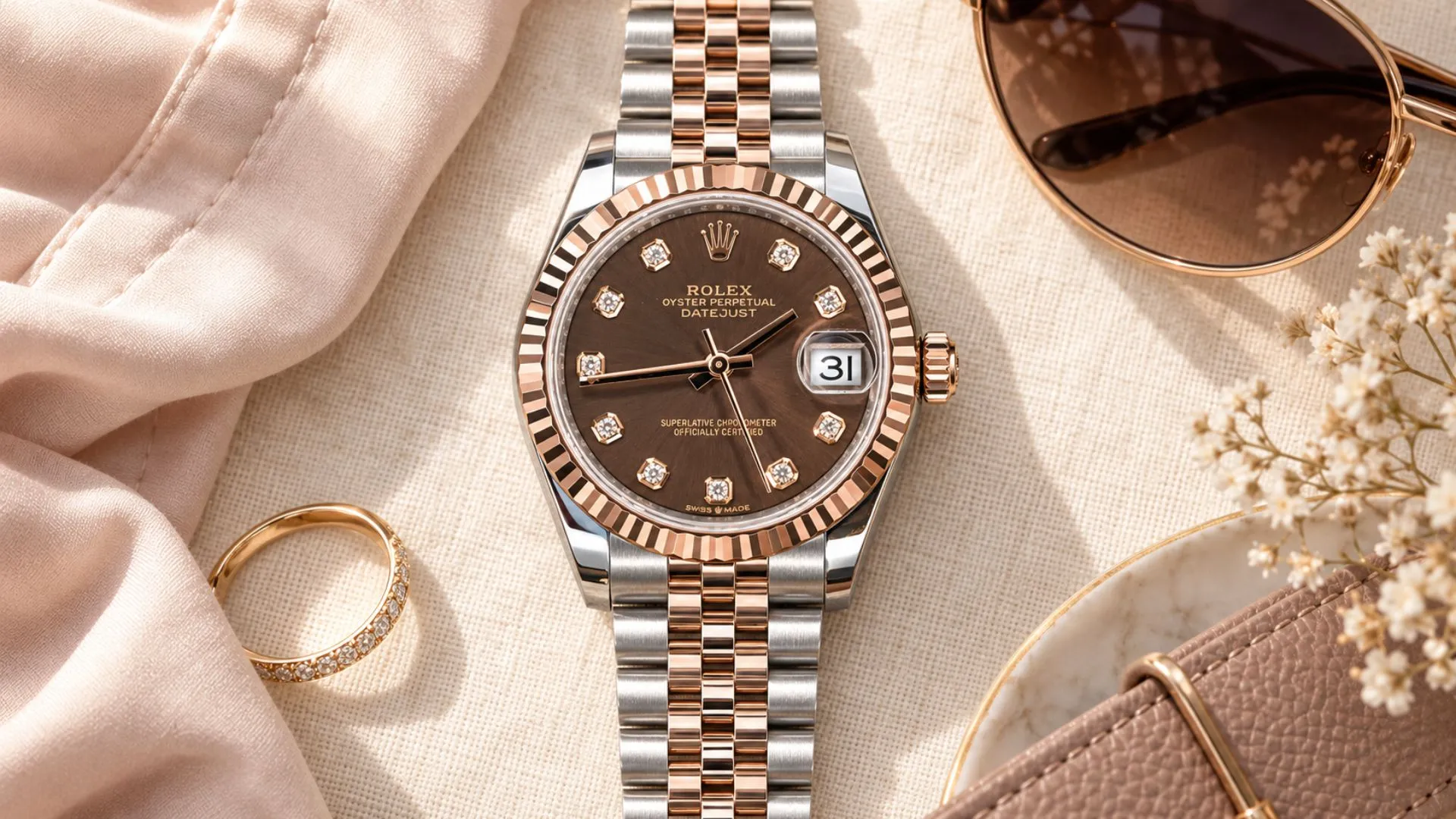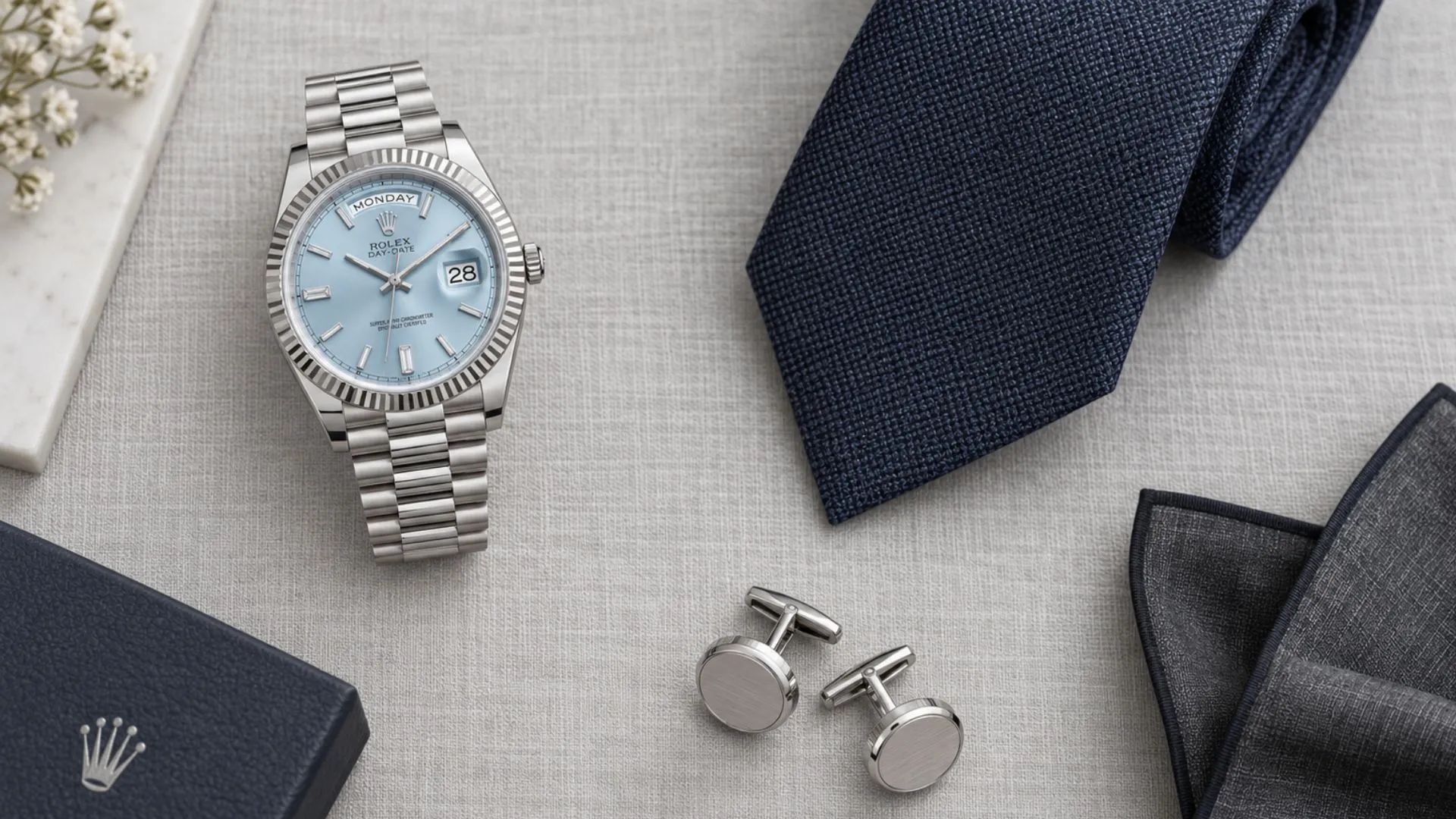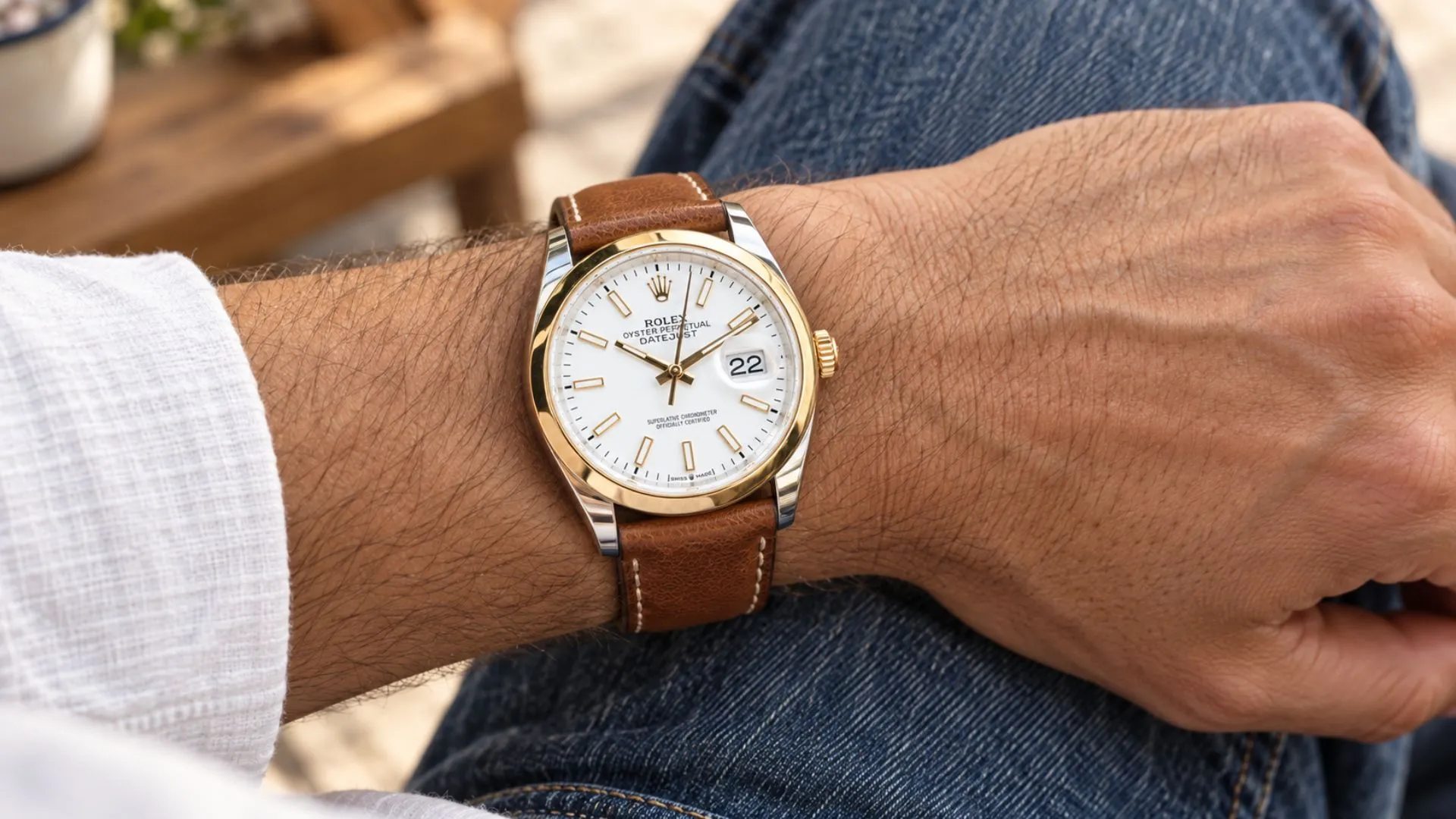

How to prevent Jubilee bracelet stretch is a question every Rolex collector and luxury watch enthusiast faces sooner or later. The iconic five-link design of the Datejust, GMT-Master, and Explorer can gradually loosen over time, and it’s important to understand why.
Stretch doesn’t happen because the metal bends or deforms; it occurs as the pins and links inside the bracelet wear from constant movement, friction, and gravity. Each link flexes slightly with every wrist motion, and over years of daily wear, these tiny shifts accumulate, creating noticeable slack.
This article will provide collectors and enthusiasts with practical, actionable steps to prevent stretch, preserve the bracelet’s comfort, maintain its aesthetic appeal, and protect the long-term value of these iconic luxury watches.
What Do Jubilee Bracelets Stretch?
Jubilee bracelets stretch primarily at the pins and links that connect the five-piece link design. Each link is held together by small pins or screws, and with daily wear, these components gradually loosen from repeated flexing and friction. The design allows flexibility, but that same movement creates micro-wear at contact points.
Material also plays a role: 904L stainless steel is more resistant to wear, while gold or two-tone metal alloys are softer and show stretch faster. In real-world terms, a Rolex Datejust or GMT-Master Jubilee bracelet can gain 2–3 mm of slack after 10 years of regular wear, especially on softer metal models. Regular monitoring and careful handling can slow this process, preserving both fit and longevity.
Signs Your Jubilee Bracelet Is Stretching
Catching bracelet stretch early can save your watch from discomfort and prevent further wear on pins and links. Identifying the signs allows you to take action before looseness becomes permanent or affects the bracelet’s overall integrity.
- Sagging when held by the case: If the bracelet noticeably droops when lifting the watch by the case, it indicates that the links and pins have loosened, and prolonged wear without intervention can worsen the slack.
- Loose links or visible gaps: Links that appear uneven or have small gaps between them show wear at the pins or screws, reducing structural integrity and making the bracelet more prone to stretching over time.
- Clasp issues: A clasp that feels floppy, sticks, or fails to snap securely may point to worn internal components. For instance, if the clasp struggles when putting on the watch, it often signals pin wear.
- Audible clicking or rattling: Hearing extra noise when flexing the bracelet indicates links moving more than designed. This subtle sound is an early warning that the pins and screws are loosening.
Habits You Should Do to Minimize Jubilee Bracelet Stretch

Proper daily wearing habits are the first line of defense against Jubilee bracelet stretch. How you wear, store, and care for your watch can significantly reduce friction on the pins and links, keeping the bracelet tight, comfortable, and visually flawless over the long term. Simple adjustments in your routine, combined with mindful storage and protective accessories, can prevent unnecessary wear and extend the bracelet’s lifespan.
Developing the right habits doesn’t require complicated routines, but small changes can make a big difference over time. The following practices focus on daily wearing, activity management, and storage strategies to protect your Jubilee bracelet from unnecessary stretch.
Wear the Bracelet Snugly but Not Tight
A Jubilee bracelet should fit comfortably on the wrist without excessive movement. Sliding or flopping increases internal friction on pins, which accelerates wear over time. Over-tightening, on the other hand, can place unnecessary pressure on links, causing uneven stretching and potential discomfort. Maintaining a balanced fit protects both the structural integrity and long-term appearance of the bracelet.
Rotate Watches to Reduce Continuous Stress
Wearing the same bracelet every day concentrates stress on the same pins and links, causing them to loosen faster. By rotating watches, you distribute the wear across multiple timepieces, giving each bracelet time to rest. This simple habit can significantly slow down stretching, keeping your Jubilee bracelets in optimal shape while preserving their comfort and aesthetic appeal.
Avoid Sports or Repetitive Wrist-Twisting Tasks
Activities that involve repetitive wrist motion, like tennis, weightlifting, or other sports, place continuous stress on the links and pins. Over time, this can loosen the bracelet and accelerate stretching. Limiting such movements while wearing your Jubilee helps preserve the pin integrity and ensures the bracelet maintains its original tension and fit for years.
Remove the Watch During Heavy Manual Tasks
Manual labor, lifting, or gardening applies excessive pressure to the links and pins, increasing the risk of stretch or misalignment. Removing your watch during these activities protects the bracelet from mechanical strain, preventing premature loosening. This simple precaution helps maintain the original alignment, fit, and comfort of your Jubilee bracelet over the long term.
Use Protective Accessories and Proper Storage
When not worn, store your Jubilee bracelet in a soft-lined watch case or pouch to prevent scratches and avoid contact with hard surfaces. Using watch rolls or cushioned compartments keeps links aligned and reduces stress. Protective storage is a simple but effective way to maintain the bracelet’s tension and minimize stretch over years of ownership.
Long-Term Considerations
Even with careful habits, all Jubilee bracelets will loosen slightly over decades due to normal wear. Regular professional inspections, gentle cleaning, and mindful storage can slow the process. Avoid common mistakes like DIY adjustments or over-polishing, which can thin the metal. Consistent, proactive care preserves comfort, aesthetics, and the watch’s resale value for years to come.
Cleaning and Maintenance Tips for Your Jubilee Watch Bracelet
Dirt, sweat, and debris can accumulate between the links of a Jubilee bracelet, acting like sandpaper and accelerating wear on pins and screws. Regular cleaning not only keeps the bracelet looking pristine but also reduces friction and extends its lifespan. Consistent maintenance ensures that your watch remains comfortable to wear while preserving the structural integrity of the links over time.
- Clean every 3–6 months using warm water and mild soap: This removes oils, dust, and environmental residue that build up over daily wear. Regular cleaning prevents abrasive particles from grinding against the pins and links, which slows stretch and keeps the bracelet smooth.
- Use a soft-bristle brush to reach crevices: A brush can access tight spaces between the five links where dirt often hides. Properly cleaning these areas reduces friction that can wear down pins over time and ensures that every link moves freely without added stress.
- Dry thoroughly to prevent corrosion: Moisture trapped in links or pins can lead to oxidation, especially in two-tone or gold models. Drying carefully with a microfiber cloth protects against metal degradation and maintains the bracelet’s original shine and strength.
- Optional: authorized service lubrication for internal pins: Every few years, a certified watchmaker can apply specialized lubrication to internal pins. This reduces friction inside the links, slows stretching, and ensures smooth movement without compromising the metal or factory tolerances.
When Do You Need Professional Help for Jubilee Bracelet Stretch?

Professional servicing plays a crucial role in maintaining the longevity and fit of a Jubilee bracelet. While careful daily habits and cleaning slow stretch, only a certified watchmaker can inspect and repair the pins and links that wear over time. Regular professional attention ensures that minor issues don’t turn into permanent damage, keeping your bracelet secure, comfortable, and visually flawless for decades.
- Inspect pins and screws every 5 years: A watchmaker can check for wear or looseness that isn’t visible to the naked eye. Early inspections prevent small issues from escalating into significant stretch or misalignment.
- Replace worn pins to restore structural integrity: Worn pins are the main cause of bracelet slack. Replacing them can reduce stretch by up to 80%, restoring the bracelet closer to its original tightness and comfort.
- Avoid over-polishing to maintain metal thickness: Excessive polishing removes metal from links, which weakens the bracelet and accelerates stretching. Professional care balances aesthetics with preserving the metal’s structural strength.
- Severe cases: rebuilding or replacing the bracelet: In bracelets that have stretched extensively over decades, partial rebuilding or full replacement may be necessary. A skilled watchmaker can restore proper alignment and function while using authentic components to maintain value and durability.
Common Mistakes That Accelerate Stretch
Certain avoidable habits actively increase wear on a Jubilee bracelet and shorten its lifespan. Even minor mistakes can cause permanent stretch, uneven link wear, or clasp problems if ignored. Avoiding these behaviors helps you preserve both comfort and the bracelet’s structural integrity.
1. Wear a bracelet too loose or too tight: Sliding a loose bracelet increases friction on the pins, while an overly tight fit stresses the links. Both extremes accelerate uneven link wear and make the bracelet stretch faster, compromising comfort and appearance.
2. Ignore early sagging or loose links: Letting subtle slack go unchecked allows pins and links to wear further. This can lead to clasp failure or widening gaps between links, making future repairs more complicated.
3. Attempt DIY adjustments without proper tools: Resizing or repairing links without specialized tools can bend links, loosen screws, or damage pins. These mistakes actively weaken the bracelet and accelerate stretching.
4. Let dirt and debris accumulate: Failing to clean your bracelet lets particles settle between links, acting like sandpaper that wears down pins faster. Over time, this increases play between links and contributes to visible slack.
5. Use the bracelet during high-friction activities with soft metals: Wearing gold or two-tone Jubilee bracelets while playing sports, performing manual labor, or doing repetitive wrist movements stresses the links. This friction actively deforms softer metals, causing uneven link wear and reducing structural integrity.
Closing Thoughts on How to Prevent Jubilee Bracelet Stretch
You can keep your Jubilee bracelet looking and feeling great for years if you stay mindful about how you wear and care for it. Pay attention to how it fits on your wrist, rotate your watches regularly, and give it gentle cleaning every few months to prevent dirt and debris from building up. Don’t skip professional check-ups every few years; they catch small issues before they become bigger problems. Even with careful care, some stretch will happen over decades, but the steps you take today will preserve comfort, maintain that crisp look, and protect your watch’s value. Small, consistent attention goes a long way.