
Datejust 36 vs Submariner looks like a coin flip between two steel Rolex models, but each one plays a different role on the wrist. A Datejust 36 leans on proportion, polish, and a clean date display. A Submariner leans on water resistance, a ceramic dive bezel, and tool-watch toughness.
Both carry the same Rolex pedigree and both hold value well, so the real question is which one fits how you actually live. This guide walks through size, movement, materials, water resistance, price, and the references worth knowing, so you can pick the one you will reach for every morning.
What Changed for 2026
Two things shifted in 2026: Rolex raised retail prices by roughly 7% in January, and Watches and Wonders 2026 added a green lacquer ombre dial to the Datejust 36 and 41 in white Rolesor.
Secondary-market prices across both lines have settled well below the 2022 peak, which favors buyers shopping discontinued steel references. If you are buying used, 2026 is a more patient market than 2022 was.
None of these changes the core decision between a date-forward dress watch and a dive tool. It does mean current retail sits higher than a year ago, while pre-owned prices stay soft.
What Is the Rolex Datejust 36?

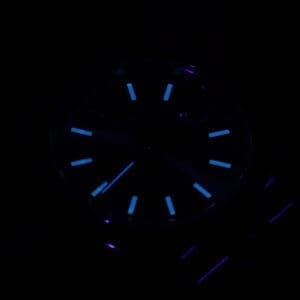
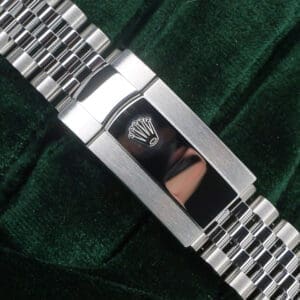
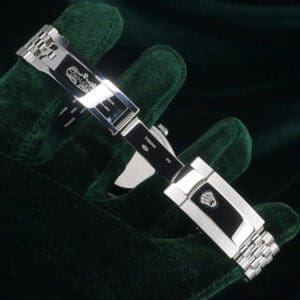
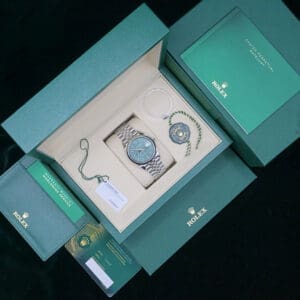
A Rolex Datejust 36 is a 36 mm automatic dress-sport watch with a date window, built for everyday wear since Rolex launched the line in 1945. Rolex released it for the brand’s 40th anniversary as a clean, reliable calendar watch, and 36 mm became the default size collectors still treat as the reference Datejust.
Today’s Datejust 36 runs calibre 3235 with about 70 hours of power reserve and 100 m water resistance. It suits buyers who want one watch for most days, since the case fits a wide range of wrists and moves easily between the office, travel, and formal settings.
Fluted bezel, Jubilee bracelet, and the Cyclops date lens give it the look most people picture when they hear the name. If you are torn between the two bracelet styles, our Jubilee vs Oyster comparison breaks them down.
What Is the Rolex Submariner?


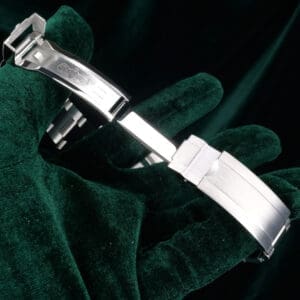

A Rolex Submariner is a 40 to 41 mm automatic dive watch rated to 300 meters, with a unidirectional timing bezel Rolex has built for tool use since 1953. Early models rated 100 meters and set the template with a rotating bezel and high legibility, and Rolex toughened the sealing and case over the decades that followed.
Built for rough use, it reads fast in low light and times a task at a glance, while the Oyster case and bracelet shrug off sweat, water, and knocks. It still works at a desk, but the design starts from tool use, not dress codes. Modern versions add a Cerachrom ceramic bezel and Chromalight lume that holds longer in the dark.
Datejust 36 vs Submariner: Most Notable Differences

Datejust 36 vs Submariner separates a daily date-forward Rolex from a timing-first dive platform. Here are the key technical differences that matter on the wrist and in real use.
Datejust 36 vs Submariner separates a daily date-forward Rolex from a timing-first dive platform. Here are the differences that actually matter on the wrist and in real use.
1. Water Resistance
Rolex rates the Datejust 36 to 100 meters with a Twinlock screw-down crown that uses two sealed zones, one inside the tube and one inside the crown. That setup handles splashes, swimming, and daily moisture, and Rolex keeps the case slimmer because the watch is built for routine exposure rather than depth.
A Submariner is rated to 300 meters and uses a Triplock crown with three sealed zones. A larger crown and reinforced case back hold up under sustained pressure, and Rolex pressure-tests each case beyond its rated depth. This is engineering for real diving, not casual water contact.
2. Case Size and Geometry
At 36 mm, the Datejust wears relatively thin for a modern automatic, with a smooth profile and no crown guards. Inside sits calibre 3235, with a Chronergy escapement, a 70-hour power reserve, and a Parachrom hairspring for magnetic and shock resistance.

Current Submariners measure 41 mm with a thicker midcase and crown guards flanking the winding crown. No-date models run calibre 3230, also with a Chronergy escapement and 70-hour reserve. Case architecture here prioritizes rigidity and pressure resistance over slimness, so it carries more wrist presence.
If you would also weigh the larger 41 mm Datejust against the Sub, the Datejust 41 vs Submariner comparison covers that matchup directly.
3. Bezel Construction
A Datejust 36 uses a fixed bezel, either smooth in Oystersteel or fluted in gold, with no timing function. It integrates into the case for a clean layout, keeping the focus on legibility of the time and date.
A Submariner uses a unidirectional 120-click bezel with a Cerachrom ceramic insert that resists scratches and UV fading. One-way rotation prevents an accidental extension of dive time, and a luminous zero marker gives you an underwater timing reference.

Price and Market Demand
Price separates these two more by category than by case size. A current steel Datejust 36 (ref. 126200) starts around $8,150 at retail, while a current steel Submariner Date (ref. 126610LN) starts around $10,500 as of 2026. Sports models simply open higher.
What drives value differs too. Datejust value swings on dial, metal, and bezel choice, which is why a sought-after dial can outrun a plainer one in the same case. Submariner value leans on liquidity and discontinuation, so steel Subs tend to sell faster and discontinued references often climb. If quick resale matters to you, the steel Submariner is the more liquid asset.
Both still rank among the Rolex models that hold their value over time, just for different reasons.
Notable Datejust 36 References
Related Models from Majestix
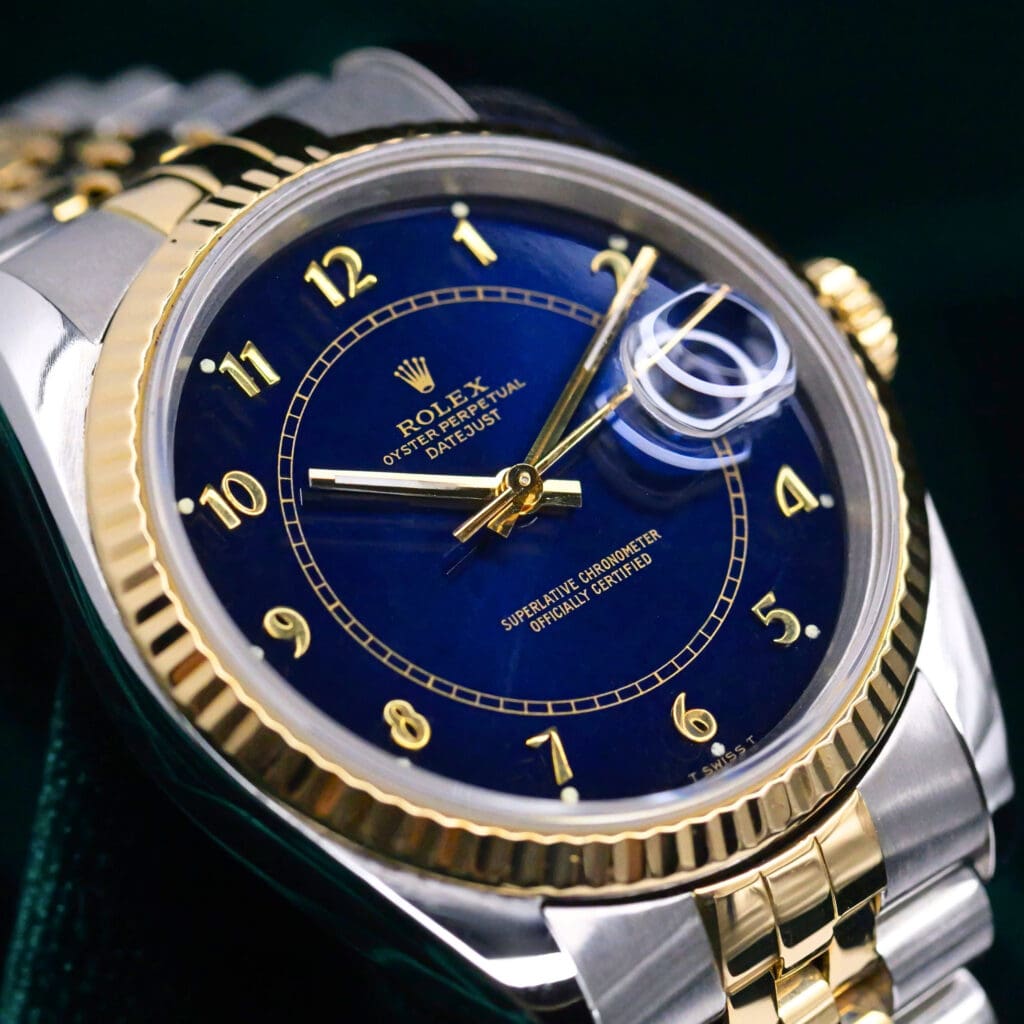
Rolex Datejust Blue Arabic Numeral Refinished Dial Fluted Bezel Jubilee Bracelet 18k Yellow Gold Stainless Steel 36mm MINT CONDITION 16233

2026 NEW UNWORN Rolex Datejust 36 Silver Dial Diamond VI & IX (6-9) Roman Numerals Fluted Bezel Jubilee Bracelet Two-Tone Yellow Rolesor Stainless Steel 18k Yellow Gold 36mm COMPLETE SET 126233-0031
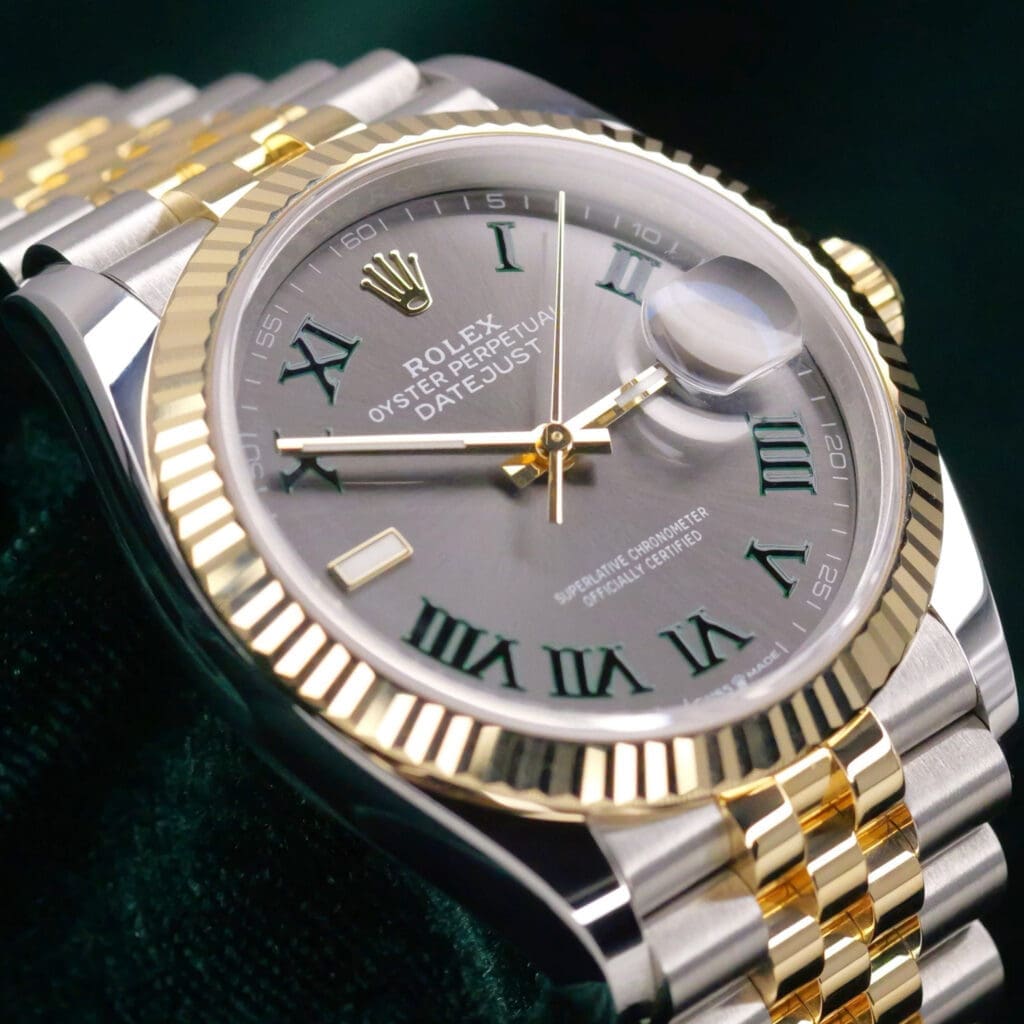
2025 NEW UNWORN Rolex Datejust 36 "Wimbledon" Slate Grey Dial Green Roman Markers Fluted Bezel Jubilee Bracelet Two-Tone 18k Yellow Gold Stainless Steel 36mm COMPLETE SET 126233-0035
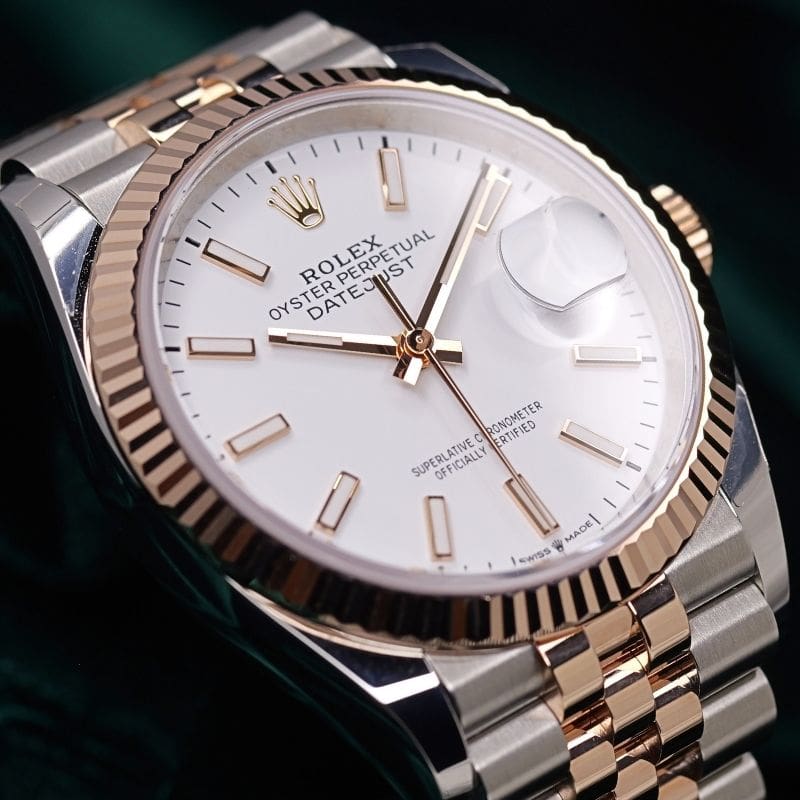
2026 NEW UNWORN Rolex Datejust 36 White Dial Rose Gold Fluted Bezel Jubilee Bracelet Two-Tone 18k Rose Gold Stainless Steel 36mm COMPLETE SET 126231-0017
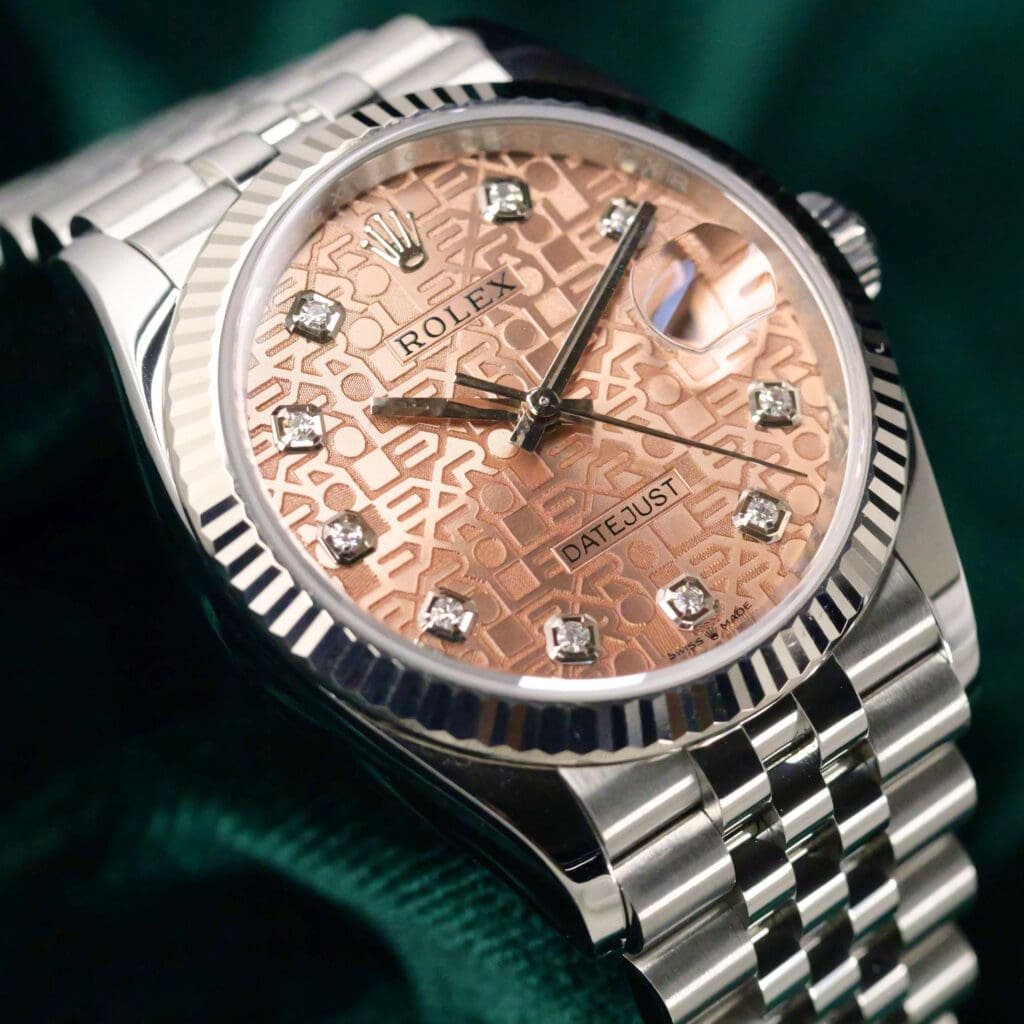
Rolex Datejust Anniversary Pink Dial Diamond Markers 18k White Gold Fluted Bezel Jubilee Bracelet Stainless Steel 36mm MINT CONDITION COMPLETE SET 126234
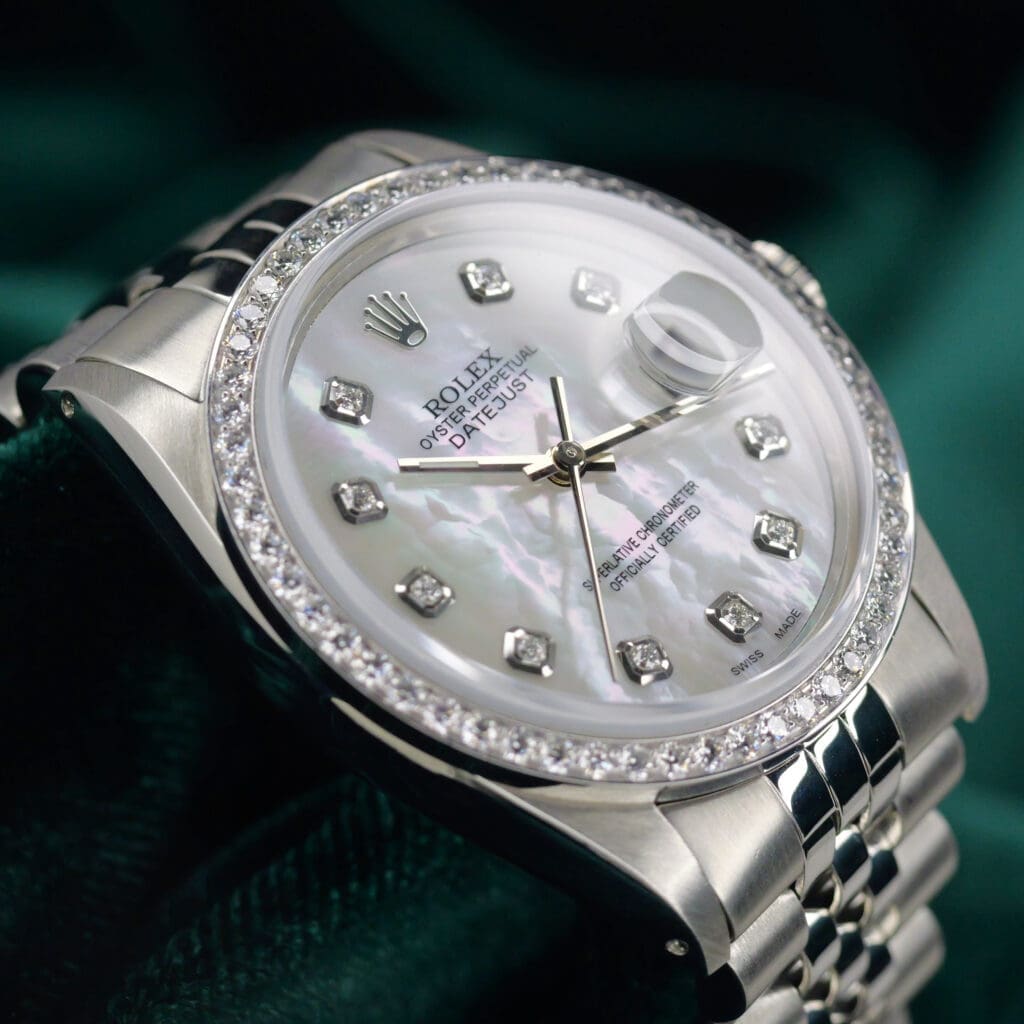
Rolex Datejust 36 AM Mother of Pearl Dial AM Natural Diamond Bezel Jubilee Bracelet Stainless Steel MINT CONDITION 16030
Across modern references you still get a 36 mm Oyster case, calibre 3235, and 100 m water resistance, with the bezel and metal shifting the tone. These three show how a small configuration change moves both wrist presence and market position.
For the full range, our Datejust buying guide walks through every current reference.
1. Datejust 36 Reference 126200
Steel through and through, the 126200 is the baseline of the current 36 mm lineup. Rolex pairs Oystersteel with a smooth bezel, so it reads clean and modern. This is the entry point for buyers who want the Datejust design without precious-metal detailing, and demand stays steady because it serves as the core everyday 36.
Production Era: 2019 to present
Case Diameter and Profile: 36 mm Oyster case
Movement: Calibre 3235 automatic, about 70 hours of power reserve
Water Resistance: 100 m
Bezel: Smooth, Oystersteel
Metal Configuration: Oystersteel
Bracelet: Oyster or Jubilee
Market Value: Commonly trades around $8,500 to $11,000 as of 2026

2. Datejust 36 Reference 126234
Steel case with a fluted white-gold bezel, the 126234 is the configuration many people picture first. That bezel sharpens the look and leans more classic, balancing daily wear with a dressier edge, which keeps demand strong across dial and bracelet options. Rolex introduced it in 2019 to replace the 116234.
Production Era: 2019 to present
Case Diameter and Profile: 36 mm Oyster case
Movement: Calibre 3235 automatic, about 70 hours of power reserve
Water Resistance: 100 m
Bezel: Fluted, white gold
Metal Configuration: Oystersteel and white gold
Bracelet: Oyster or Jubilee
Market Value: Commonly trades around $11,000 to $13,500 as of 2026
3. Datejust 36 Reference 126233
Yellow Rolesor for buyers who want warmth and contrast, the 126233 puts yellow gold on the bezel and crown. That changes the watch’s presence fast, even with a simple dial, while the two-tone setup pushes it toward a more traditional Rolex feel. It shares the same mechanical backbone as the other two.
Production Era: 2018 to present
Case Diameter and Profile: 36 mm Oyster case
Movement: Calibre 3235 automatic, about 70 hours of power reserve
Water Resistance: 100 m
Bezel: Fluted, yellow gold
Metal Configuration: Oystersteel and yellow gold
Bracelet: Oyster or Jubilee Market Value: Commonly trades around $13,000 to $16,500 as of 2026
Notable Rolex Submariner References
More Submariners

Rolex Submariner No Date Black Dial Black Ceramic Bezel Stainless Steel Oyster Bracelet 41mm MINT CONDITION COMPLETE SET 124060-0001
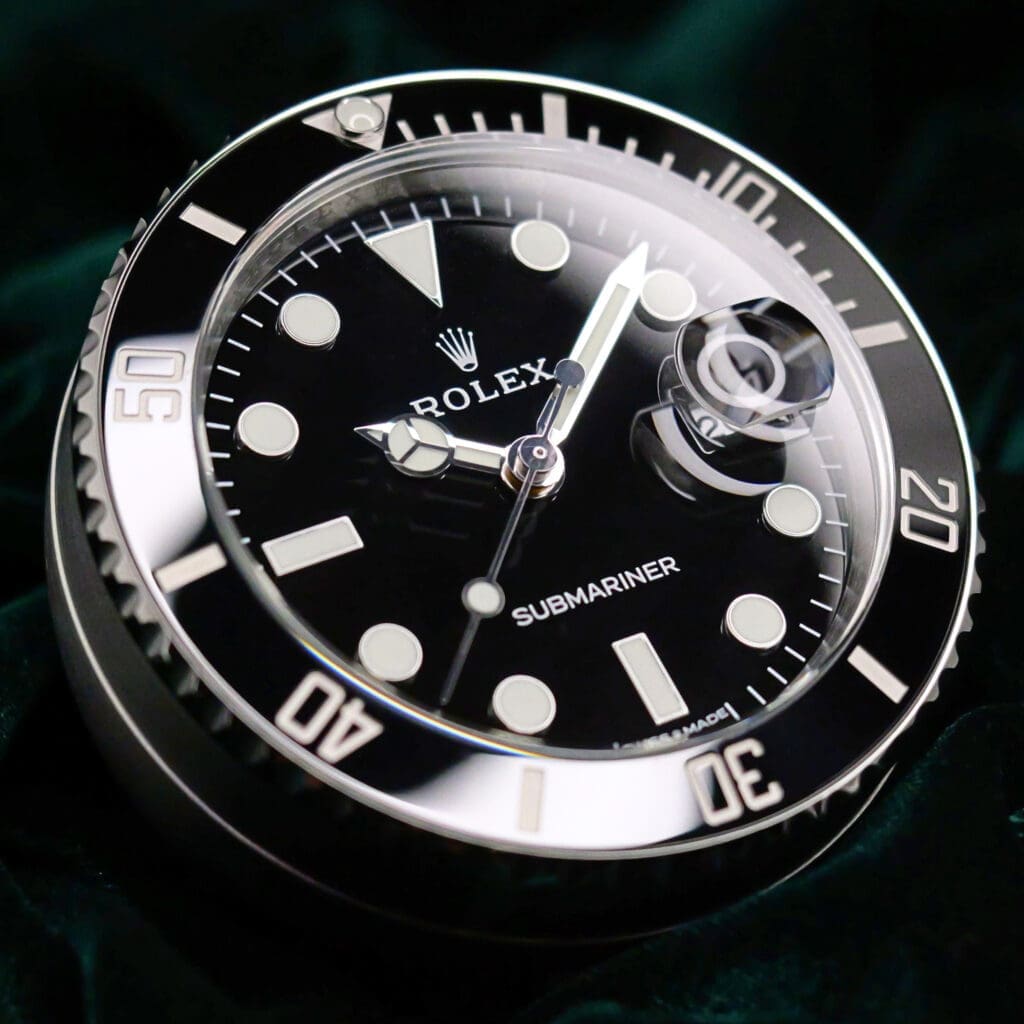
2025 NEW Rolex Submariner Date Desk Clock Black Dial Black Ceramic Bezel Stainless Steel 80mm COMPLETE SET 909010LN

Rolex Submariner Date "Bluesy" Sunburst Blue Dial Blue Ceramic Bezel Two-Tone Yellow Gold Stainless Steel 41mm MINT CONDITION COMPLETE SET 126613LB
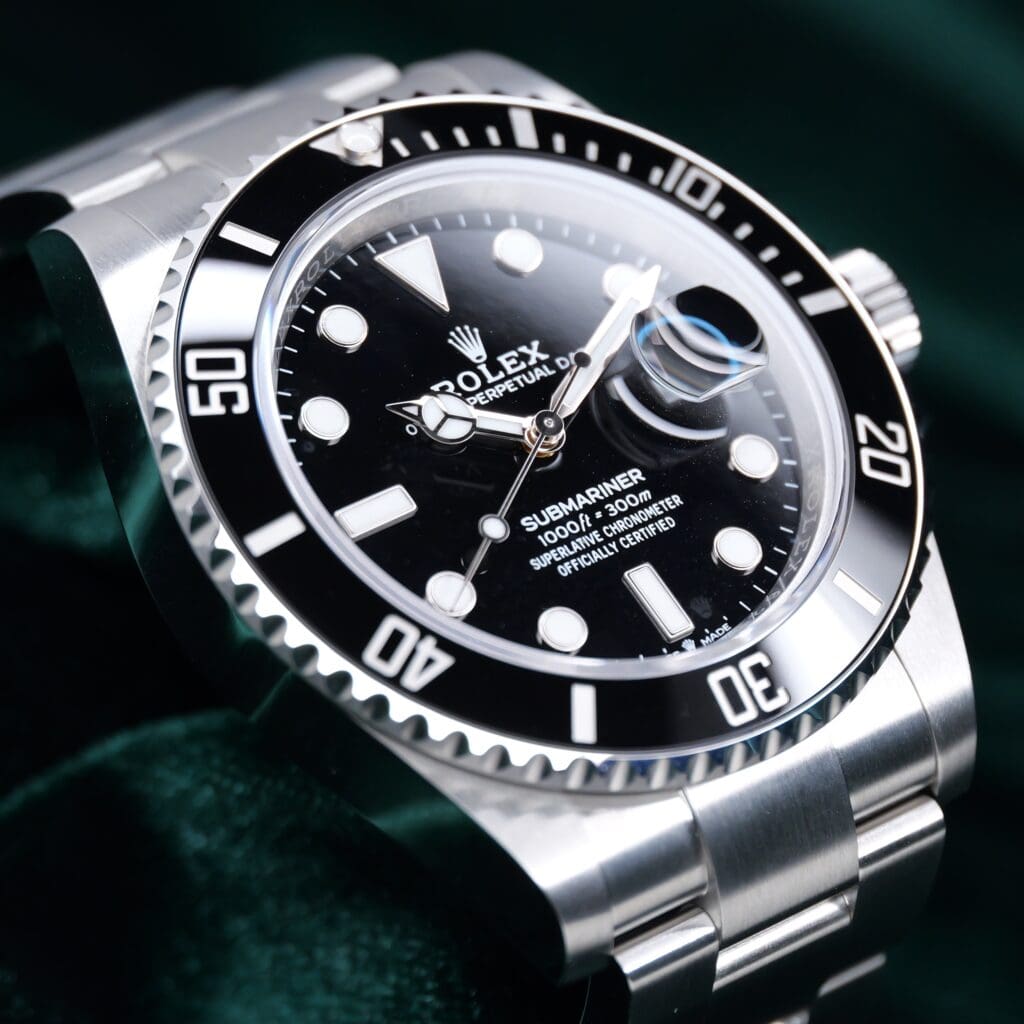
2026 NEW UNWORN Rolex Submariner Date Black Dial Black Ceramic Stainless Steel 41mm COMPLETE SET 126610LN-0001
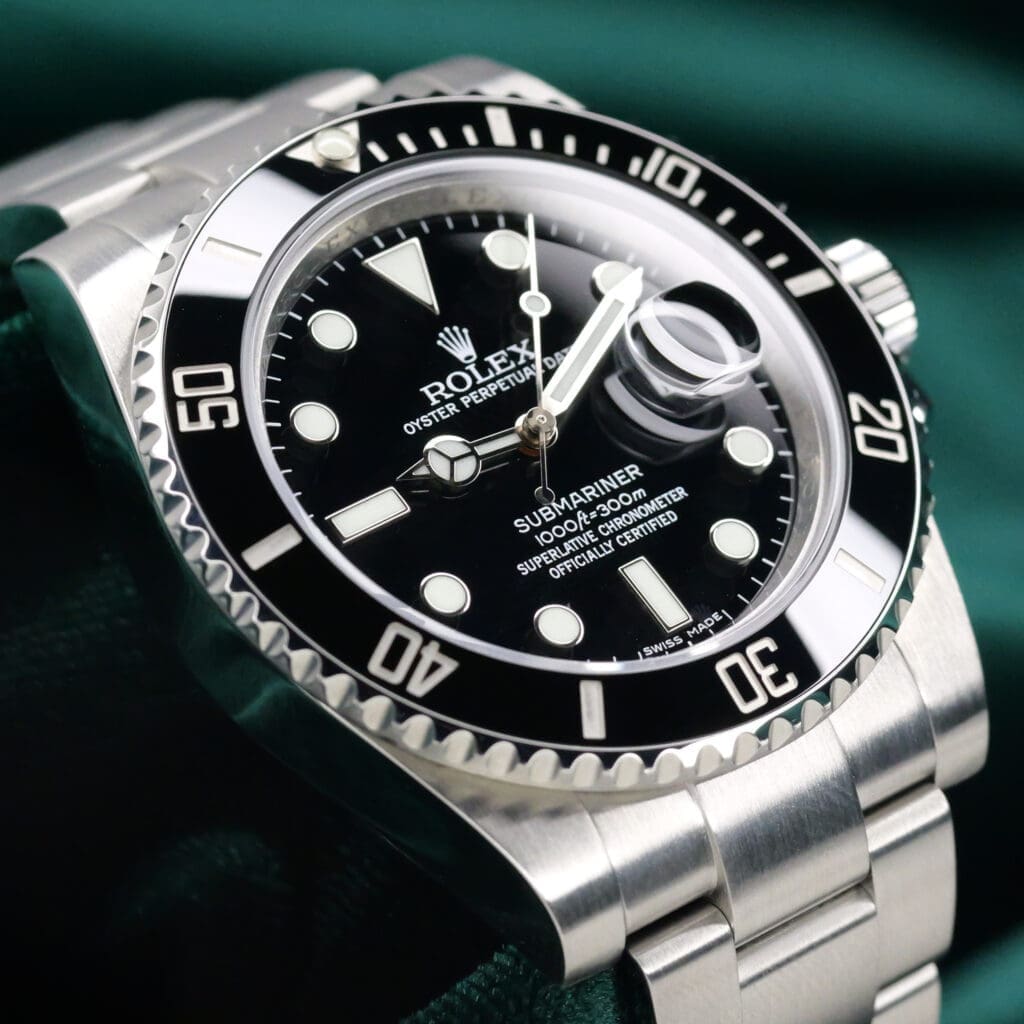
Rolex Submariner Date Black Dial Black Ceramic Bezel Stainless Steel 40mm MINT CONDITION COMPLETE SET 116610LN
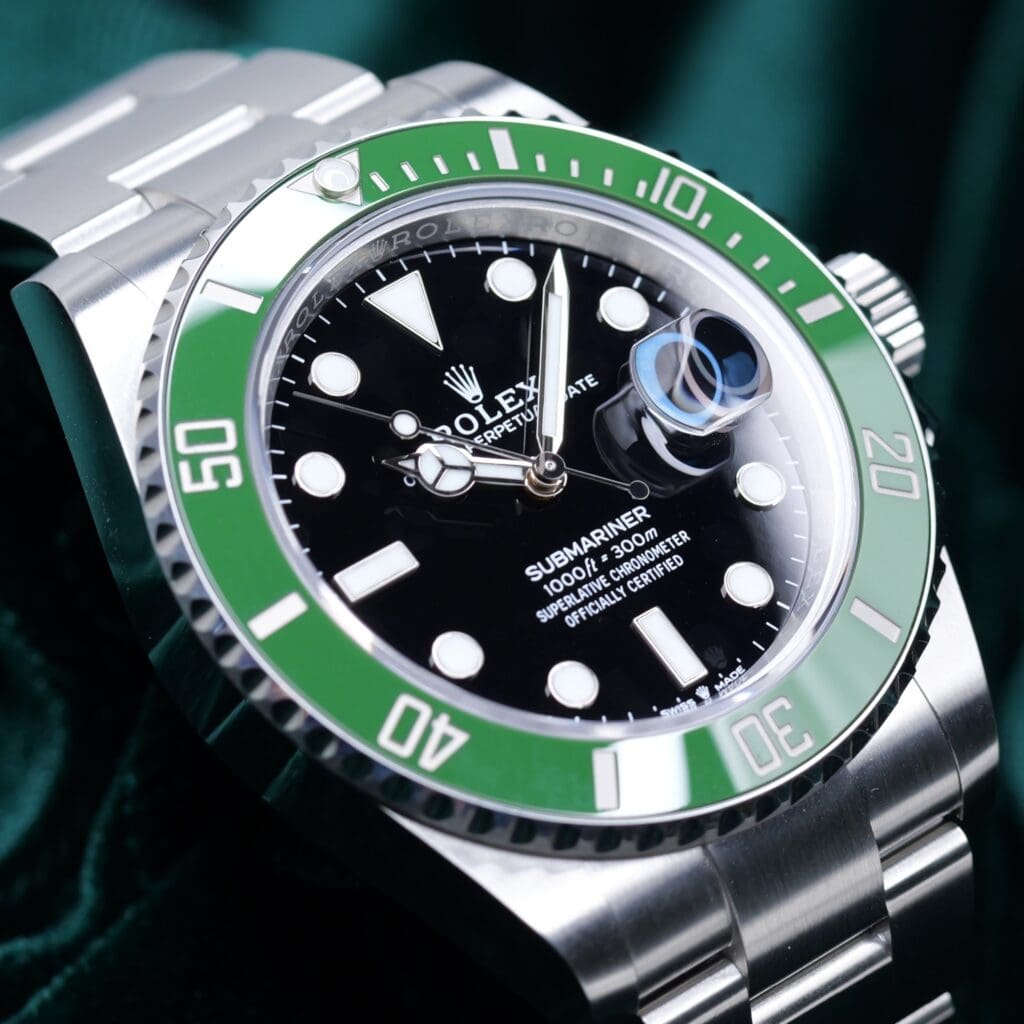
2026 NEW UNWORN Rolex Submariner Date "Starbucks" Black Dial Green Ceramic Bezel Stainless Steel 41mm COMPLETE SET 126610LV-0002
Each of these keeps the core dive layout while Rolex updated the case geometry, bezel material, movement, and bracelet over time. Small spec changes shifted how the watch wears and how collectors value it. Our Submariner buying guide covers the full reference history beyond these three.
1. Rolex Submariner Ref. 14060
Last of the classic no-date Subs before ceramic bezels arrived, the 14060 keeps a clean 40 mm five-digit case and an aluminum insert for a lighter, more traditional feel. Early versions use caliber 3000, while later 14060M models use caliber 3130. As a no-date five-digit Sub, it remains the most accessible path into the line.
Choosing between the cleaner no-date and the Date version is its own decision, and our Submariner Date vs No-Date breakdown compares them.
Production Era: 1989 to 1999 for 14060, 1999 to 2012 for 14060M
Case Diameter and Profile: 40 mm, traditional five-digit proportions
Movement: Caliber 3000 or caliber 3130, depending on production year
Water Resistance: 300 meters
Bezel: Unidirectional aluminum insert
Metal Configuration: Stainless steel
Bracelet: Oyster bracelet, stamped clasp on earlier models Market Value: Trades around $8,000 to $9,500 as of 2026
2. Rolex Submariner Ref. 16610
Defining the five-digit Submariner Date era, the 16610 paired a 40 mm steel case with an aluminum bezel and the durable caliber 3135. It wears slimmer than its ceramic successors and keeps the classic Sub look many buyers still prefer, blending neo-vintage character with everyday usability.
Production Era: Late 1980s to 2010
Case Diameter and Profile: 40 mm, slim five-digit case proportions
Movement: Caliber 3135
Water Resistance: 300 meters
Bezel: Unidirectional aluminum insert
Metal Configuration: Stainless steel
Bracelet: Oyster bracelet, solid end links in later years Market Value: Trades around $8,500 to $10,500 as of 2026

3. Rolex Submariner Ref. 116610LN
Marking the shift to ceramic and the wider maxi case, the 116610LN kept the 40 mm diameter but widened the lugs and crown guards, making it feel larger. Its Cerachrom ceramic bezel resists scratches better than aluminum, and this reference represents the fully modern steel Sub before the 41 mm generation arrived.
Production Era: 2010 to 2020
Case Diameter and Profile: 40 mm maxi case, thicker lugs, and crown guards
Movement: Caliber 3135
Water Resistance: 300 meters
Bezel: Cerachrom ceramic insert
Metal Configuration: Stainless steel
Bracelet: Oyster bracelet with Glidelock adjustment system Market Value: Trades around $11,500 to $14,000 as of 2026
Datejust 36 vs Submariner: Which Rolex Should You Choose?
Choose the Datejust 36 for an everyday dress-sport watch that fits anywhere, and the Submariner for a tougher, water-ready tool watch with more wrist presence. Both deliver Rolex build quality, strong resale, and proven movements, so the call comes down to size, function, and daily routine.
Choose the Rolex Datejust 36 if:
- You want a watch that works in business, formal, and everyday settings.
- You prefer 36 mm proportions and a slimmer case profile.
- You value dial, bezel, and bracelet variety.
- You lean toward a classic dress-sport look.
- You want a versatile piece that blends in easily.
Choose the Rolex Submariner if:
- You want higher water resistance and a tougher case build.
- You prefer a larger, more substantial wrist presence.
- You want a rotating timing bezel for daily use.
- You prioritize steel sports liquidity and fast resale.
- You prefer a stronger, sport-focused design.
Where to Buy Authentic Watches Online
999+ Timepieces Available
Explore Our Timepieces
Authenticated, unworn, and ready to ship worldwide.
Rolex · Audemars Piguet · Patek Philippe · Omega · Cartier · Richard Mille · Hublot · Tudor
Newly Listed
2026 NEW UNWORN Rolex Deepsea "James Cameron" D-Blue Black and Blue Dial Black Ceramic Bezel Stainless Steel 44mm COMPLETE SET 136660-0005
$20,208.00
Panerai Luminor Marina 1950 3 Days Limited Edition Black Sandwich Dial Stainless Steel Black Rubber Strap 47mm MINT COMPLETE SET PAM00422
$7,503.00
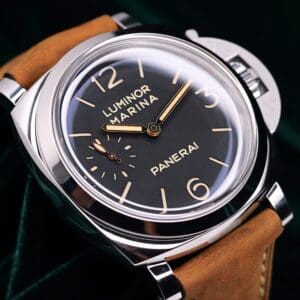
Panerai Luminor Marina 1950 3 Days Black Dial Stainless Steel Brown Leather Strap 47mm LIMITED EDITION MINT CONDITION COMPLETE SET PAM00422
$7,503.00
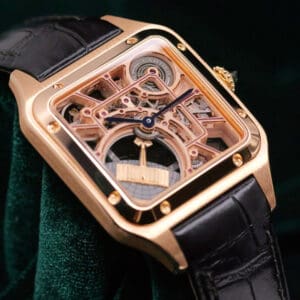
Cartier Santos-Dumont Micro-Rotor Skeleton Dial Black Alligator Strap 18k Rose Gold 43.5 x 31mm MINT CONDITION COMPLETE SET WHSA0030
$40,425.00
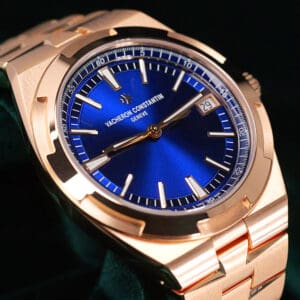
2026 Vacheron Constantin Overseas Blue Dial 18k Rose Gold 41mm MINT CONDITION COMPLETE SET 4520V/210R-B705
$72,764.00
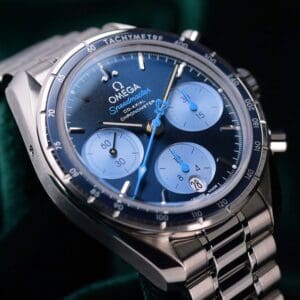
Omega Speedmaster 38 Orbis Edition Blue Dial Stainless Steel 38mm MINT CONDITION COMPLETE SET 324.30.38.50.03.002
$6,599.00
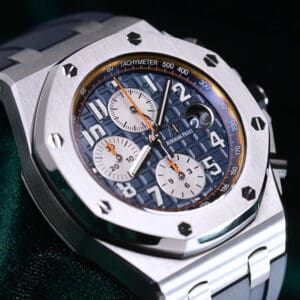
Audemars Piguet Royal Oak Offshore Chronograph “Navy” Blue Dial Orange Accents Blue Rubber Strap Stainless Steel 42mm MINT CONDITION COMPLETE SET 26470ST.OO.A027CA.01
$22,245.00
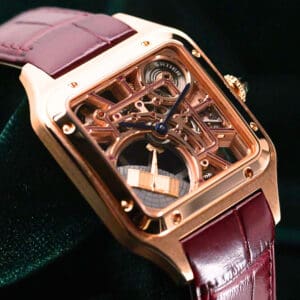
Cartier Santos-Dumont Micro-Rotor Skeleton Dial 18K Rose Gold Burgundy Alligator Strap 31mm MINT CONDITION COMPLETE SET WHSA0030
$40,425.00
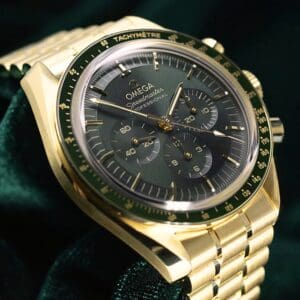
Omega Speedmaster Professional Moonwatch "Moonshine" Green Dial 18K Yellow Gold 42mm MINT CONDITION COMPLETE SET 310.60.42.50.10.001
$35,695.00
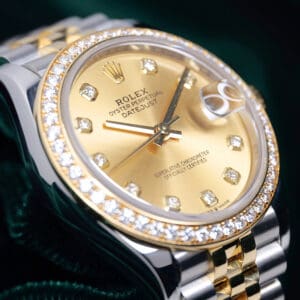
Rolex Datejust 31 Champagne Diamond Dial Diamond Bezel Jubilee Yellow Gold & Stainless Steel 31mm MINT CONDITION COMPLETE SET 278383RBR
$31,990.00
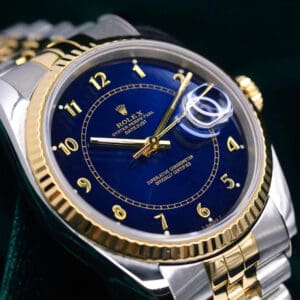
Rolex Datejust Blue Arabic Numeral Refinished Dial Fluted Bezel Jubilee Bracelet 18k Yellow Gold Stainless Steel 36mm MINT CONDITION 16233
$7,975.00
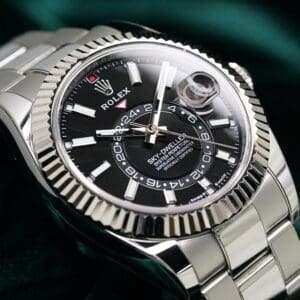
2025 Rolex Sky-Dweller Bright Black Dial 18k White Gold Fluted Bezel Stainless Steel Oyster Bracelet 42mm MINT CONDITION COMPLETE SET 336934
$22,895.00
A handful of legitimate online channels exist for buying a Datejust 36 or a Submariner. Chrono24 aggregates dealers and private sellers worldwide with an escrow option. eBay covers many listings under its Authenticity Guarantee program, which inspects eligible watches before they reach you.
Grailzee runs enthusiast-focused watch auctions. Independent grey-market sellers and watch forums round out the picture for buyers who like to dig. We weigh the tradeoffs of each channel in our guide to where to buy a pre-owned watch.
We also buy, sell, and trade luxury watches, and the reason clients pick us over a big marketplace is the communication before you commit. You get tour videos of the actual watch instead of stock photos, detailed condition notes, and a direct conversation with someone who has handled the piece in person. You are not buying blind off a listing.
You can also browse our current collection to see what we have in stock right now.
That shows up in our 4.9-star Google rating, which comes from buyers who wanted to understand exactly what they were getting before paying.
If you want that kind of walkthrough on a specific Datejust 36 or Submariner reference, reach out and we will line up options that match what you are after.
Final Thoughts on Datejust 36 vs Submariner
Datejust 36 vs Submariner comes down to role, not ranking. One disappears into a dress shirt and a workweek; its counterpart announces itself and shrugs off water, knocks, and timing tasks. Both hold value and both run proven movements, so neither is a wrong answer.
Two quick tips before you commit. Try both on your own wrist first, because 36 mm and 41 mm feel further apart than the numbers suggest. And whichever you pick, pay up for a full-set example with box and papers, since complete sets resell faster and command a premium of roughly $1,500 to $2,500.
If the right watch only surfaces without them, here is how to weigh buying a Rolex without box and papers.