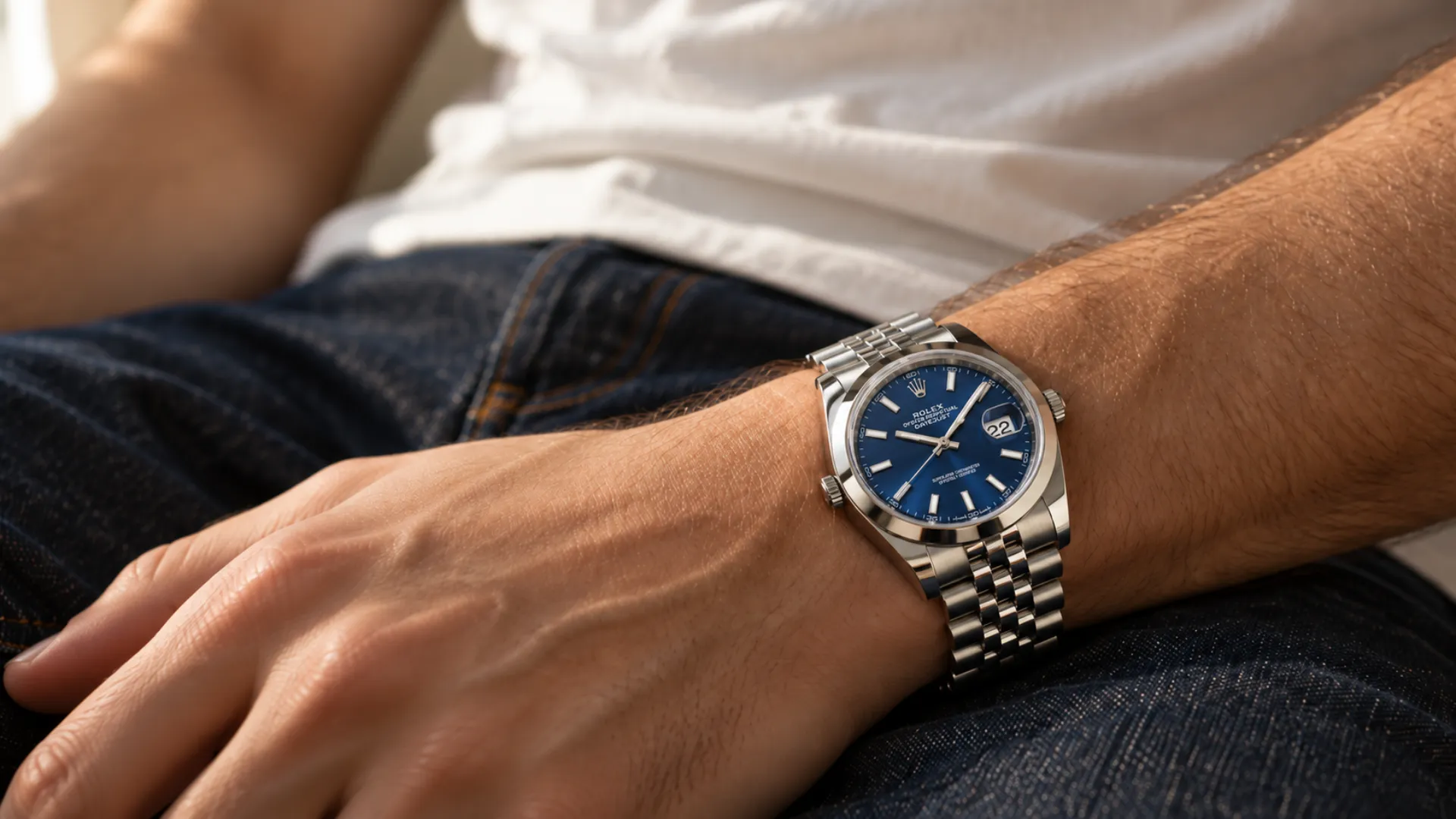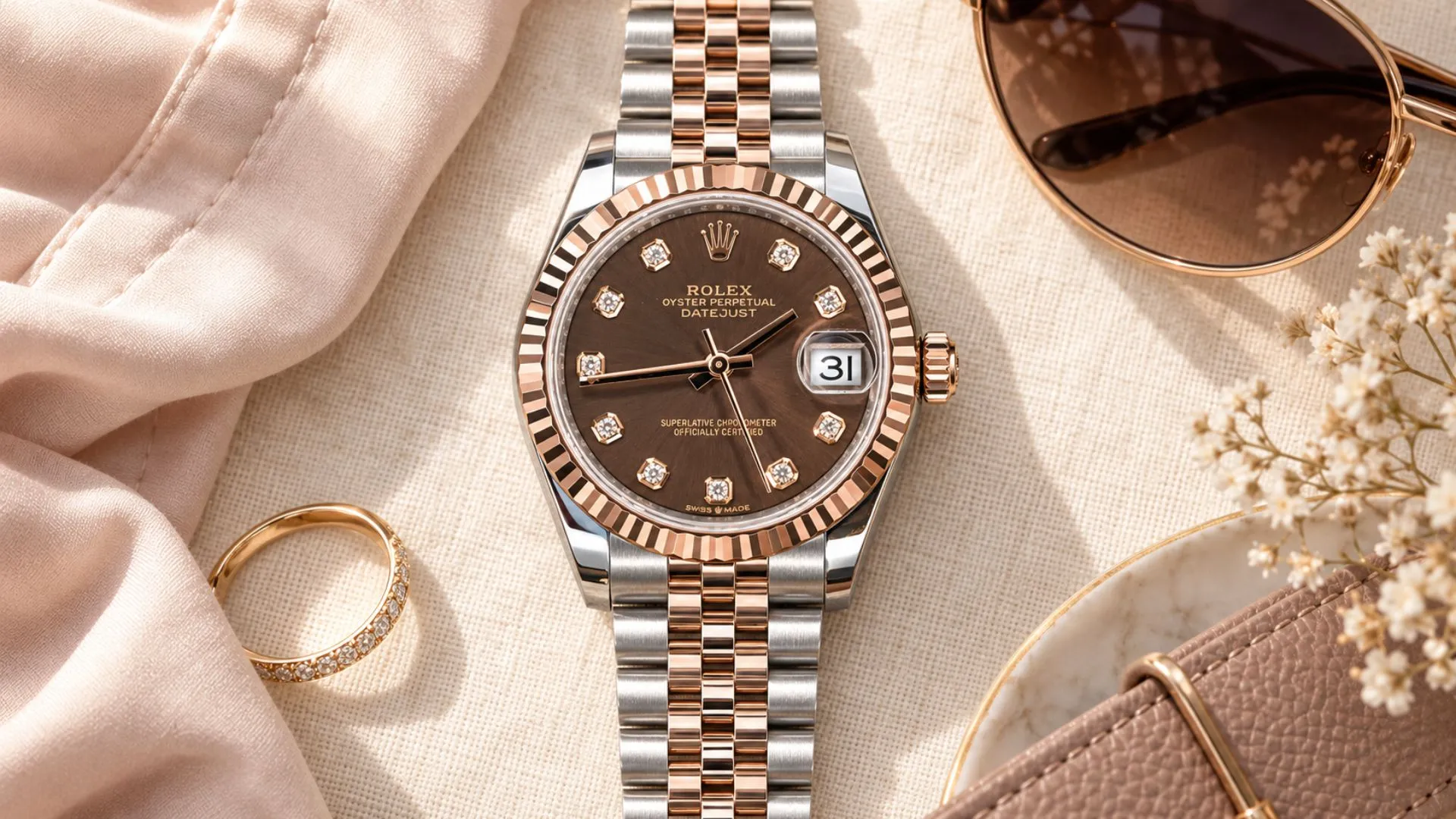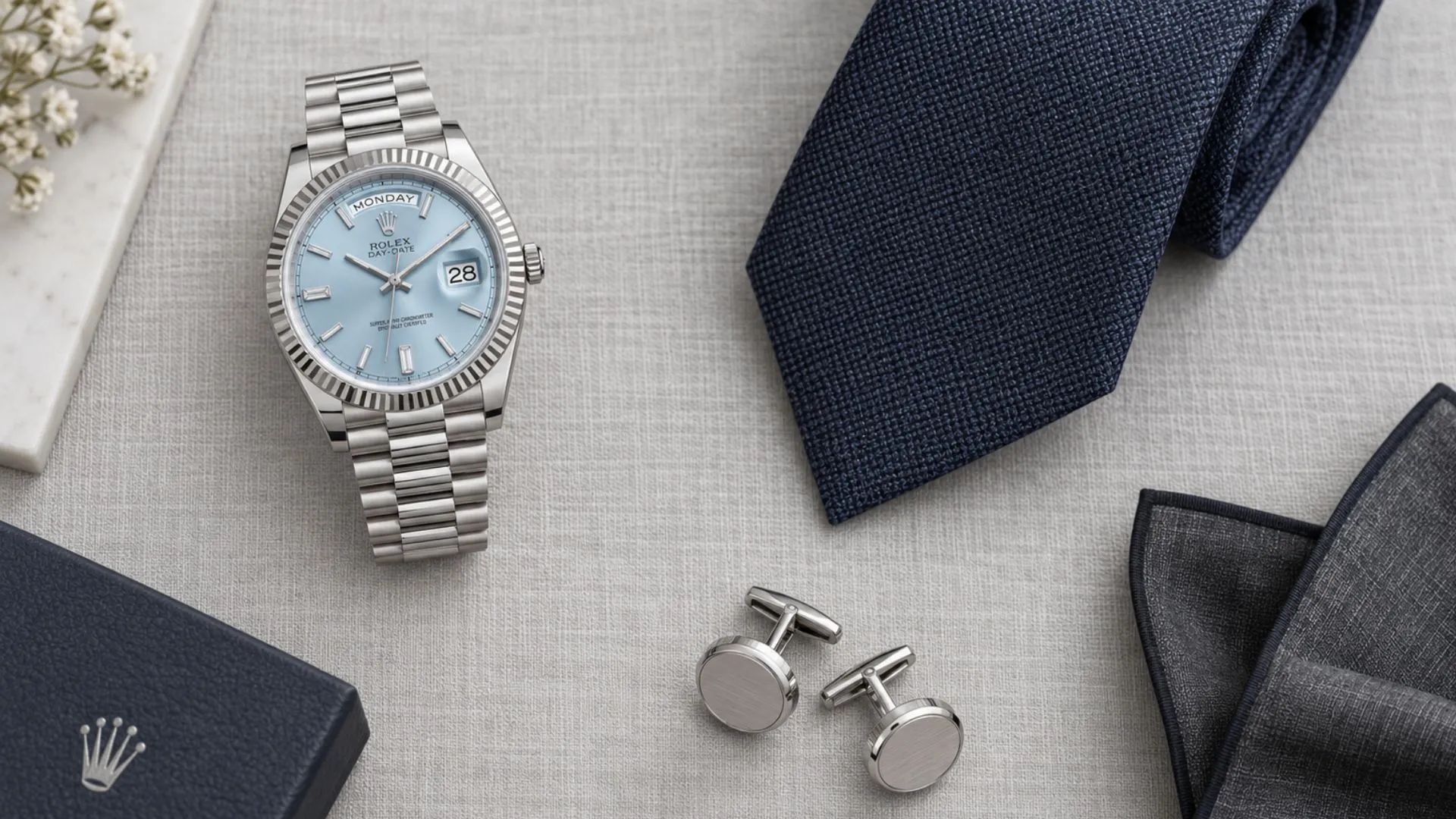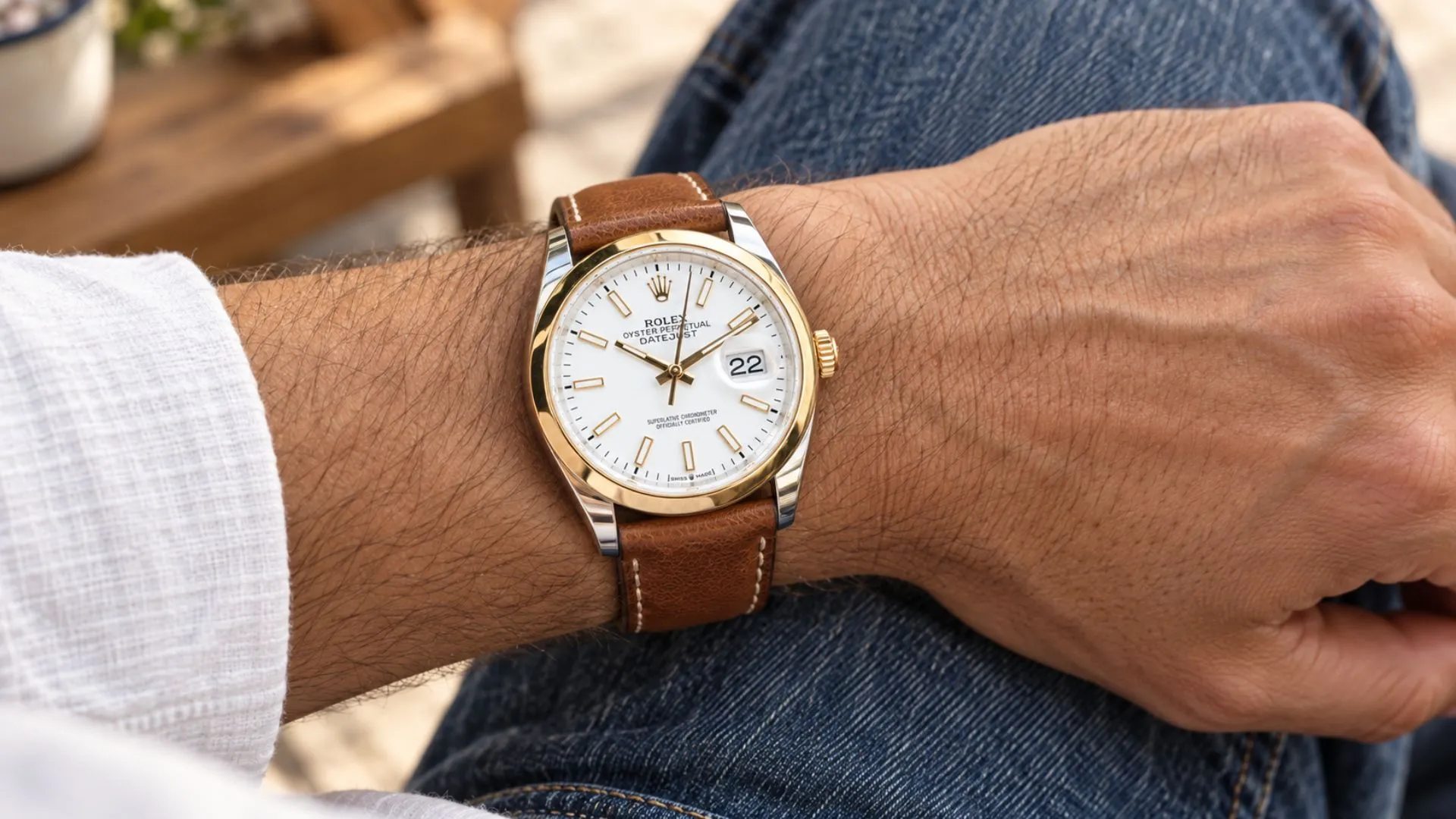

Choosing between the Rolex Datejust 31 and 36 comes down to proportion, wrist presence, and daily feel. On paper the difference looks small, but a few millimeters change how the case sits and how the dial reads. You will notice it the moment you strap it on.
The 31 mm delivers a compact, contained look. The 36 mm brings a broader stance and more presence. On smaller wrists the 31 feels lighter and more refined. On average wrists the 36 fills space confidently without feeling oversized.
That gap is worth a fresh look in 2026. Rolex raised prices across the Datejust line on January 1, and Watches and Wonders 2026 added new dials to the 36 while the 31 stayed put. Both shifts change the math on which size to buy.
The sections below explain how those millimeters affect fit, wearability, and buyer behavior, with current pricing, so you can pick the Datejust that fits your wrist and your wallet.
What Is the Rolex Datejust 31?
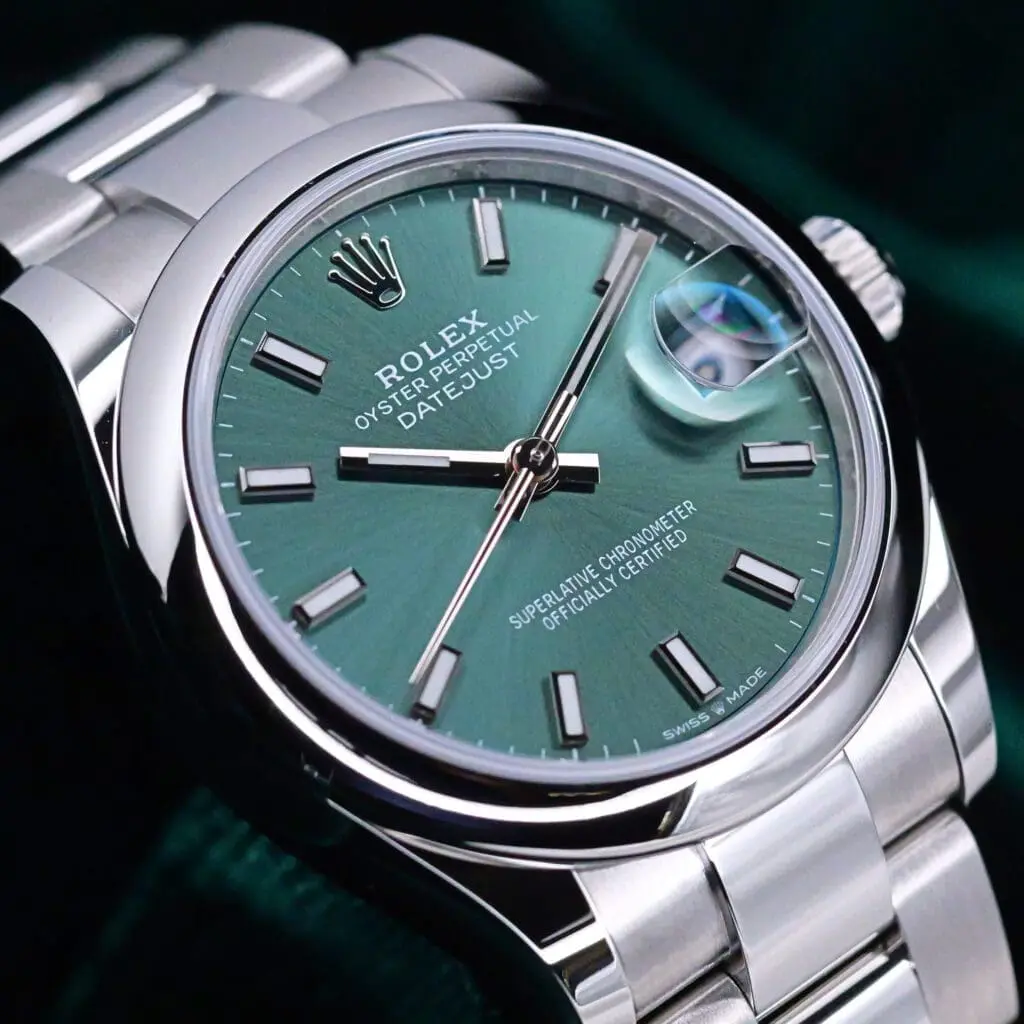

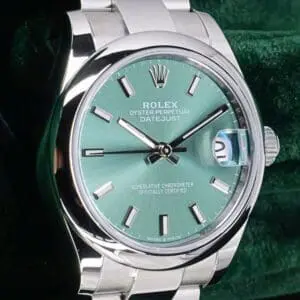
The Datejust 31 is the 31 mm version of Rolex’s signature dress watch, built for buyers who want the full Datejust design with less wrist coverage. The case sits lower and lighter than the larger sizes, which suits smaller wrists and anyone after a quieter, more discreet profile.
Rolex scaled the familiar Datejust look down without losing it. The 31 still reads like a true Datejust on the wrist, with the same Oyster case, Cyclops date, and 100 m water resistance that keep it practical for daily wear.
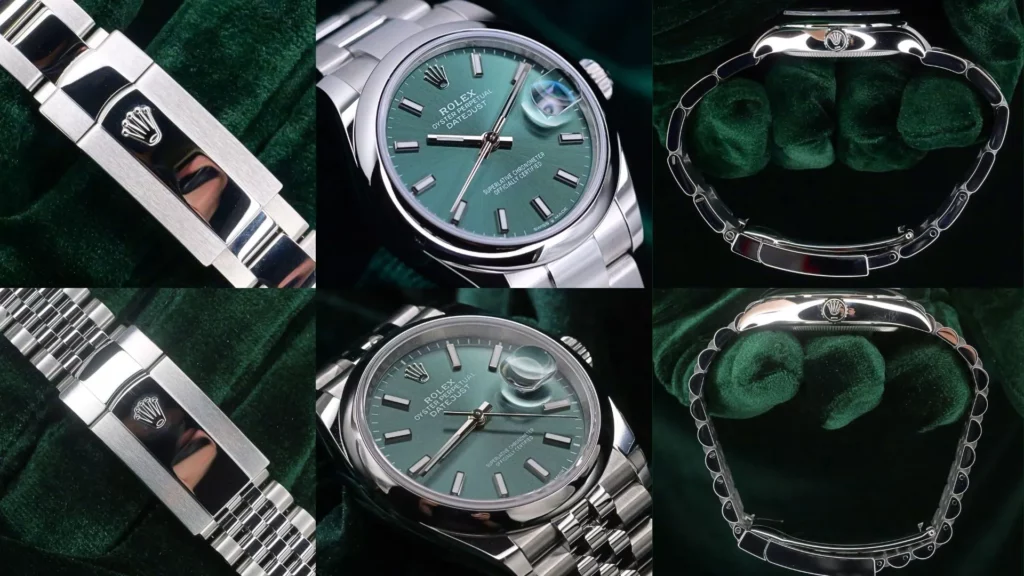
Configuration drives the look more than anything else. A fluted bezel and Jubilee bracelet push the watch toward classic Datejust territory. A smooth bezel and Oyster bracelet make it simpler and sportier. Those choices decide how formal the watch reads in real life.
Common references include the 278240, 278274, and 278273, which buyers cross-shop by metal, bezel type, and dial style. If you are shopping at the smaller end, our Lady-Datejust 28 vs 31 comparison covers the next size down. The three references above get the full breakdown later in this article.
What Is the Rolex Datejust 36?
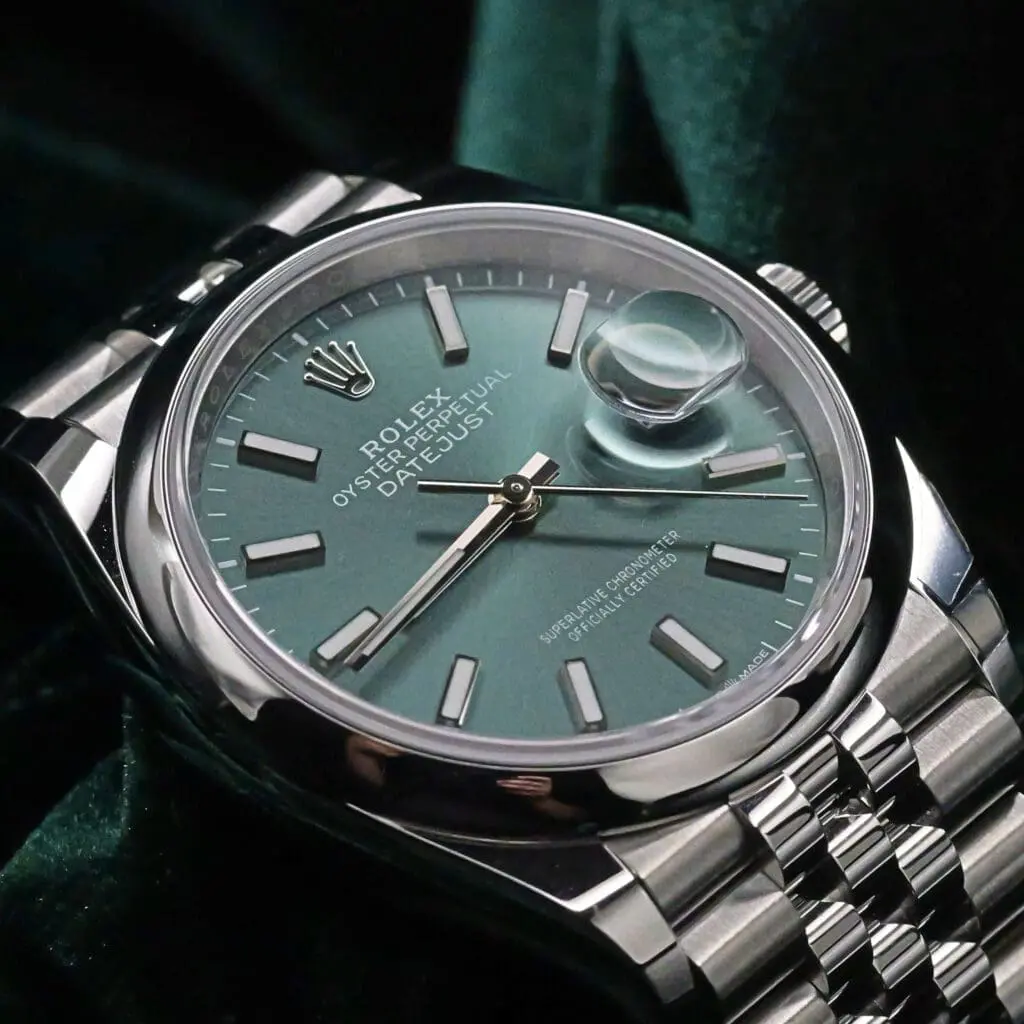


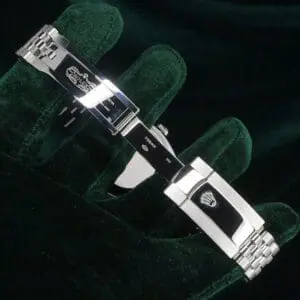

The Datejust 36 is the original Datejust size and still the model’s classic form. Rolex launched the Datejust in 1945 for its 40th anniversary, introducing automatic date correction at midnight, and the balanced 36 mm case has fit most wrists ever since.
It works as a one-watch collection. The size moves comfortably between office, travel, and formal settings, giving you presence without taking over your wrist. Many first-time Rolex buyers start here because it feels balanced rather than loud. If you want more wrist presence than the 36 offers, our Datejust 41 vs 36 breakdown covers the jump to the largest size.
Rolex has preserved the core design for decades, which is why collectors keep coming back. The 36 mm case, fluted bezel, and clean dial layouts stay close to the early models. Vintage pieces such as the 16014 and 16234 draw attention when the case lines are crisp and the dials are well preserved.
The 36 also keeps getting fresh options. At Watches and Wonders 2026, Rolex marked the 100th anniversary of the Oyster case and added a green ombré dial to the steel 126200, plus new mint-green and olive-green two-tone dials. The 31 sat out that release, which tells you where Rolex puts its newest ideas first.
Datejust 31 vs Datejust 36: The Key Differences

Both watches share the same Datejust DNA, yet they diverge in case footprint, dial layout, movement, and market demand. This section breaks down each difference so you can pick on fit and real pricing behavior, not guesswork.
1. Case Size
On the 31, the smaller case keeps the footprint compact and controlled. The bezel, dial opening, and bracelet width all scale down with it. The watch sits closer to the wrist and reads quietly at a distance, which favors smaller wrists or a refined daily profile. If you are unsure where your wrist lands, we cover how to choose the right watch size for your wrist separately.
On the 36, the larger case adds wrist coverage and visual balance. The bigger dial opening gives markers more spacing and improves legibility in busier configurations. The wider bracelet and bezel add presence without crossing into oversized, which suits buyers who want the classic Datejust stance.
2. Dial Layout
The 31’s dial feels denser because the elements sit closer together. Roman numerals, diamond markers, and textured finishes fill the space fast. Simple stick markers and clean sunburst tones usually look better proportioned here, and that tighter layout gives the watch a dressier feel.
The 36 has more room to breathe. Markers, hands, and the date window sit farther apart, which improves separation. The size carries bold colors, deeper sunburst finishes, and stronger contrast with less crowding, so it reads cleaner in photos and in daily wear.
3. Movement and Power Reserve
This is the clearest mechanical split between the two. Most current 31 references run the calibre 2236 with a Syloxi silicon hairspring and about 55 hours of power reserve. Most current 36 references run the newer calibre 3235 with a Chronergy escapement and about 70 hours.
The practical difference is the weekend. A 36 left off your wrist Friday evening is usually still running Monday morning. A 31 may need resetting after a couple of days off. If you wear one main watch, the 55-hour reserve is fine. If you rotate between several, the 36’s longer reserve is the easier life.
Price and Market Demand
Both sizes got more expensive in 2026. Rolex’s January price increase moved the Datejust along with the rest of the catalog, with two-tone Rolesor models up roughly 8 percent and full-gold versions up around 12 percent on average. Steel models saw smaller bumps. Our Rolex pricing guide tracks where the lineup sits now.
Configuration still drives resale more than diameter. Classic steel and two-tone models in both sizes attract the widest pool of buyers, which is a big part of how well Rolex holds its value compared with most luxury watches. The reference cards below show current figures for the mainstream picks.
Gem-set and precious-metal models follow a different pattern. An Everose diamond-bezel 31, for example, lists north of $50,000 at retail but trades well below MSRP once it hits the secondary market, because the buyer pool is narrower. Heavy gold and diamond content lifts the sticker price faster than it holds value.
Vintage tells its own story. Clean steel Datejust 36 references like the 1601 and 16014 trade around $5,000 to $7,500 depending on condition, with well-preserved two-tone examples climbing higher. For vintage, condition and completeness matter more than small spec differences. (Figures as of 2026, drawn from WatchCharts and Chrono24 listings.)
Iconic Datejust 31 References

The Datejust 31 range spans steel, two-tone, and precious metals. These are the three configurations buyers most often compare side by side before deciding.
1. Datejust 31 Reference 278240
The 278240 is the clean steel baseline of the modern 31 mm range. Buyers pick it because the smooth bezel keeps the watch quiet and the price sits closest to the core Datejust entry point. It wears slim, reads sporty, and works with almost any dial color. Resale stays straightforward since many treat this as the safest daily spec in 31 mm.
- Production Start: 2020
- Case Size: 31 mm
- Case Material: Oystersteel
- Bezel: Smooth, steel
- Bracelet: Oyster or Jubilee
- Movement: calibre 2236
- Power Reserve: about 55 hours
- Water Resistance: 100 m
- Market Value (2026): about $7,700 to $8,800
Related Models from Majestix
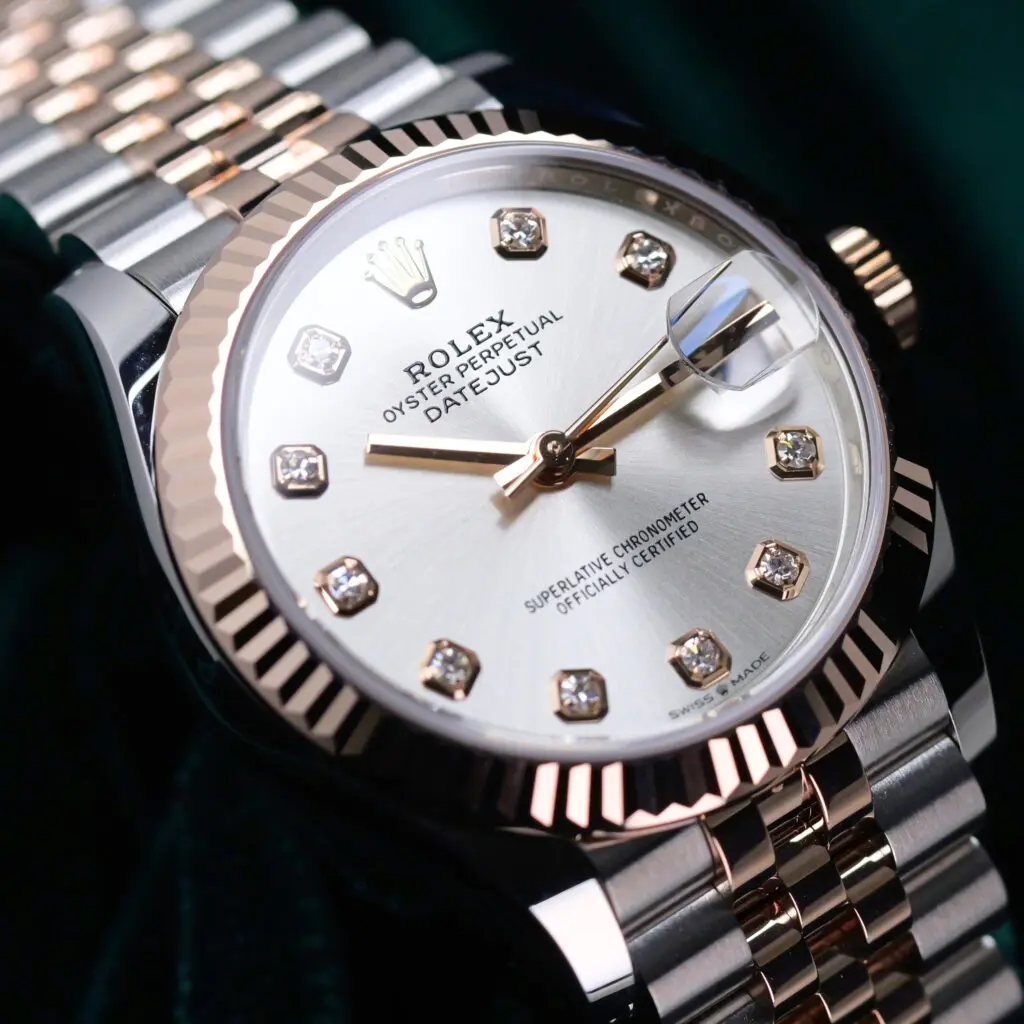
2026 NEW UNWORN Rolex Datejust 31 Silver Diamond Dial Fluted Bezel Jubilee Two-Tone 18K Rose Gold 31mm COMPLETE SET 278271-0016
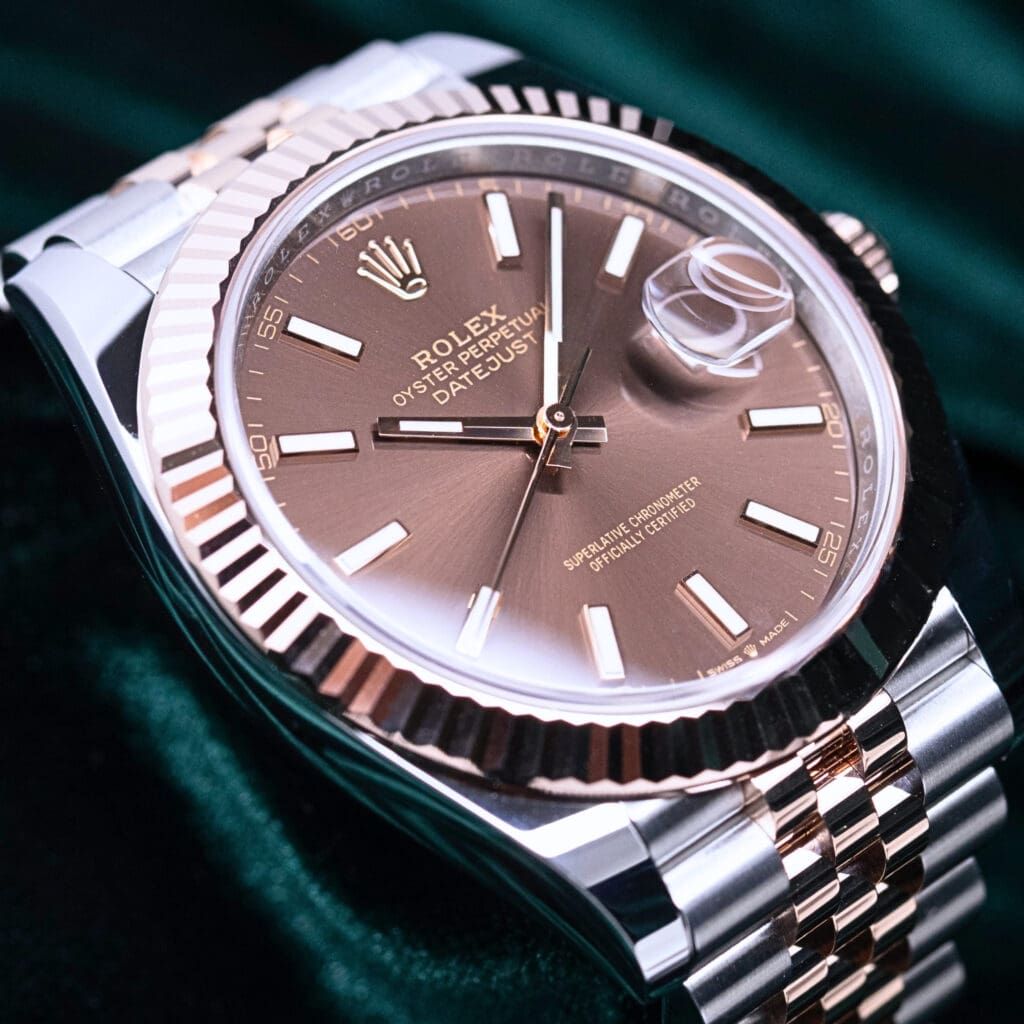
2026 NEW UNWORN Rolex Datejust 41 Chocolate Brown Jubilee Two-Tone 18K Everose Gold Steel 41mm COMPLETE SET 126331
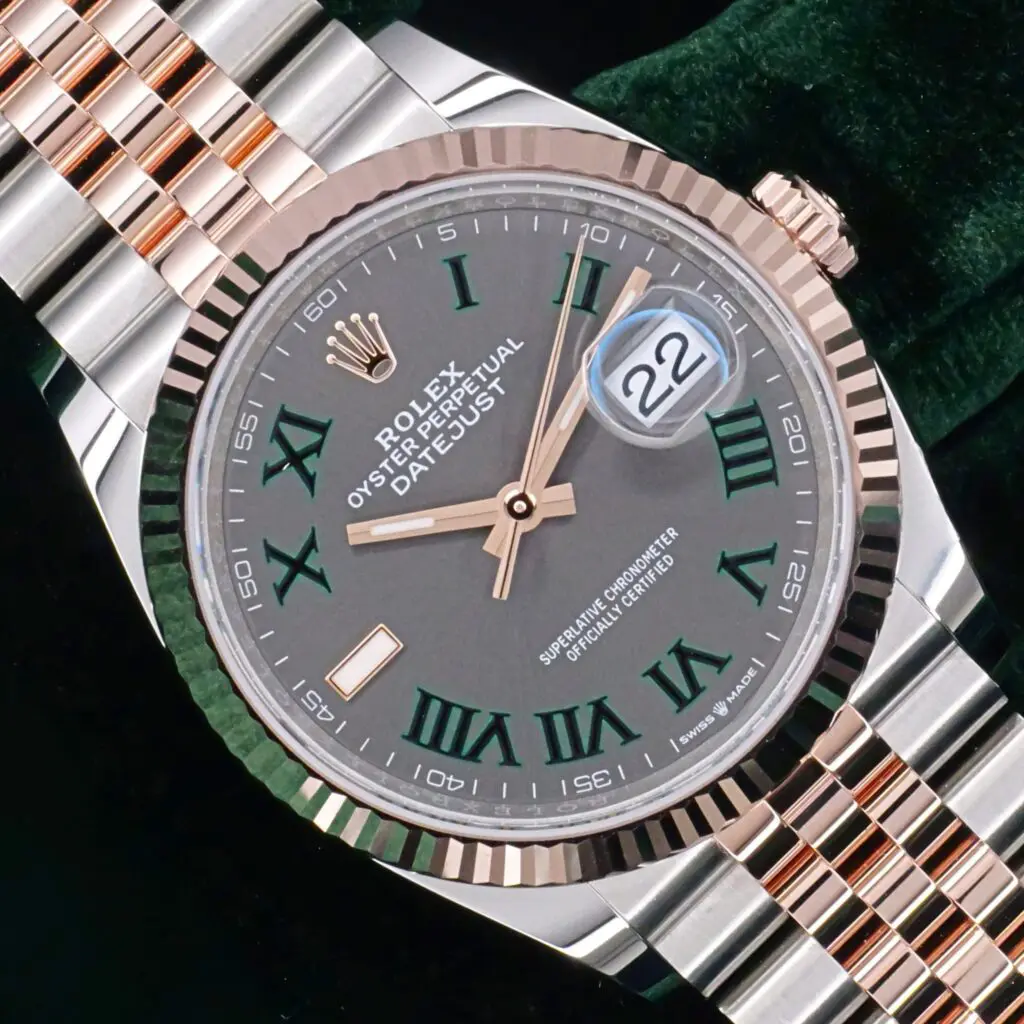
Rolex Datejust 36 Grey Wimbledon Dial Fluted Bezel Jubilee Bracelet Two-Tone Rose Gold Stainless Steel MINT COMPLETE SET 126231
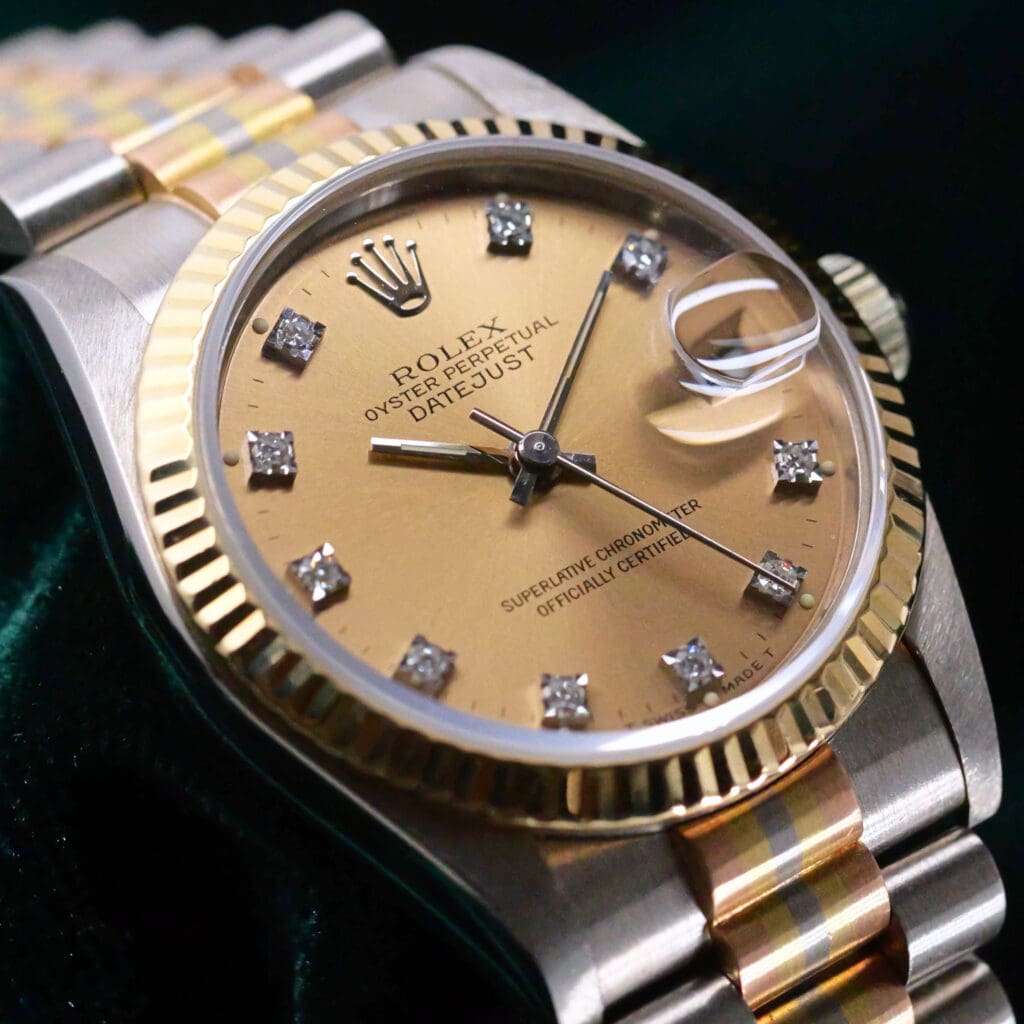
Rolex Datejust Champagne Diamond Markers Fluted Bezel Tridor President Bracelet 18k White Gold 31mm MINT CONDITION 68279B
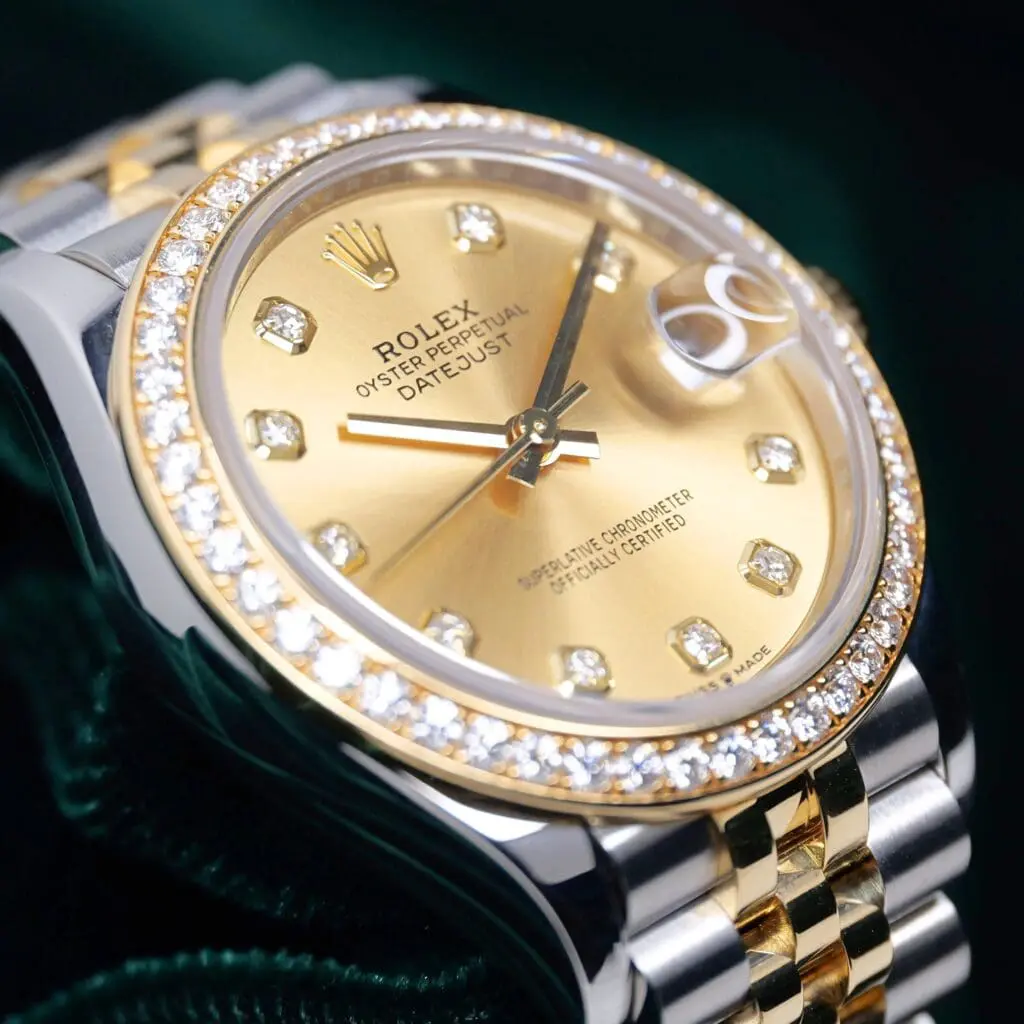
Rolex Datejust 31 Champagne Diamond Dial Diamond Bezel Jubilee Yellow Gold & Stainless Steel 31mm MINT CONDITION COMPLETE SET 278383RBR

2026 NEW UNWORN Rolex Datejust 41 "Wimbledon" Slate Dial Green Roman Numerals Fluted Bezel Jubilee Bracelet Two-Tone 18K Rose Gold Stainless Steel 41mm COMPLETE SET 126331-0016
2. Datejust 31 Reference 278274
The 278274 is the 31 mm choice for the classic Datejust look. The white gold fluted bezel adds sharper definition and a more traditional feel at a glance. Buyers like that it dresses up without going to full two-tone or gold, and the fluted-bezel-and-Jubilee pairing keeps a wide pool of interested buyers.
- Production Start: 2020
- Case Size: 31 mm
- Case Material: Oystersteel and white gold
- Bezel: Fluted, white gold
- Bracelet: Jubilee
- Movement: calibre 2236
- Power Reserve: about 55 hours
- Water Resistance: 100 m
- Market Value (2026): about $10,000 to $12,000 for standard dials
3. Datejust 31 Reference 278273
The 278273 is the two-tone option for buyers who want more warmth and contrast. Yellow Rolesor changes the watch’s character, with the gold bezel and crown drawing the eye. It feels dressier than steel while staying compact in 31 mm, and two-tone Datejusts keep broad demand because the look reads unmistakably Rolex.
- Production Start: 2019
- Case Size: 31 mm
- Case Material: Oystersteel and yellow gold
- Bezel: Fluted, yellow gold
- Bracelet: Oyster or Jubilee
- Movement: calibre 2236
- Power Reserve: about 55 hours
- Water Resistance: 100 m
- Market Value (2026): about $13,500 to $16,500 for standard dials
Iconic Datejust 36 References

The Datejust 36 sits at the core of the Rolex catalog, and small spec changes make a real difference in how it wears and holds value. These three references show how material and bezel choice shift both the presence on the wrist and the behavior in the market.
1. Datejust 36 Reference 126200
The 126200 is the steel, smooth-bezel baseline of the modern 36 mm line. Buyers pick it for a clean dial, a simple bezel, and a watch that works in any setting. It stays easy to move because it sits at the center of 36 mm demand, and it delivers the Datejust look without the cost of precious-metal details.
- Production Start: 2019
- Case Size: 36 mm
- Case Material: Oystersteel
- Bezel: Smooth, steel
- Bracelet: Oyster or Jubilee
- Movement: calibre 3235
- Power Reserve: about 70 hours
- Water Resistance: 100 m
- Market Value (2026): about $8,000 to $9,500
2. Datejust 36 Reference 126234
The 126234 is the steel-and-white-gold setup most people picture first. The fluted white gold bezel gives sharper definition and a more classic Datejust profile. Buyers like it because it balances daily wear with a dressier edge, and demand stays strong across dial colors and bracelet choices.
- Production Start: 2019
- Case Size: 36 mm
- Case Material: Oystersteel and white gold
- Bezel: Fluted, white gold
- Bracelet: Oyster or Jubilee
- Movement: calibre 3235
- Power Reserve: about 70 hours
- Water Resistance: 100 m
- Market Value (2026): about $11,000 to $13,500
Related Models from Majestix

Rolex Datejust 36 Aftermarket Mother of Pearl Diamond Dial Aftermarket Diamond Bezel Jubilee Two-Tone 18k Yellow Gold 36mm MINT CONDITION 16233
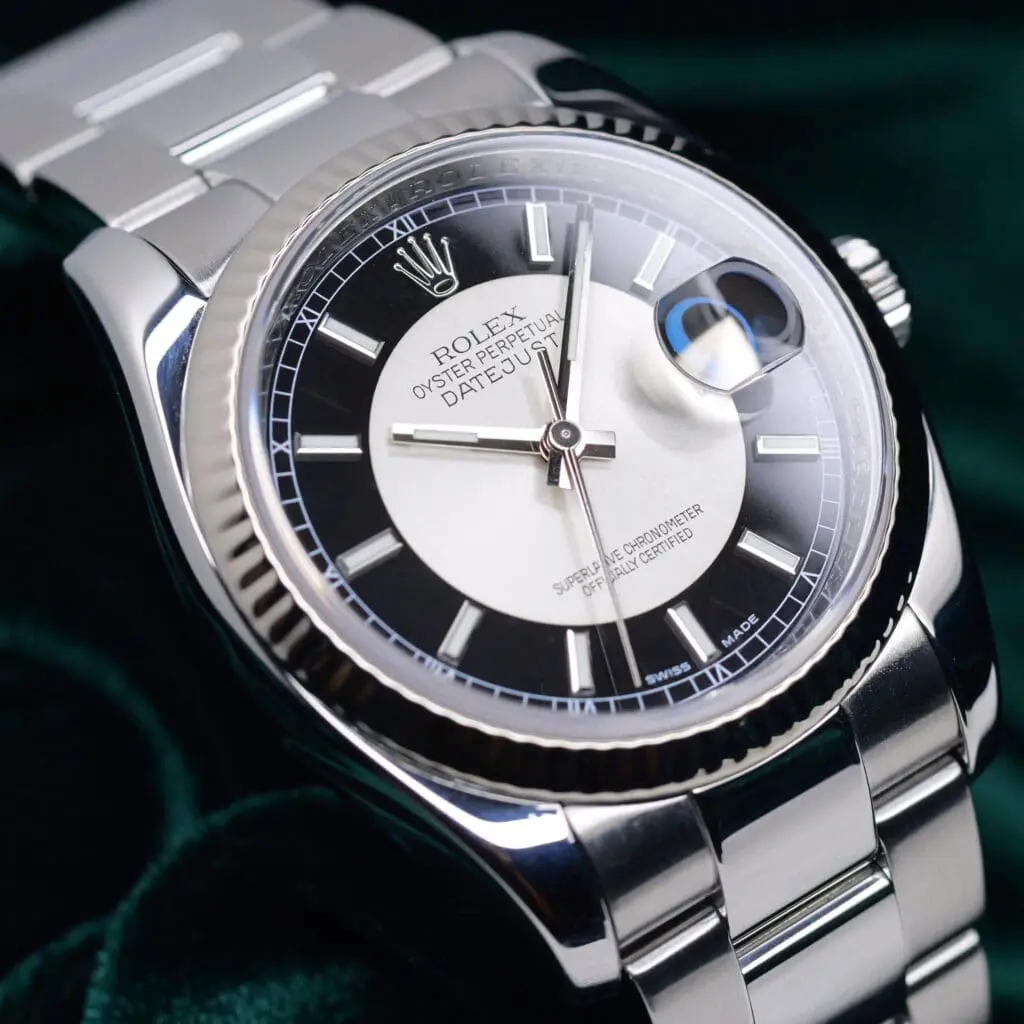
Rolex Datejust “Tuxedo” Black and Silver Dial 18K White Gold Fluted Bezel Stainless Steel Oyster 36mm MINT CONDITION COMPLETE SET 116234
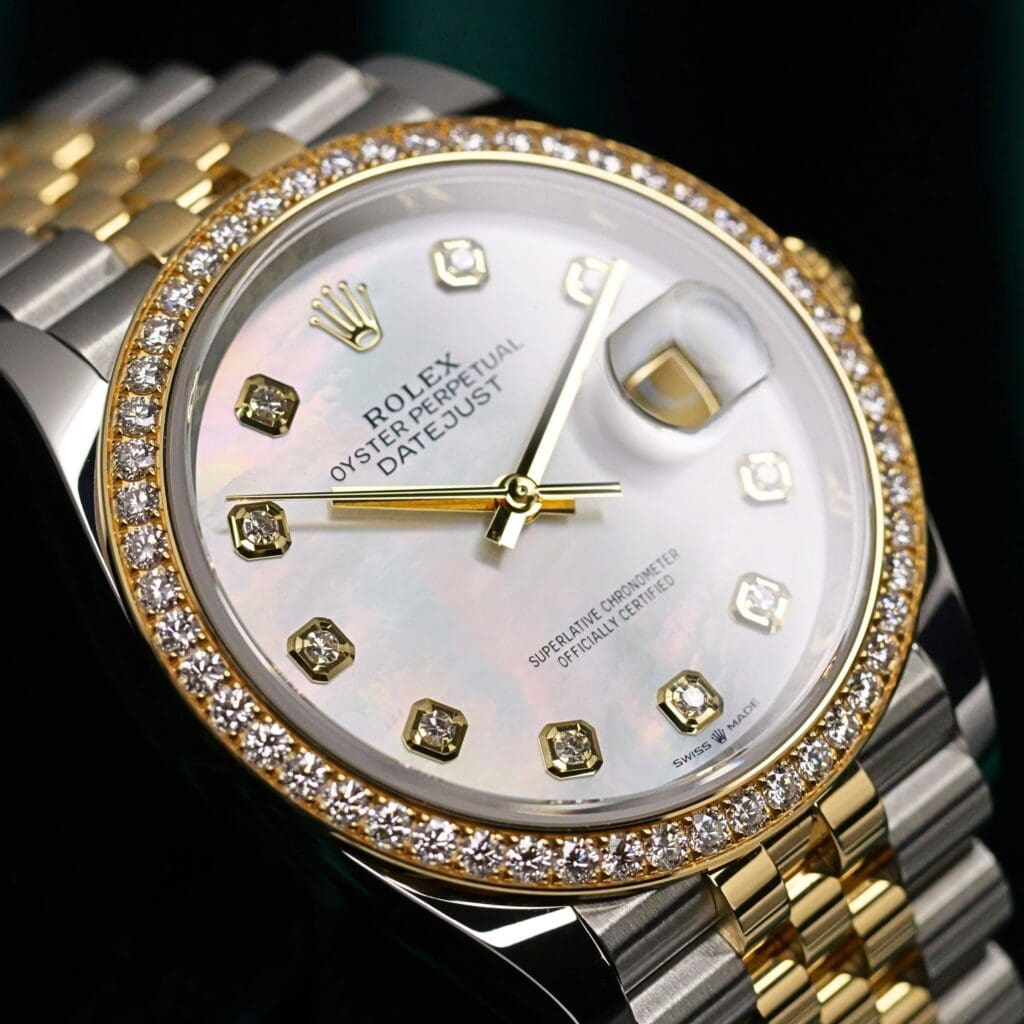
2026 NEW UNWORN Rolex Datejust 36 Mother of Pearl Diamond Dial Diamond Bezel Jubilee Two-Tone Steel 18k Yellow Gold 36mm COMPLETE SET 126283RBR-0009
Rolex Datejust 36 Grey Wimbledon Dial Fluted Bezel Jubilee Bracelet Two-Tone Rose Gold Stainless Steel MINT COMPLETE SET 126231
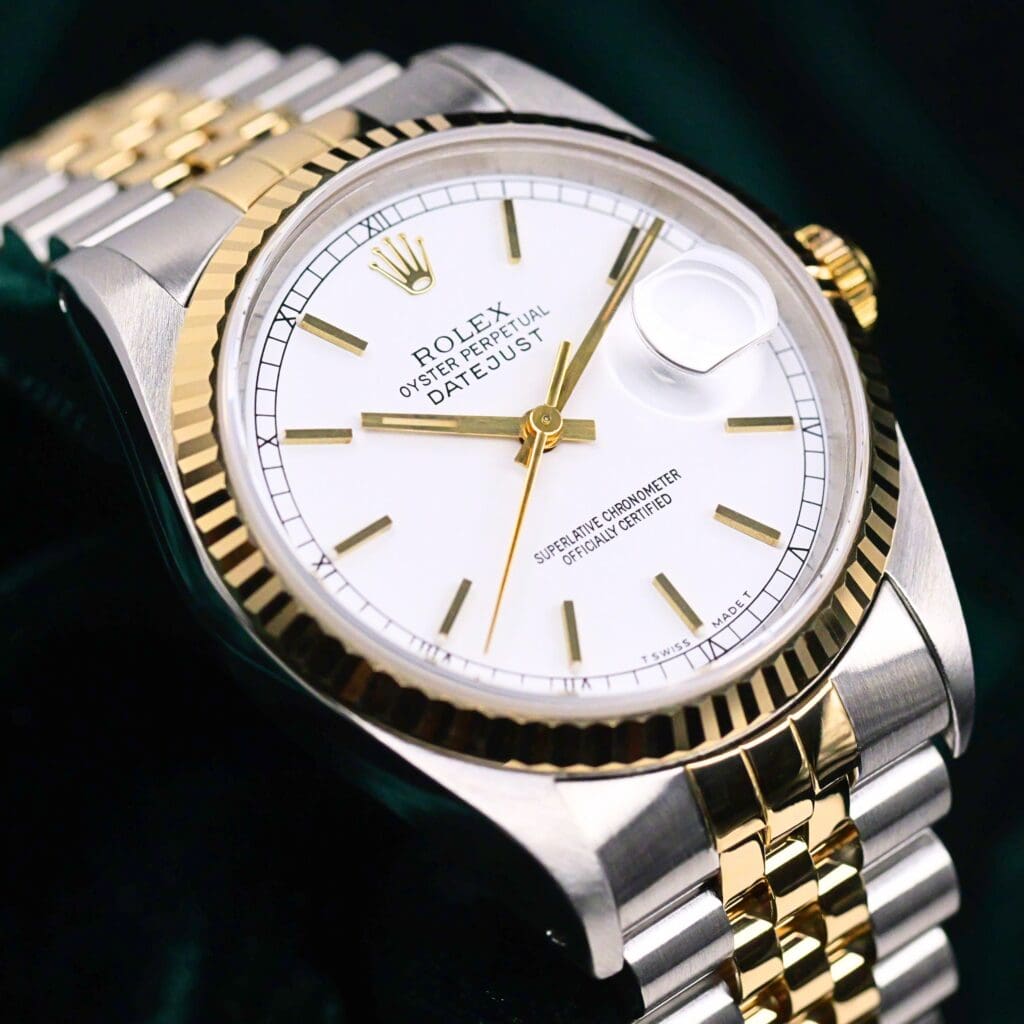
Rolex Datejust White Dial Fluted Bezel Jubilee Bracelet Two-Tone 18K Yellow Gold Stainless Steel 36mm MINT CONDITION 16233
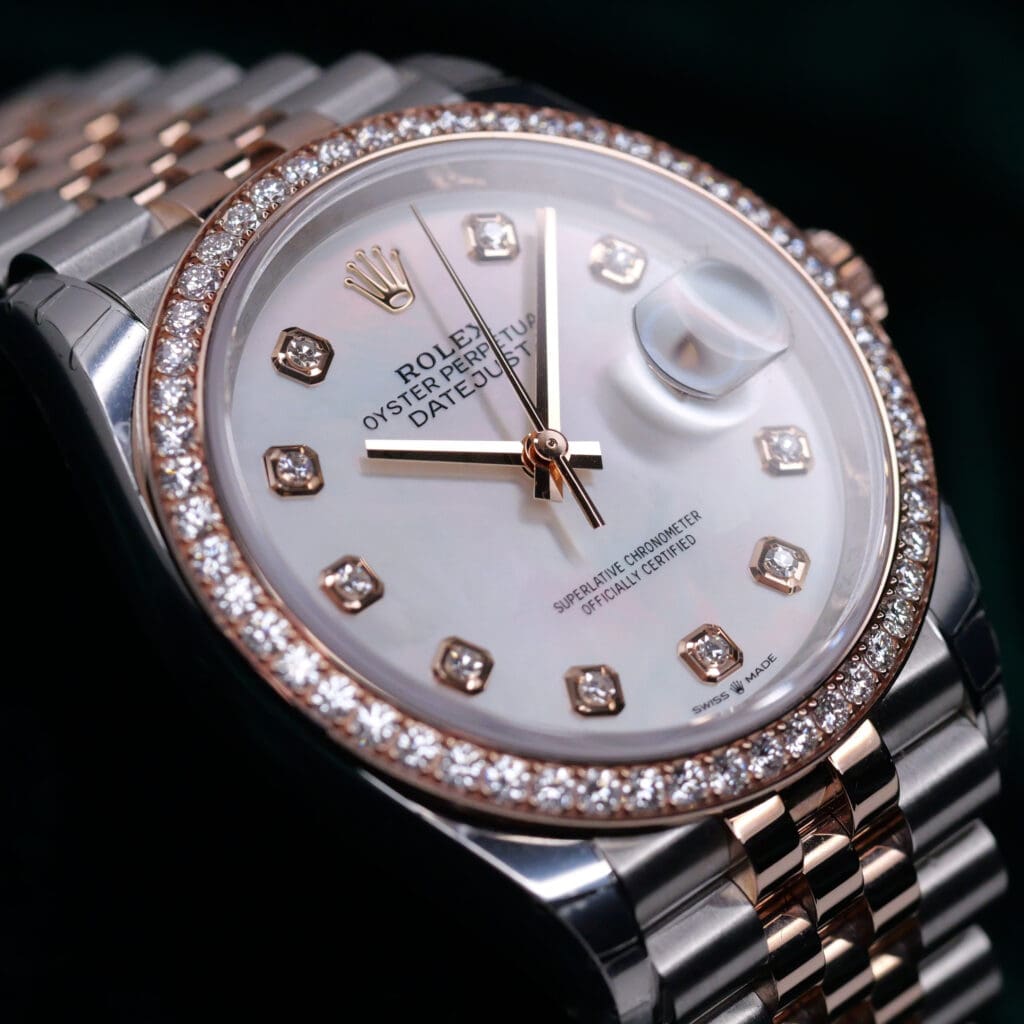
2025 NEW UNWORN Rolex Datejust 36 Mother of Pearl Dial Diamond Hour Markers Diamond Bezel Jubilee Bracelet Two-Tone 18k Rose Gold Stainless Steel 36mm COMPLETE SET 126281RBR-0009
3. Datejust 36 Reference 126233
The 126233 is the yellow Rolesor option for buyers who want warmth and contrast. Yellow gold on the bezel and crown shifts the watch’s presence fast, even with a plain dial. It feels especially well proportioned in 36 mm, and it stays in demand because two-tone Datejusts appeal to such a wide range of buyers. It now also comes with the new olive-green dial introduced for 2026.
- Production Start: 2018
- Case Size: 36 mm
- Case Material: Oystersteel and yellow gold
- Bezel: Fluted, yellow gold
- Bracelet: Oyster or Jubilee
- Movement: calibre 3235
- Power Reserve: about 70 hours
- Water Resistance: 100 m
- Market Value (2026): about $13,500 to $16,500

Datejust 31 vs 36: Which Datejust Should You Choose?
Choosing between the two comes down to wrist fit, visual balance, and how you plan to use the watch. Both share the same core design and daily durability, but they project differently on the wrist. For the full lineup across both sizes, our Rolex Datejust buying guide maps every current reference. Use the points below to match the size to your priorities.
Choose the Datejust 31 if:
- Your wrist is smaller and you want the case to sit centered with little overhang.
- You prefer a quieter look that stays controlled under most outfits.
- You often wear suits or office clothes and need a compact case under your cuffs.
- You see the Datejust as a refined daily watch, not your main statement piece.
- You want a fluted bezel or a diamond dial but still want the watch to feel balanced.
Choose the Datejust 36 if:
- You want one watch that works in most settings without compromise.
- You care about dial legibility and a stronger presence at a distance.
- You rotate watches and value the calibre 3235’s longer power reserve.
- You want the easiest resale path and access to a larger buyer pool.
- You prefer classic Rolex proportions and the newest dial options, which land on the 36 first.
If you are still torn, here is the shortcut: send us your wrist measurement and the two or three configurations you are weighing, and we will tell you how each one is likely to sit before you spend a cent.
Where to Buy Authentic Watches Online
999+ Timepieces Available
Explore Our Timepieces
Authenticated, unworn, and ready to ship worldwide.
Rolex · Audemars Piguet · Patek Philippe · Omega · Cartier · Richard Mille · Hublot · Tudor
Newly Listed
Rolex Sea-Dweller "Red Letter" Black Dial Black Cerachrom Bezel Oyster Bracelet Stainless Steel 43mm MINT CONDITION COMPLETE SET 126600
$13,120.00
2026 NEW UNWORN Bvlgari Serpenti Tubogas Studs Capsule Limited Edition Green Dial Diamond Bezel Steel & 18k Yellow Gold 35mm COMPLETE SET 104360
$24,255.00
Vacheron Constantin Overseas Chronograph Blue Dial Blue Leather Strap Stainless Steel 42.5mm MINT CONDITION COMPLETE SET 5500V/110A-B148
$37,793.00
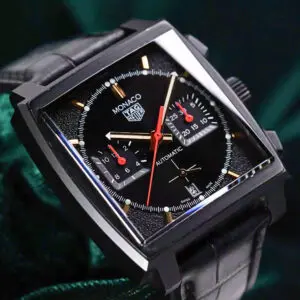
Tag Heuer Monaco Chronograph “Dark Lord” Special Edition Black Dial Black Leather Strap DLC Titanium 39mm MINT CONDITION COMPLETE SET CBL2180.FC6497
$8,135.00
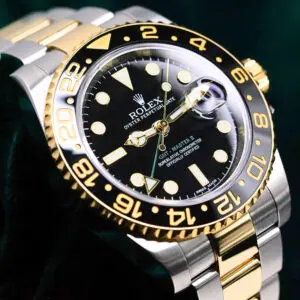
Rolex GMT-Master II “Green Arrow” Black Dial Black Ceramic Bezel Oyster Bracelet Two-Tone 18K Yellow Gold Stainless Steel 40mm MINT CONDITION COMPLETE SET 116713LN
$15,740.00
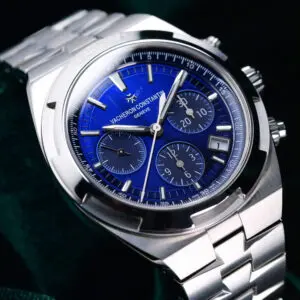
Vacheron Constantin Overseas Chronograph Blue Dial Stainless Steel 42.5mm MINT CONDITION COMPLETE SET 5500V/110A-B148
$37,793.00
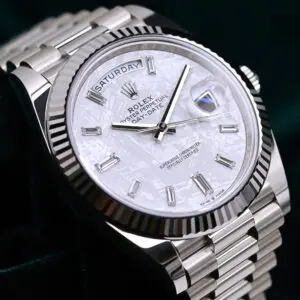
Rolex Day-Date Meteorite Baguette Diamond Dial Fluted Bezel President 18K White Gold 40mm MINT CONDITION COMPLETE SET 228239
$78,629.00
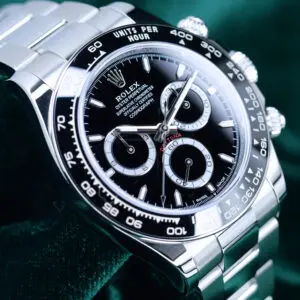
2026 Rolex Cosmograph Daytona Black Dial Black Ceramic Bezel Oyster Bracelet Stainless Steel 40mm MINT CONDITION COMPLETE SET 126500LN
$33,594.00
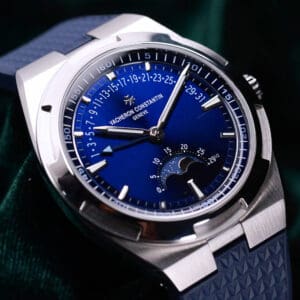
2025 Vacheron Constantin Overseas Moonphase Retrograde Date Blue Dial Blue Rubber Strap Stainless Steel 41mm MINT CONDITION COMPLETE SET 4000V/210A-B911
$52,800.00
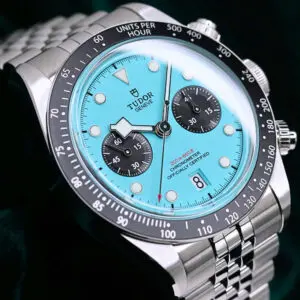
2025 Tudor Black Bay Chrono "Flamingo Blue" Turquoise Dial Black Bezel Stainless Steel 41mm MINT CONDITION COMPLETE SET 79360N-0024
$10,494.00
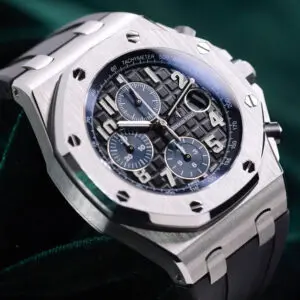
Audemars Piguet Royal Oak Offshore Chronograph "Batman" Black Dial Blue Accents Black Rubber Strap Stainless Steel 42mm MINT CONDITION COMPLETE SET 26470ST.OO.A028CR.01
$25,715.00
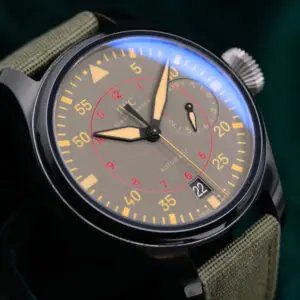
IWC Big Pilot's Watch Top Gun Miramar Grey Dial Green Textile Strap Black Ceramic 48mm MINT CONDITION COMPLETE SET IW501902
$7,240.00
There are a few legitimate online channels for buying a Datejust 31 or 36. Chrono24 aggregates listings from sellers worldwide and offers buyer protection that holds your payment until the watch arrives.
eBay covers many of the same references and runs an Authenticity Guarantee program on higher-value watches. Grailzee runs an auction format that can surface good deals if you are patient. On any private listing, knowing what to check so you don’t end up with a fake Datejust matters before you wire any money.
We also buy, sell, and trade luxury watches, and the reason clients choose us over a big marketplace is the conversation before the purchase. We send tour videos of the actual watch rather than stock photos, detailed condition notes, and a direct line to someone who has handled the piece. You are not buying blind off a listing and hoping the photos were honest.
That shows up in our 4.9-star Google rating, which comes from buyers who wanted a real walkthrough before committing to a five-figure watch.
If you want that kind of walkthrough on a specific Datejust 31 or 36, reach out with the references you are considering and we can help you source the right one for your wrist and your budget.
Final Thoughts on Datejust 31 vs 36
When you choose between the Datejust 31 and 36, focus on how you will live with the watch, not on the numbers. The right size should feel natural on your wrist and fit your daily routine without effort. If you prefer something subtle, you will reach for the 31 more often. If you want more presence, the 36 will make you feel more confident wearing it.
Two quick tips before you commit. First, try both on a Jubilee and an Oyster bracelet if you can, because the bracelet changes the perceived size as much as the case does, and how Jubilee and Oyster compare is its own decision. Second, if resale ever matters to you, a steel or two-tone configuration in either size will always be easier to move than a gem-set one.
Look at your wrist and be honest about what feels right. The watch you forget you are wearing is usually the correct call, and that fit will matter more over the years than any outside opinion.