
Most buyers approach how to negotiate watch price the wrong way. They rehearse what to say, rely on the so-called “25% off rule,” and arrive ready to haggle without first understanding whether the piece actually has any room to move. That is the first mistake.
The second mistake is treating every purchase as identical. Negotiating at an authorized dealer, a grey market dealer, or a private seller on platforms like Chrono24 are completely different scenarios, each shaped by different pricing structures, margins, and negotiation flexibility.
What actually moves the price is knowing the brand ceiling before you speak, correctly reading how a listing is positioned, and using the right opening approach to establish leverage. In this guide, we break down brand-by-brand discount expectations, a six-step grey market strategy, marketplace-specific tactics, and the common mistakes that prevent buyers from securing better deals.
Majestix Collection often reflects how real-world pricing behaves in the grey market, where flexibility depends on demand, condition, and timing rather than fixed retail assumptions.
Watch Brands That Have Room to Negotiate
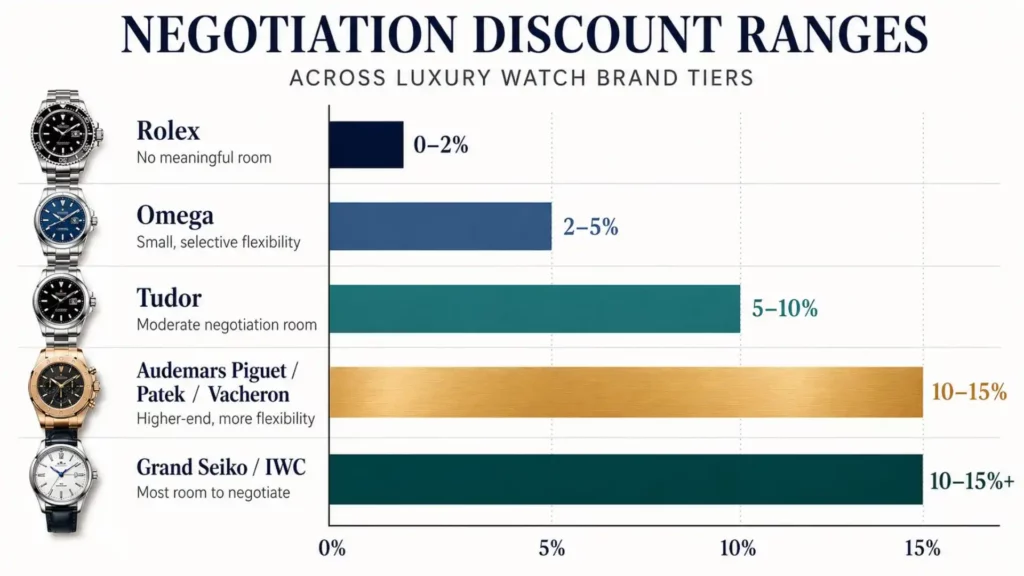
The brand and the specific reference determine whether there is any real ceiling to push against when learning how to negotiate watch price. If you misunderstand this part, no amount of strategy, timing, or wording will improve your outcome because the margin simply does not exist in certain segments.
Below is a clear breakdown of how the negotiation room actually behaves across major luxury watch brands in the grey and secondary markets.
1. Rolex
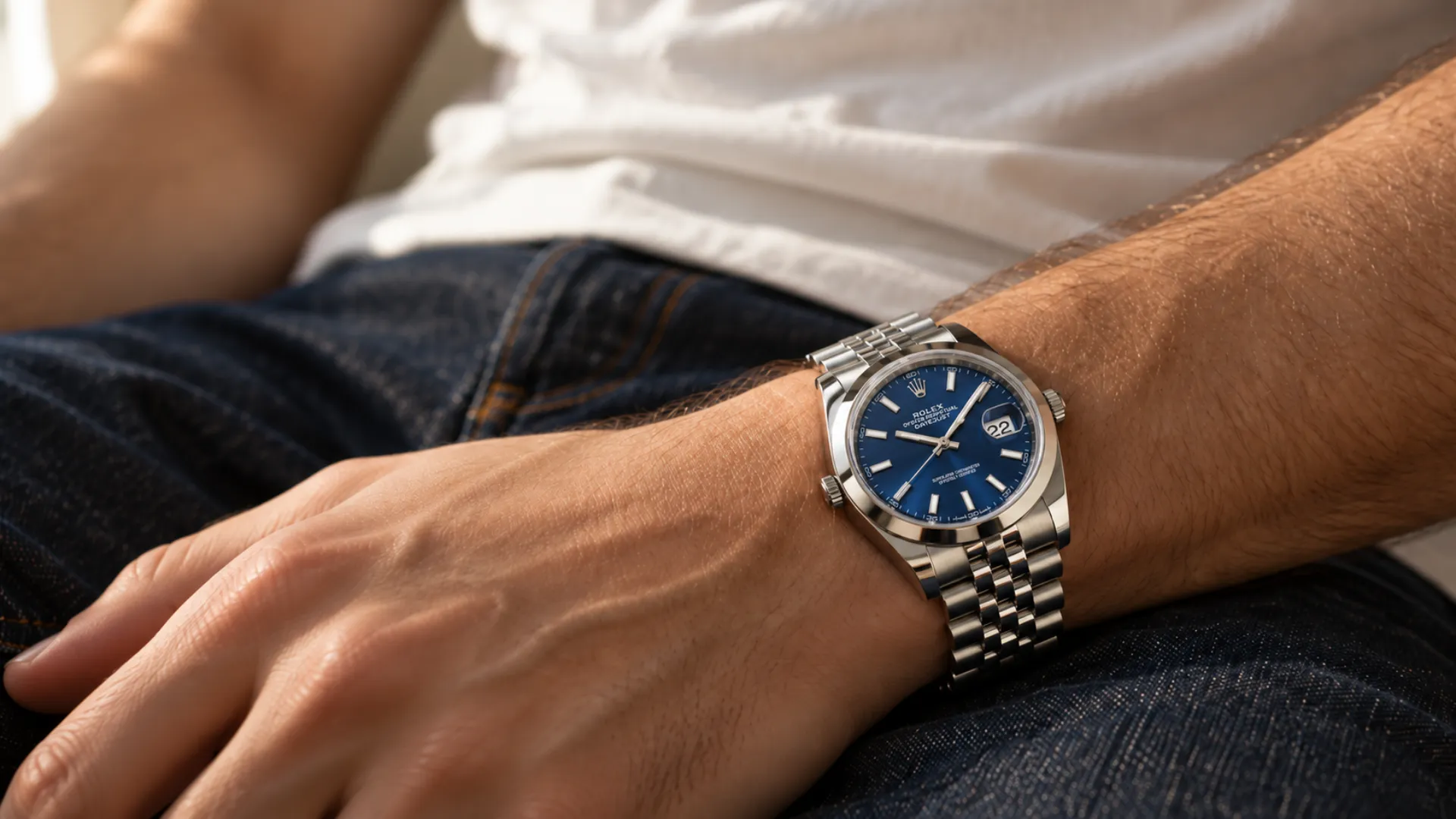
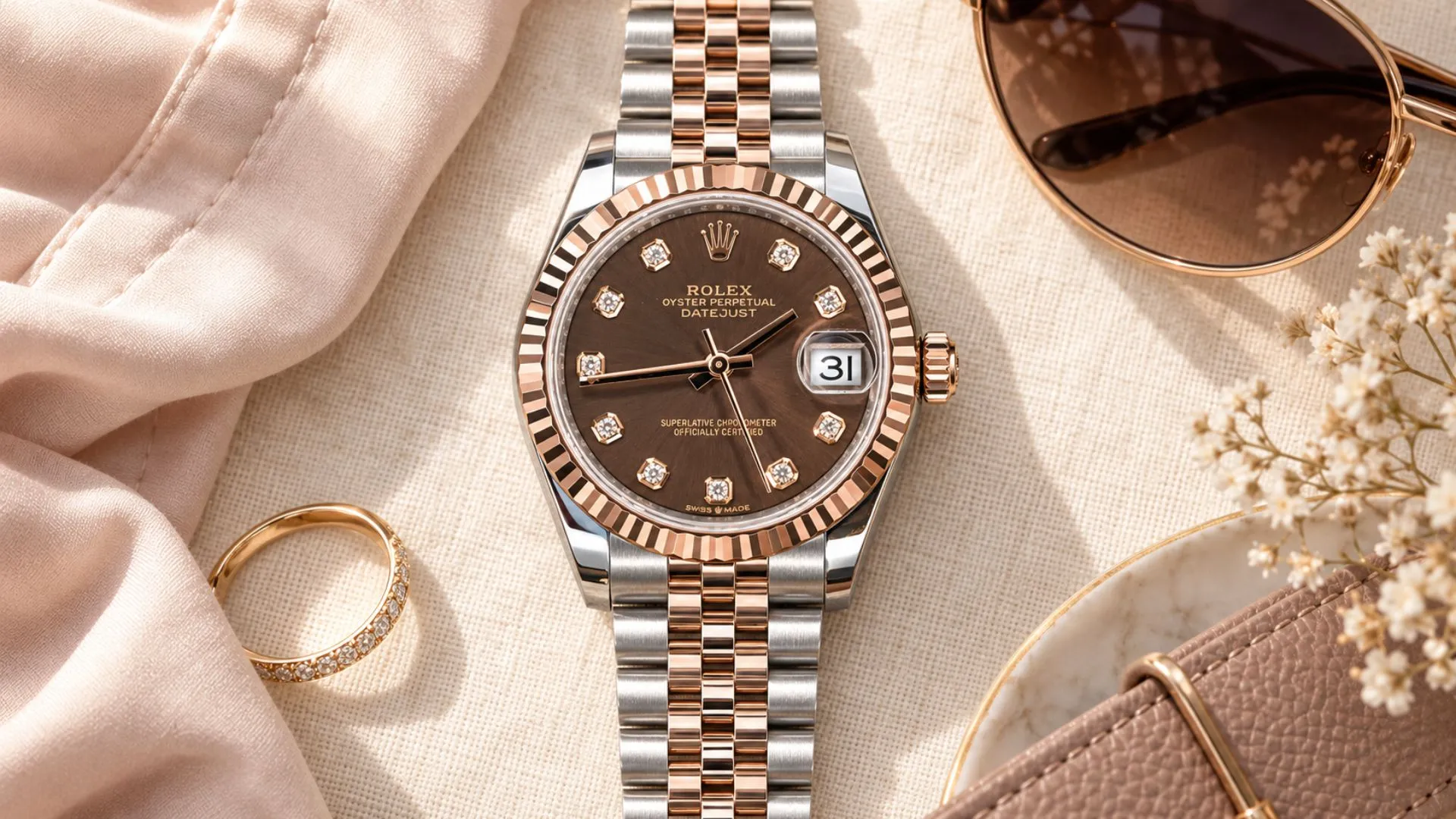
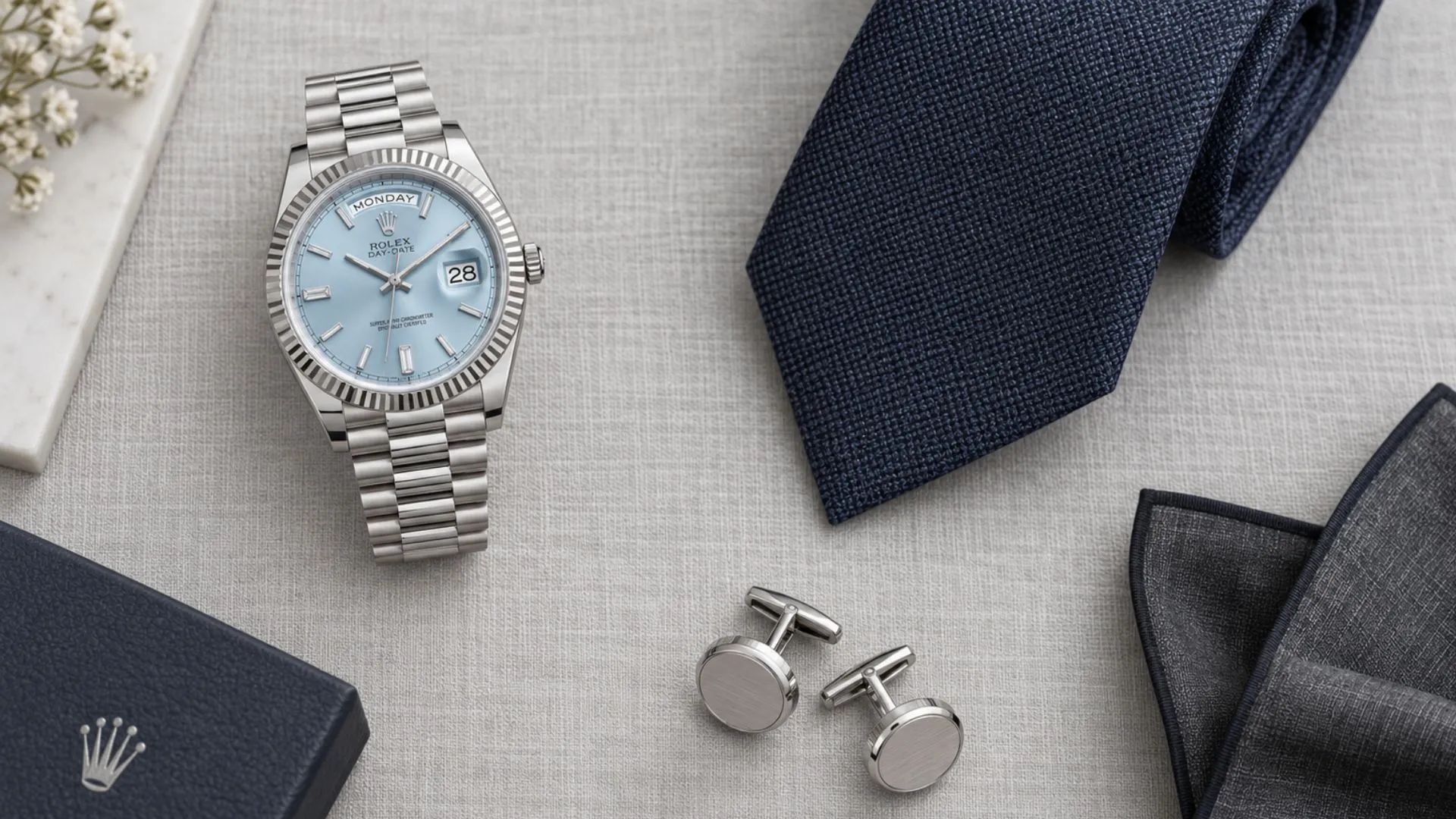
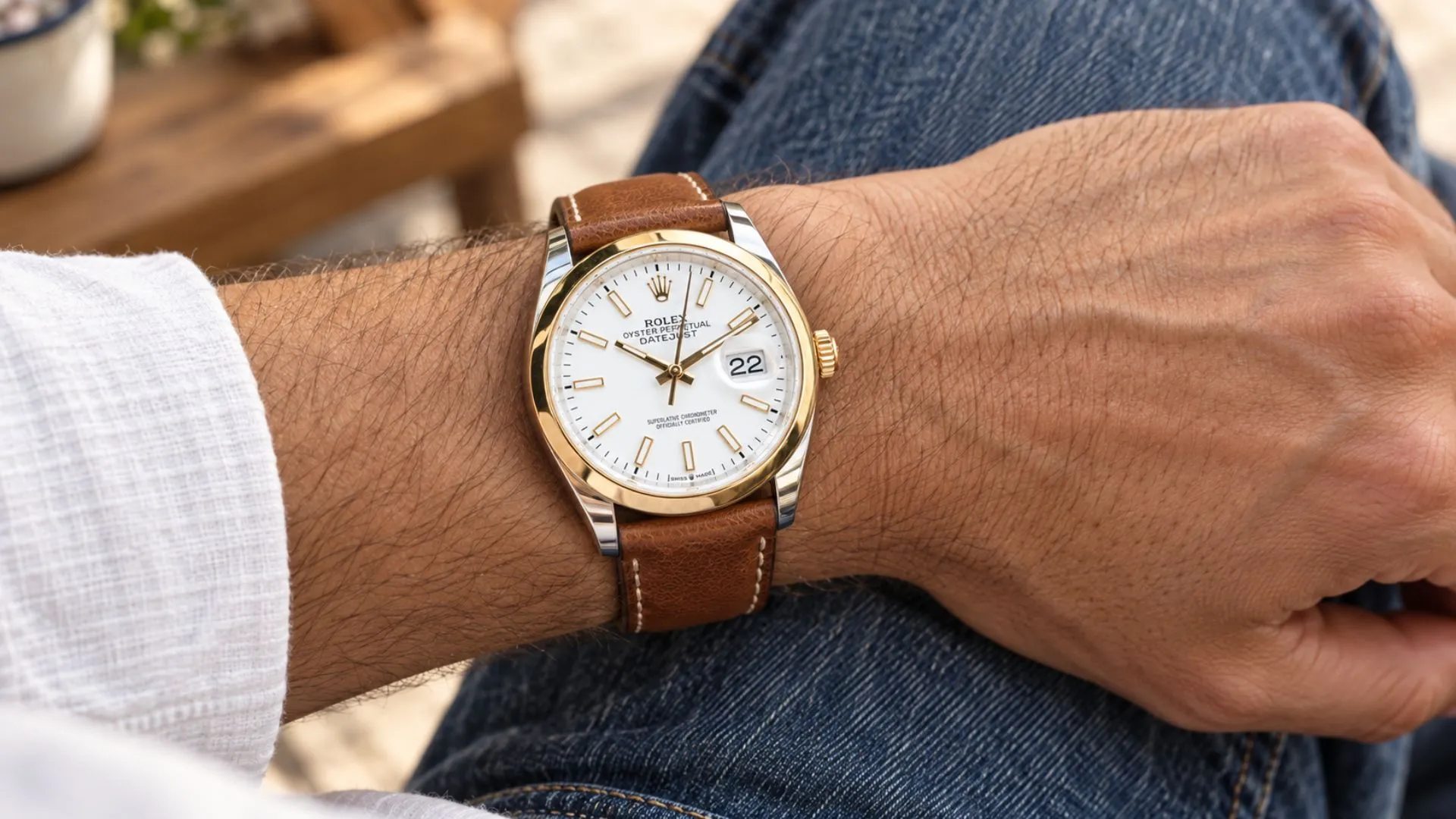
For modern high-demand Rolex references, there is no meaningful negotiation room in the grey market or secondary market. Models like the Submariner 126610LN, GMT-Master II 126710BLNR, and Daytona 116500LN consistently trade at or above retail-equivalent pricing.
This creates a pricing environment where hesitation does not generate discounts. Instead, inventory moves quickly regardless of price firmness. Limited exceptions include older Datejust references, less popular Oyster Perpetual sizes, or watches that have sat unsold for extended periods.
These may allow small negotiation flexibility. If you’re still mapping the Submariner family before committing, our full Submariner buying guide walks through the references in detail.
2. Omega
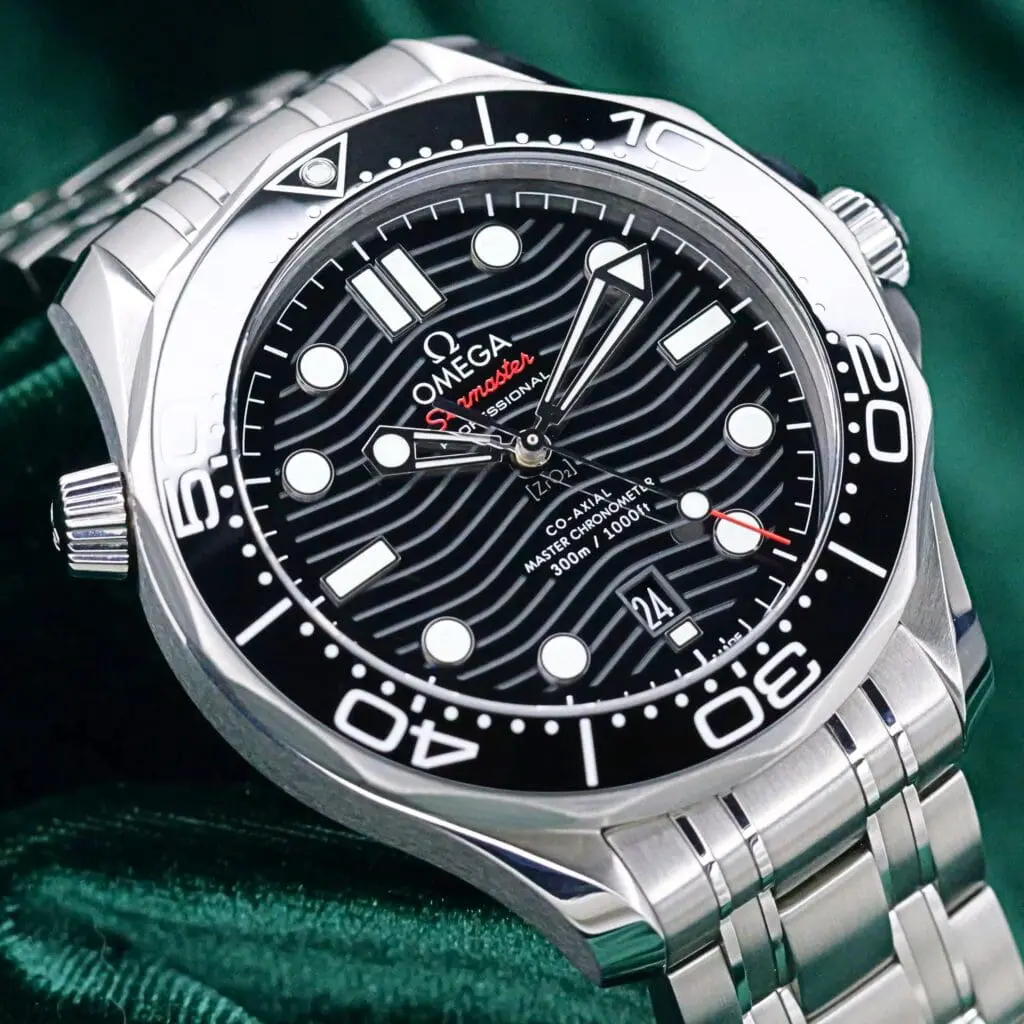
Omega offers moderate negotiation flexibility, especially in the grey market when pieces are complete sets. Full-set watches such as the Seamaster Diver 300M ref. 210.30.42.20.01.001 and the Speedmaster Professional 310.30.42.50.01.001 typically allow around 10–15% room.
This depends on condition, completeness, and how urgently the seller wants to move the piece. These models maintain strong secondary demand, but not at the same pressure level as Rolex sports references, which creates measurable margin for negotiation.
However, configurations without boxes and papers are different. The discount on no-box/no-papers Omega pieces is usually already reflected in the listing price.
If a Seamaster is already priced 20% below a full-set comparable, that gap is effectively the market discount. Expecting additional reductions beyond that is rarely realistic.

3. Tudor
Tudor sits in the low-to-moderate negotiation range, typically offering 5–10% flexibility across most references. Older Black Bay models and discontinued variants may allow slightly more room because they sell at a slower pace and attract a narrower buyer base.
Current high-demand models such as the Black Bay 58 and Black Bay GMT move quickly. In these cases, negotiation space is tight and usually capped closer to around 5%, depending on dealer motivation and inventory turnover.
Tudor pricing is generally stable, but not rigid, making small but consistent discounts achievable when timing is right.
4. Audemars Piguet, Patek Philippe, and Vacheron Constantin
At the ultra-luxury level, traditional negotiation becomes extremely limited. This is because pricing is driven by market demand rather than retail logic.
Models such as the Audemars Piguet Royal Oak 15500ST, Patek Philippe Nautilus 5711, and Vacheron Constantin Overseas 4500V frequently trade at market-driven premiums rather than discounts. This means buyers often pay market value or above instead of negotiating lower prices.
A Nautilus with a verified history from a credible seller is typically worth paying full market price for. Buyers who understand this dynamic outperform those focused purely on negotiation percentages, because availability—not discounting—is the real constraint.
5. Grand Seiko and IWC
Both Grand Seiko and IWC offer some of the most consistent negotiation opportunities in the luxury watch segment. Grand Seiko Spring Drive models such as the SBGA211 and SBGA413 often show 10–15% flexibility, especially through dealers with deeper inventory exposure.
The combination of strong craftsmanship and a smaller global buyer pool creates natural pricing softness. IWC Pilot and Portugieser models typically sit in the 8–12% negotiation range, depending on reference and condition.
If you’re still mapping the Grand Seiko catalog before committing, our Grand Seiko buying guide breaks down the lineup. These watches can remain in inventory longer, which increases willingness to discount. In both brands, negotiation success is driven less by scarcity and more by dealer holding time and stock pressure.
How to Negotiate With a Grey Market Dealer

Once you understand that a watch has real pricing flexibility, execution becomes the deciding factor in how to negotiate watch price effectively. Grey market dealers operate on margin, turnover speed, and demand cycles, so your approach must be structured rather than emotional.
These six steps focus specifically on grey market transactions. The authorized dealer approach works under different rules and is covered separately below.
1. Know the Market Comp First
Use platforms like Chrono24 and filter specifically for sold listings, not active listings. Match the exact reference, condition level, and box-and-papers status, because mixing these variables leads to inaccurate pricing assumptions.
A full-set comp cannot be compared to a no-papers listing without adjusting expectations. Equally important is consistency in detail. Bracelet configuration, case condition, and dial condition all affect value.
If your closest comparable is slightly older or in worse condition, acknowledge that instead of forcing a weak comparison. It actually strengthens your credibility and makes your offer harder to dismiss.
- Always use sold listings, not asking prices
- Match reference, condition, and completeness
- Adjust for box, papers, and bracelet configuration
- Acknowledge imperfect comps instead of forcing bad ones
2. Check Listing Age First
A watch that has been listed for six weeks carries very different leverage compared to one posted two days ago. Longer listing duration often indicates that the price is slightly above current market willingness.
That creates potential flexibility, but it should still be anchored to real comps rather than assumptions. On the other hand, a newly listed watch that aligns with current market data is likely already priced correctly. In those cases, aggressive negotiation rarely creates movement and can weaken the buyer-seller dynamic.
- Older listings often indicate pricing resistance or market fatigue
- New listings are usually priced closer to current demand levels
- Use timing to understand seller motivation
- Avoid forcing discounts on correctly priced inventory
3. Open With the Watch, Not the Price
The way you start the conversation directly impacts whether you get any flexibility at all. Messages that open with “What’s your best price?” or “Will you take X?” immediately signal low effort and lack of understanding.
These buyers rarely receive meaningful discounts because they do not establish credibility. They introduce themselves, reference something they already own, or ask a specific question about the watch’s condition, service history, or configuration.
This shifts the conversation from price-first to value-first.
- Price-first messages reduce negotiation leverage
- Watch-focused questions build credibility
- Condition and history questions show real intent
- Relationship-building often leads to better pricing outcomes
4. Use Condition to Justify the Number
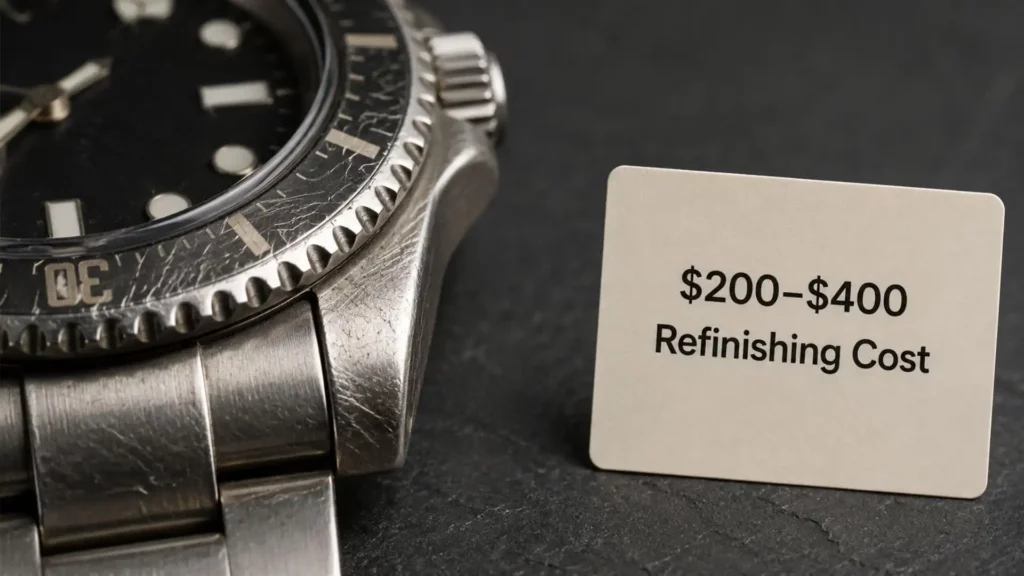
Condition-based negotiation is one of the most effective tools in grey market deals because it translates directly into real repair or resale costs. For example, a scratched bezel on an Omega Seamaster is not just cosmetic wear, it typically represents a $200–$400 refinishing cost at service level.
If you’re not sure what that work actually involves, what polishing does to a watch is worth a quick read before using it as a negotiation point. A missing crown on a vintage Speedmaster can represent $600–$900 in sourcing and installation costs.
Even small issues like replaced links can affect provenance and future resale value.
- Always identify specific condition issues
- Translate flaws into real service or repair costs
- Use structured reasoning instead of vague objections
- Fact-based offers are taken more seriously
5. Negotiate Extras When Price Will Not Move
Instead of forcing a discount that will not happen, redirect value into add-ons such as a rubber strap, service credit, insured shipping, or extended return window. These elements often carry real monetary value while being easier for dealers to include.
Framing is important here. You are not asking for a concession; you are completing the deal in a way that works for both sides.
- Request value instead of forcing price cuts
- Extras can include straps, shipping, or service perks
- Dealers often prefer add-ons over discounting price
- Frame it as completing the transaction, not bargaining
6. Walk Away and Come Back
Timing is a powerful leverage tool in grey market negotiations. If a watch does not reach your target price, step away. Let the listing remain in the market.
If it is still available after one to two weeks, the seller has likely reassessed demand and pricing expectations. When you return, do not re-litigate the previous conversation. Instead, make a clean, direct offer and state readiness to proceed.
This resets the negotiation without reopening earlier resistance.
- Walking away creates time-based leverage
- Stale listings often signal increased flexibility
- Avoid repeating earlier arguments when re-engaging
- Direct, simple offers are more effective on return contacts
How to Negotiate on a Watch Marketplace
Platforms like Chrono24, eBay, and private watch forums operate differently from direct dealer negotiations.Pricing behaves more fluidly in some cases and more rigidly in others.
Strong results in how to negotiate watch price depend on understanding fees, seller motivation, and accurate market comparables.
1. Use Platform Fees as Leverage on Chrono24
Chrono24 and similar platforms charge sellers significant transaction fees, which can create hidden negotiation rooms when understood correctly. Chrono24 typically charges 6.5% to 9.5% commission, while eBay final value fees can reach approximately 12.9%, depending on category and region.
These fees reduce seller profit margins, which means there is often built-in flexibility when a deal is structured efficiently. This approach only works when trust is established.
For more on what to watch for on the platform itself, our guide on what to check on Chrono24 before buying walks through the verification side.
If a seller’s profile, transaction history, and identity can be independently verified, you can frame a direct offer around fee savings. The idea is straightforward: reducing platform costs can create a mutually beneficial price adjustment for both sides.
2. Check the Seller’s Motivation Before Offering
Understanding who you are negotiating with is essential in marketplace transactions because pricing behavior changes depending on seller type. A high-volume dealer listing dozens of watches is typically focused on turnover and cash flow.
These sellers tend to respond better to comp-based arguments and structured offers because they adjust pricing more frequently to keep inventory moving. A private collector behaves differently.
They often price based on emotional attachment or original purchase value rather than current market conditions. In these cases, negotiation is less about aggressive discounting and more about building genuine interest in the specific watch.
3. Use Platform Filters to Pull Real Comps
One of the most common mistakes in marketplace negotiation is using incorrect comparables. This immediately weakens credibility and often ends the conversation.
A valid comparable (“comp”) must be built using precise filters such as reference number, production year range, box-and-papers status, dial configuration, and condition level. Without these filters, pricing comparisons become inaccurate and easily dismissed by experienced sellers.
Sellers can quickly recognize when a buyer has relied on unfiltered search results instead of structured data. A screenshot of a general listing is not a comp—it is incomplete market information that does not reflect true pricing behavior.
Red Flags That a Listing Has No Negotiation Room

Not every listing that looks negotiable actually has pricing flexibility. In luxury watch markets, certain signals indicate that the price is already aligned with demand, meaning attempts to negotiate will have little to no effect.
- High-demand references such as modern Rolex sports models, Patek Philippe steel pieces, or Audemars Piguet Royal Oak references in clean condition often sit at market equilibrium or above it. In these cases, pricing is driven by availability rather than margin.
- Recent listing activity combined with strong comp alignment is a key signal. If a watch is newly listed and already matches or sits below current market comparables in condition, set completeness, and reference accuracy, it is typically priced correctly from the start with no meaningful buffer for negotiation.
- Full-set watches with strong provenance significantly reduce negotiation room. Original box, papers, warranty cards, and clean service history increase pricing precision and leave limited justification for discounts.
- Seller behavior can also indicate pricing rigidity. Listings from experienced dealers or high-visibility platforms are often priced using real-time market tracking and adjust quickly to demand conditions, reducing flexibility.
Understanding these signals helps you avoid wasted negotiation effort and focus only on listings where how to negotiate watch price actually applies.
Watch Negotiation Mistakes That Undermine Your Position
Most failures in how to negotiate watch price do not come from pricing itself but from how buyers communicate and frame their arguments. Dealers respond to clarity, preparation, and credibility, and avoid engaging when those signals are missing.
Opening With “What’s Your Lowest Price?”
A message that opens with “What’s your lowest price?” immediately weakens negotiation leverage. It reveals no context about the buyer’s intent, knowledge of the watch, or level of seriousness.
From a dealer’s perspective, this type of approach suggests a transactional mindset with no real engagement in the piece itself. It also signals low commitment, which reduces willingness to offer flexibility early in the conversation.
Stronger buyers build momentum before discussing price. They ask about the movement, service history, bracelet condition, or provenance. By the time pricing is discussed, the conversation already reflects genuine interest and informed intent.
Using Grey Market Prices at an Authorized Dealer
Bringing grey market listings into an authorized dealer negotiation is one of the fastest ways to lose leverage. Authorized dealers operate under brand-controlled pricing structures and cannot match grey market levels, and they are fully aware of this gap.
Referencing platforms like Jomashop or Bob’s Watches signals a misunderstanding of how AD pricing works. Successful AD negotiations are built differently.
They rely on established relationships, payment method flexibility such as cash or wire transfers that avoid processing fees of roughly 2.5–3%, and a clear intention to complete the purchase immediately.
Making a Condition Argument Without Specifics
Vague statements about conditions carry little weight in professional watch negotiations. Saying “there is some wear” does not create a measurable basis for adjustment.
A strong negotiation point is specific and tied to cost or service implications. For example, noting that the clasp shows measurable stretch or that the watch will require a replacement part at the next service creates a concrete pricing reference.
Dealers respond to precise, evidence-based observations because they can be verified and quantified. Generalized complaints are typically ignored because they do not translate into actual value adjustments.
A Note on Repeat Buyers
The single biggest lever in this market is not a tactical negotiation trick. It is who you are to the dealer.
Repeat buyers consistently receive better terms because trust changes how dealers set prices. Dealers remember how you behave across transactions, not just how you negotiate one deal.
They value buyers who:
- Follow through on quoted offers without changing direction
- Ask clear, informed questions about the watch
- Respect timelines, pricing discussions, and the sales process
- Communicate directly and professionally from inquiry to payment
This track record carries more weight than any opening line or scripted negotiation approach.
A buyer who completes two clean transactions does not need to negotiate aggressively on the third. In many cases, the dealer starts closer to a fair price because they value the ongoing relationship more than maximizing margin on a single sale.
Where to Buy a Luxury Watch at the Right Price
Every piece listed at Majestix Collection is physically inspected, with detailed tour videos that show the exact condition of the watch you are considering. There are no stock photos masking bracelet wear and no uncertainty around service history.
Our process is designed to ensure transparency so you know exactly what you are paying for before making a decision.
Where you source a pre-owned luxury watch matters as much as the price you negotiate, and the two questions are tied together more often than buyers realize. If you have already found a watch elsewhere and want an honest view on whether the asking price has room, you can send it over for review.
If you have a shortlist and want guidance on which configurations hold long-term value, that conversation is usually straightforward and efficient.
When Not to Negotiate a Watch Price
Not every watch is worth negotiating, even when you technically can. In many cases, the stronger decision is recognizing when the market has already priced the watch correctly and acting quickly instead of pushing for a discount.
If a watch is priced at or below current market comps, especially for high-demand references like modern Rolex sports models or steel Patek Philippe pieces, attempting to negotiate often creates unnecessary friction.
If you’re weighing the Daytona references in particular, you’ll see how tightly they sit at or above retail in clean condition, these pieces move based on availability, not margin.
Negotiation also loses relevance when condition, set completeness, and provenance are already strong and verified. In these cases, pushing for a lower price rarely reflects market behavior and can result in losing the opportunity to another buyer.
Understanding when to stop negotiating is part of learning how to negotiate watch price effectively. The goal is to secure the right watch at the right market level.
FAQ on Watch Price Negotiation
These FAQs address the most common questions buyers have when evaluating pricing, negotiation room, and real market behavior in luxury watches. The answers are based on how authorized dealers, grey market sellers, and private transactions typically operate.
1. Can you negotiate a Rolex price at an authorized dealer?
On in-demand Rolex references, negotiation is extremely limited. Rolex enforces strict pricing guidelines for authorized dealers, and high-demand models like the Submariner and GMT-Master II are typically allocated based on demand rather than discounting.
An AD has no incentive to reduce price when another buyer is ready to purchase at full retail. The only realistic exceptions are less in-demand configurations such as certain Datejust or Oyster Perpetual models that have remained in inventory for an extended period.
2. How much can you realistically negotiate off a luxury watch?
Negotiation ranges depend entirely on brand, reference, and market demand. In softer segments, discounts typically fall within established brand ceilings discussed earlier, while in high-demand pieces, pricing remains firm.
Across real transactions, meaningful reductions exist mainly where inventory sits longer or demand is moderate. In contrast, highly sought-after references such as the Rolex Daytona 116500LN or current-generation Audemars Piguet Royal Oak in clean condition rarely see any movement, regardless of negotiation approach.
3. Is it rude to negotiate on a pre-owned watch?
No. Negotiation is standard in the pre-owned watch market. What matters is how the conversation is structured.
Offers backed by a market comparable and a clear condition-based rationale are considered normal and professional because they show an understanding of pricing context. Vague or low-effort messages like “what’s your lowest price?” weaken negotiation because they show no preparation or seriousness.
4. Does paying cash get you a better deal on a watch?
Payment methods can influence flexibility in some cases. At an authorized dealer, cash can slightly improve negotiating position by avoiding ~2.5 — 3% card fees and signaling immediate intent to buy.
In the grey market, wire transfers typically serve the same function. Payment method alone does not create a discount; it only strengthens an already reasonable offer backed by market data and context.
If you’d like to see what’s available in our current collection before testing any of these ideas in a real conversation, every listing is individually inspected and priced against live market data.
Final Thoughts on How to Negotiate a Watch Price
The process of how to negotiate watch price is best understood as a structured evaluation of market comp, condition, and seller behavior rather than a simple attempt to push the lowest number. Successful buyers focus on data first, then use negotiation as a refinement tool.
The real clarity comes from recognizing that negotiation only works within the limits of market reality. If a watch is already priced at the lower end of its comp range, pushing further often does not create movement and can instead end the opportunity to secure the piece. Understanding when a price is already fair is as important as knowing how to negotiate it.
For buyers, the key is learning when to engage, when to adjust expectations, and when to close based on actual market conditions rather than assumptions.
At Majestix Collection, we emphasize watches that are evaluated against real market data and transparent condition assessment, because informed pricing leads to stronger long-term value and smoother transactions.
999+ Timepieces Available
Explore Our Timepieces
Authenticated, unworn, and ready to ship worldwide.
Rolex · Audemars Piguet · Patek Philippe · Omega · Cartier · Richard Mille · Hublot · Tudor
Newly Listed
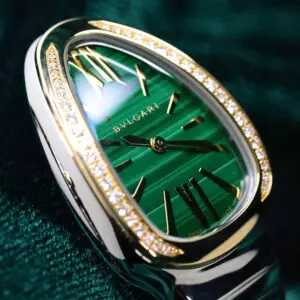
2026 NEW UNWORN Bvlgari Serpenti Tubogas Studs Capsule Limited Edition Green Dial Diamond Bezel Steel & 18k Yellow Gold 35mm COMPLETE SET 104360
$24,255.00
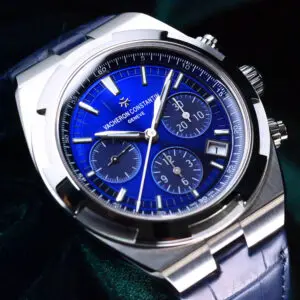
Vacheron Constantin Overseas Chronograph Blue Dial Blue Leather Strap Stainless Steel 42.5mm MINT CONDITION COMPLETE SET 5500V/110A-B148
$37,793.00
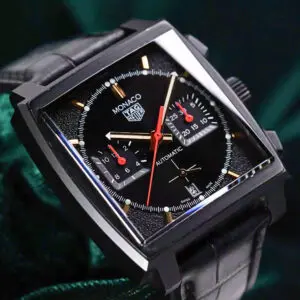
Tag Heuer Monaco Chronograph “Dark Lord” Special Edition Black Dial Black Leather Strap DLC Titanium 39mm MINT CONDITION COMPLETE SET CBL2180.FC6497
$8,135.00
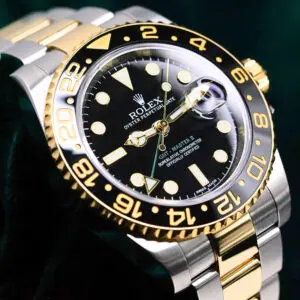
Rolex GMT-Master II “Green Arrow” Black Dial Black Ceramic Bezel Oyster Bracelet Two-Tone 18K Yellow Gold Stainless Steel 40mm MINT CONDITION COMPLETE SET 116713LN
$15,740.00
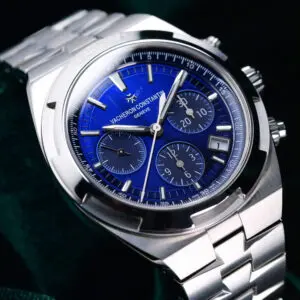
Vacheron Constantin Overseas Chronograph Blue Dial Stainless Steel 42.5mm MINT CONDITION COMPLETE SET 5500V/110A-B148
$37,793.00
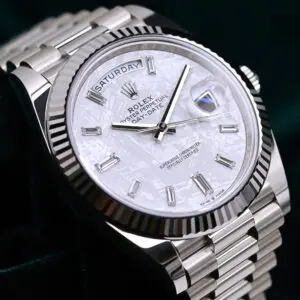
Rolex Day-Date Meteorite Baguette Diamond Dial Fluted Bezel President 18K White Gold 40mm MINT CONDITION COMPLETE SET 228239
$78,629.00
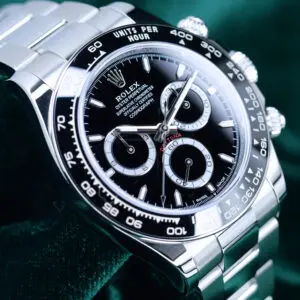
2026 Rolex Cosmograph Daytona Black Dial Black Ceramic Bezel Oyster Bracelet Stainless Steel 40mm MINT CONDITION COMPLETE SET 126500LN
$33,594.00
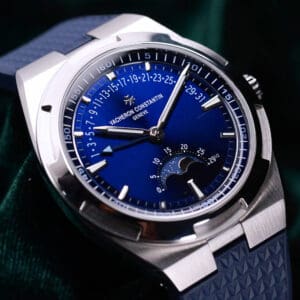
2025 Vacheron Constantin Overseas Moonphase Retrograde Date Blue Dial Blue Rubber Strap Stainless Steel 41mm MINT CONDITION COMPLETE SET 4000V/210A-B911
$52,800.00
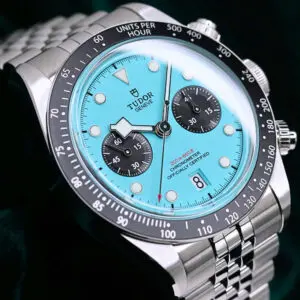
2025 Tudor Black Bay Chrono "Flamingo Blue" Turquoise Dial Black Bezel Stainless Steel 41mm MINT CONDITION COMPLETE SET 79360N-0024
$10,494.00
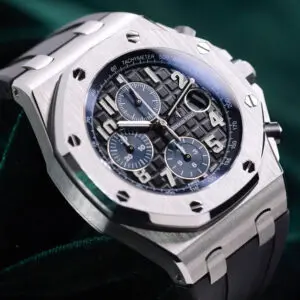
Audemars Piguet Royal Oak Offshore Chronograph "Batman" Black Dial Blue Accents Black Rubber Strap Stainless Steel 42mm MINT CONDITION COMPLETE SET 26470ST.OO.A028CR.01
$25,715.00
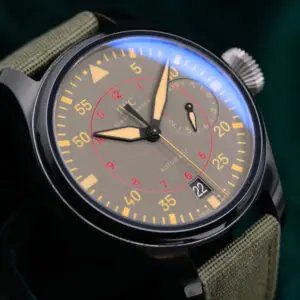
IWC Big Pilot's Watch Top Gun Miramar Grey Dial Green Textile Strap Black Ceramic 48mm MINT CONDITION COMPLETE SET IW501902
$7,240.00
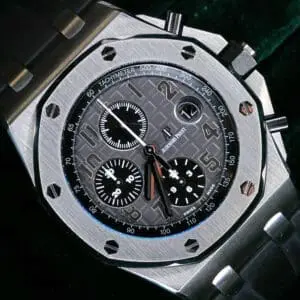
Audemars Piguet Royal Oak Offshore Chronograph "Elephant" Gray Dial Stainless Steel Rubber Strap 42mm 26470ST.OO.A104CR.01
$23,974.50