Buying a Rolex is exciting until the price tags, the waitlists, and the fakes start pulling in different directions. What looks like a simple purchase quickly turns into a maze.
That is where this Rolex buying guide comes in. It cuts through the noise so you know exactly what to look for, what to skip, and what a fair price really looks like in 2026.
You will learn how to choose between new and used, how to spot a fake before you pay, and which models make the smartest first buy. Use this Rolex buying guide as your checklist before you commit.
What Makes Buying a Rolex Different
Buying a Rolex is hard for one reason: the watches you really want are not on the shelf. Authorized dealers or ADs save the steel Submariner, Daytona, and GMT-Master II for repeat customers, so most first-time buyers walk out empty-handed.
That pushes you to the grey market, where the same watches trade above retail. A steel Daytona retails at $16,900 but trades closer to $35,000. A Pepsi GMT just got discontinued and surged to roughly $25,000 in two weeks.
And then there are the fakes. Modern counterfeit Rolex production has gotten so good that even some jewelers cannot spot one without opening the caseback. Online advice mostly comes from sellers with stock to move, so the writing is rarely honest.
How to Buy the Right Rolex Without Overpaying
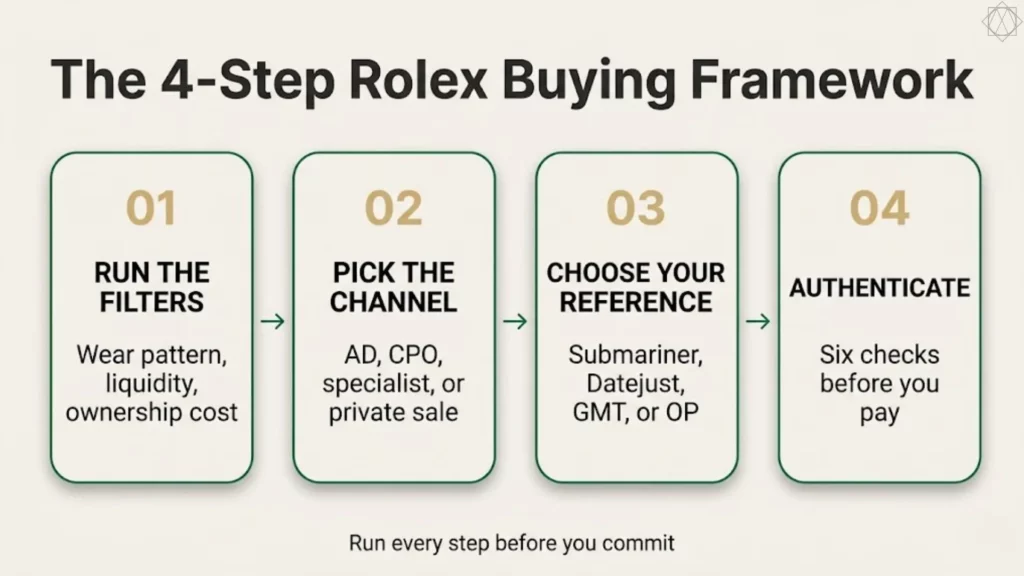
The right Rolex at the right price comes from running three filters before you pick a model: wear pattern, liquidity, and ownership cost. Most buyers pick the model first. That is backwards. The three filters below stop the three biggest first-time buyer mistakes from happening.
Check Your Wear Pattern
Your answer falls into one of three categories: daily driver, rotation piece, or occasion watch.
A daily driver goes on every morning and comes off at night. It needs to handle sweat, desk knocks, shower steam, and airport security. That points you to Oystersteel models like the Submariner 124060, Datejust 41, or Oyster Perpetual 41.
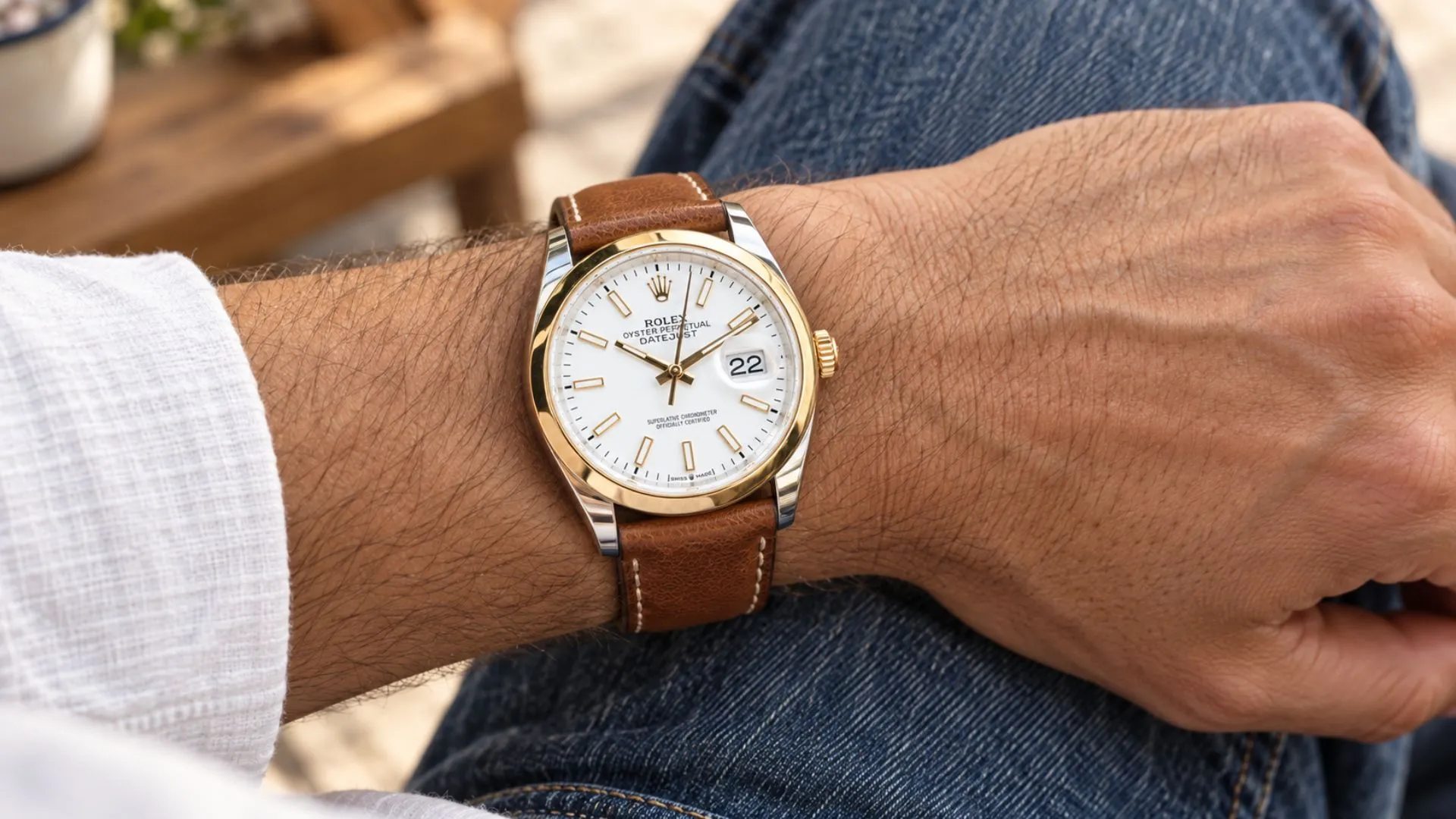
A rotation piece gets worn two or three days a week alongside other watches. Datejust, Explorer, and two-tone options work well here, since they look too flashy for every day.
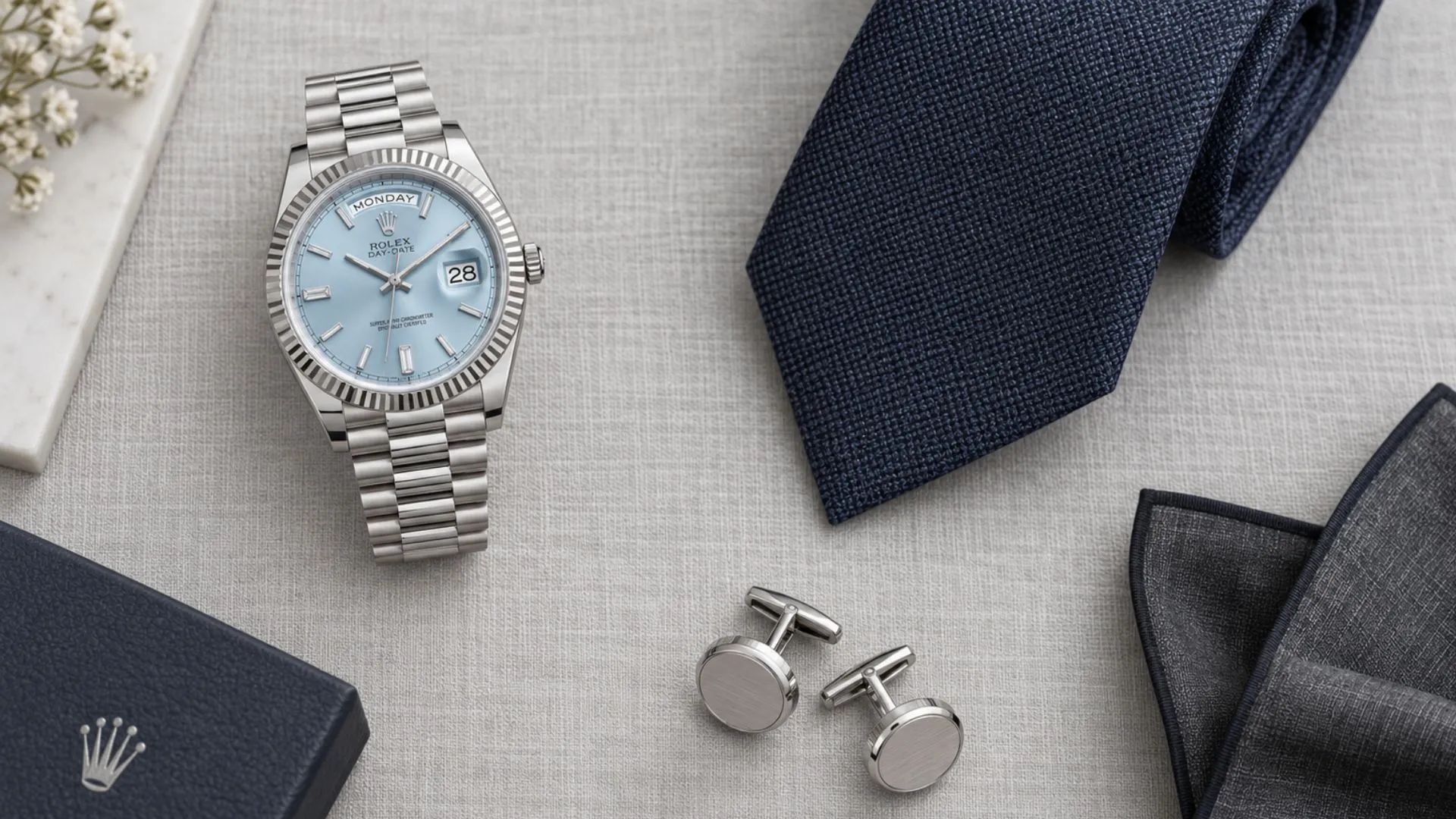
An occasion watch only comes out for special nights. Day-Date, precious metal Submariner, and dressier Datejust setups make sense here. A gold Day-Date is a beautiful watch, but it is the wrong daily driver if you sit at a laptop all day.
Check the Resale Liquidity
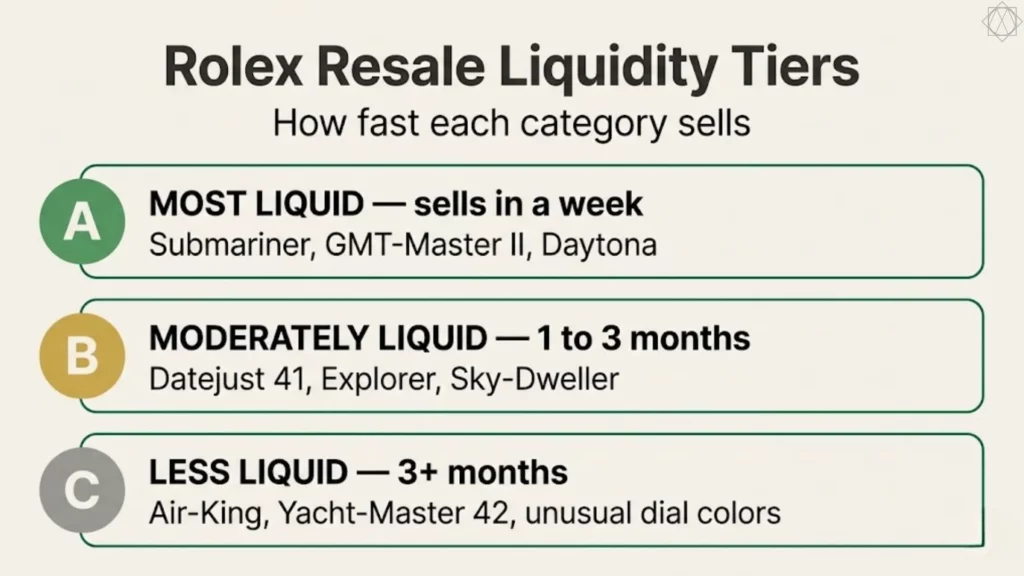
It depends on the reference. Submariners, GMTs, and Daytonas sell in a week. Air-Kings, Cellinis, and unusual dial colors can take months and often sell at a loss.
Tier A (most liquid): Submariner, GMT-Master II, Daytona, and Day-Date in precious metal. These have deep global demand and sell at a predictable price.
Tier B (moderately liquid): Datejust 41 in common setups, Explorer 36 and 40, and Sky-Dweller in steel or two-tone. These sell well, but they take longer and the price varies more.
Tier C (less liquid): Air-King, Yacht-Master 42 in titanium, unusual Oyster Perpetual dial colors, and discontinued dressier references. These can take months to move and often sell below what you paid.
Budget for 10-Year Ownership Costs
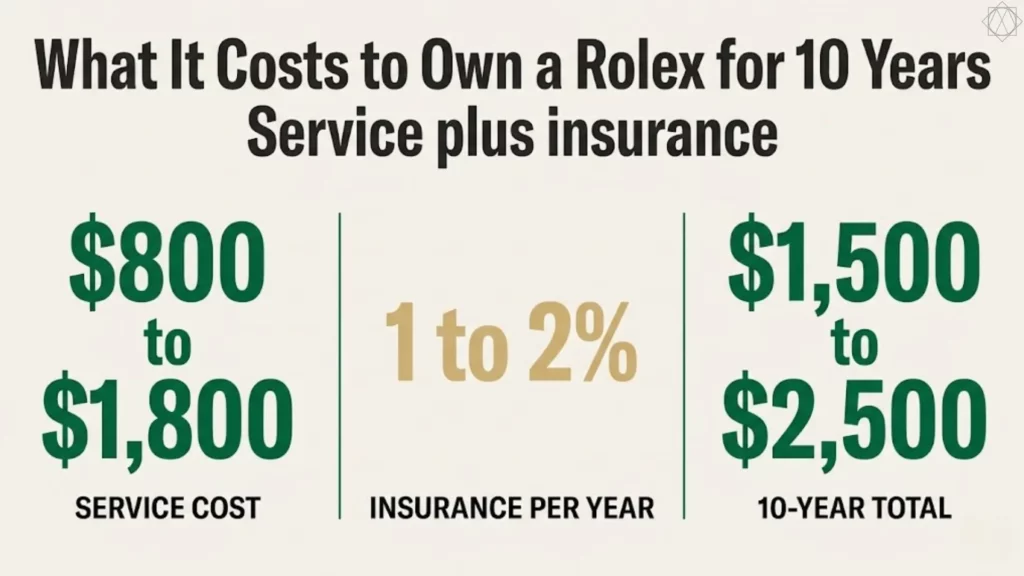
Plan for $1,500 to $2,500 in service and insurance costs over 10 years, before any resale loss.
Rolex officially recommends a service every 10 years on modern calibers. Watchmakers we trust suggest service every 5 to 7 years for a daily-worn piece. We dig into how often a Rolex actually needs servicing in a separate piece.
A basic Oyster service at a Rolex Service Center runs about $800 to $1,100. A Daytona chronograph service runs $1,200 to $1,800. Day-Date and precious metal services cost more.
Independent watchmakers who are Rolex-trained often charge 30% to 50% less and do excellent work. The trade-off is that a non-RSC service history can soften resale value a little.
Insurance runs about 1% to 2% of the watch’s value per year. On a $15,000 watch, that is $150 to $300 per year. Add one service per decade and the math gives you the $1,500 to $2,500 figure above.
The Four Channels for Buying a Rolex in 2026
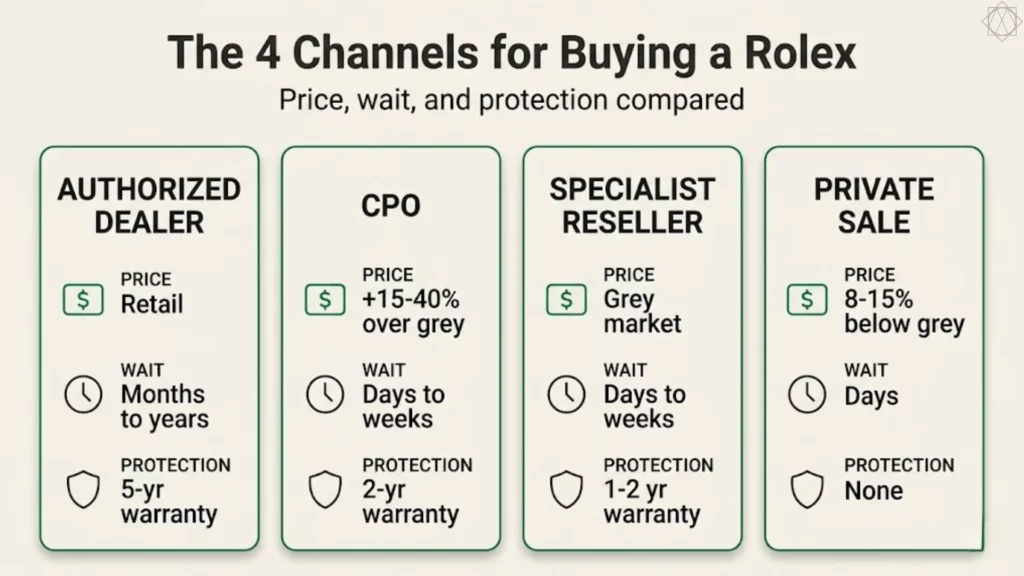
There are four ways to buy a Rolex: authorized dealer, Rolex CPO, specialist reseller, or private sale. Each one has a different price, a different wait, and a different level of protection.
1. Authorized Dealer at Retail
Buying at retail from an AD is the only way to get a brand-new Rolex with the full five-year manufacturer warranty. The catch is that for the watches most people want, you cannot just walk in and buy.
Rolex allocates sport models like the Daytona, GMT-Master II, and Submariner to ADs in tiny quantities. Boutiques save those for existing customers first. Without purchase history at that AD, you will not get a steel Daytona. Friendly chats and long waitlists do not change that.
The system rewards what dealers call “purchase history.” That means buying other inventory first, like a Tudor or a precious-metal Datejust.
What you can usually buy off the shelf at most ADs in 2026: Datejust 41 in less popular configurations, Oyster Perpetual 41, Sky-Dweller in two-tone, Air-King 126900, and women’s Datejust 31.
2. Rolex Certified Pre-Owned
Rolex launched its own Certified Pre-Owned (CPO) program in December 2022, and it now runs through participating ADs and Rolex.com. Every CPO watch is inspected by Rolex and comes with a two-year international warranty.
The trade-off is price. CPO watches sell at a premium of roughly 15% to 40% over what specialist resellers ask for the same reference. A CPO Submariner 124060 will often list at $13,500 to $15,500 when grey market dealers are at $11,500 to $13,500 for the same year and condition.
CPO makes sense for buyers who want brand-backed authentication and warranty protection. It does not make sense for buyers chasing the best price.
3. Specialist Reseller (Grey Market)
The grey market is where most pre-owned Rolex transactions happen. Specialist dealers, both online platforms and established local shops, operate here.
A serious specialist dealer should offer:
- Authentication on every piece
- A return window of at least 14 days
- A written warranty of one to two years
- A clear inspection report
Without those four things, you are not buying from a dealer. You are buying from a reseller.
At Majestix Collection, we authenticate every piece we sell. You can usually negotiate 3% to 8% off a specialist’s asking price, more on watches that have been sitting unsold for months. If the channel choice itself is what you’re stuck on, our side-by-side breakdown of buying from an AD vs the grey market goes deeper.
4. Private Sale and Auction
The cheapest channel is also the riskiest. Private sales on Chrono24, eBay, the WatchExchange forum, Reddit r/Watches, and live auctions can save you 8% to 15% over a specialist dealer for the exact same watch. Buying through Chrono24 specifically has its own checklist of seller flags and authentication steps.
The savings come at a real cost: no authentication, no warranty, no return rights, and no recourse if anything is wrong. For a first-time buyer, the math rarely justifies the risk.
Auction houses are good for vintage and rare pieces but bad for a first Rolex. Buyer’s premiums of 15% to 30% apply on top of the hammer price, and condition descriptions are often vague.
999+ Timepieces Available
Explore Our Timepieces
Authenticated, unworn, and ready to ship worldwide.
Rolex · Audemars Piguet · Patek Philippe · Omega · Cartier · Richard Mille · Hublot · Tudor
Newly Listed
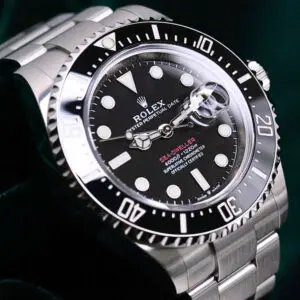
Rolex Sea-Dweller "Red Letter" Black Dial Black Cerachrom Bezel Oyster Bracelet Stainless Steel 43mm MINT CONDITION COMPLETE SET 126600
$13,120.00
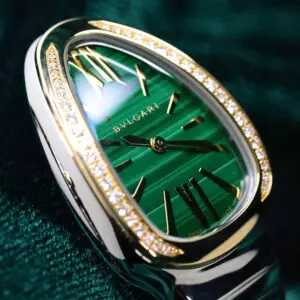
2026 NEW UNWORN Bvlgari Serpenti Tubogas Studs Capsule Limited Edition Green Dial Diamond Bezel Steel & 18k Yellow Gold 35mm COMPLETE SET 104360
$24,255.00
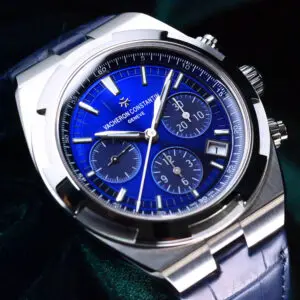
Vacheron Constantin Overseas Chronograph Blue Dial Blue Leather Strap Stainless Steel 42.5mm MINT CONDITION COMPLETE SET 5500V/110A-B148
$37,793.00
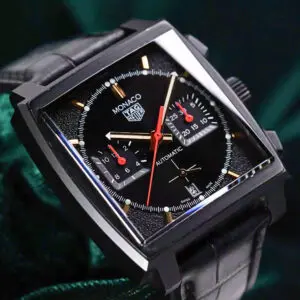
Tag Heuer Monaco Chronograph “Dark Lord” Special Edition Black Dial Black Leather Strap DLC Titanium 39mm MINT CONDITION COMPLETE SET CBL2180.FC6497
$8,135.00
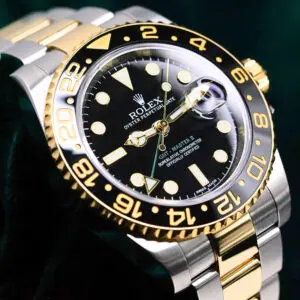
Rolex GMT-Master II “Green Arrow” Black Dial Black Ceramic Bezel Oyster Bracelet Two-Tone 18K Yellow Gold Stainless Steel 40mm MINT CONDITION COMPLETE SET 116713LN
$15,740.00
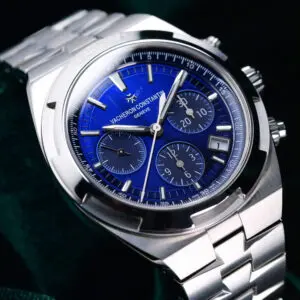
Vacheron Constantin Overseas Chronograph Blue Dial Stainless Steel 42.5mm MINT CONDITION COMPLETE SET 5500V/110A-B148
$37,793.00
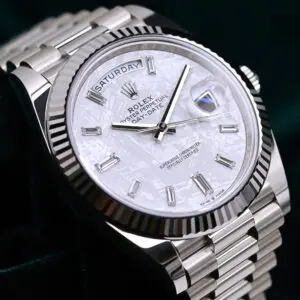
Rolex Day-Date Meteorite Baguette Diamond Dial Fluted Bezel President 18K White Gold 40mm MINT CONDITION COMPLETE SET 228239
$78,629.00
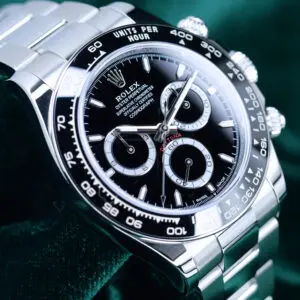
2026 Rolex Cosmograph Daytona Black Dial Black Ceramic Bezel Oyster Bracelet Stainless Steel 40mm MINT CONDITION COMPLETE SET 126500LN
$33,594.00
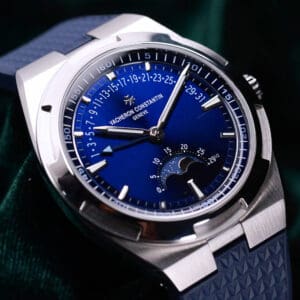
2025 Vacheron Constantin Overseas Moonphase Retrograde Date Blue Dial Blue Rubber Strap Stainless Steel 41mm MINT CONDITION COMPLETE SET 4000V/210A-B911
$52,800.00
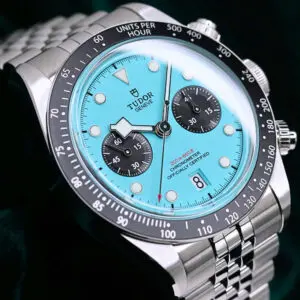
2025 Tudor Black Bay Chrono "Flamingo Blue" Turquoise Dial Black Bezel Stainless Steel 41mm MINT CONDITION COMPLETE SET 79360N-0024
$10,494.00
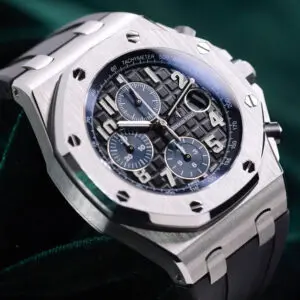
Audemars Piguet Royal Oak Offshore Chronograph "Batman" Black Dial Blue Accents Black Rubber Strap Stainless Steel 42mm MINT CONDITION COMPLETE SET 26470ST.OO.A028CR.01
$25,715.00
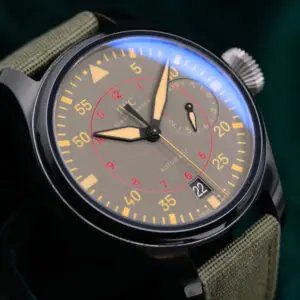
IWC Big Pilot's Watch Top Gun Miramar Grey Dial Green Textile Strap Black Ceramic 48mm MINT CONDITION COMPLETE SET IW501902
$7,240.00
How Channel Pricing Compares Across Five Popular References
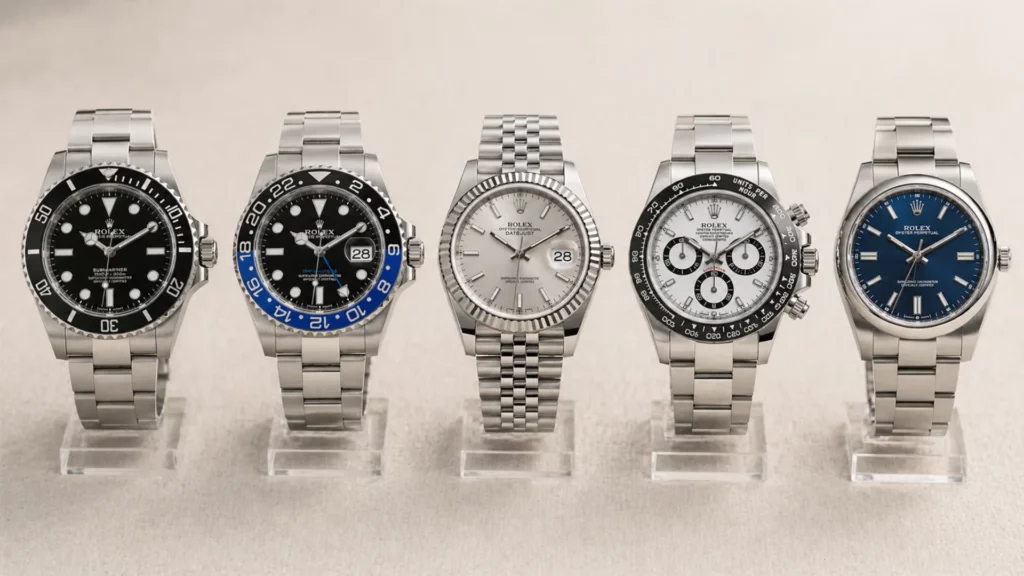
The pattern across five popular references is the same: CPO costs more than grey market, and grey market costs more than private sale by 8% to 15%. Prices below are current as of April 2026 from Chrono24, WatchCharts, and verified specialist listings.
| Reference | AD Retail | Rolex CPO | Grey Market | Private Sale |
| Submariner 124060 (no-date) | $10,050 | $13,500–$15,500 | $11,500–$13,500 | $10,500–$12,500 |
| GMT-Master II Batman 126710BLNR (Oyster) | $11,800 | $19,000–$22,000 | $16,000–$20,000 | $14,500–$18,000 |
| Datejust 41 126334 (steel/white gold, fluted) | $11,650 | $14,500–$17,000 | $13,500–$16,000 | $12,500–$15,000 |
| Daytona 126500LN steel (white panda) | $16,900 | $35,000–$42,000 | $30,000–$38,000 | $28,500–$34,000 |
| Oyster Perpetual 41 124300 / 134300 | $7,050 | $9,000–$10,500 | $7,500–$9,500 | $7,000–$8,500 |
CPO is not a discount product. It sits 15% to 40% above the grey market on sport models, which surprises most buyers. Private-sale savings are real but not enormous, and the risk is the highest of any channel.
The Best First Rolex to Buy
For most first-time buyers, the right answer is a Datejust 41 (ref 126334) or an Oyster Perpetual 41 (ref 124300 or 134300). Both run the modern caliber 3230 or 3235, both wear easily, and both sit in the most forgiving part of the price range.
Most buying guides push the Submariner as a first Rolex because it is the most famous one. But it has the longest waitlists, the highest grey market premiums, and a tool-watch look that does not match every outfit or wrist.
The exceptions are real though. If you dive, the Submariner earns its place. The GMT-Master II is genuinely useful for travelers. The Daytona is a grail for chronograph fans. Otherwise, default to the Datejust or Oyster Perpetual.
Submariner 124060: Best for an Iconic Sport Rolex
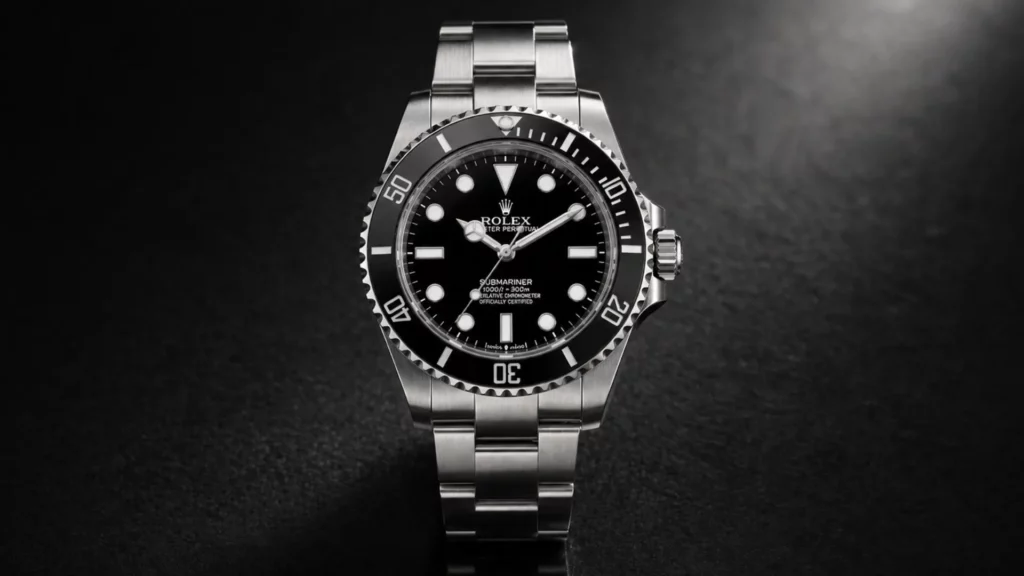
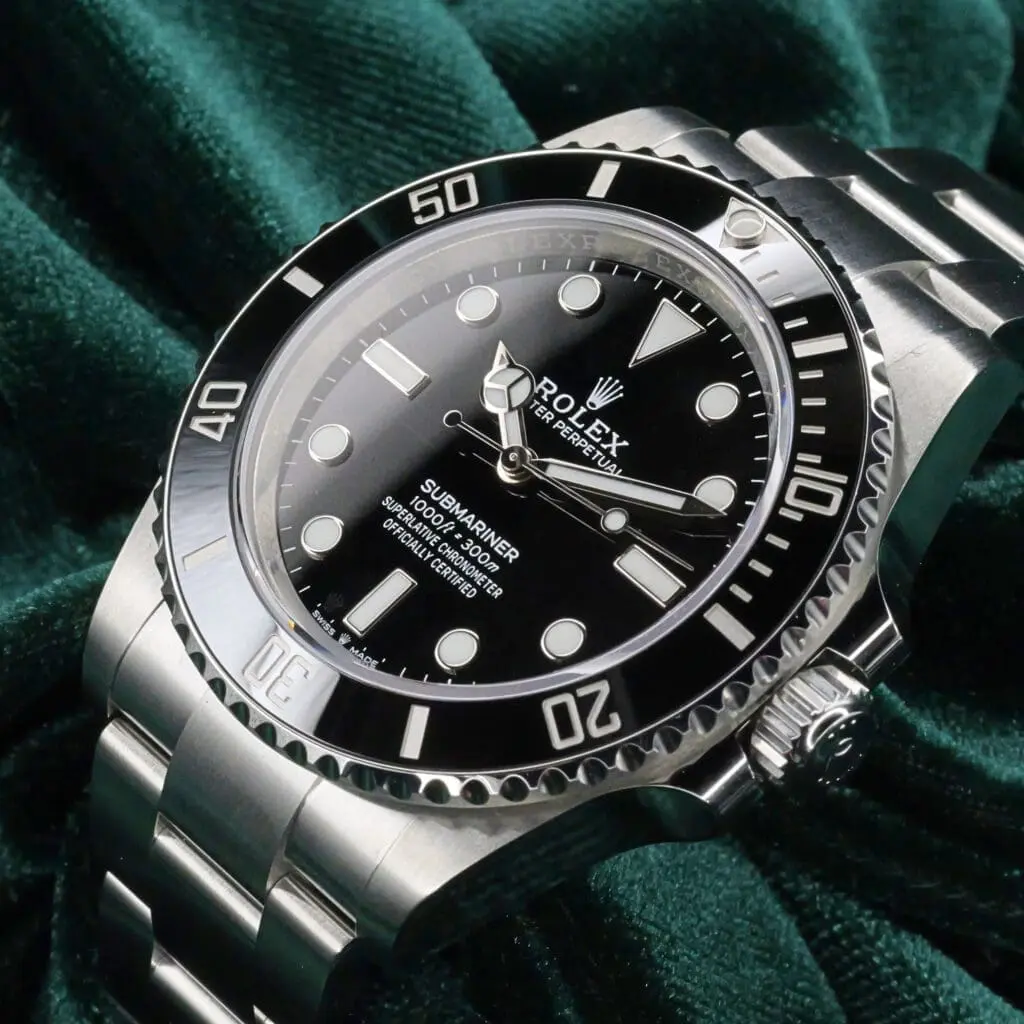
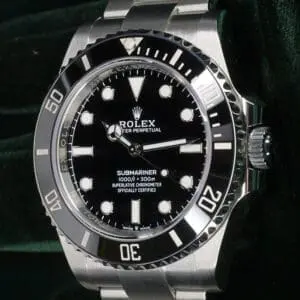
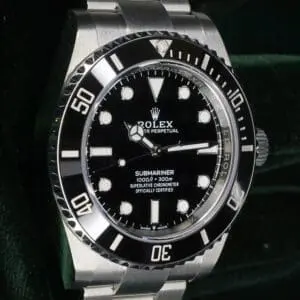
The no-date Submariner is the cleanest version of the watch that put Rolex on the map. It is 41mm, water resistant to 300 meters, and runs the Caliber 3230 (a 70-hour movement that beats at 28,800 vibrations per hour).
Pre-owned, expect $11,500 to $13,500 for a clean example with box and papers. The 124060 wears slightly larger than the older 114060 because of the redesigned lugs and bracelet, so try one on if you have a wrist under 6.5 inches before committing. For the full reference-by-reference breakdown, see our dedicated Submariner buying guide.
Datejust 41 126334: Best for All-Day Versatility
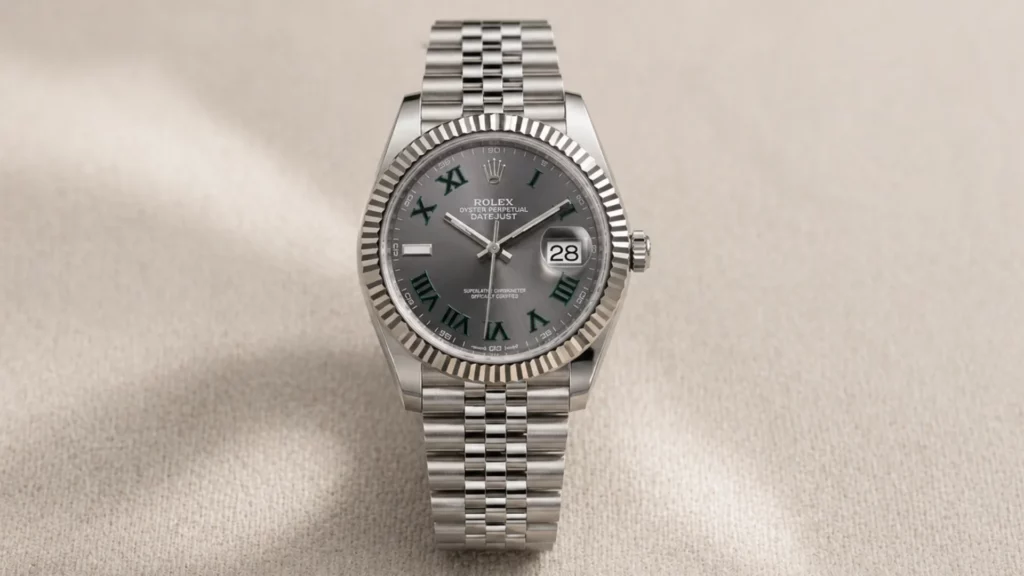
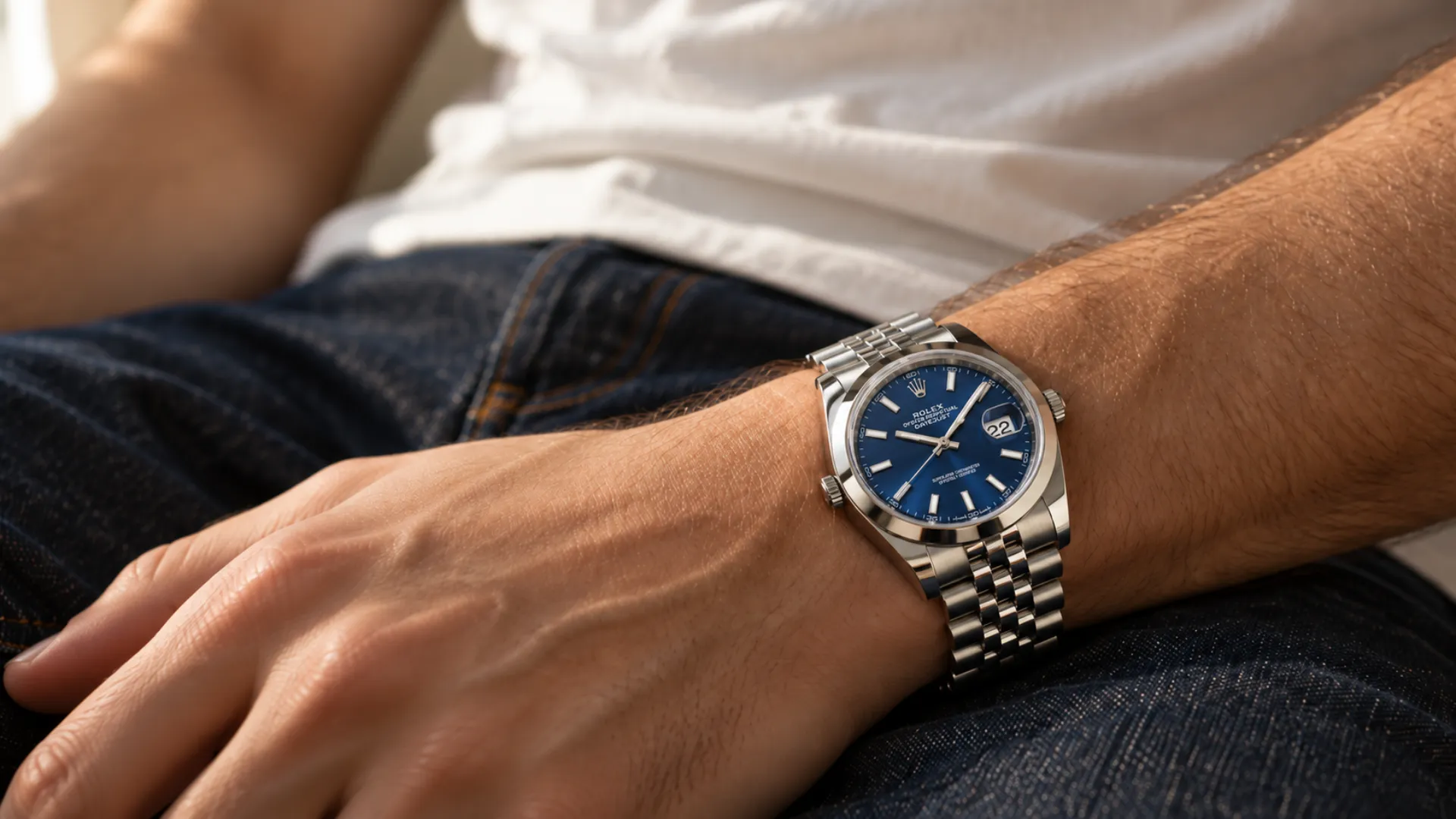
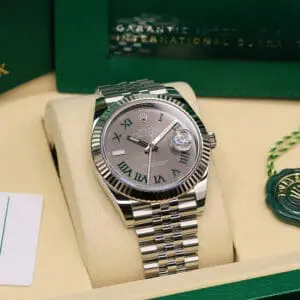
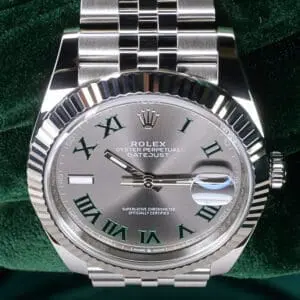
The Datejust is the most versatile Rolex made. The 126334 in steel and white gold with a fluted bezel handles a t-shirt, a polo, or a suit equally well. It is also the easiest Rolex to resell, so liquidity is excellent if you ever decide to sell.
Pre-owned pricing in April 2026 sits around $13,500 to $16,000 for a clean recent-production example with full set. Wimbledon dial, mint green, and the new Jubilee motif dials trade at the upper end. The 41mm case wears a touch dressier than a Submariner and a touch sportier than a Day-Date. We cover the line in more depth in our Datejust buying guide.


GMT-Master II Batman 126710BLNR: Best for Travelers
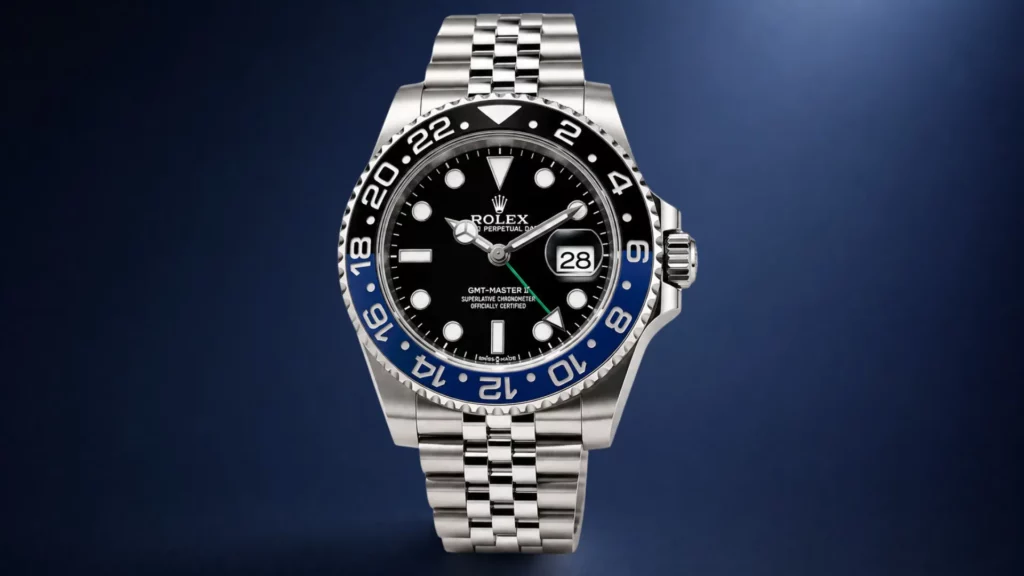
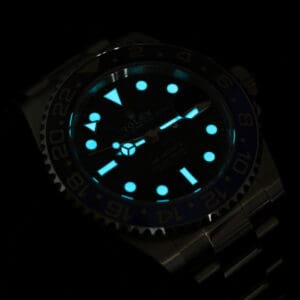
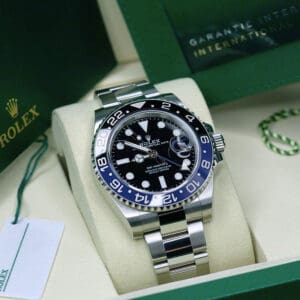
With the Pepsi discontinued in April 2026, the Batman is now the only blue-bezel steel GMT in the catalog. Its black and blue Cerachrom bezel comes on a Jubilee or Oyster bracelet, and the 24-hour bezel and independent GMT hand let you track home time and local time without doing math.
If used, you are looking at $16,000 to $20,000 for a current 126710BLNR. The discontinued 116710BLNR (2013 to 2019) trades $14,000 to $17,000. Same case and dial, but with the older Caliber 3186 and 48-hour reserve. Worth considering if budget matters. Our GMT-Master II buying guide covers the modern variants like Batman, Pepsi, Sprite, and Bruce Wayne in detail.

Oyster Perpetual 41: Best for an Understated Entry
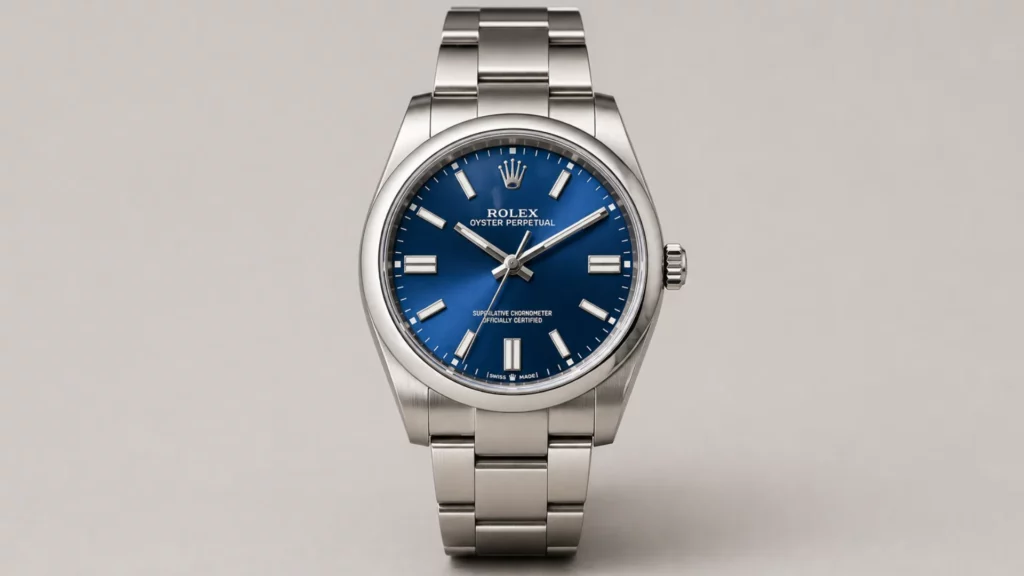
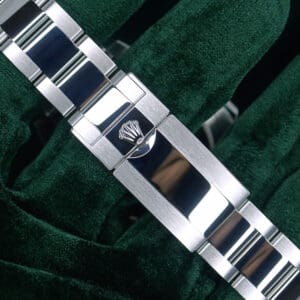
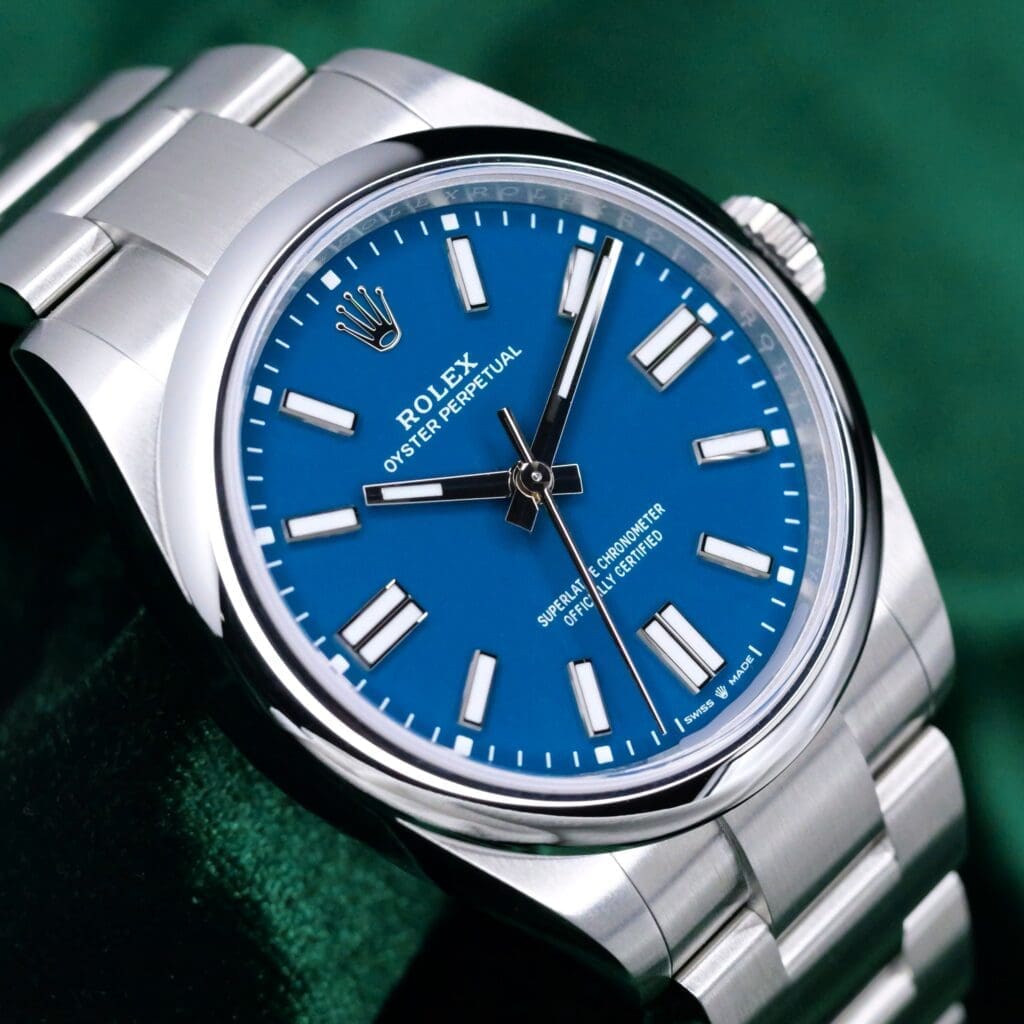
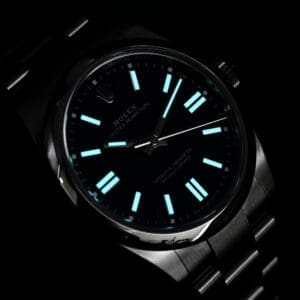
The OP 41 gives you the Oyster case, the modern Caliber 3230, and the bracelet quality of a Submariner without the sport-watch waitlist or premium. There is no date function, no rotating bezel, and no complication of any kind. Just the watch, the bracelet, and the dial.
The reference 124300 ran from 2020 through 2025 and was replaced by the new 134300 in 2026. Pre-owned, $7,500 to $9,500 gets you a clean 124300.
The colored dials (turquoise, candy pink, yellow, coral) trade higher because of the discontinuation of certain colors in 2023. Standard silver, black, and blue hold their value better. Our Oyster Perpetual buying guide walks through the size and dial choices in more detail.
The Best First Rolex Under $10,000
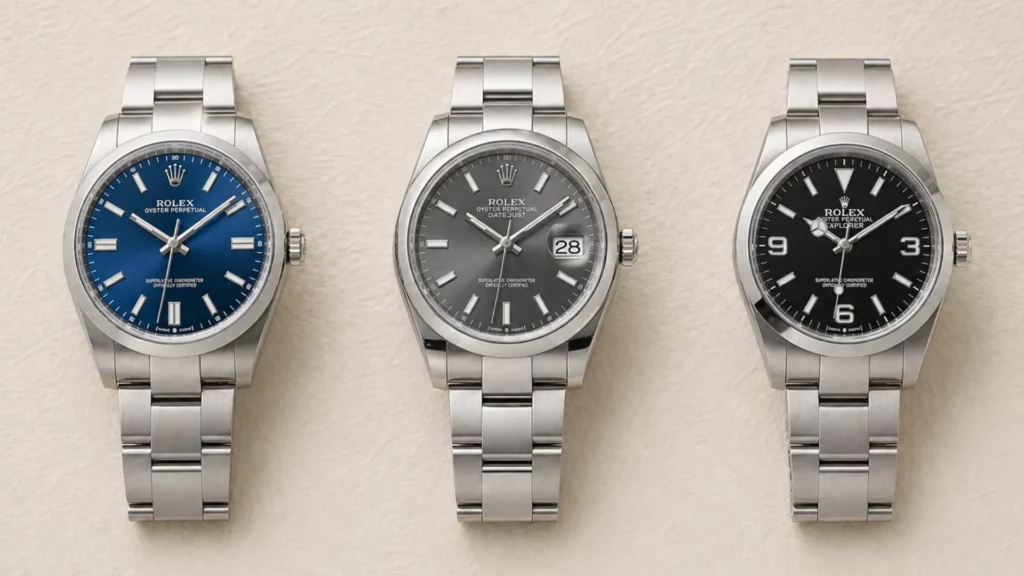
If you have $10,000 to spend, three pre-owned references stay in budget and still give you a real Rolex experience. All three run modern movements with 70-hour reserves and hold their value reasonably well.
- Oyster Perpetual 41 reference 124300 at $7,500 to $9,500 used. This is the cleanest pick of the three, with no date, no complications, and the modern Caliber 3230 with a 70-hour power reserve.
- Datejust 41 reference 126300 at $9,500 to $12,500 pre-owned. This is the smooth bezel version of the Datejust 41, and less popular dial colors regularly land under $10,000 on the secondary market.
- Explorer 36 reference 124270 at $9,500 to $11,500 pre-owned. This reference offers serious tool-watch heritage in a smaller, more wearable 36mm case that fits a wider range of wrist sizes. Our Explorer buying guide covers both the 36mm and 40mm references.
Discontinued References Worth Hunting
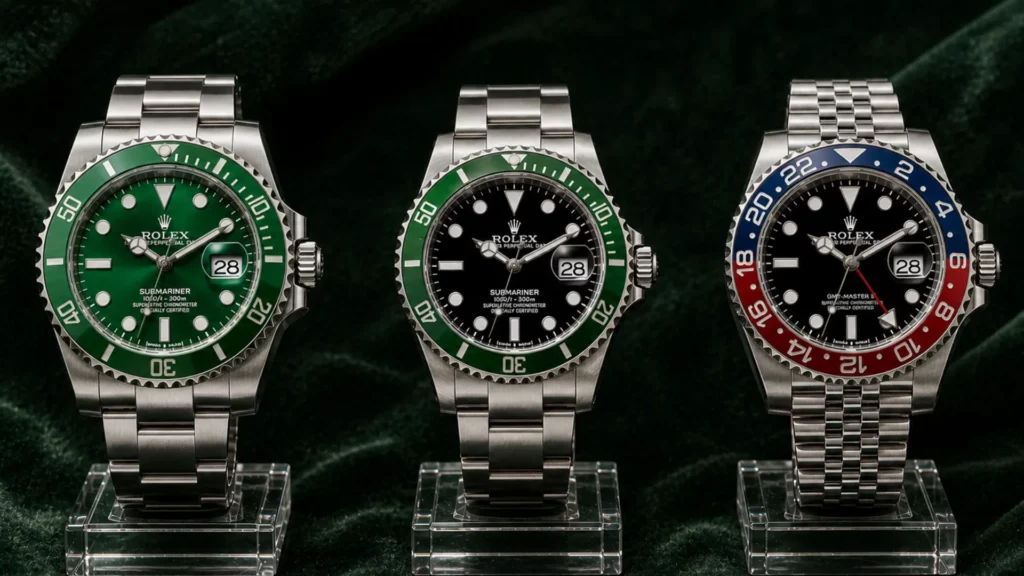
Some of the best buys are watches Rolex no longer makes. Three references worth tracking on Chrono24 and the forums.
- Submariner Hulk 116610LV at $16,000 to $20,000. This is the all-green Submariner (green dial, green bezel) that was discontinued in March 2020. Prices softened from the 2022 peak but have stabilized at the current range.
- Submariner Kermit 16610LV at $14,000 to $18,000. This is the 50th anniversary edition with a black dial and green bezel, and it has been climbing slowly since 2023.
- GMT-Master II Pepsi 126710BLRO at roughly $25,000 median, with unworn 2026 examples pushing $40,000. This is the standout opportunity right now after its April 14, 2026 discontinuation, with median pre-owned having surged in the weeks since. Our Pepsi buying guide covers what to expect from prices and supply now that it’s out of production.
These are not entry-level picks, but each one still has room to hold or grow in value.



Models to Avoid as a First Rolex
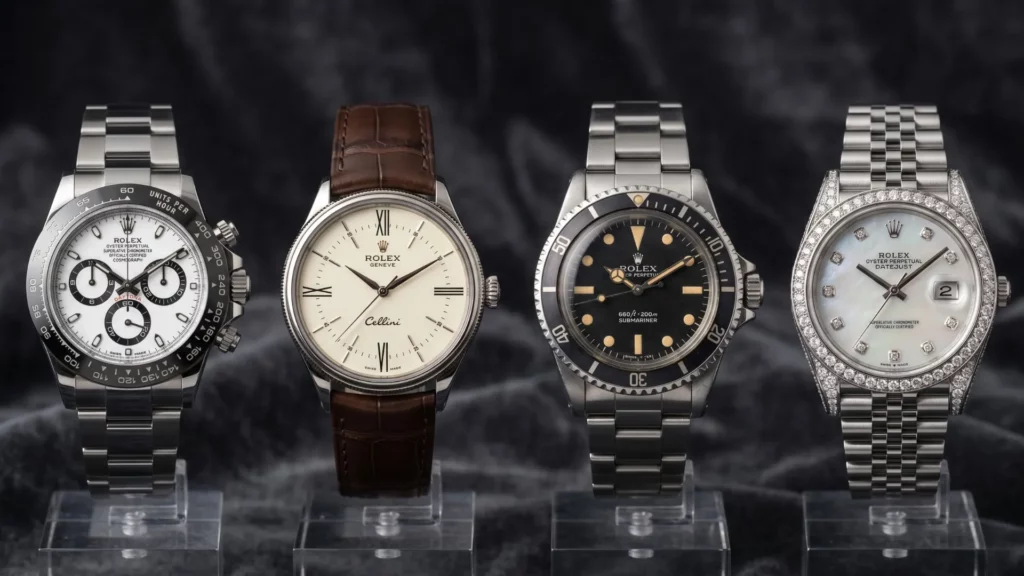
Skip four watches as a first Rolex: the steel Daytona at grey-market premium, the Cellini, true vintage, and any aftermarket diamond-set piece. Each one looks good on paper but causes problems on the wrist or at resale.
- The steel Daytona at grey-market prices of $32,000 to $38,000. This costs roughly double its $16,900 retail, which means you absorb all of the speculative markup yourself. The white panda dial also trades $5,000 to $8,000 above the black dial. If the market corrects further, the loss is yours. Our Daytona buying guide walks through whether the markup is worth it for any version.
- The Cellini. This is Rolex’s dress-watch attempt and has the worst resale of any Rolex in the catalog, with first-sale losses of 30% to 40%.
- Vintage Rolex from roughly pre-2000. This category is for experienced collectors who know what original parts look like in person, since service costs, parts availability, and the risk of a Frankenwatch turn it into a project for a first-time buyer. Our vintage Rolex buying guide covers the parts and authentication issues unique to that market.
- Aftermarket diamond-set pieces. Diamonds drilled into a Datejust or Day-Date drop the resale below the same watch unmodified. They add zero value at resale and often cost you $3,000 to $7,000 versus the standard reference. If you want a diamond Rolex, buy a factory-set one.
Should You Buy a New or Used Rolex in 2026?
Used wins for most references in 2026. The market has cooled, premiums have dropped on most sport models, and pre-owned inventory is deep enough that patience pays.
A Submariner 124060 that traded $5,000 above retail two years ago now sits $1,500 to $3,500 above. A Batman GMT carries $5,000 to $8,000 over current retail.
A Rolex bought to wear holds its value better than almost any other luxury good. A Rolex bought to flip is a different math problem with a worse expected return. Most references depreciate 10% to 25% on first sale; only steel sport models from 2015 to 2022 and discontinued references have reliably appreciated.
Buy new if the reference you want is one of the few still available near retail at an authorized dealer. In April 2026 that includes the Air-King 126900, Explorer 36 124270, non-date Submariner 124060, many Datejust 41 setups, and the Sky-Dweller in gold or two-tone.
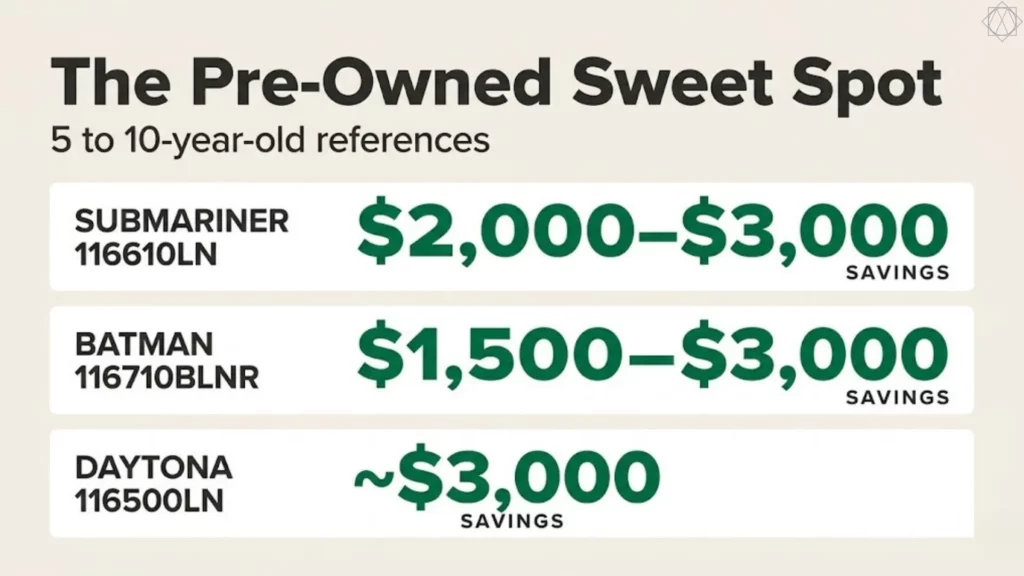
Where pre-owned wins hardest is in references that are 5 to 10 years old. They run modern calibers with 70-hour reserves and trade at clear discounts to new grey market pricing.
A pre-owned Submariner 116610LN from 2015 to 2020 gives you almost everything the current 124060 offers, typically for $2,000 to $3,000 less. A 116710BLNR Batman on Oyster bracelet from the same era is often a better buy than the current 126710BLNR on Jubilee.
A 116500LN ceramic Daytona from 2016 onward runs the same 4130 caliber as the current 126500LN and costs about $3,000 less.
How to Authenticate a Used Rolex Before Paying
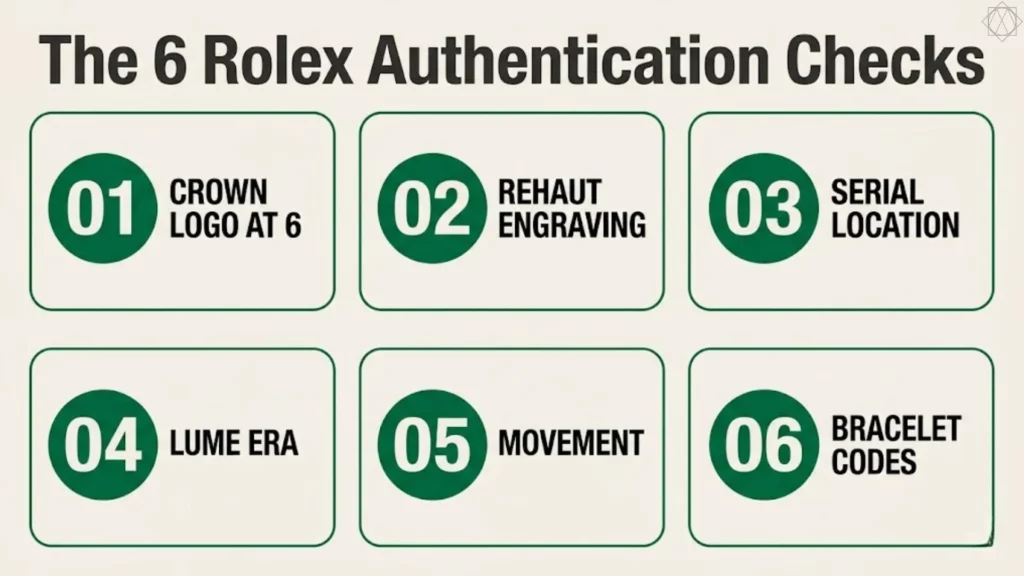
Run the six checks below on every pre-owned Rolex before you pay.
1. Check the Crown Logo at Six O’Clock
Rolex started laser-etching a tiny crown into the sapphire crystal at six o’clock in the early 2000s and was fully rolled out by 2002. The crown is nearly invisible without a 10x loupe and the right light angle.
Tilt the watch so light grazes the crystal and the crown shows up as a small etched mark just outside the dial perimeter.
On any post-2002 reference, the crown should be present. Absence is an immediate red flag. Some early 2002-2003 examples lack the crown, so check the production year against a Rolex serial database before walking away.
2. Inspect the Rehaut Engraving
From 2008, Rolex engraved “ROLEX” repeated continuously around the rehaut, the inner ring between the dial and the crystal, with the serial number engraved at six o’clock. The engraving should be crisp, even, and aligned with the dial markers. Use a loupe and rotate the watch slowly under angled light.
Blurry, uneven, or angled text points to a fake or a swapped rehaut. Check that the serial on the rehaut matches the serial on the warranty card. A mismatch is a hard walkaway. Also confirm the engraving runs continuously without gaps. Counterfeits often produce visibly stamped or laser-burned text.
3. Verify the Serial Number Location
The serial number’s location must match the production era of the watch. On pre-2005 watches, the serial sits on the case between the lugs at six o’clock, visible only with the bracelet removed. From about 2005 to 2008, the serial appeared both between the lugs and on the rehaut. After 2008, it is on the rehaut only.
Ask the seller to remove the bracelet and send a photo of the lugs for any pre-2008 watch. A mismatch between the era and the serial location is an immediate walkaway. So is a serial that has been ground down or polished out. How Rolex’s serial number system works is laid out in more detail in a separate guide.
4. Match the Lume to the Watch’s Era
The dial’s lume type must match the production era. Rolex used tritium (marked “T<25” or “T SWISS T” on the dial) through about 1998, then Super-LumiNova until roughly 2008, then its own Chromalight after.
A 1980s Submariner with bright modern Chromalight indicates a service-replaced dial or a fake. A 2010s reference with yellowed tritium markers is the same story in reverse. On vintage pieces, this check catches more fakes than any other single test.
Charge the lume under direct light for 30 seconds, then check the color: tritium glows a faint green, Super-LumiNova is brighter green, Chromalight is blue.
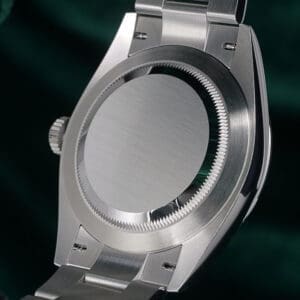
5. Open the Caseback for the Movement
A genuine Rolex movement has the caliber, serial, and “Swiss” markings stamped on the rotor or main plate. If a seller refuses to open the caseback for inspection or refuses to send clear movement photos, walk away. The stakes are too high to skip this step on any watch over $5,000.
Rolex Service Center work shows up as small engraved dots on the inside of the caseback (one dot per service). A genuine RSC service history can add value, but the absence of dots is normal for a watch that has never been serviced. What you want to avoid is a movement that does not match the case era or shows non-Rolex parts inside.
6. Check the Bracelet and Clasp Codes
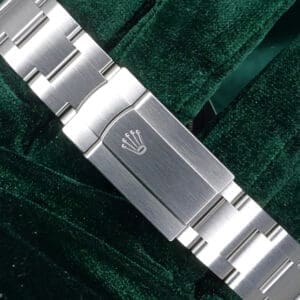
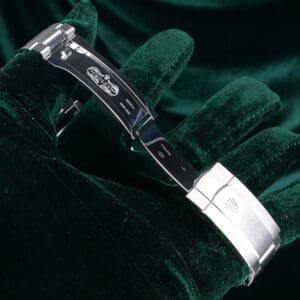
A modern Rolex bracelet should match the era of the watch. Every Rolex bracelet has a code on the inside of the end link (the part that connects to the case), and the clasp has a date code stamped inside. Both should match the production era of the case.
Bracelets and clasps get swapped during service, and the swap often hides a problem with the original part. Watch for combinations like a 2010 case with a 2018 bracelet code (replaced under warranty, ask why), or a 2020 case with a 2005 clasp code (Frankenwatch). Ask the seller to photograph both codes before purchase.
2026 Scam Patterns to Watch For
Beyond the physical checks, scammers have gotten more creative. The patterns below are the ones we see most often this year.
- AI-generated listing photos that hide dial flaws. Ask for a video of the watch in hand.
- Cloned specialist dealer websites with slightly different URLs. Always verify the domain before paying.
- Instagram escrow scams where the “payment agent” is fake. Never pay through middlemen you do not know.
- Papers swaps, where real papers from a different watch get paired with a fake. Check that the serial on the papers matches the serial on the rehaut.
- Listings priced 15% to 20% below WatchCharts median with no explanation. A real Rolex priced significantly under market is usually stolen, fake, or carrying an undisclosed defect.
When in doubt, pay for independent authentication. A Rolex-trained watchmaker will inspect a watch for $75 to $200 and tell you exactly what you are buying. On a $15,000 purchase, that is the best money you will spend.
How New Rolex Calibers Compare to Older Ones
The new Rolex calibers run longer, keep more accurate time, and resist magnetism better than the older generation. The biggest single jump is power reserve, from 48 hours to 70 hours. If you’re new to how a Rolex movement is built, our Rolex movement explainer covers the components.
| Current Caliber | Found In | Key Features | Previous Generation |
| 3230 | No-date Submariner, OP, Explorer 36 | 70-hour reserve, Chronergy escapement | 3130 (48-hour) |
| 3235 | Datejust 41, Submariner Date, Sea-Dweller | 70-hour reserve, Chronergy | 3135 (48-hour) |
| 3285 | GMT-Master II | 70-hour reserve, Chronergy | 3186 (48-hour) |
| 4131 | Daytona (2023+) | 72-hour reserve, Chronergy | 4130 (72-hour) |
| 9002 | Sky-Dweller (2017+) | Annual calendar, dual time | Earlier 9001 |
Take the watch off Friday night and the old movement stops by Sunday. The new one runs into Monday morning. For a daily wearer, that is a real quality-of-life improvement.
The newer movements also use a more efficient Chronergy escapement, a magnetism-resistant blue Parachrom hairspring, and improved Paraflex shock absorbers.
The upgrade justifies a small price premium if you plan to keep the watch long-term. If the older reference is 15% to 25% cheaper and you do not care about the extra power reserve, the previous generation is a strong value play.
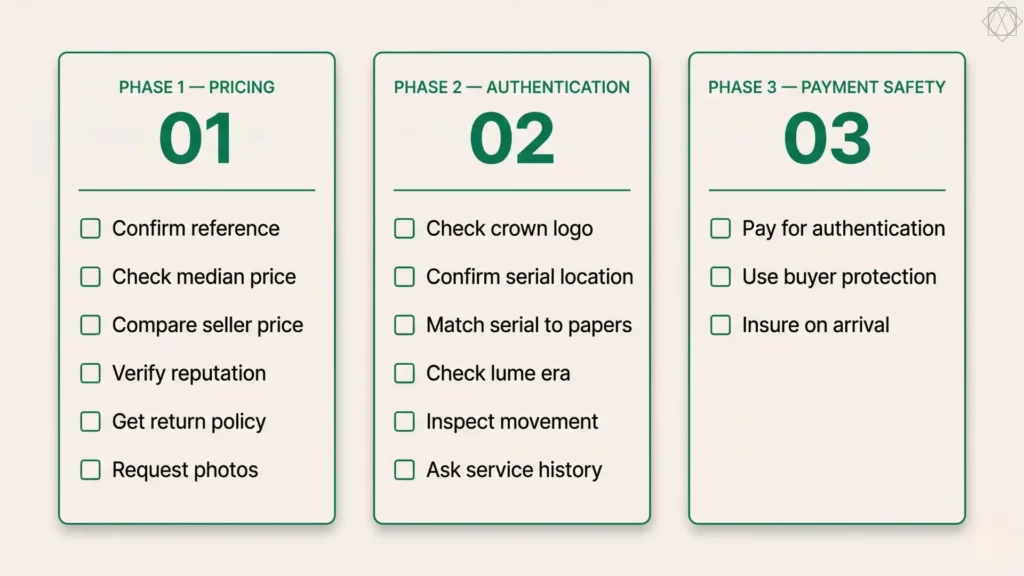
Your 15-Point Rolex Pre-Purchase Checklist
Save this list or print it. The 15 items below cover pricing, authentication, and payment safety in the order you should run them.
Run through every item before any Rolex purchase, new or used.
Final Thoughts on the Rolex Buying Guide
This Rolex buying guide comes down to one habit: run the three filters before you ever pick a model. Wear pattern, liquidity, and ownership cost. Beyond Rolex specifically, the same framework for buying any luxury watch applies. Once those three are clear, pick the channel that fits your budget, choose your reference, and authenticate before you pay.
Used wins on value in 2026 for most references, but new at MSRP works for the few your AD will sell you. The Datejust 41 and Oyster Perpetual 41 are the safest first picks for new buyers.
Two last tips. Ask for a 30-second video of the watch shaken near the rehaut so you can hear the rotor, and run the serial through Rolex’s online warranty registry before you transfer any money. Use this Rolex buying guide as your reference. Patience and these checks will protect your money. When you’re ready, browse our current Rolex collection. Every piece is authenticated in-house.