
A lot of buyers walk in assuming the GMT II is just a renamed GMT. It isn’t. The names sound interchangeable, the watches look closely related on the wrist, and at a glance the difference doesn’t jump out, especially if you’re new to GMT watches.
The Rolex GMT vs GMT II comparison hinges on one mechanical change that completely shifted how the watch behaves day to day, plus a 2026 catalog shake-up that just made the modern lineup look very different than it did this time last year.
This article walks through the original design intent behind each model, how their functionality differs in real use, what the current GMT-Master II catalog actually contains after Watches & Wonders 2026, and how market demand affects value today. By the end, you’ll know which one fits how you actually live.
What Was the Original Rolex GMT?
The original Rolex GMT-Master, launched in 1955, was built to track two time zones using a dedicated 24-hour hand paired with a rotating bezel, long before frequent international travel was part of everyday life. It was a tool, not a luxury feature.
Its roots trace back to commercial aviation. Pan American World Airways approached Rolex in the early 1950s asking for a watch that could help their pilots track home time on long-haul transoceanic flights.
Rolex answered with a 24-hour hand that completed one full rotation per day, paired with a 24-hour graduated bezel for reading a second zone.
For 1955, that setup was new. Pilots had nothing comparable on the market, and the watch gave them an instant visual reference without piling on complications. It also pushed Rolex further into tool-watch territory at a time when the brand was still defining its identity.
The earliest reference, the 6542, used a fragile Bakelite bezel and had no crown guards. The longer running 1675, produced from 1959 to roughly 1980, introduced the 40mm case, crown guards, and the more durable aluminum bezel insert that became the GMT’s visual signature. Caliber 1565 (and later 1575) powered the line for decades.
The limitation became obvious as air travel sped up. Crossing time zones required either rotating the bezel (which left local time slightly awkward to read) or stopping the watch to reset all the hands together. For someone hopping zones a few times a week, that wasn’t seamless. Rolex fixed it in 1982.

Why Rolex Created the GMT II
Rolex introduced the GMT-Master II in 1982 to solve the original GMT’s biggest weakness: changing local time meant disrupting the rest of the display. The fix was an independently adjustable local hour hand that jumps in one-hour increments without affecting the minute hand, the seconds hand, or the 24-hour GMT hand.
That meant a traveler could land in a new country, pull the crown to the middle position, jump the hour forward or back to local time in seconds, and the watch never stops or loses sync with the reference time zone on the bezel. The GMT hand keeps tracking home time. The minutes keep ticking. Nothing gets reset.
If the GMT function itself is new to you, here’s a fuller breakdown of how a GMT works.
The first GMT-Master II was the reference 16760, nicknamed the “Fat Lady” for its thicker case (needed to house the new Caliber 3085). It was the only GMT II to wear the Coke red-and-black bezel exclusively. From there, the line expanded across the 16710, 116710, and the current-generation 126710 family, picking up Cerachrom ceramic bezels along the way.
This change shifted the GMT from a specialist’s tool into a watch that fit modern lifestyles. International travel was becoming routine, and the watch no longer required planning or full resets to handle it.
Rolex kept the original GMT-Master in production alongside the II until 1999, when the final non-II reference (the 16700) was discontinued. Every GMT made since is a GMT II.
Rolex GMT vs GMT II: Core Functional Differences
The difference between a Rolex GMT and a GMT II is mechanical. They look closely related on the wrist (same case profile, same general dial layout, similar bezel), but how they behave when you adjust time is where the gap shows up.
How the Hour Hand Adjusts
On the original GMT, the hour, minute, and seconds hands are linked. Pulling the crown to set the time moves all three together, which means changing local time effectively means resetting the watch.
As covered above, the GMT II breaks the local hour hand free from the rest. The reason it matters in daily ownership: your watch never loses its accuracy reference when you cross a zone, and you don’t have to hack the seconds back to a time signal every time you adjust. We’ve walked through the actual jumping-hour procedure step by step in a separate guide.
Crossing Time Zones in Practice
With an original GMT-Master like the 1675, your two real options when you land somewhere new are: rotate the bezel to read local time off the 24-hour scale (leaving the dial showing your old time zone) or stop the watch and reset the entire display. Both work, neither is fast.
With the GMT II, you adjust only the local hour hand. The watch keeps running, the GMT hand keeps tracking your home time, and you’re synced to the new zone in roughly three seconds. This is the whole reason the model exists, and once you’ve used both side by side, the difference stops being subtle.
What the Bezel Adds
Both models use a 24-hour bezel, but the GMT II gets more out of it. With the original, the bezel and the 24-hour hand together give you two zones: local on the dial, plus whatever you’ve offset with the bezel.
The GMT II gives you three. Local time reads off the dial via the independently adjustable hour hand. Home time reads off the GMT hand against a neutrally positioned bezel.
Rotate the bezel and you can reference a third zone without touching the movement at all. For someone juggling home, current location, and a market or family member in a third zone, that’s a function the original simply doesn’t offer.
The 2026 Rolex GMT-Master II Catalog Update
The GMT-Master II lineup looks materially different in 2026 than it did a year ago. At Watches & Wonders 2026 (April 14), Rolex officially discontinued the steel 126710BLRO “Pepsi” and the white gold 126719BLRO.
Unusually, Rolex didn’t release a Coke (red-and-black) replacement. For the first time in the modern Cerachrom era, no red bezel exists in the steel professional collection. (If you’re curious how a Coke might have stacked up against the Pepsi, we covered the comparison ahead of the announcement.)

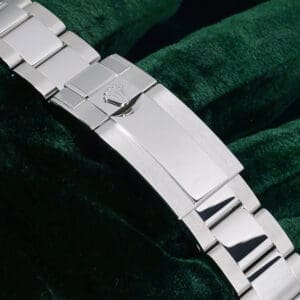
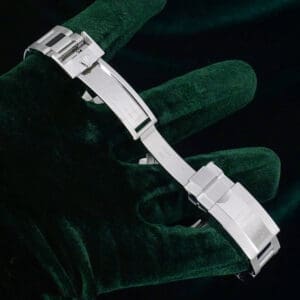
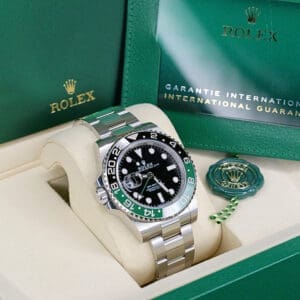
What remains in the current steel GMT-Master II catalog:
- 126710BLNR — Batman (Oyster bracelet) and Batgirl (Jubilee bracelet), black-and-blue bezel
- 126720VTNR — Sprite, green-and-black bezel, left-handed (destro) configuration
- 126710GRNR — Bruce Wayne, grey-and-black bezel
All current steel references use the Caliber 3285 with a 70-hour power reserve and the upgraded 2026 Superlative Chronometer certification.
The discontinuation matters for this comparison because the Pepsi was, until very recently, the GMT II most casually mentioned in any GMT vs GMT II discussion. If you’ve been reading older articles, mentally swap “Pepsi” for “Batman.” That’s the new default reference for the steel modern GMT II, and we cover the Pepsi vs Batman breakdown in detail in a separate guide.
The Pepsi itself moved sharply on the secondary market after the announcement, with median prices climbing toward $25,000 and unworn full sets pushing above $40,000 in some channels. We’ve covered the Pepsi as a stand-alone reference in more depth.

Availability and Market Status
The original Rolex GMT-Master is no longer in Rolex’s catalog, as covered earlier. The GMT-Master II is the brand’s current travel watch platform, although the lineup just got smaller. That distinction shapes how each watch is bought, owned, and perceived today.
Vintage GMT-Master references (6542, 1675, 16750, 16753, 16700) are pre-owned only. Availability depends entirely on what comes to market, and condition varies dramatically. (Polished vs unpolished is one of the bigger value forks on a vintage Rolex.)
Original dials, unpolished cases, matching date-coded bracelets, and intact tritium plots all command real premiums. Buyers shopping vintage need to be more selective, and ideally working with a dealer who can speak to authenticity and originality at the part level, not just “it’s a real Rolex.” Our vintage Rolex buying guide walks through what to inspect.
The GMT-Master II is current production and still sold through authorized dealers, although retail allocation has been minimal for years. Most buyers end up on the pre-owned market for a current reference rather than waiting on a list.
The benefit of buying a current production reference is direct service support, current parts availability, and a clearer authentication baseline.
The original GMT tends to attract collectors and history buyers. The GMT II suits daily wearers and people who actually use the GMT function while traveling.
Price and Market Demand in 2026
Pricing on both sides is driven more by availability and demand than by mechanical complexity. One is vintage and discontinued; the other is current production with authorized-dealer scarcity. They behave differently in the market, and the gap between retail and what a watch actually trades for tells most of the story.
Vintage Rolex GMT-Master Pricing
Vintage GMT-Master pricing depends on reference, dial, and condition more than almost any other Rolex line. Steel 1675 examples typically start around $15,000–$20,000 for honest pre-owned pieces, with full-set examples and rare dial variants (gilt, tropical, “nipple”) trading well above that.
Some sources put 1675 strong-condition pricing in the $20,000–$30,000 band, with exceptional pieces — chocolate brown nipple dials, Tiffany-signed dials, faded “Pepsi” inserts with even patina — trading deep into five-figure and occasionally six-figure territory.
The earlier 6542 sits in a different bracket entirely as the most collectible reference, regularly bringing well above the 1675’s normal range. The two-tone 16753 “Root Beer” generally falls between $10,000 and $18,000, and full gold versions start around $20,000 and can exceed $40,000 for clean examples.
Median time-to-sell for a 1675 sat near 58 days at the end of 2025, slower than the modern references, which is consistent with how vintage trades.
Modern GMT-Master II Pricing
Current steel GMT-Master II references carry a Rolex retail price of roughly $11,800–$12,000 after the January 2026 price adjustment, but authorized dealer availability is effectively zero for most buyers, which is why secondary market pricing runs consistently above retail.

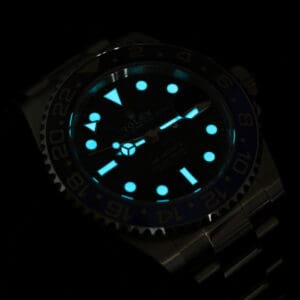
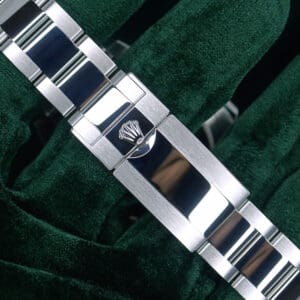
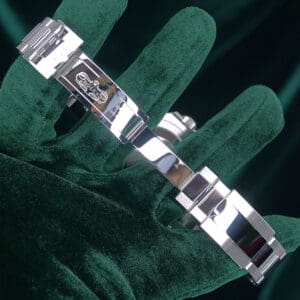
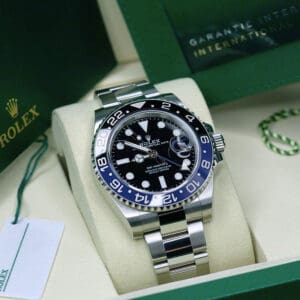
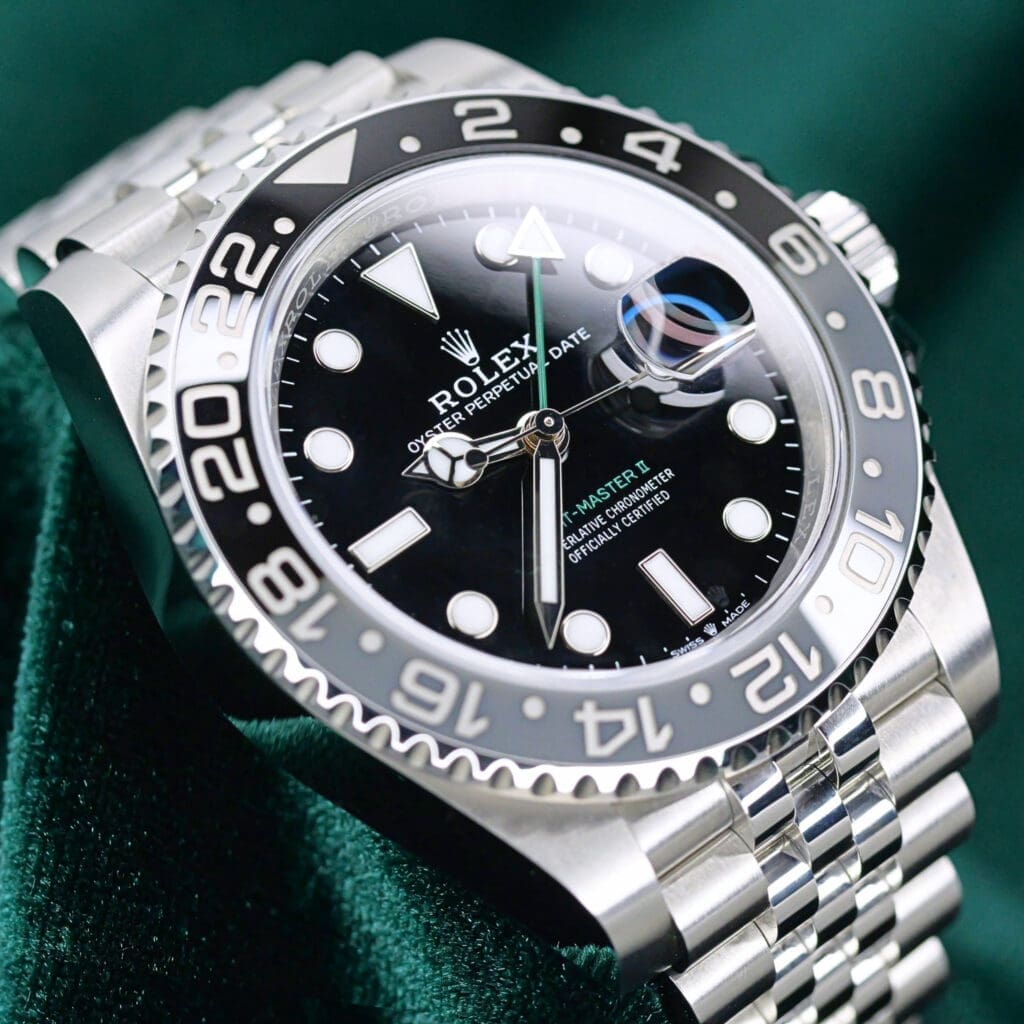
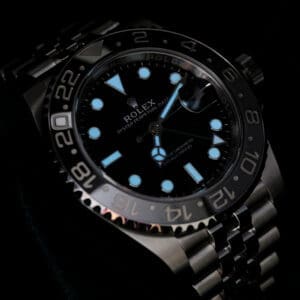

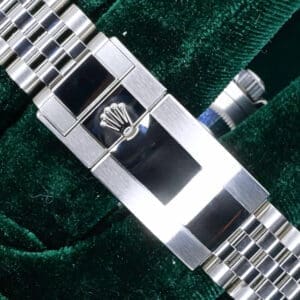
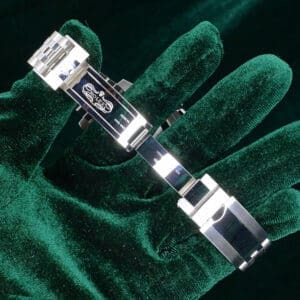
As of April 2026:
- Sprite (126720VTNR): Secondary market value around $16,738, about 36.1% above its $12,300 retail price (per WatchCharts)
- Batman / Batgirl (126710BLNR): $16,000–$20,000+ depending on bracelet, condition, and box-and-papers status
- Pepsi (126710BLRO, discontinued April 2026): Median around $25,000, unworn pushing above $40,000
- Bruce Wayne (126710GRNR): Strong demand since its 2024 debut, trading above retail
The Sprite’s destro layout (crown at 9 o’clock) makes it the only left-handed Rolex sports watch in production, which sustains its premium. The Batman is now the most available color-bezel steel GMT II in the catalog, and post-Pepsi-discontinuation, it’s the de facto blue-bezel reference for buyers who want a modern GMT II.
For Sprite buyers specifically, our Sprite Jubilee vs Oyster comparison walks through the bracelet decision.
Because the GMT II line is current production and demand stays strong, it has stronger market liquidity than vintage. Original GMT pricing depends much more on the individual example, which creates wider price swings on what looks like the same reference.
Side-by-Side Overview: GMT vs GMT II
The table below pulls together the practical differences between the original Rolex GMT and the GMT II. Use it as a quick reference: the rows cover what changes mechanically, what’s in the catalog, and what to expect on price and availability.
| Category | Rolex GMT (Original) | Rolex GMT II |
| Production Status | Discontinued in 1999 (last ref: 16700) | Current production |
| Reference Examples | 6542, 1675, 16750, 16753, 16700 | 126710BLNR, 126720VTNR, 126710GRNR |
| Caliber | 1565, 1575, 3075 (vintage variants) | 3285 (current steel models) |
| Hour Hand | Linked to minutes/seconds | Independently adjustable in one-hour jumps |
| Time Zones Tracked | Two | Three |
| Power Reserve | ~48 hours (vintage) | 70 hours (current) |
| Bezel Material | Aluminum (vintage) | Cerachrom ceramic (current) |
| Market Availability | Pre-owned only; condition varies | Authorized dealers (limited) and pre-owned |
| Typical Buyer | Collectors, vintage enthusiasts | Daily wearers, frequent travelers |
Which Makes More Sense for You?
It really comes down to how you plan to use the watch and what you value as an owner. Both share the same heritage, but they serve different buyers today.
The original GMT-Master fits if:
- You want a watch with real history and you enjoy the design language of the 1960s and ’70s
- You’re comfortable buying pre-owned and you understand why originality (dial, hands, bezel insert, bracelet stretch) matters more than polish
- You don’t mind using the bezel rotation method to read a second zone and you’re not crossing time zones constantly
- You’re drawn to a faded Pepsi insert, a tropical dial, or the patina that only comes from a few decades on someone’s wrist
The GMT II fits if:
- You actually travel and want quick zone changes without stopping the watch
- You want the 70-hour power reserve, ceramic bezel, and modern build of the Caliber 3285
- You value liquidity — current GMT IIs sell faster and have a tighter price band than vintage
- You’re cross-shopping the Batman, Bruce Wayne, or Sprite as a daily wearer
If the Bruce Wayne is on your radar as the closest thing to a Pepsi alternative, our Pepsi vs Bruce Wayne breakdown covers the differences in detail.
If you’re new to Rolex and want a do-everything GMT, the modern GMT II is the easier call. If you’re already a few watches in and you want something with character, a clean 1675 with original parts is one of the more rewarding vintage Rolex pieces you can own.
Where to Buy Authentic Watches Online
There are a handful of legitimate online channels for buying either a vintage GMT or a modern GMT II. Chrono24 is the largest pre-owned watch marketplace and lets you compare pricing across hundreds of dealers and private sellers globally.
eBay’s Authenticity Guarantee program inspects watches in-house before they ship, which has made it a more credible option for higher-value Rolex purchases than it used to be. Grailzee runs auction-format sales for vintage and collector pieces, which can work in your favor on the right reference if you’re patient.
We also sell, buy, and trade luxury watches. The reason clients come to us instead of just going through a marketplace is the layered communication before you commit. We’ll send you a tour video of the actual watch (not stock photos), detailed condition notes on the dial, hands, bezel, case finish, and bracelet, and you talk to a real person who has handled the piece.
With vintage GMTs especially, that matters. A 1675 photo on a listing tells you almost nothing about whether the dial is original or whether the case still holds its lugs at the right angles.
That kind of pre-purchase walkthrough is reflected in our 4.9-star Google rating, which comes from clients who’d rather know exactly what they’re buying than discover surprises after the watch arrives.
If you want that kind of conversation on a specific 1675, Batman, Sprite, or any other GMT reference, reach out and we can help you source one and walk you through what’s available.
Final Takeaways on Rolex GMT vs GMT II
The main difference between the Rolex GMT and GMT II is mechanical: the original uses linked hands, while the GMT II adds an independently adjustable hour hand designed for travel. The original was discontinued in 1999 and now lives entirely on the secondary market.
The GMT II is Rolex’s current travel platform, although the catalog just shrank with the April 2026 Pepsi discontinuation. The original makes the most sense for collectors who value history, originality, and the 1675’s vintage character. The GMT II suits frequent travelers and daily wearers.
If you’re leaning toward a modern GMT II, our full GMT-Master II buying guide covers the lineup in depth.
Two things worth keeping in mind that didn’t fit elsewhere in the article. If you’re hunting a vintage 1675, ask the seller specifically about the bracelet end-link type and whether the lume plots have been redone. Both are common service swaps that affect long-term value.
And if you’re buying a current Batman on the secondary market, post-Pepsi-discontinuation pricing pressure is real but the Batman premium is much more stable than the Pepsi spike, which makes it the safer entry into a modern steel GMT II right now.
999+ Timepieces Available
Explore Our Timepieces
Authenticated, unworn, and ready to ship worldwide.
Rolex · Audemars Piguet · Patek Philippe · Omega · Cartier · Richard Mille · Hublot · Tudor
Newly Listed
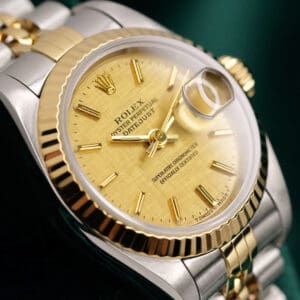
Rolex Lady-Datejust Champagne Linen Dial 18k Yellow Gold Fluted Bezel Jubilee Bracelet Two Tone Steel & Gold 26mm MINT CONDITION COMPLETE SET 69173
$9,345.00
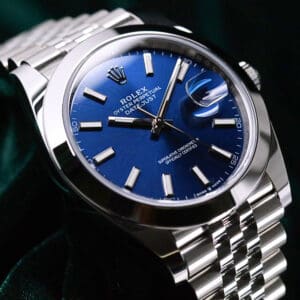
2026 Rolex Datejust Blue Dial Smooth Bezel Jubilee Bracelet Stainless Steel 41mm MINT CONDITION COMPLETE SET 126300
$13,796.00
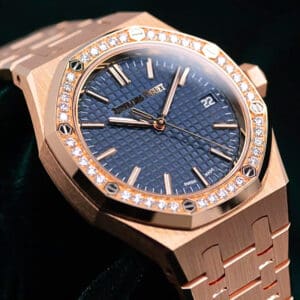
Audemars Piguet Royal Oak Selfwinding "50th Anniversary" Bleu Nuit Nuage 50 Blue Dial Diamond Bezel 18K Rose Gold 37mm MINT CONDITION COMPLETE SET 15551OR.ZZ.1356OR.02
$99,745.00
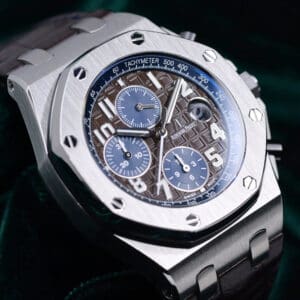
Audemars Piguet Royal Oak Offshore Chronograph "Havana" Brown Dial Blue Subdials Brown Leather Strap Stainless Steel 42mm MINT CONDITION COMPLETE SET 26470ST.OO.A099CR.01
$24,827.00
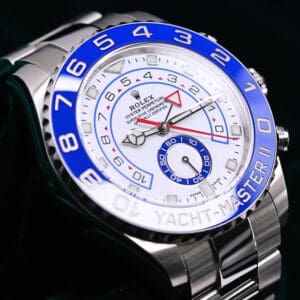
Rolex Yacht-Master II White Dial Blue Ceramic Bezel Oyster Bracelet Stainless Steel 44mm MINT CONDITION COMPLETE SET 116680
$19,409.00
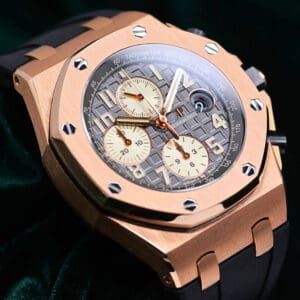
Audemars Piguet Royal Oak Offshore Chronograph “Half Brick” Ruthenium Grey Dial 18K Rose Gold Black Rubber Strap 42mm MINT CONDITION COMPLETE SET 26470OR.OO.A125CR.01
$40,892.00
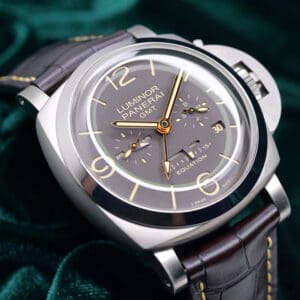
Panerai Luminor 1950 Equation of Time 8 Days GMT Brown Dial Brown Alligator Strap Titanium 47mm MINT CONDITION COMPLETE SET PAM00656
$13,199.00
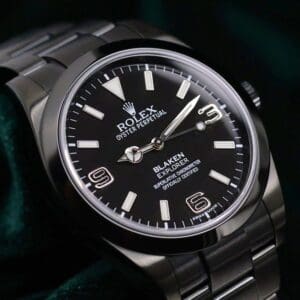
Rolex Explorer Blaken Black Dial Oyster Bracelet DLC Black Stainless Steel 39mm MINT CONDITION COMPLETE SET 214270
$16,000.00
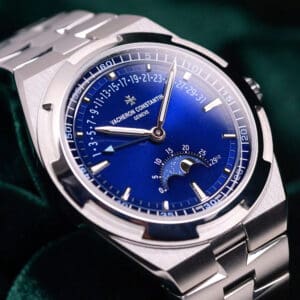
2025 Vacheron Constantin Overseas Moon Phase Retrograde Date Blue Dial Stainless Steel Bracelet 41mm MINT CONDITION COMPLETE SET 4000V/210A-B911
$52,800.00
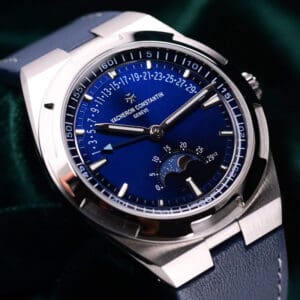
2025 Vacheron Constantin Overseas Moonphase Retrograde Date Blue Dial Blue Leather Strap Stainless Steel 41mm MINT CONDITION COMPLETE SET 4000V/210A-B911
$52,800.00
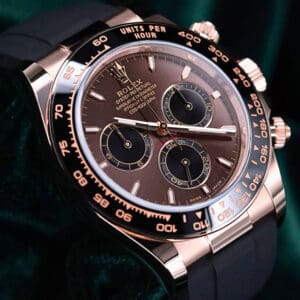
Rolex Cosmograph Daytona Chocolate Brown Dial Black Ceramic Bezel Black Subdials Black Oysterflex 18K Rose Gold 40mm MINT CONDITION 126515LN-0010
$58,396.00
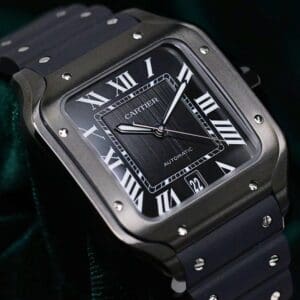
2026 Cartier Santos De Cartier Black Dial Black ADLC Stainless Steel Black Rubber Strap 39.8mm MINT CONDITION COMPLETE SET WSSA0039
$9,849.00