
Walk into an authorized Rolex dealer in 2026 and the Daytona is the watch you put your name down for. The Datejust is the one you can walk out wearing the same day. That single fact tells you most of what separates these two icons in real ownership.
One is a purpose-built sports chronograph shaped by racing heritage. The other is the everyday Rolex that has fit almost any setting since 1945. This guide cuts past the hype and looks at how each watch actually wears, what it costs now, and which one fits the way you live.
By the end you should have a clear sense of which model fits your habits, your style, and your expectations as an owner.
Rolex Daytona Overview
More Daytonas
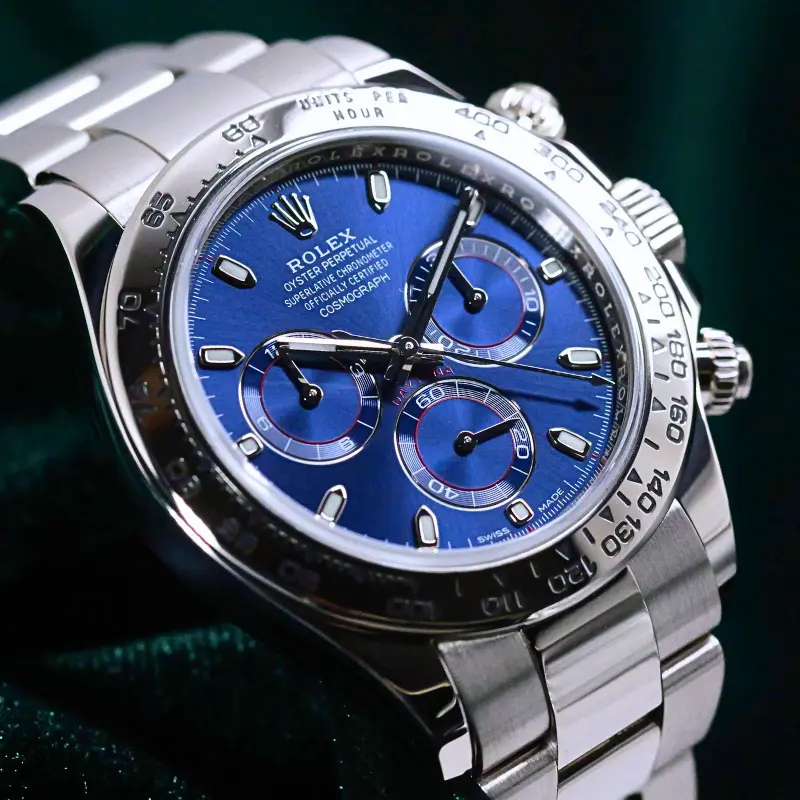
Rolex Daytona Cosmograph “Blue John Mayer” Blue Dial Red Accents 18K White Gold 40mm MINT CONDITION COMPLETE SET 116509
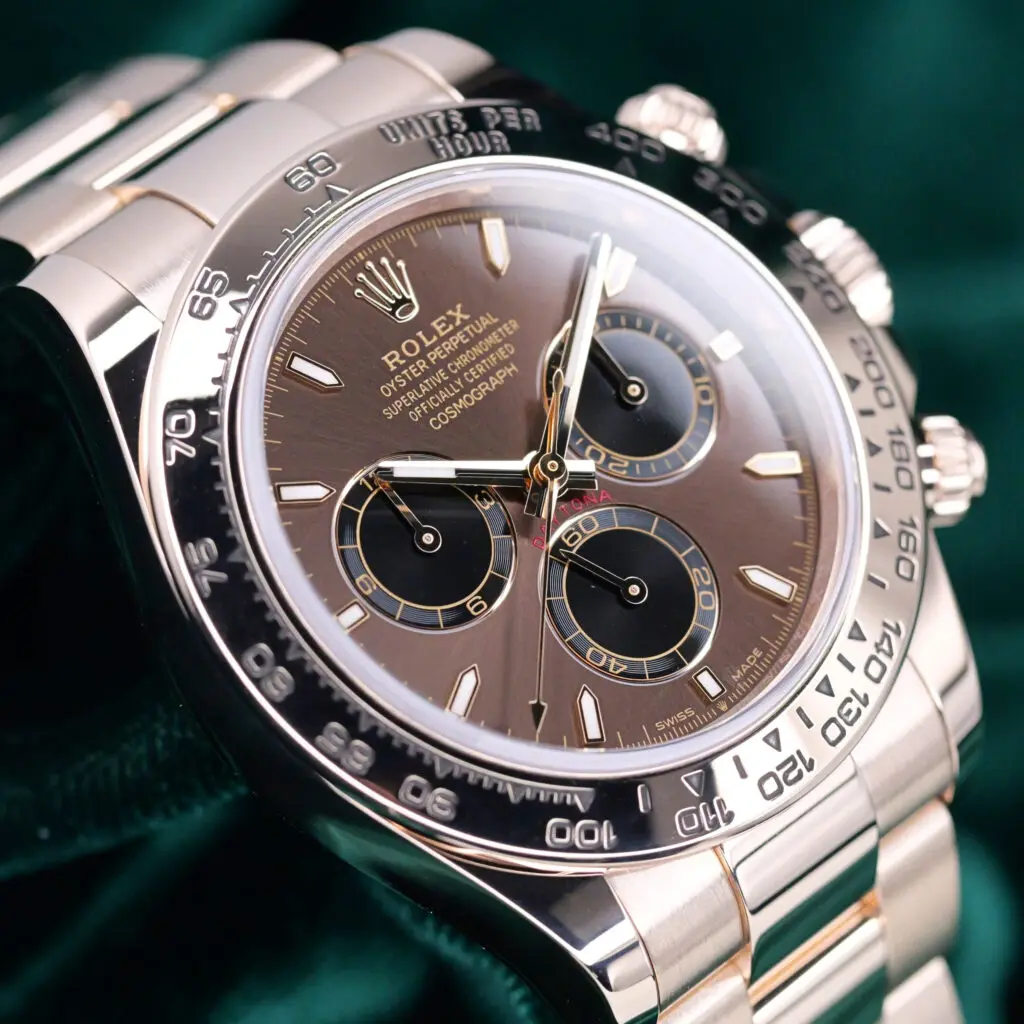
2025 Rolex Cosmograph Daytona Chocolate Brown & Black Dial 18K Everose Gold Oyster 40mm MINT CONDITION COMPLETE SET 126505
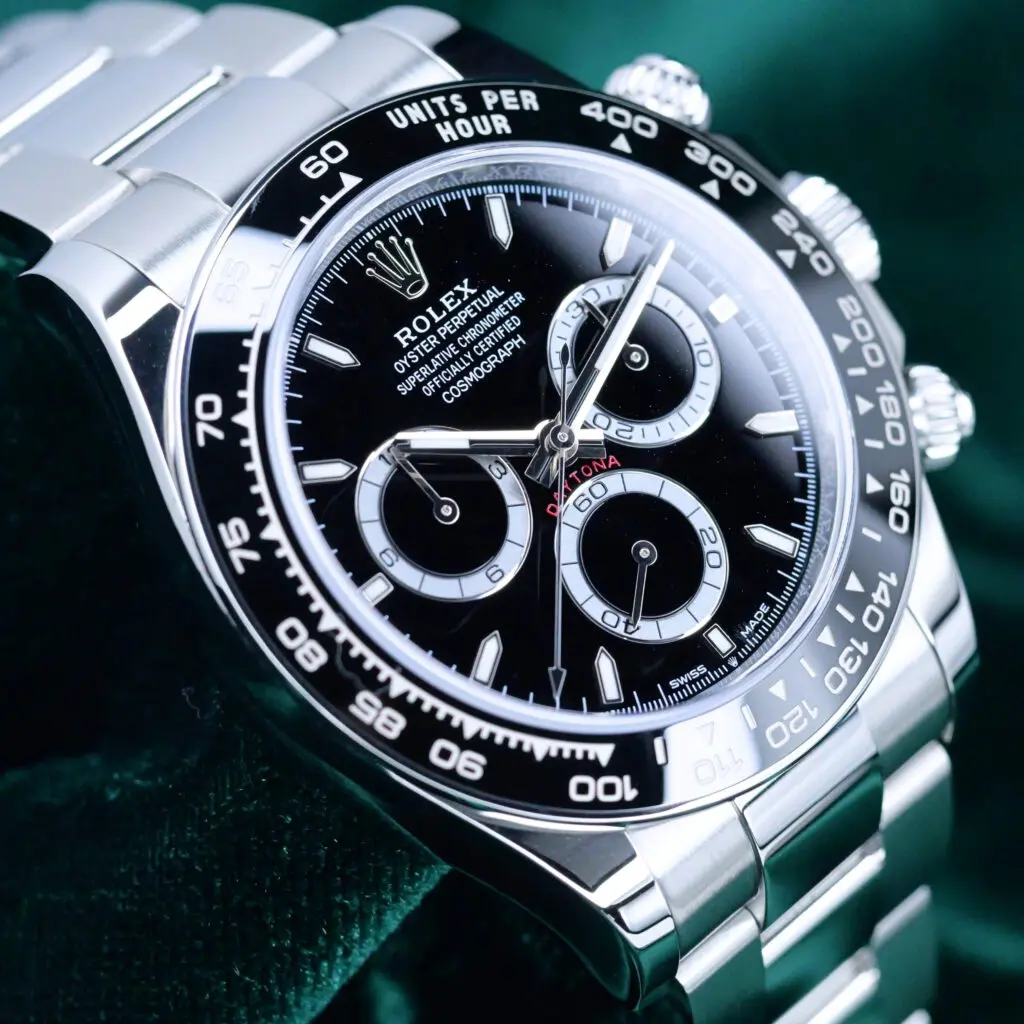
2026 Rolex Cosmograph Daytona Black Dial Black Ceramic Bezel Oyster Bracelet Stainless Steel 40mm MINT CONDITION COMPLETE SET 126500LN
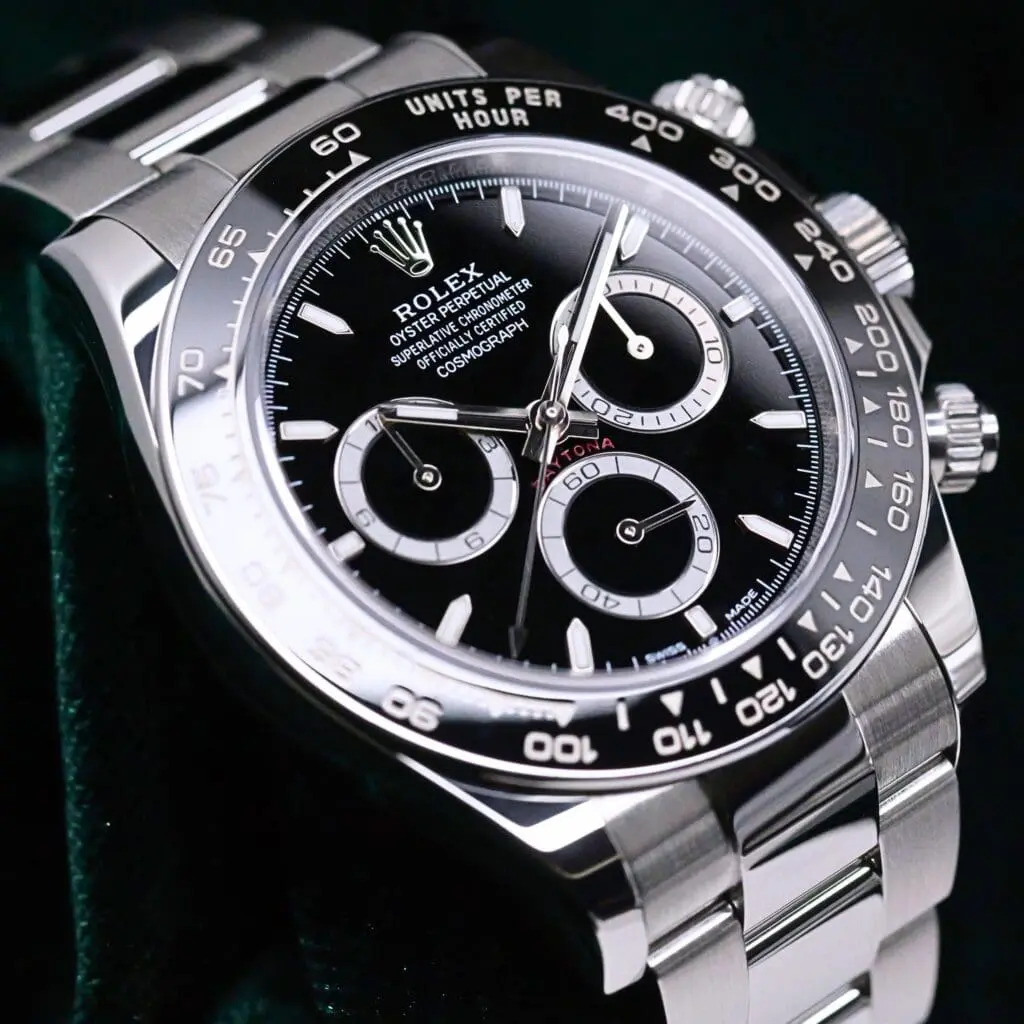
Rolex Cosmograph Daytona "Reverse Panda" Black Dial Black Ceramic Bezel Oyster Bracelet Stainless Steel 40mm MINT CONDITION COMPLETE SET 126500LN
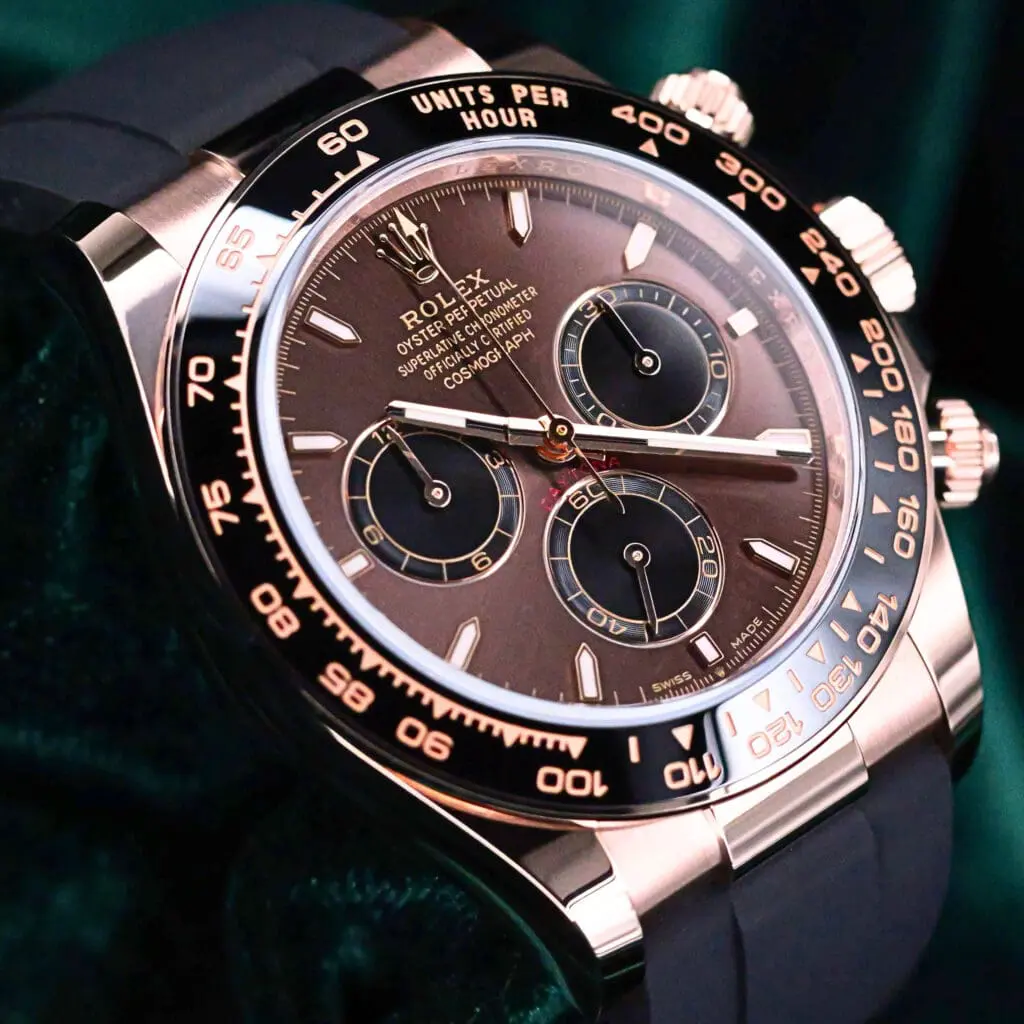
Rolex Cosmograph Daytona 40mm Chocolate Brown Dial Black Ceramic Bezel Black Subdials Black Oysterflex 18K Rose Gold MINT COMPLETE SET 126515LN
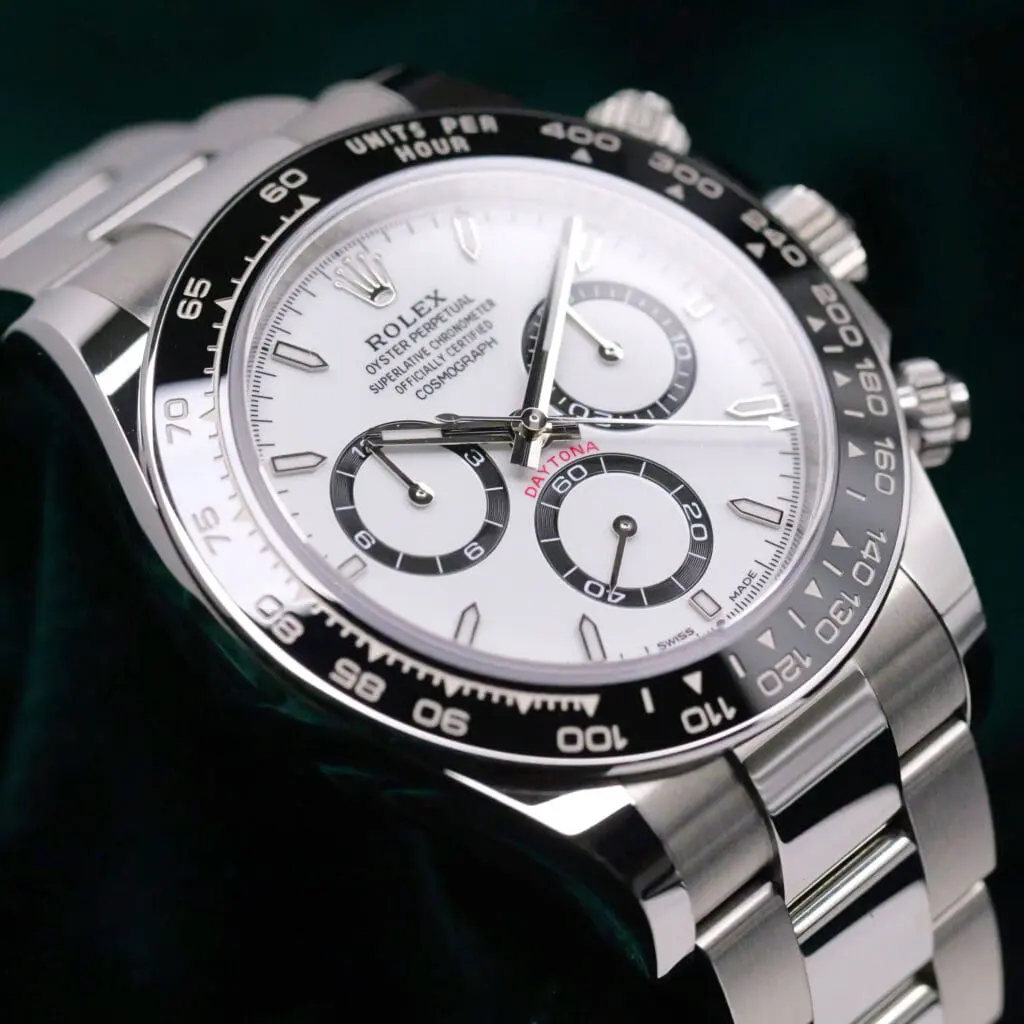
Rolex Daytona Cosmograph "Panda" White Dial Black Ceramic Bezel Oyster Bracelet Stainless Steel 40mm MINT CONDITION COMPLETE SET 126500LN-0001
The Rolex Daytona exists to measure speed and elapsed time. Introduced in the 1960s and named after the Daytona International Speedway, it was built for motorsport use, with a chronograph layout designed for timing laps and events accurately and quickly.
Over time, the Daytona became Rolex’s flagship sport chronograph because it stayed focused on that single purpose while evolving in build quality, reliability, and refinement. The Daytona does one job extremely well, and that focus is a big part of its appeal to collectors and buyers who care how the watch was engineered.
Today, scarcity plays a major role in ownership. Production is limited, demand stays consistently high, and most buyers run into waitlists or grey-market pricing.
According to WatchCharts data as of 2026, the current steel Daytona reference takes a median of only 10 days to sell, faster than 98% of watches on the secondary market. Owning a Daytona often feels deliberate and planned rather than spontaneous.
The full reference breakdown is in the Notable Daytona References section below, and our full Daytona buying guide walks through the lineup in more detail.

Rolex Datejust Overview
More Datejusts
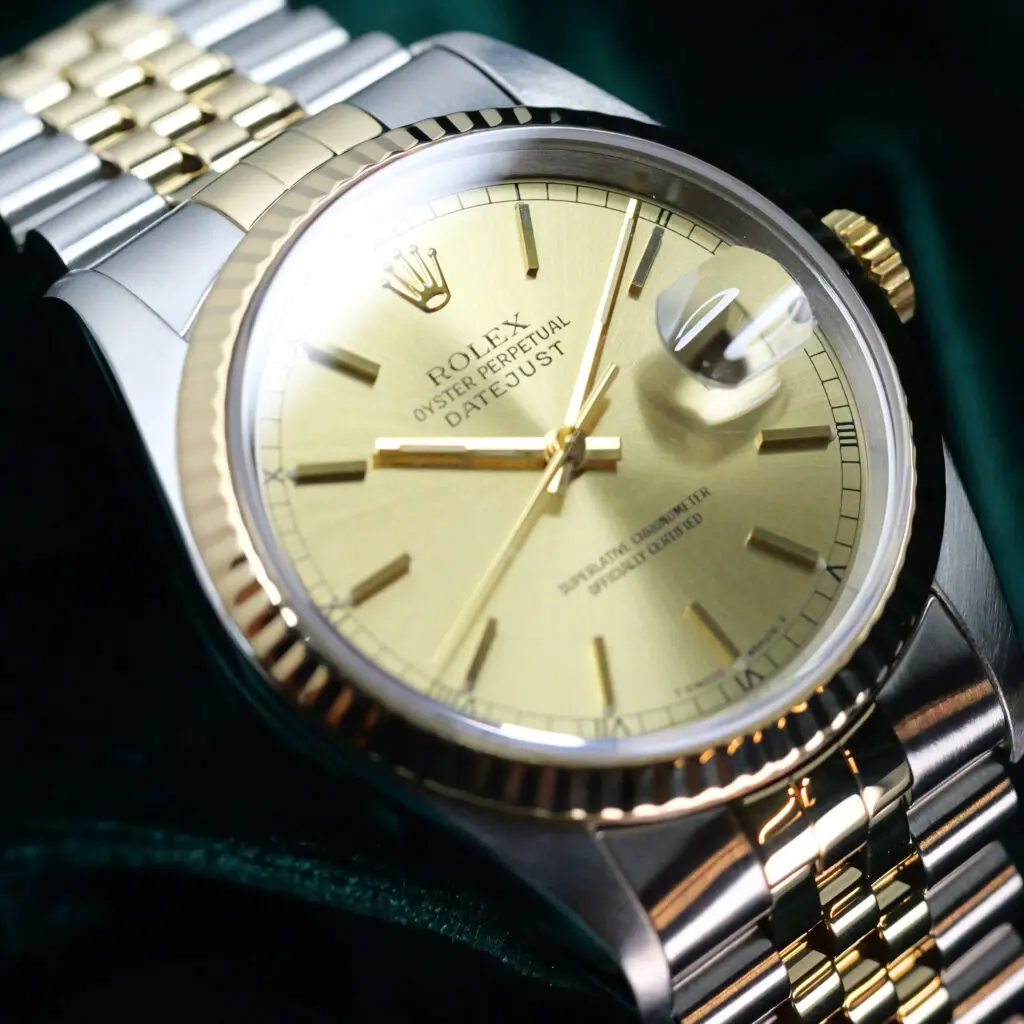
Rolex Datejust Champagne Dial 18K Yellow Gold Fluted Bezel Two-Tone Jubilee Bracelet Stainless Steel 36mm MINT CONDITION COMPLETE SET 16233
Watches
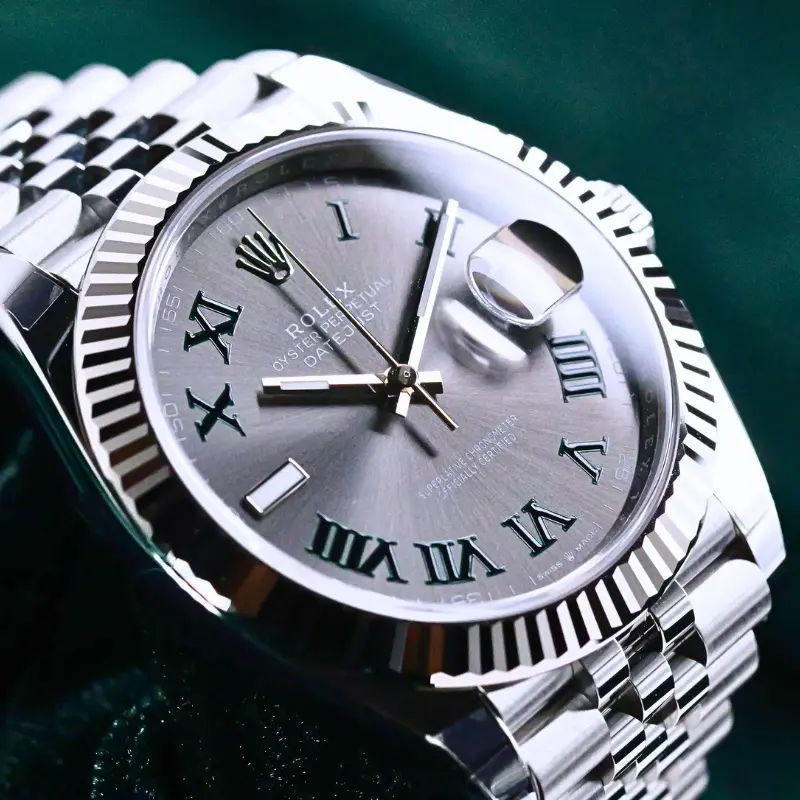
2026 NEW UNWORN Rolex Datejust 41 "Wimbledon" Slate Grey Dial Fluted Bezel Jubilee Bracelet Stainless Steel 18K White Gold 41mm COMPLETE SET 126334-0022
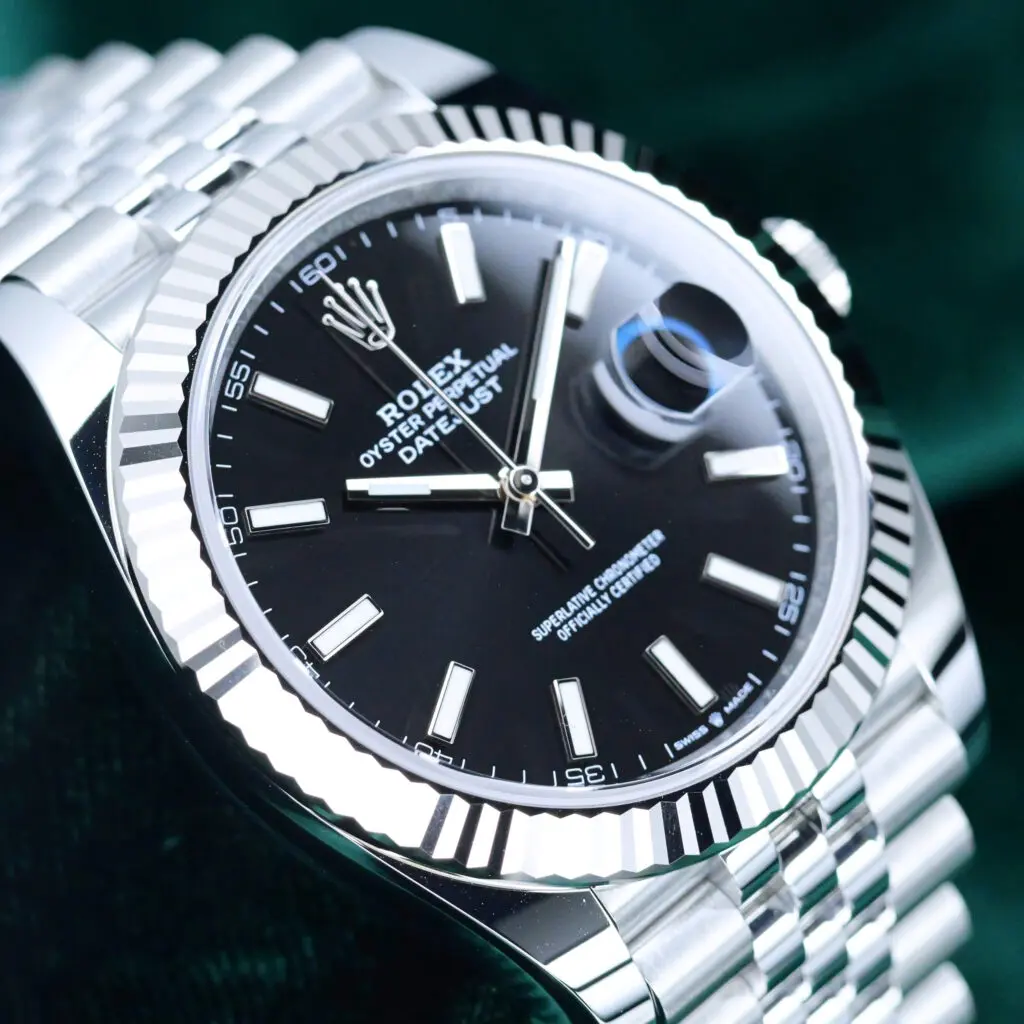
2026 NEW UNWORN Rolex Datejust Black Dial White Gold Fluted Bezel Jubilee Bracelet Stainless Steel 41mm COMPLETE SET 126334
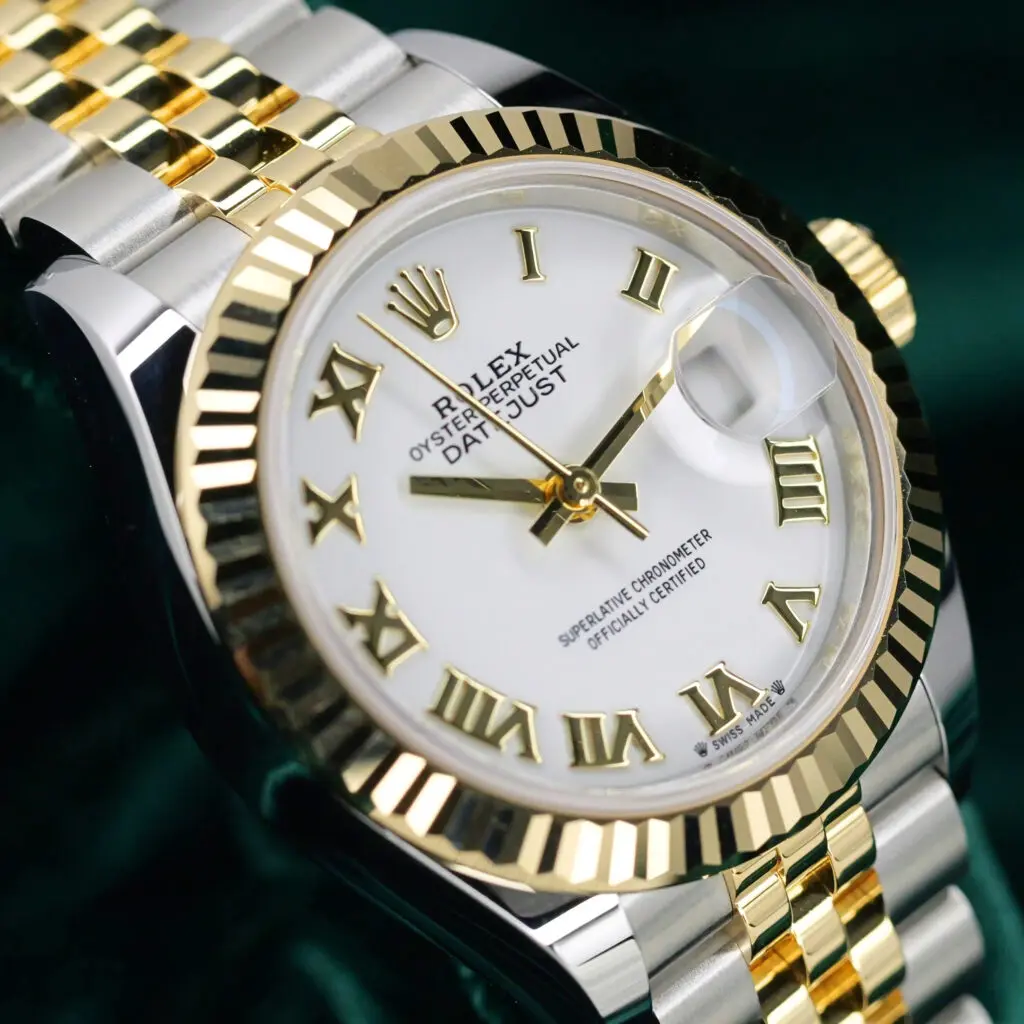
2026 NEW UNWORN Rolex Lady-Datejust White Roman Dial 18K Yellow Gold Fluted Bezel Jubilee Bracelet Stainless Steel Yellow Gold 28mm COMPLETE SET 279173
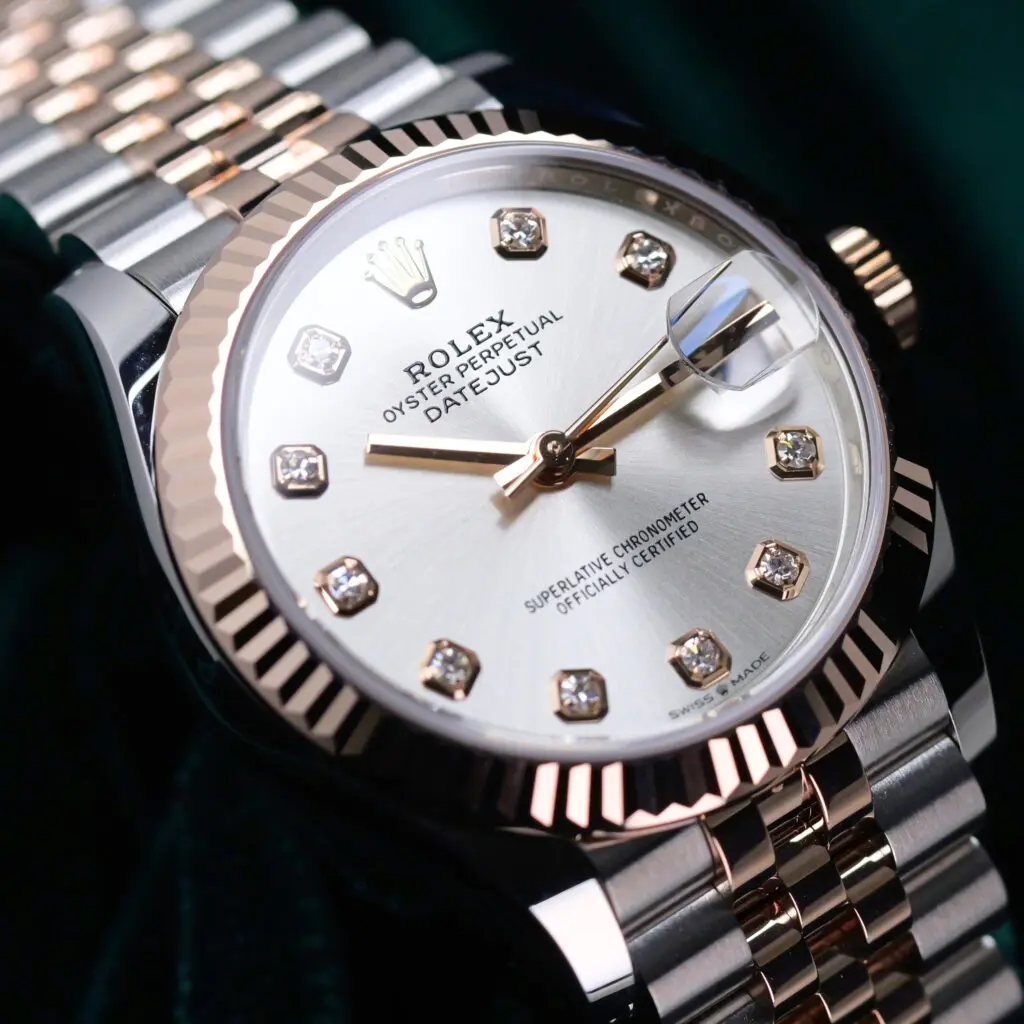
2026 NEW UNWORN Rolex Datejust 31 Silver Diamond Dial Fluted Bezel Jubilee Two-Tone 18K Rose Gold 31mm COMPLETE SET 278271-0016

Rolex Datejust 36 Aftermarket Mother of Pearl Diamond Dial Aftermarket Diamond Bezel Jubilee Two-Tone 18k Yellow Gold 36mm MINT CONDITION 16233
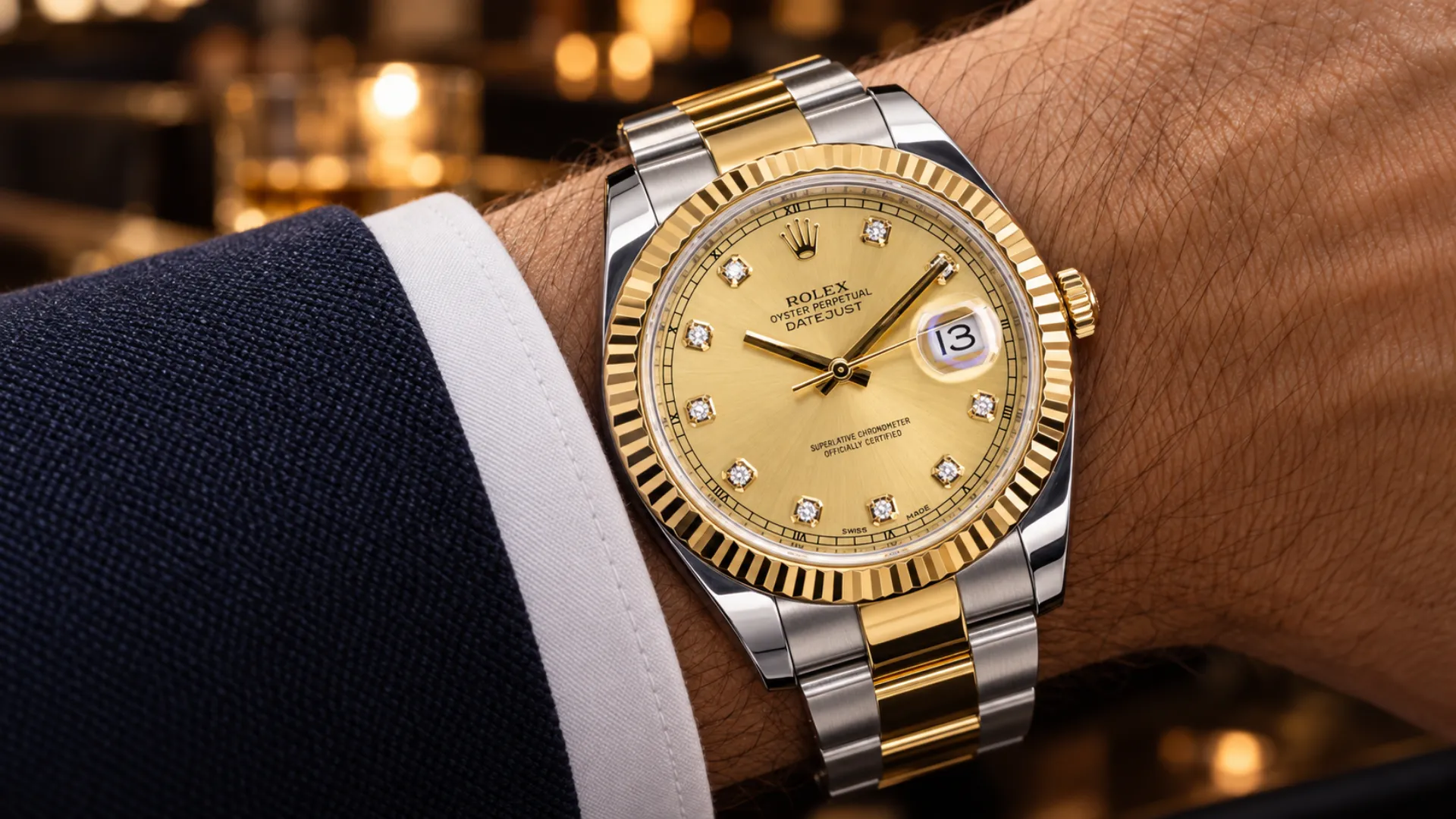
The Rolex Datejust represents the core of daily Rolex ownership. Introduced in 1945 as the first self-winding wristwatch with an automatically changing date, it was designed to be worn every day, in real life, across work, travel, and social settings.
The Datejust is considered Rolex’s most versatile model because it avoids extremes. It isn’t built around a single professional use, and it doesn’t demand a specific lifestyle. Instead, it balances legibility, comfort, and refinement in a way that works in almost any situation.
That flexibility is reinforced by the sheer range of options available. The Datejust comes in multiple case sizes, metals, bezel styles, bracelets, and dial colors. Buyers can pick a configuration that feels personal, whether they want something sporty, classic, understated, or slightly dressier, without stepping outside the Datejust identity.
The full reference breakdown is in the Notable Datejust References section below, and our Datejust buying guide walks through the references and dial options in more detail.
Rolex 2026 Updates That Affect This Comparison
Both lines saw real movement in 2026 that changes how a buyer should think about the choice today.
Rolex raised retail prices in January 2026. The steel Daytona 126500LN moved from $16,000 to $16,900 (a 5.6% increase). The Datejust 41 fluted (126334) moved up roughly 4.8% to $11,650 in the US. Two-tone Rolesor configurations saw 4.5–6% bumps. Gold-heavy references jumped harder because gold material costs surged. The full 2026 Rolex pricing breakdown covers every collection.
The Daytona is now the 126500LN, not the 116500LN. Rolex replaced the 116500LN in 2023 with the 126500LN, which runs the new in-house Caliber 4131 with Chronergy escapement and a 72-hour power reserve. If you walk into an authorized dealer today, this is the current ceramic Daytona. The 116500LN is now a pre-owned-only reference and trades roughly $3,000 below the 126500LN.
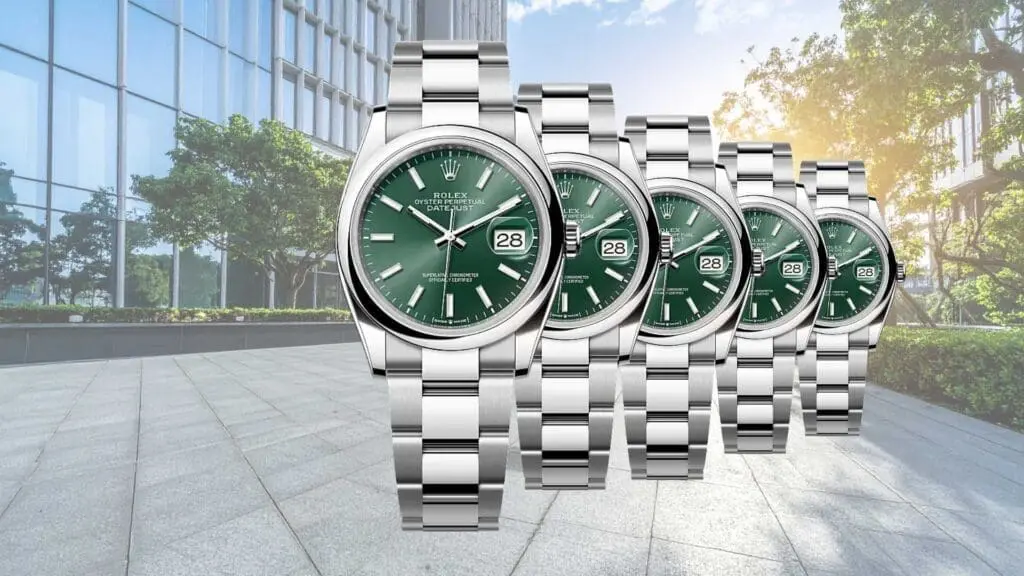
The Datejust 41 got new dials at Watches and Wonders 2026. Rolex introduced seven new Datejust 41 dial options for 2026, including mint green, slate, chocolate, rosé, bright black, white, and a green lacquer ombré dial that has been one of the most talked-about releases of the year. The watch itself is unchanged, but the dial range is now significantly broader.
Rolex also surprised the market with a Rolesium Daytona (126502). Released as an “Exceptional Watches” piece at Watches and Wonders 2026, this off-catalog Daytona combines Oystersteel with platinum components.
It’s allocated through boutiques and isn’t part of the standard catalog, so it doesn’t change the everyday Daytona buying picture. It does signal where Rolex is pushing the line.
How the Daytona and Datejust Compare
The Rolex Daytona and the Rolex Datejust are built around very different ideas. This is not about which Rolex is better. It’s about sport chronograph versus everyday luxury, and how those priorities shape real ownership.
Purpose and Function
The Daytona is designed for timing events. Its chronograph measures elapsed seconds, minutes, and hours, supported by a tachymeter bezel originally meant for motorsport use. Everything about it serves that timing role.
The Datejust keeps things simple. It tells the time and displays the date clearly. There’s no added function to manage, reset, or think about, which is exactly why many owners find it easier to live with every day.
Case Design and Wrist Presence
The Daytona has a sporty, technical 40mm case with pushers, crown guards, and added thickness from the chronograph movement. It wears more substantial and visually dense, especially on the wrist.
The Datejust is slimmer and more balanced. Its case design is cleaner, with smoother lines that sit flatter under a cuff. The Datejust comes in 36mm and 41mm options, so buyers can pick the proportion that suits their wrist and routine.

Dial Layout and Readability
The Daytona dial is busy by design. Three sub-dials, applied markers, and a tachymeter bezel all compete for attention. Once you’re familiar with it, it’s functional, but it asks more from the wearer at a glance.
The Datejust focuses on clarity. Time and date are immediately readable, with fewer visual elements to process. That simplicity is a big reason it works so well as a daily watch.
Materials and Customization
The Daytona lineup is tightly controlled. Fewer dial colors, limited material combinations, and small changes across generations mean less room for personalization.
The Datejust offers far more flexibility. Buyers can choose from different sizes, metals, bezels, bracelets, and dials, making it easier to find a version that matches personal style without leaving the model line. The 2026 dial additions widened that range further.
Wearability and Daily Comfort
Over long wear, the Daytona feels more purposeful but also more present. The case height and pushers can be noticeable during desk work or constant movement.
The Datejust is designed to disappear on the wrist. It’s lighter in feel, easier to forget you’re wearing, and less intrusive during everyday tasks, which matters if the watch stays on from morning to night.
Pricing and Market Demand
According to WatchCharts data as of 2026, the current steel Daytona 126500LN typically trades between $28,000 and $34,000 on the secondary market, with the Panda dial commanding a 20–30% premium over the black dial. That’s a 30–48% premium over the $16,900 US retail. Precious-metal references go far higher: the platinum 126506 sits in six-figure territory.
The gap between authorized dealer and grey market pricing is worth understanding before you commit either way.
The Datejust behaves very differently. The Datejust 41 fluted (126334) currently trades around $13,500 to $19,500 depending on dial and bracelet, against a US retail of $11,650. That’s a more modest 15–25% premium over retail.
Many configurations are available at authorized dealers, and secondary prices tend to move gradually rather than spike. Vintage steel references like the 1601 start around $4,700.
In ownership terms, the Daytona is scarcity-driven and timing-sensitive, while the Datejust is availability-driven and easier to enter. One rewards patience and planning. The other rewards flexibility and choice.
Notable Rolex Daytona References
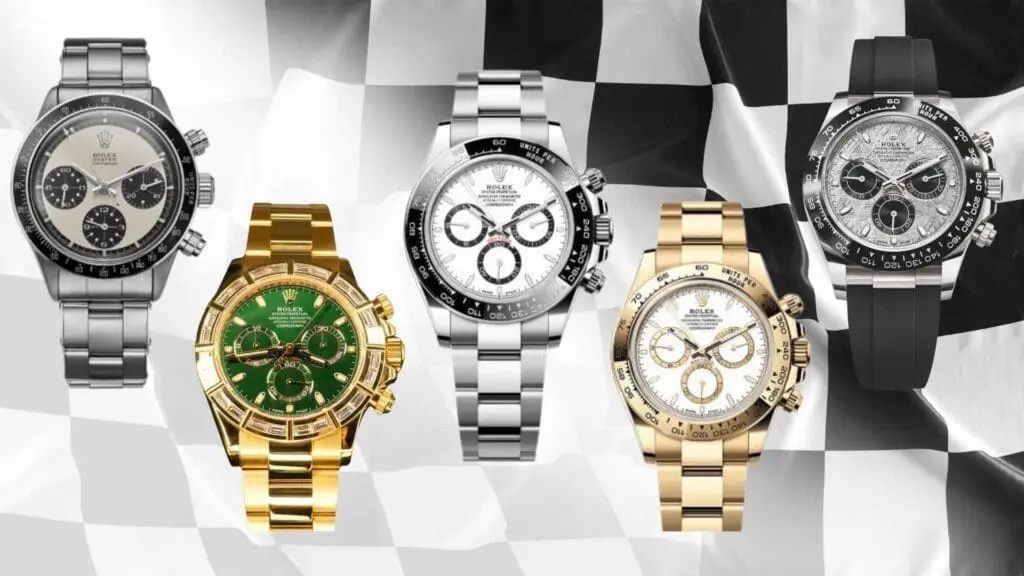
The Daytona story is easiest to understand one reference at a time. A handful of models set the tone for entire generations, and they’re the ones that still drive collector attention, market pricing, and long-term desirability.
If you’re tracking the Daytona market, these are the references people watch most closely.
1. Rolex Daytona Ref. 6239: Paul Newman
Ref. 6239 is one of the earliest Daytonas from the 1960s, and it later became famous for a specific “exotic” dial style now called the Paul Newman. It wasn’t a runaway hit when it was new, but years later, once vintage Rolex collecting took off, this reference became a centerpiece model.
Key Specs:
- Case: 37mm stainless steel
- Bezel: Steel tachymeter bezel
- Movement: Manual-wind chronograph
- Dial: Standard or “exotic” Paul Newman dial
- Approx. Market Price: $120,000–$500,000+ (dial dependent)

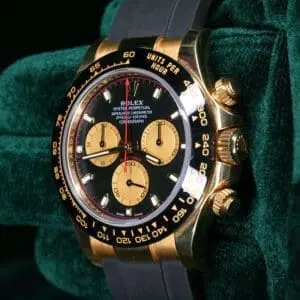
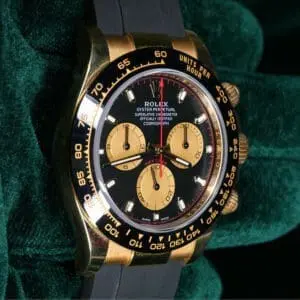
2. Rolex Daytona Ref. 6263: Big Red
Ref. 6263 stands out as a major vintage step forward thanks to screw-down chronograph pushers and a bold acrylic bezel. The Big Red nickname comes from the large red “Daytona” text on the dial, which makes it one of the most instantly recognizable old-school Daytonas.
Key Specs:
- Case: 37mm stainless steel
- Bezel: Black acrylic tachymeter
- Movement: Manual-wind chronograph
- Dial: Large red “Daytona” text
- Approx. Market Price: $90,000–$200,000+
3. Rolex Daytona Ref. 16520: Zenith Daytona
Ref. 16520 marks the shift into the automatic Daytona era. Rolex heavily reworked the Zenith El Primero base movement, and collectors like this reference because it sits in a clear transition period with meaningful dial and production variations across its run.
Key Specs:
- Case: 40mm stainless steel
- Bezel: Steel tachymeter bezel
- Movement: Modified Zenith El Primero automatic
- Dial: Gloss or matte variants
- Approx. Market Price: $25,000–$35,000
4. Rolex Daytona Ref. 116500LN: Ceramic Daytona, Previous Generation
Ref. 116500LN is the model that defined the modern steel Daytona craze. The Cerachrom bezel, clean proportions, and in-house Caliber 4130 made it the watch many buyers chased specifically as “the” Daytona, with demand that stayed ahead of supply for the full decade it was in production.
Rolex replaced it in 2023, so it’s now pre-owned-only and trades around $3,000 below the current 126500LN.
Key Specs:
- Case: 40mm stainless steel
- Bezel: Black ceramic (Cerachrom)
- Movement: Caliber 4130 in-house automatic chronograph
- Dial: Black or white (“Panda”)
- Approx. Market Price: $24,000–$28,000


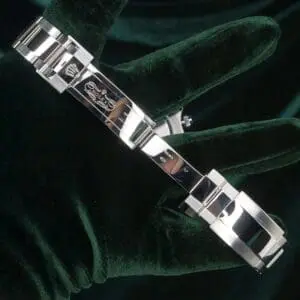

5. Rolex Daytona Ref. 126500LN: Current Steel Ceramic Daytona
Ref. 126500LN replaced the 116500LN in 2023 and is the steel Daytona you’ll actually be quoted at an authorized dealer today. The case profile is almost identical, but Rolex moved to the new Caliber 4131 with Chronergy escapement, slightly slimmer subdials, and a redesigned bezel.
If you want context on how Rolex’s modern in-house movements work, the technical side is its own conversation. The Panda dial variant trades at a 20–30% premium over the black dial on the secondary market.
Key Specs:
- Case: 40mm stainless steel
- Bezel: Black ceramic (Cerachrom)
- Movement: Caliber 4131 in-house automatic chronograph, 72-hour power reserve
- Dial: Black or white (“Panda”)
- Retail: $16,900 US (as of 2026)
- Approx. Market Price: $28,000–$34,000
6. Rolex Daytona Ref. 126506: Current Platinum Daytona
Ref. 126506 replaced the 116506 in 2023 for the Daytona’s 60th anniversary. It keeps the ice-blue dial and chestnut brown Cerachrom bezel reserved for platinum Daytonas, but adds a transparent sapphire caseback (a first for a Rolex sport watch) and the new Caliber 4131. Subdial proportions are slightly refined and the index markers are thinner.
If you’re cross-shopping precious-metal options, our white gold vs platinum comparison covers how the two metals actually wear day to day.
Key Specs:
- Case: 40mm platinum
- Bezel: Chestnut brown ceramic
- Movement: Caliber 4131 in-house automatic chronograph
- Dial: Ice blue with chestnut subdials
- Caseback: Transparent sapphire (first in a Rolex sport watch)
Notable Rolex Datejust References
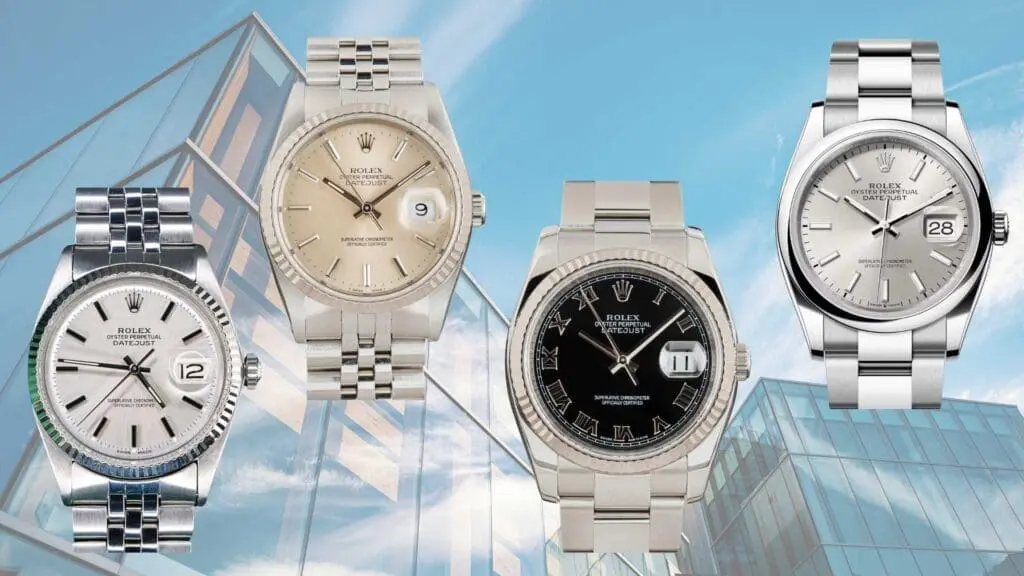
Like the Daytona, the Datejust’s story is best understood reference by reference. Instead of defining eras through scarcity or racing history, key Datejust models show how Rolex refined its everyday watch across generations through materials, proportions, and subtle technical updates.
These are the references buyers and collectors most often compare and track.
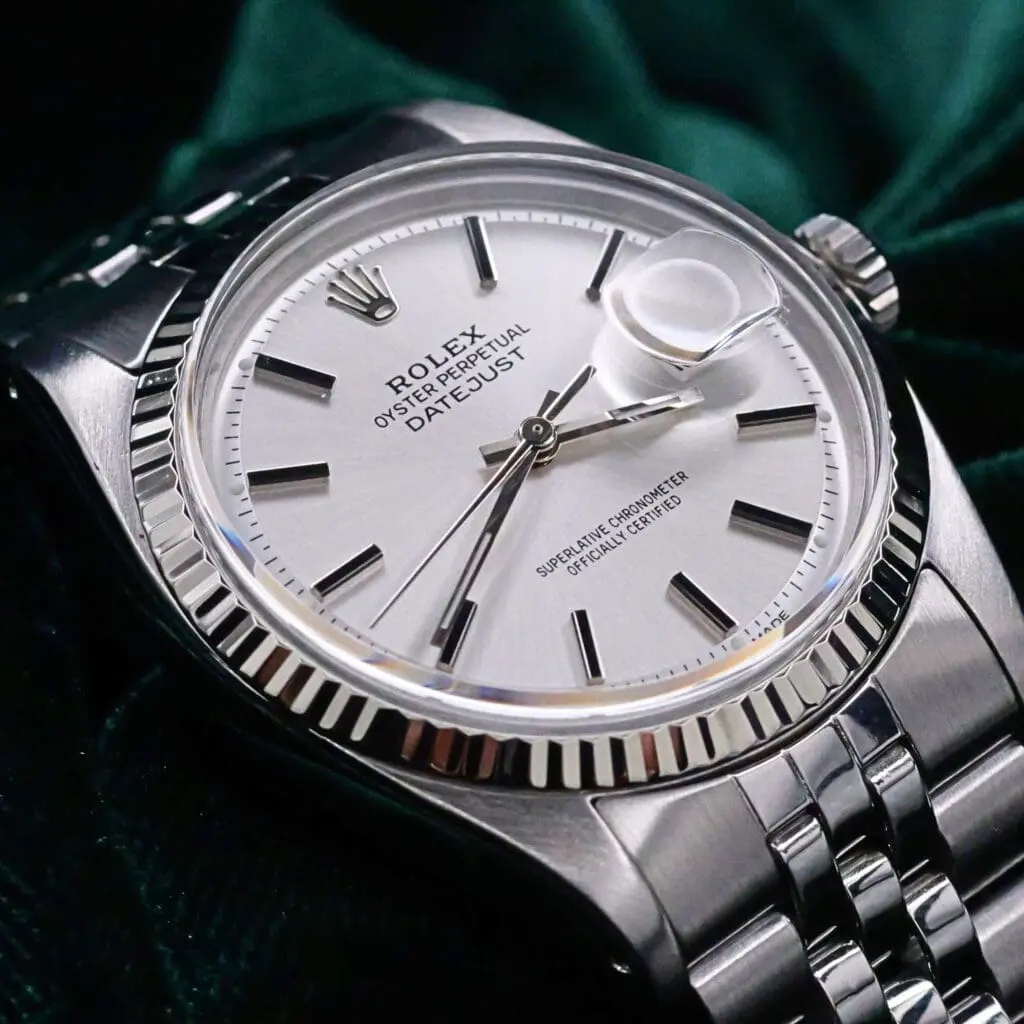
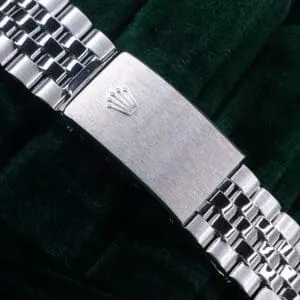
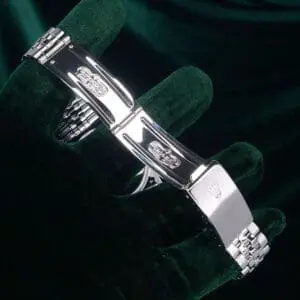
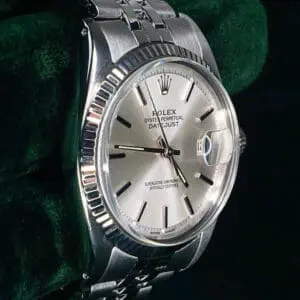
1. Rolex Datejust Ref. 1601: Vintage Fluted Bezel Datejust
Ref. 1601 is one of the most recognizable vintage Datejust references and helped establish the model’s classic identity. Its fluted bezel and acrylic crystal define the traditional Datejust look that many collectors still associate with mid-century Rolex design.
Key Specs:
- Case: 36mm stainless steel
- Bezel: White gold fluted
- Movement: Automatic date movement (Caliber 1570 in later production)
- Dial: Wide range of classic colors
- Approx. Market Price: $4,700–$7,000

2. Rolex Datejust Ref. 16234: Sapphire Crystal Transition Era
Ref. 16234 represents a key transition into more modern construction. The move to a sapphire crystal improved durability, while the overall design stayed close to the vintage formula. This reference is popular with buyers who want classic looks with fewer compromises on daily wearability.
Key Specs:
- Case: 36mm stainless steel
- Bezel: White gold fluted
- Movement: Caliber 3135 automatic date movement
- Dial: Stick and Roman numeral options
- Approx. Market Price: $5,500–$8,000
3. Rolex Datejust Ref. 116234: Modern 36mm Datejust
Ref. 116234 brought the Datejust firmly into the modern era with updated finishing and bracelet quality, while keeping the traditional 36mm size. It’s often seen as the bridge between vintage proportions and modern Rolex build standards.
Key Specs:
- Case: 36mm stainless steel
- Bezel: White gold fluted
- Movement: Caliber 3135 automatic date movement
- Dial: Broad selection of modern finishes
- Approx. Market Price: $7,000–$9,500
4. Rolex Datejust Ref. 126200: Smooth Bezel Daily Wearer
Ref. 126200 focuses on simplicity and wearability. With a smooth bezel and clean lines, it appeals to buyers who want a more understated Datejust that leans sporty and practical for daily use. It runs the newer Caliber 3235 with a 70-hour power reserve.
Key Specs:
- Case: 36mm stainless steel
- Bezel: Smooth steel
- Movement: Caliber 3235 in-house automatic, 70-hour power reserve
- Dial: Minimalist modern options
- Approx. Market Price: $9,000–$11,500
5. Rolex Datejust Ref. 126300: Datejust 41 Smooth
Ref. 126300 is the smooth-bezel version of the modern Datejust 41. It pairs the 41mm case with a clean steel bezel and the in-house Caliber 3235, which makes it the most understated way to wear a current Datejust 41. Buyers who like the larger case but want to dial back the dressy fluted-bezel look usually land here.
Key Specs:
- Case: 41mm stainless steel
- Bezel: Smooth steel
- Movement: Caliber 3235 in-house automatic, 70-hour power reserve
- Dial: Wide range of modern dial options, including Wimbledon
- Approx. Market Price: $9,500–$12,000
6. Rolex Datejust Ref. 126334: Datejust 41 Fluted, the “Classic DJ41”
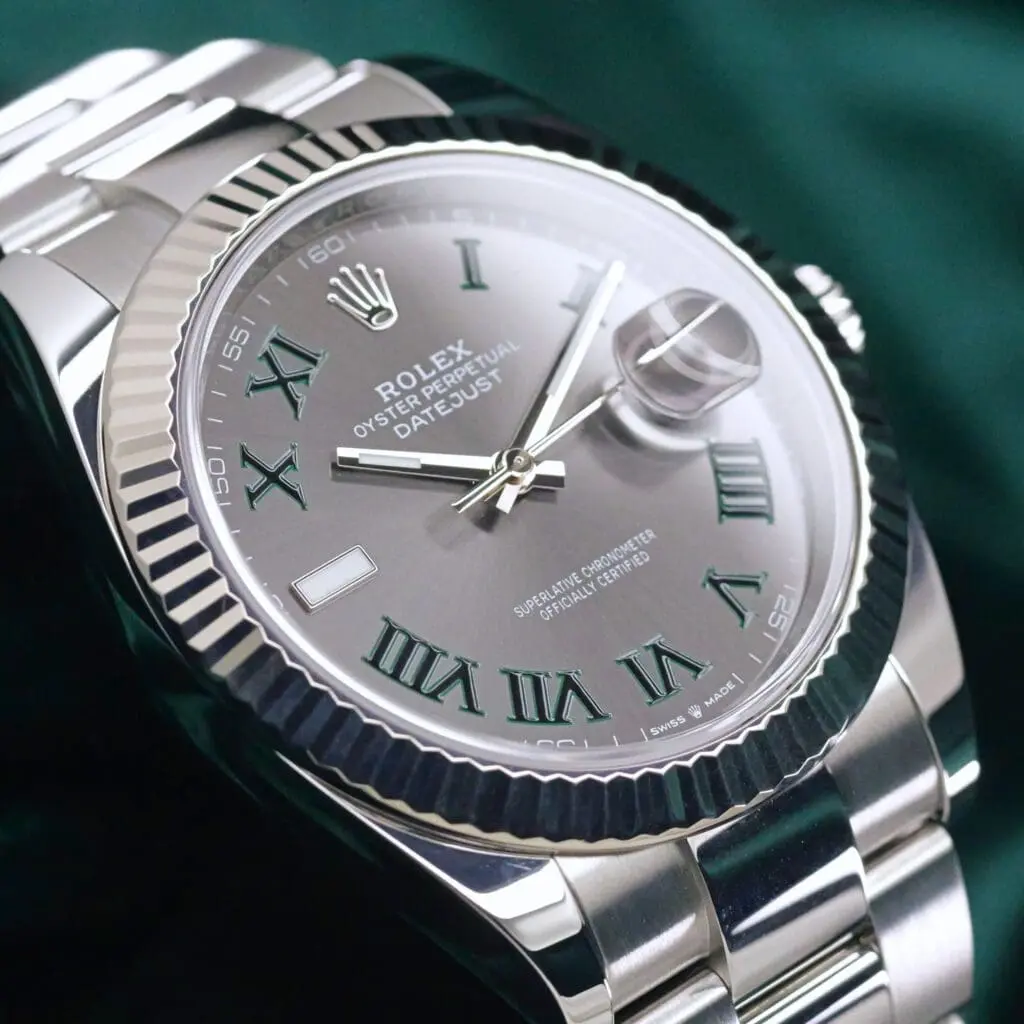
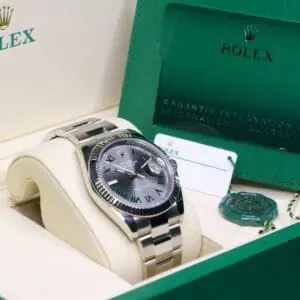
Ref. 126334 is the single most popular Datejust reference on the pre-owned market. Introduced in 2017, it brought the Datejust into the larger 41mm format while keeping the fluted white gold bezel.
WatchCharts data shows it has appreciated 27.3% over the past five years, the strongest of any current-production Datejust, which puts it on most lists of Rolex references that hold value best. The 2026 lineup added seven new dial options for this reference, including the green lacquer ombré and mint green that have driven heavy interest at Watches and Wonders 2026.
Key Specs:
- Case: 41mm stainless steel
- Bezel: White gold fluted
- Movement: Caliber 3235 in-house automatic, 70-hour power reserve
- Dial: Wide range, including new 2026 colors
- Retail: $11,650 US (as of 2026)
- Approx. Market Price: $13,500–$19,500
Should You Buy the Daytona or the Datejust?
The Daytona makes sense if you’re buying for sport-watch presence or collector reasons. The Datejust makes sense if you want one Rolex that works everywhere.
The two watches reward very different habits and expectations. Choosing between them depends on how you plan to live with the watch.
Choose the Daytona if:
- You want a sports Rolex built around a chronograph function
- You’re comfortable waiting at retail or paying a 30–48% market premium to get the current 126500LN
- You prefer a bold, performance-focused design that feels purposeful on the wrist
- You’re buying for collector reasons as much as for daily wear
Choose the Datejust if:
- You want one Rolex that works from daily wear to formal settings
- You value comfort, flexibility, and the ability to choose from many configurations
- You prefer straightforward ownership with easier retail access and steadier pricing
- You want a watch that disappears under a cuff and works in any setting
If you’re drawn to timing events and owning one of Rolex’s most in-demand sport watches, the Daytona makes sense. If you want a Rolex that fits seamlessly into everyday life with fewer compromises, the Datejust is the more practical choice. If you’re also weighing a sport Rolex on a bracelet, our Daytona vs Submariner breakdown covers that comparison separately.
Where to Buy a Daytona or Datejust Online
There are a handful of legitimate online channels for buying a Daytona or Datejust. Chrono24 is the largest aggregator of pre-owned and unworn Rolex listings worldwide, with seller verification and an escrow option that holds payment until the buyer confirms the watch. If you’re buying through it, what to watch for on Chrono24 is worth reading first.
eBay’s Authenticity Guarantee program routes Rolex purchases through a physical authentication step before the watch ships, which has made it a more credible option than it used to be.
Grailzee runs auction-format sales for vetted watches and gives you a clear bid history.
Independent grey-market dealers and watch forums sit alongside these as a category, though quality varies sharply and the dealer relationship matters more than the platform.
We also sell, buy, and trade luxury watches, and the reason clients choose us over a big marketplace usually comes down to layered communication before you commit.
999+ Timepieces Available
Explore Our Timepieces
Authenticated, unworn, and ready to ship worldwide.
Rolex · Audemars Piguet · Patek Philippe · Omega · Cartier · Richard Mille · Hublot · Tudor
Newly Listed

Vacheron Constantin Overseas Perpetual Calendar Ultra-Thin Silver Dial 18K Rose Gold Bracelet 41.5mm MINT CONDITION COMPLETE SET 4300V/120R-B064
$115,385.00
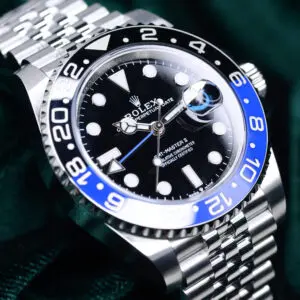
2026 Rolex GMT-Master II “Batgirl” Black Dial Blue Black Ceramic Bezel Jubilee Bracelet Stainless Steel 40mm MINT CONDITION COMPLETE SET 126710BLNR
$22,034.00
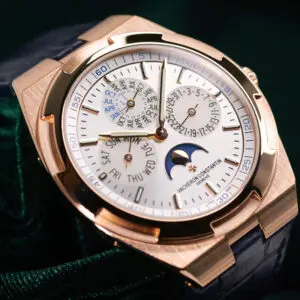
Vacheron Constantin Overseas Perpetual Calendar Ultra-Thin Silver Dial Blue Leather Strap 18K Rose Gold 41.5mm MINT CONDITION COMPLETE SET 4300V/120R-B064
$115,385.00
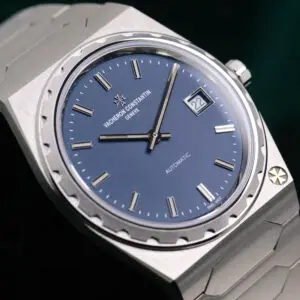
2026 NEW UNWORN Vacheron Constantin Historiques 222 Blue Dial Stainless Steel 37mm COMPLETE SET 4200H/222A-B934
$58,795.00
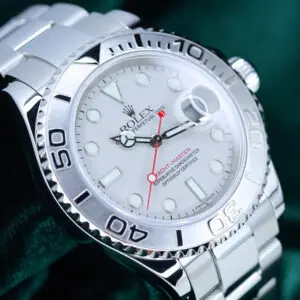
Rolex Yacht-Master Rolesium Platinum Dial Platinum Bezel Oyster Stainless Steel 40mm MINT CONDITION COMPLETE SET 16622
$14,690.00

Audemars Piguet Royal Oak Offshore Chronograph “Vampire” Black Dial Red Accents Black Ceramic Bezel Stainless Steel 42mm MINT CONDITION 26470SO.OO.A002CA.01
$34,649.00
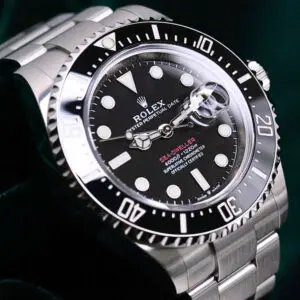
Rolex Sea-Dweller "Red Letter" Black Dial Black Cerachrom Bezel Oyster Bracelet Stainless Steel 43mm MINT CONDITION COMPLETE SET 126600
$13,120.00
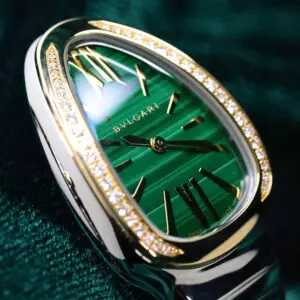
2026 NEW UNWORN Bvlgari Serpenti Tubogas Studs Capsule Limited Edition Green Dial Diamond Bezel Steel & 18k Yellow Gold 35mm COMPLETE SET 104360
$24,255.00
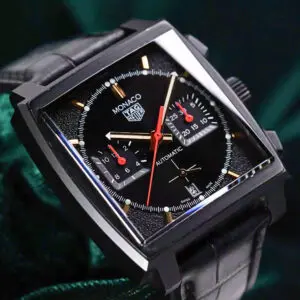
Tag Heuer Monaco Chronograph “Dark Lord” Special Edition Black Dial Black Leather Strap DLC Titanium 39mm MINT CONDITION COMPLETE SET CBL2180.FC6497
$8,135.00
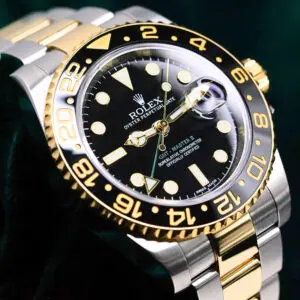
Rolex GMT-Master II “Green Arrow” Black Dial Black Ceramic Bezel Oyster Bracelet Two-Tone 18K Yellow Gold Stainless Steel 40mm MINT CONDITION COMPLETE SET 116713LN
$15,740.00
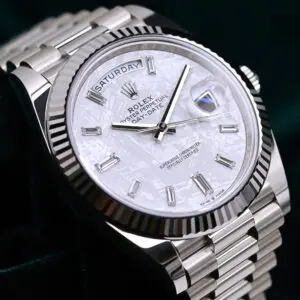
Rolex Day-Date Meteorite Baguette Diamond Dial Fluted Bezel President 18K White Gold 40mm MINT CONDITION COMPLETE SET 228239
$78,629.00
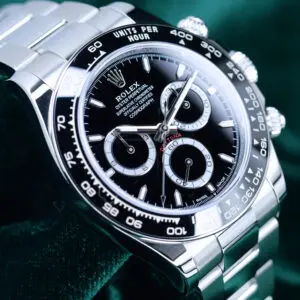
2026 Rolex Cosmograph Daytona Black Dial Black Ceramic Bezel Oyster Bracelet Stainless Steel 40mm MINT CONDITION COMPLETE SET 126500LN
$33,594.00
Before you decide on a Daytona or Datejust from us, we send you tour videos of the actual watch (not stock photos), detailed condition notes, and direct conversation with someone who has inspected the piece in person. You’re not buying blind off a listing.
That’s reflected in our 4.9-star Google rating, which comes from clients who appreciate having a real person walk them through the watch before the wire hits.
If you want that kind of walkthrough on a specific Daytona or Datejust reference, reach out and we’ll line up a few options that match what you’re looking for. If you’re already locked on a specific reference, we can also help you source a specific Daytona or Datejust that isn’t sitting in our current inventory.
Final Thoughts on Daytona vs Datejust
Choosing between the Daytona and the Datejust is less about features and more about mindset. The Daytona appeals to buyers who enjoy owning something deliberate and harder to obtain. The Datejust approaches ownership from the opposite direction. It blends into daily life without demanding attention, while still feeling unmistakably Rolex.
Two practical tips before you commit. If you go Daytona, factor in that the 126500LN’s secondary premium has held above 30% over retail throughout 2026, so unless you have an authorized dealer relationship, plan for the grey market price.
If you go Datejust, the 41mm fluted (126334) holds value better than any other current Datejust reference, so it’s the safer pick if resale matters to you down the road.
The right choice is the one that matches how you want the watch to fit into your routine, your wardrobe, and your everyday life. If you’re still mapping the broader Rolex catalog before committing, our broader Rolex buying guide walks through where every model sits.