
The cheapest current Datejust 41 retails for $11,650. The cheapest current Oyster Perpetual 41 retails for $7,050. That $4,600 gap is the start of a much longer answer, and the reason first-time buyers and seasoned owners cross-shop these two constantly.
Both share the Oyster case and an in-house automatic movement. The design hasn’t meaningfully changed in decades; it didn’t need to. The Oyster Perpetual is strictly time-only. The Datejust adds a date complication and opens up far more configuration on bezel, bracelet, and dial.
This guide breaks down where those differences matter most: daily ownership, current 2026 pricing, and how each watch behaves on the wrist over time.
Rolex Oyster Perpetual Overview
The Oyster Perpetual sits at the foundation of Rolex’s catalog. It’s the brand in its most stripped-back form: no date, no rotating bezel, no extra hands. Just balanced proportions, reliable timekeeping, and effortless wear.
The lack of a date is intentional. Without it, there’s nothing to adjust on the first of every short month, and nothing breaking the dial’s symmetry. The name itself points to Rolex’s two foundational innovations: the Oyster waterproof case (patented in 1926, now turning 100) and the Perpetual self-winding rotor that followed in 1931.
In April 2025, Rolex quietly updated the Oyster Perpetual 41 from reference 124300 to reference 134300. The case stayed at 41mm with 11.6mm thickness, but the lugs were thinned slightly, the bezel sits a touch narrower, and the Twinlock crown is noticeably larger and easier to operate.
Inside, it’s still the Caliber 3230 with a 70-hour power reserve. For 2026, Rolex also added the 134303 100th Anniversary Edition in yellow Rolesor with a slate “100 Years” dial, the only OP 41 carrying the centennial inscription.
Notable Oyster Perpetual References
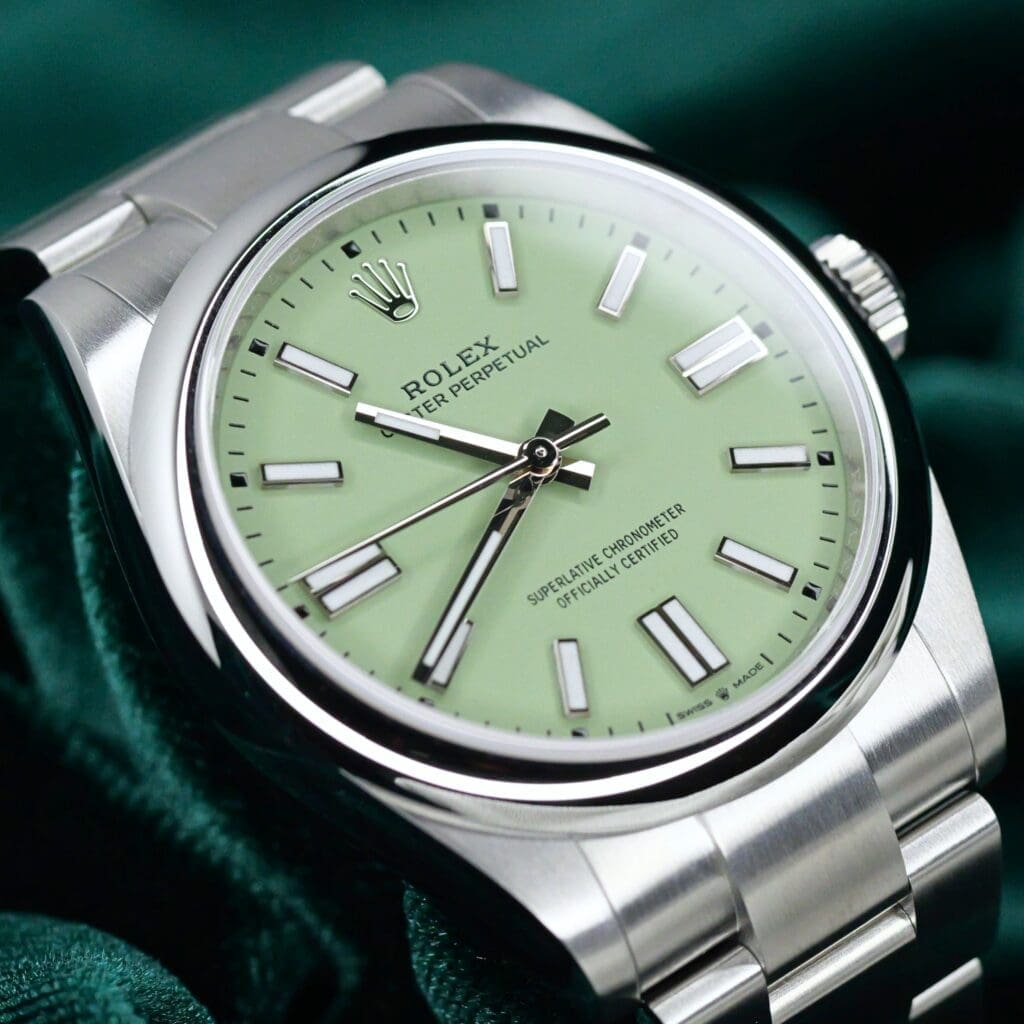
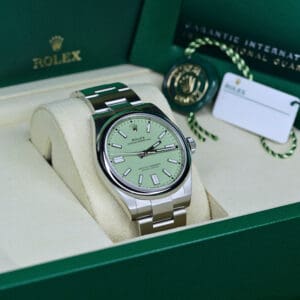
- Oyster Perpetual 41 (134300). The current 41mm OP and the largest in the line. Slate, silver, black, mediterranean blue, lavender, beige, and pistachio dials are all current. The most-watched OP on the secondary market.
- Oyster Perpetual 41 (134303). The 2026 anniversary piece. Yellow Rolesor, slate sunray dial with green five-minute markers, “100” engraved on the crown. A first-of-its-kind layout for the line.
- Oyster Perpetual 36 (126000). The most balanced OP for most wrists. The 2026 Jubilee motif dial in ten colors landed on this size.
- Oyster Perpetual 39 (114300). Discontinued, but still hunted. Sits between vintage 36mm sizing and the modern 41mm, and the slimmer profile has aged well.
- Oyster Perpetual 34 / 31 / 28. Smaller cases that share the modern design language. Same Rolex build, more compact wear.
For the full picture across sizes, dial colors, and the line’s pricing arc, our Rolex Oyster Perpetual buying guide covers it in detail.

Rolex Datejust Overview
The Datejust is one of Rolex’s longest-running and most recognizable models, originally launched in 1945 to mark the brand’s 40th anniversary. It takes the Oyster Perpetual’s foundation and adds the date complication that gave the watch its name, plus far more configuration on bezel, bracelet, and material.
The defining feature is the date window at 3 o’clock paired with the Cyclops magnifier, the same Cyclops Rolex introduced in 1954 and now uses across most date references. Combined with the choice of smooth or fluted bezel and Oyster or Jubilee bracelet, the same Datejust 41 case can read sporty, dressy, or somewhere in between.
The current 41mm steel Datejust references run on Caliber 3235, the 70-hour-reserve date movement that also powers the modern Submariner Date and Sea-Dweller. The 36mm steel models use the same caliber.
If you want the full picture on how Rolex’s modern in-house calibers work, our breakdown of the Rolex movement family covers it.
Notable Datejust References
- Datejust 41 (126300). Steel with a smooth Oystersteel bezel. The cleaner, sportier 41mm Datejust, often paired with an Oyster bracelet. The most understated entry into a current DJ41.
- Datejust 41 (126334). Steel case with a white-gold fluted bezel. The most popular Datejust on the pre-owned market and the reference most people picture when they think “Datejust.”
- Datejust 36 (126200). 36mm steel with a smooth bezel. Closest modern analog to vintage Datejust sizing and a frequent first Rolex.
- Datejust 36 (126234). 36mm steel with the white-gold fluted bezel. The traditional dressier 36, especially on a Jubilee bracelet.
- Datejust Turn-O-Graph “Thunderbird”. Discontinued, but worth knowing about. Rotating bezel, named after the U.S. Air Force aerobatic team. A rare Datejust that crosses into sports-watch territory.
For a fuller breakdown of the Datejust line across sizes, materials, and references, our full Rolex Datejust buying guide goes into the rest.

Rolex Datejust vs Oyster Perpetual: Key Differences
This comparison sticks to the modern steel references, since that’s where the real cross-shopping happens.

1. Date Function and Dial Layout
The most immediate difference is functional. The Datejust gives you a date at 3 o’clock under the Cyclops, which most owners genuinely use. The trade-off is visual: the date window breaks the dial’s symmetry and adds one more thing your eye has to track.
The Oyster Perpetual deletes the date entirely. The result is a dial that reads cleaner from across a room, no asymmetry, and no monthly correction on 30-day months. Buyers who’ve owned date watches for years sometimes switch to a no-date piece specifically to skip that chore.
If you check the date on your phone all day anyway, the OP often makes more sense. If you reach for your wrist instead, at meetings, signing documents, or anywhere a phone feels rude, the Datejust earns its place.
2. Design Flexibility
This is where the two diverge most. The Datejust is one of the most configurable Rolex models in the catalog: smooth or fluted bezel, Oyster or Jubilee bracelet, dozens of dial colors, plus steel, white-Rolesor, yellow-Rolesor, or Everose-Rolesor cases. The same 41mm reference can feel like a tool watch or a dress watch depending on how it’s spec’d.
The Oyster Perpetual takes the opposite stance. One bezel (smooth, domed), one bracelet (Oyster), and dial colors as the main variable. That fixed approach is the point. The OP isn’t trying to wear five hats. It’s trying to be one thing well.
For buyers who like having options, the Datejust is the obvious pick. For buyers who’d rather not think about it, the OP wins by subtraction.
3. Visual Presence on the Wrist
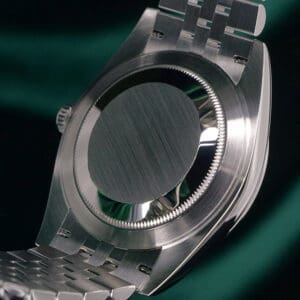
A fluted-bezel Datejust on a Jubilee bracelet has more presence than its specs suggest. The fluting catches light from every angle and the five-link Jubilee adds visible texture across the wrist. Even in steel, it reads dressier and more “intentional,” closer to a piece of jewelry than a tool watch.
The Oyster Perpetual is flatter and quieter. The smooth domed bezel and three-link Oyster bracelet keep the silhouette restrained, and the brushed top surfaces on the lugs (versus the Datejust’s polished case-top) lean sportier.
If you’re trying to decide between the two bracelets specifically, Jubilee vs Oyster gets its own breakdown in a separate guide.
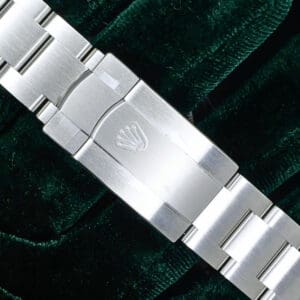
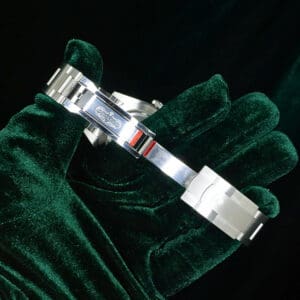
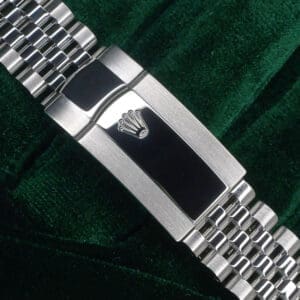
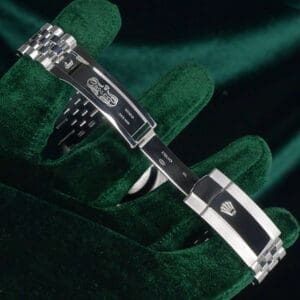
A small detail collectors notice: the OP has a stamped Rolex coronet on the clasp, while the Datejust 41’s clasp coronet is welded. That’s the kind of finishing difference you only spot in person, and it’s part of why the two watches feel different on the wrist even when the dimensions match.
4. Price and Market Demand in 2026
This is where the gap widens, and it’s wider in 2026 than it was a year ago. Rolex pushed through a 7–10% MSRP increase across most collections in January 2026, and both watches moved.
Rolex Datejust 41 ref. 126334 (steel, fluted bezel, Jubilee or Oyster)
- Retail: $11,650
- Current secondary market value: around $14,300, trading roughly 22% above retail
- Pre-owned range: $11,000 to $19,500 depending on dial, bracelet, condition, and box-and-papers status
- Wimbledon and mint green dials sit at the top of that range; standard sunburst dials sit at the bottom
Rolex Oyster Perpetual 41 ref. 134300 (current production, replaced 124300 in 2025)
- Retail: $7,050
- Current secondary market value: around $10,300, trading roughly 45% above retail
- The premium is higher in percentage terms than the Datejust, but the absolute dollar gap is smaller
- Discontinued or rare dials (Tiffany turquoise, Celebration multicolor, coral red) trade at multiples of retail
The pattern. The Datejust 41 commands more dollars overall and has a long, stable history of trading above retail. The Oyster Perpetual 41 is cheaper at every entry point, retail and pre-owned, but its secondary-market premium versus retail is in fact higher in percentage terms, especially for sought-after dials.
The recent dial executions (Tiffany blue, Celebration, coral red) drove that premium up; the new lacquered dials on the 134300 are early in their pricing cycle.
For a buyer choosing between a basic-dial OP 41 and a basic-dial DJ 41, the OP saves you several thousand dollars. For a buyer chasing a specific colored dial OP, you may end up paying Datejust money for the privilege.

Should You Buy a Rolex Datejust or Oyster Perpetual?
Both watches deliver Rolex reliability. The honest decision comes down to how you wear a watch and what you’d really use day-to-day.
The Oyster Perpetual is the better fit if you value simplicity over options. Pick it when these line up:
- You prefer a clean, no-date dial with no symmetry break
- You want one watch you don’t have to think about; no date adjustments, no bezel choices
- A lower entry price matters, especially for a first Rolex
- You want a flatter, more under-the-radar Rolex that doesn’t broadcast itself
The Datejust is the better fit if you’d genuinely use the date and want room to spec the watch your way. Pick it when these line up:
- A date complication earns its place on your wrist
- You want a Rolex you can dress up or down by configuration
- You see value in the Jubilee bracelet and fluted bezel as identity markers
- You want the more recognizable shape, the watch most people picture when they hear “Rolex”
For first-time Rolex buyers, the smooth-bezel Datejust 41 (126300) sits in an interesting middle. It’s closer to OP money than the fluted 126334, but you keep the date and the option to swap to a Jubilee bracelet later.
Related Models from Majestix
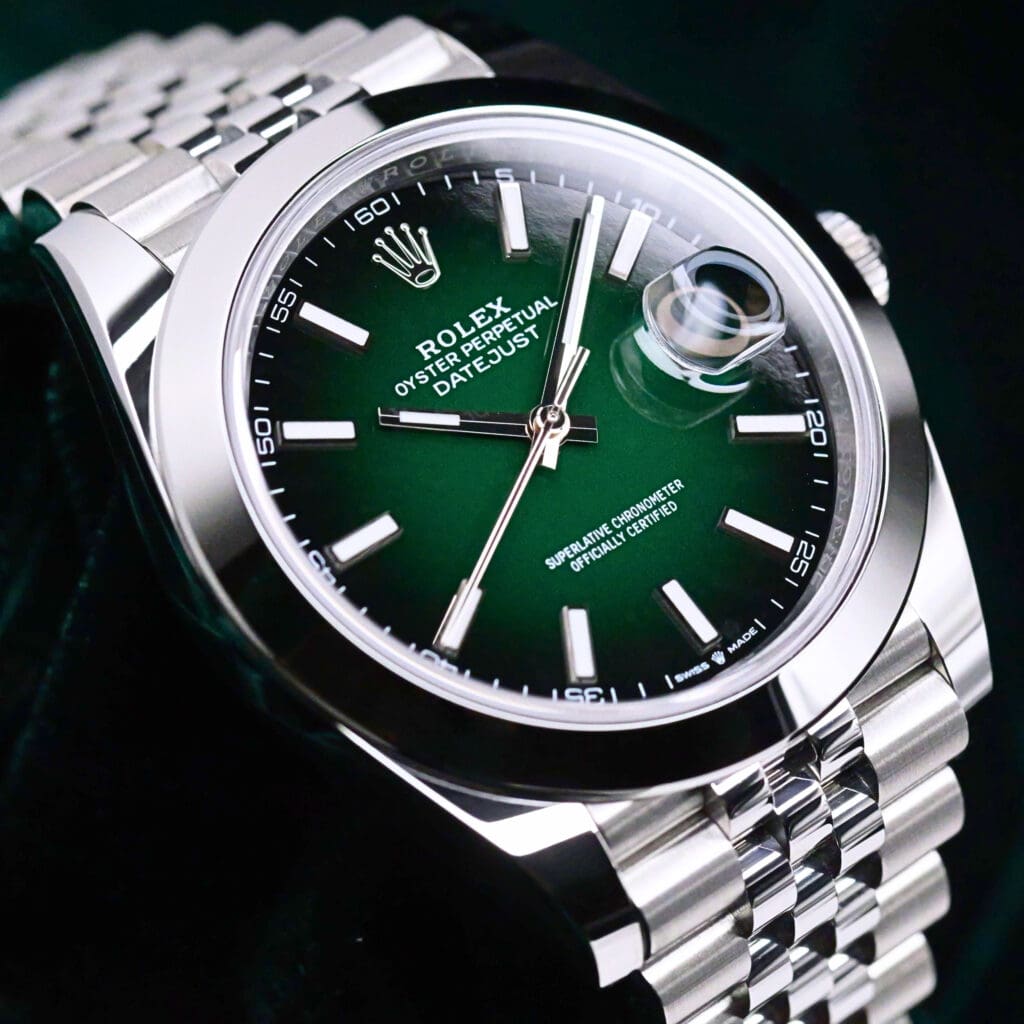
2026 Rolex Datejust Green Ombre Dial Smooth Bezel Jubilee Bracelet Stainless Steel 41mm MINT CONDITION COMPLETE SET 126300

Rolex Datejust “Tuxedo” Black and Silver Dial 18K White Gold Fluted Bezel Stainless Steel Oyster 36mm MINT CONDITION COMPLETE SET 116234
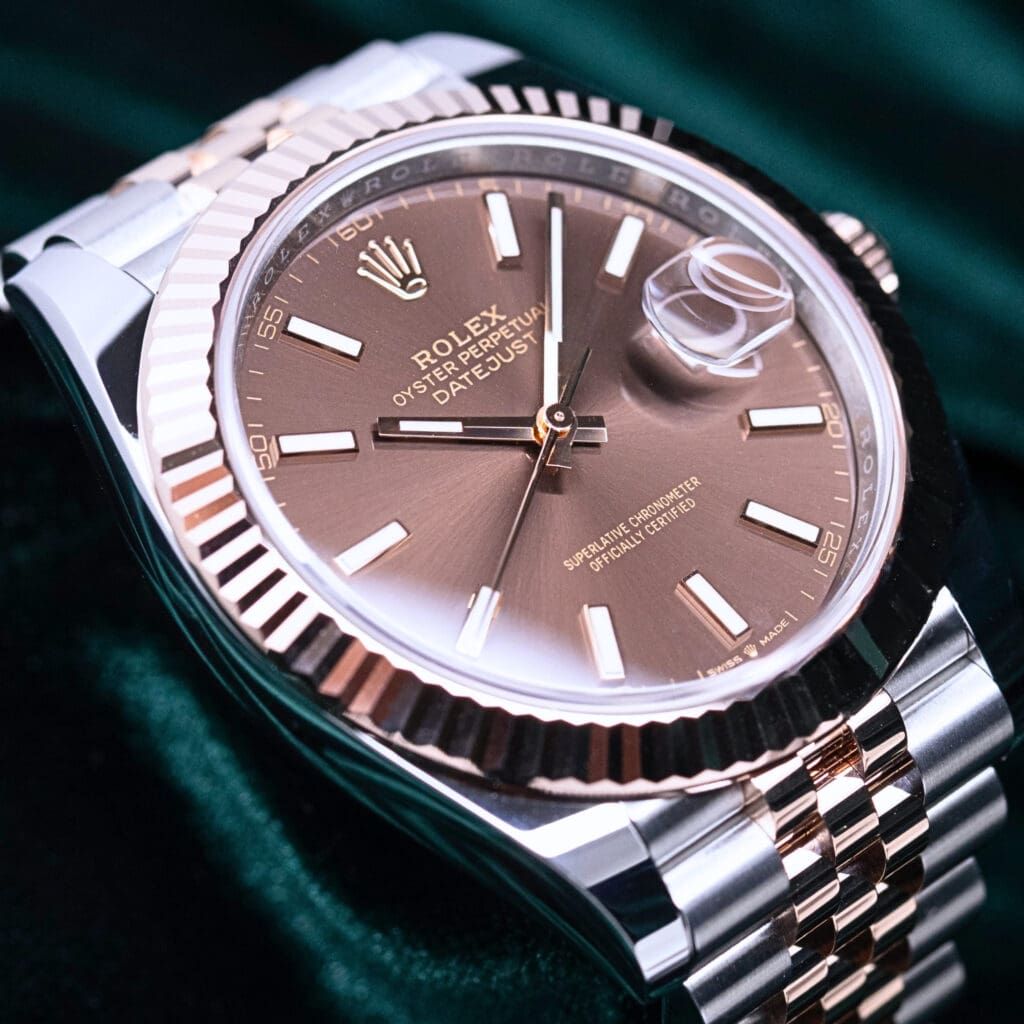
2026 NEW UNWORN Rolex Datejust 41 Chocolate Brown Jubilee Two-Tone 18K Everose Gold Steel 41mm COMPLETE SET 126331
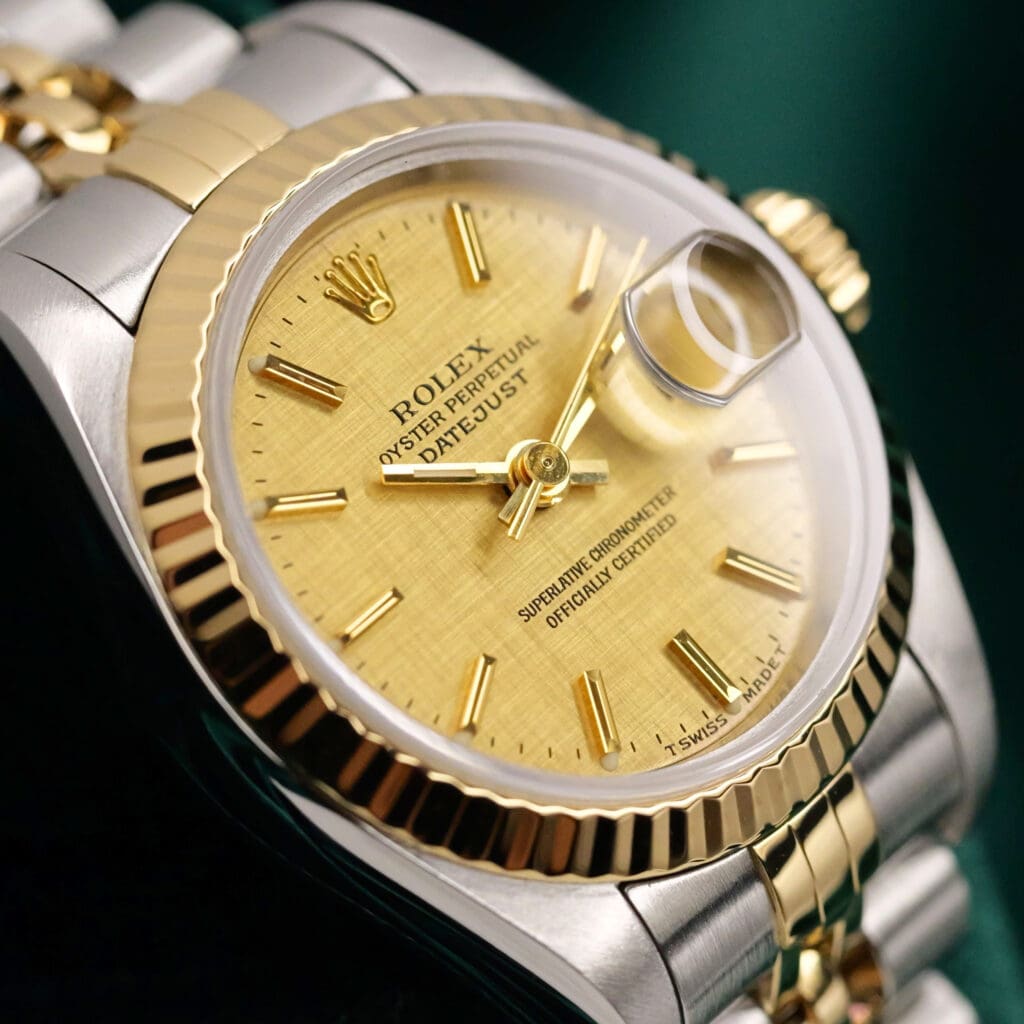
Rolex Lady-Datejust Champagne Linen Dial 18k Yellow Gold Fluted Bezel Jubilee Bracelet Two Tone Steel & Gold 26mm MINT CONDITION COMPLETE SET 69173
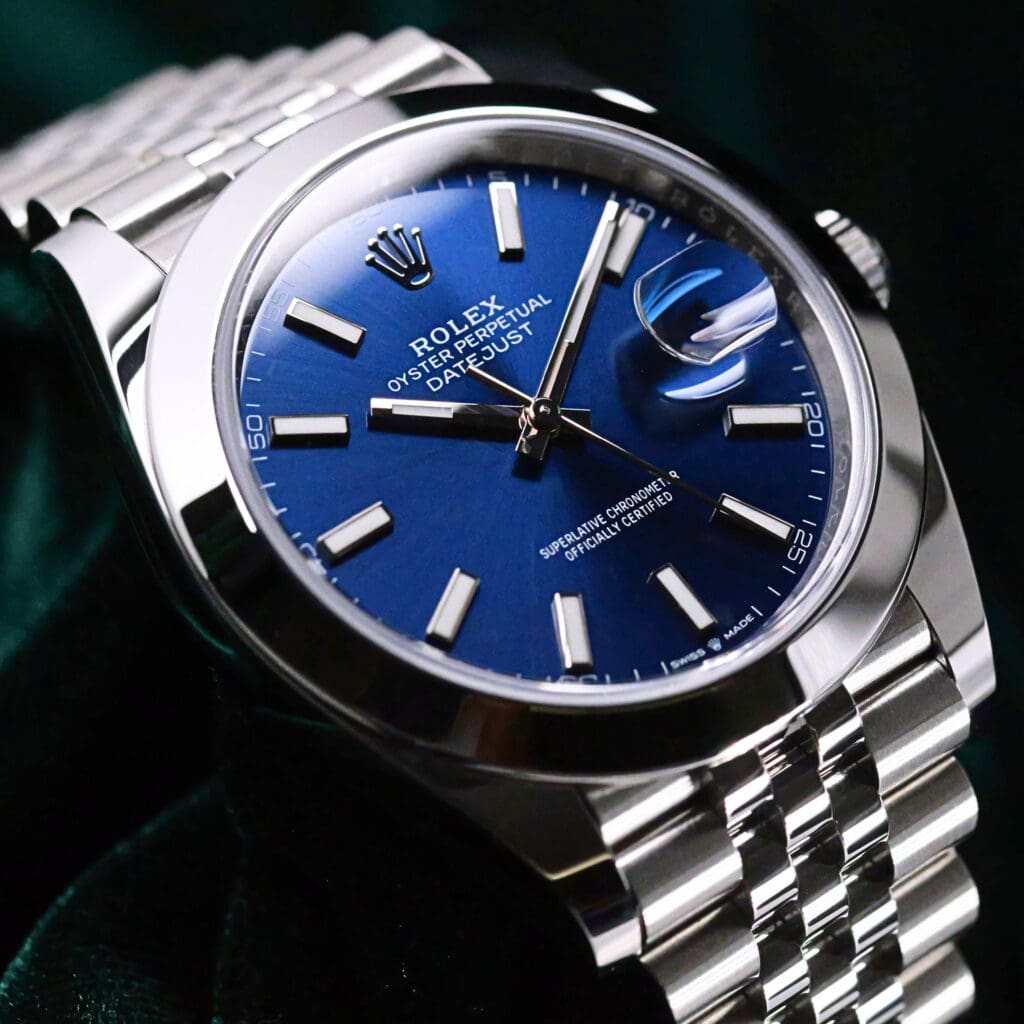
2026 Rolex Datejust Blue Dial Smooth Bezel Jubilee Bracelet Stainless Steel 41mm MINT CONDITION COMPLETE SET 126300
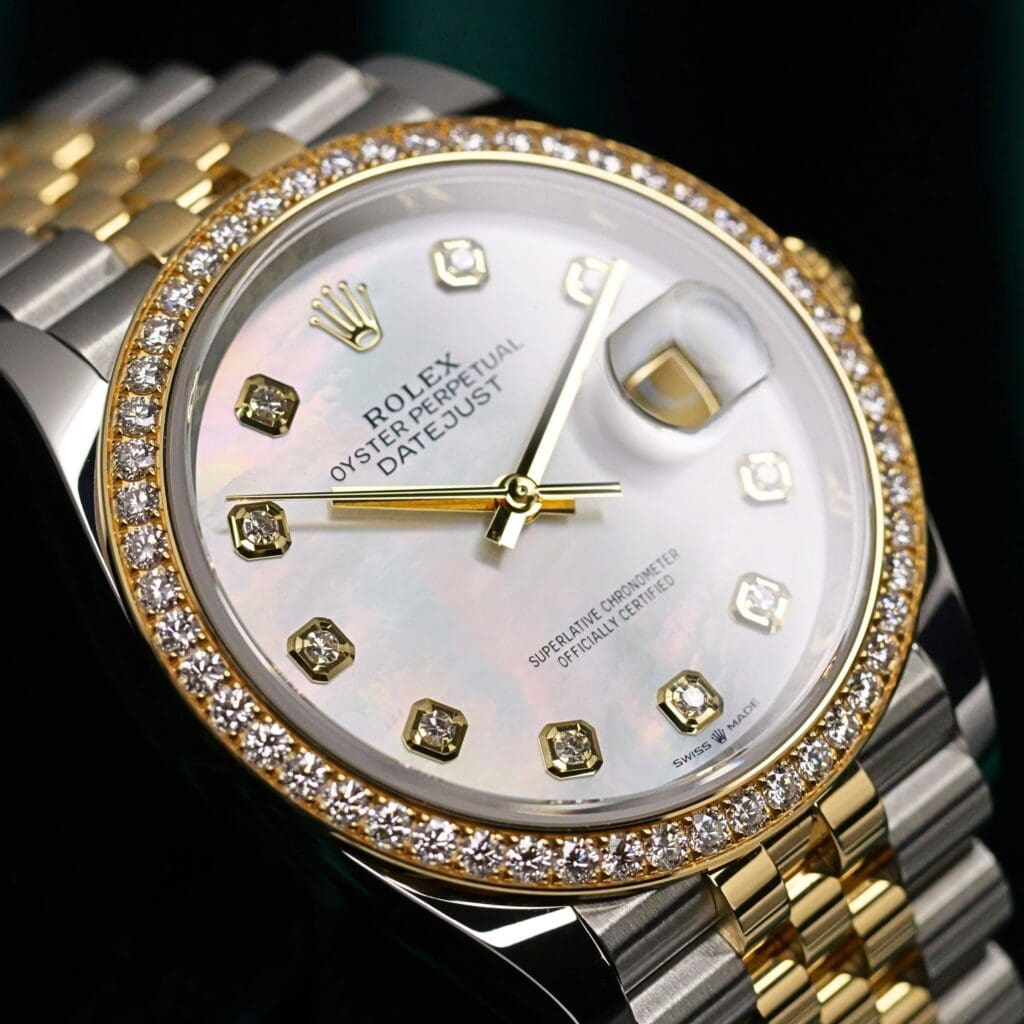
2026 NEW UNWORN Rolex Datejust 36 Mother of Pearl Diamond Dial Diamond Bezel Jubilee Two-Tone Steel 18k Yellow Gold 36mm COMPLETE SET 126283RBR-0009
Where to Buy Authentic Watches Online
There are a few legitimate online channels for buying a Rolex Datejust or Oyster Perpetual. Chrono24 is the largest dealer-driven marketplace, with a buyer protection program that holds funds in escrow until you confirm the watch.
We’ve covered what to watch for when buying on Chrono24 separately if you want the full primer.
eBay runs an Authenticity Guarantee program for watches over a certain price threshold, where third-party authenticators inspect the piece before it ships to you. Grailzee is auction-format and tends to skew toward enthusiast sellers and dealers with vetted inventory.
We sell, buy, and trade luxury watches too, and the reason clients come to us instead of clicking through a listing is the conversation that happens before money moves. We send tour videos of the actual watch, not stock photos pulled from Rolex’s site.
Each video comes with detailed condition notes and close-ups of the bracelet stretch, the clasp, the dial under different lighting, and the case for any signs of polishing. You’re not buying off a thumbnail. You’re buying after a real walkthrough from someone who has the watch in hand.
If you’ve never weighed polished against unpolished on a Rolex case, it’s a real value lever on the resale side.
That’s reflected in our 4.9-star Google rating, which mostly comes from clients who say the same thing: they knew exactly what they were getting before it shipped.
If you want that kind of walkthrough on a specific Datejust or Oyster Perpetual, reach out and we’ll line up options that match what you’re after. You can also browse our current collection to see what’s in stock right now.
Frequently Asked Questions
Is the Oyster Perpetual a Good First Rolex?
Yes, for most buyers, the Oyster Perpetual is the most logical entry into the Rolex catalog. It carries the same Caliber 3230 movement, Oystersteel construction, and Superlative Chronometer certification as Rolex’s professional sport models, but at a lower retail price.
The current 134300 retails at $7,050 versus $11,650 for a fluted Datejust 41. If you’re not sure you’ll wear date complications, the OP is a safer first move; fewer features means fewer things you might not need.
Why Is the Datejust More Expensive Than the Oyster Perpetual?
The Datejust costs more because of materials, complication, and demand. The fluted-bezel versions use 18k white gold for the bezel even on a steel case, which adds real material cost. The date complication also requires a different movement (Caliber 3235 versus 3230).
The Datejust also has decades of broader market recognition; it’s the Rolex most people picture, and that pulls demand and resale prices higher. A smooth-bezel steel Datejust sits closer to OP pricing than the fluted version.
Which Holds Its Value Better, Datejust or Oyster Perpetual?
Both hold value, in different ways. The Datejust 41 has a longer track record of trading 15–25% above retail, with consistent demand across dial colors. The Oyster Perpetual 41 trades at a higher percentage premium over retail, roughly 45% in early 2026, driven heavily by colored dials.
Standard OP dials are stable; rare dials (discontinued Tiffany turquoise, Celebration, coral red) have appreciated significantly. For predictable resale, the Datejust is steadier. For upside on the right dial, the OP can outperform.
What’s the Difference Between the OP 124300 and 134300?
The 134300 replaced the 124300 in 2025 with subtle updates to the case, crown, and clasp. The 41mm diameter and 11.6mm thickness stayed the same, but the lugs were slightly thinned, the bezel narrowed marginally, and the Twinlock crown was enlarged for easier daily use.
The Caliber 3230 movement carried over unchanged. New lacquered dials in lavender, beige, and pistachio launched alongside the reference change, and the 2026 update added the 134303 100th Anniversary Edition in yellow Rolesor.
Can the Oyster Perpetual Be Worn as a Dress Watch?
Yes, but it leans more casual than dressy. The smooth domed bezel, three-link Oyster bracelet, and brushed lug surfaces give the OP a sportier, lower-key presence than the Datejust.
With a dark dial in 36mm or 41mm, it works under a suit cuff, but it won’t read as formal as a fluted-bezel Datejust on a Jubilee bracelet. If “one watch for everything including black tie” is the goal, the Datejust is the more flexible answer.
Final Thoughts on Rolex Datejust vs Oyster Perpetual
The Rolex Datejust vs Oyster Perpetual decision isn’t about quality. Both are built to the same standard and run on closely related movements. It comes down to which approach to a daily Rolex fits how you wear a watch.
The OP rewards buyers who want simplicity, a cleaner dial, and a lower entry price into a current Rolex. The Datejust suits buyers who’d use the date, want configuration choices, and don’t mind paying more for the most recognizable shape in the catalog.
Two practical tips before you commit. First, try both in person if you can; the wrist feel between a brushed-lug OP and a polished-lug Datejust is bigger than photos suggest. Second, if you’re buying pre-owned, prioritize box-and-papers status over dial color. Papers add 10–20% to resale and are far harder to recover later than swapping a strap or dial preference.
If you’re weighing whether to buy a Rolex without box and papers in the first place, we’ve made the case in detail.
Both are core Rolex watches. Pick the one you’d reach for first on a Tuesday morning, and you won’t regret it.
999+ Timepieces Available
Explore Our Timepieces
Authenticated, unworn, and ready to ship worldwide.
Rolex · Audemars Piguet · Patek Philippe · Omega · Cartier · Richard Mille · Hublot · Tudor
Newly Listed

Vacheron Constantin Overseas Chronograph "Reverse Panda" Black Dial Silver Subdials Stainless Steel 42.5mm MINT CONDITION COMPLETE SET 5500V/110A-B481
$34,095.00

Rolex Sky-Dweller Black Dial 18K White Gold Fluted Bezel Oyster Bracelet Stainless Steel 42mm MINT CONDITION COMPLETE SET 336934-0007
$21,945.00

2026 Rolex Datejust Green Ombre Dial Smooth Bezel Jubilee Bracelet Stainless Steel 41mm MINT CONDITION COMPLETE SET 126300
$16,480.00

2026 NEW UNWORN Cartier Santos-Dumont Silver Dial Platinum Mesh Bracelet Platinum 31mm COMPLETE SET WGSA0124
$64,790.00

2026 Tudor Black Bay 58 Black Dial Jubilee Bracelet Stainless Steel 39mm MINT CONDITION COMPLETE SET 7939A1A0NU
$5,717.00

NEW UNWORN Rolex Submariner Date “Sub Date” Black Dial Black Ceramic Bezel Oyster Bracelet Stainless Steel 41mm COMPLETE SET 126610LN
$15,595.00
Rolex Cosmograph Daytona "Reverse Panda" Black Dial Black Ceramic Bezel Oyster Bracelet Stainless Steel 40mm MINT CONDITION COMPLETE SET 126500LN
$32,009.00
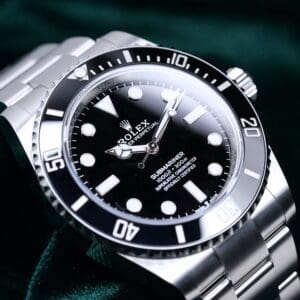
2026 NEW UNWORN Rolex Submariner No Date Black Dial Black Ceramic Bezel Oyster Bracelet Stainless Steel 41mm COMPLETE SET 124060
$15,219.00
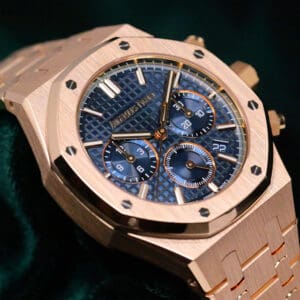
Audemars Piguet Royal Oak Selfwinding Chronograph Bleu Nuit Nuage 50 Blue Dial Bracelet 18k Rose Gold 38mm MINT CONDITION COMPLETE SET 26715OR.OO.1356OR.01
$104,942.00
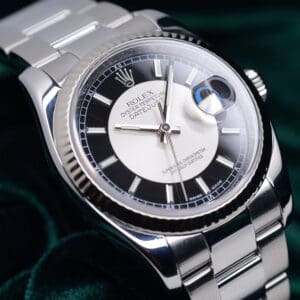
Rolex Datejust “Tuxedo” Black and Silver Dial 18K White Gold Fluted Bezel Stainless Steel Oyster 36mm MINT CONDITION COMPLETE SET 116234
$10,671.00
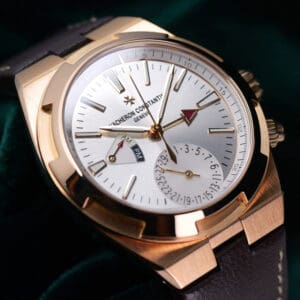
Vacheron Constantin Overseas Dual Time Silver Dial Brown Leather Strap 18K Rose Gold 41mm MINT CONDITION COMPLETE SET 7900V/000R-B336
$41,894.00
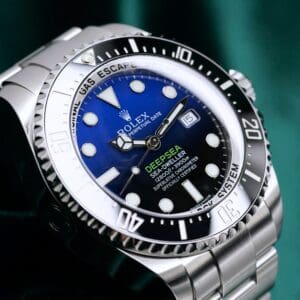
Rolex Sea-Dweller Deepsea James Cameron D-Blue Dial Black Ceramic Bezel Oyster Bracelet Stainless Steel 44mm MINT CONDITION 116660-0003
$14,272.00