
Have you ever looked at a watch collection and wondered why the Omega Constellation keeps appearing as a standout choice among collectors and everyday wearers? What makes certain references feel like a long-lasting investment on your wrist, while others quickly lose their appeal after the initial excitement fades?
This Omega Constellation buying guide helps you understand exactly how to choose the right model from one of the most recognizable lines in Swiss watchmaking.
The Omega Constellation blends precision engineering with a distinct design identity, offering a wide range of case sizes, dial styles, and movement generations that can easily overwhelm first-time buyers. Each variation impacts comfort, daily wearability, and long-term value in different ways.
In this guide, you will learn how to evaluate key references, compare design generations, and identify which Constellation models offer the most balanced ownership experience.
What Is the Omega Constellation?
The Omega Constellation is a luxury watch line from Omega that combines refined design with precise Swiss watchmaking. You can recognize it through its structured case shape, integrated bracelet in modern versions, and the signature claw-like elements on the bezel that give it a distinct identity on the wrist.
The collection first appeared in 1952, created as part of Omega’s push to showcase chronometer-grade accuracy on a wider stage.
Early Constellation models were directly linked to Omega’s success in observatory chronometer competitions, where the brand earned strong recognition for precision timekeeping. This foundation positioned the Constellation as a symbol of accuracy from the beginning.
Vintage references featured clean, elegant dials with a traditional dress watch profile, while later generations introduced more angular case architecture and tighter integration between the case and bracelet. Today’s Constellation models reflect a modern interpretation of that evolution, combining sharper lines with improved engineering.
Modern versions are powered by Co-Axial Master Chronometer movements, certified for high precision and strong magnetic resistance under METAS standards. This certification ensures reliable performance in everyday environments where electronic interference is common.
Within curated selections from Majestix Collection, the Constellation stands out as a watch that connects historical chronometer achievement with modern design execution. It suits you if you want a timepiece that carries heritage, delivers technical reliability, and maintains a polished appearance suitable for daily wear.
If you’re still weighing whether the Constellation is the right Omega for you, our broader Omega buying guide walks through how the line sits next to the Speedmaster, Seamaster, and Aqua Terra.
How to Choose the Right Omega Constellation
The Omega Constellation collection includes over 150 modern models and nearly 70 years of vintage references, so you need a clear approach to make the right choice. Follow these four steps to narrow your options based on how you plan to wear the watch and what you expect from it over time.

Step 1: Vintage or Modern
This is the first call to make because everything else flows from it. Vintage and modern Constellations are different watches that share a name.
Vintage (pre-1990) gives you:
- The original pie-pan dial, multi-faceted with a visible step under angled light
- Hand-finished movements like the calibre 551 (no-date) and 561 (date)
- Real chronometer history tied to Omega’s observatory competition wins
- Strong collector demand on the right references; vintage Constellation values rose substantially between 2019 and 2024 before stabilizing in 2025
Modern (Co-Axial Master Chronometer, 2015 onward) gives you:
- 100m water resistance and METAS certification (±4 seconds per day, resistant to 15,000 gauss)
- A 5-year Omega warranty when bought new
- Daily-wear durability with low maintenance
- 20-30% depreciation in the first two years on the secondary market, then stable
The simple rule: if you want to wear it every day without thinking about it, go modern. If you want a dress watch with character and aren’t bothered by a trip to the watchmaker every five or six years, go vintage.
Step 2: Pick the Era Inside That Choice
Vintage and modern each have their own internal generations, and the gap between them matters more than people expect.
Vintage Constellation generations:
- The pie-pan era (1955 to early 1970s) represents the original design direction of the Constellation line
- Early 1952 models used flat dials and bumper-automatic movements before pie-pan dials appeared around 1955 with the calibre 50x series
- By the early 1960s, calibres such as the 551 and 561 became the standard and remain highly valued for reliability and historical relevance
- The C-Shape era (1964 to 1978) introduced a more sculpted case with stronger geometry and a more integrated bracelet design
- References like the 168.0017 are often linked to this period and reflect Gerald Genta’s design influence
- C-Shape models wear with more angular presence compared to pie-pan versions
Modern Constellation generations:
- The Manhattan-era quartz models (1982 to mid-2000s) show weaker collector demand and limited resale strength
- The focus in modern collecting sits on Co-Axial Master Chronometer models from 2015 onward
- These references represent Omega’s current standards in engineering, finishing, and performance
Step 3: Match Size and Material to Your Wrist
The Constellation comes in three modern sizes plus a range of vintage diameters around 34-36mm. Material decisions affect both wrist feel and resale.
If you’re not sure how the modern 35/39/41 sizes will sit on your wrist, our breakdown of how to find the right watch size for your wrist covers it.
Sizes:
- 35mm: fits smaller wrists and dress-watch buyers. Reads as classic.
- 39mm: the sweet spot for most wrists between 6.5 and 7.5 inches. The most versatile.
- 41mm: wears larger than 41 because of the bezel claws. For bigger wrists or buyers who want presence.
Materials:
- Stainless steel: best resale, lowest worry, the right call for a daily wearer.
- Two-tone (steel and gold): leans into the Constellation’s signature look. The gold bezel claws are the design’s whole point.
- Solid gold: collector territory. Be aware that solid gold watches don’t usually resell at full material value, so this is a wear-it choice, not an investment choice.
Step 4: Where to Buy
Three real options, and the right one depends on whether you’re buying new, vintage, or want a curated middle ground. The trade-offs between channels are deeper than the summary below, we’ve laid out the authorized dealer vs grey market decision in detail elsewhere.
Authorized dealers sell new Co-Axial Master Chronometer pieces at full retail with the 5-year Omega warranty, full box and papers, and the cleanest paper trail. This is the right channel for a first Omega purchase if you want zero authenticity risk.
Reputable pre-owned dealers like Majestix Collection sit 15-25% below retail on most modern references and verify authenticity before listing. We back inventory with our own warranty in most cases.
This channel is where modern Constellation depreciation actually works in your favor: the watch is broken in, the first owner ate the depreciation hit, and the price reflects it.
Auction houses and private sales (Sotheby’s, Antiquorum, Chrono24’s vetted sellers) are where rare vintage references surface. Prices can be lower than dealer pricing, but you need to know what you’re looking at.
If Chrono24 is on your shortlist, it’s worth reading what to watch for on Chrono24 specifically before you bid.We don’t recommend this channel for a first Constellation unless you’re comfortable evaluating condition and originality from photos.
5 Omega Constellations Worth Buying

Finding the right Omega Constellation model becomes easier when you focus on pieces with consistent demand, known production history, and stable market pricing. These five options stand out based on current secondary market activity and strong buyer interest.
1. Omega Constellation 168.005: Best Vintage Entry Point
The 168.005 is the no-date pie-pan reference most buyers cut their teeth on when entering vintage Omega. It’s the cleanest expression of the original Constellation design, and the price hasn’t run away yet.
Key Specs
- Case: Stainless steel, ~34mm
- Dial: Pie-pan (multi-faceted)
- Movement: Calibre 551 (chronometer-grade, automatic)
- Production: Roughly 1959 to mid-1960s
- Market price: $1,800–$2,800 in clean, original condition
- What to look for: Sharp pie-pan step under angled light, original dial without refinishing
A common trap on this reference is the calibre pairing. The 168.005 was paired with the calibre 551 in most production. The dated version 168.004 (and later 168.017) used the calibre 561. If a 168.005 you’re looking at houses a 561, that’s worth asking about.
2. Omega Constellation 168.0056: Best for C-Shape Design Enthusiasts
The 168.0056 is the entry into the C-Shape generation Gerald Genta worked on at Omega before designing the Royal Oak. It wears differently from a pie-pan: more wrist, more angles, more 1970s.
Key Specs
- Case: Stainless steel, C-Shape profile
- Dial: Sunburst with applied baton indices (variations exist)
- Movement: Calibre 564 in most date examples
- Production: Late 1960s to 1970s
- Market price: $2,000–$4,500 depending on condition and dial variant
- What to look for: Crisp case lines (the C-Shape gets ruined by over-polishing), original bracelet if listed
3. Omega Constellation 123.10.35: Best Modern Entry at 35mm
The 123.10.35 is the smaller modern Co-Axial. A good fit for buyers who don’t want a 39mm or 41mm watch but still want current movement tech. It’s also one of the most affordable ways into a Co-Axial Constellation.
Key Specs
- Case: Stainless steel, 35mm
- Dial: Applied markers, date
- Movement: Co-Axial automatic (not Master Chronometer; pre-2015 generation)
- Water resistance: 100m
- Market price: $2,800–$3,800 pre-owned
- What to look for: Service history, bracelet stretch, since these have been on wrists for a decade by now
4. Omega Constellation 131.10.39: Best Daily Wearer
The 39mm steel Co-Axial Master Chronometer is the most balanced piece in the current lineup. Formal enough for a suit, robust enough for a weekend, and the pre-owned market gets you in below new-retail pricing.
If you’re cross-shopping it with a Datejust at the same price point, our Constellation vs Datejust breakdown walks through the differences.
Key Specs
- Case: Stainless steel, 39mm
- Movement: Co-Axial Master Chronometer
- Accuracy: ±4 seconds per day, METAS-certified
- Magnetic resistance: 15,000 gauss
- Market price: $4,500–$6,500 pre-owned. New retail sits around $6,200–$6,500 depending on the dial.
- What to look for: Bracelet condition (the polished center links scratch easily), full box and papers for the cleanest resale later
5. Omega Constellation Globemaster 130.33.39: Best Pie-Pan Tribute
The Globemaster is the modern Constellation that nods directly to vintage pie-pan design: the dial structure, the fluted bezel, the broader case proportions. It’s the answer for buyers who want vintage characters with current durability.
It’s a deep enough sub-line that it has its own Omega Globemaster buying guide if you want to go further.
Key Specs
- Case: Stainless steel, 39mm
- Dial: Pie-pan with fluted bezel
- Movement: Master Chronometer-certified
- Water resistance: 100m
- Market price: $5,500–$7,500 pre-owned
- What to look for: Dial color variants (the blue and silver are the easiest to live with day to day; the more unusual dials are slower to resell)
How to Decode an Omega Reference Number

Modern Omega references use a 14-digit Product Identification Code (PIC). Reading it tells you the case material, size, movement, and dial without having to look anything up. Take the 131.10.39.20.06.001, the dial-and-finish variation of the 39mm steel Co-Axial Constellation:
| Segment | Meaning |
| 131 | Constellation collection |
| 10 | Stainless steel case, non-metal strap config |
| 39 | 39mm case diameter |
| 20 | Co-Axial Master Chronometer movement family |
| 6 | Silver dial |
| 1 | Production sequence variant |
Specific PIC segment values vary by collection. The 131 prefix is Constellation-specific, and the meaning of 20 in the movement slot is the current Master Chronometer family. If you’re cross-referencing a different collection, confirm against Omega’s published PIC reference for that line.
What the PIC doesn’t show: the exact calibre number inside the movement, the year of production, or any service history. For that, the warranty card or an Extract from the Archives from Omega is the source of truth.
5 Authenticate Checks Before You Buy

Authenticating an Omega Constellation requires careful visual inspection of listing photos before handling the watch in person. Many inconsistencies appear early if you know what details to evaluate, especially across vintage references.
A structured approach helps identify redials, incorrect parts, and mismatched assemblies with more confidence. The fundamentals, original dial, original case, matching movement, intact paperwork, apply to any pre-owned luxury purchase, and our guide to what to look for when buying a watch covers the broader checklist.
1. Check the Movement Bridge for Chronometer Engraving
Chronometer certification sits at the foundation of vintage Constellation authenticity and confirms whether the movement meets Omega’s original precision standards. The movement bridge should clearly display the engraving “adjusted to five positions and temperatures,” and its absence raises immediate concerns about authenticity.
A genuine Constellation should always include a chronometer-grade movement consistent with its designation, and any missing or unclear engraving should be treated as a strong warning sign.
2. Inspect Pie-Pan Dial Depth and Structure
The pie-pan dial defines many vintage Omega Constellation models, but incorrect refinishing often removes its original geometry. A genuine pie-pan dial shows a visible step where the center sits slightly lower than the outer ring when viewed under angled light.
Flat dials that lack this depth often indicate redials or refinished surfaces, which significantly affect originality and collector value. Proper light reflection should clearly reveal the multi-faceted structure rather than a flat, uniform surface.
3. Examine the Caseback Observatory Medallion
The observatory medallion on vintage Constellations reflects Omega’s chronometer competition history and serves as a key authenticity marker. A genuine caseback displays a sharply defined observatory surrounded by eight stars, each with clear edges and consistent depth.
Over-polished or re-stamped casebacks often show softened lines, less distinct stars, and reduced architectural detail in the observatory engraving. Strong, crisp definition across all elements indicates better originality and preservation.
4. Verify Hour Marker Onyx Inlay Alignment
Certain late-1960s Constellation models feature onyx inlays within the hour markers, and their condition often reveals restoration history. Original onyx inlays sit perfectly flush within the markers and maintain consistent alignment across the entire dial.
Misaligned, missing, or uneven inlays usually suggest replacement parts or refinishing work that affects originality. Any inconsistency in placement or finish can also reduce long-term collector value.
5. Match the Reference Number to the Correct Calibre
Correct alignment between the case reference and movement calibre confirms whether a Constellation retains its original configuration. A proper match follows Omega’s documented pairings, such as the 168.005 reference with calibre 561 or the 168.017 reference with calibre 564.
Any mismatch between reference and movement often indicates service replacements or composite builds assembled from multiple watches. Such inconsistencies do not always mean the watch is inauthentic, but they typically affect valuation and collector interest.
How Much an Omega Constellation Actually Costs

Pricing for an Omega Constellation varies based on era, material, condition, and demand in the secondary market. Vintage and modern models sit in clearly different price brackets, and values shift depending on originality and collector interest. The ranges below reflect typical real-world pricing based on current market activity.
Vintage Prices by Reference and Material
Vintage Omega Constellation models show the widest price variation because condition and originality play a major role in valuation. Steel pie-pan examples remain the most accessible entry point, while gold and specialty versions move into higher collector territory.
Steel pie-pan models in clean condition typically trade between $1,800 and $3,500, while gold-capped versions usually sit between $2,500 and $4,000 depending on dial condition and overall originality. Solid 18K gold pie-pan models generally range from $4,500 to $9,000, with final pricing influenced by dial color, bracelet presence, and case condition.
Higher-end Grand Luxe Omega Constellation models with solid gold dials and integrated gold bracelets can exceed $15,000 at auction, particularly when preserved in original condition. C-shape vintage models usually sit slightly lower, with steel examples trading between $1,500 and $4,500 depending on configuration and condition.
Modern Prices, New and Pre-Owned
Modern Omega Constellation pricing follows a more structured retail system, with variation mainly driven by case size and material. The secondary market introduces predictable depreciation depending on age and demand.
Stainless steel Co-Axial models start around $5,800 for the 35mm version, while the 41mm steel models typically retail near $7,400. Two-tone configurations usually reach around $9,500, and solid gold 39mm versions begin above $20,000, depending on specification.
On the pre-owned market, most modern Omega Constellation models trade 15 to 30 percent below retail, especially within the first two years of ownership. The Globemaster variant often sits above standard models by roughly $2,000 to $3,000 due to its pie-pan-inspired design and higher finishing level.
Service Costs and Long-Term Ownership
Maintenance costs vary by movement type, with modern Co-Axial and vintage calibres requiring different servicing needs rather than fixed schedules. For a fuller breakdown of what factory and independent servicing actually runs, see our notes on Omega service costs across the lineup.
A factory service for modern Co-Axial Omega Constellation models typically ranges from $700 to $900, depending on condition and required parts. Vintage models with traditional calibres generally cost $400 to $700 when serviced by independent watchmakers, while full restoration involving case and dial work can reach $800 to $1,500.
Service frequency depends on usage and movement type. Modern Co-Axial models are usually serviced every 5 to 8 years, while vintage Constellations often require servicing every 5 to 6 years to maintain stable performance.
Final Thoughts on Omega Constellation Buying Guide
A strong Omega Constellation buying guide should lead to clarity, not complexity. Once the key decisions are set, vintage versus modern, era selection, sizing, and buying channel, the selection process becomes much more focused.
The 39mm Co-Axial Reference 131.10.39 stands as the most balanced modern choice, while the Omega Constellation 168.005 remains a solid entry point for vintage buyers. When buying vintage, requesting an Extract from the Archives from Omega adds verification and supports long-term confidence.
For modern pieces, focusing on pre-owned models within the first 12 to 18 months captures the best balance of condition and value. The Majestix Collection offers selected Omega Constellation options that help simplify the decision process, browse our current collection to see what’s available right now.
The best choice always comes from aligning design preference, size, and long-term intent.
999+ Timepieces Available
Explore Our Timepieces
Authenticated, unworn, and ready to ship worldwide.
Rolex · Audemars Piguet · Patek Philippe · Omega · Cartier · Richard Mille · Hublot · Tudor
Newly Listed
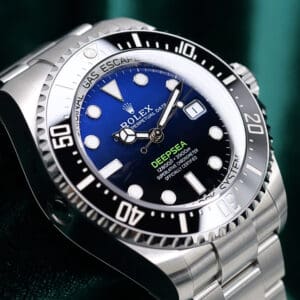
2026 NEW UNWORN Rolex Deepsea "James Cameron" D-Blue Black and Blue Dial Black Ceramic Bezel Stainless Steel 44mm COMPLETE SET 136660-0005
$20,208.00
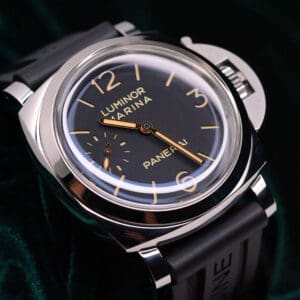
Panerai Luminor Marina 1950 3 Days Limited Edition Black Sandwich Dial Stainless Steel Black Rubber Strap 47mm MINT COMPLETE SET PAM00422
$7,503.00
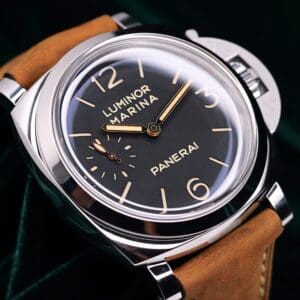
Panerai Luminor Marina 1950 3 Days Black Dial Stainless Steel Brown Leather Strap 47mm LIMITED EDITION MINT CONDITION COMPLETE SET PAM00422
$7,503.00
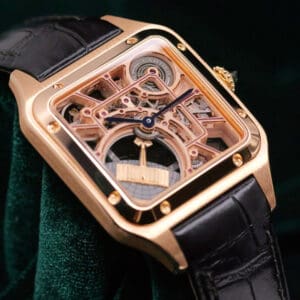
Cartier Santos-Dumont Micro-Rotor Skeleton Dial Black Alligator Strap 18k Rose Gold 43.5 x 31mm MINT CONDITION COMPLETE SET WHSA0030
$40,425.00
2026 Vacheron Constantin Overseas Blue Dial 18k Rose Gold 41mm MINT CONDITION COMPLETE SET 4520V/210R-B705
$72,764.00
Omega Speedmaster 38 Orbis Edition Blue Dial Stainless Steel 38mm MINT CONDITION COMPLETE SET 324.30.38.50.03.002
$6,599.00
Audemars Piguet Royal Oak Offshore Chronograph “Navy” Blue Dial Orange Accents Blue Rubber Strap Stainless Steel 42mm MINT CONDITION COMPLETE SET 26470ST.OO.A027CA.01
$22,245.00

Cartier Santos-Dumont Micro-Rotor Skeleton Dial 18K Rose Gold Burgundy Alligator Strap 31mm MINT CONDITION COMPLETE SET WHSA0030
$40,425.00
Omega Speedmaster Professional Moonwatch "Moonshine" Green Dial 18K Yellow Gold 42mm MINT CONDITION COMPLETE SET 310.60.42.50.10.001
$35,695.00
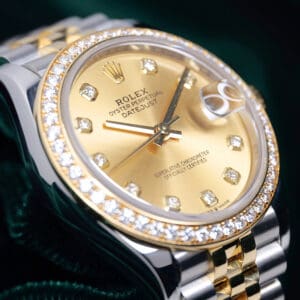
Rolex Datejust 31 Champagne Diamond Dial Diamond Bezel Jubilee Yellow Gold & Stainless Steel 31mm MINT CONDITION COMPLETE SET 278383RBR
$31,990.00
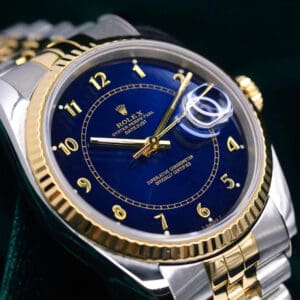
Rolex Datejust Blue Arabic Numeral Refinished Dial Fluted Bezel Jubilee Bracelet 18k Yellow Gold Stainless Steel 36mm MINT CONDITION 16233
$7,975.00
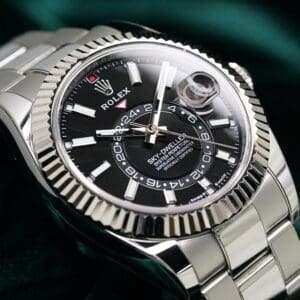
2025 Rolex Sky-Dweller Bright Black Dial 18k White Gold Fluted Bezel Stainless Steel Oyster Bracelet 42mm MINT CONDITION COMPLETE SET 336934
$22,895.00