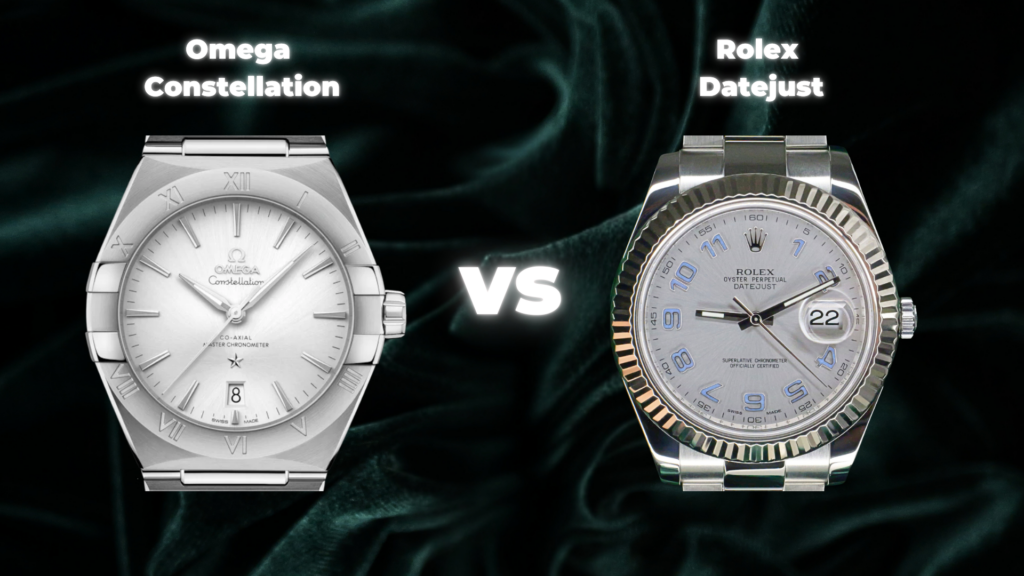
You’re probably here because Omega Constellation vs Rolex Datejust keeps landing on the same shortlist. That’s no coincidence. Both watches sit in the same lane: luxury dress watches at a similar price tier, built for collectors who want everyday elegance and long-term ownership. Once you start looking seriously, the comparison feels unavoidable.
The Datejust dates back to 1945, and the Constellation to 1952. Both have decades of heritage, which means the choice isn’t about pedigree. It’s about which watch fits how you wear watches day to day. They share a buyer but take very different paths in design, identity, and wrist presence.
The part most older comparisons miss is that 2026 reset both lines. Omega launched the new Constellation Observatory in March, its biggest design and movement change in over 40 years.
Rolex, meanwhile, tightened its Superlative Chronometer standard and added new Datejust dials, including a green lacquer ombré. The comparison you read last year isn’t the comparison you’re making now.
By the end of this guide, you’ll have a clear sense of which one fits your wrist, your wardrobe, and your buying logic.
Omega Constellation Overview

The Omega Constellation debuted in 1952 as Omega’s accuracy flagship, built around chronometer-rated automatic movements and backed by the Observatory caseback with eight stars, a direct nod to Omega’s mid-century timing records. This was never a generic dress watch line. Precision and certification were the point from day one.
What most people picture today is the Constellation Manhattan, introduced in 1982. The four claws at 3 and 9 o’clock were originally functional, clamping the sapphire crystal and gasket into the case to keep the watch thin and water-resistant. The look is architectural, and you can spot one across a room.
In steel, the Manhattan still wears like a jewelry-leaning dress watch thanks to the Roman numeral bezel, integrated bracelet, and continuous case profile. Modern 41mm references run the Co-Axial Master Chronometer Calibre 8800 or 8900.
That adds METAS-certified accuracy and 15,000-gauss anti-magnetic resistance. The mix of bold design and serious technical spec is what pulls buyers who want recognition without defaulting to Rolex.
Notable references:
- Ref. 2648 — First Constellation
- Ref. 2852 — Pie Pan
- Ref. 168.005 — Dog-Leg Lugs
- Ref. 168.017 — C-Shape
- Ref. 396.1070 — Manhattan
- 2026 Observatory Collection — Pie-pan revival, two-hand Master Chronometer
Each marks a clear step in how the Constellation has been redrawn over seven decades, which is why the line still has something to say in 2026. For the full lineup beyond the comparison angle, our deeper Omega Constellation breakdown covers every era and reference family in detail.
Rolex Datejust Overview
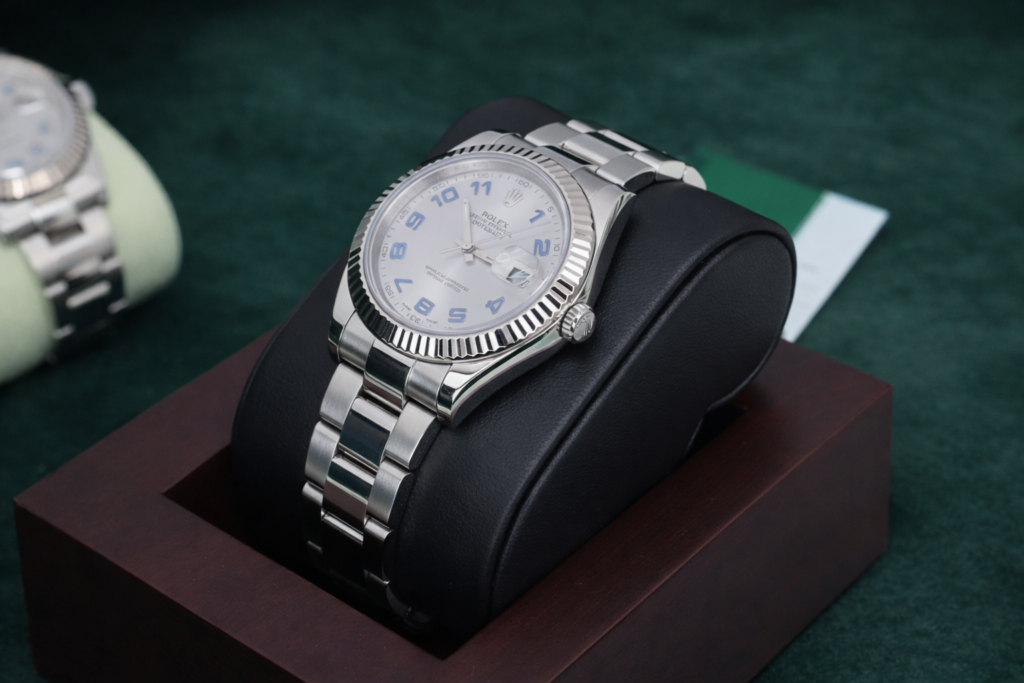
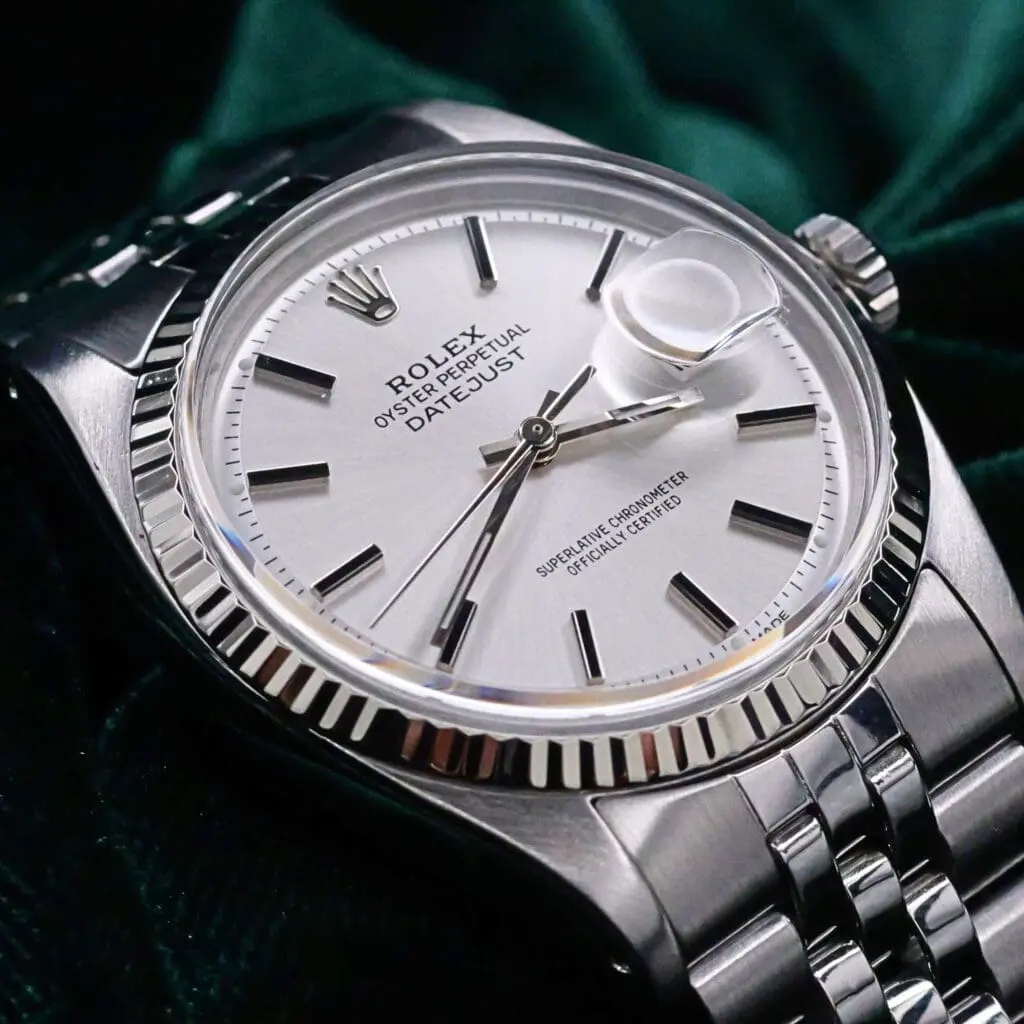

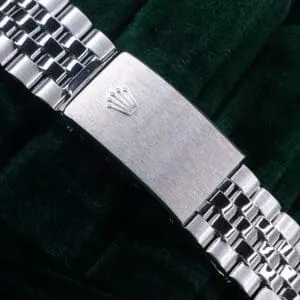
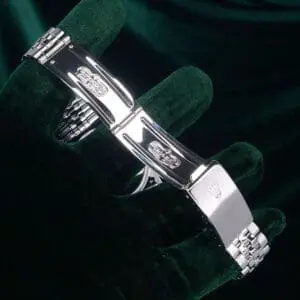
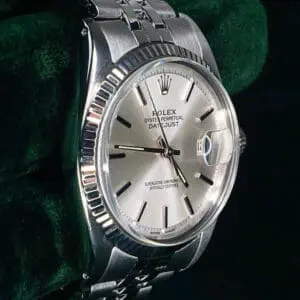
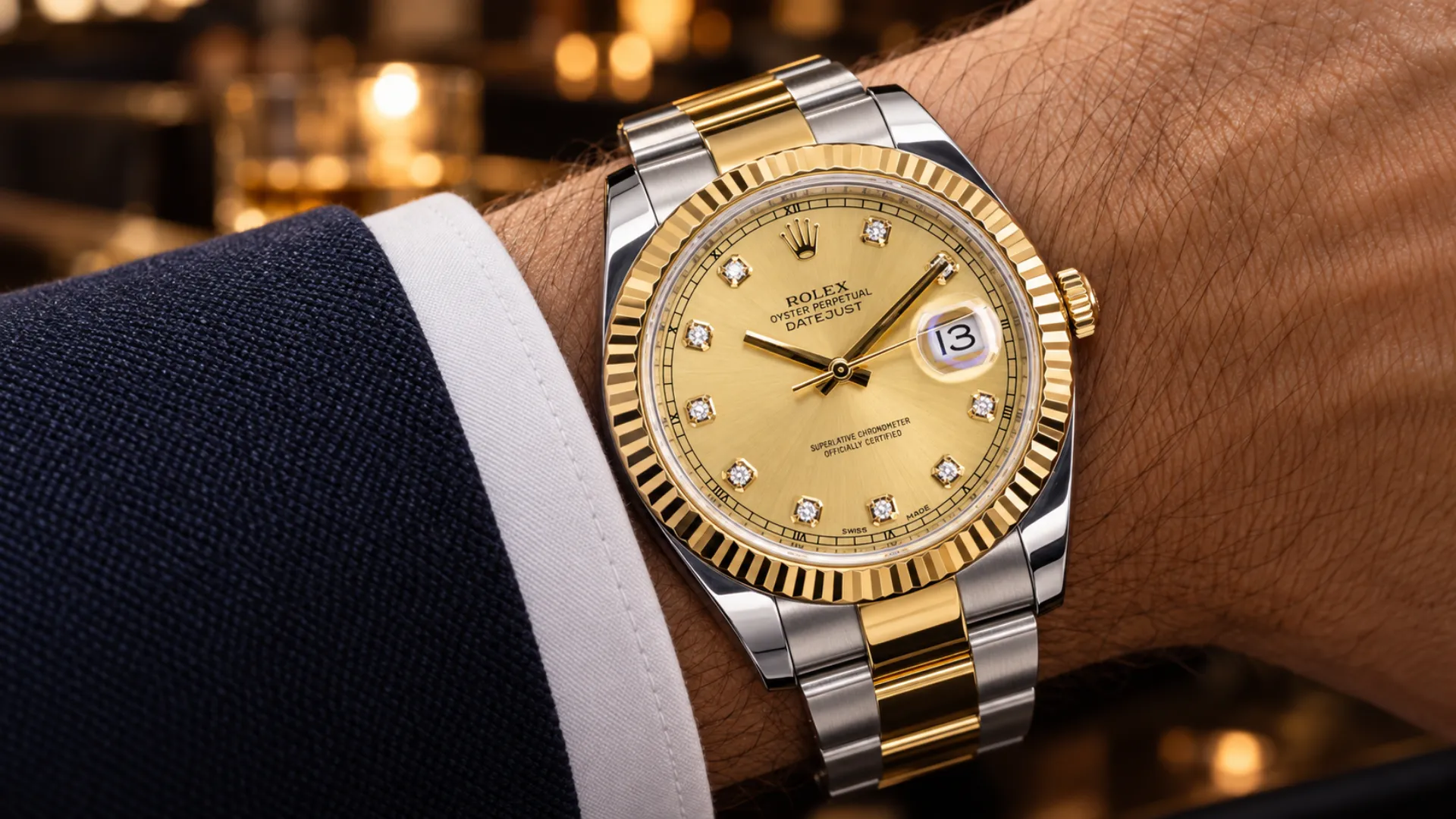
The Rolex Datejust, launched in 1945, set the template for a modern daily luxury watch. It was the first self-winding, waterproof chronometer wristwatch with a date at 3 o’clock, introduced alongside the Jubilee bracelet, which was designed specifically for this model. The Datejust wasn’t framed as a dress watch. It was engineered to be worn every day without compromise.
The design stays restrained on purpose. The Oyster case, screw-down crown, and uncluttered dial keep the focus on legibility. The Cyclops magnifier added in 1953 turned the date into a functional signature rather than decoration.
Rolex has refined proportions, materials, and movements over decades instead of chasing trends, which is why even older references still look current.
For collectors, the appeal lies in the range that lives within one model name. Jubilee or Oyster, fluted or smooth bezel, dial options like sunburst, linen, Wimbledon, or the new 2026 green ombré can shift the watch from formal to casual without changing the core platform.
That flexibility, paired with a production run spanning vintage through to modern references on the Calibre 3235, is why the Datejust still works as a smart first buy and a long-term keeper.
Notable references:
- Ref. 4467 — The Original Datejust
- Ref. 1601 — Fluted Bezel and Jubilee
- Ref. 6609 — Turn-O-Graph “Thunderbird”
- Ref. 16234 — Modern Vintage Datejust
- Ref. 126234 — Current Datejust 36
Each shows how the Datejust adapted to changing tastes without losing its core identity, which is why it still works across generations. If you want the full buyer’s view across sizes, materials, and eras, our full Datejust buying guide goes section by section.
What Changed in 2026 for Both Lines
Both lines had their biggest update in years within the same window, which is the main reason older comparisons need a refresh.
Omega Constellation Observatory (launched March 2026). Nine new references in a 39.4mm case with dog-leg lugs and a pie-pan dial revival. Steel models run the Calibre 8915 (time-only) or Calibre 8914 (with date). Precious-metal versions use the upgraded Calibre 8915 with luxe finishing.
Steel pricing starts at $10,900, the steel black ceramic dial sits at $12,200, and precious-metal versions reach $59,100 at the top. The headline news is technical: the Observatory is the first two-hand watch in history to earn Master Chronometer certification, made possible by a new acoustic testing method developed at Omega’s Laboratoire de Précision.
Rolex Datejust 2026 updates. No new reference numbers, but a clear refresh. The Datejust 41 in white Rolesor (ref. 126334-0033) gets a green lacquer ombré dial, the first ombré done by full lacquer rather than spray gradient.
New mint green dials arrive on the Datejust 36 in Everose Rolesor (ref. 126231) at $15,000 retail and on the Datejust 41 (ref. 126331) at $16,950. More importantly, every 2026 Rolex carries the strengthened Superlative Chronometer certification, which tightens accuracy and testing standards across the catalog.
The practical takeaway: if you’re cross-shopping these two now, you’re choosing between Omega’s most technically interesting Constellation in 40 years and a Datejust on a cert standard Rolex hasn’t updated since 2015.
Omega Constellation vs Rolex Datejust: Notable Differences

The biggest difference is how each watch shows up on your wrist. The Datejust is the do-anywhere luxury daily, while the Constellation reads as a more design-forward statement.
Bracelet and Style
The Manhattan-era Constellation is built around an integrated bracelet, meaning the case and bracelet read as a single visual unit. The case features at 3 and 9 o’clock plus the Roman numerals on the bezel give it a jewelry-forward presence.
The 2026 Observatory keeps the Constellation identity but moves to a tapered integrated bracelet on the gold mesh version and a leather strap on the steel.
The Datejust takes the opposite route. Jubilee or Oyster, fluted or smooth bezel, and the wide dial palette can change how the watch wears without changing models. A Wimbledon dial on Jubilee reads dressier than a black sunray on Oyster, and both are the same reference at the same price tier. If you’re stuck on the bracelet decision, we cover Jubilee vs Oyster in detail in a separate guide.
Movement and Performance
Modern Datejust references run on the Calibre 3235, with roughly 70 hours of power reserve, hacking seconds, and Rolex’s reputation for conservative, long-term, stable engineering.
For 2026, every Datejust is held to the strengthened Superlative Chronometer standard. Rolex hasn’t published exact numbers beyond “tightened,” but the previous spec was already +/-2 seconds per day after casing.
Constellation movements depend on the model. Current Manhattan-style 41mm references run the Co-Axial Master Chronometer Calibre 8800 or 8900, with a 55-hour power reserve on the 8800 and 60 on the 8900, both rated to 15,000 gauss.
The 2026 Observatory steel models use the new Calibre 8915, the time-only sibling of the precious-metal Calibre 8914. Both are METAS-certified, both run 60 hours of reserve, and they are the first two-hand movements in the world to clear the Master Chronometer testing protocol.
In practice, both run inside +/-2 seconds a day on the wrist. Where they differ is philosophy. Omega leans into magnetic resistance and certification disclosure. Rolex leans into long service intervals and a deeper service network worldwide.
Price and Market Demand
On paper these watches compete directly, but their pre-owned markets behave very differently because one is reference-fragmented and collector-led, while the other is liquidity-led with a much deeper buyer pool. That difference shows up in price consistency and how fast listings really move.
| Comparison Point | Omega Constellation | Rolex Datejust |
| Overall price range (market) | ~$300–$61,000 | ~$3,000–$47,000 |
| Upper-end retail | ~$59,100 (Observatory platinum-gold) | ~$18,050 (126284RBR diamond config) |
| Lowest entry point | Quartz refs around $300 | Vintage 1601 around $4,700 |
| Average market price | ~$2,000 | ~$10,000 |
| Current retail (popular steel ref) | Constellation 41mm Master Chronometer ~$7,200–$8,000 | Datejust 36 ref. 126234 — $9,900 |
| Secondary market (popular steel ref) | Manhattan 41mm sits below retail | Ref. 126234 trades around $12,613, ~27% above retail |
Figures sourced from WatchCharts, Chrono24 listings, and Omega/Rolex retail pricing as of 2026.
The Constellation Ref. 168.017, a vintage steel C-case, typically trades around ~$1,500–$4,000, with value highly dependent on originality and dial condition rather than hype.
Modern steel Manhattan references generally sit below retail, clustering in the four-figure range, while precious-metal versions can reach ~$60,000 at the top end. Demand is selective, so liquidity is strongest only for clean, correct examples.
The Datejust Ref. 1601 trades in a tighter, more predictable band of around $4,700–$8,000, which is what constant, broad demand looks like in the data. Buyers span everyday wearers, collectors, and resale-focused shoppers, which supports steadier turnover.
The 126234 sits around $12,613 on the secondary market against $9,900 retail, and Datejust 41 fluted-bezel models (ref. 126334) trade between $13,500 and $19,500 depending on dial and bracelet.
The headline difference: a Datejust is easier to sell at any time. A Constellation can be a stronger value play on the right reference, but you need the right reference. For a wider view of how the two brands compare on resale, our Omega vs Rolex resale value comparison lays out the long-term data side by side.
Notable Omega Constellation References

The Constellation line is long, weird, and more fun than people give it credit for. The references below keep coming up in collector conversations because they define the major design eras and usually deliver the best mix of charm, wearability, and value for the money.
1. Ref. 2648 (1952 First Constellation)
The Ref. 2648 is where the modern Constellation story properly begins, built around Omega’s mid-century obsession with chronometer performance. It matters because it locks in the idea that a Constellation is precision-first, dressed up enough to pass as a serious daily.
Key specs
- Case: 35mm three-body dress case, downturned lugs, decagonal crown, Constellation observatory caseback
- Bezel: Rounded, domed dress bezel
- Bracelet: Most often seen on a strap; period bracelets exist depending on metal and delivery
- Typical pre-owned: $3,000–$10,000, metal, dial, and condition-dependent
2. Ref. 2852 (Classic Pie Pan Era Staple)
The Ref. 2852 sits in the famous “Pie Pan” dial era, where the faceted dial profile gives the watch instant 1950s elegance. It’s collectible because the look is peak Constellation but the supply is large enough that you can hunt for a strong example instead of settling.
Key specs
- Case: 35mm classic mid-century case with faceted, downturned lugs and Constellation caseback
- Bezel: Thin, flat dress bezel profile that keeps the dial dominant
- Bracelet: Often paired with Omega beads-of-rice style bracelets in period builds
- Typical pre-owned: $1,500–$5,000, originality-dependent
3. Ref. 168.005 (Iconic Dog-Leg Lug Constellation)
The Ref. 168.005 is loved for its sharp dog-leg lugs, which give the watch a sculpted case without turning it into a sports watch. It’s iconic because the silhouette becomes instantly recognizable once you’ve seen a few good examples, especially in unpolished cases with crisp facets.
Key specs
- Case: Dog-leg lug case with prominent top and underside facets through the lugs
- Bezel: Faceted bezel profile, a known tell on well-defined examples
- Bracelet: Period steel bracelets and beads-of-rice options, depending on build and market
- Typical pre-owned: $2,000–$6,000, dial and condition-dependent
4. Ref. 168.017 (C-Shape Era Reference)
The Ref. 168.017 represents the C-shape case era: smoother, more modern, and very 1970s. The design language is often associated with Gerald Genta. Even if you don’t care about attribution, the appeal is simple: it wears flat, sits sleek, and still feels like a Constellation because the chronometer identity carries through.
Key specs
- Case: Two-body, polished and brushed C-shape case with a screw-down caseback and Constellation medallion
- Bezel: Fluted bezel is the commonly listed config for this reference family
- Bracelet: Frequently paired with the original brick-style bracelet that matches the case era
- Typical pre-owned: $1,500–$4,000, condition-dependent
5. Ref. 396.1070 (Manhattan Family)
The Ref. 396.1070 sits in the Manhattan design family that defines what most people picture as a modern Constellation: integrated bracelet, cleaner lines, and the signature claws at 3 and 9. It’s iconic because it turned the Constellation into design jewelry you can wear every day, not just a dress watch.
Key specs
- Case: Ultra-thin, integrated case style built around the Manhattan profile
- Bezel: Manhattan claws with Roman numeral execution depending on generation
- Bracelet: Integrated mono-link fit central to the wearing experience
- Typical pre-owned: $800–$2,000, size and metal-dependent
6. 2026 Observatory Collection (Ref. 140.13.39.21)
The 2026 Observatory is the first reference family that pulls the Constellation away from the Manhattan template and back toward its 1950s pie-pan roots. The 39.4mm case, dog-leg lugs, guilloché outer dial, and clean two-hand layout make it the sharpest design break the line has had in over 40 years.
The technical story is bigger than the looks: this is the first two-hand watch in history with Master Chronometer certification, made possible by Omega’s new acoustic testing protocol.
Key specs
- Case: 39.4mm diameter, 12.23mm thick, 47.2mm lug-to-lug, polished case with brushed sides
- Movement: Calibre 8915 (time-only) or 8914 (with date), 60-hour reserve, 15,000-gauss resistance, METAS-certified
- Materials: O-MEGASTEEL, Moonshine, Sedna, Canopus gold, and platinum-gold
- Retail: $10,900 (steel time-only) to $59,100 (platinum-gold)
999+ Timepieces Available
Explore Our Timepieces
Authenticated, unworn, and ready to ship worldwide.
Rolex · Audemars Piguet · Patek Philippe · Omega · Cartier · Richard Mille · Hublot · Tudor
Newly Listed

Vacheron Constantin Overseas Perpetual Calendar Ultra-Thin Silver Dial 18K Rose Gold Bracelet 41.5mm MINT CONDITION COMPLETE SET 4300V/120R-B064
$115,385.00
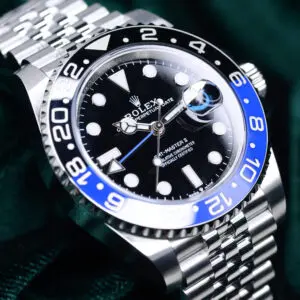
2026 Rolex GMT-Master II “Batgirl” Black Dial Blue Black Ceramic Bezel Jubilee Bracelet Stainless Steel 40mm MINT CONDITION COMPLETE SET 126710BLNR
$22,034.00
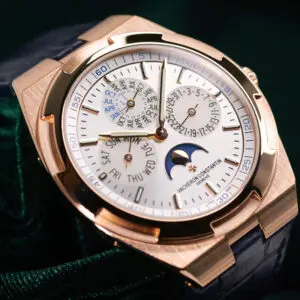
Vacheron Constantin Overseas Perpetual Calendar Ultra-Thin Silver Dial Blue Leather Strap 18K Rose Gold 41.5mm MINT CONDITION COMPLETE SET 4300V/120R-B064
$115,385.00
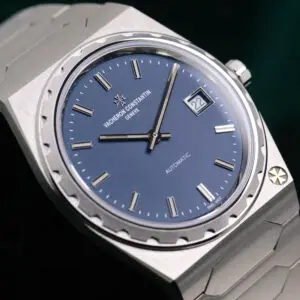
2026 NEW UNWORN Vacheron Constantin Historiques 222 Blue Dial Stainless Steel 37mm COMPLETE SET 4200H/222A-B934
$58,795.00
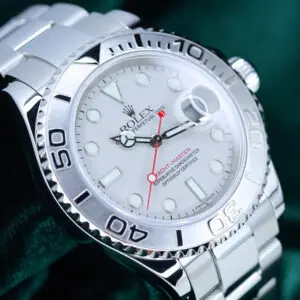
Rolex Yacht-Master Rolesium Platinum Dial Platinum Bezel Oyster Stainless Steel 40mm MINT CONDITION COMPLETE SET 16622
$14,690.00

Audemars Piguet Royal Oak Offshore Chronograph “Vampire” Black Dial Red Accents Black Ceramic Bezel Stainless Steel 42mm MINT CONDITION 26470SO.OO.A002CA.01
$34,649.00
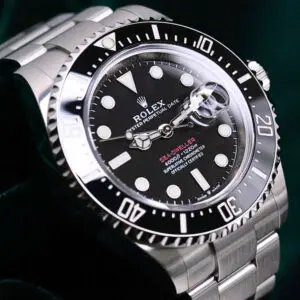
Rolex Sea-Dweller "Red Letter" Black Dial Black Cerachrom Bezel Oyster Bracelet Stainless Steel 43mm MINT CONDITION COMPLETE SET 126600
$13,120.00
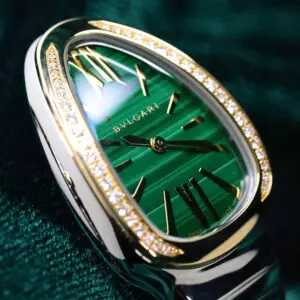
2026 NEW UNWORN Bvlgari Serpenti Tubogas Studs Capsule Limited Edition Green Dial Diamond Bezel Steel & 18k Yellow Gold 35mm COMPLETE SET 104360
$24,255.00
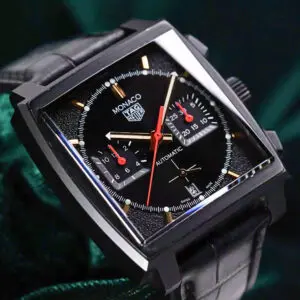
Tag Heuer Monaco Chronograph “Dark Lord” Special Edition Black Dial Black Leather Strap DLC Titanium 39mm MINT CONDITION COMPLETE SET CBL2180.FC6497
$8,135.00
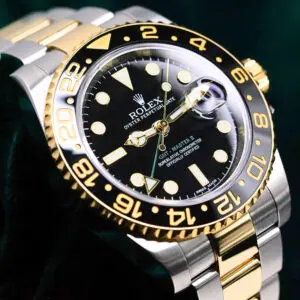
Rolex GMT-Master II “Green Arrow” Black Dial Black Ceramic Bezel Oyster Bracelet Two-Tone 18K Yellow Gold Stainless Steel 40mm MINT CONDITION COMPLETE SET 116713LN
$15,740.00
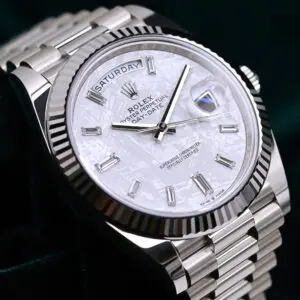
Rolex Day-Date Meteorite Baguette Diamond Dial Fluted Bezel President 18K White Gold 40mm MINT CONDITION COMPLETE SET 228239
$78,629.00
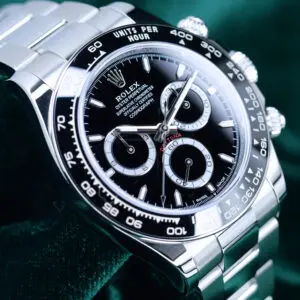
2026 Rolex Cosmograph Daytona Black Dial Black Ceramic Bezel Oyster Bracelet Stainless Steel 40mm MINT CONDITION COMPLETE SET 126500LN
$33,594.00
Notable Rolex Datejust References

The Datejust has been made in more configurations than most collectors will see in a lifetime, so not every reference carries the same gravity. The picks below are the milestones people point to when they talk about what the Datejust really is: the first blueprint, the vintage icon, the cult favorite, the modern vintage sweet spot, and the current daily-driver standard.
1. Ref. 4467 (1945)
The Ref. 4467 is the origin story, and it matters because it locks in the core identity: a date at 3 o’clock built for daily wear, not occasional dress duty. This is the Datejust before the formula got standardized, which is exactly why collectors love it.
Key specs
- Case: 36mm 18k yellow gold Oyster case
- Bezel: Coin-edge fluted bezel, early-generation profile
- Bracelet: Five-piece Jubilee bracelet introduction era
- Typical pre-owned: $25,000–$60,000+, condition-dependent
2. Ref. 1601 (1960s Era Classic)
The Ref. 1601 is the vintage Datejust most people picture first: balanced 36mm proportions, fluted bezel, and the clean mid-century Rolex feel. It’s iconic because it delivers dressy but daily without feeling fragile, flashy, or precious. As of 2026 it sells in a median of 30 days on the secondary market, which is fast for a vintage piece.
Key specs
- Case: 36mm Oyster case, vintage proportions
- Bezel: Fluted bezel, commonly described in gold variants for this reference family
- Bracelet: Jubilee is the classic pairing; Oyster is also common
- Typical pre-owned: $4,700–$8,000
3. Ref. 6609 Turn-O-Graph “Thunderbird”
The Datejust Turn-O-Graph Ref. 6609, often called the “Thunderbird,” is the Datejust that quietly cosplays as a tool watch. The rotating timing bezel gives you actual utility, and it’s collectible because it feels different on the wrist while still reading as unmistakably Datejust.
Key specs
- Case: 36mm Oyster case with screw-down crown and caseback
- Bezel: Rotating “Thunderbird” bezel with 60-minute scale
- Bracelet: Typically Oyster-style
- Typical pre-owned: $7,000–$15,000, dial and originality-dependent
4. Ref. 16234 (Late 1980s to Mid-2000s)
The Ref. 16234 is modern vintage done right: classic 36mm look with the upgrades most buyers want, including a sapphire crystal and quickset date. It’s popular because you get the old-school Datejust feel with fewer of the headaches that come with truly vintage references.
Key specs
- Case: 36mm stainless steel Oyster case
- Bezel: 18k white gold fluted bezel
- Bracelet: Jubilee is the most common pairing; Oyster also seen
- Typical pre-owned: $6,000–$10,000, condition and set-dependent
5. Ref. 126234 (Current Datejust 36)
The Ref. 126234 is the modern do-everything Datejust: classic proportions, current finishing, and a movement built for real daily wear. As of 2026, retail is $9,900 in the US for the standard configuration, and the secondary market sits around $12,613, roughly 27% above retail, with a median 31 days to sell. If you’re torn between this 36mm and the 41mm, our Datejust 41 vs 36 breakdown walks through what changes on the wrist.
Key specs
- Case: 36mm Oystersteel
- Bezel: Fluted, white gold
- Bracelet: Jubilee or Oyster
- Movement: Calibre 3235, 70-hour reserve, 2026 strengthened Superlative Chronometer standard
- Retail (2026): $9,900. Secondary: ~$12,613
Choosing Between the Constellation and the Datejust
The decision comes down to how you plan to wear the watch and the presence you want on your wrist. Choose the Datejust for effortless versatility, or the Constellation for a more design-forward statement, since both deliver comparable build quality.
Choose the Rolex Datejust If:
- You want a watch that works at the office, at formal events, and on a random Tuesday
- You care about resale strength and fast liquidity across most configurations
- You prefer a dial layout that reads cleanly in almost any setting
- You like timeless, low-risk design over statement styling
- You want easy flexibility between Jubilee and Oyster, fluted and smooth bezel
- You value a conservative ownership experience where parts, service, and buyer demand are widely understood
- The 2026 strengthened Superlative Chronometer cert and new green ombré dial are worth the premium to you
Choose the Omega Constellation If:
- You want a watch that feels deliberate and less common without going quirky
- You’re tired of seeing Rolex on every other wrist and want something rarer in the wild
- You like a stronger visual identity, especially the integrated-bracelet look on Manhattan-family pieces
- You value Omega’s technical strengths, including Master Chronometer certification and 15,000-gauss resistance
- You care about value-for-money on the secondary market, where condition and reference choice can stretch your budget
- You want the latest 2026 Observatory Collection, the first two-hand watch with Master Chronometer cert
- You want a watch where your specific dial, case shape, and bracelet choice is the whole point
Both choices make sense. They reward different instincts. The Datejust is the safer, more liquid pick because it’s easy to live with and easy to move. The Constellation is the better call when you’re buying for character and long-term enjoyment over instant recognition.
Where to Buy Authentic Watches Online
There are a handful of legitimate online channels for buying either a Constellation or a Datejust. Chrono24 is the largest dedicated marketplace for both new and pre-owned watches, with seller ratings and a buyer protection program — if it’s your first time using it, our walkthrough on buying a watch on Chrono24 covers what to check before sending money.
eBay’s Authenticity Guarantee program covers watches over $2,000, with independent inspection before the watch ships. Grailzee runs timed auctions with watches inspected and authenticated before listing, which suits buyers who like the auction format.
Independent grey-market dealers and watch forums round out the channels. Useful for hunting specific vintage references, but harder to vet at a glance — if you’re shopping a Datejust, our guide on how to spot a fake Datejust covers the tells that matter most.
We also sell, buy, and trade luxury watches, and the reason clients choose us over a marketplace listing is the layered communication before the purchase.
We send tour videos of the actual watch on the actual wrist, detailed condition notes covering polish history and dial originality, and direct conversation with someone who has held the watch in hand. You’re not buying blind off a stock photo or a 30-second listing video.
That shows up in our 4.9-star Google rating, which comes from clients who appreciate having a real person walk them through the watch before any money moves.
If you want that kind of walkthrough on a specific Datejust reference or a specific Constellation you’re weighing, reach out and we’ll send tour videos and condition notes on what we currently have or what we can source for you.
Final Thoughts on Omega Constellation vs Rolex Datejust
The Omega Constellation vs Rolex Datejust debate exists because both sit in the same everyday-luxury lane, but they win for different reasons. The Datejust is the safer, more liquid buy. The Constellation can be the smarter value play if you pick the right reference and avoid compromised examples.
Two practical tips worth keeping: condition and originality matter more than internet consensus on either side, and the 2026 Observatory has shifted the Constellation conversation enough that comparing it to a 2018 Datejust review will give you the wrong answer. Pick the configuration you’ll wear most, verify the watch in hand, and the decision follows. If you’re early in the process and weighing more than these two, our pre-owned luxury watch buying guide is the broader starting point.
999+ Timepieces Available
Explore Our Timepieces
Authenticated, unworn, and ready to ship worldwide.
Rolex · Audemars Piguet · Patek Philippe · Omega · Cartier · Richard Mille · Hublot · Tudor
Newly Listed
Vacheron Constantin Overseas Perpetual Calendar Ultra-Thin Silver Dial 18K Rose Gold Bracelet 41.5mm MINT CONDITION COMPLETE SET 4300V/120R-B064
$115,385.00
2026 Rolex GMT-Master II “Batgirl” Black Dial Blue Black Ceramic Bezel Jubilee Bracelet Stainless Steel 40mm MINT CONDITION COMPLETE SET 126710BLNR
$22,034.00
Vacheron Constantin Overseas Perpetual Calendar Ultra-Thin Silver Dial Blue Leather Strap 18K Rose Gold 41.5mm MINT CONDITION COMPLETE SET 4300V/120R-B064
$115,385.00
2026 NEW UNWORN Vacheron Constantin Historiques 222 Blue Dial Stainless Steel 37mm COMPLETE SET 4200H/222A-B934
$58,795.00
Rolex Yacht-Master Rolesium Platinum Dial Platinum Bezel Oyster Stainless Steel 40mm MINT CONDITION COMPLETE SET 16622
$14,690.00
Audemars Piguet Royal Oak Offshore Chronograph “Vampire” Black Dial Red Accents Black Ceramic Bezel Stainless Steel 42mm MINT CONDITION 26470SO.OO.A002CA.01
$34,649.00
Rolex Sea-Dweller "Red Letter" Black Dial Black Cerachrom Bezel Oyster Bracelet Stainless Steel 43mm MINT CONDITION COMPLETE SET 126600
$13,120.00
2026 NEW UNWORN Bvlgari Serpenti Tubogas Studs Capsule Limited Edition Green Dial Diamond Bezel Steel & 18k Yellow Gold 35mm COMPLETE SET 104360
$24,255.00
Tag Heuer Monaco Chronograph “Dark Lord” Special Edition Black Dial Black Leather Strap DLC Titanium 39mm MINT CONDITION COMPLETE SET CBL2180.FC6497
$8,135.00
Rolex GMT-Master II “Green Arrow” Black Dial Black Ceramic Bezel Oyster Bracelet Two-Tone 18K Yellow Gold Stainless Steel 40mm MINT CONDITION COMPLETE SET 116713LN
$15,740.00
Rolex Day-Date Meteorite Baguette Diamond Dial Fluted Bezel President 18K White Gold 40mm MINT CONDITION COMPLETE SET 228239
$78,629.00
2026 Rolex Cosmograph Daytona Black Dial Black Ceramic Bezel Oyster Bracelet Stainless Steel 40mm MINT CONDITION COMPLETE SET 126500LN
$33,594.00