
Put a Milgauss and an Air-King next to each other and they feel like cousins. Both are steel Rolex tool watches, both sit around 40 mm, both ride an Oyster bracelet, and both wear with that clean, fixed-bezel stance.
The difference is what each one is trying to say. The Milgauss leans into anti-magnetic engineering and a few playful flourishes. The Air-King goes full cockpit, with aviation styling and a dial built for fast reading.
There’s also a 2026 wrinkle that changes the comparison: one of these is still in production and one isn’t. That single fact reshapes the pricing and the buying decision. Here’s how the two stack up, and which one is the better pick for you.
What Changed for the Milgauss in 2026
Rolex quietly discontinued the Milgauss in 2023, with no direct successor. That’s the most important thing a 2026 buyer needs to know, because it flipped the watch from a regular catalog model into a closed collector line.
Industry speculation points to the anti-magnetic niche becoming less relevant, since modern Rolex movements increasingly use materials like silicon hairsprings that resist magnetism on their own. Whatever the reason, the result is the same: supply is now fixed, and prices have moved up.
The Air-King, by contrast, is still in current production. So one side of this comparison is a hunt for a discontinued piece, and the other is a watch you can theoretically still order through an authorized dealer.
Rolex Milgauss Background
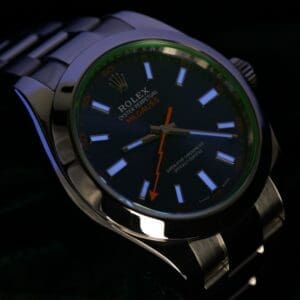


Rolex launched the Milgauss in 1956 to solve a specific problem. Magnetic fields were throwing off mechanical watches in labs and industrial sites, so Rolex built one that could shrug them off and named it for the spec: resistance up to 1,000 gauss. The modern line was revived in 2007 and locked in the identity collectors know today.
The audience was always technical: engineers, technicians, and scientists working near magnetic equipment in laboratories, power systems, and research facilities. This was never a diver or a racing watch. The job was keeping accurate time around equipment that scrambles other movements.
It pulls that off with a soft iron inner shield, a Faraday cage that surrounds the movement and deflects magnetic fields before they reach the balance and escapement. The protection is built into the case architecture and works on its own, no input needed.
What collectors actually fall for, though, is the look. The lightning-bolt seconds hand and, on the 116400GV, the green-tinted sapphire crystal give it more personality than almost any other Rolex tool watch. Rolex introduced that green crystal in 2007 as a technical first for the brand, and it became the line’s signature.

Popular Milgauss References:
- Reference 6541 — the original lightning-bolt Milgauss
- Reference 1019 — the clean, understated vintage scientist
- Reference 116400 — the modern revival
- Reference 116400GV — the green-crystal modern Milgauss
Rolex Air King Background
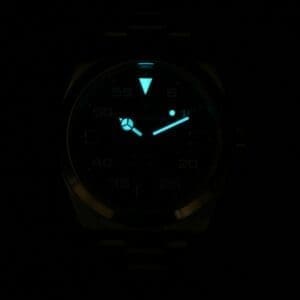
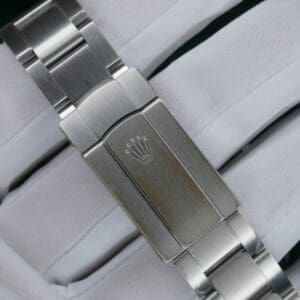
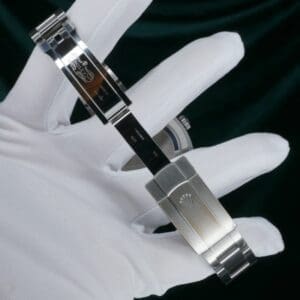
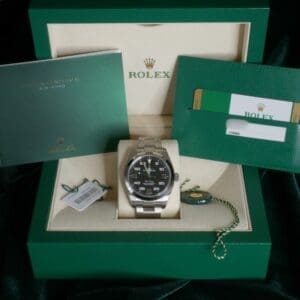
The Air-King name goes back to 1945, tied to Rolex’s post-war aviation line. For decades it stayed small, simple, and time-only. Then Rolex changed course in 2016 with the 40 mm Air-King 116900, a complete reset of what the model was.
The modern Air-King is built for buyers who want aviation heritage and serious legibility in a daily watch. The dial favors high-contrast reading and oversized minute markers, and honestly, the personality is what sells it more than any spec sheet.
The big milestone was the 116900, which pushed the Air-King into a Professional-style case on the Caliber 3131-era platform. Rolex later released the 126900, adding crown guards and upgrading to the Caliber 3230 with a 70-hour power reserve, which brought it in line with the rest of the current Professional range.
If you’re cross-shopping the entry Professional models, our Air-King vs Explorer comparison sets the two side by side.
Buyers tend to split between the two. The 116900 draws people who want the original modern pivot and its softer case profile. The 126900 wins those who prefer the updated hardware and newer movement. For most, dial taste and condition settle it.
The defining trait is that cockpit-style dial with oversized minute numerals. Rolex keeps anchoring the model to aviation in its own materials, while the case and bracelet stay familiar. On the Air-King, the dial carries the whole message.

Popular Air-King References:
- Reference 126900 — the current Professional Air-King
- Reference 116900 — the aviation-dial pivot
- Reference 14000 — the classic five-digit Air-King
- Reference 5500 — the long-run vintage Air-King
Milgauss vs Air King: Core Differences

This comparison really comes down to how Rolex uses design to express function. Both are modern steel tool watches with similar sizes and a similar feel on the wrist, so the gap shows up in the details. Here are the four that matter most.
1. Crystal Design
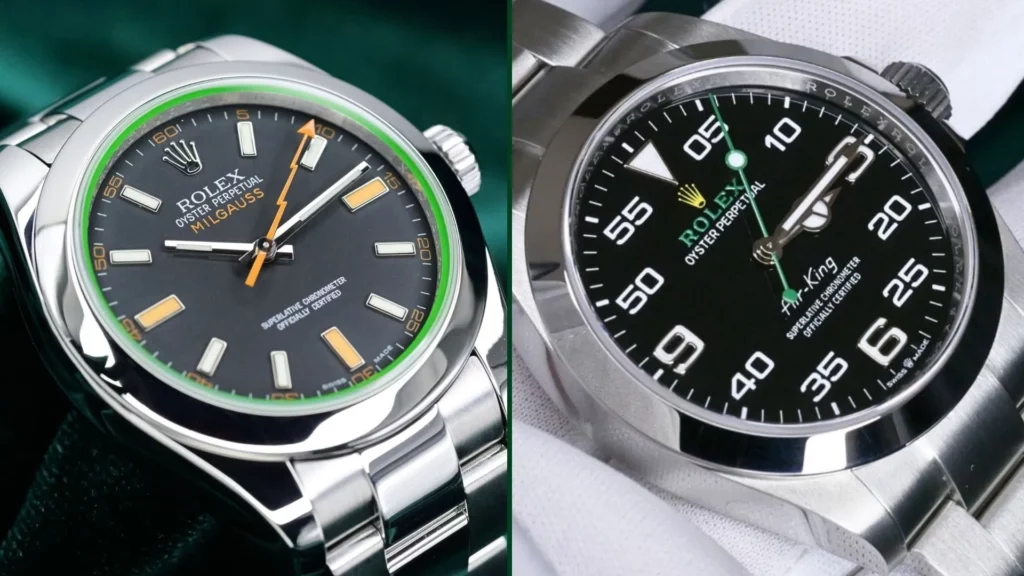
The Milgauss GV is the headline here. Its green-tinted sapphire crystal shifts color subtly depending on the light, and it’s a Milgauss-only detail that you can spot from across a room.
The Air-King uses a standard flat sapphire crystal, no tint, no treatment. Rolex keeps it optically neutral so the dial markings stay sharp and high-contrast. From the side, the Air-King looks flatter and more conventional, which suits its instrument-first attitude.
2. Dial Architecture
Milgauss dials follow a controlled layout built around balance. Accent colors get used sparingly, and the hour markers stay familiar in shape and spacing. The dial reads fast even with the playful touches tied to its scientific theme.
Air-King dials chase quick, precise reading over visual calm. Rolex emphasizes the minute scale with large Arabic numerals and a busy surface, a direct nod to its aviation roots and a help for fast time checks when you’re moving.
3. Handset Configuration
The Milgauss lightning-bolt seconds hand is the standout. It adds a dynamic, slightly cheeky element that nods to the scientific heritage, while standard hour and minute hands keep everything legible.
The Air-King handset stays functional and understated, with bold hour and minute hands built to cut through a dense dial. The seconds hand gets no special shape, because the dial already carries the model’s identity.
4. Price and Market Demand
This is where discontinuation does the heavy lifting. The modern Milgauss 116400 and 116400GV ran from 2007 to 2023, with retail sitting around $9,400 at the end. As of 2026, clean 116400 examples trade around $8,700, while the green-crystal GV runs roughly $10,000 to $14,000, with the Z-Blue dial carrying the strongest premium. Prices have climbed since production ended.
Vintage Milgauss sits in another tier entirely. The 1019 trades anywhere from about $25,000 to $60,000 depending on dial variant and condition, and the original 6541 clears $80,000 and up at auction.
The Air-King is steadier because it’s still being made. The 126900 lists around $8,150 retail (after the January 2026 increase) and trades close to that, roughly $7,500 to $9,000 for a complete set. Vintage 34 mm references like the 5500 stay genuinely accessible at around $3,000 to $6,000, since Rolex made them in volume over a long run.
So the two play different roles. The Milgauss now behaves like a discontinued collector piece, with value supported by fixed supply. The Air-King behaves like an active production model, priced by availability rather than scarcity. One rewards patience and rarity; the other rewards just buying the watch.
For the bigger picture on how well Rolex holds value over time, we cover that separately.
Notable Milgauss References

The Milgauss exists for one job: protect mechanical timekeeping from magnetism and stay easy to recognize. Rolex kept the concept technical but layered in clear design cues, the lightning seconds hand and, later, the green crystal. These are the references that define the line, and our full Milgauss buying guide walks through the lineup in more depth.
Reference 6541
The 6541 is the first true Milgauss and the foundation of everything that followed. Rolex built it in the 1950s to fight magnetic interference in scientific and industrial settings, and it introduced both the lightning-bolt seconds hand and the internal anti-magnetic shield.
Original examples are rare, and value leans heavily on untouched parts and provenance. Clean pieces with original lightning-bolt hands clear $80,000 and climb well past that at auction.
Reference 1019
The 1019 is the long-running vintage Milgauss and the most understated version of the line. Rolex dropped the lightning seconds hand and gave it a clean, almost dress-leaning dial, so it slipped into daily wear more easily while keeping the anti-magnetic architecture.
Collectors zero in on case sharpness and untouched dials. Depending on the dial variant and condition, the 1019 trades roughly $25,000 to $60,000, and it’s been a steady appreciator.
More Milgauss
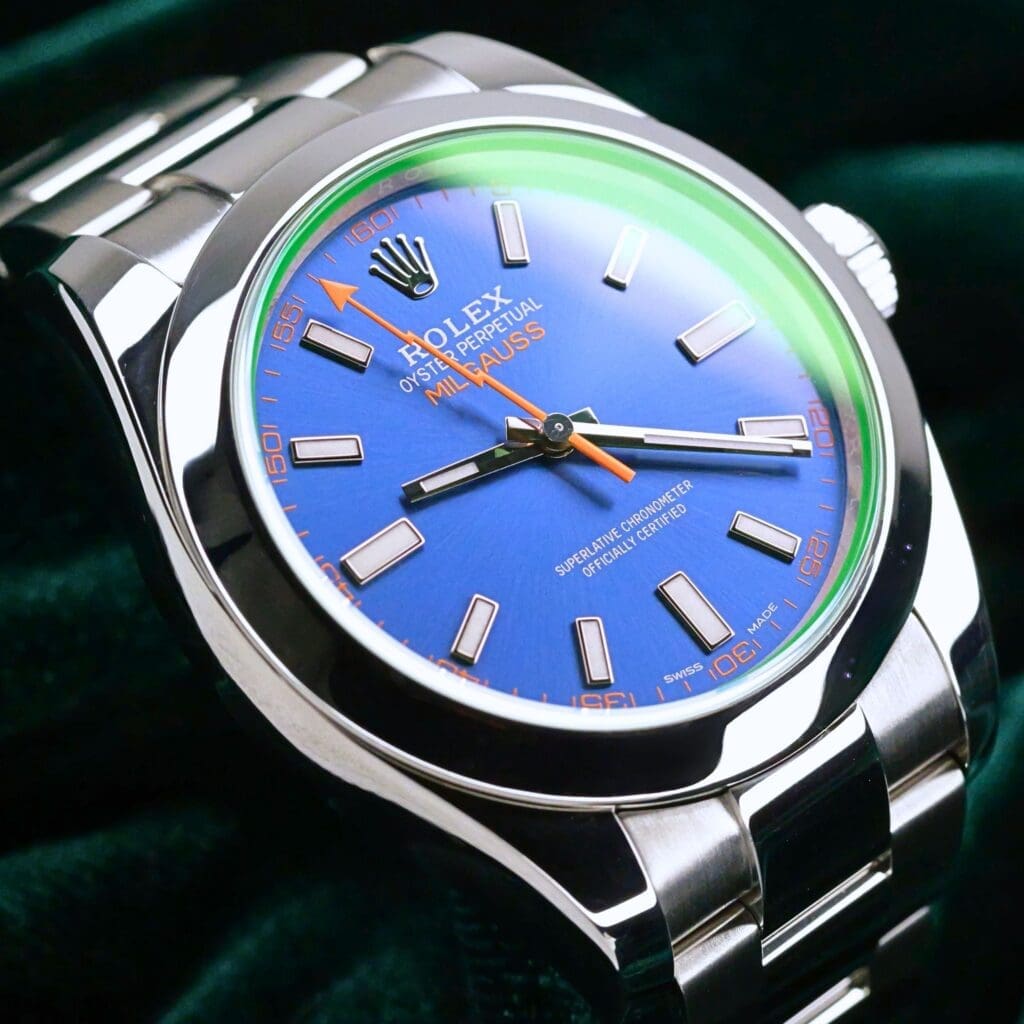
Rolex Milgauss Blue Dial Stainless Steel 40mm MINT CONDITION COMPLETE SET 116400GV-0002

Rolex Milgauss Black Dial Oyster Bracelet Stainless Steel 40mm MINT CONDITION COMPLETE SET 116400GV

Rolex Milgauss Black Dial Orange Accents Smooth Bezel Oyster Steel Bracelet Stainless Steel 40mm MINT CONDITION COMPLETE SET 116400
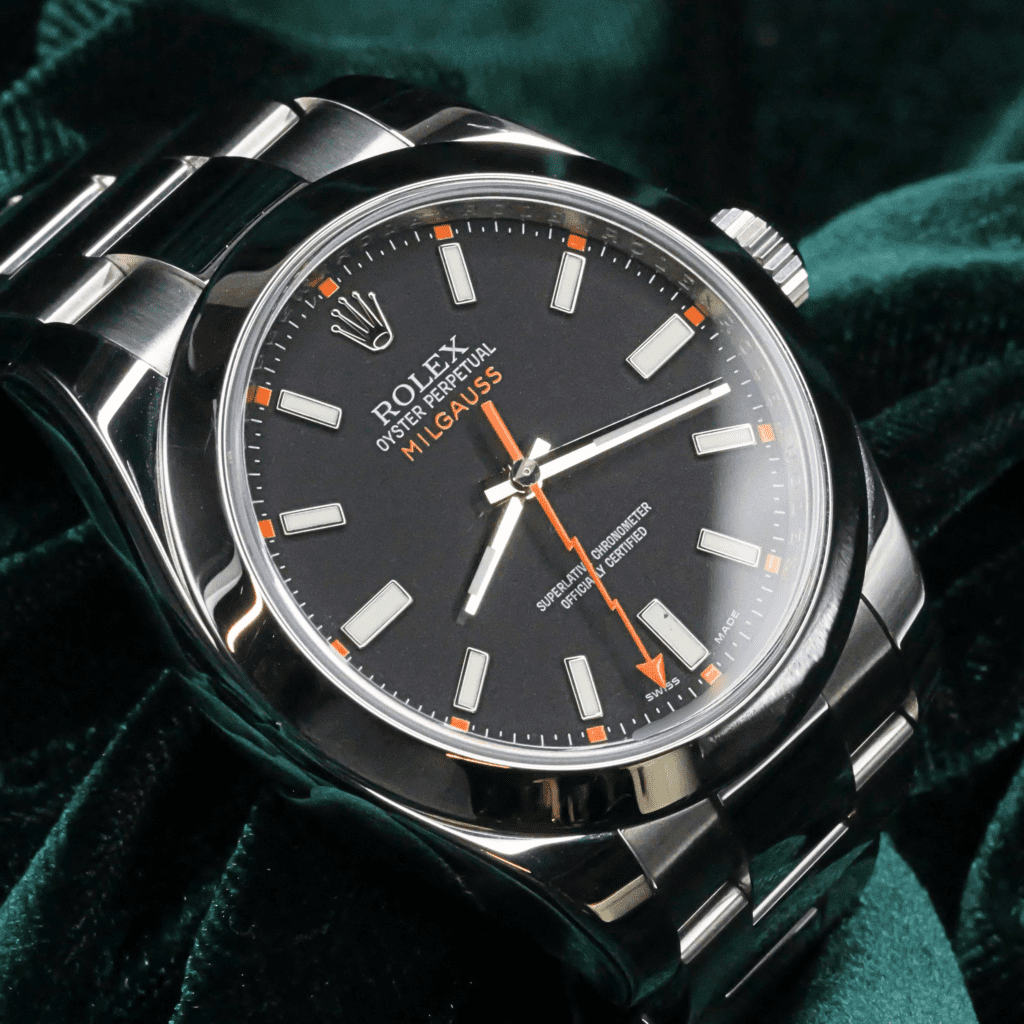
Rolex Milgauss 40MM Black Dial Orange Hand Stainless Steel VERY GOOD CONDITION 116400
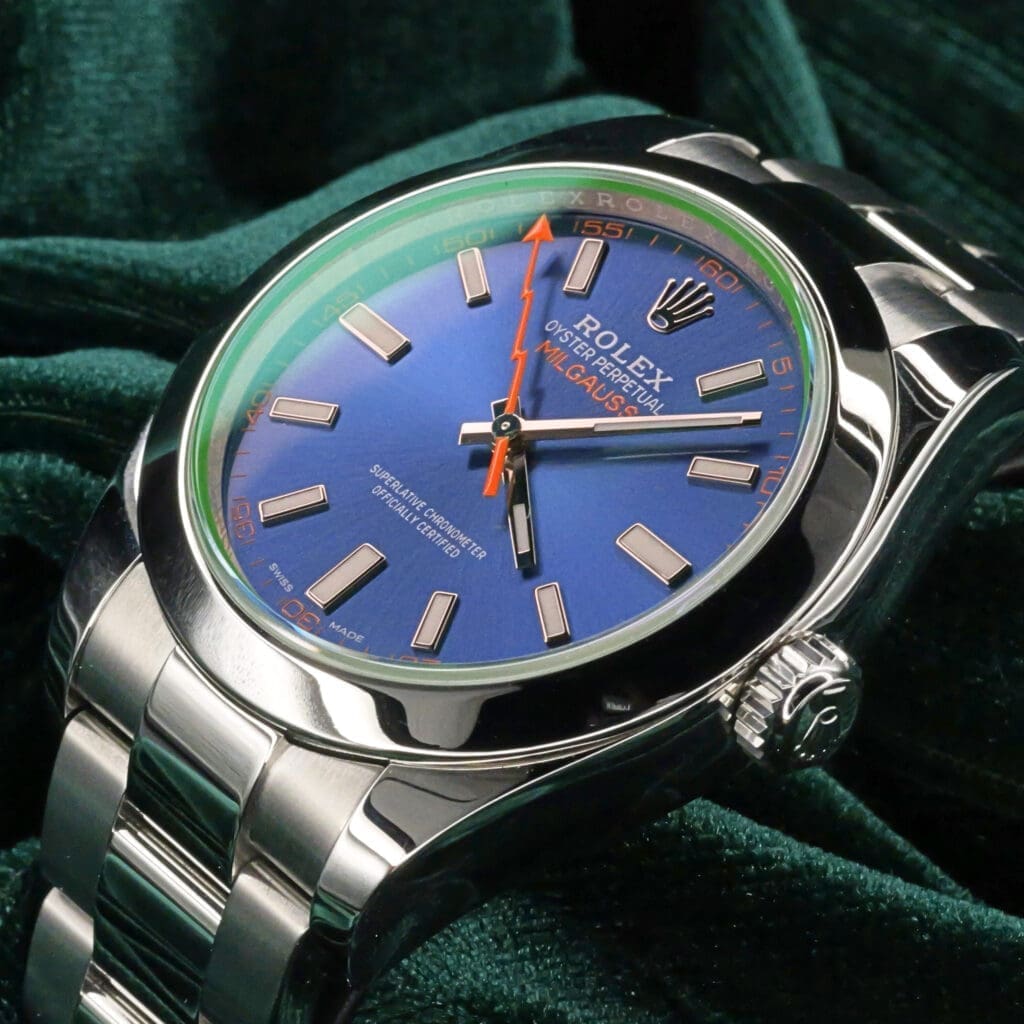
Rolex Milgauss 40MM Blue Dial Stainless Steel COMPLETE SET MINT CONDITION 116400GV
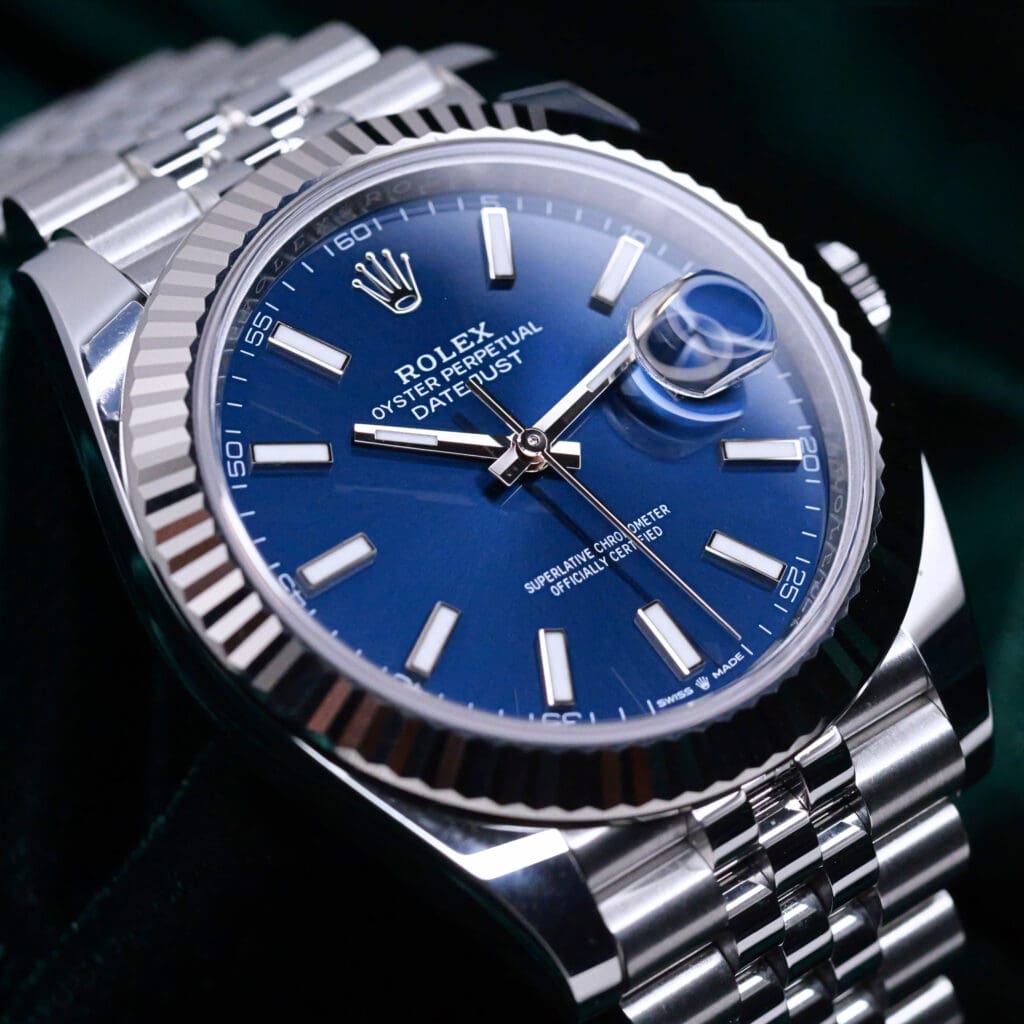
2026 NEW UNWORN Rolex Datejust 41 Blue Dial Fluted Bezel Jubilee Bracelet Stainless Steel 41mm . COMPLETE SET 126334-0002
Reference 116400
The 116400 brought the Milgauss back in 2007. Rolex bumped the size to 40 mm, paired it with the antimagnetic Caliber 3131, and updated the shielding. The lightning seconds hand returned, and the dial accents added personality without disturbing the core tool-watch layout. It’s the cleaner-looking option next to the GV.
As of 2026, clean examples trade around $8,700, having drifted up since the 2023 discontinuation.
Reference 116400GV
The 116400GV takes the standard modern Milgauss and adds the green-tinted sapphire crystal that became the contemporary line’s calling card. Mechanically it’s identical to the 116400, but collector demand runs hotter thanks to the crystal-and-dial combinations, especially the electric Z-Blue dial introduced in 2014.
If you’re torn on the dial, our Z-Blue vs black breakdown compares the two head to head.
In 2026 the GV trades roughly $10,000 to $14,000, and it tends to sell fast when a clean one surfaces.
Notable Air King References

The Air-King started as a simple time-only Rolex with an aviation-flavored name, then turned into a bolder modern tool watch. Rolex carried it through several eras, from compact vintage pieces to the current 40 mm instrument dial. These are the references that mark the key changes, and our Air-King buying guide covers the family in full.
Reference 126900
The 126900 is the current Air-King and the cleanest expression of Rolex’s modern Professional direction. It runs the latest case architecture with crown guards, the Caliber 3230, and about 70 hours of reserve. The dial stays busy on purpose, prioritizing legibility and aviation styling.
Because it’s still in production, pricing sits close to retail, around $8,150, with secondary examples in the $7,500 to $9,000 range.



Reference 116900
The 116900 was the first modern 40 mm Air-King and a sharp break from the older versions. Rolex leaned hard into the cockpit dial with heavy minute markings and mixed numerals. It shares movement lineage with the Milgauss era, which gives it a slightly softer case profile some collectors prefer. Now discontinued, it trades around $7,000 to $8,500.
Reference 14000
The 14000 is the classic Air-King formula before the modern reset: a smaller 34 mm case, a clean dial, simple proportions. It suits buyers who want a traditional Rolex feel without the visual weight of the modern Air-King dial, and complete sets generally land under $5,000.
Reference 5500
The 5500 is the long-running vintage Air-King and one of the most accessible vintage Rolex models out there. It’s a straightforward time-only watch with classic proportions, and high production volume keeps prices reasonable, roughly $3,000 to $6,000.
Condition and dial variants still swing the number, though. A clean silver dial is common; a tropical or rare corporate-logo dial is where the real money hides.
Related Models from Majestix
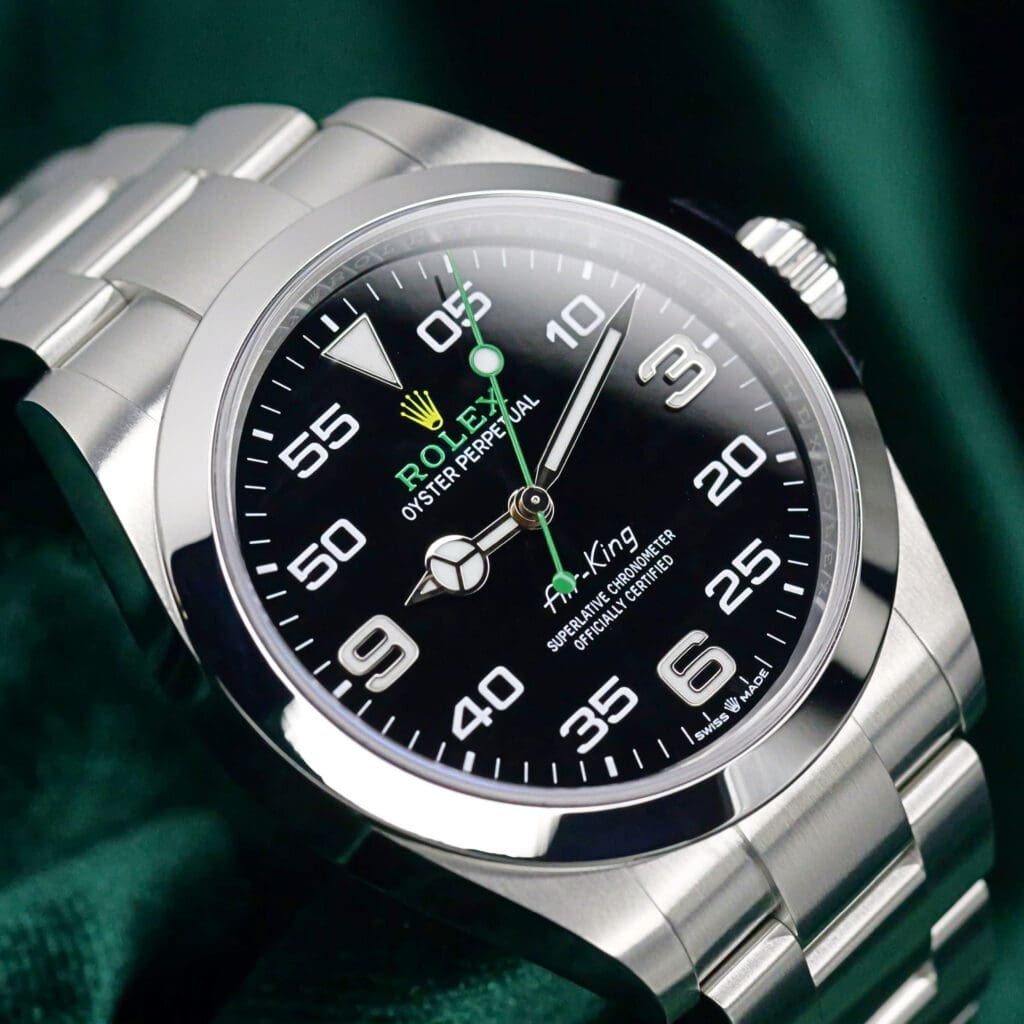
Rolex Air King Black Dial Oyster Bracelet Stainless Steel 40mm MINT CONDITION COMPLETE SET 126900
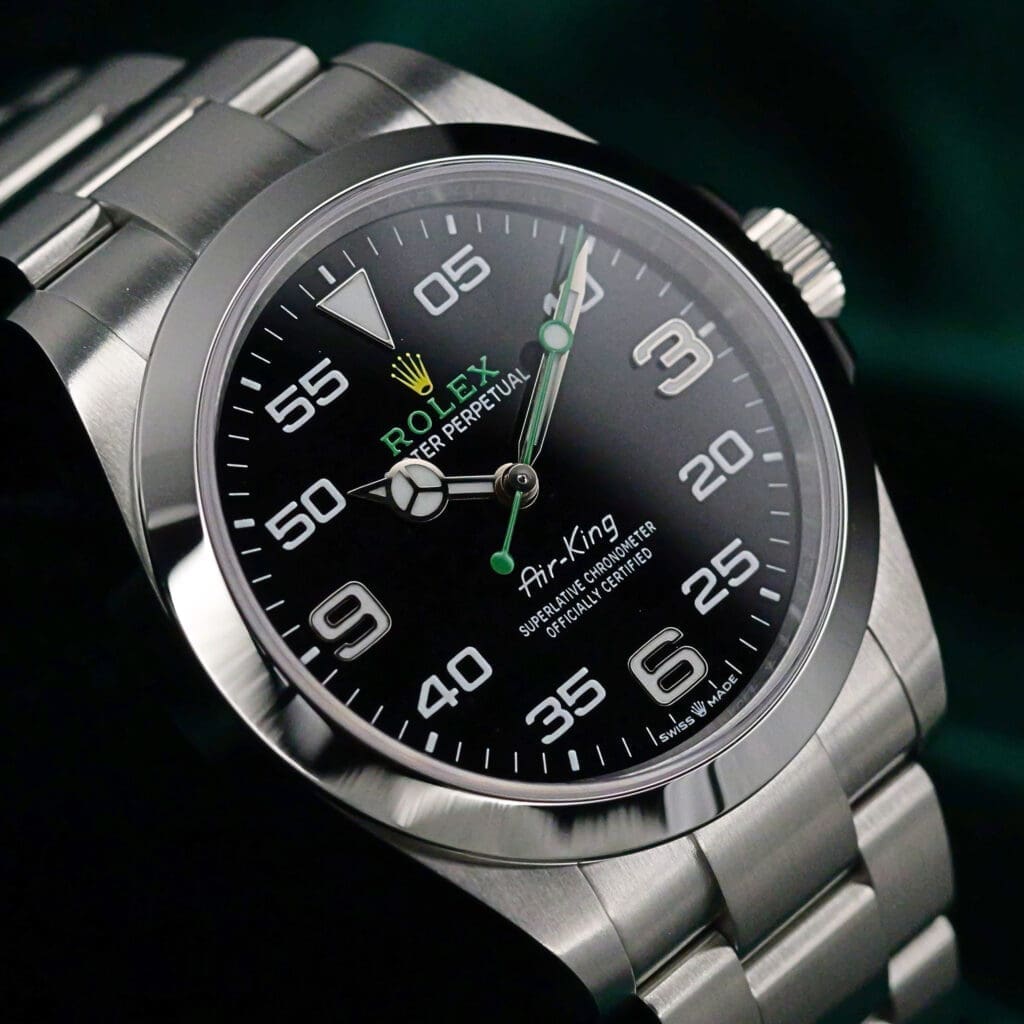
2025 Rolex Air King Black Dial Stainless Steel Bezel Oystersteel 40mm MINT CONDITION COMPLETE SET 126900

NEW UNWORN 2024 Rolex Air King 40MM Black Dial COMPLETE SET MINT CONDITION 126900
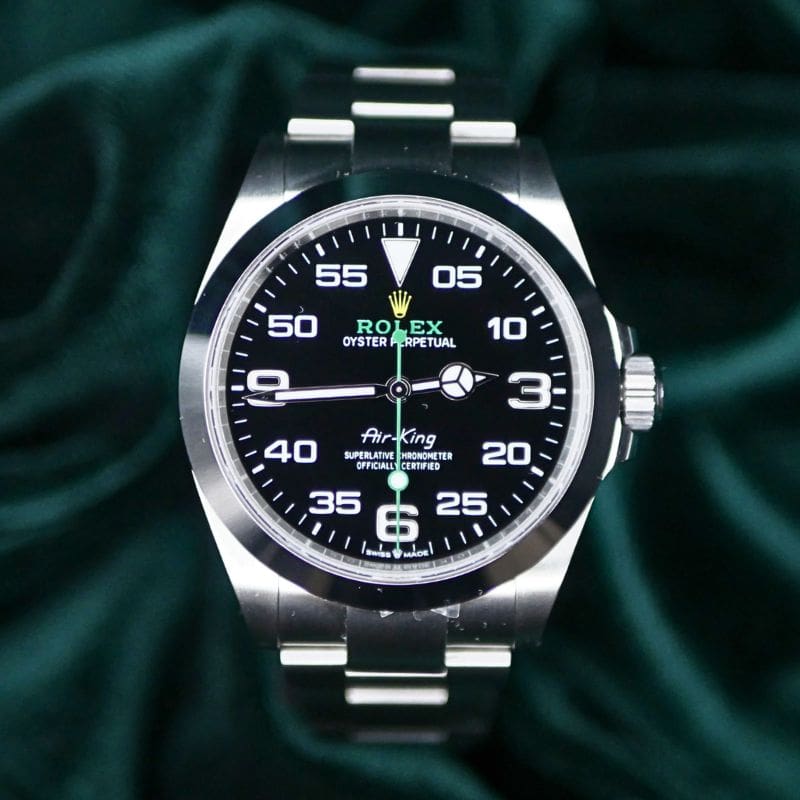
NEW UNWORN 2024 Rolex Air King COMPLETE SET MINT CONDITION ORIGINAL STICKERS 126900
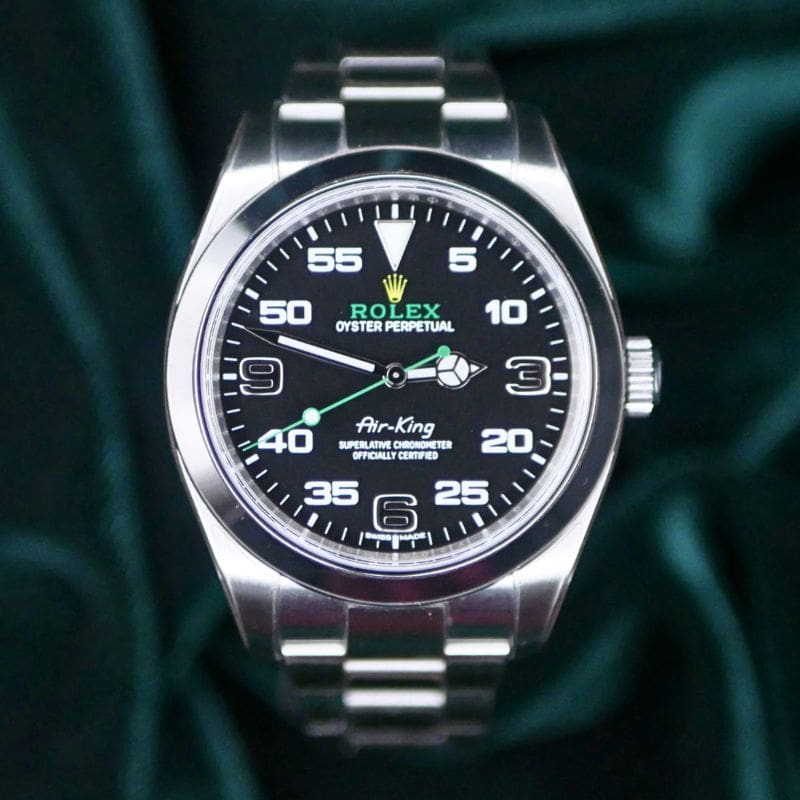
2020 Rolex Air King COMPLETE SET EXCELLENT CONDITION PROTECTIVE FILM / STICKERS 116900
2026 NEW UNWORN Rolex Datejust 41 Blue Dial Fluted Bezel Jubilee Bracelet Stainless Steel 41mm . COMPLETE SET 126334-0002
Which Rolex Should You Choose
Both wear like modern Rolex steel tool watches, so the real decision comes down to the dial, the signature details, and how each line is priced right now. Use the points below to land on the one that fits your taste and your buying plan.
Choose the Milgauss if:
- You want a Rolex with a precise, engineering-driven identity rooted in anti-magnetic heritage.
- You’re drawn to strong design signatures: the lightning-bolt seconds hand and, on GV models, the green-tinted crystal.
- You prefer a dial that reads cleaner, with accents that feel intentional rather than dense.
- You’re comfortable paying above the old retail, since the line is discontinued and the best-known variants carry the biggest premiums.
Choose the Air-King if:
- You want pilot-style legibility and an instrument-inspired dial built for fast minute reading.
- You like that the Air-King looks bold and functional, even when the dial reads busy up close.
- You’d rather buy near retail, which current production keeps possible.
- You care about liquidity and easy comparables, since the Air-King market is active and simple to shop across listings.
Where to Buy a Milgauss or Air-King Online
A few legitimate online channels cover both watches. Chrono24 aggregates listings from dealers and private sellers worldwide and runs a buyer-protection escrow on most transactions. eBay works too, especially through its Authenticity Guarantee program, which inspects qualifying watches before they reach you.
Grailzee runs enthusiast-focused watch auctions if you’d rather bid than buy outright. Independent grey-market sellers and watch forums round out the field, though those put more of the vetting on you.
We also buy, sell, and trade luxury watches. The reason clients come to us instead of a big marketplace is the conversation before the purchase: layered communication, tour videos of the actual watch you’re considering rather than stock photos, honest condition notes, and a real person who has handled the piece.
With a discontinued model like the Milgauss, where originality and condition drive most of the value, that walkthrough matters more than usual. It also helps to know how to spot a fake Rolex before you commit to any listing.
That approach is reflected in our 4.9-star Google rating, which comes from buyers who wanted to understand exactly what they were getting before committing.
If you’ve narrowed it down to a Milgauss or an Air-King and want tour videos and condition notes on what we currently have, see what’s available or reach out and we’ll line up a few options that match your wrist and your budget.
999+ Timepieces Available
Explore Our Timepieces
Authenticated, unworn, and ready to ship worldwide.
Rolex · Audemars Piguet · Patek Philippe · Omega · Cartier · Richard Mille · Hublot · Tudor
Newly Listed
2026 NEW UNWORN Rolex Deepsea "James Cameron" D-Blue Black and Blue Dial Black Ceramic Bezel Stainless Steel 44mm COMPLETE SET 136660-0005
$20,208.00
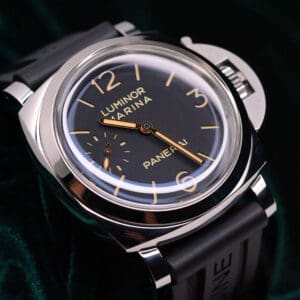
Panerai Luminor Marina 1950 3 Days Limited Edition Black Sandwich Dial Stainless Steel Black Rubber Strap 47mm MINT COMPLETE SET PAM00422
$7,503.00
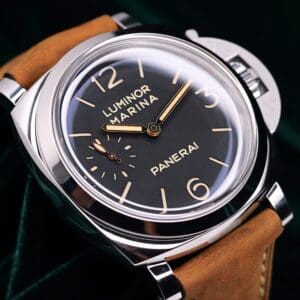
Panerai Luminor Marina 1950 3 Days Black Dial Stainless Steel Brown Leather Strap 47mm LIMITED EDITION MINT CONDITION COMPLETE SET PAM00422
$7,503.00
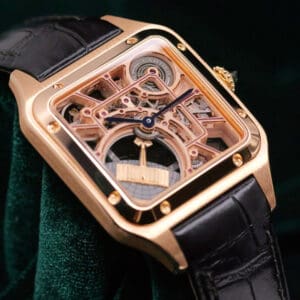
Cartier Santos-Dumont Micro-Rotor Skeleton Dial Black Alligator Strap 18k Rose Gold 43.5 x 31mm MINT CONDITION COMPLETE SET WHSA0030
$40,425.00
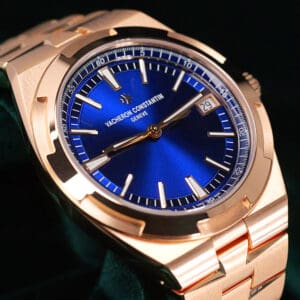
2026 Vacheron Constantin Overseas Blue Dial 18k Rose Gold 41mm MINT CONDITION COMPLETE SET 4520V/210R-B705
$72,764.00
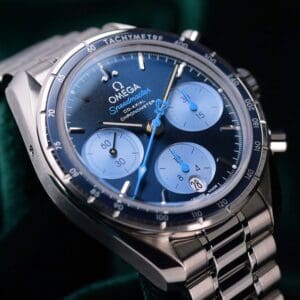
Omega Speedmaster 38 Orbis Edition Blue Dial Stainless Steel 38mm MINT CONDITION COMPLETE SET 324.30.38.50.03.002
$6,599.00
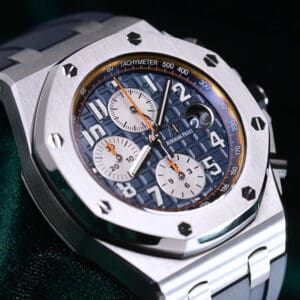
Audemars Piguet Royal Oak Offshore Chronograph “Navy” Blue Dial Orange Accents Blue Rubber Strap Stainless Steel 42mm MINT CONDITION COMPLETE SET 26470ST.OO.A027CA.01
$22,245.00
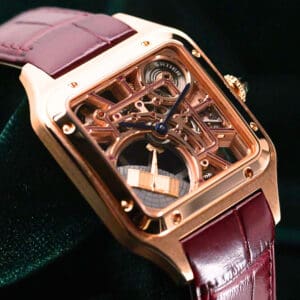
Cartier Santos-Dumont Micro-Rotor Skeleton Dial 18K Rose Gold Burgundy Alligator Strap 31mm MINT CONDITION COMPLETE SET WHSA0030
$40,425.00
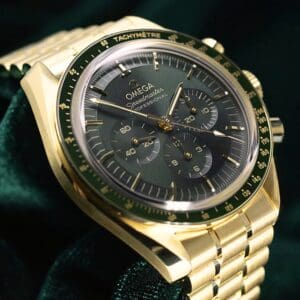
Omega Speedmaster Professional Moonwatch "Moonshine" Green Dial 18K Yellow Gold 42mm MINT CONDITION COMPLETE SET 310.60.42.50.10.001
$35,695.00
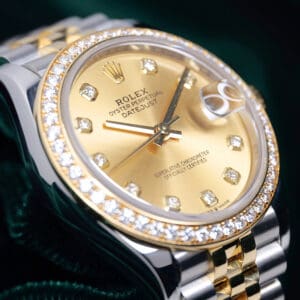
Rolex Datejust 31 Champagne Diamond Dial Diamond Bezel Jubilee Yellow Gold & Stainless Steel 31mm MINT CONDITION COMPLETE SET 278383RBR
$31,990.00
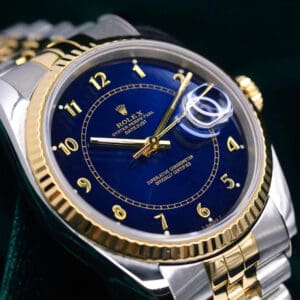
Rolex Datejust Blue Arabic Numeral Refinished Dial Fluted Bezel Jubilee Bracelet 18k Yellow Gold Stainless Steel 36mm MINT CONDITION 16233
$7,975.00
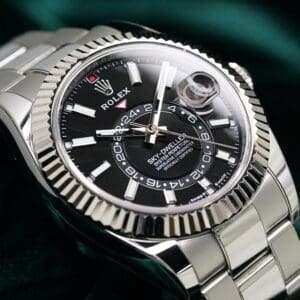
2025 Rolex Sky-Dweller Bright Black Dial 18k White Gold Fluted Bezel Stainless Steel Oyster Bracelet 42mm MINT CONDITION COMPLETE SET 336934
$22,895.00
Final Thoughts on Milgauss vs Air-King
The Milgauss vs Air-King decision is really a choice between visual expression and instrument clarity. The Milgauss leans on personality with its green crystal and lightning seconds hand, while the Air-King leans on legibility with its cockpit dial and crown-guard case. Neither tries to do the other’s job.
The 2026 twist is supply. The Milgauss is a discontinued collector piece with prices supported by fixed availability, while the Air-King is current production that trades near retail. Pick the Milgauss if you want character and don’t mind hunting; pick the Air-King if you want an easy buy you can wear hard.
Still mapping the wider range? Our Rolex buying guide puts both in context with the rest of the lineup.
Two quick tips before you commit: on a Milgauss, always check that the lightning hand and crystal are original, since replacements quietly tank value. And on a vintage Air-King 5500, the dial variant is the whole game, so price the dial, not just the reference.