
Most people who land on the Omega Speedmaster vs Datejust question are not really stuck on specs. They are stuck on identity. One is a sport chronograph with a story most watches can only dream of. The other is the dress watch that defined what a Rolex looks like.
Pick wrong and you end up with a watch that looks great in photos but never leaves the drawer. That is the real cost here, not the price tag.
So this guide skips the brochure talk. We compare how each one wears, what each movement asks of you, where 2026 secondary prices really sit, and which holds value better. By the end you will know which one fits the life you have, not the one in the ad.
Omega Speedmaster Overview
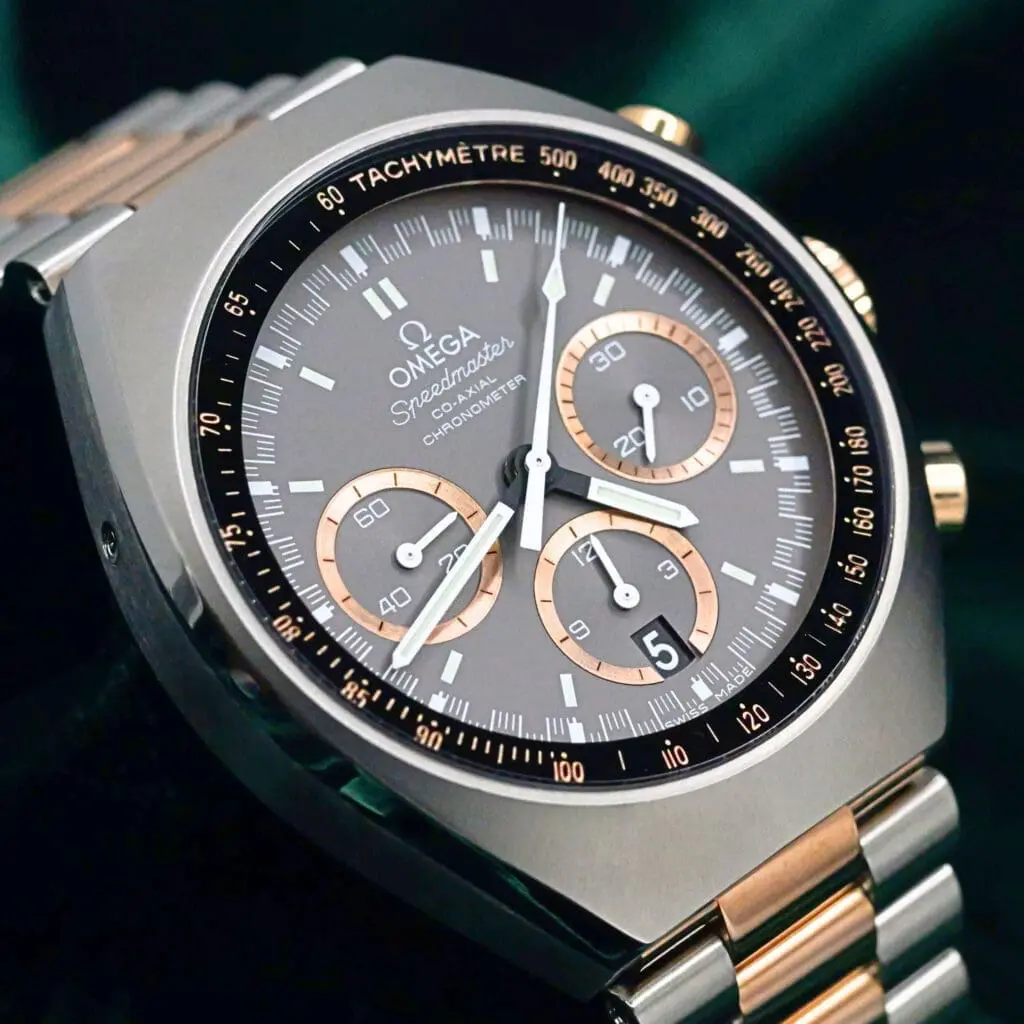
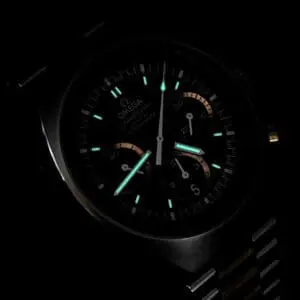
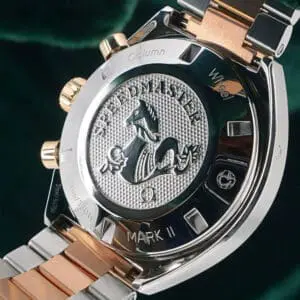
Released in 1957, the Speedmaster started life as a motorsport chronograph, not a space tool. That changed in 1969 when it went to the Moon on Apollo 11 and picked up the Moonwatch name it still carries.
That history is the whole appeal for a lot of buyers. You are not just wearing a chronograph, you are wearing the one NASA qualified for spaceflight.
Beyond the story, the draw is mechanical. A tri-compax dial, a tachymeter bezel, and a hand-wound chronograph movement give you something to interact with. Winding it every morning and timing things with the pushers is part of the daily ritual, and some owners love that. Others find it fiddly. Worth knowing which camp you are in before you buy.
Newcomers tend to start with a current steel Moonwatch. Collectors chase the vintage Caliber 321 references, where originality and condition drive most of the value. If you are still mapping the lineup before committing, our full Speedmaster buying guide walks through where each reference sits.
Most popular Omega Speedmaster references:
- Omega Speedmaster Professional Ref. 105.012
- Omega Speedmaster Professional Ref. 145.022
- Omega Speedmaster Professional Ref. 311.30.42.30.01.005
- Omega Speedmaster Professional Ref. 310.30.42.50.01.001
Rolex Datejust Overview
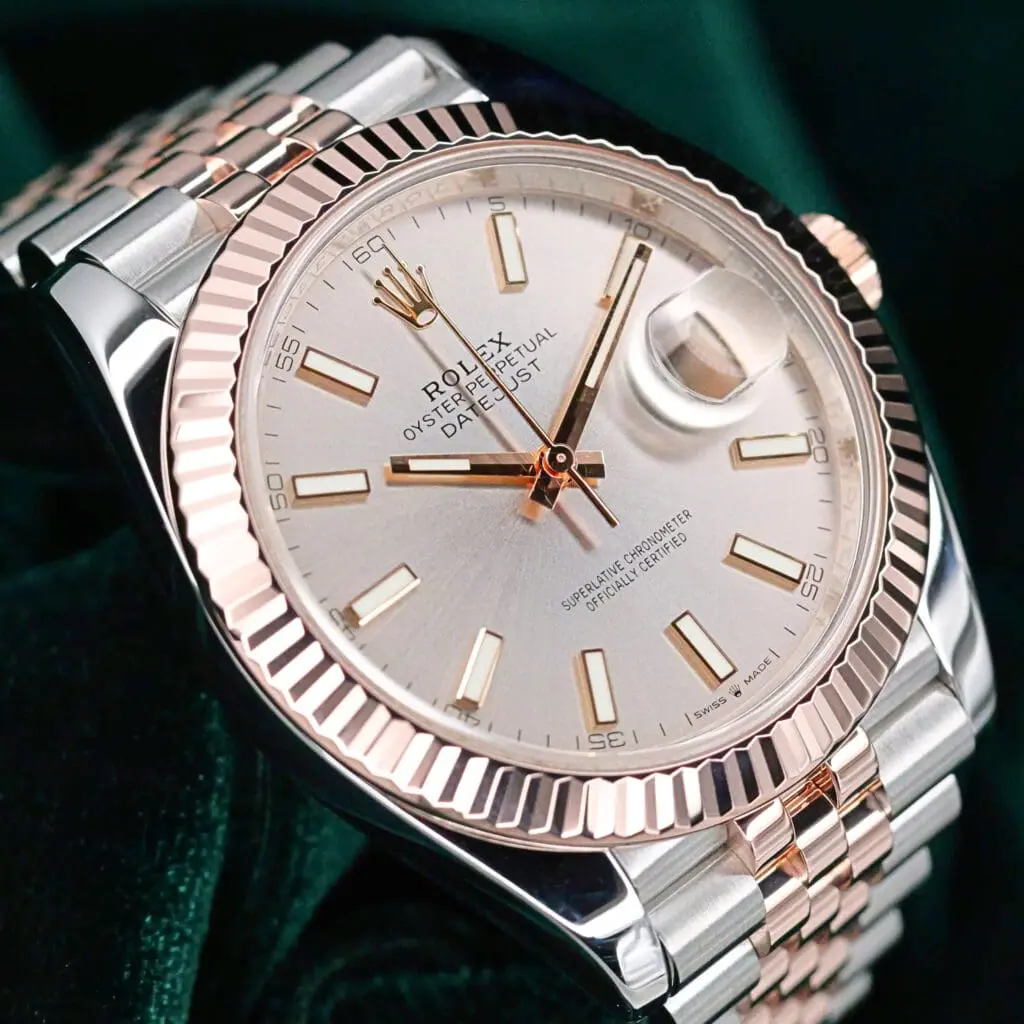
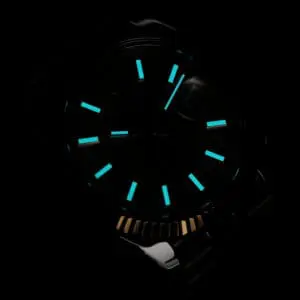
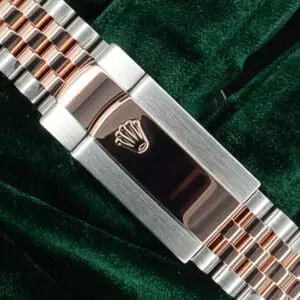

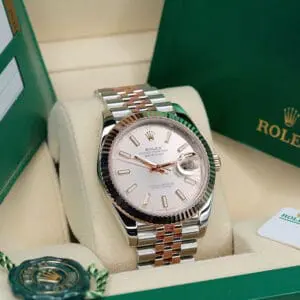
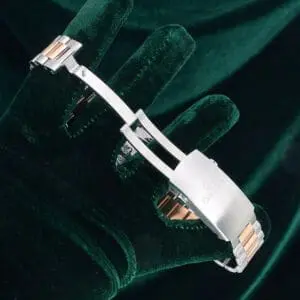
Rolex launched the Datejust in 1945 as the first wristwatch with an automatic date that flips over instantly at midnight. That little jump complication set the template for almost every date watch built since.
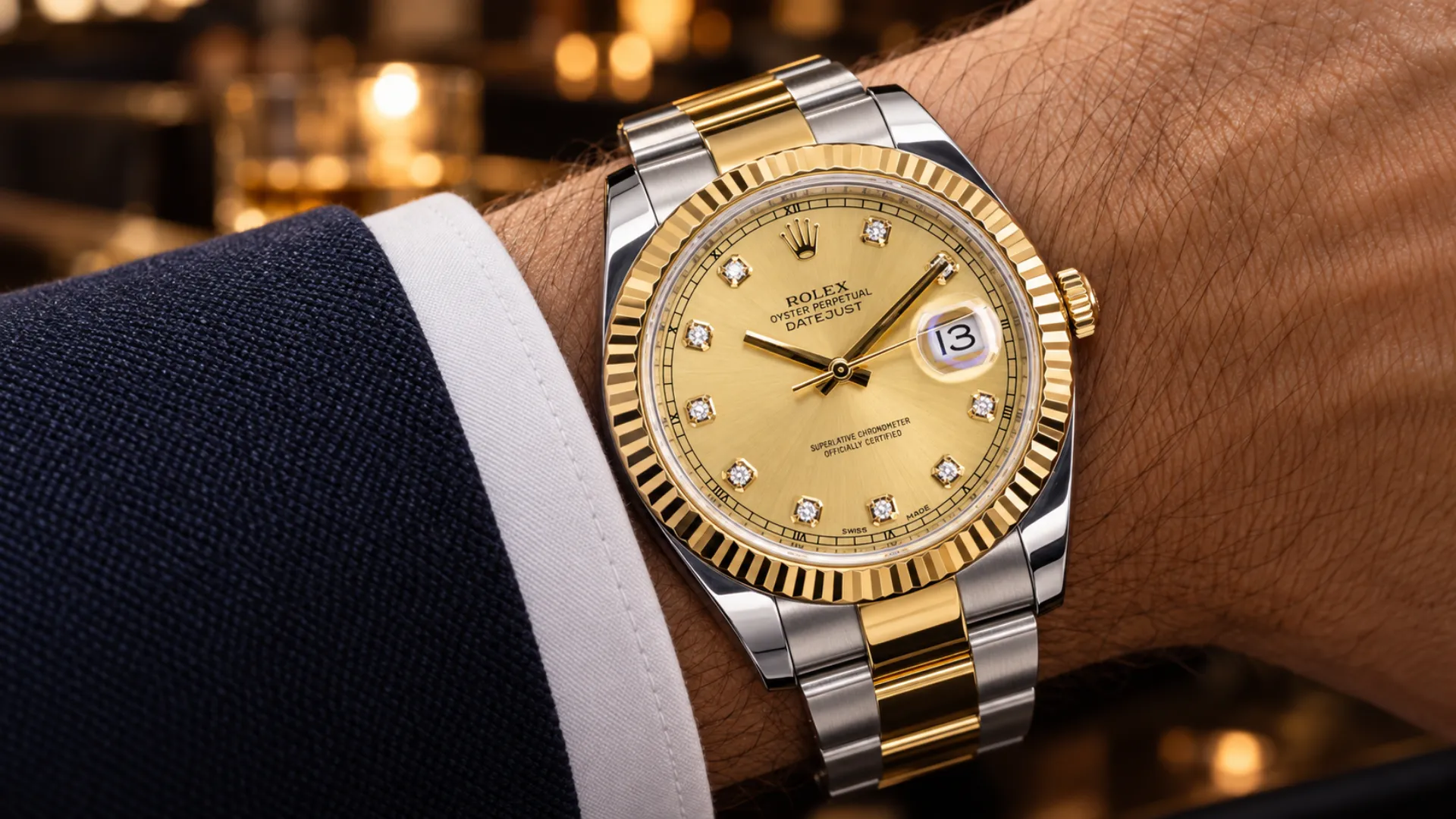
What keeps people coming back is range. Case sizes run from 31mm up to 41mm, in steel, gold, or two-tone Rolesor, with fluted or smooth bezels and Jubilee or Oyster bracelets. You can spec one as a quiet office watch or as a green-dial statement piece, and it still reads unmistakably Datejust.
That Cyclops bubble over the date is the giveaway across a crowded room. Under the hood, a self-winding movement does the work with almost no daily input from you. Strap it on Monday, forget about it, and it keeps time all week.
For a lot of buyers it ends up being the closest thing to a true one-watch collection. If you are weighing references before deciding, our Rolex Datejust buying guide breaks down the family in detail.
Most popular Rolex Datejust references:
- Rolex Datejust Ref. 1601
- Rolex Datejust Ref. 16234
- Rolex Datejust Ref. 116234
- Rolex Datejust Ref. 126334
Speedmaster vs Datejust: Key Differences
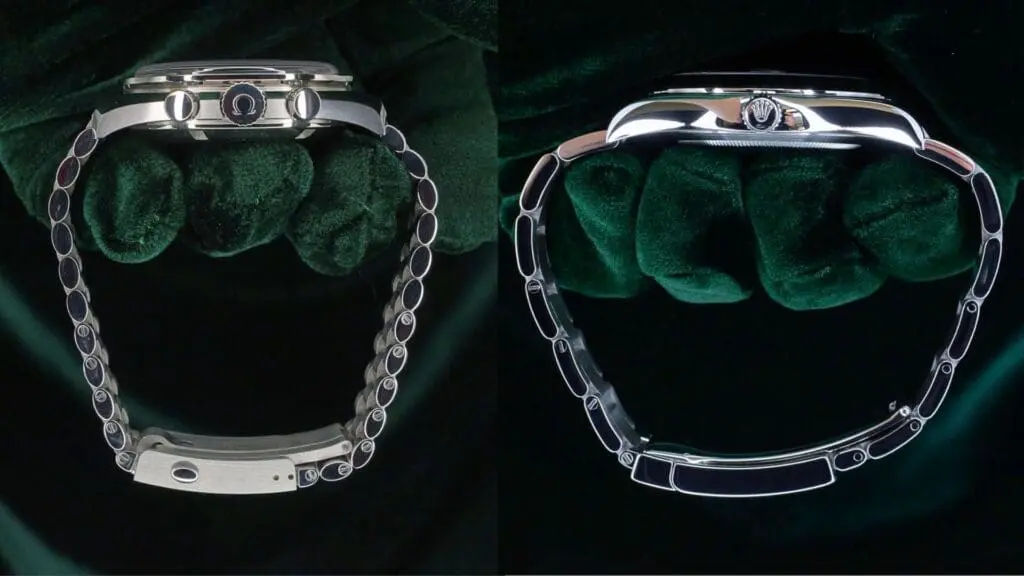
These two come from opposite ends of the watch world. One is built around a sport complication and a mission patch. The other is built around everyday wearability and a dress-watch silhouette. Here is how that plays out across the six things buyers ask about most.
1. Purpose and Functionality
Speedmaster is a working chronograph. Tachymeter bezel, two subdials, and a central seconds hand let you time a lap, a workout, or anything else down to the second. It was made to measure things.
Datejust is a dress watch first. Time and date, nothing more, with a layout clean enough to disappear under a cuff. Simpler on paper, and that is exactly the point for a daily wearer.
2. Case Size and Wearing Experience
Moonwatch sits at 42mm with a tall, technical profile and real wrist presence. On a medium-to-large wrist it looks purposeful. On a smaller wrist it can wear big, so try before you commit.
Datejust gives you options most sport watches do not. 31mm, 36mm, and 41mm cases mean you can dial in the fit. 36mm is the all-rounder, 41mm reads more modern, and both slip under a shirt cuff in a way the Speedmaster never quite manages. If you are stuck between the two sizes, our Datejust 41 vs 36 comparison lays out how they wear side by side.


3. Movement
Speedmaster runs a hand-wound chronograph, from the vintage Caliber 321 and 861 up to the modern Master Chronometer 3861. You wind it daily and operate the chronograph yourself. Hands-on owners love it. Set-and-forget owners may not.
Datejust uses a self-winding automatic, the current Caliber 3235 with a 70-hour reserve. It runs off your wrist motion and needs almost no attention. Less ritual, more convenience, and longer gaps between services.
4. Design and Aesthetic
Speedmaster wears its function on its face. Black tri-compax dial, white markers, tachymeter scale around the bezel. It looks like the tool it is, and that look has barely changed in 60 years.
Datejust plays the other way. Fluted or smooth bezel, Cyclops date, and a dial menu that runs from quiet silver to Wimbledon and mint green. You choose how loud it is.
5. Historical Significance and Collector Appeal
Speedmaster owns one of the best stories in watchmaking: the only watch flight-qualified for every crewed NASA mission, and the one on the wrist during the first Moon landing. Vintage Caliber 321 references trade on that provenance.
Datejust earns its place differently. As the first self-winding date wristwatch, it has run with a consistent design language for almost 80 years, which is exactly why it stays in demand.
Related Models from Majestix
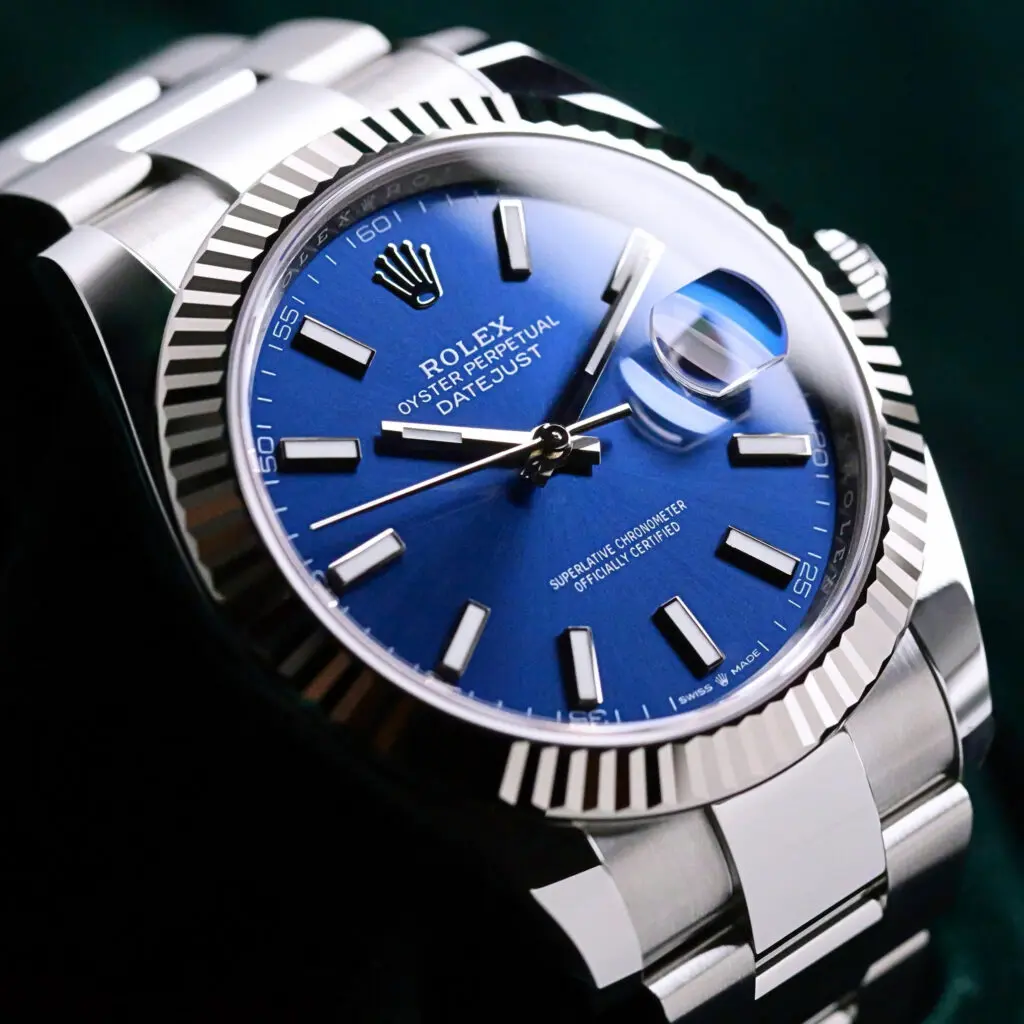
2026 NEW UNWORN Rolex Datejust Blue Dial 18K White Gold Fluted Bezel Oyster Bracelet Stainless Steel 41mm COMPLETE SET 126334
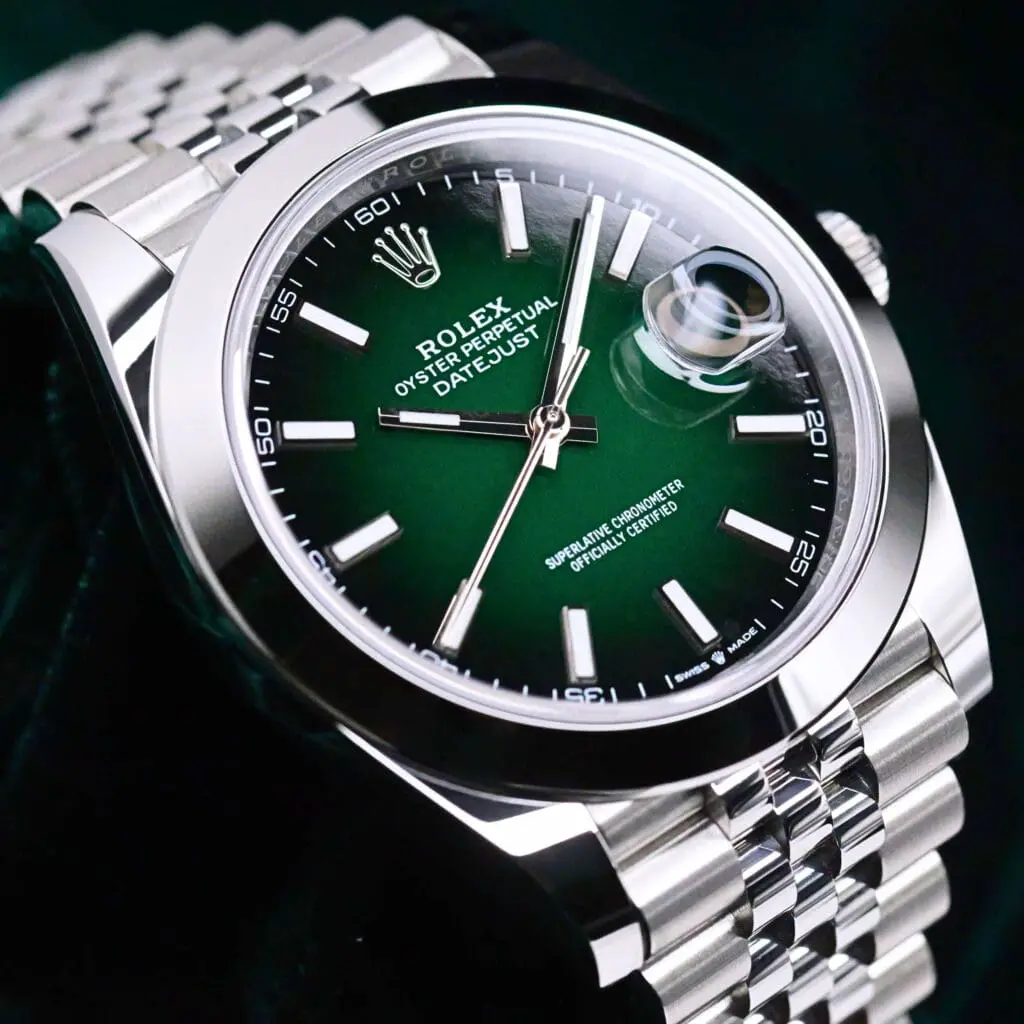
2026 Rolex Datejust Green Ombre Dial Smooth Bezel Jubilee Bracelet Stainless Steel 41mm MINT CONDITION COMPLETE SET 126300
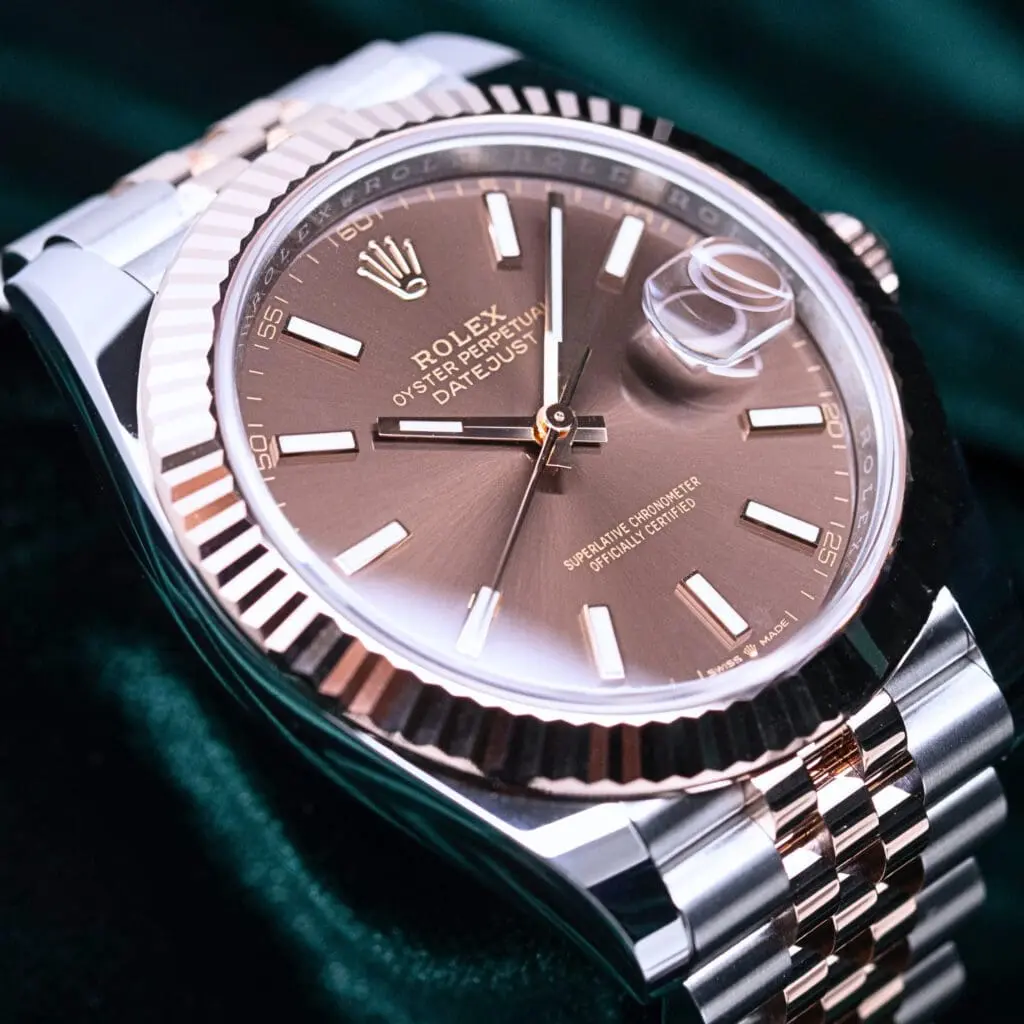
2026 NEW UNWORN Rolex Datejust 41 Chocolate Brown Jubilee Two-Tone 18K Everose Gold Steel 41mm COMPLETE SET 126331
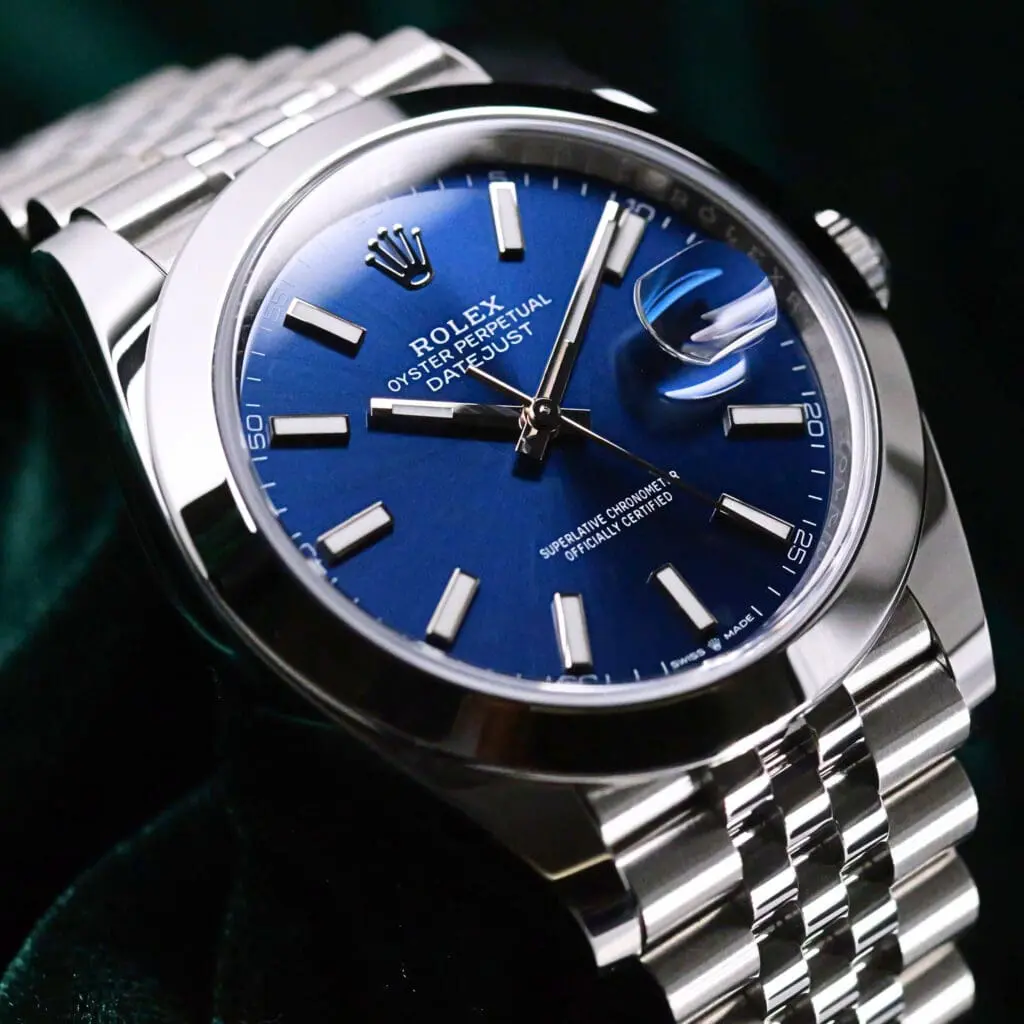
2026 Rolex Datejust Blue Dial Smooth Bezel Jubilee Bracelet Stainless Steel 41mm MINT CONDITION COMPLETE SET 126300
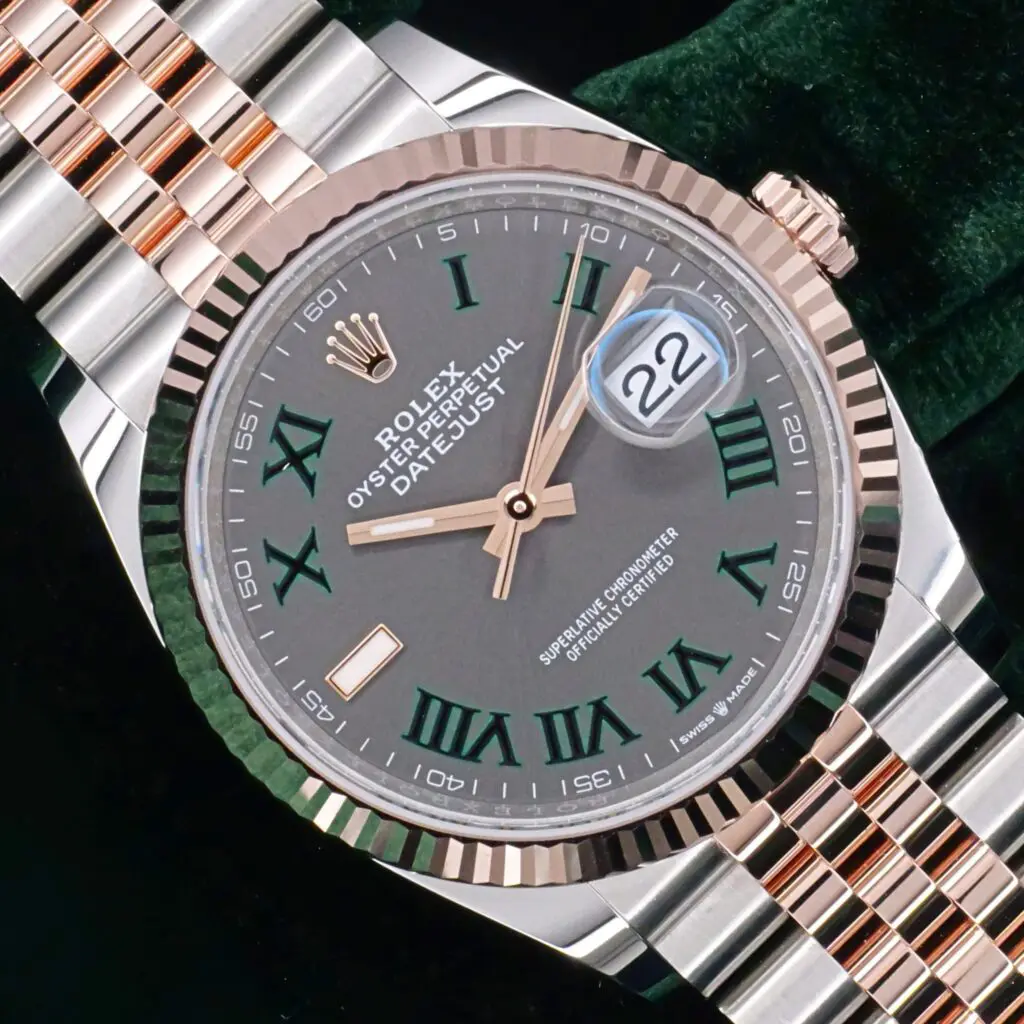
Rolex Datejust 36 Grey Wimbledon Dial Fluted Bezel Jubilee Bracelet Two-Tone Rose Gold Stainless Steel MINT COMPLETE SET 126231
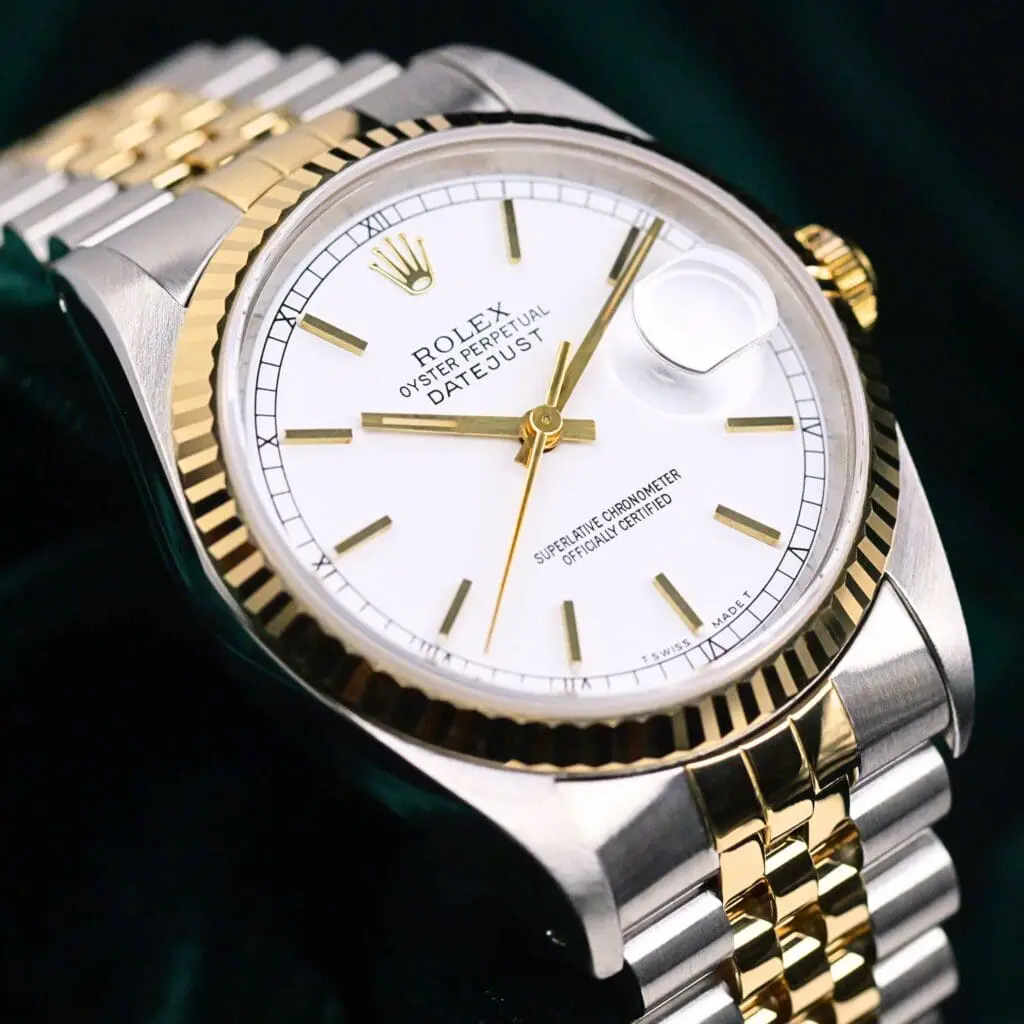
Rolex Datejust White Dial Fluted Bezel Jubilee Bracelet Two-Tone 18K Yellow Gold Stainless Steel 36mm MINT CONDITION 16233
Price and Market Demand
This is where they split hard. A current steel Moonwatch (ref. 310.30.42.50.01.001) trades around $5,300 to $6,200 on the secondary market in 2026, with clean pre-owned full sets turning up closer to $4,500 to $5,300 on eBay, per WatchCharts and current listings. That is below or near retail.
A Datejust runs the other direction. The steel Datejust 36 (ref. 126234) carries a WatchCharts secondary value near $12,200 in 2026, roughly 23% above retail, with listings on Chrono24 and eBay clustering between $10,000 and $14,000 depending on dial.
So a new steel Speedmaster is the more affordable entry, while most current steel Datejust models ask a premium over list. We break down what that means for resale next.
Which Holds Its Value Better?
For pure resale, the Datejust has the edge, because most current steel references trade above retail while standard Speedmasters trade at or below it. That gap is the single biggest practical difference between owning these two.
Take the numbers side by side in 2026. The steel Datejust 41 with a smooth bezel (ref. 126300) sits around $9,900 on the secondary market, about 11% above its retail price, per WatchCharts. The fluted-bezel 126334 runs higher still, near $14,300, roughly 23% over retail and up about 12% across the past year.
Rolex also raised retail prices by around 7% in January 2026. That tightened the gap between list and grey-market, but these references still trade above new.
A modern Speedmaster moves differently. Like most in-production chronographs, it tends to sell below retail once it leaves the boutique, which is great if you are buying and less great if you are flipping.
There is one Speedmaster exception worth knowing. Vintage Caliber 321 references such as the 105.012 and 145.012 have been climbing for years, and clean original examples below the $10,000 mark are getting hard to find. The later Caliber 861 ref. 145.022 is the affordable vintage entry at roughly $4,000 to $6,000, with sharp examples pushing past $10,000.
Buy a Datejust if resale strength matters most, buy a modern Speedmaster if you want the most watch for the money up front, and buy vintage Caliber 321 Speedmasters if you are treating it as a collectible. For the wider picture, we go deeper on how Omega and Rolex resale value compare across both brands.
Notable Omega Speedmaster References

These four trace the Moonwatch from its 1960s NASA era to the current Master Chronometer generation, covering both the vintage and modern ends of the market.
1. Omega Speedmaster Professional Ref. 105.012
One of the references worn during the Apollo program, the 105.012 is prized for its asymmetric case, long lugs, and Caliber 321 column-wheel movement. Originality is everything here, and that is reflected in the price.
Key Specs
- Case: 42mm, stainless steel
- Bezel: Black tachymeter
- Movement: Manual-wind Caliber 321
- Dial: Black tri-compax chronograph
- Bracelet: Stainless steel
2. Omega Speedmaster Professional Ref. 145.022
This is the affordable vintage Speedy. The 145.022 was the first to carry the Caliber 861, a simpler cam-operated chronograph that was easier to build and service than the 321 it replaced. Plenty were made, so finding a good one is realistic.
Key Specs
- Case: 42mm, stainless steel
- Bezel: Black tachymeter
- Movement: Manual-wind Caliber 861
- Dial: Black tri-compax chronograph
- Bracelet: Stainless steel
Related Models from Majestix
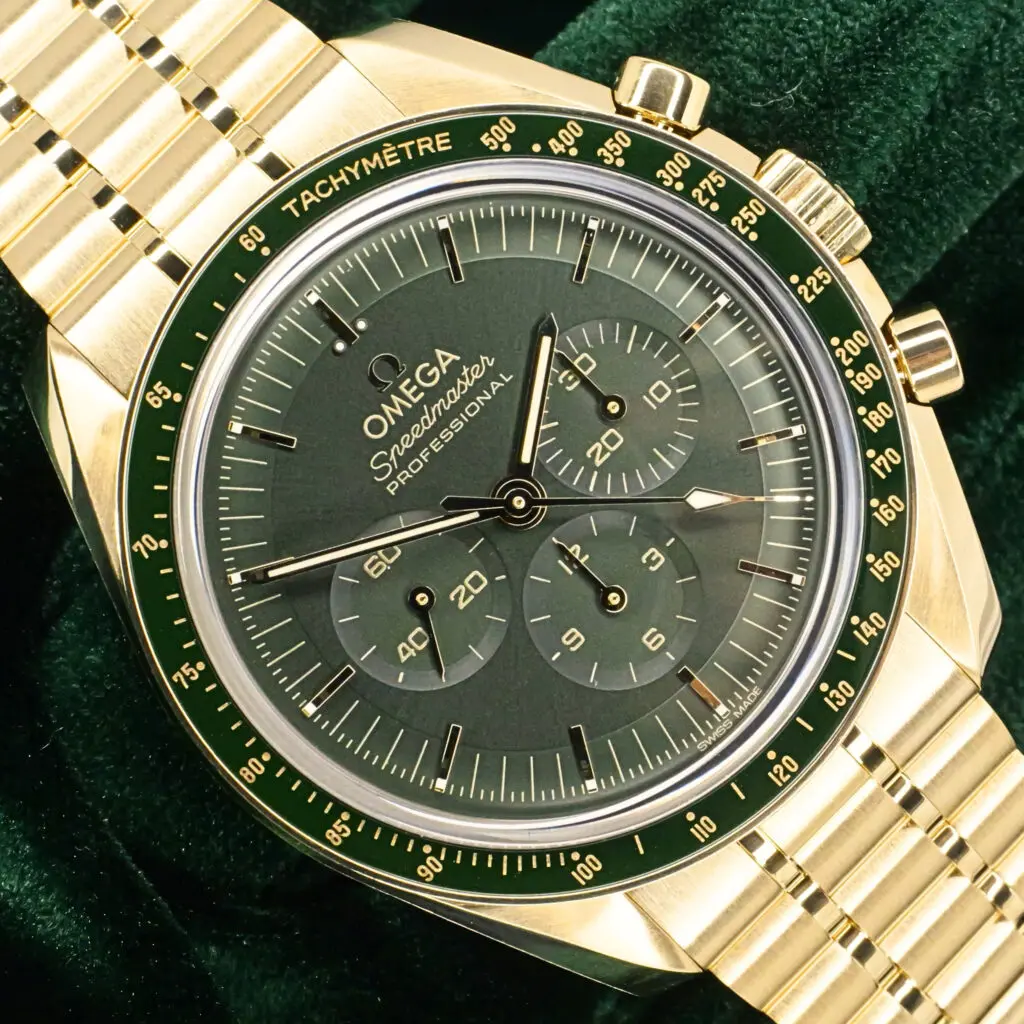
Omega Speedmaster Professional Moonwatch "Moonshine" Green Dial 18K Yellow Gold 42mm MINT CONDITION COMPLETE SET 310.60.42.50.10.001
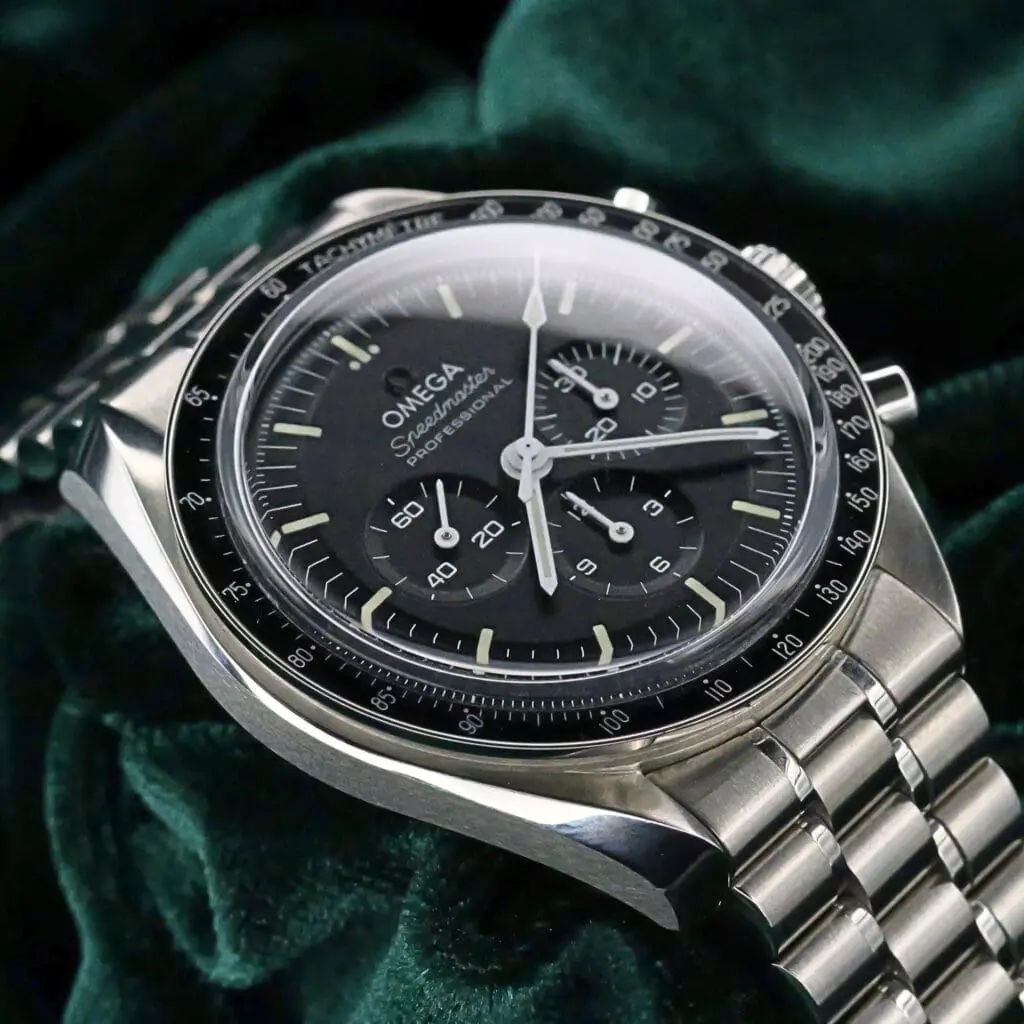
2025 NEW UNWORN Omega Speedmaster Moonwatch Professional Black Dial Stainless Steel 42mm COMPLETE SET 310.32.42.50.01.002
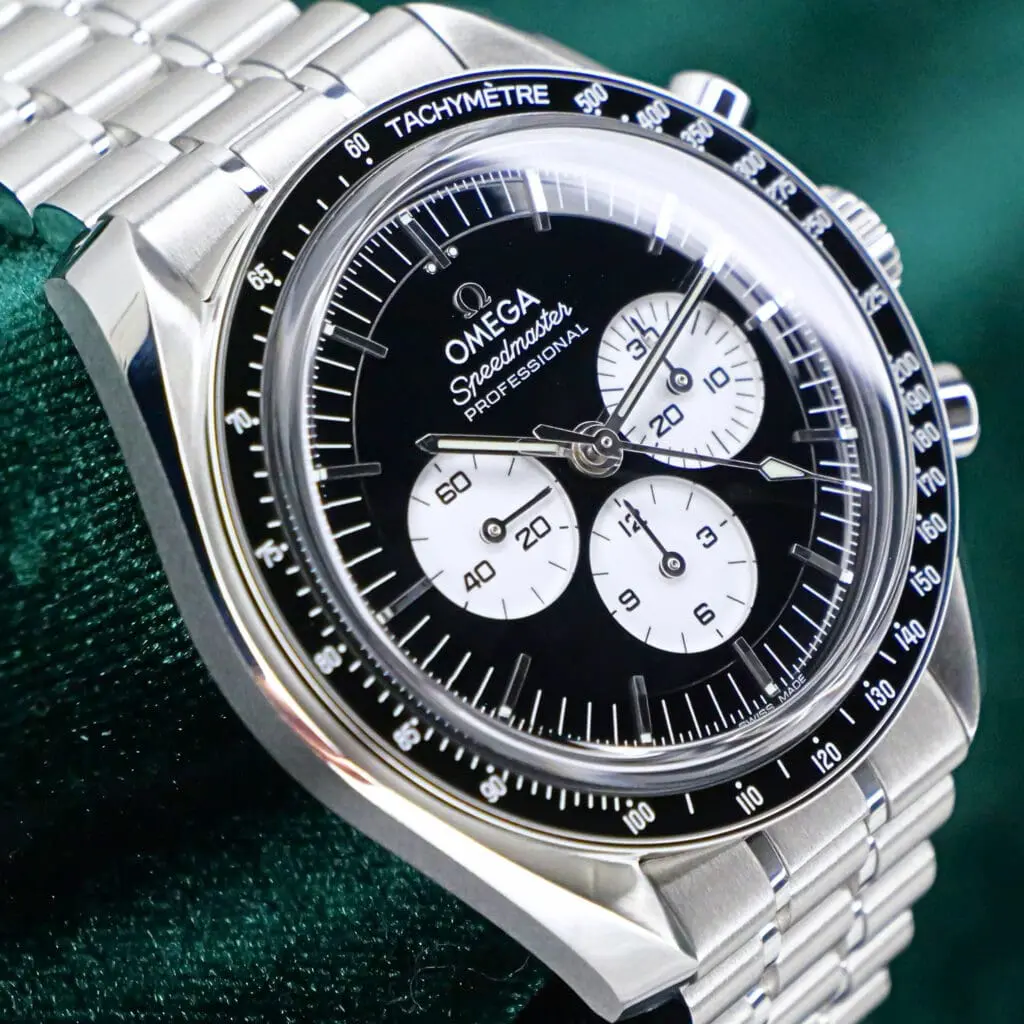
2026 NEW UNWORN Omega Speedmaster Moonwatch Professional "Reverse Panda" Black Dial White Subdials Stainless Steel 42mm COMPLETE SET 310.30.42.50.01.004
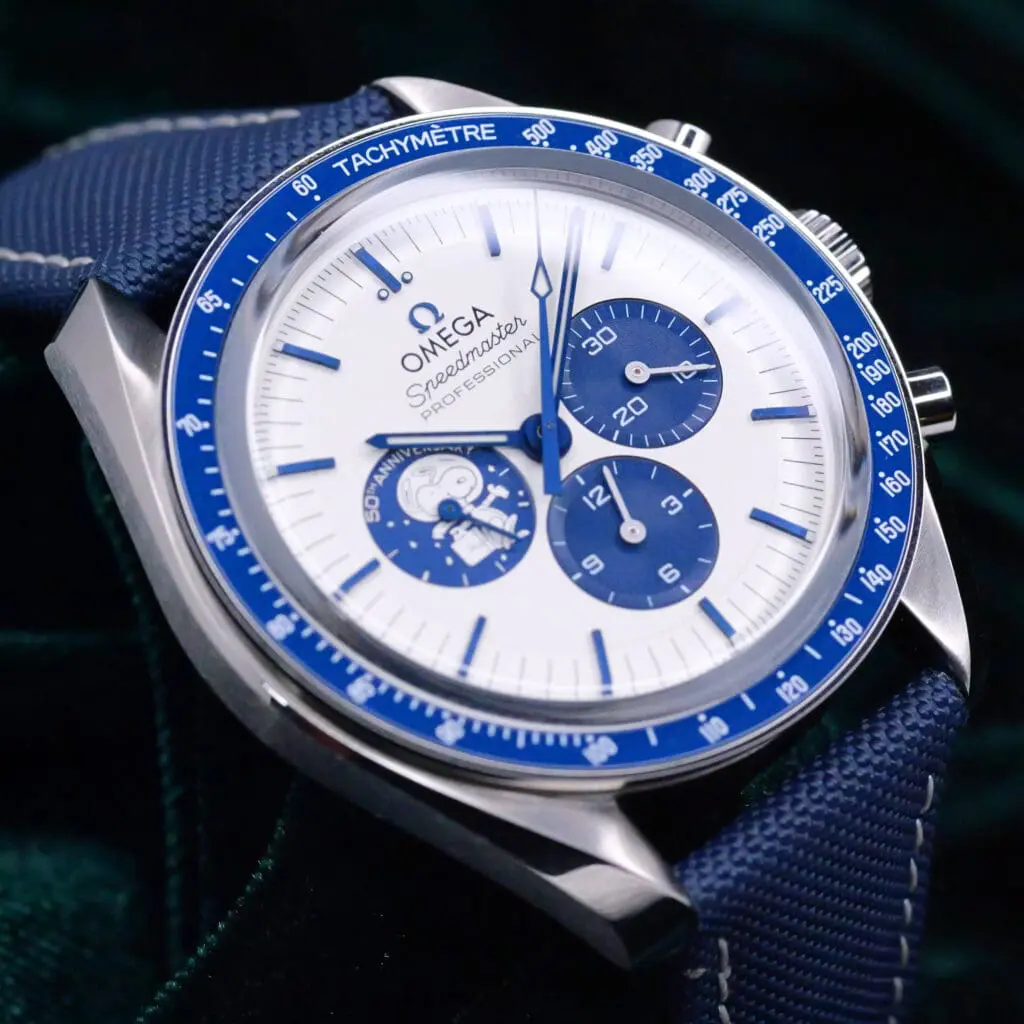
Omega Speedmaster Professional Moonwatch "Silver Snoopy Award" 50th Anniversary Silver Dial Blue Subdials Blue Ceramic Bezel Blue Fabric Strap Stainless Steel 42mm MINT CONDITION COMPLETE SET 310.32.42.50.02.001

Omega Speedmaster Moon Watch Professional 42MM Black Dial Stainless Steel MINT CONDITION COMPLETE SET 310.30.42.50.01.002
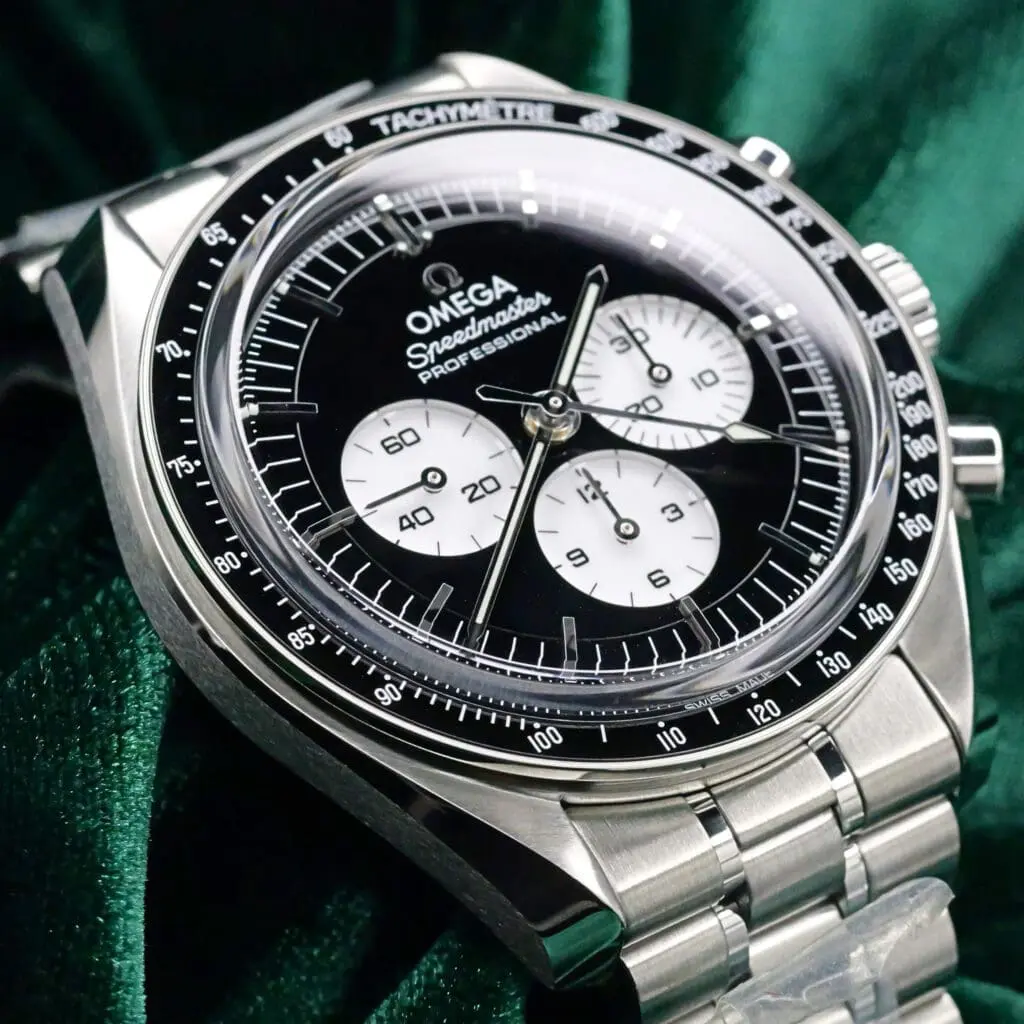
2026 NEW UNWORN Omega Speedmaster Moonwatch Professional "Reverse Panda" Black Dial White Subdials Stainless Steel 42mm COMPLETE SET 310.30.42.50.01.004
3. Omega Speedmaster Professional Ref. 311.30.42.30.01.005
Last of the pre-2021 Moonwatches, this reference runs the hand-wound Caliber 1861 under a Hesalite crystal, with the classic closed caseback engraved “the first watch worn on the moon.” It bridges the vintage feel and the modern lineup.
Key Specs
- Case: 42mm, stainless steel
- Bezel: Black tachymeter
- Movement: Manual-wind Caliber 1861
- Dial: Black tri-compax chronograph
- Bracelet: Stainless steel
4. Omega Speedmaster Professional Ref. 310.30.42.50.01.001
Current Hesalite Moonwatch, introduced in 2021 with the Master Chronometer Caliber 3861. It adds a co-axial escapement and 15,000-gauss anti-magnetic resistance while keeping the look almost untouched. This is the one most new buyers land on.
Key Specs
- Case: 42mm, stainless steel
- Bezel: Black tachymeter
- Movement: Manual-wind Caliber 3861, Master Chronometer
- Dial: Black tri-compax chronograph
- Bracelet: Stainless steel
Notable Rolex Datejust References

These four show how the Datejust evolved from a vintage 36mm classic to the current 41mm generation, with small refinements that collectors track closely.
1. Rolex Datejust Ref. 1601
A vintage staple, the 1601 pairs a fluted or smooth bezel with a wide range of dials and a Jubilee bracelet. It is where a lot of collectors start a vintage Datejust hunt because the design reads instantly classic.
Key Specs
- Case: 36mm, stainless steel or gold
- Bezel: Fluted or smooth, precious metal
- Movement: Automatic, Caliber 1560/1570
- Dial: Multiple vintage options
- Bracelet: Jubilee, five-piece links
2. Rolex Datejust Ref. 16234
A transitional favorite, the 16234 brought a sapphire crystal and the reliable Caliber 3135 to the 36mm steel-and-white-gold formula. Its fluted white gold bezel adds shimmer without going two-tone.
Key Specs
- Case: 36mm, stainless steel
- Bezel: White gold fluted
- Movement: Automatic, Caliber 3135
- Dial: Variety of colors and textures
- Bracelet: Jubilee, five-piece links
3. Rolex Datejust Ref. 116234
A refinement of the 16234 with an improved bracelet and clasp, the 116234 is the modern 36mm sweet spot for buyers who want current-feeling build at a friendlier price than the latest generation.
Key Specs
- Case: 36mm, stainless steel
- Bezel: White gold fluted
- Movement: Automatic, Caliber 3135
- Dial: Classic or patterned options
- Bracelet: Jubilee, five-piece links
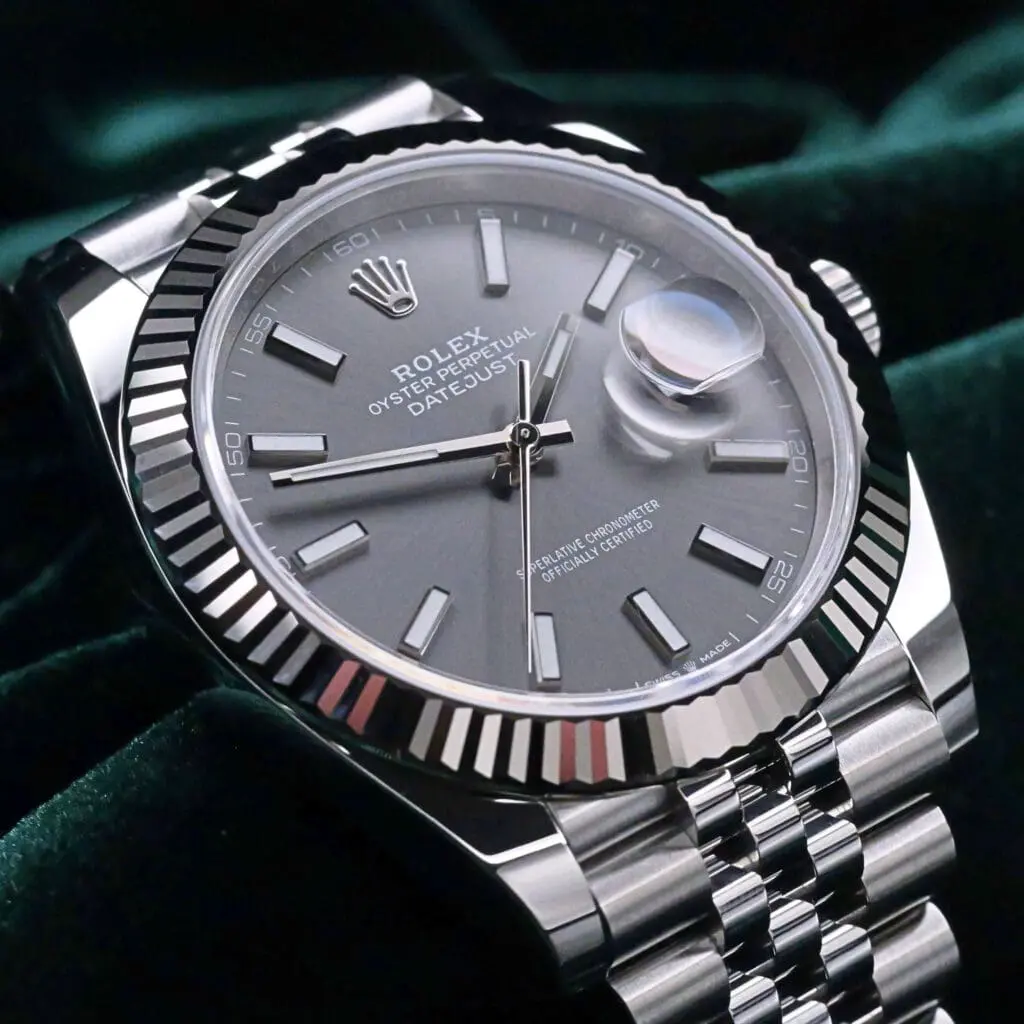

4. Rolex Datejust Ref. 126334
Current 41mm fluted-bezel Datejust, running the Caliber 3235 with a 70-hour reserve. Bigger presence, modern movement, and the widest dial menu, which is why it trades at the top of the steel Datejust range.
Key Specs
- Case: 41mm, stainless steel
- Bezel: White gold fluted
- Movement: Automatic, Caliber 3235
- Dial: Wide range of styles and colors
- Bracelet: Oyster or Jubilee
Which Watch Should You Buy?
It comes down to how you live with a watch day to day, not which logo you prefer. Match the watch to your day and the choice gets easy.
Choose the Speedmaster if:
- You want a hands-on chronograph and do not mind winding it daily
- The Moon landing history is a real part of the appeal for you
- You like a bold, technical look and a 42mm watch on the wrist
- You are open to vintage Caliber 321 references as a collectible play
Choose the Datejust if:
- You want one watch that covers work, weekends, and dressed-up nights
- You prefer set-and-forget automatic convenience over daily ritual
- You want to fine-tune the fit with a 36mm or 41mm case
- Strong resale and trading above retail matter to your decision
Still torn between a specific Moonwatch and a specific Datejust reference? That is exactly the kind of head-to-head we can walk you through with real examples in hand.
Where to Buy Authentic Watches Online
999+ Timepieces Available
Explore Our Timepieces
Authenticated, unworn, and ready to ship worldwide.
Rolex · Audemars Piguet · Patek Philippe · Omega · Cartier · Richard Mille · Hublot · Tudor
Newly Listed

Vacheron Constantin Overseas Perpetual Calendar Ultra-Thin Silver Dial 18K Rose Gold Bracelet 41.5mm MINT CONDITION COMPLETE SET 4300V/120R-B064
$115,385.00
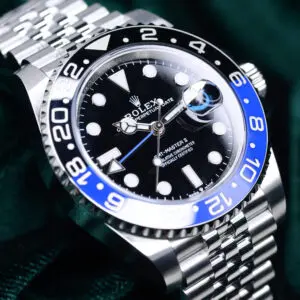
2026 Rolex GMT-Master II “Batgirl” Black Dial Blue Black Ceramic Bezel Jubilee Bracelet Stainless Steel 40mm MINT CONDITION COMPLETE SET 126710BLNR
$22,034.00
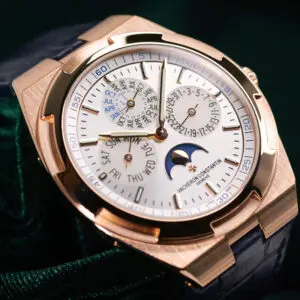
Vacheron Constantin Overseas Perpetual Calendar Ultra-Thin Silver Dial Blue Leather Strap 18K Rose Gold 41.5mm MINT CONDITION COMPLETE SET 4300V/120R-B064
$115,385.00
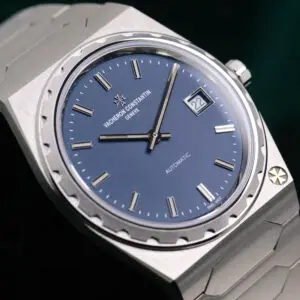
2026 NEW UNWORN Vacheron Constantin Historiques 222 Blue Dial Stainless Steel 37mm COMPLETE SET 4200H/222A-B934
$58,795.00
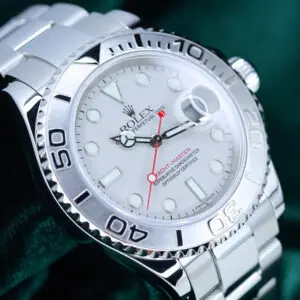
Rolex Yacht-Master Rolesium Platinum Dial Platinum Bezel Oyster Stainless Steel 40mm MINT CONDITION COMPLETE SET 16622
$14,690.00

Audemars Piguet Royal Oak Offshore Chronograph “Vampire” Black Dial Red Accents Black Ceramic Bezel Stainless Steel 42mm MINT CONDITION 26470SO.OO.A002CA.01
$34,649.00
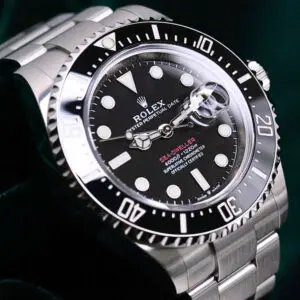
Rolex Sea-Dweller "Red Letter" Black Dial Black Cerachrom Bezel Oyster Bracelet Stainless Steel 43mm MINT CONDITION COMPLETE SET 126600
$13,120.00
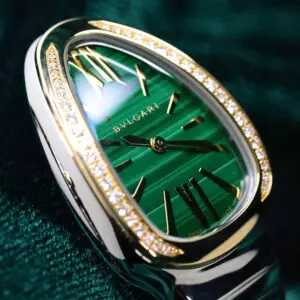
2026 NEW UNWORN Bvlgari Serpenti Tubogas Studs Capsule Limited Edition Green Dial Diamond Bezel Steel & 18k Yellow Gold 35mm COMPLETE SET 104360
$24,255.00
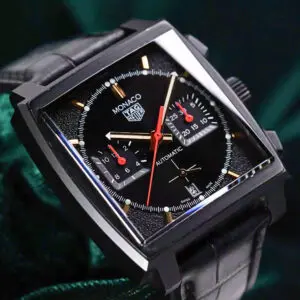
Tag Heuer Monaco Chronograph “Dark Lord” Special Edition Black Dial Black Leather Strap DLC Titanium 39mm MINT CONDITION COMPLETE SET CBL2180.FC6497
$8,135.00
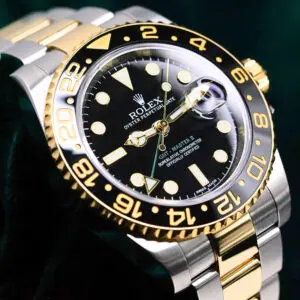
Rolex GMT-Master II “Green Arrow” Black Dial Black Ceramic Bezel Oyster Bracelet Two-Tone 18K Yellow Gold Stainless Steel 40mm MINT CONDITION COMPLETE SET 116713LN
$15,740.00
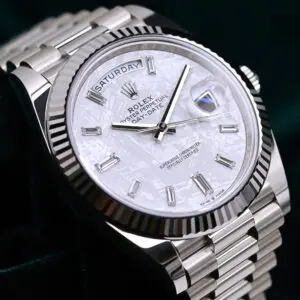
Rolex Day-Date Meteorite Baguette Diamond Dial Fluted Bezel President 18K White Gold 40mm MINT CONDITION COMPLETE SET 228239
$78,629.00
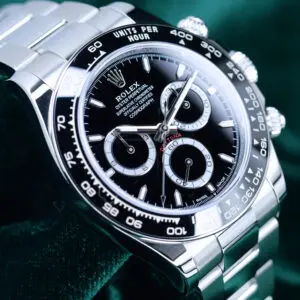
2026 Rolex Cosmograph Daytona Black Dial Black Ceramic Bezel Oyster Bracelet Stainless Steel 40mm MINT CONDITION COMPLETE SET 126500LN
$33,594.00
A handful of legitimate channels exist for buying either of these. Chrono24 is the largest global marketplace and runs an escrow-style buyer protection on eligible orders. eBay covers higher-value watches under its Authenticity Guarantee program, which inspects the watch before it reaches you.
Grailzee is an auction-format option that watch buyers use for both modern and vintage pieces.
Independent grey-market dealers and watch forums like WatchUSeek and Rolex Forums round out the landscape, though those put more of the vetting on you.
We also buy, sell, and trade luxury watches, and the reason clients pick us over a big listing page is the conversation before the purchase. You get tour videos of the actual watch instead of stock photos, honest condition notes, and a real person who has had the piece in hand to answer questions. You are not buying blind off a thumbnail.
That shows up in our 4.9-star Google rating, which comes from buyers who wanted to see exactly what they were getting before committing.
If you want that kind of walkthrough on a specific Speedmaster or Datejust, reach out and we will line up a few options that match your budget and how you plan to wear it. You can also browse our current collection to see what is available right now.
Key Takeaways on Speedmaster vs Datejust
Choosing between the Omega Speedmaster and Rolex Datejust comes down to fit and intent. The Speedmaster gives you a hands-on chronograph, real space history, and the best value if you are buying rather than flipping. The Datejust gives you everyday versatility, automatic convenience, and stronger resale, with most steel models trading above retail in 2026.
Two quick tips before you buy. On a vintage Speedmaster, originality of the dial, hands, and bezel matters more than a polished case. On a Datejust, dial choice drives resale more than bracelet, so pick the dial you love most.