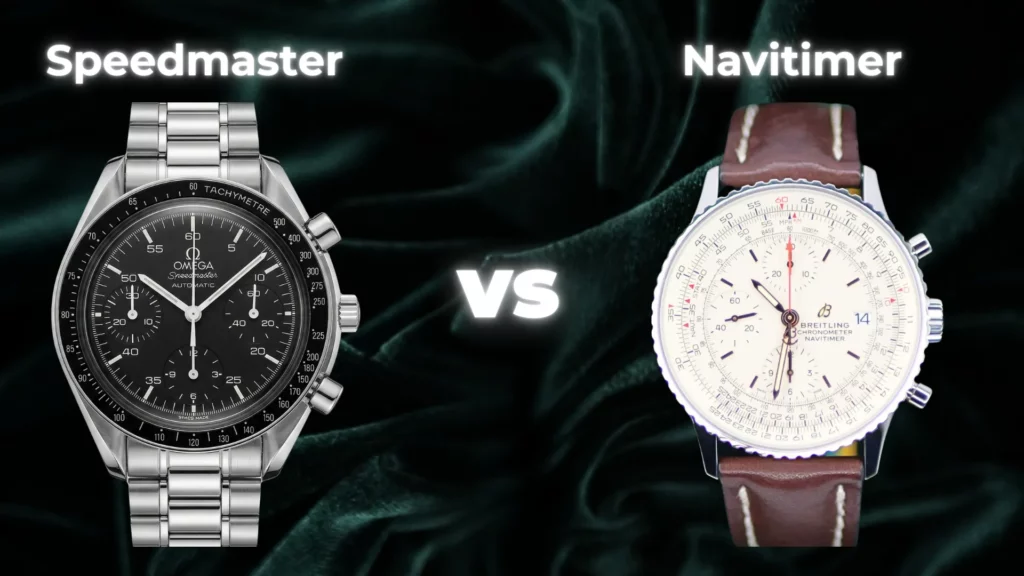
Picking between the Omega Speedmaster and the Breitling Navitimer usually starts with curiosity. Both rank among the most respected chronographs ever made, and both earned that status as genuine tools. One grew up around space missions and split-second timing; aviation shaped the other.
This guide breaks the comparison down in practical terms, so you can feel the difference on the wrist rather than just read specs. You will see why the Speedmaster stays calm and quick to read, while the Navitimer packs its dial with an aviation function.
Small design choices shape comfort, legibility, and daily usability. Those small choices usually decide which watch you reach for without thinking.
Omega Speedmaster Overview


Omega launched the Speedmaster in 1957 as part of its first professional tool-watch line. Racing drivers needed a chronograph they could read at a glance between laps, so Omega pushed the tachymeter scale onto the bezel and left the dial clean. That single move made timing easier, and it gave the watch a job from day one.
On the wrist, the Speedmaster sits fairly low, which helps through long desk hours and everyday movement. Winding the crown and firing the chronograph with a firm pusher click is part of the appeal, and it never feels like a chore.
Space missions did the rest for its reputation. NASA flight-qualified the Speedmaster in 1965 after a brutal round of testing for crewed missions, and astronauts wore it across the Apollo era and on the lunar surface. Those flights created the Moonwatch identity collectors still talk about.

Across generations, the small stuff is what collectors chase. Dial text shifts between references, bracelets change, and case finishing varies, so each version wears a little differently even when the silhouette looks identical.
One look at the three subdials and bezel usually tells you what you are holding. Modern Professional models run the manual-wind Calibre 3861, which sharpens accuracy and magnetic resistance while keeping the classic look.
Breitling Navitimer Overview

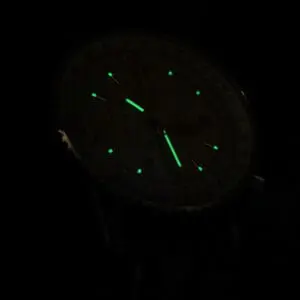
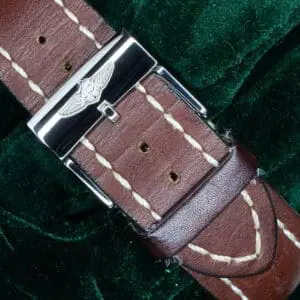
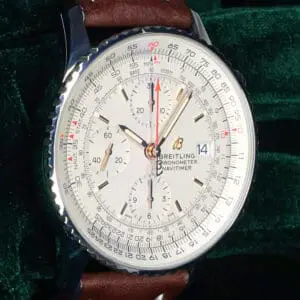
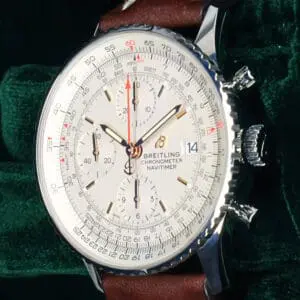
Breitling introduced the Navitimer in 1952, working closely with the Aircraft Owners and Pilots Association (AOPA). Pilots needed a wrist tool for in-flight math, so Breitling wrapped a circular slide rule around the dial and paired it with a chronograph. With it, a pilot could work out speed, distance, and fuel burn without reaching for anything else.
A Navitimer suits someone comfortable with a busy, technical dial. First glance looks crowded, then the slide rule scales start to click once you learn what each ring does. Turning the bezel handles quick conversions for speed, fuel, or distance.
Flight heritage gave the model a few standout moments. A Navitimer Cosmonaute reached orbit in 1962 on Scott Carpenter’s Mercury-Atlas 7 mission, carrying a 24-hour dial so he could tell day from night in space. Aviation stayed its core, yet the watch slipped quietly into early space history too.

Vintage Navitimers from the 1950s through the 1970s pull collectors in with their early aviation look. References like the 806 carry hand-wound movements, painted markers, and the beaded bezel, and some wear the AOPA winged logo from the pilot-association partnership.
Few watches read like a Navitimer at a glance. A circular slide rule, a dense chronograph layout, and thin hands sweeping several scales give it a cockpit-instrument face that sticks in your memory.
Omega Speedmaster vs Breitling Navitimer: Key Differences

Speedmaster and Navitimer chase different priorities, and those priorities show up the moment you look past the round steel case. One favors clarity and fast timing; the other favors aviation math and layered information. Here are the differences that shape how each watch feels day to day.
1. Dial Complexity
A Speedmaster dial stays organized and quick to read. Three subdials and a clean minute track guide your eye, and with the tachymeter scale parked on the bezel, the dial itself stays open. Timing a lap or a short event takes one glance. New to chronographs? Using one to time an event is straightforward.
A Navitimer goes the opposite way because the math lives on the dial. Slide rule scales ring the chapter, stacking numbers and markers into something that looks dense at first. After a few uses it reads fine, and pilots once leaned on those scales for speed, fuel burn, and distance.
2. Bezel Function
On a Speedmaster, the bezel plays one role. A fixed tachymeter scale measures average speed over a known distance, so most of the time it works as a reference rather than a moving part. If you want to put it to work, reading a tachymeter only takes a minute to learn.
Related Models from Majestix
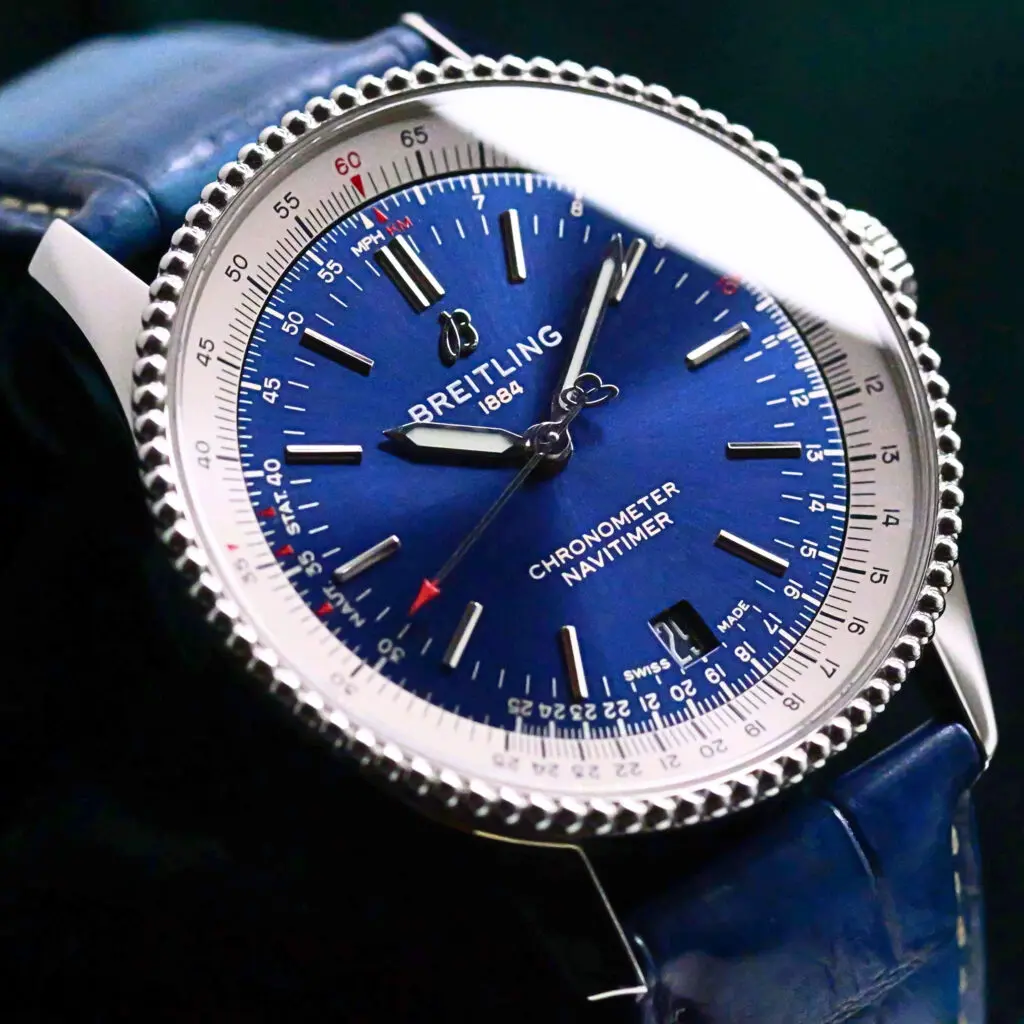
Breitling Navitimer Blue Dial Blue Alligator Strap Stainless Steel 38mm MINT CONDITION COMPLETE SET A17325

Breitling Chronomat 44 Blacksteel Black Dial Red Accents Black Rubber Strap Black DLC Stainless Steel 44mm MINT CONDITION COMPLETE SET MB0111C3/BE35
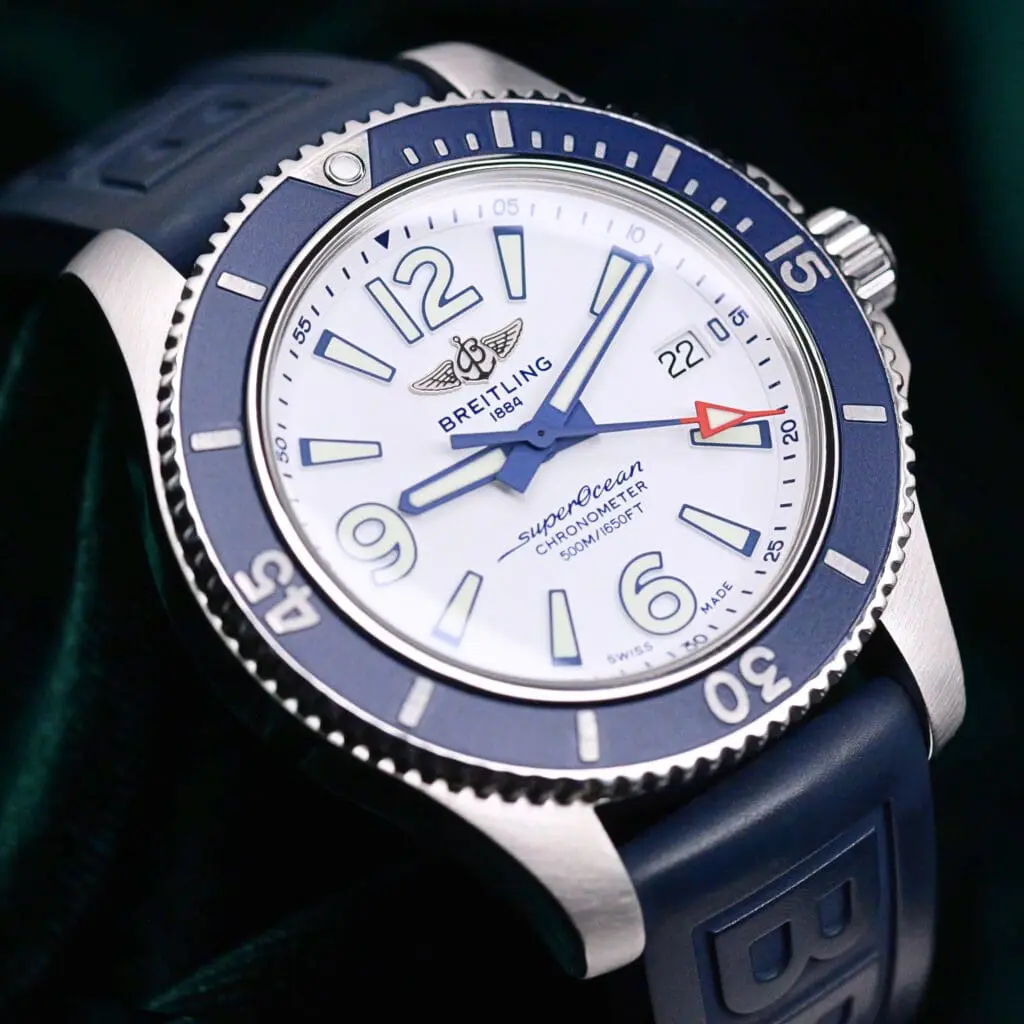
Breitling Superocean Automatic 42mm White Dial Blue Bezel Blue Rubber Strap MINT COMPLETE SET A17366D81A1S2
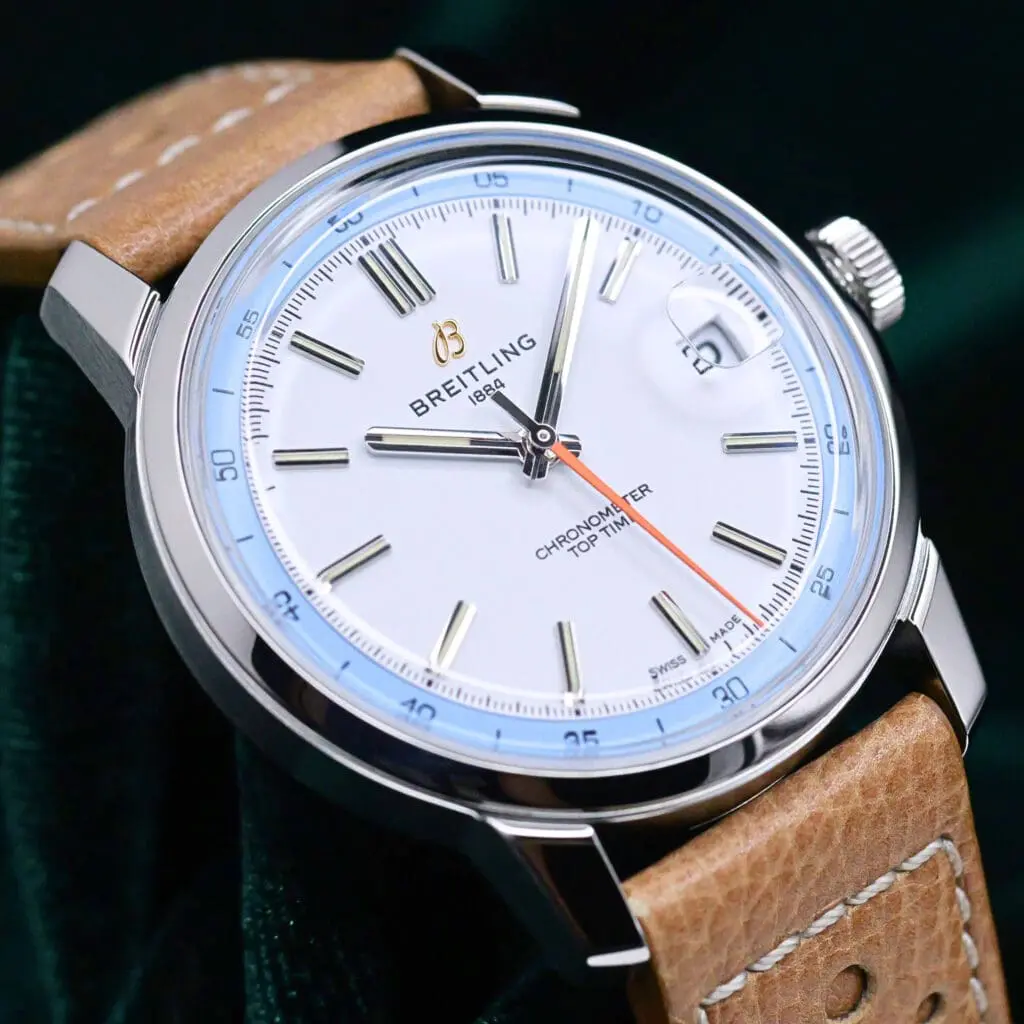
Breitling Top Time B31 White & Sky-Blue Dial Beige Calfskin Strap Stainless Steel 38mm MINT CONDITION COMPLETE SET AB3113281A1X1
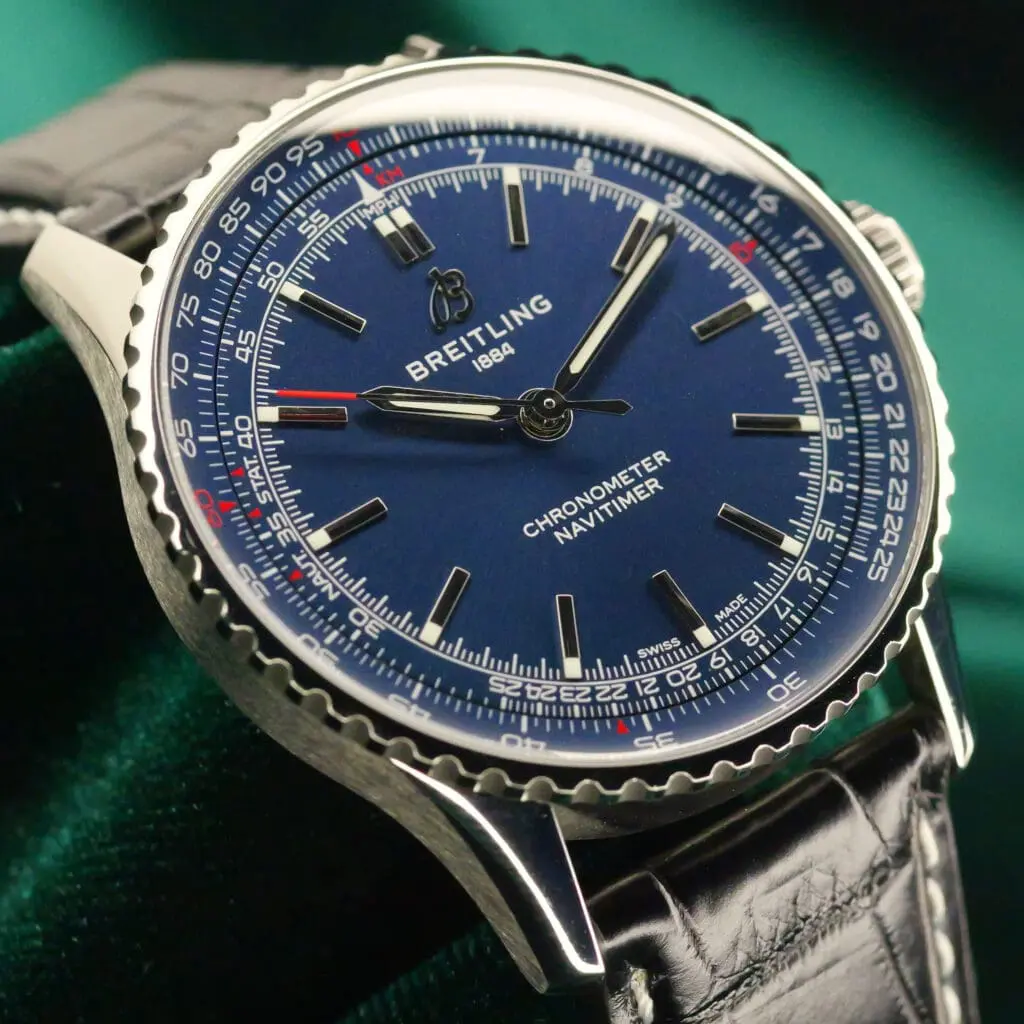
Breitling Navitimer Automatic 41 Blue Dial Black Alligator Strap 41mm Stainless Steel MINT CONDITION COMPLETE SET A17329161C1P1
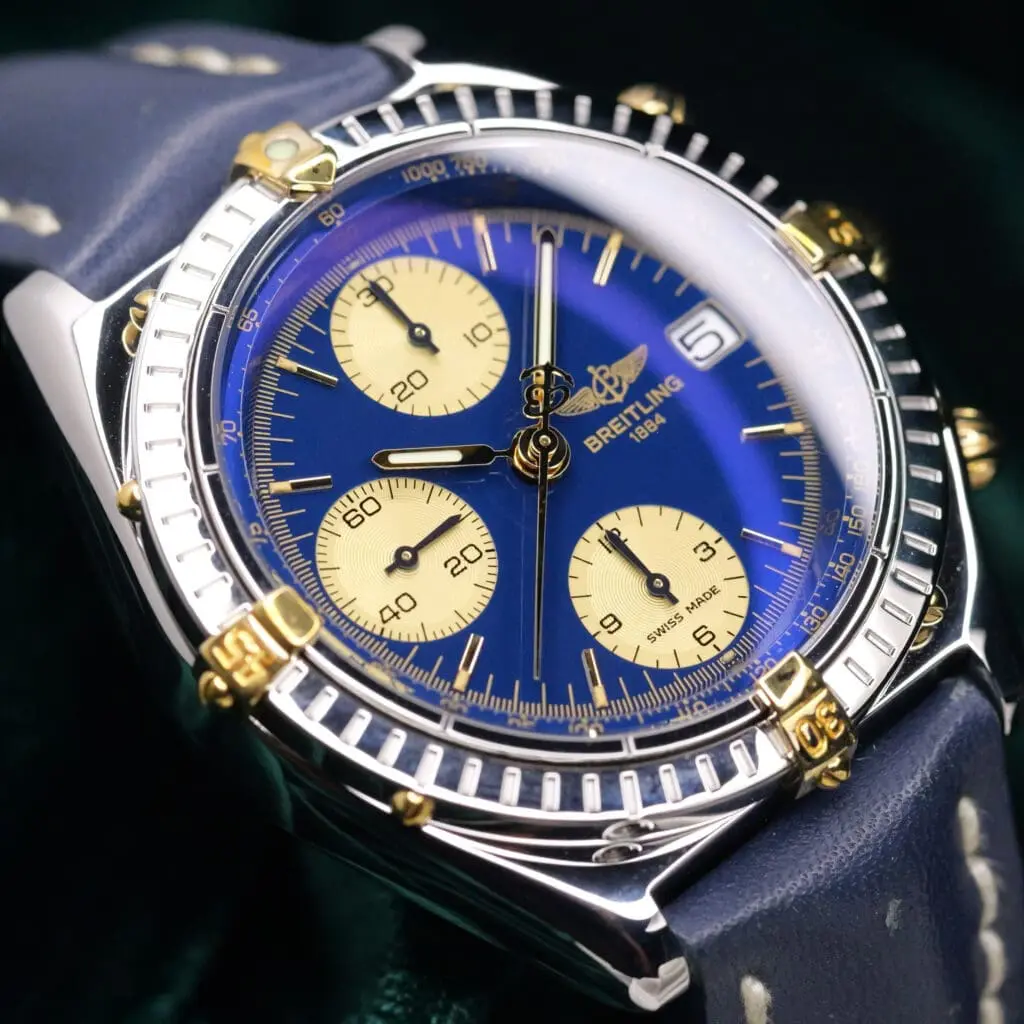
Breitling Chronomat Blue Dial Champagne Subdials Blue Leather Strap Two-Tone 18k Yellow Gold Stainless Steel 39mm MINT CONDITION B13050
On a Navitimer, the bezel is half the watch. Its rotating slide rule teams up with the dial scales to run aviation calculations, the same conversions pilots once made for distance, fuel, and flight time mid-trip.
3. Movement and Winding
Speedmaster Professional models keep things manual. You wind the crown each day, which is part of why the watch feels mechanical and hands-on, and current versions run Omega’s Calibre 3861 or the automatic 9900, both built to high anti-magnetic standards.
Plenty of collectors still debate the older 1861 against the newer 3861. Purists like the 1861’s traditional feel and the pre-2021 dial details, while the 3861 camp values the co-axial escapement, the Master Chronometer rating, and the longer service life.
Breitling went automatic for the modern Navitimer. Its in-house B01 chronograph winds from wrist motion, holds a 70-hour reserve, and uses a column wheel with a vertical clutch for a cleaner pusher feel.
4. Price and Market Demand
Speedmaster prices split between everyday models and collector pieces. A vintage Speedmaster LCD quartz sits near the floor at roughly $650, while a clean modern Moonwatch Professional runs about $4,000 to $9,000 as of 2026, depending on crystal and dial.




Demand spikes once a model ties into space history. A 2015 Silver Snoopy Award (ref. 311.32.42.30.04.003) retailed near $7,350 and now trades in the $45,000 to $55,000 range on Chrono24, up sharply over the past year on tight supply and its Apollo 13 story.
Navitimer pricing leans more on movement and material than on hype. A quartz Pluton-era Navitimer (ref. A51037) changes hands around $1,200 to $1,600, near the entry point, while vintage and modern mechanical pieces command much more.
Precious-metal versions climb fastest. A steel-and-rose-gold Navitimer like this B01 in red gold carries a five-figure ask, well above its all-steel siblings, since the gold and the dial work drive most of the price.
More Speedmasters
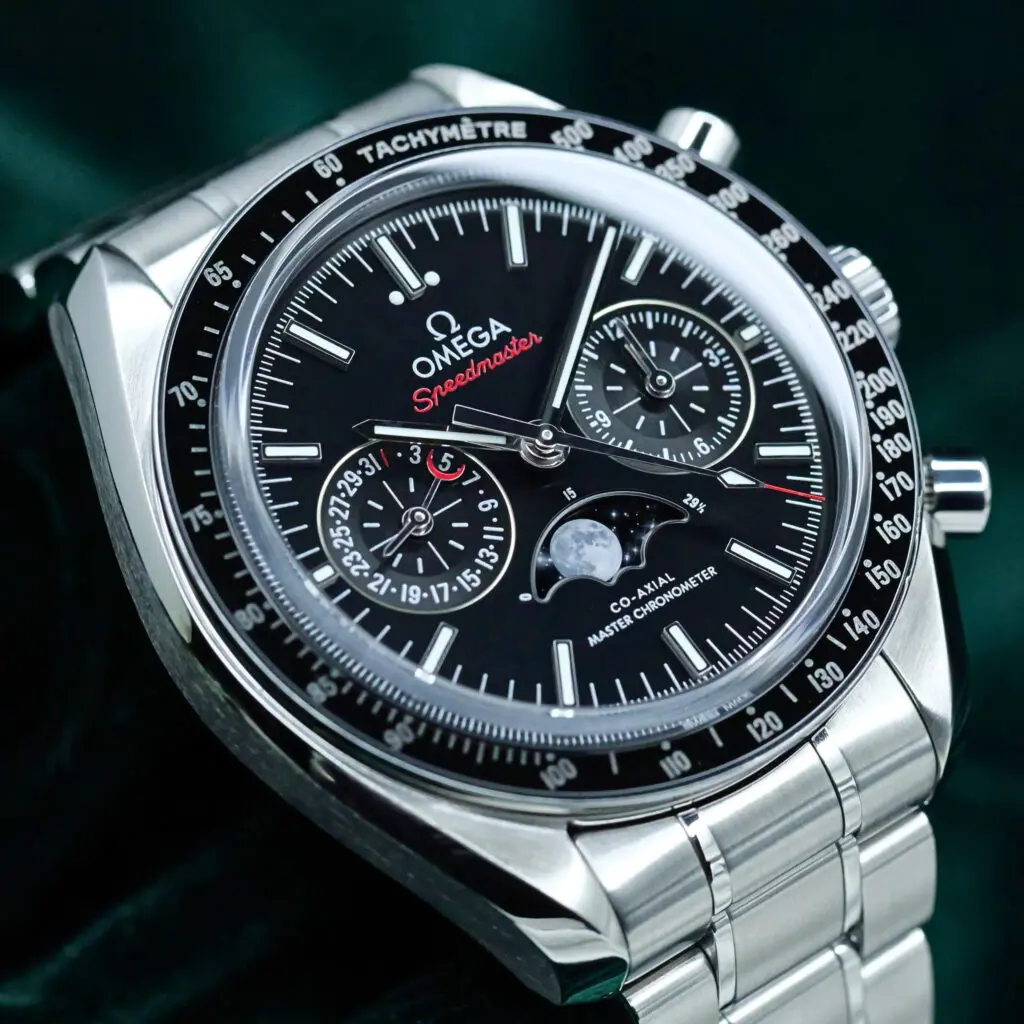
Omega Speedmaster Moonphase Black Dial Stainless Steel 44.25mm MINT CONDITION COMPLETE SET 304.30.44.52.01.001
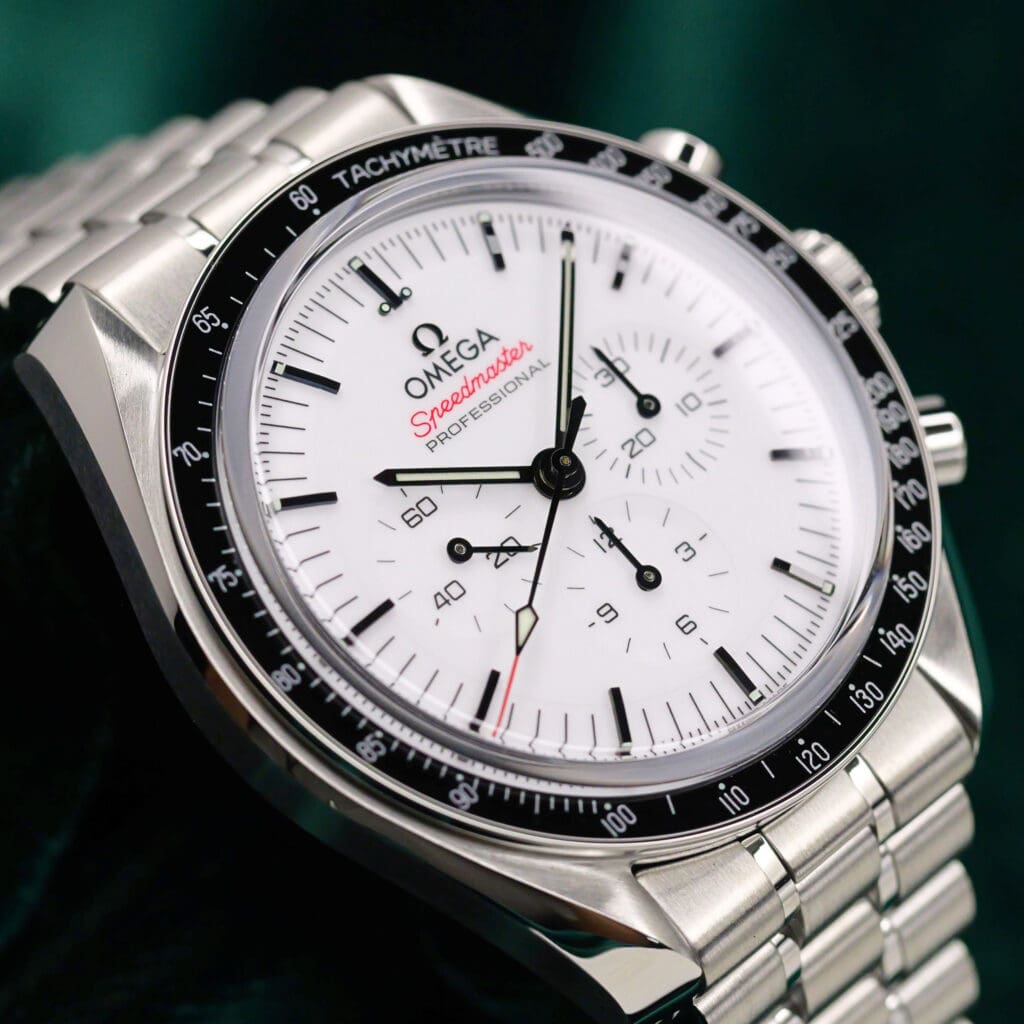
2026 NEW UNWORN Omega Speedmaster Moonwatch Professional White Dial Stainless Steel 42mm COMPLETE SET 310.30.42.50.04.001
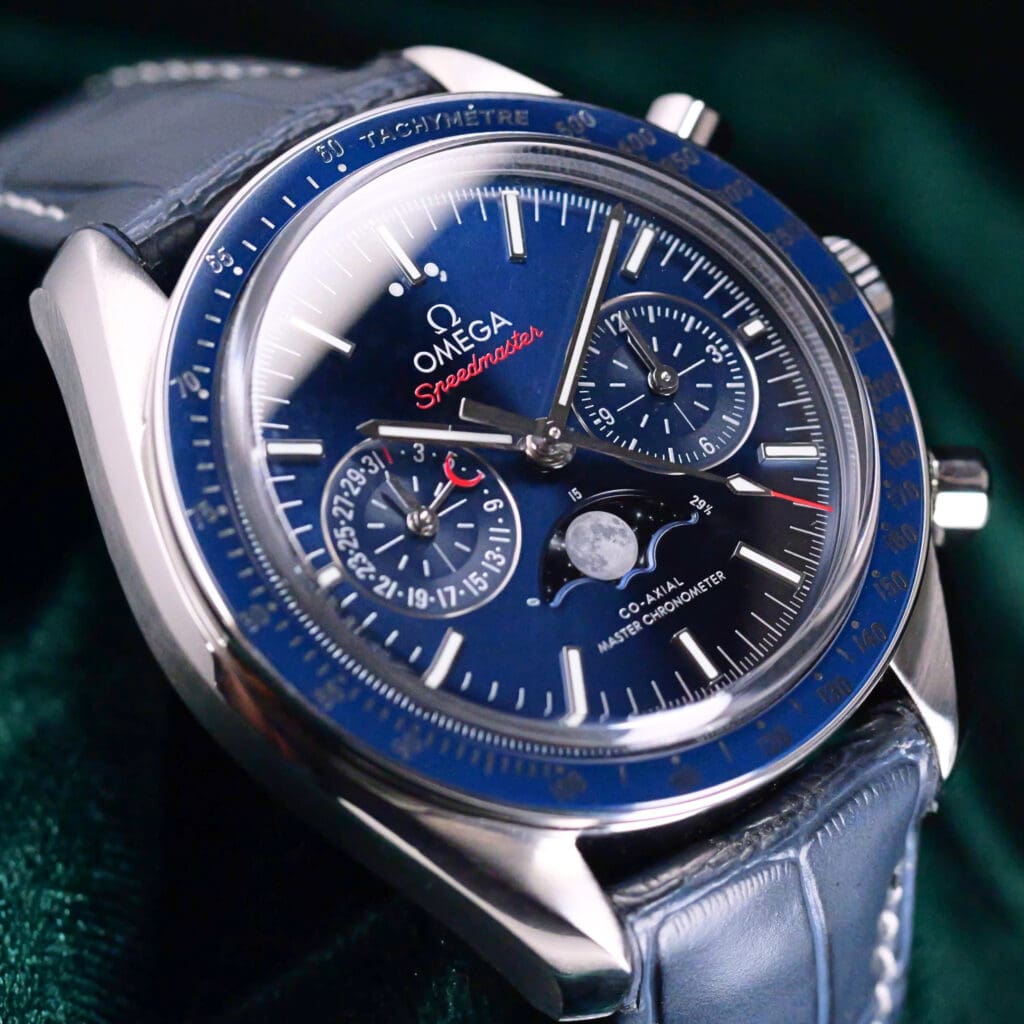
Omega Speedmaster Moonphase Blue Dial Blue Leather Strap Stainless Steel 44.25mm MINT CONDITION COMPLETE SET 304.33.44.52.03.001

Omega Speedmaster "Orbis Edition" 38mm Blue Dial Blue Bezel Stainless Steel Bracelet MINT COMPLETE SET 324.30.38.50.03.002
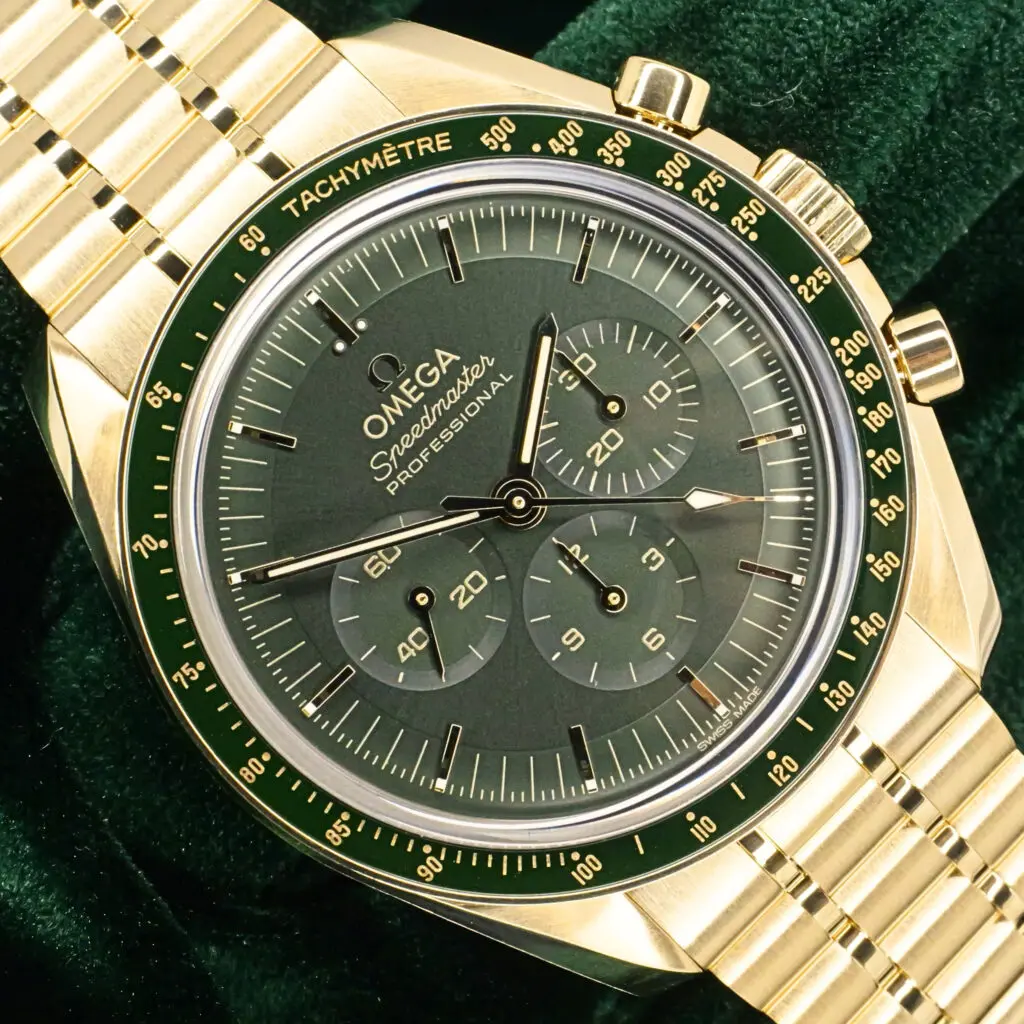
Omega Speedmaster Professional Moonwatch "Moonshine" Green Dial 18K Yellow Gold 42mm MINT CONDITION COMPLETE SET 310.60.42.50.10.001
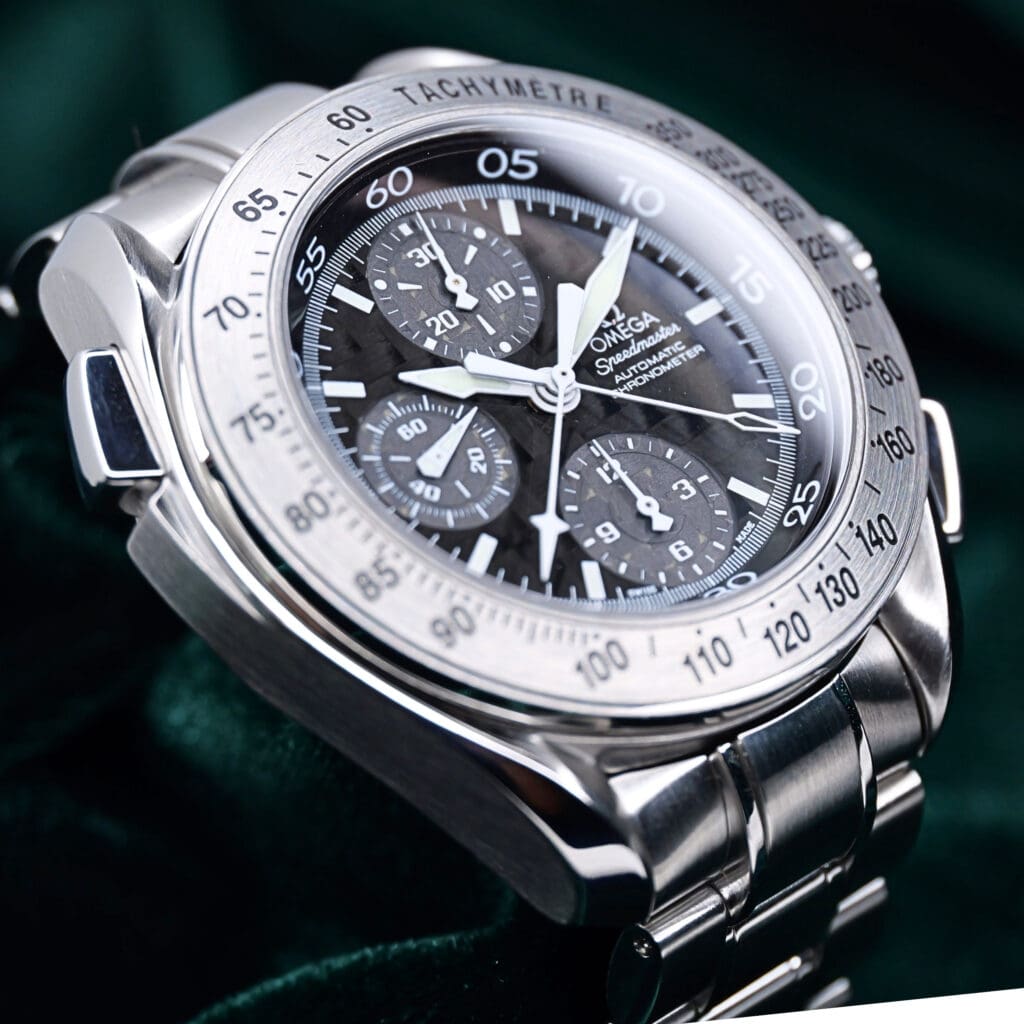
Omega Speedmaster Split-Seconds "Rattrapante" Black Carbon Fiber Dial Stainless Steel 42mm MINT CONDITION 3540.50
Put the two families side by side and the pattern is clear. Speedmaster values jump on space provenance and limited runs, while Navitimer values track materials and configuration. Collectors chasing provenance lean Speedmaster; pilots and tool-watch fans lean Navitimer.
Notable Omega Speedmaster References
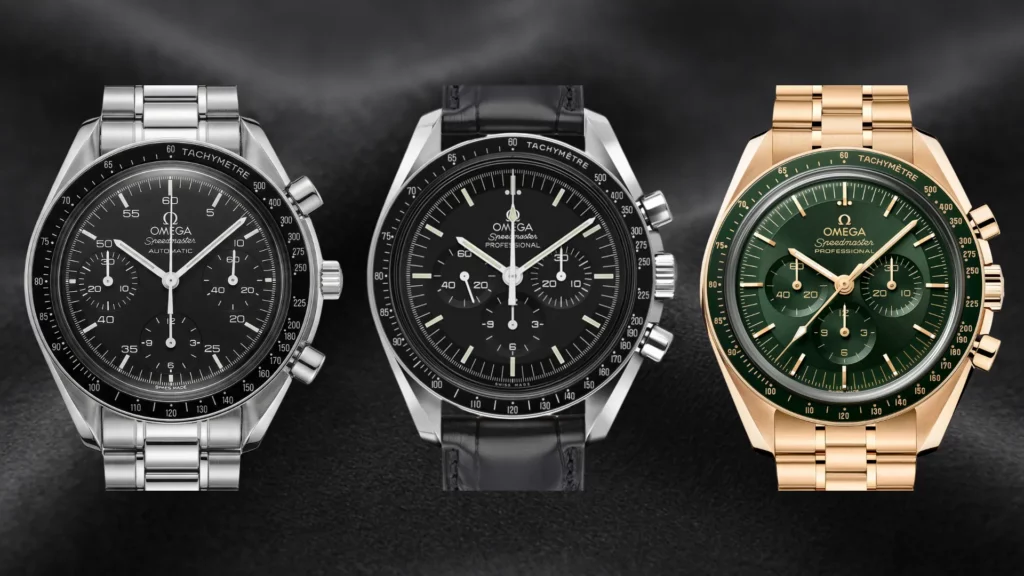
A few Speedmaster references shape how most buyers understand the line, from the everyday Moonwatch to the collector pieces, and our full Speedmaster buying guide walks through the wider lineup. Here are three worth knowing, each one currently in our case at Majestix Collection.
1. Speedmaster Moonwatch Sapphire (311.30.42.30.01.006)
Most accessible way into a current Moonwatch Professional. It pairs the classic 42 mm case with a sapphire crystal and a display caseback, so you get a sharp dial view and a window onto the movement.
- Movement: Omega Calibre 1861, manual-wind chronograph
- Case Diameter: 42 mm
- Crystal: Sapphire front, sapphire display caseback
- Power Reserve: Approx. 48 hours
- Price: $4,995 at Majestix Collection
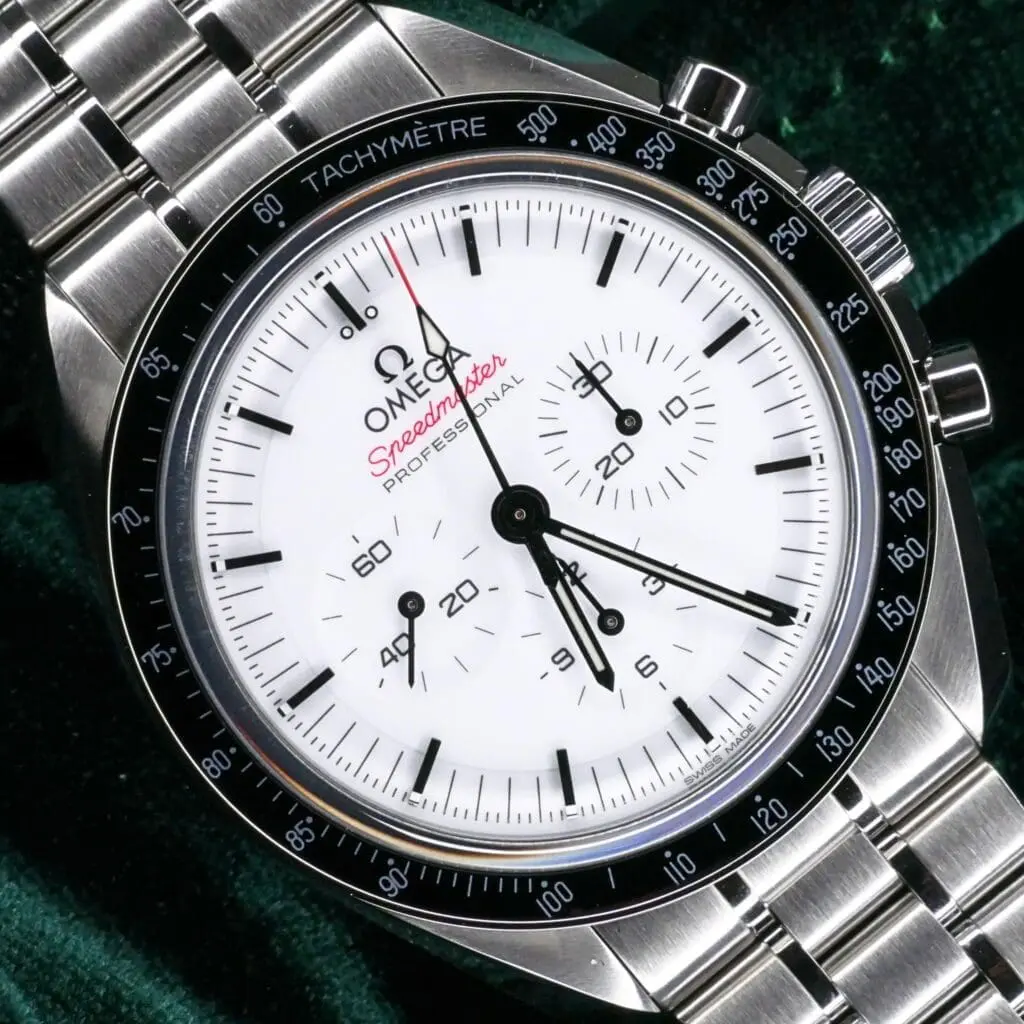
2. Speedmaster Moonwatch White Dial (310.30.42.50.04.001)
A 2024 release that moved the white lacquer dial into the permanent Professional lineup. It runs the upgraded Calibre 3861 inside the sapphire-sandwich case, with red Speedmaster text and a hacking seconds hand that makes exact time-setting easy.
- Movement: Omega Calibre 3861, manual-wind, Co-Axial Master Chronometer
- Case Diameter: 42 mm
- Crystal: Sapphire front, sapphire display caseback
- Power Reserve: Approx. 50 hours
- Price: $8,995 at Majestix Collection

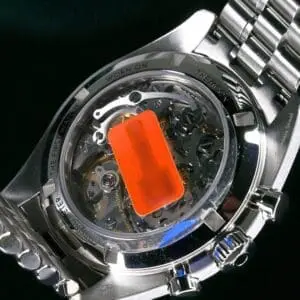

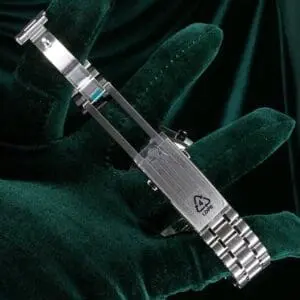
3. Speedmaster Silver Snoopy Award (310.32.42.50.02.001)
Collector pick of the three, built around NASA’s Silver Snoopy Award for Apollo 13. A blue ceramic bezel frames the silver dial, an embossed Snoopy sits in the subdial at 9, and an animated Snoopy on the sapphire caseback crosses the moon when you run the chronograph. It retailed near $11,600 and trades around $15,000 today on steady demand.
- Movement: Omega Calibre 3861, manual-wind, Co-Axial Master Chronometer
- Case Diameter: 42 mm
- Bezel: Blue ceramic with white enamel tachymeter
- Power Reserve: Approx. 50 hours
- Price: From $15,495 at Majestix Collection
Notable Breitling Navitimer References

Several Navitimer references trace the model’s path from cockpit instrument to modern icon, and our Navitimer buying guide maps the full lineup. Here are three that tell that story, from the 1950s original to the current chronograph.
1. Breitling Navitimer Ref. 806
Ref. 806 is the Navitimer in its first form, the one that set the template. Pilots used the slide rule to calculate speed, fuel, and distance, and once you learn the rings the dial reads better than it first looks. A plexiglass crystal softens reflections, and the beaded bezel gives your fingers something to grip.
- Movement: Manual-wind chronograph, commonly Venus 178
- Case Diameter: About 40 mm to 41 mm, by production year
- Crystal: Plexiglass
- Power Reserve: About 45 hours
- Market Range: Roughly $4,200 to $15,000 by condition (Chrono24, 2026)
2. Breitling Navitimer Cosmonaute Ref. 809
Ref. 809 keeps the Navitimer layout but swaps in a 24-hour dial. Scott Carpenter wore this version on the 1962 Mercury-Atlas 7 flight, and the single-rotation hour hand takes a moment to adjust to. Slide rule and chronograph carry over, so it still works like a pilot’s tool.
- Movement: Manual-wind chronograph, Venus 178
- Case Diameter: Around 41 mm
- Crystal: Plexiglass
- Power Reserve: About 45 hours
- Market Range: Varies widely with originality and provenance; check current Chrono24 listings
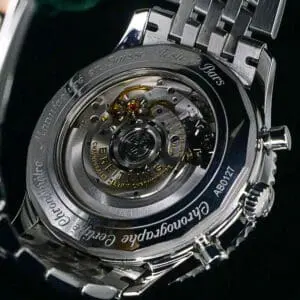
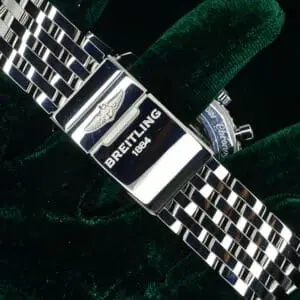
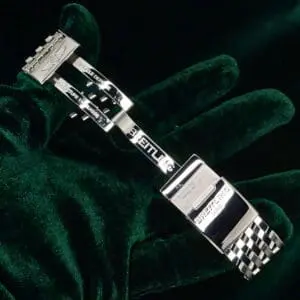
3. Breitling Navitimer B01 Chronograph 46 (AB0127211B1A1)
AB0127211B1A1 is the modern Navitimer in its most familiar shape. Breitling kept the slide rule dial and added the in-house B01 automatic, which improves reliability and service intervals, behind a cambered sapphire crystal. It wears larger than the vintage pieces at 46 mm, but the cockpit identity is intact.
Forum regulars split on that size. Some find 46 mm too broad for a dressier Navitimer and steer toward the 41 mm or 43 mm versions, while others say the bigger dial is the only comfortable way to read every scale.
- Movement: Breitling Calibre 01, automatic, COSC chronometer
- Case Diameter: 46 mm
- Crystal: Cambered sapphire, glareproofed both sides
- Power Reserve: About 70 hours
- Price: $8,520 at Majestix Collection
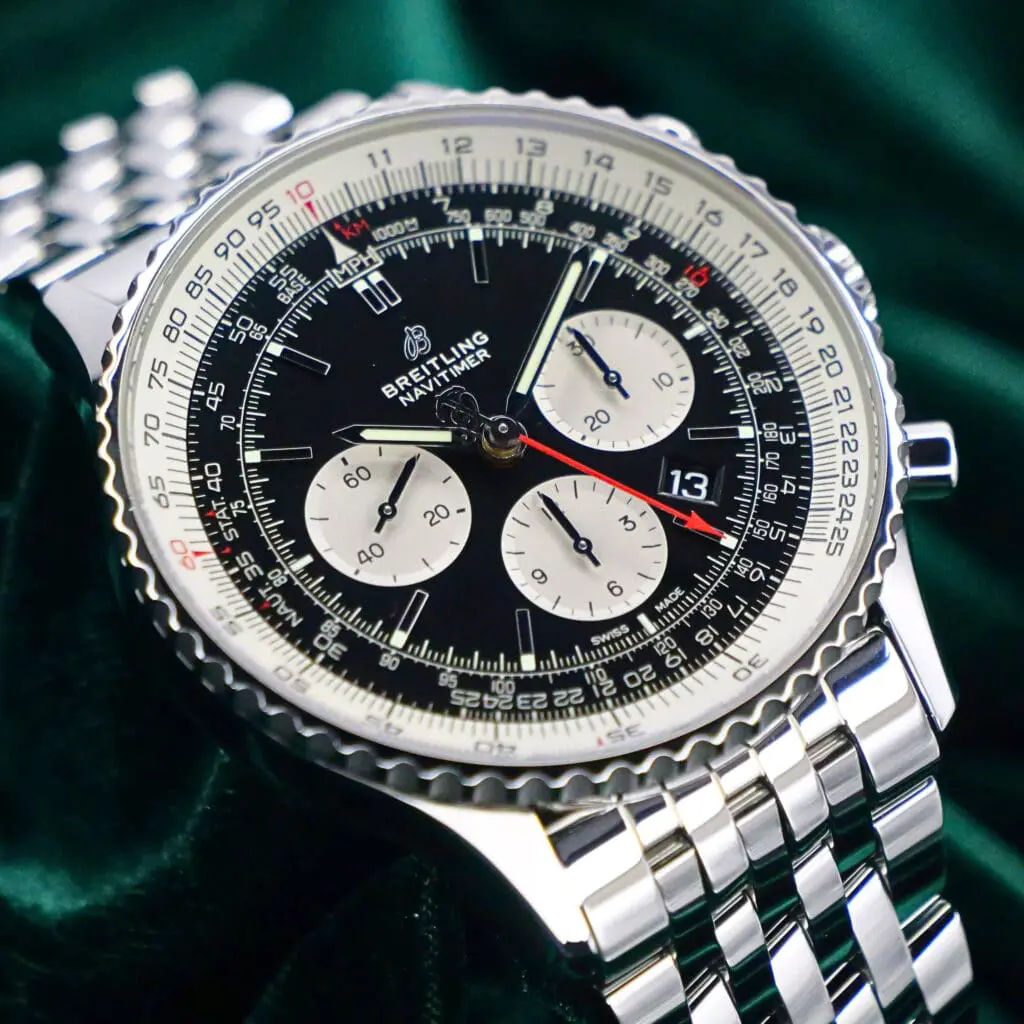
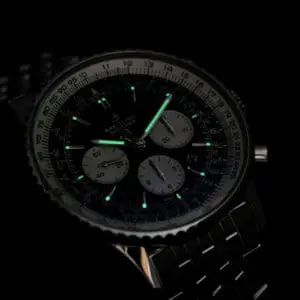
Want a second time zone instead? We also stock the Navitimer GMT 48 in Mercury silver at $8,250, which adds a 24-hour second-time-zone display while keeping the slide rule bezel.
Stuck between a Speedmaster and a Navitimer? Send us your shortlist and we’ll line up tour videos and condition notes on the exact pieces, so you can compare them properly before deciding.
Where to Buy Authentic Watches Online
999+ Timepieces Available
Explore Our Timepieces
Authenticated, unworn, and ready to ship worldwide.
Rolex · Audemars Piguet · Patek Philippe · Omega · Cartier · Richard Mille · Hublot · Tudor
Newly Listed
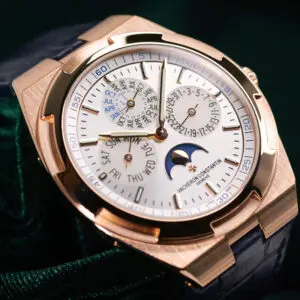
Vacheron Constantin Overseas Perpetual Calendar Ultra-Thin Silver Dial Blue Leather Strap 18K Rose Gold 41.5mm MINT CONDITION COMPLETE SET 4300V/120R-B064
$115,385.00
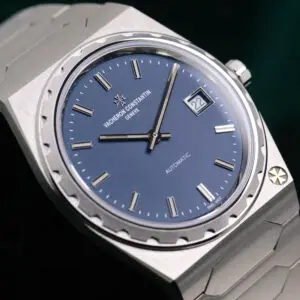
2026 NEW UNWORN Vacheron Constantin Historiques 222 Blue Dial Stainless Steel 37mm COMPLETE SET 4200H/222A-B934
$58,795.00
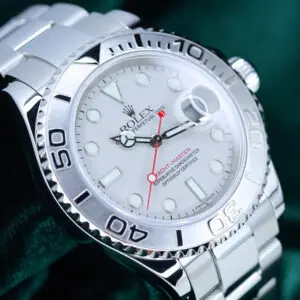
Rolex Yacht-Master Rolesium Platinum Dial Platinum Bezel Oyster Stainless Steel 40mm MINT CONDITION COMPLETE SET 16622
$14,690.00

Audemars Piguet Royal Oak Offshore Chronograph “Vampire” Black Dial Red Accents Black Ceramic Bezel Stainless Steel 42mm MINT CONDITION 26470SO.OO.A002CA.01
$34,649.00
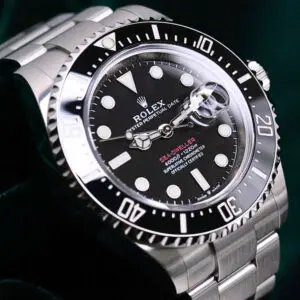
Rolex Sea-Dweller "Red Letter" Black Dial Black Cerachrom Bezel Oyster Bracelet Stainless Steel 43mm MINT CONDITION COMPLETE SET 126600
$13,120.00
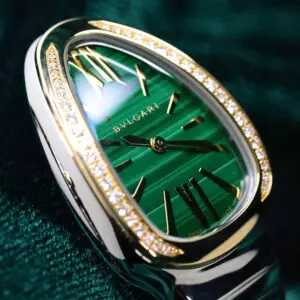
2026 NEW UNWORN Bvlgari Serpenti Tubogas Studs Capsule Limited Edition Green Dial Diamond Bezel Steel & 18k Yellow Gold 35mm COMPLETE SET 104360
$24,255.00
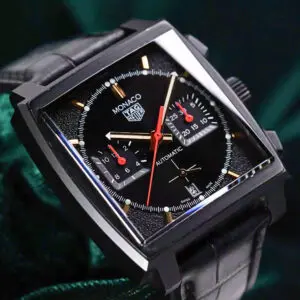
Tag Heuer Monaco Chronograph “Dark Lord” Special Edition Black Dial Black Leather Strap DLC Titanium 39mm MINT CONDITION COMPLETE SET CBL2180.FC6497
$8,135.00
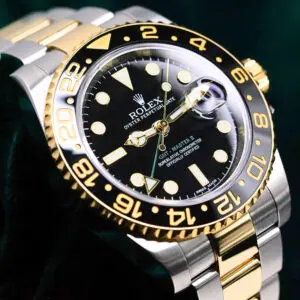
Rolex GMT-Master II “Green Arrow” Black Dial Black Ceramic Bezel Oyster Bracelet Two-Tone 18K Yellow Gold Stainless Steel 40mm MINT CONDITION COMPLETE SET 116713LN
$15,740.00
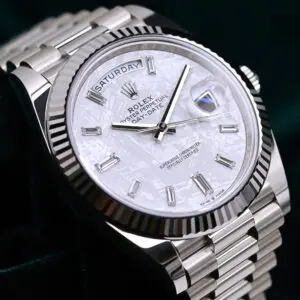
Rolex Day-Date Meteorite Baguette Diamond Dial Fluted Bezel President 18K White Gold 40mm MINT CONDITION COMPLETE SET 228239
$78,629.00

2026 Rolex Cosmograph Daytona Black Dial Black Ceramic Bezel Oyster Bracelet Stainless Steel 40mm MINT CONDITION COMPLETE SET 126500LN
$33,594.00
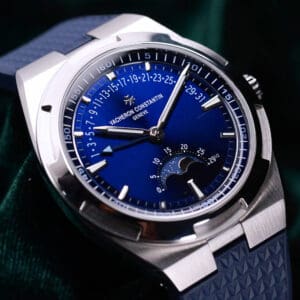
2025 Vacheron Constantin Overseas Moonphase Retrograde Date Blue Dial Blue Rubber Strap Stainless Steel 41mm MINT CONDITION COMPLETE SET 4000V/210A-B911
$52,800.00
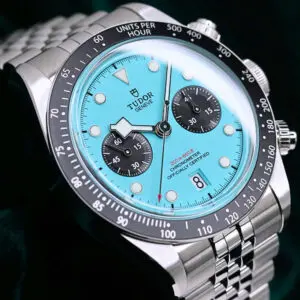
2025 Tudor Black Bay Chrono "Flamingo Blue" Turquoise Dial Black Bezel Stainless Steel 41mm MINT CONDITION COMPLETE SET 79360N-0024
$10,494.00
A handful of legitimate channels exist for buying a Speedmaster or a Navitimer online. Chrono24 aggregates listings from dealers and private sellers worldwide, with buyer protection on escrow orders. eBay covers both through its Authenticity Guarantee on qualifying watches. Grailzee runs enthusiast auctions, and forums like WatchUSeek host private sales among collectors.
For a wider view, our guide to where to buy a pre-owned watch breaks down every channel. We also dig into what to check when buying on Chrono24 in a separate post.
We also buy, sell, and trade luxury watches, and the reason clients pick us over a big marketplace is the conversation before the sale. Before you commit, we send tour videos of the actual watch, not stock photos, plus honest condition notes and a real person who has handled the piece. You are not buying blind off a listing.
That approach is behind our 4.9-star Google rating, which comes from buyers who wanted to see the watch clearly before sending money. You can browse our current collection any time.
If you want that kind of walkthrough on a specific Speedmaster or Navitimer, reach out and we’ll line up the options that match what you’re after.
Omega Speedmaster vs Breitling Navitimer: Which Should You Buy?
Pick the Speedmaster for fast legibility and space provenance; pick the Navitimer for a working slide rule and full-on aviation character.
Both watches carry strong identities, so the call comes down to how you want the watch to behave every day. One leans toward clarity and a tie to space; the other toward aviation tools and a denser dial. These points narrow it down.
Choose the Omega Speedmaster if:
- You want a fast, clean read with fewer dial layers and less visual noise.
- Space heritage matters to you, especially the NASA-qualified Moonwatch line.
- You like resale clarity; Speedmaster listings are easy to compare and explain later.
- Hand-winding and firm pushers sound like part of the fun, not a chore.
- You want modern anti-magnetic performance from the Calibre 3861.
Choose the Breitling Navitimer if:
- You want a working slide rule and plan to use it for quick math.
- Busy dials don’t bother you; the cockpit look is the whole point.
- Automatic convenience matters and you would rather not wind daily.
- You like a modern icon that often trades below retail on the secondary market.
- Aviation identity speaks to you more than space history.
999+ Timepieces Available
Explore Our Timepieces
Authenticated, unworn, and ready to ship worldwide.
Rolex · Audemars Piguet · Patek Philippe · Omega · Cartier · Richard Mille · Hublot · Tudor
Newly Listed
Vacheron Constantin Overseas Perpetual Calendar Ultra-Thin Silver Dial Blue Leather Strap 18K Rose Gold 41.5mm MINT CONDITION COMPLETE SET 4300V/120R-B064
$115,385.00
2026 NEW UNWORN Vacheron Constantin Historiques 222 Blue Dial Stainless Steel 37mm COMPLETE SET 4200H/222A-B934
$58,795.00
Rolex Yacht-Master Rolesium Platinum Dial Platinum Bezel Oyster Stainless Steel 40mm MINT CONDITION COMPLETE SET 16622
$14,690.00
Audemars Piguet Royal Oak Offshore Chronograph “Vampire” Black Dial Red Accents Black Ceramic Bezel Stainless Steel 42mm MINT CONDITION 26470SO.OO.A002CA.01
$34,649.00
Rolex Sea-Dweller "Red Letter" Black Dial Black Cerachrom Bezel Oyster Bracelet Stainless Steel 43mm MINT CONDITION COMPLETE SET 126600
$13,120.00
2026 NEW UNWORN Bvlgari Serpenti Tubogas Studs Capsule Limited Edition Green Dial Diamond Bezel Steel & 18k Yellow Gold 35mm COMPLETE SET 104360
$24,255.00
Tag Heuer Monaco Chronograph “Dark Lord” Special Edition Black Dial Black Leather Strap DLC Titanium 39mm MINT CONDITION COMPLETE SET CBL2180.FC6497
$8,135.00
Rolex GMT-Master II “Green Arrow” Black Dial Black Ceramic Bezel Oyster Bracelet Two-Tone 18K Yellow Gold Stainless Steel 40mm MINT CONDITION COMPLETE SET 116713LN
$15,740.00
Rolex Day-Date Meteorite Baguette Diamond Dial Fluted Bezel President 18K White Gold 40mm MINT CONDITION COMPLETE SET 228239
$78,629.00
2026 Rolex Cosmograph Daytona Black Dial Black Ceramic Bezel Oyster Bracelet Stainless Steel 40mm MINT CONDITION COMPLETE SET 126500LN
$33,594.00
2025 Vacheron Constantin Overseas Moonphase Retrograde Date Blue Dial Blue Rubber Strap Stainless Steel 41mm MINT CONDITION COMPLETE SET 4000V/210A-B911
$52,800.00
2025 Tudor Black Bay Chrono "Flamingo Blue" Turquoise Dial Black Bezel Stainless Steel 41mm MINT CONDITION COMPLETE SET 79360N-0024
$10,494.00
Final Thoughts on Omega Speedmaster vs Breitling Navitimer
Interest in the Omega Speedmaster vs Breitling Navitimer usually starts with history, but ownership comes down to taste. A Speedmaster rewards anyone who wants a calm, legible chronograph with deep space provenance. A Navitimer rewards anyone who wants an expressive, instrument-style dial with real aviation function.
Two quick tips before you buy. On a vintage Navitimer 806, check that the slide rule bezel still turns smoothly and the markings stay crisp, since worn examples lose usability. On any Speedmaster Professional, confirm the caseback and crystal type match the reference, because hesalite and sapphire versions are easy to mix up.