Have you ever wondered why the Omega Speedmaster keeps coming up in conversations among collectors, dealers, and first time luxury watch buyers even after decades on the market? Most people do not struggle with whether they like the watch. They struggle with how to approach an Omega Speedmaster buying guide in a way that helps them avoid overpaying or picking the wrong reference.
The Speedmaster market looks simple at first, but it quickly becomes complex once you start comparing models. Dealers see this every day. Buyers walk in confident, then realize how many differences exist between references, movements, pricing levels, and long term value trends. One small detail can shift resale value or change how collectors view a specific model.
This Omega Speedmaster buying guide shows you what experienced dealers actually check before they buy, sell, or recommend a piece. You will learn how pricing really behaves, which models tend to hold value, and which versions often get overlooked or priced higher than they should be.
Understanding the Omega Speedmaster
The Omega Speedmaster holds its place as one of the most recognized chronographs in watchmaking, and you need to understand its background before you evaluate any model. In any Omega Speedmaster buying guide, this context helps you see why dealers and collectors treat certain references differently.
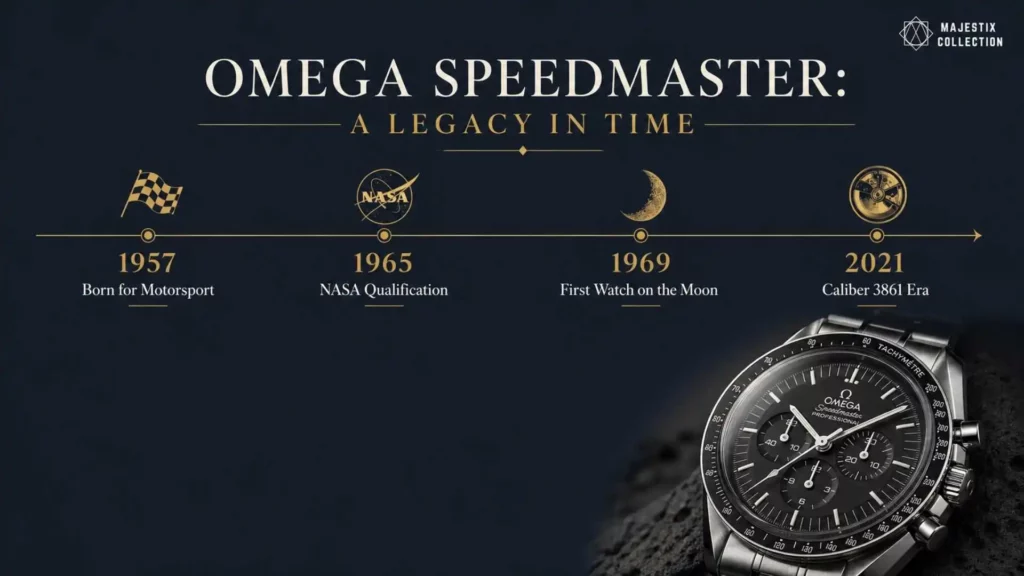
Omega first introduced the Speedmaster in 1957 as a tool watch designed for motorsport timing. The watch later earned global attention when NASA selected it for space missions, and astronauts wore the Omega Speedmaster Professional Moonwatch during the Apollo program, including the first Moon landing. That moment turned the Speedmaster into a permanent part of horological history.
You also need to know that the Speedmaster line includes multiple variations. Omega produces professional Moonwatch models, modern sapphire crystal versions, vintage inspired designs, and limited editions. Each version uses different movements and materials, which affects pricing, durability, and long term demand.
If you want to see how the Moonwatch line stacks up against the broader Speedmaster catalog, our breakdown of Speedmaster vs Moonwatch references walks through the differences in detail.
With this foundation, you can evaluate Speedmaster references with more clarity. You shift your focus from appearance alone to the details that actually matter, such as movement type, historical relevance, and how the market values each variation over time.
Which Omega Speedmaster Should You Buy?
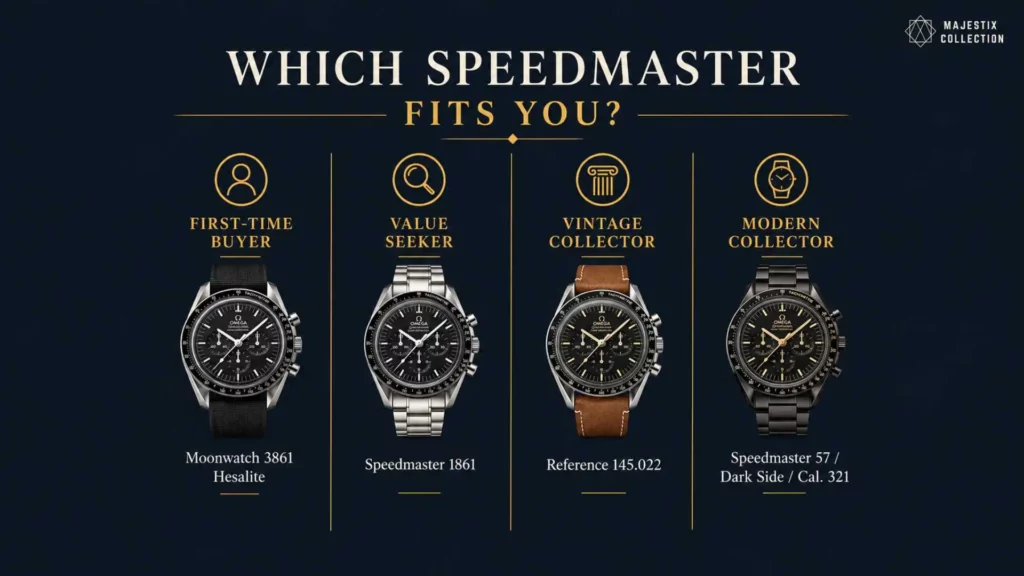
The right Speedmaster depends on what kind of buyer you are, not on what looks newest in Omega’s catalog. In an Omega Speedmaster buying guide, dealers always match the reference to the buyer’s intent because each model serves a different purpose in daily wear, value retention, and collecting.
Below, you will find the main Speedmaster options grouped by buyer type so you can quickly see which one fits your needs and budget.
Best First Speedmaster for Most Buyers
The Omega Speedmaster Professional Moonwatch 3861 Hesalite (reference 310.30.42.50.01.001) is the most common starting point for buyers. It delivers an authentic Moonwatch experience without confusing reference details.
Retail pricing sits at $7,400, while pre-owned examples typically range between $5,500 and $6,500. This version stays closest to the original NASA-qualified Moonwatch feel, especially with Hesalite over sapphire.
The differences between the standard Speedmaster and the Professional designation can be subtle, and we cover them more completely in our Speedmaster vs Professional comparison.
Key Specs
- Crystal type: Hesalite with vintage-style distortion and easy polishability
- Movement: Caliber 3861
- Certification: METAS certified
- Magnetic resistance: Up to 15,000 gauss
- Power reserve: Around 50 hours
- Bracelet: Updated design with micro-adjust clasp
The Hesalite crystal creates a softer, warmer dial presentation that feels closer to early Moonwatch models. Light scratches can be polished out quickly, which helps maintain a clean look over time without expensive servicing.
The Caliber 3861 adds modern precision, stronger anti-magnetic protection, and improved reliability while keeping the core Speedmaster identity intact. This combination makes it one of the most balanced modern Moonwatch options for first-time buyers.
Best Value Speedmaster on the Pre-Owned Market
The Omega Speedmaster 1861 Hesalite (reference 311.30.42.30.01.005) offers strong value and remains one of the most practical entries into the Moonwatch family. These typically sell for $4,000 to $4,500 depending on condition and completeness.
This reference continues to attract collectors because it delivers the classic Speedmaster experience at a noticeably lower price point compared to newer models.
Key Specs
- Movement: Caliber 1861
- Market price: $4,000 to $4,500
- Value advantage: Around 25 percent less than a new 3861
- Certification: No METAS, no Co-Axial escapement
The Caliber 1861 does not include newer movement technology, but in everyday wear, performance remains stable and reliable. Most owners notice little practical difference unless they compare it directly with modern upgrades.
Important buying considerations:
- Full set (box and papers) adds 10 to 15 percent value
- Missing papers reduces price by about $500 to $800
- Service history improves resale confidence
This model delivers the closest modern Moonwatch experience at a more accessible price, which is why it continues to perform strongly in the pre-owned market.
Best Speedmaster for Vintage Collectors
The Omega Speedmaster reference 145.022 stands out as a strong vintage entry point for collectors who value history and originality. Market prices typically range between $4,000 and $5,000, depending on condition and authenticity.
This reference plays an important role in Speedmaster history and represents the transition into more modern movement design.
Key Specs
- Movement: Caliber 861
- Era: Early 1970s production
- Dial: Tritium lume that develops natural patina
- Collector appeal: Strong Apollo-era connection
The tritium lume naturally ages into warm tones, creating a unique dial character that collectors highly value. No two pieces age the same way, which adds individuality to each watch.
Ownership requires careful consideration:
- Service costs often exceed $900
- Water resistance is minimal without recent testing
- Vintage dial parts may be difficult to source
Stronger historical options include:
- 105.012 “Ed White”
- 145.012 with Caliber 321
These references use the legendary Caliber 321, which increases collector demand and long-term value significantly.
Best Speedmaster for Modern Collectors
Modern Speedmaster variations appeal to collectors who want stronger design identity, material upgrades, or a more distinctive wrist presence. These models move away from standard Moonwatch styling and focus on personality and innovation.
Each reference serves a different purpose within a modern collection.
1. Omega Speedmaster ’57 (3861): This model brings back the original 1957 design language with a more vintage-inspired aesthetic.
- Broad-arrow hands
- Applied logo design
- Clean retro styling
2. Dark Side of the Moon: This version emphasizes bold modern design through full ceramic construction and a larger case presence.
- Case size: 44.25mm
- Full ceramic case
- Strong modern visual impact
3. Caliber 321 Re-edition: This sits at the top of the modern collector segment, built around historical movement architecture and limited production.
- Limited production due to hand assembly
- Pre-owned prices start around $17,000
- Platinum versions retail near $59,400
Lower-demand models such as many Speedmaster Racing editions and loosely themed limited releases often take longer to move in the secondary market and show weaker price retention compared to core Moonwatch references.
Hesalite vs Sapphire: Which Moonwatch Crystal Is Right for You?
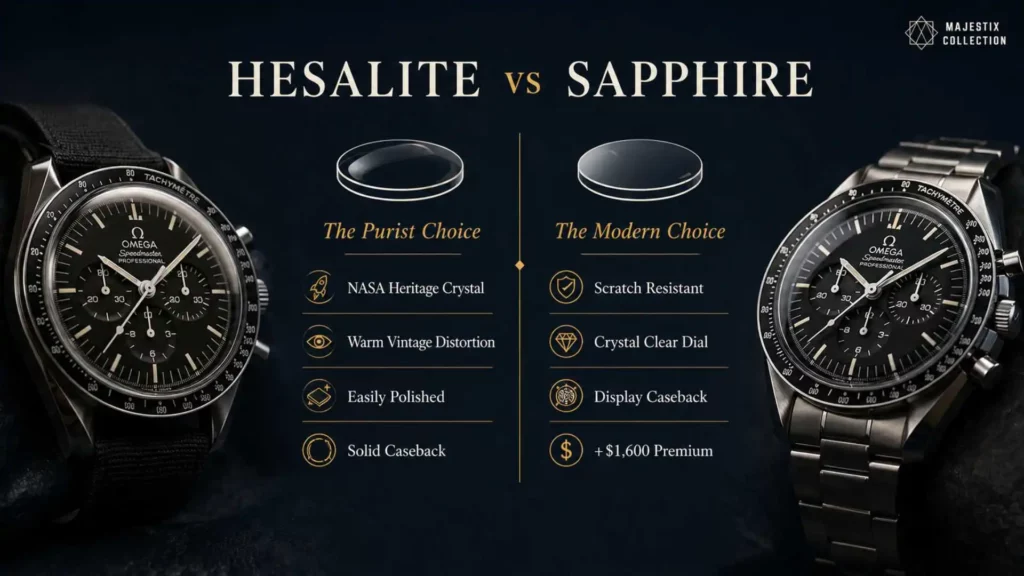
Hesalite offers the closest experience to the original Moonwatch, with a crystal that can scratch but is easy to restore. Sapphire provides stronger scratch resistance and a display caseback, along with a roughly $1,600 premium for reference 310.30.42.50.01.002.
This decision often looks simple on paper, but it changes how the watch feels on the wrist every day. Dealers see first-time buyers lean toward Hesalite for its traditional Moonwatch character, while Sapphire appeals to those who prefer a more modern, low-maintenance experience.
| Feature | Hesalite | Sapphire |
| Crystal type | Acrylic style crystal used in NASA qualified Moonwatch | Synthetic sapphire crystal |
| Wrist appearance | Warm, vintage style distortion | Clean and sharp dial clarity |
| Scratch behavior | Scratches easily but can be polished | Highly scratch resistant |
| Maintenance | Easy polishing with Polywatch | Requires replacement if damaged |
| Caseback | Solid closed caseback | Display caseback showing movement |
| Price difference | Standard pricing | Around $1,600 more |
| Best suited | First time buyers and purists | Buyers who want durability and movement display |
Hesalite stays closest to the original Moonwatch design language. It softens reflections and creates a warmer, slightly distorted dial look that feels more historical than technical. That character is one of the main reasons enthusiasts still prefer it for a first Speedmaster.
Sapphire shifts the experience toward modern practicality. It offers better resistance to daily wear, keeps the crystal clearer under pressure, and adds a display caseback that showcases the Caliber 3861 movement. This makes it more appealing for buyers who value durability and visibility of the mechanics.
Most first-time buyers still choose Hesalite because it preserves the original Moonwatch identity and stays closer to its NASA heritage. Sapphire fits better when durability, scratch resistance, and movement display matter more than historical authenticity.
Caliber 1861 vs 3861: Is the Upgrade Worth the Premium?
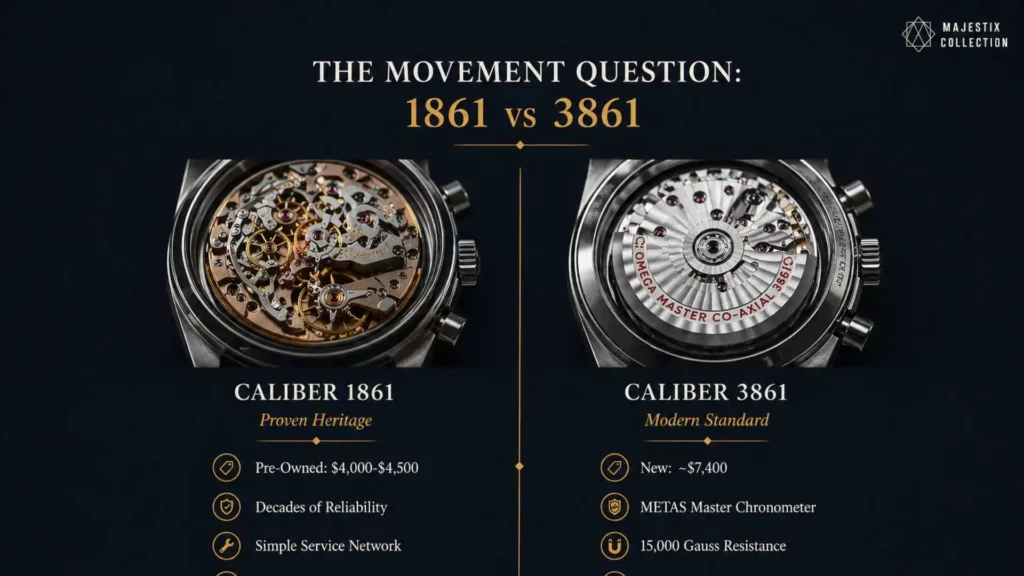
The choice between the Caliber 1861 and Caliber 3861 defines how you approach the modern Speedmaster market. In an Omega Speedmaster buying guide, this decision usually separates buyers who prioritize value from those who want the latest technical standard straight from Omega.
The split is simple in practice. The 3861 movement powers the current Moonwatch generation, while the 1861 movement continues to dominate the pre-owned market at a lower entry price.
What Does the Caliber 3861 Change?
The Caliber 3861 updates the classic Moonwatch architecture with modern certification and stronger resistance to environmental interference. Omega rebuilt the movement to improve performance without changing its manual-wind character.
Key characteristics:
- METAS Master Chronometer certification
- Magnetic resistance up to 15,000 gauss
- Co-Axial escapement for reduced friction and longer service life
- Accuracy rating of 0 to +5 seconds per day
- Extended service intervals compared to previous generation
These upgrades focus on stability and consistency rather than visible design changes. The movement still feels like a traditional Speedmaster, just with tighter performance control under testing standards.
What Does the Caliber 1861 Deliver?
The Caliber 1861 represents the long-standing backbone of the modern Speedmaster. It powered the model for years and remains widely available in the pre-owned market.
Key characteristics:
- Proven long-term reliability across decades of production
- Simple mechanical structure that is easy to service
- Established parts availability and service network
- Pre-owned pricing typically around $4,000 to $4,500
This movement focuses on durability and straightforward ownership. It does not include modern certification layers, yet it continues to perform consistently within expected chronograph standards.
How Does the Value Gap Really Work?
The price difference between both versions reflects production status and certification level more than daily performance.
- New Speedmaster 3861 models: around $7,400
- Pre-owned Speedmaster 1861 models: around $4,000 to $4,500
The Omega Speedmaster 3861 brings measurable improvements in magnetic resistance and testing accuracy. In normal daily wear, however, both movements perform within a range that feels similar on the wrist.
The Omega Speedmaster 1861 remains attractive because it delivers the core Speedmaster experience at a significantly lower entry cost, especially for buyers focused on value retention.
Where Does the Upgrade Make Sense?
The Caliber 3861 fits better in situations where:
- Exposure to strong magnetic environments is a concern
- Longer service intervals add value
- Factory warranty and new production condition matter
- Modern certification standards are a priority
The Caliber 1861 makes more sense when:
- Entry price plays a major role in the decision
- Pre-owned value and market accessibility matter more than upgrades
- Proven long-term ownership history carries more weight than certifications
The real decision comes down to how much weight is placed on modern testing standards versus established mechanical simplicity and cost efficiency.
New, Pre-Owned, or Vintage Speedmaster: Which Buying Path Makes Sense?

The Omega Speedmaster delivers a different ownership experience, and the right choice depends on what matters more to you, certainty, value, or history. Dealers see most confusion happen when buyers mix expectations across these categories. Once you separate them clearly, the decision becomes much easier.
Buying New from an Omega Boutique or Authorized Dealer
Buying new from an Omega boutique or authorized dealer gives you a clean, factory-fresh watch with full manufacturer support, making it a choice focused on certainty and a worry-free start. This includes a five-year Omega factory warranty, the latest Caliber 3861 movement with METAS certification, an updated bracelet with a micro-adjust clasp, and zero concerns around authentication or service history.
A new Speedmaster Professional Moonwatch 3861 Hesalite typically retails around $7,400, while some authorized or grey market dealers price it closer to $6,200 to $6,500. The trade-offs between these two paths matter more than most first-time buyers expect, and we cover the full picture in our guide on authorized dealer vs grey market purchases.
This option prioritizes ownership experience over resale value since boutique pricing does not create a market advantage later. It suits buyers who want full coverage, modern specifications, and complete certainty from day one, making it a straightforward entry point into the Speedmaster lineup for first-time luxury watch buyers focused on peace of mind.
Buying Pre-Owned Modern Speedmaster
The pre-owned modern category delivers the strongest balance of cost and reliability, as it removes the retail premium while keeping modern performance intact. It includes Caliber 1861 and Caliber 3861 models, with 1861 pieces around $4,000 to $4,500 and 3861 models positioned below retail but above 1861 pricing.
This category stays attractive because it maintains proven reliability, established service history, and easy access to parts. Strong liquidity across core Moonwatch references also makes resale more straightforward than niche editions.
Buyers focus more on condition, service records, and completeness of the set, including box and papers, since these factors influence value more than production year. Verification still matters, especially when checking serial numbers, confirming seller reputation, and reviewing service history before purchase.
This path suits buyers seeking value without paying retail premiums, and it sits at the heart of the broader pre-owned luxury watch market that we cover across our buying guides.
Buying Vintage Speedmaster
Vintage Speedmasters sit in a completely different category where originality, historical significance, and collector appeal matter more than convenience or modern reliability. These watches connect directly to early Speedmaster production and show natural dial aging that gives each piece a unique character.
They also include access to Caliber 321-era references, especially models like the 145.022 and 145.012, which continue to attract strong collector demand in the vintage market. Ownership expectations shift significantly in this segment because these watches require more care and acceptance of age-related limitations.
Servicing an Omega often costs $900 or more, water resistance remains minimal even after servicing, and authentication plays a critical role in value. Case polishing and dial refinishing can reduce collector interest, so originality strongly influences long-term worth.
Vintage Speedmasters reward careful selection, where original dials, correct parts, and unpolished cases consistently drive higher demand. Each buying path reflects a different Speedmaster experience, where new models prioritize certainty, pre-owned offers balance, and vintage focuses on history and collector identity.
Final Takeaways on the Omega Speedmaster Buying Guide
Choosing a Speedmaster is not only about picking a chronograph. It is about understanding what each reference offers, how it fits your lifestyle, and how it will hold up over years of wear. The right choice depends on whether you value factory certainty, market value, or historical character.
The Omega Speedmaster buying guide shows that the best decisions come from comparing real ownership experience, not just retail pricing or visual appeal. New, pre-owned, and vintage models all share the same Speedmaster identity, yet each delivers a very different journey on the wrist.
If you want to widen the lens to the rest of the brand, our full Omega buying guide covers how the Speedmaster fits alongside the Seamaster, Aqua Terra, and other lines. Thinking carefully about your budget, daily use, and long-term interest in collecting helps you avoid common mistakes such as overpaying for retail or choosing a reference that does not match your expectations.
The most confident buyers focus on durability, movement quality, and authenticity rather than short-term trends. When you are ready to compare specific references side by side, you can browse our current pre-owned Speedmaster inventory to see what is available right now, including highlighted selections from the Majestix Collection.
Choosing your Speedmaster thoughtfully turns it into more than a watch, it becomes a long-term piece you can wear, understand, and appreciate over time.
999+ Timepieces Available
Explore Our Timepieces
Authenticated, unworn, and ready to ship worldwide.
Rolex · Audemars Piguet · Patek Philippe · Omega · Cartier · Richard Mille · Hublot · Tudor
Newly Listed
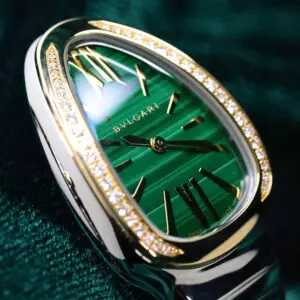
2026 NEW UNWORN Bvlgari Serpenti Tubogas Studs Capsule Limited Edition Green Dial Diamond Bezel Steel & 18k Yellow Gold 35mm COMPLETE SET 104360
$24,255.00
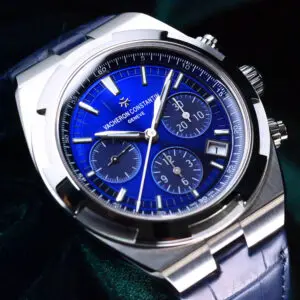
Vacheron Constantin Overseas Chronograph Blue Dial Blue Leather Strap Stainless Steel 42.5mm MINT CONDITION COMPLETE SET 5500V/110A-B148
$37,793.00
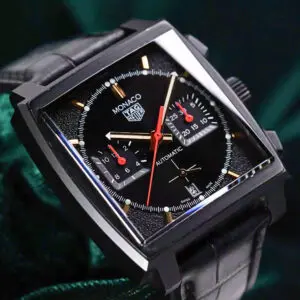
Tag Heuer Monaco Chronograph “Dark Lord” Special Edition Black Dial Black Leather Strap DLC Titanium 39mm MINT CONDITION COMPLETE SET CBL2180.FC6497
$8,135.00
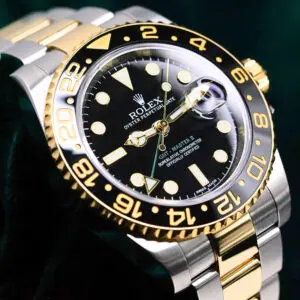
Rolex GMT-Master II “Green Arrow” Black Dial Black Ceramic Bezel Oyster Bracelet Two-Tone 18K Yellow Gold Stainless Steel 40mm MINT CONDITION COMPLETE SET 116713LN
$15,740.00
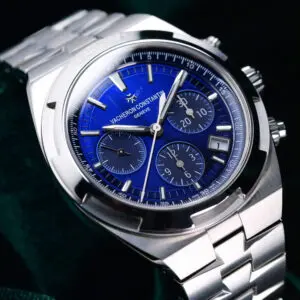
Vacheron Constantin Overseas Chronograph Blue Dial Stainless Steel 42.5mm MINT CONDITION COMPLETE SET 5500V/110A-B148
$37,793.00
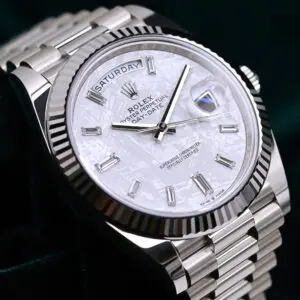
Rolex Day-Date Meteorite Baguette Diamond Dial Fluted Bezel President 18K White Gold 40mm MINT CONDITION COMPLETE SET 228239
$78,629.00
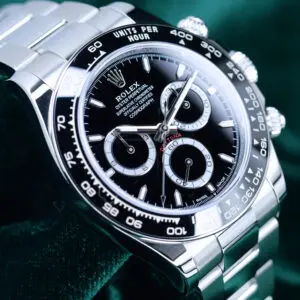
2026 Rolex Cosmograph Daytona Black Dial Black Ceramic Bezel Oyster Bracelet Stainless Steel 40mm MINT CONDITION COMPLETE SET 126500LN
$33,594.00
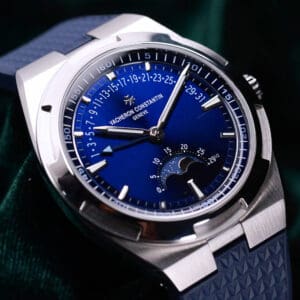
2025 Vacheron Constantin Overseas Moonphase Retrograde Date Blue Dial Blue Rubber Strap Stainless Steel 41mm MINT CONDITION COMPLETE SET 4000V/210A-B911
$52,800.00
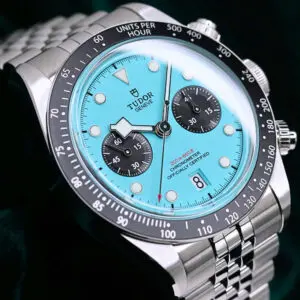
2025 Tudor Black Bay Chrono "Flamingo Blue" Turquoise Dial Black Bezel Stainless Steel 41mm MINT CONDITION COMPLETE SET 79360N-0024
$10,494.00
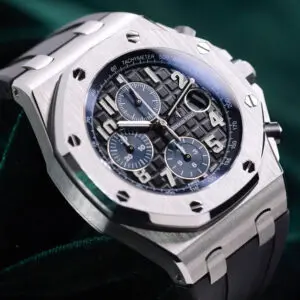
Audemars Piguet Royal Oak Offshore Chronograph "Batman" Black Dial Blue Accents Black Rubber Strap Stainless Steel 42mm MINT CONDITION COMPLETE SET 26470ST.OO.A028CR.01
$25,715.00
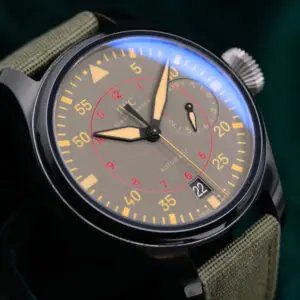
IWC Big Pilot's Watch Top Gun Miramar Grey Dial Green Textile Strap Black Ceramic 48mm MINT CONDITION COMPLETE SET IW501902
$7,240.00
Audemars Piguet Royal Oak Offshore Chronograph "Elephant" Gray Dial Stainless Steel Rubber Strap 42mm 26470ST.OO.A104CR.01
$23,974.50