
What makes the Omega Speedmaster one of the most talked-about watches in history? Ask any enthusiast and they will point to the iconic “Moonwatch.” So what is the real difference in the Omega Speedmaster vs Moonwatch debate, or are these just two names for the same watch?
Here is the short version. Speedmaster is the name of the whole chronograph collection Omega launched in 1957. Moonwatch is the nickname for one specific model in that collection: the hand-wound Speedmaster Professional that NASA qualified and that went to the Moon.
So they are not rivals. One is the family, the other is its most famous member.
That nickname stuck after the Speedmaster Professional was worn during the Apollo 11 landing in 1969. That single moment turned a motorsport chronograph into a piece of space history, and collectors have chased it ever since.
Below we break down where the Speedmaster came from, what makes the Moonwatch its standout model, how the two Moonwatch generations differ, and which one fits the kind of buyer you are.
Omega Speedmaster Overview
Related Models from Majestix
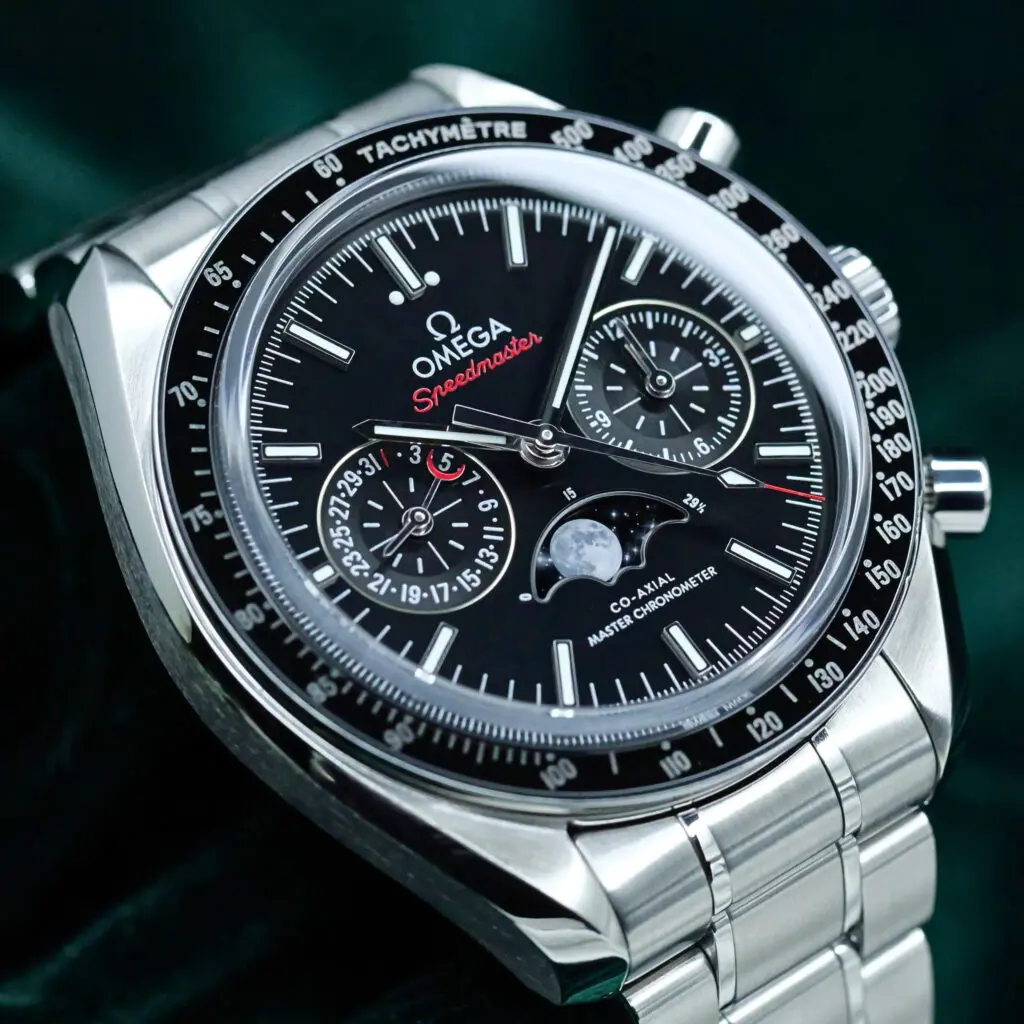
Omega Speedmaster Moonphase Black Dial Stainless Steel 44.25mm MINT CONDITION COMPLETE SET 304.30.44.52.01.001
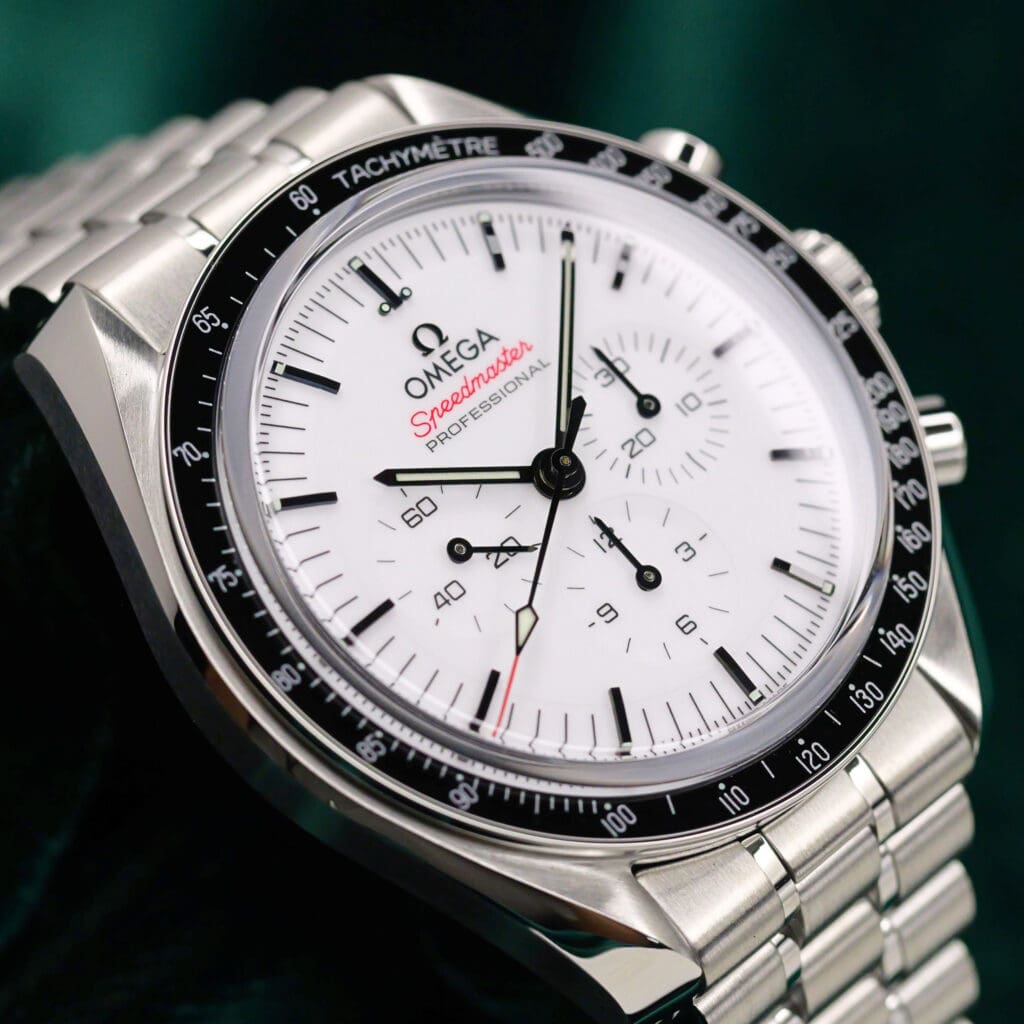
2026 NEW UNWORN Omega Speedmaster Moonwatch Professional White Dial Stainless Steel 42mm COMPLETE SET 310.30.42.50.04.001
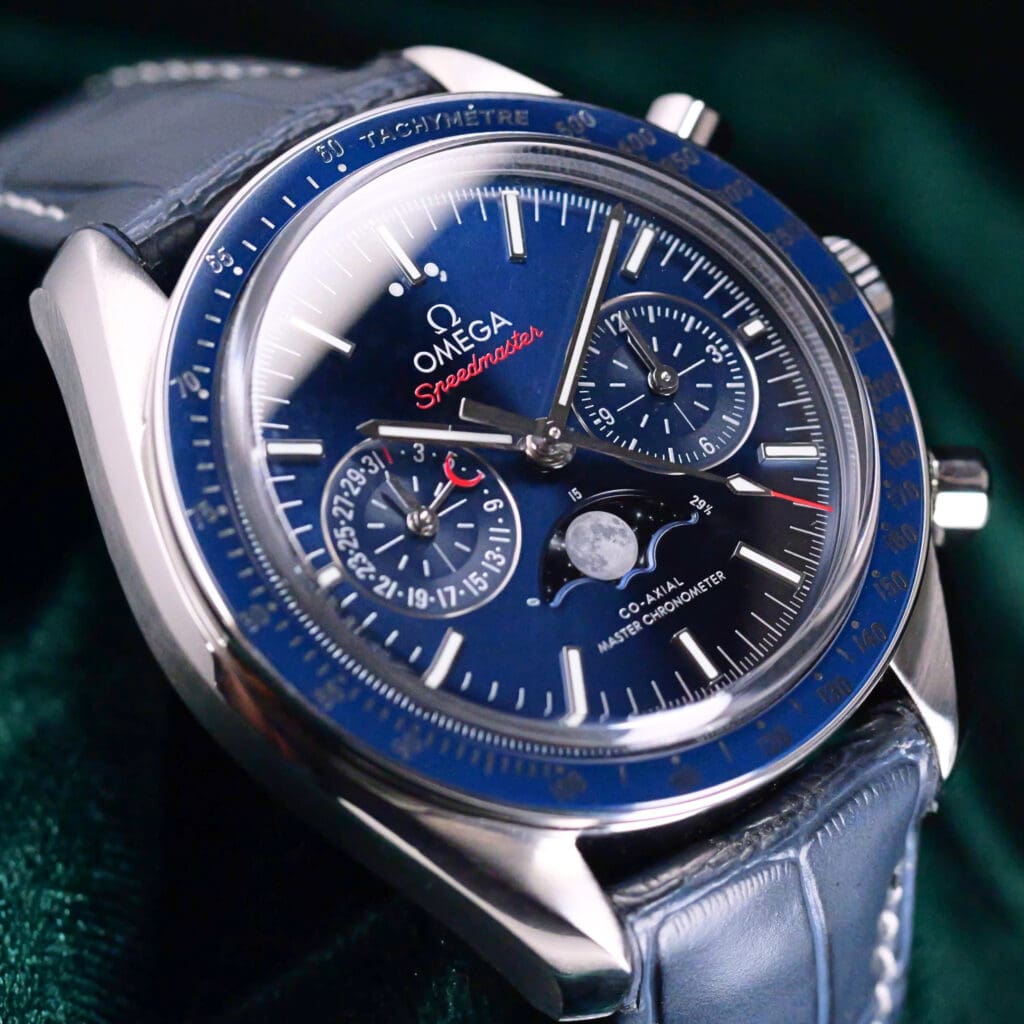
Omega Speedmaster Moonphase Blue Dial Blue Leather Strap Stainless Steel 44.25mm MINT CONDITION COMPLETE SET 304.33.44.52.03.001

Omega Speedmaster "Orbis Edition" 38mm Blue Dial Blue Bezel Stainless Steel Bracelet MINT COMPLETE SET 324.30.38.50.03.002
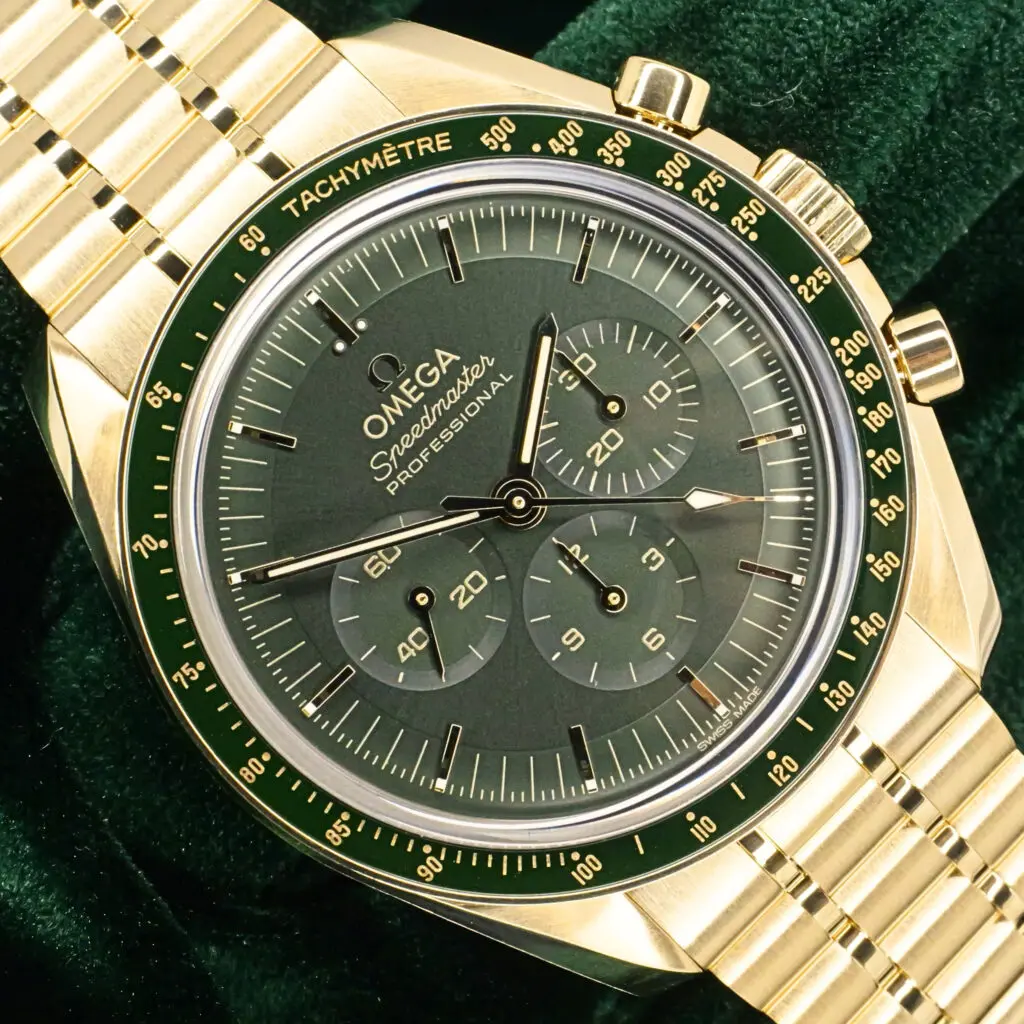
Omega Speedmaster Professional Moonwatch "Moonshine" Green Dial 18K Yellow Gold 42mm MINT CONDITION COMPLETE SET 310.60.42.50.10.001
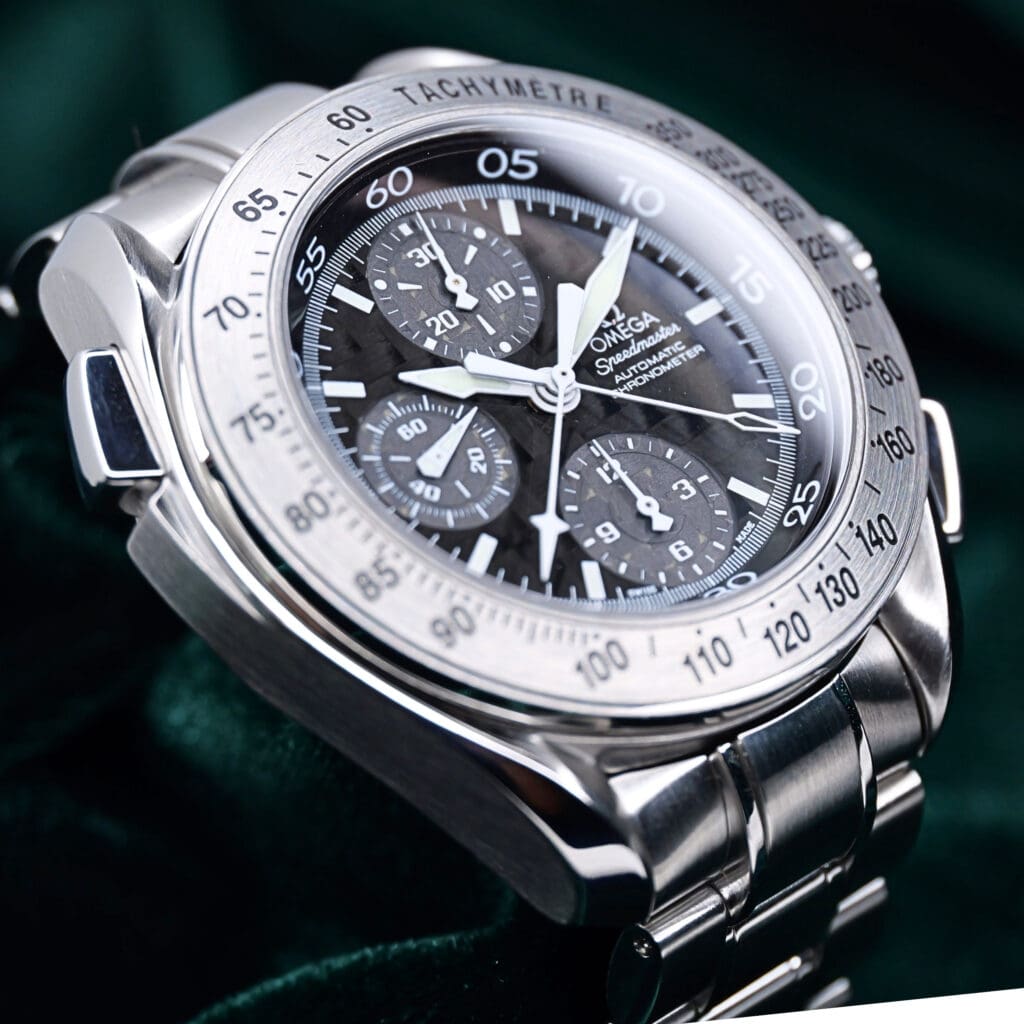
Omega Speedmaster Split-Seconds "Rattrapante" Black Carbon Fiber Dial Stainless Steel 42mm MINT CONDITION 3540.50
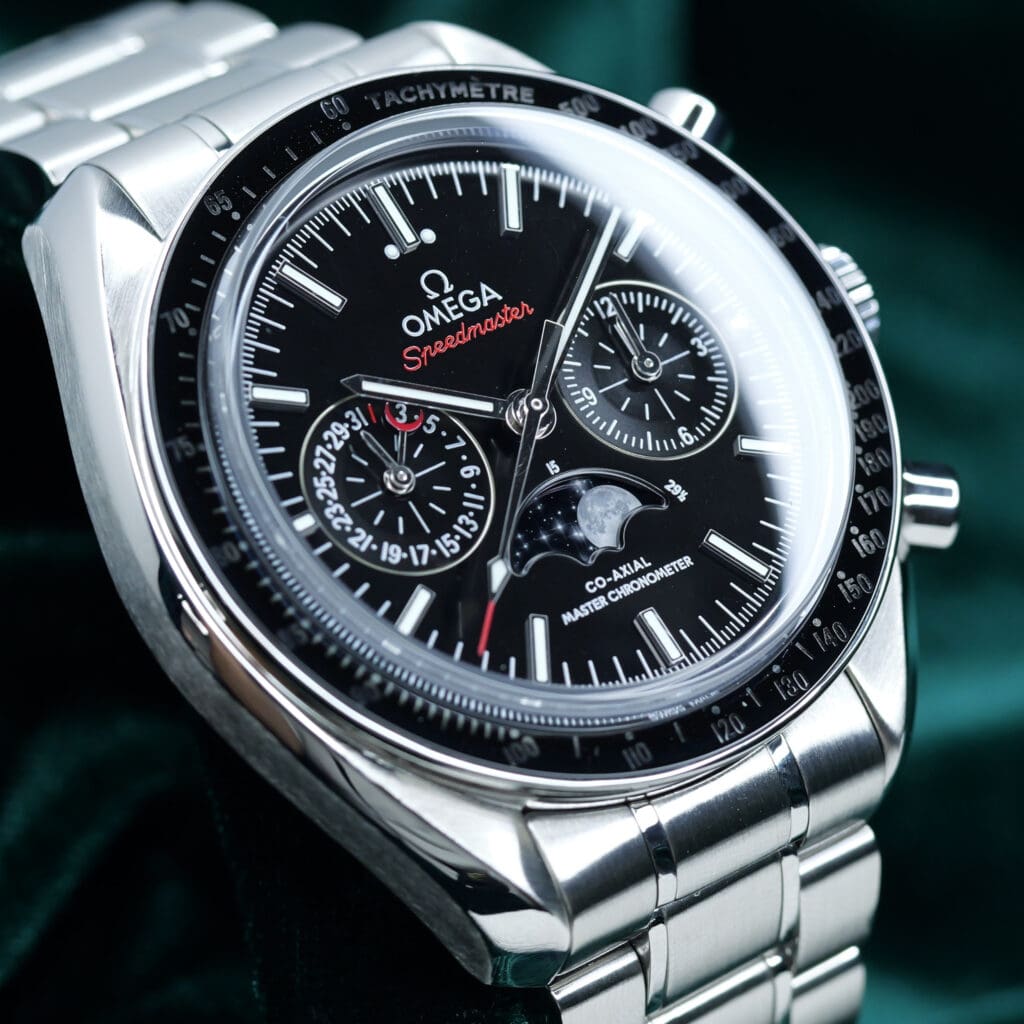
Omega Speedmaster Moonphase Co-Axial Master Chronometer Chronograph Black Dial Stainless Steel 44.25mm MINT CONDITION COMPLETE SET 304.30.44.52.01.001
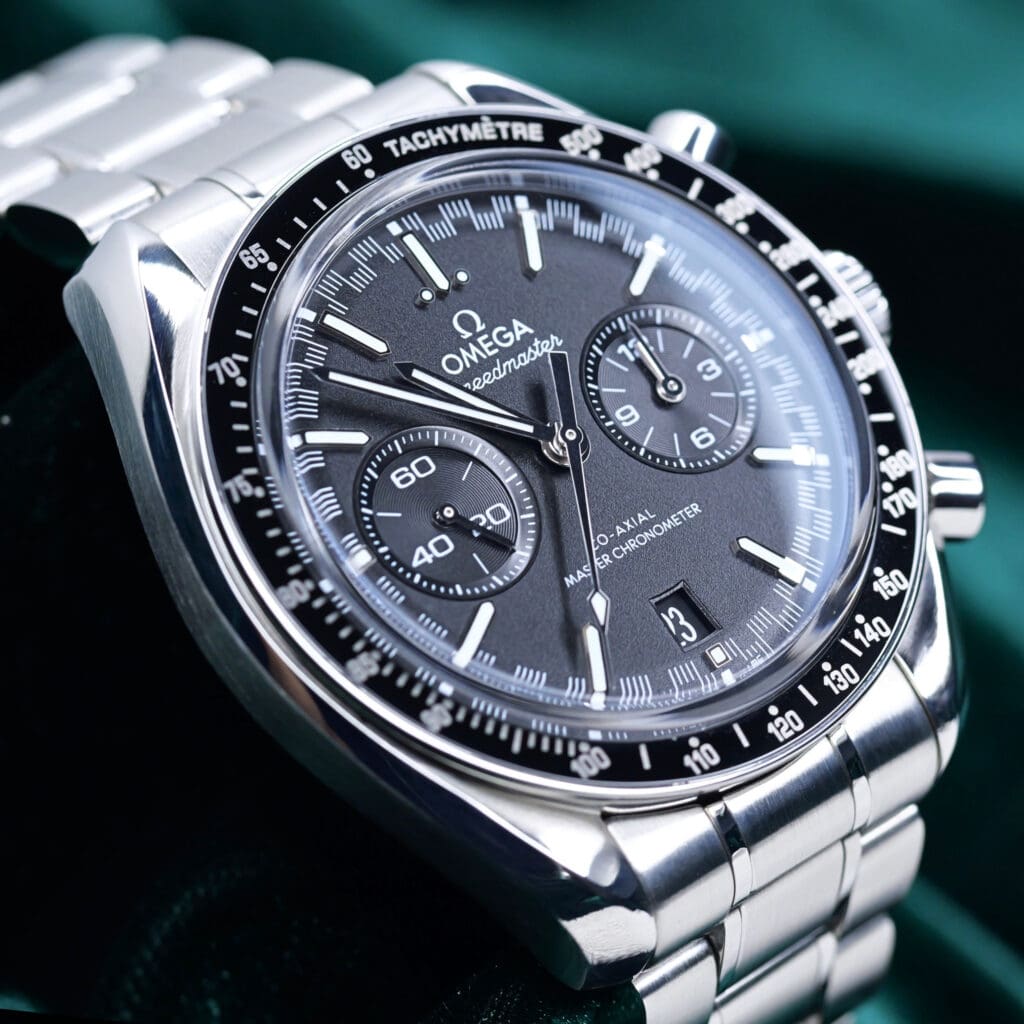
Omega Speedmaster Racing Co-Axial Master Chronometer Black Dial Stainless Steel 44.25mm MINT CONDITION COMPLETE SET 329.30.44.51.01.001
Omega launched the Speedmaster in 1957 as part of its professional chronograph lineup. Built for precise timing in tough conditions, it became a favorite with engineers, pilots, and racing drivers who needed reliability they could count on.
That first reference, the CK2915, did something new for its time by moving the tachymeter scale onto the steel bezel instead of crowding the dial. Early follow-ups like the CK2998 refined the look with a black bezel and updated hands, and the basic recipe stuck.
Over the decades it grew into a whole family of chronographs in different sizes, materials, and movement types. Some are hand-wound, some automatic, some in ceramic or gold, but they all trace back to that 1957 original.
Our Omega Speedmaster buying guide walks through the full lineup if you want the wider view.
A few names come up again and again when people talk Speedmaster:
- Speedmaster Racing
- Speedmaster ’57
- Speedmaster Reduced (the smaller automatic, now discontinued)
- Speedmaster Dark Side of the Moon (ceramic)


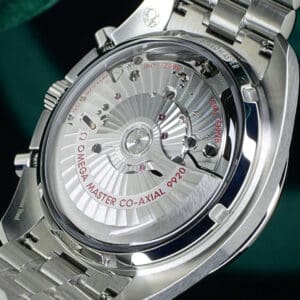
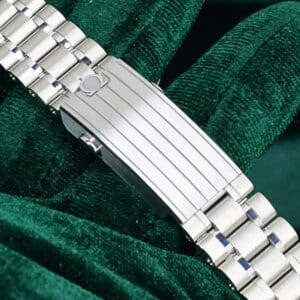

How the Speedmaster Became the Moonwatch
Omega earned the Moonwatch name the hard way, through NASA testing. Back in the mid-1960s NASA put chronographs from several brands through brutal trials, and the Speedmaster Professional reference ST 105.003 with its Caliber 321 was the one that survived.
Those tests were not gentle. NASA hit the watches with extreme heat and cold, shock, vibration, near-vacuum, and humidity. Omega’s chronograph came through and earned the “flight-qualified for all manned space missions” rating, which is how it ended up on the wrist during Apollo 11 in 1969.

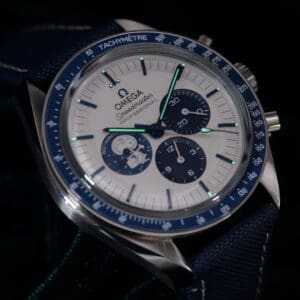
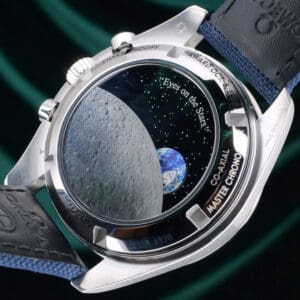

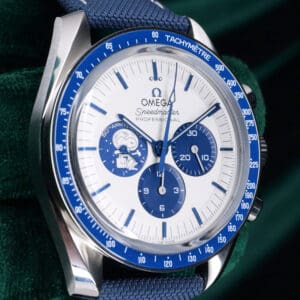
Collectors prize that connection because it is real, documented history rather than marketing. Its reputation grew again during Apollo 13 in 1970, when the crew used the Speedmaster to time a 14-second engine burn that helped bring them home safely.
What you see on the watch itself backs up the story. An asymmetrical case with crown guards, a closed caseback engraved for the mission, and a black dial with three sub-dials all carry over from those mission-era models.
If you are shopping the Moonwatch line, these are the references that come up most:
- 145.022 (vintage, Caliber 861)
- 3570.50 (the long-running Caliber 1861 classic)
- 311.30.42.30.01.005 (last of the Caliber 1861 generation, 2014 to 2021)
- 310.30.42.50.01.001 (current Caliber 3861 hesalite)
- 310.32.42.50.01.002 (current Caliber 3861 sapphire)
- 310.30.42.50.04.001 (white dial, added 2024)
Omega Speedmaster vs Moonwatch: Most Notable Differences
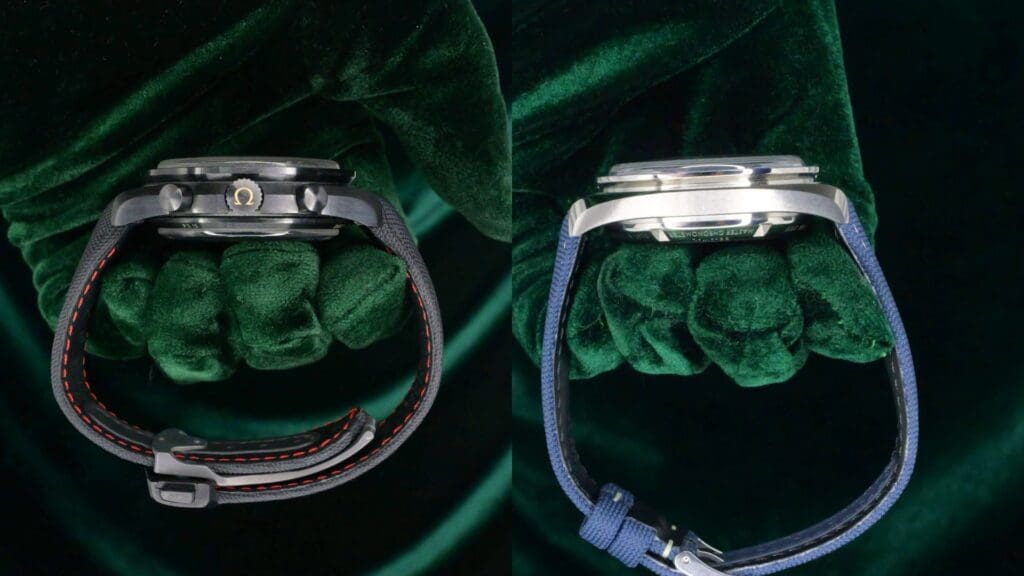
Since the Moonwatch is one specific Speedmaster, the useful comparison sits between the Moonwatch Professional and the rest of the collection.
If you want to see how the standard Speedmaster and the Professional differ on their own, we cover that separately. Here is where the famous model parts ways with its siblings.
Movement
Most of the Speedmaster family runs automatic movements, while the Moonwatch Professional stays hand-wound, the same way the original did in space.
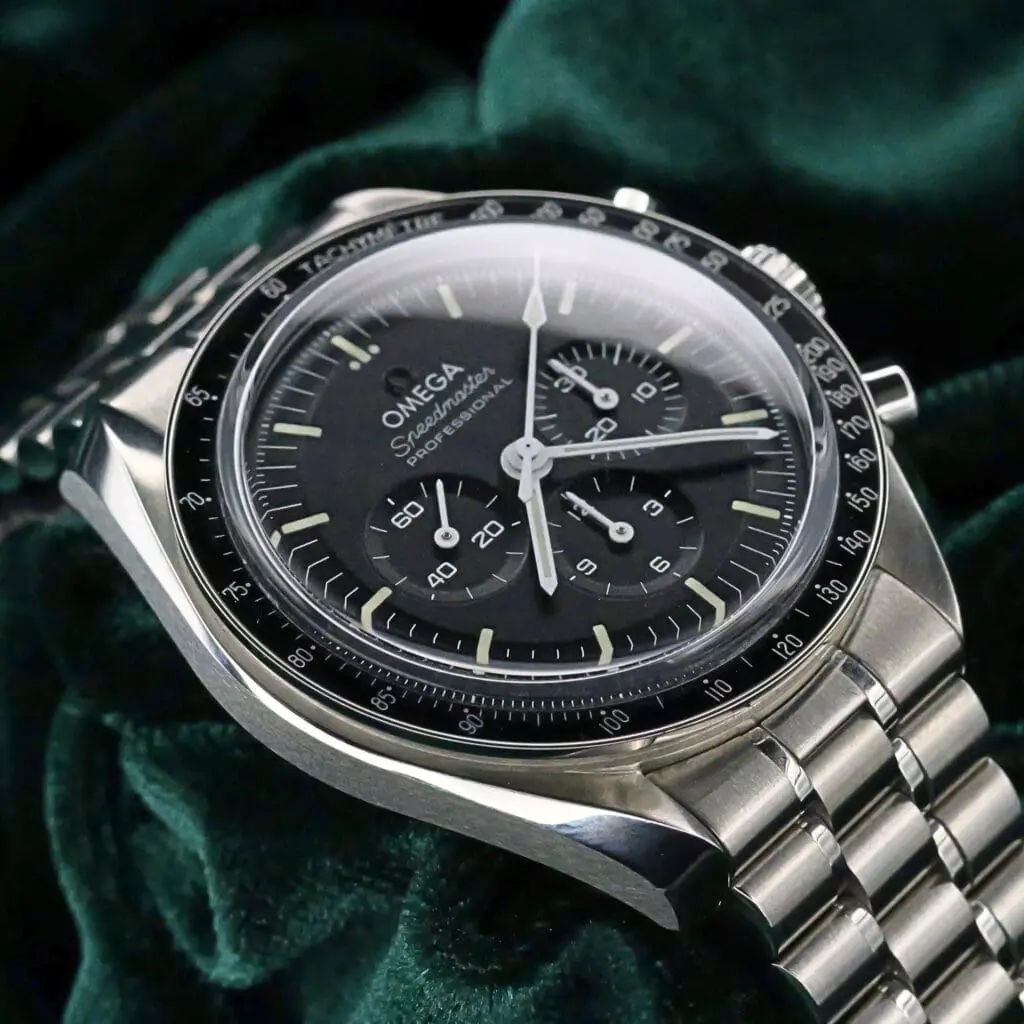
Within the Moonwatch itself there are two movement generations worth knowing. Models built up to 2021 used the Caliber 1861, a manual movement with around 48 hours of reserve and no anti-magnetic shielding.
From 2021 on, Omega switched the Moonwatch to the Caliber 3861. It is Master Chronometer certified, resists magnetism up to 15,000 gauss, runs about 50 hours, and still winds by hand. Same ritual, modern internals.


Case and Size
Every Moonwatch Professional, old or new, wears the same 42mm asymmetrical case with twisted lugs and crown guards. That shape is the signature of the entire Professional line, not a feature unique to one version.
Across the wider collection, sizes move around. A Speedmaster Reduced sits closer to 39mm, while a Dark Side of the Moon stretches to 44.25mm in a single block of black ceramic. If the smaller one interests you, we break down how the Reduced compares to the Professional in a separate guide.
One small generational note: when the 3861 arrived, the sapphire Moonwatch case got slightly thinner, dropping from 13.7mm to 13.2mm. So newer does not mean bulkier here.
Design and Materials
Steel is the heart of the Moonwatch, paired with a choice of two crystals. Hesalite is the acrylic original, the same material that went to the Moon, and it gives the dial a warm vintage look. Sapphire is the scratch-resistant modern option, usually with a display caseback.
Beyond the Moonwatch, the broader collection is where Omega plays with materials. Ceramic on the Dark Side, Moonshine gold on the precious-metal versions, and dial colors the Professional rarely touches.
Price and Market Demand
As of 2026, a current Caliber 3861 hesalite Moonwatch retails near $7,800, with clean pre-owned examples trading closer to $5,500 and the occasional unworn piece listed around $6,850.
A discontinued Caliber 1861 Moonwatch is the budget-friendly way in. Retired in 2021, the hesalite version is the most affordable of the modern Speedy Pros and tends to trade a step below the 3861, which keeps it popular with first-time buyers.
On liquidity, the Moonwatch moves quickly because demand is broad and steady. Prices have held without the wild swings you see on hot Rolex or Patek sports models, which makes it one of the calmer entries in the luxury chronograph market. Market data here is drawn from WatchCharts.
Shopping a specific reference and not sure the price is fair? Send us the listing and we will tell you straight whether it lines up with where that Speedmaster is trading right now.
Side-by-Side Comparison (at a Glance)

Speedmaster and Moonwatch share a name but sit at different levels: one is the collection, one is the model. This table lays the key features next to each other so the relationship is easy to see.
| Feature | Speedmaster Collection | Moonwatch Professional |
| Type | Full chronograph family | One flagship model in the family |
| Movement | Automatic and manual options | Hand-wound (Cal. 1861 or Cal. 3861) |
| Case | Varies (steel, ceramic, gold; 38 to 45mm) | 42mm asymmetrical steel case |
| Crystal | Sapphire on most models | Hesalite or sapphire |
| Heritage | Motorsport and tool-watch roots | NASA Apollo missions |
| Best for | Variety and daily wear | History and the hand-wound icon |
Which Omega Should You Consider?
Your collecting goals and how much you care about the space story can guide which way to go. Each path has clear strengths, so match them to what you really want on the wrist. If you are still mapping the brand more broadly, our wider Omega buying guide covers the other families too.
Choose a broader Speedmaster if:
- You want an automatic movement or a date complication
- You like the idea of ceramic, gold, or a non-black dial
- You prefer a smaller or larger case than the standard 42mm
- Motorsport and tool-watch history appeals to you more than space
Choose the Moonwatch Professional if:
- You want the hand-wound Speedmaster that went to the Moon
- A direct NASA and Apollo connection matters to you
- You like choosing between vintage-style hesalite and modern sapphire
- You want the most historically significant watch in the lineup
Already set on the Moonwatch? Your last call is the 1861 versus the 3861. Go 1861 for the lower price and the simpler vintage feel, or 3861 for the Master Chronometer movement and current-production peace of mind.
Where to Buy Authentic Watches Online
A few legitimate channels exist for buying an Omega Speedmaster online. Chrono24 aggregates listings from dealers and private sellers worldwide, with buyer protection on escrow orders, and it helps to know how buying on Chrono24 works before you commit.
eBay covers many of the same watches and runs an Authenticity Guarantee on qualifying timepieces. Grailzee runs enthusiast-focused watch auctions if you prefer a bidding format.
Plenty of independent grey-market dealers and watch forums sell Speedmasters too, though quality and communication vary widely from one to the next. We lay out where to buy a pre-owned luxury watch across every channel in a dedicated guide.
999+ Timepieces Available
Explore Our Timepieces
Authenticated, unworn, and ready to ship worldwide.
Rolex · Audemars Piguet · Patek Philippe · Omega · Cartier · Richard Mille · Hublot · Tudor
Newly Listed
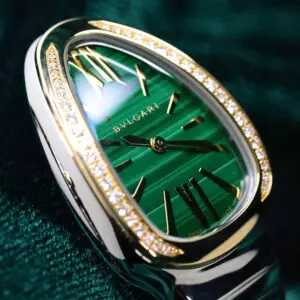
2026 NEW UNWORN Bvlgari Serpenti Tubogas Studs Capsule Limited Edition Green Dial Diamond Bezel Steel & 18k Yellow Gold 35mm COMPLETE SET 104360
$24,255.00
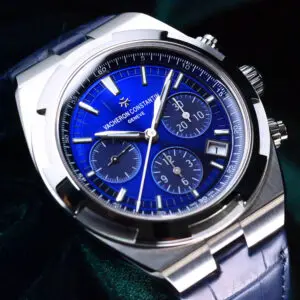
Vacheron Constantin Overseas Chronograph Blue Dial Blue Leather Strap Stainless Steel 42.5mm MINT CONDITION COMPLETE SET 5500V/110A-B148
$37,793.00
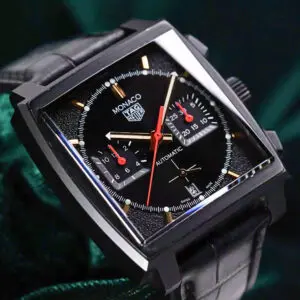
Tag Heuer Monaco Chronograph “Dark Lord” Special Edition Black Dial Black Leather Strap DLC Titanium 39mm MINT CONDITION COMPLETE SET CBL2180.FC6497
$8,135.00
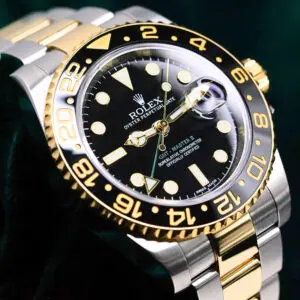
Rolex GMT-Master II “Green Arrow” Black Dial Black Ceramic Bezel Oyster Bracelet Two-Tone 18K Yellow Gold Stainless Steel 40mm MINT CONDITION COMPLETE SET 116713LN
$15,740.00
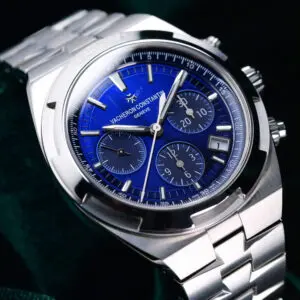
Vacheron Constantin Overseas Chronograph Blue Dial Stainless Steel 42.5mm MINT CONDITION COMPLETE SET 5500V/110A-B148
$37,793.00
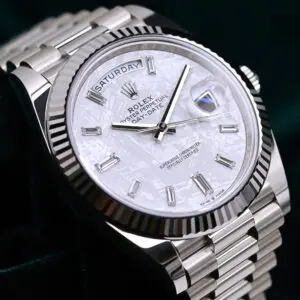
Rolex Day-Date Meteorite Baguette Diamond Dial Fluted Bezel President 18K White Gold 40mm MINT CONDITION COMPLETE SET 228239
$78,629.00
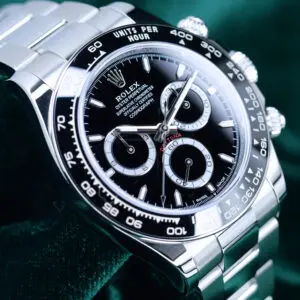
2026 Rolex Cosmograph Daytona Black Dial Black Ceramic Bezel Oyster Bracelet Stainless Steel 40mm MINT CONDITION COMPLETE SET 126500LN
$33,594.00
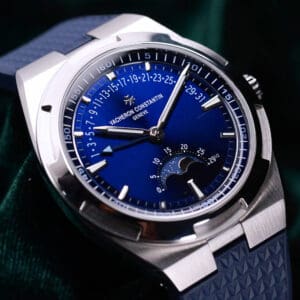
2025 Vacheron Constantin Overseas Moonphase Retrograde Date Blue Dial Blue Rubber Strap Stainless Steel 41mm MINT CONDITION COMPLETE SET 4000V/210A-B911
$52,800.00
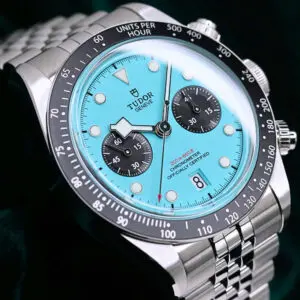
2025 Tudor Black Bay Chrono "Flamingo Blue" Turquoise Dial Black Bezel Stainless Steel 41mm MINT CONDITION COMPLETE SET 79360N-0024
$10,494.00
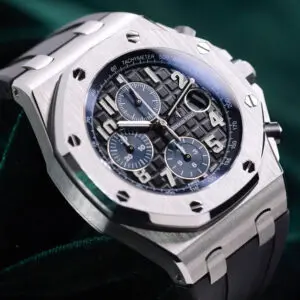
Audemars Piguet Royal Oak Offshore Chronograph "Batman" Black Dial Blue Accents Black Rubber Strap Stainless Steel 42mm MINT CONDITION COMPLETE SET 26470ST.OO.A028CR.01
$25,715.00
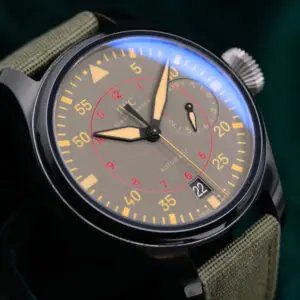
IWC Big Pilot's Watch Top Gun Miramar Grey Dial Green Textile Strap Black Ceramic 48mm MINT CONDITION COMPLETE SET IW501902
$7,240.00
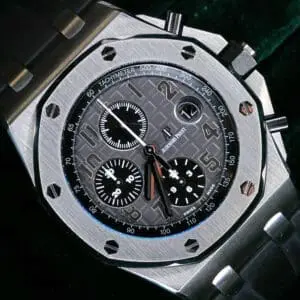
Audemars Piguet Royal Oak Offshore Chronograph "Elephant" Gray Dial Stainless Steel Rubber Strap 42mm 26470ST.OO.A104CR.01
$23,974.50
We also buy, sell, and trade luxury watches, and the reason clients pick us over a big marketplace is the conversation before the purchase. You get tour videos of the actual watch, honest condition notes, and a real person who has handled the piece, instead of a stock photo and a checkout button.
That shows up in our 4.9-star Google rating, which comes from buyers who wanted to understand a watch before committing to it.
If you want that kind of walkthrough on a specific Speedmaster or Moonwatch reference, you can browse our current collection or reach out and we will line up options that match what you are after.
Key Takeaways on Omega Speedmaster vs Moonwatch
Here is the whole thing in plain terms. Speedmaster is the collection, and the Moonwatch is its most famous model, so you are never choosing between two rival watches. You are deciding how close to the space-flight original you want to land.
Go wide across the family for variety and automatics, or straight to the hand-wound Moonwatch for the history.
Hesalite scratches easily but polishes out at home with a bit of Polywatch, so do not let surface marks scare you off a good price. And if budget matters, a discontinued 1861 Moonwatch gives you the real icon for less than the current 3861.