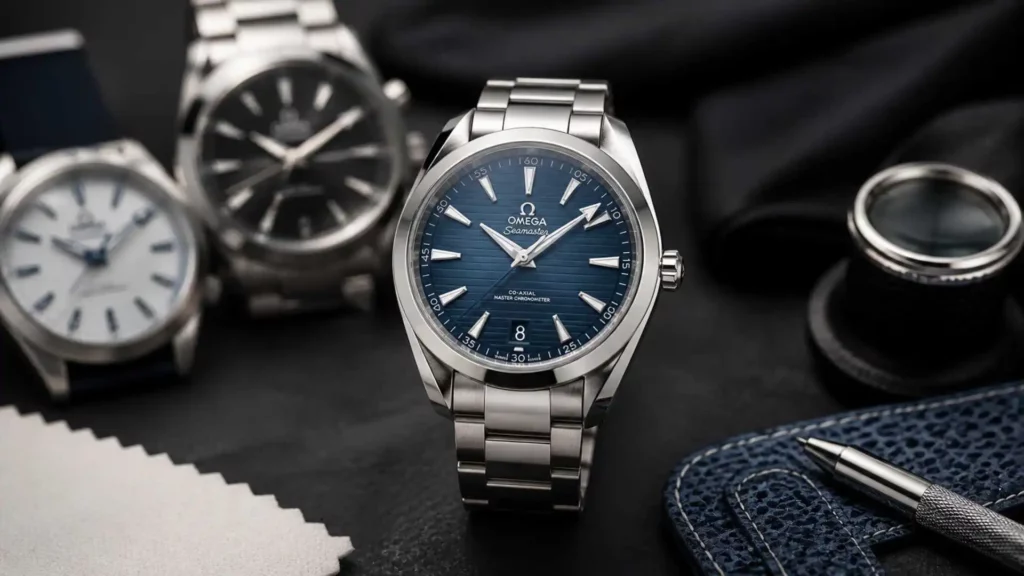
Ever notice how many Omega Aqua Terra watches show up on Chrono24 barely worn? It does not happen because the watch fails, it happens because buyers pick the wrong one from the start.
The Aqua Terra looks straightforward at first, but once you explore sizes, generations, dials, and movements, the decision becomes more complex than most expect. That is where regret usually begins.
This Omega Aqua Terra buying guide helps you avoid those mistakes by breaking everything down clearly. You will learn how to choose the right size for your wrist, identify which generation fits your budget and lifestyle, understand which dial colors hold value, and spot the references you should avoid.
We also draw insights from Majestix Collection, showing how real buyers approach the pre-owned market.
Keep reading before you decide. The right choice today keeps you from relisting your watch tomorrow.
What Is the Omega Aqua Terra?
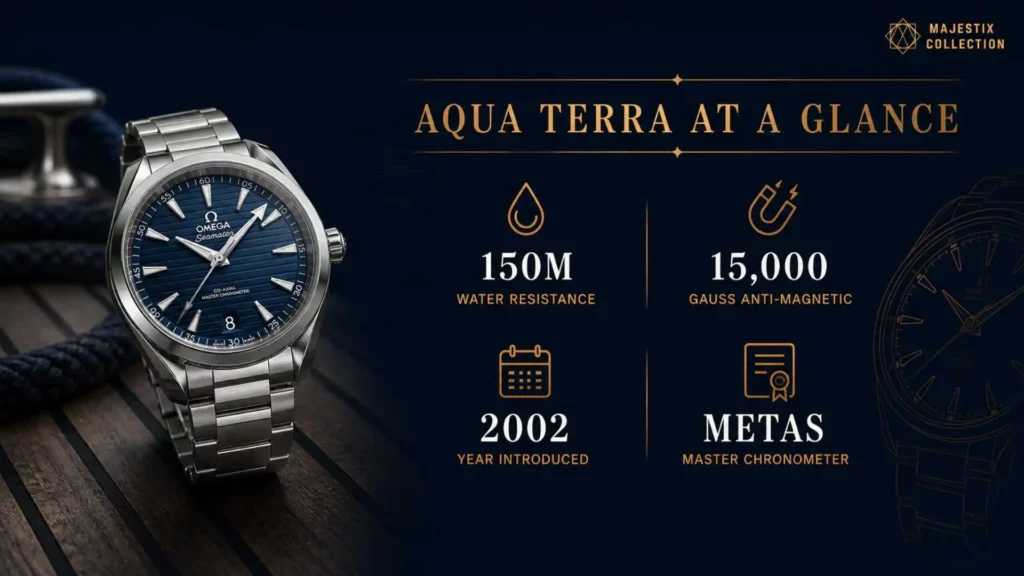
The Omega Aqua Terra is a Seamaster-family watch with 150 meters of water resistance, a Master Chronometer-certified movement on modern references, and a fixed bezel that lets it slip under a dress cuff as easily as it pairs with a polo.
Omega introduced the Aqua Terra in 2002 to create a Seamaster model that moves beyond pure dive functionality. The name combines “aqua” and “terra,” reflecting its intended use on both water and land.
Unlike the Seamaster Diver 300M or Planet Ocean, the Aqua Terra removes the rotating bezel and helium escape valve, which allows for a slimmer case and a more balanced wrist presence under cuffs and sleeves. We cover the full Aqua Terra vs Seamaster breakdown in a separate piece if you’re weighing the two.
Omega equips modern Aqua Terra models with in-house movements such as the Caliber 8800 and Caliber 8900, both certified under the METAS Master Chronometer standard. These movements deliver high resistance to magnetic fields up to 15,000 gauss, improved accuracy performance, and longer service intervals compared to older generations.
The design also emphasizes symmetry and texture. Many dial versions feature the signature “teak” horizontal pattern inspired by luxury yacht decks, reinforcing its nautical identity without leaning into a tool-watch aesthetic. This balance allows the Aqua Terra to function as a daily wearer that transitions easily from office environments to travel and light water activity, including swimming and snorkeling.
While it offers strong water resistance, the Aqua Terra does not function as a professional dive instrument. The fixed bezel removes elapsed-time tracking, which positions it firmly as a lifestyle Seamaster rather than a technical diving tool.
How to Choose the Right Omega Aqua Terra Without Regret
Choosing the right Omega Aqua Terra comes down to three key decisions: case size, generation, and dial color. Each one affects comfort, performance, and resale value, so you need to evaluate them carefully before buying.
Match the Size to Your Wrist (Not the Marketing)
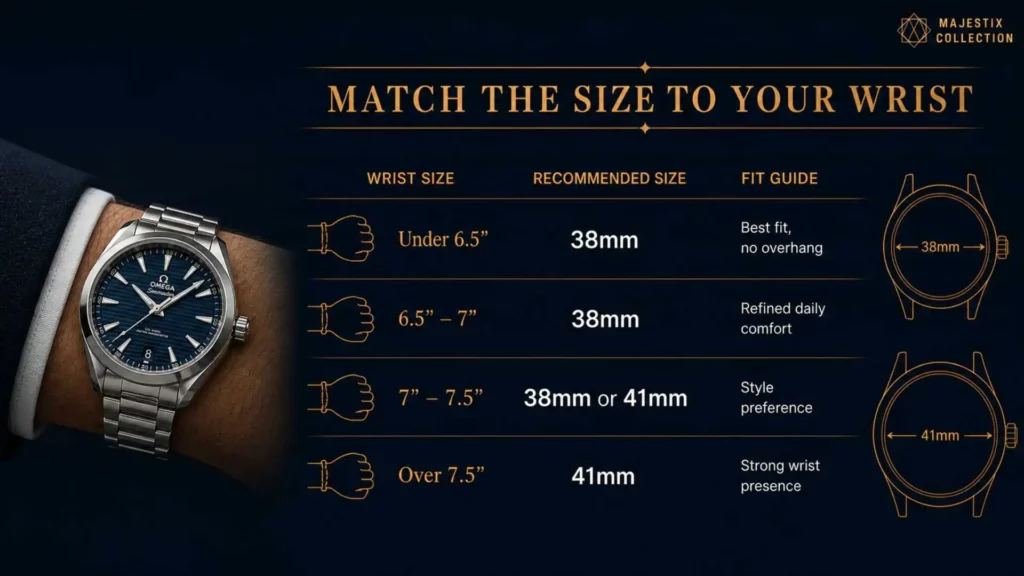
Case size affects comfort more than anything else, but lug-to-lug measurement determines the real wrist fit. The 38mm and 41mm Omega Aqua Terra wear very differently even if the diameter difference looks small on paper.
| Wrist Size | Recommended Size | Fit Outcome |
| Under 6.5″ | 38mm | Best fit, no overhang, balanced look |
| 6.5–7″ | 38mm preferred | Everyday comfort with refined profile |
| 7–7.5″ | 38mm or 41mm | Depends on style preference |
| Over 7.5″ | 41mm | Strong presence, sportier look |
The 38mm Aqua Terra remains the most versatile option for most buyers because it sits flatter and fits under cuffs more easily. The 41mm adds wrist presence but feels more substantial due to its longer lug-to-lug and thicker case.
If you’re between sizes, try both before buying. The Aqua Terra’s twisted lugs make both versions wear slightly larger than a flat-lug watch of the same diameter. We’ve put together a full 38 vs 41 comparison if you want a side-by-side before you decide.
Pick the Generation That Matches Your Priorities
Three generations are still active in the secondary market. Each one has a clear best-fit buyer:
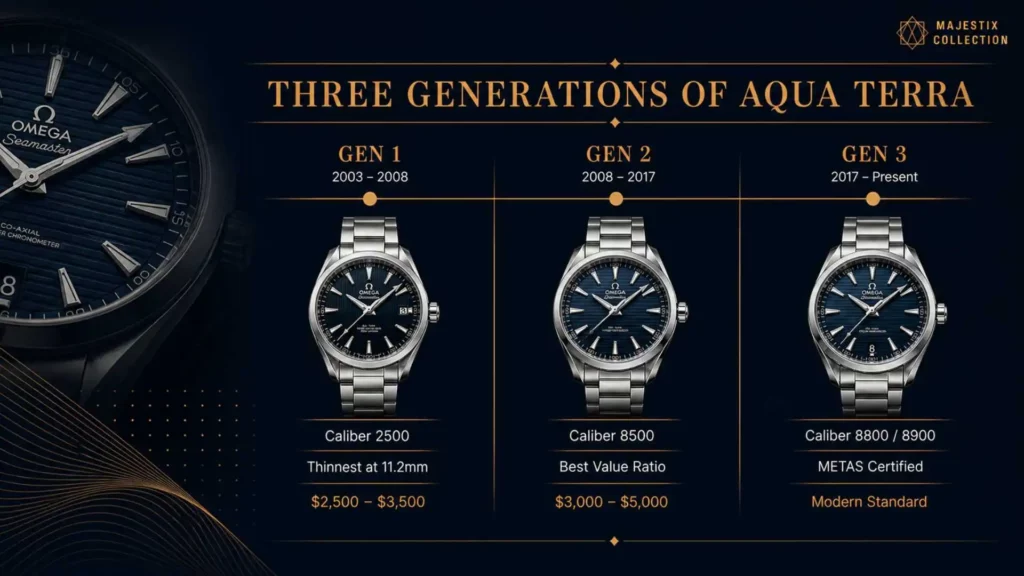
- Gen 1 (2003–2008, Caliber 2500): Thinnest profile at 11.2mm, vintage feel, available steel models around $2,500–$3,500 pre-owned. Watch out for early Caliber 2500A and 2500B versions. Co-axial reliability issues plagued early production. Look for the 2500C and 2500D versions, which are stable.
- Gen 2 (2008–2017, Caliber 8500): Best value-to-spec ratio in the lineup. Pre-owned steel runs $3,000–$5,000. Includes the Skyfall reference worn in the 2012 Bond film. Some early 2008–2010 examples have bracelet rattle complaints on Watchuseek, but mechanically the 8500 is a strong long-term watch.
- Gen 3 (2017–present, Caliber 8800 and 8900): This is where Master Chronometer certification arrives, with anti-magnetic resistance up to 15,000 gauss under Omega’s METAS standard. The 38mm runs the Caliber 8800. The 41mm runs the Caliber 8900, which has an independent hour hand for travelers. Useful if you fly a lot.
If you’re still weighing Aqua Terra against the broader Omega lineup, our overview of the brand’s collections is a useful next read.
Choose a Dial That Holds Its Value
Dial color is more than personal taste. It directly affects how easy the watch is to sell later. Here is how the major options stack up on the secondary market:
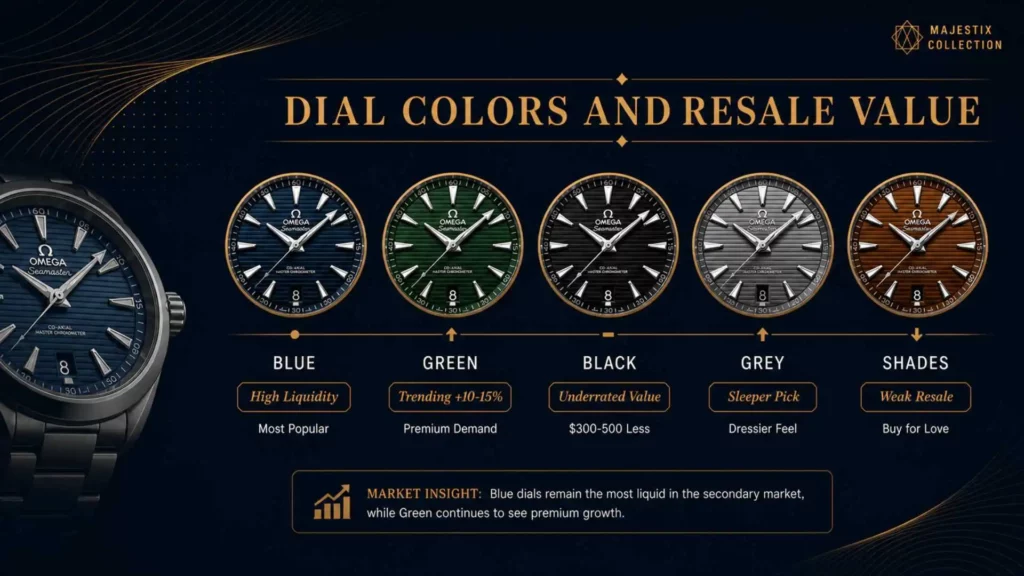
- Blue: The most popular dial and the most oversupplied on Chrono24. High liquidity, but pricing is competitive. Easy to sell, harder to sell at a premium.
- Black: Underrated. Often $300–$500 cheaper pre-owned than the blue. Dresses up better with a suit.
- Grey or silver: A sleeper pick. Less common in stock photos, dressier feel, often cheaper than blue.
- Green: Trending hard right now. Premium asking prices on Chrono24, sometimes 10–15% above blue.
- Shades line (Terracotta, Lavender, Saffron, Atlantic Blue): Polarizing. Weak resale. Buy only if you love the color, not for value retention.
Top Aqua Terra References to Buy in 2026
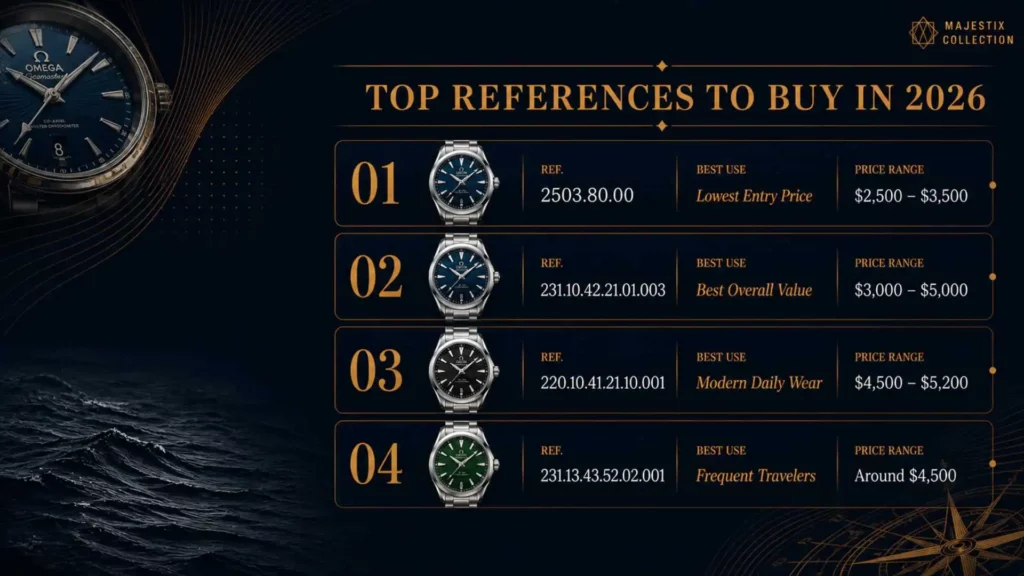
The Omega Aqua Terra buying guide shows a consistent price gap between retail and pre-owned markets, which plays a major role in how buyers choose their reference. Retail pricing reflects official Omega boutique listings, while pre-owned values depend on condition, demand, and set completeness.
Most Omega Aqua Terra steel models retail between $5,700 and $6,600, while pre-owned examples typically sell 25–30% lower, making the secondary market a more accessible entry point for many buyers.
1. Best for Lowest Entry Price
The Omega Aqua Terra 2503.80.00 represents the first generation and typically trades between $2,500 and $3,500 on the pre-owned market. It appeals to buyers who want a slimmer, more traditional version of the Omega Aqua Terra.
This reference uses the early Caliber 2500 movement, which keeps the case thin but requires attention to later 2500C or 2500D variants for better reliability. It remains a strong entry point into the Omega Aqua Terra lineup for buyers focused on affordability.
2. Best Overall Value
The Omega Aqua Terra 231.10.42.21.01.003 sits in the Gen 2 lineup and typically sells between $3,000 and $5,000 pre-owned. This reference delivers one of the strongest value propositions in the Omega Aqua Terra collection.
It features the Caliber 8500 movement, known for durability and long-term stability. The black dial version gives the Omega Aqua Terra a more understated and versatile look compared to brighter dial variants.
3. Best for Modern Daily Wear
The Omega Aqua Terra 220.10.41.21.10.001 represents the modern Gen 3 model and typically trades between $4,500 and $5,200 pre-owned. It is one of the most in-demand Omega Aqua Terra references in the current market.
This model uses the Caliber 8900 Master Chronometer movement, certified by METAS for resistance up to 15,000 gauss. It delivers modern precision and makes the Omega Aqua Terra a strong daily wear option for users exposed to electronic devices or travel environments.
4. Best for Frequent Travelers
The Omega Aqua Terra 231.13.43.52.02.001 is a discontinued GMT chronograph version that typically trades around $4,500, depending on condition and set completeness. It adds dual-time functionality to the Omega Aqua Terra lineup, making it useful for frequent travelers, but its more complex dial reduces broad demand compared to standard three-hand models.
Which Omega Aqua Terra Should You Buy?
Choosing the right Omega Aqua Terra buying guide reference depends on your budget, wrist size, and intended use. Each generation of the Omega Aqua Terra serves a different type of buyer, from entry-level collectors to modern tool-watch users.
| Buyer Priority | Best Omega Aqua Terra Reference | Why It Works |
| Lowest entry price | 2503.80.00 (Gen 1) | Slim profile, affordable entry into Omega Aqua Terra |
| Best value overall | 231.10.42.21.01.003 (Gen 2) | Balanced performance and strong market stability |
| Modern daily wear | 220.10.41.21.10.001 (Gen 3) | METAS-certified accuracy and durability |
| Travel functionality | 231.13.43.52.02.001 | GMT complication for dual time zones |
This structure helps you match each Omega Aqua Terra reference to a clear ownership goal instead of choosing based on appearance alone.
Omega Aqua Terra References to Avoid
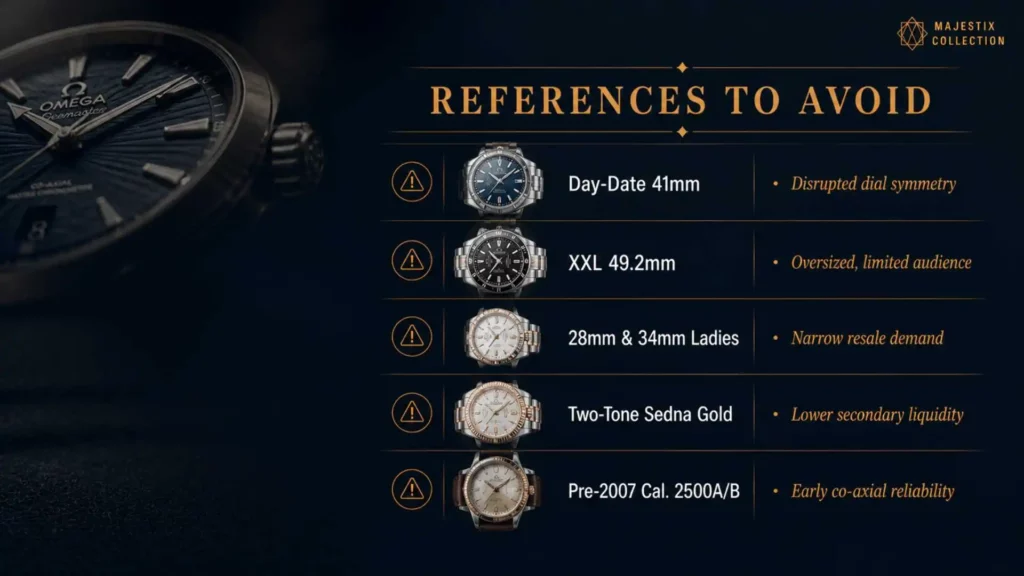
Certain Omega Aqua Terra references attract attention at first but lose momentum in the secondary market due to design choices, size constraints, or long-term ownership drawbacks. These are the configurations that often sit longer on listings and require price adjustments to sell.
1. Aqua Terra Day-Date 41mm
The Omega Aqua Terra Day-Date 41mm introduces additional calendar functions, but the expanded layout disrupts the clean symmetry the collection is known for. This added complexity reduces visual clarity on the dial and narrows its appeal to buyers who prefer simpler time-only designs.
On the resale side, it typically moves slower because most collectors in this category prioritize versatility and understated design over added complications.
2. Aqua Terra XXL 49.2mm
The Omega Aqua Terra XXL 49.2mm uses an oversized case design that creates strong wrist presence but limits everyday wearability. The proportions feel exaggerated for most wrist sizes, which reduces its practicality in regular rotation.
This size segment also attracts fewer buyers, leading to weaker demand and longer listing times in the secondary market compared to standard 38mm and 41mm models.
3. 28mm and 34mm Ladies Models
The Omega Aqua Terra 28mm and 34mm references serve a more specific sizing category, which naturally reduces their resale audience. While they maintain the same finishing quality as larger models, the smaller case sizes appeal to a narrower group of buyers.
This limited demand can affect pricing stability, especially when compared to the broader market interest in mid-size and full-size Aqua Terra models.
4. Two-Tone Sedna Gold Models
The Omega Aqua Terra two-tone Sedna Gold references combine steel and gold materials for a more premium appearance, but this also raises the entry price significantly. Buyers in the secondary market often favor full steel versions for versatility and lower cost, which reduces liquidity for two-tone models.
As a result, these pieces typically appeal more to personal wearers than resale-focused buyers.
5. Pre-2007 Caliber 2500A and 2500B Versions
Early Omega Aqua Terra Caliber 2500A and 2500B references represent the initial stage of co-axial movement development. These versions were later refined in subsequent updates, and collectors tend to prefer later iterations due to improved performance consistency.
Early production pieces attract more cautious buyers and require closer inspection before purchase, particularly in the pre-owned market.
Pre-Owned Omega Aqua Terra Buyer’s Checklist
Follow this checklist before buying any Omega Aqua Terra on the secondary market to avoid overpaying or choosing a problematic example.
1. Verify Box and Papers
Always confirm the watch comes with the original box and warranty papers. Full sets typically add 8–12% to fair value and make resale much easier. A naked watch isn’t a deal-breaker, but it should be priced for it.
For a general checklist of what to look for when buying pre-owned, we cover the full due-diligence list in a separate guide.
2. Check Service History
Look for a documented service within the last 5 years, especially for older Omega Aqua Terra references. A watch with no service history on a piece over 10 years old becomes a strong negotiation point, often reducing the price by $300–$500 depending on condition and movement health.
3. Inspect the Clasp Condition
Pay close attention to the clasp, especially the butterfly mechanism or folding insert. Visible scratches or wear on the clasp area can reduce fair value by $200–$400. In the pre-owned market, clasp originality and condition carry almost as much weight as the case itself.
4. Confirm Bracelet Half-Link Availability
Older Omega Aqua Terra 1503 bracelets can be difficult to size accurately without the correct links. Always confirm if the seller includes extra links or half-links, since missing components can affect comfort and may require additional purchases after delivery.
5. Look for Replaced Parts
Check carefully for non-original components such as crowns, hands, or clasps. Replaced parts reduce both collector value and resale strength. This issue appears more frequently in heavily worn pre-2010 models, so verification is critical before purchase.
6. Cross-Reference Market Pricing
Compare the listing against real completed-sale data, not asking prices. The same Aqua Terra reference can vary by 30% or more depending on seller location, set completeness, and how badly the seller wants out.
If you’re new to the pre-owned market, our broader guide on where to buy pre-owned watches safely covers the platforms, dealers, and red flags worth knowing.
999+ Timepieces Available
Explore Our Timepieces
Authenticated, unworn, and ready to ship worldwide.
Rolex · Audemars Piguet · Patek Philippe · Omega · Cartier · Richard Mille · Hublot · Tudor
Newly Listed

Audemars Piguet Royal Oak Offshore Chronograph “Vampire” Black Dial Red Accents Black Ceramic Bezel Stainless Steel 42mm MINT CONDITION 26470SO.OO.A002CA.01
$34,649.00
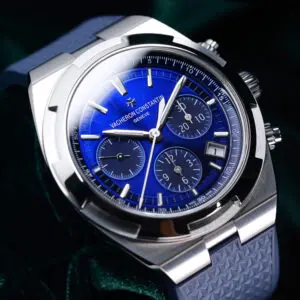
Vacheron Constantin Overseas Chronograph Blue Dial Blue Rubber Strap Stainless Steel 42.5mm MINT CONDITION COMPLETE SET 5500V/110A-B148
$35,993.00
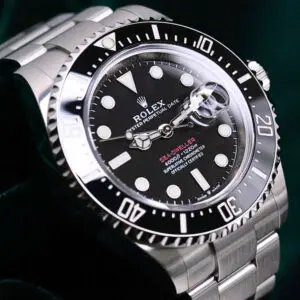
Rolex Sea-Dweller "Red Letter" Black Dial Black Cerachrom Bezel Oyster Bracelet Stainless Steel 43mm MINT CONDITION COMPLETE SET 126600
$13,120.00
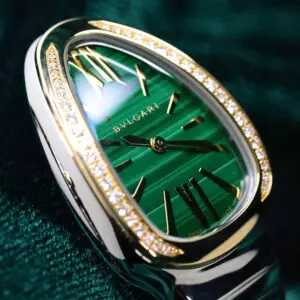
2026 NEW UNWORN Bvlgari Serpenti Tubogas Studs Capsule Limited Edition Green Dial Diamond Bezel Steel & 18k Yellow Gold 35mm COMPLETE SET 104360
$24,255.00
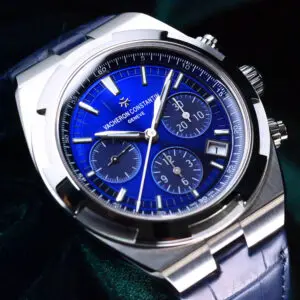
Vacheron Constantin Overseas Chronograph Blue Dial Blue Leather Strap Stainless Steel 42.5mm MINT CONDITION COMPLETE SET 5500V/110A-B148
$37,793.00
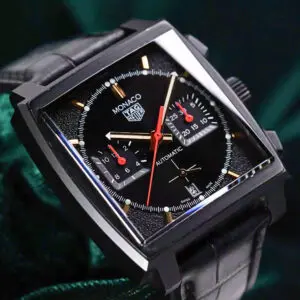
Tag Heuer Monaco Chronograph “Dark Lord” Special Edition Black Dial Black Leather Strap DLC Titanium 39mm MINT CONDITION COMPLETE SET CBL2180.FC6497
$8,135.00
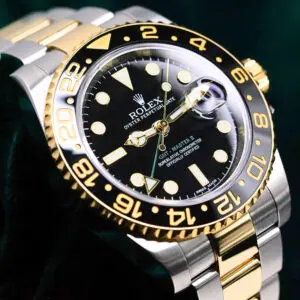
Rolex GMT-Master II “Green Arrow” Black Dial Black Ceramic Bezel Oyster Bracelet Two-Tone 18K Yellow Gold Stainless Steel 40mm MINT CONDITION COMPLETE SET 116713LN
$15,740.00
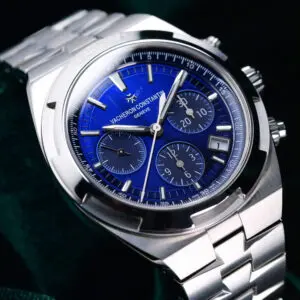
Vacheron Constantin Overseas Chronograph Blue Dial Stainless Steel 42.5mm MINT CONDITION COMPLETE SET 5500V/110A-B148
$37,793.00
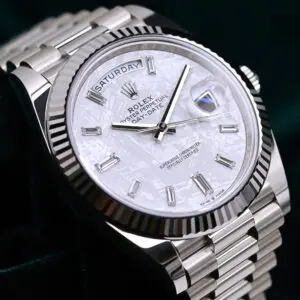
Rolex Day-Date Meteorite Baguette Diamond Dial Fluted Bezel President 18K White Gold 40mm MINT CONDITION COMPLETE SET 228239
$78,629.00
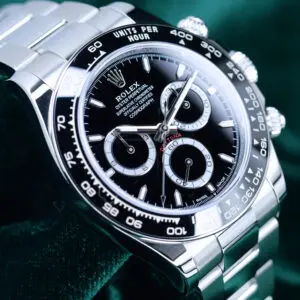
2026 Rolex Cosmograph Daytona Black Dial Black Ceramic Bezel Oyster Bracelet Stainless Steel 40mm MINT CONDITION COMPLETE SET 126500LN
$33,594.00
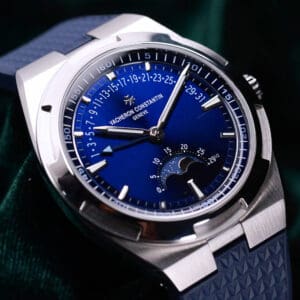
2025 Vacheron Constantin Overseas Moonphase Retrograde Date Blue Dial Blue Rubber Strap Stainless Steel 41mm MINT CONDITION COMPLETE SET 4000V/210A-B911
$52,800.00
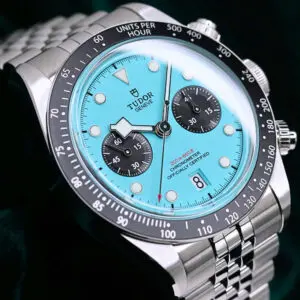
2025 Tudor Black Bay Chrono "Flamingo Blue" Turquoise Dial Black Bezel Stainless Steel 41mm MINT CONDITION COMPLETE SET 79360N-0024
$10,494.00
How to Service an Omega Aqua Terra
Service costs and intervals are predictable across the lineup, but there is one caveat that catches a lot of buyers off guard.
1. Service Costs
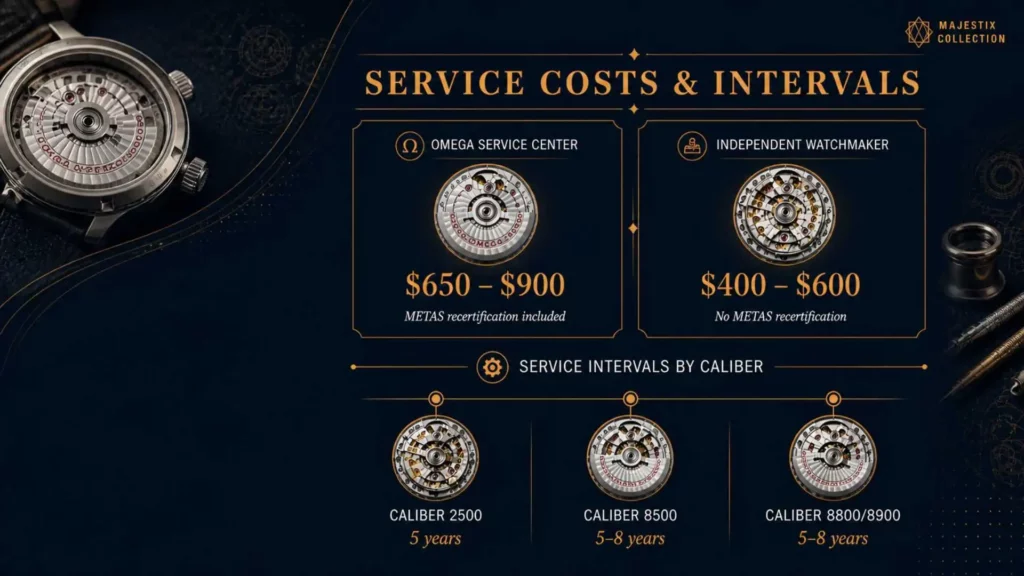
An Omega service center charges around $650–$900 for a standard service on a steel Aqua Terra. Independent watchmakers run $400–$600 for the same work, sometimes less.
The gap pays for the Omega-trained tech, original parts, and recertification under the METAS standard, which independents cannot do. We’ve put together a full Omega service cost breakdown by movement and complication if you want the wider picture.
2. Service Intervals by Caliber
Recommended service interval is 5–8 years for the Master Chronometer movements (Caliber 8800 and 8900). The older Caliber 2500 is best serviced closer to the 5-year mark, especially if it sees regular wear. Parts availability is strong for the 8500, 8800, and 8900. The Caliber 2500 is fair but not abundant.
3. METAS Recertification After Service
The Master Chronometer certification (the 15,000 gauss anti-magnetic standard) requires Omega-authorized service to recertify after the watch is opened. Independents can service the watch mechanically and it will keep time fine, but they cannot put the METAS sticker back on.
If you ever sell, a non-METAS-certified Gen 3 watch is harder to price at full market value. If keeping that certification matters to you, or matters to your future buyer, use Omega.
Final Thoughts on the Omega Aqua Terra Buying Guide
Buying the right Omega Aqua Terra buying guide decision comes down to three choices. Match the size to your wrist using lug-to-lug, not just diameter. Pick the generation that fits your priorities: Gen 1 for thin profile, Gen 2 for value, Gen 3 for Master Chronometer protection. Then choose a dial color you will still want in five years.
Two extra tips that change the experience. If you buy privately on Chrono24, use Trusted Checkout escrow. It cuts fraud risk meaningfully on a watch in this price range, and our piece on what to watch for on Chrono24 walks through the rest of the platform’s quirks.
And add a second strap on day one. A quality rubber strap from Rubber B, Vagenari, or Crafter Blue ($150–$300) changes how the watch feels and doubles how often you wear it.
If you want to avoid becoming another Chrono24 listing, you can send us your shortlist. Every pre-owned Aqua Terra at Majestix Collection goes through a full inspection process, including clasp condition, service papers, and originality checks, before it gets listed.
Share the references you are considering and we will tell you what is worth buying and what is not before you spend.If you’re after a specific Aqua Terra reference we don’t have in stock, we can help you source one too.