
Choosing between the Omega Aqua Terra 38 and 41 is one of the most common size dilemmas in the Seamaster lineup. Both share the same teak-pattern dial inspired by yacht decks. One sits quiet and compact, the other fills more space with a bolder presence.
This guide breaks down the Aqua Terra 38 vs 41 in practical terms: how case size, movement, dial options, and resale shift the wearing experience between the two. We have also folded in what changed recently, including Omega’s micro-adjustment clasp and a wider color spread across both sizes.
A 3mm gap on a spec sheet changes more than you would expect on the wrist. That difference is usually what decides which Aqua Terra fits your routine. Here is everything you need to weigh before you commit.
Omega Aqua Terra 38: Background and Appeal
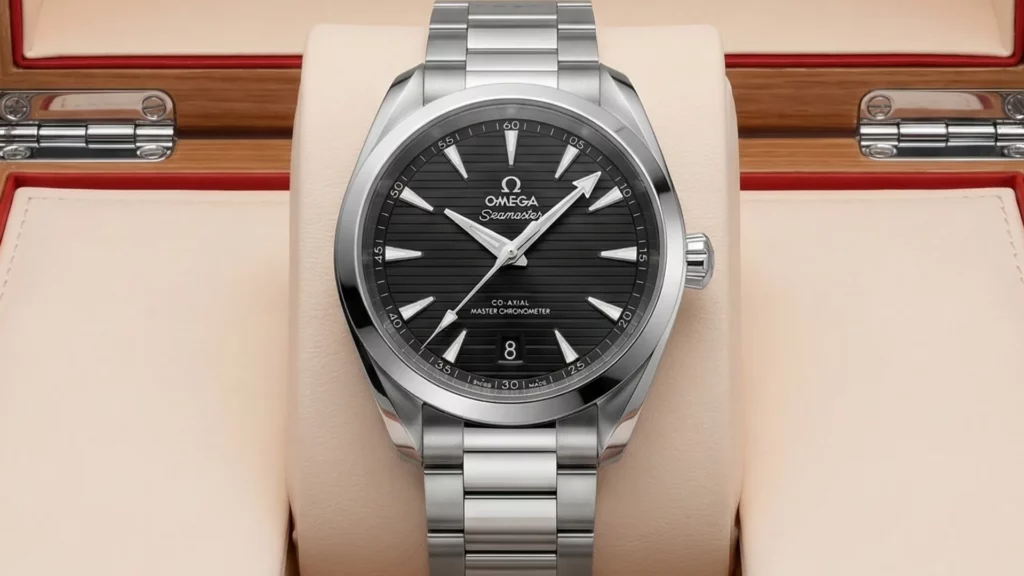
Omega launched the Aqua Terra in 2002 as part of the Seamaster family. The name comes from the Latin for water and land, a nod to the original Seamaster built for both. The first lineup ran in 42.2mm, 39.2mm, 36.2mm, and 29.2mm.
The 38mm did not exist back then. It evolved from the earlier 39.2mm and 38.5mm cases before settling at 38mm in the third generation, released in 2017. That update brought horizontal teak dials replacing the older vertical stripes, and moved the date from 3 o’clock to 6 o’clock for a more symmetrical face.
The 38mm plays a specific role in the family. Most buyers see it as the quieter, more classic option next to the 41mm. It hugs the wrist and slips under a shirt cuff without announcing itself, which makes it a natural pick for office wearers and anyone who prefers a low-key watch.
If a smaller wrist is your main constraint, it helps to see which luxury watches suit smaller wrists best before settling on a size.
Inside is the Co-Axial Master Chronometer Caliber 8800. It is METAS-certified and resists magnetic fields up to 15,000 gauss, so it stays accurate around the phones, laptops, and magnets you handle every day.
Omega Aqua Terra 41: Background and Appeal
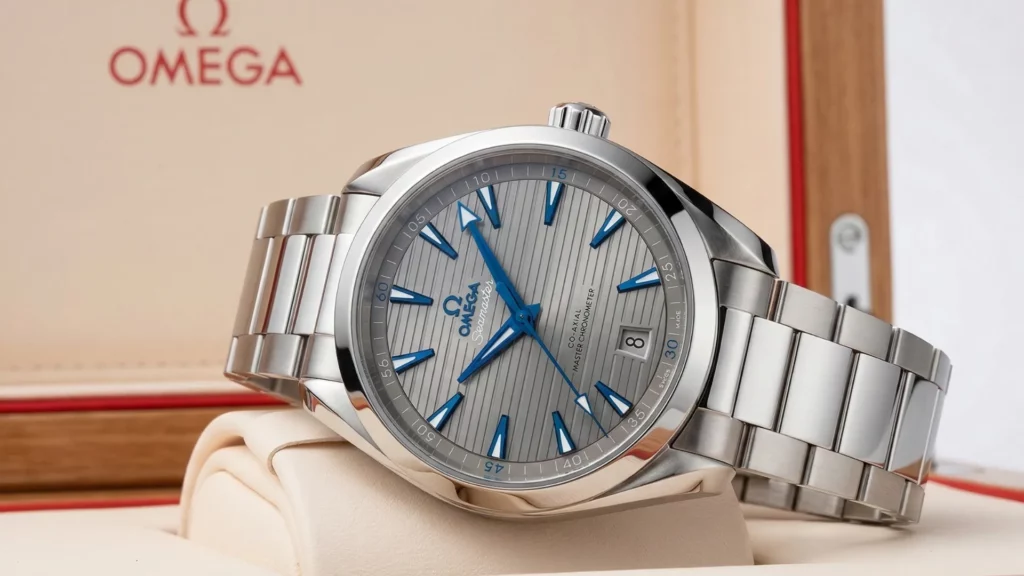
The 2002 lineup did not include a 41mm case either. The men’s model started at 42.2mm, shifted to 41.5mm in the second generation with Caliber 8500, and arrived at the 41mm we know today in the 2017 third generation.
That update paired the 41mm case with the Master Chronometer Caliber 8900, moved the date to 6 o’clock, and switched the teak dial from vertical to horizontal lines, matching the 38mm.
Where the 38mm plays it subtle, the 41mm leans into presence. The case runs 41mm across, 13.4mm thick, with a lug-to-lug of roughly 47.8mm. That is a bolder footprint without tipping into oversized.
It tends to suit wrists around 7 inches and up, where the proportions sit balanced rather than stretched. The larger dial also gives the teak pattern more room to show its depth, especially on the sunburst colors.
Omega Aqua Terra 38 vs 41: Key Differences

Both watches sit in the same collection, but the gap goes further than 3mm of case width. Here is where they separate.
Case Dimensions and Wrist Presence
The 38mm comes in around 45mm lug-to-lug and roughly 12mm thick. That keeps it close to the wrist and easy to tuck under a cuff. It works best on wrists around 6 to 7 inches, balanced without looking small. If you are not sure where your wrist falls, here is how to match case size to your wrist.
The 41mm stretches to about 48mm lug-to-lug at 13mm thick. Its bezel is also thinner relative to the dial, exposing more dial surface, so it wears even larger than the 3mm gap suggests. Wrists around 7 inches and up carry it best, though flatter wrists handle the larger size more easily.
Movement: Caliber 8800 vs Caliber 8900
The two sizes run different movements. The 38mm uses the Caliber 8800 with a 55-hour reserve; the 41mm uses the Caliber 8900 with 60 hours. Both are Master Chronometer certified and resist 15,000 gauss.
The real split is the quick-set function. The 8800 lets you change the date independently without moving the hands. The 8900 instead gives you an independently adjustable hour hand, so you can jump the hour forward or back without stopping the minutes or seconds.
If you cross time zones often, the 41mm has the edge. If you rarely travel, the quick-set date on the 38mm is the more useful tool day to day.
Dial Colors and Availability
Both sizes share the core steel teak dials in black, silver, and blue. The color split between them has narrowed lately. Green, once a 41mm-only teak option, is now offered in 38mm too (Ref. 220.10.38.20.10.003), and the 2024 Turquoise launched in both sizes.
The 41mm still holds a few things to itself: the grey teak dial (Ref. 220.10.41.21.06.001) with blued hands, and the full Sedna gold configurations. The 38mm has its own lane through the Shades collection, with warm and pastel tones like terracotta, saffron, and lavender offered only in 38mm and 34mm.
So the rule of thumb has shifted. For grey teak or a full-gold case, the 41mm is still the answer. For warm or pastel dials, the 38mm Shades line is where to look. For black, silver, blue, green, or turquoise, you can have either size.
The full lineup, including the Shades and gold variants, is laid out in our Omega Aqua Terra buying guide.
Related Models from Majestix
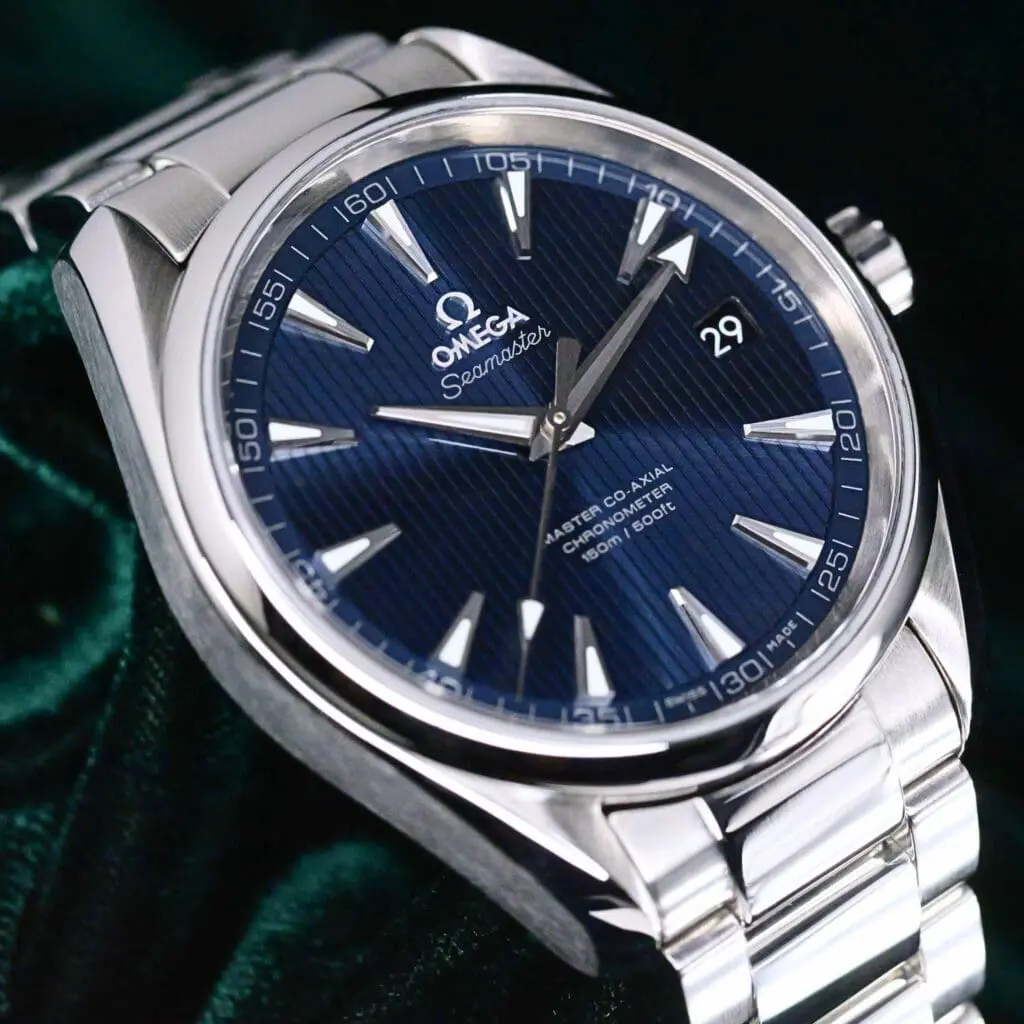
Omega Seamaster Aqua Terra 150M Master Co-Axial Chronometer Blue Teak Dial Stainless Steel 41.5mm MINT CONDITION COMPLETE SET 231.10.42.21.03.003
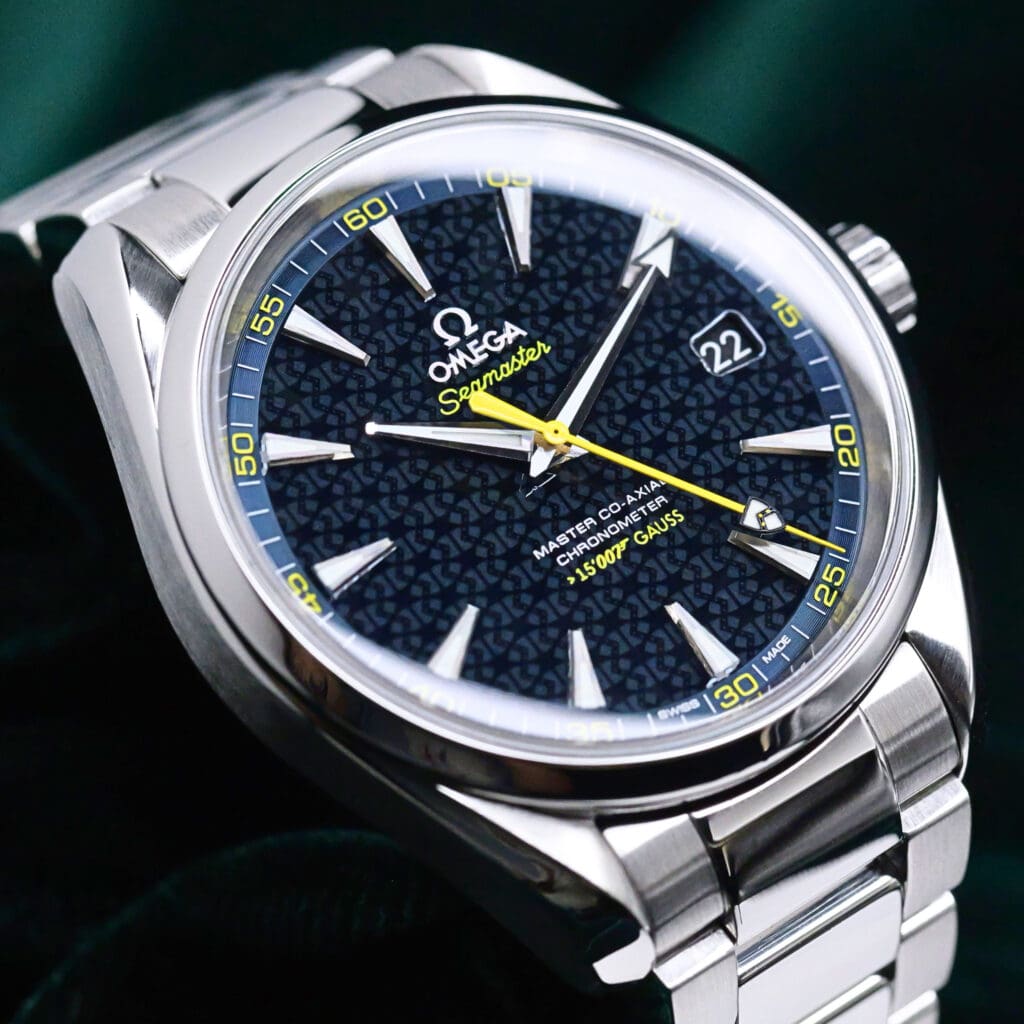
Omega Seamaster Aqua Terra 150M "James Bond Spectre" Blue Dial Yellow Accents Stainless Steel 41.5mm MINT CONDITION COMPLETE SET 231.10.42.21.03.004

2026 NEW UNWORN Omega Seamaster Aqua Terra Green Sunburst Dial Diamond Markers Stainless Steel 30mm COMPLETE SET 220.10.30.20.60.001

Omega Seamaster Aqua Terra Worldtimer Blue Dial Blue Rubber Strap Stainless Steel 43mm MINT CONDITION COMPLETE SET 220.12.43.22.03.001
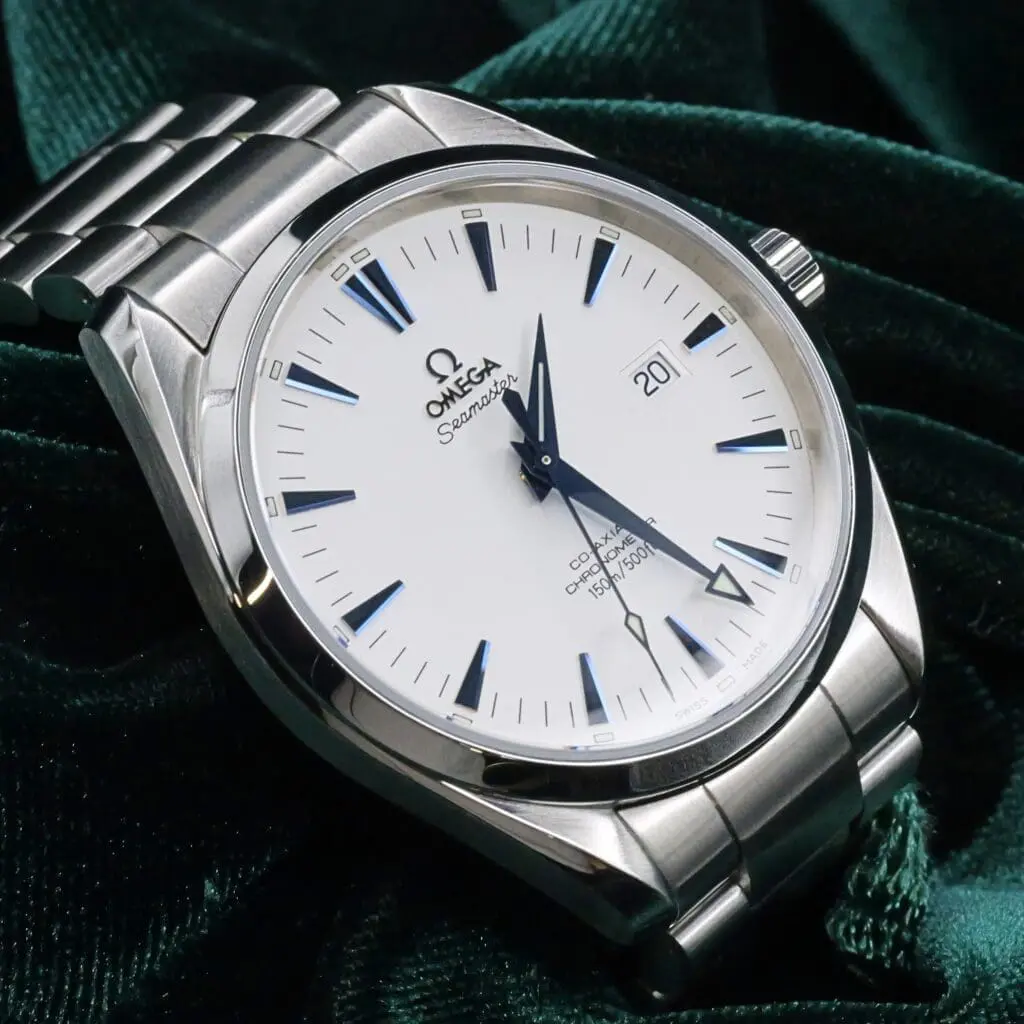
Omega Seamaster Aqua Terra Co-Axial White Dial Blue Accents Stainless Steel MINT CONDITION 2503.33.00
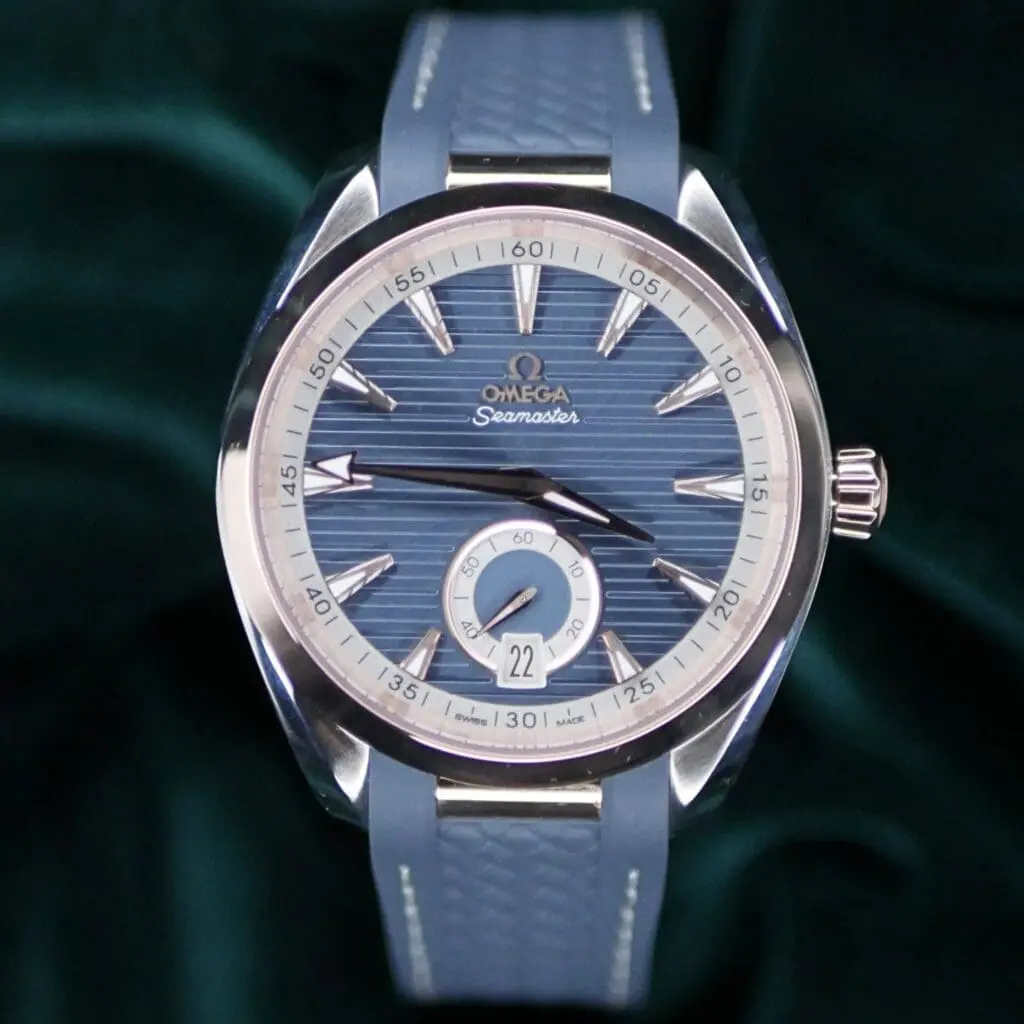
Omega Seamaster Aqua Terra 150M 41MM Blue Grey Dial Sedna Gold Rubber Strap COMPLETE SET EXCELLENT CONDITION 220.22.41.21.03.001
Bracelet and Clasp Comfort
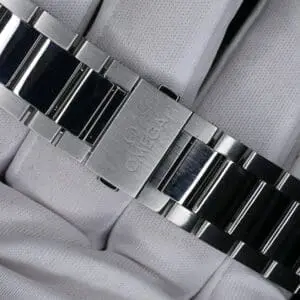
This is the detail buyers miss until the watch is on the wrist. Starting in 2024, Omega added a micro-adjustment clasp to newer Aqua Terra releases, beginning with the black-lacquer dials. It lets you fine-tune the fit on the fly without tools, which matters on warm days when your wrist swells.
The catch: most of the older steel teak references in this comparison still use the standard folding clasp. The micro-adjust clasp currently lives on the newer black-lacquer and 2024-onward pieces, and Omega is expected to roll it out further. If on-wrist adjustability is a priority, check which exact reference you are buying before you commit to either size.
Price and Resale: Aqua Terra 38 vs 41
Retail sits at $7,100 for the standard steel teak references in both sizes, so price is not the deciding factor between a 38mm and a 41mm in matching steel. The newer black-lacquer and refreshed pieces with the micro-adjust clasp carry a slightly higher retail, around $7,400. Where the two sizes diverge is how they hold up on the pre-owned market.
As of 2026, in-production Aqua Terras trade roughly 35 to 40 percent below retail, and the collection averages around $4,000 on the secondary market (per WatchCharts). The 38mm references tend to sit a touch higher in that band than their 41mm counterparts.
The blue 38mm (Ref. 220.10.38.20.03.001) trades around $4,489, while the black 41mm (Ref. 220.10.41.21.01.001), the single most popular Aqua Terra, sits closer to $3,900.
On longer trends, do not expect dramatic gains either way. Most steel teak references have moved only single digits over five years, with a few outliers higher. If resale matters, the 38mm has a slight edge right now.
If you plan to wear it for years and never sell, the gap barely registers. Buying pre-owned saves a meaningful amount over retail on both sizes.
Notable Omega Aqua Terra 38 References
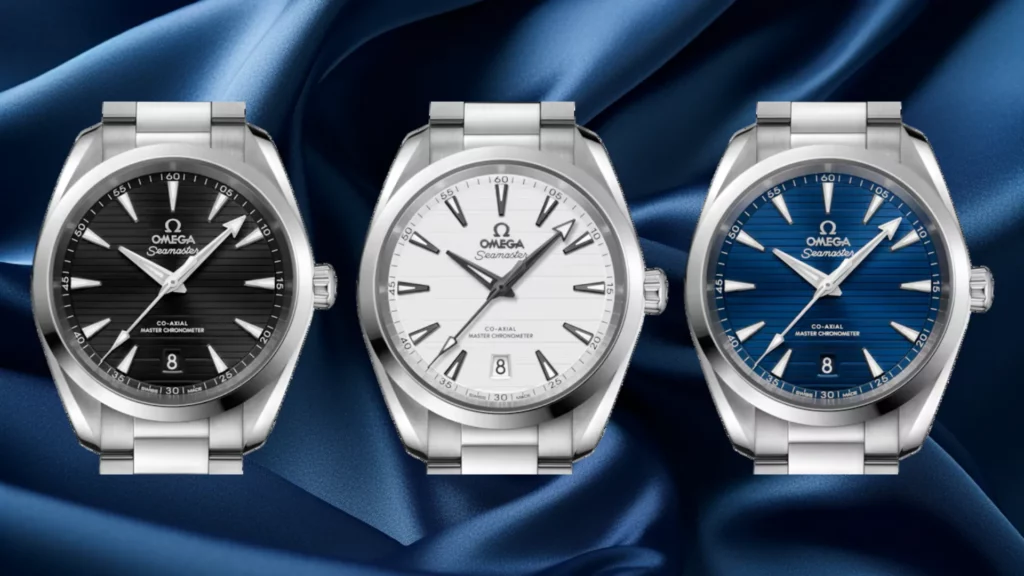
The 38mm keeps its core spec identical across the steel teak lineup: a 38mm stainless steel case, Caliber 8800, 55-hour reserve, and 150 meters of water resistance. Only the dial and the market value change from one reference to the next. All values below are 2026 secondary-market estimates (WatchCharts) and move with condition and whether the watch is a full set.
1. Ref. 220.10.38.20.01.001 — Black Dial
The most versatile pick in the 38mm range. Horizontal teak dial with rhodium-plated hands and white Super-LumiNova. Most buyers treat it as the go-to daily wearer because black hides wear and pairs with anything. Trades around $4,000 (approx.).
2. Ref. 220.10.38.20.02.001 — Silver Dial
Dressier than the black, with a sun-brushed finish, blackened hands, and white lume. It suits business attire and appeals to buyers after a classic, refined look. Trades around $4,220.
3. Ref. 220.10.38.20.03.001 — Blue Dial
The most recognizable Aqua Terra colorway. The sun-brushed finish and horizontal teak create depth that shifts in the light, and it is the strongest value-holder of the three. Trades around $4,490.
Notable Omega Aqua Terra 41 References
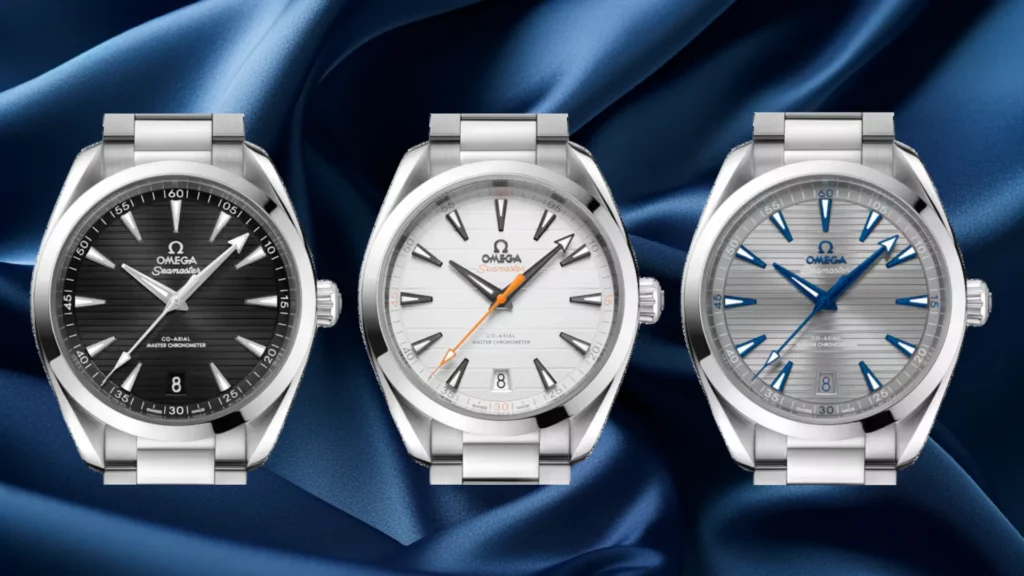
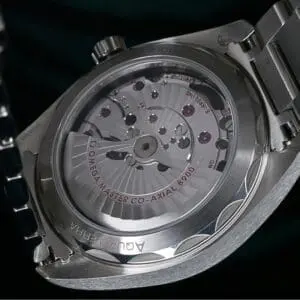
The 41mm follows the same logic with a slightly wider palette. Every steel teak reference shares the 41mm case, Caliber 8900, 60-hour reserve, and 150 meters of water resistance. Again, only the dial and value shift between them, and the figures are 2026 estimates that vary by condition and set completeness.
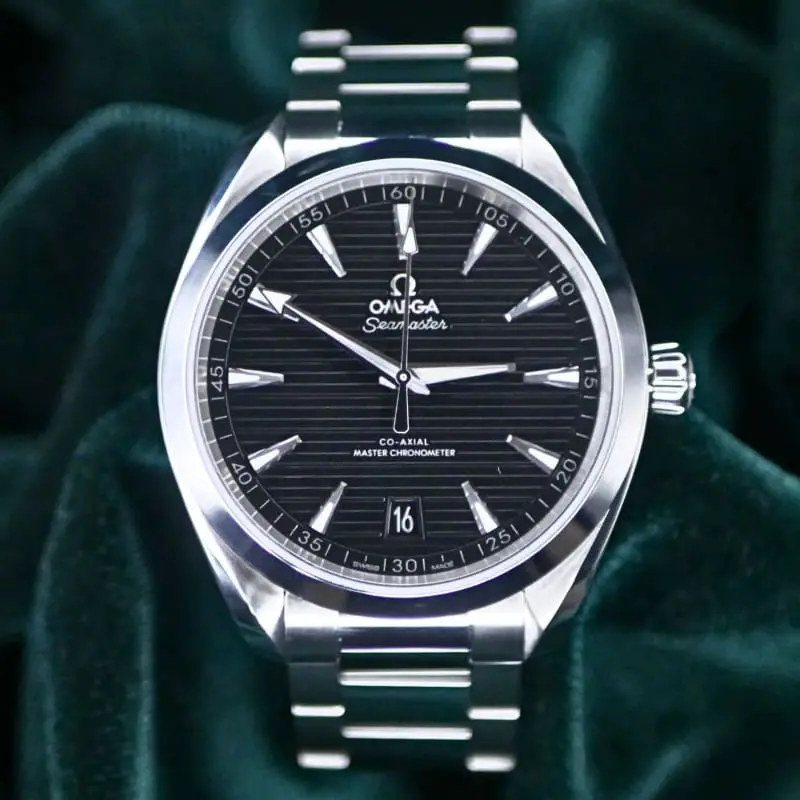
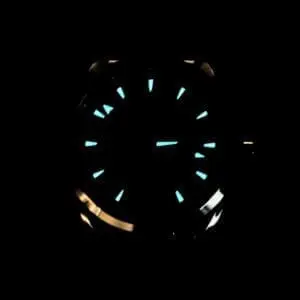
1. Ref. 220.10.41.21.01.001 — Black Dial
The most common starting point for 41mm buyers and the most popular Aqua Terra overall. Horizontal teak dial, rhodium-plated hands, white lume. The default pick for a do-everything daily watch with more presence than the 38mm. Trades around $3,895.
2. Ref. 220.10.41.21.02.001 — Silver Dial
A sun-brushed silver teak with blackened hands and white lume. Orange accents on the seconds hand and Seamaster text give it a more commanding, dressy look than the 38mm silver. Trades around $3,950 (approx.).
3. Ref. 220.10.41.21.06.001 — Grey Dial
The reference that sets the 41mm apart, since grey teak is not offered in the standard 38mm. Blued hands and indexes against a grey horizontal teak make for a modern, slightly cooler colorway. Trades around $3,950 (approx.).
If you are weighing one of these specific references and want a closer look before deciding, we can walk you through the exact piece. More on that below.
Where to Buy an Authentic Omega Aqua Terra Online
999+ Timepieces Available
Explore Our Timepieces
Authenticated, unworn, and ready to ship worldwide.
Rolex · Audemars Piguet · Patek Philippe · Omega · Cartier · Richard Mille · Hublot · Tudor
Newly Listed
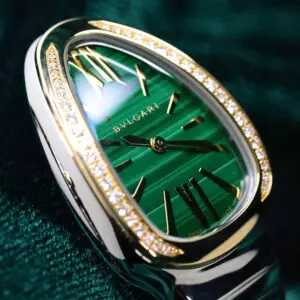
2026 NEW UNWORN Bvlgari Serpenti Tubogas Studs Capsule Limited Edition Green Dial Diamond Bezel Steel & 18k Yellow Gold 35mm COMPLETE SET 104360
$23,100.00
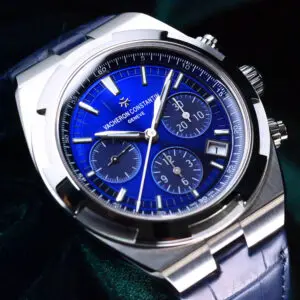
Vacheron Constantin Overseas Chronograph Blue Dial Blue Leather Strap Stainless Steel 42.5mm MINT CONDITION COMPLETE SET 5500V/110A-B148
$37,793.00
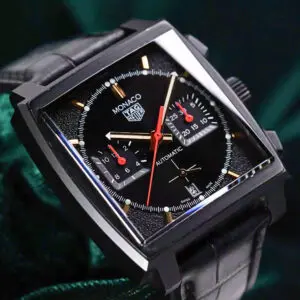
Tag Heuer Monaco Chronograph “Dark Lord” Special Edition Black Dial Black Leather Strap DLC Titanium 39mm MINT CONDITION COMPLETE SET CBL2180.FC6497
$8,135.00
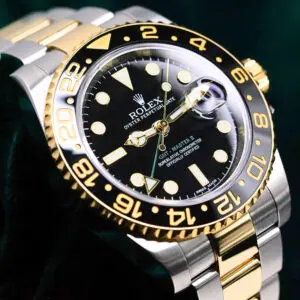
Rolex GMT-Master II “Green Arrow” Black Dial Black Ceramic Bezel Oyster Bracelet Two-Tone 18K Yellow Gold Stainless Steel 40mm MINT CONDITION COMPLETE SET 116713LN
$15,740.00
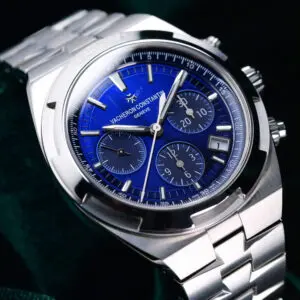
Vacheron Constantin Overseas Chronograph Blue Dial Stainless Steel 42.5mm MINT CONDITION COMPLETE SET 5500V/110A-B148
$37,793.00
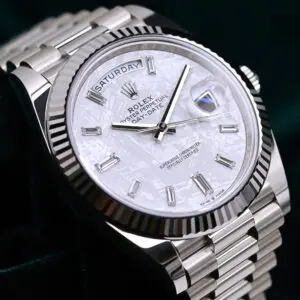
Rolex Day-Date Meteorite Baguette Diamond Dial Fluted Bezel President 18K White Gold 40mm MINT CONDITION COMPLETE SET 228239
$78,629.00
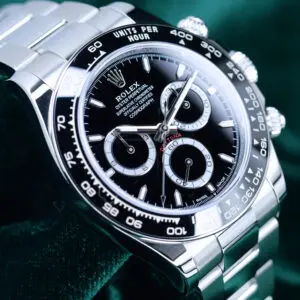
2026 Rolex Cosmograph Daytona Black Dial Black Ceramic Bezel Oyster Bracelet Stainless Steel 40mm MINT CONDITION COMPLETE SET 126500LN
$33,594.00
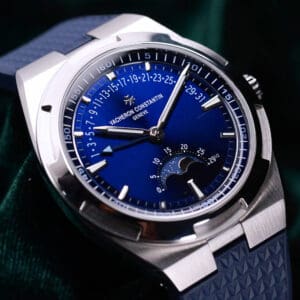
2025 Vacheron Constantin Overseas Moonphase Retrograde Date Blue Dial Blue Rubber Strap Stainless Steel 41mm MINT CONDITION COMPLETE SET 4000V/210A-B911
$52,800.00
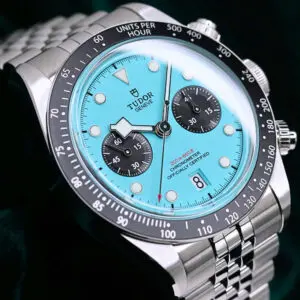
2025 Tudor Black Bay Chrono "Flamingo Blue" Turquoise Dial Black Bezel Stainless Steel 41mm MINT CONDITION COMPLETE SET 79360N-0024
$10,494.00
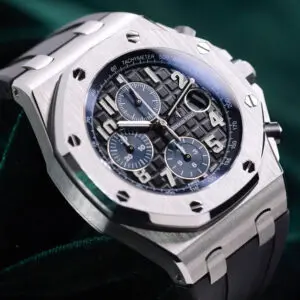
Audemars Piguet Royal Oak Offshore Chronograph "Batman" Black Dial Blue Accents Black Rubber Strap Stainless Steel 42mm MINT CONDITION COMPLETE SET 26470ST.OO.A028CR.01
$25,715.00
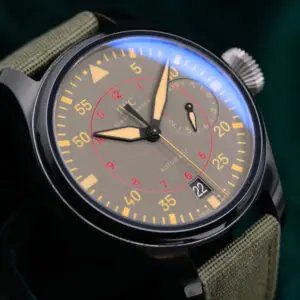
IWC Big Pilot's Watch Top Gun Miramar Grey Dial Green Textile Strap Black Ceramic 48mm MINT CONDITION COMPLETE SET IW501902
$7,240.00
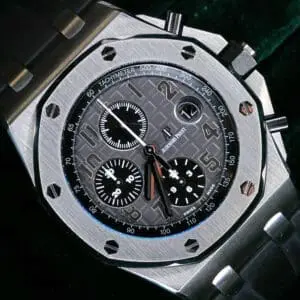
Audemars Piguet Royal Oak Offshore Chronograph "Elephant" Gray Dial Stainless Steel Rubber Strap 42mm 26470ST.OO.A104CR.01
$23,974.50
There are a few legitimate ways to buy an Aqua Terra without walking into a boutique. Chrono24 is the largest marketplace, with buyer protection and escrow on most listings, though it pays to know what to check before buying on Chrono24.
eBay‘s Authenticity Guarantee routes eligible watches through a third-party inspection before they reach you.
Grailzee runs enthusiast-focused auctions, and the WatchCharts marketplace and watch forums are worth watching for private sales at sharper prices.
We also buy, sell, and trade luxury watches, and the reason clients choose us over a big marketplace is the conversation before the purchase. We send tour videos of the actual watch rather than stock photos, write up honest condition notes, and you talk directly with a person who has handled and inspected the piece.
That shows up in our 4.9-star Google rating, which comes from buyers who valued knowing exactly what they were getting before money changed hands.
If you have narrowed it down to a 38mm or 41mm and want tour videos and condition notes on the references we currently have, reach out and we will line up a few options that match your wrist and budget.
Which Omega Aqua Terra Size Is Right for You
Both sizes share the same Seamaster DNA, the same teak dial, and the same build quality. The choice comes down to how you want the watch to sit and fit your routine. If you are also cross-shopping the dive-focused Seamaster, our Aqua Terra vs Seamaster comparison breaks down that decision separately.
Go with the Aqua Terra 38mm if:
- A compact, low-profile fit matters to you
- You prefer a classic, understated look
- All-day comfort is the priority
- A quick-set date suits how you use a watch
- Slightly stronger resale appeals to you
Go with the Aqua Terra 41mm if:
- You want more wrist presence without going oversized
- A bolder, more modern look is what you are after
- You travel across time zones often
- You want the grey teak dial or a full-gold case
- You like buying at a marginally lower pre-owned entry point
Final Thoughts on the Omega Aqua Terra 38 vs 41
The 38 and 41 share a foundation. Same collection, same Master Chronometer movements, same easy daily wear. The difference is how each one feels on your wrist and fits your life, and if you are still weighing it against the rest of the brand, our Omega buying guide maps out where the Aqua Terra sits.
If you can, try both before deciding. Photos only tell part of the story. Notice how each sits under a cuff, how the weight settles after a few minutes, and how the dial catches light.
Two extra tips: on either size, a full set with box and papers protects resale more than the dial choice does, and if you wear a watch loose, the 41mm’s longer lugs can overhang a smaller wrist more than the spec sheet suggests.
The watch that feels right on day one usually stays right for years. Trust that instinct.