
For a lot of owners, the Oysterflex is half the reason they bought the watch. A solid-gold Daytona or Yacht-Master on that black rubber feels different from anything on a metal bracelet.
Here is what plenty of owners find out too late. You cannot polish an Oysterflex, and Rolex will not repair a worn one. Once it cracks, a full replacement is the only fix.
That makes good care worth the few minutes it takes. Looking after the strap protects a five-figure watch from a bill you never needed to pay. This guide covers how to clean it, how to keep it healthy, and how to read the warning signs before it fails.
What Makes the Oysterflex Different to Care For

The Oysterflex looks like a rubber strap, but Rolex builds it like a bracelet, and that changes how you care for it.
Under the black coating sits a flexible blade made from a titanium and nickel alloy. It runs where the strap meets the case and the clasp, the two spots that take the most bending. The coating itself is elastomer, a tough rubber-like material that resists sun, salt, and sweat.
On the underside, raised ridges lift the strap slightly off your skin. That lets air move through and helps the watch sit steady on your wrist.
You are really looking after two things at once. One is the rubber surface, the other is the metal blade inside it. The surface dulls and stiffens if you neglect it. The blade slowly fatigues from stress and a bad fit. A steel bracelet shrugs most of this off, while the Oysterflex quietly keeps score, and you only notice once the damage is done.
How to Clean a Rolex Oysterflex Bracelet

Cleaning is the easy part, and it is the part most owners skip. A quick rinse after the strap gets wet does more good than any deep clean weeks later.
1. Screw the Crown Down First
Before any water touches the watch, screw the winding crown fully down against the case. This is what seals the watch, and it takes about two seconds.
Every Oysterflex model is water resistant to at least 100m, which is fine for swimming but not for diving. The water itself does no harm. The real risk is a crown left unscrewed, because moisture in the case leads to a repair that costs far more than any strap. If moisture ever does get inside, clearing it out without opening the case can limit the damage.
2. Rinse After Saltwater, Chlorine, and Sweat
A quick freshwater rinse after the beach, the pool, or a sweaty day is the best habit you can build for this strap. Salt and chlorine do not harm the elastomer the moment they touch it. The problem is the residue they leave behind, which stiffens the surface over time.
Hold the watch under lukewarm tap water for a few seconds. That clears the salt before it dries into the cushion ridges on the underside.
3. Wash With Mild Soap and a Soft Brush
For a deeper clean, use lukewarm water, a drop of mild soap, and a soft-bristled brush. Work gently along the strap, over the ridges underneath, and into the clasp, where grime hides out of sight.
Stay away from harsh cleaners and stiff brushes. They dull the elastomer and leave it looking tired. Mild soap and a little patience do the job better.
4. Dry the Clasp and Blade Junctions
Drying matters more here than most people expect. Pat the whole strap dry with a microfiber cloth, then give extra attention to where the strap meets the case and the clasp.
Those junctions sit right over the metal blade, and they trap moisture. Let them air out before the watch goes back in its box. A damp clasp shut inside a case is how slow problems begin.
How to Protect the Oysterflex From Daily Wear
Cleaning keeps the strap looking good. The habits below keep it structurally sound, and that is the part that costs real money to get wrong.
1. Keep Heat, UV, and Chemicals Away
Heat and sunlight age the elastomer faster than normal wear ever will. Long spells of UV exposure slowly reduce its flex, and high heat from a hot car or a long, steamy shower speeds the aging up.
Everyday chemicals do quiet damage too. Sunscreen, lotion, and insect repellent break the rubber down on contact. Put the watch on after your sunscreen has soaked in, never before.
2. Get the Fit Right to Reduce Flex Stress
A good fit does more than make the watch comfortable. It protects the strap from uneven stress. A loose strap lets the watch slide and bend in the same place over and over, which builds fatigue right where the blade is weakest.
The Oysterflex cannot be cut or hole-punched, so the fit comes from the clasp’s micro-adjustment and the sized segments. Take the time to set it properly. A balanced fit spreads the bending along the whole strap instead of loading one sharp point.
3. Rotate the Watch to Rest the Strap
If you own more than one watch, put them into rotation. Wearing the same Oysterflex every single day drives stress into the exact same flex points, over and over.
Resting the strap gives the elastomer and the blade time to settle back into shape. On a watch where the only repair is a full replacement, rotating it is a smart way to save money down the line.
4. Store It Off Hard Surfaces
Resting your wrist on a desk edge wears the Oysterflex the way scratches wear steel, except you cannot buff this out. The rubber rubs thin and compresses where it drags, usually near the clasp.
Keep the watch in a box or pouch once it comes off, and watch where your wrist rests when you are at a desk. This kind of wear is permanent, so avoiding it is the only real defense.
How Long an Oysterflex Lasts Before Replacement
With a good fit, regular rinsing, and sensible storage, an Oysterflex holds up for many years of regular wear before it needs replacing. A watch that gets rotated lasts longer again, because the flex points get time to recover between wears.
The honest answer is that lifespan comes down almost entirely to habits. We inspect plenty of used Daytonas, Yacht-Masters, and Sky-Dwellers before we buy them, and the wear follows a clear pattern. The straps in the worst shape nearly always come from owners who wore them daily and never rinsed.
Here is the pattern we see most often. It sorts neatly by how the previous owner treated the watch.
| How the Watch Was Worn | What We Usually See |
| Rotated, rinsed, stored well | Surface and flex hold up for years, with very little stiffening |
| Daily wear, rinsed regularly | Surface dulls gradually, but the flex stays healthy far longer |
| Daily wear, never rinsed | Earlier stiffening and dulling, especially around the clasp |
| Poor fit or lots of desk contact | Stress and abrasion build up at one flex point much sooner |
How to Tell When the Oysterflex Needs Replacing

Cracking near the lugs or the clasp means the strap is finished, and no cleaning or adjustment will bring it back. Those cracks form where bending and tension run highest, and they tell you the metal blade inside has been compromised.
The earlier warning signs are worth knowing too. A healthy strap flexes into a smooth, even curve. When it starts to bend sharply at one spot, or feels stiffer in certain sections, stress is already building inside.
Rolex service centers do not polish, resurface, or repair a worn Oysterflex. Once the strap moves from surface aging into real structural damage, a full replacement is the only official route.
On cost, the figure that circulates in the watch world is roughly $320 or more per segment and around $640 for a full strap. Rolex fits replacements through a service center rather than selling segments over the counter, so it is worth confirming the current price with them directly. Prevention works out far cheaper either way.
OEM vs Aftermarket Oysterflex Replacement Straps
OEM here means the original factory strap that came from Rolex. For a collectible solid-gold Rolex, that original Oysterflex protects resale value in a way aftermarket straps cannot. A future buyer wants the factory setup, and a missing original strap counts against the watch.
Good aftermarket straps from reputable makers still have a place. Plenty of owners fit a quality aftermarket rubber for daily beach and pool use and keep the original boxed and untouched. That is a smart approach, as long as the original strap goes back on when it is time to sell.
The one to avoid is the cheap aftermarket strap. Thin rubber and weak end-links can stress the lugs and look wrong against a precious-metal case. If you go to the aftermarket for daily wear, buy a good one, and never throw the original away.
Where to Buy a Rolex on Oysterflex

Strap condition is a window into how the last owner treated the whole watch. With an Oysterflex it matters even more, because a worn strap becomes a replacement cost the next owner inherits, and Rolex will not repair it.
This is where the right dealer earns their keep. We inspect every Oysterflex in person, flex it along its full length, check the clasp junctions, and note any stiffening or abrasion before the watch ever gets listed. You get tour videos, honest condition notes, and a real conversation instead of a stock photo and a guess.
If the Daytona on Oysterflex is the one you keep circling, our Rolex Daytona buying guide walks through the references worth knowing. If you are weighing up a Daytona, Yacht-Master, or Sky-Dweller on Oysterflex, send us your shortlist and we will talk it through.
Frequently Asked Questions on Oysterflex Care
Will a cracked or worn Oysterflex hurt the watch’s resale value?
Yes, a worn or cracked Oysterflex lowers what the watch is worth on resale. Buyers know a replacement runs several hundred dollars and can only come from Rolex, so they price that in. A clean original strap supports a stronger price and makes the watch much easier to sell when the time comes.
Can I switch to an aftermarket strap and put the original back later?
Yes, and a lot of careful owners do exactly that. They wear a quality aftermarket rubber for the beach, the pool, and rough days, then refit the original Oysterflex when they want the factory look or when it is time to sell. The key is buying a well-made aftermarket strap and keeping the original somewhere safe and dry.
How do I know which Oysterflex segment size I need?
Each Oysterflex segment carries a molded size code, and that code tells you the length. Rolex makes the strap in a set range of segment sizes instead of letting you trim it, so the right fit comes from matching those codes to your wrist. If you are buying pre-owned, ask the seller for the codes on both segments first, since a resize means buying new ones.
Does an Oysterflex still need care if I only wear it at a desk?
Yes, though a desk-bound watch needs far less attention than a beach watch. You can skip the saltwater rinses, but heat, sunlight through a window, and hand cream still age the rubber over time. The bigger risk for office wear is resting your wrist on a hard desk edge, which slowly wears the strap near the clasp.
Is the Oysterflex covered under the Rolex warranty if it wears out?
Normal wear is not covered, because the warranty deals with manufacturing faults rather than aging. A strap that stiffens or cracks after years of use counts as wear, so the replacement is on you. If you ever suspect a genuine defect on a newer watch, raise it with a Rolex service center and let them assess it.
Final Thoughts on Oysterflex Bracelet Care
Looking after an Oysterflex comes down to a handful of simple habits. Rinse it after it gets wet, wash it gently now and then, dry the clasp and case junctions, set the fit properly, and rest the watch when you can. Do that and the strap keeps its shape and finish for years. Neglect it and you face a costly replacement, since Rolex will not repair a worn one.
A couple of extra habits help even more. Photographing the strap the day you buy gives you a dated condition record if you sell later. Laying the watch flat when it comes off, instead of hanging it, keeps the strap from sitting bent for hours at a time.
The same small, steady habits sit behind caring for any fine watch, not just this one. If you have questions about a specific reference, get in touch any time.
999+ Timepieces Available
Explore Our Timepieces
Authenticated, unworn, and ready to ship worldwide.
Rolex · Audemars Piguet · Patek Philippe · Omega · Cartier · Richard Mille · Hublot · Tudor
Newly Listed

F.P. Journe Quantième Perpétuel Boutique Edition Blue Dial Blue Alligator Leather Strap 18K Rose Gold 40mm MINT CONDITION COMPLETE SET QP
$329,999.00
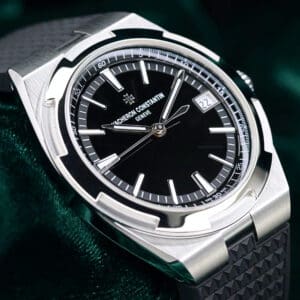
2025 Vacheron Constantin Overseas Black Dial Black Rubber Strap Stainless Steel 41mm MINT CONDITION COMPLETE SET 4520V/210A-B483
$36,106.00
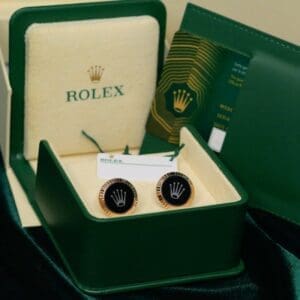
2026 NEW UNWORN Rolex Cufflinks Black Ceramic Fluted Bezel 18k Rose Gold COMPLETE SET A1035BLACK
$5,507.00
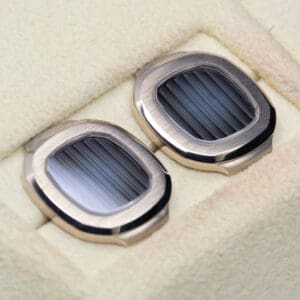
MINT CONDITION Patek Philippe Nautilus Cuff Links Opaline Blue Gray Horizontally Embossed 19mm 205.9057G-015
$7,370.00
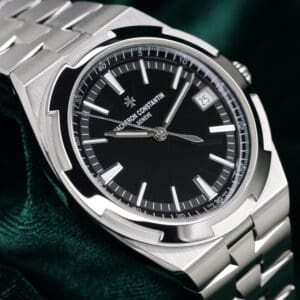
2025 Vacheron Constantin Overseas Black Dial Stainless Steel 41mm MINT CONDITION COMPLETE SET 4520V/210A-B483
$36,106.00
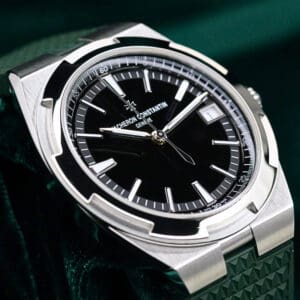
2025 Vacheron Constantin Overseas Black Dial Green Rubber Strap Stainless Steel 41mm MINT CONDITION COMPLETE SET 4520V/210A-B483
$36,106.00
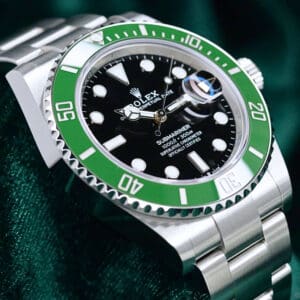
2026 NEW UNWORN Rolex Submariner Date "Starbucks" MK2 Black Dial Green Cerachrom Bezel Oystersteel 41mm COMPLETE SET 126610LV-0002
$16,545.00
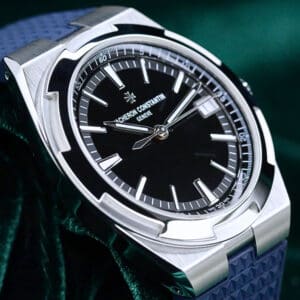
2025 Vacheron Constantin Overseas Black Dial Blue Rubber Strap Stainless Steel 41mm MINT CONDITION COMPLETE SET 4520V/210A-B483
$36,106.00
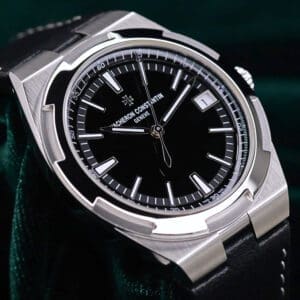
2025 Vacheron Constantin Overseas Black Dial Black Leather Strap Stainless Steel 41mm MINT CONDITION COMPLETE SET 4520V/210A-B483
$36,106.00
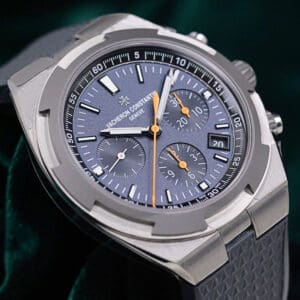
Vacheron Constantin Overseas Chronograph "Everest" Blue-Grey Dial Grey Rubber Strap Titanium Stainless Steel 42.5mm MINT CONDITION COMPLETE SET 5510V/000T-B923
$71,500.00
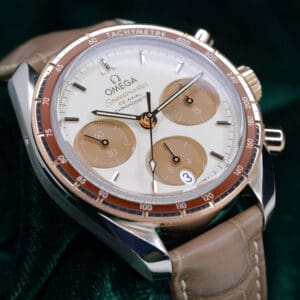
Omega Speedmaster “Cappuccino” Cream Dial Brown Subdials Brown Alligator Leather Strap 18k Rose Gold Stainless Steel 38mm MINT CONDITION COMPLETE SET 324.23.38.50.02.002
$6,380.00
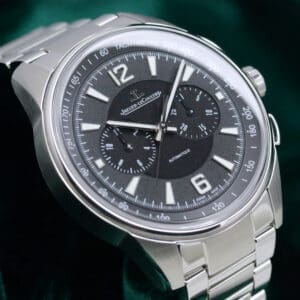
Jaeger-LeCoultre Polaris Chronograph Black Dial Stainless Steel 42mm MINT CONDITION COMPLETE SET Q9028170
$9,680.00