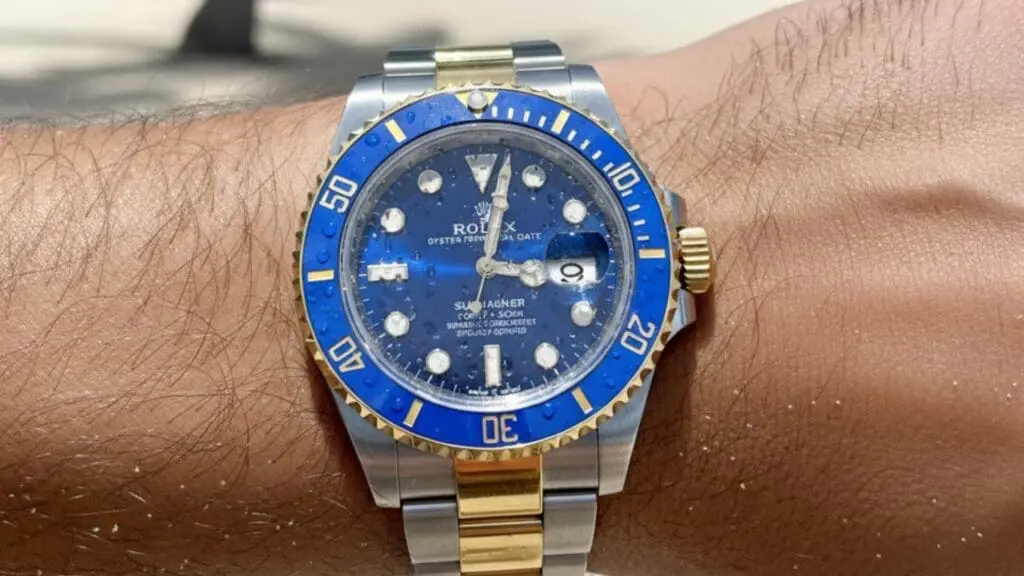
Moisture inside your watch can quickly turn from a small issue into serious damage. Even a tiny bit of water can corrode the movement, fog the crystal, and weaken the seals that protect your timepiece. If you notice a faint mist under the glass or condensation that won’t go away—that’s your signal to act fast.
We’ve prepared this guide to help you handle moisture safely without opening the case. You’ll learn what causes it, how to reduce it using proven methods, and how to keep your watch protected in the future. Whether you own a dive watch or a dress model, these steps will help preserve its performance and value.
Why Moisture Inside Your Watch Is a Serious Issue
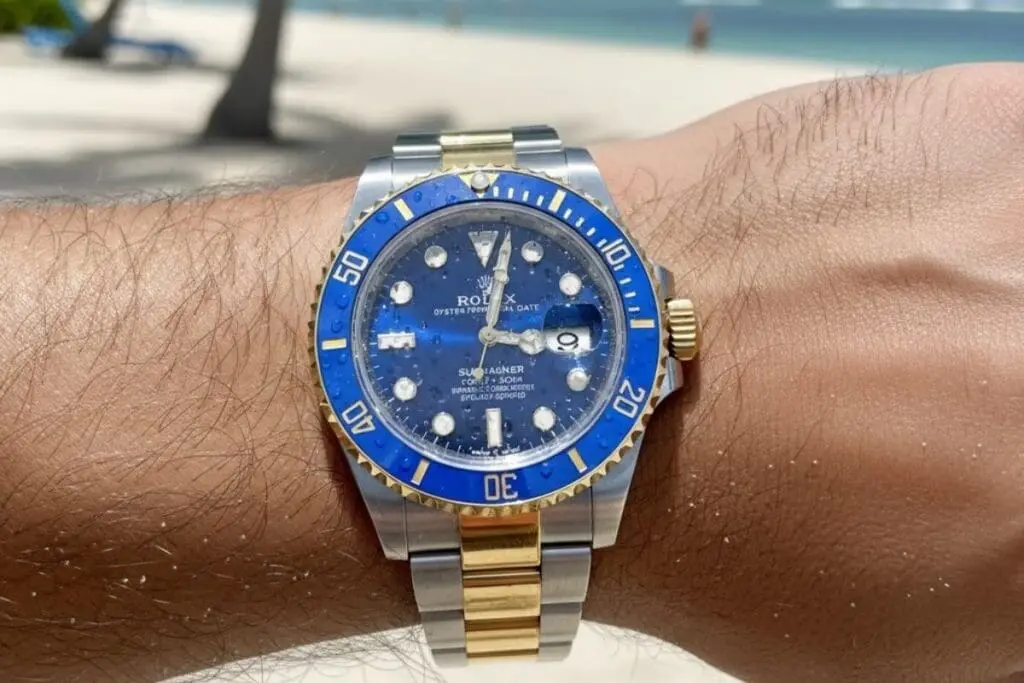
Inside a mechanical watch, tiny steel gears, screws, and springs are coated with fine lubricants. When moisture mixes with these oils, it causes oxidation and rust. This leads to friction, metal wear, and timing errors. In automatic watches, the rotor and mainspring can seize if corrosion spreads. And for quartz watches, even a drop of water can short-circuit the circuit board or battery terminal.
Even high-end watches can let in water. The rubber gaskets around the crown, pushers, and case back wear out over time. They dry up and lose their ability to seal tightly. If the crown isn’t screwed down all the way, or if the watch takes a hard hit, a small gap can form. That gap is enough for moisture to slip inside.
Luxury brands test their watches for water resistance under controlled pressure, not real-world steam or heat. That means daily habits—like showering, swimming, or leaving the watch in a humid environment—can still force moisture inside.
If your watch shows condensation or fogging, treat it as an urgent issue. Moisture will not evaporate safely on its own. The longer it stays inside, the higher the risk of rust and movement failure.
Identify the Type of Watch and Its Water Resistance Rating
Before you try to remove moisture, check your watch’s water resistance rating. This rating shows how much water pressure the watch can handle. You can find it engraved on the case back, written as “Water Resistant 30m,” “100m,” or “300m.” It may also appear in the user manual or warranty card.
Here’s what each level usually means:
- 30m–50m: Resists small splashes and rain only. Not safe for swimming or showers.
- 100m: Safe for surface swimming or snorkeling. Avoid diving or hot water.
- 200m–300m: Made for diving and professional underwater use.
The watch’s design affects how well it stays sealed. Quartz watches use battery compartments that must be tightly closed to stay dry. Automatic watches rely on gaskets around the crown and case back. If these gaskets dry or crack, water can slip in. Vintage watches are more at risk because old gaskets and acrylic crystals no longer seal properly.
Watches with sapphire crystals resist temperature changes better than those with acrylic or mineral glass. Screw-down crowns offer stronger protection than push-pull crowns. If your watch has multiple pushers, like a chronograph, there are more points where water can enter if the seals weaken.
Seek Professional Help As Soon As Possible
We know you want to fix the moisture yourself. But we recommend that if you see fog or water under the crystal (especially on a luxury watch), bring it to a professional right as soon as you can. Waiting too long can damage the movement and make the repair more costly.
This isn’t because there are no ways to do it yourself. It’s because rust can form quickly, and once it starts, it spreads fast. Rust can ruin the gears, dial, and hands, and this will lower the watch’s value and quality.
Don’t wait for the moisture to “dry out” on its own—it never does. The sooner a professional handles it, the higher the chance your watch can be restored without replacing major parts.
Safe Methods to Remove Water Without Opening the Watch
If you cannot bring your watch to a professional right away, there are a few safe methods you can try to remove moisture without opening the case. These methods can help slow down damage while you wait for proper servicing.Here are ways you can dry your watch safely:
1. Use Silica Gel Packets
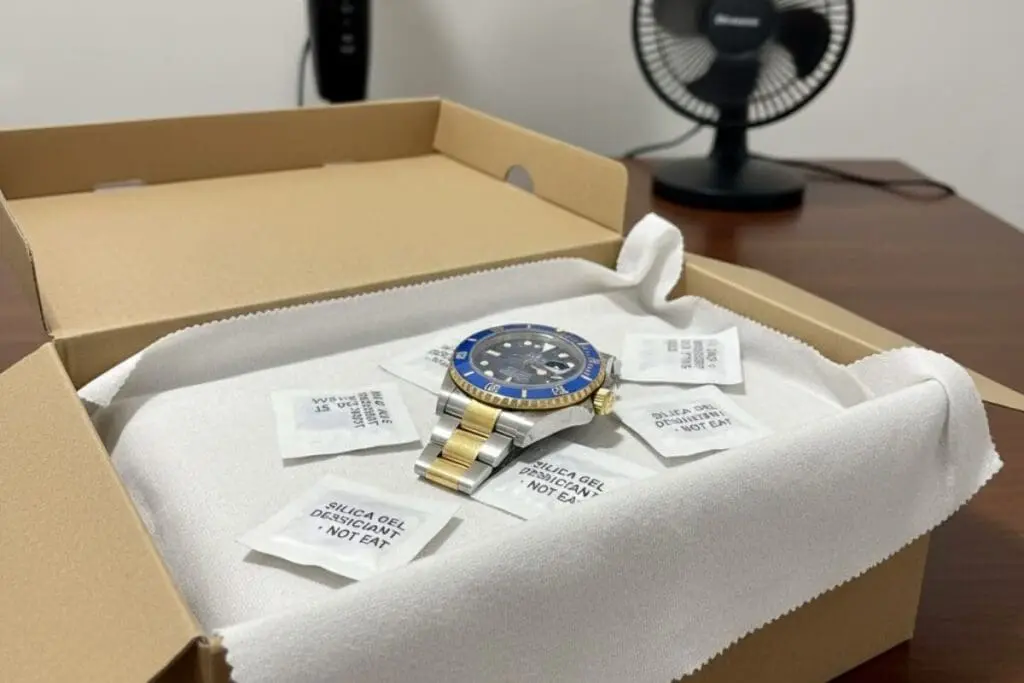
We recommend using silica gel packets first. This is the safest and most effective method to remove moisture from a watch without opening it. It is scientifically proven that silica gel absorbs humidity better and faster than rice. That’s why it’s often used in packaging for electronics and watches.
To do this, place your watch in an airtight container with several silica gel packets. If your watch has a leather strap, remove it first to prevent cracking or mold. Seal the container and leave it for 24 to 48 hours. The silica will pull the moisture out of the air and help dry the inside of your watch slowly and safely.
2. Use Uncooked Rice (If Silica Is Not Available)
If you don’t have silica gel, uncooked rice can work as an alternative. Place your watch inside an airtight container filled with dry rice and leave it there for one to two days. Rice absorbs moisture more slowly than silica, so it may take a bit longer. To protect your watch from rice dust or scratches, wrap it in a soft, clean cloth before sealing the container.
3. Gentle Warm Air Method
This method helps evaporate light moisture or condensation trapped under the crystal. The gentle heat encourages water to dry without harming the movement or seals.
How to do it:
- Set your hair dryer or fan to low warm air (not hot).
- Keep it at least 30 cm (about 12 inches) away from the watch.
- Blow warm air over the watch for 15–20 minutes at a time.
- Let it rest and repeat if needed.
4. Indirect Sunlight or Dry Room
This method works best when condensation happens from sudden temperature changes, such as moving from a cold room to a warm one.
To start, place your watch near a window with indirect sunlight or in a dry, warm room. Leave it there for a few hours, depending on how much moisture is trapped. You can also use a dehumidifier or air-conditioned room to speed up the drying process.
Avoid putting the watch under direct sunlight or on a hot surface, as this can damage the seals or dial. Also, do not open the case or unscrew the crown while drying, as it can let more moisture inside.
Note that these methods are only temporary solutions. They can help reduce visible moisture, but they cannot remove all the water trapped inside the movement. These steps are meant to protect your watch while you wait to bring it to a professional. So, while these methods may help for now, we still recommend having your watch checked and serviced as soon as possible.
How to Prevent Future Water Damage on Your Watch
Keeping moisture out is easier than fixing it once it gets in. Here are simple steps to protect your watch and keep its seals, movement, and overall condition in top shape.
1. Check Water Resistance Regularly
We recommend having your watch’s water resistance checked every 12 to 18 months, especially if you wear it often or expose it to water. Over time, these small rubber components lose elasticity due to exposure to heat, sweat, saltwater, soap, and even UV light. Once they dry out or crack, your watch becomes vulnerable to leaks (even from light rain or handwashing).
If your watch has recently been serviced, dropped, or had its crystal or crown replaced, you should also have the water resistance re-tested. Even a small disturbance in the case alignment can compromise the seal.
2. Keep the Crown and Pushers Secure
Always make sure the crown is fully pushed in or screwed down before your watch touches water. This is the main entry point for moisture, so even a slight gap can break the seal. On screw-down crowns (common in Rolex, Omega, and Tudor dive models), tighten the crown gently until you feel resistance—never force it, as that can strip the threads.
If your watch has pushers, such as on chronographs, avoid pressing them underwater unless the model is specifically designed for it. Using pushers while submerged can instantly compromise the gasket seal and allow water to enter the case.
Also avoid adjusting the crown or date while the watch is wet. Water droplets can cling to the crown stem and slip inside once it’s opened.
3. Avoid Extreme Temperatures and Sudden Changes
Avoid exposing your watch to extreme heat, cold, or sudden temperature changes. Rapid shifts cause air and moisture inside the case to expand or contract, leading to condensation under the crystal. For example, going from an air-conditioned room to a hot beach or sauna can instantly create fog inside your watch.
High heat can also dry out and weaken the gaskets, while extreme cold can cause them to harden and lose flexibility. Both conditions reduce water resistance. We recommend removing your watch before entering saunas, hot tubs, or steam rooms. Avoid leaving it on a car dashboard or windowsill where temperatures can rise quickly.
4. Rinse After Saltwater or Chlorine Exposure

If you wear your dive watch in the ocean or pool, always rinse it with fresh water afterward. Saltwater and chlorine are highly corrosive. Even stainless steel or titanium cases—like those on the Rolex Submariner, Omega Seamaster, or Tudor Pelagos—can develop fine salt deposits that trap moisture and cause surface corrosion over time.
After swimming, gently rinse the watch under running tap water to remove salt, sand, or chlorine residue. Use your fingers or a soft microfiber cloth to clean the case, bezel, and bracelet. Avoid using soap or harsh cleaners, as they can leave residue that affects gasket seals.
We recommend turning the bezel a few times while rinsing to keep it free of grit and to prevent salt buildup beneath the ring. Make sure the crown and case back are fully secured before rinsing. Then dry the watch completely with a clean, soft towel.
5. Store Your Watch in a Dry, Cool Place
Keep your watch in a dry and cool spot. Humidity can slowly damage the movement, even if the watch is not in use. Moist air can pass through old or weak gaskets and cause rust or fog under the crystal.
We recommend storing your watch in a covered box or case with a soft lining. Add a small silica gel packet to absorb moisture. If you use a watch winder, choose one with good ventilation and avoid placing it near heat or sunlight.
Do not keep your watch near windows, bathrooms, or air vents. If you own several watches, let them rest in a shaded area when not in use. Sunlight can fade the dial, dry out seals, and damage leather straps. Proper storage keeps your watch dry, clean, and ready to wear.
Final Takeaways
Moisture inside a watch should never be ignored. It can corrode parts, weaken gaskets, and affect accuracy. Acting quickly helps prevent further harm. If possible, let a skilled technician handle the issue. Temporary methods like silica gel or gentle warmth can help, but they do not replace proper servicing.
Keep your watch dry, clean, and tested often. Check seals, rinse after seawater, and store it safely. Regular service keeps it reliable and valuable for years. Treat your timepiece with care, and it will continue to perform and look its best.
FAQs About Removing Water from a Watch Without Opening It
1. Can I remove water from my watch without opening it?
Yes, you can reduce visible moisture without opening the case using methods like silica gel, rice, or gentle warm air. These methods help absorb condensation, but they cannot fully replace professional servicing, especially if water has reached the movement.
2. Is using silica gel the safest way to dry a watch?
Yes, silica gel is the safest and most effective option. It absorbs humidity quickly without introducing heat or vibrations that could damage the movement. Place the watch in an airtight container with multiple packets for 24–48 hours for best results.
3. Can uncooked rice really remove moisture from a watch?
Yes, rice can work as a temporary alternative to silica gel. It absorbs moisture slowly, so leave the watch in a container with rice for one to two days. Wrap the watch in a soft cloth first to avoid scratches or dust contamination.
4. Can I use a hair dryer to remove water from my watch?
Yes, but only with low warm air, not hot. Keep the dryer at least 30 cm (12 inches) away and blow for 15–20 minutes at a time. Hot air or direct heat can damage seals, gaskets, or the dial.
5. Can I leave my watch in sunlight to remove moisture?
Yes, indirect sunlight or a warm, dry room can help evaporate condensation. Avoid direct sunlight or hot surfaces, as this can weaken gaskets, fade the dial, or damage leather straps. Use this method only temporarily before professional servicing.
6. How long should I try drying my watch before seeking help?
If moisture persists after 24–48 hours of silica gel or rice treatment, or after gentle warming, you should consult a professional. Persistent condensation indicates water has likely reached the movement, which requires expert care to prevent rust.