
You already know what a skeleton watch is, and you are not shopping for one because it looks cool. You want a piece that holds its value, runs a movement worth showing off, and earns its place next to the rest of your collection.
The problem is that skeleton watches are one of the most uneven categories in luxury watchmaking. Two pieces can look similar in a photograph and have nothing in common underneath. This guide cuts through that, with six skeleton watches we have inspected, sold, and would buy ourselves.
3 Types of Skeleton Watches
A skeleton watch reveals the inner movement, showing the gears, bridges, and springs working inside the case. That visual access is the entire point, and it is what separates skeleton designs from standard dials.
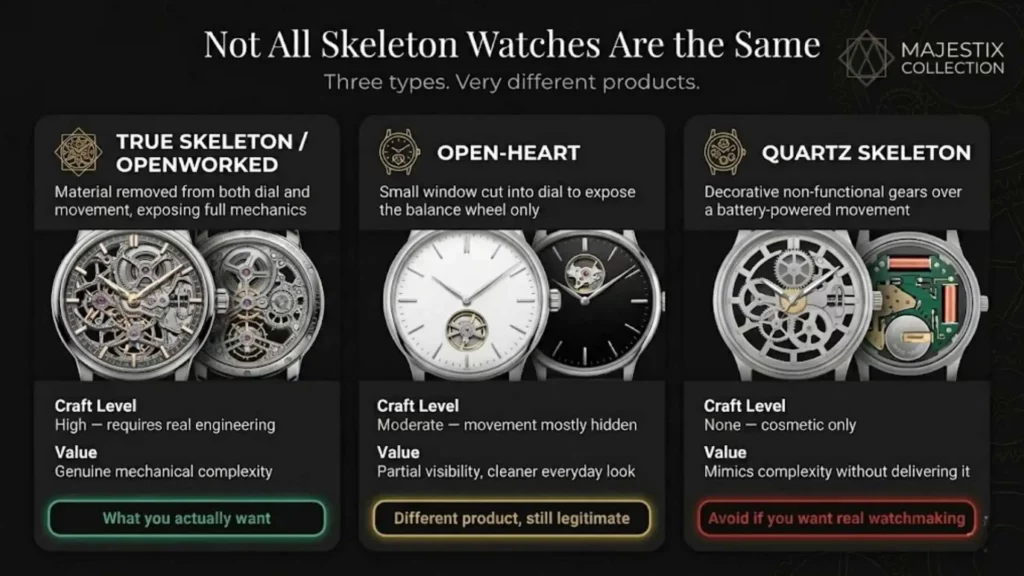
But the term is used loosely, even at the top end of the market, and that matters when you are spending serious money. Not every watch marketed as “skeleton” delivers the same engineering, finishing, or long-term value. There are really three distinct types you will encounter.
- True Skeleton (or Openworked) Watches – These have material removed from both the dial and the movement itself, exposing as much of the mechanics as possible without compromising structure. This requires real engineering and thoughtful finishing to keep the movement visible and structurally sound. The term openworked means the same thing and is often associated with more refined execution. Every watch on the list below is a true skeleton.
- Open-Heart Watches – These only cut a small window into the dial, usually to showcase the balance wheel. The rest of the movement stays hidden, which makes it a very different product despite the similar look. You get a glimpse of the mechanics, not full visual access.
- Quartz Skeleton Watches – These are not skeleton watches at all. They use decorative, non-functional gears placed over a battery-powered movement purely for visual effect. They are designed to mimic mechanical complexity without actually delivering it.
This distinction directly affects craftsmanship, value, and what you are actually paying for. A true skeleton demands real movement design and finishing. The others rely on shortcuts that look convincing at a glance but fall apart under closer inspection.tly affects craftsmanship, value, and what you are paying for. A true skeleton demands real movement design and finishing.
6 Skeleton Watches for Men Worth Buying Right Now
The question is not “what can I afford” but “which of these is actually worth owning.” Each pick below earns its spot for a different reason: technical innovation, design ingenuity, motorsport pop culture, hand-finished haute horlogerie, or the kind of mechanical complexity that defines a brand’s entire identity.
We sorted them by what kind of buyer each one is for, not by price.
1. Audemars Piguet Royal Oak Double Balance Wheel Openworked (15407ST.OO.1220ST.01)


If you already own a standard Royal Oak and want the version that defines what high-end skeletonization actually looks like, this is it. The 15407 launched in 2016 as an evolution of the already-coveted 15305 Openworked, but AP didn’t just refine the old caliber. They engineered a patented geometry that places two complete balance wheel and hairspring assemblies on a single axis, a technical achievement that no other Royal Oak has matched.
The art of openworking has been an AP specialty since the 1930s, and the Royal Oak itself is the watch that essentially created the luxury sports watch category when Gerald Genta designed it in 1972.
Combining that silhouette with the brand’s deepest skeleton expertise produced what’s now considered one of the most collectible modern Royal Oaks. Secondary market demand has kept it trading well above retail since launch, which is the answer to whether it holds its value. If you are weighing it against its closest grail-tier rival, how the Royal Oak stacks up against the Nautilus is the comparison most collectors run before they commit.
- Price: $147,490
- Movement: Caliber 3132, in-house openworked automatic, 245 components, 38 jewels
- Architecture: Patented double balance wheel on a single axis for improved chronometric stability
- Power reserve: 45 hours
- Frequency: 21,600 vph (3 Hz)
- Case: 41mm stainless steel, 9.9mm thick
- Dial: Slate grey openworked with pink gold-applied hour markers
- Finishing: Hand-finished polished bevels, V-angles, straight-grained surfaces
- Water resistance: 50m
2. Richard Mille RM 65-01 Automatic Winding Split-Seconds Chronograph
The most complicated automatic watch Richard Mille has ever made, and they say so themselves. Five years of development with Vaucher Manufacture Fleurier yielded the Caliber RMAC4, which Richard Mille calls the most complex timepiece ever to leave their workshops.



The watch sits at the intersection of Richard Mille’s two biggest cultural moments: the motorsport partnerships that built the brand’s identity through Felipe Massa, Rafael Nadal, and McLaren, and the hip-hop adoption that turned RM into a status object in mainstream culture.
The McLaren W1 partnership version, launched alongside McLaren’s successor to the F1 and P1 hypercars, put it squarely in the supercar collector world. If you are at the level where the question is which RM, not whether to own one, this is the technical piece in the catalog.
- Price: $406,945
- Movement: Caliber RMAC4, skeletonized automatic, 600 components, 51 jewels
- Complications: Split-seconds chronograph with 30-minute and 12-hour counters, semi-instantaneous date, function selector in crown, rapid winding pusher, variable-geometry rotor
- Power reserve: 60 hours
- Frequency: 36,000 vph (5 Hz), accurate to 1/10th of a second
- Case: 44mm Carbon TPT tonneau with grade 5 titanium bridges
- Water resistance: 50m
3. Roger Dubuis Excalibur Spider Huracán (DBEX1040)
The most overt watch-meets-supercar piece on the market. Roger Dubuis has built its modern identity around what it calls “hyper horology,” and the Lamborghini Squadra Corse partnership is the clearest expression of that strategy.


The RD630 caliber was developed specifically for this collaboration, and Roger Dubuis engineered the movement to mirror the Huracán visually and structurally: hexagonal bridges that echo the car’s air intakes, twin barrels referencing the V10 architecture, and a rotor shaped like a Huracán wheel rim. The 12-degree tilted balance wheel at 12 o’clock is a nod to the Sterrato’s rev counter.
The watch lives in supercar collector culture, often photographed next to the cars themselves at events like Monterey Car Week and Lamborghini Esperienza track days. It only makes sense if you’ve heard a Lamborghini V10 in person.
- Price: $38,390
- Movement: RD630 in-house automatic, designed with Lamborghini Squadra Corse
- Architecture: Twin barrels, 12-degree tilted balance wheel at 12 o’clock, wheel-rim-shaped rotor
- Power reserve: 60 hours
- Case: 45mm white mineral composite fiber (MCF) with titanium caseback and crown
- Dial: White skeletonized with red accents and date at 6
- Strap: White rubber with red perforated leather inlay
- Water resistance: 50m
4. Cartier Santos de Cartier Skeleton (WHSA0007)
Cartier’s masterclass in turning the movement itself into the dial, and the only watch on this list that works as a true dress piece. The Santos is one of the oldest continuously produced watches in the world, designed in 1904 for the Brazilian aviator Alberto Santos-Dumont, who wanted a watch he could read while flying without taking his hands off the controls.
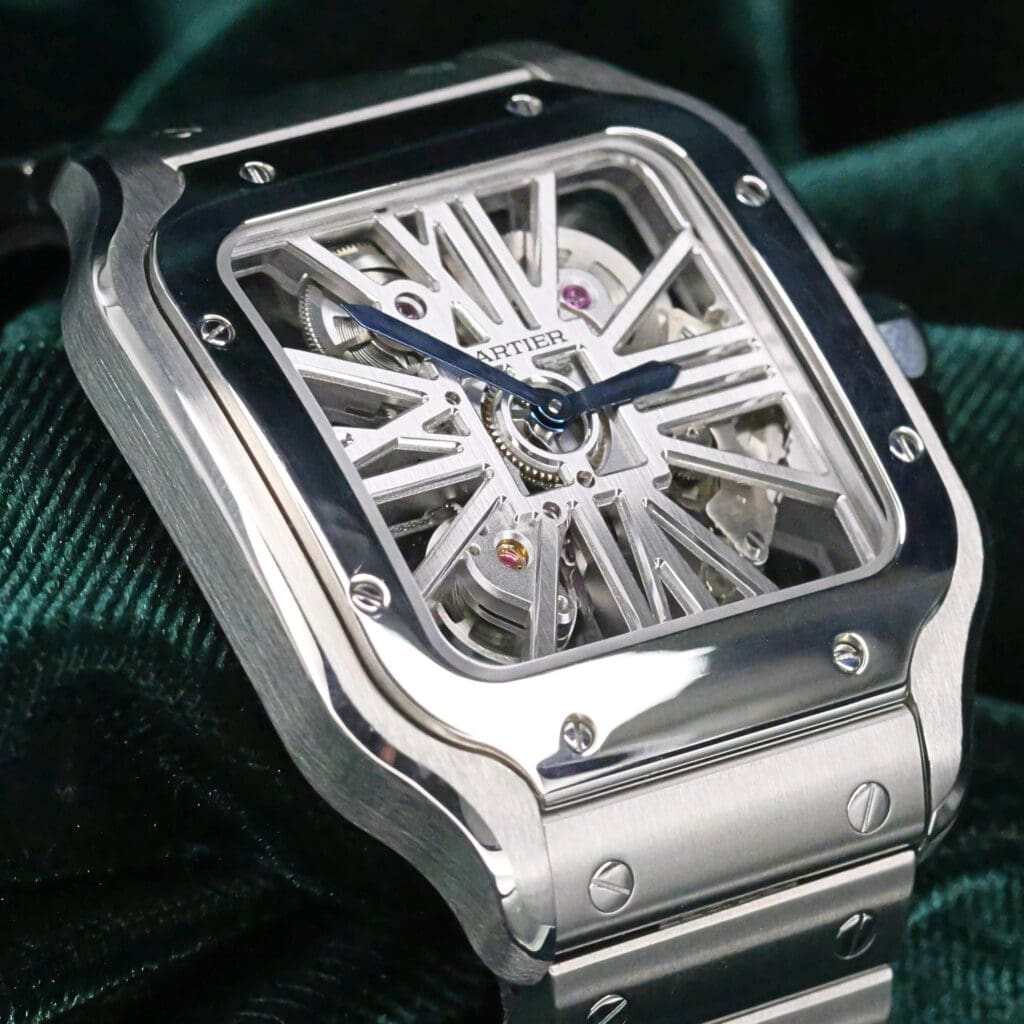


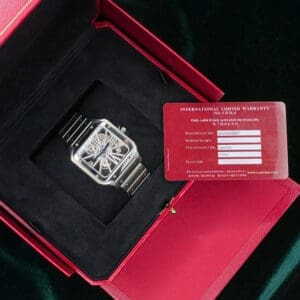
That history matters because the skeleton version doesn’t try to escape the original design. The Caliber 9611 MC uses its skeletonized bridges as the Roman numeral hour markers themselves, so the same dial that pays tribute to a 1904 pilot’s watch is now built from the movement’s bones.
Cartier first introduced this idea with the Santos 100 Skeleton and has refined it across the Santos and Santos-Dumont line ever since — the Santos vs Santos-Dumont breakdown covers the differences if you are deciding between the two. If your collection already has the Royal Oaks and Nautiluses, this is the piece that fills the dress-watch slot without being boring.
- Price: $17,050
- Movement: Caliber 9611 MC, manual-wind, 138 components, 20 jewels
- Architecture: Skeletonized bridges forming the Roman numeral hour markers
- Power reserve: 72 hours
- Frequency: 28,800 vph (4 Hz)
- Case: 39.8mm stainless steel, 9.08mm thick
- Crown: Seven-sided with faceted sapphire cabochon
- Bracelet: Steel with SmartLink resizing and QuickSwitch interchangeable system
- Water resistance: 100m
5. Hublot Big Bang Meca-10 Black Magic (414.CI.1123.RX)
The Hublot you buy when you want the brand’s most genuine mechanical statement, not its loudest one. When Hublot launched the Meca-10 in 2016, the watch press treated it as a deliberate showcase piece, a way for the brand to prove it could build a serious in-house caliber with an unusual technical hook.


The 10-day power reserve, split across two parallel mainspring barrels, was Hublot’s answer to brands like Panerai and IWC that had built reputations around long-power-reserve manual-wind movements. The visual identity is part Meccano construction set, part mechanical sculpture, with three separate power reserve indicators across the dial.
If you want a Hublot that earns its size with real engineering instead of relying on the brand’s reputation alone, this is the one.
- Price: $13,995
- Movement: Caliber HUB1201, manual-wind, in-house, 223 components, 24 jewels
- Architecture: Twin parallel mainspring barrels
- Power reserve: 10 days (240 hours), with three separate indicators
- Frequency: 21,600 vph (3 Hz)
- Case: 45mm microblasted black ceramic with H-shaped titanium screws
- Dial: Matte black skeleton with luminescent hands and markers
- Strap: Black structured rubber with quick-release system
- Water resistance: 100m
6. Hublot Big Bang Integrated Time Only Skeleton Ceramic (456.CX.0140.CX)
The Big Bang in its most refined modern form, and the closest Hublot has come to making a piece that competes with the Royal Oak and Nautilus on their own terms. When Hublot launched the original Big Bang in 2005, it was deliberately oversized, fused multiple materials in ways no traditional brand was willing to attempt, and helped redefine what a luxury sport watch could look like.


Where the Meca-10 above is Hublot’s mechanical showcase, this is Hublot when the brand decides to behave. The Integrated Time Only version is Hublot’s answer to the integrated-bracelet wave that took over the industry after Royal Oak and Nautilus prices went vertical.
The 40mm all-black ceramic case trades the sport-watch hugeness of older Big Bangs for something more wearable, and the skeleton dial keeps the brand’s mechanical-art DNA without the chronograph clutter. If you want a Hublot that pairs with a suit as easily as it pairs with a polo.
- Price: Price On Request (typically mid-five figures pre-owned)
- Movement: Hublot HUB1280 Unico automatic, in-house
- Power reserve: 72 hours
- Case: 40mm black ceramic with integrated ceramic bracelet
- Dial: Skeleton with applied hour markers
- Crystal: Sapphire with anti-reflective coating, sapphire caseback
- Water resistance: 100m
How to Tell If a Skeleton Watch Is Worth the Price
At this level, every piece looks impressive at first glance. The real value shows up in the details you do not immediately notice, and the difference between a well-finished skeleton and a decorative one is what determines whether the watch holds its value or quietly loses it in your collection.
This is the kind of inspection we run on every skeleton watch before it leaves our hands. Even if you are buying somewhere else, run through it.
| What To Check | Why It Matters |
|---|---|
| Can you identify the exact movement? | If the brand does not name the caliber, that is a clear warning sign. Transparent brands highlight the movement because it is a selling point, not something to hide. |
| Is it in-house or ébauche-based? | Neither is automatically better, but you should know what you are paying for. In-house often signals exclusivity, while ébauche-based movements can still be excellent if properly modified and finished. |
| Look at the bridges | Check if the edges are beveled and polished or if they look rough and machine-cut. Clean finishing is one of the clearest signs of real craftsmanship. |
| Check the rotor | A decorated, engraved, or skeletonized rotor shows attention to detail. A plain stamped rotor usually indicates cost-cutting. |
| Can you read the time at a glance? | Some skeleton designs sacrifice legibility. If you have to search for the hands, it becomes frustrating in daily use. |
| Is the caseback sapphire? | A well-finished movement is often displayed front and back. A closed caseback can hide a lack of finishing. |
| Does the dial design work on your wrist? | Fully open designs can expose wrist hair underneath, which affects the overall look. Watches with partial plates or structured layouts often wear cleaner. |
One practical detail almost nobody talks about is the wrist hair issue. A fully open skeleton dial with no plate underneath can look messy on a hairy wrist, especially in bright light. It is not something you notice in product photos, and at this level, it would be a frustrating surprise. Watches with partial movement plates behind the openworked dial wear cleaner. The Cartier Santos Skeleton above is a good example of this approach handled well.
Are Skeleton Watches Good for Everyday Wear?
Some are. Most are not ideal as a true grab-and-go daily watch, and at this price level, that question matters more, not less. You are not buying a beater. You are deciding whether this piece earns wrist time alongside the rest of your collection.
- Dust Exposure – Openworked designs allow more particles to enter over time. Service intervals matter more here, so plan for regular servicing every 3 to 5 years with regular wear, and use a manufacturer-authorized service for any piece on this list.
- Water Resistance – Most skeleton watches are rated between 30m and 50m. That is fine for rain and hand washing, but not for swimming or prolonged water exposure. The Cartier Santos Skeleton at 100m is the exception on this list.
- Shock Resistance – Skeletonized movements remove material from bridges and plates. They are not fragile, but they are less impact-resistant than solid movement designs. For an active daily piece, look elsewhere in your collection.
The skeleton on this list that handles daily wear best is the Cartier Santos Skeleton. The case is the thinnest, the water resistance is the highest, and the design genuinely works in any setting. If you want a skeleton that earns weekly wrist time without you babying it, that is the pick.
Where to Buy a Skeleton Watch You Can Actually Trust
Skeleton watches are harder to authenticate than closed-case watches, and at this price level, the cost of getting it wrong is significant. The movement is the entire selling point, which means a poorly finished or incorrectly serviced movement is impossible to hide once you actually own the piece. Where you source a pre-owned luxury watch matters on every category, but on skeletons it matters harder.
999+ Timepieces Available
Explore Our Timepieces
Authenticated, unworn, and ready to ship worldwide.
Rolex · Audemars Piguet · Patek Philippe · Omega · Cartier · Richard Mille · Hublot · Tudor
Newly Listed
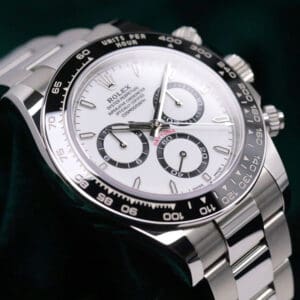
2026 Rolex Daytona Cosmograph "Panda" White Dial Black Ceramic Bezel Oyster Bracelet Stainless Steel 40mm MINT CONDITION COMPLETE SET 126500LN-0001
$38,145.00
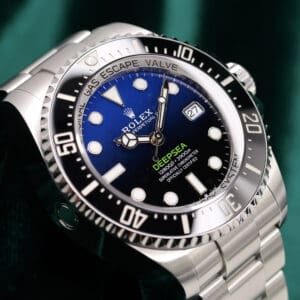
2025 Rolex Deepsea "James Cameron" Blue Dial Black Ceramic Bezel Oyster Bracelet Stainless Steel 44mm MINT CONDITION COMPLETE SET 136660
$15,863.00
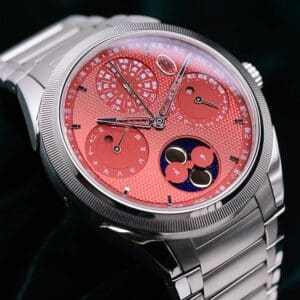
2025 Parmigiani Fleurier Tonda PF Xiali Chinese Calendar Red Dial Platinum Bezel Stainless Steel 42mm MINT CONDITION COMPLETE SET PFH982-1022401-100182
$63,524.00
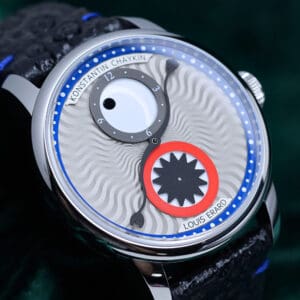
2025 Louis Erard Le Regulateur Time Eater III Silver Blue Dial Stainless Steel 42mm MINT CONDITION COMPLETE SET 85237AA90.BGA087
$7,469.00
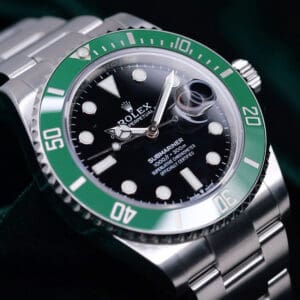
Rolex Submariner Date "Starbucks" Black Dial Green Ceramic Bezel Stainless Steel 41mm MINT CONDITION COMPLETE SET 126610LV-0002
$15,094.00
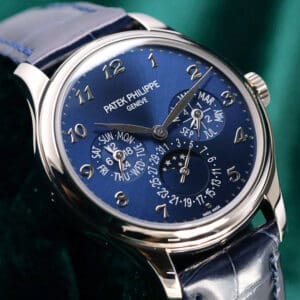
Patek Philippe Grand Complications Blue Dial Perpetual Calendar 18KT White Gold Blue Leather Strap 39mm MINT CONDITION COMPLETE SET 5327G-001
$75,460.00
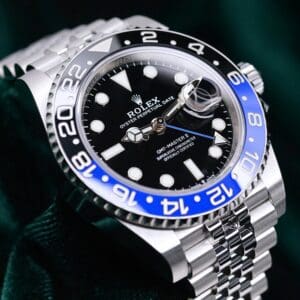
Rolex GMT-Master II "Batgirl" Black Dial Black Blue Ceramic Bezel Jubilee Bracelet Stainless Steel 40mm MINT CONDITION COMPLETE SET 126710BLNR
$19,419.00
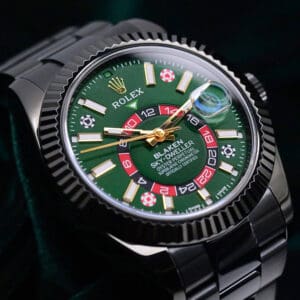
Rolex Sky-Dweller "Casino" Blaken Green Dial Black DLC Stainless Steel Oyster Bracelet 42mm MINT CONDITION COMPLETE SET 326934
$54,560.00
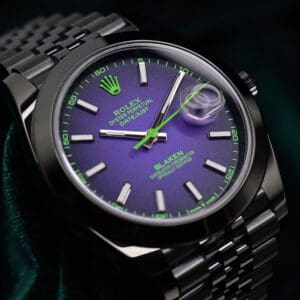
2025 Rolex Datejust "Joker" Blaken Purple Dial Green Accents Smooth Bezel Jubilee Bracelet Black DLC Stainless Steel 41mm MINT CONDITION COMPLETE SET 126300
$27,300.00
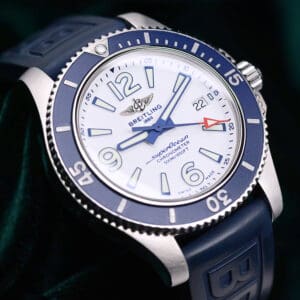
Breitling Superocean Automatic White Dial Blue Bezel Blue Rubber Strap 42mm MINT CONDITION COMPLETE SET A17366D81A1S2
$4,234.00
2026 Konstantin Chaykin Joker Classic White Dial Green Accents Black Alligator Strap Stainless Steel 40mm NEAR MINT CONDITION COMPLETE SET
$27,500.00
2026 NEW UNWORN Rolex GMT-Master II "Bruce Wayne" Black Dial Black Grey Ceramic Bezel Jubilee Bracelet Stainless Steel 40mm COMPLETE SET 126710GRNR-0003
$24,134.00
Buying from a dealer who can show you the watch working, through a tour video, condition notes, and a direct conversation, matters more on this category than on almost any other. If you are shortlisting any of the picks above, message us with the references you are considering. We will send tour videos showing the movement running, real condition notes from in-person inspection, and a straight answer on whether the market is moving on the reference. No pressure, no scripts, just a real conversation about which skeleton fits how you actually plan to wear it.
Browse Skeleton Watches in Majestix

Hublot Spirit of Big Bang Chronograph Skeletonized Dial 18K King Gold Case Alligator Strap 42mm MINT CONDITION COMPLETE SET 641.OX.0183.LR

Audemars Piguet Royal Oak Double Balance Wheel Openworked Slate Grey Skeletonized Dial Rose Gold 41mm MINT CONDITION COMPLETE SET 15407OR.OO.1220OR.01
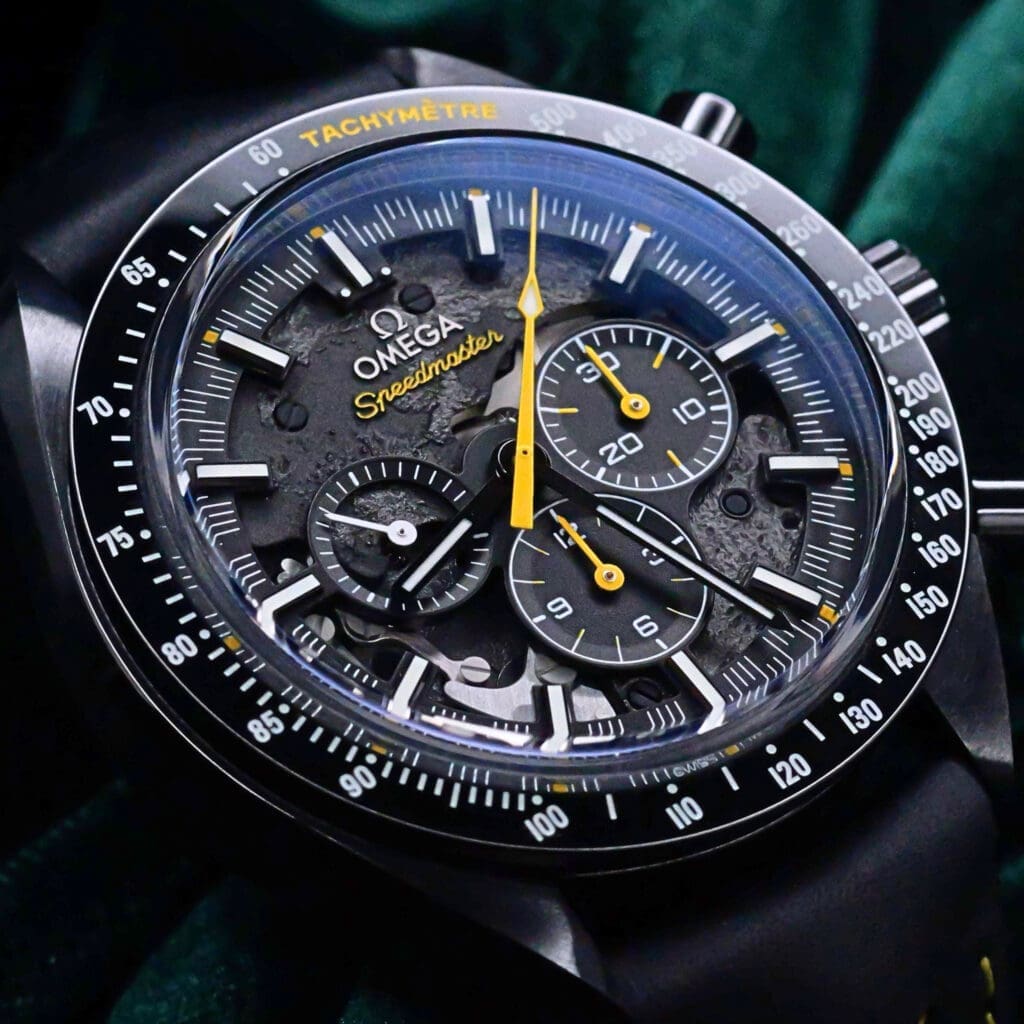
Omega Speedmaster Dark Side of the Moon Black Skeletonized Moon Dial Yellow Accents Black Leather Strap Ceramic 44.25mm MINT CONDITION COMPLETE SET 311.92.44.30.01.001
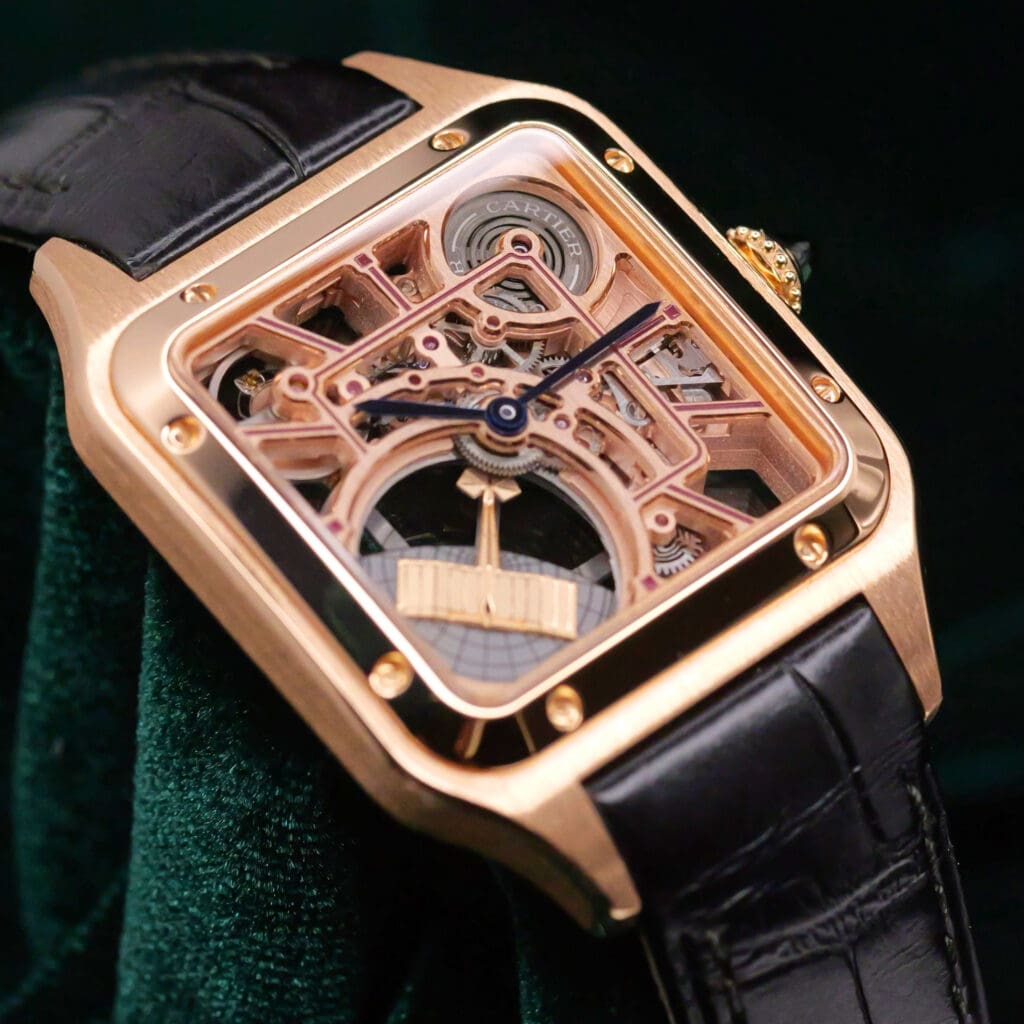
Cartier Santos-Dumont Micro-Rotor Skeleton Dial Black Alligator Strap 18k Rose Gold 43.5 x 31mm MINT CONDITION COMPLETE SET WHSA0030
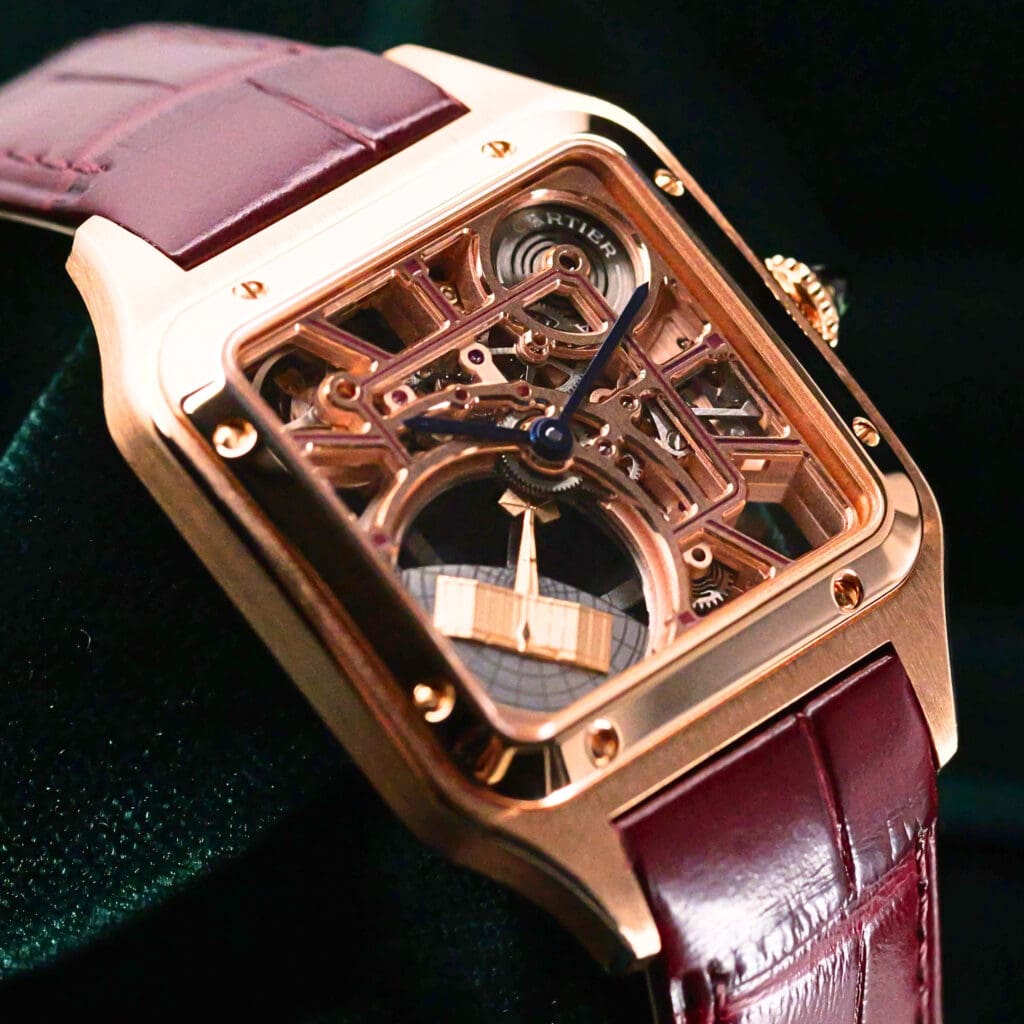
Cartier Santos-Dumont Micro-Rotor Skeleton Dial 18K Rose Gold Burgundy Alligator Strap 31mm MINT CONDITION COMPLETE SET WHSA0030
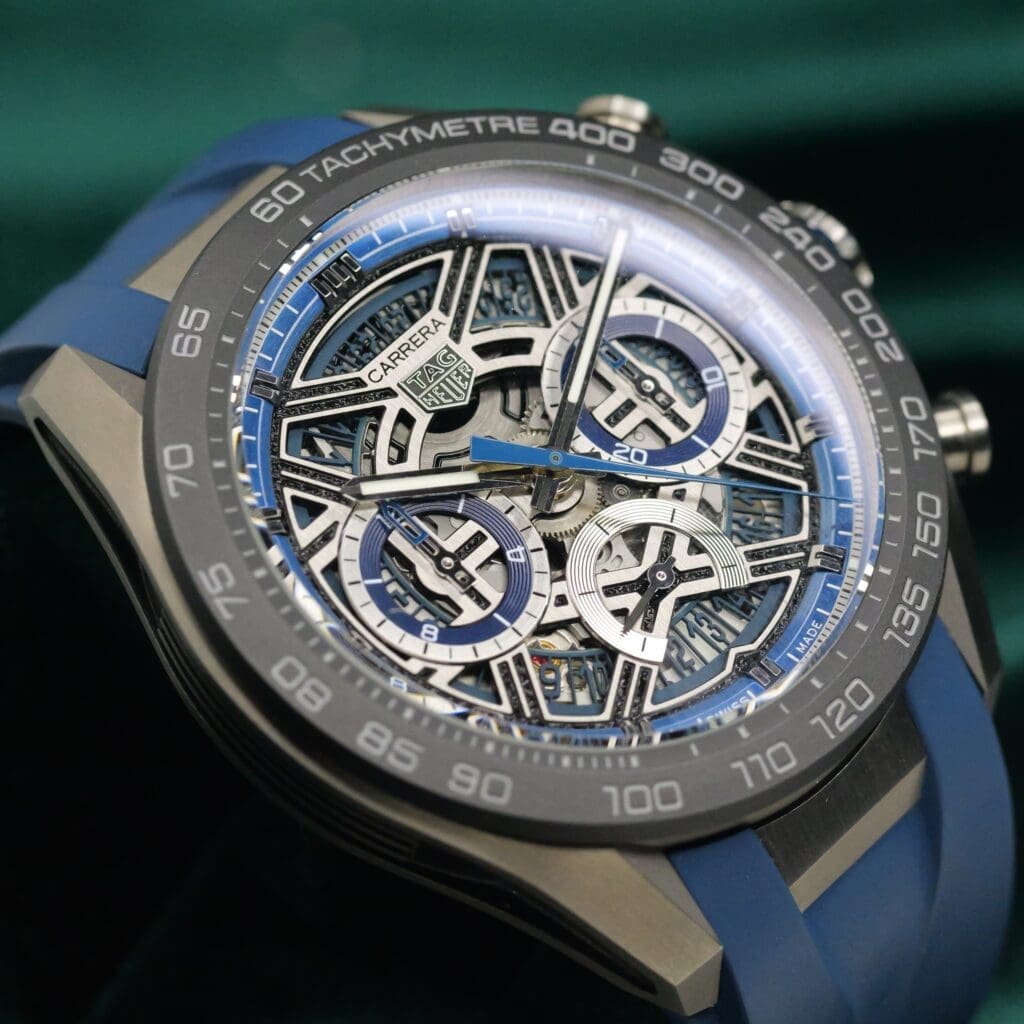
TAG Heuer Carrera Chronograph Extreme Sport Skeleton Black Dial Blue Rubber Strap Titanium 44mm MINT CONDITION COMPLETE SET CBU2081.FT6274
Final Takeaways on Skeleton Watches for Men
The right skeleton watch is the one that fills the slot your collection actually needs. If you already own a Royal Oak, the Double Balance Wheel Openworked is the piece that completes the family. If you are at the RM level, the 65-01 is the technical statement. The Roger Dubuis Huracán speaks to the supercar collector, the Cartier Santos Skeleton fills the dress slot, and the two Hublots cover the brand’s most mechanically honest pieces.
Two bonus tips before you commit. First, service intervals matter more on skeleton watches than on closed-case watches, so factor 3-to-5-year maintenance into your real cost of ownership. Second, always ask for high-resolution photos of the movement from both sides before buying. At this level, the seller should already have them. If they hesitate, walk away.