
Two watches. Same square case. Same century-old story. But the Cartier Santos vs Dumont comparison is not as simple as it looks on paper.
One is a sport-luxury daily watch with a steel bracelet, a mechanical movement, and 100m of water resistance. The other is an ultra-thin dress piece that, in its most accessible form, runs on quartz and sits flat under a shirt cuff.
If you are deciding between them, the technical differences are the place to start. This article walks you through every spec that changes the ownership experience, the key references from each family, what Cartier changed in 2026, and a clear guide to help you pick the right one.
Santos de Cartier: The Sport-Luxury Daily

In 1904, Louis Cartier made a wristwatch for his close friend, Brazilian aviator Alberto Santos-Dumont, who needed to check the time in flight without letting go of the controls. That watch, with its square case and exposed bezel screws, became one of the first purpose-built men’s wristwatches in history.
The modern Santos de Cartier was fully redesigned in 2018. That update brought the QuickSwitch strap system, the SmartLink tool-free bracelet, crown guards, and a cleaner sizing structure. Pre-2018 models lack all of that, so the generation matters when you shop.
The Santos de Cartier is a sport-luxury daily watch at heart. It handles formal occasions, weekend wear, and everything between. Being able to move from steel bracelet to leather strap in seconds makes it unusually adaptable for something at this price.
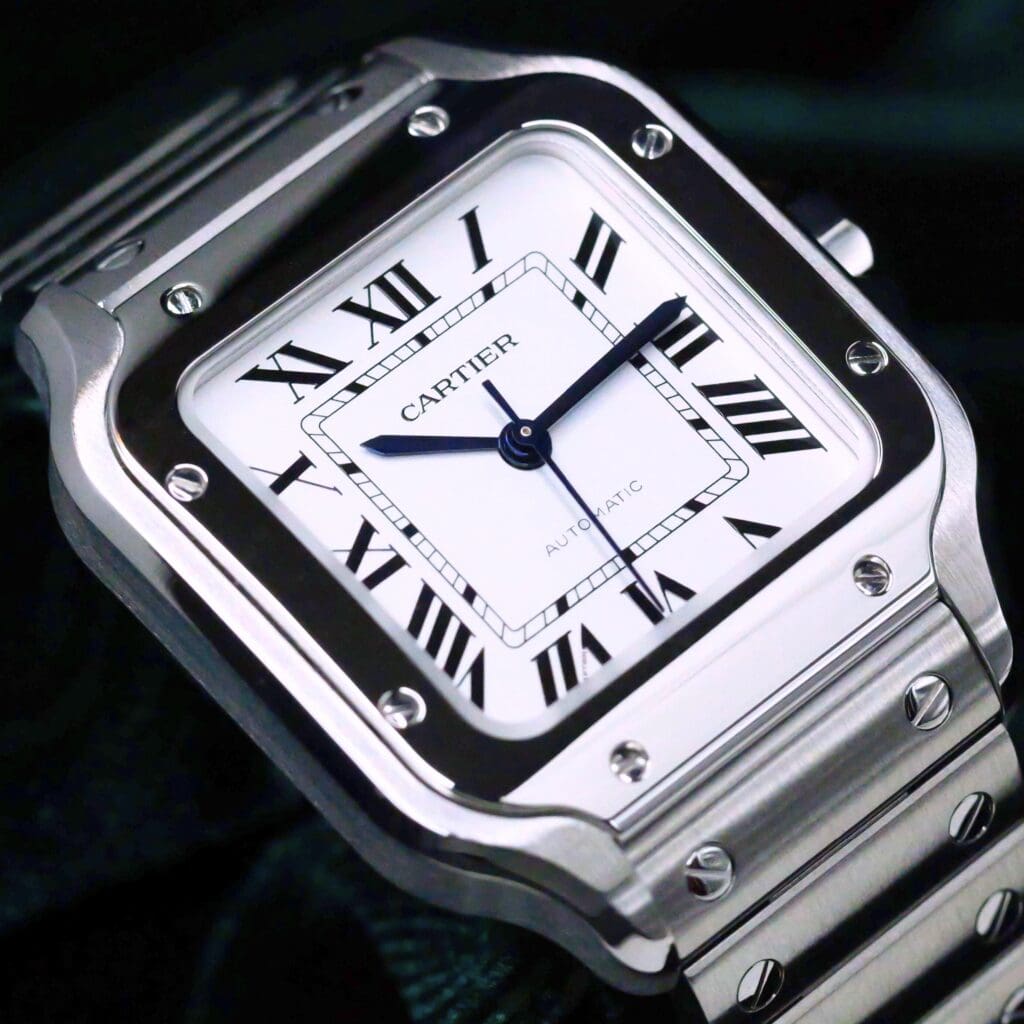


Notable References of the Santos de Cartier:
- WSSA0018 (Large, steel, white dial)
- WSSA0029 (Medium, steel, white dial)
- WSSA0030 (Large, steel, blue dial)
- WSSA0062 (Large, steel, green dial)
- WSSA0037 (Large, steel, grey ADLC bezel)
- W2SA0009 (Large, two-tone steel and 18k yellow gold)
Santos-Dumont: The Thin Dress Piece

The Santos-Dumont keeps the original 1904 proportions much more faithfully. Slim, flat, and leather-only for most of its life. Cartier built this line as the dress-watch reading of the Santos family, for people who care about thinness and formal elegance over daily versatility.
The steel models most buyers cross-shop run a high-autonomy quartz movement, which is the practical way to reach the Dumont’s 7.3mm case. But the line has always kept mechanical exceptions: the steel XL is hand-wound, and the skeleton pieces run a micro-rotor.
Then 2026 shifted things. At Watches and Wonders, Cartier introduced new Large-Model Santos-Dumont references on a flexible metal bracelet, powered by a hand-wound movement, the first time the modern Dumont has worn a metal bracelet. More on what that changes below.

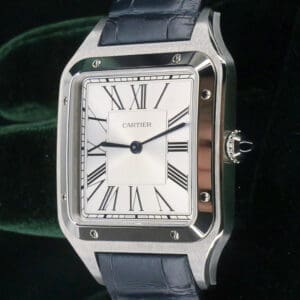
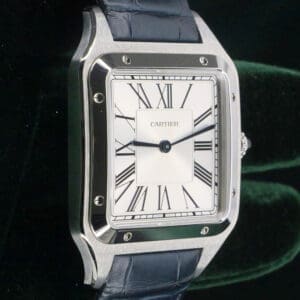
Notable references of the Santos-Dumont:
- WSSA0085 (Large, steel, quartz, silver dial)
- WSSA0046 (Large, steel, quartz, black lacquer dial)
- WSSA0032 (XL, steel, hand-wound mechanical)
Santos de Cartier vs Santos-Dumont: Most Notable Differences
Both watches share a square case, exposed bezel screws, blued-steel sword hands, and Roman numerals. The design language is unmistakably one family. Under that shared exterior, though, the specs pull in opposite directions across almost every category.
1. Movement
The Santos de Cartier runs Cartier’s in-house Caliber 1847 MC, an automatic mechanical movement with a 42-hour power reserve and 23 jewels. It winds through wrist motion, and some references add a display caseback.
The Santos-Dumont is more mixed than it used to be. The accessible steel models (WSSA0085, WSSA0046) use a high-autonomy quartz movement with roughly a 6-year battery. The steel XL (WSSA0032) is hand-wound mechanical, running Cartier’s Caliber 430 MC. And in 2026, that same manual-wind 430 MC went into the new precious-metal bracelet references.
So “Dumont means quartz” is no longer the full story. But for the steel watches most people are choosing between, quartz is still the default, and that’s the honest way to frame this decision.
2. Case Thickness
The Santos de Cartier measures 8.8 to 9.38mm thick across its size range. It sits on the wrist with real presence and does not clear a shirt cuff cleanly.
The Santos-Dumont measures 7.3mm on the large model. That roughly 2mm gap is easy to feel in wear. The Dumont lies flat against the wrist and slides under a cuff without resistance, which is the entire point of the design.
3. Water Resistance
The Santos de Cartier is rated to 100 meters (10 bar). Handwashing, rain, and casual splashes are not a concern. It’s a functional daily-wear rating.
The Santos-Dumont is rated to 30 meters (3 bar), splash-resistant only. Running tap water and submersion aren’t recommended, and the unguarded crown adds another weak point. For anyone planning to wear the Dumont every day, that’s a real constraint to sit with.
4. Bracelet and Strap
The Santos de Cartier ships with both a steel bracelet and a leather strap. The bracelet sizes with SmartLink (no tools), and the strap swaps via QuickSwitch in seconds. Two setups in one watch, out of the box.
For most of its life the Santos-Dumont was leather-only: alligator with an ardillon buckle, no quick-release. That changed at Watches and Wonders 2026, when Cartier added Large-Model references on a new flexible metal mesh bracelet of 394 links across 15 rows, drawn from its 1920s made-to-measure bracelets.
Here’s the catch. Those bracelet models are solid gold and platinum, so they land in a completely different price bracket. The steel Dumont you’re likely weighing is still leather-only. If you want to rotate between bracelet and strap on a steel budget, the Santos de Cartier is still the one that does it.
5. Crown Design
The Santos de Cartier has crown guards built into the case, shielding the seven-sided crown from knocks. The crown sits recessed and protected.
The Santos-Dumont has an exposed beaded crown with no guards. It’s faithful to the 1904 original, and it’s also the most vulnerable point on the watch. Worth knowing if you plan to wear the Dumont casually.
6. Dial
The Santos de Cartier dial carries a date window at 6 o’clock, Roman numerals, and lumed sword hands on current references. Colors run white, blue, green, and black across the main lineup.
The Santos-Dumont dial has no date window, and most references skip lume too. The satin-brushed silver sunray surface is clean and symmetrical. Low-light legibility suffers next to the de Cartier, but the dial reads sharper and more refined in the metal.
7. Case
The Santos de Cartier comes in Medium (35.1mm) and Large (39.8mm), plus a chronograph that Cartier refreshed in 2026 to the 39.8mm Large size. The older chronograph was a chunkier 43.3mm. Lug-to-lug is about 42mm on the medium and 47.5mm on the large.
The Santos-Dumont comes in Small, Large, and XL. The Large runs 31.4mm wide by 43.5mm tall; the XL stretches to 33.9mm by 46.6mm. The rectangular footprint reads differently than a square case at the same numbers, and both families wear larger than their width suggests, since a square covers more wrist than a round case.
Price and Market Demand

Cartier sets fixed US retail prices, and unlike Rolex there’s no waitlist game. You can usually buy new, at list, today, which makes retail numbers genuinely useful here and the choice between an authorized dealer and the grey market more about price than access.
The ranges below pair current retail with WatchCharts and Chrono24 secondary data as of 2026. One thing to keep in mind: Cartier applied a broad US price increase in May 2026, with most steel models up a few percent and precious metals climbing hardest.
Zoom out and Cartier sits in a comfortable spot on the pre-owned market. It doesn’t carry Rolex-style premiums, but it also holds value better than most Swiss brands. WatchCharts pegs Cartier’s average retention near 75% of retail, and the Santos index has climbed over the past year.
Santos de Cartier: Modern Daily Driver
Steel Santos de Cartier models retail from roughly $8,400 (medium) to $9,200 (large) after the 2026 increase. On the secondary market they trade around $6,000 to $7,500, depending on condition and set completeness. The medium WSSA0029 sits near $6,800.
Blue and green dials carry a premium. Expect roughly $6,500 to $8,200 pre-owned, consistently above the white-dial equivalent.
The ADLC reference (WSSA0037) is one of the firmer performers in the line, with steady demand keeping it around $7,000 to $8,500 pre-owned.
Two-tone is the outlier. Steel-and-gold runs about 55 to 65% over the steel price, so the W2SA0009 lands near $14,000 to $15,000 retail, then depreciates hardest, often trading $8,500 to $11,500 used.
That gap is the number to respect. Two-tone asks the most upfront and gives back the most on resale, so full-set condition matters more here than anywhere else in the lineup.
Liquidity across the steel range is strong. References move quickly, especially as a full set with box, papers, and the extra strap, and that completeness alone can swing resale by a few hundred dollars, so it pays to know what to check before you buy.
Santos-Dumont: Refined Minimalist
The Santos-Dumont is the cheaper way into the family. The steel quartz large (WSSA0085) retails around $5,100 to $5,250 and trades near $4,200 to $4,600 used, only about 10% below retail, which is unusually stable for a quartz watch, and it lands among the stronger luxury watches you can buy under $5,000.
The black lacquer version (WSSA0046) follows the same pattern, landing roughly $4,200 to $5,200 pre-owned. The manual-wind steel XL (WSSA0032) sits higher on the strength of its mechanical movement: about $7,800 retail and $6,000 to $7,800 used.
Skeleton and precious-metal Dumonts play in another tier entirely. Gold pieces on leather already trade from roughly $8,000 to $17,000, and the new 2026 gold-and-platinum bracelet models will sit above that once retail settles.
Here’s what surprises people: the steel Dumont isn’t the slow seller you’d expect. WatchCharts data shows the WSSA0085 changing hands in under a month on average, faster than most watches on the market.
The smaller point still stands. The overall Dumont buyer pool is narrower than the sportier de Cartier’s, and the higher-end pieces are genuinely niche. If broad resale matters to you, factor that in early.
Notable Santos de Cartier References

The Santos de Cartier covers a wide spread of sizes, finishes, and configurations. These five cover the references most buyers actually shortlist today, and our full Santos buying guide maps the rest of the lineup.
1. WSSA0018 — The Default Large
Large, all-steel, white dial, the classic starting point for the line. The 35mm medium has quietly overtaken it on the charts (more on that below), but the WSSA0018 is still the watch most people picture when they think “steel Santos,” and it holds a stable spot on the secondary market.
- Case size: 39.8mm wide, 47.5mm lug-to-lug, 9.38mm thick
- Material: Stainless steel
- Movement: Automatic, Caliber 1847 MC, 42-hour reserve
- Water resistance: 100m
- Includes: Steel bracelet (SmartLink) and leather strap (QuickSwitch)
- Typical secondary range: $6,000 to $7,500
2. WSSA0030 / WSSA0062 — Blue and Green Dials
The blue and green dials are where demand picks up. Both share the case and movement of the WSSA0018 but trade at a steady premium over the white-dial version, and the graduated green in particular has become a quiet favorite for how it shifts tone in the light.
- Case size: 39.8mm wide, 9.38mm thick
- Material: Stainless steel
- Movement: Automatic, Caliber 1847 MC
- Water resistance: 100m
- Typical secondary range: $6,500 to $8,200
3. WSSA0029 — The 35mm Medium
The medium suits wrists roughly under 17 to 17.5cm, one of our top picks for a smaller wrist. At 35.1mm wide and about 42mm lug-to-lug, it wears compact but balanced, with the same automatic movement and QuickSwitch system as the large. The only real difference is footprint, and it’s now the most popular Santos on WatchCharts, so plenty of buyers are landing here.
- Case size: 35.1mm wide, approx. 42mm lug-to-lug, approx. 8.8mm thick
- Material: Stainless steel
- Movement: Automatic, Caliber 1847 MC
- Water resistance: 100m
- Typical secondary range: $6,000 to $7,000
4. WSSA0037 — The ADLC Stealth Option
The ADLC coating turns the bezel and screws matte grey-black, pushing the Santos into stealth-sporty territory. It ships with a rubber strap alongside the usual options, and it’s one of the firmer-holding references in the line by WatchCharts data.
- Case size: 39.8mm wide, 9.38mm thick
- Material: Stainless steel with ADLC-coated bezel
- Movement: Automatic, Caliber 1847 MC
- Water resistance: 100m
- Typical secondary range: $7,000 to $8,500
5. W2SA0009 — Two-Tone Steel and Gold
Polished 18k yellow gold on the bezel screws, crown, and bracelet center links, set against brushed steel. It’s the dressiest steel-family Santos, and the one that depreciates hardest, so full-set condition carries more weight here than on any other reference.
- Case size: 39.8mm wide, 9.38mm thick
- Material: Steel and 18k yellow gold
- Movement: Automatic, Caliber 1847 MC
- Water resistance: 100m
- Typical secondary range: $8,500 to $11,500
Notable Santos-Dumont References

The Dumont lineup is smaller and more focused. These three cover the core configurations most buyers will meet.
1. WSSA0085 — The Entry Dumont
At 7.3mm thick, this is one of the slimmest steel dress watches Cartier makes. The satin-brushed silver sunray dial skips the date, keeping the face clean, and the navy alligator strap pairs with the steel case without shouting about it.
It’s the most accessible and available Dumont, and the one most first-timers try on. The quartz needs no attention for about six years, which suits a formal watch that isn’t worn daily, so whether quartz watches even need servicing rarely comes up. At Majestix Collection, this is the Dumont we point most new buyers toward.
- Case size: 31.4mm wide, 43.5mm tall, 7.3mm thick
- Material: Stainless steel
- Movement: High-autonomy quartz, approx. 6-year battery
- Water resistance: 30m
- Typical secondary range: $4,200 to $4,600
2. WSSA0046 — The Black Lacquer Dial
The black lacquer dial is what sets this one apart. Cartier lays a thin lacquer over the dial for a matte-dark surface with sharp contrast against the silver Roman numerals, and stops it short of the case edge, leaving a thin steel border that plays up the lines of the case.
It draws the most collector interest in the standard Dumont range. Same 7.3mm profile and quartz movement as the WSSA0085, completely different character. It sidesteps the usual silver-on-blue for something that reads genuinely distinct.
- Case size: 31.4mm wide, 43.5mm tall, 7.3mm thick
- Material: Stainless steel
- Movement: High-autonomy quartz, approx. 6-year battery
- Water resistance: 30m
- Typical secondary range: $4,200 to $5,200
3. WSSA0032 — The Manual-Wind XL
This is the mechanical steel Dumont, and the biggest departure in the range. It runs Cartier’s hand-wound Caliber 430 MC with about a 36-hour reserve, so you wind it by hand rather than living off a battery. The case grows to 33.9mm by 46.6mm and 7.5mm thick, a bolder footprint that wears more like a modern watch while keeping the Dumont’s flat profile.
It’s the pick for someone who wants the Dumont’s thinness but can’t stomach quartz. The mechanical movement is also why it costs more than the steel quartz models and holds its price accordingly.
- Case size: 33.9mm wide, 46.6mm tall, 7.5mm thick
- Material: Stainless steel
- Movement: Manual-wind mechanical, Caliber 430 MC, approx. 36-hour reserve
- Water resistance: 30m
- Typical secondary range: $6,000 to $7,800
Which Santos Should You Choose?
The specs point clearly in two directions, and most buyers land in one camp fast once they know what to look for.
Choose the Santos de Cartier if:
- You want one watch that works across dress codes every day
- A mechanical automatic movement matters to you
- You’d actually use the bracelet-to-strap swap
- Water resistance is a real part of your daily life
- You want size options to match your wrist properly
- Low-light legibility matters
- Formal dress isn’t your main setting
Choose the Santos-Dumont if:
- Suits and formal dress are your default most days
- A slim profile that clears a cuff is a priority
- Quartz doesn’t bother you (or you’ll step up to the manual-wind XL)
- Leather-only wear fits your style
- You want the Santos closest to the original 1904 design
- Low-maintenance ownership appeals to you
The tie-breaker: if this watch is going on your wrist every day across varied settings, the Santos de Cartier is the more practical pick. If formal dress is your main environment and thinness beats mechanical depth for you, the Dumont makes more sense.
Related Models from Majestix
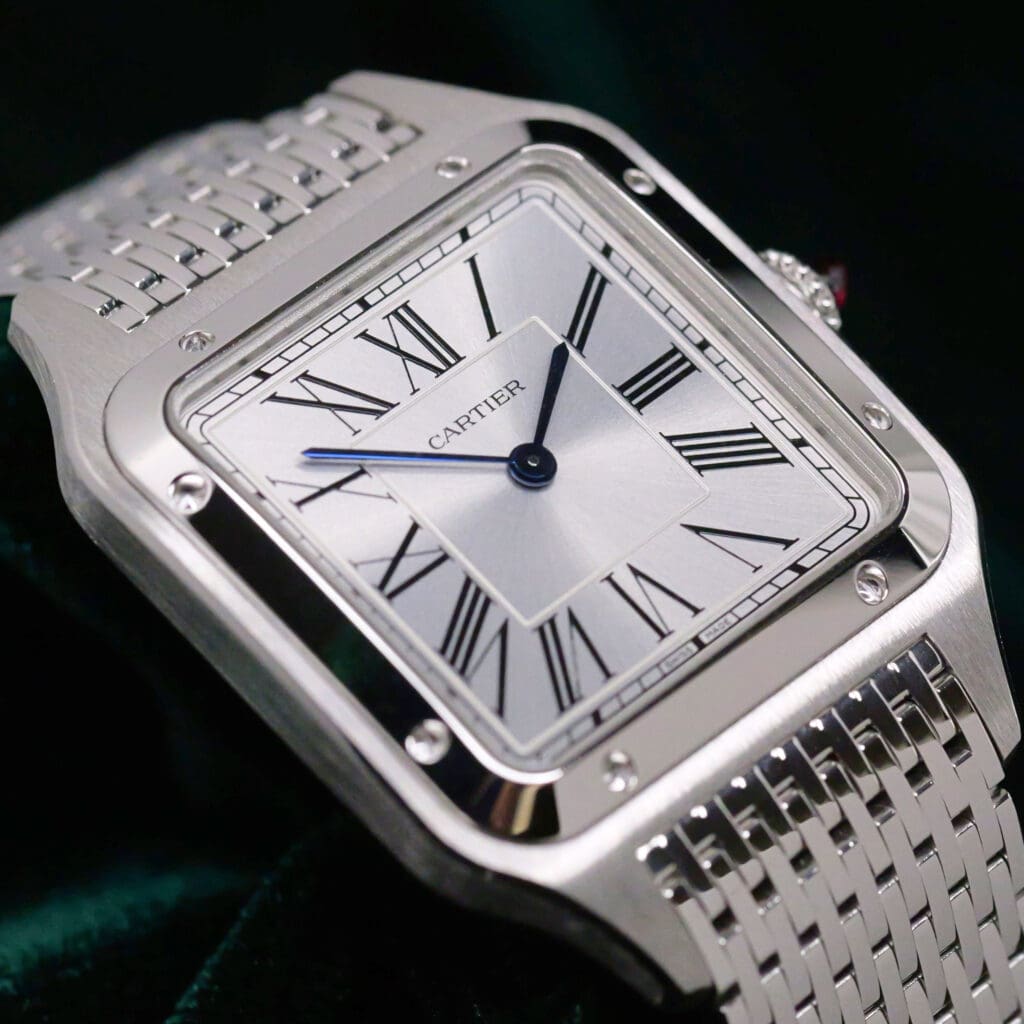
2026 NEW UNWORN Cartier Santos-Dumont Silver Dial Platinum Mesh Bracelet Platinum 31mm COMPLETE SET WGSA0124
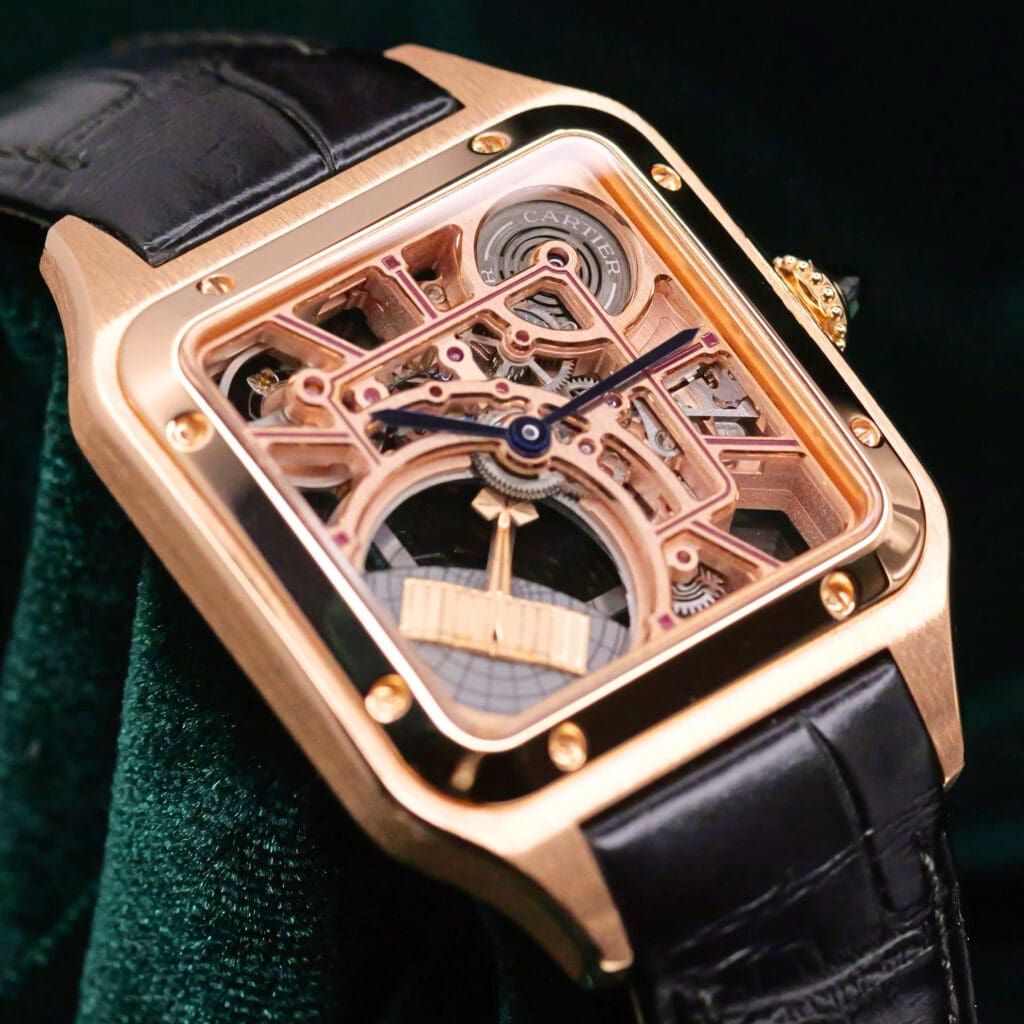
Cartier Santos-Dumont Micro-Rotor Skeleton Dial Black Alligator Strap 18k Rose Gold 43.5 x 31mm MINT CONDITION COMPLETE SET WHSA0030

Cartier Santos-Dumont Micro-Rotor Skeleton Dial 18K Rose Gold Burgundy Alligator Strap 31mm MINT CONDITION COMPLETE SET WHSA0030
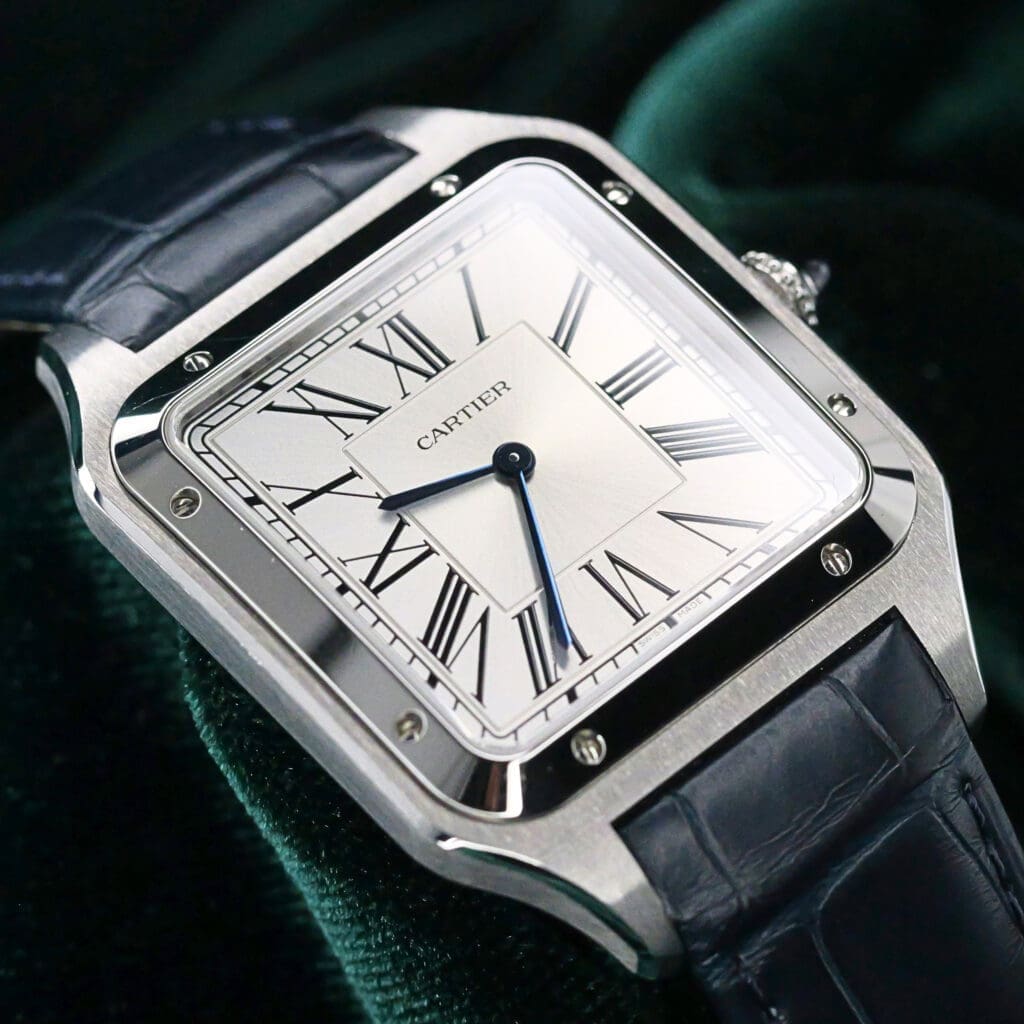
Cartier Santos Dumont XL Silver Dial Blue Alligator Leather Strap Stainless Steel MINT CONDITION COMPLETE SET WSSA0032
Where to Buy Authentic Watches Online
There are a few solid channels for buying a Santos de Cartier or Santos-Dumont without getting burned. Chrono24 is the largest marketplace, and its escrow and buyer protection hold your money until the watch checks out. If it’s new to you, how to buy on Chrono24 is worth a read first.
eBay’s Authenticity Guarantee has a third party inspect eligible watches before they reach you. Grailzee runs enthusiast-focused watch auctions if you’d rather bid than buy outright.
We also buy, sell, and trade luxury watches, and what clients tell us they value is the part a listing can’t give you. Before you commit, we walk you through the exact piece: a full tour video of the actual watch, honest condition notes, and a real person who has had it in hand to answer your questions.
That shows up in our 4.9-star Google rating. If you want that kind of walkthrough on a specific Santos, whether steel or gold, de Cartier or Dumont, reach out and we’ll line up options that match what you’re after. You’re also welcome to browse our current collection first.
Final Thoughts on Cartier Santos vs Dumont
Strip away the specs and this comes down to how you like to wear a watch. The Santos de Cartier wants to be lived in: office, weekend, strap or bracelet, worn without a second thought. The Santos-Dumont wants to be noticed quietly, under a cuff, on the days you’ve dressed with intent. Neither is the safer choice; they simply age into different roles on the wrist.
If you can, try both on in one sitting before you decide. That 2mm thickness gap and the square-versus-rectangular footprint read completely differently in the metal than they do on a spec sheet, and it’s usually the wrist, not the numbers, that ends up making the call. If you’re weighing Cartier more broadly, our Cartier buying guide covers the rest of the range.
999+ Timepieces Available
Explore Our Timepieces
Authenticated, unworn, and ready to ship worldwide.
Rolex · Audemars Piguet · Patek Philippe · Omega · Cartier · Richard Mille · Hublot · Tudor
Newly Listed

Vacheron Constantin Overseas Chronograph "Reverse Panda" Black Dial Silver Subdials Stainless Steel 42.5mm MINT CONDITION COMPLETE SET 5500V/110A-B481
$34,095.00

Rolex Sky-Dweller Black Dial 18K White Gold Fluted Bezel Oyster Bracelet Stainless Steel 42mm MINT CONDITION COMPLETE SET 336934-0007
$21,945.00

2026 Rolex Datejust Green Ombre Dial Smooth Bezel Jubilee Bracelet Stainless Steel 41mm MINT CONDITION COMPLETE SET 126300
$16,480.00

2026 NEW UNWORN Cartier Santos-Dumont Silver Dial Platinum Mesh Bracelet Platinum 31mm COMPLETE SET WGSA0124
$64,790.00

2026 Tudor Black Bay 58 Black Dial Jubilee Bracelet Stainless Steel 39mm MINT CONDITION COMPLETE SET 7939A1A0NU
$5,717.00

NEW UNWORN Rolex Submariner Date “Sub Date” Black Dial Black Ceramic Bezel Oyster Bracelet Stainless Steel 41mm COMPLETE SET 126610LN
$15,595.00
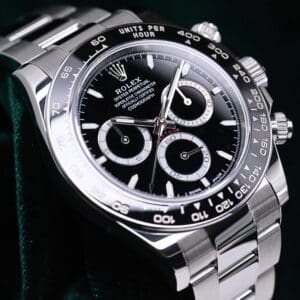
Rolex Cosmograph Daytona "Reverse Panda" Black Dial Black Ceramic Bezel Oyster Bracelet Stainless Steel 40mm MINT CONDITION COMPLETE SET 126500LN
$32,009.00
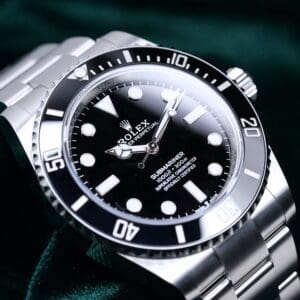
2026 NEW UNWORN Rolex Submariner No Date Black Dial Black Ceramic Bezel Oyster Bracelet Stainless Steel 41mm COMPLETE SET 124060
$15,219.00
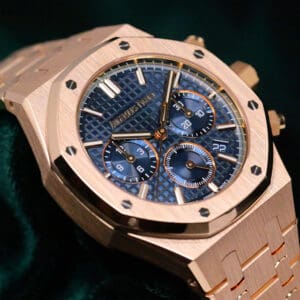
Audemars Piguet Royal Oak Selfwinding Chronograph Bleu Nuit Nuage 50 Blue Dial Bracelet 18k Rose Gold 38mm MINT CONDITION COMPLETE SET 26715OR.OO.1356OR.01
$104,942.00
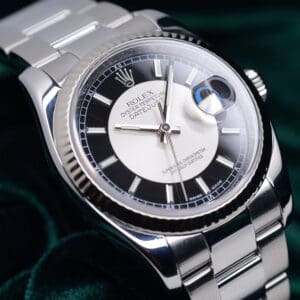
Rolex Datejust “Tuxedo” Black and Silver Dial 18K White Gold Fluted Bezel Stainless Steel Oyster 36mm MINT CONDITION COMPLETE SET 116234
$10,671.00
Vacheron Constantin Overseas Dual Time Silver Dial Brown Leather Strap 18K Rose Gold 41mm MINT CONDITION COMPLETE SET 7900V/000R-B336
$41,894.00
Rolex Sea-Dweller Deepsea James Cameron D-Blue Dial Black Ceramic Bezel Oyster Bracelet Stainless Steel 44mm MINT CONDITION 116660-0003
$14,272.00