Shopping for a TAG Heuer Formula 1 in 2026 is not what it used to be. There are now three very different versions on the market, and the wrong pick can cost you a thousand dollars or more.
The collection got a major reset in 2025. Prices went up, old favorites disappeared, and new models landed that changed what a Formula 1 even is in the lineup.
This TAG Heuer Formula 1 buying guide walks you through the three eras, what each one costs, and which version is the right pick for your budget. Read this before you hand over any money.
How the 2025 Relaunch Changed the Formula 1
The 2025 relaunch split the Formula 1 into two very different markets. Pre-owned pieces from 1986 to 2024 now sit at one price tier. The new 2025 releases sit at a much higher one.
The original 1986 Formula 1 retailed for about $125. Adjusted for inflation, that is roughly $425 today. The new 2025 Solargraph sits at $1,850 for the rubber strap and $1,950 for the steel bracelet. The new automatic Chronograph starts at CHF 4,600, or about $5,030 in titanium.
That is a serious price shift. Formula 1 used to be the cheap way into Swiss watchmaking. Now it costs the same as a Tudor, a Longines Spirit, or an Oris.
What does this mean for you as a buyer? Three things change how you should shop now.
- Pre-owned is the best value for most people in 2026.
- Vintage 80s and 90s pieces are more popular now because of the 2025 hype.
- The new retail lineup has to compete with much stronger rivals at the same price.
How to Choose the Right Formula 1 for You
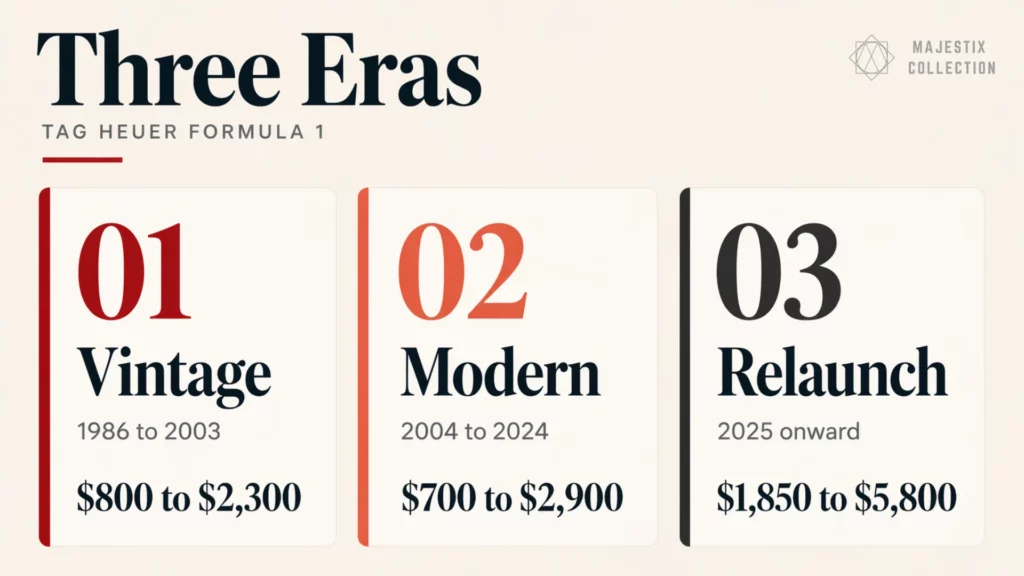
The Formula 1 is easier to shop for once you break it into three eras. Each one has its own price range, movement tech, and type of buyer.
Look at the eras first and figure out which one fits you before picking a specific reference.
1. Vintage TAG Heuer Formula 1 (1986 to 2003): What to Know
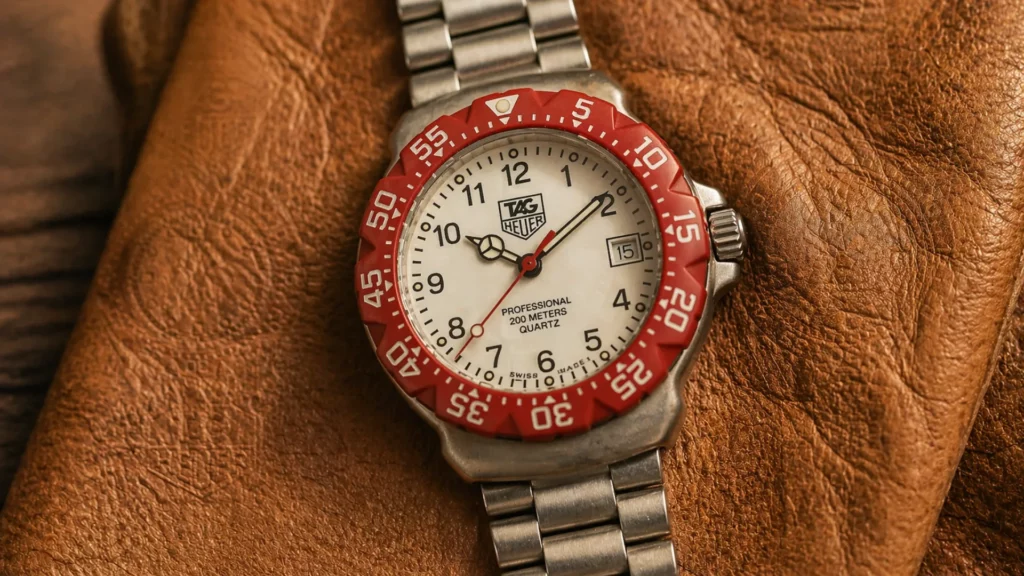
The vintage Formula 1 is the original 1986 design. It is a small, colorful, steel-and-fiberglass quartz watch priced between $800 and $2,300 on the secondary market today. Buy this one for the looks, not to wear every day.
The first Formula 1 launched in 1986, the year after Techniques d’Avant Garde bought Heuer. Designer Eddy Burgener built it with a stainless steel core wrapped in colorful fiberglass. He borrowed heavily from the Swatch look of the era. The result was fun, cheap, and loud. It is the watch that put TAG Heuer on the map as a brand.
These vintage pieces are small by modern standards. Most sit between 34mm and 35mm wide with an 18mm lug width. Movements are Swiss quartz, usually an ETA 955.412 or a Ronda caliber. Water resistance is a solid 200 meters, which is safe for swimming and light diving.
Below is what the vintage market looks like right now. These are secondary-market ranges, not retail.
| Reference | Case Size | Movement | Market Range |
| 380.513/1 | 35mm | ETA Quartz | ~$2,300 |
| 375.513 / WA1214 | 35mm | ETA 955.412 | ~$800 to $1,200 |
| WA1211 | 35mm | ETA Quartz | ~$1,000 |
| WA1218 | 35mm | ETA Quartz | ~$1,200 |
There are downsides. Plastic bezels crack and fade over time. Original lume is dead on almost every piece. Service parts are getting harder to find.
The bracelets are thin pressed steel with flip-lock clasps that feel dated next to any modern watch. You will notice the difference the first time you put one on.
What you get in return is real 80s and 90s design, a charming small-wrist fit, and a direct piece of TAG Heuer history from the quartz-crisis era.
Who it is for: buyers who love small watches, vintage character, and design history. Not the right pick if you want a daily-wear tool watch.
2. Modern TAG Heuer Formula 1 (2004 to 2024): The Pre-Owned Sweet Spot
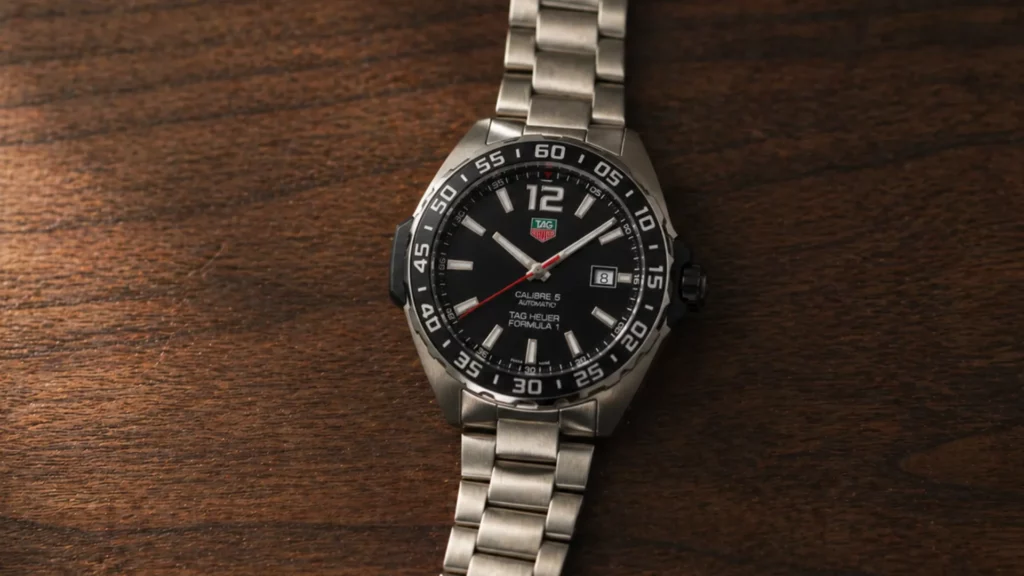
The modern Formula 1 runs from 2004 to 2024 and sells at 40 to 50 percent off retail on the secondary market. It has a full stainless steel case, sapphire crystal, and a real Swiss automatic in most models. This is where most of our buyers land.
The movements are basic Swiss quartz or proper Swiss automatics. Any decent watchmaker can fix them.
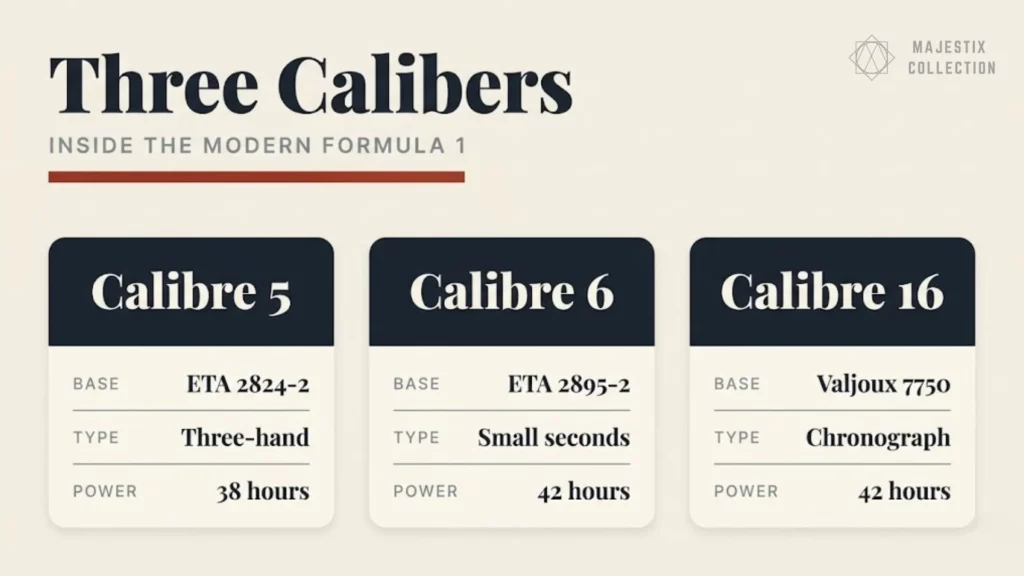
- Calibre 5 is a modified ETA 2824-2. A simple three-hander with date. Runs at 4Hz, or 28,800 vibrations per hour, which is the standard speed for a smooth-sweeping second hand. 38-hour power reserve.
- Calibre 6 is a modified ETA 2895-2. Adds a small seconds sub-dial at 6 o’clock. Same 4Hz beat rate.
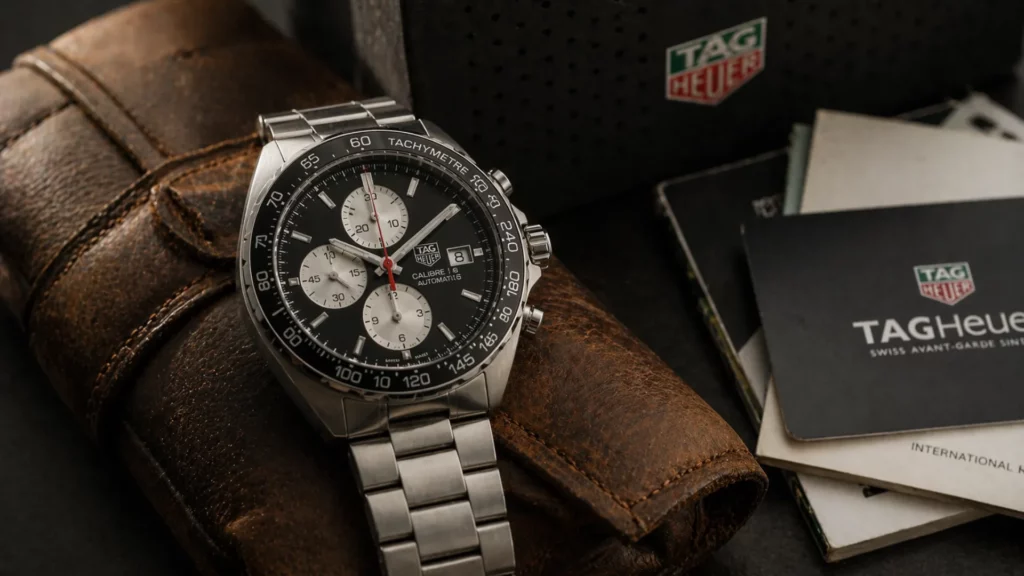
- Calibre 16 is based on the Valjoux 7750 or the Sellita SW500 (they are near-identical movements). Automatic chronograph, 4Hz, 42-hour power reserve, cam-actuated chronograph switching.
Below are realistic secondary-market prices for clean examples.
| Reference | Case Size | Movement | Market Range |
| WAZ1110 (quartz 3-hand) | 41mm | Swiss Quartz | ~$700 to $1,100 |
| WAZ101A (orange dial) | 43mm | Swiss Quartz | ~$1,000 to $1,600 |
| WAZ2011 | 43mm | Calibre 5 (ETA 2824-2) | ~$1,400 to $2,000 |
| CAZ1014 (chrono) | 43mm | Calibre 16 | ~$1,800 to $2,600 |
| CAZ101AL (Red Bull Quartz) | 43mm | Quartz Chrono | ~$1,200 to $1,800 |
| CAZ2012 Titanium | 44mm | Calibre 16 | ~$2,600 to $2,900 |
The bracelet and clasp quality lag behind the Aquaracer line. The 44mm chronographs wear big on wrists under 7 inches (about 178mm). Older references have bracelets with hollow end links, which are the cheaper, lighter links where the bracelet meets the case.
Who it is for: first-time luxury buyers with $1,500 to $2,500, daily-wear enthusiasts, and anyone who wants a real Swiss automatic without paying Tudor or Omega prices.
3. The 2025 Relaunch: What’s New and Is It Worth It?

The 2025 relaunch is a full seventh-generation refresh of the Formula 1. It includes nine Solargraph models starting at $1,850 and five automatic Chronographs starting at CHF 4,600 (about $5,030). Case sizes are 38mm for the Solargraph and 44mm for the Chronograph.
Here is what you are looking at.
| Model | Case Size | Movement | Retail Price |
| Solargraph (rubber strap) | 38mm | Calibre TH50-00 solar quartz | $1,850 |
| Solargraph (steel bracelet) | 38mm | Calibre TH50-00 | $1,950 |
| Automatic Chronograph (titanium) | 44mm | Calibre 16 (Sellita SW500) | CHF 4,600 (~$5,030) |
| Automatic Chronograph (DLC titanium) | 44mm | Calibre 16 | CHF 4,800 (~$5,250) |
| Chronograph x Oracle Red Bull Racing | 44mm | Calibre 16 | CHF 5,300 (~$5,800) |
The Solargraph is the more interesting release. It runs the Calibre TH50-00, a solar-powered quartz movement built on a La Joux-Perret base, and holds 10 months of power reserve on a full charge. The case is 38mm wide and 9.9mm thick with 100m water resistance, which is safe for swimming but not deep diving.
Is it worth $1,850? For the design, heritage, and new F1 branding, yes. For pure movement and finishing, you can do better at the same price. We cover those rivals below.
The new automatic Chronograph is harder to justify. It uses the same Calibre 16 as the previous generation (Sellita SW500 or Valjoux 7750 base), but costs nearly $1,000 more. That is a pricing move, not a tech leap.
Who it is for: retail-new buyers who want warranty coverage and the 2025 F1 branding. Red Bull fans with $5,800 to spend. Design-first buyers who want the Solargraph look.
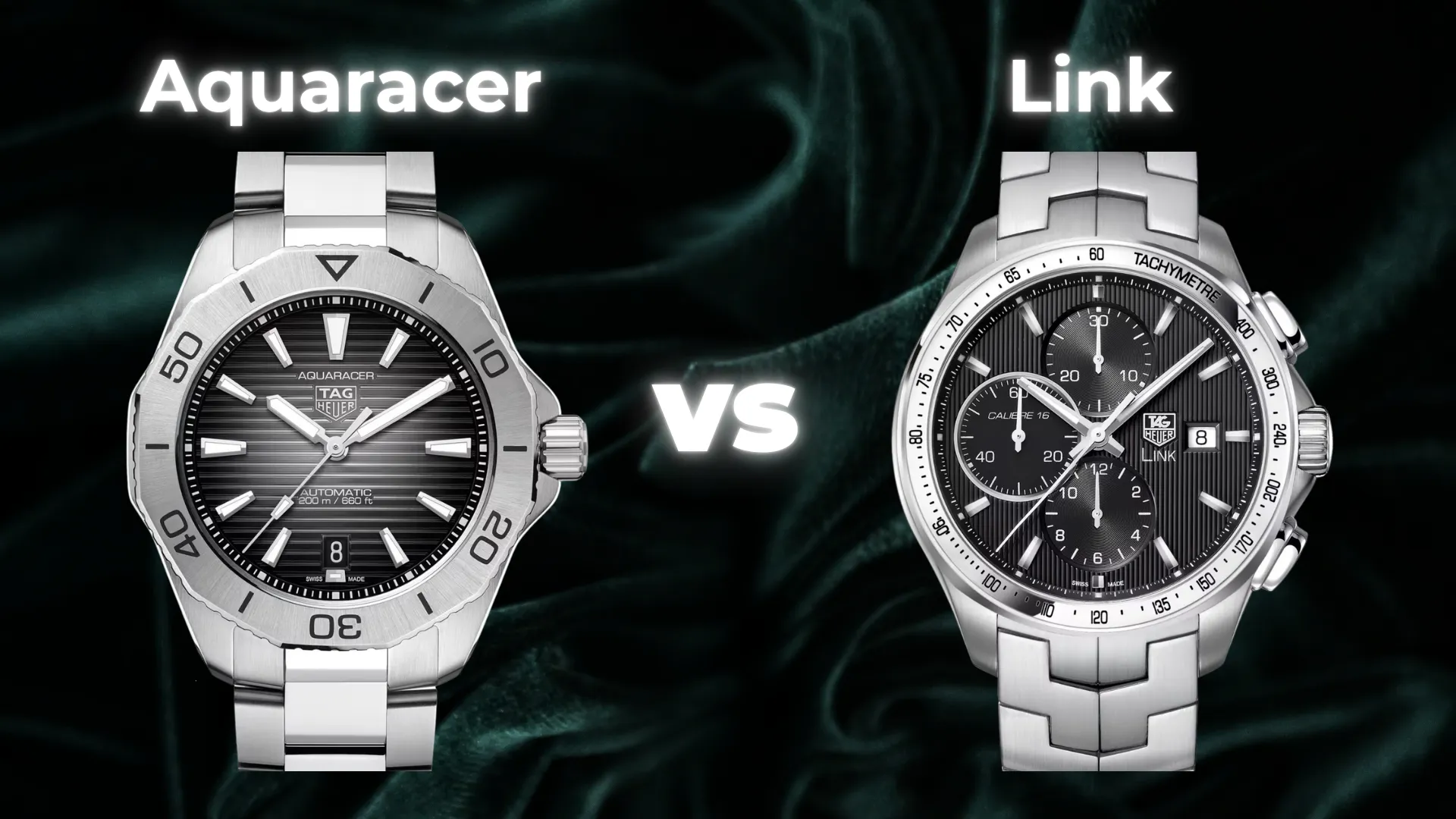
Formula 1 vs Aquaracer vs Carrera: Which TAG Heuer Is Better Built?
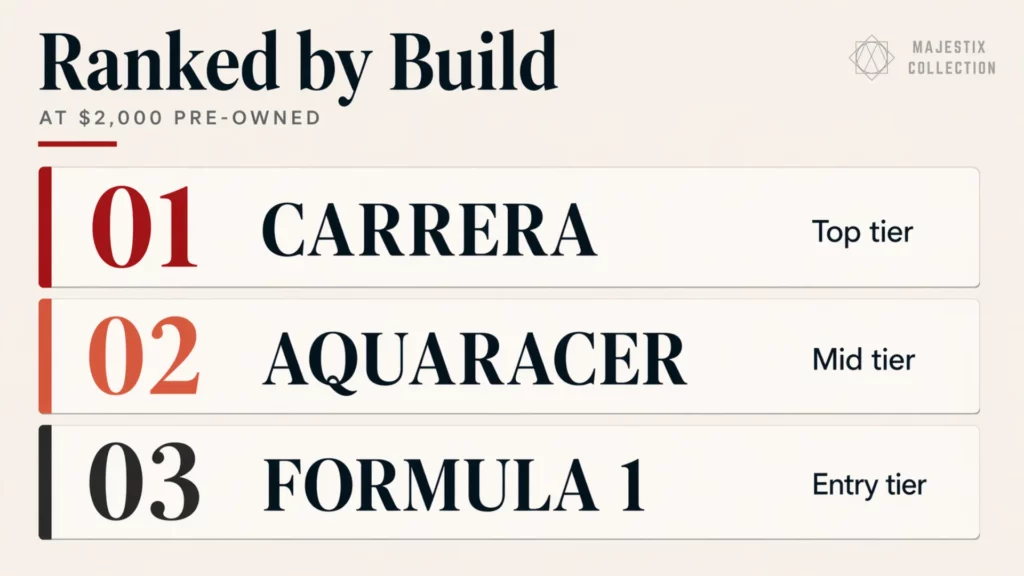
The Aquaracer is the better built watch at the same pre-owned price point. The Carrera sits above both in finishing and movement quality. Formula 1 is the entry tier of the three.
Formula 1 cases have simpler finishing and were historically outsourced, while Carrera cases are made in-house. The bracelet on a Formula 1 is also thinner with less refined link construction.
The Aquaracer sits between the two. Better bracelet, better clasp, and 300m water resistance on most models (vs 200m on most Formula 1 references). At the same $2,000 price point pre-owned, an Aquaracer gives you more watch for the money.
So why buy a Formula 1? Three reasons.
- Unique design. The dodecagonal bezel, Mercedes hour hand, and F1 racing DNA do not appear on any other TAG line.
- Motorsport history. If you grew up watching Senna, Prost, or Alonso, Formula 1 is the watch that matches the memory.
- Entry price. A pre-owned Formula 1 is still TAG’s cheapest real Swiss automatic.
Which Rivals to Cross-Shop Against Formula 1?
The real competition depends on your price tier. We broke this down at the two most common buyer budgets below.
1. Pre-Owned Calibre 5 or New Solargraph (At $1,500 to $2,000)
At this tier, four watches beat the Formula 1 on build quality but lost on racing character.
- Longines HydroConquest (automatic, 300m water resistance, ETA base): better bracelet, stronger water resistance, less personality.
- Tudor Royal (Sellita-base automatic): stronger build, quieter design, better resale.
- Grand Seiko SBGV (9F quartz): best-in-class quartz accuracy, zero racing vibe.
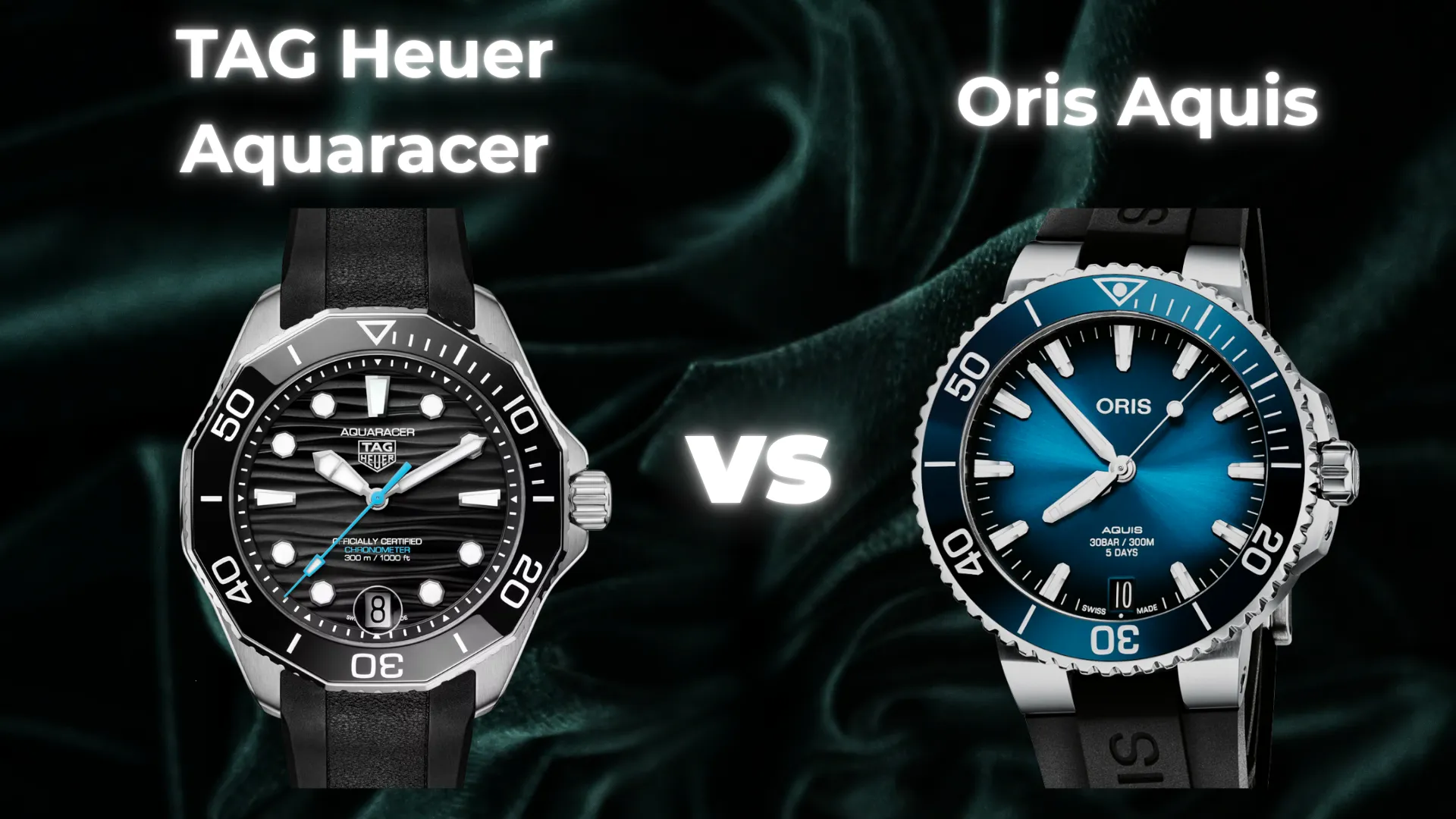
- Oris Aquis Date (in-house Calibre 400): bigger movement, stronger finishing, no motorsport tie.
2. New Automatic Chronograph (At $4,500 to $5,800)
At this tier, every rival below gives you a better movement or stronger long-term value.
- Tudor Black Bay Chrono (in-house MT5813): better movement, stronger resale, COSC certified.
- Longines Spirit Zulu Time: GMT complication, silicon hairspring, better value for the money.
- Oris Aquis Calibre 400: 5-day power reserve, 10-year warranty, in-house movement.
- Omega Seamaster Aqua Terra (entry tier): better case finishing, chronometer certification.
If you care most about movement and build, Formula 1 is rarely the sharpest pick at new retail. If you care most about the look and the F1 story, it is the right buy.
How Well the Formula 1 Holds Its Value
TAG Heuer depreciation is real, and ignoring it is how people lose money on this brand.
Vintage fiberglass pieces from 1986 to 1999 are holding steady at $1,000 to $2,300. Buyers are paying a little more for clean examples since the 2025 relaunch brought nostalgia back. Rare variants like the Monza and original McLaren colorways are selling for more than they did a year ago.
Modern pieces from 2004 to 2024 sell at 40 to 50 percent off retail within 2 to 3 years. WAZ and CAZ references in excellent condition with box and papers move fastest. Older references without papers discount harder.
The 2025 Solargraph and new Chronograph are too new to call. The high starting price may slow depreciation, but sponsorship editions like the Oracle Red Bull pieces usually drop in value after a season or two.
Here is our resale ranking across the three eras.
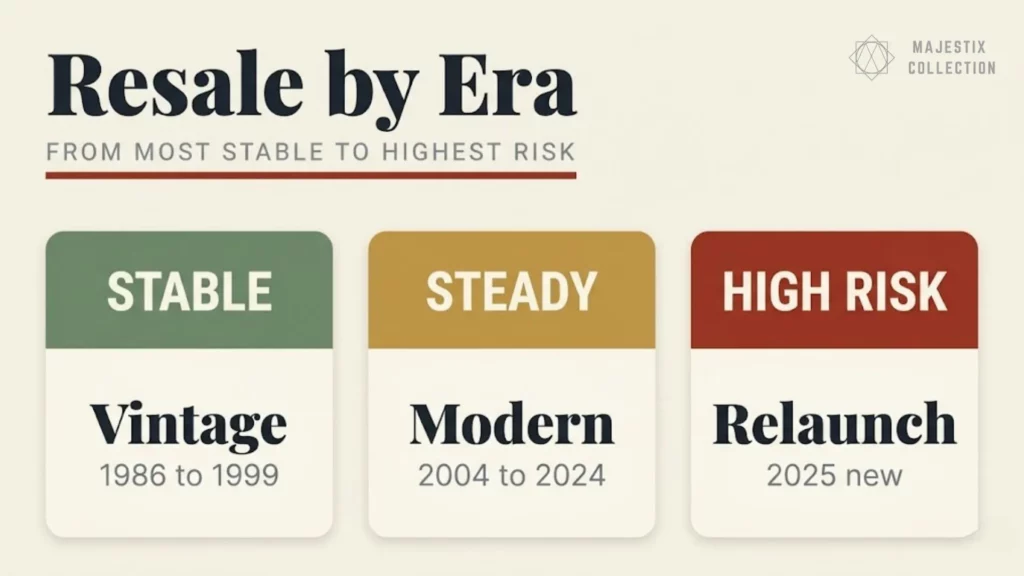
- Vintage 1986 to 1999: most stable, some pieces appreciating.
- Modern 2004 to 2024 pre-owned: heavy initial depreciation already absorbed.
- 2025 relaunch new: biggest depreciation risk in the short term.
If resale matters to you, never pay full retail. Authorized dealers often discount 15 to 25 percent on non-limited references. Our breakdown of buying through an AD versus the grey market covers when each route makes sense. That alone can save you a few hundred dollars on a single purchase.
Where to Buy Authentic TAG Heuer Formula 1 Watches
The Formula 1 is one of the most faked TAG Heuer models out there, so where you buy matters as much as what you buy.
Here are the four sources we trust:
Majestix Collection. Every Formula 1 in our catalog goes through a movement, dial, bezel, and bracelet check before it is listed. Pricing is benchmarked against live Chrono24 and WatchCharts data, and you can message us directly before you buy.
Chrono24. The biggest pre-owned watch marketplace in the world. Use their buyer protection and stick to sellers with at least 20 reviews and a 4.9 score or higher. Avoid private sellers with no history. We’ve also written a separate guide on how to safely shop Chrono24 listings if it’s your first time on the platform.
eBay. Best for vintage 1986 to 1999 references where rare dial and bezel variants show up. Only buy from sellers with 98 percent feedback or higher. Skip any listing that hides the movement, caseback, or bracelet close-up.
Grailzee. A watch-specific auction platform for known collectors and dealers. Good for vintage and rare limited editions, but auction fever can push prices above market. Set a hard max bid and stick to it.
One rule for any source. Never buy a Formula 1 without clear photos of the caseback, bracelet clasp, and movement. Those three spots show condition and authenticity faster than any stock photo can.
999+ Timepieces Available
Explore Our Timepieces
Authenticated, unworn, and ready to ship worldwide.
Rolex · Audemars Piguet · Patek Philippe · Omega · Cartier · Richard Mille · Hublot · Tudor
Newly Listed
Vacheron Constantin Overseas Dual Time Silver Dial Brown Leather Strap 18K Rose Gold 41mm MINT CONDITION COMPLETE SET 7900V/000R-B336
$41,894.00
Rolex Sea-Dweller Deepsea James Cameron D-Blue Dial Black Ceramic Bezel Oyster Bracelet Stainless Steel 44mm MINT CONDITION 116660-0003
$14,272.00
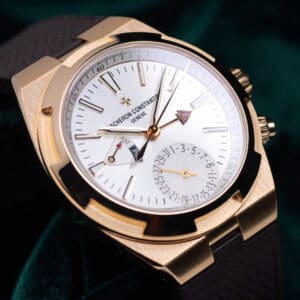
Vacheron Constantin Overseas Dual Time Silver Dial 18K Rose Gold Brown Rubber Strap 41mm MINT CONDITION COMPLETE SET 7900V/000R-B336
$41,894.00
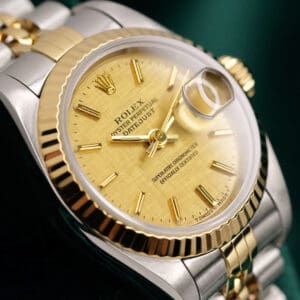
Rolex Lady-Datejust Champagne Linen Dial 18k Yellow Gold Fluted Bezel Jubilee Bracelet Two Tone Steel & Gold 26mm MINT CONDITION COMPLETE SET 69173
$9,345.00
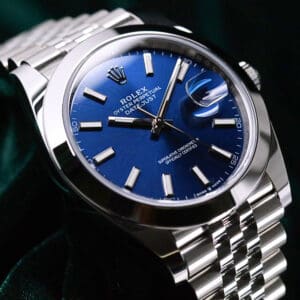
2026 Rolex Datejust Blue Dial Smooth Bezel Jubilee Bracelet Stainless Steel 41mm MINT CONDITION COMPLETE SET 126300
$13,796.00
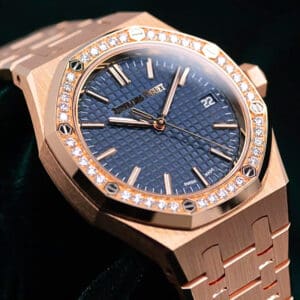
Audemars Piguet Royal Oak Selfwinding "50th Anniversary" Bleu Nuit Nuage 50 Blue Dial Diamond Bezel 18K Rose Gold 37mm MINT CONDITION COMPLETE SET 15551OR.ZZ.1356OR.02
$99,745.00
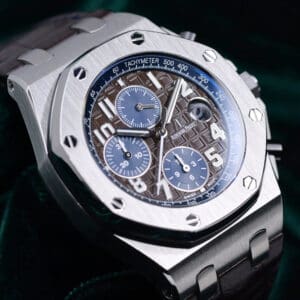
Audemars Piguet Royal Oak Offshore Chronograph "Havana" Brown Dial Blue Subdials Brown Leather Strap Stainless Steel 42mm MINT CONDITION COMPLETE SET 26470ST.OO.A099CR.01
$24,827.00
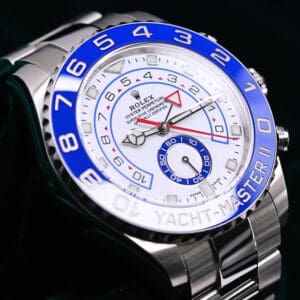
Rolex Yacht-Master II White Dial Blue Ceramic Bezel Oyster Bracelet Stainless Steel 44mm MINT CONDITION COMPLETE SET 116680
$19,409.00
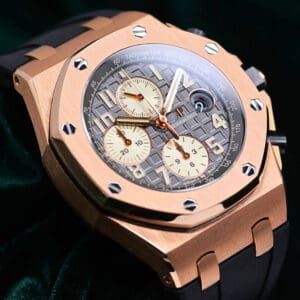
Audemars Piguet Royal Oak Offshore Chronograph “Half Brick” Ruthenium Grey Dial 18K Rose Gold Black Rubber Strap 42mm MINT CONDITION COMPLETE SET 26470OR.OO.A125CR.01
$40,892.00
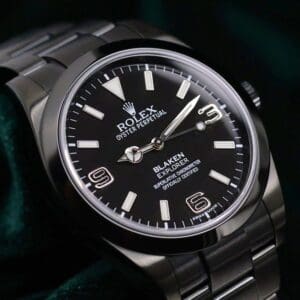
Rolex Explorer Blaken Black Dial Oyster Bracelet DLC Black Stainless Steel 39mm MINT CONDITION COMPLETE SET 214270
$16,000.00
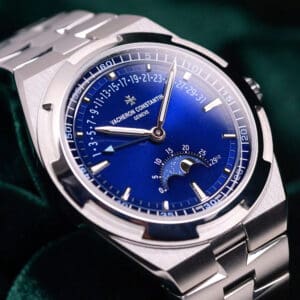
2025 Vacheron Constantin Overseas Moon Phase Retrograde Date Blue Dial Stainless Steel Bracelet 41mm MINT CONDITION COMPLETE SET 4000V/210A-B911
$52,800.00
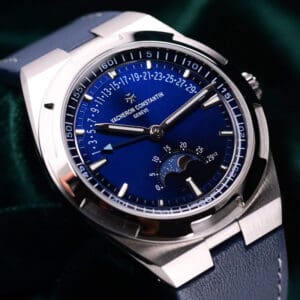
2025 Vacheron Constantin Overseas Moonphase Retrograde Date Blue Dial Blue Leather Strap Stainless Steel 41mm MINT CONDITION COMPLETE SET 4000V/210A-B911
$52,800.00
Which TAG Heuer Formula 1 You Should Buy?
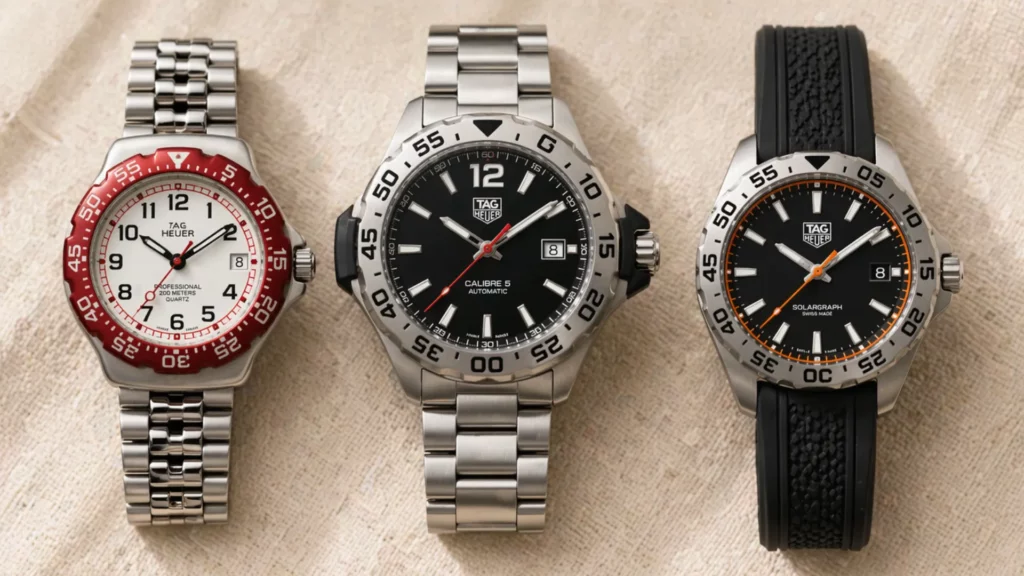
Here is our pick for each type of buyer. Find the one that matches your budget and use case, then jump to that reference.
First luxury watch on a $1,500 budget. Go with a pre-owned Calibre 5 from 2015 to 2020, ideally reference WAZ2011 or something similar. You get a real Swiss automatic movement, 200m water resistance, a sapphire crystal, and TAG Heuer on the dial. This is the best value play in the whole collection.
Design and history collector. Look for a vintage 375.513 or WA1214 in clean condition. These sit at 35mm, land under $1,200, and carry real design history from the original 1986 lineup. They wear small on modern wrists, but that is exactly the point.
Retail-new buyer who wants warranty. Get the Solargraph at $1,850. You get the 2025 F1 branding, a full five-year warranty, and a solar-powered movement that runs for 10 months on a single charge. Just go in knowing the resale value will drop fast.
Serious motorsport fan with $5,800. The 2025 Chronograph x Oracle Red Bull Racing is the right call. The 44mm titanium case sits comfortably on most wrists, the Calibre 16 movement is proven, and the forged-carbon bezel is the detail that sets this one apart.
Value maximizer. Look for any pre-owned Calibre 16 chronograph from 2015 to 2022, specifically references in the CAZ and CAU families. You get 40 to 50 percent off the original retail price, a Valjoux 7750 or Sellita SW500 movement inside, and TAG still services these at authorized centers if anything goes wrong.
Best overall pick for most buyers. The same Calibre 5 WAZ2011 from 2015 to 2020, bought for under $1,800. It is the best mix of price, comfort, and character you will find across the whole Formula 1 lineup.
What to skip. Avoid full-retail new chronographs if resale matters to you. Skip Red Bull sponsorship editions bought at peak hype. And walk away from beaten-up vintage pieces with cracked bezels or no service history.
Final Thoughts on the TAG Heuer Formula 1 Buying Guide
The TAG Heuer Formula 1 is three different watches now. The vintage era from 1986 to 2003 is for design lovers and small-wrist collectors. The modern era from 2004 to 2024 is the best pre-owned value at 40 to 50 percent off retail. The 2025 relaunch is for new-in-box warranty buyers who want the latest F1 branding.
Pick your era first, then pick your reference. That one rule is the core of this TAG Heuer Formula 1 buying guide, and it keeps you from overpaying on a new piece that loses nearly half its value within three years. If you’re still weighing which TAG line fits you best, our full TAG Heuer brand overview lays out where the Formula 1, Aquaracer, and Carrera each sit in the lineup.
Before you buy, check the lug holes on any vintage piece and ask for macro photos under natural light. That extra five minutes of checking saves most buyers a few hundred dollars in repairs down the line. Our broader pre-purchase inspection checklist covers the rest of what to look for before you commit.