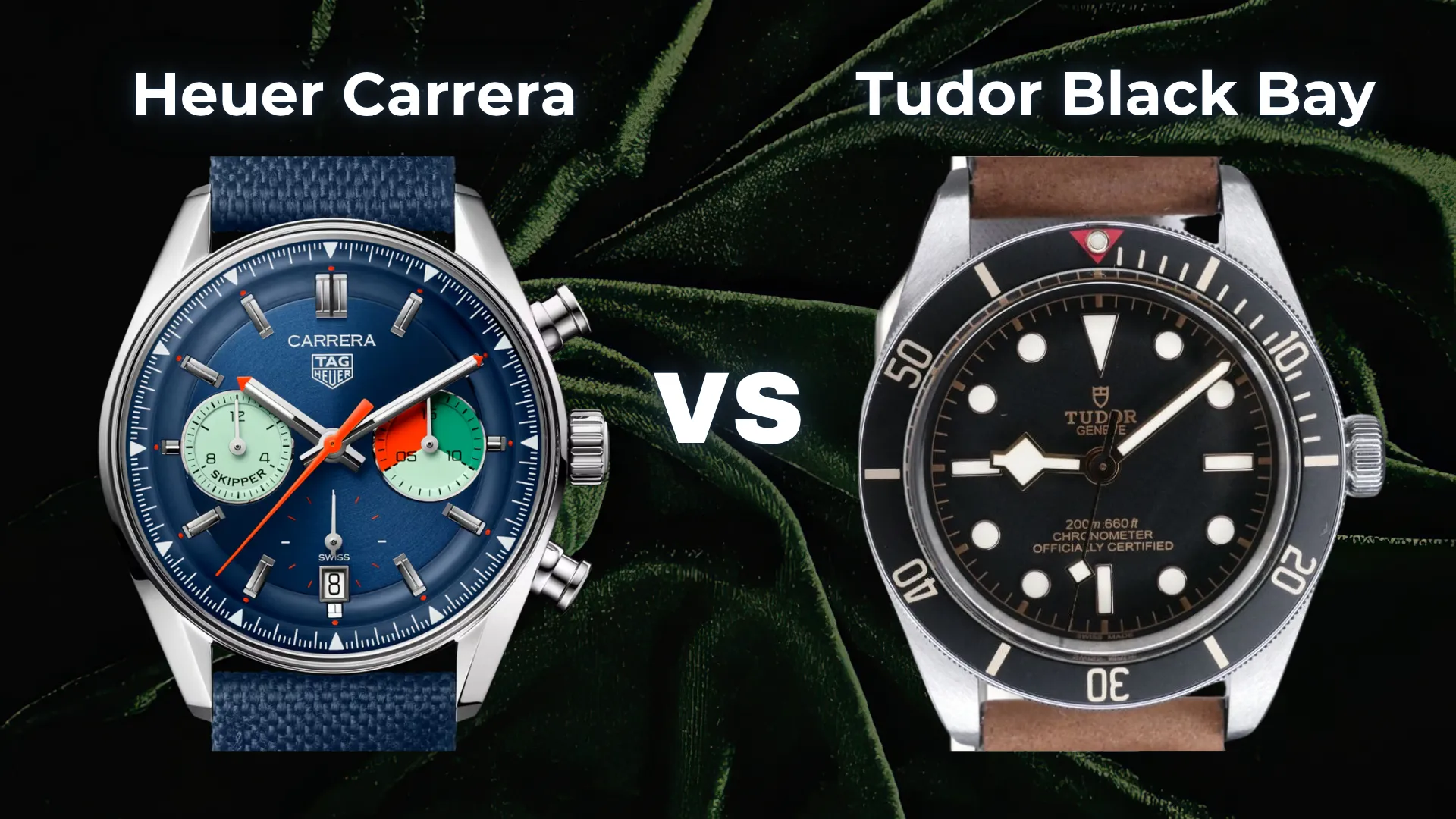

You paid real money for that strap, a Crafter Blue CB08, an Isofrane, an Everest and these are built for performance, not disposable use. That’s why it’s frustrating when you take your watch off and notice an unpleasant smell trapped in the silicone, especially after sweat, humidity, or daily wear.
If you’re looking for how to remove smell from a silicone watch strap, the first thing to understand is that odor in silicone doesn’t always come from surface dirt. It can come from sweat buildup, bacteria trapped in micro-textures, or absorbed residues from soaps and lotions. This is why a simple rinse rarely works long term.
The good news is that in most cases, the smell can be fully removed using a few household methods when applied correctly. The key is knowing what type of odor you’re dealing with and choosing the right cleaning approach, because using the wrong method can lock in the smell or even degrade the strap over time.
In this guide, you’ll learn how to identify the two most common types of silicone strap odor, the step-by-step cleaning methods using dish soap, baking soda, and vinegar, and the proper drying process that prevents the smell from coming back.
Two Types of Silicone Strap Odor

Not all silicone strap odor comes from the same source. If you want to learn how to remove smell from a silicone watch strap effectively, you first need to identify what type of odor you are dealing with.
The right cleaning method depends entirely on whether the smell is caused by wear and buildup or is part of the material itself.
1. Bacterial Odor from Sweat and Skin Oils
Bacterial odor is the most common issue for worn silicone straps and usually develops after regular daily use. It presents as a sour, musty smell that becomes more noticeable over time, especially in warm or humid conditions, and it does not disappear with simple wiping.
This type of odor develops because silicone straps can trap sweat, skin oils, and bacteria on and beneath the surface texture. Even if the strap looks clean, the odor source often remains embedded, which is why surface cleaning alone is ineffective.
To properly address this issue, you need a deeper cleaning process that breaks down and removes the bacterial buildup inside the strap, rather than just removing visible residue.
2. Manufacturing Odor on a New Strap
Manufacturing odor appears in brand new silicone or rubber straps and is typically described as rubbery, chemical-like, or slightly sweet. Unlike wear-related odor, this is not caused by dirt, sweat, or bacteria but by compounds used during production.
Some natural rubber straps include masking agents such as vanilla-scented additives to reduce the raw rubber smell, while others simply retain a neutral polymer scent from the curing process. This is normal for new materials and does not indicate poor quality.
Because this odor is embedded in the material rather than sitting on the surface, traditional washing methods are ineffective. It naturally fades as the strap off-gasses over time, making ventilation the only appropriate approach.
Which Cleaning Method to Use
Before you start cleaning your strap, it’s important to match the method to the actual problem. Using the wrong approach can waste time or even make the odor harder to remove.
The table below helps you quickly identify the correct cleaning method based on your specific situation.
| Situation | Best Method |
| Light odor, regular maintenance | Dish soap and warm water |
| Post-workout sweat buildup | Baking soda paste, then rinse |
| Persistent odor after regular cleaning | Diluted white vinegar soak (30 min) |
| New strap with manufacturing smell | Activated charcoal bag, 24–48 hrs |
| Smell returns within 24 hrs of cleaning | Assess for replacement |
How to Remove Smell from a Silicone Watch Strap
If you are learning how to remove smell from a silicone watch strap, the process only works when each step is done in sequence. Light odor often resolves with basic washing, but stronger buildup requires deeper treatment before you can safely reassess the strap.

1. Remove the Strap from the Watch
Detach the strap completely before cleaning to ensure full access to all contact areas. This prevents the watch case from being exposed to water or cleaning agents.
Focus is important here because most odor develops in high-contact zones such as the buckle and keeper loop, which cannot be properly cleaned while the strap is attached.
2. Clean With Dish Soap and Warm Water
Start with a solution of mild, unfragranced dish soap and warm water. This step removes surface oils and the majority of sweat-related buildup responsible for early-stage odor.
Use a soft brush to work through contact-heavy areas such as the underside and buckle holes. These sections hold the most residue due to constant skin contact. Rinse thoroughly to ensure no soap film remains, as residue can interfere with deeper cleaning steps.
3. Treat With Baking Soda for Embedded Odor
If odor persists, apply a paste made from baking soda and water. This step targets oils and odor compounds that remain trapped within the silicone surface structure after basic washing.
Apply evenly and allow brief contact time before gentle brushing. The goal is neutralization, not abrasion. Once complete, rinse fully so no particles remain that could affect the next treatment stage.
4. Neutralize With Diluted White Vinegar
For deeper or recurring odor, soak the strap in a 1:1 mixture of white vinegar and water. Vinegar works by neutralizing odor compounds that remain after mechanical cleaning.
This step should only be done after baking soda treatment, as combining both simultaneously reduces their effectiveness. After soaking, rinse thoroughly to remove any acidic residue that could alter the strap’s finish or feel.
5. Air Dry Completely Before Reuse
Drying is a critical control step, not an optional finish. Lay the strap flat in a well-ventilated space with all openings exposed to airflow. Do not reattach or wear until fully dry.
Residual moisture trapped in textured areas or buckle sections is a primary cause of odor recurrence, as it allows bacteria to rebuild quickly even after successful cleaning. Proper drying prevents the cycle from restarting.
How to Remove Manufacturing Smell from a New Strap
Manufacturing odor is caused by off-gassing from the silicone or rubber material, not dirt or bacteria, which means traditional cleaning methods will not speed up the process.
1. Air the Strap Out Before Wearing It
Start by uncoiling the strap and leaving it in open air for 24 to 48 hours before attaching it to your watch. This allows volatile compounds trapped during manufacturing to naturally dissipate through exposure to airflow.
Avoid placing the strap under direct sunlight, as prolonged UV exposure can degrade silicone over time and affect its flexibility. In most cases, this simple airing process is enough to significantly reduce or completely remove the initial factory smell without any additional treatment.
2. Use an Activated Charcoal Sachet Overnight
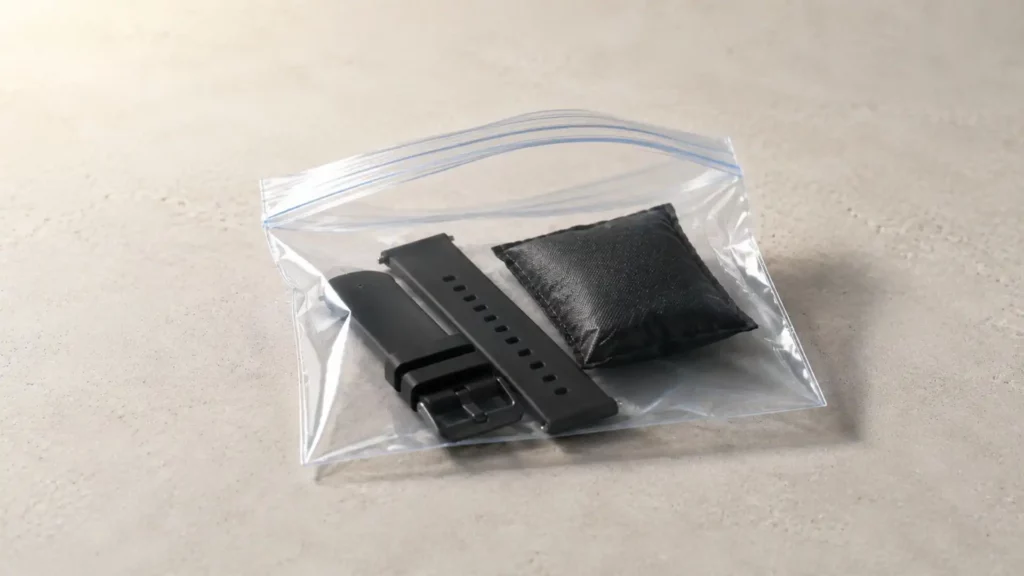
If the odor is still noticeable after airing, place the completely dry strap in a sealed zip-lock bag with an activated charcoal sachet (commonly used for shoes or enclosed storage). Leave it sealed for 24 to 48 hours.
Activated charcoal works by adsorbing odor compounds from the air and the material surface, making it effective for internal manufacturing smells that are not on the surface. This method is especially useful when the odor is embedded in the silicone structure rather than caused by external contamination.
What to Avoid When Cleaning a Silicone Strap

Certain common household cleaners and tools can permanently damage the material or make odor problems return faster. Check what to avoid.
1. Isopropyl alcohol (repeated use): Occasional use is fine for disinfecting, but frequent application can dry out silicone and lead to micro-cracking, surface stiffening, and reduced flexibility over time.
This is especially worth noting on FKM rubber and natural rubber straps, where the polymer structure is more sensitive to solvent exposure than standard silicone. The damage is gradual and often not noticeable at first.
2. Bleach: Never use bleach on silicone straps. It breaks down the polymer structure of silicone, causing long-term material degradation, discoloration, and premature strap failure even if it temporarily removes odor.
3. Fragranced or moisturizing dish soap: These leave behind an oily residue film that attracts sweat and skin oils, which can cause odor to return faster after cleaning instead of solving the problem.
4. Abrasive pads or stiff brushes: These can permanently scratch the surface of FKM rubber and natural rubber straps, damaging the finish. A soft toothbrush is the safest tool for controlled cleaning.
5. Vinegar and baking soda used together: When combined, they neutralize each other, reducing cleaning effectiveness. Always use them in sequence, not at the same time, to achieve proper odor removal results.
How to Prevent Silicone Strap Odor Long-Term
If you already understand how to remove smell from a silicone watch strap, the next step is preventing it from coming back. Long-term odor control is less about deep cleaning and more about reducing how much sweat and moisture is allowed to sit inside the strap between wears.
1. Rotate Between Two or Three Straps

One of the most effective long-term habits is to rotate between multiple straps, giving each one at least 24 to 48 hours of dry rest between wears. Silicone and rubber straps retain moisture in hidden areas such as the buckle cutouts and keeper loop, especially after long daily use.
Without rotation, a single strap rarely gets enough time to fully dry, which allows moisture and bacteria to accumulate over time. Rotation also reduces constant stress on attachment points, helping preserve both comfort and structural integrity.
If you also rotate a leather strap, the care process is different. Our guide on how to remove smell from a leather watch strap covers what works and what to avoid on that material.
2. Rinse the Strap After Every Sweaty Wear
After heavy sweat exposure, a quick 30-second rinse under lukewarm water can significantly reduce long-term odor buildup. This removes surface-level salt, sweat, and oils before they dry and bind to the silicone.
No soap is needed for this maintenance step. Done consistently, it prevents the early stages of bacterial buildup that eventually require deep cleaning methods such as baking soda or vinegar treatments.
3. Store the Strap Flat and Dry
Always store the strap in a flat, fully ventilated position when not in use. Avoid leaving it coiled, compressed under the watch case, or pressed against fabric inside a watch box, as these conditions trap moisture and slow evaporation.
Proper airflow is especially important for straps made from natural rubber, which retains moisture longer than standard silicone or FKM materials. The same principle applies to rubber strap care more broadly; both silicone and rubber share the same vulnerability to trapped moisture during storage.
Keeping the strap flat ensures consistent drying and helps maintain a neutral odor profile over time.\
When to Replace the Strap Instead of Cleaning It
If you have already completed a full cleaning cycle using dish soap, baking soda, vinegar, and proper drying, and the strap still develops odor within 24 hours, the issue is no longer surface-level. At that point, it usually indicates deep bacterial buildup within the material structure, which cannot be fully reversed with household cleaning methods.
A premium strap in this condition is not necessarily useless. If the silicone or rubber is still structurally intact, you can relegate it to secondary use such as workouts, travel, or outdoor activity where odor is less critical.
This helps extend the practical life of the strap without relying on it as part of your main rotation. If you are considering a replacement, note that FKM rubber generally offers better resistance to chemical breakdown and long-term odor retention compared to standard silicone.
It maintains its surface integrity longer under repeated cleaning and heavy daily wear, making it a more durable option for primary use. For a broader look at keeping all your watch materials in good condition, our complete watch care guide covers maintenance habits across strap types and case materials.
Where to Source a Replacement Strap
When a strap has reached the point where cleaning no longer restores it, the next step is choosing a replacement that matches both your watch and your wearing habits. This decision matters more than most buyers realize because aftermarket strap quality varies significantly, even among products that look identical online.
Visual listings often hide key differences in fit, case alignment, material density, and long-term durability. Two straps with the same appearance can behave very differently once installed, especially in how they sit against the lugs and how they age under daily wear.
These differences are difficult to judge from photos alone, which is why sourcing from a trusted supplier is important. At Majestix Collection, we focus on straps we would confidently use on our own watches, including Crafter Blue, Vagenari, Everest, Horus, and Rubber B, depending on the reference.
Each strap is supported by in-person inspection, condition notes, and tour video on request, so you know exactly what you are getting before it arrives. Part of getting the most out of any strap is understanding how to keep it clean over time, proper maintenance extends lifespan regardless of material.
If you need help choosing, you can reach out with your watch reference and wearing preferences. We will match options based on fit, comfort, and intended use.
Frequently Asked Questions
Can I use rubbing alcohol to clean a silicone watch strap?
Isopropyl alcohol is safe as an occasional disinfectant but should not be used as a regular cleaning agent on silicone. Repeated use dries out the polymer and causes micro-cracking over time, which degrades FKM and natural rubber strap surfaces faster than normal wear would.
Dish soap and warm water is the safer regular option.
Will my silicone strap absorb odor from cologne or lotion?
Yes, silicone readily absorbs fragrance compounds from cologne, lotion, and sunscreen, and these tend to linger longer than sweat-based odor. The fix is the same baking soda paste step in the main cleaning cycle, but apply it within a day of contact rather than waiting.
Once a fragrance has set into the silicone for weeks, it gets much harder to lift.
Does baking soda and vinegar work on silicone strap odor?
Used in sequence, yes. Used at the same time, no. Combining them triggers an acid-base reaction that neutralizes both, leaving behind salt water that does very little.
Apply the baking soda paste first, rinse it completely off, then do the vinegar soak as a separate step. That sequence is what makes both ingredients effective.
How often should I clean a silicone watch strap?
For a strap worn daily with light activity, once a week is enough. If you’re wearing it through workouts, rinse it under lukewarm water after each session and do a full soap cleaning every two to three days.
A strap that only gets occasional wear should be cleaned before storing and again before the next use. If you have metal or steel straps in your collection that also need regular attention, the same cleaning discipline applies; see our guide on removing smell from a metal watch strap for the right approach there.
Can I put a silicone watch strap in the dishwasher?
No, the heat from a dishwasher cycle can permanently warp or harden silicone, and detergent residue gets trapped in the keeper loop and buckle cutouts. Hand cleaning with plain dish soap and warm water is safer and more effective. The dishwasher shortcut costs more in strap lifespan than it saves in time.
Final Thoughts on How to Remove Smell from a Silicone Watch Strap
Knowing how to remove smell from a silicone watch strap is ultimately about understanding what the material is designed to endure and what it is not. Silicone sits in constant contact with heat, moisture, and skin chemistry, and over time it reflects that environment.
Odor is not an isolated flaw but a byproduct of use. Once that is understood, the focus shifts away from constant correction and toward control. How the strap is worn, rested, and exposed matters more than any single cleaning method.
Maintenance becomes less of a reaction and more of a routine that preserves the material’s condition over time. When a strap no longer responds to proper care, it is rarely just a cleaning issue. It is usually a sign that its service life in your rotation has reached its limit.
At that point, selection becomes intentional again. At Majestix Collection, we help match straps not only to the watch, but to how it is actually worn, so the next choice is built for longevity from the start.