
Jubilee and Oyster are bracelet designs, not watch models. The Rolex Jubilee vs Oyster debate is really about how you plan to wear your watch day to day. Each one changes how the same Rolex feels on the wrist, looks in different settings, and wears over time.
If you’re like many buyers, you’ve faced a tough call while configuring the same watch head, most often on a Datejust or GMT-Master II. At first glance the difference looks purely visual. After regular wear, comfort, flexibility, scratch visibility, and overall balance become far more noticeable.
This comparison keeps the focus on real-world use. We’ll look at how the Jubilee and Oyster differ in comfort, daily wear, style, and lifestyle fit, so you can choose the bracelet that works best for how you actually live and wear your watch.
What Is the Rolex Oyster Bracelet?

The Rolex Oyster bracelet is a three-link metal bracelet built for strength, stability, and everyday durability. Its flat, wide links create a solid, balanced feel that suits active wear and long hours on the wrist.
The Oyster bracelet grew out of Rolex’s early tool-watch philosophy. The waterproof Oyster case came first, in 1926. That case is so central to the brand that its 100th anniversary anchors Rolex’s 2026 releases. The three-link bracelet that shares its name took its recognizable form later, built to match watches meant for real-world use rather than delicate dress wear.
The name “Oyster” reflects that purpose. Like the sealed Oyster case, the bracelet was meant to feel closed, strong, and protective. Fewer, wider links reduced weak points and helped the watch stay secure during movement, sports, and professional use.
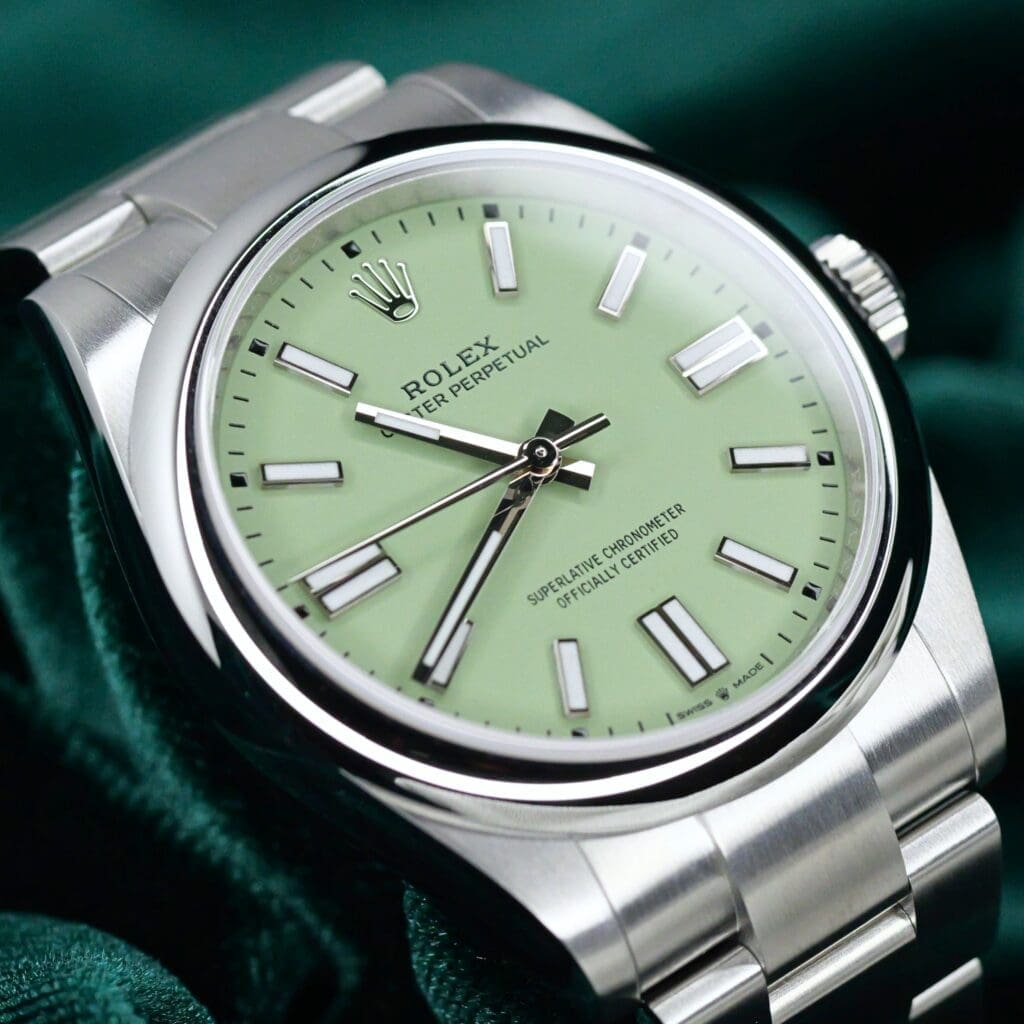
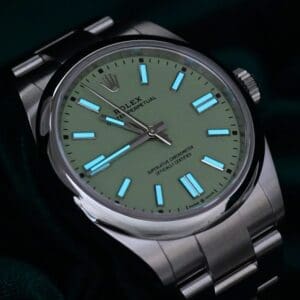
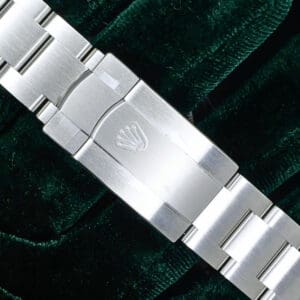
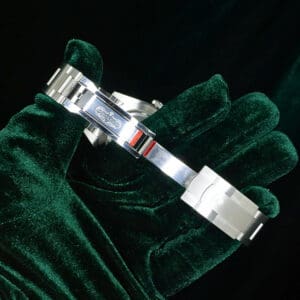
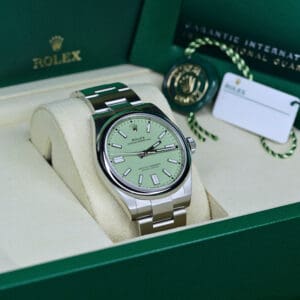
On the wrist, the Oyster wears firmly and evenly, with minimal side-to-side movement. That creates a planted feel, especially on sport and professional models, and helps spread weight across the wrist for better balance during daily wear.
Most modern Oyster bracelets use robust folding clasps with safety locks and extension systems such as Easylink or Glidelock, depending on the model. These features reinforce the bracelet’s tool-watch character and allow quick fit adjustments. If you’re weighing the two, our Easylink and Glidelock comparison covers how they differ.
Rolex still relies on the Oyster for sport and professional watches because it delivers exactly what it was designed to from the start: durability, secure fit, and long-term reliability for watches worn hard and often.
What Is the Rolex Jubilee Bracelet?

The Rolex Jubilee bracelet is a five-link metal bracelet built for comfort, flexibility, and refined everyday wear. Its smaller, closely spaced links create a lighter, more fluid feel that adapts easily to wrist movement throughout the day.
Rolex introduced the Jubilee bracelet in 1945 to mark the brand’s 40th anniversary. It debuted alongside the original Datejust and was created as a more elegant alternative to the utilitarian Oyster, without giving up durability.
The name “Jubilee” reflects that celebratory purpose. It was meant to feel more decorative and comfortable, suited to daily wear in professional and social settings rather than purely active use. The five-link design increased flexibility and let the bracelet drape more naturally around the wrist.
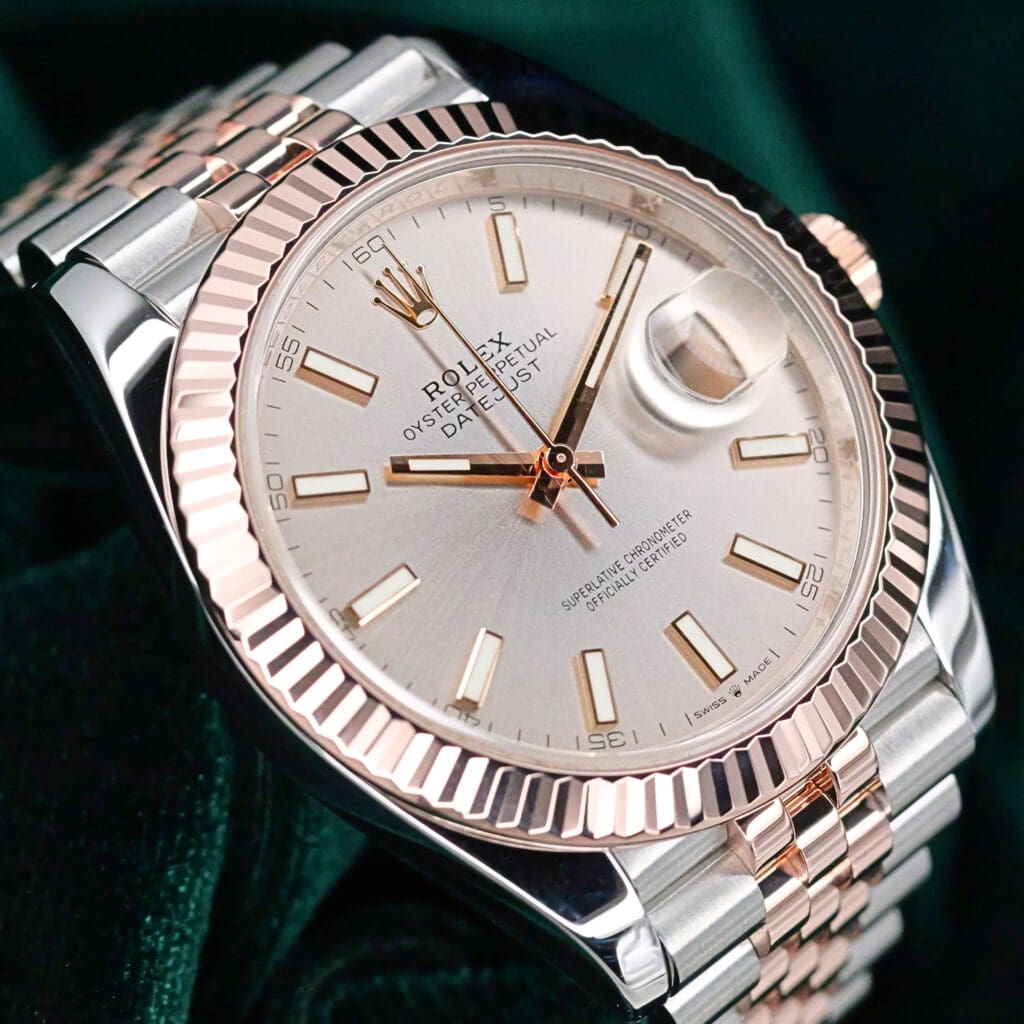
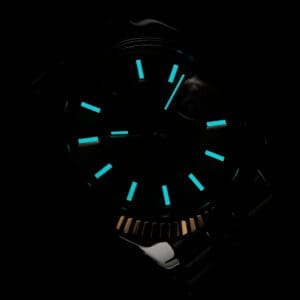
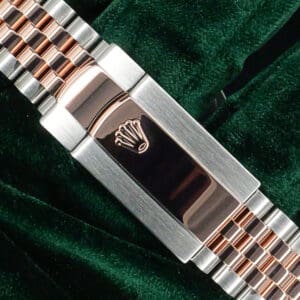
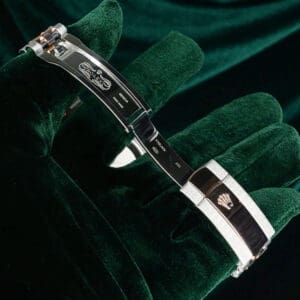
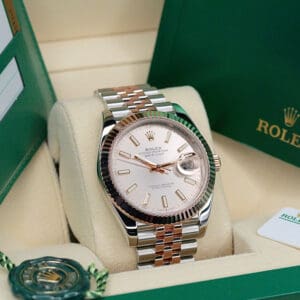
The Jubilee conforms closely to wrist shape, especially over long periods of wear. The added link articulation reduces stiffness and pressure points, a difference many wearers notice immediately when switching from the Oyster’s firmer structure.
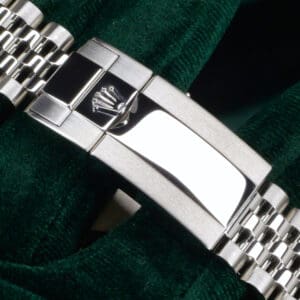
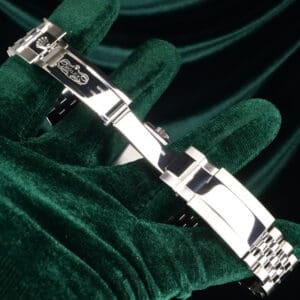
It also carries a more detailed, elegant character. The mix of brushed outer links and polished center links adds depth and light reflection, giving the watch a dress-leaning presence without feeling delicate.
That balance is why Rolex often pairs the Jubilee with classic and travel-focused models, where comfort and visual versatility matter as much as strength.
Rolex Jubilee vs Oyster: Key Differences That Matter
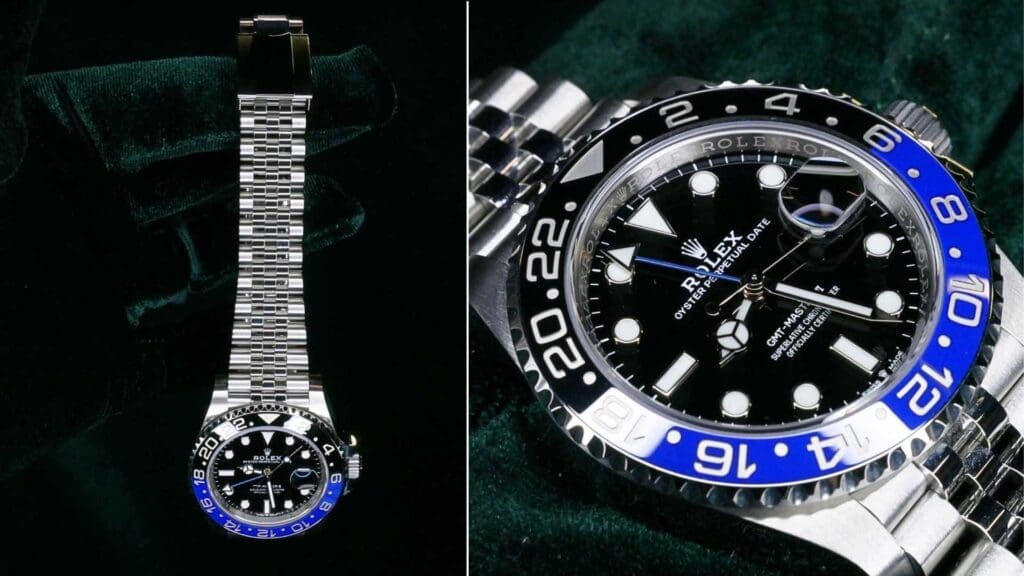
The real difference between Jubilee and Oyster shows up once the watch is on your wrist and part of your routine. Comfort, appearance, and how each bracelet ages all shape which one feels right long term.
Comfort and Wrist Feel
The Jubilee’s five-link construction gives it more flexibility, letting it move with your wrist instead of resisting it. That extra articulation spreads weight more evenly, which many people find more comfortable through long days of wear.
The Oyster’s three-link layout is stiffer by comparison, but that rigidity creates a stable, balanced feel. The watch stays centered on the wrist and feels secure, especially on heavier sport models or during frequent movement.
Visual Style and Presence
The Oyster leans sporty and purposeful. Its wider links and brushed surfaces give the watch a cleaner, more tool-like look that works well in casual or active settings.
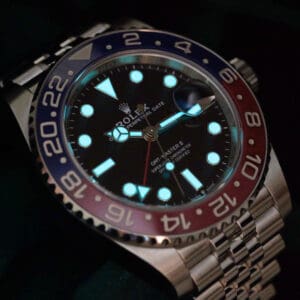
The Jubilee feels more refined. Its smaller links and polished center sections add visual texture and light play, giving the same watch head a dressier, more detailed presence, especially noticeable on the Datejust or GMT-style models.
Scratch Visibility and Wear Over Time
Jubilee bracelets tend to show surface wear sooner because of their polished center links. Fine scratches and swirl marks turn up faster with daily desk contact or office wear.
Oyster bracelets hide wear better thanks to their mostly brushed finish. Scratches still happen, but they blend in more naturally over time, keeping the bracelet looking cleaner with less fuss.
Daily Use and Lifestyle Fit
For desk work, travel, and long hours of wear, the Jubilee often feels easier and more forgiving. Its flexibility makes it comfortable in low-impact, everyday routines.
The Oyster suits more active lifestyles. It handles movement, knocks, and frequent wrist contact better, which is why Rolex keeps it on sport and professional watches where durability and stability matter most.
Does the Jubilee Stretch More Than the Oyster?
Yes, the Jubilee is more prone to stretch than the Oyster, though modern versions have largely fixed it. Stretch isn’t the metal actually stretching. It’s gradual wear at the link joints that leaves the bracelet feeling loose over years of use.
The Jubilee has more links and more pins, so it has more places where that wear adds up. Older Jubilees earned a reputation for going loose and rattly after a decade or so. The Oyster, with fewer and larger links, holds its fit better through the same use.


Rolex changed that. From around 2015 the brand moved to solid links with ceramic tube inserts inside the pins, cutting the metal-on-metal friction that caused stretch in the first place. A Jubilee bought new today holds up far better than the vintage examples that built the reputation. A few simple habits also help keep a Jubilee from loosening in the first place.
If you’re buying pre-owned, it still pays to check. Press the bracelet together and feel for play between the links, and test the clasp action. A little sag on an older piece is normal and a watchmaker can service it, but it’s worth knowing before you pay.
How the Same Rolex Watch Changes on Jubilee vs Oyster
Switching between Jubilee and Oyster can make the same Rolex feel like a different watch. The case, dial, and movement stay identical, but comfort, balance, and overall presence shift in noticeable ways.
- Datejust on Jubilee vs Oyster: On a Jubilee, the Datejust feels lighter, more fluid, and slightly dressier, especially over long hours. On an Oyster, the same watch takes on a firmer, more grounded feel with a cleaner, more understated look that leans sporty and modern. Our Rolex Datejust buying guide covers which references come on each.
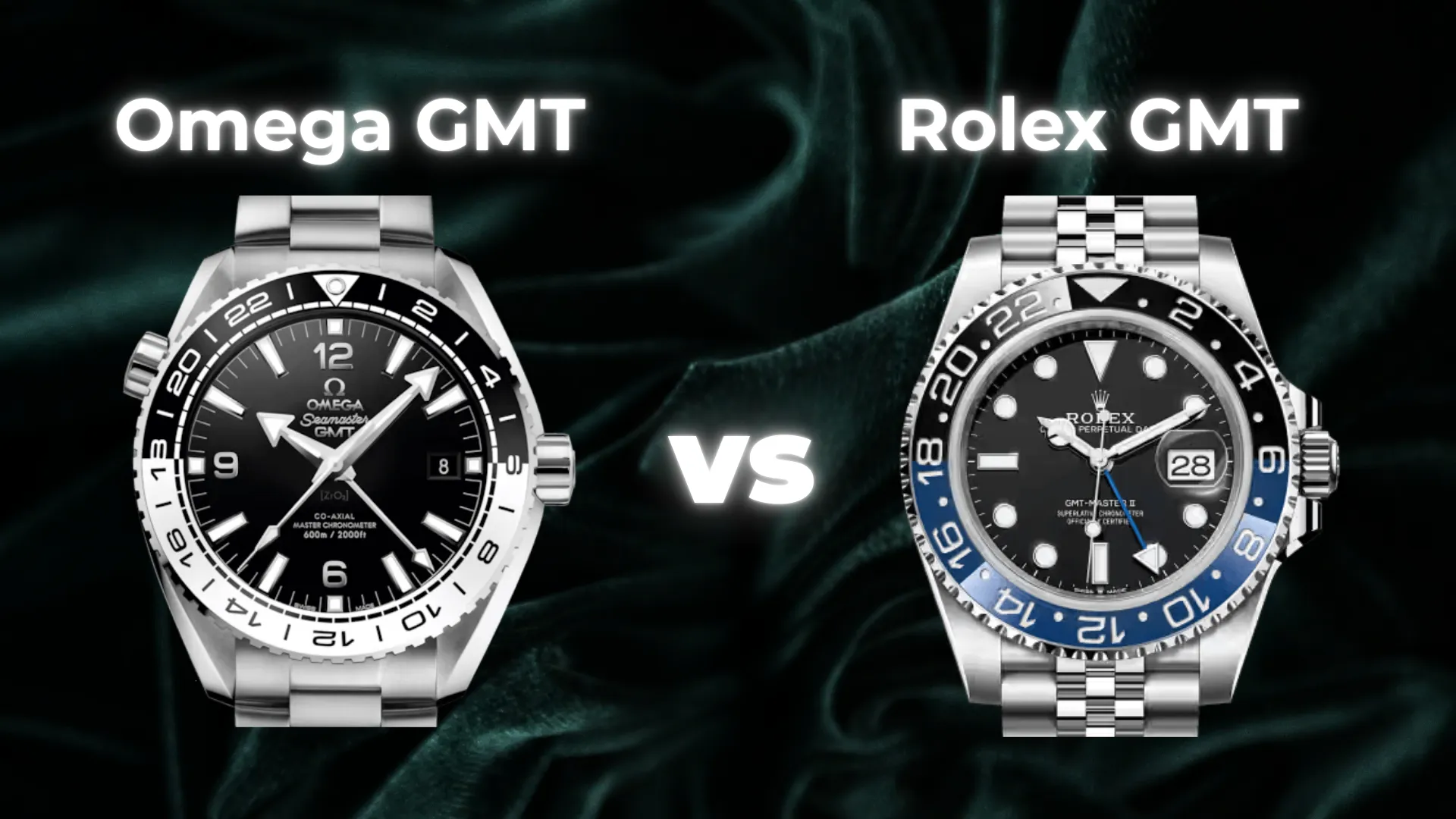
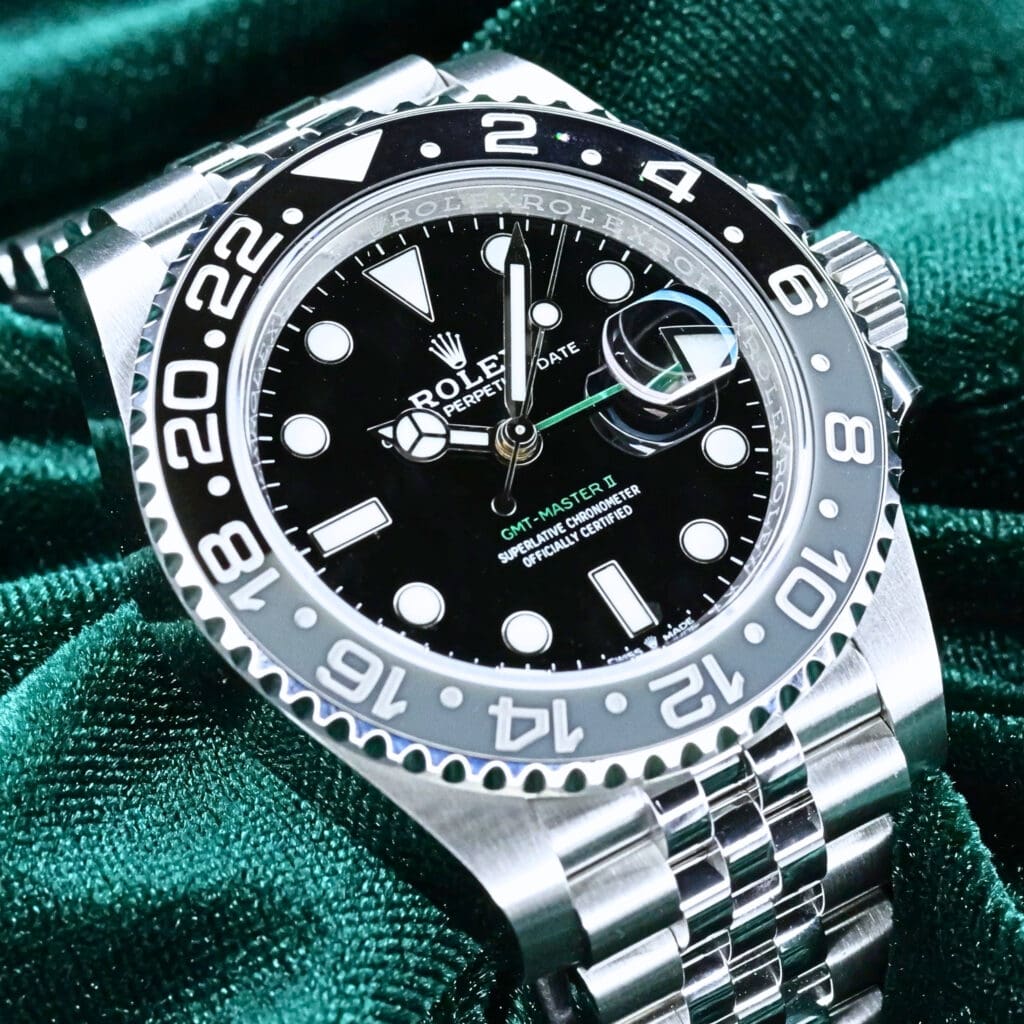
- GMT-Master II on Jubilee vs Oyster: A Jubilee makes the GMT-Master II more refined and travel-friendly; an Oyster makes it tougher and more tool-like. The clearest current example is the Batman (ref. 126710BLNR, Oyster) versus the Batgirl (same watch, Jubilee). Our Rolex GMT-Master II buying guide breaks down the lineup.
- Why some models offer both and others don’t: Rolex offers both bracelets where buyers value the choice between refinement and sportiness. Pure tool watches, like the dive-focused Submariner, stay Oyster-only because flexibility takes a back seat to strength and long-term durability.
That Batman/Batgirl pairing shows up in price, too. In 2026, the Jubilee Batgirl typically trades a few thousand dollars above the Oyster Batman on the secondary market (roughly $2,000 to $4,000), even though the case, bezel, and movement are identical. Bracelet preference alone drives the gap, and our full Batman vs Batgirl comparison digs into that trade-off.
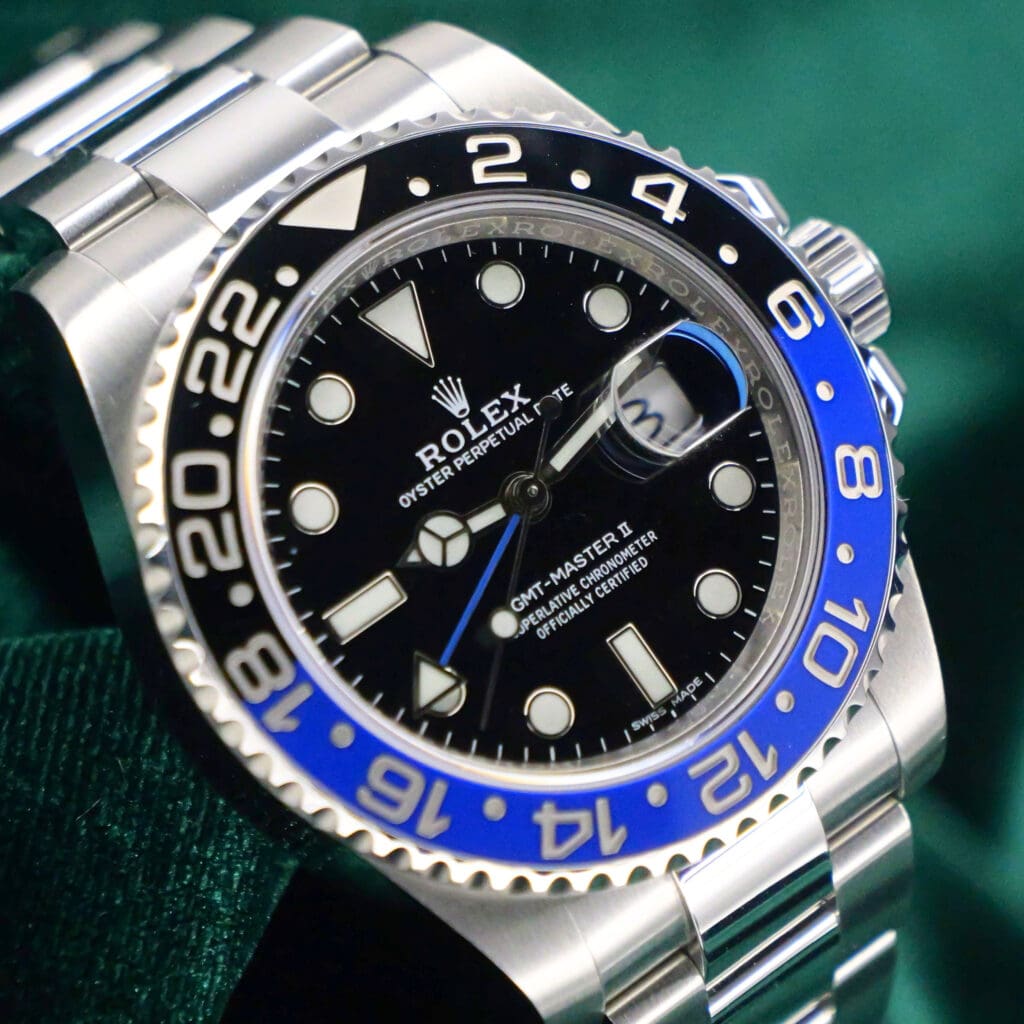
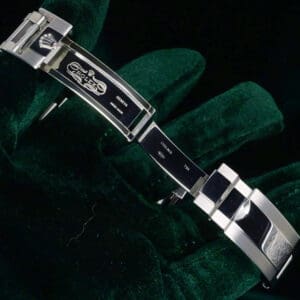
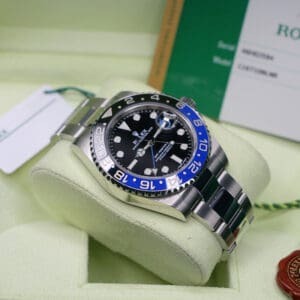
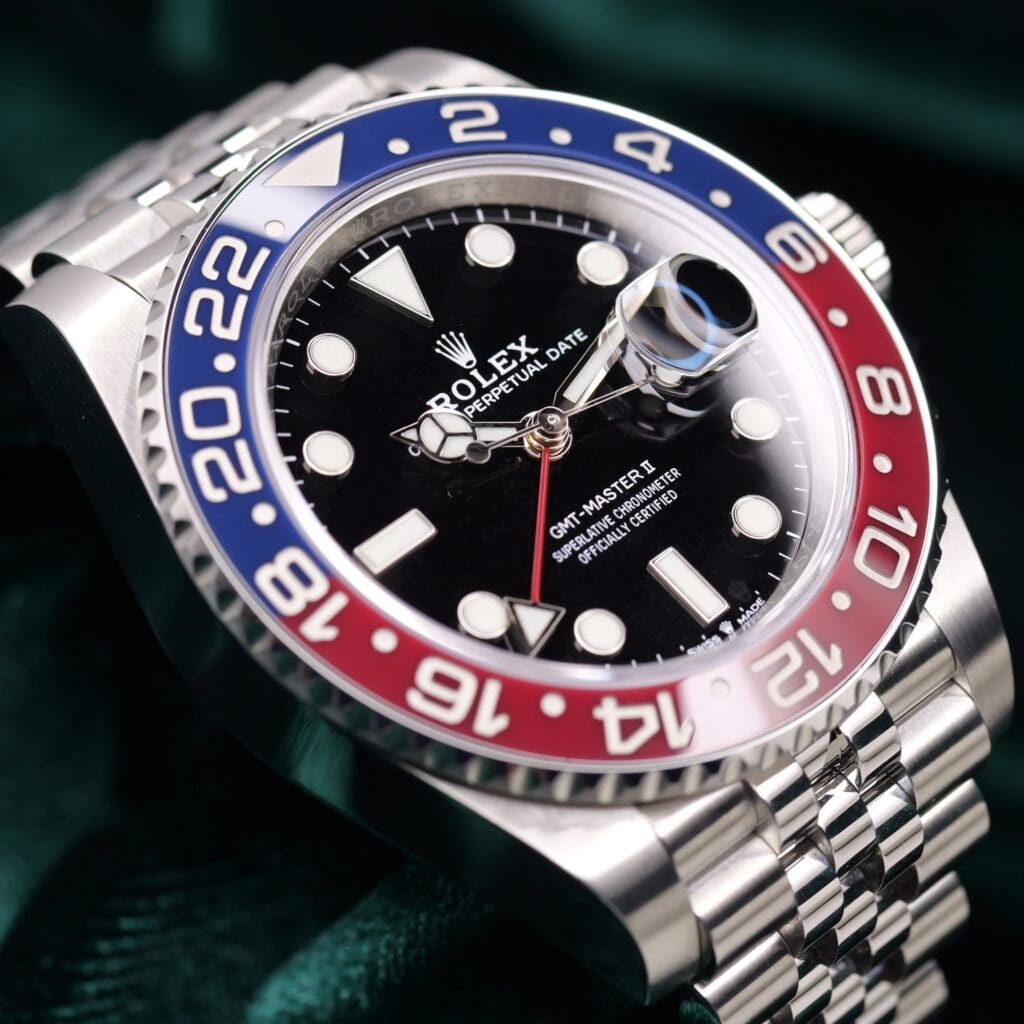
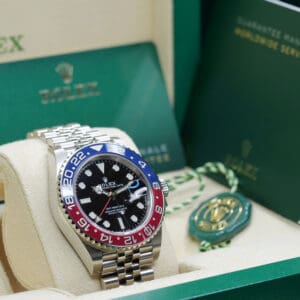
The Pepsi used to be the other go-to example of one GMT offered on both bracelets. Rolex discontinued it on April 14, 2026 at Watches & Wonders, so the Batman and Batgirl now carry that comparison in the current lineup. It’s a good reminder that bracelet choice shapes how a watch fits your life just as much as the model does.
Jubilee vs Oyster: Quick Side-by-Side Comparison
This quick comparison highlights how the two bracelets differ in everyday use. Instead of focusing on specs, it sums up how each one feels, looks, and holds up, making it easier to spot which matches your lifestyle at a glance.
| Feature | Jubilee Bracelet | Oyster Bracelet |
| Link Style | Five-link construction with smaller, closely spaced links | Three-link construction with wider, flatter links |
| Comfort | Very flexible and wrist-conforming, ideal for long wear | Firm and stable with a balanced, secure feel |
| Visual Tone | Refined and slightly dress-leaning with more detail | Sporty, clean, and purpose-built |
| Wear Visibility | Polished center links show fine scratches sooner | Brushed surfaces hide everyday wear better |
| Long-Term Fit | More link joints, so more prone to stretch (largely solved on modern versions) | Fewer joints, holds its fit better over the years |
| Best For | Buyers who prioritize comfort, elegance, and daily ease | Buyers who want durability, stability, and a sportier look |
There’s no universal “better” here. Jubilee and Oyster serve different wearing styles and routines, even on the same watch head.
Can You Swap Between Jubilee and Oyster?
Often yes, but only with the correct genuine end links for your exact reference, and the swap can affect resale. The bracelet attaches with end links machined to fit a specific case, so an Oyster from one model won’t simply clip onto another.
On watches Rolex already offers in both configurations, like the Datejust and the GMT-Master II Batman, sourcing the right factory bracelet is realistic. On models that only ever shipped on one, a correct swap is harder and more expensive. Fitting a new one also means removing or adding links to match your wrist.
Either way, keep the original bracelet. A watch that no longer matches how it left the factory can be harder to sell, and collectors pay for originality. Swapping for daily comfort is fine — just hang on to what it came with.
Browse Our Rolex Collection
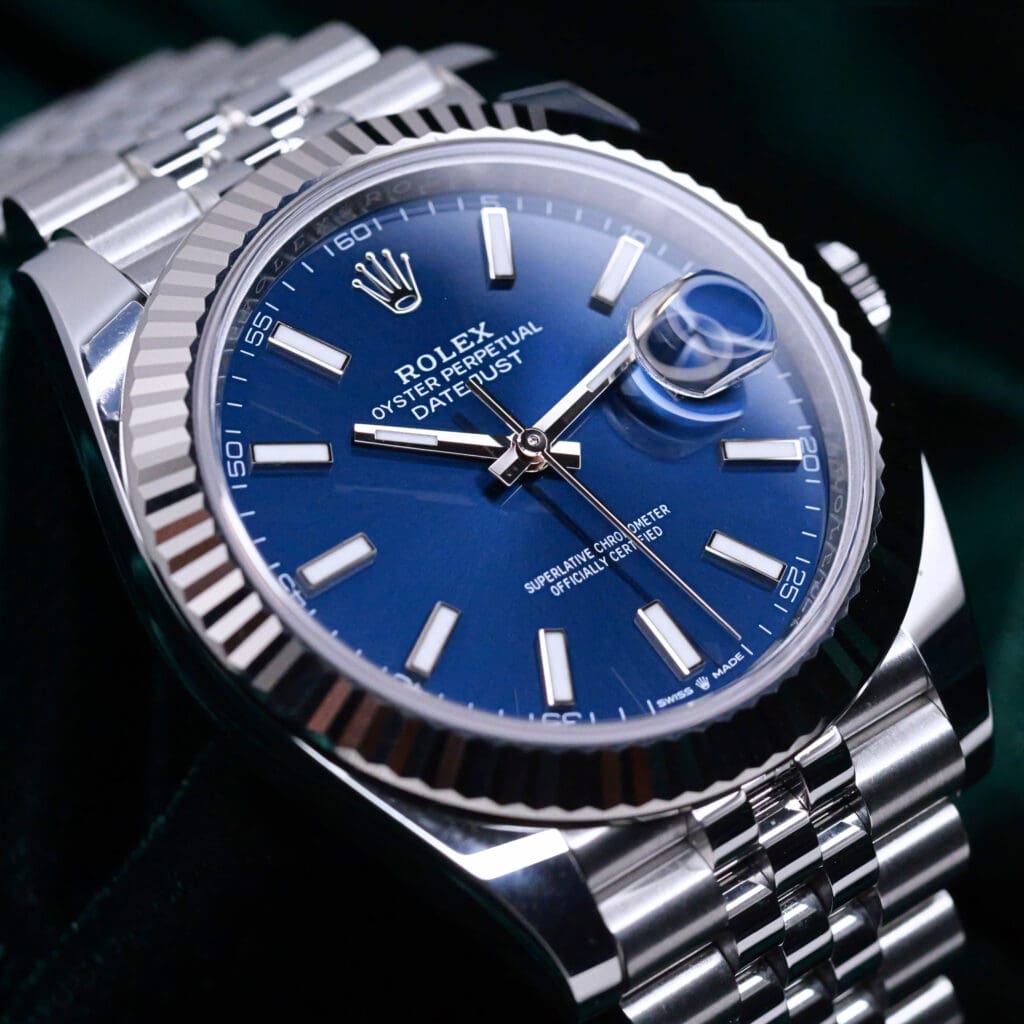
2026 NEW UNWORN Rolex Datejust 41 Blue Dial Fluted Bezel Jubilee Bracelet Stainless Steel 41mm . COMPLETE SET 126334-0002
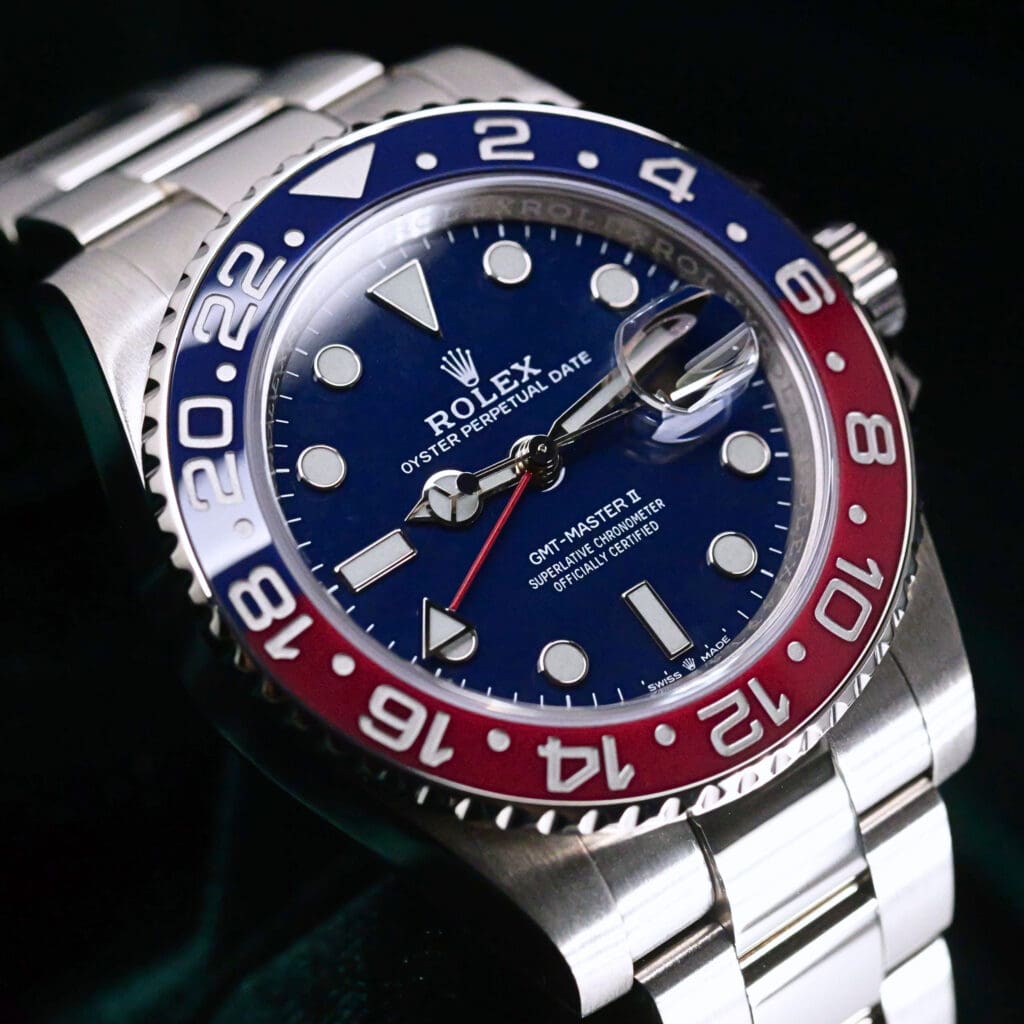
Rolex GMT-Master II "Pepsi" Blue Dial Red Blue Bezel 18K White Gold Oyster Bracelet 40mm MINT CONDITION COMPLETE SET 126719BLRO
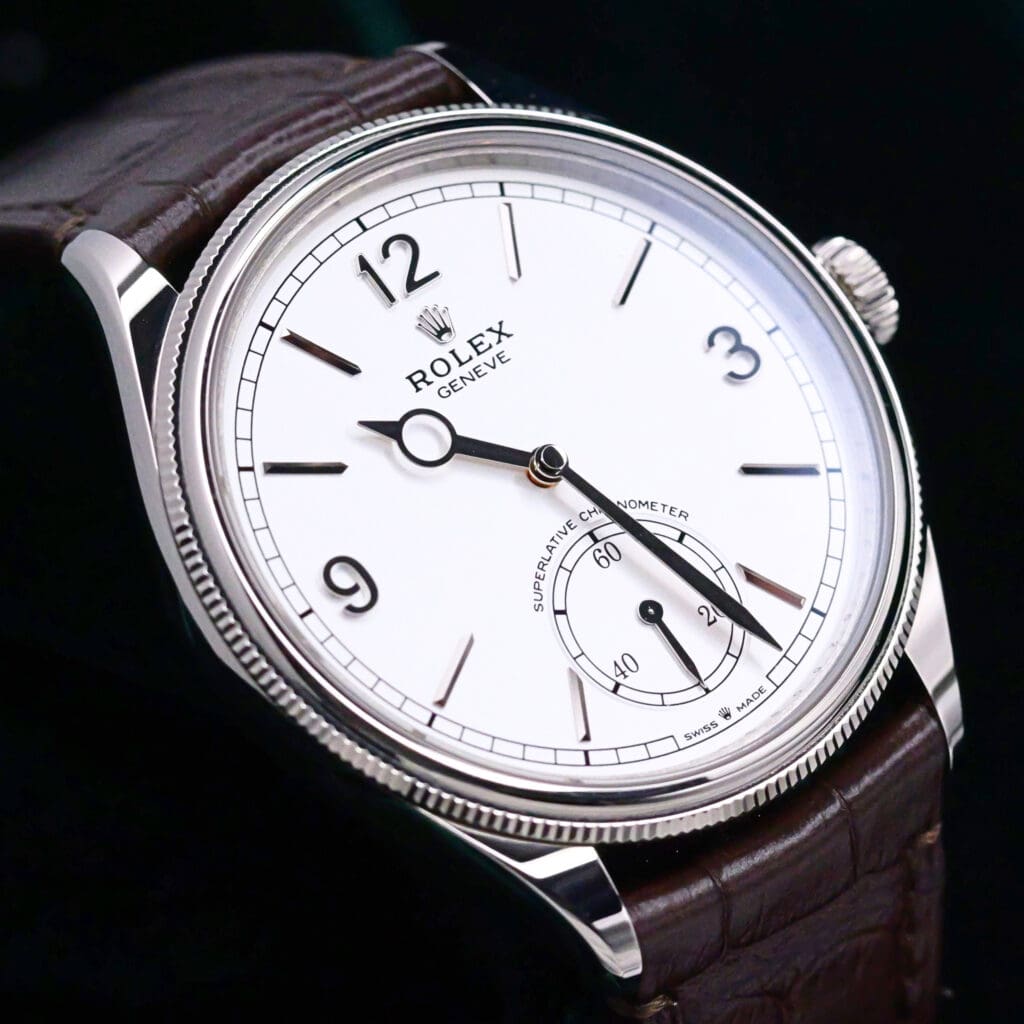
2025 Rolex 1908 White Dial 18K White Gold Brown Alligator Leather Strap 39mm MINT CONDITION COMPLETE SET 52509
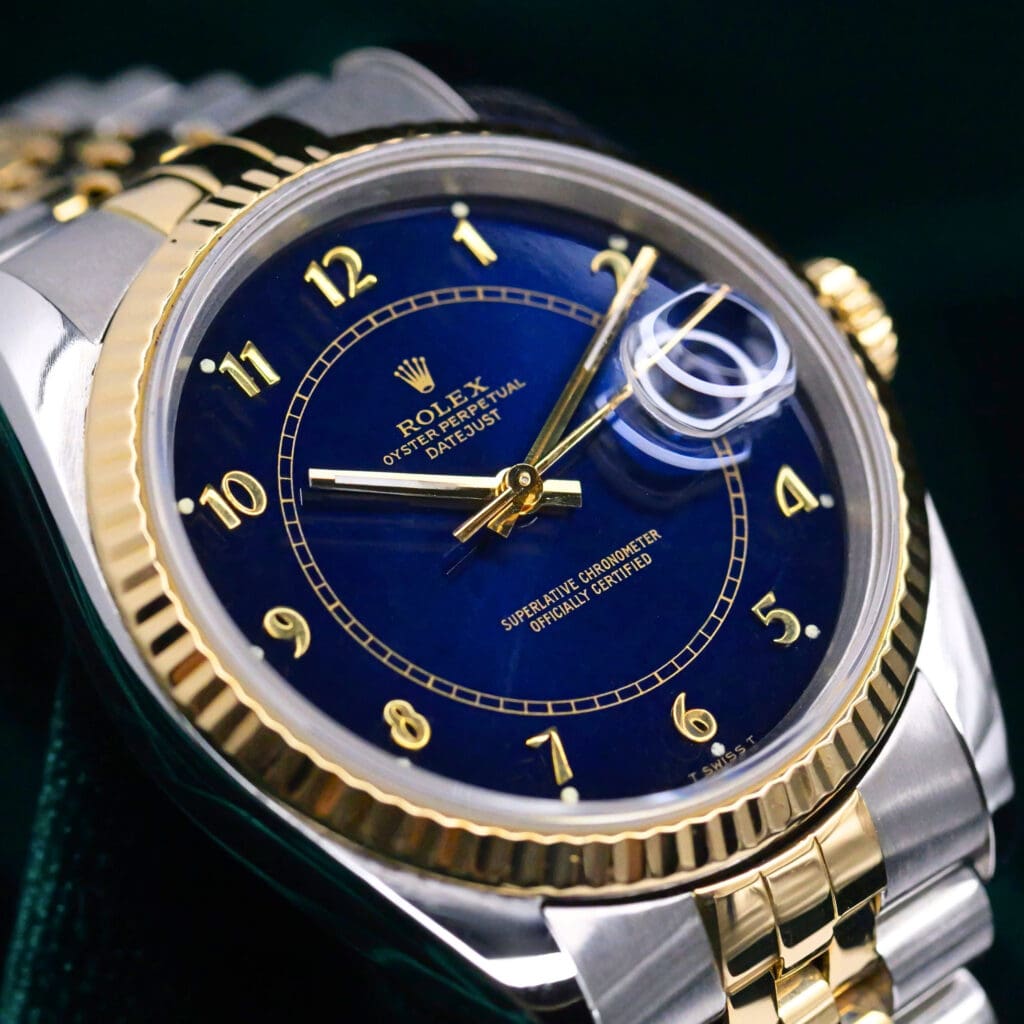
Rolex Datejust Blue Arabic Numeral Refinished Dial Fluted Bezel Jubilee Bracelet 18k Yellow Gold Stainless Steel 36mm MINT CONDITION 16233
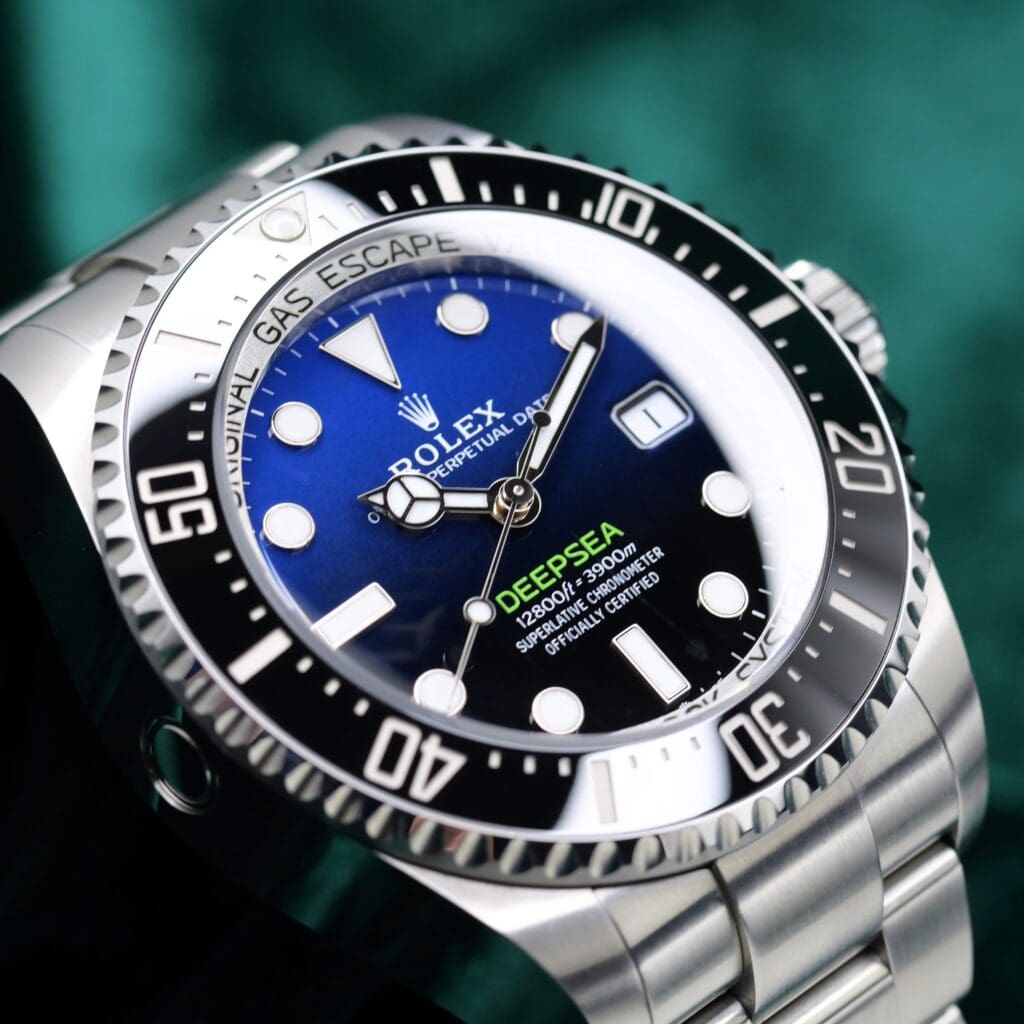
2025 MINT Rolex 136660-0005 Deepsea James Cameron Blue Black Dial Black Ceramic Bezel Stainless Steel 44MM Complete Set 136660
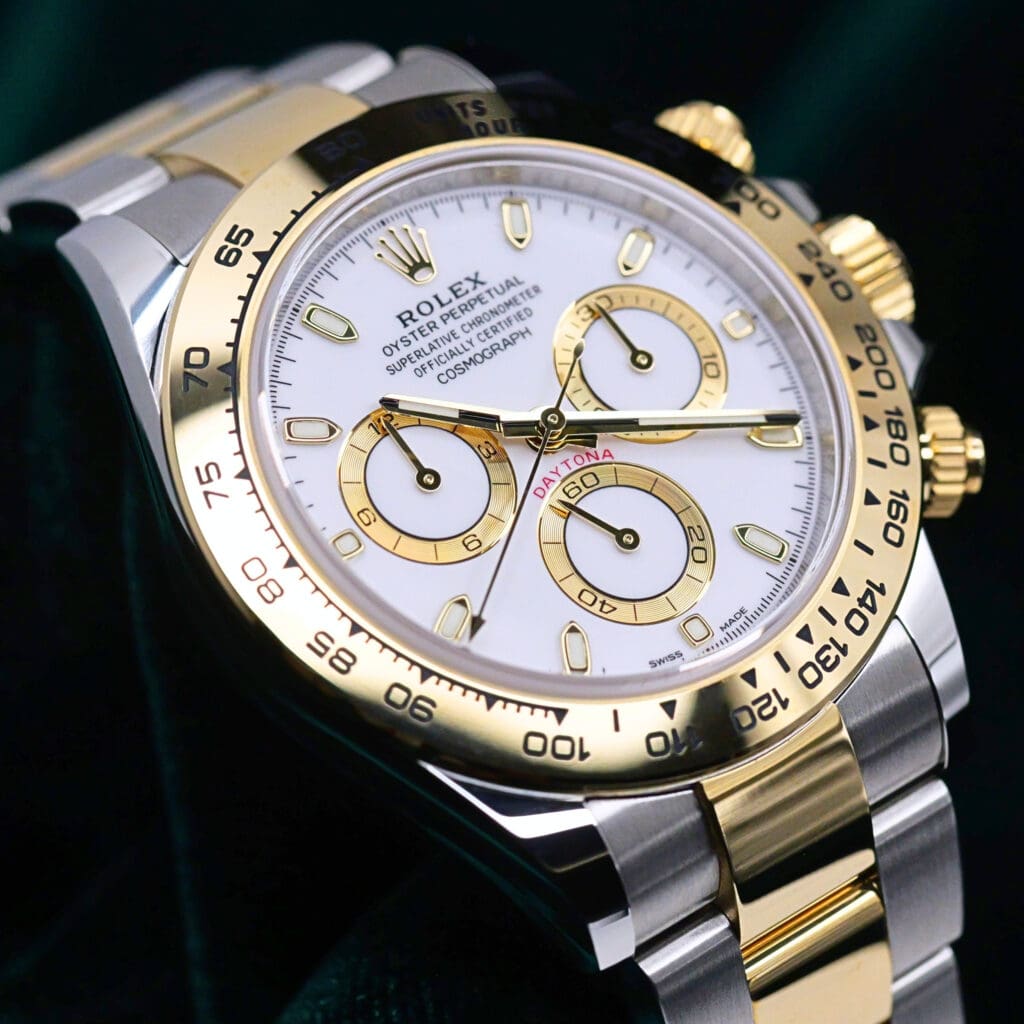
Rolex Cosmograph Daytona White Dial Gold Subdials Oyster Bracelet Two-Tone 18K Yellow Gold Stainless Steel 40mm MINT CONDITION COMPLETE SET 116503
Should You Choose a Jubilee or Oyster Bracelet?
Choosing between a Jubilee and an Oyster comes down to how you wear your watch and what you value most once it’s on your wrist. Both are superbly made by Rolex; they just suit different habits. If you’re still mapping out the range, our Rolex buying guide shows how bracelet options fit across the lineup.
Choose the Oyster if:
- You prefer a sportier, more utilitarian look
- You’re active or tend to be hard on your watches
- You want a bracelet that stays understated and hides wear well
Choose the Jubilee if:
- Comfort is your top priority for all-day wear
- You like a more refined, detailed appearance
- You often wear your watch in office or dressier settings
On most models the bracelet barely moves resale, so choose for the wrist, not the flip. The GMT is the one real exception, where the Jubilee carries a small premium, as covered above, and even there, comfort should lead.
Still torn? Tell us how you actually wear your watch (desk days, travel, weekends outdoors) and we’ll point you to the bracelet, and the specific references, that fit. No pressure either way.
Where to Buy Authentic Watches Online
A handful of legitimate online channels sell Rolex on either bracelet. Chrono24 aggregates listings from dealers and private sellers worldwide, with an escrow option that holds your payment until the watch arrives. eBay covers higher-value watches under its Authenticity Guarantee, inspecting them before they reach you.
Grailzee runs auction-style sales aimed at enthusiasts, and independent grey-market sellers and watch forums round out the picture. For a fuller rundown, our guide on where to buy a pre-owned watch compares the channels.
We also sell, buy, and trade luxury watches, and the reason clients come to us over a big marketplace is the layered communication before any decision. On a Datejust or GMT-Master II, we’ll send tour videos of the actual watch, not stock photos, plus honest condition notes and a real conversation with someone who has handled the piece. You’re not buying blind off a listing.
That shows up in our 4.9-star Google rating, which comes from buyers who wanted to understand exactly what they were getting first.
If you want that kind of walkthrough on a specific Jubilee or Oyster reference, reach out and we’ll line up options that match how you plan to wear it.
Final Takeaways on Rolex Jubilee vs Oyster Bracelet
There’s no clear winner in the Rolex Jubilee vs Oyster debate, because neither bracelet is better in the abstract. Each suits a different way of wearing a watch, and the right pick depends on your day.
If the watch lives on your wrist from morning to night, the Jubilee’s flexibility and easy comfort tend to win. If you’re active or want a cleaner, sportier look that shrugs off knocks, the Oyster’s stability makes more sense.
Two quick tips: try both on if you can, since five minutes on each wrist decides it faster than any guide. And dial in the fit, because a well-sized bracelet always feels better than the “right” one worn loose.
999+ Timepieces Available
Explore Our Timepieces
Authenticated, unworn, and ready to ship worldwide.
Rolex · Audemars Piguet · Patek Philippe · Omega · Cartier · Richard Mille · Hublot · Tudor
Newly Listed
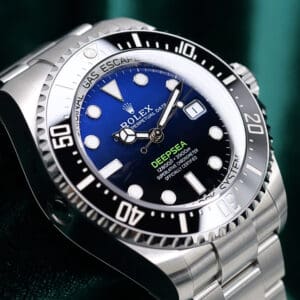
2026 NEW UNWORN Rolex Deepsea "James Cameron" D-Blue Black and Blue Dial Black Ceramic Bezel Stainless Steel 44mm COMPLETE SET 136660-0005
$20,208.00
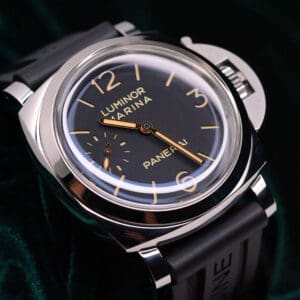
Panerai Luminor Marina 1950 3 Days Limited Edition Black Sandwich Dial Stainless Steel Black Rubber Strap 47mm MINT COMPLETE SET PAM00422
$7,503.00
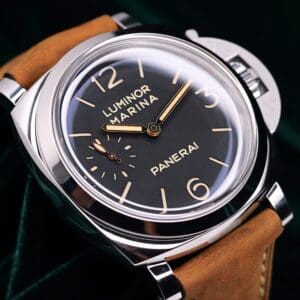
Panerai Luminor Marina 1950 3 Days Black Dial Stainless Steel Brown Leather Strap 47mm LIMITED EDITION MINT CONDITION COMPLETE SET PAM00422
$7,503.00
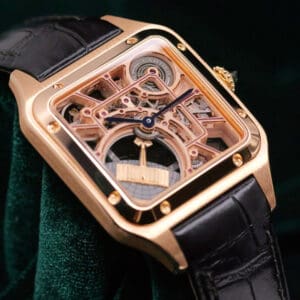
Cartier Santos-Dumont Micro-Rotor Skeleton Dial Black Alligator Strap 18k Rose Gold 43.5 x 31mm MINT CONDITION COMPLETE SET WHSA0030
$40,425.00
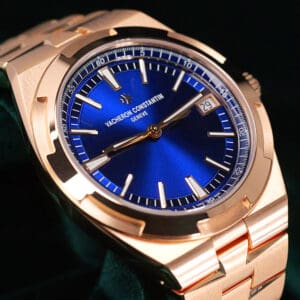
2026 Vacheron Constantin Overseas Blue Dial 18k Rose Gold 41mm MINT CONDITION COMPLETE SET 4520V/210R-B705
$72,764.00
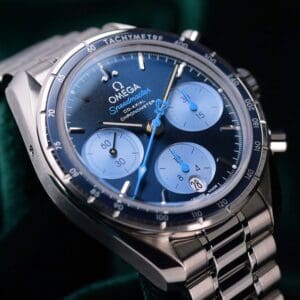
Omega Speedmaster 38 Orbis Edition Blue Dial Stainless Steel 38mm MINT CONDITION COMPLETE SET 324.30.38.50.03.002
$6,599.00
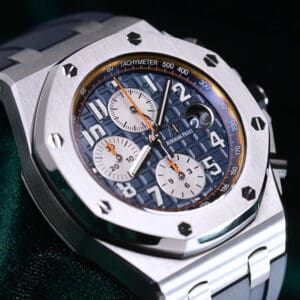
Audemars Piguet Royal Oak Offshore Chronograph “Navy” Blue Dial Orange Accents Blue Rubber Strap Stainless Steel 42mm MINT CONDITION COMPLETE SET 26470ST.OO.A027CA.01
$22,245.00
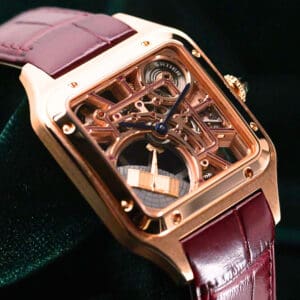
Cartier Santos-Dumont Micro-Rotor Skeleton Dial 18K Rose Gold Burgundy Alligator Strap 31mm MINT CONDITION COMPLETE SET WHSA0030
$40,425.00
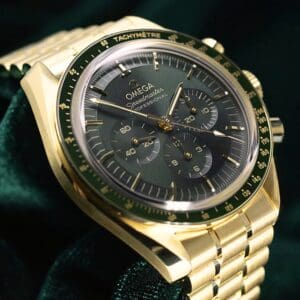
Omega Speedmaster Professional Moonwatch "Moonshine" Green Dial 18K Yellow Gold 42mm MINT CONDITION COMPLETE SET 310.60.42.50.10.001
$35,695.00
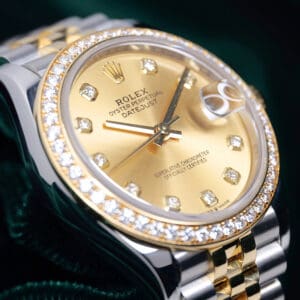
Rolex Datejust 31 Champagne Diamond Dial Diamond Bezel Jubilee Yellow Gold & Stainless Steel 31mm MINT CONDITION COMPLETE SET 278383RBR
$31,990.00
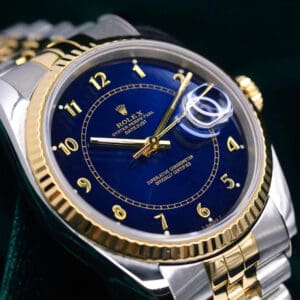
Rolex Datejust Blue Arabic Numeral Refinished Dial Fluted Bezel Jubilee Bracelet 18k Yellow Gold Stainless Steel 36mm MINT CONDITION 16233
$7,975.00
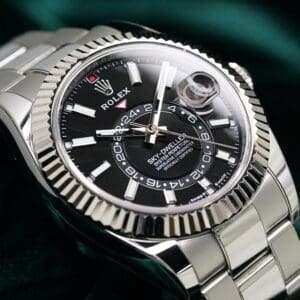
2025 Rolex Sky-Dweller Bright Black Dial 18k White Gold Fluted Bezel Stainless Steel Oyster Bracelet 42mm MINT CONDITION COMPLETE SET 336934
$22,895.00