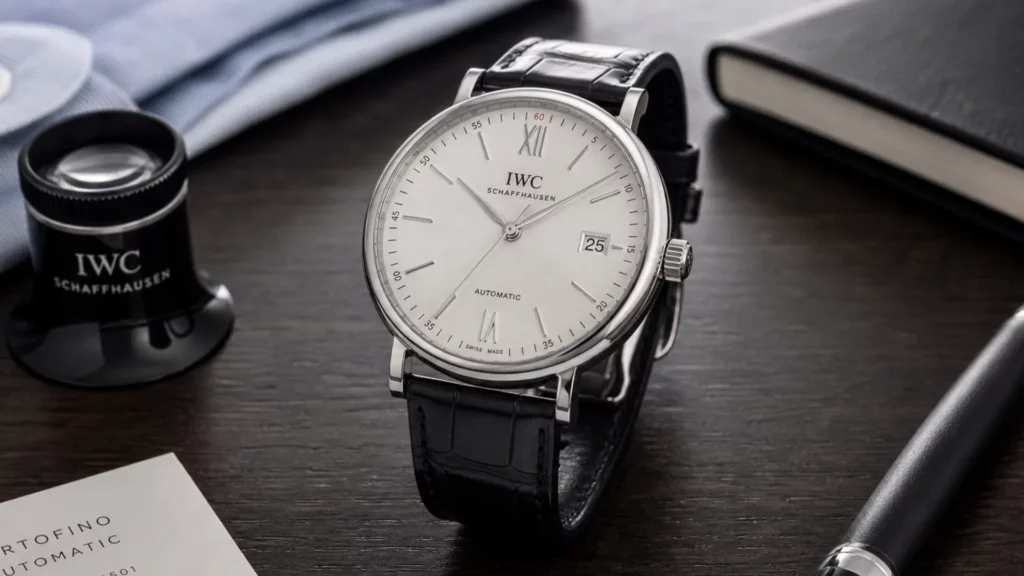
The IWC Portofino has a reputation problem it doesn’t entirely deserve. Collectors on WatchUSeek and r/Watches argue about its Sellita movement like it’s a flaw, while marketplace listings quietly move pre-owned examples at 30–40% off retail.
The Portofino isn’t the watch to buy if you want forum credibility or strong resale. But for a buyer who just wants a clean Swiss dress watch under a shirt cuff, it’s one of the most underpriced options in IWC’s current catalog right now.
This IWC Portofino buying guide breaks down every current reference, the real pre-owned prices, and the honest answer on the Sellita debate. Read on and pick the right one before you spend.
Is IWC Portofino the Right Watch for You?
The Portofino is IWC’s dress watch, and on r/Watches it gets recommended again and again as a sensible first serious luxury watch. Three signals tell you it’s the right pick.
- Wear suits to work. The 9.3mm case slides under a dress shirt cuff without snagging.
- Want a clean leather-strap watch. Roman numerals or applied indices on a flat dial, with nothing on the bezel to fight for attention.
- Don’t care if other collectors recognise it on your wrist. This is the deciding factor. The Portofino is quiet on purpose.
Skip it if you want a watch other collectors will spot from across the room. Tell someone you wear an IWC, and they’ll picture a Pilot’s Watch or a Portugieser, not a Portofino. The anonymity works for some buyers and bothers others. Know which one you are before you pay.
Skip it also if tool-watch presence matters. The Pilot’s Watch Mark XX (ref. IW328201, ~$5,250) has 100m water resistance, an in-house movement, and a 120-hour power reserve at roughly the same price. For swimming, look at the Aquatimer. The Portofino is rated to 30m, fine for hand-washing but not the pool.
Should You Care About the Sellita Movement?
The Sellita movement only matters if resale is on the table. It isn’t the problem forums make it out to be. The issue is perception, not reliability, and that perception is already priced into the pre-owned market.
The Caliber 35111 is built on a Sellita SW300-1 base. Sellita supplies ebauches (base movement architecture) to multiple Swiss brands, and the SW300-1 is its clone of the ETA 2892-A2, a movement in continuous production since the 1970s. The Cal. 35111 has a 42-hour power reserve, 25 jewels, and keeps time accurately day-to-day.
So the pushback isn’t about how it runs. It’s about what it signals. In-house calibres work as a prestige marker on the forums, and the Automatic is the one Portofino that doesn’t carry one. Pre-owned prices already reflect that gap, which is exactly what makes a used Automatic good value.
4 IWC Portofino Models Worth Buying in 2026
For most buyers, the Portofino Automatic is the model most worth buying. It’s the cheapest entry, the easiest to wear daily, and the best value pre-owned. The Chronograph, Hand-Wound Moon Phase, and Automatic Moon Phase are step-up options. Here’s the call on each.
1. Portofino Automatic — Best Everyday Dress Watch
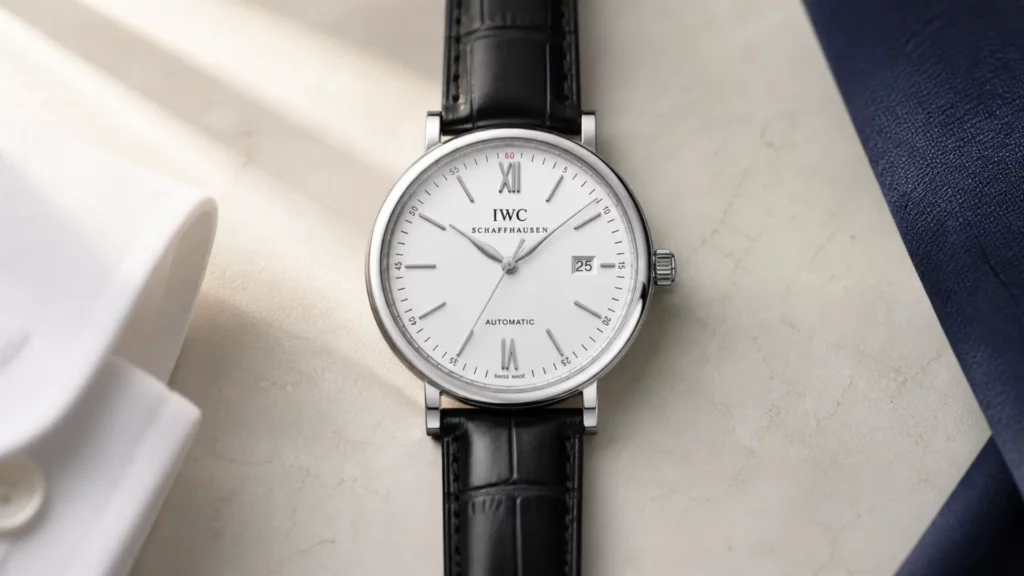
The Portofino Automatic in stainless steel (ref. IW356501) is the right pick for most buyers. Retail sits around $5,000, but pre-owned examples on Chrono24 and WatchCharts trade at $2,800–$3,400 as of early 2026, a meaningful discount off retail (full numbers in the table below).
The case is 40mm wide and 9.3mm thin. That’s slim enough to slide under a dress shirt cuff. Dial options run silver, black, blue, and slate-grey (IWC calls the grey “Ardoise”). The movement is the Cal. 35111 covered above.
The blue dial with applied indices is the version most-discussed in IWC Collectors Forum threads. If you’re picking your first dial, start there.
2. Portofino Chronograph — Best Pre-Owned Value Pick
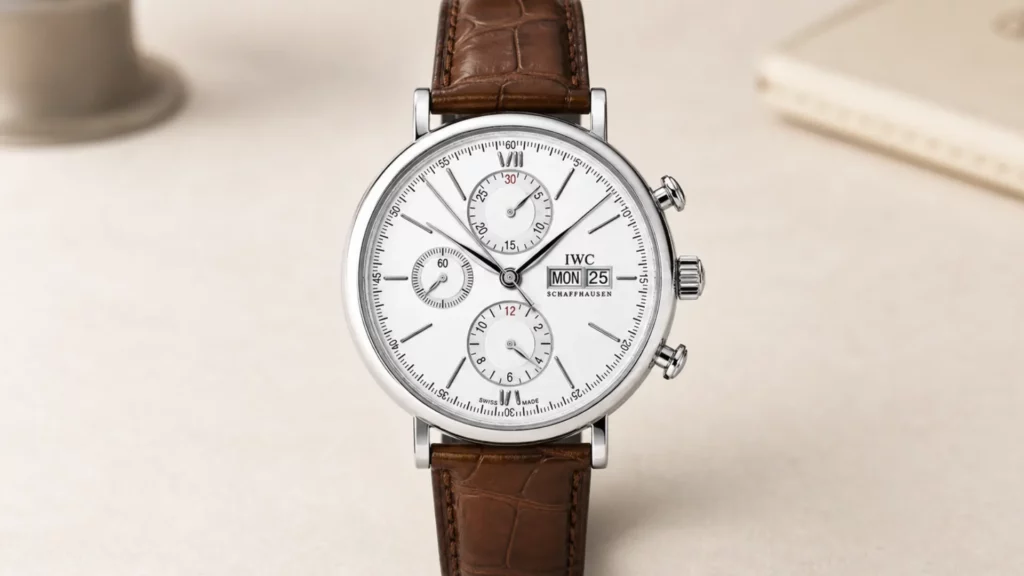
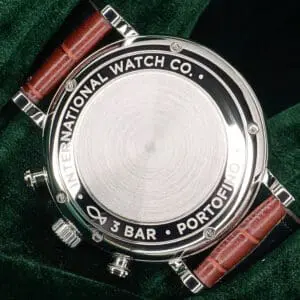
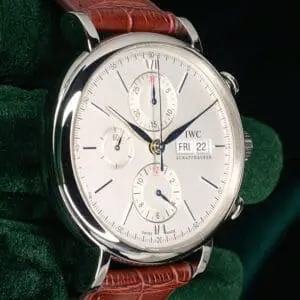
The Portofino Chronograph (ref. IW391027) retails at around $6,200, only $1,200 more than the Automatic new. But pre-owned examples come in at $3,500–$4,200, the same money as a new Automatic for a more complicated watch.
The Chronograph uses the Cal. 79320, a 7750-based movement with a 44-hour power reserve. It’s cam-actuated rather than column-wheel, so the pushers feel less crisp than a higher-end chronograph. But the 7750 has been in production for decades and any watchmaker can service it. The case is 42mm wide and 13.6mm thick.
The chronograph subdials add visual interest without making it a tool watch. If the plain three-hand Automatic feels too minimal, this is the next step.
3. Portofino Hand-Wound Moon Phase — Best In-House Option
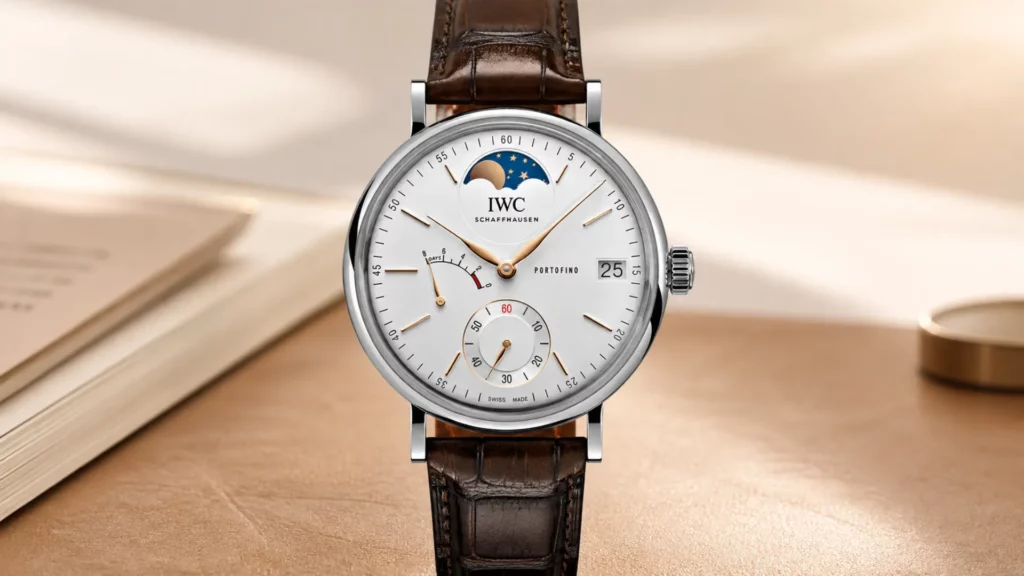
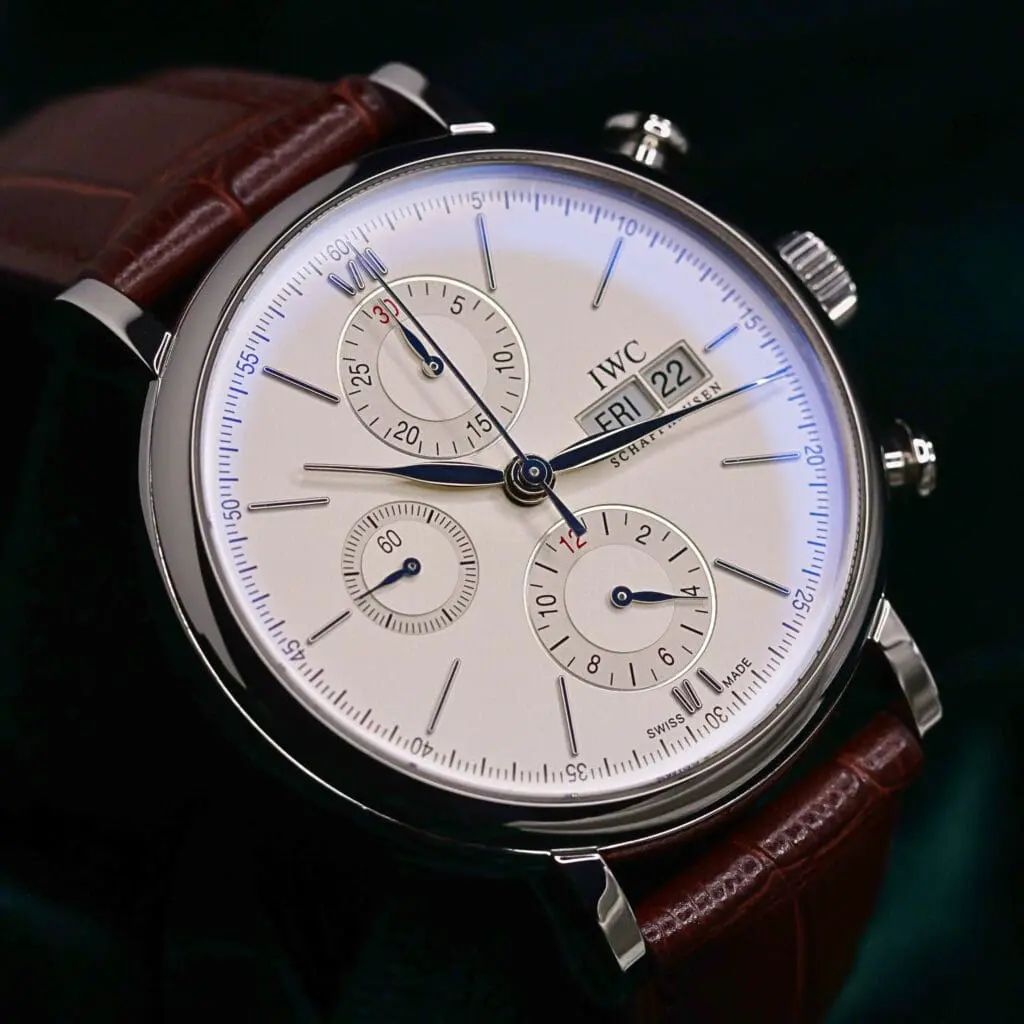
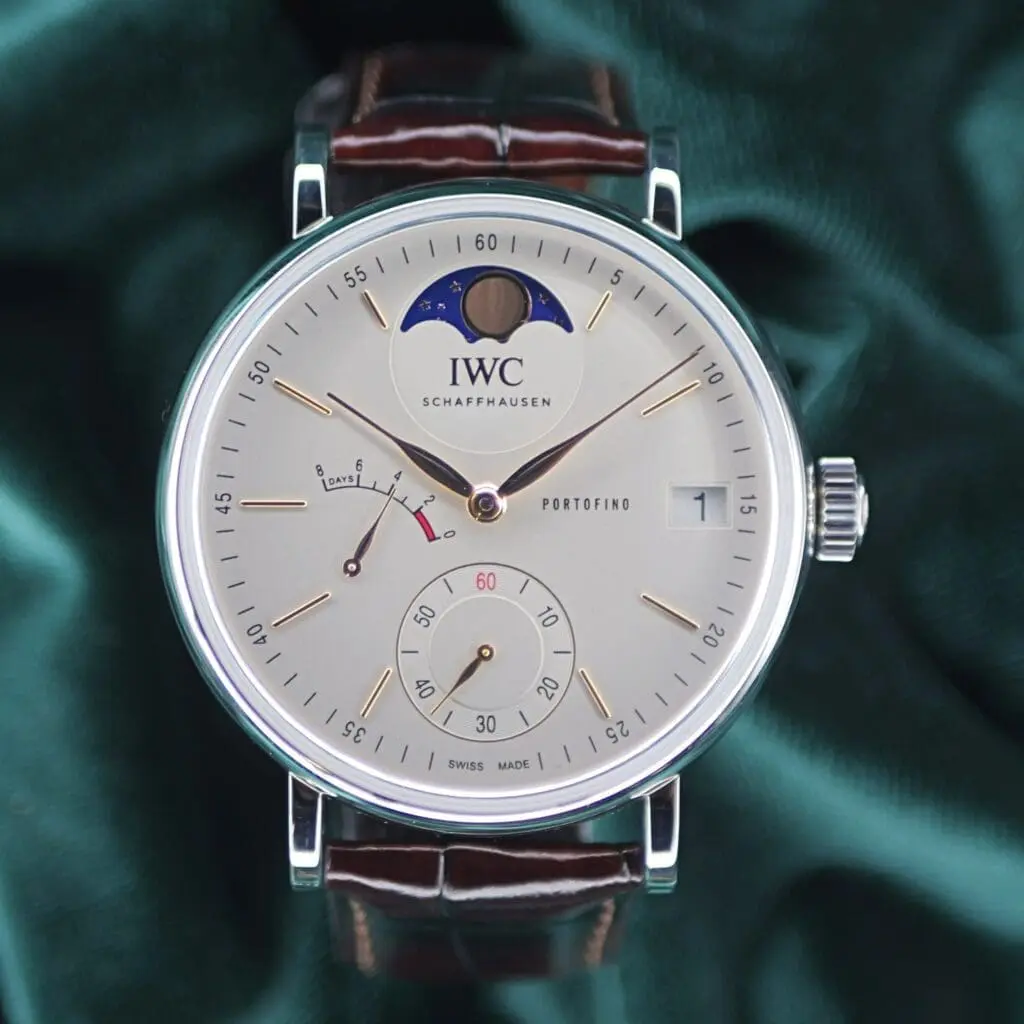
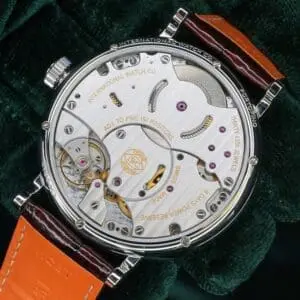
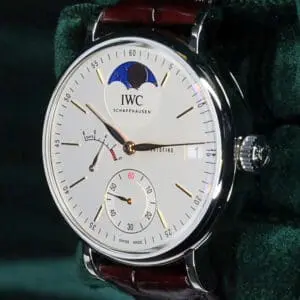
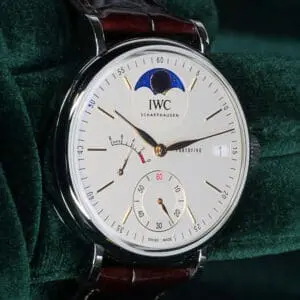
If the movement debate matters to you, the Hand-Wound Moon Phase (ref. IW516401) settles it. Retail is around $13,000 in stainless steel, with pre-owned examples at $7,500–$10,000. It uses IWC’s in-house Cal. 59800 with an eight-day (192-hour) power reserve, and the moon phase at 12 o’clock runs off the same movement.
The case is 45mm wide and 13.2mm thick. That’s a different watch on the wrist than the 40mm Automatic. It wears more like a Portugieser, and it won’t slide under a shirt cuff the way the Automatic does.
If you want the in-house movement without the moon phase, the discontinued Hand-Wound Eight Days references (IW510102 silver dial, IW510115 black dial, and similar variants) used the Cal. 59210 in the same 45mm case and turned up regularly pre-owned. Either route gets you a Portofino without the Sellita conversation, and both hold value better than the Automatic.
4. Portofino Automatic Moon Phase — Best for Complication Lovers
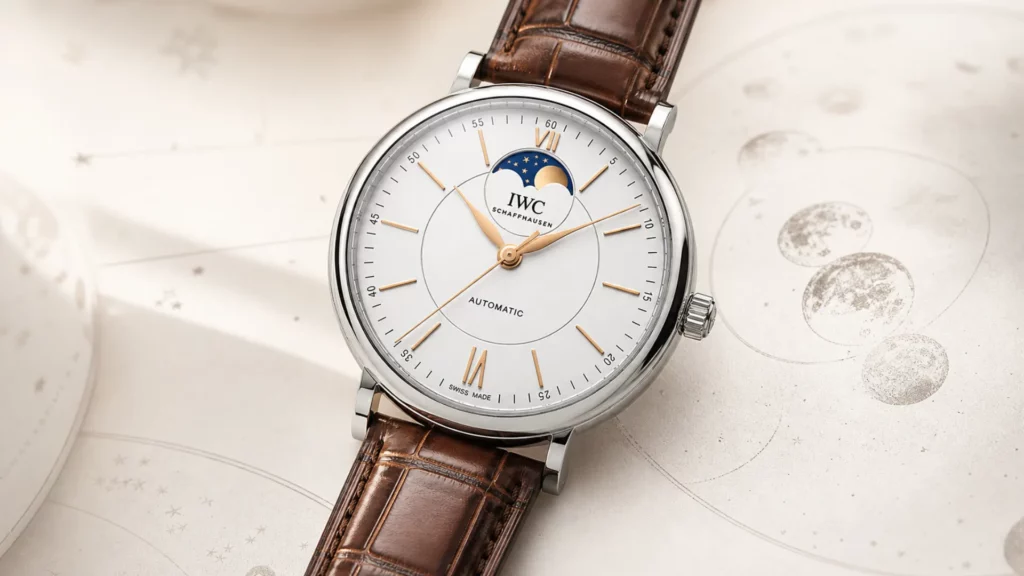
The Portofino Automatic Moon Phase (ref. IW459401) sits between the Automatic and the Hand-Wound Moon Phase in size and price. Retail starts around $7,700, and pre-owned stainless steel examples trade from $4,500–$6,000.
The case is 40mm wide and 11.1mm thick, chunkier than the Automatic but still wearable under a shirt. The movement is the Cal. 35800, the same Sellita-based family as the 35111, with the moon phase added. So this isn’t the in-house upgrade some buyers assume.
If you already own the Automatic and want one more complication without going up to a 45mm case, this is the upgrade. If you’re buying your first IWC, start with the Automatic and see how you wear it before spending here.
What Size IWC Portofino Should You Buy?
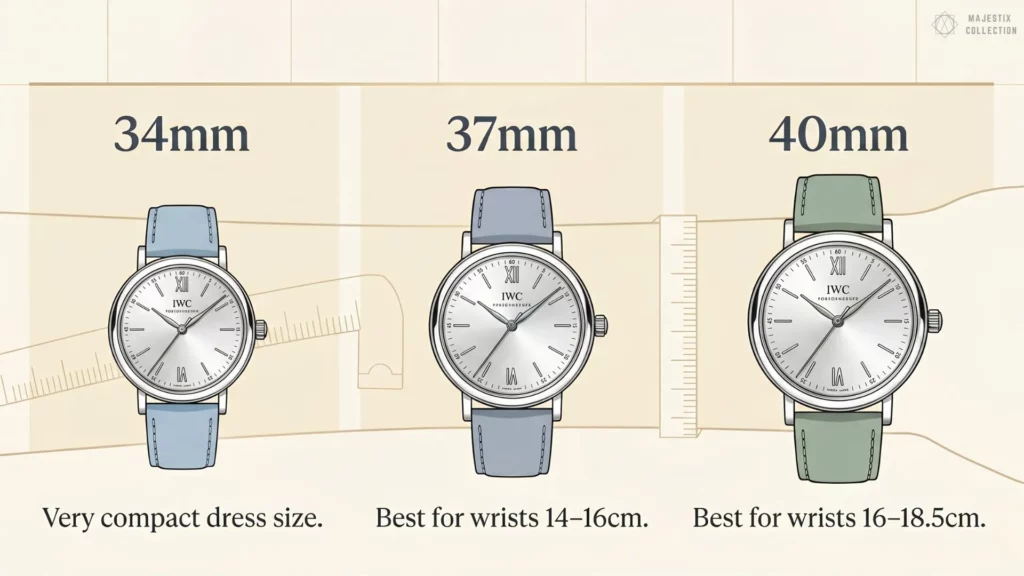
The Portofino Automatic comes in three sizes. For most buyers, the 40mm is the right call. Match your wrist size to the right reference below.
- 40mm: Best for wrists 16–18.5cm. The 9.3mm case keeps it from looking chunky on the larger end of that range.
- 37mm: Best for wrists 14–16cm. If the 40mm looks oversized when you try it on, the 37mm is the correct answer.
- 34mm: A women’s sizing, but it works for any collector who prefers a very compact dress watch. Most buyers in that wrist range end up picking the 37mm for a more contemporary proportion.
Should You Buy a New or Pre-Owned Portofino?
Pre-owned is the smarter buy for this watch. The Portofino depreciates faster than most Swiss dress watches at this price point, which puts pre-owned examples 30%+ below retail with the same factory build.
The Automatic and Chronograph drop the hardest at 32–44% off retail. The two Moon Phase references hold value better but still trade well below new prices. The table below, sourced from WatchCharts and Chrono24, shows the gap by reference.
| Reference | Retail (New) | Pre-Owned Range | Depreciation |
| IW356501 (Automatic, SS) | ~$5,000 | ~$2,800–$3,400 | 32–44% |
| IW391027 (Chronograph, SS) | ~$6,200 | ~$3,500–$4,200 | 32–44% |
| IW459401 (Auto Moon Phase, SS) | ~$7,700 | ~$4,500–$6,000 | 22–42% |
| IW516401 (Hand-Wound Moon Phase, SS) | ~$13,000 | ~$7,500–$10,000 | 23–42% |
Buying new is worth the premium if you want IWC’s International Limited Warranty (two years standard, extendable to eight through My IWC registration) and full service history certainty. If you’re not sure how that protection compares to a typical pre-owned situation, here’s what a watch warranty actually covers.
5 Things to Check Before Buying a Pre-Owned Portofino
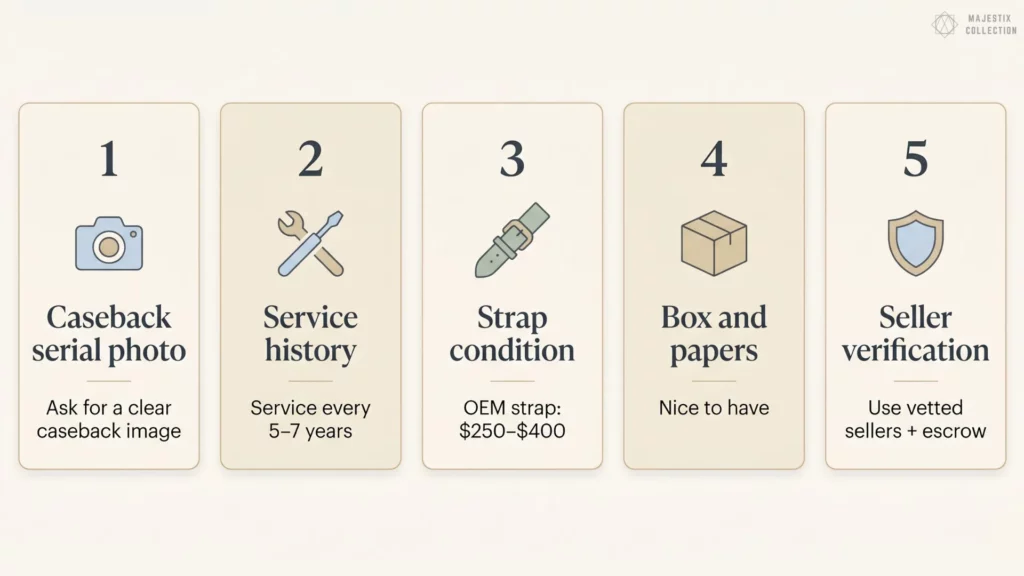
A pre-owned IWC doesn’t come with the factory protection a new one does. These are the five checks that catch most of the problems sellers don’t volunteer.
1. Caseback serial photo. Ask the seller for a clear caseback image before paying. A blurry caseback is a red flag. Sellers typically blur it to hide scratches, a missing serial, or a re-cased movement.
2. Service history. IWC recommends a full service every 5–7 years. An authorized IWC service runs $500–$900 on the Automatic and $900–$1,400+ on the Hand-Wound Moon Phase, depending on condition and region. If the watch is overdue, factor the cost into your offer.
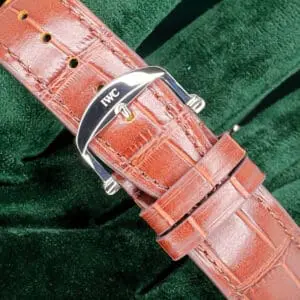
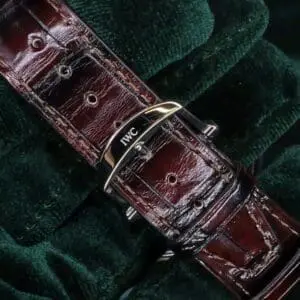
3. Strap condition. The OEM IWC alligator strap is one of the costlier consumables on this watch. A genuine replacement runs $250–$400, and with regular daily wear, expect replacement every two to four years. Worn straps are common on otherwise clean pre-owned examples. Use it as a negotiating point if the strap is shot.
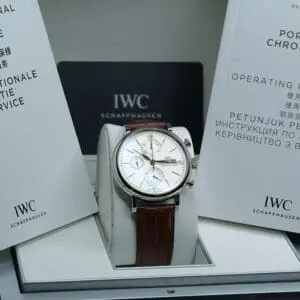
4. Box and papers. Less critical on a Portofino than on a Rolex or Patek Philippe. The resale premium for a full set is also smaller than on a Portugieser or Pilot’s Watch. Still worth having if you plan to sell eventually.
5. Seller verification. Buy from a vetted source with on-record authentication and escrow protection. Private sales save money but the authentication is on you, and a forged caseback or re-cased movement isn’t always obvious in photos. See the “Where to Buy” section below for the four routes worth considering.
IWC Portofino vs. Portugieser: Which to Buy
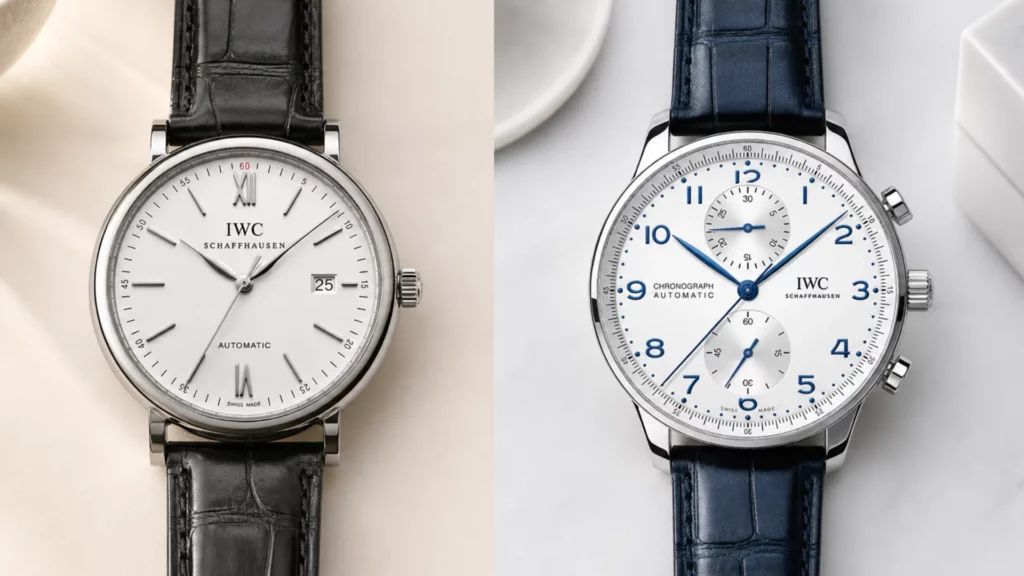
The Portugieser has a stronger collector identity. The Portofino is easier to wear every day. That’s the short answer, and it’s mostly what this decision comes down to. We go deeper on how the Portofino and Portugieser stack up head-to-head in a separate guide.
The case sizes are close: Portugieser Chronograph at 41mm, Portofino Automatic at 40mm. The Portugieser has a larger dial relative to the case and applied Arabic numerals, which give it more presence on the wrist. The Portofino is cleaner and more minimal.
The Portugieser Chronograph (ref. IW371605) retails at $7,950–$8,900 and uses IWC’s in-house Cal. 69355, a column-wheel chronograph with a 46-hour power reserve. Pre-owned examples trade at $4,500–$5,500, which is the same money as a new Portofino Automatic.
So if the movement matters to you, a pre-owned Portugieser Chronograph beats a new Portofino Automatic. You get an in-house column-wheel movement and stronger collector recognition for the same money. If you’re drawn to the Portofino’s simplicity, the Automatic is still the right starting point.
Does the IWC Portofino Hold Its Value?
The IWC Portofino doesn’t hold its value especially well. Pre-owned Automatics trade at 32–44% off retail, steeper than an Omega Seamaster or a Longines Master Collection. The Hand-Wound Moon Phase holds slightly better because of its in-house movement, but it still drops 25%+ in the first few years.
If value retention is the priority, you’re shopping for the wrong reference. The Pilot’s Watch Mark XX, mentioned earlier as a tool-watch alternative, also holds value better.
Portofino’s case for ownership is the watch itself. You get solid IWC build quality and a proper Swiss dress watch for less money than the equivalent at Omega or Longines. If you plan to wear it for years, the depreciation stops mattering.
Where to Buy Authentic IWC Portofino Watches
The pre-owned market for the Portofino is broad, but quality varies. Some sources are built around volume and trust the buyer to do their own authentication. Others vet every watch before listing, which costs more upfront but removes most of the risk. If you’re new to this side of the market, our guide to buying pre-owned watches covers the full landscape.
1. Chrono24 has the deepest inventory globally. Use the Trusted Seller filter and pay through their escrow service. Listings vary in quality, so apply the five checks above before sending money. Our walkthrough on using Chrono24 safely goes deeper on the platform’s quirks.
2. eBay is cheaper and riskier. Stick to sellers with high feedback and full caseback photos, and never pay outside the platform. Authentication on eBay is on you.
3. Grailzee runs auction-format sales for pre-owned watches with some authentication work done before the listing goes live. Useful for buyers who want to wait for a specific reference at a specific price.
4. Majestix Collection is a curated buy-and-sell house. Every Portofino we list comes with on-wrist video, full condition notes, service history where available, and the option to walk through the watch with us before paying.
999+ Timepieces Available
Explore Our Timepieces
Authenticated, unworn, and ready to ship worldwide.
Rolex · Audemars Piguet · Patek Philippe · Omega · Cartier · Richard Mille · Hublot · Tudor
Newly Listed

Vacheron Constantin Overseas Perpetual Calendar Ultra-Thin Silver Dial 18K Rose Gold Bracelet 41.5mm MINT CONDITION COMPLETE SET 4300V/120R-B064
$115,385.00
2026 Rolex GMT-Master II “Batgirl” Black Dial Blue Black Ceramic Bezel Jubilee Bracelet Stainless Steel 40mm MINT CONDITION COMPLETE SET 126710BLNR
$22,034.00
Vacheron Constantin Overseas Perpetual Calendar Ultra-Thin Silver Dial Blue Leather Strap 18K Rose Gold 41.5mm MINT CONDITION COMPLETE SET 4300V/120R-B064
$115,385.00
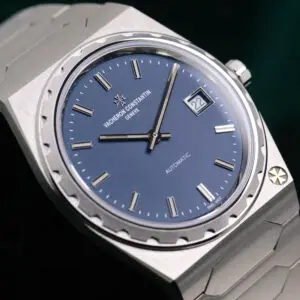
2026 NEW UNWORN Vacheron Constantin Historiques 222 Blue Dial Stainless Steel 37mm COMPLETE SET 4200H/222A-B934
$58,795.00
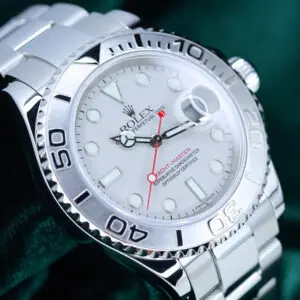
Rolex Yacht-Master Rolesium Platinum Dial Platinum Bezel Oyster Stainless Steel 40mm MINT CONDITION COMPLETE SET 16622
$14,690.00

Audemars Piguet Royal Oak Offshore Chronograph “Vampire” Black Dial Red Accents Black Ceramic Bezel Stainless Steel 42mm MINT CONDITION 26470SO.OO.A002CA.01
$34,649.00
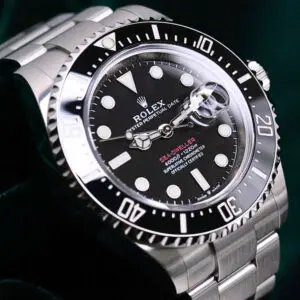
Rolex Sea-Dweller "Red Letter" Black Dial Black Cerachrom Bezel Oyster Bracelet Stainless Steel 43mm MINT CONDITION COMPLETE SET 126600
$13,120.00
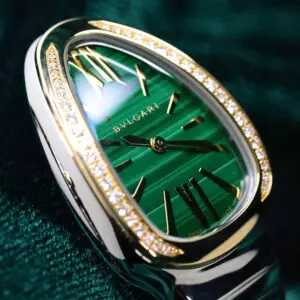
2026 NEW UNWORN Bvlgari Serpenti Tubogas Studs Capsule Limited Edition Green Dial Diamond Bezel Steel & 18k Yellow Gold 35mm COMPLETE SET 104360
$24,255.00
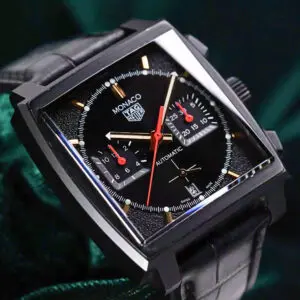
Tag Heuer Monaco Chronograph “Dark Lord” Special Edition Black Dial Black Leather Strap DLC Titanium 39mm MINT CONDITION COMPLETE SET CBL2180.FC6497
$8,135.00
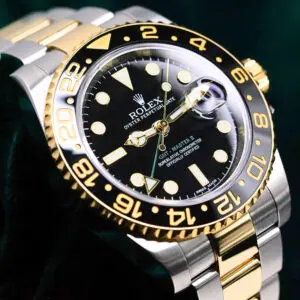
Rolex GMT-Master II “Green Arrow” Black Dial Black Ceramic Bezel Oyster Bracelet Two-Tone 18K Yellow Gold Stainless Steel 40mm MINT CONDITION COMPLETE SET 116713LN
$15,740.00
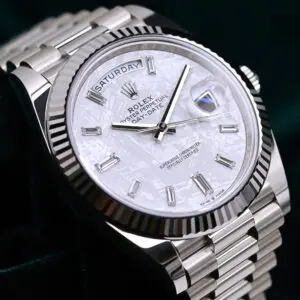
Rolex Day-Date Meteorite Baguette Diamond Dial Fluted Bezel President 18K White Gold 40mm MINT CONDITION COMPLETE SET 228239
$78,629.00
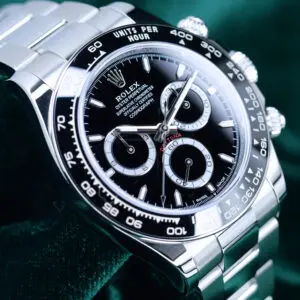
2026 Rolex Cosmograph Daytona Black Dial Black Ceramic Bezel Oyster Bracelet Stainless Steel 40mm MINT CONDITION COMPLETE SET 126500LN
$33,594.00
Final Thoughts on the IWC Portofino Buying Guide
This IWC Portofino buying guide is about the gap between perception and price. The forums treat the Sellita movement like a flaw, the market discounts the Automatic accordingly, and a buyer paying attention gets a real Swiss dress watch for $2,800–$3,400.
Two tips before you buy. First, run the serial number through IWC’s Service Price Calculator on iwc.com to see service costs upfront. Second, verify any listing priced more than 10% below the WatchCharts range. That gap is usually hiding something.
When you’re ready to look at specific watches, browse our current IWC Portofino inventory to see what is available.