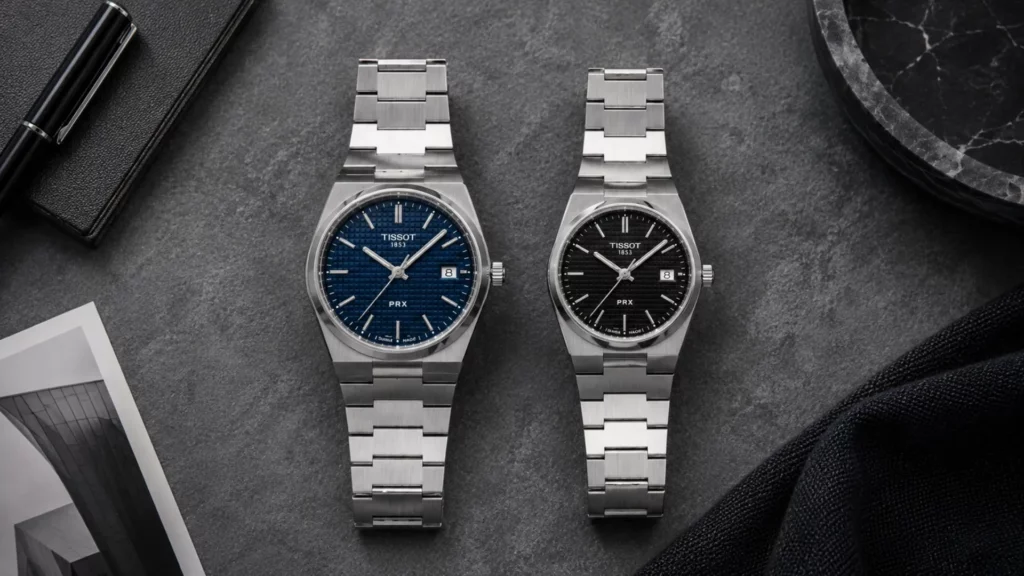
The Tissot PRX buying guide has become necessary for one simple reason: the collection is no longer a one-watch lineup. What started as a revived 1978 integrated-bracelet sports watch has expanded into the broader Majestix Collection of PRX models.
The lineup now includes multiple case sizes, quartz and Powermatic 80 movements, chronographs, and a growing range of dial variations. For most buyers, choosing the right one now feels harder than buying the watch itself.
Tissot’s official specifications explain dimensions and movements, but they do not tell you which PRX actually fits your wrist, your budget, or your daily routine. A 35mm quartz PRX wears completely differently from a 40mm Powermatic 80, and the wrong choice usually becomes obvious after a few weeks of wear.
This guide skips the recycled history lesson and focuses on the decision that matters: which Tissot PRX you should actually buy. We’ll break down the best models by fit, movement, comfort, and value so you can make a confident purchase without second-guessing it later.
What Is the Tissot PRX?
The Tissot PRX is an integrated-bracelet sports watch that Tissot revived in 2021 from its original 1978 design. It combines a slim tonneau-style case with a sharply tapered bracelet that flows directly into the watch head, creating a unified, modern-retro look that sits flat on the wrist. The design focuses on clean geometry, brushed finishing, and everyday versatility.
You wear the PRX as a daily sports watch rather than a formal dress piece. The case design maintains a low profile, which helps it slide easily under cuffs while still feeling solid on the wrist. Tissot positions the PRX as an entry point into Swiss mechanical watchmaking, with both quartz and automatic options that cater to different price points and wearing preferences.
For a wider look at how the PRX fits inside the full Tissot lineup and where the brand sits in today’s Swiss market, our broader brand guide walks through it.
The collection reflects the rise of integrated-bracelet watch design, a style popularized by luxury sports watches in the 1970s. The PRX delivers that aesthetic at a more accessible level, making it one of the most recognizable designs in Tissot’s modern lineup without relying on unnecessary complexity.
Find Your PRX Fit: Why Wrist Size Matters More Than Specs
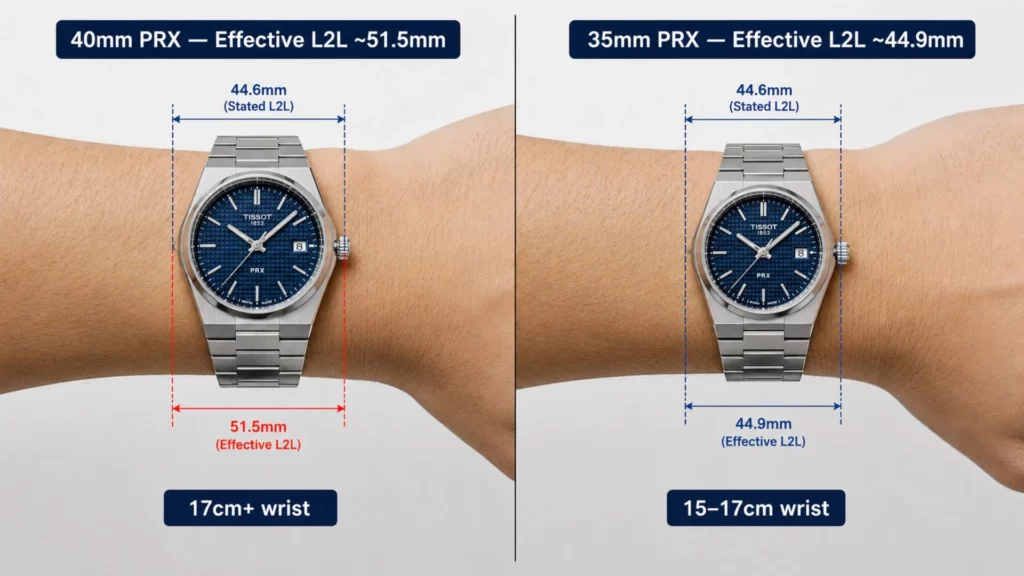
Getting the Tissot PRX right starts with wrist size, not dial color or movement. Tissot lists the 40mm PRX with a 44.6mm lug-to-lug, but that number does not reflect how the watch actually wears.
The first bracelet link is fixed and non-articulating, which stretches the effective wearing length to around 51.5mm. That difference changes everything. On wrists above 17cm (about 6.7 inches), the watch sits comfortably and stays balanced.
On smaller wrists, the PRX 40mm often extends past the edges, creating the overhang that shows up in many buyer complaints on watch forums, especially from first-time online buyers who skip trying it on.
If you’re not sure what wrist measurement actually translates to in case-size terms, our guide to matching case size to wrist lays out the math before you commit.
| Model | Stated L2L | Effective L2L | Best Wrist Size |
| PRX 40mm (Quartz or Powermatic 80) | 44.6mm | ~51.5mm | 17cm and above |
| PRX 35mm (Quartz or Powermatic 80) | ~38.5mm | ~44.9mm | 15cm–17cm |
| PRX 38mm Titanium (2025) | Not published | Not published | 16cm–17.5cm |
If your wrist measures 16–17cm, you sit in the most difficult range. The 40mm PRX can feel long and top-heavy, while the 35mm PRX may feel more compact and dressy than sporty. If you’re shopping more broadly in this category, we’ve also rounded up other luxury options that work well on smaller wrists.
Tissot introduced the 38mm titanium PRX in 2025 to solve this gap, offering a more balanced middle option, although it comes at a higher price point and shifts the feel due to its lighter material.
Choosing the right size here matters more than specs on paper. The PRX wears like a one-piece design, so even small differences in length change how natural it feels on your wrist.
Settle the Movement Question First
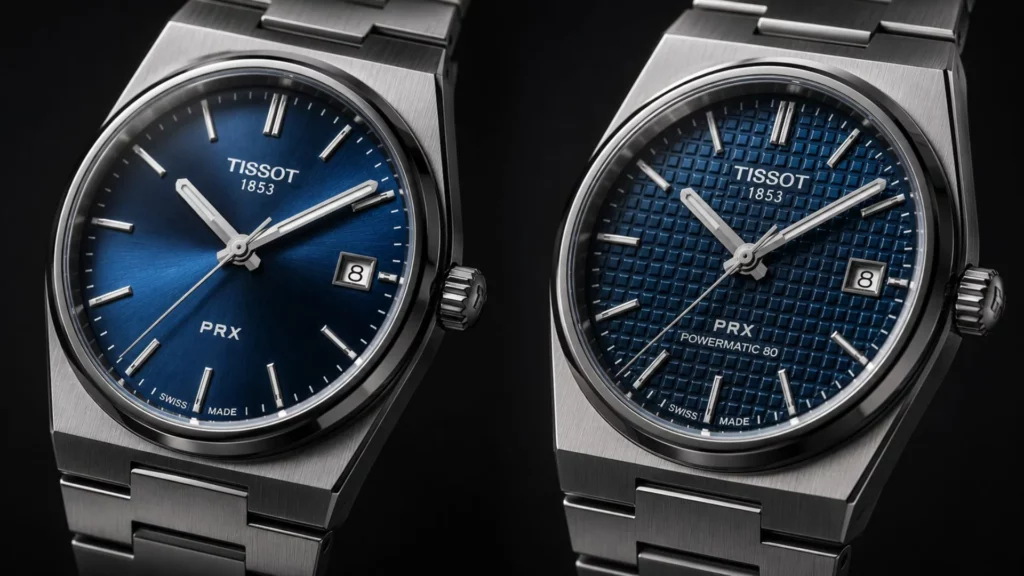
This is the decision most buyers skip, and it causes regret. The movement you choose affects how the dial looks, how thick the case is, and how much you pay. Pick this before you look at models.
1. Buy the Quartz PRX If You Rotate Watches
The quartz PRX uses a Swiss-made ETA F06.115 movement, accurate to within about ±10 seconds per month, which outperforms most automatics in timekeeping precision. The battery lasts around 2–3 years, and you do not need to wind it or reset it after leaving it unused for days or weeks.
The dial on the quartz version features a sunray-brushed finish, which reflects light smoothly and creates a cleaner, more understated look compared to the textured “waffle” dial on the automatic. The case measures 10.4mm thick, keeping it slim on the wrist, and pricing starts at around $395.
Key Quartz PRX Highlights
- Uses ETA F06.115 Swiss quartz movement
- Accuracy of about ±10 seconds per month
- 2–3 year battery life
- No winding or time resetting after storage
- 10.4mm slim case thickness
- Starts at approximately $395
- Features a sunray-brushed dial finish
- Offers a cleaner, more minimal aesthetic than the automatic waffle dial
If you own more than two watches and rotate them often, or if you travel and want a watch that always stays ready, the quartz PRX fits better. The sunray dial delivers a different visual identity rather than a lower-tier version, giving you a sharper, more versatile everyday option.
2. Buy the Powermatic 80 If This Is Your Main Watch
The Powermatic 80 is Tissot’s automatic movement, developed by ETA, and it runs on the motion of your wrist. It delivers an 80-hour power reserve, which keeps the watch running for over three days without wear.
Most standard automatics last around 38–42 hours, so the PRX offers a clear practical advantage for rotation and travel.
The automatic PRX features a waffle-textured dial, which only appears on Powermatic 80 models. It measures 10.9mm thick, includes an exhibition caseback, and starts around $675. Inside, the Nivachron hairspring improves resistance to magnetic fields and everyday wear.
Expect real-world accuracy of about ±10 seconds per day, and note that the watch does not carry COSC certification. It also uses a non–screw-down crown, despite 100m water resistance, so it handles swimming but does not function as a dive watch.
Key Powermatic 80 Highlights
- ETA-developed automatic movement
- 80-hour power reserve
- Around ±10 seconds per day accuracy
- Waffle-textured dial (automatic-only design)
- 10.9mm case thickness
- Exhibition caseback
- Starts around $675
- Equipped with Nivachron anti-magnetic hairspring
- Non–screw-down crown with 100m water resistance
One key buying tip: the dial texture identifies the movement instantly. A sunray dial means quartz, while a waffle dial confirms the Powermatic 80 automatic, which helps when checking pre-owned listings.
Top 5 Tissot PRX Models to Buy in 2026
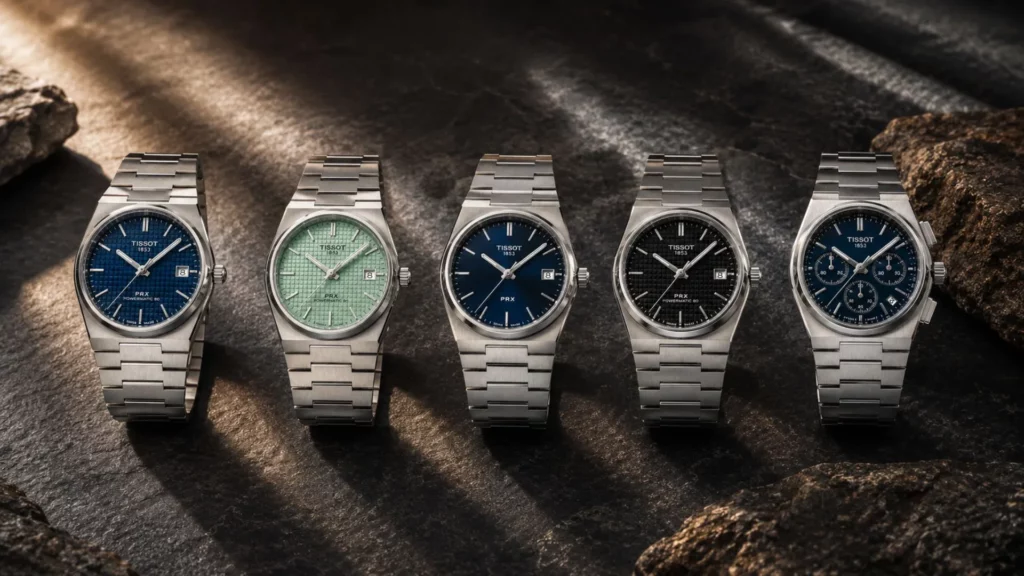
Choosing a Tissot PRX becomes simpler when you match the model to your wrist size, budget, and how you plan to wear it. Each version serves a specific type of buyer, from first-time owners to collectors looking for a higher-spec integrated sports watch.
The picks below follow a practical order based on what most first-time PRX buyers end up choosing after comparing fit, movement, and long-term value.
1. PRX 40mm Powermatic 80 — Best First PRX for Most Buyers
The PRX 40mm Powermatic 80 serves as the default entry point for most buyers with wrists above 17cm. It delivers the full PRX experience with the waffle dial, integrated stainless steel bracelet, and exhibition caseback, all powered by Tissot’s 80-hour automatic movement.
Key Specs
- Case size: 40mm stainless steel
- Movement: Powermatic 80 automatic
- Price: $675–$775 retail / $450–$580 pre-owned
- Reference: T137.407 series
- Dial options: Black, blue, green, gradient, mint green
The blue and black dial versions hold the strongest resale demand. The bracelet and clasp feel solid in daily use, though finishing on the end links sits below higher-tier brands like Longines in the same price bracket.
2. PRX 35mm Powermatic 80 — Best for Wrists Under 17cm
The PRX 35mm Powermatic 80 keeps the same movement, dial texture, and case design as the 40mm but delivers a more balanced fit on smaller wrists. The effective lug-to-lug drops significantly, which changes how the watch sits on the wrist in a noticeable way.
Key Specs
- Case size: 35mm stainless steel
- Movement: Powermatic 80 automatic
- Price: $775–$895
- Thickness: ~10.9mm
- Also available: Quartz version at 9.6mm thickness
This size works especially well on wrists between 15–17cm, where the 40mm often feels long. The quartz variant offers a slimmer profile for those who want the integrated design under tighter cuffs.
3. PRX 40mm Quartz — Best Entry Point Under $500
The PRX Quartz delivers the core integrated design at the lowest price point in the lineup. It keeps the sapphire crystal, 100m water resistance, and stainless steel bracelet, while removing the automatic movement and waffle dial.
Key Specs
- Case size: 40mm stainless steel
- Movement: Swiss quartz (ETA F06.115)
- Price: $395 retail / $250–$320 pre-owned
- Thickness: 10.4mm
- Dial: Sunray finish only
This version suits buyers who want a clean Swiss sports watch without caring about mechanical movement. The sunray dial creates a more casual, reflective look compared to the automatic version’s textured finish.
4. PRX 38mm Titanium — Best for Medium Wrists, Higher Budget
The 38mm titanium PRX fills the long-standing gap between the 35mm and 40mm models. It targets buyers with medium wrists who want a balanced fit without stepping down to a smaller case size.
Key Specs
- Case size: 38mm titanium / Damascus steel
- Movement: Powermatic 80 automatic
- Price: $1,200–$1,500
- Release: Late 2025
Titanium reduces weight significantly and changes the wearing feel with a matte, softer finish. The trade-off is price, which sits well above stainless steel PRX models. For budget-conscious buyers, the 35mm stainless Poweramatic 80 often delivers better value.
5. PRX Chronograph — Best Only If You Need a Stopwatch
The PRX Chronograph transforms the design into a larger, sport-focused tool watch with a 42mm case and increased thickness. It uses an automatic chronograph movement and introduces a racing-style dial layout that changes the entire character of the PRX.
Key Specs
- Case size: 42mm stainless steel
- Thickness: 14.8mm
- Movement: Automatic chronograph
- Price: $1,350–$1,600
- Dial: Tricompax sub-dial layout
This model suits buyers who actively want a mechanical stopwatch function. If you do not need a chronograph, the standard 40mm Powermatic 80 remains the more practical and wearable option for everyday use.
Where to Buy a Tissot PRX
The Tissot PRX comes with two clear buying paths that shape your experience after purchase. You either pay full retail for factory support and certainty, or you enter the pre-owned market to secure meaningful savings with added inspection responsibility. Each route serves a different type of buyer depending on how much value you place on warranty coverage versus price advantage.
Most buyers decide based on budget, trust level, and how much control they want over condition verification before the watch arrives.
1. Buy New From an Authorized Dealer
Buying new from an authorized dealer activates Tissot’s 2-year international warranty, which covers manufacturing defects only. It excludes bracelet wear, scratches, and accidental damage. You can purchase through Tissot boutiques, Bucherer, Watches of Switzerland, or authorized independent retailers listed on Tissot’s official website.
This route ensures factory authenticity, complete packaging, and official after-sales service, which supports first-time Swiss watch buyers who want a risk-free experience. Retail pricing remains higher, but it eliminates uncertainty around service history and prior handling.
If you’re still weighing the trade-offs, the authorized dealer vs grey market breakdown covers what each channel actually offers and where the catch is.
Before completing the purchase in-store, inspect the watch directly:
- Open and close the clasp multiple times
- Check end links for side-to-side movement
- Inspect the dial under strong store lighting
- Review brushing consistency across bracelet links
Some units show minor bracelet assembly variation, so a quick hands-on inspection helps confirm fit and finish before leaving the store.
2. Buy Pre-Owned to Save 20–35% Below Retail
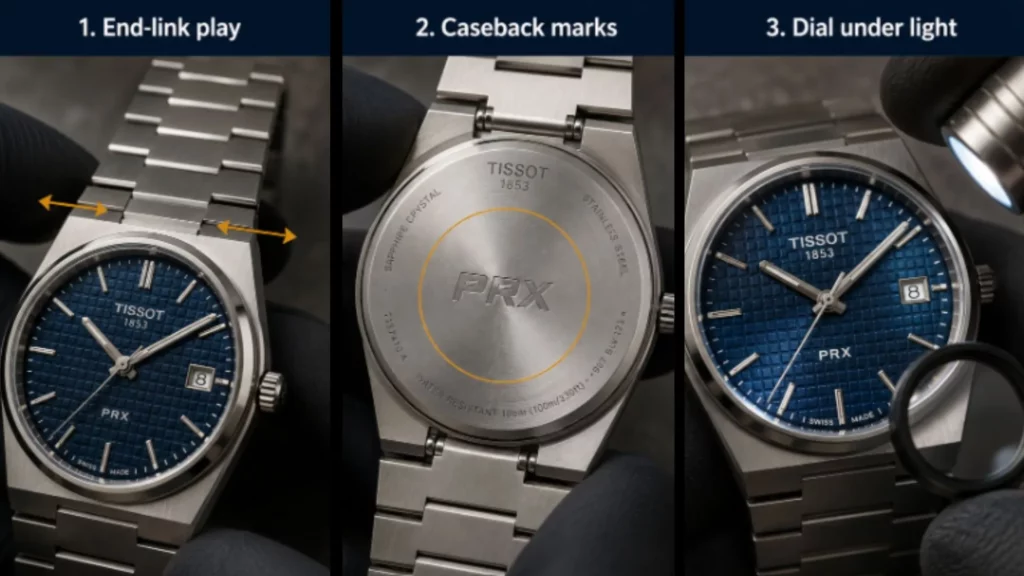
The pre-owned market reduces the cost of a Tissot PRX by a noticeable margin, especially within its price segment. Quartz models typically sell between $250–$320, while Powermatic 80 models range from $450–$580 in solid condition. These savings make pre-owned a practical option for buyers focused on value.
Every pre-owned purchase should go through a basic verification process:
- Dial condition: Request photos under direct light; the waffle texture highlights dust and micro-scratches more clearly
- Bracelet end-link play: Request a short video; side-to-side movement often reveals wear on integrated bracelets
- Caseback condition: Inspect for tool marks; light marks indicate servicing, while unexplained opening suggests unclear history
The Majestix Collection lists authenticated pre-owned Tissot PRX models, condition-graded and photographed before listing to maintain transparency and consistency. Browse current inventory.
Tissot PRX vs Hamilton, Longines, and Frederique Constant
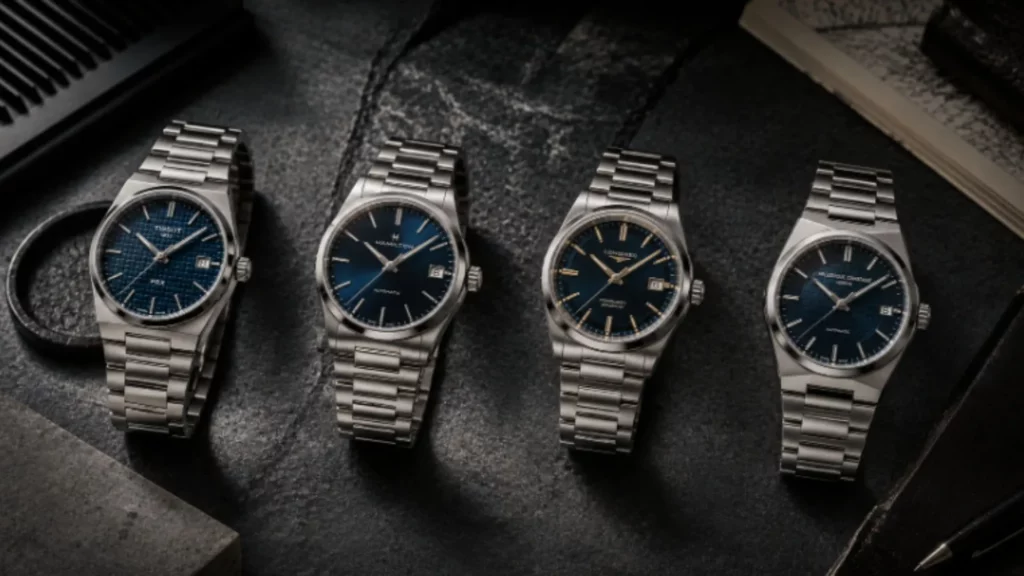
The Tissot PRX sits in a competitive space where several Swiss brands offer integrated or sport-luxury designs at higher price points. Comparing it against Hamilton, Longines, and Frederique Constant helps clarify where the PRX delivers the strongest value.
It also shows where increasing your budget leads to tangible upgrades in finishing, movement certification, or brand positioning. Each alternative targets a slightly different priority, whether you focus on bracelet execution, movement credentials, or overall refinement.
For buyers eyeing a much bigger jump in budget, we also cover the Royal Oak vs PRX comparison and the Rolex Land-Dweller vs Tissot PRX breakdown to show where the PRX holds up against the original integrated-bracelet icons.
| Watch | Price New | Where It Beats the PRX | Where the PRX Wins |
| Hamilton Jazzmaster Auto | $650–$800 | Tighter bracelet finishing on select references | Wider AD network, stronger entry-level recognition |
| Longines Conquest Heritage | $1,100–$1,400 | Superior case finishing; COSC-certified movement | Lower entry price, broader dial variety |
| Frederique Constant Highlife | $1,200–$1,800 | In-house movement on select models; refined finishing | More accessible pricing, larger service network |
The PRX holds its position as a value leader in the under-$800 Swiss integrated bracelet category, where no direct competitor matches its combination of design, movement, and pricing.
Hamilton comes closest for buyers who prioritize bracelet refinement, while Longines represents the next clear step up in finishing quality and chronometer certification for those willing to increase budget.
Tissot PRX FAQs
The Tissot PRX FAQ section addresses the most common buying questions that affect real purchase decisions in 2026. It focuses on ownership value, durability, and fit considerations rather than subjective opinions or lifestyle preferences. Each answer reflects how the PRX performs in real-world use and secondary market conditions.
1. Is the Tissot PRX worth buying in 2026?
Yes. The Tissot PRX remains one of the strongest integrated bracelet watches under $800. The lineup has matured across sizes and movements, and the design continues to hold relevance as integrated bracelet styling stays popular in the entry-level Swiss segment.
The PRX delivers a complete package of Swiss automatic or quartz movement, sapphire crystal, and 100m water resistance at a price point where most competitors compromise on design or specifications.
2. Does the Tissot PRX hold its value?
The Tissot PRX does not hold value strongly in the secondary market. Quartz models typically resell at 30–40% below retail, while automatic models retain around 60–65% of retail value under normal conditions.
The strongest resale demand sits with 40mm Powermatic 80 models in blue or black dial configurations, which maintain more consistent buyer interest compared to less common colorways.
3. Can you swim with the Tissot PRX?
The Tissot PRX supports 100m water resistance, which covers swimming and general water exposure. It handles pool use and showers without issue when maintained properly.
However, it does not include a screw-down crown or screw-in caseback, which limits its classification as a dive watch. Extended exposure to saltwater, waves, or high-impact water activity increases long-term wear risk compared to dedicated dive watches.
4. Is the Tissot PRX a good first luxury watch?
The Tissot PRX works well as a first Swiss watch because it combines sapphire crystal, Swiss movement options, and integrated bracelet design at an entry-level price point. It delivers specifications typically associated with higher-priced integrated sports watches.
If you’re cross-shopping, our roundup of entry-level luxury watches worth considering puts the PRX side by side with the other strongest first-watch options.
The main limitation sits in bracelet finishing, which does not match higher tier Swiss brands. However, within its price range, the PRX still offers one of the most complete design and specification packages available.
5. Should you get the rubber strap or bracelet version?
The rubber strap PRX offers a more flexible initial fit because it avoids the fixed first-link extension of the bracelet, which affects perceived lug-to-lug length. It also allows easier wrist adaptation for first-time buyers.
The steel bracelet version delivers the original PRX design identity and remains the more recognizable configuration. Buyers who confirm proper wrist fit in person typically prefer the bracelet version for long-term wear consistency.
Final Thoughts on the Tissot PRX Buying Guide
The Tissot PRX buying guide starts with wrist fit before anything else. The 40mm can wear large due to its lug-to-lug, so getting proportions right is key to comfort and balance. After that, choose your movement based on daily use, not specs.
Most buyers choose the 40mm Powermatic 80 PRX. Smaller wrists suit the 35mm, while the quartz version is the most budget-friendly entry. The 38mm titanium PRX is the balanced option for medium wrists that want a refined feel without losing presence.
For resale flexibility, the blue dial 40mm Powermatic 80 PRX maintains the most consistent demand in the secondary market. If you’re still weighing the channels themselves, our pre-owned watch sourcing guide walks through where to source a piece like this and what each option costs you in trust.
Browse authenticated pre-owned Tissot PRX models at Majestix Collection, with condition-graded pieces and direct-light photography that shows the watch exactly as it is before purchase. Browse authenticated pre-owned Tissot PRX models at Majestix Collection.
999+ Timepieces Available
Explore Our Timepieces
Authenticated, unworn, and ready to ship worldwide.
Rolex · Audemars Piguet · Patek Philippe · Omega · Cartier · Richard Mille · Hublot · Tudor
Newly Listed
2026 Rolex GMT-Master II “Batgirl” Black Dial Blue Black Ceramic Bezel Jubilee Bracelet Stainless Steel 40mm MINT CONDITION COMPLETE SET 126710BLNR
$22,034.00
Vacheron Constantin Overseas Perpetual Calendar Ultra-Thin Silver Dial Blue Leather Strap 18K Rose Gold 41.5mm MINT CONDITION COMPLETE SET 4300V/120R-B064
$115,385.00
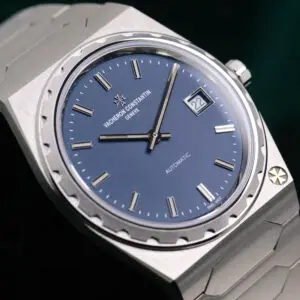
2026 NEW UNWORN Vacheron Constantin Historiques 222 Blue Dial Stainless Steel 37mm COMPLETE SET 4200H/222A-B934
$58,795.00
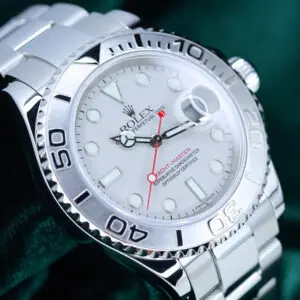
Rolex Yacht-Master Rolesium Platinum Dial Platinum Bezel Oyster Stainless Steel 40mm MINT CONDITION COMPLETE SET 16622
$14,690.00

Audemars Piguet Royal Oak Offshore Chronograph “Vampire” Black Dial Red Accents Black Ceramic Bezel Stainless Steel 42mm MINT CONDITION 26470SO.OO.A002CA.01
$34,649.00
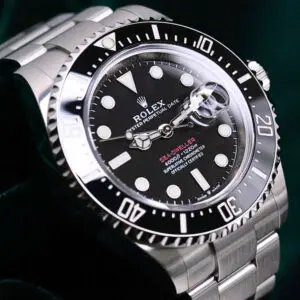
Rolex Sea-Dweller "Red Letter" Black Dial Black Cerachrom Bezel Oyster Bracelet Stainless Steel 43mm MINT CONDITION COMPLETE SET 126600
$13,120.00
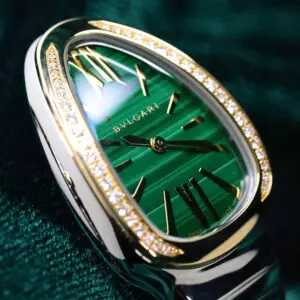
2026 NEW UNWORN Bvlgari Serpenti Tubogas Studs Capsule Limited Edition Green Dial Diamond Bezel Steel & 18k Yellow Gold 35mm COMPLETE SET 104360
$24,255.00
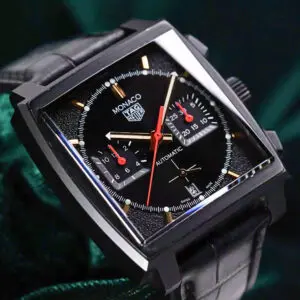
Tag Heuer Monaco Chronograph “Dark Lord” Special Edition Black Dial Black Leather Strap DLC Titanium 39mm MINT CONDITION COMPLETE SET CBL2180.FC6497
$8,135.00
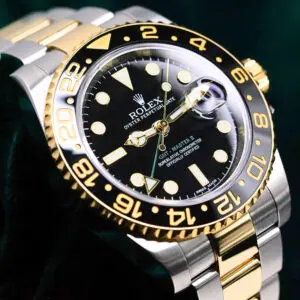
Rolex GMT-Master II “Green Arrow” Black Dial Black Ceramic Bezel Oyster Bracelet Two-Tone 18K Yellow Gold Stainless Steel 40mm MINT CONDITION COMPLETE SET 116713LN
$15,740.00
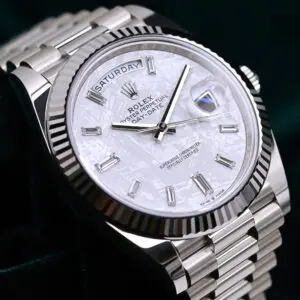
Rolex Day-Date Meteorite Baguette Diamond Dial Fluted Bezel President 18K White Gold 40mm MINT CONDITION COMPLETE SET 228239
$78,629.00
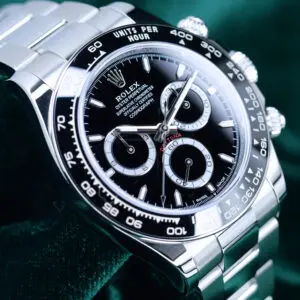
2026 Rolex Cosmograph Daytona Black Dial Black Ceramic Bezel Oyster Bracelet Stainless Steel 40mm MINT CONDITION COMPLETE SET 126500LN
$33,594.00
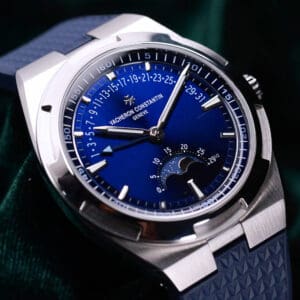
2025 Vacheron Constantin Overseas Moonphase Retrograde Date Blue Dial Blue Rubber Strap Stainless Steel 41mm MINT CONDITION COMPLETE SET 4000V/210A-B911
$52,800.00