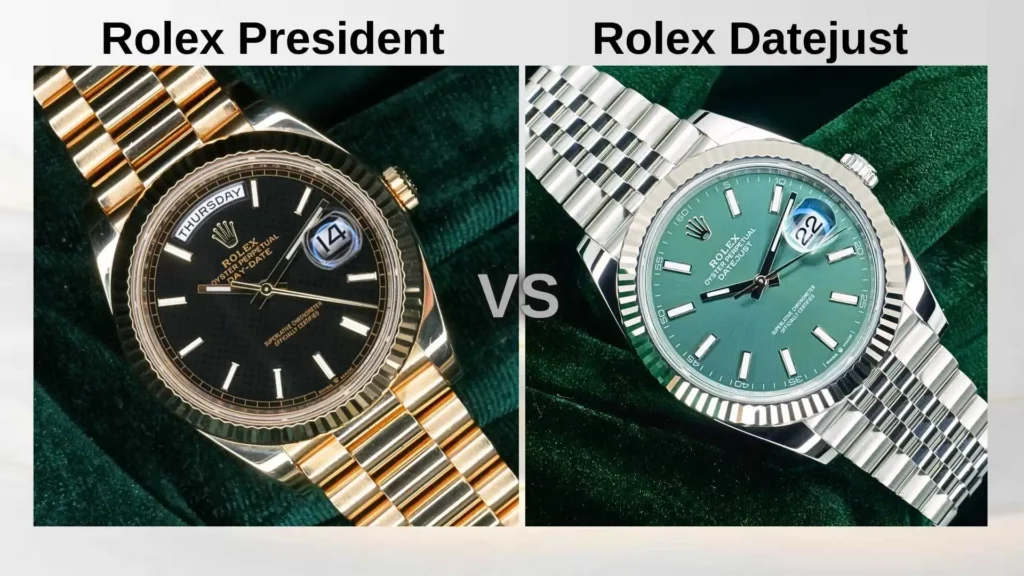
The Rolex President and Datejust look closely related at a first glance. They share a round case, the Cyclops lens over the date, and the signature crown at 12 o’clock. Side by side, they can look almost like siblings.
But they play very different roles in the Rolex lineup. The Rolex President vs Datejust decision comes down to materials, the day complication, the bracelet, the movement, and where each one sits in the brand’s hierarchy.
This guide breaks down the differences that matter most when you’re choosing between them, with current 2026 pricing so you’re not deciding on year-old numbers.
Rolex Datejust Overview

The Rolex Datejust launched in 1945 for Rolex’s 40th anniversary. It was the first self-winding wristwatch to show the date change automatically at midnight, and it set the template most date watches still follow.
Rolex built the Datejust as a core model and refined it over decades. It started at 36mm in precious metal, then grew into steel, Rolesor (steel and gold), and larger sizes like 41mm. Today it’s one of the most widely available Rolex models you can walk in and buy.
The Datejust earns its reputation on steady demand and dependable resale, not scarcity. References like the 126234 and 126300 trade constantly and hold value well. The Cyclops lens and the Jubilee bracelet are the design cues most tied to its identity, and the watch flexes easily between jeans and a suit.
If you want the full family before deciding, our Datejust buying guide walks through the sizes and references.to the model’s identity. The watch is designed for flexibility, working in both casual and formal settings.
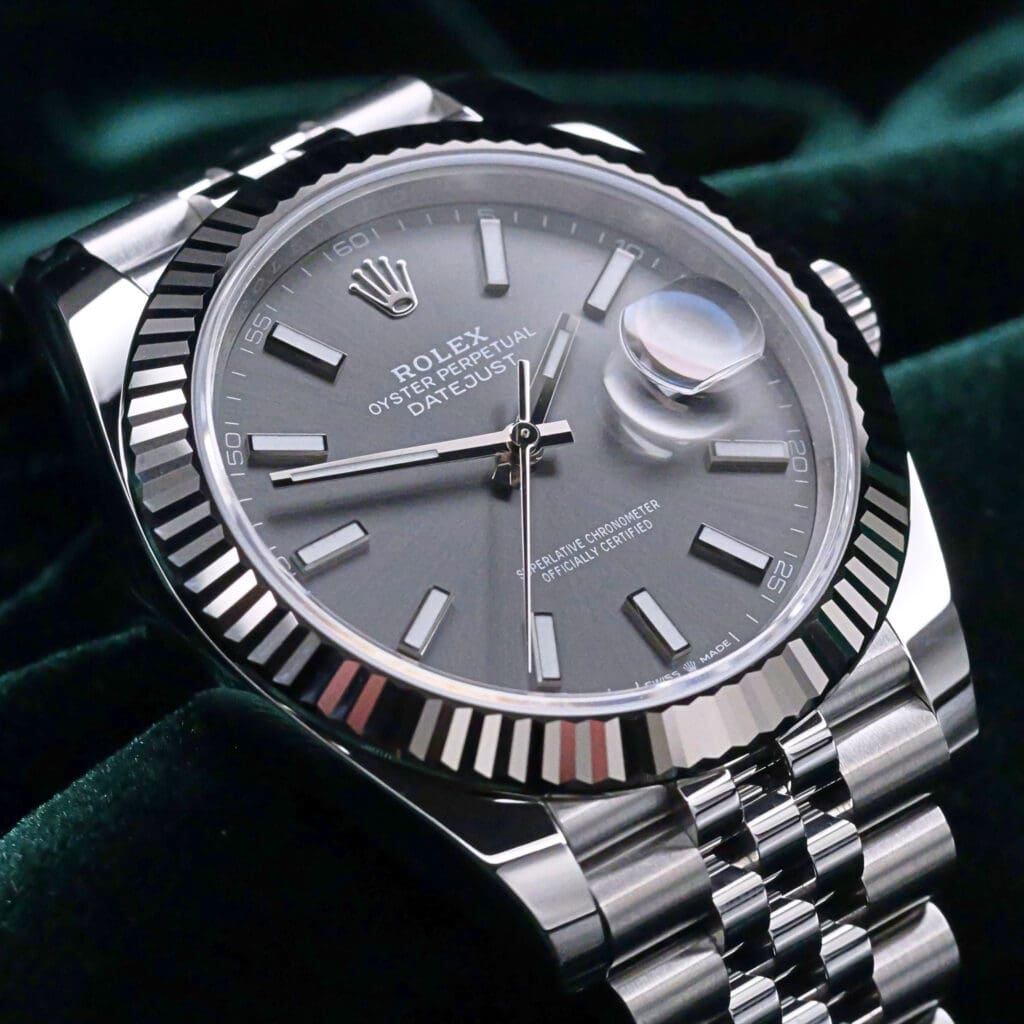
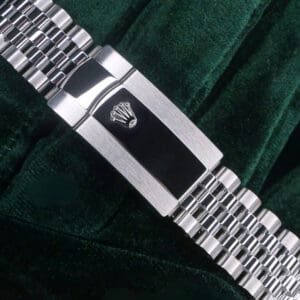
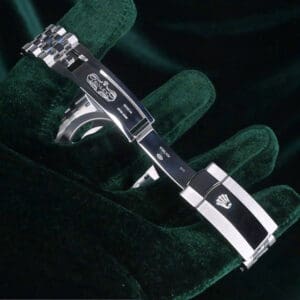
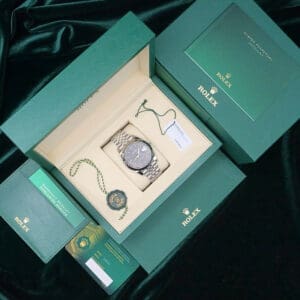
Most Popular Rolex Datejust References
- Rolex Datejust Ref. 126334
- Rolex Datejust Ref. 126300
- Rolex Datejust Ref. 116234
- Rolex Datejust Vintage Ref. 16233
Rolex President (Day-Date) Overview
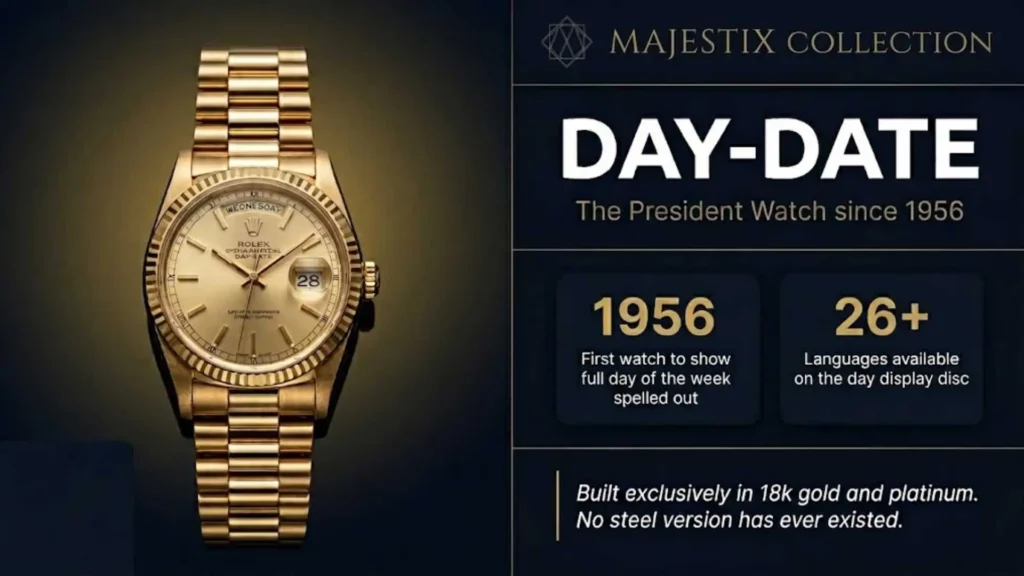
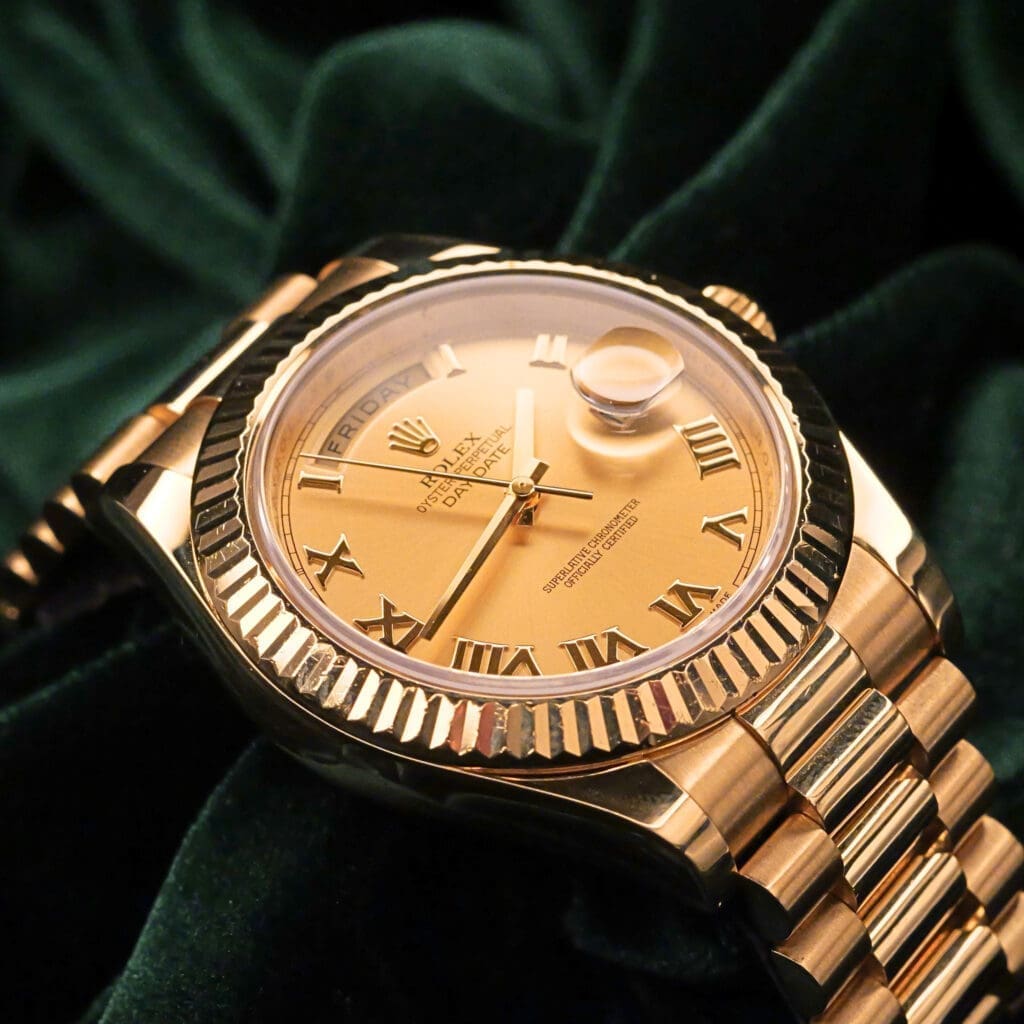
The Day-Date arrived in 1956 as the first wristwatch to show both the date and the full day of the week spelled out. It has only ever been made in gold or platinum, never steel.
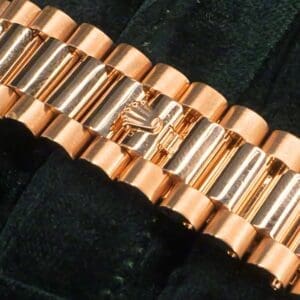
It also came with a brand-new bracelet, the President, designed specifically for it. The bracelet and the watch became so linked that most people use “President” and “Day-Date” to mean the same thing, and this guide does too.
The nickname isn’t marketing. It stuck because the watch spent decades on the wrists of world leaders and executives, with Lyndon B. Johnson the figure most often credited with cementing the “President’s watch” tag. Those semi-circular, three-piece links became shorthand for the whole model.
Rolex built the original Day-Date around a new movement, the Calibre 1055, to drive the dual display. Modern versions run the Calibre 3255, which improves efficiency and power reserve while keeping the layout that has defined the watch for nearly seventy years.
Because it only comes in precious metal, production stays smaller than the steel-heavy models, which keeps pricing high across both retail and the secondary market. References like the 128238 in 36mm and the 228238 in 40mm are the current standard, with classic yellow gold still the most requested look.
If the President is the one calling you, our Rolex President buying guide breaks down the references before you commit.
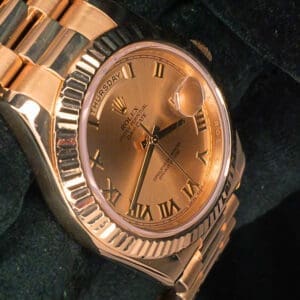
Most Popular Rolex President (Day-Date) References
- Rolex Day‑Date Ref. 18238
- Rolex Day‑Date Ref. 228238
- Rolex Day‑Date Ref. 128235
- Rolex Day‑Date Platinum Ref. 228396
Rolex President vs Datejust: Most Notable Differences
These are the differences that change how each watch wears, functions, and holds value. Here’s the clear breakdown.
1. Bracelet Design and Exclusivity
The Datejust gives you a choice. The Jubilee bracelet is the dressier, more flexible five-link option. The Oyster is the sportier, more solid three-link one. Both are easy to find across configurations.
The Day-Date comes on the President bracelet: rounded three-piece links with a concealed clasp. It’s tied almost entirely to this model, which is a big part of its more formal identity. If bracelet flexibility matters to you, the Datejust is the one that offers a real choice, and our Jubilee vs President bracelet comparison puts the two side by side.
2. Dial Options and Material Range
The Datejust plays the versatility game. You get a wide run of standard dial colors and finishes, some with diamond markers, most of them easy to swap between casual and formal wear.
The Day-Date reaches for the rarer stuff: stone dials like onyx and malachite, meteorite, and other specialty finishes that push it into collector territory. This favors the buyer who wants something less common on the wrist and is willing to pay for it.
3. Case Size and Wrist Presence
The Datejust spans 28mm, 31mm, 36mm, and 41mm, so it fits nearly any wrist. The Day-Date sticks to 36mm and 40mm, which keeps its proportions consistent but leaves fewer options. If you’re stuck between the two most common Datejust sizes, our Datejust 41 vs 36 comparison covers how each wears.
There’s a second thing size doesn’t tell you: weight. A gold or platinum Day-Date feels noticeably heavier than a steel Datejust, even at a similar case size. Some buyers love that heft as part of the experience. Others find it’s a lot of watch for all-day wear.
This one favors small wrists and light-wear preferences toward the Datejust, and anyone who wants real presence toward the Day-Date.
More Datejust Models
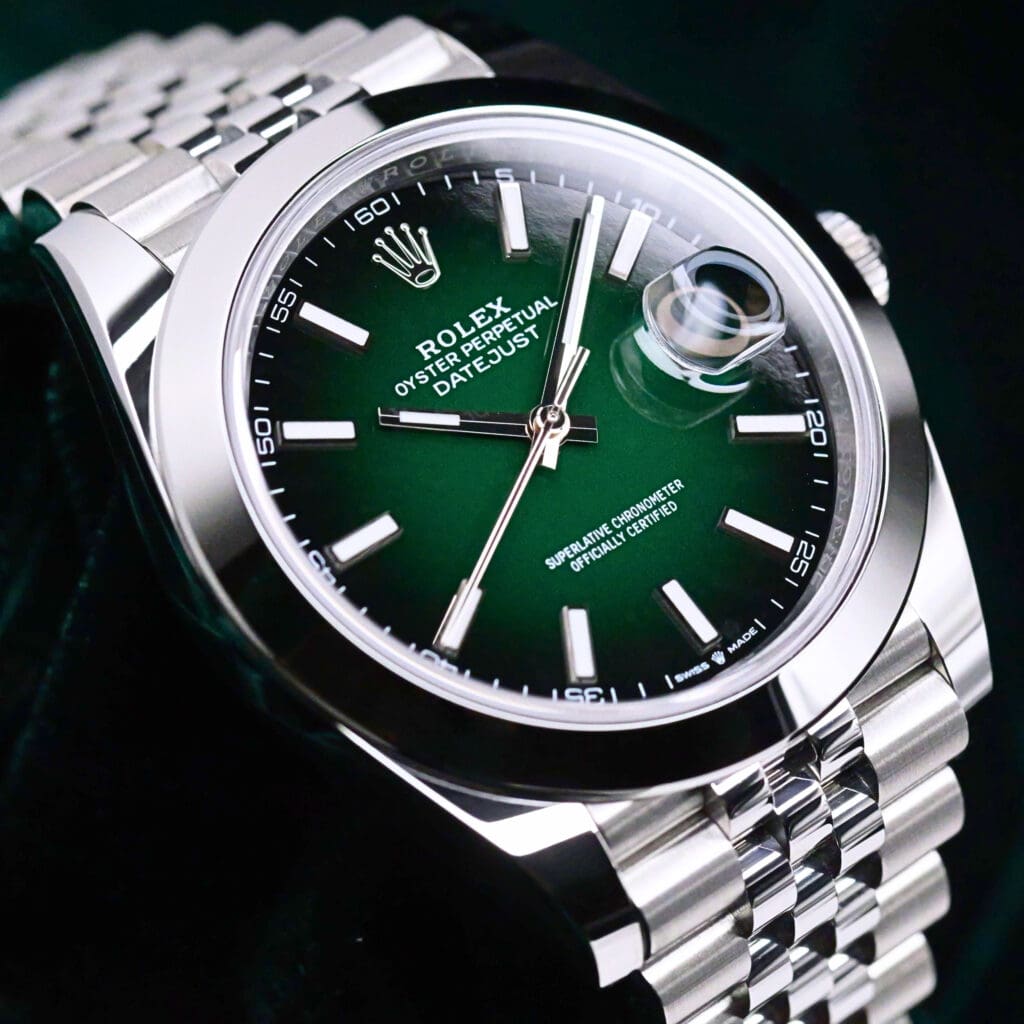
2026 Rolex Datejust Green Ombre Dial Smooth Bezel Jubilee Bracelet Stainless Steel 41mm MINT CONDITION COMPLETE SET 126300

Rolex Datejust “Tuxedo” Black and Silver Dial 18K White Gold Fluted Bezel Stainless Steel Oyster 36mm MINT CONDITION COMPLETE SET 116234
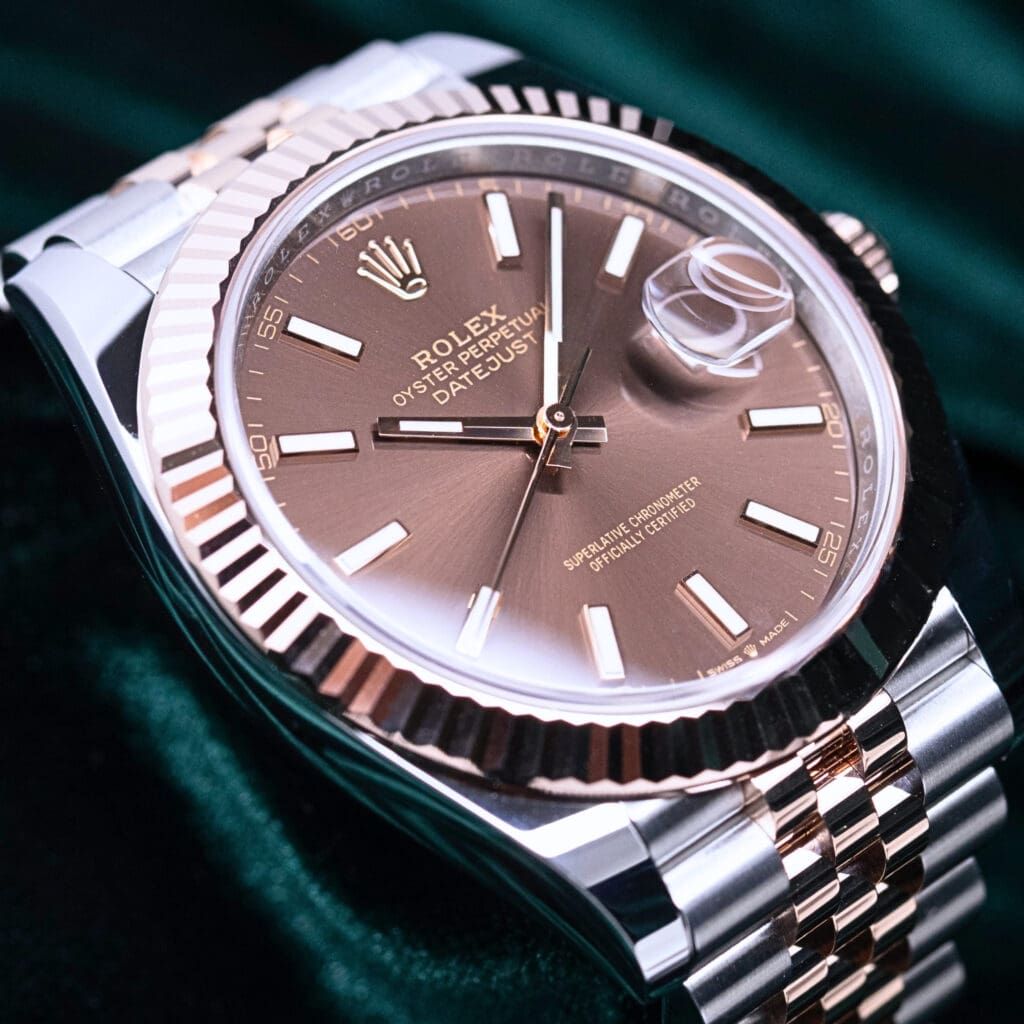
2026 NEW UNWORN Rolex Datejust 41 Chocolate Brown Jubilee Two-Tone 18K Everose Gold Steel 41mm COMPLETE SET 126331
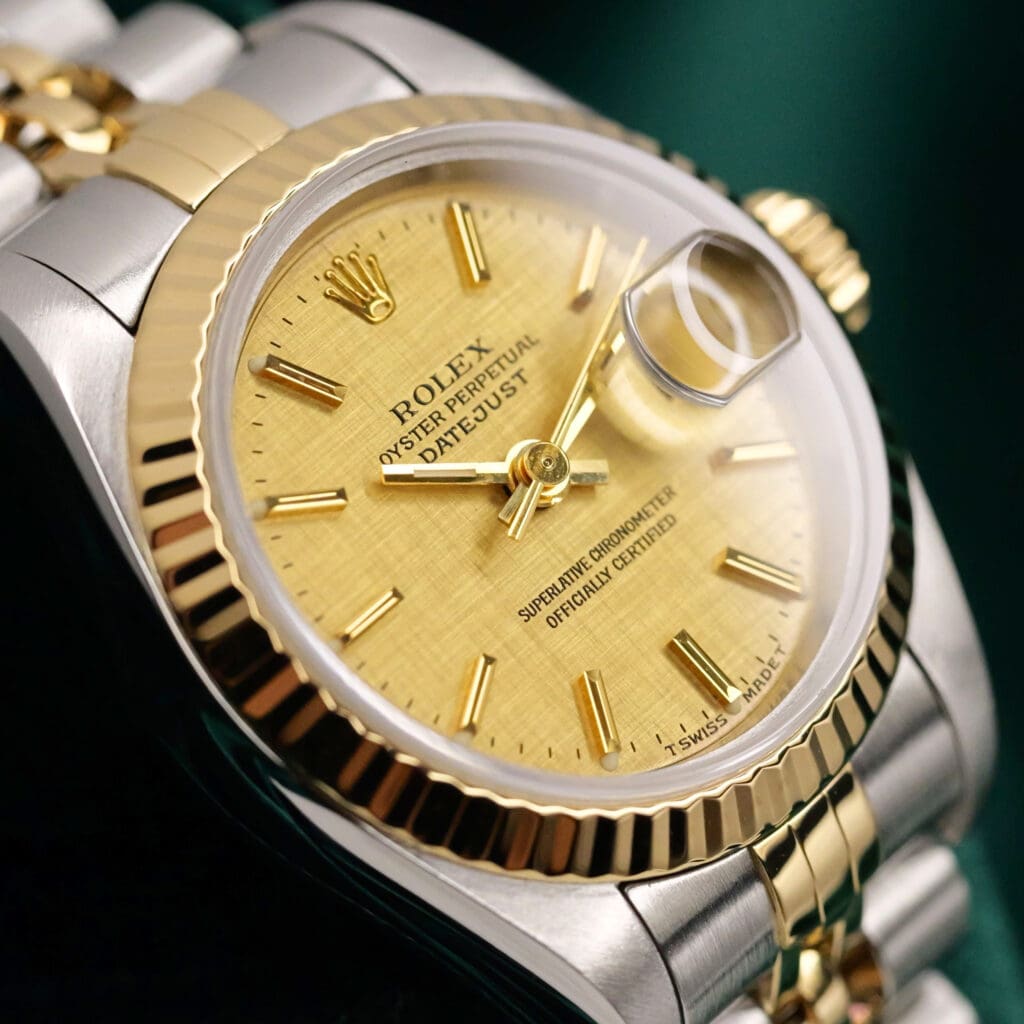
Rolex Lady-Datejust Champagne Linen Dial 18k Yellow Gold Fluted Bezel Jubilee Bracelet Two Tone Steel & Gold 26mm MINT CONDITION COMPLETE SET 69173
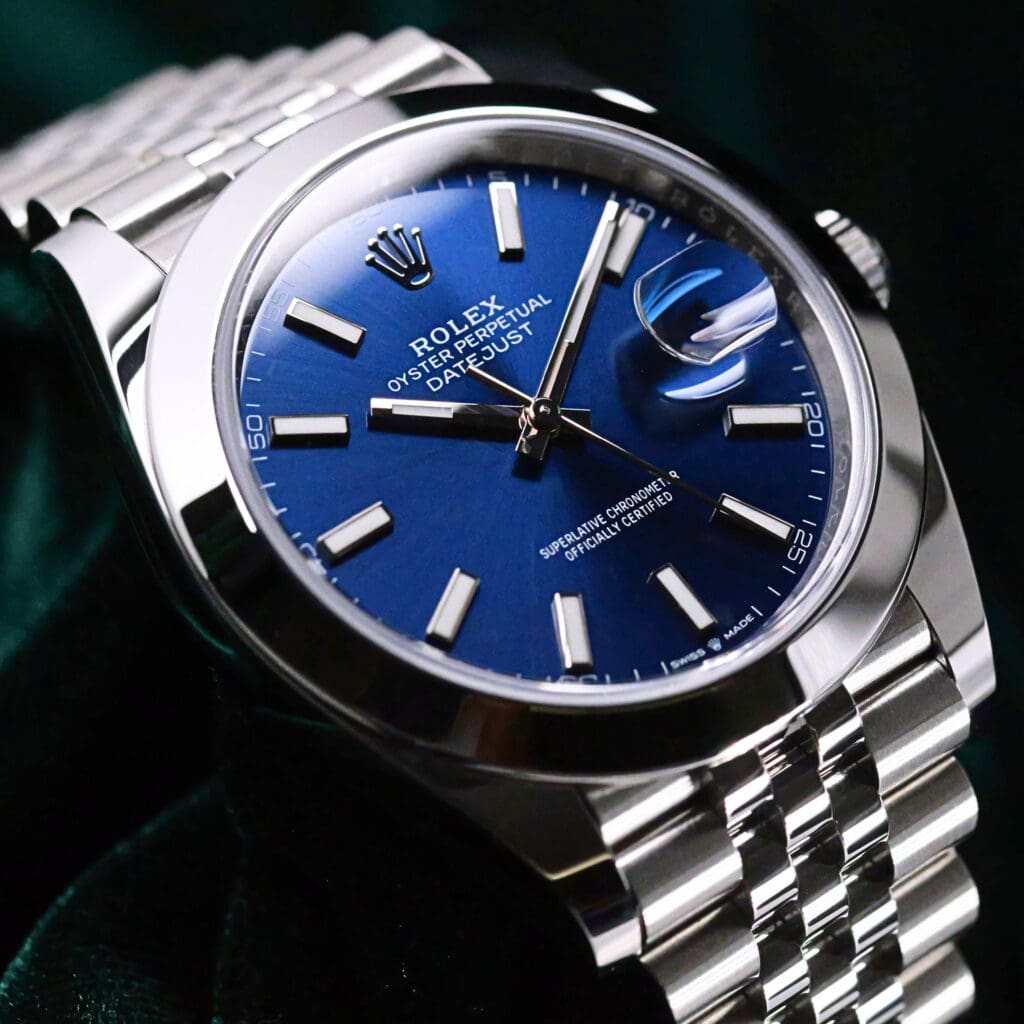
2026 Rolex Datejust Blue Dial Smooth Bezel Jubilee Bracelet Stainless Steel 41mm MINT CONDITION COMPLETE SET 126300
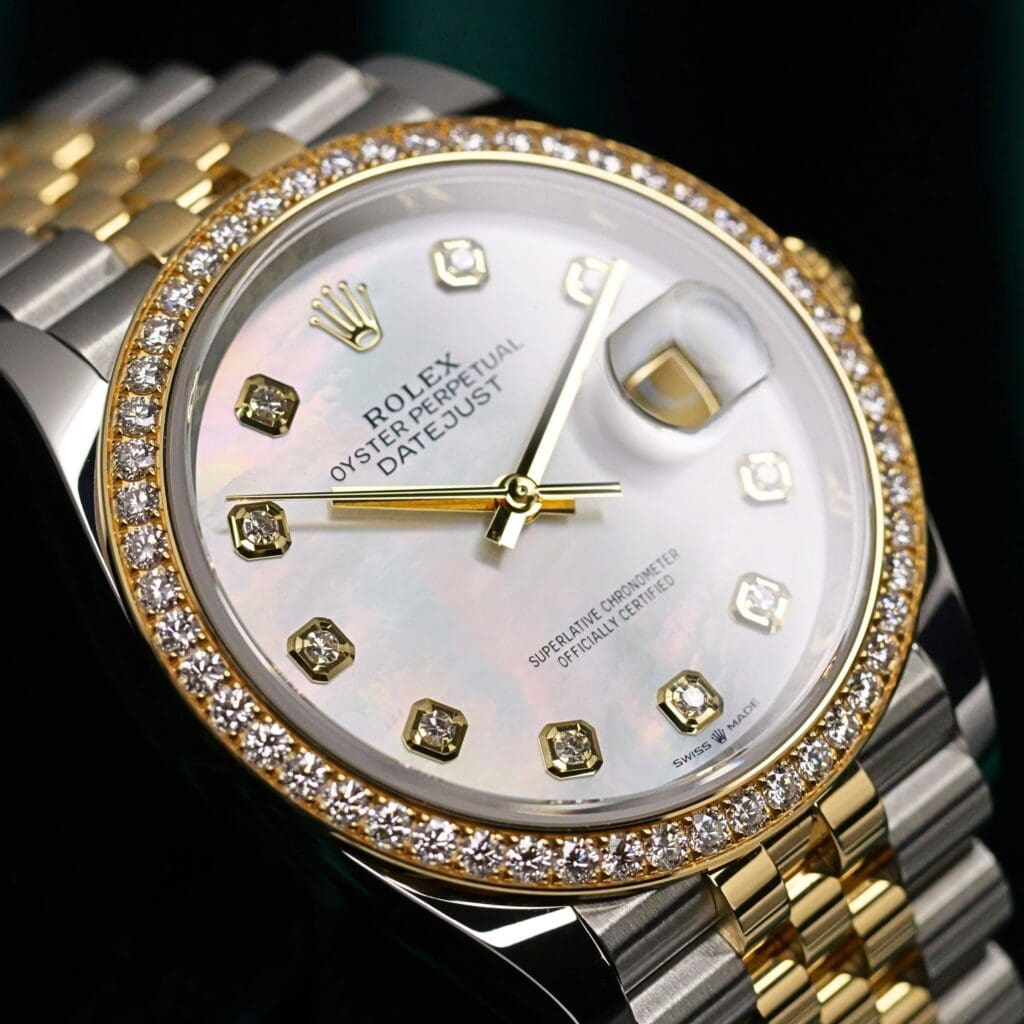
2026 NEW UNWORN Rolex Datejust 36 Mother of Pearl Diamond Dial Diamond Bezel Jubilee Two-Tone Steel 18k Yellow Gold 36mm COMPLETE SET 126283RBR-0009
4. Movement and Timekeeping
Here’s where a lot of buyers get the wrong idea. The Datejust 41 runs the Calibre 3235. The Day-Date runs the Calibre 3255. Both sit on the same modern platform, both use Rolex’s Chronergy escapement, and both are rated to the same +2/-2 seconds a day with a 70-hour power reserve.
So the Day-Date does not keep better time. The 3255 simply adds the mechanism that drives the spelled-out day at 12 o’clock. That’s why it gets a different caliber number, not because it’s a performance tier above the Datejust. If accuracy is your worry, it’s a wash between them. For the wider picture, our Rolex movement explainer covers how these calibers are built.
5. Calendar Display
The Datejust keeps it simple: a date window at 3 o’clock, clean and easy to read.
The Day-Date adds the full day of the week at 12 o’clock, spelled out and available in a long list of languages. It changes the look of the dial and gives you more information at a glance. This favors buyers who want that extra display and the dressier symmetry it creates.
More President Models
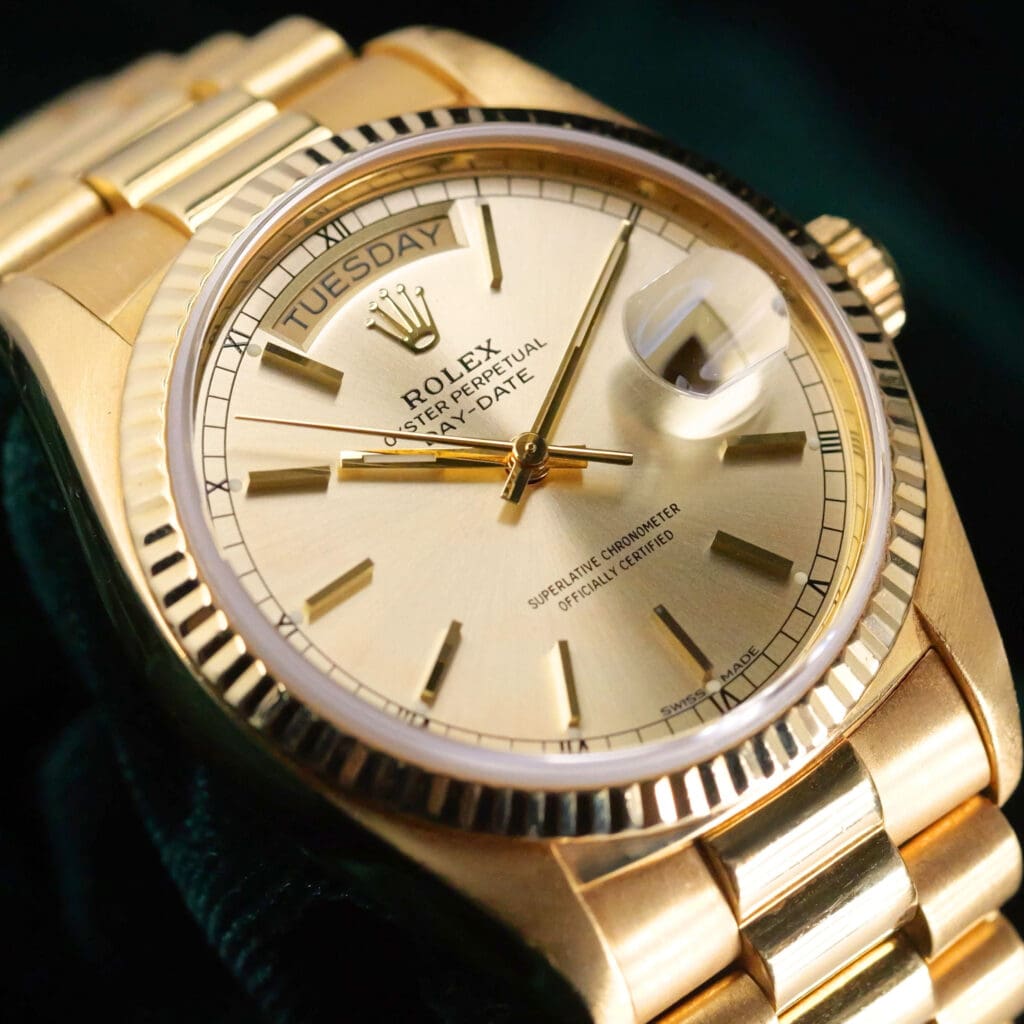
Rolex Day-Date Champagne Dial Fluted Bezel President Bracelet 18k Yellow Gold 36mm MINT CONDITION 18038
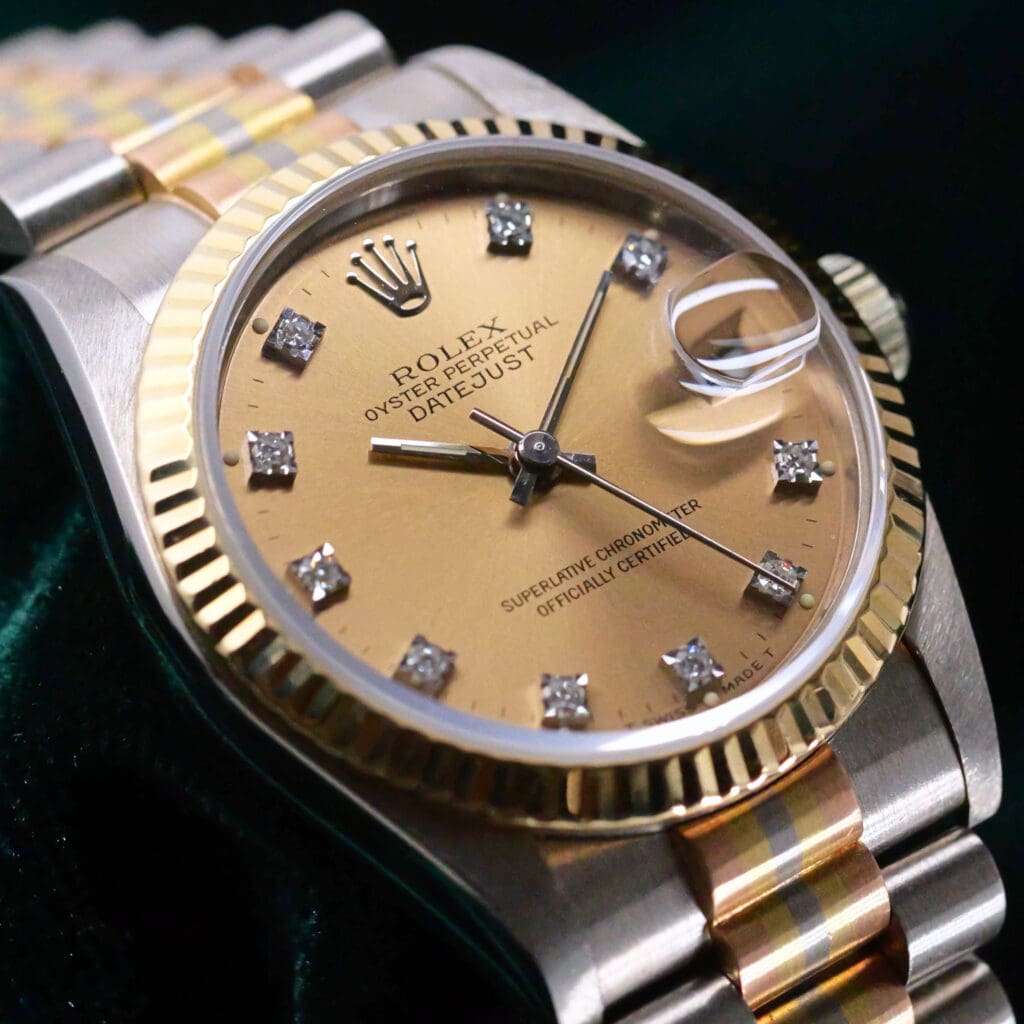
Rolex Datejust Champagne Diamond Markers Fluted Bezel Tridor President Bracelet 18k White Gold 31mm MINT CONDITION 68279B
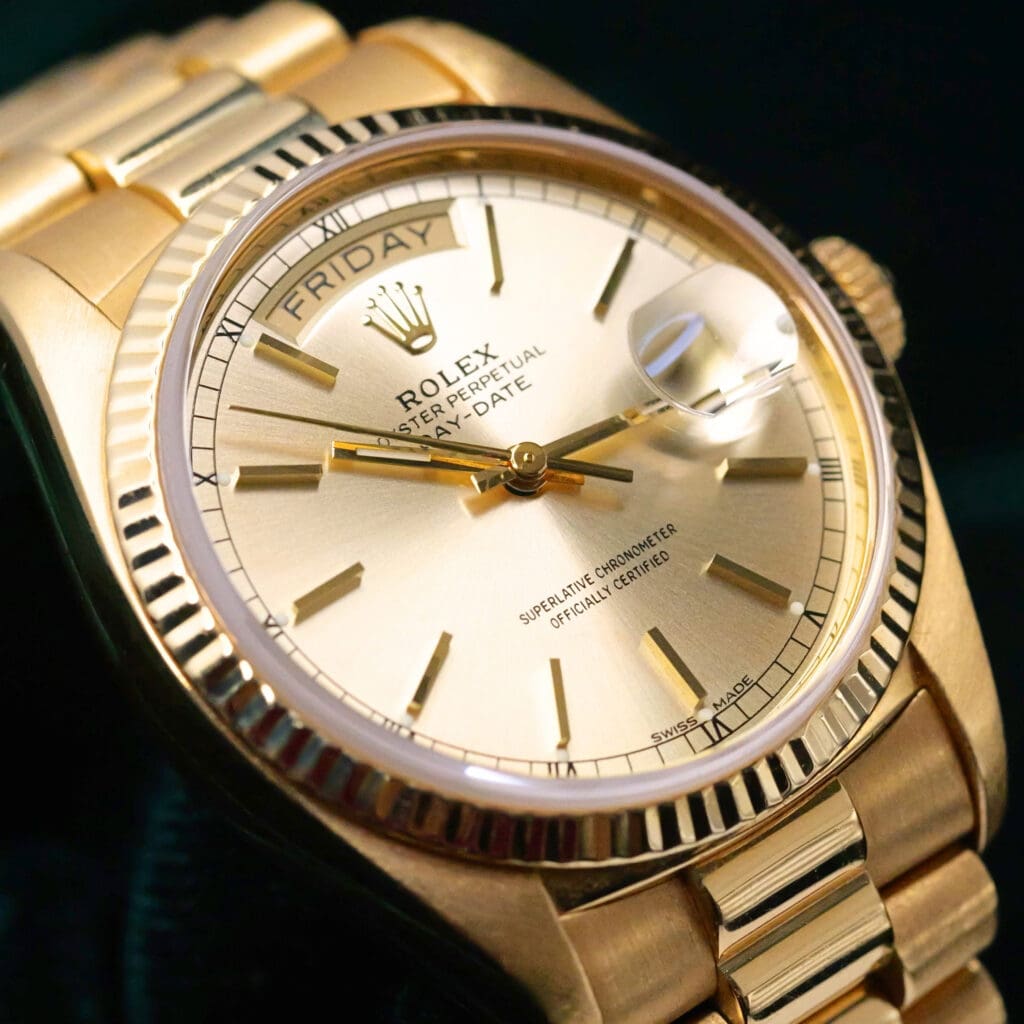
Rolex Day-Date "President" Champagne Stick Dial Fluted Bezel President Bracelet 18K Yellow Gold 36mm VERY GOOD CONDITION 18038
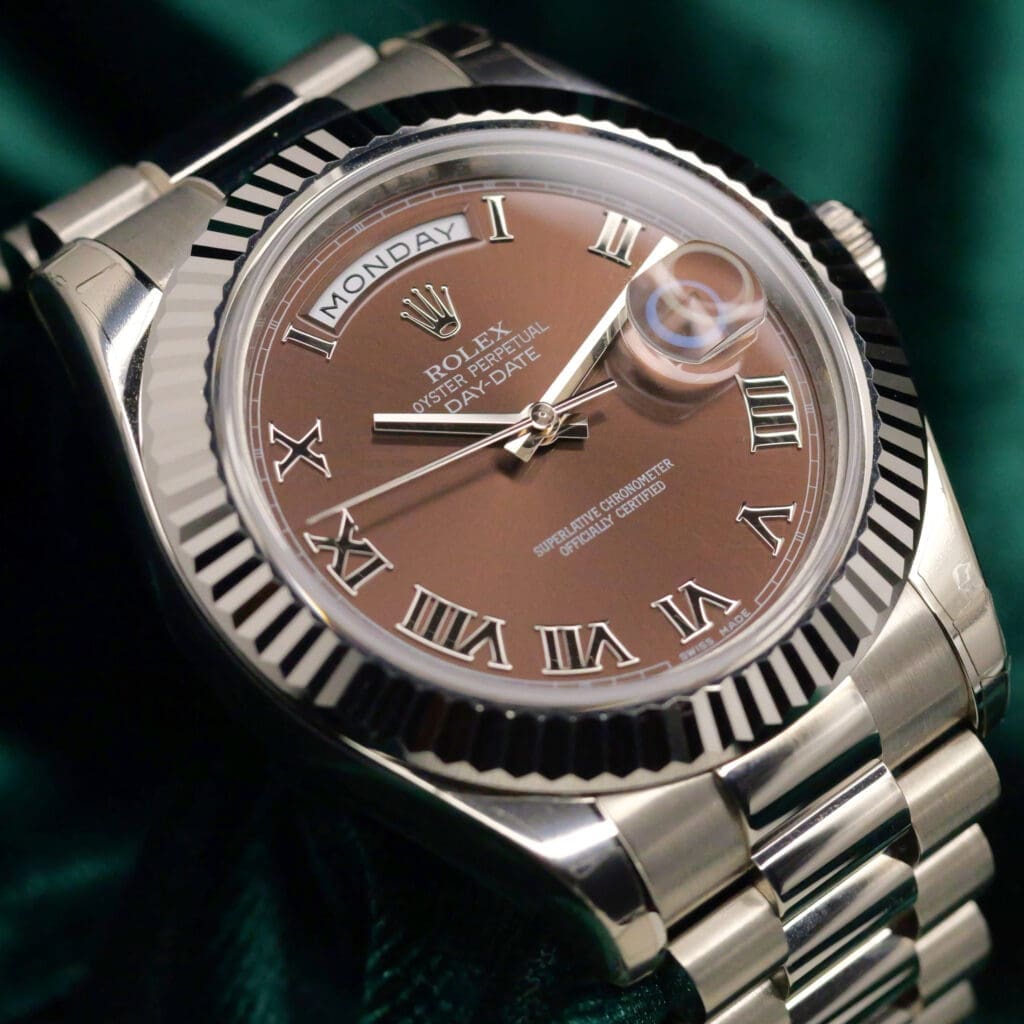
Rolex Day-Date II Brown Chocolate Dial Roman Numerals Fluted Bezel President Bracelet 18K White Gold 41mm MINT CONDITION COMPLETE SET 218239
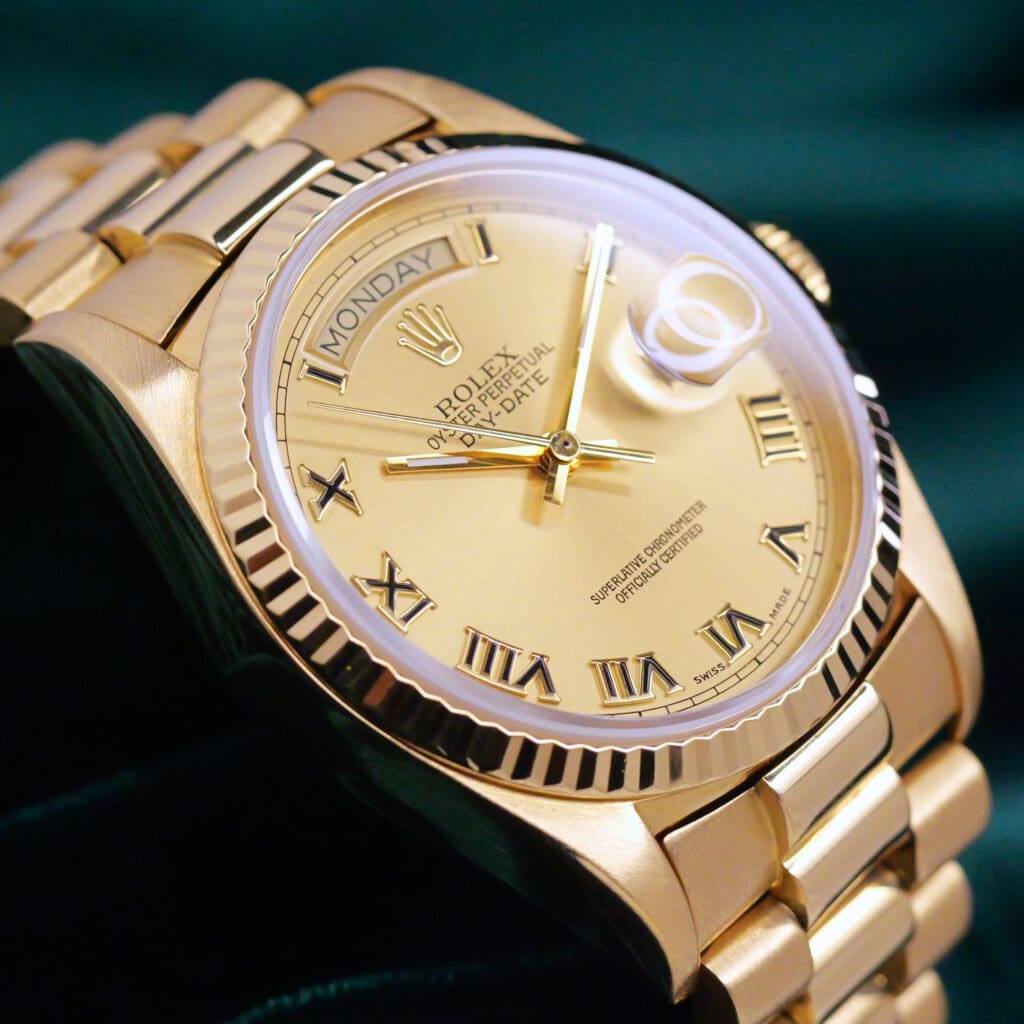
Rolex Day-Date 36 Champagne Gold Dial Roman Numeral Markers Fluted Bezel Presidential Bracelet 18K Yellow Gold NEAR MINT CONDITION 18038
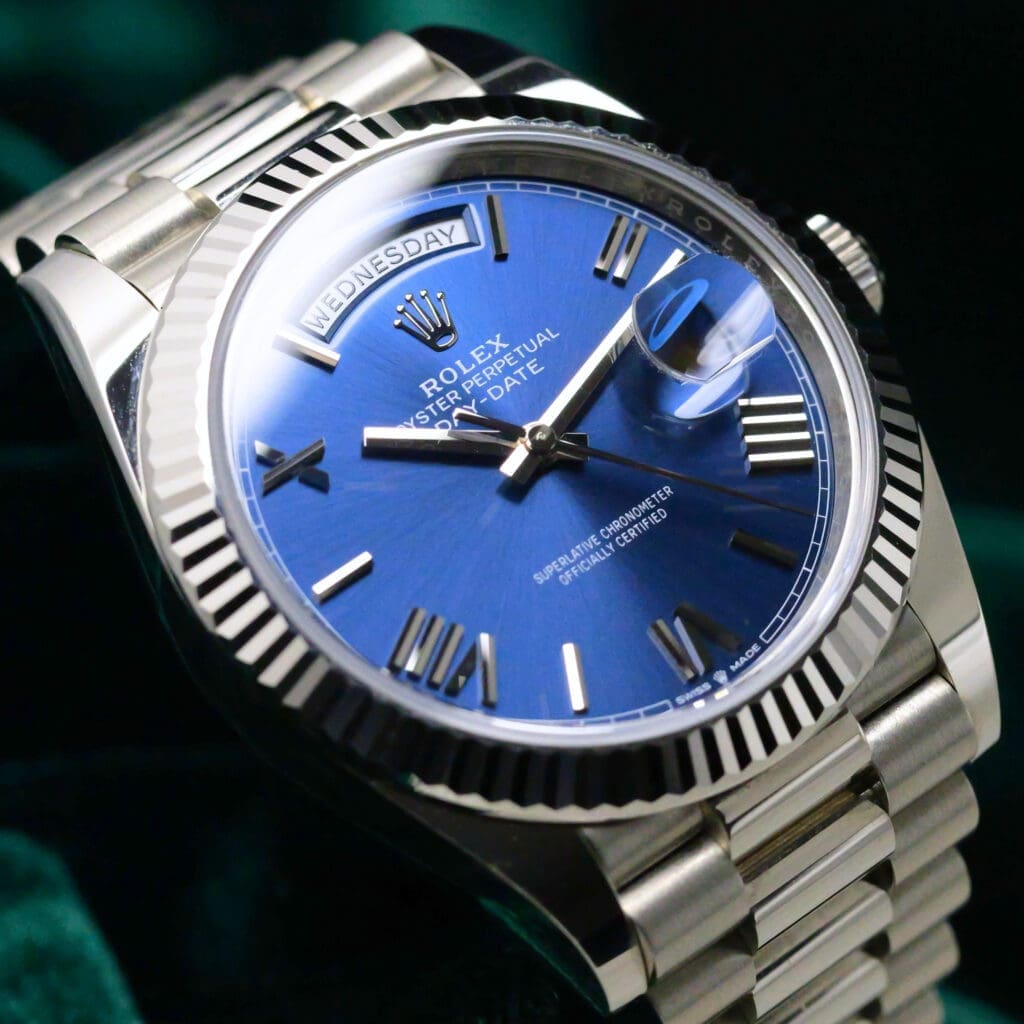
Rolex Day-Date Blue Roman Dial Fluted Bezel President Bracelet 18K White Gold 40mm MINT CONDITION COMPLETE SET 228239
What Changed for These Models in 2026
2026 was Rolex’s centennial, marking 100 years of the waterproof Oyster case. The releases leaned toward dress watches rather than new sports models, and the Datejust got most of the spotlight as a canvas for showing off materials.
Green ombré dials, which Rolex first introduced on the Day-Date, spread to the Datejust 36 and 41 in steel-and-white-gold Rolesor. New gold-and-steel colorways like mint and olive green filled out the two-tone Datejust range as well. The Day-Date stayed the flagship, with dial variety again doing most of the talking rather than any change to the case or movement.
Prices moved too. Rolex raised retail in January 2026, with steel Datejust references up roughly 3 to 4% and gold Day-Dates up around 6 to 7% as gold costs climbed. For a buyer, that stretched an already wide gap between the two lines. If you compared these watches even a year ago, the Day-Date in particular now sits meaningfully higher.
Price and Market Demand

The gap between these two isn’t really about branding. It’s about metal. The Datejust starts in steel; the Day-Date only exists in gold or platinum. That single fact sets the price floor for each, and everything else follows from there.
Start with the entry point. A new steel Datejust 41 ref. 126300 retails around $7,900 to $8,250 in 2026. On the secondary market, WatchCharts data shows most Datejust models trading between roughly $7,000 and $13,000, with a collection average near $11,000. Steel references move fastest, and full sets with box and papers fetch more than watch-only examples.
Step up to the fluted-bezel 126334 and the numbers shift. It retails around $11,650 but trades near $14,500 on WatchCharts, roughly 20% or more above retail. That premium isn’t just a price tag. When a watch consistently sells above its own list price, it’s telling you demand is outrunning supply for that specific configuration, which also means it’s easy to sell later.
The Day-Date sits in a different world. A new yellow gold Day-Date 40 ref. 228238 retails around $48,000 in 2026, up from the low-$40,000s a couple of years back as gold prices and Rolex’s own increases pushed it higher. WatchCharts shows it trading right around retail, near $49,000, with popular dials adding $10,000 or more.
From there the spread gets wide fast. Older gold President references can start near $8,000 to $10,000, while platinum configurations run past $55,000, and a platinum, diamond-set Day-Date 40 (ref. 228396TBR) retails around $131,000. The metal and the dial, not just the model name, decide the ceiling.
So what moves prices? Condition, completeness, production year, and configuration, with dial, metal, and bezel mattering more than the reference alone.
On liquidity, the Datejust wins clearly. It trades in higher volume, sells faster, and draws a wider pool of buyers, so it’s the easier watch to exit. The Day-Date trades thinner but to a more committed buyer, and the right configuration holds value strongly over time. If you’re buying with resale in mind, it’s worth reading whether Rolex holds its value across the lineup.
Read simply: the Datejust is the easier watch to sell, the Day-Date is the bigger commitment that rewards the right spec.
Notable Rolex Datejust References
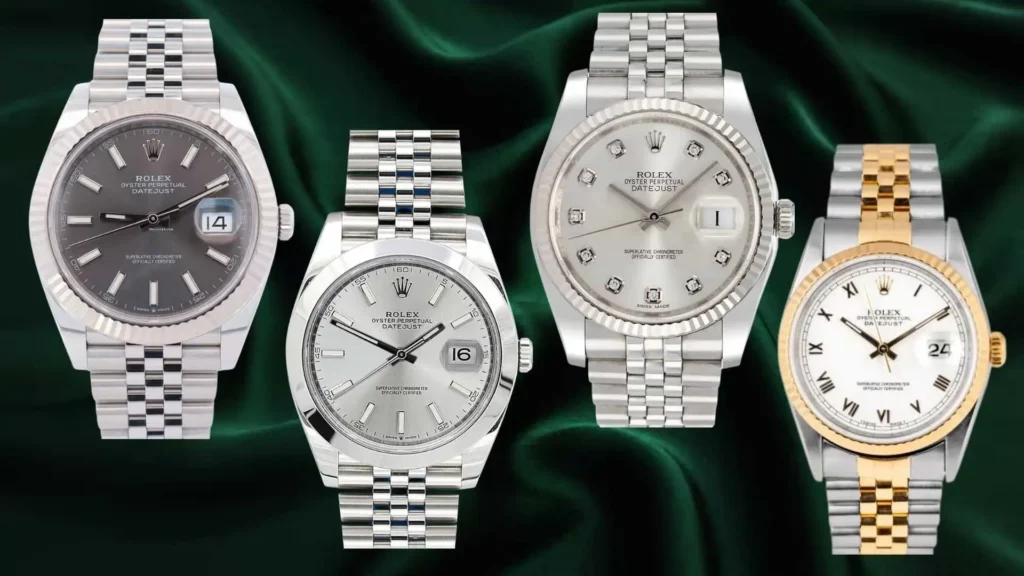
The Datejust is Rolex’s everyday luxury watch, and the reference you pick decides how dressy, how expensive, and how liquid your example is. Here are the ones worth knowing.
1. Rolex Datejust Ref. 126334
The 126334 is the modern crowd favorite. It pairs a steel case with a white gold fluted bezel, which reads as refined without tipping into full dress-watch territory. The 41mm size and huge dial selection have made it a default pick for buyers who want a contemporary daily Rolex with traditional cues.
- Case size: 41mm
- Material: Oystersteel + 18k white gold bezel
- Bracelet: Oyster or Jubilee
- Typical price range: ~$12,000–$16,000 (market, dial dependent)
2. Rolex Datejust Ref. 126300
The 126300 is the all-steel Datejust 41 with a smooth bezel. It’s the cleaner, quieter option, and it’s usually the most affordable way into the current Datejust 41 line. Buyers who want pure versatility tend to land here. It’s also one of the most liquid Datejusts, so it’s easy to sell if you ever move on.
- Case size: 41mm
- Material: Oystersteel
- Bracelet: Oyster or Jubilee
- Typical price range: ~$8,000–$10,500 (market)
3. Rolex Datejust Ref. 116234
The 116234 is the previous-generation Datejust 36 with a steel case and white gold fluted bezel, often on a Jubilee. It’s a strong secondary-market buy because you get the classic 36mm proportions at a friendlier price than the newest 41mm references.
- Case size: 36mm
- Material: Oystersteel + white gold bezel
- Bracelet: Jubilee
- Typical price range: ~$8,000–$12,000 (market)
4. Rolex Datejust Vintage Ref. 16233
The 16233 is the well-known two-tone Datejust from the late 20th century. It ran for years, so there’s plenty of supply, and its steel-and-yellow-gold look is the classic Datejust image a lot of people picture. Condition and originality swing the price a lot here.
- Case size: 36mm
- Material: Two-tone (steel and yellow gold)
- Bracelet: Jubilee or Oyster
- Typical price range: ~$4,000–$12,000 (condition dependent)
Notable Rolex Day‑Date (President) References
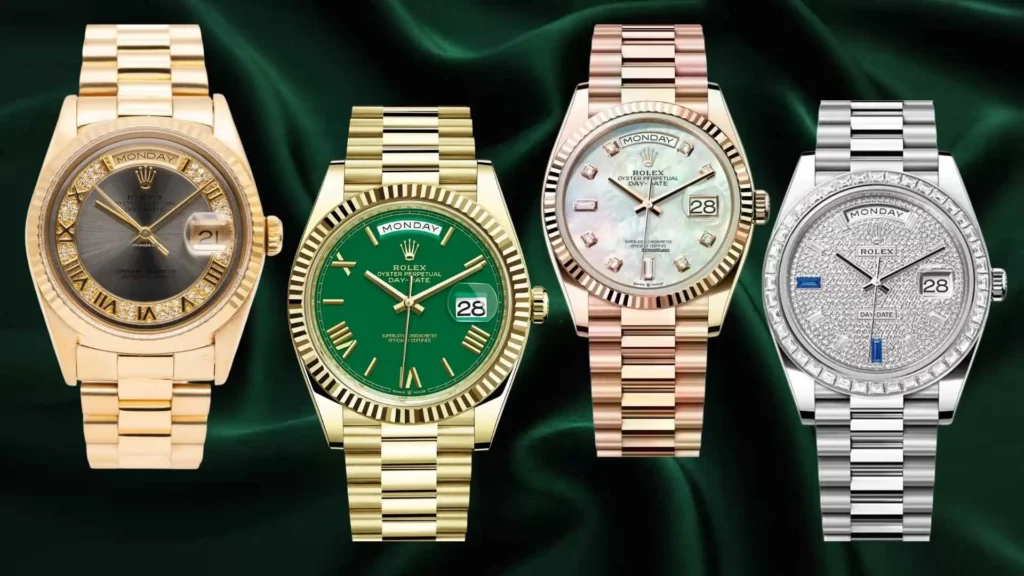
The Day-Date is the top of Rolex’s dress hierarchy, and the reference you choose is really a choice of metal, era, and dial. Here are four that map the range.
1. Rolex Day-Date Ref. 18238
The 18238 is a classic vintage President in solid yellow gold. It introduced the double quickset, letting you set day and date independently. It’s the reference that defined the President look for a generation and is still a sensible entry into gold Day-Date ownership.
- Case size: 36mm
- Material: 18k yellow gold
- Movement: Cal. 3155 automatic
- Bracelet: President
2. Rolex Day-Date Ref. 228238
The 228238 is the modern 40mm yellow gold President, and probably the reference most people picture today. Updated proportions, the current movement, and bold dial options keep it the face of the contemporary line. It’s a full-gold statement piece, full stop.
- Case size: 40mm
- Material: 18k yellow gold
- Bezel: Often fluted
- Bracelet: President
3. Rolex Day-Date Ref. 128235
The 128235 brings the President back to the classic 36mm size in Everose gold, with the new-generation movement and refined finishing. It suits buyers who want the traditional wearing size and warmer rose tone with current Rolex tech inside.
- Case size: 36mm
- Material: Everose gold
- Movement: Cal. 3255
- Bracelet: President
4. Rolex Day-Date Platinum Ref. 228396
The 228396 sits at the top of the Day-Date range. Platinum gives it real weight and a quiet, heavy presence that reads as understated until you handle it. It’s usually a watch for experienced collectors rather than a first Rolex. If you’re torn between the two coolest-toned metals, our white gold vs platinum comparison explains what actually separates them.
- Case size: 40mm
- Material: Platinum
- Bracelet: President
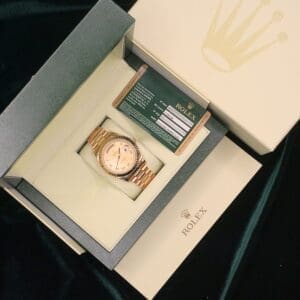
Shopping either line? We film full tour videos of the exact watch, so you’re judging real dial color and bracelet condition instead of stock photos. Send us the reference you’re weighing and we’ll show you what’s in stock.
Common Questions About the President vs Datejust
Is the Datejust Better for Daily Wear?
For most people, yes. A steel Datejust is lighter, shrugs off daily knocks, and moves between casual and formal without a second thought. The gold Day-Date is heavier and more noticeable, which makes it a watch you choose to wear rather than one you forget is there.
Can You Put a Datejust on a President Bracelet?
Some can, but it’s not the standard setup. Rolex fits a handful of gold Datejust models, mostly smaller women’s references, on a President bracelet. On a steel Datejust it isn’t a factory option, and in most buyers’ eyes the President bracelet stays the Day-Date’s signature.
Which Rolex Should You Choose?
This comes down to lifestyle, material preference, and where you are in your collecting. Each model serves a different buyer.
Choose the Rolex Datejust if:
- You want a Rolex in steel or two-tone
- You’ll wear it daily across casual and formal settings
- You like having a Jubilee or Oyster bracelet choice
- Your wrist is smaller (28mm and 31mm live only here)
- You want the easiest resale on the secondary market
- It’s your first step into Rolex ownership
Choose the Rolex Day-Date (President) if:
- You’re set on a precious-metal watch
- You want both the day and date on the dial
- You want access to exotic dial materials like stone or meteorite
- You’ll wear it mostly in formal or high-profile settings
- You want the watch at the top of Rolex’s dress hierarchy
- You’re targeting investment-grade references with documented history
Tie-breaker: if you want one watch that does everything and sells easily, it’s the Datejust. If you want a precious-metal statement piece and the budget is there, it’s the Day-Date.
Related Models from Majestix
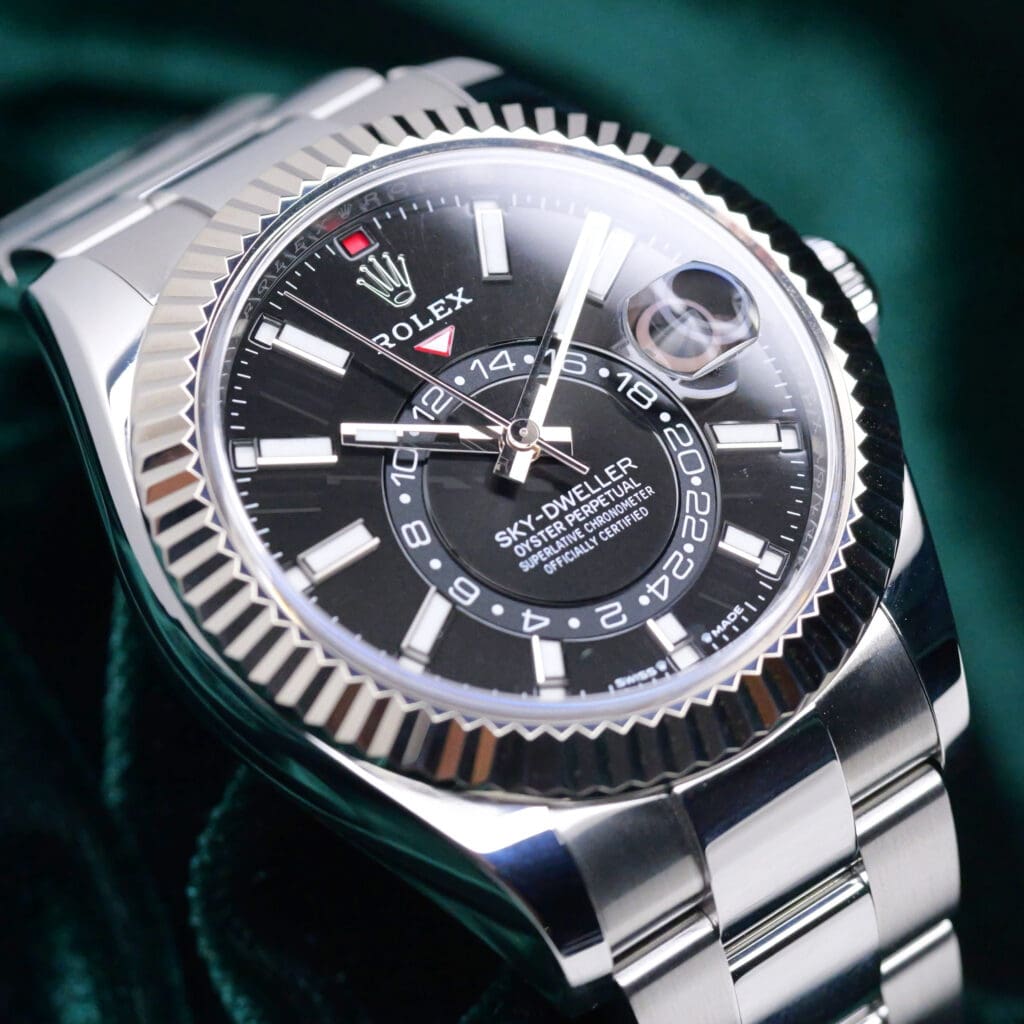
Rolex Sky-Dweller Black Dial 18K White Gold Fluted Bezel Oyster Bracelet Stainless Steel 42mm MINT CONDITION COMPLETE SET 336934-0007
2026 Rolex Datejust Green Ombre Dial Smooth Bezel Jubilee Bracelet Stainless Steel 41mm MINT CONDITION COMPLETE SET 126300
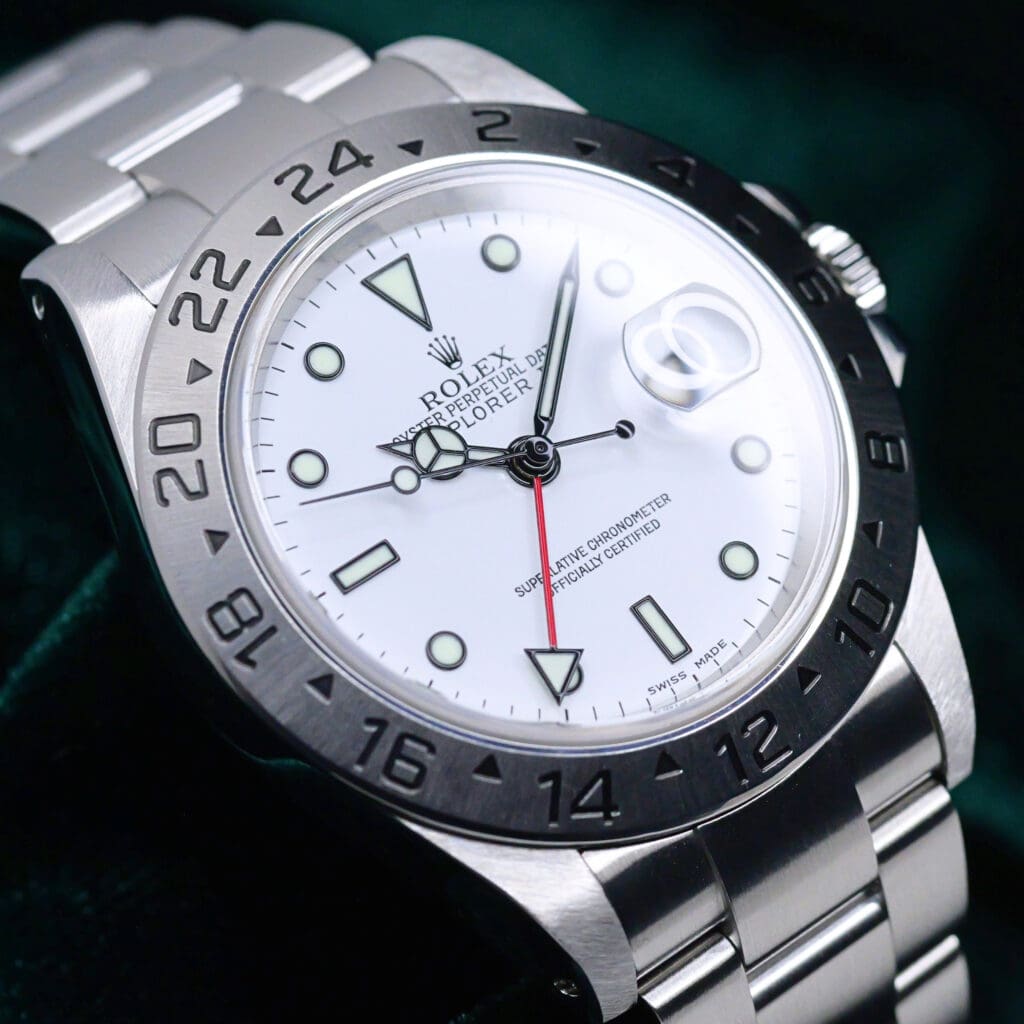
Rolex Explorer II "Polar" Swiss Made White Dial Oyster Bracelet Stainless Steel 40mm Cal. 3185 MINT CONDITION COMPLETE SET 16570

Rolex GMT-Master II "Pepsi" Blue Dial Blue Red Ceramic Bezel Oyster Bracelet 18K White Gold 40mm MINT CONDITION COMPLETE SET 126719BLRO
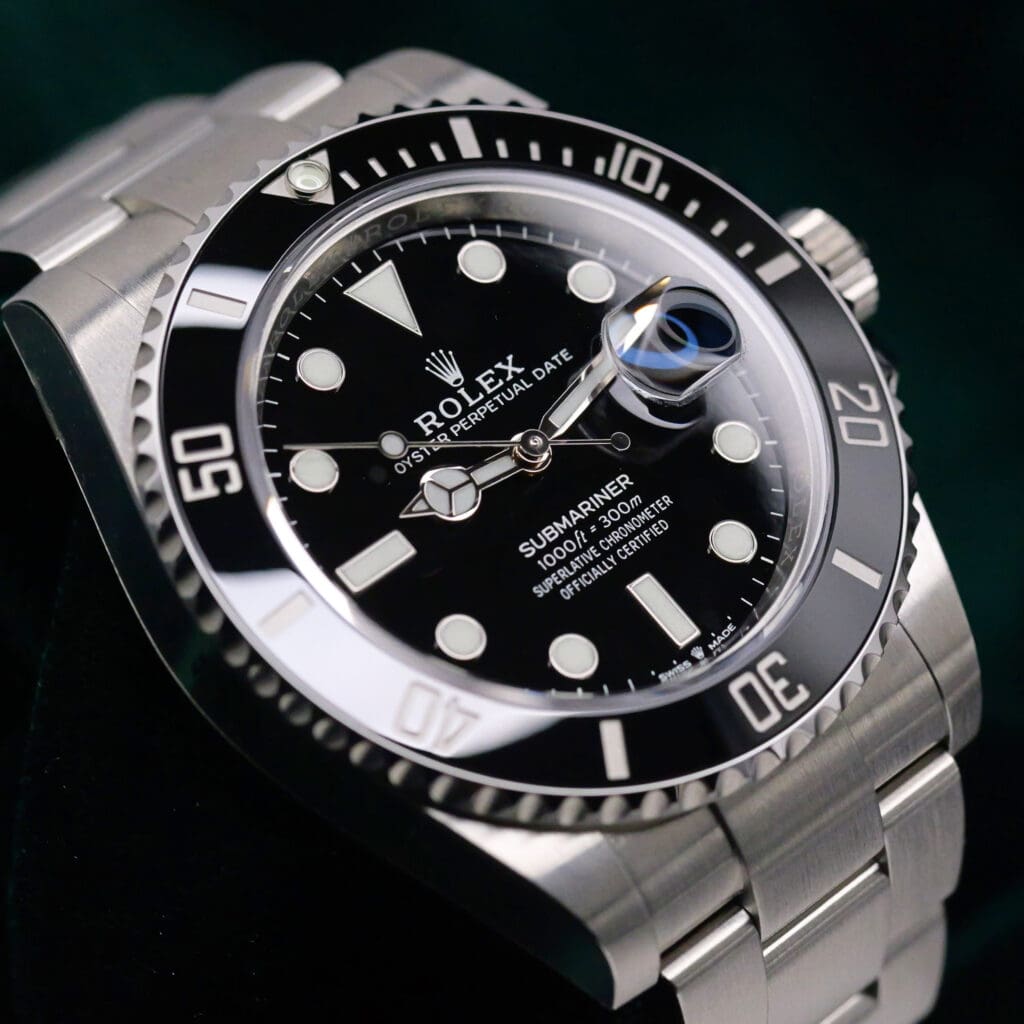
NEW UNWORN Rolex Submariner Date “Sub Date” Black Dial Black Ceramic Bezel Oyster Bracelet Stainless Steel 41mm COMPLETE SET 126610LN
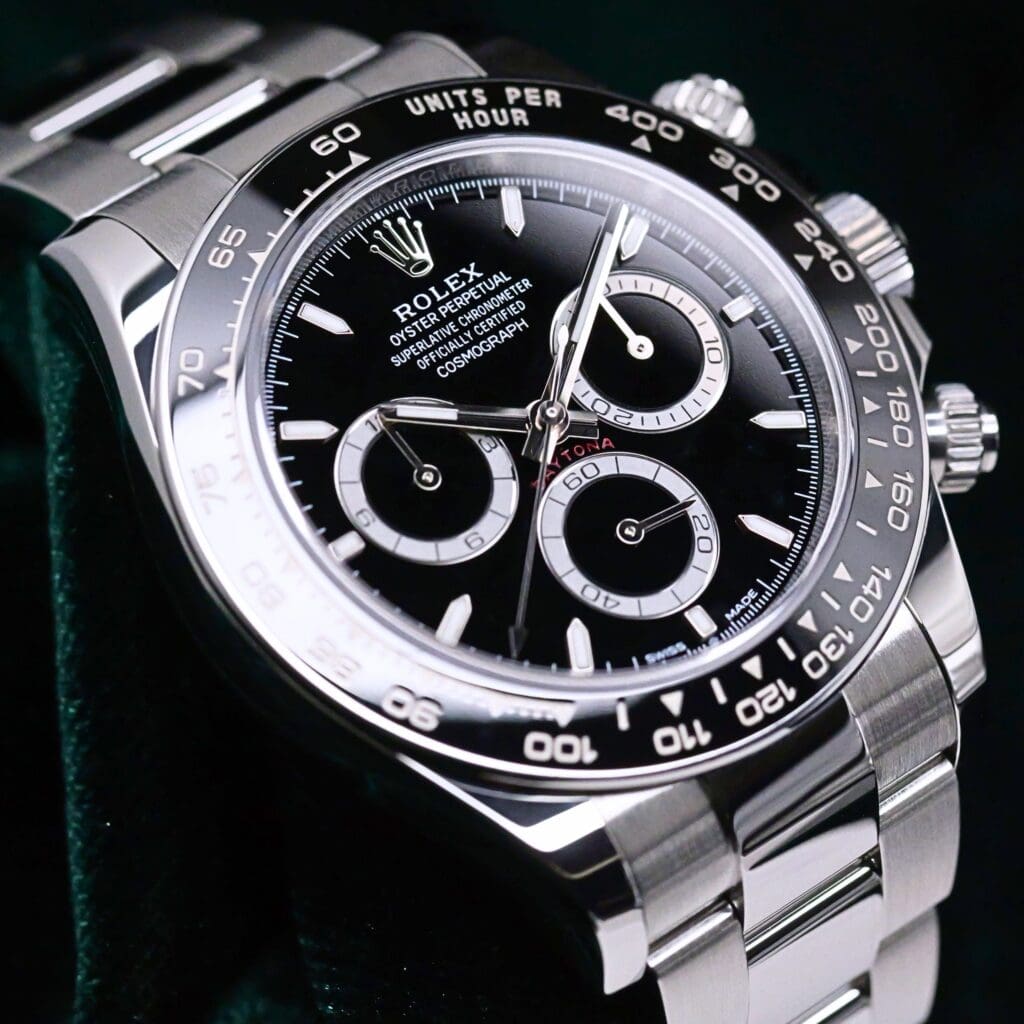
Rolex Cosmograph Daytona "Reverse Panda" Black Dial Black Ceramic Bezel Oyster Bracelet Stainless Steel 40mm MINT CONDITION COMPLETE SET 126500LN
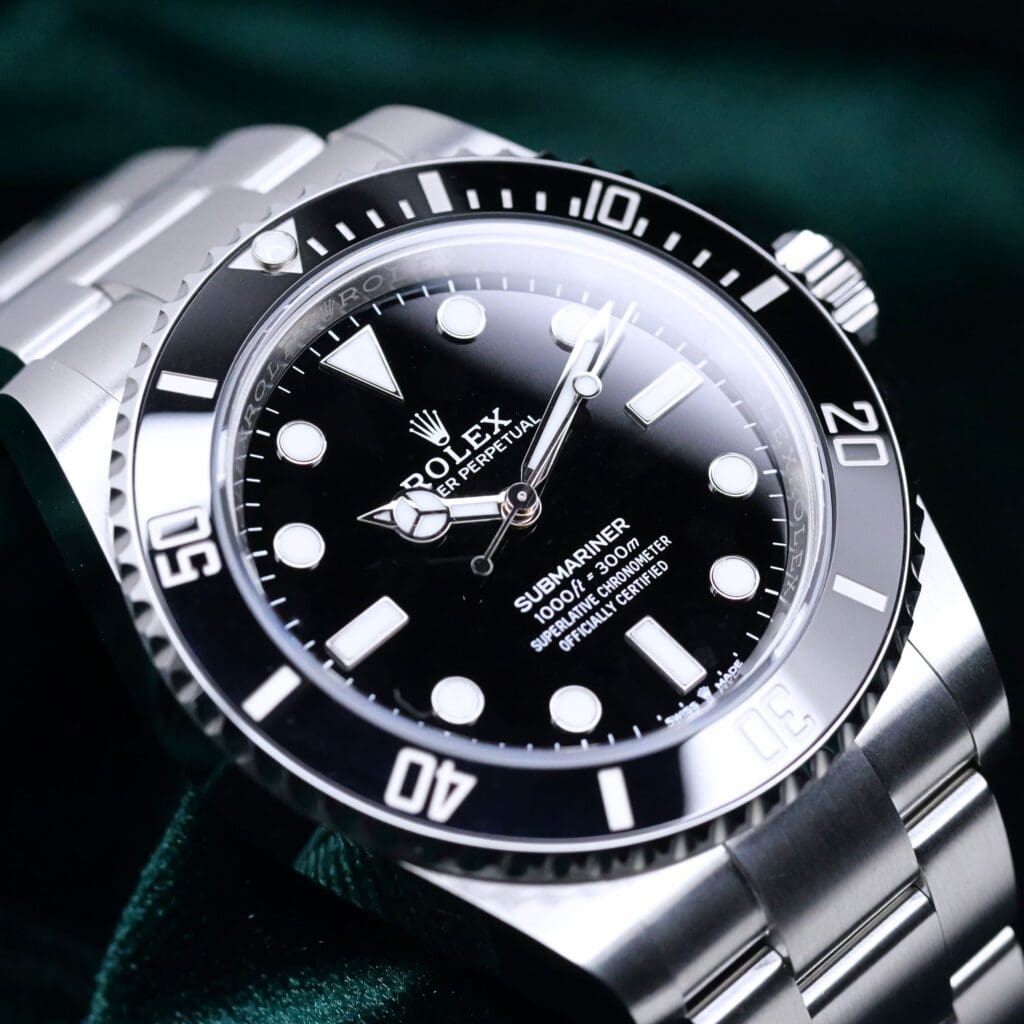
2026 NEW UNWORN Rolex Submariner No Date Black Dial Black Ceramic Bezel Oyster Bracelet Stainless Steel 41mm COMPLETE SET 124060
Rolex Datejust “Tuxedo” Black and Silver Dial 18K White Gold Fluted Bezel Stainless Steel Oyster 36mm MINT CONDITION COMPLETE SET 116234
2026 NEW UNWORN Rolex Datejust 41 Chocolate Brown Jubilee Two-Tone 18K Everose Gold Steel 41mm COMPLETE SET 126331
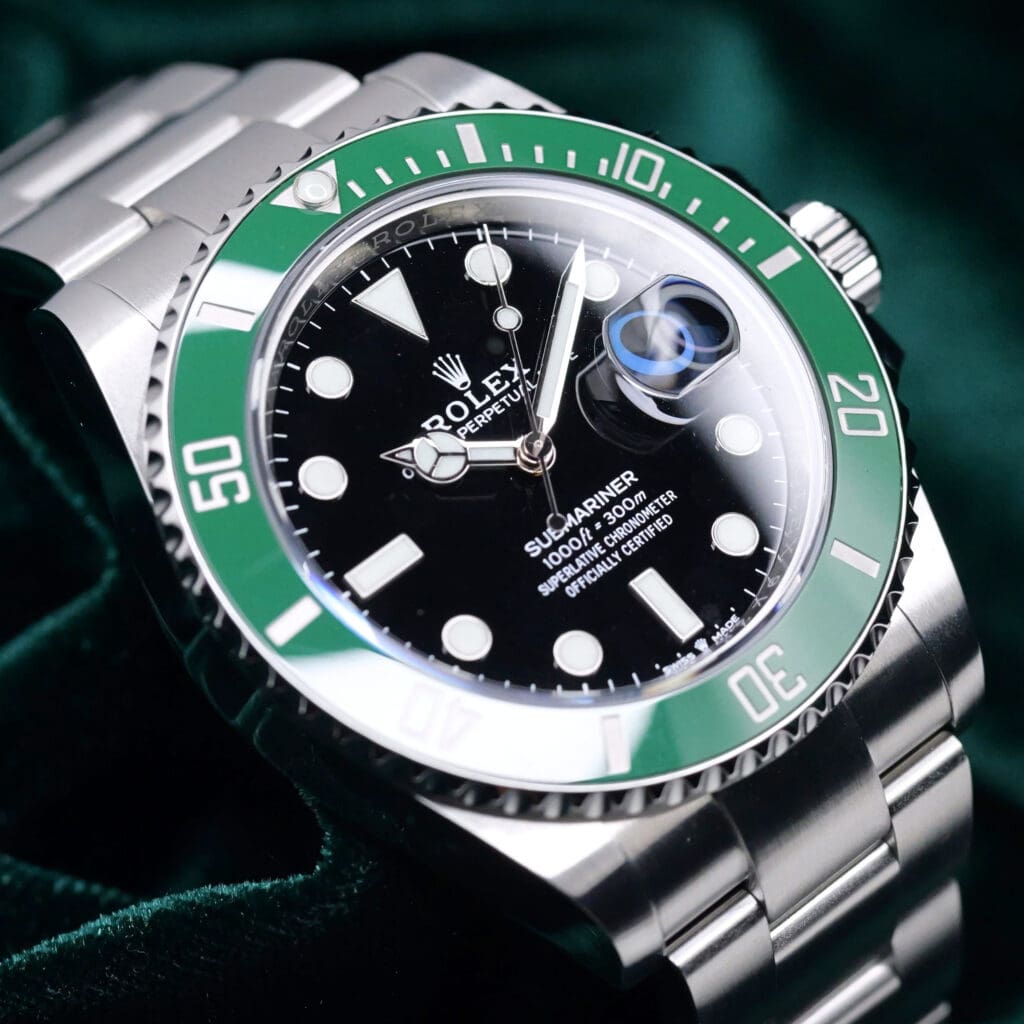
Rolex Submariner Date Starbucks Black Dial Green Ceramic Bezel Oyster Bracelet Stainless Steel 41mm MINT CONDITION COMPLETE SET 126610LV

Rolex Sea-Dweller Deepsea James Cameron D-Blue Dial Black Ceramic Bezel Oyster Bracelet Stainless Steel 44mm MINT CONDITION 116660-0003
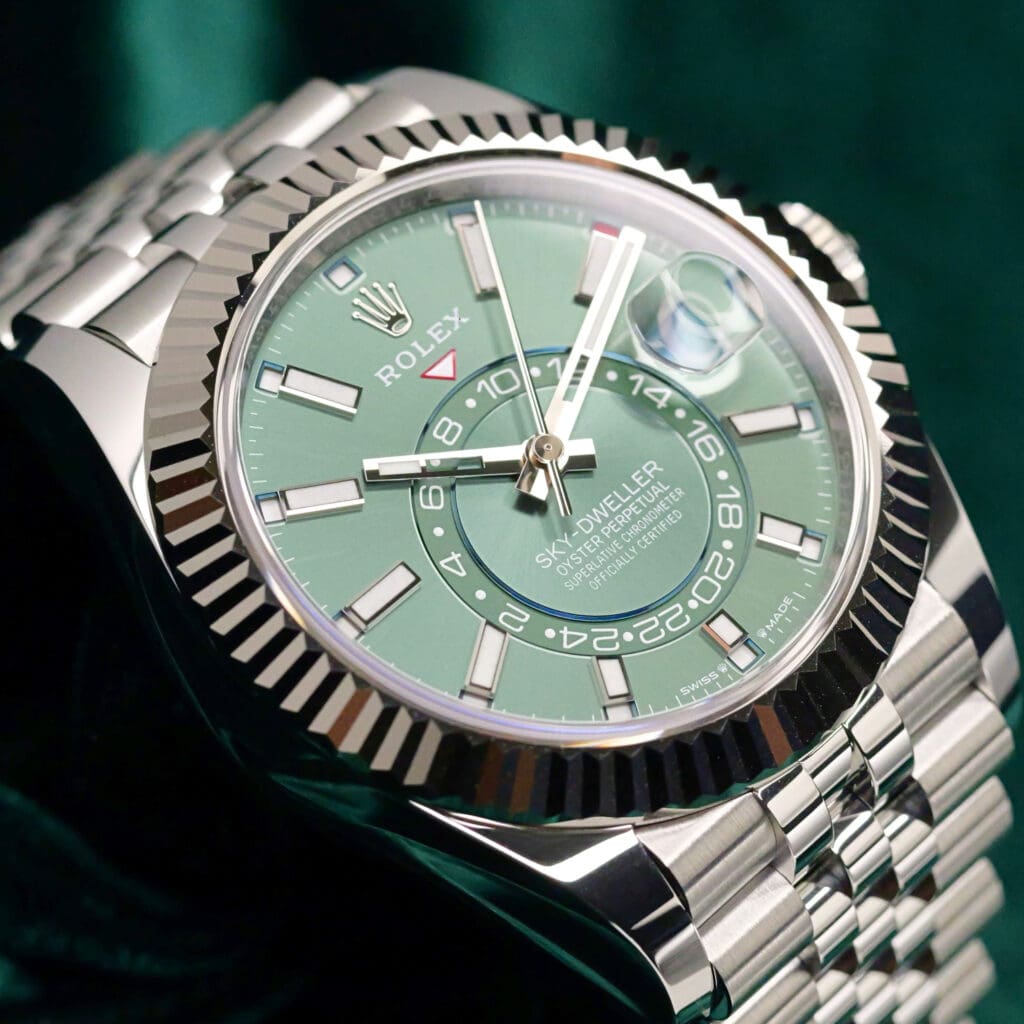
2026 NEW UNWORN Rolex Sky-Dweller Mint Green Dial 18K White Gold Fluted Bezel Jubilee Bracelet Stainless Steel 42mm COMPLETE SET 336934-0002
Where to Buy Authentic Watches Online
There are a few legitimate ways to buy either watch online. Chrono24 aggregates listings from dealers and private sellers worldwide, with buyer protection on escrow orders, and it’s worth knowing how buying on Chrono24 works before you commit. eBay now covers higher-value watches under its Authenticity Guarantee, which inspects the piece before it reaches you.
Grailzee runs watch-focused auctions if you’d rather bid than buy outright. Forums like Rolex Forums and WatchUSeek also have active private-sale sections, though you’re on your own for authentication there.
We also buy, sell, and trade luxury watches, and the reason clients come to us over a big marketplace is the conversation before the sale. You get tour videos of the actual watch, honest condition notes, and a real person who has had the piece in hand to answer questions. You’re not buying blind off a single listing photo.
That’s reflected in our 4.9-star Google rating, which comes from buyers who wanted to understand exactly what they were getting before wiring money on a five-figure watch.
If you’re weighing a Datejust against a Day-Date and want eyes on real examples of each, reach out and we can help you source the right one to fit your size, budget, and dial preference.
Final Thoughts on Rolex President vs Datejust
The Datejust and the Day-Date say different things about their wearer, and it’s not about one being louder. It’s about what they’re made of and how they were built. One is accessible and versatile in whatever material you like. The other exists in a single precious-metal tier, with a complication and a bracelet designed to signal exactly that.
The real question isn’t which one looks better. It’s which one fits where you are right now. The Datejust works as a serious watch at any budget and any stage of collecting. The Day-Date tends to become the next step, the watch you reach for when steel no longer feels like the ceiling.
Since the movements perform the same and the sizes sit close, the metal, the bracelet, and the day complication carry the decision. One practical tip as you shop: chase the best condition and the configuration you truly want, not the cheapest example of the reference. On both of these models, a great dial and a clean, unpolished case will out-hold a tired one for years.
If you’re still mapping out where these sit against the rest of the range, our Rolex buying guide covers the full lineup.
999+ Timepieces Available
Explore Our Timepieces
Authenticated, unworn, and ready to ship worldwide.
Rolex · Audemars Piguet · Patek Philippe · Omega · Cartier · Richard Mille · Hublot · Tudor
Newly Listed

Vacheron Constantin Overseas Chronograph "Reverse Panda" Black Dial Silver Subdials Stainless Steel 42.5mm MINT CONDITION COMPLETE SET 5500V/110A-B481
$34,095.00

Rolex Sky-Dweller Black Dial 18K White Gold Fluted Bezel Oyster Bracelet Stainless Steel 42mm MINT CONDITION COMPLETE SET 336934-0007
$21,945.00

2026 Rolex Datejust Green Ombre Dial Smooth Bezel Jubilee Bracelet Stainless Steel 41mm MINT CONDITION COMPLETE SET 126300
$16,480.00

2026 NEW UNWORN Cartier Santos-Dumont Silver Dial Platinum Mesh Bracelet Platinum 31mm COMPLETE SET WGSA0124
$64,790.00

2026 Tudor Black Bay 58 Black Dial Jubilee Bracelet Stainless Steel 39mm MINT CONDITION COMPLETE SET 7939A1A0NU
$5,717.00

NEW UNWORN Rolex Submariner Date “Sub Date” Black Dial Black Ceramic Bezel Oyster Bracelet Stainless Steel 41mm COMPLETE SET 126610LN
$15,595.00
Rolex Cosmograph Daytona "Reverse Panda" Black Dial Black Ceramic Bezel Oyster Bracelet Stainless Steel 40mm MINT CONDITION COMPLETE SET 126500LN
$32,009.00
2026 NEW UNWORN Rolex Submariner No Date Black Dial Black Ceramic Bezel Oyster Bracelet Stainless Steel 41mm COMPLETE SET 124060
$15,219.00
Audemars Piguet Royal Oak Selfwinding Chronograph Bleu Nuit Nuage 50 Blue Dial Bracelet 18k Rose Gold 38mm MINT CONDITION COMPLETE SET 26715OR.OO.1356OR.01
$104,942.00
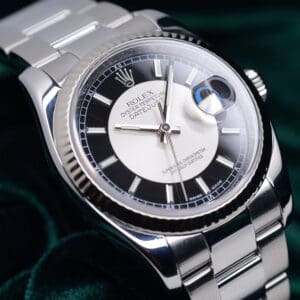
Rolex Datejust “Tuxedo” Black and Silver Dial 18K White Gold Fluted Bezel Stainless Steel Oyster 36mm MINT CONDITION COMPLETE SET 116234
$10,671.00
Vacheron Constantin Overseas Dual Time Silver Dial Brown Leather Strap 18K Rose Gold 41mm MINT CONDITION COMPLETE SET 7900V/000R-B336
$41,894.00
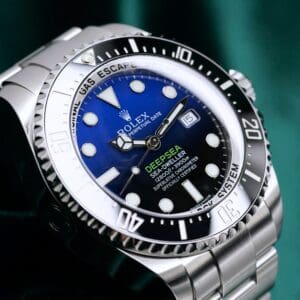
Rolex Sea-Dweller Deepsea James Cameron D-Blue Dial Black Ceramic Bezel Oyster Bracelet Stainless Steel 44mm MINT CONDITION 116660-0003
$14,272.00