If you own a luxury watch, you’ve likely seen how fast scratches show up on stainless steel. One day the case and bracelet look crisp, then the clasp shows scuffs, the lugs lose definition, and polished areas look cloudy. Many owners start thinking about polishing stainless steel watch surfaces to bring back that sharp, clean look. Stainless steel is durable, but it still marks easily, especially in high wear spots like bracelet links, bezel edges, and case flanks.
Polishing offers a way to restore the finish, but it raises important questions. How much metal comes off during polishing? Is it safe for a watch that may be worth more today than when it was purchased? Can polishing remove scratches fully, or only reduce them? And do brushed finishes react differently than polished ones?
This article focuses on what owners need to understand before polishing a stainless steel watch. It explains what polishing really does to metal, how it affects value, and the smartest approach to keeping a watch clean, sharp, and structurally sound for years to come.
Why Stainless Steel Watches Require Polishing
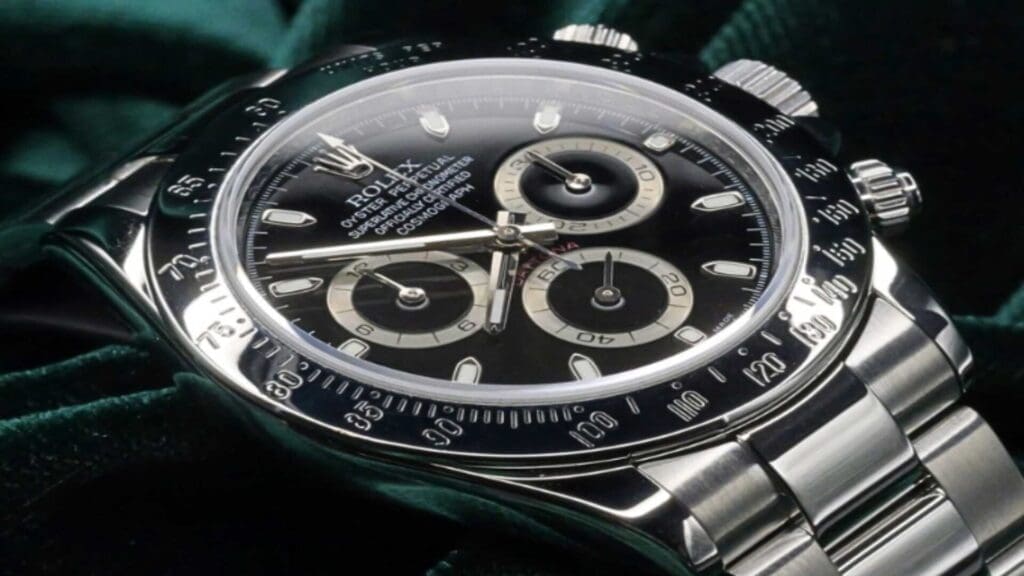
Stainless steel watches require polishing because everyday contact with surfaces, dust, and skin oils gradually dulls their finish. Brands like Rolex, Omega, Audemars Piguet, and Patek Philippe use high-grade alloys such as 904L or 316L steel that resist corrosion but still accumulate micro-scratches and fine abrasions over time.
Even with careful wear, friction from shirt cuffs, desk edges, and bracelets rubbing against the wrist slowly erodes the crisp lines of the case and softens the edges of lugs and bezel. Polishing removes minor surface imperfections, restoring reflective quality and preventing scratches from accumulating, which keeps the watch looking sharp and visually striking. Without occasional polishing, these scratches can accumulate, making the watch look aged, less sharp, and less visually striking, which directly impacts both aesthetic appeal and long-term value.
Regular polishing is especially important for watches with mixed finishes, complex curves, and thin bevels, where scratches disrupt the contrast between brushed and polished surfaces. It preserves the watch’s intended design and maintains the clean, precise look that luxury watches are known for.
Types of Finishes on Stainless Steel Watches
Stainless steel watches come in different finishes, and each one reacts differently to wear and polishing. Knowing the type of finish on your watch helps you take care of it the right way. Some finishes hide scratches better, while others show them clearly, and each finish has its own look and feel.
Brushed Finish
A brushed finish has a matte look with fine, straight lines, usually on the top of the case or bracelet links. It reduces glare and hides small scratches, making it popular for sportier watches. Brands like Omega and IWC use it to highlight durability.
Polishing brushed surfaces requires care to keep the lines straight and uniform. If the grain becomes uneven or shiny in some areas, it can ruin the clean, consistent look that defines this finish.
Polished Finish
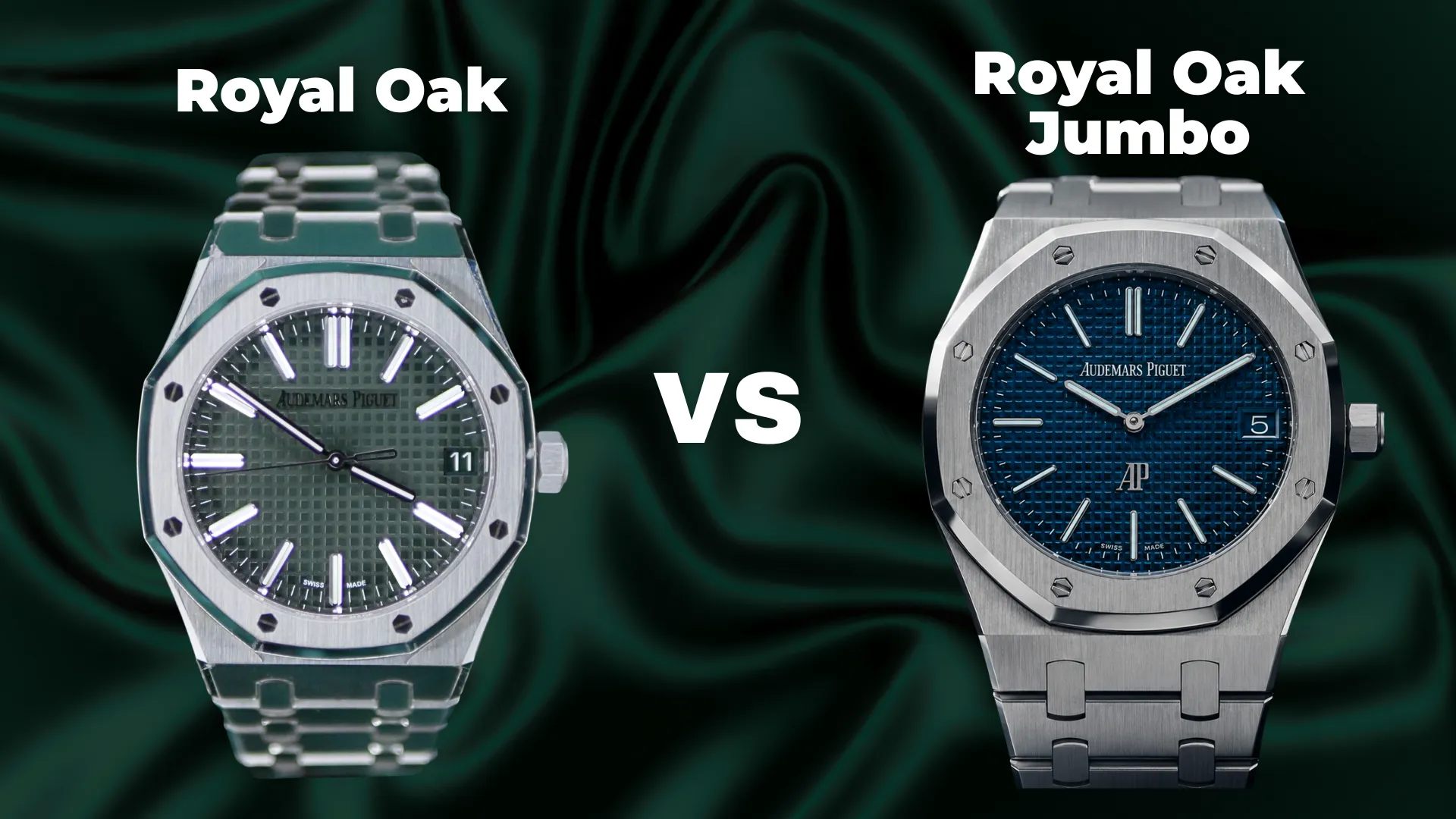
A polished finish creates a shiny, reflective surface that stands out and emphasizes the watch’s curves. It is commonly found on bezels, case edges, and center bracelet links. Watches like the Rolex Datejust and AP Royal Oak use polished finishes to highlight their shape and catch light beautifully.
Polished surfaces show scratches more easily, so careful polishing is needed to restore shine without softening edges or blurring reflections. Done correctly, it brings back the mirror-like appearance of the watch.
Mixed Finish (Brushed + Polished)
A mixed finish combines brushed and polished surfaces to create contrast and highlight a watch’s design. For example, the Rolex Submariner has polished center links with brushed outer links, giving the bracelet depth and character. Polishing a mixed-finish watch requires precision to keep the textures separate.
Overdoing it can blend the finishes, making the watch look flat. Professional polishing preserves the distinction, keeping the brushed parts matte and the polished areas reflective, which maintains the watch’s intended look.
DIY vs Professional Polishing

Polishing a stainless steel watch might seem simple, but it requires skill, the right tools, and knowledge of the metal. Doing it yourself can save money, but mistakes can permanently damage edges, bevels, and finishes.
Professional polishing uses specialized equipment and techniques to restore the watch without compromising its structure or value, making it the safest choice for luxury timepieces. Choosing between DIY and professional work depends on your confidence, experience, and the watch’s importance.
| Method | Pros | Cons |
| DIY Polishing | Cost-effective for minor scratchesImmediate results at homeConvenient and quick for small areas | High risk of uneven finish or softening edgesCan blur polished vs brushed contrastsMistakes can lower resale value |
| Professional Polishing | Preserves case shape and edgesMaintains proper finish and textureUses precise tools for consistent results | Higher cost than DIYRequires sending the watch to a service centerMay take several days to complete |
Maintaining Your Stainless Steel Watch After Polishing
After polishing your stainless steel watch, the work isn’t done. The polished surfaces and brushed areas still need daily attention to stay sharp, maintain their finish, and avoid new scratches. Taking consistent care preserves both the look and value of your watch.
To keep it in top condition, follow these steps:
1. Wipe your watch every day using a soft microfiber cloth to remove fingerprints, sweat, dust, and light debris that can accumulate and dull the polished or brushed surfaces.
2. Clean the bracelet links and case weekly with a mild soap solution, carefully avoiding harsh chemicals or abrasive cleaners that can damage the metal or remove protective coatings.
3. Store your watch in a padded box, watch roll, or separate compartment when not in use to prevent it from rubbing against other jewelry, hard surfaces, or objects that could scratch it.
4. Avoid wearing your watch during activities that expose it to abrasive surfaces, chemicals, or hard impacts, including gardening, construction work, swimming in chlorinated pools, or handling household cleaning products.
5. Check all bracelet screws, pins, and the clasp regularly to keep everything stays secure, avoiding loose links or accidental drops that can scratch or damage the case and bracelet.
6. Apply a protective coating, wax, or polish occasionally if the manufacturer recommends it, for extra surface protection for both brushed and polished areas without affecting the original finish.
Cost Considerations for Polishing Stainless Steel Watches
Professional polishing for stainless steel watches can vary widely in price depending on the brand, case design, bracelet type, and surface complexity. Understanding typical costs helps watch owners budget properly and avoid surprises while ensuring high-quality service.
Here’s a breakdown of common watch models, their materials, and the typical professional polishing costs:
| Watch Model | Case Material | Bracelet Material | Typical Cost (Professional) |
| Rolex Submariner | 904L Stainless Steel | Oystersteel | $400 – $800 |
| Omega Seamaster | 316L Stainless Steel | Stainless Steel | $350 – $650 |
| Audemars Piguet Royal Oak | 316L Stainless Steel | Stainless Steel | $600 – $1,000 |
| Patek Philippe Nautilus | 316L Stainless Steel | Stainless Steel | $700 – $1,200 |
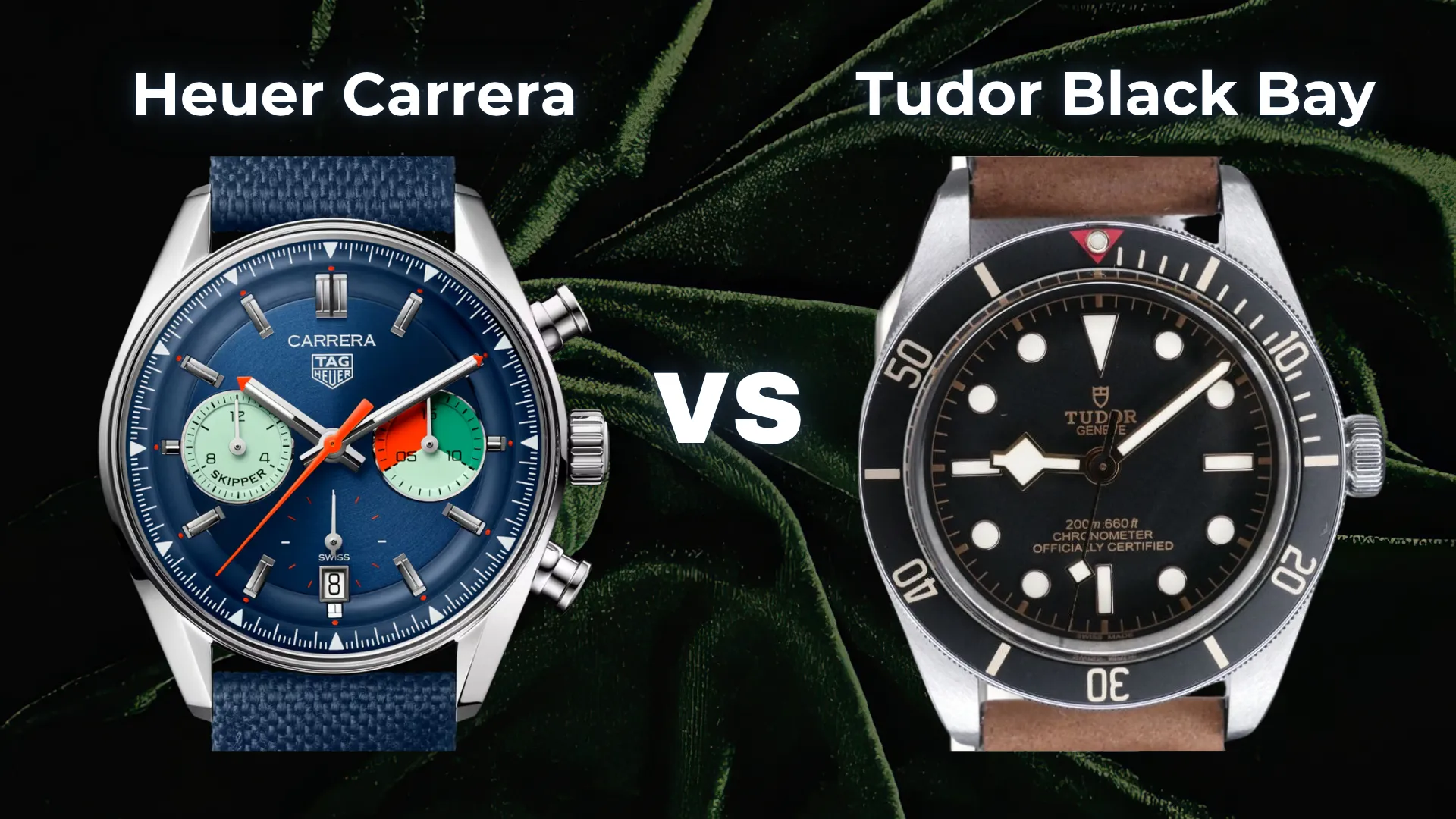
| TAG Heuer Carrera | 316L Stainless Steel | Stainless Steel | $300 – $500 |
| Breitling Navitimer | 316L Stainless Steel | Stainless Steel | $350 – $600 |
Polishing Frequency Guidelines
The frequency of polishing depends on how often you wear the watch, the type of activity it sees, and the materials used. Over-polishing can remove too much metal, while under-polishing can leave scratches and dull finishes. Follow these general guidelines based on watch type:
- Daily-wear watches: Polishing every 3–5 years is usually enough to remove visible scratches and maintain the finish without compromising the case or bracelet.
- Dress watches: Since they see less wear, polish every 5–7 years to maintain a refined look while preserving thin edges and delicate surfaces.
- Diver watches: These watches often endure harsh conditions and scratches, so polishing every 2–4 years is recommended, depending on exposure to saltwater, sand, or heavy use.
- Precious metal watches: Gold, platinum, or two-tone watches require extra care; polishing every 4–6 years is ideal to avoid excessive metal loss while keeping the watch visually pristine.
Polishing Risks and Value Impact
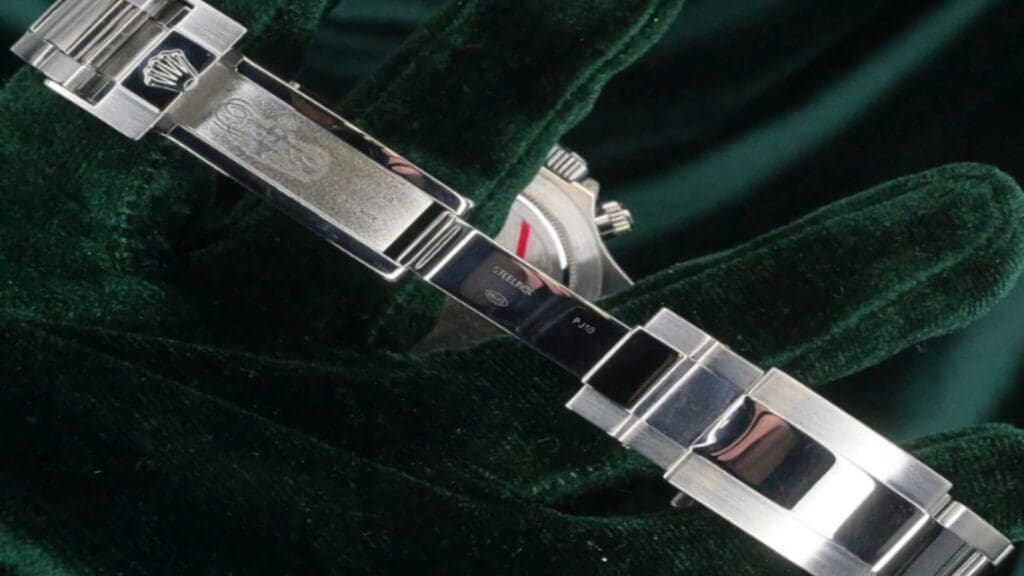
Polishing a stainless steel watch removes metal from the case and bracelet, which can slightly alter the case proportions, thin out lugs, and soften beveled edges. These changes affect how the watch sits on the wrist and how light reflects off its surfaces. Watches with intricate finishes or engraved surfaces are especially sensitive, as polishing can reduce the clarity of lines and weaken the contrast between brushed and polished areas.
Excessive polishing lowers the collectible and resale value because buyers and collectors prefer watches with original finishes and crisp edges. Watches that appear over-polished or uneven lose appeal, particularly limited-edition or high-value models, where originality drives market price.Professional polishing controls these risks using precise tools and techniques, but it increases maintenance expenses. Frequent polishing can become costly, so owners should balance restoring the watch’s appearance with preserving its structural integrity and value, opting for professional service only when necessary.
How to Minimize Polishing Costs
Polishing a luxury watch can become expensive if done too often or without planning. Taking a strategic approach helps reduce costs while keeping the watch looking sharp and preserving its finish.
Here are some ways to minimize polishing expenses:
- Polish only when necessary: Focus on visible scratches or dull areas rather than doing routine polishing too frequently.
- Use professional services selectively: Reserve authorized or high-end polishing for significant blemishes or value-critical watches.
- Protect the watch during wear: Use protective films or avoid activities that cause scratches to reduce the need for polishing.
- Maintain regular cleaning: Simple cleaning with a microfiber cloth or mild solution keeps the watch looking fresh between professional sessions.
- Compare service providers: Shop around for reputable watchmakers who offer professional polishing at competitive rates.
- Combine services: Schedule polishing during regular servicing to save on labor fees and shipping costs.
Final Thoughts on Polishing a Stainless Steel Watch
Polishing should be approached as a long term decision rather than a routine habit. While it can refresh a watch’s appearance, lasting preservation comes from restraint and informed care instead of frequent intervention.
A stainless steel watch ages best when its original lines, proportions, and character are respected over time. Excessive polishing gradually removes metal and softens details that define quality craftsmanship.
Understanding when to polish and when to avoid it protects more than surface shine. It preserves structural integrity, originality, and long term value. Thoughtful maintenance ensures the watch continues to reflect its history, authenticity, and appeal for owners.