
If you are choosing between the Rolex Milgauss vs Datejust, you are looking at two steel Rolex models built for daily use with very different priorities. Both use the Oyster case and offer 100 m water resistance, so durability does not separate them.
The real difference is functional. The Milgauss is built around anti-magnetism. The Datejust is built around date utility and everyday versatility. One is a discontinued tool watch; the other is the broadest everyday line Rolex makes.
And in 2026, the gap between them got more interesting. The watch world spent months expecting a Milgauss comeback at Watches & Wonders. It didn’t happen. That changes the buying math, and we’ll cover exactly how below.
Here’s the full breakdown to help you pick the one that fits how you really wear a watch.
Rolex Milgauss Overview
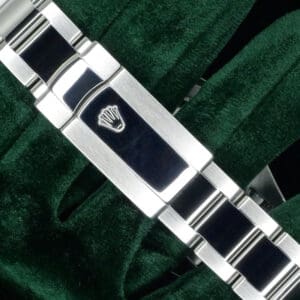
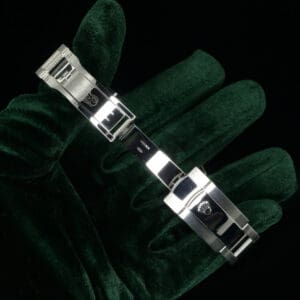
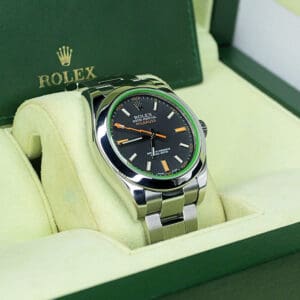
Rolex introduced the Milgauss in 1956 to solve a specific problem: strong magnetic fields disrupted mechanical watches in labs and industrial settings. Rolex engineered it to resist up to 1,000 gauss, which gave the model its name. The brand revived the line in 2007 and defined the version collectors know today.
The Milgauss was made for engineers, technicians, and scientists working near magnetic equipment, think laboratories, power facilities, and research centers. The brief never changed: keep accurate time under magnetic exposure.
It pulls this off with a soft-iron inner shield, a Faraday cage, that surrounds the movement and blocks magnetic fields before they reach sensitive components. Rolex built the protection into the case structure itself, and it works continuously with no input from the wearer.
Collectors value the Milgauss for its limited production and niche purpose. Those traits keep interest steady among buyers who care about rarity and condition, and demand tends to center on well-preserved examples with complete sets.
Our Milgauss buying guide walks through the full lineup if you want to go deeper on the references.
Visually, it stands apart with its orange lightning-bolt seconds hand and, on the 116400GV, a green sapphire crystal Rolex introduced in 2007 as a technical first for the brand. The dials run bolder than most Rolex tool watches. You spot a Milgauss across a room.

Popular Milgauss references:
- 541
- 1019
- 116400
- 116400GV
Rolex Datejust Overview


Rolex introduced the Datejust in 1945 to solve a simple daily problem. It placed the date window at 3 o’clock and made it part of the core design, not an add-on. In 1953, Rolex added the Cyclops lens to magnify the date, a design cue the brand still uses today.
The Datejust was built for people who want one watch that works across changing settings, at work, after work, and on weekends, without a second thought. The brief: reliable time and date in a balanced, everyday format.
Its versatility comes from the case and bracelet system. The Oyster case handles durability and water resistance, while bracelet choice changes the watch’s character. The Jubilee bracelet, created for the Datejust in 1945, adds comfort and a softer look without giving up daily usability.

Collectors value the Datejust for its long production run and clear design continuity. The catalog spans different case sizes, bezels, bracelets, and dials, yet every version stays easy to identify. Demand centers on clean examples with classic configurations.
If you want the full family mapped out, our Datejust buying guide breaks down the references and sizes.
The recognizable cues do the heavy lifting: the Cyclops lens, the date at 3 o’clock, and the Jubilee bracelet. A fluted bezel pushes it dressier; a smooth bezel keeps it understated. Either way, the core identity holds.
Popular Datejust references:
- 1601
- 16234
- 116234
- 126234 (current production)

Did the Milgauss Come Back in 2026?
No. Despite heavy speculation, Rolex did not bring back the Milgauss at Watches & Wonders 2026. The show opened in Geneva on April 14, 2026 under the theme “Oyster Story,” marking 100 years of the Oyster case, and the Milgauss stayed out of the catalog.
This matters because the rumor was loud and credible. The year 2026 marked the Milgauss’s 70th anniversary, since the original ref. 6541 launched in 1956. The new Calibre 7135 with its Dynapulse escapement, first seen in the Land-Dweller, is inherently anti-magnetic without a Faraday cage.
That gave Rolex a genuine engineering story for a thinner, modern Milgauss, and most of the watch press had it as a high-probability return. It didn’t come.
And the same show delivered another surprise: the GMT-Master II “Pepsi” (ref. 126710BLRO) was discontinued with no “Coke” replacement, leaving the steel GMT lineup without a red bezel for the first time in the ceramic era.
For a buyer weighing the Milgauss, the takeaway is practical. The discontinued 116400 and 116400GV remain the only modern Milgauss you can buy, and the failed comeback removed the one event that might have softened secondary prices.
If a new Milgauss had landed, demand for the old references could have split. Instead, supply stays fixed and the existing references hold their position.
If Rolex eventually does revive the line, early discontinued examples like these tend to stay desirable rather than get cheaper, which is part of why discontinued Rolex models hold their value the way the “Hulk” Submariner and now the Pepsi have.
The Datejust, by contrast, was business as usual: Rolex refreshed the line again in 2026, as it does most years, so current-production stock keeps flowing.
Browse Our Rolex Collection
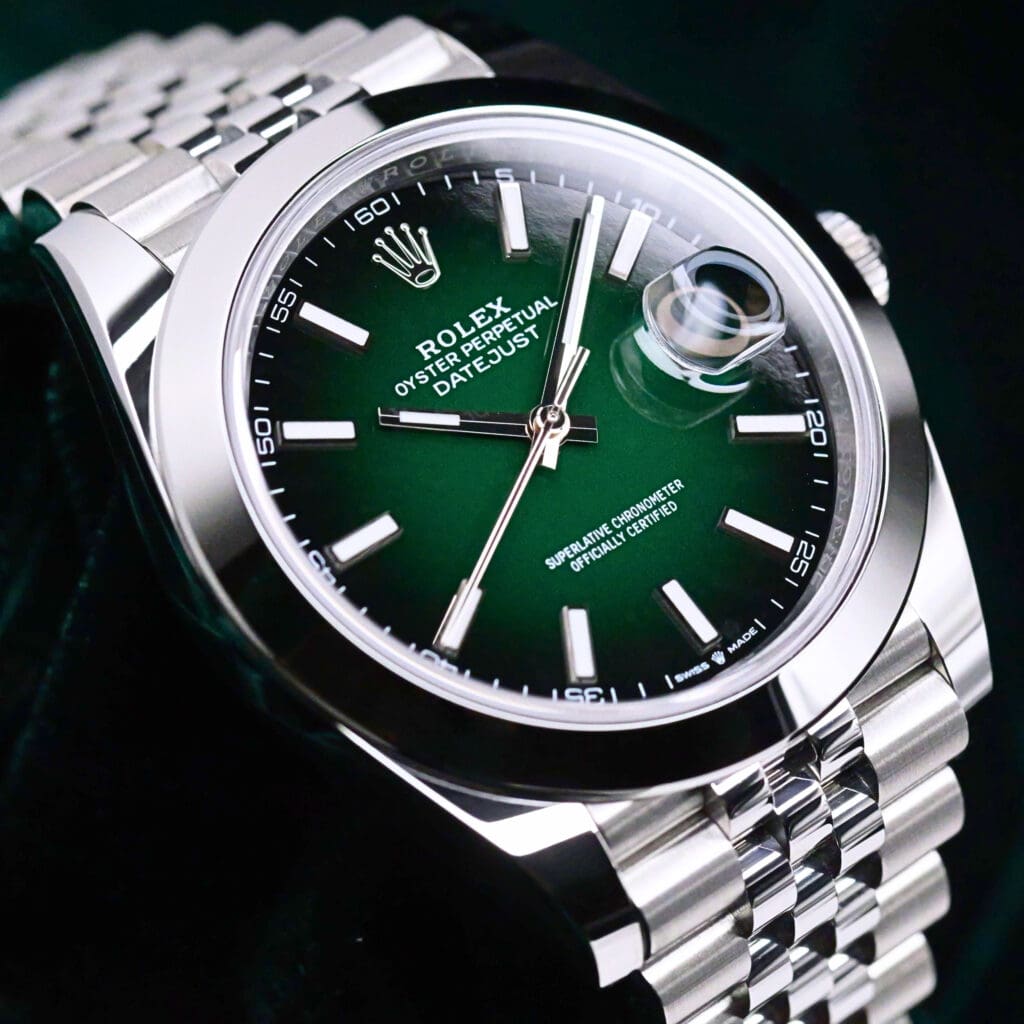
2026 Rolex Datejust Green Ombre Dial Smooth Bezel Jubilee Bracelet Stainless Steel 41mm MINT CONDITION COMPLETE SET 126300

Rolex GMT-Master II "Pepsi" Blue Dial Blue Red Ceramic Bezel Oyster Bracelet 18K White Gold 40mm MINT CONDITION COMPLETE SET 126719BLRO
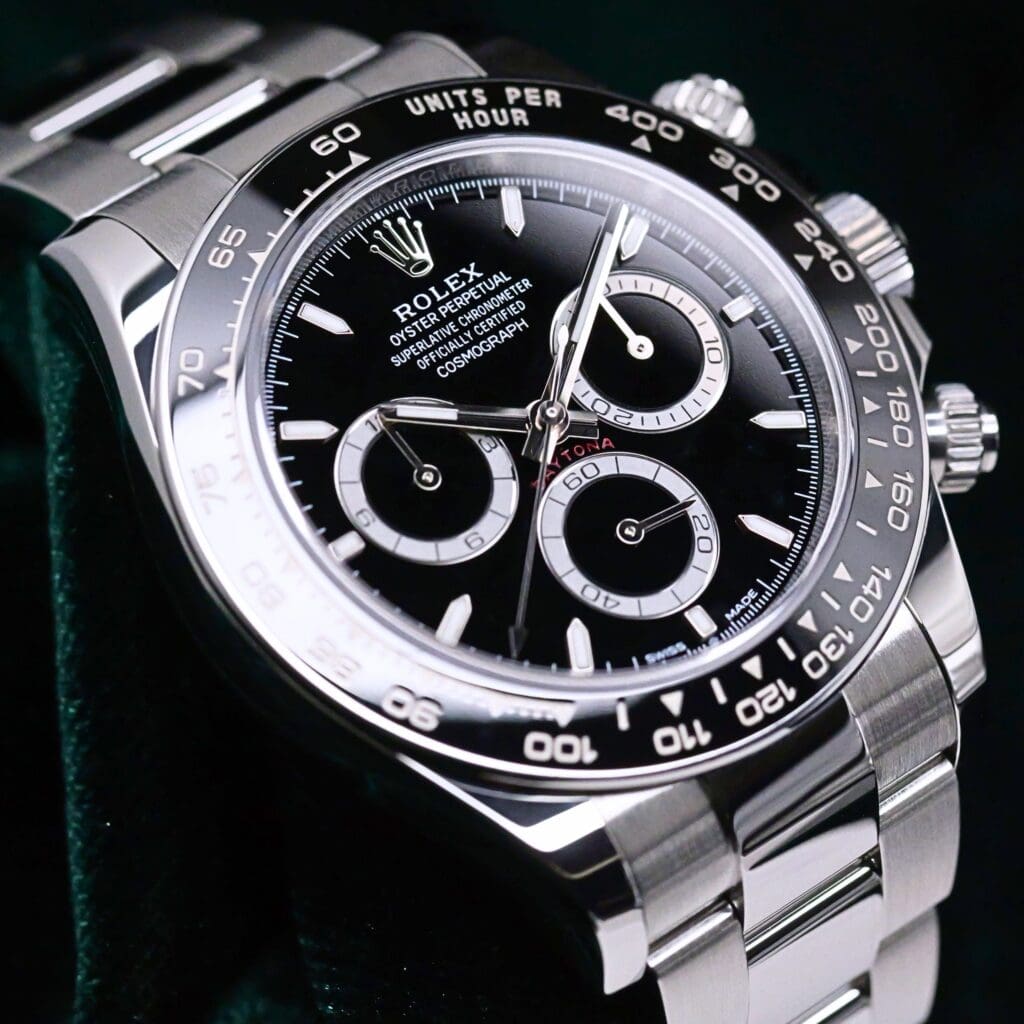
Rolex Cosmograph Daytona "Reverse Panda" Black Dial Black Ceramic Bezel Oyster Bracelet Stainless Steel 40mm MINT CONDITION COMPLETE SET 126500LN
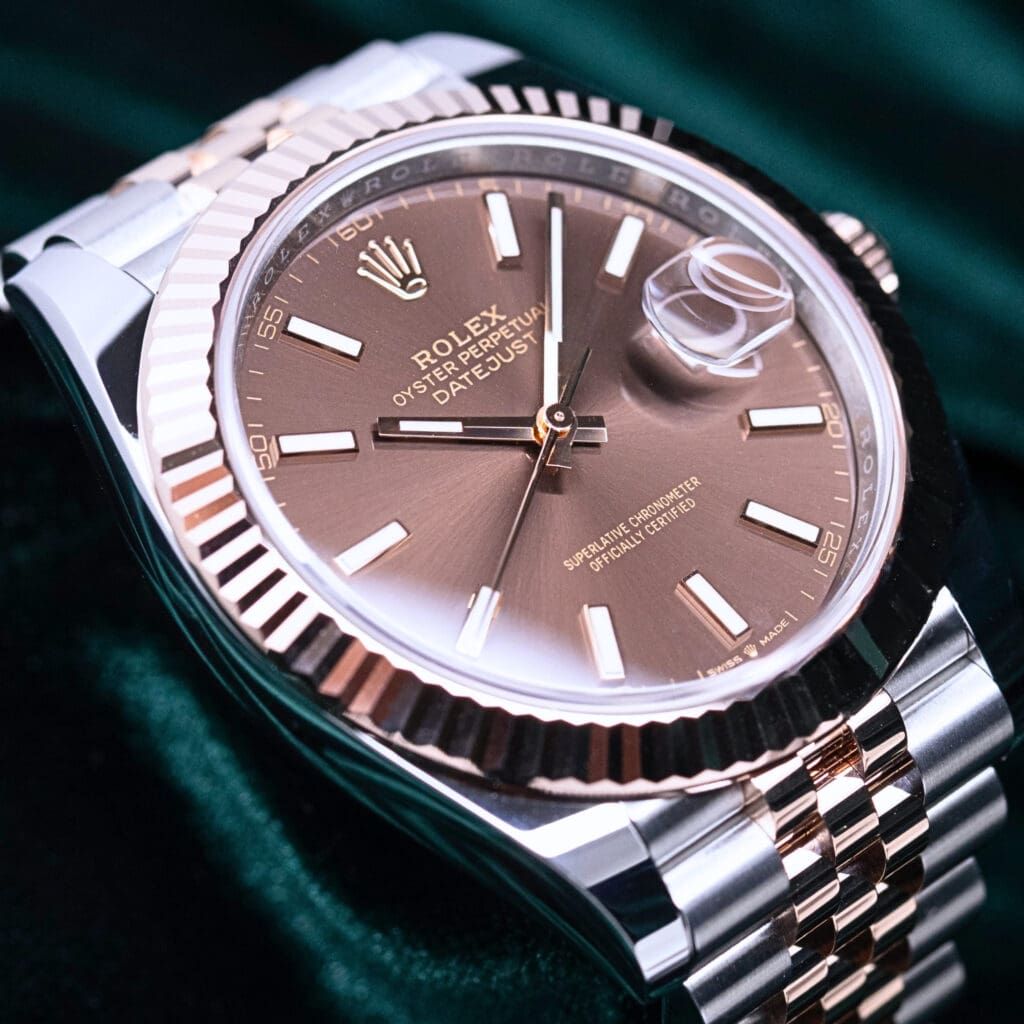
2026 NEW UNWORN Rolex Datejust 41 Chocolate Brown Jubilee Two-Tone 18K Everose Gold Steel 41mm COMPLETE SET 126331
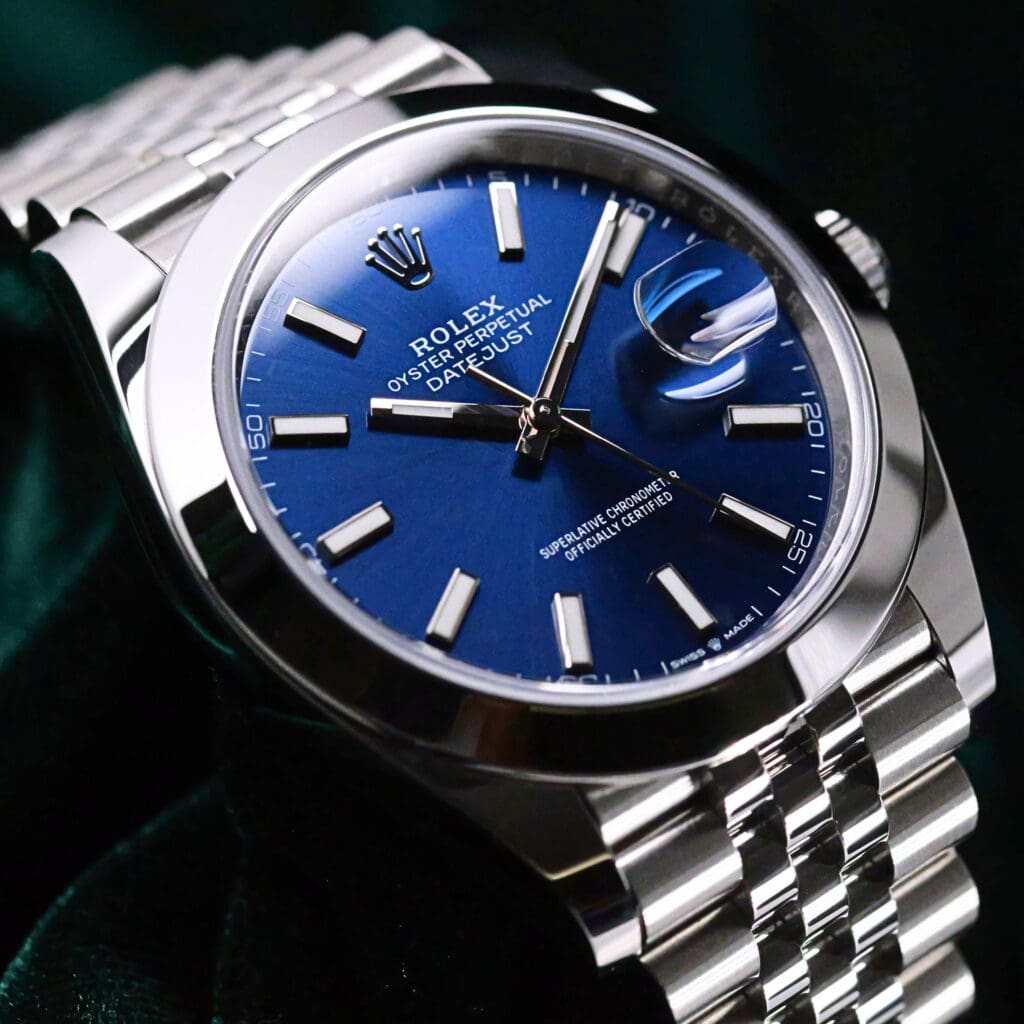
2026 Rolex Datejust Blue Dial Smooth Bezel Jubilee Bracelet Stainless Steel 41mm MINT CONDITION COMPLETE SET 126300
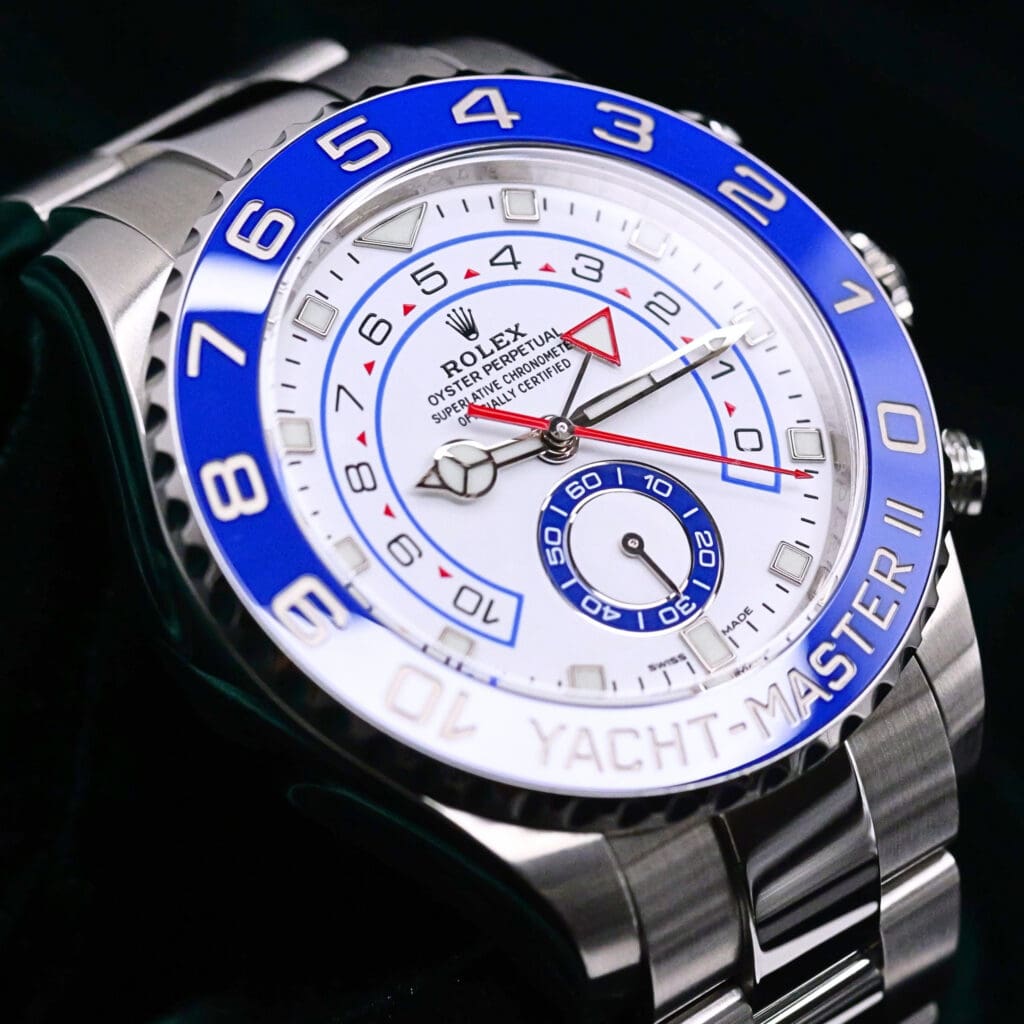
Rolex Yacht-Master II White Dial Blue Ceramic Bezel Oyster Bracelet Stainless Steel 44mm MINT CONDITION COMPLETE SET 116680
Milgauss vs Datejust: Main Differences

The Milgauss vs Datejust are both steel Rolex watches built for regular wear with similar baseline durability. The Milgauss puts anti-magnetism first; the Datejust puts date use and flexibility first.
Here are the core differences that shape how each one fits a real routine.
1. Magnetic Resistance
The Milgauss is the anti-magnetic pick. Rolex rated it at 1,000 gauss and wrapped the movement in a soft-iron inner shield that blocks magnetic fields before they affect timing. That matters if you work around lab gear, speakers, scanners, MRI environments, or magnetic clasps.
The Datejust was not designed with magnetic shielding in mind. It’s built around daily time and date use in standard settings, with the same strong case and bracelet standards.
That said, current Datejust models with the Parachrom hairspring already resist everyday magnetism well, just not to the Milgauss’s certified spec. If magnets are a constant in your day, the Milgauss still gives you the clear technical edge.
2. Movement Generation
The Milgauss runs a specialized setup. Modern models use Calibre 3131, paired with anti-magnetic components and the inner shield so the whole system works together. You choose it for focused engineering, not for the newest movement label.
The Datejust gives you the newer platform. The current Datejust 36 ref. 126234 runs Calibre 3235, with a 70-hour power reserve, the Chronergy escapement, and the blue Parachrom hairspring that shrugs off everyday magnetic fields.
That last point is the quiet reason Rolex felt comfortable retiring the Milgauss: modern hairsprings made the dedicated shield less essential for normal wear. Buy a current Datejust and you get Rolex’s latest architecture. (If the caliber families are new to you, how Rolex movements work is a useful primer.)
3. Function Layout
The Milgauss stays time-only. Dropping the date keeps the dial clean and the focus on the lightning seconds hand. If you never use a wrist date, this layout feels simpler in daily wear.
The Datejust makes the date the main event, at 3 o’clock, magnified by the Cyclops. If you check dates for work, schedules, or paperwork, this earns its keep every day, and the dial stays balanced with the added function.
Price and Market Demand
Milgauss prices moved faster because Rolex discontinued the line and supply no longer refreshes. As of 2026, the standard 116400 carries an estimated market value around $8,700, while clean green-crystal 116400GV examples trade roughly $10,000 to $14,000.
The last published retail was about $9,300 to $9,400, so most modern Milgauss now trade at or above retail on the secondary market, with the GV carrying the stronger premium for its color combination.
Vintage references run far higher: a clean 1019 sits around $25,000 to $30,000, and the original 6541 trades well past $50,000, where scarcity and condition drive value more than specs.
More Milgauss
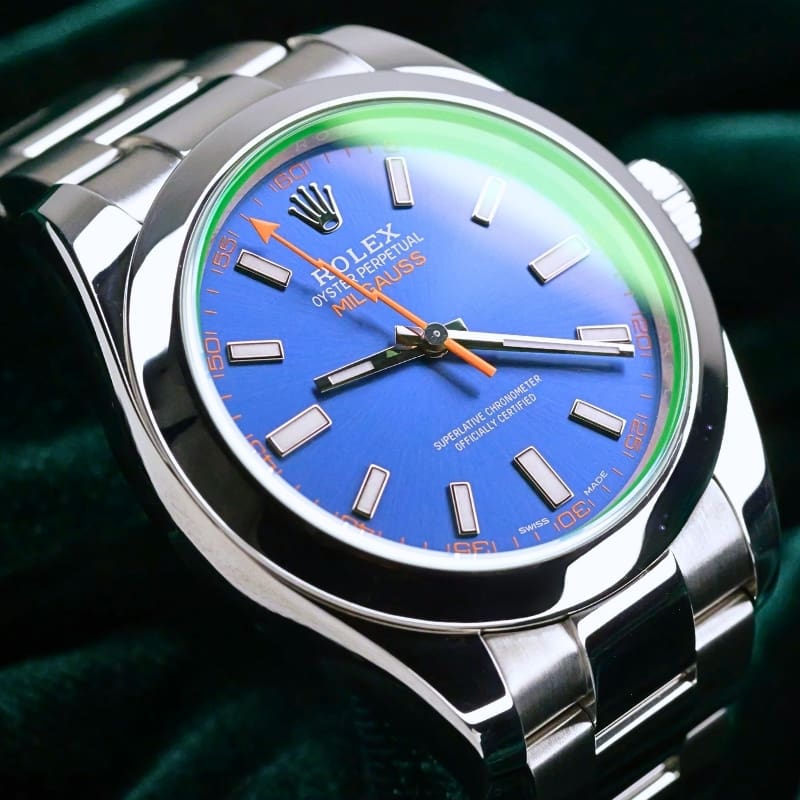
Rolex Milgauss "Z-Blue" Blue Dial Green Sapphire Crystal Smooth Bezel Oyster Bracelet Stainless Steel 40mm MINT CONDITION COMPLETE SET 116400GV-0002

Rolex Milgauss Black Dial Oyster Bracelet Stainless Steel 40mm MINT CONDITION COMPLETE SET 116400GV

Rolex Milgauss Black Dial Orange Accents Smooth Bezel Oyster Steel Bracelet Stainless Steel 40mm MINT CONDITION COMPLETE SET 116400
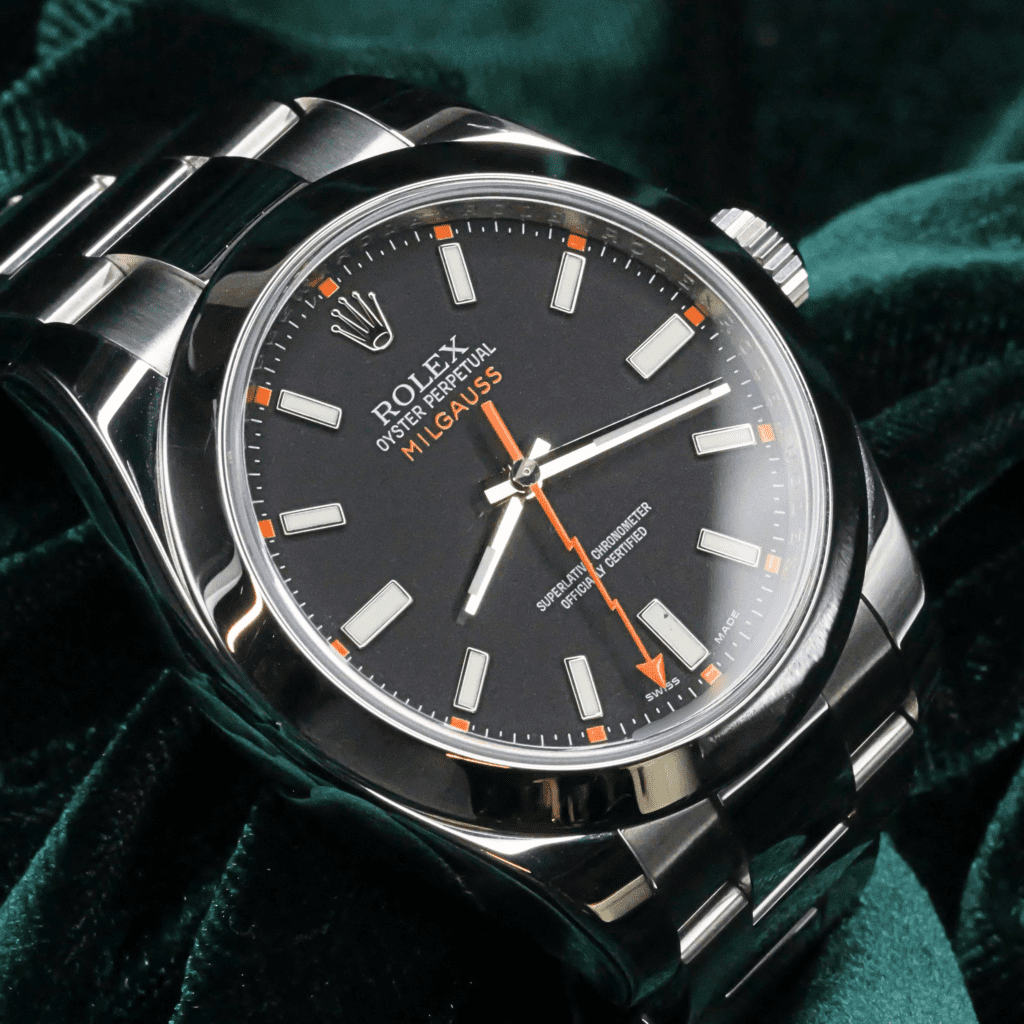
Rolex Milgauss 40MM Black Dial Orange Hand Stainless Steel VERY GOOD CONDITION 116400
2025 NEW UNWORN Rolex GMT-Master II "Batgirl" Black Dial Blue Black Ceramic Bezel Jubilee Bracelet Stainless Steel 40mm COMPLETE SET 126710BLNR-0002
Rolex Sky-Dweller Black Dial 18K White Gold Fluted Bezel Oyster Bracelet Stainless Steel 42mm MINT CONDITION COMPLETE SET 336934-0007
Datejust pricing stays more spread out because Rolex still produces the line in volume. Steel Datejust 36 models commonly range from about $6,000 for older references up to $9,000 to $15,000 for newer or high-demand configurations like the current 126234, depending on dial and bracelet.
Rolex raised retail prices roughly 7% in January 2026, which nudged secondary asks up across the board.
The behavior is the real difference. The Milgauss trades like a fixed-supply discontinued model, so prices react faster and swing more. The Datejust trades like a broad living lineup, so prices vary widely but it’s far easier to shop and to find the exact spec you want.
Popular Milgauss References to Know

Rolex built the Milgauss for magnetic exposure and gave it a look you can’t miss. Anti-magnetism drives the engineering; the lightning seconds hand defines the design. These are the references most buyers focus on.
1. Reference 6541 — The Original Milgauss
Rolex built the 6541 in the 1950s as the first true Milgauss, designed to handle magnetic interference in labs and industry. It introduced the lightning seconds hand and the inner anti-magnetic shielding that defined the line.
- Case: 38 mm steel
- Movement: vintage Rolex automatic, 1030-era family
- Anti-magnetic design: soft-iron inner shield
- Crystal: acrylic
- Dial detail: lightning seconds hand
- Market value: roughly $50,000+
2. Reference 1019 — The Quiet Milgauss
The 1019 was the long-running, restrained Milgauss. Rolex dropped the lightning seconds hand for a cleaner dial while keeping the anti-magnetic architecture intact, so it still did the Milgauss job. Collectors look hard for sharp cases and untouched dials, since polishing and dial swaps hit the value.
- Case: 38 mm steel
- Movement: Rolex Caliber 1580
- Anti-magnetic design: soft-iron inner cage
- Crystal: acrylic
- Bezel: smooth
- Market value: roughly $25,000 to $30,000
3. Reference 116400 — The Modern Standard
Rolex revived the Milgauss in 2007 with the 116400. The case grew to 40 mm, paired with Caliber 3131 and updated anti-magnetic construction, and the lightning seconds hand returned. The standard sapphire version reads cleaner than the GV.
- Case: 40 mm steel
- Movement: Rolex Caliber 3131
- Anti-magnetic rating: 1,000 gauss class
- Crystal: sapphire
- Water resistance: 100 m
- Functions: time only, hacking seconds
- Market value: roughly $8,700
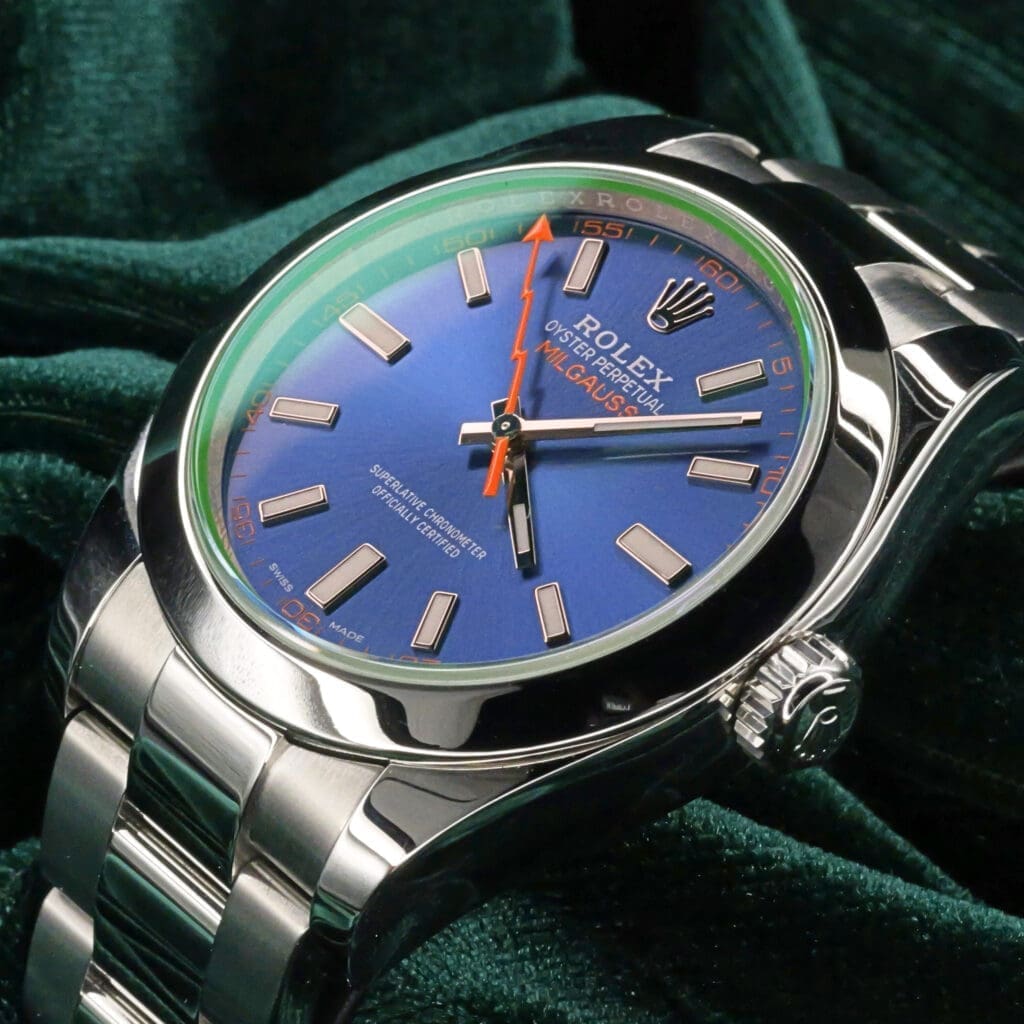


4. Reference 116400GV — The Green-Crystal Icon
The GV (“glace verte,” green glass) is the most recognizable modern Milgauss, combining a green-tinted sapphire crystal, the orange lightning hand, and on the Z-Blue dial an electric blue that exists on no other Rolex. It’s the one most buyers picture and the one that holds the strongest premium since discontinuation.
Still deciding on color? We compare the Z-Blue and black dials side by side in a separate breakdown.
- Case: 40 mm steel
- Movement: Rolex Caliber 3131
- Crystal: green-tinted sapphire
- Dial options: black, white, or Z-Blue
- Water resistance: 100 m
- Market value: roughly $10,000 to $14,000
Popular Datejust References to Know

Rolex built the Datejust for everyday use and clear date reading. The date at 3 o’clock drives the layout, while the range of sizes, dials, bezels, and bracelets shapes its appeal. These are the references buyers focus on.
1. Reference 1601 — The Vintage Classic
The 1601 is the older Datejust most people picture. Rolex made it from the 1960s into the early 1980s, and it set the long-term design code for the line. The lighter build and classic proportions pull in buyers who want age and character over modern upgrades.
- Case: 36 mm steel
- Movement: vintage Rolex automatic, 15xx series
- Crystal: acrylic
- Functions: time and date with Cyclops
- Market value: roughly $4,000 to $6,000
2. Reference 16234 — Vintage Feel, Modern Reliability
The 16234 sits between vintage character and modern dependability. Rolex kept the 36 mm size but added a sapphire crystal and the more robust Caliber 3135. It’s a strong daily wearer that holds the traditional Datejust look.
- Case: 36 mm steel
- Movement: Rolex Caliber 3135
- Crystal: sapphire
- Water resistance: 100 m
- Functions: time and quick-set date
- Market value: roughly $6,000 to $7,000
3. Reference 116234 — The Solid Daily Build
The 116234 pushed the Datejust into a more modern build without changing its role. The case and bracelet feel tighter and the watch wears more solidly. It suits buyers who want a daily Rolex with current-feeling construction at a lower entry than the newest reference.
- Case: 36 mm steel
- Movement: Rolex Caliber 3135
- Crystal: sapphire
- Water resistance: 100 m
- Functions: time and date
- Market value: roughly $7,500 to $9,500
Related Models from Majestix
2026 Rolex Datejust Green Ombre Dial Smooth Bezel Jubilee Bracelet Stainless Steel 41mm MINT CONDITION COMPLETE SET 126300

Rolex Datejust “Tuxedo” Black and Silver Dial 18K White Gold Fluted Bezel Stainless Steel Oyster 36mm MINT CONDITION COMPLETE SET 116234
2026 NEW UNWORN Rolex Datejust 41 Chocolate Brown Jubilee Two-Tone 18K Everose Gold Steel 41mm COMPLETE SET 126331
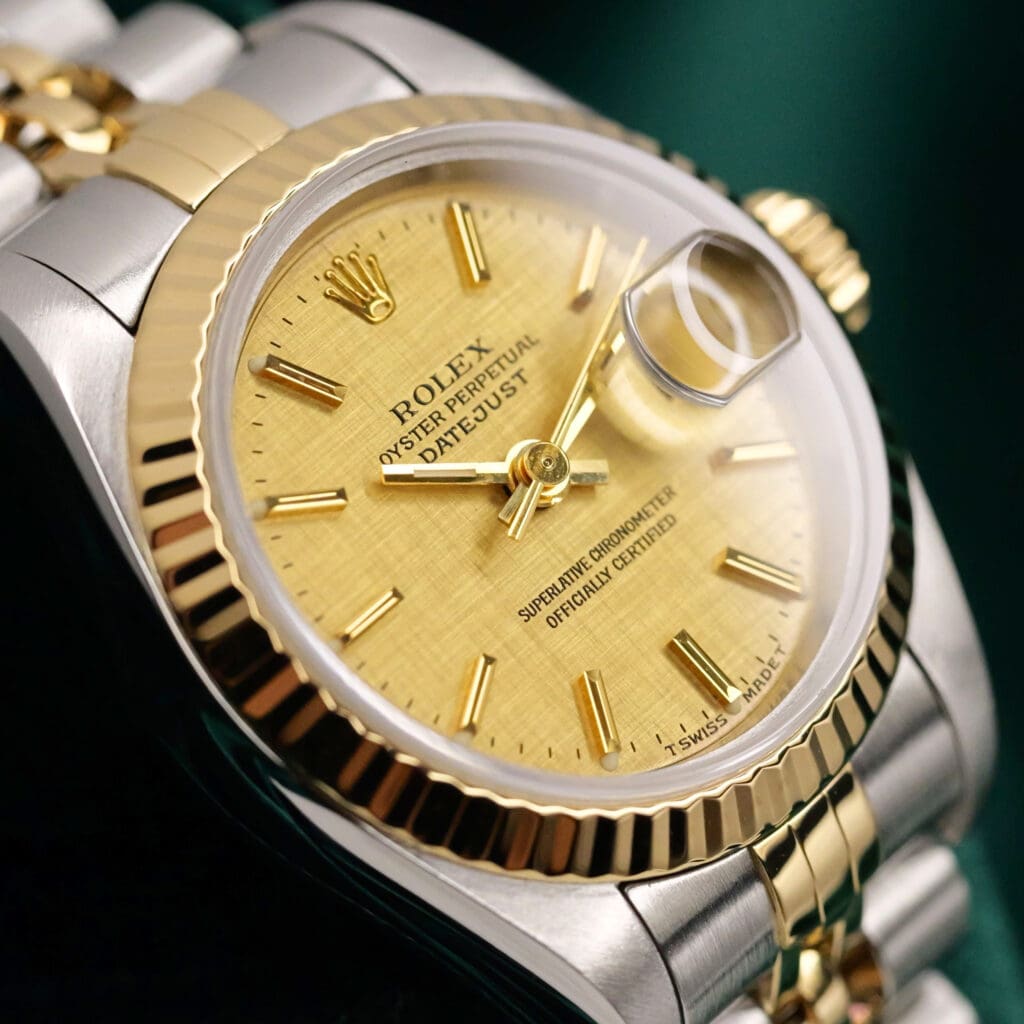
Rolex Lady-Datejust Champagne Linen Dial 18k Yellow Gold Fluted Bezel Jubilee Bracelet Two Tone Steel & Gold 26mm MINT CONDITION COMPLETE SET 69173
2026 Rolex Datejust Blue Dial Smooth Bezel Jubilee Bracelet Stainless Steel 41mm MINT CONDITION COMPLETE SET 126300
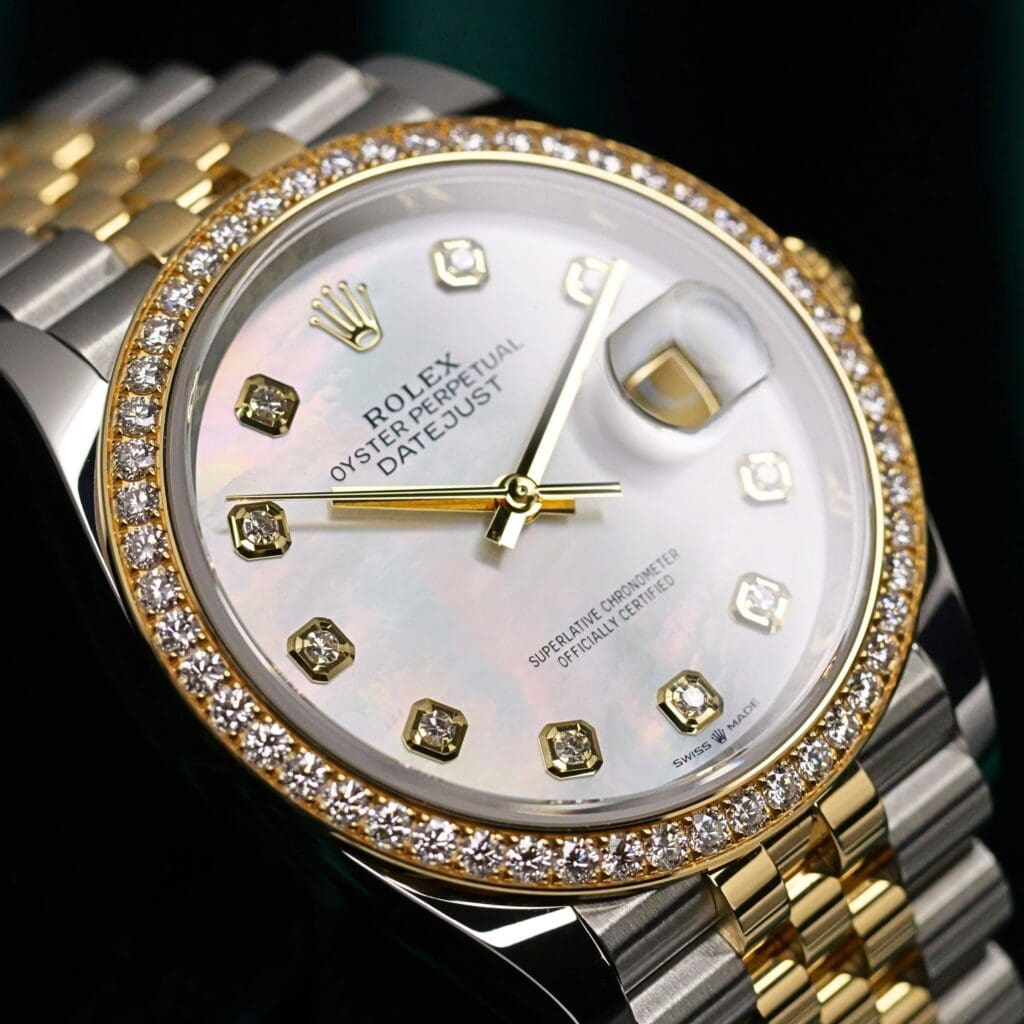
2026 NEW UNWORN Rolex Datejust 36 Mother of Pearl Diamond Dial Diamond Bezel Jubilee Two-Tone Steel 18k Yellow Gold 36mm COMPLETE SET 126283RBR-0009
4. Reference 126234 — The Current Production Pick
The 126234 replaced the 116234 in 2019 and is the current steel Datejust 36 with a white-gold fluted bezel, on either an Oyster or Jubilee bracelet. It runs Calibre 3235 with the 70-hour reserve. This is the one to buy if you want the newest architecture and the widest dial menu.
If you’re torn on case size, our Datejust 41 vs 36 comparison covers how the two wear.
- Case: 36 mm steel with white-gold fluted bezel
- Movement: Rolex Caliber 3235
- Crystal: sapphire with Cyclops
- Water resistance: 100 m
- Functions: time and date
- Market value: roughly $9,000 to $15,000 depending on dial and bracelet
Which Rolex Matches Your Needs?
The choice between the Milgauss and the Datejust decides how your Rolex works in daily life. The Milgauss leans into magnetic resistance and a distinctive look; the Datejust leans into the date and flexible everyday wear. Here’s how each one fits real use.
Choose the Milgauss if:
- You deal with magnets often and want certified 1,000 gauss resistance built in.
- You want a time-only Rolex with a cleaner dial and fewer daily interactions.
- You like the Milgauss look, especially the lightning seconds hand.
- You want the 116400GV green sapphire crystal and the most recognizable modern variant.
- You’re comfortable buying a discontinued model where pricing can move faster with demand.
Choose the Datejust if:
- You check the date often and want it at 3 o’clock as the primary daily feature.
- You want quick readability from the Cyclops lens.
- You want choice in size, bezel, bracelet, and dial while staying in one model line.
- You want to pick between a Jubilee or Oyster bracelet based on how you wear it.
- You want an easier buying experience with more supply and more pricing options.
Where to Buy Authentic Watches Online
There are a few legitimate online channels for buying either of these Rolex models. Chrono24 is the largest global marketplace, with thousands of Milgauss and Datejust listings and an escrow option that holds your payment until the watch is verified.
If you go that route, it’s worth knowing what to watch for when buying on Chrono24 before you commit.
eBay covers both references through its Authenticity Guarantee program, which inspects eligible luxury watches before they reach you. Grailzee runs enthusiast-focused auctions if you’d rather bid than buy outright. Watch forums like WatchUSeek and Rolex Forums are also worth watching for private sales, though you take on the verification yourself.
For the wider view on where to source a pre-owned luxury watch, we cover every channel in one place.
We also buy, sell, and trade luxury watches, and the reason clients choose us over a big marketplace is the conversation before the purchase. Before you commit, we give you layered communication: tour videos of the actual watch you’re considering, not stock photos, plus detailed condition notes and a direct line to someone who has handled the piece in person.
With a discontinued model like the Milgauss, where condition and originality drive the value, that walkthrough matters more than usual.
That approach is reflected in our 4.9-star Google rating, which comes from buyers who wanted to know exactly what they were getting before money changed hands.
If you want tour videos and honest condition notes on a specific Milgauss or Datejust reference, see what’s available and reach out, and we’ll line up options that match what you’re after.
999+ Timepieces Available
Explore Our Timepieces
Authenticated, unworn, and ready to ship worldwide.
Rolex · Audemars Piguet · Patek Philippe · Omega · Cartier · Richard Mille · Hublot · Tudor
Newly Listed
2026 NEW UNWORN Grand Seiko Elegance "Morning Glow" Limited Edition Red Dial Crocodile Strap 38.5mm COMPLETE SET SBGY035G
$9,816.00
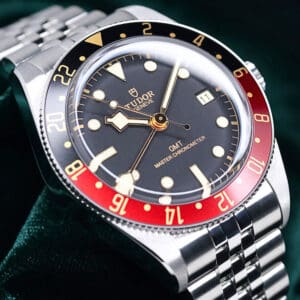
2026 NEW UNWORN Tudor Black Bay 58 GMT "Coke" Black Dial Black Burgundy Red Bezel Five-Link Stainless Steel Bracelet 39mm COMPLETE SET 7939G1A0NRU-0003
$7,385.00
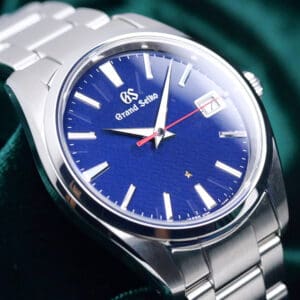
Grand Seiko Heritage 60th Anniversary Limited Edition Blue Dial Stainless Steel 40mm MINT CONDITION COMPLETE SET SBGP007G
$4,268.00
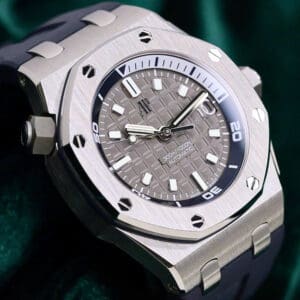
Audemars Piguet Royal Oak Offshore Diver Grey Dial Blue Rubber Strap Stainless Steel 42mm MINT CONDITION COMPLETE SET 15720ST.OO.A009CA.01
$27,788.00
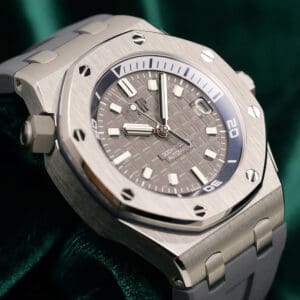
Audemars Piguet Royal Oak Offshore Diver Grey Dial Blue Inner Bezel Grey Rubber Strap Stainless Steel 42mm MINT CONDITION COMPLETE SET 15720ST.OO.A009CA.01
$27,788.00
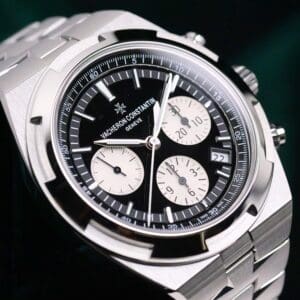
Vacheron Constantin Overseas Chronograph "Reverse Panda" Black Dial Silver Subdials Stainless Steel 42.5mm MINT CONDITION COMPLETE SET 5500V/110A-B481
$34,095.00

Rolex Sky-Dweller Black Dial 18K White Gold Fluted Bezel Oyster Bracelet Stainless Steel 42mm MINT CONDITION COMPLETE SET 336934-0007
$21,945.00

2026 Rolex Datejust Green Ombre Dial Smooth Bezel Jubilee Bracelet Stainless Steel 41mm MINT CONDITION COMPLETE SET 126300
$16,480.00

2026 NEW UNWORN Cartier Santos-Dumont Silver Dial Platinum Mesh Bracelet Platinum 31mm COMPLETE SET WGSA0124
$64,790.00

2026 Tudor Black Bay 58 Black Dial Jubilee Bracelet Stainless Steel 39mm MINT CONDITION COMPLETE SET 7939A1A0NU
$5,717.00

NEW UNWORN Rolex Submariner Date “Sub Date” Black Dial Black Ceramic Bezel Oyster Bracelet Stainless Steel 41mm COMPLETE SET 126610LN
$15,595.00
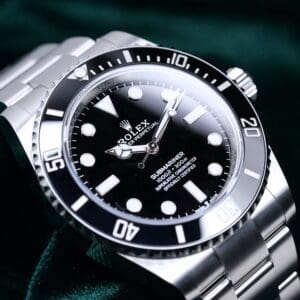
2026 NEW UNWORN Rolex Submariner No Date Black Dial Black Ceramic Bezel Oyster Bracelet Stainless Steel 41mm COMPLETE SET 124060
$15,219.00
Final Thoughts on the Milgauss vs Datejust
The Milgauss vs Datejust decision comes down to what you need day to day. The Milgauss gives you certified 1,000 gauss resistance and a tool-watch identity you won’t see on every wrist. The Datejust gives you the date at 3 o’clock and the most flexible everyday wear in the catalog. Both hold up; they just serve different routines.
Two quick tips before you buy. With the Milgauss, prioritize the GV’s originality, since an unpolished case and an untouched dial protect resale far more than they would on a still-produced Datejust.
If you’re leaning Datejust, decide on bracelet first: the Jubilee dresses softer, the Oyster reads sportier, and switching later costs real money. If you’re stuck between them, our Jubilee vs Oyster comparison lays out the differences in detail.
Match the size, bezel, and bracelet to your wrist and how you dress, and you’ll be happy with either.