Struggling with your watch strap or metal band? It doesn’t have to be difficult. Once you know the right tools and techniques, you can take your watch apart in minutes and get a closer look at the tiny mechanisms that make it tick. Every link, pin, and spring bar has a purpose, and learning how to handle them safely gives you full control over your timepiece.
This guide will walk you through a step-by-step method to remove the watch strap and metal bands, help you avoid common mistakes, and protect your watch from scratches or damage. By the end, you’ll handle your watch like a pro—no expensive tools or help needed.
Understand Your Watch Strap or Band Type
Before removing a strap, you need to know what type of band your watch has. The material and attachment method affect how you remove it and what tools you need.
Metal Bands

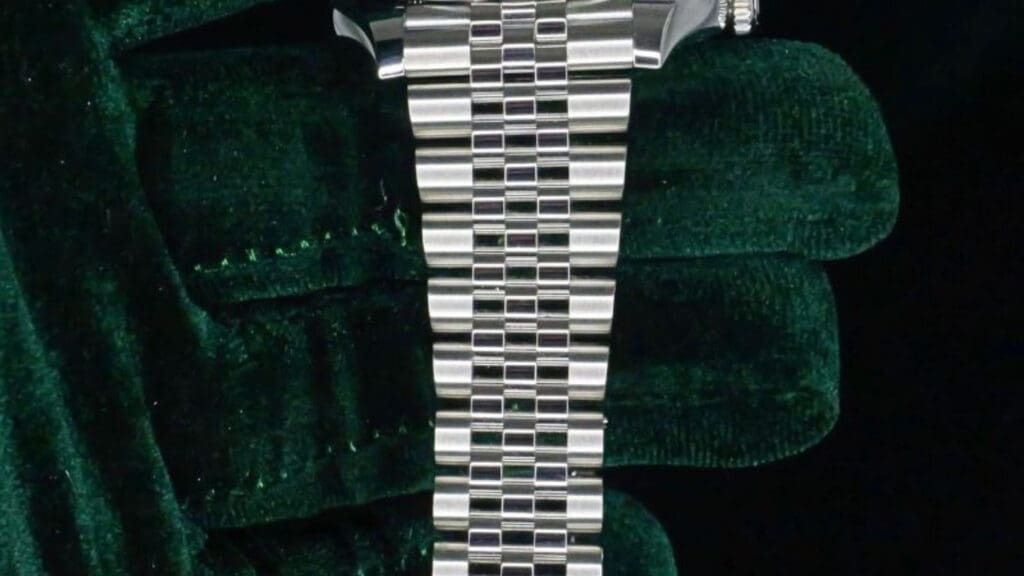
Metal bands include stainless steel, titanium, gold, two-tone, and mesh styles. They attach to the watch case using spring bars or screws. Some bracelets have removable links that allow you to adjust the size. When removing a metal band, you must be careful not to scratch the case, bend the links, or lose the pins. Certain luxury models like Rolex or Omega have unique clasps or solid end links that require extra attention.
Leather, Rubber, and Fabric Straps

Leather and rubber straps usually attach with spring bars. Some have quick-release levers that make removal faster and easier. Fabric straps, like NATO or Zulu bands, slide through the lugs without tools. Leather can tear if pulled too hard, and rubber can stretch, so handle these straps gently. Different materials may also react differently to water or cleaning solutions, so removing them properly helps maintain their appearance and lifespan.
Tools and Materials You Need
For Metal Bands
- Spring bar tool
- Small precision screwdriver
- Soft cloth or pad
- Tweezers or small pliers (optional, for pins)
- Container or tray
For Leather, Rubber, and Fabric Straps
- Spring bar tool
- Quick-release lever (if strap has one)
- Soft cloth or pad
- Container or tray
Step-by-Step Guide: How to Remove a Watch Strap or Metal Band

Step 1: Prepare Your Workspace
Before you start, set up a clean, well-lit area. Lay a soft cloth or pad on a flat surface to protect your watch face and case from scratches. Gather all tools based on your strap type. Having a small container or tray nearby to hold pins, screws, or small parts will prevent losing anything during the process.
Step 2: Identify Your Strap Type
Examine your watch and determine the type of band. Look closely at how the strap attaches to the lugs:
- Spring bars – most common for both metal and leather straps.
- Screws or pins – common in metal bracelets, especially for removable links.
- Quick-release levers – found on some leather and rubber straps.
- Fabric slides – some fabric straps slide through the lugs without tools.
Step 3: Remove the Watch Strap or Metal Band
A. For Metal Bands
Metal bands can be delicate and heavy, so handle them with care.
If Using Spring Bars:
- Insert the forked end of your spring bar tool between the strap and the lug.
- Compress the spring bar gently and lift the strap away from the case.
- Repeat the process on the other side.
- Be patient and avoid forcing the bar; slipping tools can scratch the case.
If Using Screws or Link Pins:
- Look for removable links on the inside of the bracelet (small arrows indicate direction).
- Use the correct screwdriver or pin tool to unscrew or push out the pins.
- Remove only the necessary links if resizing, or remove the entire band if changing straps.
- Place all screws and pins in a small container to avoid losing them.
- Carefully lift the band from the case once the pins are removed.
Extra Tips: Luxury models like Rolex, Omega, or Audemars Piguet may have solid end links or unique clasps that require extra attention.
B. For Leather, Rubber, or Fabric Straps
Leather and rubber straps are softer but require gentle handling to avoid damage.
If Using Spring Bars:
- Insert the spring bar tool under the strap near the lug.
- Compress the spring bar and pull the strap straight away from the case.
- Repeat on the other side.
Quick-Release Straps:
- Locate the small lever on the spring bar.
- Slide the lever toward the center of the strap and gently pull it away from the watch.
Step 4: Reinstalling Straps (Optional)
To reinstall the strap, follow the removal steps in reverse. Make sure all spring bars or screws are fully seated and secure in the lugs. Check that the strap sits evenly and aligns properly with the watch case. Then, give it a gentle tug to confirm it is firmly attached before wearing.
Step 5: Extra Care Tips After Removal
After removing the strap, clean both the strap and lugs to remove any dust or dirt. If the metal pins feel stiff, apply a small amount of lubrication. Store any removed straps in a soft pouch to prevent scratches or damage. Take your time during reinstallation, as patience and careful handling protect your watch and ensure the strap functions properly.
Common Mistakes to Avoid
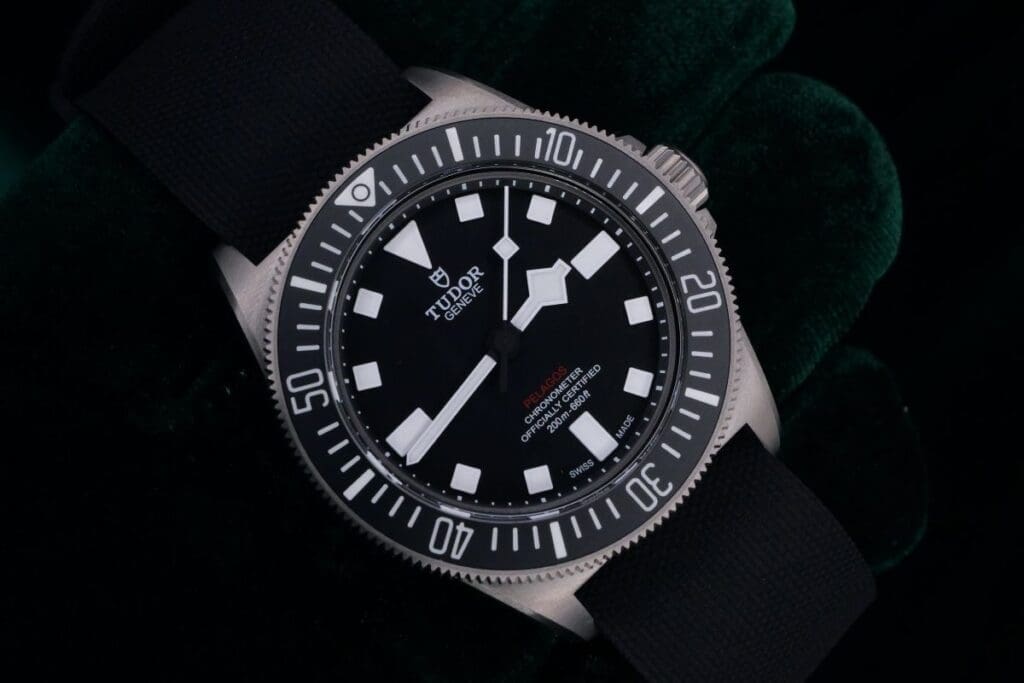
One wrong move can leave your luxury watch scratched, a spring bar bent, or a strap loose. Avoid these common mistakes to keep your watch safe and make strap removal quick and hassle-free.
- Using Improper Tools That Scratch or Damage – Knives, scissors, or other non-specialized tools often scratch the case or ruin the strap.
- Pulling Straps at the Wrong Angle – Straps pulled at an angle can bend spring bars, damage the lugs, or tear leather.
- Losing Pins, Screws, or Small Parts – Not using a small container makes it easy to misplace essential components, complicating reassembly.
- Applying Excessive Force on Straps or Links – Too much pressure can deform metal links, strip screws, or damage delicate materials.
- Skipping Spring Bar Inspection – Failing to check spring bars before reattaching may leave the strap loose or insecure.
- Not Protecting the Watch Face or Case – Working directly on a hard surface can cause scratches or dents.
Final Takeaways on How to Remove and Reinstall Watch Straps
Removing and reinstalling a watch strap or metal band is straightforward when you use the right tools and techniques. Take your time, handle each component carefully, and follow the proper steps to prevent scratches, bent pins, or lost parts. Understanding your strap type, using the correct tools, and avoiding common mistakes will keep your watch safe and looking its best.
However, some situations require professional help. If your watch is vintage, has delicate materials like platinum or gold, features a complex bracelet mechanism, or if a pin or screw is stuck, it’s safer to consult a watchmaker. With practice and attention to detail, you’ll gain confidence and be able to clean, swap, or adjust straps like a true watch expert while knowing when to let a professional handle the tricky jobs.