So, you’re thinking about buying your first luxury timepiece? That’s an exciting step! A luxury watch is a piece of art, a tool, and something that can reflect your style. Whether you’re new to the world of horology or looking for help in choosing your first piece, this is the perfect place to start. I’ll walk you through the basics, from the different types to what makes each one unique, so you can feel confident in picking out the perfect watch that suits you. It’s the start of a journey into the fascinating world of fine craftsmanship. Let’s make sure you pick the right one that you’ll cherish for years to come.
1. Setting Your Budget: How Much Should You Spend?
Before diving into the world of luxury timepieces, the first step is setting your budget. Luxury pieces can vary widely in price – from more affordable models to high-end icons that can cost a small fortune. It’s easy to be drawn in by the allure of prestigious brands, but it’s important to approach your purchase with a clear idea of what you’re comfortable spending.
A good starting point is to decide on a budget that feels reasonable for you, ensuring that the purchase doesn’t feel like a stretch. While big-name brands like Rolex and Audemars Piguet can be tempting, there are plenty of exceptional options that offer top-notch quality without the hefty price tag. Brands such as Omega, IWC, and Breitling are known for their precision, craftsmanship, and reliability, making them perfect choices for those looking to get into luxury timepieces without overspending.
2. Choosing the Right Watch Style for You
Once you’ve set your budget, the next step is figuring out which style of watch works best for you. Watches come in all kinds of styles, and each one is made for a different purpose or look. The key is to pick one that suits your lifestyle and taste.
Dress Watches
Dress watches are the perfect choice for formal occasions. These timepieces are slim, simple, and designed to complement your suit or formal attire without standing out too much. They usually have clean, minimalistic dials and are often made from stainless steel or precious metals like gold or platinum.
Examples:
Rolex Datejust 36
A classic dress watch with a timeless design, offering a sleek case and a clean, legible dial. It’s a great balance between elegance and functionality.
Patek Philippe Calatrava 5196
Known for its understated elegance, this piece features a minimalist dial and polished finish, perfect for a sophisticated look.
Omega De Ville Prestige
A beautifully simple dress watch with a refined dial and elegant design, making it an excellent choice for formal wear.
If you need a watch that’s sleek and won’t distract from your outfit, a dress watch is the way to go.
Sports Watches
If you lead an active lifestyle or just want a sturdy timepiece, a sports watch could be your best fit. These watches are built to be tough and practical, often with features like chronographs, water resistance, and durable materials. Whether you’re working out, hiking, or just need something that can handle everyday wear and tear, a sports watch is a solid choice.
Examples:
Tag Heuer Carrera
A sporty chronograph with a clean design and durable construction, perfect for both everyday wear and special occasions.
Omega Seamaster Diver 300M
A versatile dive watch with robust water resistance and an iconic design, suitable for both sports and casual wear.
Breitling Superocean Automatic 42
A rugged dive watch with a strong water resistance rating, designed for both sports and diving enthusiasts.
Diving Watches
Diving watches are specifically made for underwater use. These timepieces are built to resist water pressure and are often equipped with features like a rotating bezel to track dive times. They are also designed for easy readability in low light, so you can rely on them underwater. If you enjoy diving or want a watch that can withstand harsh conditions, a diving watch is a solid option.
Examples:
Rolex Submariner
One of the most iconic diving watches ever made, known for its robust build and timeless design, offering 300 meters of water resistance.
Omega Seamaster Planet Ocean 600M
Built for professional divers, it offers exceptional water resistance and a clean, readable dial.
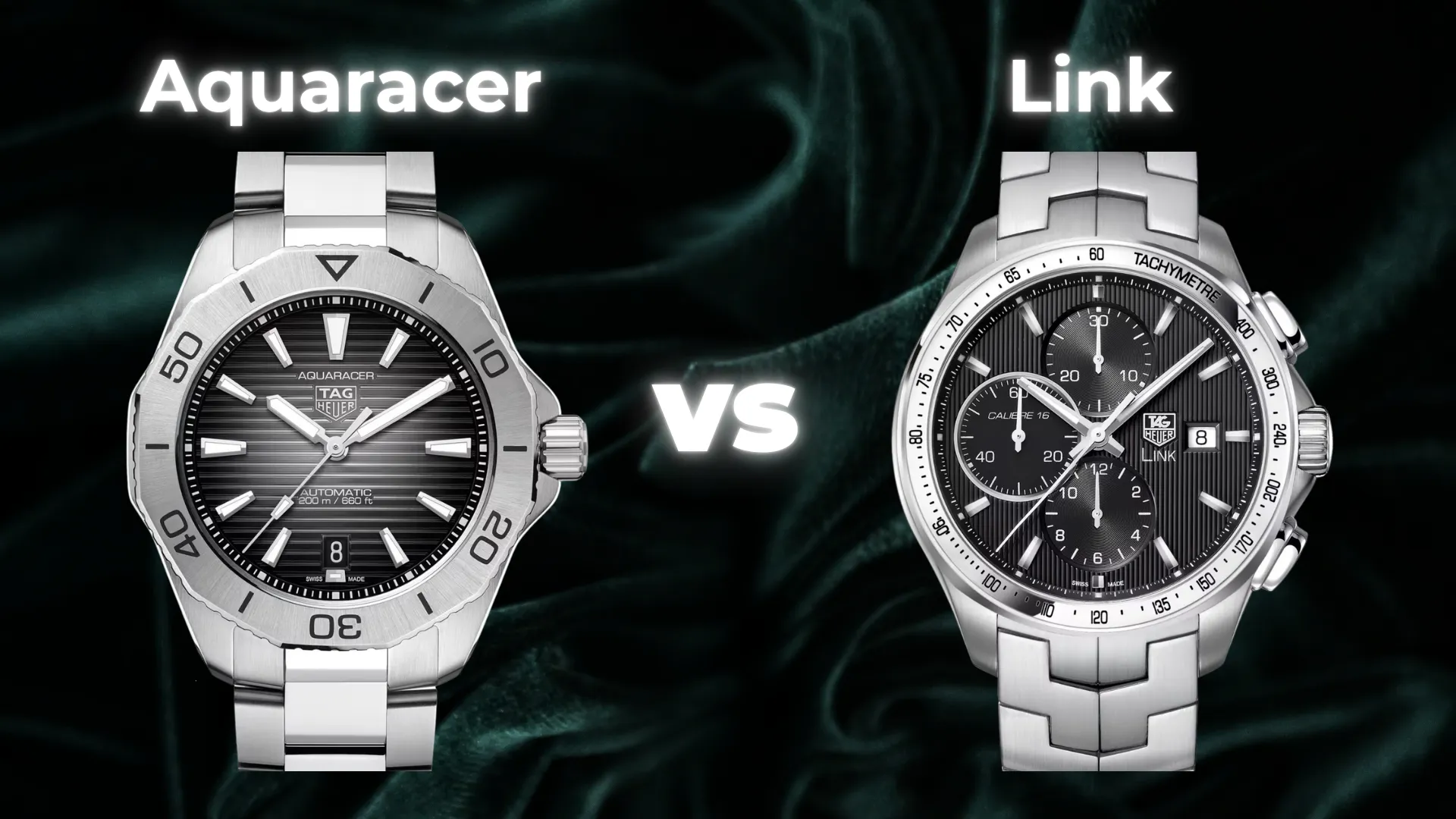
TAG Heuer Aquaracer
A great entry-level diving watch, with a strong 300-meter water resistance and a stylish yet functional design.
Pilot Watches
Pilot watches are big, easy-to-read watches originally designed for aviators. These timepieces often have chronographs, rotating bezels, and features that make them practical for frequent travelers. If you like to keep things simple yet functional, a pilot watch offers a mix of practicality and style.
Examples:
IWC Big Pilot’s Watch
Known for its large, legible dial and clean design, this watch is ideal for those who need clear time tracking while on the move.
Breitling Navitimer
A classic aviation watch with a slide rule bezel, perfect for those who want a functional yet stylish piece with a rich history.
Pilot’s Watch Mark XVIII by IWC
A great entry-level pilot’s watch with a classic design, clear dial, and solid performance.
Choosing the right style depends on how you plan to wear the watch. Think about what suits your daily life and needs, and remember that a good watch should not only be functional but also something you truly enjoy wearing.
3. Understanding Watch Movements
The movement of a watch is its heart and soul. It’s what makes the watch tick and determines how accurate and reliable it is. When choosing a luxury timepiece, understanding the movement is key. And there are two main types of movements you’ll come across:
Quartz Movements
Quartz watches are powered by a battery and are known for their incredible accuracy. They are low-maintenance and don’t require regular winding. Plus, they are usually more affordable than mechanical watches. If you’re looking for something that works perfectly and is easy to care for, a quartz watch might be the best option.
Mechanical Movements
These watches don’t use a battery. Instead, they’re powered by a winding mechanism. There are two types of mechanical movements:
- Manual: These watches need to be wound by hand regularly to keep running. This can be part of the charm for some collectors, as it requires more interaction with the watch.
- Automatic: These watches wind themselves as you wear them. The movement of your wrist powers the watch, which makes them convenient for daily wear without needing manual winding.
Mechanical watches are often seen as a symbol of traditional watchmaking and are admired for their craftsmanship. They can be more expensive because they require more detailed design and work, but many collectors love them for their precision and the skill it takes to create them.These watches offer a unique character and history, which is why they’re so sought after by enthusiasts.
4. The Right Size for Your Wrist
Size is one of the most important factors when choosing your first luxury watch, but it’s easy to get confused. Many people assume bigger is better, but the key is finding a size that complements your wrist. A watch should feel comfortable and proportionate, not overpowering or too small. Here’s how to ensure you’re picking the right size:
Measure Your Wrist
The first step is to know your wrist size. Use a soft tape measure or a string to measure the circumference of your wrist where you normally wear a watch. Once you have that measurement, you’ll have a better idea of the size range that will fit you comfortably. Watch sizes typically range from 36mm to 44mm, but the right size depends on both the size of your wrist and your personal preference. If you have a smaller wrist, you might want to go with a more modest size, while larger wrists can handle bigger cases.
Consider the Case Shape
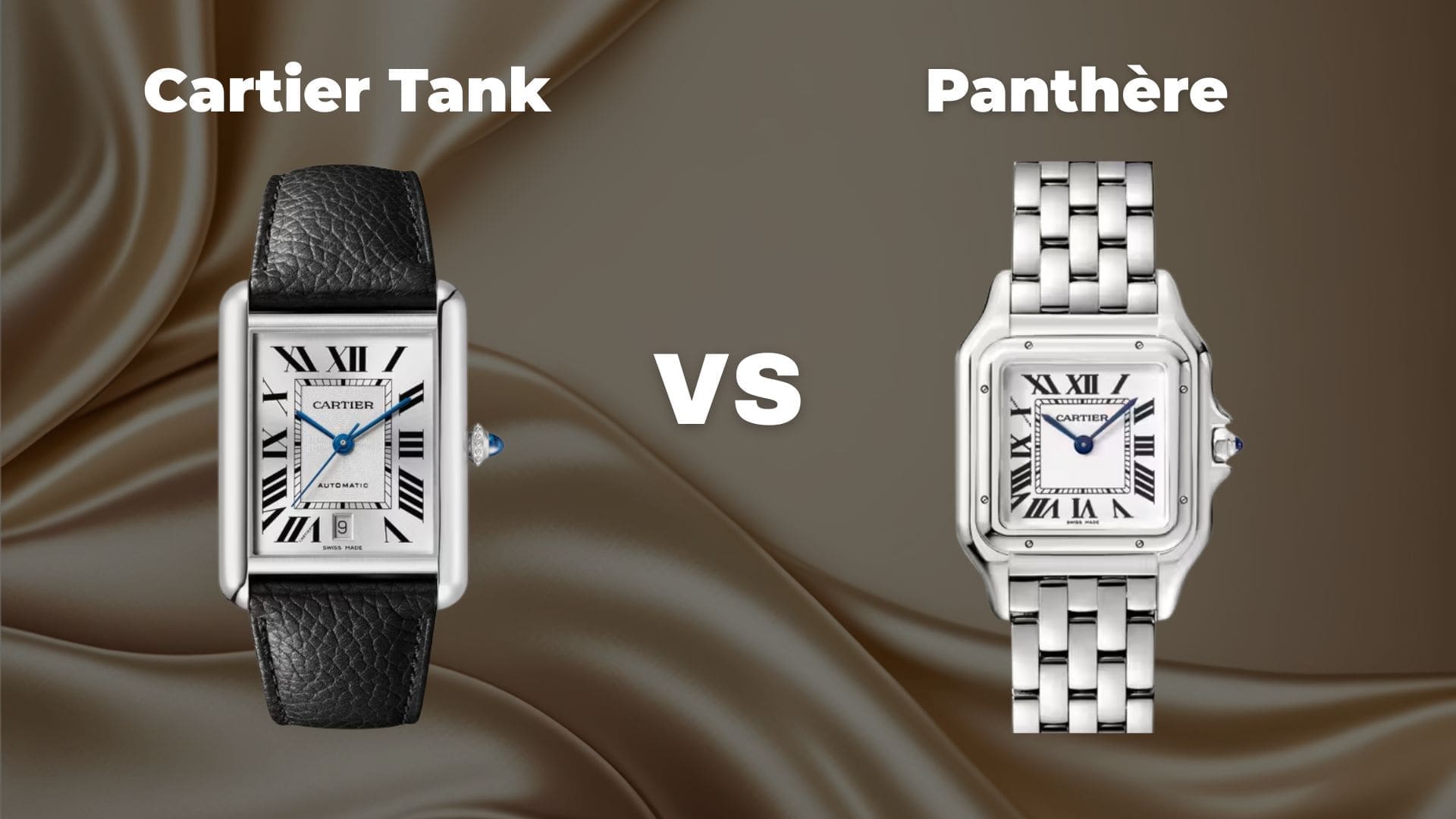
Most watches have a round case, but there are plenty of other shapes to choose from, such as square or rectangular. The case shape can affect how the watch sits on your wrist, so consider which one suits your style and wrist shape. For example, if you have a round wrist, a square or rectangular case might offer a nice contrast, while a round case is more traditional. Ultimately, the shape should feel comfortable and balanced on your wrist.
Lug-to-Lug Distance
One thing many first-time buyers overlook is the lug-to-lug distance, which is the length from one end of the lugs (the parts of the case that connect to the bracelet or strap) to the other. This measurement affects how the watch sits on your wrist. If the lug-to-lug distance is too long, the watch might stick out or feel too bulky. Ideally, the lugs should line up with the edges of your wrist to ensure a comfortable fit. If you have a smaller wrist, look for watches with a shorter lug-to-lug distance to avoid a watch that feels too large.
5. Choosing the Right Brand for You
When purchasing a luxury watch, brand reputation can play an important role in your decision. Well-known brands like Rolex, Patek Philippe, and Audemars Piguet are highly respected for their history, craftsmanship, and timeless designs. These brands have built a legacy over decades, and their timepieces are often seen as symbols of quality and prestige. While these watches are generally more expensive, the brand name can add to the overall experience of owning something that’s been crafted by watchmaking masters.
For an in-depth guide to Rolex, click here. Or if you want to learn more about Audemars Piguet, check this article.
That said, it’s not always about the big names. Lesser-known brands can offer something truly special. Some smaller brands focus on unique designs, materials, or complications that set them apart from the mainstream options. These watches may come at a more affordable price, allowing you to own something distinctive without the premium price tag that comes with the big names.
Ultimately, it’s about what you personally prefer. If you’re drawn to the iconic status and proven quality of major brands, go for it. But if you’re looking for something different, there are plenty of exciting alternatives that offer great value and craftsmanship. Don’t forget, the right watch is one that reflects your style, and not just the brand name.
6. New or Pre-Owned?
When you’re buying your first luxury timepiece, one of the key decisions is whether to go for a brand-new model or choose a pre-owned one. Both options have their benefits, but each also comes with things to consider:
New Watches
Buying a new watch means you’re getting a timepiece in pristine condition, with no previous owner or potential wear and tear. It’s perfect if you want to ensure the watch is fully backed by the manufacturer’s warranty, which gives you peace of mind in case anything goes wrong. While new watches come with a premium price tag, the extra cost often includes things like customization options, exclusive releases, or the latest model updates that might not be available pre-owned. If you’re the type who values that “brand-new” experience, or you’re after a specific model with the newest features, a new watch is a solid choice, especially for your first piece, where you want everything to feel flawless.
Pre-Owned Watches
Opting for a pre-owned watch can be a smart choice, offering great value for your money. Since these watches are typically priced lower than new models, you can often snag rare finds like discontinued pieces, limited editions, or models that are no longer available at retail. This can make owning a pre-owned timepiece feel special and unique. However, buying pre-owned requires a little more attention. It’s crucial to verify the authenticity of the watch and assess its condition carefully. Look for any signs of wear or damage, and when possible, buy from reputable dealers who provide certificates of authenticity and service records. Doing so will give you the confidence that you’re getting a genuine watch that’s in good working order.
7. Check the Authenticity: Avoiding Counterfeits
Buying your first luxury watch is exciting, but it can also be a little overwhelming, especially with the risk of counterfeit watches out there. Don’t worry though! With a little bit of research and attention, you can easily avoid fakes and make sure you’re buying the real deal. Here are some tips that will help you along the way:
Buy from Reputable Sellers
When you’re buying your first luxury watch, it’s crucial to buy from trusted sources. Stick to authorized retailers, well-known dealers, or reputable online platforms. These sellers usually offer certificates of authenticity, warranties, and solid customer support, which is a huge advantage if anything goes wrong. A good seller will guide you through the buying process, ensuring you have all the right documents and that you’re getting exactly what you paid for.
Check for Serial Numbers and Papers
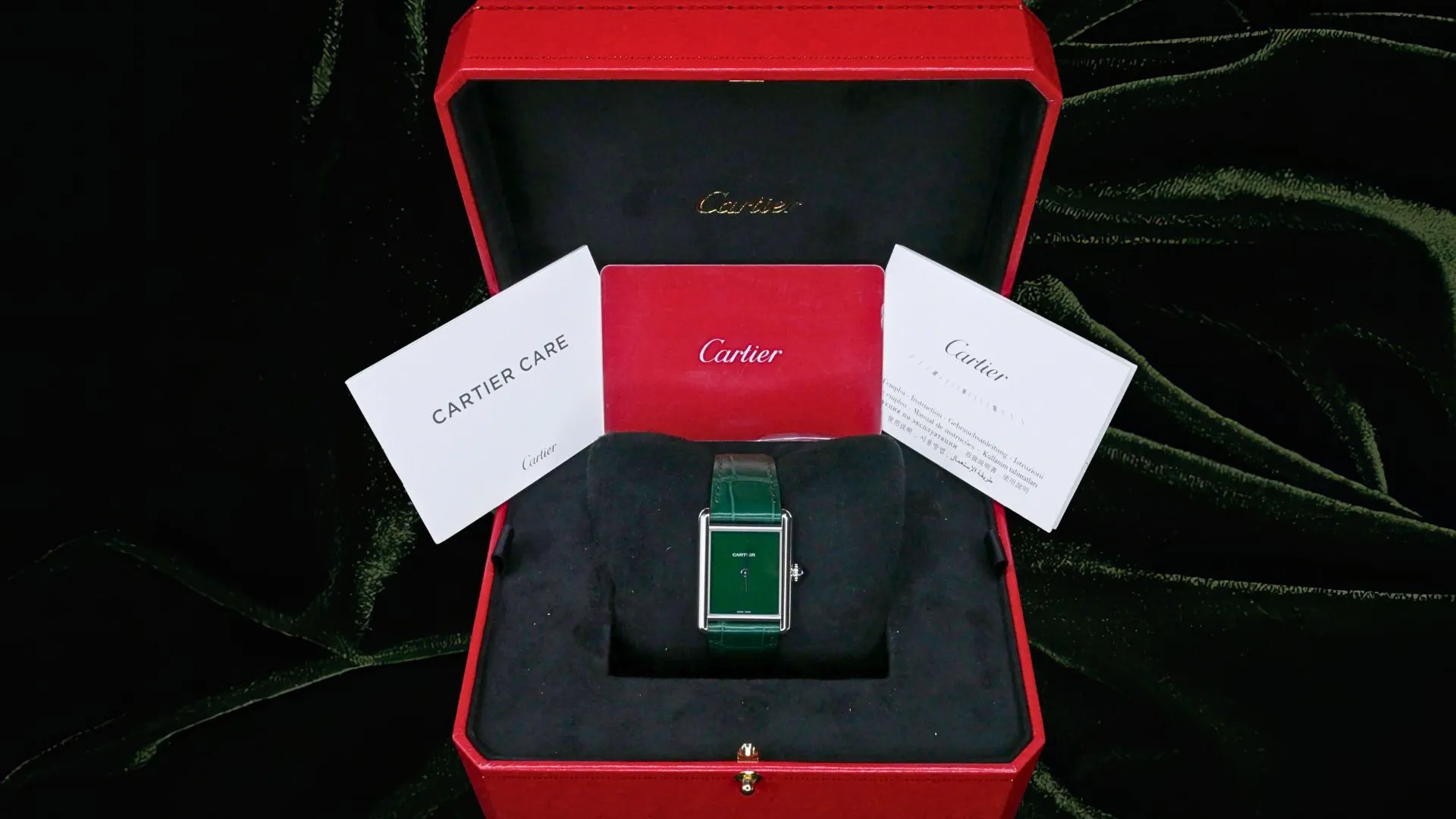
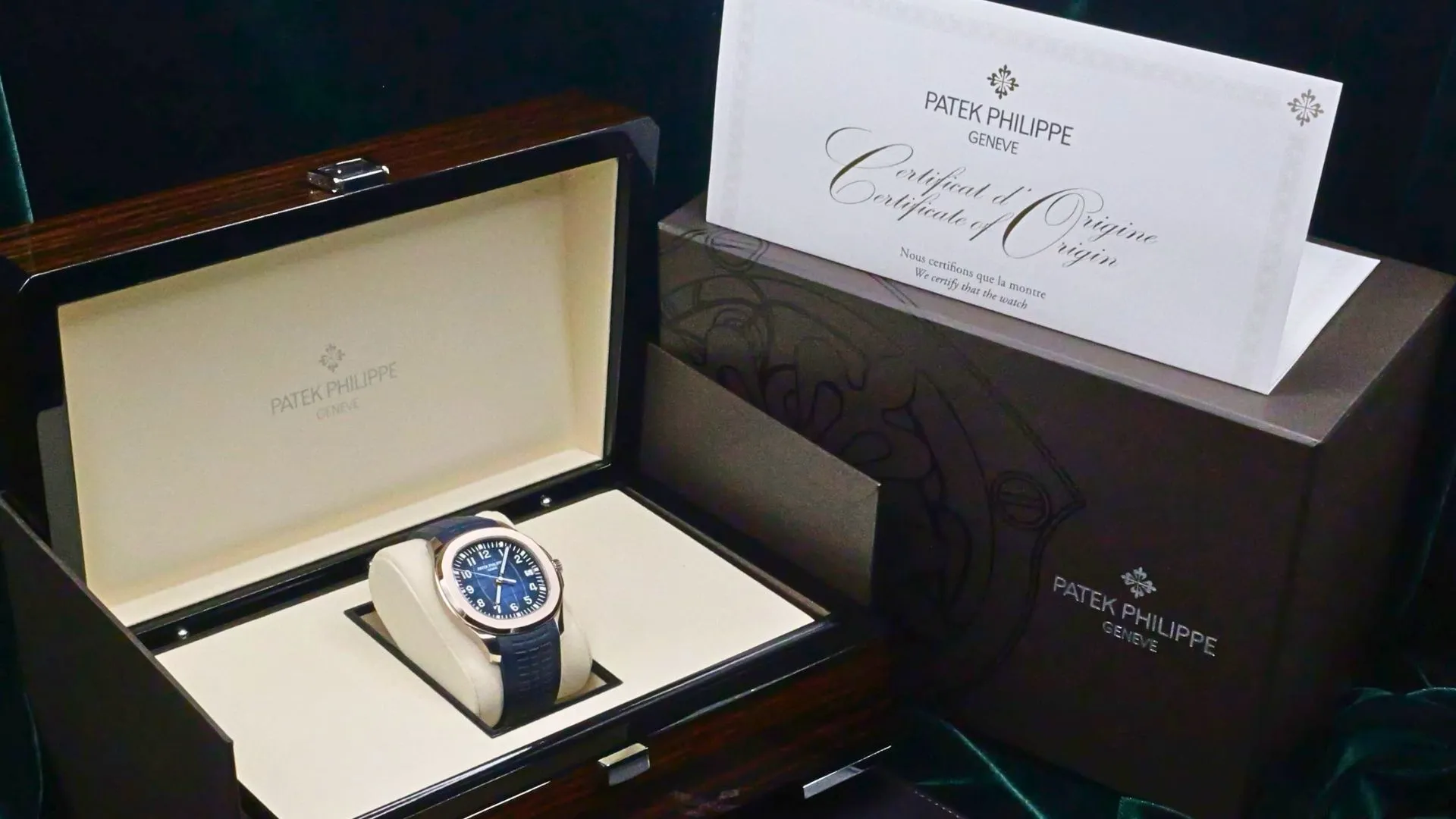
Real luxury watches will always have a serial number engraved somewhere on the case, often under the lugs or on the back. It’s a good idea to ask the seller for the original box, papers, and service records – this paperwork can tell you a lot about its history. If the watch doesn’t come with these, it could be a sign that something isn’t quite right. If you’re ever in doubt, you can always reach out to the brand directly to verify the serial number. Brands like Rolex and Patek Philippe even keep track of service history, which can be helpful for confirming authenticity.
Do Your Research
Before making any purchase, take some time to learn about the model you’re interested in. Look at high-quality images online and read reviews. Pay attention to details like the logo placement, font style, and the design of the case back. These small but important details can help you spot a fake. Don’t rush into a decision – take your time to get to know what a genuine piece should look like. You can also search for any information about known counterfeits of the model you’re eyeing to see what to watch out for.
Join Watch Communities
As a first-time buyer, don’t be afraid to ask for advice! Watch forums and online communities are filled with experienced collectors who love to help newcomers. Websites like Watchuseek or the Rolex forums are great places to connect with others, ask questions, and get feedback on the watch you’re considering. These communities can point out red flags you might miss and offer helpful tips on buying your first piece.
Get Professional Authentication
If you’re buying a particularly rare or expensive watch, it might be worth investing in a professional authentication service. These experts can examine the watch in detail and give you an official report on its authenticity. It’s a small cost to pay for peace of mind, especially if you’re unsure about a seller or its history.
Your First Luxury Watch is Just the Start
Buying your first luxury watch is an exciting experience, and it doesn’t have to be overwhelming! With a clear budget in mind, a solid understanding of the different styles, and some research, you’ll feel confident in making the right choice. Take your time and enjoy every step of the journey – there’s no rush!
Remember, your first luxury piece is a special purchase that marks the start of owning something truly special that reflects your style.
As you explore your options, remember that finding the right luxury timepiece is an exciting step. With the knowledge you’re gathering, you’ll be ready to make a confident choice that perfectly suits your style. This is just the beginning – soon, you’ll be wearing a piece of true quality that will bring you pride every time you look at it.
Enjoy the thrill of finding that perfect piece, and happy watch hunting!