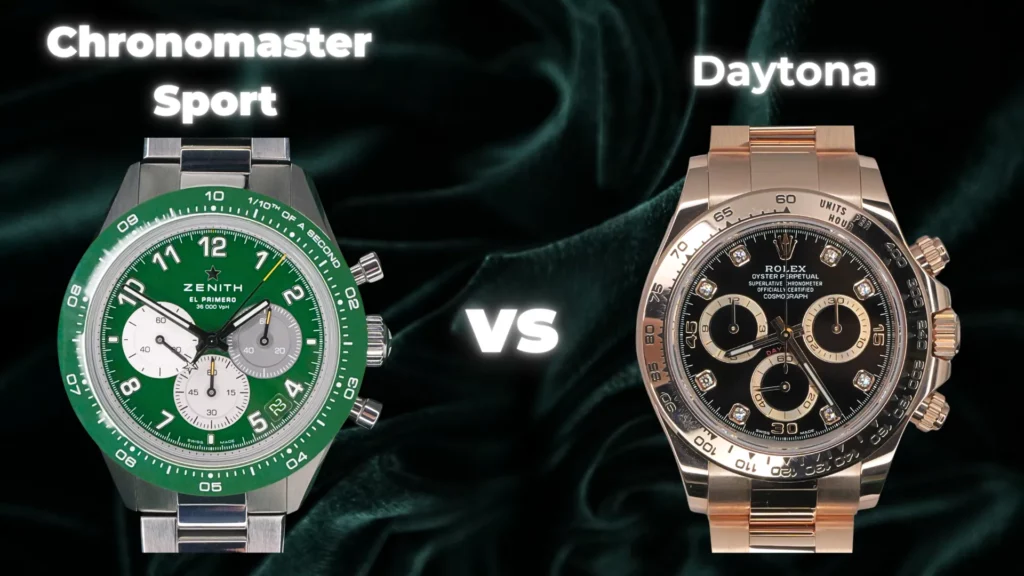
Put the Zenith Chronomaster Sport next to a Rolex Daytona and the family resemblance jumps out. Two modern automatic chronographs, both with sporty cases, ceramic bezels, and a racing story behind them. Both come from brands that helped shape the chronograph itself.
Here’s the twist most buyers don’t know: these two share more than a look. For over a decade, the Daytona ran on a version of the same movement family that beats inside the Chronomaster Sport today. That history still shapes how each watch is viewed.
So which one should you actually buy? This guide focuses on the points that matter once the watch is on your wrist: design, movement, proportions, bracelet feel, brand position, and value. You’ll finish with a clear read on which one fits your taste and your budget.
Zenith Chronomaster Sport Background
Zenith launched the Chronomaster Sport in 2021 to give its most famous movement a more modern home. The case got sharper, the profile got cleaner, and inside sat the El Primero 3600 high-beat automatic chronograph. The idea was simple: take a legendary caliber and put it in a watch that feels current and easy to wear.
It’s built for the buyer who cares about movement history but still wants something that reads modern on the wrist. If the El Primero name means something to you, and you want a chronograph that looks less busy than older Zenith models, this is the target.
The signature feature is the 1/10th-of-a-second chronograph display, and Zenith made it part of the watch’s face through the black ceramic bezel with a matching 1/10th scale. Alongside that sit the tri-color overlapping subdials, a nod to the 1969 A386 that gives the watch its most recognizable look.


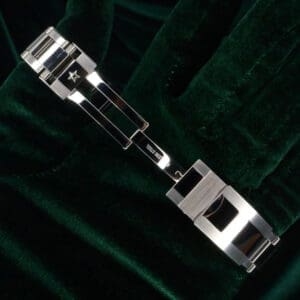
Zenith Chronomaster Sport Notable References:
- Zenith Chronomaster Sport Ref. 03.3100.3600/69.M3100
- Zenith Chronomaster Sport Ref. 03.3100.3600/21.M3100
- Zenith Chronomaster Sport Ref. 03.3103.3600/69.M3100
Rolex Daytona Background
Rolex launched the chronograph that became the Cosmograph Daytona in 1963. The name came from Daytona Beach, long tied to land-speed records and American motorsport. The watch arrived as race timing was drawing more attention, which planted it firmly in Rolex’s professional sports range.
Rolex built the Daytona for drivers who needed to measure speed and elapsed time. The chronograph tracked the interval, the tachymeter bezel turned it into an average speed. That job shaped the layout and kept the dial easy to read on the move.
Reputation did the rest. Rolex kept close ties to endurance racing, and collectors began chasing certain vintage references as they became better known. That attention turned the Daytona into one of the most recognized watches in the world.
Most people spot it by the tri-compax subdials, the engraved tachymeter bezel, and the screw-down pushers that have carried across generations.


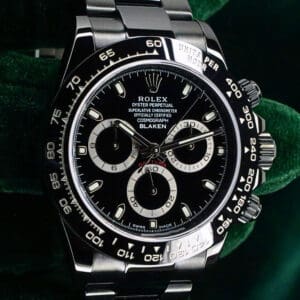
Rolex Daytona Notable References:
- Rolex Daytona Ref. 126500LN
- Rolex Daytona Ref. 116500LN
- Rolex Daytona Ref. 116520
How the Zenith El Primero Powered the Daytona
Here’s the part that makes this comparison different from most. The two watches are linked at the movement level, and it goes back decades.
The early Daytona used a hand-wound Valjoux 72. When Rolex wanted to make the Daytona automatic, it didn’t build its own chronograph movement right away. From 1988 to 2000, the Daytona (ref. 16520) ran on a heavily modified Zenith El Primero, renamed the Rolex Caliber 4030. Collectors call that whole era the “Zenith Daytona.”
Rolex changed the movement to suit its needs. The El Primero’s high beat of 36,000 vibrations per hour was slowed to 28,800, and the date was removed. In 2000, Rolex replaced it with the fully in-house Caliber 4130 in the ref. 116520, ending the Zenith chapter.
The Chronomaster Sport runs the modern El Primero 3600, which keeps that original 36,000 vph beat. So when you compare these two watches, you’re really comparing a movement family that once lived inside the Daytona against the Rolex movement that eventually replaced it. That’s not marketing. It’s the actual reason enthusiasts put these two in the same conversation.
Zenith Chronomaster Sport vs Daytona: Most Notable Differences

Both are modern racing chronographs, but they take different routes on movement, proportions, bracelet, and dial. These are the points that change how each one feels day to day.
1. Beat Rate and Precision
The Chronomaster Sport uses the El Primero 3600 at 5Hz, or 36,000 vibrations per hour. That high beat is what allows the 1/10th-of-a-second display, so the watch can time shorter intervals than a standard chronograph.
The Daytona uses the Rolex Caliber 4130 or 4131 at 4Hz, or 28,800 vibrations per hour. That setup runs smooth and steady, and the current 4131 carries a 72-hour power reserve, about three days off the wrist before it stops.
Who it favors: the Zenith rewards anyone who leans on the chronograph and likes the finer timing. The Rolex favors the buyer who cares more about longevity between winds and proven reliability.
2. Case Design
Zenith gives the Chronomaster Sport a 41mm case at 13.6mm thick. It wears taller, partly from the movement layout and the display caseback. Lug-to-lug stays near 47mm, so the footprint still feels controlled.
Rolex keeps the Daytona at 40mm and 11.9mm thick. That slimmer build sits flatter and slides under a cuff more easily. The lug-to-lug is also close to 47mm, so almost all of the difference in wear comes down to that 1.7mm of height.
Who it favors: thinner wrists and anyone who wants the watch to disappear under a sleeve lean Daytona. If you don’t mind a bit more presence, the Zenith won’t bother you.
More Daytona Models
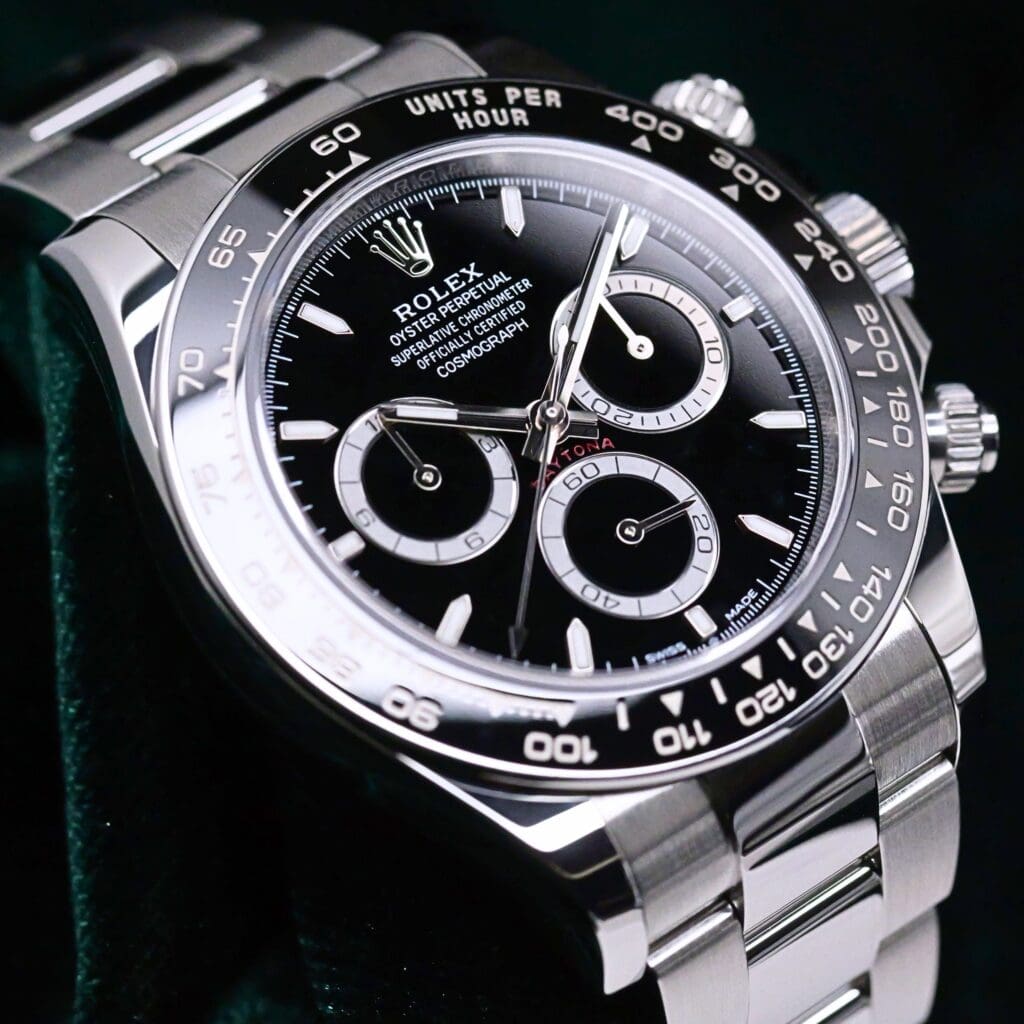
Rolex Cosmograph Daytona "Reverse Panda" Black Dial Black Ceramic Bezel Oyster Bracelet Stainless Steel 40mm MINT CONDITION COMPLETE SET 126500LN
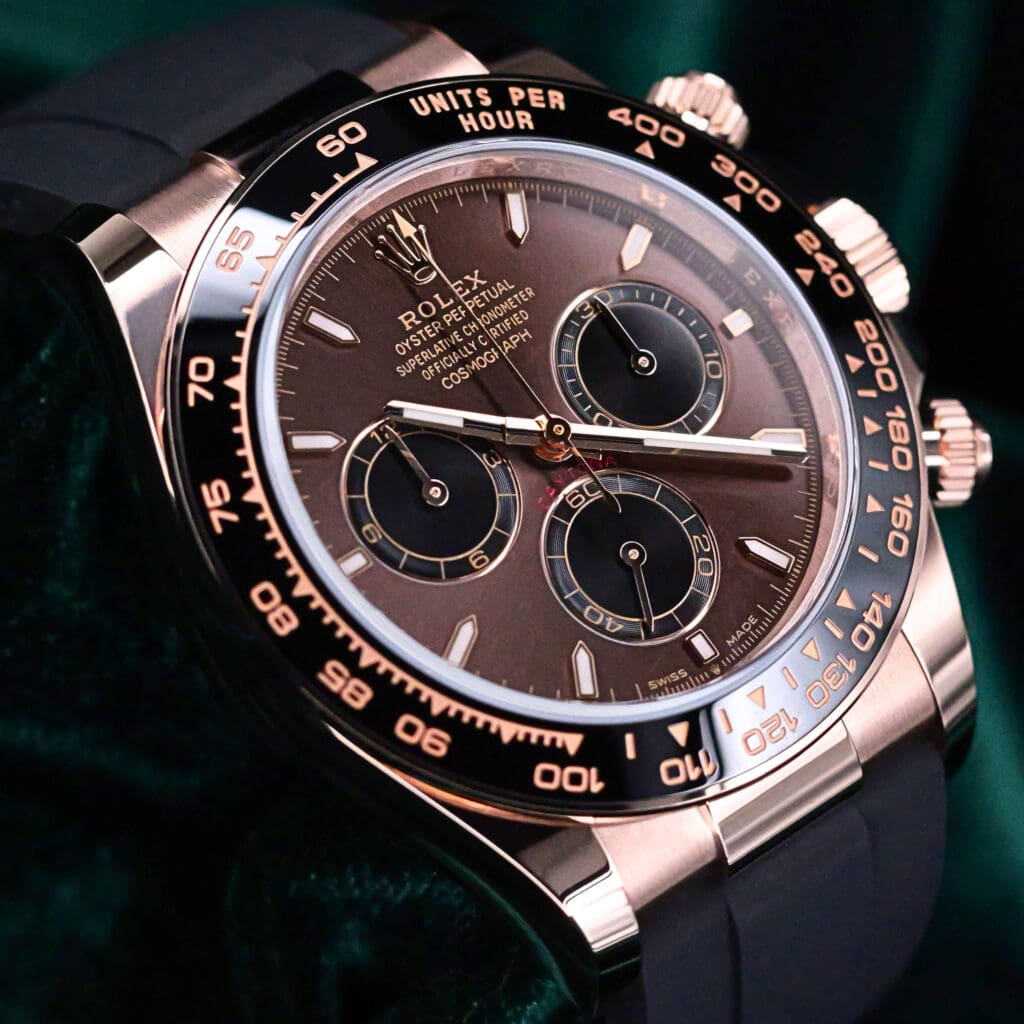
Rolex Cosmograph Daytona Chocolate Brown Dial Black Ceramic Bezel Black Subdials Black Oysterflex 18K Rose Gold 40mm MINT CONDITION 126515LN-0010
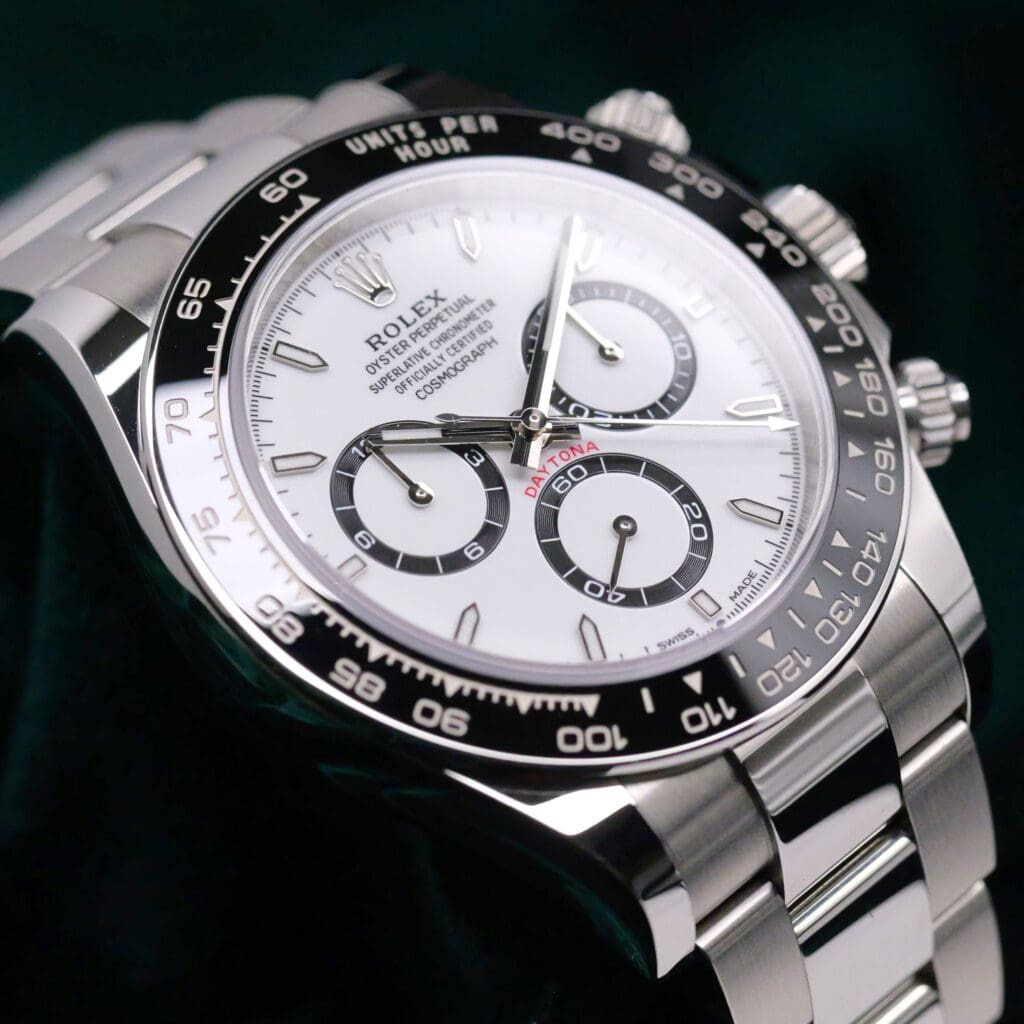
Rolex Daytona Cosmograph "Panda" White Dial Black Ceramic Bezel Oyster Bracelet Stainless Steel 40mm MINT CONDITION COMPLETE SET 126500LN-0001
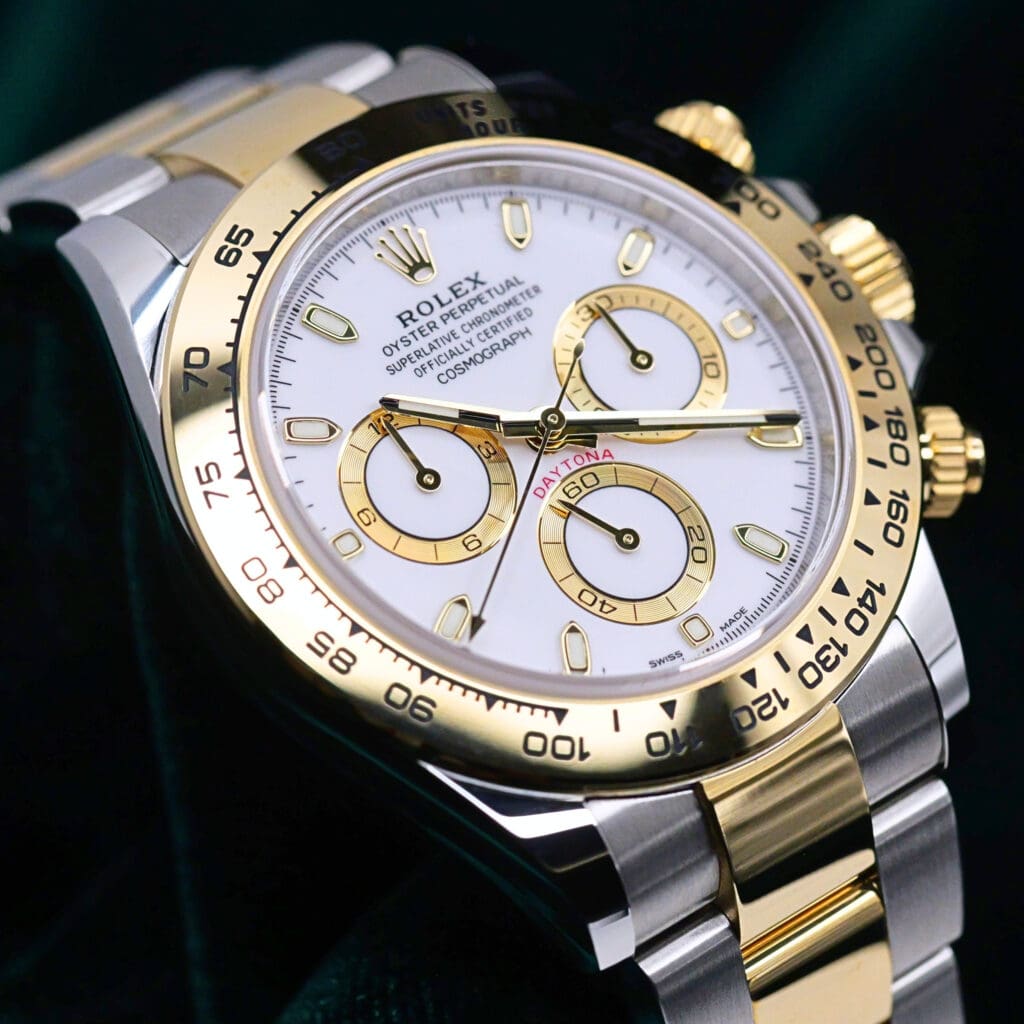
Rolex Cosmograph Daytona White Dial Gold Subdials Oyster Bracelet Two-Tone 18K Yellow Gold Stainless Steel 40mm MINT CONDITION COMPLETE SET 116503
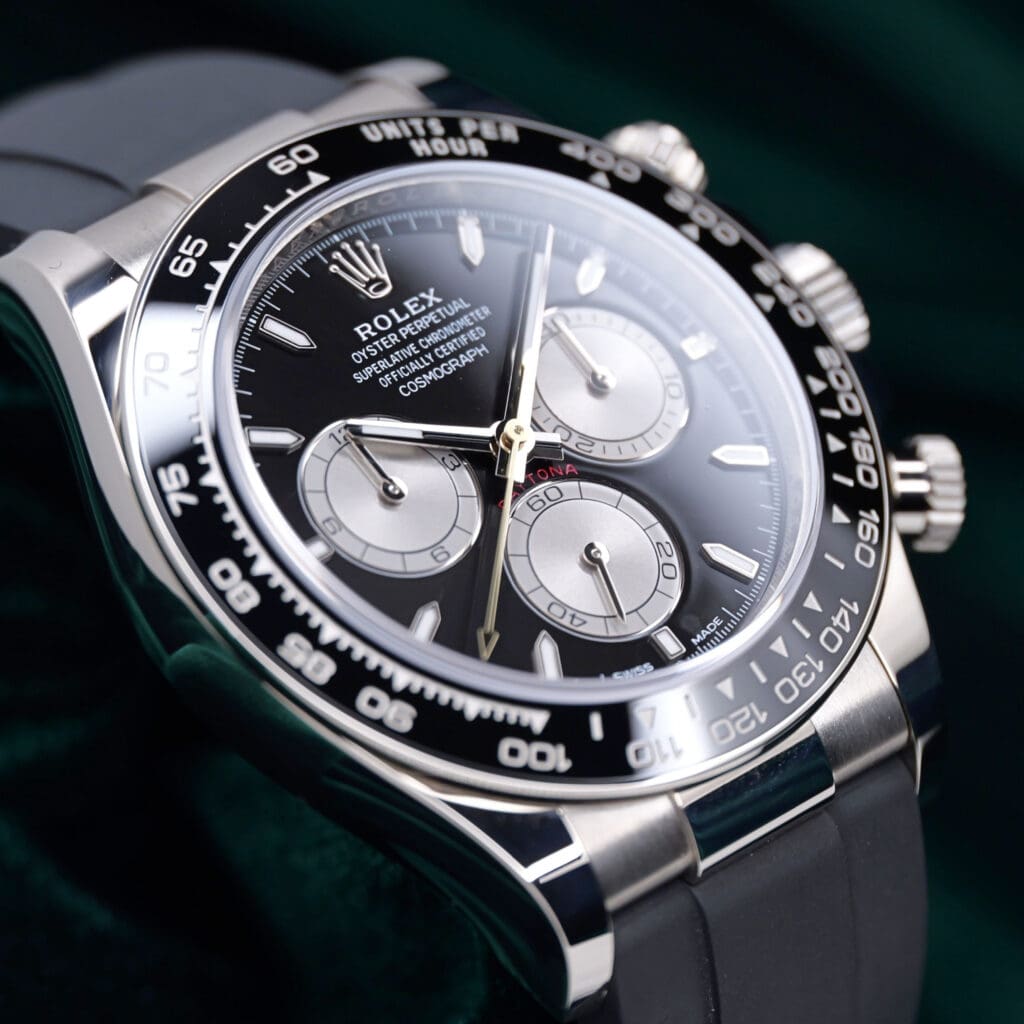
2026 NEW UNWORN Rolex Cosmograph Daytona "Baby Le Mans" Black Dial Silver Subdials Black Ceramic Bezel Black Oysterflex Strap 18k White Gold 40mm COMPLETE SET 126519LN

Rolex Cosmograph Daytona "Panda" White Dial Black Ceramic Bezel Stainless Steel Oyster Bracelet 40mm MINT CONDITION COMPLETE SET 116500LN-0001
3. Bracelet and Clasp
Zenith pairs the watch with a 316L stainless steel bracelet. The clasp is the weak point — thinner stamped parts that feel less refined than the rest of the watch, and something you notice more with regular handling. Resizing takes extra care because of the counter-torqued screws.
The Daytona uses 904L Oystersteel with an Oysterlock safety clasp and an Easylink extension. It feels denser and more secure in the hand, and the case-to-bracelet transition is cleaner. This is one area where the price gap shows up in the metal.
Who it favors: if bracelet and clasp quality sit high on your list, the Daytona is the clear win here.
4. Dial Layout and Date
The Chronomaster Sport runs three overlapping subdials in the tri-color layout, plus a date window at 4:30. That look comes straight from the 1969 A386. It reads busier, but that busyness is the point. It’s the watch’s signature.
The Daytona keeps three separate subdials at 3, 6, and 9, and skips the date entirely. The result is cleaner and more balanced, with the registers set slightly inward for a more open face. If you want to go deeper, we break down how Daytona dials differ across references in a separate guide.
Who it favors: want a date and a livelier dial, go Zenith. Prefer a calmer, no-date layout, go Daytona.
Price and Market Demand
This is where the two watches stop looking similar. One is priced like a product you can walk in and buy. The other is priced like a scarce asset.
Start with the realistic entry point. A steel Chronomaster Sport (Ref. 03.3100.3600/69 white or /21 black) trades around $8,000 to $10,500 on the secondary market against a retail of roughly $11,300.
Pre-owned sits at or below retail, which tells you supply is healthy and nobody is paying a shortage premium. You’re paying for the movement, the design, and daily wearability, not scarcity.
Now the Daytona. The current steel Ref. 126500LN retails near $16,900 but trades around $34,000 to $38,000 on the open market, roughly double retail (source: WatchCharts, Loupe). The white “Panda” dial runs about $6,000 over the black.
That gap isn’t the watch costing more to make. It’s years-long authorized-dealer waitlists pushing buyers to the secondary market, where price is set by demand, not production cost.
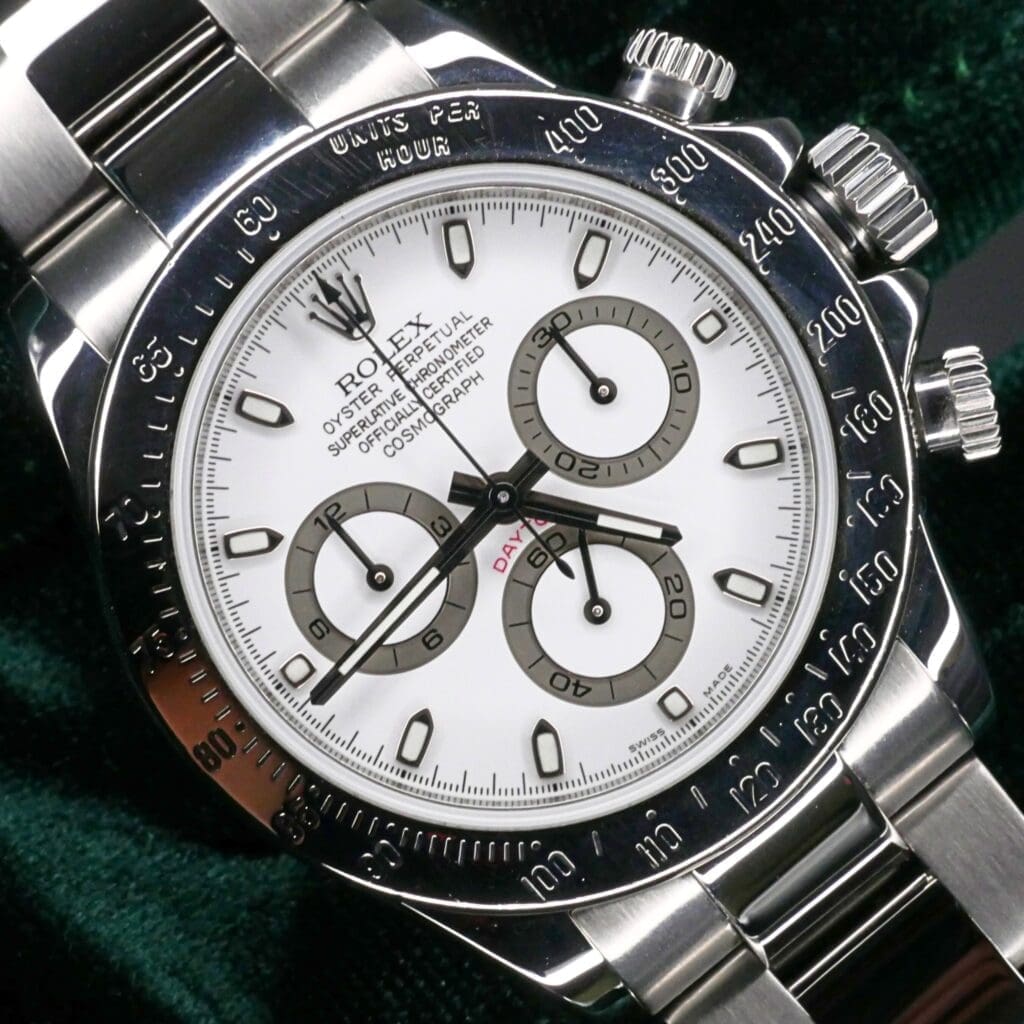


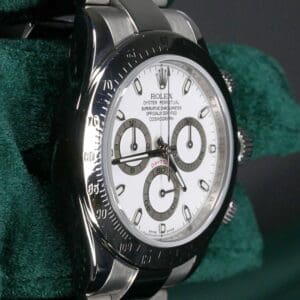
The discontinued Ref. 116500LN (2016–2023, Caliber 4130) sits around $25,000 to $35,000 depending on dial and condition. The older Ref. 116520 runs closer to $18,000 to $22,000 and gives you the full Daytona experience for less. Both are honest value plays if you don’t need the newest case and movement.
Two things shifted the Daytona picture recently. Premiums have cooled from the 200%-plus peak of 2022 to roughly 90–130% over retail in 2026. Still high, but calmer than the frenzy of a few years ago.
At Watches & Wonders 2026, Rolex also introduced the steel-platinum Ref. 126502 “Rolesium,” with a white Grand Feu enamel dial and the first sapphire display caseback ever on a steel Daytona, as a special-order piece near $57,800. It signals where the line is heading: more craft, more collectibility, more distance from a watch you simply buy.
The takeaway is straightforward. The Chronomaster Sport behaves like a product, where value tracks material and everyday appeal. The Daytona behaves like a market, where allocation and configuration pull prices well past the sticker. On liquidity, the Daytona sells faster and closer to a known number, which is a big part of how well Rolex holds its value over time. The Zenith sells fine, just slower and with more haggling.
If you want a closer look at either watch before you commit, we can send tour videos and condition notes on the exact reference you’re weighing. More on that below.
Notable Zenith Chronomaster Sport References

These references show how Zenith grew the line while keeping the core design and movement intact. The layout stays familiar; dial color, bezel finish, and small details are what move.
1. Chronomaster Sport Reference 03.3100.3600/69.M3100
This white-dial version is the core Chronomaster Sport, and the one most people picture. The tri-color subdials against the white base give it the “panda” contrast that draws the Daytona comparison in the first place. The black ceramic bezel carries the 1/10th-of-a-second scale that makes the chronograph easy to use.
- Movement: Zenith El Primero 3600, automatic chronograph
- Case Diameter: 41 mm
- Water Resistance: 100 meters
- Power Reserve: Approximately 60 hours
- Frequency: 36,000 vph, 5 Hz
- Bracelet: Stainless steel
- Dial: White with tri-color subdials
- Price Range: $8,000 to $11,300
2. Chronomaster Sport Reference 03.3100.3600/21.M3100
The black-dial version reads more restrained. The dark base softens the tri-color subdials, so the watch looks tighter and less bright at a glance. Against the black ceramic bezel, the whole design pulls together into something sharper and more low-key.
- Movement: Zenith El Primero 3600, automatic chronograph
- Case Diameter: 41 mm
- Water Resistance: 100 meters
- Power Reserve: Approximately 60 hours
- Frequency: 36,000 vph, 5 Hz
- Bracelet: Stainless steel
- Dial: Black with tri-color subdials
- Price Range: $8,000 to $11,000
3. Chronomaster Sport Reference 03.3103.3600/69.M3100
This Boutique Edition stands out at the bezel. Zenith swaps the standard black for a tricolor ceramic version, which ties the bezel to the subdials and gives the watch a louder, more distinct read. It’s the one for a buyer who wants the design to speak up a little more.
- Movement: Zenith El Primero 3600, automatic chronograph
- Case Diameter: 41 mm
- Water Resistance: 100 meters
- Power Reserve: Approximately 60 hours
- Frequency: 36,000 vph, 5 Hz
- Bezel: Tricolor ceramic
- Dial: White with tri-color subdials
- Price Range: $10,000 to $12,100
Notable Rolex Daytona References

These modern steel references show how Rolex refined the Daytona while leaving the core design alone. The look stays constant; the movement, bezel material, and small case details are what change. For the full lineup and what to check before committing, our Rolex Daytona buying guide covers it in depth.
1. Daytona Reference 116500LN
The 116500LN put a ceramic bezel on the steel Daytona for the first time. That was a bigger deal than it sounds. The Cerachrom bezel resists scratching and won’t fade, so the tachymeter scale stays crisp for years. A real upgrade over the old aluminum inserts that wore down.
- Movement: Rolex Caliber 4130, automatic chronograph
- Case Diameter: 40 mm
- Water Resistance: 100 meters
- Power Reserve: Approximately 72 hours
- Bezel: Black Cerachrom ceramic
- Price Range: $25,000 to $35,000
2. Daytona Reference 126500LN
The current steel Daytona swaps in the Caliber 4131, which adds a Chronergy escapement for better efficiency and antimagnetic performance. Rolex also sharpened the lugs, color-matched the subdials, and added a thin polished steel ring around the ceramic bezel. Same silhouette, cleaner execution.
- Movement: Rolex Caliber 4131, automatic chronograph
- Case Diameter: 40 mm
- Water Resistance: 100 meters
- Power Reserve: Approximately 72 hours
- Bezel: Black Cerachrom ceramic with polished steel ring
- Price Range: $34,000 to $38,000
3. Daytona Reference 116520
The 116520 matters because it introduced the Caliber 4130 — Rolex’s first fully in-house Daytona chronograph, and the one that ended the Zenith era. The simpler internal layout improved efficiency and made service easier, which is part of why it stays a smart-value pick today.
- Movement: Rolex Caliber 4130, automatic chronograph
- Case Diameter: 40 mm
- Water Resistance: 100 meters
- Power Reserve: Approximately 72 hours
- Bezel: Engraved steel tachymeter
- Price Range: $18,000 to $22,000
Which Chronograph Should You Choose?
Both are well-established modern chronographs with strong followings. They just reward different kinds of ownership. The right pick comes down to what you want the watch to do and how you want to buy it. If you’re also weighing the Daytona against other Rolex sports models, our Rolex buying guide maps the wider range.
Choose the Chronomaster Sport if:
- You want a chronograph you can use right away, without unscrewing pushers first.
- The 1/10th-of-a-second display adds something to how you enjoy the watch.
- Seeing the movement through a display caseback matters to you.
- You’d rather buy near retail than pay a large secondary-market premium.
- A date window earns its place in your daily rotation.
- Movement history and technical identity beat broad brand recognition for you.
Choose the Daytona if:
- Brand recognition is part of what you’re buying.
- You prefer a cleaner, no-date dial and a calmer layout.
- Bracelet and clasp quality carry real weight in your decision.
- A flatter case that slips under a cuff is a priority.
- Long-term resale strength matters as much as the watch itself.
- You’re comfortable paying a premium to get the exact reference you want.
The tie-breaker: if you’re buying to wear and enjoy, the Chronomaster Sport gives you more watch for the money. If you’re buying recognition and resale strength, and you accept the premium that comes with it, the Daytona is worth the stretch.
Related Models from Majestix
Rolex Cosmograph Daytona "Reverse Panda" Black Dial Black Ceramic Bezel Oyster Bracelet Stainless Steel 40mm MINT CONDITION COMPLETE SET 126500LN
Rolex Cosmograph Daytona Chocolate Brown Dial Black Ceramic Bezel Black Subdials Black Oysterflex 18K Rose Gold 40mm MINT CONDITION 126515LN-0010
Rolex Cosmograph Daytona White Dial Gold Subdials Oyster Bracelet Two-Tone 18K Yellow Gold Stainless Steel 40mm MINT CONDITION COMPLETE SET 116503
Rolex Cosmograph Daytona "Panda" White Dial Black Ceramic Bezel Stainless Steel Oyster Bracelet 40mm MINT CONDITION COMPLETE SET 116500LN-0001

Rolex Daytona Cosmograph "John Mayer" Blue Dial Red Accents 18K White Gold 40mm MINT CONDITION COMPLETE SET 116509-0071

Rolex Daytona Black Dial Two-Tone 18K Yellow Gold Stainless Steel 40mm NEAR MINT CONDITION 16523
Zenith Chronomaster Sport vs Daytona: Common Questions
Which Is Easier to Buy at Retail?
The Zenith, by a wide margin. You can walk into a Zenith boutique or order the Chronomaster Sport online and own it in days. The steel Daytona sits behind multi-year authorized-dealer waitlists, so most buyers give up and pay the secondary-market premium instead. It’s worth understanding the trade-offs between an authorized dealer and the grey market before you decide.
Is the Chronomaster Sport Expensive to Service?
Expect a full service every 5 to 7 years, and budget more than a three-hand watch. The high-beat El Primero has more parts and runs faster, so a service costs a bit more than what a Daytona service runs, and is best done by Zenith or a specialist familiar with the caliber. Neither watch is cheap to maintain, but both are built to be serviced for decades.
Can You Still Buy an Original Zenith Daytona?
Yes, on the pre-owned market. The ref. 16520 (built 1988–2000, running the modified El Primero) trades roughly $25,000 to $80,000 depending on dial variant and condition. It’s a different buy from either watch here, but it’s the physical link between them if you want the movement history on your wrist.
Where to Buy Authentic Watches Online
A few online channels handle both of these watches well. Chrono24 is the largest marketplace, with escrow protection and dealer vetting built in; it’s worth knowing what to check before buying on Chrono24. eBay covers plenty of listings through its Authenticity Guarantee program. Grailzee runs auction-style sales if you’d rather bid than buy outright.
We also buy, sell, and trade luxury watches, and the reason clients come to us instead of a big listing page is the walkthrough. Before you commit, we give you layered communication: real tour videos of the exact watch, honest condition notes, and a straight conversation with someone who has inspected it. You’re not buying blind off a stock photo and a spec sheet.
That’s reflected in our 4.9-star Google rating, which comes from buyers who wanted to see the watch properly before sending money.
If you want that kind of walkthrough on a specific Chronomaster Sport or Daytona reference, reach out and we can help you source the exact one you’re after.
Final Thoughts on Zenith Chronomaster Sport vs Daytona
Strip away the specs and this decision comes down to identity. The Chronomaster Sport rewards curiosity: the movement, the history, the caliber family that once lived inside a Daytona. The Daytona rewards the pull of the most recognized name in watches, premium and all.
Long term, the one you keep reaching for is the right one. Buy for the wrist life you want, not the spec sheet. One tip either way: insist on a full set with box and papers. It protects Daytona resale, and it makes a Zenith far easier to move the day your taste changes. If a seller is missing them, our take on whether to buy without box and papers is worth a read first.
999+ Timepieces Available
Explore Our Timepieces
Authenticated, unworn, and ready to ship worldwide.
Rolex · Audemars Piguet · Patek Philippe · Omega · Cartier · Richard Mille · Hublot · Tudor
Newly Listed

Vacheron Constantin Overseas Chronograph "Reverse Panda" Black Dial Silver Subdials Stainless Steel 42.5mm MINT CONDITION COMPLETE SET 5500V/110A-B481
$34,095.00

Rolex Sky-Dweller Black Dial 18K White Gold Fluted Bezel Oyster Bracelet Stainless Steel 42mm MINT CONDITION COMPLETE SET 336934-0007
$21,945.00

2026 Rolex Datejust Green Ombre Dial Smooth Bezel Jubilee Bracelet Stainless Steel 41mm MINT CONDITION COMPLETE SET 126300
$16,480.00

2026 NEW UNWORN Cartier Santos-Dumont Silver Dial Platinum Mesh Bracelet Platinum 31mm COMPLETE SET WGSA0124
$64,790.00

2026 Tudor Black Bay 58 Black Dial Jubilee Bracelet Stainless Steel 39mm MINT CONDITION COMPLETE SET 7939A1A0NU
$5,717.00

NEW UNWORN Rolex Submariner Date “Sub Date” Black Dial Black Ceramic Bezel Oyster Bracelet Stainless Steel 41mm COMPLETE SET 126610LN
$15,595.00
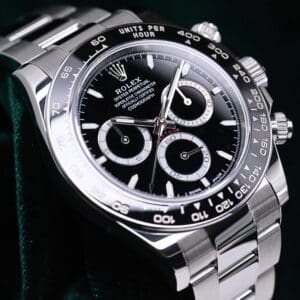
Rolex Cosmograph Daytona "Reverse Panda" Black Dial Black Ceramic Bezel Oyster Bracelet Stainless Steel 40mm MINT CONDITION COMPLETE SET 126500LN
$32,009.00
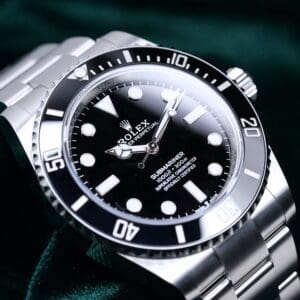
2026 NEW UNWORN Rolex Submariner No Date Black Dial Black Ceramic Bezel Oyster Bracelet Stainless Steel 41mm COMPLETE SET 124060
$15,219.00
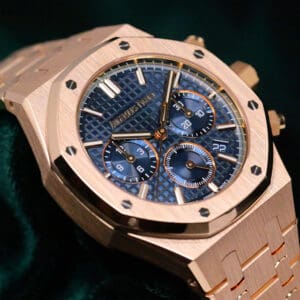
Audemars Piguet Royal Oak Selfwinding Chronograph Bleu Nuit Nuage 50 Blue Dial Bracelet 18k Rose Gold 38mm MINT CONDITION COMPLETE SET 26715OR.OO.1356OR.01
$104,942.00
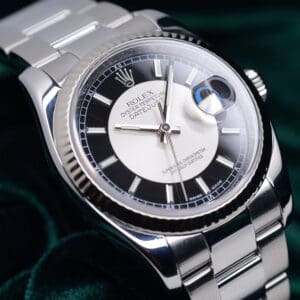
Rolex Datejust “Tuxedo” Black and Silver Dial 18K White Gold Fluted Bezel Stainless Steel Oyster 36mm MINT CONDITION COMPLETE SET 116234
$10,671.00
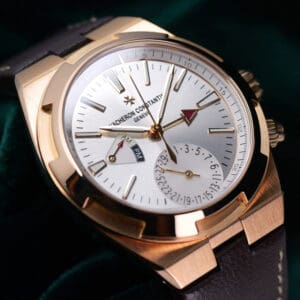
Vacheron Constantin Overseas Dual Time Silver Dial Brown Leather Strap 18K Rose Gold 41mm MINT CONDITION COMPLETE SET 7900V/000R-B336
$41,894.00
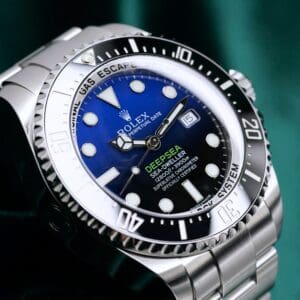
Rolex Sea-Dweller Deepsea James Cameron D-Blue Dial Black Ceramic Bezel Oyster Bracelet Stainless Steel 44mm MINT CONDITION 116660-0003
$14,272.00