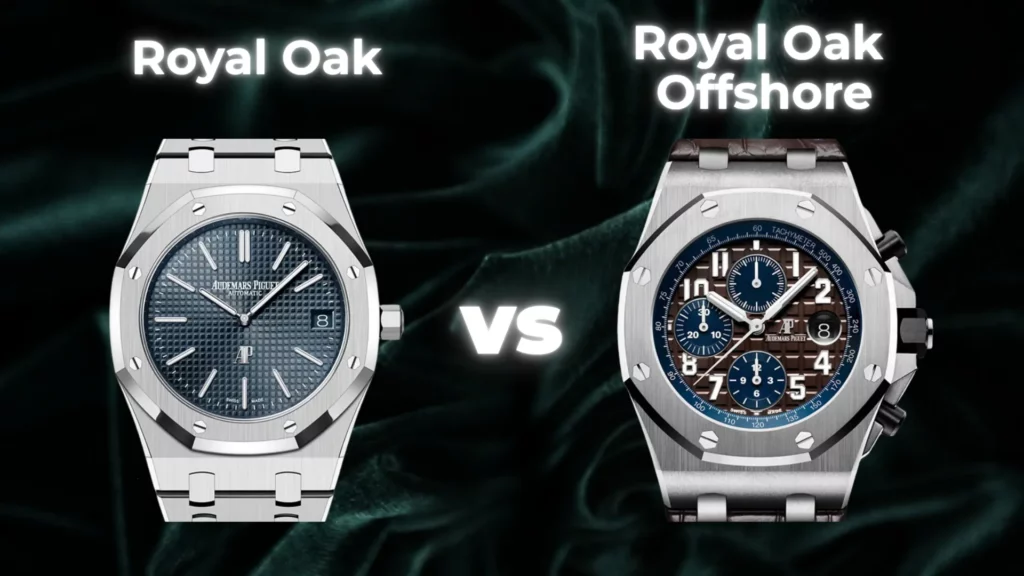
The Royal Oak and the Royal Oak Offshore share the same octagonal bezel, exposed screws, and integrated bracelet. But the Royal Oak vs Royal Oak Offshore is a question most serious Audemars Piguet buyers run into, and for good reason: they were built for very different lives.
One sits flat under a cuff. The other does not try to. The price gap between them is also significant and worth understanding before you buy.
The Offshore line also moved in 2026. AP added nine new references across the summer, refreshed the Diver, and pushed two new 43mm chronographs in ceramic and titanium. That changes what the entry point looks like.
This guide covers every real difference, from case thickness to movement specs to pre-owned market value, so you can pick the right one.
Royal Oak Background

The Royal Oak launched in 1972 and was designed by Gerald Genta, reportedly in a single night. He drew from the look of a diver’s helmet, pulling the octagonal bezel and exposed bolts from that design. At launch, it was a 39mm stainless steel watch priced at a level comparable to gold watches at the time.
The design has held up for over 50 years. The Grande Tapisserie dial, tapered bracelet, and folding clasp are all still in production today essentially unchanged. On the Jumbo Extra-Thin references, the movement sits at roughly 3.2mm thick, which is extremely slim for an automatic watch.
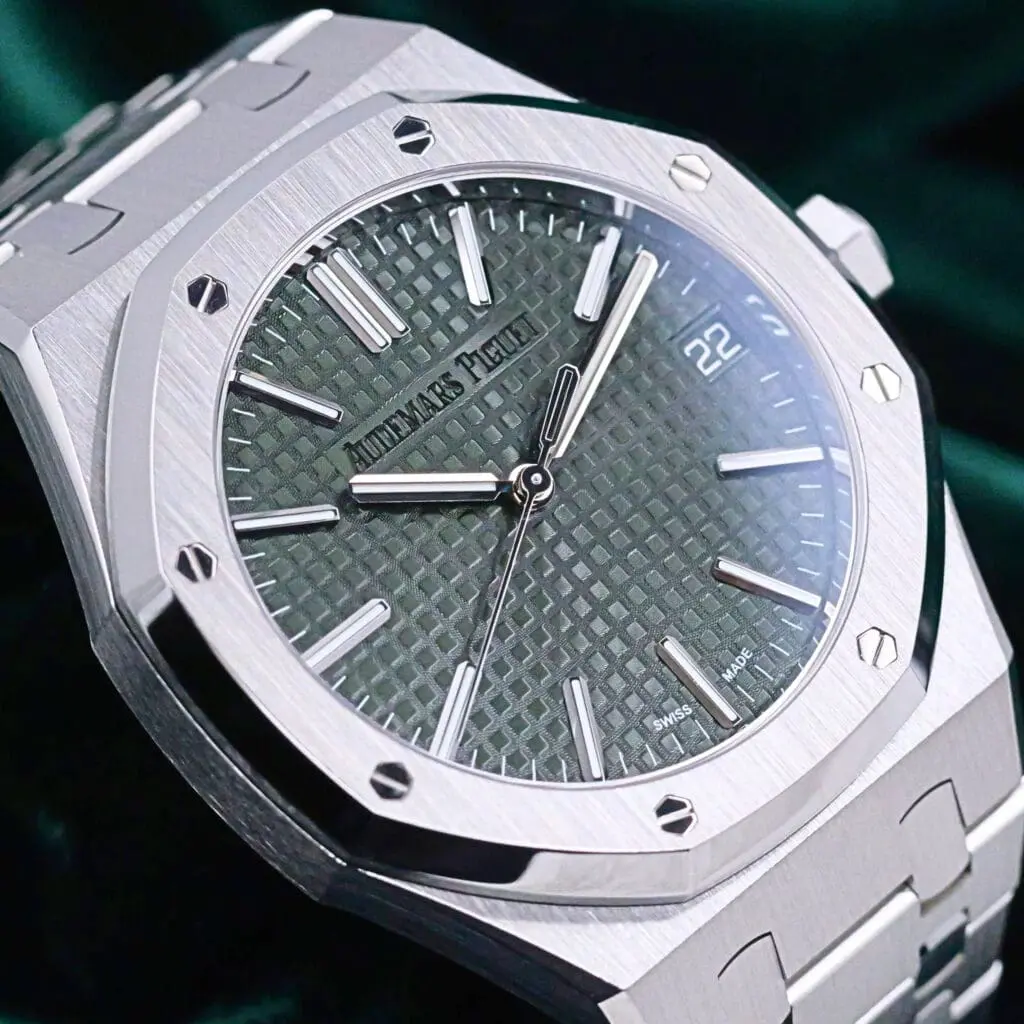
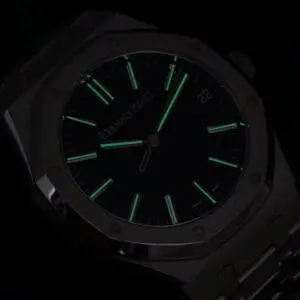

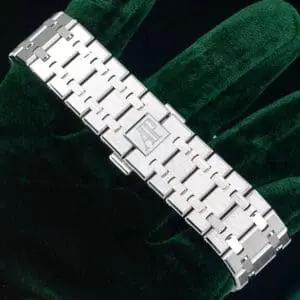
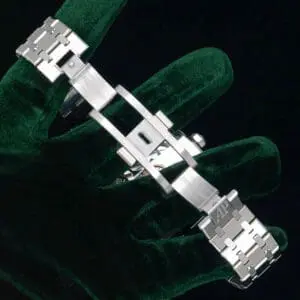
The Royal Oak is a good fit if you want a watch that works under a cuff, holds up on weekends, and earns attention without asking for it. If you are still mapping the family before committing, our full Royal Oak buying guide walks through the lineup.
Notable References of the Royal Oak:
- 16202ST
- 15510ST
- 26240ST
Royal Oak Offshore Background

The Royal Oak Offshore was designed in 1989 by Emmanuel Gueit, who was 22 years old at the time. The brief was simple: take the Royal Oak, make it bigger and bolder. The result debuted at Baselworld in 1993 as the Ref. 25721ST, measuring 42mm wide and 14.9mm thick, with a rubber gasket, rubberized pusher caps, and crown guards.
The Offshore has its own visual identity. The Mega Tapisserie dial uses bigger squares than the Royal Oak’s Grande Tapisserie. Many references use Arabic numerals instead of applied markers. The whole watch is built to be more robust and wear with more presence on the wrist.
Critics called the first one “The Beast,” and Genta reportedly stormed the AP booth and told them they had ruined his watch. Thirty years later that reputation is the point. The Offshore is a good fit if you want a watch that commands attention and wears big on the wrist. Our Royal Oak Offshore buying guide covers the wider catalog reference by reference.



Notable References of the Royal Oak Offshore:
- 26470ST
- 26420SO
- 15720ST
What Changed in the Offshore Line in 2026
The short answer: the Offshore got a much wider catalog in 2026, and the Diver is now the reference most first-time Offshore buyers should be looking at. AP spread its releases across three waves this year.
February brought three new Royal Oak Offshore Diver colorways in pink, turquoise, and deep teal. All three keep the 42mm steel case, twin black ceramic screw-locked crowns, and 300m rating, running the Calibre 4308 with a 60-hour reserve. Retail sits at $32,900.
Watches & Wonders in April added two 43mm Offshore Selfwinding Chronographs built around ceramic and titanium contrast, including a “Bleu Nuit, Nuage 50” ceramic case paired with a beige Mega Tapisserie dial.
June and July added the rest, including three new 37mm Offshore chronographs starting at $41,100 and 42mm chronographs at $42,500. Nine Offshore references in one summer is a lot of movement for a line that used to sit quiet for years at a time.
The practical takeaway: the Offshore catalog is broader and younger than it was two years ago, while the core Royal Oak references have not changed since the 2022 generational update.
Royal Oak vs Royal Oak Offshore: Most Notable Differences

The size gap looks small on paper. But the real differences matter more in daily wear than most people expect.
1. Case Thickness
The Royal Oak sits at roughly 10.88mm thick on standard references and drops to around 8mm on the Jumbo Extra-Thin. That slim profile slides under a shirt cuff cleanly with no visible bump at the sleeve edge.
The Royal Oak Offshore runs around 14.4mm thick on the current 43mm generation and up to 14.9mm on older 42mm references. That extra height changes how it clears a cuff and how present it feels on the wrist all day.
The diameter difference between the two is typically 2 to 5mm depending on the reference. The thickness gap is four times larger.
2. Dial Pattern
The Royal Oak uses the Grande Tapisserie, a fine grid of small squares pressed into the dial with applied gold or steel hour markers. Up close it is detailed. On the wrist it reads quietly.
The Offshore uses the Mega Tapisserie, the same idea but with bigger, bolder squares. Many Offshore references also use Arabic numerals instead of applied markers. The dial reads louder and more functional compared to the Royal Oak.
3. Rubber Gasket
The Royal Oak has no visible gasket. The octagonal bezel sits flush against the case without the rubber ring you see on the Offshore.
The Offshore has a visible rubber gasket between the bezel and the case. It pushes water resistance up to 100m versus 50m on the Royal Oak and adds to the overall case thickness. The gasket has become as recognizable as the octagonal bezel itself.
Related Models from Majestix

Audemars Piguet Royal Oak Offshore Chronograph "Batman" Black Dial Blue Accents Black Rubber Strap Stainless Steel 42mm MINT CONDITION COMPLETE SET 26470ST.OO.A028CR.01

Audemars Piguet Royal Oak Black Dial Stainless Steel 41mm MINT CONDITION COMPLETE SET 15500ST.OO.1220ST.03
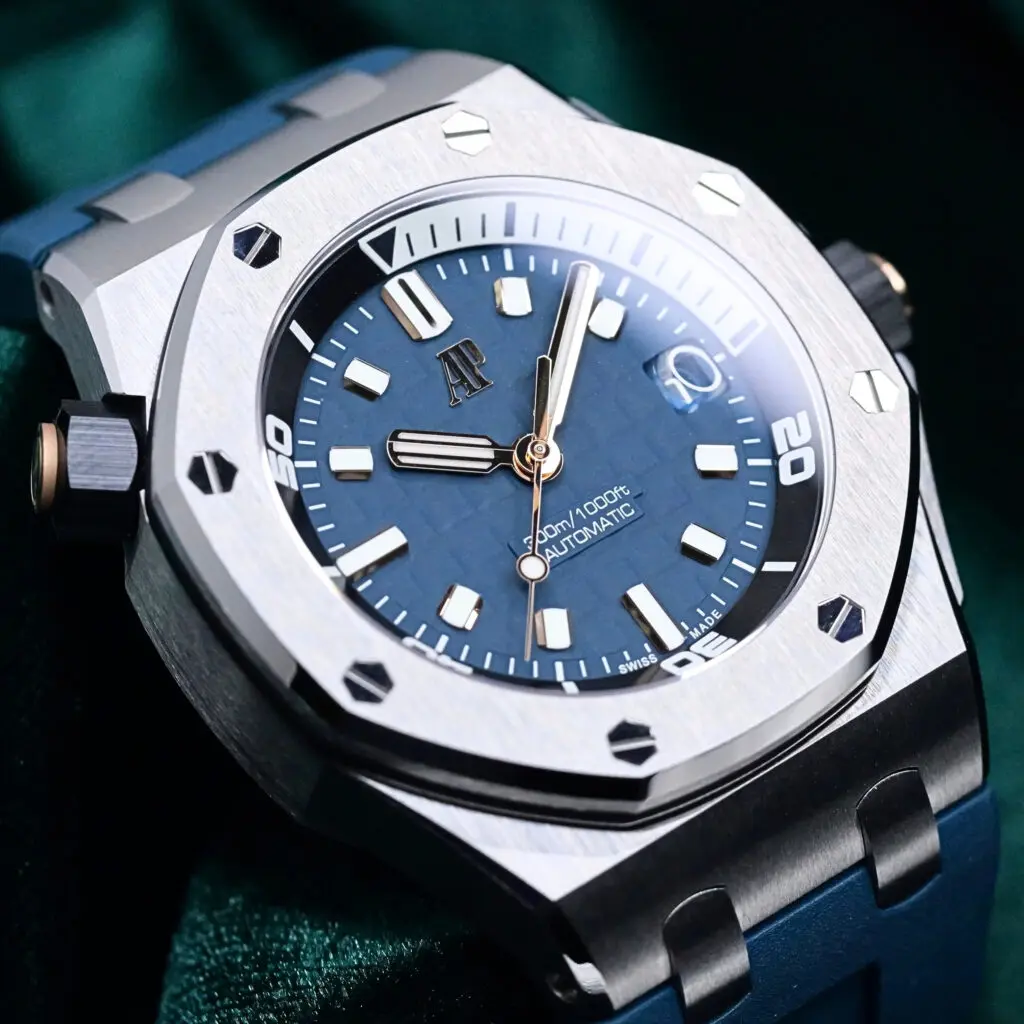
2026 NEW UNWORN Audemars Piguet Royal Oak Offshore Diver Abyssal Blue Dial Rose Gold Accents Blue Rubber Strap Stainless Steel 42mm COMPLETE SET 15720ST.OO.A403CA.01

Audemars Piguet Royal Oak Offshore Chronograph "Elephant" Gray Dial Stainless Steel Rubber Strap 42mm 26470ST.OO.A104CR.01
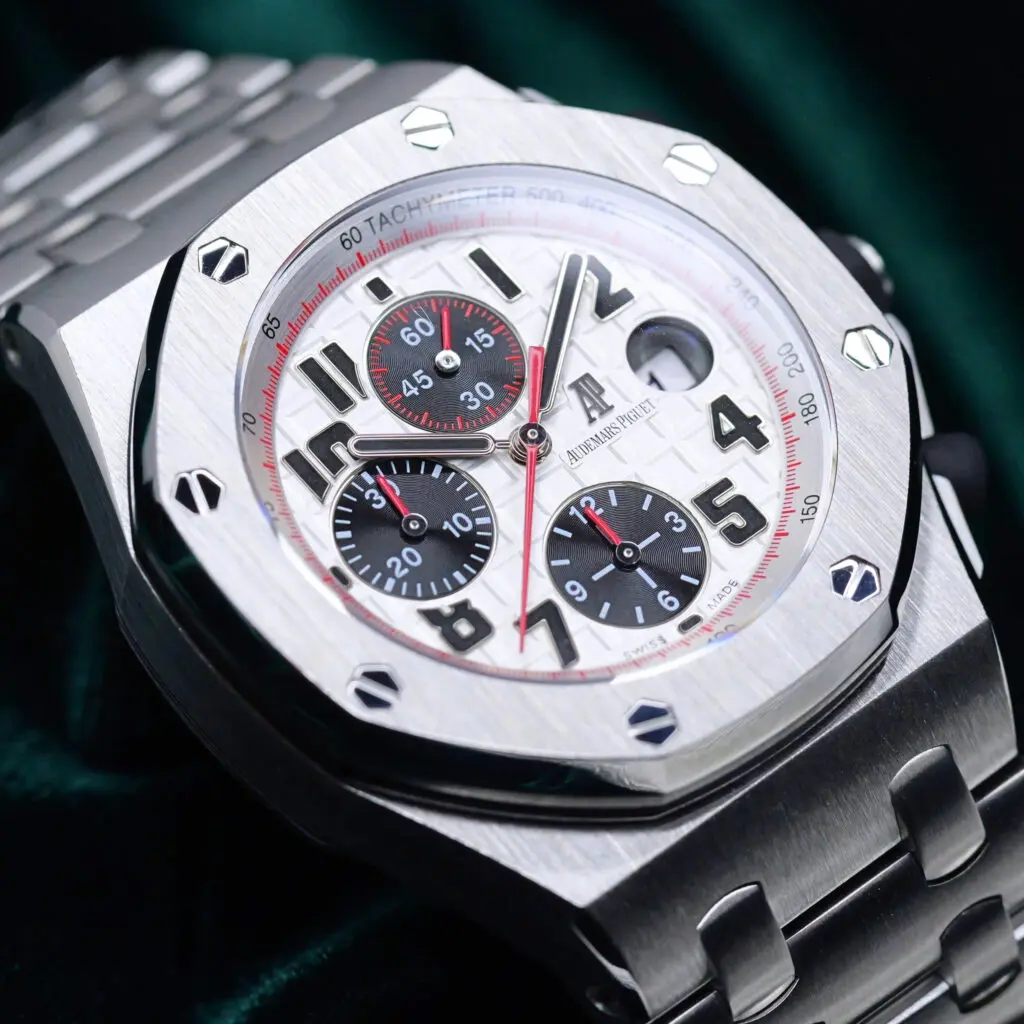
Audemars Piguet Royal Oak Offshore Chronograph "Panda" White Dial Black Subdials Steel Bezel Stainless Steel 42mm MINT CONDITION COMPLETE SET 26170ST.OO.1000ST.01
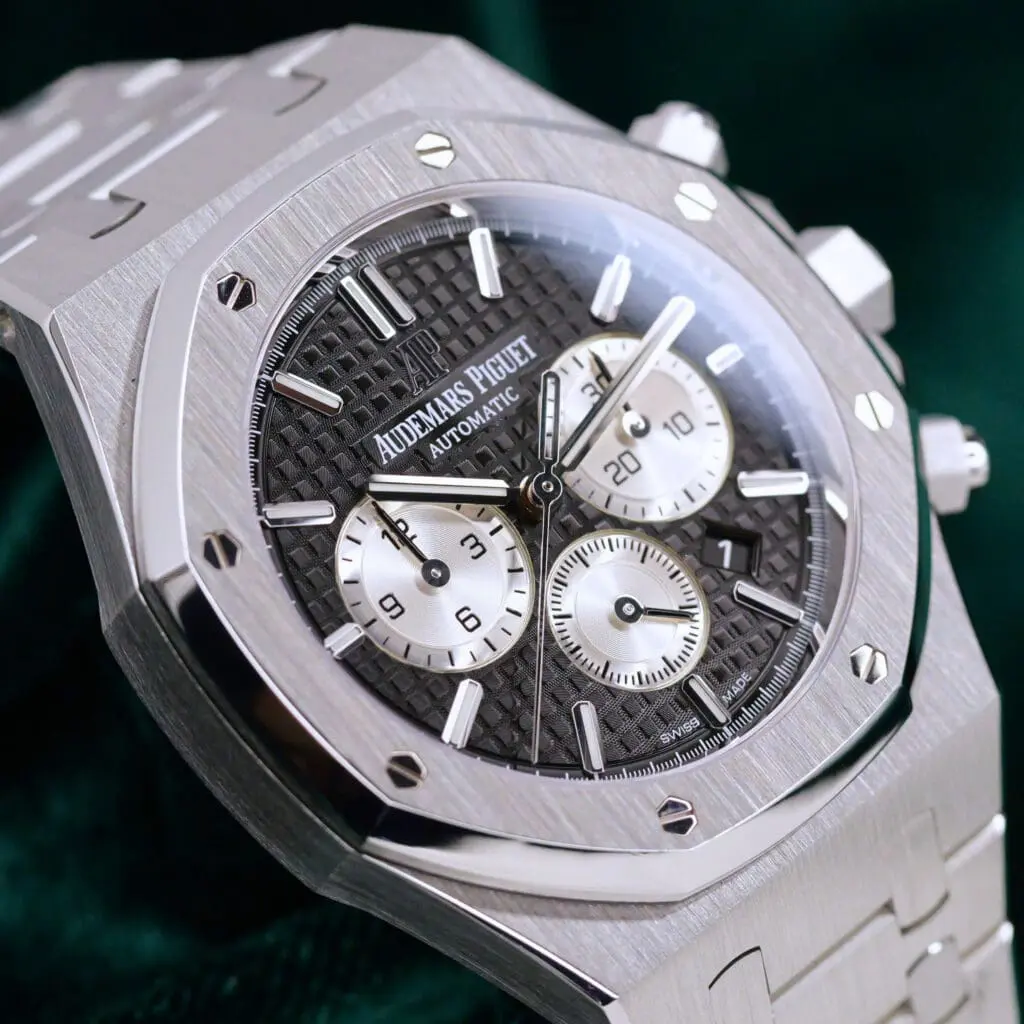
Audemars Piguet Royal Oak Chronograph "Reverse Panda" Black Dial Silver Subdials Stainless Steel 41mm MINT CONDITION COMPLETE SET 26331ST
4. Crown and Pusher Guards
On the Royal Oak Chronograph, the pushers sit exposed and the crown has no guard. Clean, minimal, and appropriate for how the watch is typically worn.
The Offshore Chronograph adds rubber or ceramic capped pushers and a crown guard built into the case. These are there because the Offshore is built to take more abuse. They also add visual bulk and make the whole watch read tougher.
5. Bracelet Clasp and Strap System
The Royal Oak uses an AP folding deployant clasp. It sits flat and keeps the bracelet in a clean, seamless line from the case to the wrist.
The Offshore on a bracelet uses a deployant clasp. On rubber strap versions, it typically uses a pin buckle or deployant depending on the reference.
Current Offshore references also carry AP’s tool-free interchangeable strap system. Press the plots behind the lugs and the strap comes off. Most Offshores ship with a second strap in the box, which the Royal Oak does not do.
6. Chronograph Layout
Most Royal Oak Chronograph references put their subdials at 3, 6, and 9 o’clock, with the date tucked between 4 and 5. Balanced and clean.
Most Offshore Chronograph references put their subdials at 6, 9, and 12 o’clock, with the date at 3. It also has a tachymeter scale on the inner bezel ring, which the Royal Oak Chronograph does not. The layout reads more like a tool watch.
7. Movement
At the chronograph level, both the Royal Oak Ref. 26240 and the Offshore Ref. 26420 run the Cal. 4401, AP’s in-house flyback movement with a 70-hour reserve. They run the same movement but wear completely differently.
The biggest movement difference is at the top of the Royal Oak line. The Jumbo Extra-Thin’s Cal. 7121 sits at around 3.2mm thick, one of the slimmest automatic movements made today. No Offshore movement approaches this level of thinness.
8. Materials
The Royal Oak comes in stainless steel, rose gold, yellow gold, white gold, and platinum. It is a solid range, but all conventional materials.
The Offshore adds titanium, ceramic bezels, forged carbon, and full ceramic case options. A titanium Offshore on a rubber strap wears noticeably lighter than its size suggests. We break down ceramic vs titanium compared in a separate piece. If material variety matters to you, the Offshore has more options.
Related Models from Majestix
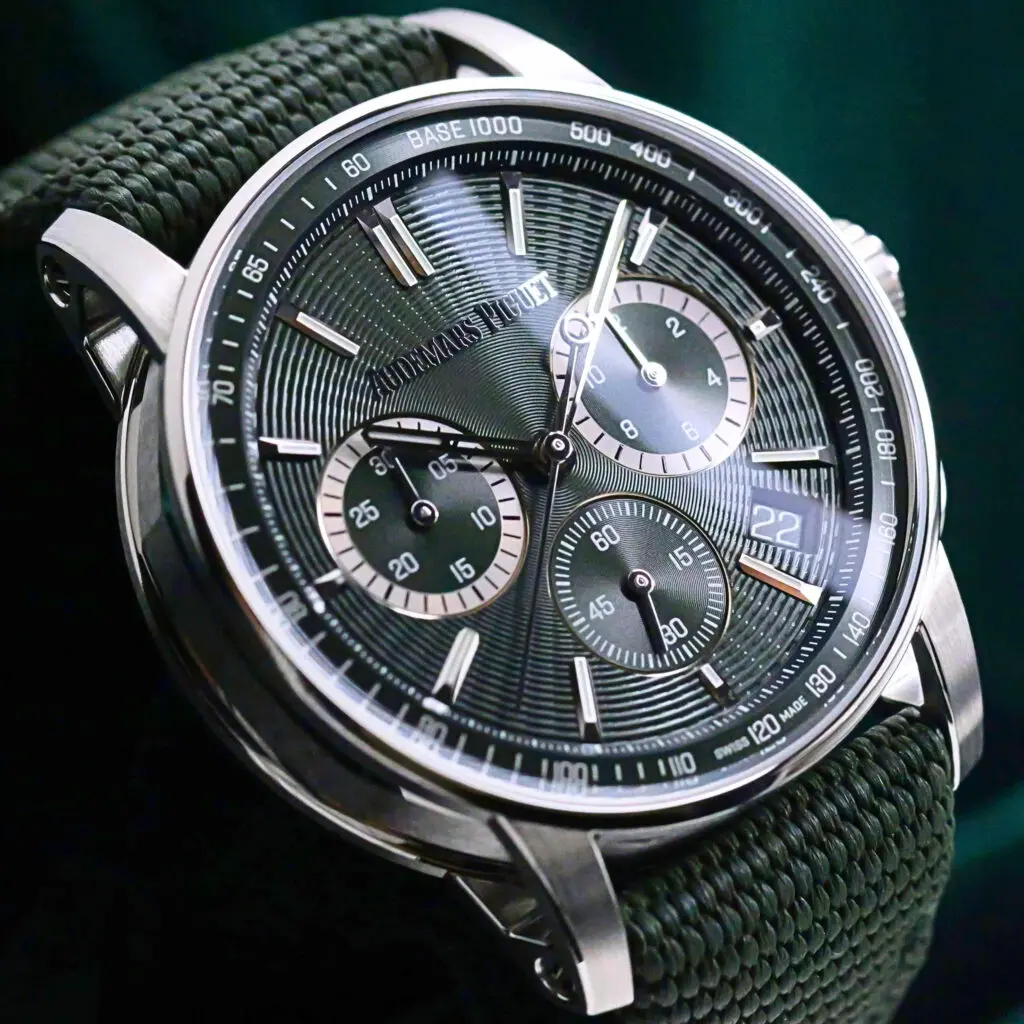
Audemars Piguet Code 11.59 Chronograph 41mm Green Dial Green Rubber Strap Stainless Steel MINT COMPLETE SET 26393ST.OO.A056KB.01
Audemars Piguet Royal Oak Offshore Chronograph "Batman" Black Dial Blue Accents Black Rubber Strap Stainless Steel 42mm MINT CONDITION COMPLETE SET 26470ST.OO.A028CR.01
Audemars Piguet Royal Oak Black Dial Stainless Steel 41mm MINT CONDITION COMPLETE SET 15500ST.OO.1220ST.03
2026 NEW UNWORN Audemars Piguet Royal Oak Offshore Diver Abyssal Blue Dial Rose Gold Accents Blue Rubber Strap Stainless Steel 42mm COMPLETE SET 15720ST.OO.A403CA.01
Audemars Piguet Royal Oak Offshore Chronograph "Elephant" Gray Dial Stainless Steel Rubber Strap 42mm 26470ST.OO.A104CR.01
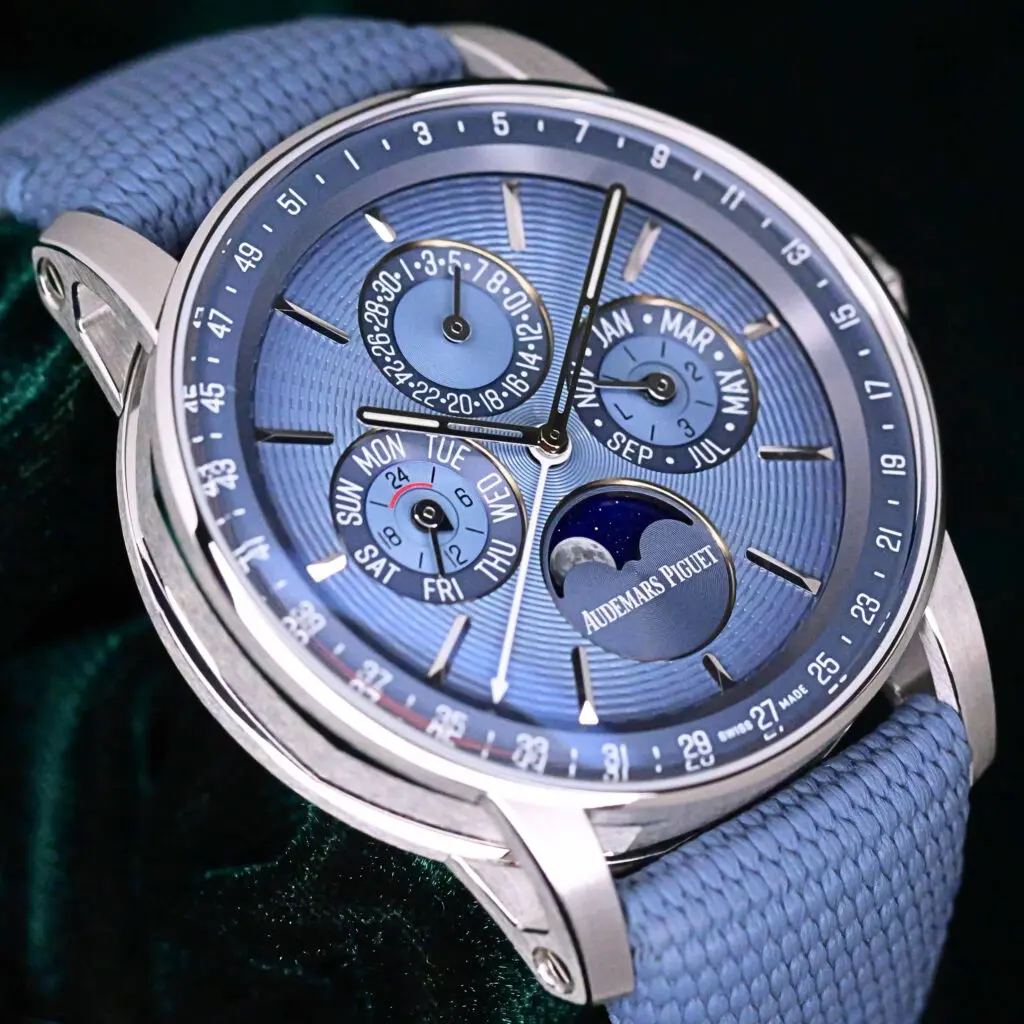
Audemars Piguet Code 11.59 Perpetual Calendar Smoked Blue Dial Blue Rubber Strap 18K White Gold 41mm MINT CONDITION COMPLETE SET 26494BC.OO.D350KB.01
Price and Market Demand
Here is the pattern that explains almost everything about pricing in this comparison: the Royal Oak trades above retail, the Offshore trades below it, and the reason is supply, not desirability.
Steel Royal Oak references sit behind boutique waitlists that commonly run past a year. Offshore references are far easier to walk out with. Scarcity, not hype, sets the premium.
The Ref. 15510ST is the realistic entry point. It retails at $31,900 and carries a market value near $46,400 as of 2026, roughly 45% above retail. It is also the most liquid Royal Oak on the secondary market.
At the top end, the Ref. 16202ST lists at $40,100 and trades around $79,200, close to double retail. Pristine full sets ask $70,000 to $85,000. That gap is a waitlist number, not a materials number.
The Ref. 26240ST Chronograph sits between them. It trades comfortably above its roughly $44,400 list, with blue dials commanding the highest premium across every steel Royal Oak family.
The Offshore reads the other way. The discontinued Ref. 26470ST trades near $20,000, well under its original list. The current Ref. 26420SO retails at $47,300 and trades around $32,900 — a discount of roughly 30%, and its market value slipped about 6% over the past year.
Two market personas, then. The Royal Oak is the modern icon with a supply-constrained premium. The Offshore is the discounted entry, where a buyer’s dollar goes further at purchase and less far at resale.
Liquidity splits the same way. The 26420SO takes roughly a month and a half to sell on average, which is mid-pack. The steel Royal Oak references move faster and to a deeper buyer pool, so exiting one is easier if plans change.
Configuration moves prices more than the model line does. Blue dials outperform black and green across both collections. Titanium and ceramic Offshores hold better than steel. Limited editions can flip the whole pattern and trade above retail.
Condition does the rest. Bracelet stretch, heavy polishing, and a missing set can pull 15% to 25% off a comparable example, and how condition grades are defined varies more between sellers than most buyers expect. A full set with box and papers adds a premium on both sides. Figures here reflect WatchCharts data and Chrono24 listing activity in 2026.
Best Royal Oak References to Buy
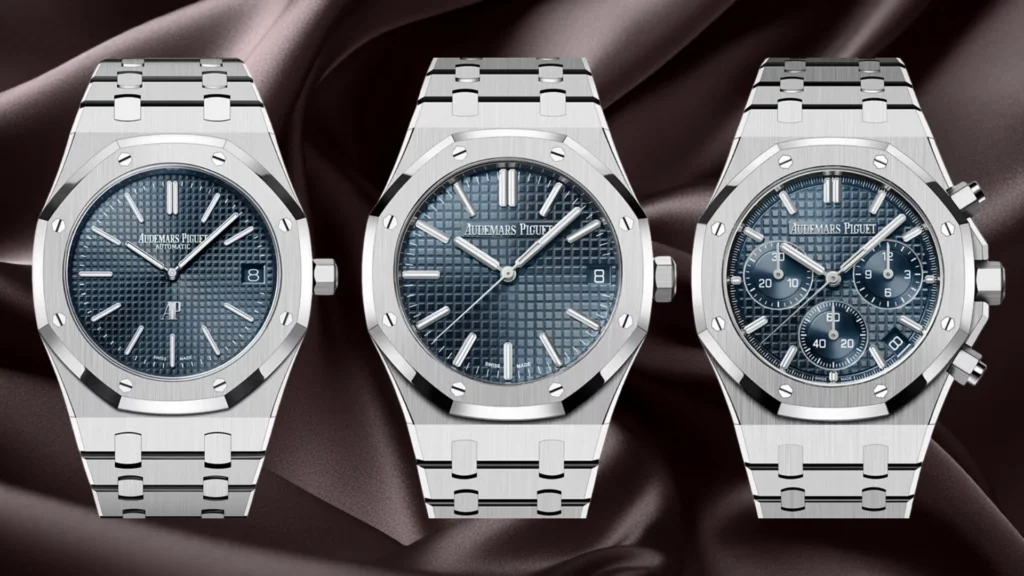
The Royal Oak spans five decades and dozens of references. These three are the most relevant if you are comparing both collections today.
1. Royal Oak Ref. 16202ST
The Jumbo is the one that explains why the Royal Oak has lasted over 50 years. The no-date dial and Cal. 7121 keep it closest to the 1972 original.
At roughly 8mm thick, it clears a shirt cuff better than almost anything at this price point. Start here if you want the most historically accurate Royal Oak in current production, though how the Jumbo compares to the standard Royal Oak is worth a read first.
- Case size: 39mm
- Material: Stainless steel
- Movement: Cal. 7121, ultra-thin automatic, no date, 55-hour reserve
- Thickness: ~8.1mm
- Water resistance: 50m
- Market price: ~$79,200



2. Royal Oak Ref. 15510ST
The entry point if you are buying your first Royal Oak. It comes in blue, grey, green, and white dials.
Blue is the one that holds the biggest premium, trading several thousand above the black at identical retail. If you want a daily Royal Oak that holds value and sells fast, this is the one.
- Case size: 41mm
- Material: Stainless steel
- Movement: Cal. 4302, automatic with date, 70-hour reserve
- Thickness: ~10.4mm
- Water resistance: 50m
- Market price: ~$46,400
3. Royal Oak Ref. 26240ST
The current Royal Oak Chronograph. The subdials at 3, 6, and 9 keep the dial clean and easy to read.
A good fit if you want a chronograph on the Royal Oak without the Offshore’s more aggressive layout. The 2022 switch to the in-house Cal. 4401 added flyback timing and a sapphire caseback.
- Case size: 41mm
- Material: Stainless steel, rose gold options
- Movement: Cal. 4401, in-house flyback chronograph
- Thickness: ~10.75mm
- Water resistance: 50m
- Market price: Above retail, blue dials highest
Best Royal Oak Offshore References to Buy

The Offshore catalog covers a wide range of sizes, materials, and complications. These three are the most relevant if you are actively comparing both collections.
1. Offshore Ref. 15720ST
The current Diver, and the reference most people should start with. It drops the chronograph, adds a rotating inner bezel and 300m water resistance, and runs the Cal. 4308.
Twin black ceramic screw-locked crowns and a simplified AP monogram at 12 separate it from the older 15710ST. New to the internal bezel? Here’s a quick primer on how it works. It also ships with a second rubber strap and the quick-release system.
- Case size: 42mm
- Material: Stainless steel
- Movement: Cal. 4308, automatic, 60-hour reserve
- Water resistance: 300m
- Retail: $32,900
- Market price: ~$28,000 to $40,000
2. Offshore Ref. 26420SO
The current Offshore Chronograph. AP brought the case down from 44mm to 43mm and added a slight curve along the crystal and bezel, so it sits better on more wrist sizes.
The right call if you want the most up to date Offshore Chronograph AP makes, and you are comfortable with a reference that trades below list.
- Case size: 43mm
- Material: Stainless steel, titanium, ceramic bezel options
- Movement: Cal. 4401, in-house flyback chronograph
- Thickness: ~14.4mm
- Water resistance: 100m
- Market price: ~$32,900



3. Offshore Ref. 26470ST
The most recognized Offshore configuration, now discontinued and the cheapest way into the chronograph side of the line. It came in a wide range of dial colors, with black and blue among the most popular.
Older Cal. 3126/3840 movement and a thicker case than the current generation, but the value is hard to argue with.
- Case size: 42mm
- Material: Stainless steel
- Movement: Cal. 3126/3840, automatic column-wheel chronograph
- Thickness: ~14.9mm
- Water resistance: 100m
- Market price: ~$20,000
Which Royal Oak to Buy: Standard or Offshore
The right choice comes down to how you dress, how you wear watches day to day, and what you expect from the secondary market. Your lifestyle and budget will point you in the right direction. If a Patek is also on your shortlist, our Royal Oak vs Nautilus breakdown covers that decision separately.
Choose the Royal Oak if:
- You wear suits or dress shirts regularly and need clean cuff clearance
- You prefer the quieter, more restrained look of the Grande Tapisserie
- You want stronger secondary market value retention
- You want a watch that trades above retail and holds its price over time
Choose the Royal Oak Offshore if:
- You want a watch with more visual presence on the wrist
- You want material options beyond steel and gold, such as titanium or ceramic
- You will use the chronograph or diver function
- You want to swap straps often without tools
- You want to enter the AP catalog at a lower pre-owned price point
Where to Buy Authentic Watches Online
A few online channels handle AP well. Chrono24 has the deepest inventory for both collections and an escrow service that holds your money until the watch arrives; here is what to watch for on Chrono24. eBay covers high-value watches through its Authenticity Guarantee program, where the piece is inspected before it reaches you.
Grailzee runs auction-format sales, which suits patient buyers hunting a specific dial. Watch forums also list private sales, though you carry all the risk yourself. Where you source a pre-owned luxury watch matters in any category, and it matters more at AP money.
We also sell, buy, and trade luxury watches. The difference clients tell us about is what happens before the money moves. We walk you through the actual watch on video, not stock photos, and give you honest condition notes on the bracelet stretch, the case edges, and the set. You talk to someone who has had the watch in hand.
That shows up in our 4.9-star Google rating.
If you are stuck between a 15510ST and a 26420SO, reach out and we will send tour videos and condition notes on what we have so you can compare the two properly before committing. You can also see what’s available right now.
Final Thoughts on Royal Oak vs Royal Oak Offshore
Owners rarely regret either watch. They regret buying the one that did not match how they live. The Royal Oak rewards a person who dresses up more than they think and wants the watch to stay quiet. The Offshore rewards someone who wants to be seen wearing it.
Both hold up over years of wear. The difference shows up in how often you reach for one. Quiet watches get worn on more days. Loud ones get worn on better ones.
Two things worth knowing before you commit. Check bracelet stretch on any pre-owned Royal Oak, since it is the most expensive thing to fix. And try the Offshore on a rubber strap before ruling it out on size, because it wears lighter than the numbers suggest. Our Audemars Piguet buying guide covers the rest of the catalog if neither line fits.
999+ Timepieces Available
Explore Our Timepieces
Authenticated, unworn, and ready to ship worldwide.
Rolex · Audemars Piguet · Patek Philippe · Omega · Cartier · Richard Mille · Hublot · Tudor
Newly Listed
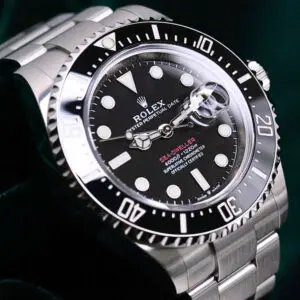
Rolex Sea-Dweller "Red Letter" Black Dial Black Cerachrom Bezel Oyster Bracelet Stainless Steel 43mm MINT CONDITION COMPLETE SET 126600
$13,120.00
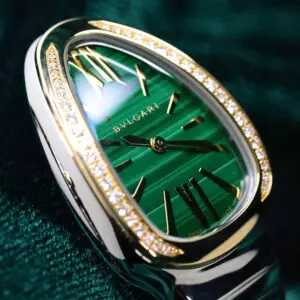
2026 NEW UNWORN Bvlgari Serpenti Tubogas Studs Capsule Limited Edition Green Dial Diamond Bezel Steel & 18k Yellow Gold 35mm COMPLETE SET 104360
$24,255.00
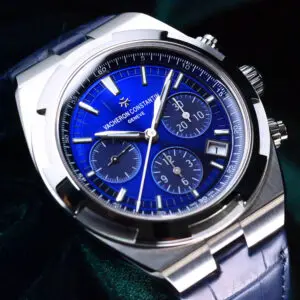
Vacheron Constantin Overseas Chronograph Blue Dial Blue Leather Strap Stainless Steel 42.5mm MINT CONDITION COMPLETE SET 5500V/110A-B148
$37,793.00

Tag Heuer Monaco Chronograph “Dark Lord” Special Edition Black Dial Black Leather Strap DLC Titanium 39mm MINT CONDITION COMPLETE SET CBL2180.FC6497
$8,135.00
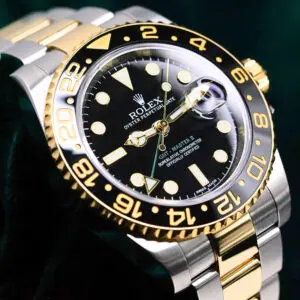
Rolex GMT-Master II “Green Arrow” Black Dial Black Ceramic Bezel Oyster Bracelet Two-Tone 18K Yellow Gold Stainless Steel 40mm MINT CONDITION COMPLETE SET 116713LN
$15,740.00
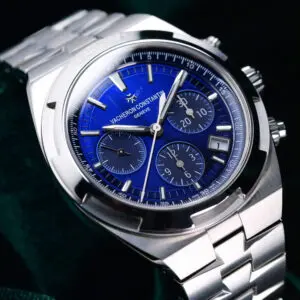
Vacheron Constantin Overseas Chronograph Blue Dial Stainless Steel 42.5mm MINT CONDITION COMPLETE SET 5500V/110A-B148
$37,793.00
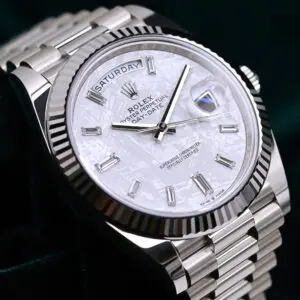
Rolex Day-Date Meteorite Baguette Diamond Dial Fluted Bezel President 18K White Gold 40mm MINT CONDITION COMPLETE SET 228239
$78,629.00

2026 Rolex Cosmograph Daytona Black Dial Black Ceramic Bezel Oyster Bracelet Stainless Steel 40mm MINT CONDITION COMPLETE SET 126500LN
$33,594.00
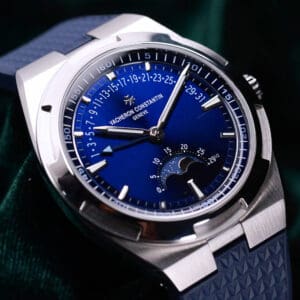
2025 Vacheron Constantin Overseas Moonphase Retrograde Date Blue Dial Blue Rubber Strap Stainless Steel 41mm MINT CONDITION COMPLETE SET 4000V/210A-B911
$52,800.00
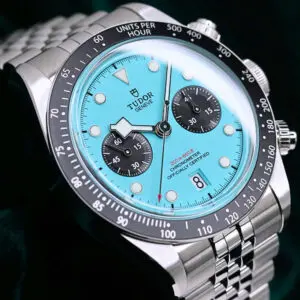
2025 Tudor Black Bay Chrono "Flamingo Blue" Turquoise Dial Black Bezel Stainless Steel 41mm MINT CONDITION COMPLETE SET 79360N-0024
$10,494.00

Audemars Piguet Royal Oak Offshore Chronograph "Batman" Black Dial Blue Accents Black Rubber Strap Stainless Steel 42mm MINT CONDITION COMPLETE SET 26470ST.OO.A028CR.01
$25,715.00
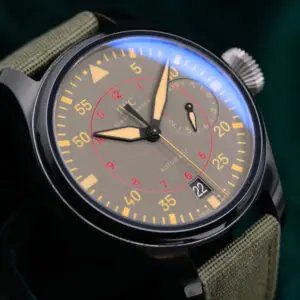
IWC Big Pilot's Watch Top Gun Miramar Grey Dial Green Textile Strap Black Ceramic 48mm MINT CONDITION COMPLETE SET IW501902
$7,240.00