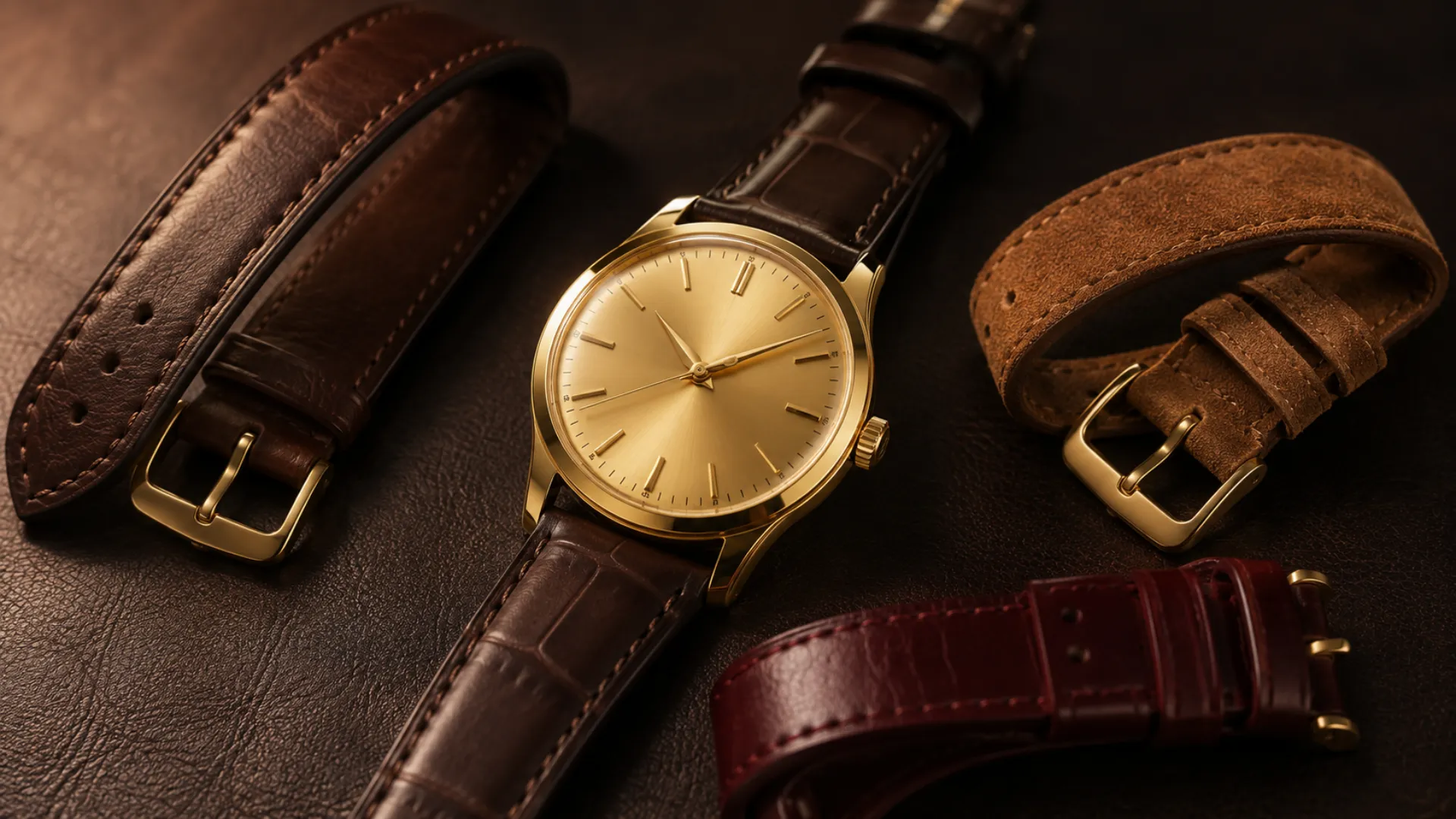

Have you ever tried to resize your Rolex and worried you might scratch the bracelet or damage a screw? Many Rolex owners feel the same way and want a simple, safe method they can follow at home.
In this guide, we will explain how to adjust a Rolex Oyster bracelet using Glidelock, Easylink, modern screw links, and vintage pin-and-tube links. We will also cover what tools you need, what mistakes to avoid, and when it’s best to get professional help. Keep reading to confidently adjust your bracelet without damaging your watch.
What Is a Rolex Oyster Bracelet?
The Rolex Oyster bracelet is a durable three-link bracelet found on watches like the Submariner, GMT-Master II, Explorer, Sea-Dweller, and Datejust. It is built for strength, comfort, and long-term durability.
The Oyster bracelet uses solid, machined links, making it sturdier than older hollow-link designs. Its flat three-piece construction gives it a sporty feel while remaining comfortable for daily wear. Modern versions include milled clasps, solid end links, and screw-link construction, which improve stability and precision during adjustments.
Rolex also equips many Oyster bracelets with Easylink or Glidelock systems, allowing quick micro-adjustments without tools. These features make the Oyster bracelet one of the most robust and versatile designs in Rolex’s lineup.
Tools Needed to Adjust a Rolex Oyster Bracelet
To safely perform Rolex Oyster bracelet adjustments, you need proper watch tools. Using the right tools prevents scratches, stripped screws, and damage to the bracelet.
- 1.6mm hollow-ground screwdriver (for modern Rolex screw links)
- 1.0–1.2mm pin pusher (for vintage pin-and-tube bracelets)
- Bracelet holder or link removal block (keeps bracelet steady while working)
- Microfiber cloth (protects the case and bracelet from scratches)
- Parts tray (prevents screws, pins, and tubes from getting lost)
- Soft work mat (reduces slipping and absorbs impact)
- Optional: torque screwdriver (5–7 cN·m) for perfect screw tightening
- Optional: spring bar tool for minor clasp adjustments
How to Adjust a Rolex Oyster Bracelet Using Glidelock
The Glidelock system allows tool-free micro-adjustments in 2mm increments. It is found on models such as the Submariner, Sea-Dweller, and Deepsea, and is one of the easiest systems when adjusting a Rolex Oyster bracelet.
1. Open the Oysterlock Clasp – Fully open the clasp so the Glidelock mechanism is visible. This prevents strain on the internal hinge. Remember, opening with dry hands helps avoid slipping and a gentle motion protects the clasp from scratching.
2. Pull Up the Glide Track to Release It – Lift the inner track until it disengages. This unlocks the sliding mechanism. Also, avoid using too much force. If it feels tight, adjust your grip and try again.
3. Slide the Bracelet Forward or Backward in 2mm Increments – Move the track to lengthen or shorten the bracelet. Each click equals a 2mm change. Slide slowly to avoid overshooting your desired fit. Then, check alignment so the track glides smoothly.
4. Push the Track Down Until It Locks – Press down firmly until you feel a click. This secures the adjustment. If there’s no click, lift and reposition the track. Take note that locking ensures the bracelet won’t shift during wear.
5. Close the Clasp and Check Fit – Shut the clasp completely and test the fit. The bracelet should feel snug but not tight. Then, twist your wrist to check comfort. Adjust again if needed for a perfect fit.
How to Adjust a Rolex Oyster Bracelet Using Easylink
The Easylink extension gives an extra 5mm of adjustment without tools. It is found on many Rolex models and is very helpful when mastering how to adjust a Rolex Oyster bracelet for temperature changes or daily comfort.
1. Open the Clasp – Open the clasp fully to access the Easylink section. This makes it easy to reach the folded extension. Remember to open gently to protect the hinge. Additional tip: A clean workspace prevents dust from getting into the clasp.
2. Locate the 5mm Easylink Folded Section – Look for the small folded link inside the clasp. This is the 5mm comfort extension. Feeling the small hinge helps confirm you found the correct section. Identifying it correctly prevents pulling the wrong part.
3. Extend or Fold It Back Into the Clasp – Pull outward to extend the fit or fold inward to shorten it. The movement should feel smooth. Then, work slowly to avoid bending the hinge. The Easylink should not require force.
4. Ensure Easylink Snaps Securely Into Place – Push the extension until it clicks fully. This ensures it locks in place. If it doesn’t snap, fold and unfold again. The click confirms the extension is secure.
5. Test the Fit on the Wrist – Close the clasp and try the bracelet on. It should feel balanced and comfortable. Rotate your wrist to test movement. Adjust again if needed.
How to Remove Links From a Rolex Oyster Bracelet (Modern Screw Links)
Modern Oyster bracelets use screw links, making resizing precise and secure. For many owners, this is the core part of how to adjust a Rolex Oyster bracelet.
1. Lay the Bracelet on a Soft Microfiber Cloth – Place the bracelet on a microfiber cloth to avoid scratches. This gives you a stable and padded surface that prevents slipping. It also protects polished areas from damage.
2. Use a 1.6mm Rolex Screwdriver to Loosen the Link Screw – Insert a 1.6mm hollow-ground screwdriver and turn gently. This prevents stripping the screw head. Apply steady downward pressure and keeping the tool straight to control slipping.
3. Remove Only One Screw at a Time to Avoid Stripping – Work one screw at a time to avoid confusion. This protects the threads. Also, removing multiple screws increases risk of lost parts.
4. Remove the Link and Keep Screw + Sleeve Together – Gently slide out the link. Keep the screw and sleeve as a matched set. Remember, mixing sleeves can cause tightening issues later. Then, store them in a tray to avoid loss.
5. Reconnect the Bracelet Ends – Align the two bracelet ends. Make sure the holes line up cleanly. Misalignment can cause threading problems. Take a moment to ensure everything sits flush.
6. Tighten Screws to Proper Torque (Approx. 5–7 cN·m) – Tighten the screw gently to Rolex torque guidelines. This ensures a secure hold. Also, If tightening feels rough, stop immediately. You may be cross-threading the screw.
7. Store Removed Links Safely – Place spare links in a small pouch or box. You may need them later. Proper storage also helps maintain full-value resale.
How to Adjust a Vintage Oyster Bracelet (Pin-and-Tube Links)
Vintage Oyster bracelets found on references like 93150, 78350, and 7206 use a delicate pin-and-tube construction that requires careful handling. Because these components wear more easily than modern screw links, you must work slowly and use proper tools to avoid bending the pins or damaging the tubes:
1. Identify the Directional Arrows Inside the Links – Turn the bracelet over and find the arrows under the links. These show the direction to push the pins. Note that pushing the wrong way bends the pin. Following the arrows prevents damage.
2. Push the Pin Out Using a Pin Pusher – Use a 1.0–1.2mm pin pusher aligned with the arrow direction. Apply slow and steady pressure. Remember to avoid forcing a stuck pin as doing so bends the tube. Gentle pressure removes it safely.
3. Remove the Link and Keep the Tube + Pin Together – Separate the link and remove the tube with the pin. Both pieces must stay paired. Do not forget that they are tiny and easy to lose. Losing either part prevents proper reassembly.
4. Insert the Tube Into the Link You’re Reattaching – Slide the tube into the new link position. It stabilizes the pin during insertion. If off-center, the pin will jam. Proper alignment ensures smooth reassembly.
5. Push the Pin Back In Until Flush – Insert the pin opposite the arrow direction and push until it sits flush. A flush fit is required for security. Use a pin press if needed. A properly seated pin keeps the bracelet stable.

What Not to Do When Adjusting a Rolex Oyster Bracelet
- Avoid using random household tools – Household tools can slip and damage the screws or links. Always use proper watch tools designed for precise adjustments.
- Never overtighten the screws – Over-tightening can strip threads or deform screws. Tighten only until resistance is felt.
- Refrain from adjusting the bracelet while wearing the watch – This increases the chance of slipping and scratching the case. Always remove the watch first.
- Resist forcing a stuck screw – A stubborn screw can break or seize if forced. Apply watch oil or let a professional handle it.
- Do not remove too many links from one side – This will unbalance the bracelet and cause the watch to tilt. Remove links evenly whenever possible.
- Pay attention to worn vintage links – Older bracelets can be stretched or fragile. Forcing adjustments can cause permanent damage.
- Steer clear of working over carpet, grass, or an open sink – Small screws drop easily and are nearly impossible to find. Work on a clean, flat table instead.
- Do not snap the clasp shut until everything is aligned – Closing the clasp on misaligned links can bend internal components. Always check link alignment first.
Useful Tips for Adjusting a Rolex Oyster Bracelet
These tips make the bracelet-sizing process easier and help you avoid mistakes that could damage the links or clasp. By following them, you’ll get a smoother, safer adjustment and a more comfortable final fit.
- Work on a padded, non-slip surface – A soft mat prevents scratches and keeps your bracelet steady while you work. It also reduces the risk of tools slipping out of position.
- Use hollow-ground screwdrivers designed for watches – These screwdrivers fit Rolex screws perfectly and prevent stripping. They also give you more control since they grip the screw head firmly.
- Measure your wrist at normal room temperature – Wrist size changes with heat, cold, and activity. Measuring at a neutral temperature ensures the bracelet fits comfortably throughout the day.
- Balance link removal – Removing links evenly from both sides keeps the clasp centered on your wrist. A centered clasp improves comfort and prevents the watch from sliding around.
- Check all screws after adjustment – A loose screw can cause the bracelet to detach unexpectedly. A quick final check ensures your watch is secure and safe to wear.
- Use a torque screwdriver if possible – It helps you tighten screws to the exact strength Rolex recommends. This prevents over-tightening and keeps the threads healthy long-term.
- Avoid adjusting over carpet or grass – Tiny screws and tubes disappear instantly if dropped into soft or uneven surfaces. A clean table is always the safest place to work.
- Clean the bracelet while disassembled – Resizing exposes areas usually hidden between links, giving you a chance to wipe out dirt and oils. This keeps your bracelet looking new and prevents grime buildup.
When to Ask a Professional to Adjust a Rolex Oyster Bracelet
We recommend consulting a professional if the screws are stuck, stripped, or cross-threaded. Professionals have the proper tools and experience to avoid damage.
If you own a gold, two-tone, or vintage bracelet, professional adjustment is safer due to softer metals and older parts.
Watchmakers also ensure that complex clasps like the Oysterclasp on Jubilee bracelets are adjusted without stress.

Conclusion
Fine-tuning your Rolex Oyster bracelet is one of the best ways to make your watch feel truly your own. When you take your time with Glidelock, Easylink, screw links, or even vintage pin-and-tube systems, you protect both the bracelet and your Rolex from unnecessary wear. As you follow these steps, you’ll become more confident in how to adjust a Rolex Oyster bracelet and shape the fit to your preference.
Still, if anything feels too tight, too stubborn, or uncertain, it’s perfectly okay to let a professional handle it. Your Rolex deserves careful treatment—and you deserve a watch that fits securely and comfortably every day.
FAQ About Adjusting a Rolex Oyster Bracelet
How many links should I remove for a perfect fit?
Most wrists need 1–3 links removed for a proper fit, depending on the model and bracelet length. Your bracelet should feel secure but never tight, with enough room for one finger under the clasp. Always remove links evenly from both sides to keep the clasp centered. If the fit needs fine-tuning, use Easylink or Glidelock.
Which side of the bracelet should links be removed from?
Links are usually removed from the 6 o’clock side of the bracelet, which helps the clasp sit centered on your wrist. A centered clasp improves balance and prevents sliding during wear. However, some wrists require removing links from both sides for the most natural fit. Test the fit after each adjustment.
Does every Oyster bracelet have Easylink or Glidelock?
No, not all Oyster bracelets include these features. Submariner, Sea-Dweller, and Deepsea models use the Glidelock system, while Easylink is found on many modern GMT-Master II, Datejust, and Day-Date bracelets. Older Oyster bracelets may have no quick-adjust system at all, requiring link removal for any size changes.
Are Oyster screws the same as Jubilee screws?
Oyster screws are not the same as Jubilee screws. Oyster screws are usually thicker and more robust, while Jubilee screws are smaller and more delicate. Using the wrong screwdriver can strip the screw head or damage the link. Always confirm the correct tool size before making any adjustments to avoid costly mistakes.
Should I take my Rolex to a service center for resizing?
You should visit a Rolex service center if your bracelet has stuck screws, if it’s a gold or vintage model, or if you feel unsure about doing it yourself. Rolex technicians use factory-approved tools, torque-regulated screwdrivers, and proper support blocks to prevent scratches or thread damage. Professional sizing ensures long-term safety.