
Datejust 41 vs Datejust II gets compared because both promise the same thing: a 41 mm Datejust with a clean, classic layout. At a glance, they look interchangeable. The name matches. The size matches. Many buyers assume the jump from one to the other was minor.
Look closer and the differences start to matter. The Datejust 41 reshaped the case and moved to Caliber 3235, while the Datejust II kept thicker proportions and the older Caliber 3136. Those shifts change how each watch wears, performs, and holds value.
There is also a 2026 wrinkle worth knowing before you shop. Rolex raised retail prices across the catalog in January 2026, which tightened the gap between sticker price and secondary-market value on the current models. That makes the discontinued Datejust II look sharper on price than it did a year ago. Here is the full breakdown.
Datejust 41 Overview
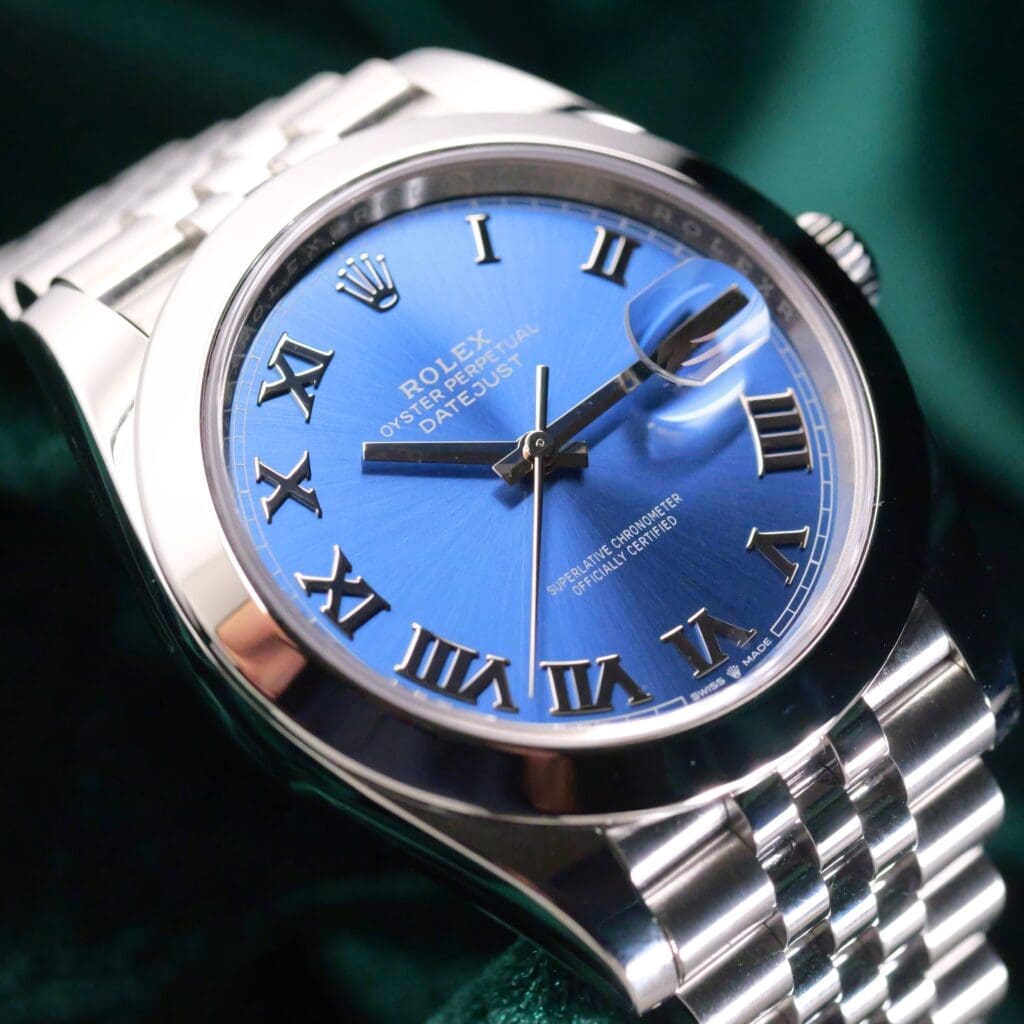


Rolex launched the Datejust in 1945, and the Datejust 41 represents its modern form. The brand released it in 2016 to succeed the Datejust II. The case measures 41 mm, but Rolex slimmed the lugs and refined the proportions. It keeps the signature date at 3 o’clock under the Cyclops magnifier.
Datejust 41 suits someone who wants one watch for daily wear without a sporty edge. The size gives solid wrist presence while staying clean under a cuff. Buyers choose between a smooth or fluted bezel and an Oyster or Jubilee bracelet. Each combination shifts the watch from understated to more formal.
Current models run the in-house Caliber 3235, the latest-generation Datejust movement. The full spec comparison sits in the differences section below, so the short version here: it is the current movement, and it is a real step up from what the Datejust II carried.
Collectors focus on reference and configuration. Ref. 126300 stays all steel with a smooth bezel for a simpler look. Ref. 126334 adds a white-gold fluted bezel for greater contrast. Two-tone refs 126333 and 126331 bring yellow or Everose Rolesor into the mix.
The Cyclops over the date, the fluted bezel, and the Jubilee bracelet anchor the Datejust 41’s identity. The 41 mm case updates the presence without changing the design foundation, which is what keeps the model current across generations. It remains one of the most recommended starting points in the wider Rolex buying guide.

Notable Datejust 41 References:
- Rolex Datejust 41 Ref. 126300
- Rolex Datejust 41 Ref. 126334
- Rolex Datejust 41 Ref. 126333
Datejust II Overview

Rolex launched the Datejust II in 2009 as its first 41 mm Datejust. The market favored larger watches at the time, and Rolex answered with a bigger case and wider lugs. Production ran until 2016, when the brand replaced it with the Datejust 41. That short run defines its place in the lineup.
Rolex built the Datejust II for buyers who wanted classic Datejust style with more wrist presence. The case feels thicker and more solid than the older 36 mm models. It keeps the date at 3 o’clock with the Cyclops lens. The overall look leans bold rather than refined.
The Datejust II only ever came on the Oyster bracelet. Rolex never offered it on a Jubilee, so every example you find wears the flat three-link Oyster. That single fact rules out the dressier Jubilee look if the Datejust II is the one you want.
Collectors focus heavily on condition because the model is no longer in production. Sharp case edges affect value more than minor dial changes, and a complete set matters too, though whether to buy one without its papers is a decision worth thinking through.
Some configurations show up less often on the secondary market, and the shorter production window adds interest for buyers who like transitional models.

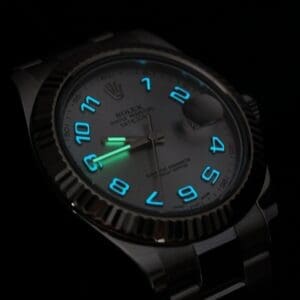
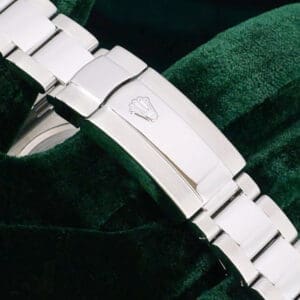
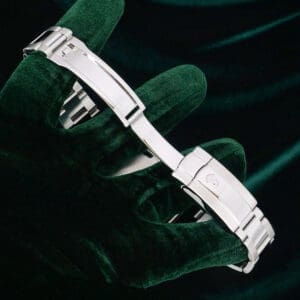

- Rolex Datejust II Ref. 116300
- Rolex Datejust II Ref. 116334
- Rolex Datejust II Ref. 116333
Datejust 41 vs Datejust II: Most Notable Differences
Four things separate these watches in daily ownership: how the case sits, what powers it, what it wears on, and where it lands on price. Here is each one.
1. Case Shape
Datejust 41 looks cleaner and more balanced at 41 mm. Rolex narrowed the lugs and refined the case profile, which tightens the overall silhouette and keeps the visual weight closer to the center. On the wrist, it feels controlled and proportioned.
Datejust II uses wider lugs and a flatter case side. The metal extends further toward the edges, so the watch reads larger than its 41 mm spec and sits heavier across the wrist. That difference changes comfort, sleeve fit, and presence. It is the boldest 41 mm Datejust Rolex has made.
2. Movement Generation
The clearest spec gap between the two is the movement, and it comes down to one number. The Datejust 41 runs Caliber 3235 with a 70-hour power reserve. The Datejust II runs Caliber 3136 with a 48-hour reserve. Leave either one off the wrist over a weekend and only the 3235 is still running Monday morning.
The 3235 also brings the Chronergy escapement for better efficiency, and Rolex regulates it to within +2/-2 seconds per day after casing. It is the current-generation Datejust movement.

The 3136 is no slouch. It carries a blue Parachrom hairspring and Paraflex shock absorbers, and it is COSC-certified like every modern Rolex. It is reliable, just a generation behind. In practice that means the Datejust 41 gives you the latest specs out of the box, while the Datejust II asks you to pay closer attention to service history and condition.
A service is not trivial either, so what a Datejust service runs is worth checking before you buy a pre-owned example.
3. Bracelet Configuration
Bracelet choice shapes a Datejust more than buyers expect, and this is where the two models split hard. The Datejust 41 offers both Oyster and Jubilee across the catalog. The Datejust II offers only the Oyster.
On the Datejust 41, the Oyster reads sporty and direct, while the Jubilee adds articulation and the traditional Datejust look. Pair the Jubilee with a fluted bezel and you get the classic dressy Datejust. Pick the smooth bezel on Oyster and it reads clean and minimal, though some find that combination a little plain at 41 mm.
If you specifically want the Jubilee look, that decision is made for you: it only exists on the Datejust 41. The Datejust II’s Oyster-only setup, paired with the thicker case, is part of why it wears so bold. If you are torn between the two styles on the Datejust 41, we break down Jubilee vs Oyster in detail in a separate guide.
4. Price and Market Demand
This is where the 2026 picture matters most. The Datejust 41 stays in active production, so it carries retail backing and trades at or above sticker, especially in fluted and two-tone trim, which feeds into how well Rolex holds its value compared with most other brands. The Datejust II is discontinued, so it trades more on condition than on hype, which keeps it cheaper.
After Rolex’s January 2026 retail increase, the gap between the two narrowed in an interesting way. The current models got more expensive at the counter, while the secondary-market Datejust II held steady, so the discontinued watch now reads as the clear value play for a 41 mm Datejust.
In broad strokes as of 2026: the steel Datejust 41 trades around its retail, the fluted white-gold version trades well above it, and the discontinued Datejust II references sit below what the equivalent current model costs. Across both lines, fluted bezels and two-tone Rolesor command the higher numbers. Full per-reference figures are in the reference cards below.
If you want help reading those numbers against a specific dial or condition grade, that is the kind of thing we walk clients through before they commit. More on that further down.
Popular Datejust 41 References

These are the primary Datejust 41 references buyers compare. Rolex keeps the same core platform across them, so the metal mix and bezel choice are what shift the tone and the market position of each version.
Rolex Datejust 41 Ref. 126300
Reference 126300 delivers the Datejust 41 in full steel with a smooth bezel and Oyster case, built around clean lines and everyday usability. It sits balanced on the wrist, with slimmer lugs and low reflections that keep the look understated.
The profile stays slim enough for cuffs, and nothing about it feels forced. For anyone who wants classic Datejust function in a quiet, modern form, this reference fits the role. It is also the most liquid Datejust 41, selling faster than most watches on the secondary market.
- Production Era: 2017 to present
- Case Diameter and Profile: 41 mm Oyster case, slimmer lugs than the Datejust II
- Movement: Caliber 3235, Chronergy escapement, Parachrom hairspring
- Water Resistance: 100 meters, Twinlock crown
- Bezel: Smooth Oystersteel
- Retail and Market Value: about $8,950 retail, roughly $9,000 to $10,000 on the secondary market as of 2026
Rolex Datejust 41 Ref. 126334
Reference 126334 keeps the 41 mm Oyster case and Caliber 3235, then adds an 18k white-gold fluted bezel that brings more shine than steel. That one change gives the watch a traditional Rolex feel while keeping the everyday steel build.
It looks sharper without crossing into two-tone territory. For many collectors this lands as the definitive Datejust 41 setup, with a touch of visible polish. The Wimbledon dial version in particular pulls a premium over standard dials.
- Production Era: 2017 to present
- Case Diameter and Profile: 41 mm Oyster case, refined lug proportions
- Movement: Caliber 3235, 70-hour power reserve
- Water Resistance: 100 meters
- Bezel: Fluted, 18k white gold
- Retail and Market Value: about $11,650 retail, roughly $14,000 on the secondary market as of 2026 (around 21% above retail per WatchCharts)
999+ Timepieces Available
Explore Our Timepieces
Authenticated, unworn, and ready to ship worldwide.
Rolex · Audemars Piguet · Patek Philippe · Omega · Cartier · Richard Mille · Hublot · Tudor
Newly Listed
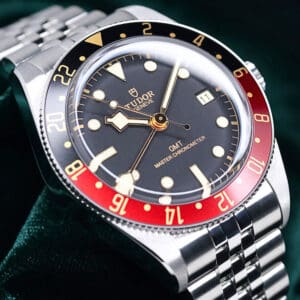
2026 NEW UNWORN Tudor Black Bay 58 GMT "Coke" Black Dial Black Burgundy Red Bezel Five-Link Stainless Steel Bracelet 39mm COMPLETE SET 7939G1A0NRU-0003
$7,385.00
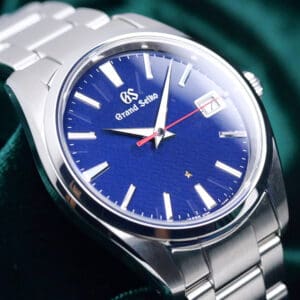
Grand Seiko Heritage 60th Anniversary Limited Edition Blue Dial Stainless Steel 40mm MINT CONDITION COMPLETE SET SBGP007G
$4,268.00
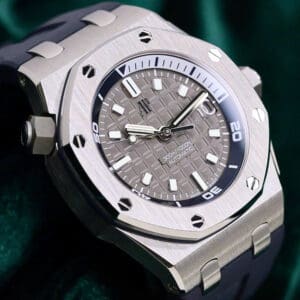
Audemars Piguet Royal Oak Offshore Diver Grey Dial Blue Rubber Strap Stainless Steel 42mm MINT CONDITION COMPLETE SET 15720ST.OO.A009CA.01
$27,788.00
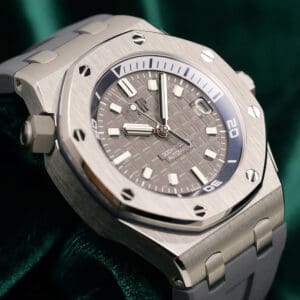
Audemars Piguet Royal Oak Offshore Diver Grey Dial Blue Inner Bezel Grey Rubber Strap Stainless Steel 42mm MINT CONDITION COMPLETE SET 15720ST.OO.A009CA.01
$27,788.00
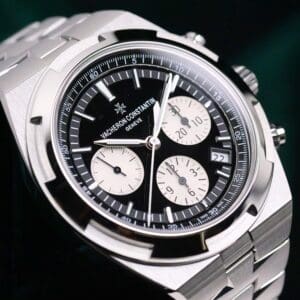
Vacheron Constantin Overseas Chronograph "Reverse Panda" Black Dial Silver Subdials Stainless Steel 42.5mm MINT CONDITION COMPLETE SET 5500V/110A-B481
$34,095.00

Rolex Sky-Dweller Black Dial 18K White Gold Fluted Bezel Oyster Bracelet Stainless Steel 42mm MINT CONDITION COMPLETE SET 336934-0007
$21,945.00

2026 Rolex Datejust Green Ombre Dial Smooth Bezel Jubilee Bracelet Stainless Steel 41mm MINT CONDITION COMPLETE SET 126300
$16,480.00

2026 NEW UNWORN Cartier Santos-Dumont Silver Dial Platinum Mesh Bracelet Platinum 31mm COMPLETE SET WGSA0124
$64,790.00

2026 Tudor Black Bay 58 Black Dial Jubilee Bracelet Stainless Steel 39mm MINT CONDITION COMPLETE SET 7939A1A0NU
$5,717.00

NEW UNWORN Rolex Submariner Date “Sub Date” Black Dial Black Ceramic Bezel Oyster Bracelet Stainless Steel 41mm COMPLETE SET 126610LN
$15,595.00
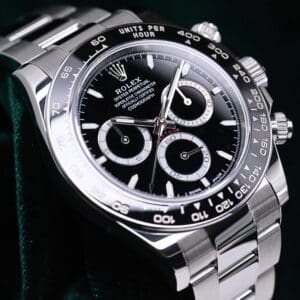
Rolex Cosmograph Daytona "Reverse Panda" Black Dial Black Ceramic Bezel Oyster Bracelet Stainless Steel 40mm MINT CONDITION COMPLETE SET 126500LN
$32,009.00
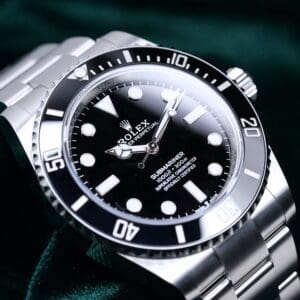
2026 NEW UNWORN Rolex Submariner No Date Black Dial Black Ceramic Bezel Oyster Bracelet Stainless Steel 41mm COMPLETE SET 124060
$15,219.00
Rolex Datejust 41 Ref. 126333
Reference 126333 mixes Oystersteel and yellow gold in the Rolesor layout, with gold on the fluted bezel and center links over the standard Datejust 41 base. The added gold brings stronger contrast and a more traditional feel.
It looks bolder on the wrist and leans into classic two-tone Rolex style. This reference fits buyers who want their Datejust to draw attention rather than stay low-key. Gold models also saw some of the steeper January 2026 retail increases, tracking the rise in gold prices.
- Production Era: 2016 to present
- Case Diameter and Profile: 41 mm Oyster case
- Movement: Caliber 3235, instantaneous date
- Water Resistance: 100 meters
- Bezel: Fluted, yellow gold
- Retail and Market Value: about $16,550 retail, roughly $15,000 on the secondary market as of 2026 (two-tone tends to trade below retail)
Popular Datejust II References

Below are the primary Datejust II references buyers usually compare. All run the same 41 mm case platform with Caliber 3136, and all come on the Oyster bracelet only. The bezel and metal combinations are what change the tone and the price position.
Rolex Datejust II Ref. 116300
Ref. 116300 is the all-steel Datejust II with a smooth bezel, the cleanest and most understated of the three. It wears larger on the wrist thanks to the broad lugs and thicker case, giving it a heavier, more tool-like feel.
It keeps things simple and practical with a clean steel look. This reference suits buyers who want a bigger Datejust presence without added gold or polish, and it is usually the cheapest way into a 41 mm Datejust.
- Production Era: 2009 to 2016
- Case Diameter and Profile: 41 mm Oyster case, broad lugs, thicker stance
- Movement: Caliber 3136, 48-hour power reserve
- Water Resistance: 100 meters
- Bezel: Smooth steel
- Retail and Market Value: last retail around $8,600, roughly $7,000 to $8,300 on the secondary market as of 2026
Rolex Datejust II Ref. 116334
Ref. 116334 keeps the Datejust II’s 41 mm case, then adds an 18k white-gold fluted bezel for a more classic look. The gold bezel sharpens the profile while the steel case keeps it practical.
It still wears large because of the broad lugs, but the fluted bezel brings back traditional Datejust character. This reference fits buyers who want a bigger Datejust with visible refinement at a lower entry point than the current fluted model.
- Production Era: 2009 to 2016
- Case Diameter and Profile: 41 mm Oyster case, broad lugs
- Movement: Caliber 3136, 48-hour power reserve
- Water Resistance: 100 meters
- Bezel: Fluted, 18k white gold
- Retail and Market Value: last retail around $9,350, roughly $8,500 to $9,500 on the secondary market as of 2026
Related Models from Majestix
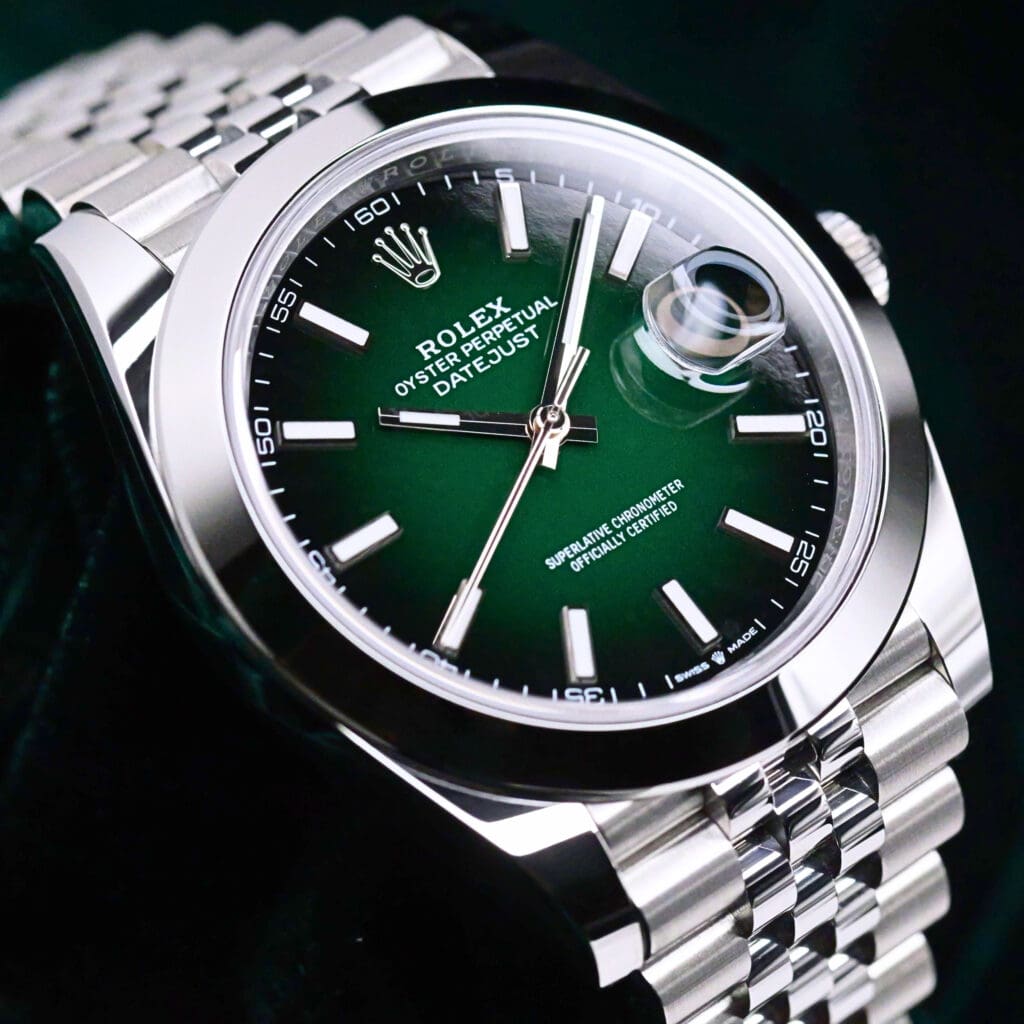
2026 Rolex Datejust Green Ombre Dial Smooth Bezel Jubilee Bracelet Stainless Steel 41mm MINT CONDITION COMPLETE SET 126300

Rolex Datejust “Tuxedo” Black and Silver Dial 18K White Gold Fluted Bezel Stainless Steel Oyster 36mm MINT CONDITION COMPLETE SET 116234
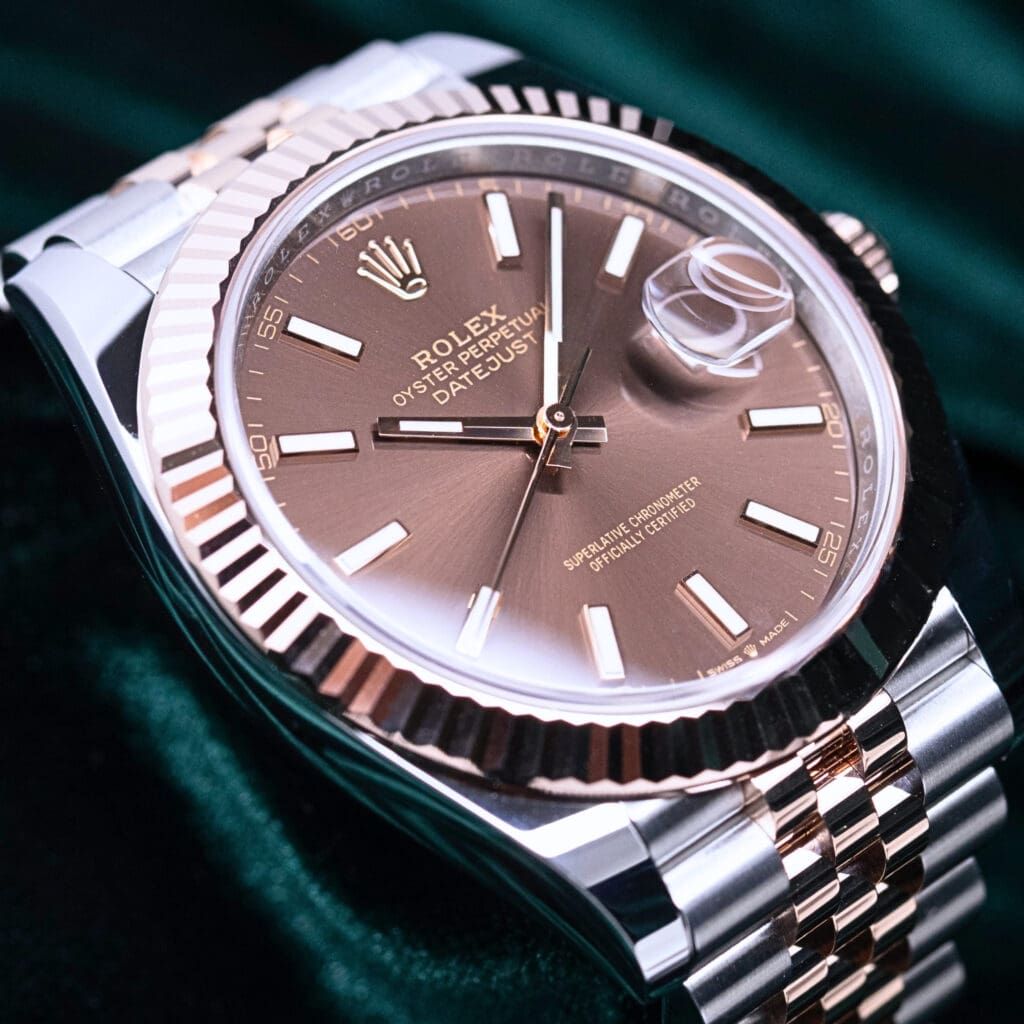
2026 NEW UNWORN Rolex Datejust 41 Chocolate Brown Jubilee Two-Tone 18K Everose Gold Steel 41mm COMPLETE SET 126331
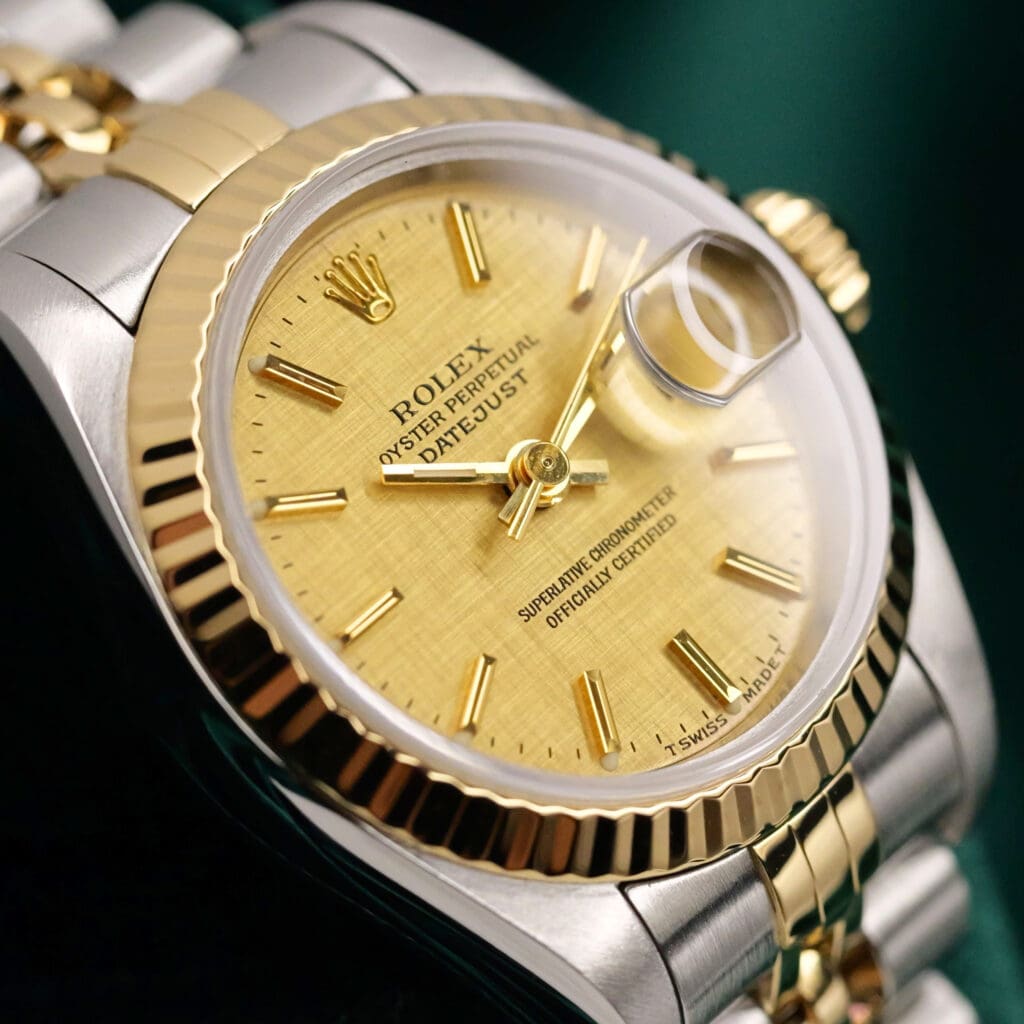
Rolex Lady-Datejust Champagne Linen Dial 18k Yellow Gold Fluted Bezel Jubilee Bracelet Two Tone Steel & Gold 26mm MINT CONDITION COMPLETE SET 69173
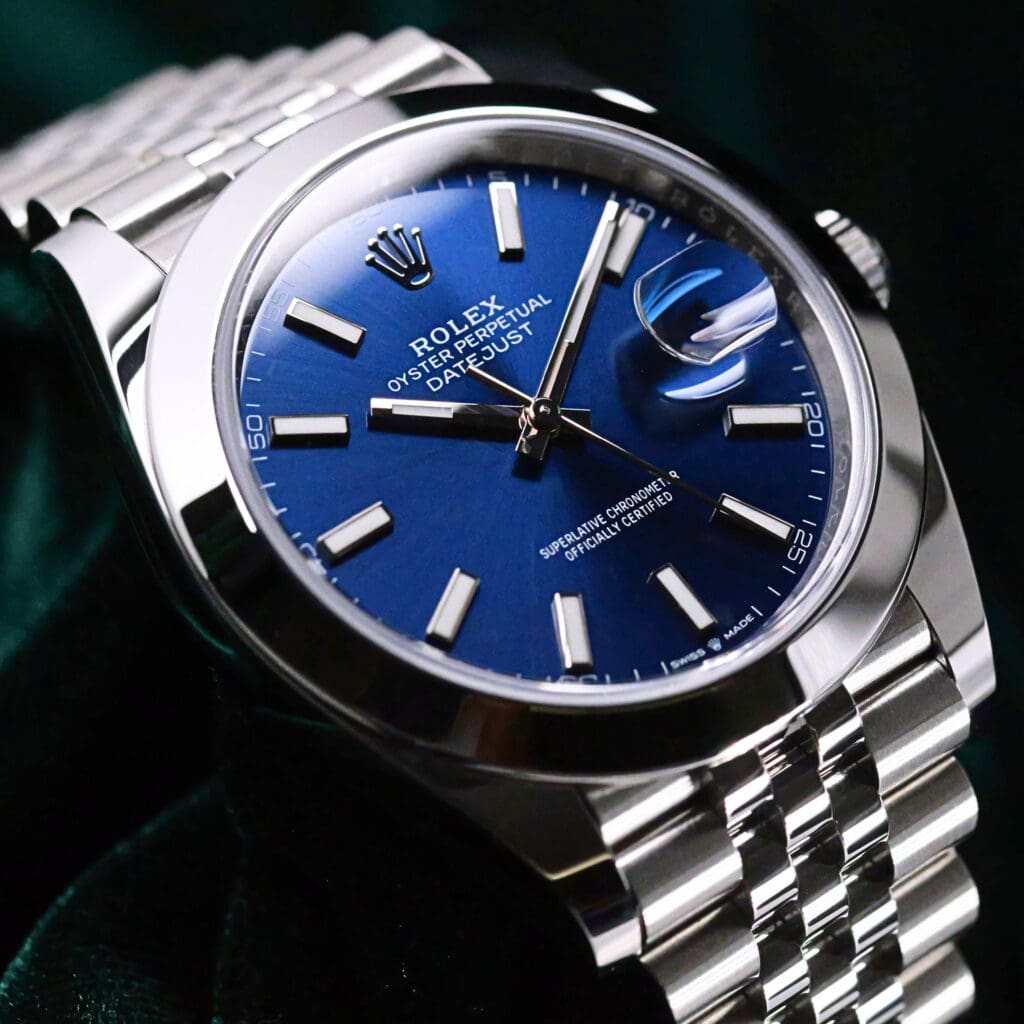
2026 Rolex Datejust Blue Dial Smooth Bezel Jubilee Bracelet Stainless Steel 41mm MINT CONDITION COMPLETE SET 126300
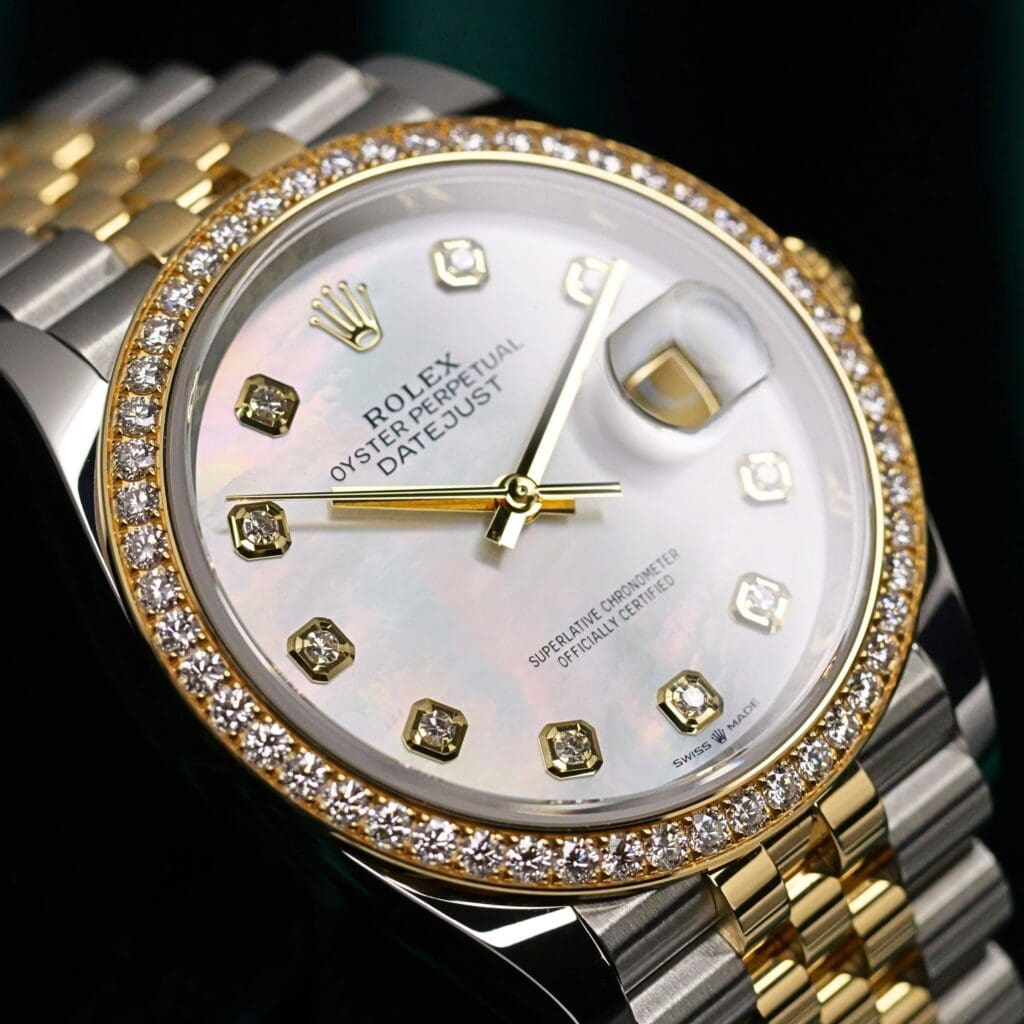
2026 NEW UNWORN Rolex Datejust 36 Mother of Pearl Diamond Dial Diamond Bezel Jubilee Two-Tone Steel 18k Yellow Gold 36mm COMPLETE SET 126283RBR-0009
Rolex Datejust II Ref. 116333
Ref. 116333 uses yellow Rolesor, pairing steel with 18k yellow gold on the fluted bezel and center links over the Datejust II case. It adds stronger contrast and a more traditional two-tone look.
The wide lugs make it wear large, while the gold details give it clear wrist presence. This reference suits buyers who want a bold Datejust II that stands out without paying current two-tone money.
- Production Era: 2009 to 2016
- Case Diameter and Profile: 41 mm Oyster case, wide lugs
- Movement: Caliber 3136, 48-hour power reserve
- Water Resistance: 100 meters
- Bezel: Fluted, 18k yellow gold
- Retail and Market Value: last retail around $11,000, roughly $9,500 to $11,000 on the secondary market as of 2026
Datejust 41 vs Datejust II: Which Model Should You Choose?
Both watches deliver the same core Datejust idea in a 41 mm case, so the decision comes down to what you value more in daily ownership. If you want the wider lay of the land first, our full Rolex Datejust buying guide walks through the whole family.
Choose the Datejust 41 if:
- You want the current line with Caliber 3235 and its 70-hour reserve.
- You are buying new or recent and want clear pricing comparables.
- You prefer slimmer proportions and a more classic 41 mm outline.
- You want the broadest range of dials, bracelets, and metals, including the Jubilee.
- You want easier resale liquidity in standard configurations.
Choose the Datejust II if:
- You prefer the chunkier 2009-era case and a more substantial wrist presence.
- You want a discontinued Rolex at a lower entry point in steel.
- You buy on condition and enjoy hunting for the right example.
- You want a 41 mm Datejust that feels distinct from current production.
- You are comfortable judging service history on a previous-generation movement.
Still deciding on size more than generation? Our Datejust 41 vs 36 comparison covers that split.
Where to Buy Authentic Watches Online
There are a few legitimate online channels for either of these references. Chrono24 aggregates listings from dealers and private sellers worldwide, with buyer protection on escrow orders.
eBay covers many of the same watches and runs an Authenticity Guarantee program on qualifying luxury listings. Grailzee runs enthusiast-focused watch auctions if you would rather bid than buy outright.
Independent grey-market sellers and watch forums are also an option, though they put more of the vetting on you. If you go that route on a discontinued Datejust II, knowing how to spot a fake Datejust is essential.
We also buy, sell, and trade luxury watches, and the reason clients pick us over a big marketplace is the conversation before the sale. You get layered communication, tour videos of the actual watch rather than stock photos, and detailed condition notes from someone who has handled the piece in person. You are not buying blind off a listing.
That shows up in our 4.9-star Google rating, which comes from clients who wanted a real walkthrough before committing. If you would rather start by seeing what’s available now, the current collection is online.
If you are weighing a specific Datejust 41 or Datejust II reference and want tour videos and honest condition notes on the examples we currently have, reach out and we will line up options that match what you are after.
Final Thoughts on Datejust 41 vs Datejust II
Both watches give you a 41 mm Datejust, but they are two different buying experiences. The Datejust 41 sits in today’s Rolex ecosystem with the 70-hour 3235, the Jubilee option, and stronger retail backing, which makes it the predictable, safer pick.
The Datejust II is discontinued, slightly heavier, Oyster-only, and runs on the 48-hour 3136. It moves on condition rather than hype, and after the 2026 retail increase it reads as the value play.
We recommend to buy the best condition you can afford on the Datejust II, since service history matters more there, and try both on your wrist before deciding, because the case shapes wear differently than the shared 41 mm spec suggests. Pick the one you will still enjoy in five years.