
Picking a watch material feels simple until you start comparing your options. Ceramic and titanium are two of the most talked-about materials in the watch world right now. Both sound premium but are built for completely different types of wear.
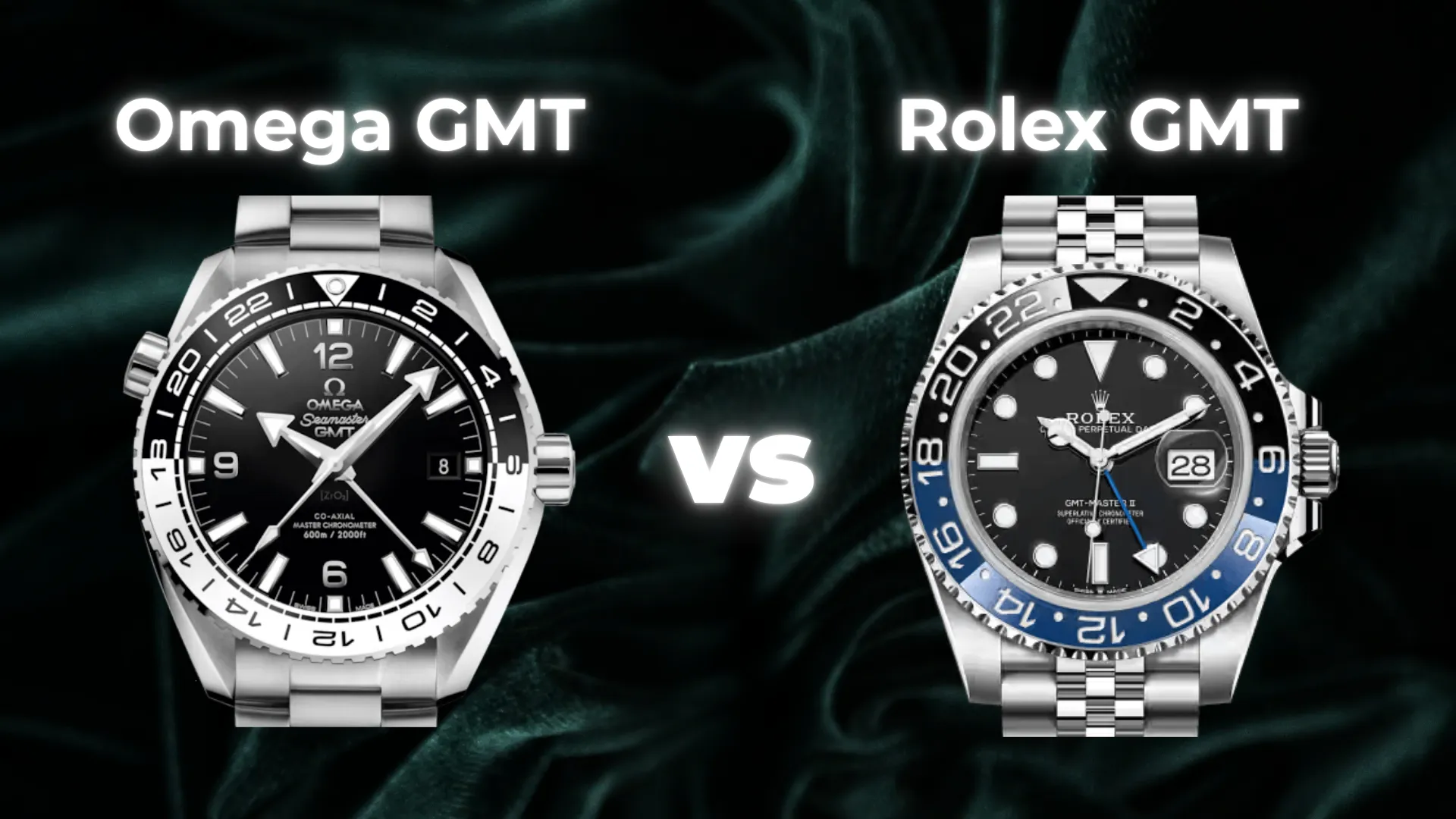
Brands like Rolex, Omega, and Rado use both extensively. The ceramic vs titanium watch debate comes down to one core trade-off: ceramic stays scratch-free for years but can crack on impact, while titanium picks up surface marks but survives drops without structural damage.
Choosing the wrong one means paying a premium for a watch that does not fit how you actually live. Read this before you decide.
What Is Watch-Grade Ceramic Made From?

Watch-grade ceramic has nothing in common with a coffee mug. It is made mostly from zirconium oxide, also called zirconia. The powder gets pressed into shape and heated in a process called sintering, which fuses the particles into an extremely dense, hard material.
During sintering, the part shrinks by up to 20%. Brands have to engineer their molds precisely to account for that shrinkage. Industry estimates suggest around 30% of ceramic parts get rejected during production because of surface defects. That is one reason ceramic watches cost more to make than steel ones.
The color goes all the way through the material. It does not fade, chip off, or peel like a surface coating does. Ceramic also comes in colors that metal cannot replicate. Glossy black and white ceramic have a depth and consistency that no painted or coated metal surface can match.
Not all watch ceramics perform the same. Here is a breakdown of the types you will see on the market:
| Ceramic Type | What It Is | Used By |
| Zirconium oxide (zirconia) | Most common; very hard, slightly brittle | Omega, Hublot, Rado, IWC |
| Titanium carbide ceramic | Harder and darker; less common | Rado high-tech ceramic line |
| Cerachrom | Rolex’s own blend; tighter tolerances, specific optical finish | Rolex only |
| Bioceramic | Two-thirds ceramic, one-third bio-sourced plastic; softer | Swatch/Omega MoonSwatch |
| Cermet | Ceramic-metal composite; more impact-resistant than pure ceramic | Blancpain, Jaeger-LeCoultre |
A Rolex Cerachrom bezel and a MoonSwatch bioceramic case are both marketed as ceramic. They do not perform the same way. Keep that in mind when comparing prices or durability claims across brands.
What Is Watch-Grade Titanium? Does the Grade Matter?

Yes, the grade matters a lot. Most buyers skip this detail. It also explains most of the “titanium scratches too easily” complaints you will find in watch forums.
There are two grades you will commonly see. Grade 2 is the basic version. It is softer, more affordable, and scratches easily. You will find it in mesh bracelets and older tool watch cases.
Grade 5 is the one worth knowing. It is significantly harder and is the same material used in aerospace and surgical implants. The Tudor Pelagos, Omega Seamaster Professional Titanium, and Rolex Yacht-Master 42 all use Grade 5. Most scratching complaints you read online come from Grade 2 watches, not Grade 5.
Some watches also have surface coatings like Citizen’s Duratect or DLC (Diamond-Like Carbon) to push scratch resistance even further. These coatings do wear through over time. The good news is that titanium’s best qualities do not depend on any coating. It is naturally lightweight, corrosion-resistant, and safe for sensitive skin.
Titanium is about 45% lighter than stainless steel. It is also non-magnetic and hypoallergenic straight from the material itself.
Key Differences Between Ceramic and Titanium Watch

Ceramic and titanium perform differently across four areas. Here is how each one holds up on scratch resistance, impact, weight, and long-term aging.
1. Scratch Resistance
Ceramic is virtually scratch-proof in normal daily wear. Keys in your pocket, desk surfaces, and door frames will not leave a visible mark on zirconia ceramic. Owners of ceramic watches regularly report their pieces look close to new after years of use.
Titanium is a different story. Grade 5 resists scratches better than most people expect, but finish matters. A satin-finished titanium case camouflages daily scuffs reasonably well. A mirror-polished titanium bracelet will show them clearly.
2. Impact Resistance
Ceramic is hard, but it is brittle. Drop a ceramic-cased watch onto tile or concrete at the wrong angle and you can shatter or chip the case, bezel, or bracelet links. Modern ceramic formulations are tougher than early versions, but the risk has not been engineered away.
Titanium handles impact completely differently. It deforms slightly under force instead of fracturing. Micro-scratches from a drop blend into a brushed finish over time, and the watch stays structurally intact.
3. Weight on the Wrist
As a complete case and bracelet assembly, titanium can weigh up to 60% less than the stainless steel equivalent. People who own titanium sport watches often describe the feeling as the watch disappearing on the wrist during workouts or long travel days.
Ceramic is heavier than titanium but lighter than steel. Ceramic feels more substantial, and some people prefer that. If all-day comfort is your priority, titanium is the clearer choice.
4. Long-Term Durability
Ceramic ages almost invisibly, then fails suddenly. After five years of careful wear, a ceramic watch can look close to day one with no scratches and no dulling. But one hard drop can crack a case section or chip a bezel.
Ceramic cannot be repaired. It cannot be welded, polished back, or re-shaped. A chipped bezel or cracked case section must be replaced as a complete component. Factor that cost in before you buy.
Titanium ages visibly and gradually, but holds together. Over years, the case develops a worn-in look, edges soften, and fine scratches build up. Nothing fails structurally.
A skilled technician can address deeper scratches depending on the grade and finish. Improper polishing can round the case edges and permanently change the look.
Is a Ceramic Bezel on a Titanium Case the Best of Both Materials?

For many buyers, yes. A ceramic bezel on a titanium case puts ceramic’s scratch resistance exactly where it gets tested most. The rotating bezel constantly contacts hands, tools, and hard surfaces. The titanium case underneath absorbs impact without shattering.
The Omega Seamaster Professional titanium models with a Cerachrom bezel are a solid real-world example. Blancpain’s Cermet construction in the Fifty Fathoms Bathyscaphe uses a ceramic-metal composite that absorbs impact more like metal while still resisting surface wear.
If you are torn between the two materials, a hybrid case is worth considering.
Ceramic vs Titanium: Which Should You Choose?

Here are two clear scenarios to help you decide. Pick the one that matches how you actually wear your watch.
Get a ceramic watch if:
- You switch your collection and rest each watch between wears
- You spend most of your day in an office, traveling, or in low-impact settings
- You want a watch that stays looking new with little to no upkeep
- You want a color finish that metal cannot replicate, like glossy black or white
Get a titanium watch if:
- You wear one watch every day through everything
- You want a lighter watch for long hours, gym sessions, or travel
- You are comfortable with surface marks building up over time
- You need a watch that survives impacts, rough handling, and outdoor use
Final Thoughts on Ceramic vs Titanium Watch
Ceramic is the better-looking material over time. Titanium is the more practical one. Ceramic resists scratches almost completely but can crack on hard impact and cannot be repaired. Titanium picks up surface marks over time but handles drops and daily use without structural damage, and it is significantly lighter.
For daily active wear, Grade 5 titanium is the safer long-term pick. For office use or careful collection rotation, ceramic holds its looks for years. A ceramic bezel on a titanium case gives you the best of both.
Always verify the specific ceramic type and titanium grade before buying. A MoonSwatch bioceramic and a Rolex Cerachrom are both marketed as ceramic, but the durability gap between them is significant. The material on the label and the material on your wrist are not always the same thing.