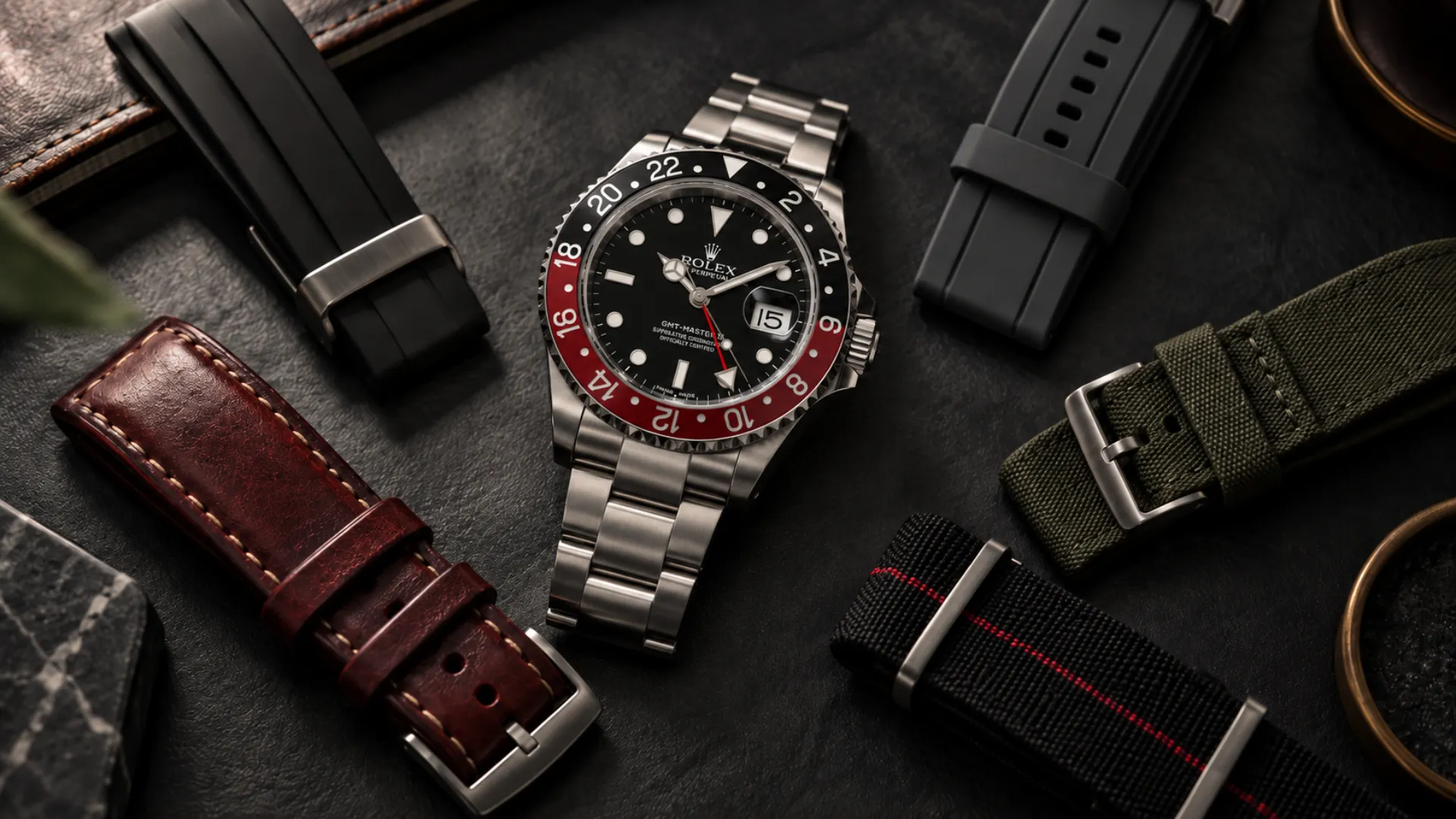
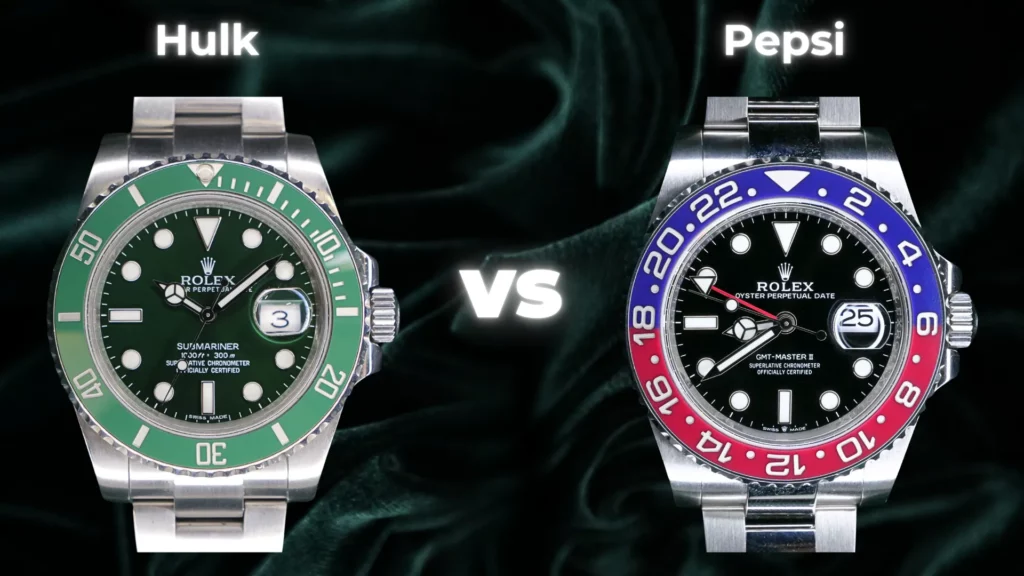
The Rolex Hulk vs Pepsi comparison draws attention because both are among the most recognizable Rolex sports watches, each with its own visual identity and loyal following. Most people notice the colors first. But the real difference runs deeper than green versus red and blue.
The two come from different worlds. The Hulk sits in the Submariner line, built around diving and a focused tool-watch role. The Pepsi comes from the GMT-Master II line, built for travel and tracking a second time zone.
There’s also a fresh reason to compare them again. In April 2026, Rolex discontinued the steel Pepsi, so both watches are now out of production. This guide breaks down the specs, the wear, and the 2026 market, so you can see which one makes more sense for you.
Rolex Hulk Background

Rolex introduced the ref. 116610LV at Baselworld in 2010, replacing the Submariner 16610LV. It was part of a push to modernize the Submariner Date, and it arrived with a green dial and a green Cerachrom bezel, a first for a steel Submariner.
Collectors nicknamed it the Hulk early on, and it stuck. The full-green scheme was part of it, but so was the case. Rolex used the Super Case here, so the watch looks broader, squarer, and more solid on the wrist than earlier Submariners.
More Submariners
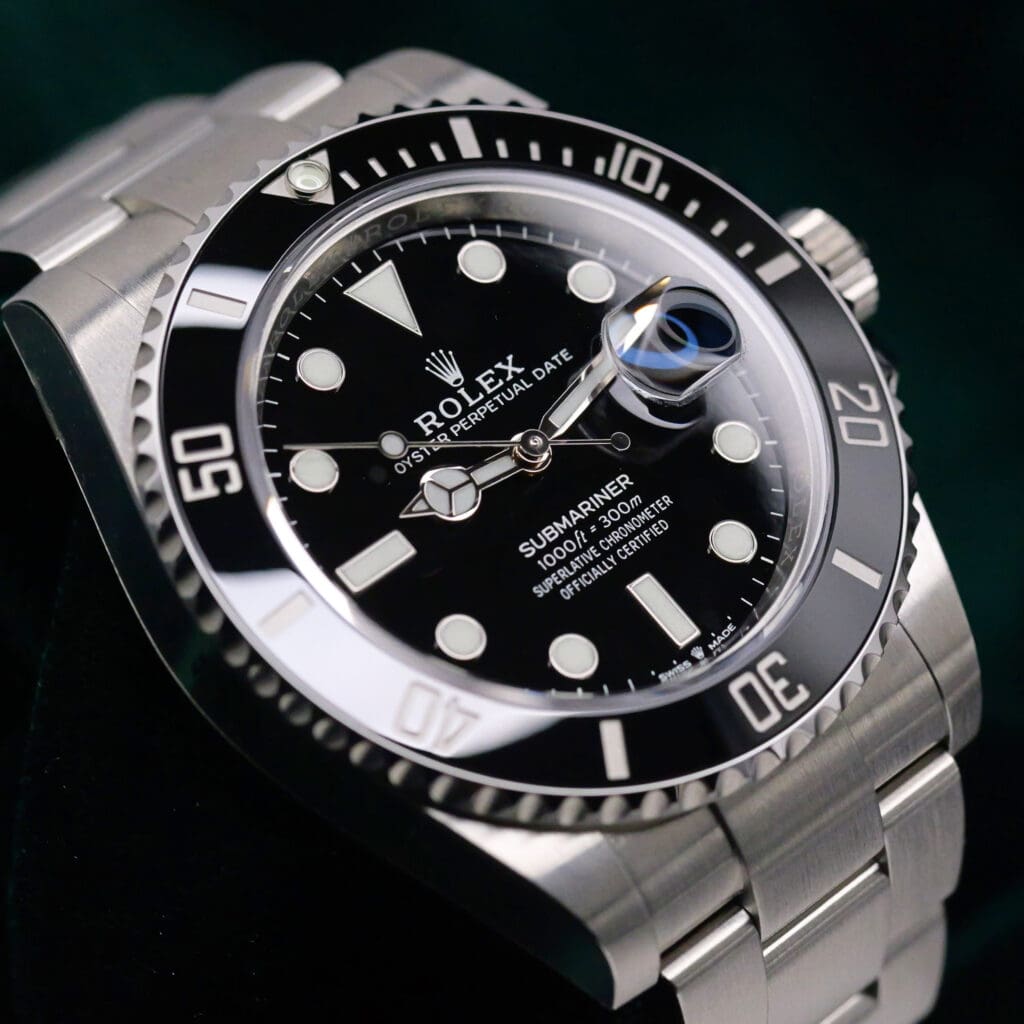
NEW UNWORN Rolex Submariner Date “Sub Date” Black Dial Black Ceramic Bezel Oyster Bracelet Stainless Steel 41mm COMPLETE SET 126610LN
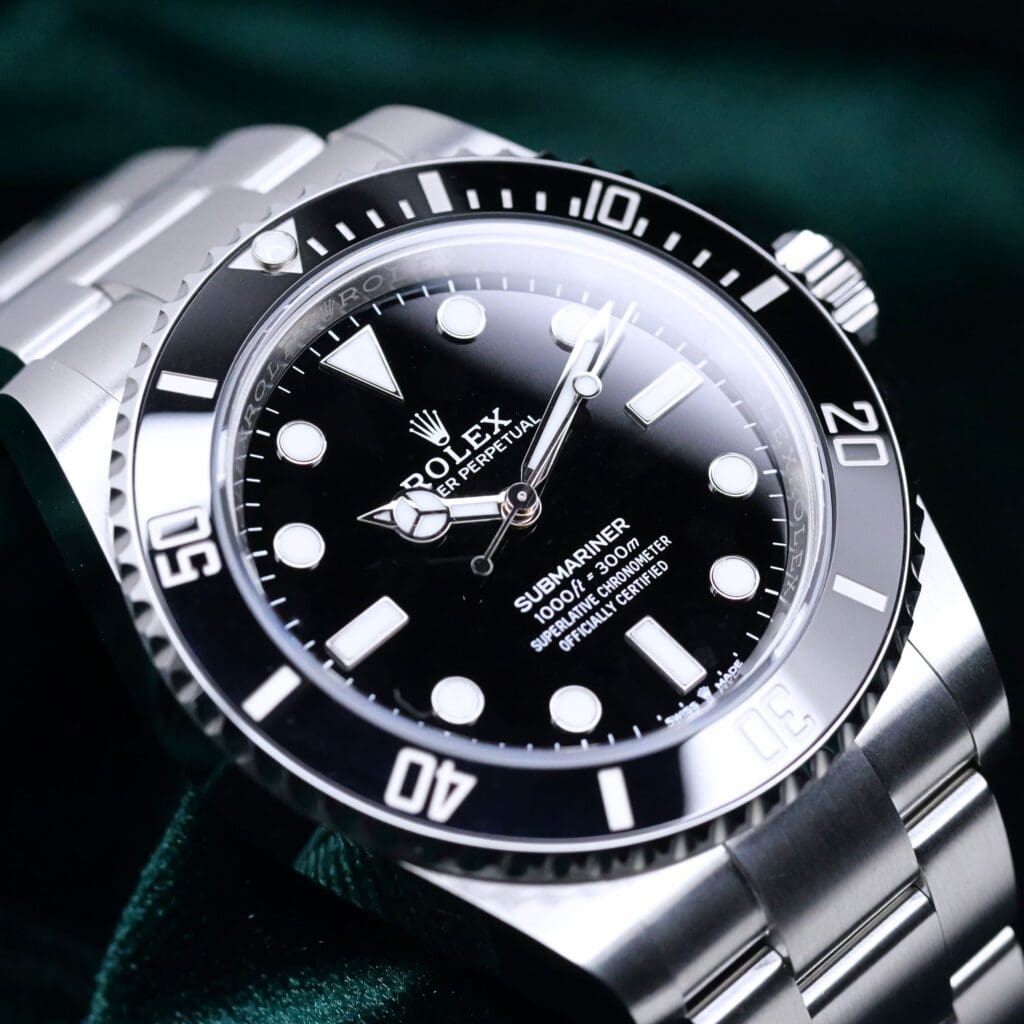
2026 NEW UNWORN Rolex Submariner No Date Black Dial Black Ceramic Bezel Oyster Bracelet Stainless Steel 41mm COMPLETE SET 124060
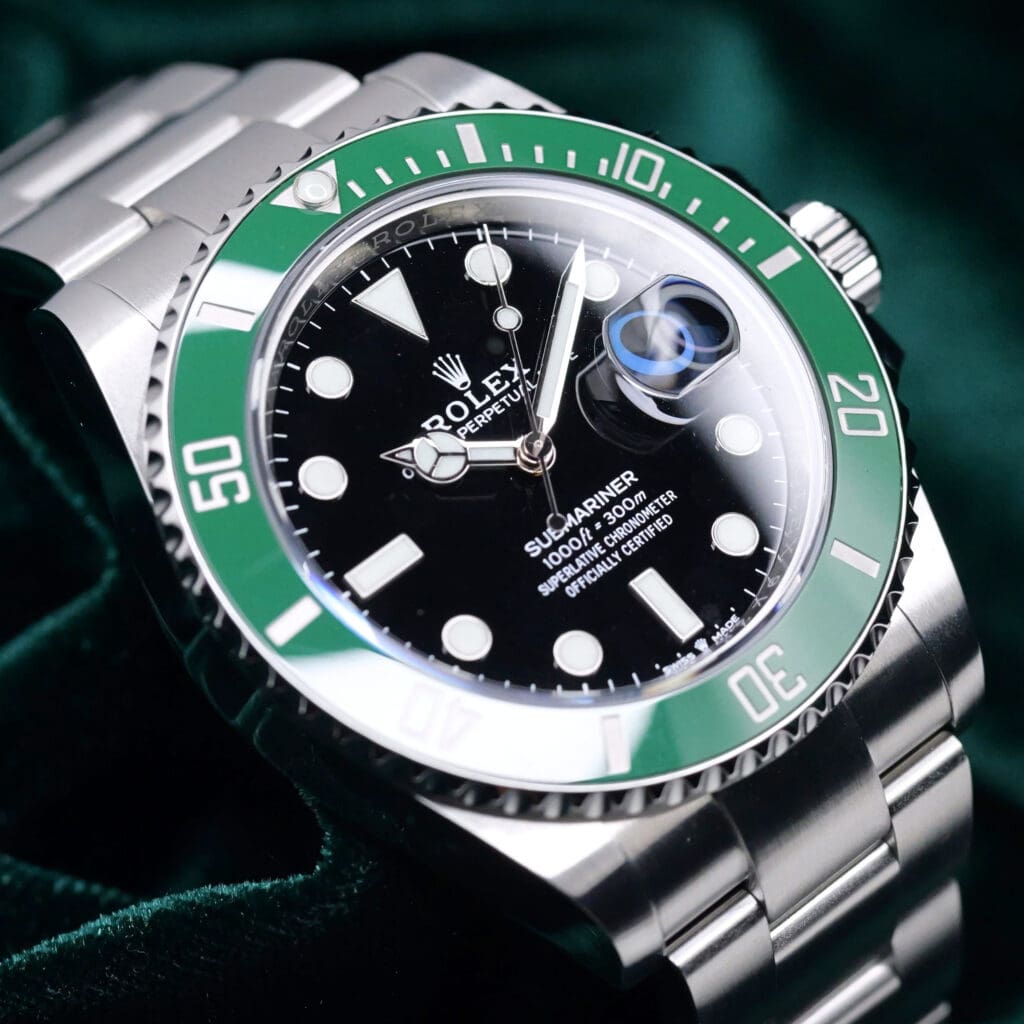
Rolex Submariner Date Starbucks Black Dial Green Ceramic Bezel Oyster Bracelet Stainless Steel 41mm MINT CONDITION COMPLETE SET 126610LV
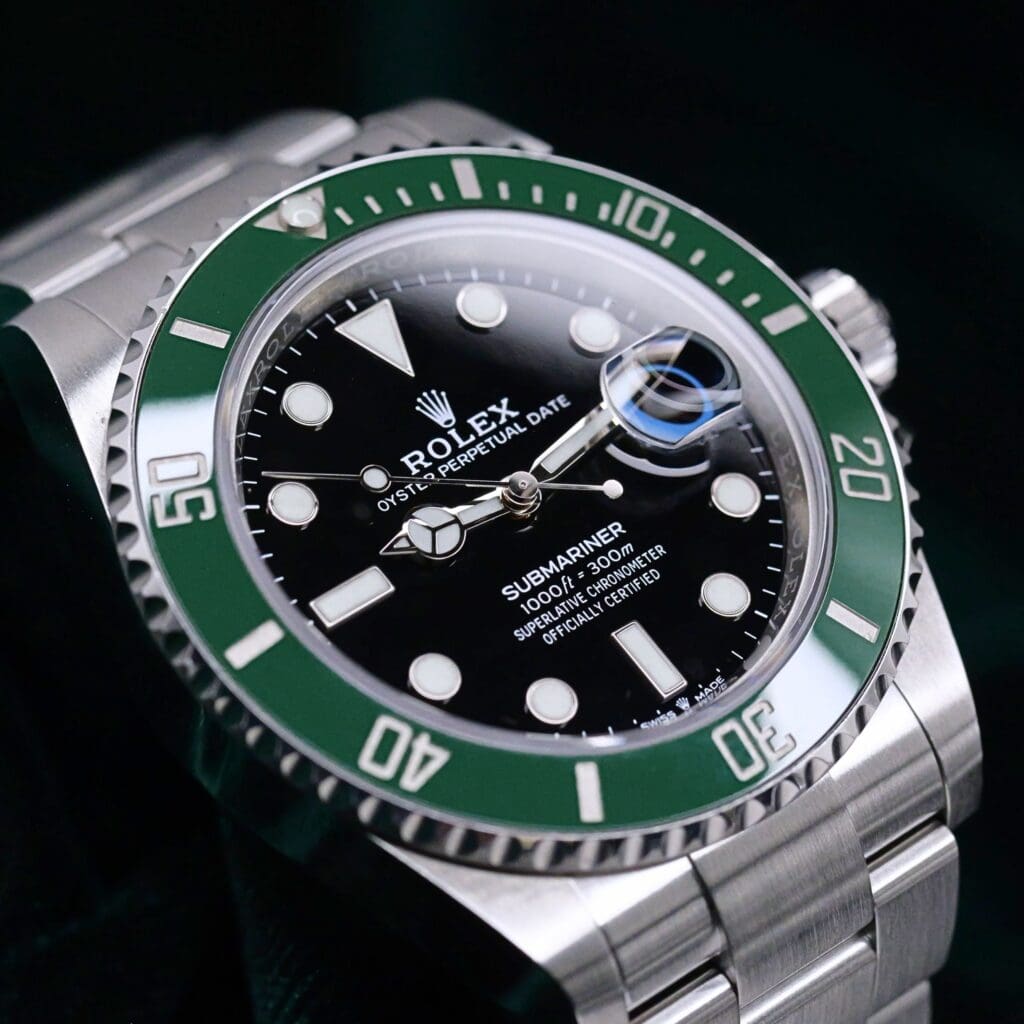
Rolex Submariner Date "Starbucks" Black Dial Green Ceramic Bezel Oyster Bracelet Stainless Steel 41mm MINT CONDITION COMPLETE SET 126610LV-0002
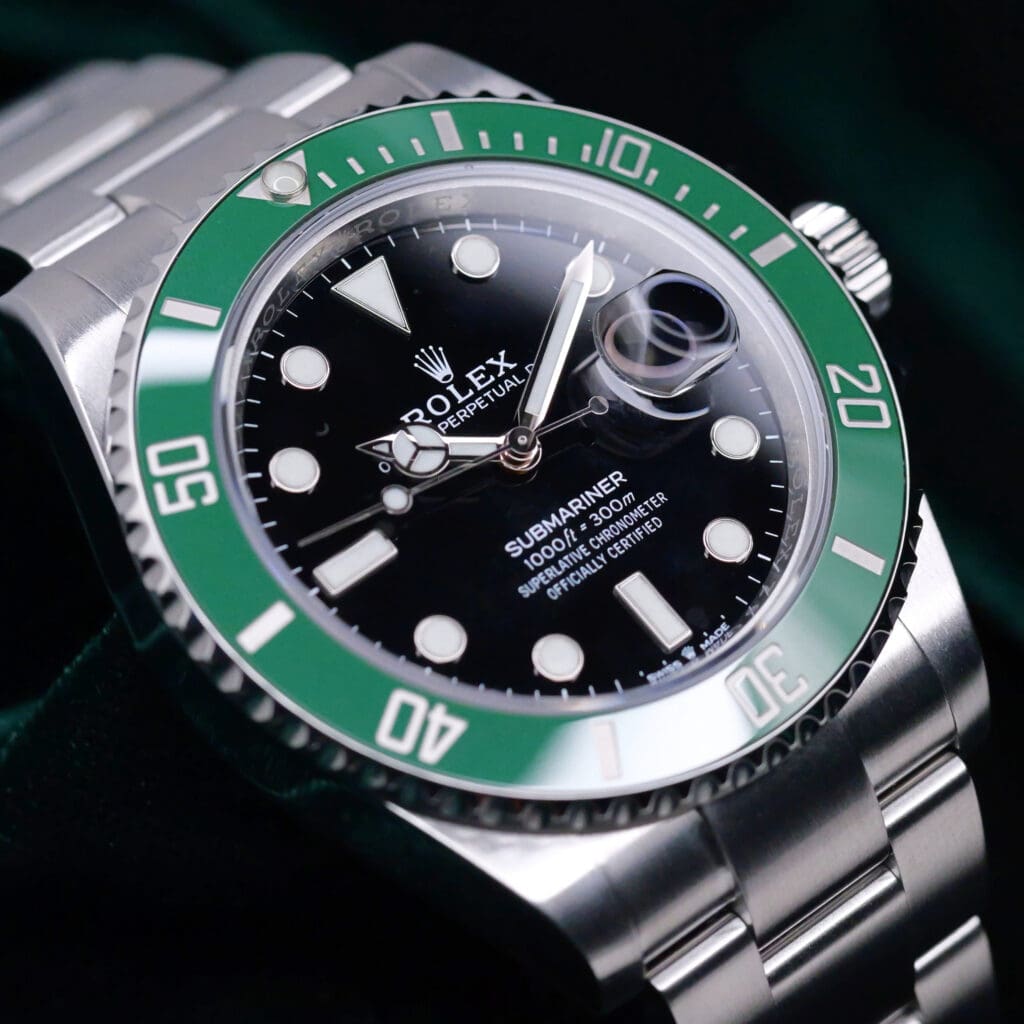
Rolex Submariner Date "Starbucks" Black Dial Green Ceramic Bezel Stainless Steel 41mm MINT CONDITION COMPLETE SET 126610LV-0002

Rolex Submariner No Date Black Dial Black Ceramic Bezel Stainless Steel Oyster Bracelet 41mm MINT CONDITION COMPLETE SET 124060
The Hulk is still the only steel Submariner with a green dial, and Rolex hasn’t repeated the setup since. That’s a big reason collectors treat it as a milestone modern Sub. It also brought solid bracelet links, Chromalight lume, and a beefier case to the line. If you’re weighing where it sits in the wider range, our full Submariner buying guide maps the modern lineup.
Key Specifications:
- Reference Number: 116610LV
- Production Years: 2010 to 2020 (discontinued)
- Case Size: 40mm
- Bezel: Green Cerachrom, unidirectional 60-minute scale
- Movement: Caliber 3135
- Water Resistance: 300m / 1,000ft
Rolex Pepsi Background

Rolex brought the ref. 126710BLRO back at Baselworld 2018 after years without a standard steel Pepsi. Before that, the Pepsi bezel lived only in white gold, so steel buyers had no regular-production option.
The nickname goes back to the early GMT-Master years, when Rolex built the red-and-blue bezel for pilots tracking day and night across two time zones. This modern version kept the colorway but updated everything around it: a Cerachrom bezel, Caliber 3285, and a choice of Jubilee or Oyster bracelet. For the full family, our GMT-Master II buying guide runs through the references.
More GMTs
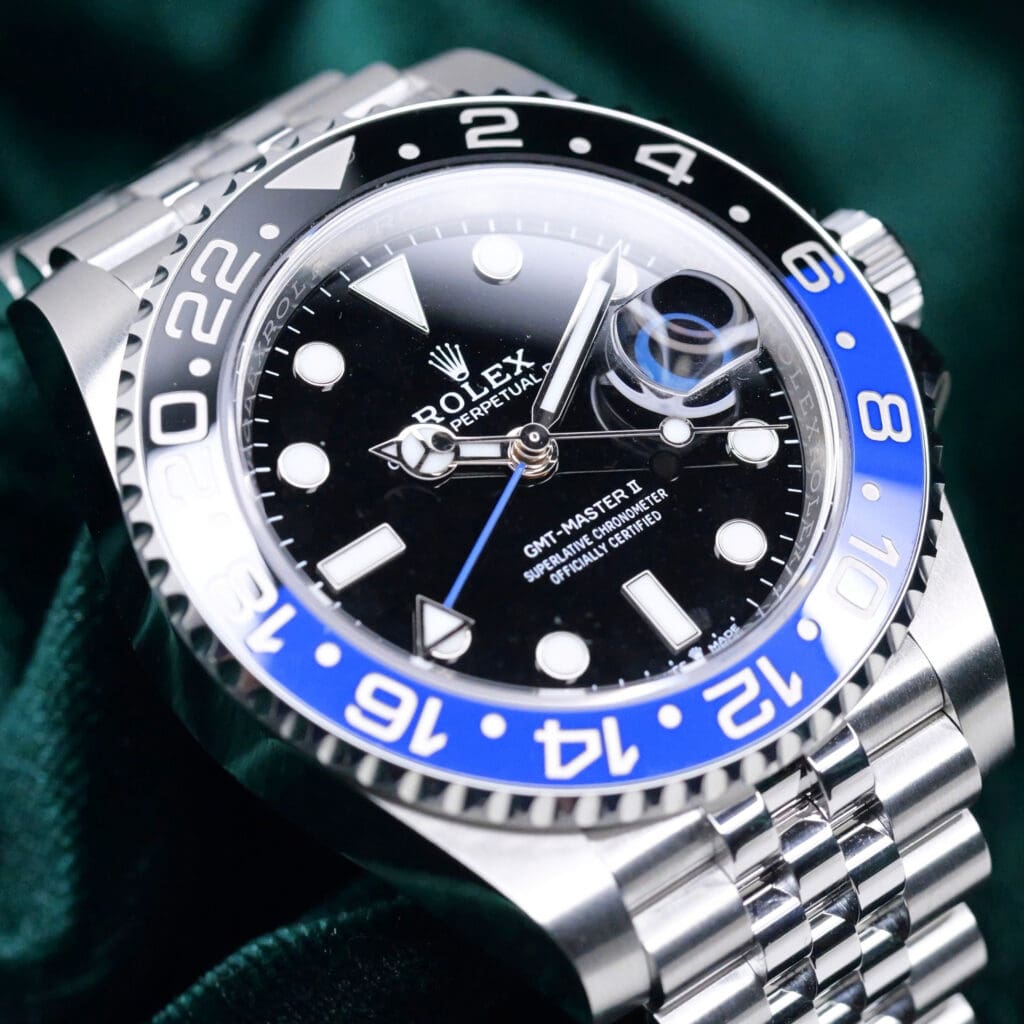
2025 NEW UNWORN Rolex GMT-Master II "Batgirl" Black Dial Blue Black Ceramic Bezel Jubilee Bracelet Stainless Steel 40mm COMPLETE SET 126710BLNR-0002

Rolex GMT-Master II "Pepsi" Blue Dial Blue Red Ceramic Bezel Oyster Bracelet 18K White Gold 40mm MINT CONDITION COMPLETE SET 126719BLRO
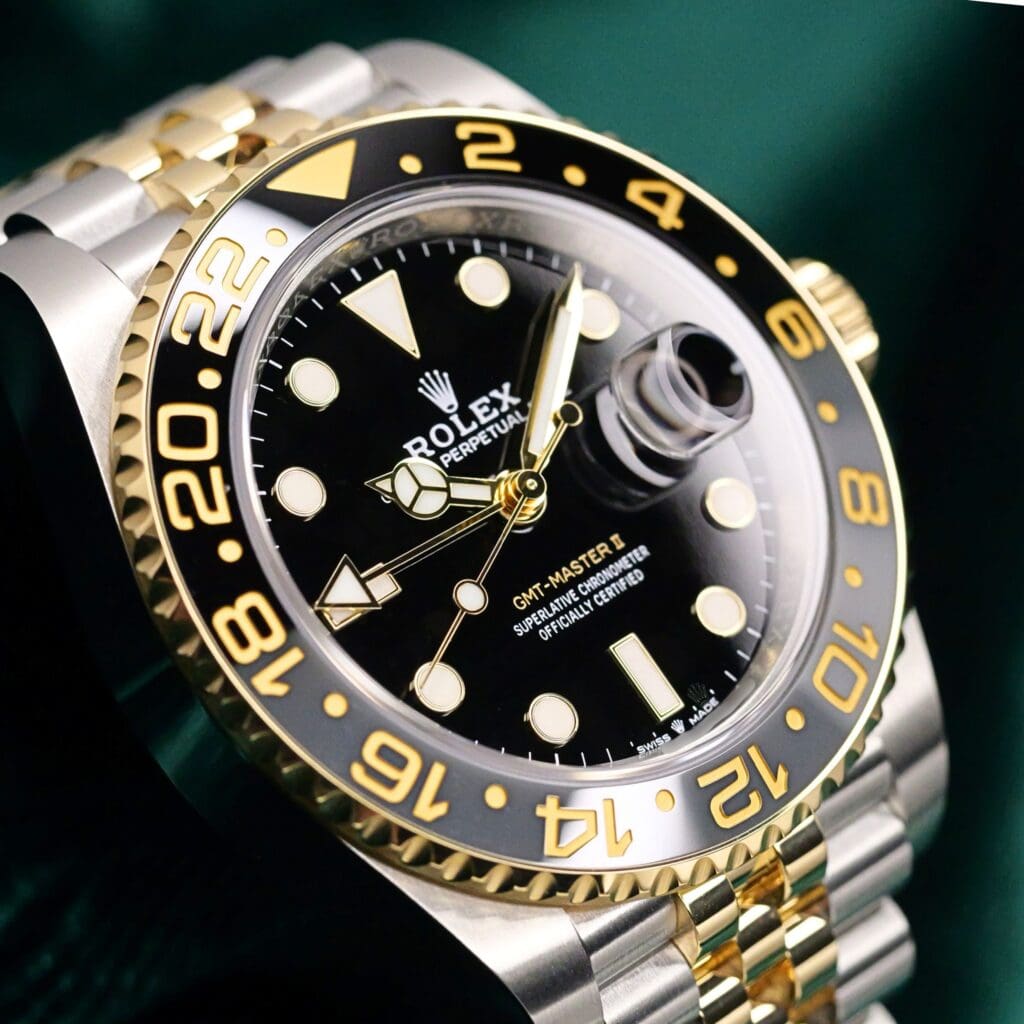
Rolex GMT-Master II Zombie Black Dial Black/Grey Ceramic Bezel Jubilee Bracelet Two-Tone 18K Yellow Gold Stainless Steel 40mm MINT CONDITION COMPLETE SET 126713GRNR
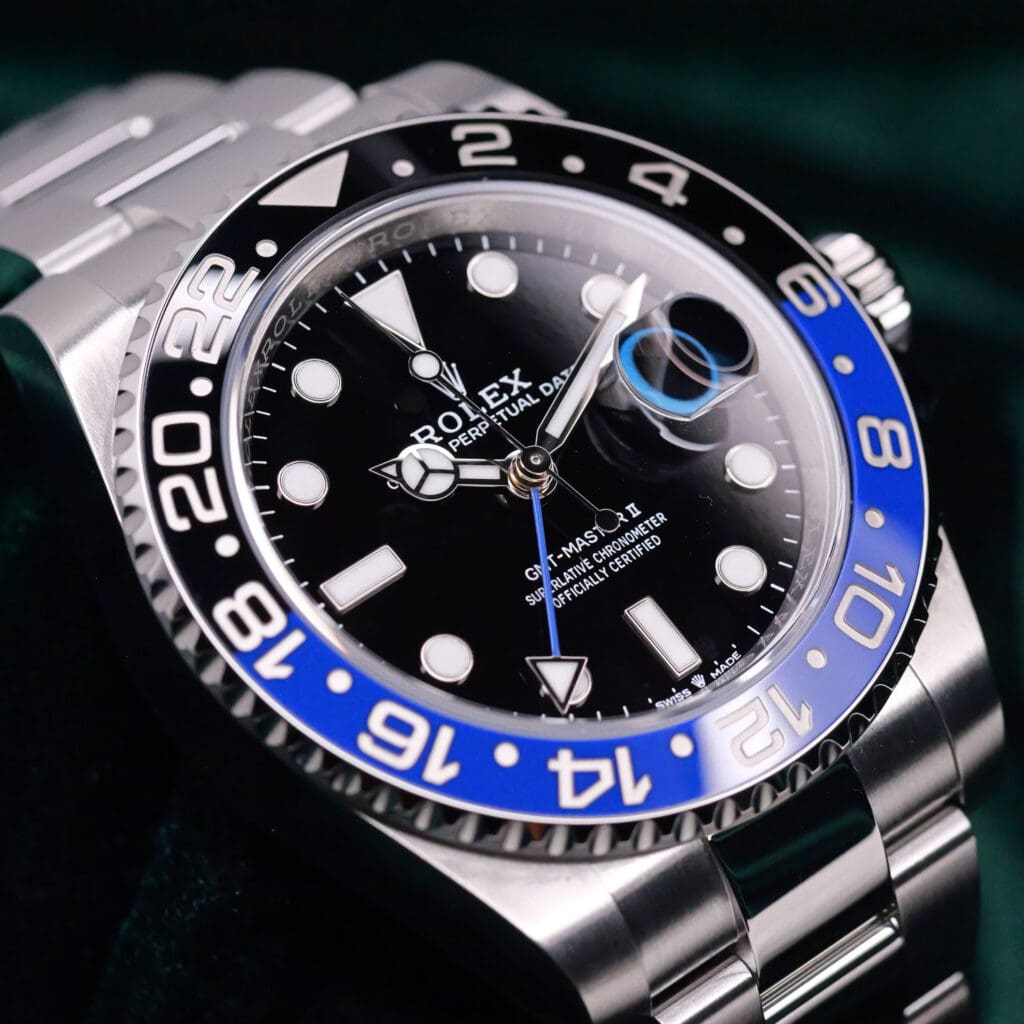
2026 Rolex GMT-Master II Batman Black Dial Black Blue Cerachrom Bezel Oyster Bracelet Oystersteel 40mm MINT CONDITION COMPLETE SET 126710BLNR
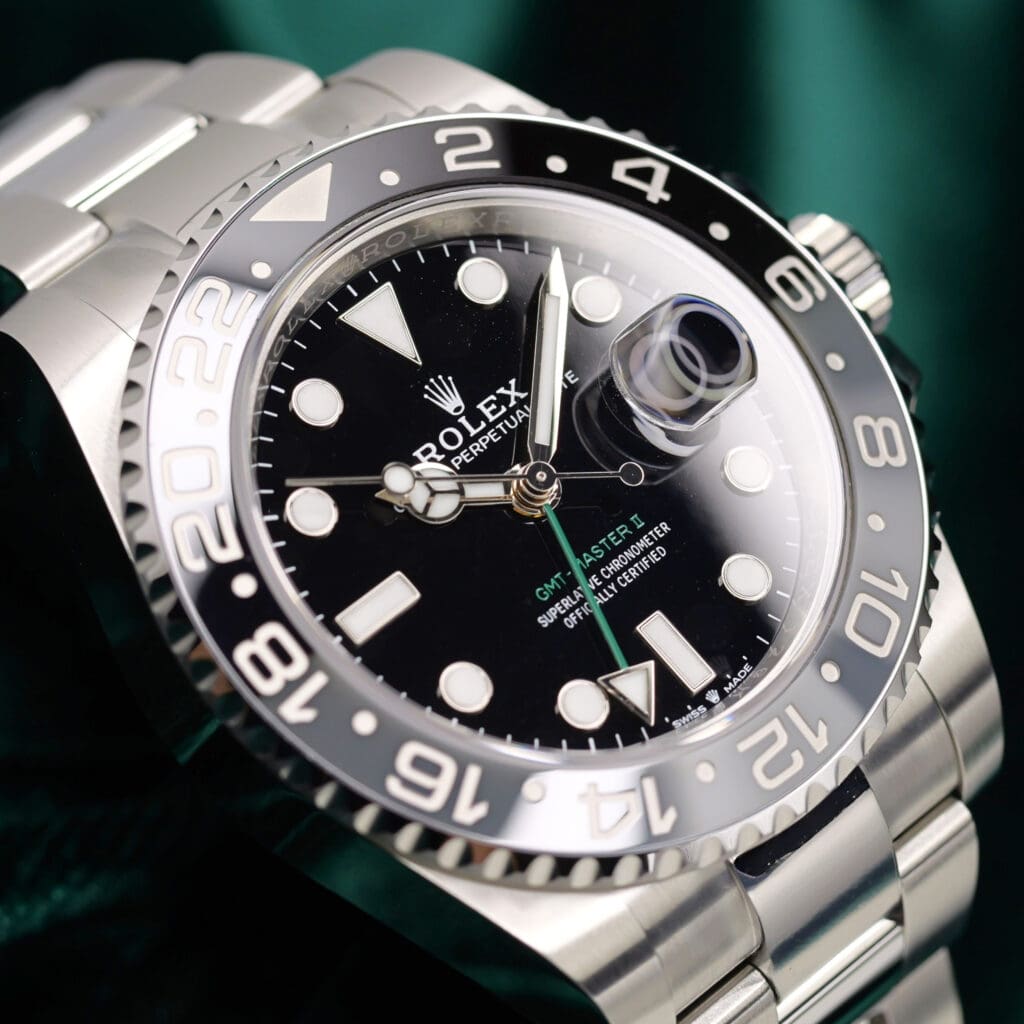
Rolex GMT-Master II Bruce Wayne Black Dial Grey and Black Ceramic Bezel Stainless Steel Oyster Bracelet 40mm MINT CONDITION COMPLETE SET 126710GRNR
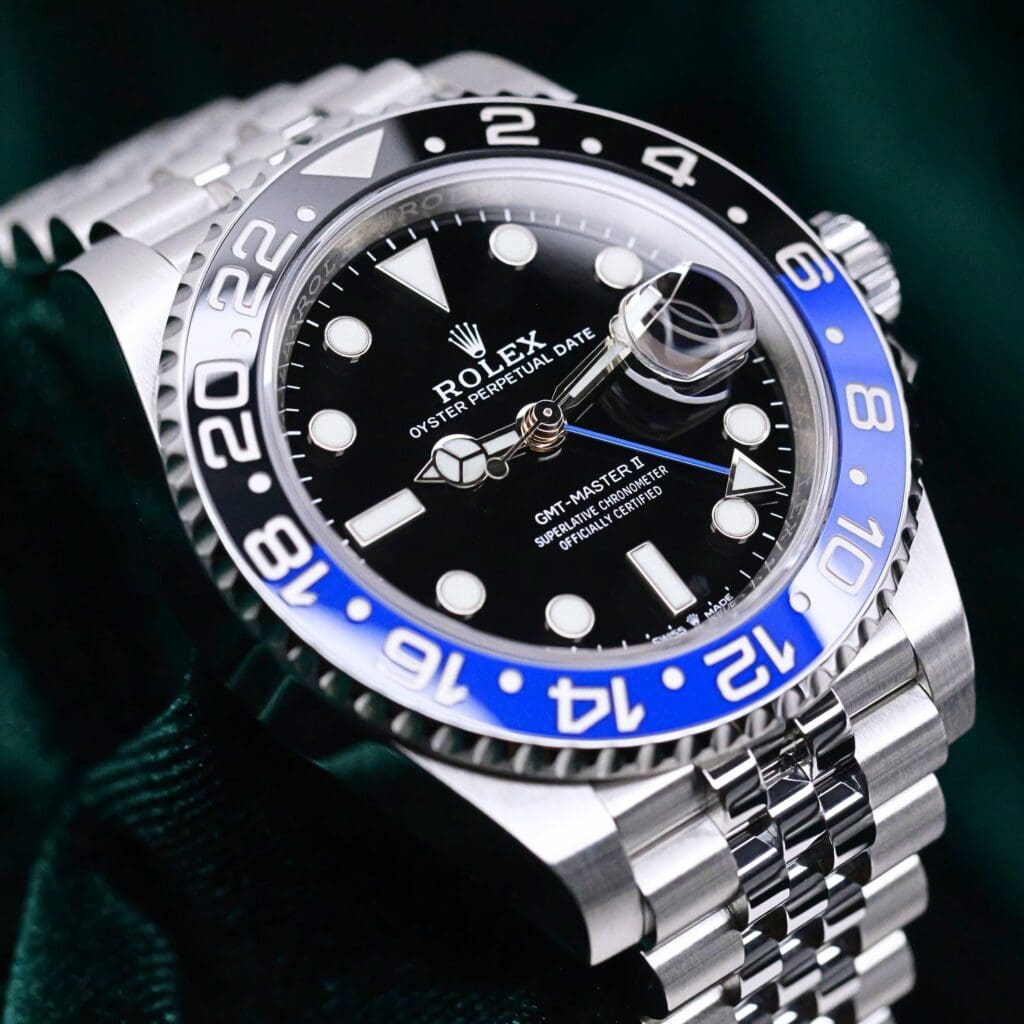
Rolex GMT-Master II "Batgirl" Black Dial Black Blue Ceramic Bezel Jubilee Bracelet Stainless Steel 40mm MINT CONDITION COMPLETE SET 126710BLNR
That steel-and-ceramic combination made it one of the hardest Rolex sports watches to buy at retail. Then, in April 2026, Rolex discontinued it. Both the steel 126710BLRO and the white gold 126719BLRO were pulled at Watches & Wonders, with no Coke replacement announced.
Key Specifications:
- Reference Number: 126710BLRO
- Production Years: 2018 to 2026 (discontinued)
- Case Size: 40mm
- Bezel: Red and blue Cerachrom, bidirectional 24-hour scale
- Movement: Caliber 3285
- Water Resistance: 100m / 330ft
Rolex Hulk vs Pepsi: Most Notable Differences

Choosing between these two gets easier once you look past color. Rolex built them for different jobs, and they wear differently day to day. The main gaps show up in five places: the bezel, the case, water resistance, the movement, and the bracelet. This is really a Submariner-versus-GMT decision, and we zoom out to how the two lines compare overall in a separate guide.
1. Bezel Design and Scale
The Hulk uses a unidirectional 60-minute bezel for tracking elapsed time. It turns one way only, a safety feature that fits the Submariner’s dive role. The green ceramic insert matches the dial, which is where the all-green look comes from.
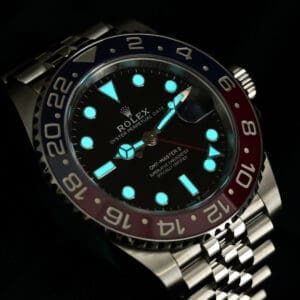
The Pepsi uses a bidirectional 24-hour bezel made for a second time zone. Paired with the GMT hand, you read another zone straight off the bezel, and the red-and-blue split separates day from night hours. That gives it a real job beyond the color.
2. Case Profile
Both measure 40mm, but the shapes wear differently. The Hulk uses Rolex’s Super Case, with thicker lugs, broader crown guards, and a squarer profile. Its lug-to-lug is about 47.6mm, but the extra width through the case gives it more mass and a bigger wrist presence.
The Pepsi has slimmer lugs, narrower crown guards, and a more tapered profile that reads cleaner on the wrist. Its lug-to-lug sits around 48mm, so the length is close to the Hulk, but the thinner lugs and slimmer case sides change how it feels.



3. Water Resistance
The Hulk is rated to 300 meters, which fits its dive-watch role. Rolex built it with the Triplock crown, a screw-down caseback, and a case made for deeper water. That gives you a wide safety margin around water.
The Pepsi is rated to 100 meters, still plenty for daily wear, swimming, and travel. It uses a screw-down crown and the Oyster case, so it stays a properly sealed sports watch, just not a dedicated diver.
4. Movement Style
The Hulk runs Caliber 3135, a long-serving Rolex movement with a strong reliability record. It handles time, seconds, and date, with around 48 hours of power reserve. It’s the older movement here, but many buyers like it precisely because it’s proven and simple.
The Pepsi runs Caliber 3285, from Rolex’s newer generation. It adds the GMT function, offers about 70 hours of reserve, and uses the Chronergy escapement, Rolex’s more energy-efficient design. In practice, you feel the difference most on Monday morning after a weekend off the wrist.
5. Bracelet and Clasp
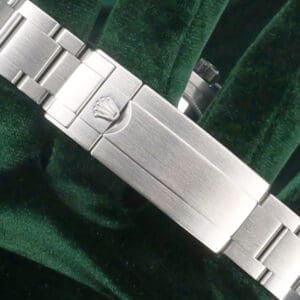
The Hulk comes on a three-link Oyster bracelet with the Oysterlock safety clasp and the Glidelock extension. Glidelock lets you lengthen the bracelet by up to about 20mm without tools, which helps over a wetsuit or when your wrist swells during the day.
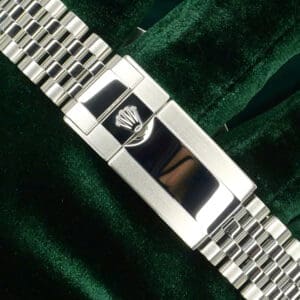
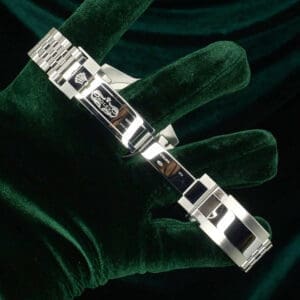
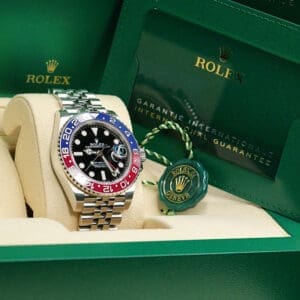
The Pepsi usually wears a five-link Jubilee, though Rolex also offered it on an Oyster. Its Oysterlock clasp uses the Easylink extension, which adds about 5mm of comfort room. The Jubilee feels softer and dressier, but it doesn’t match Glidelock’s adjustment range. If you want the two mechanisms side by side, we cover how Easylink and Glidelock compare in detail.

Price and Market Demand
Here’s where 2026 changed the story. This used to be a discontinued watch versus a current one. Now both are out of production, and the market treats them differently based on how long each has been gone and how much supply is floating around.
The Hulk has had since 2020 for prices to settle. It trades roughly $18,000 to $25,000, with most examples landing near $20,000 as of 2026, per WatchCharts and Chrono24 listings. Condition and a complete set with box and papers move it within that band.
The Pepsi is the fresher discontinuation, so it’s still finding its level. It traded around $20,000 in late 2025, then jumped after the April 2026 news. WatchCharts now puts it near $22,500, with pre-owned examples around $25,000.
Unworn 2026-dated pieces have pushed well past $40,000 at the top of dealer asks, according to Robb Report and Chrono24 listings. Those are outlier numbers, not the median, so treat them with care.
So the value stories have flipped. The Hulk is the settled discontinued Sub with a known range. The Pepsi is the volatile one right now, priced on fresh scarcity and the fact that no red-bezel steel GMT replaced it. Discontinuation is a big part of why certain Rolex models hold their value so well.
Browse Our Rolex Collection
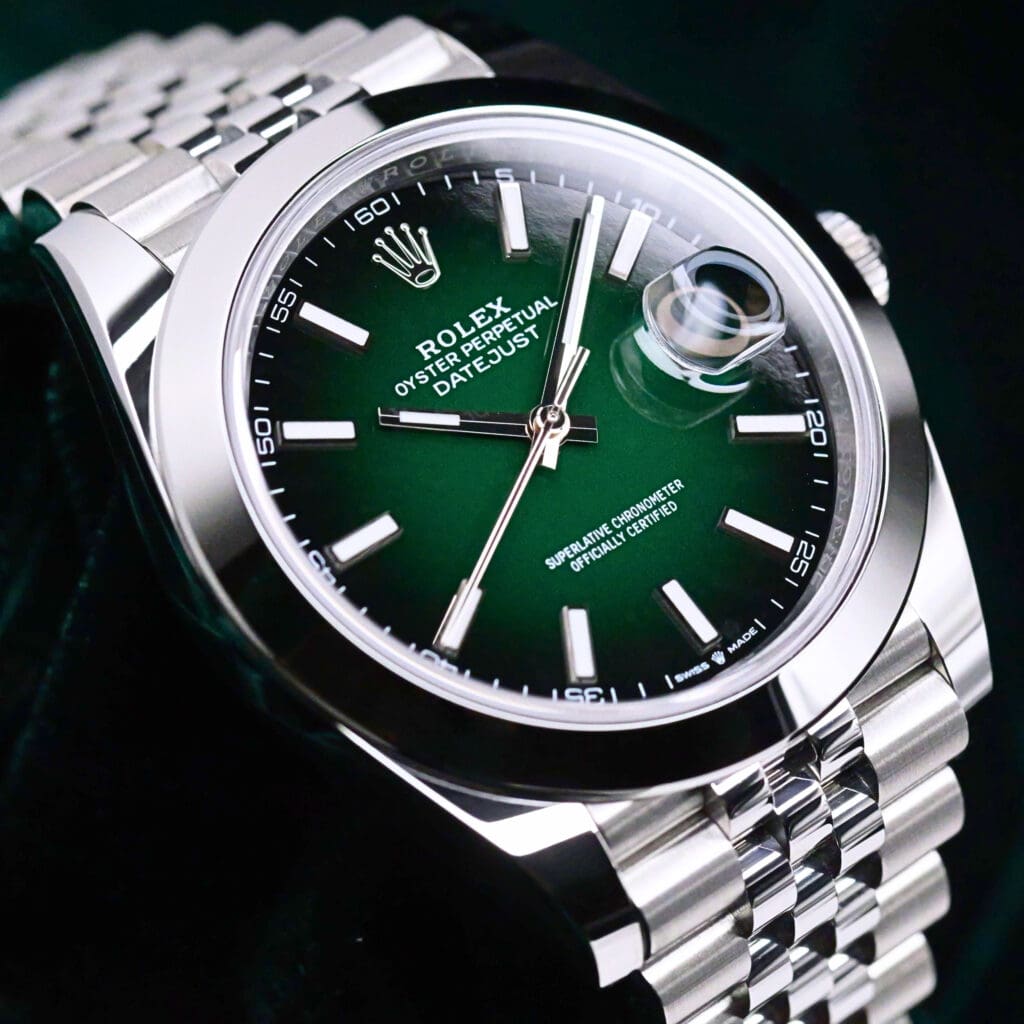
2026 Rolex Datejust Green Ombre Dial Smooth Bezel Jubilee Bracelet Stainless Steel 41mm MINT CONDITION COMPLETE SET 126300
Rolex GMT-Master II "Pepsi" Blue Dial Blue Red Ceramic Bezel Oyster Bracelet 18K White Gold 40mm MINT CONDITION COMPLETE SET 126719BLRO
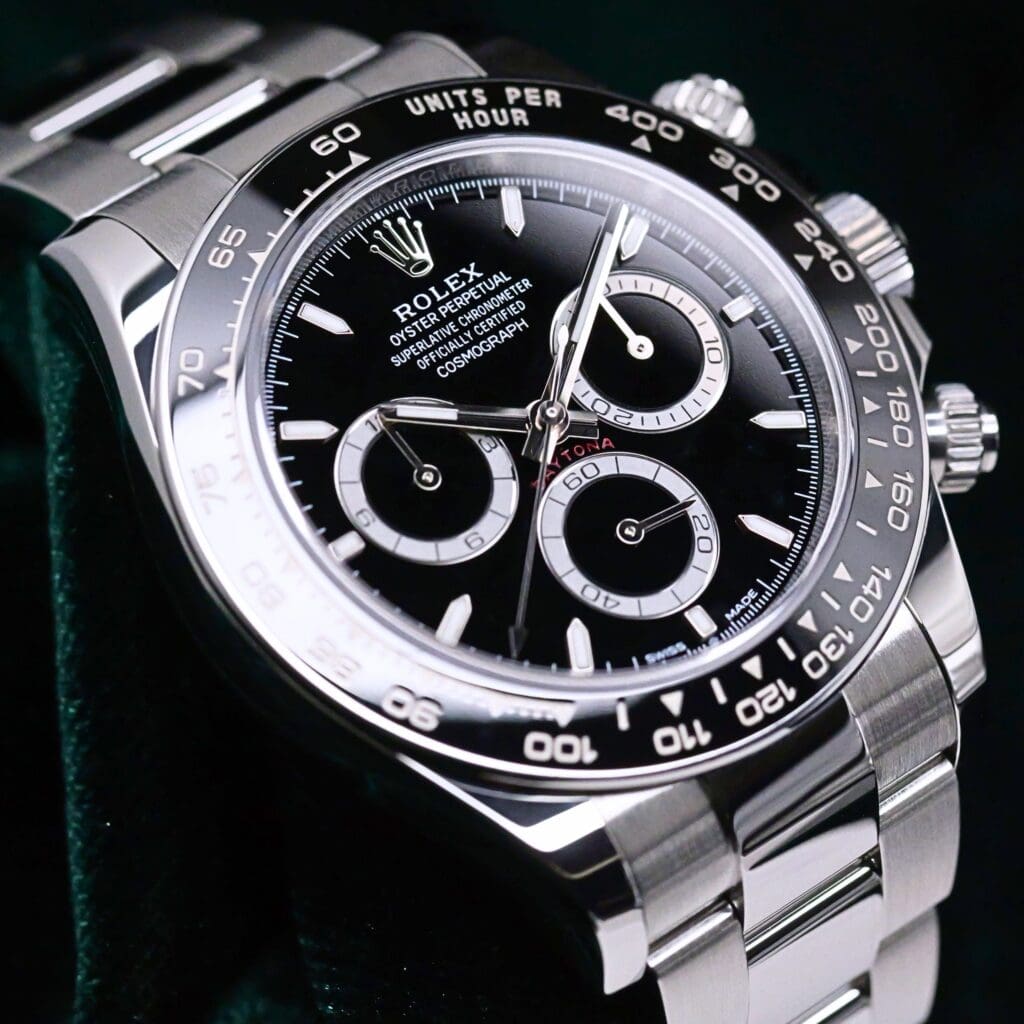
Rolex Cosmograph Daytona "Reverse Panda" Black Dial Black Ceramic Bezel Oyster Bracelet Stainless Steel 40mm MINT CONDITION COMPLETE SET 126500LN
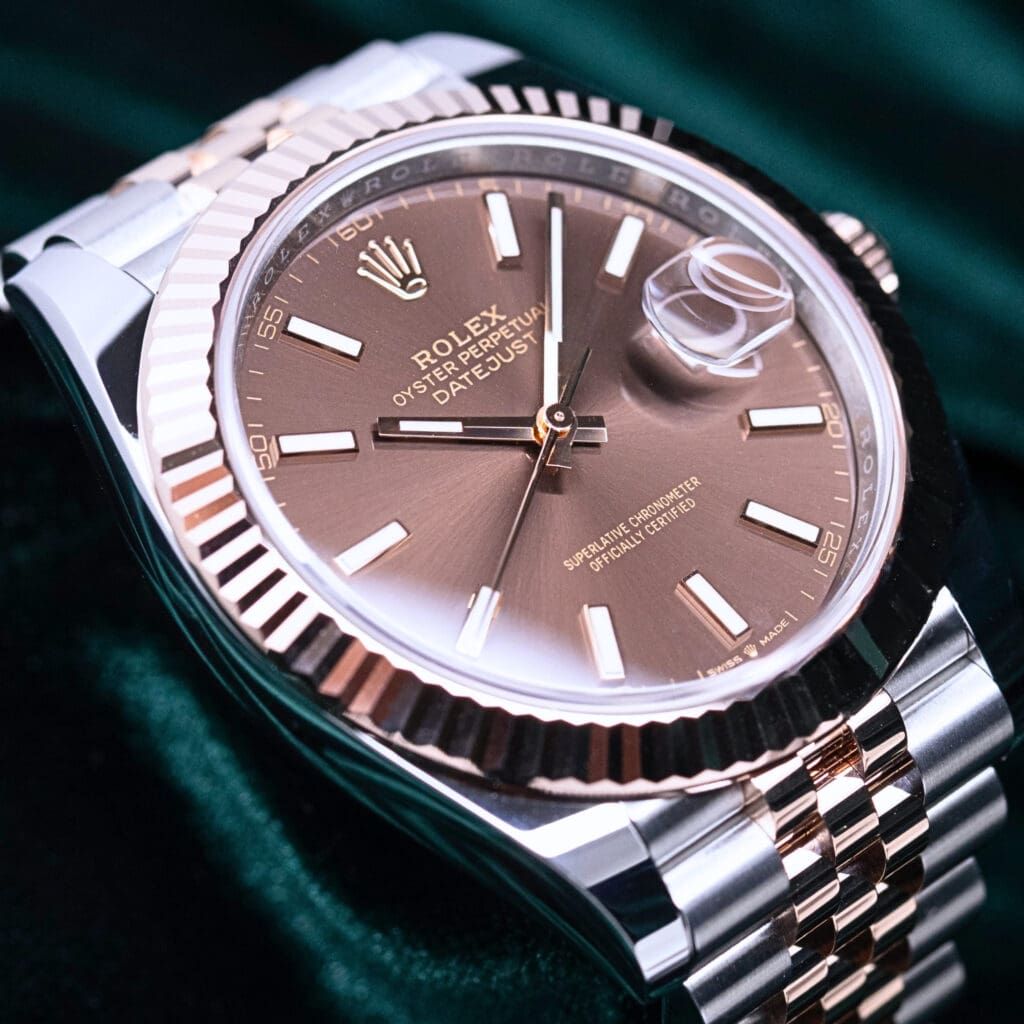
2026 NEW UNWORN Rolex Datejust 41 Chocolate Brown Jubilee Two-Tone 18K Everose Gold Steel 41mm COMPLETE SET 126331
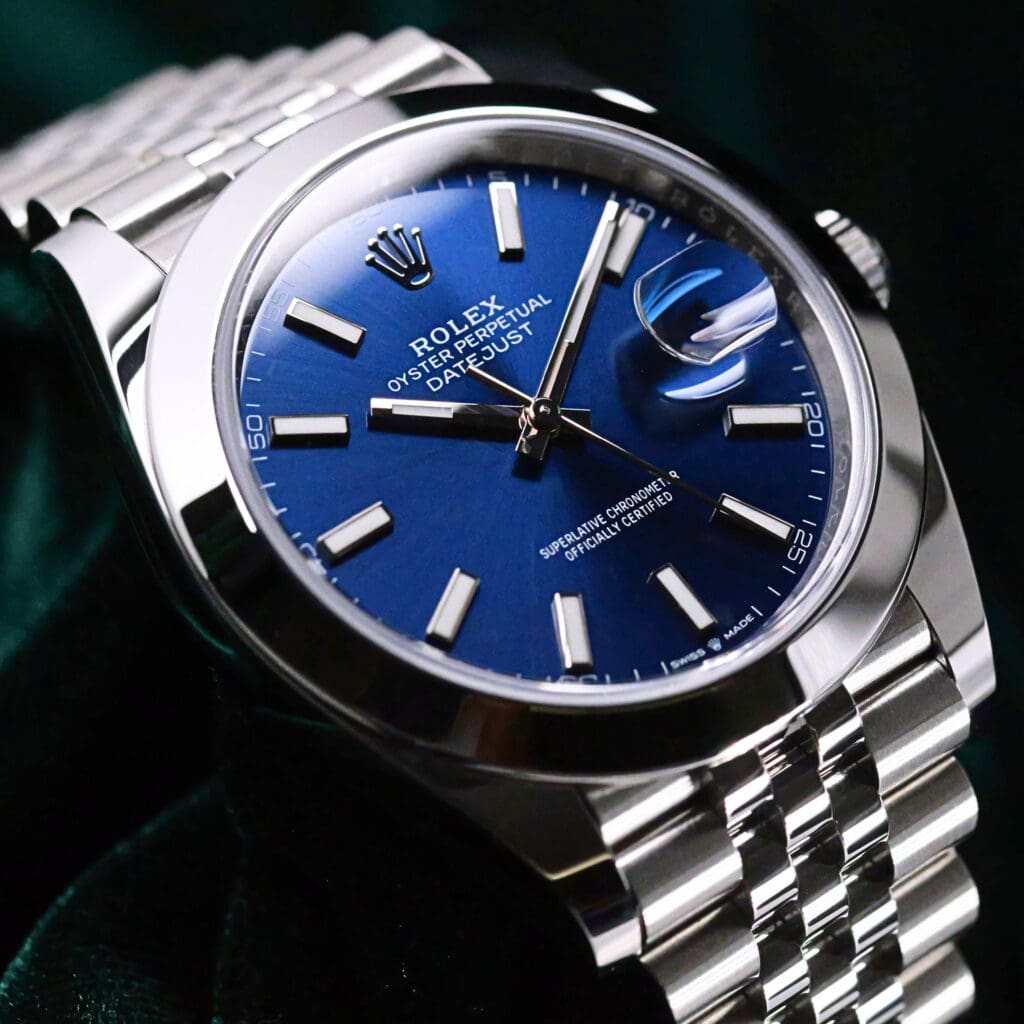
2026 Rolex Datejust Blue Dial Smooth Bezel Jubilee Bracelet Stainless Steel 41mm MINT CONDITION COMPLETE SET 126300
Rolex Yacht-Master II White Dial Blue Ceramic Bezel Oyster Bracelet Stainless Steel 44mm MINT CONDITION COMPLETE SET 116680
What the 2026 Discontinuation Changed
Before April 2026, the Pepsi was the easy “current model” pick if you wanted to buy close to new and worry less about resale. That option is gone. Both watches are secondary-market only now, which reshapes the comparison in three ways.
- Supply is fixed for both. Neither gets a retail allocation anymore, so price is set by what sellers hold and what buyers are willing to pay, not by Rolex.
- The Pepsi lost its safety net. With no Coke and no red-bezel steel GMT in the current lineup, nothing is absorbing demand, which is why its price ran harder than the Hulk’s did at first. If a Coke ever lands, how it would stack up against the Pepsi changes the math again.
- Retail is history. The Hulk last listed around $9,050 and the Pepsi around $11,800. Both now cost roughly double or more on the open market, so those retail figures are context, not a target.
If you were holding out for a retail Pepsi allocation, that path closed. The decision is now about which secondary-market watch fits you, and at what price.
Side-by-Side Comparison (At a Glance)
Below are the key specs side-by-side. Both watches share the same Rolex sports watch base, but the main differences show up quickly once you line up the details. This gives you a clear view of the features that shape function, wear, and overall setup.
| Specifications | Rolex Hulk | Rolex Pepsi |
| Reference Number | 116610LV | 126710BLRO |
| Production Years | 2010 to 2020 (discontinued) | 2018 to 2026 (discontinued) |
| Collection | Submariner Date | GMT Master II |
| Case Size | 40mm | 40mm |
| Case Profile | Super Case | Standard tapered case |
| Case Material | 904L Oystersteel | 904L Oystersteel |
| Bezel Scale | 60 minute | 24 hour |
| Bezel Rotation | Unidirectional | Bidirectional |
| Bezel Material | Green Cerachrom ceramic | Red and blue Cerachrom ceramic |
| Dial Color | Green sunburst | Black |
| Dial Layout | Maxi dial | Maxi dial with GMT display |
| Hour Markers | 18k gold applied markers | 18k gold applied markers |
| Hand Set | Mercedes hands | Mercedes hands with red GMT hand |
| Date Display | Date at 3 o’clock with Cyclops | Date at 3 o’clock with Cyclops |
| Bracelet Type | 3 link Oyster | 5 link Jubilee (Oyster optional) |
| Clasp | Oysterlock clasp | Oysterlock clasp |
| Adjustment System | Glidelock (up to ~20mm) | Easylink (~5mm) |
| Movement | Caliber 3135 | Caliber 3285 |
| Movement Type | Automatic | Automatic GMT |
| Power Reserve | About 48 hours | About 70 hours |
| Certification | COSC Superlative Chronometer | COSC Superlative Chronometer |
| Water Resistance | 300m / 1,000ft | 100m / 330ft |
Rolex Hulk vs Pepsi: Which Rolex Should You Choose?
Here’s the short version: choose the Hulk if you want a true dive watch and a settled price; choose the Pepsi if you want a GMT for travel and you’re comfortable buying into a hotter, less predictable market. The specs show the gap, but daily use is what decides it. If the Pepsi is winning you over, our full Pepsi buying guide breaks the references down before you commit.
Choose the Hulk If:
- You want 300m water resistance and a proper dive bezel.
- You like the full-green look and a stronger wrist presence.
- You prefer the broader Super Case and the sportier Oyster bracelet.
- You want a discontinued reference with a settled, predictable price range.
- You don’t need a GMT in daily wear.
- You’re fine with the older Caliber 3135 and its shorter power reserve.
Related Models from Majestix
Rolex GMT-Master II "Pepsi" Blue Dial Blue Red Ceramic Bezel Oyster Bracelet 18K White Gold 40mm MINT CONDITION COMPLETE SET 126719BLRO

2026 NEW UNWORN Tudor Black Bay GMT "Rootbeer" Black Dial Burgundy and Black Bezel Two-Tone Yellow Gold Stainless Steel Bracelet 41mm COMPLETE SET 79833mn

2026 NEW UNWORN Rolex GMT-Master II "Sprite" Black Dial Black Green Ceramic Bezel Oyster Bracelet Stainless Steel 40mm COMPLETE SET 126720VTNR
Rolex GMT-Master II Green Dial Black Ceramic Bezel Oyster Bracelet 18K Yellow Gold 40mm MINT CONDITION COMPLETE SET 116718LN

Rolex GMT-Master II Pepsi Black Dial Ceramic Bezel Oyster Steel 40mm MINT CONDITION COMPLETE SET 126710BLRO

Rolex GMT Master II "Pepsi" Meteorite Dial Blue Red Ceramic Bezel Oyster Bracelet 18K White Gold 40mm MINT CONDITION COMPLETE SET 126719BLRO
Choose the Pepsi If:
- You want a GMT that tracks a second time zone.
- You prefer a black dial and a red-and-blue bezel that wears across most settings.
- You want the newer Caliber 3285 with about 70 hours of reserve.
- You like the slimmer case and the softer Jubilee, or the Oyster option.
- You care about the travel function and the GMT-Master II heritage.
- You’re comfortable buying into a fresh, still-moving market after the 2026 discontinuation.
Still torn between the two? Send us the shortlist you’re weighing and we’ll walk you through what each one is actually selling for right now, with condition notes on the specific examples we can source.
Where to Buy Authentic Watches Online
There are a few legitimate online channels for a discontinued Rolex like these. Chrono24 is the largest global marketplace, with buyer protection and an escrow option. eBay covers many listings under its Authenticity Guarantee program. Grailzee runs enthusiast-focused watch auctions.
We also sell, buy, and trade luxury watches, and the reason clients come to us instead of a big marketplace is the conversation before the purchase. On a discontinued piece where prices move week to week, we give you tour videos of the actual watch, detailed condition notes, and a straight talk with someone who has inspected it. You’re not buying blind off a listing photo.
That shows up in our 4.9-star Google rating, from clients who cared more about getting the right example than the fastest checkout.
If you want that kind of walkthrough on a Hulk or a Pepsi, reach out and we can source one for you to match your budget and the condition you’re after.
Final Thoughts on Rolex Hulk vs Pepsi
Both watches earn their reputation, and after the 2026 discontinuation, neither is the safe current-model pick anymore. The Hulk suits divers who want an all-green Sub at a price that’s already settled. The Pepsi rewards travelers who want a GMT and don’t mind a hotter market.
Two quick tips before you buy. On the Pepsi, ignore the eye-watering unworn asks and price against real sold data, since the market is still moving. And on either watch, a complete set with box and papers protects resale more than a few points of condition ever will, so it’s worth knowing what buying one without its papers does to value before you decide.
999+ Timepieces Available
Explore Our Timepieces
Authenticated, unworn, and ready to ship worldwide.
Rolex · Audemars Piguet · Patek Philippe · Omega · Cartier · Richard Mille · Hublot · Tudor
Newly Listed
Tudor Black Bay 58 Blue Dial Stainless Steel 39mm MINT CONDITION COMPLETE SET 79030B-0001
$4,068.00
2026 NEW UNWORN Grand Seiko Elegance "Morning Glow" Limited Edition Red Dial Crocodile Strap 38.5mm COMPLETE SET SBGY035G
$9,816.00
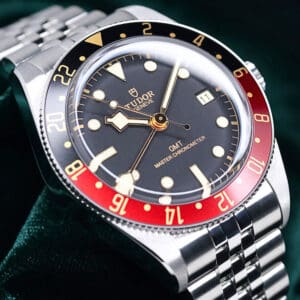
2026 NEW UNWORN Tudor Black Bay 58 GMT "Coke" Black Dial Black Burgundy Red Bezel Five-Link Stainless Steel Bracelet 39mm COMPLETE SET 7939G1A0NRU-0003
$7,385.00
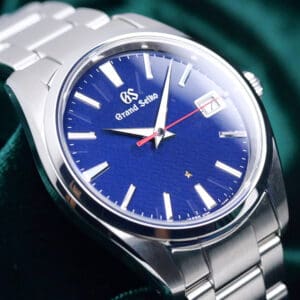
Grand Seiko Heritage 60th Anniversary Limited Edition Blue Dial Stainless Steel 40mm MINT CONDITION COMPLETE SET SBGP007G
$4,268.00
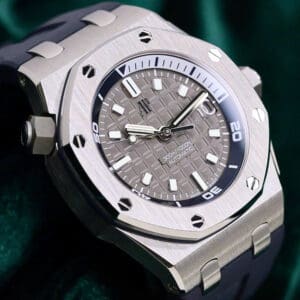
Audemars Piguet Royal Oak Offshore Diver Grey Dial Blue Rubber Strap Stainless Steel 42mm MINT CONDITION COMPLETE SET 15720ST.OO.A009CA.01
$27,788.00
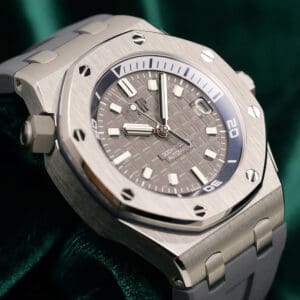
Audemars Piguet Royal Oak Offshore Diver Grey Dial Blue Inner Bezel Grey Rubber Strap Stainless Steel 42mm MINT CONDITION COMPLETE SET 15720ST.OO.A009CA.01
$27,788.00
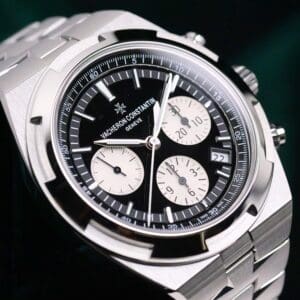
Vacheron Constantin Overseas Chronograph "Reverse Panda" Black Dial Silver Subdials Stainless Steel 42.5mm MINT CONDITION COMPLETE SET 5500V/110A-B481
$34,095.00

Rolex Sky-Dweller Black Dial 18K White Gold Fluted Bezel Oyster Bracelet Stainless Steel 42mm MINT CONDITION COMPLETE SET 336934-0007
$21,945.00

2026 Rolex Datejust Green Ombre Dial Smooth Bezel Jubilee Bracelet Stainless Steel 41mm MINT CONDITION COMPLETE SET 126300
$16,480.00

2026 NEW UNWORN Cartier Santos-Dumont Silver Dial Platinum Mesh Bracelet Platinum 31mm COMPLETE SET WGSA0124
$64,790.00

2026 Tudor Black Bay 58 Black Dial Jubilee Bracelet Stainless Steel 39mm MINT CONDITION COMPLETE SET 7939A1A0NU
$5,717.00

NEW UNWORN Rolex Submariner Date “Sub Date” Black Dial Black Ceramic Bezel Oyster Bracelet Stainless Steel 41mm COMPLETE SET 126610LN
$15,595.00