
The Rolex Explorer II is a real tool watch: fixed 24-hour bezel, dual-time hand, tough steel case. It’s built for adventure and wears just as well at a desk. But before you buy one, there’s a decision most people underestimate.
Then you start shopping, and one question stops most buyers cold. Polar white dial, or black? It sounds like a simple color pick. It isn’t. The dial changes how the watch reads in different light, how big it looks on your wrist, and the whole mood it gives off.
This guide covers what really separates the two, from dial construction and legibility to how each one feels day to day. Read it and you’ll know which dial fits the way you live, and roughly what you’ll pay for it in 2026.

Rolex Explorer II Polar Overview
The Polar is the white-dial version of the Explorer II. It didn’t exist at launch. The white dial arrived with the transitional reference 16550 in 1985, when Rolex also gave the Explorer II an independently adjustable 24-hour hand for the first time. So the Polar line and true dual-time function showed up together.
Rolex leaned on the white dial for contrast. In bright, glare-heavy places like snowfields and high altitude, a dark dial can wash out, and the crisp white reads cleaner. Collectors started calling it the “Polar” because the stark white looks like ice and snow.
It’s one of the only sport Rolexes offered with a white dial, which sets it apart from the Submariner, GMT-Master, and Sea-Dweller, all of them black. That rarity is a big part of the appeal.
The glossy white surface, black-enamel marker surrounds, and black hands give it sharp daylight legibility, and the orange or red 24-hour hand pops hard against the white. It’s a sporty Rolex that stands out in a lineup full of dark dials.

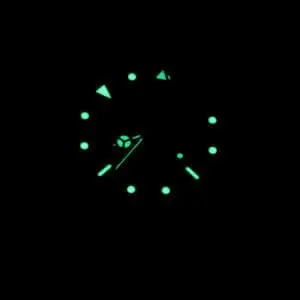
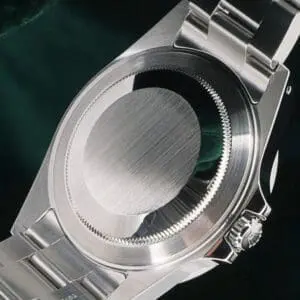
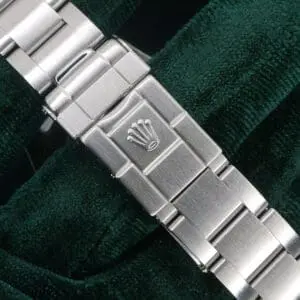
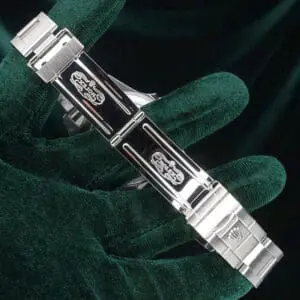
Most Popular Rolex Explorer II Polar References:
- Rolex Explorer II Polar 16550
- Rolex Explorer II Polar 16570
- Rolex Explorer II Polar 216570
- Rolex Explorer II Polar 226570-0001
Rolex Explorer II Black Dial Overview
The black dial is where the whole line started. The original reference 1655 landed in 1971, built for spelunkers and cave explorers working in near-total darkness. Black was simply the readable choice down there.
Worth knowing: the 1655 is the only Explorer II that isn’t a true GMT (its 24-hour hand is fixed to the main hour hand), and it’s the one reference that never came in Polar. If you want a white dial, the black-only 1655 is off the table from the start.
Every Explorer II since carries that same tool-watch DNA in a darker, quieter suit. For a buyer who wants the dual-time function without the loud white face, the black delivers a subtle, professional look, close in spirit to the Submariner but without a diver’s bezel. If you’re weighing the two, our Submariner vs Explorer II breakdown covers where they part ways.
On construction, the black dial pairs a glossy black surface with white gold markers and hands, the classic light-on-dark setup. The orange or red 24-hour hand cuts vividly across the dark surface, and a lot of owners rate that contrast as the strongest reason to pick black.


Most Popular Rolex Explorer II Black Dial References:
- Rolex Explorer II Black Dial 1655
- Rolex Explorer II Black Dial 16550
- Rolex Explorer II Black Dial 16570
- Rolex Explorer II Black Dial 216570
- Rolex Explorer II Black Dial 226570-0002
Rolex Explorer II Polar vs Black: Most Notable Differences

The two dials share a case, a movement, and a bezel. What changes is legibility, personality, and how big the watch looks on your wrist. Here’s where they split.
1. Dial Surface Color and Index Construction
The Polar runs a white dial with black-enamel hour markers and black hands, so you get high contrast and crisp reading in bright light. The black dial flips that: a glossy black surface with white gold markers and hands, the traditional light-on-dark layout that reads calm and understated indoors.
2. The Orange or Red 24-Hour GMT Hand Visibility
On the Polar, the orange or red GMT hand sits against white, so it’s easy to find at a glance in daylight. On the black dial, that same hand glows against the dark surface for a more dramatic look at night, while staying subtle in the day. Same hand, two different personalities depending on the background.
3. Hand Finish: Black vs White Gold
The Polar uses matte black hour and minute hands. They cut reflection and separate cleanly from the markers, which keeps things readable in strong light. The black dial runs polished white gold hands that match its markers, so it looks richer and more luxe. That shine can catch the light at odd angles and cost you a sliver of legibility, but it adds depth.
4. Lume Behavior at Night
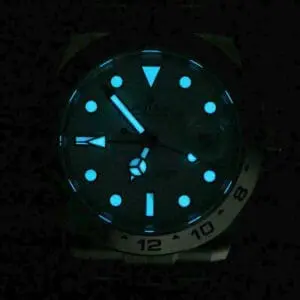
Both dials use Chromalight, which glows blue. On the Polar, the black hands can fade into the background as ambient light drops, so it’s happier in daylight. The black dial’s lume pops cleanly against the dark surface, which makes it the more consistent nighttime reader. If you’re often checking the time in the dark, that’s a real point for black.
5. Visual Size Perception on the Wrist
White reflects light, so the Polar looks bigger than its case size and carries more wrist presence. Black absorbs light, so it reads a touch smaller and sits quieter. This matters most on smaller wrists: the Polar fills the wrist and makes a statement, while the black tucks in and behaves. Keep this one in mind, because it drives a lot of the buying advice further down.
Price and Market Demand
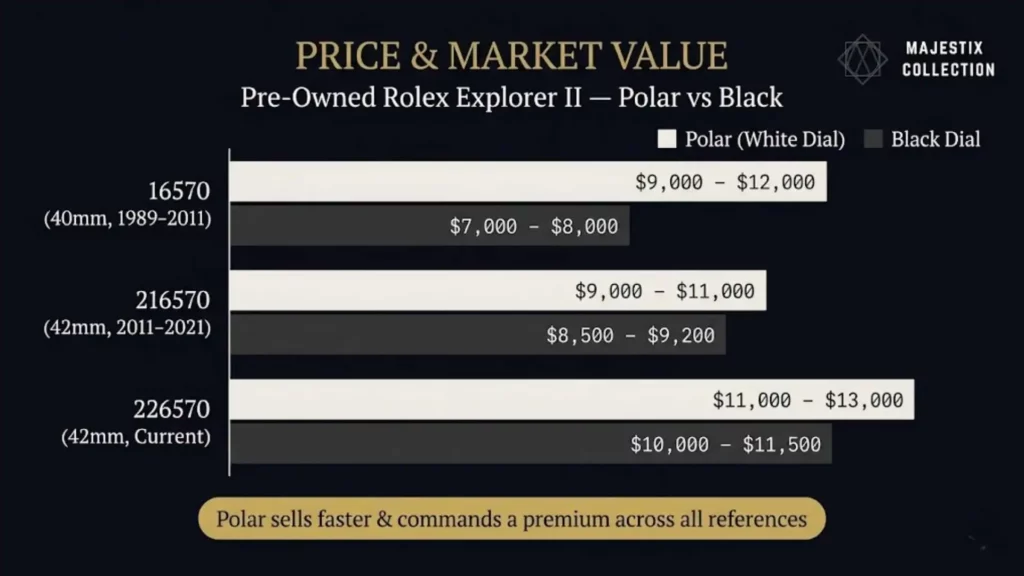
The Polar costs more than the black in almost every generation, and the reason is supply. Rolex made fewer white dials, and collectors chase them harder, so the white-dial premium shows up whether you’re shopping for a neo-vintage piece or the current model. For how Rolex prices move across the catalog, our Rolex pricing guide has a wider view.
Start at the entry point. A black-dial 16570 (40mm, 1989–2011) is the cheapest way in, generally around $8,000 to $9,500 depending on lume type and condition. The same reference in Polar runs closer to $9,500 to $12,000, with early tritium examples and even patina at the top of that band.
At the high end sits the current 226570 (42mm). It trades around $10,900 on the pre-owned market, roughly 12% over its ~$9,750 retail. That’s a small gap for a steel Rolex, and it tells you something useful: the Explorer II isn’t a hype piece with a waitlist. You can usually just buy one.
The oddball is the transitional 16550 (1985–1989). A paint issue caused many of its Polar dials to turn a creamy shade collectors call “panna,” and that look now pulls the strongest premium in the whole family, often $16,000 and up for a good one.
What moves price inside a single reference: a full set with box and card, original untouched lume, drilled lug holes on early pieces, service history, and dial condition.
If you’re wondering how much that paperwork really matters, we cover whether to buy without box and papers separately. Dial condition weighs heavier on a Polar, because marks and discoloration show against white far more than against black.
Trend-wise, the Explorer II has cooled a little with the wider steel-Rolex market. Per WatchCharts 2026 data, the 226570 is down roughly 8% over the past year, slightly softer than Rolex’s overall index. For a buyer, that’s an opening, not a warning.
One 2026 wrinkle worth knowing. Rolex discontinued the GMT-Master II “Pepsi” (126710BLRO) on April 14, 2026, with no named replacement.
With the most famous accessible-GMT Rolex gone, some of that dual-time interest has drifted toward the Explorer II, which still tracks a second time zone and still sells near retail. It hasn’t spiked Explorer II prices, but it’s put more eyes on the model.
If you’re comparing it against what’s left in the GMT-Master II lineup, that’s the other half of the decision.
Liquidity favors the Polar. White dials sell faster because fewer come up and more people want them, and the current 226570 has been moving in about a month on average, quicker than most watches on the market. Black dials still sell fine. They just sit a little longer because there are simply more of them out there.
If you want tour videos and honest condition notes on a specific Polar or black Explorer II before you commit, reach out and we’ll walk you through what we’ve got.
Rolex Explorer II Polar vs Black at a Glance
The three modern references below come in both dials, so this is where most buyers land when they choose. For the full family and how it evolved, our Rolex Explorer II buying guide walks through the lineup. Prices are 2026 pre-owned market ranges and shift with condition, set completeness, and year.
| Reference | Production | Case | Movement | Black Dial (2026) | Polar Dial (2026) |
| 16570 | 1989–2011 | 40mm | Cal. 3185 / 3186 | $8,000–$9,500 | $9,500–$12,000 |
| 216570 | 2011–2021 | 42mm | Cal. 3187 | $8,500–$10,000 | $9,500–$11,500 |
| 226570 | 2021–present | 42mm | Cal. 3285 | $10,500–$12,500 | $12,000–$14,000 |
Two vintage references sit outside this grid. The 1655 (39mm, 1971–1984) is black only and trades from about $16,000 to $30,000+ depending on dial variant, condition, and provenance. The 16550 (40mm, 1985–1989) is where the Polar cream dials come from, and clean examples command the highest premiums in the line.
Notable Rolex Explorer II Polar References

The Polar looks familiar across generations, but the small details change how it wears and how it holds value. Here’s what stands out on each.
1. Rolex Explorer II 16570 Polar
The 16570 locked in the classic Polar look: glossy white dial, black-enamel marker surrounds, sharp contrast. Made from 1989 to 2011, it ran through four lume generations and both drilled and non-drilled lugs, so some examples are hunted hard for their warmth and patina. This is the neo-vintage sweet spot for a lot of collectors.
- Case size: 40mm
- Material: Oystersteel (904L)
- Movement: Caliber 3185 (early), Caliber 3186 (late)
- Bezel: Fixed steel, 24-hour engraved
- Water resistance: 100m
2. Rolex Explorer II 216570 Polar
The 216570 grew the case to 42mm, which gives the white dial even more presence. It brought Chromalight lume with a blue glow and the caliber 3187 with Paraflex shock absorbers, so you keep the vintage-flavored Polar identity with a more modern movement underneath.
- Case size: 42mm
- Material: Oystersteel (904L)
- Movement: Caliber 3187 (Parachrom hairspring, Paraflex shock absorbers)
- Bezel: Fixed steel, 24-hour engraved
- Water resistance: 100m
- Power reserve: 48 hours
3. Rolex Explorer II 226570 Polar
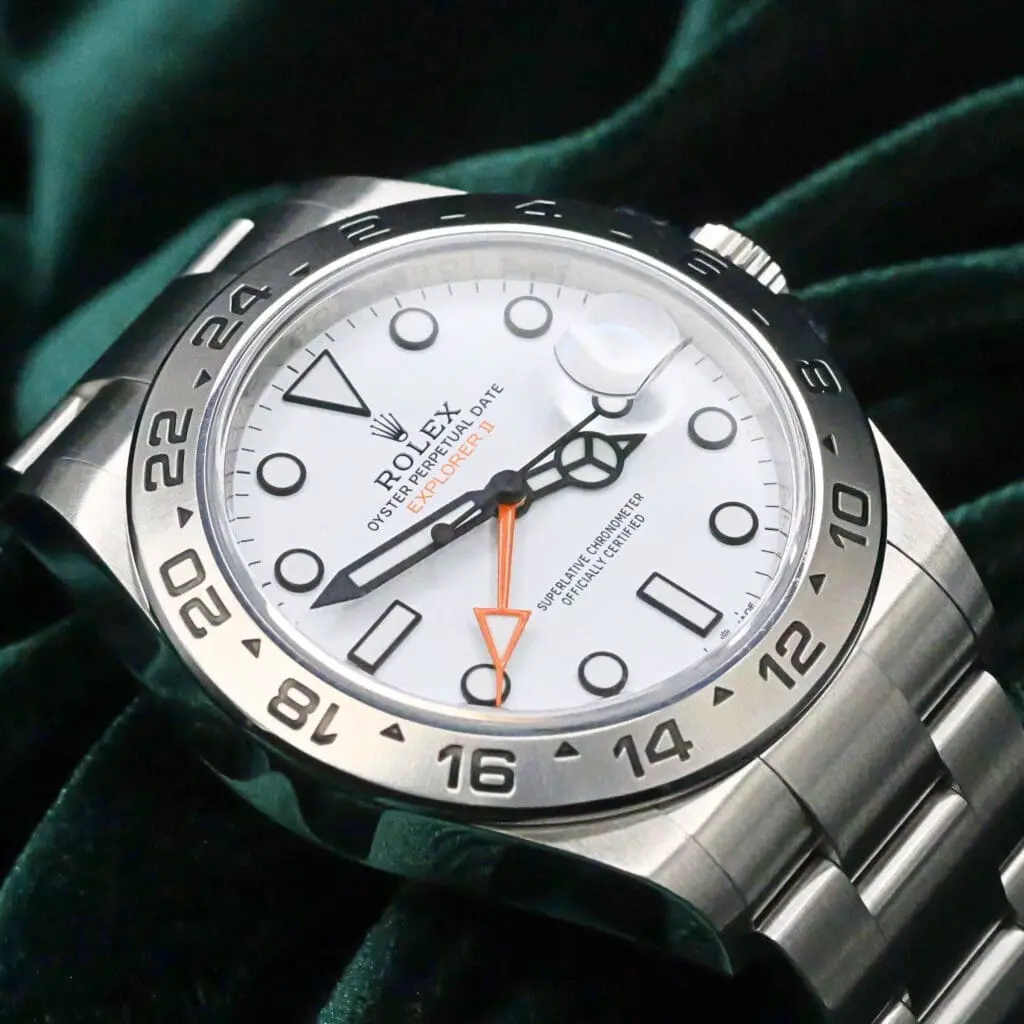
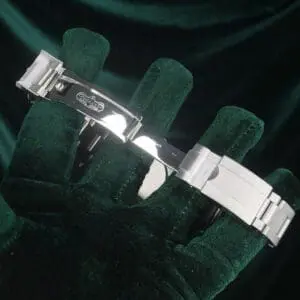
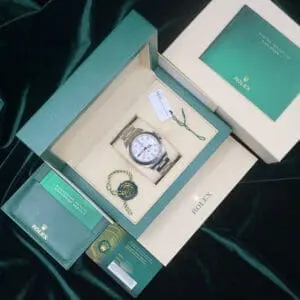
The current 226570 switched to matte black marker surrounds and hands for tighter glare control. Its caliber 3285 brings a 70-hour power reserve, a full 22 hours more than the 3187 it replaced, plus better accuracy. If you want a new-in-box Polar you can wear hard and not baby, this is the one.
- Case size: 42mm
- Material: Oystersteel (904L)
- Movement: Caliber 3285 (Chronergy escapement, Parachrom hairspring)
- Bezel: Fixed steel, 24-hour engraved
- Water resistance: 100m
- Power reserve: 70 hours
Notable Rolex Explorer II Black References

The black dial’s story runs longer, from the 1971 original to today’s 226570. Each reference is its own thing, but they all keep the core tool-watch character.
1. Rolex Explorer II 1655 Black
The 1655 is the original Explorer II, made from 1971 to 1984, with a black-only dial and that huge orange arrow-tipped 24-hour hand. Collectors call it the “Freccione,” Italian for arrow.
You’ll also hear it called the “Steve McQueen,” though that nickname is a myth, since McQueen wore an Explorer I instead. The big arrow hand was built for cave explorers, and clean examples are properly collectible today.
- Case size: 39mm
- Material: Stainless steel (316L)
- Movement: Caliber 1575 (automatic)
- Bezel: Fixed steel, 24-hour engraved
- Water resistance: 100m
- Note: 24-hour hand is synced, not an independent GMT
2. Rolex Explorer II 16570 Black
The black 16570 is the practical door into vintage Explorer II ownership. White gold hands and markers on a black dial give it a clean, understated face that pairs with anything, casual or office. It usually comes in under the Polar too, since black examples are more common and less chased.
- Case size: 40mm
- Material: Oystersteel (904L)
- Movement: Caliber 3185 (early), Caliber 3186 (late)
- Bezel: Fixed steel, 24-hour engraved
- Water resistance: 100m
More Rolex Exlorer Models
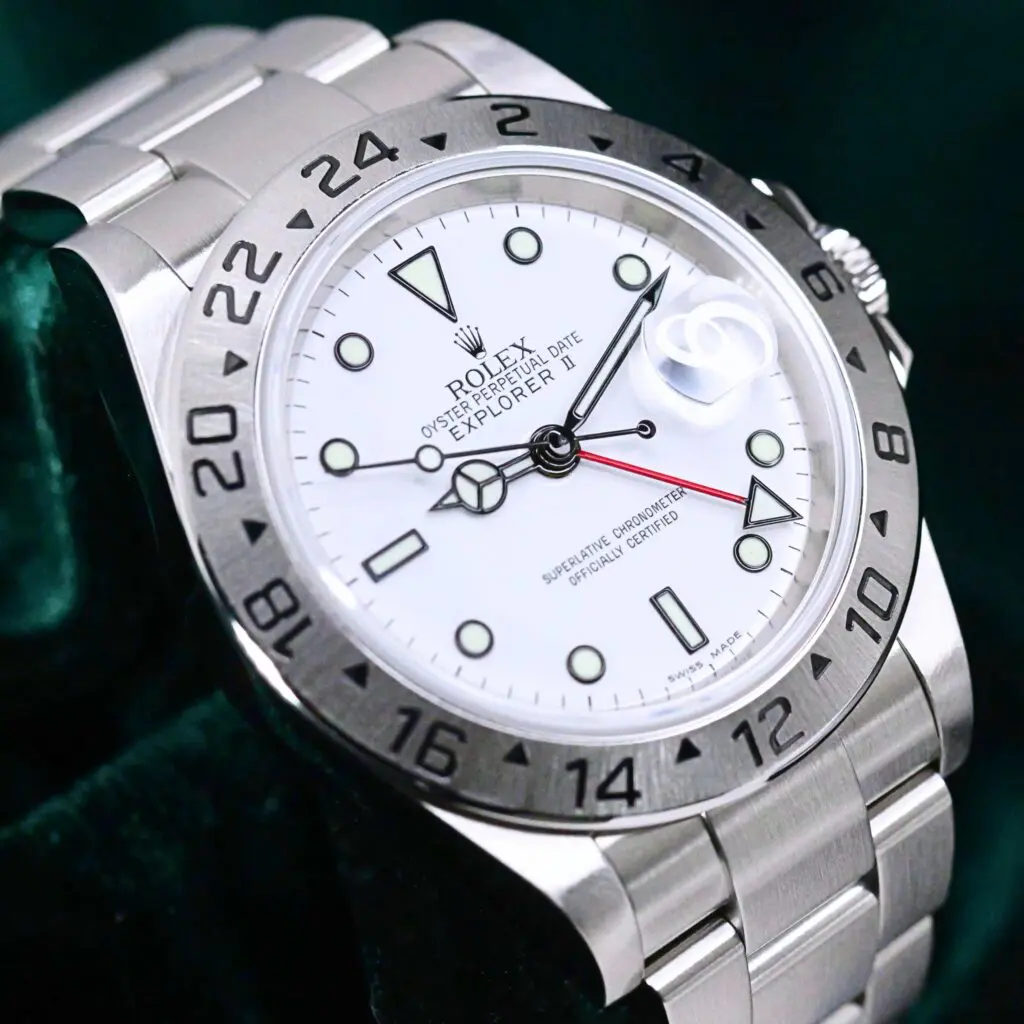
Rolex Explorer II "Polar" White Dial Oyster Bracelet Stainless Steel 40mm MINT CONDITION COMPLETE SET 16570
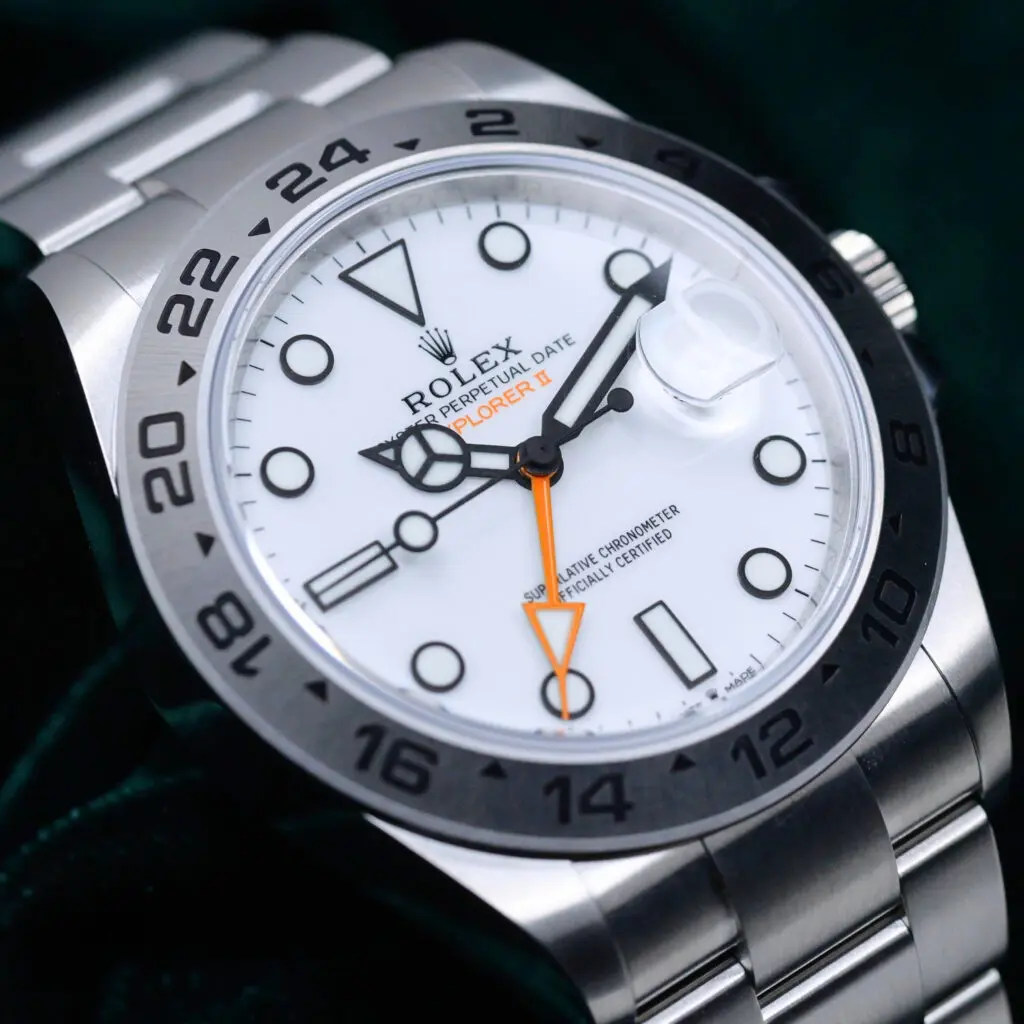
2026 NEW UNWORN Rolex Explorer II "Polar" White Dial Oyster Bracelet Stainless Steel 42mm COMPLETE SET 226570
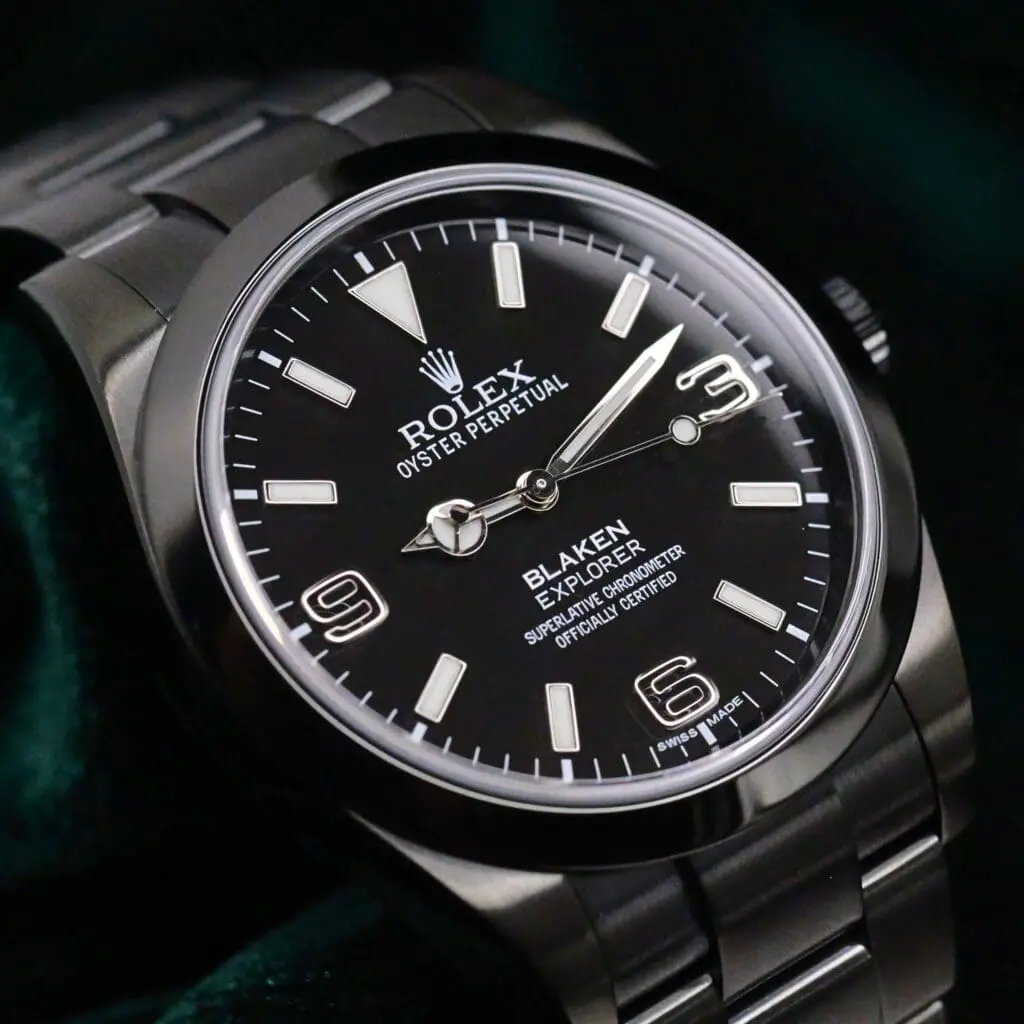
Rolex Explorer Blaken Black Dial Oyster Bracelet DLC Black Stainless Steel 39mm MINT CONDITION COMPLETE SET 214270
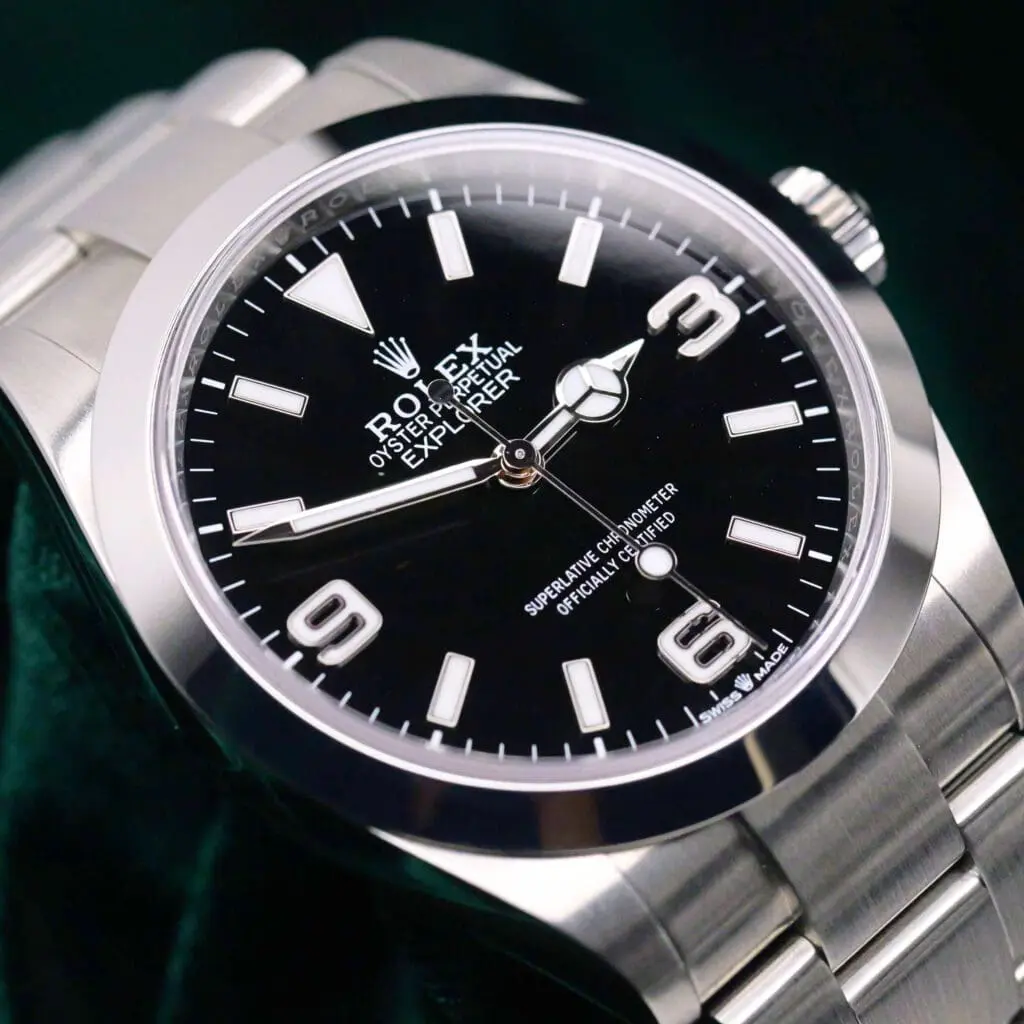
Rolex Explorer Black Dial Oyster Bracelet Stainless Steel 40mm MINT CONDITION COMPLETE SET 224270
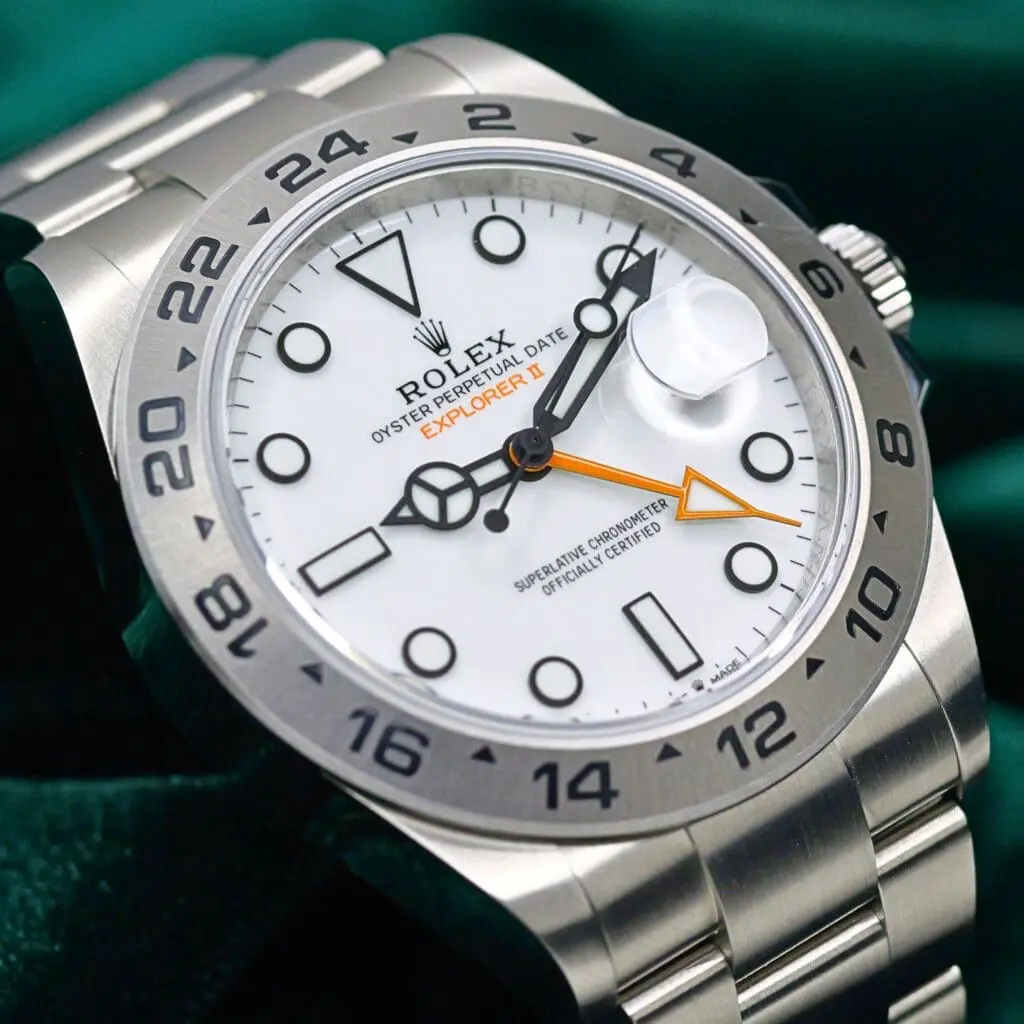
2026 NEW UNWORN Rolex Explorer II "Polar" White Dial 42mm COMPLETE SET 226570
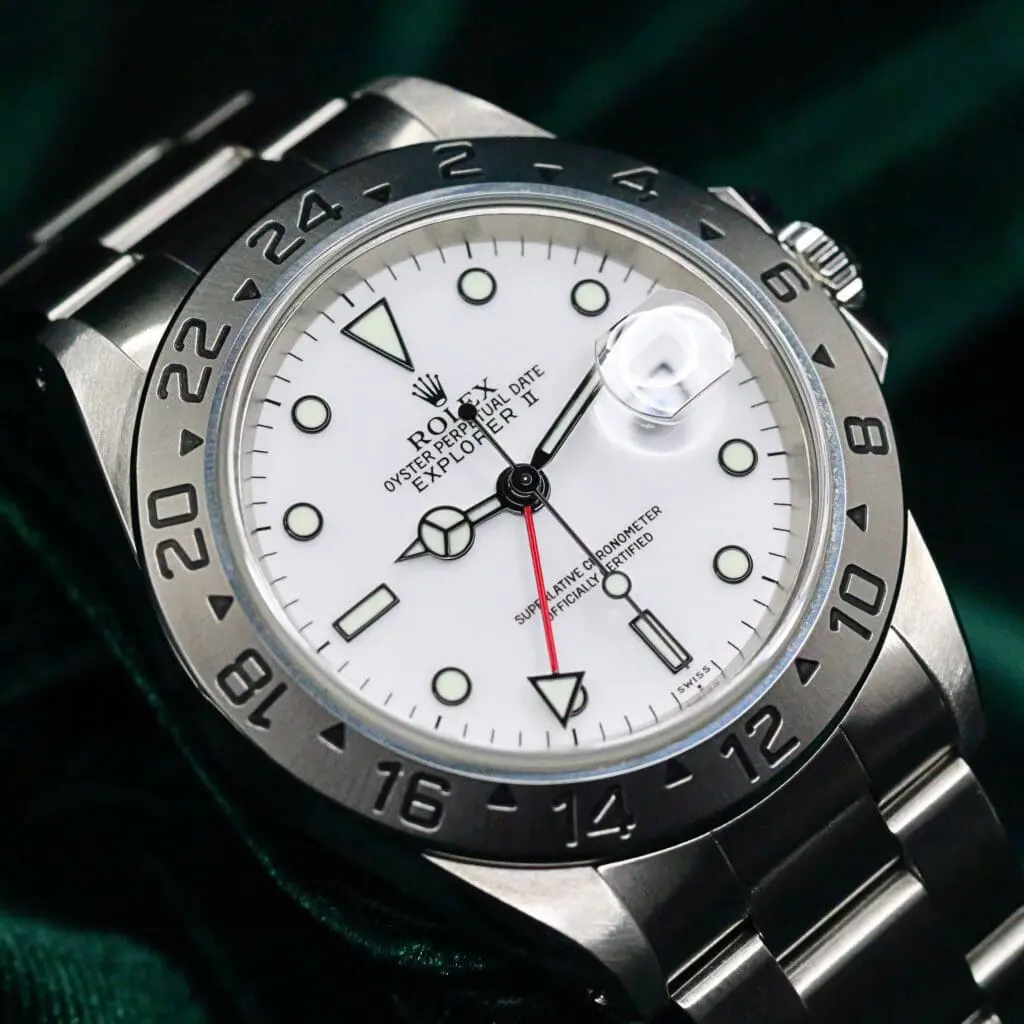
Rolex Explorer II "Polar" White Dial Stainless Steel 40mm MINT CONDITION COMPLETE SET 16570
3. Rolex Explorer II 226570 Black
The current black 226570 runs the same caliber 3285 as the Polar. Black dial, polished white gold markers and hands, traditional look. It’s the pick for a buyer who wants full Explorer II function without the bold white face turning heads.
- Case size: 42mm
- Material: Oystersteel (904L)
- Movement: Caliber 3285 (Chronergy escapement, Parachrom hairspring)
- Bezel: Fixed steel, 24-hour engraved
- Water resistance: 100m
- Power reserve: 70 hours
Which Rolex Explorer II Should You Choose?
The right pick comes down to light, wrist, and taste. Both dials do the same job. They just present it differently.
Choose the Rolex Explorer II Polar if:
- You want one of the only white-dial sport Rolexes in the catalog
- You mostly wear it in daylight and bright conditions
- You want contrast in a collection that’s otherwise all dark dials
- You like the sharp read of black hands on white
- You value the Polar’s distinct collector identity
- You have a larger wrist, where the white dial’s extra presence works for you
Choose the Rolex Explorer II Black if:
- You love the orange GMT hand glowing against a dark background
- You wear it in mixed or low light a lot
- You want a slightly lower entry price on the same reference
- Your collection already leans white or light-dialed
- You’d rather the watch sit quietly than command the room
If you’re on the fence, use the wrist test: a smaller wrist or a low-key rotation leans black, a bigger wrist or a want for something that stands out leans Polar.
Related Models from Majestix
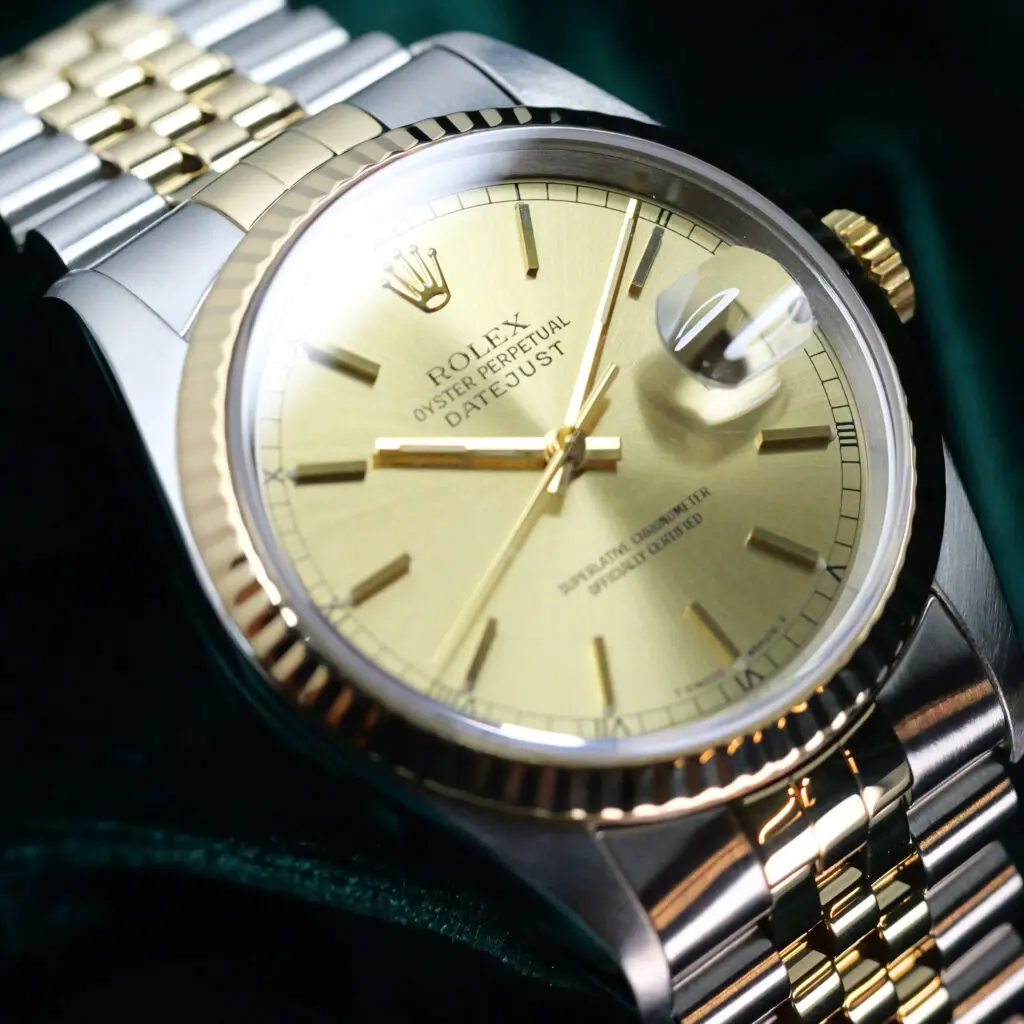
Rolex Datejust Champagne Dial 18K Yellow Gold Fluted Bezel Two-Tone Jubilee Bracelet Stainless Steel 36mm MINT CONDITION COMPLETE SET 16233
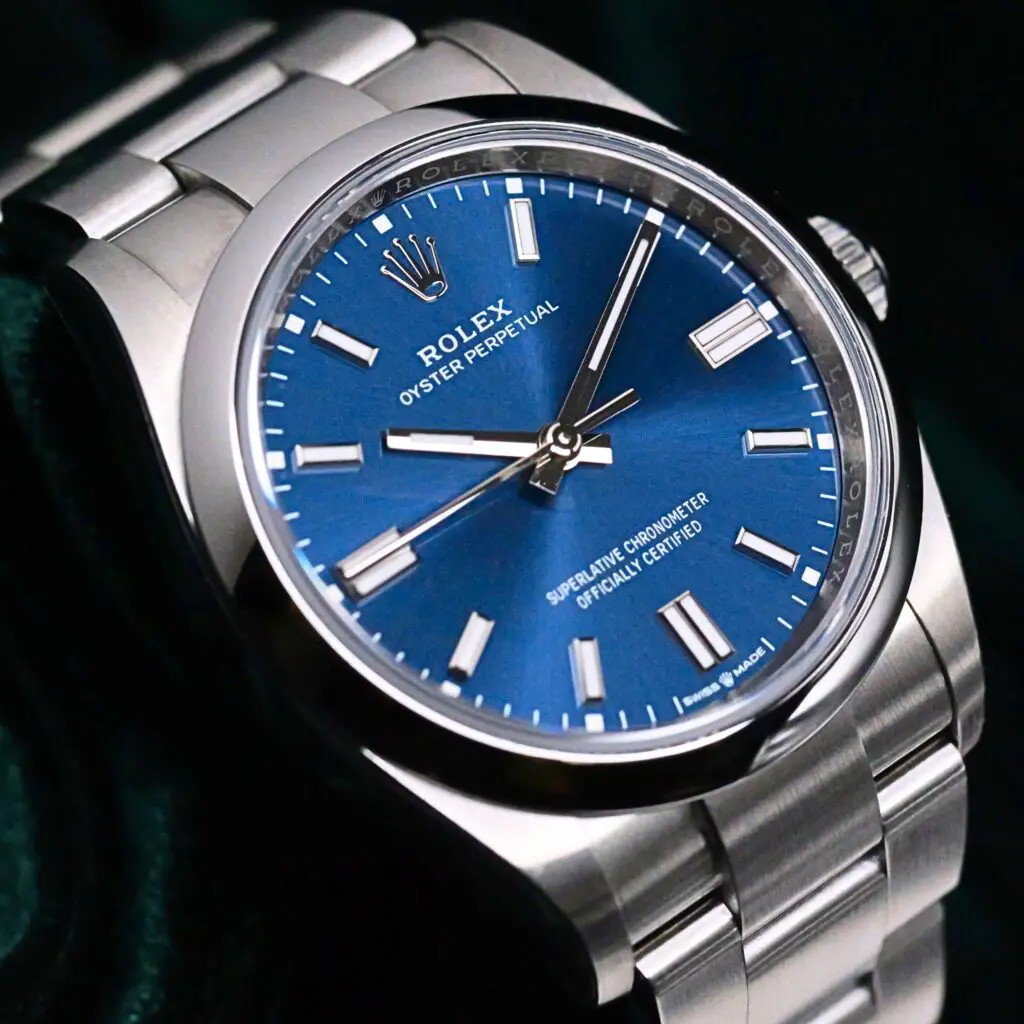
Rolex Oyster Perpetual Bright Blue Dial Oyster Bracelet Stainless Steel 36mm MINT CONDITION COMPLETE SET 126000
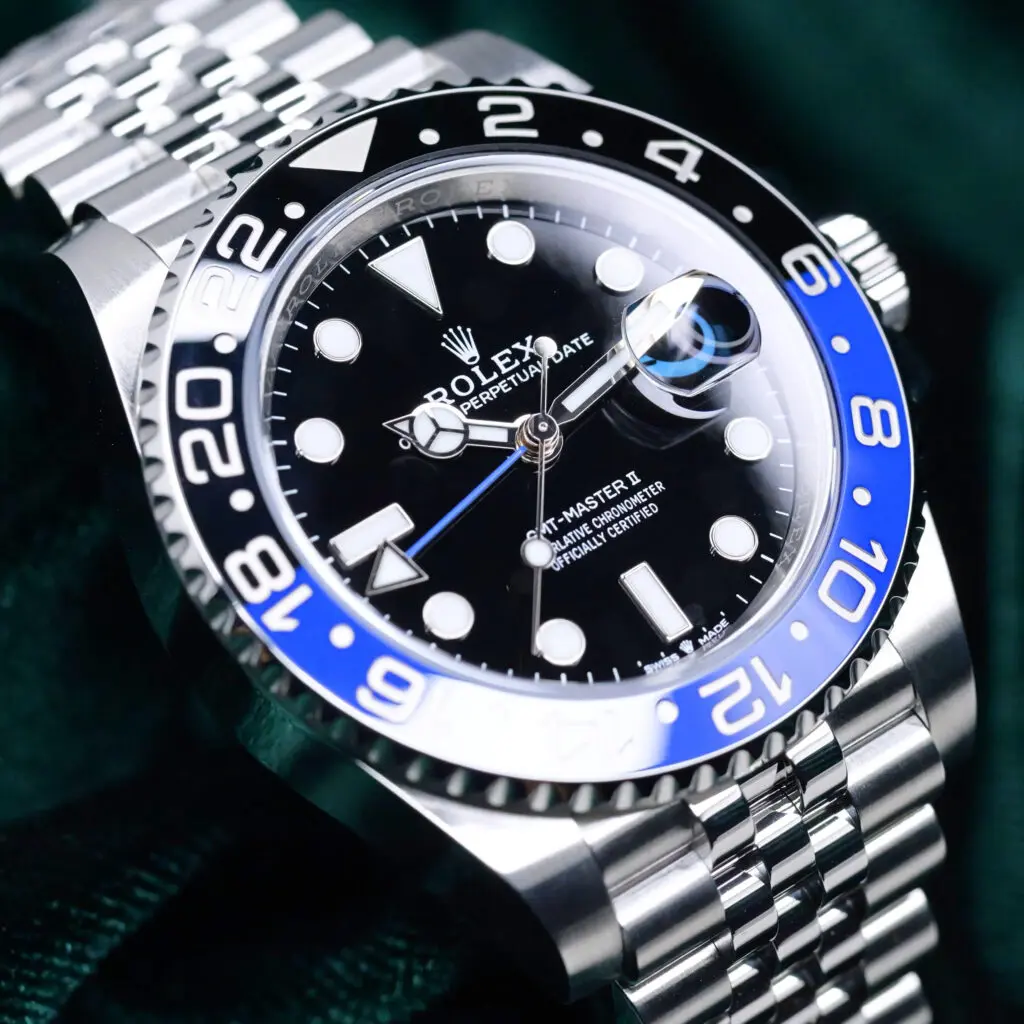
2026 Rolex GMT-Master II “Batgirl” Black Dial Blue Black Ceramic Bezel Jubilee Bracelet Stainless Steel 40mm MINT CONDITION COMPLETE SET 126710BLNR
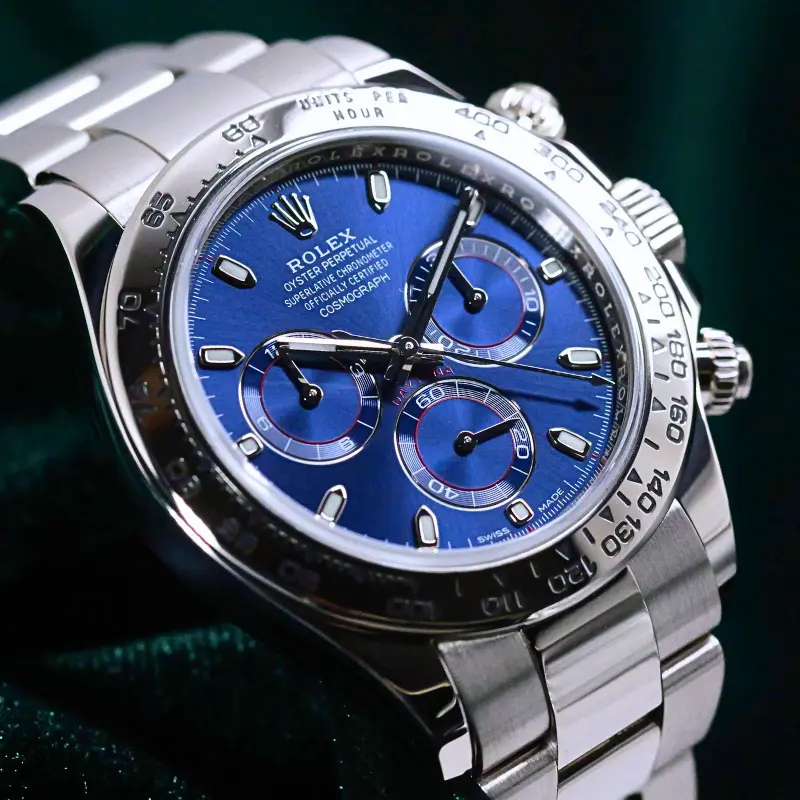
Rolex Daytona Cosmograph “Blue John Mayer” Blue Dial Red Accents 18K White Gold 40mm MINT CONDITION COMPLETE SET 116509
2026 NEW UNWORN Rolex Submariner Black Dial Black Ceramic Bezel Stainless Steel Oyster Bracelet 41mm COMPLETE SET 124060-0001
2025 Rolex Cosmograph Daytona Chocolate Brown & Black Dial 18K Everose Gold Oyster 40mm MINT CONDITION COMPLETE SET 126505
Rolex GMT-Master II Green Arrow Black Dial Black Cerachrom Bezel Oyster Bracelet Stainless Steel 40mm MINT CONDITION COMPLETE SET 116710LN-0001
Rolex Yacht-Master Rolesium Platinum Dial Platinum Bezel Oyster Stainless Steel 40mm MINT CONDITION COMPLETE SET 16622
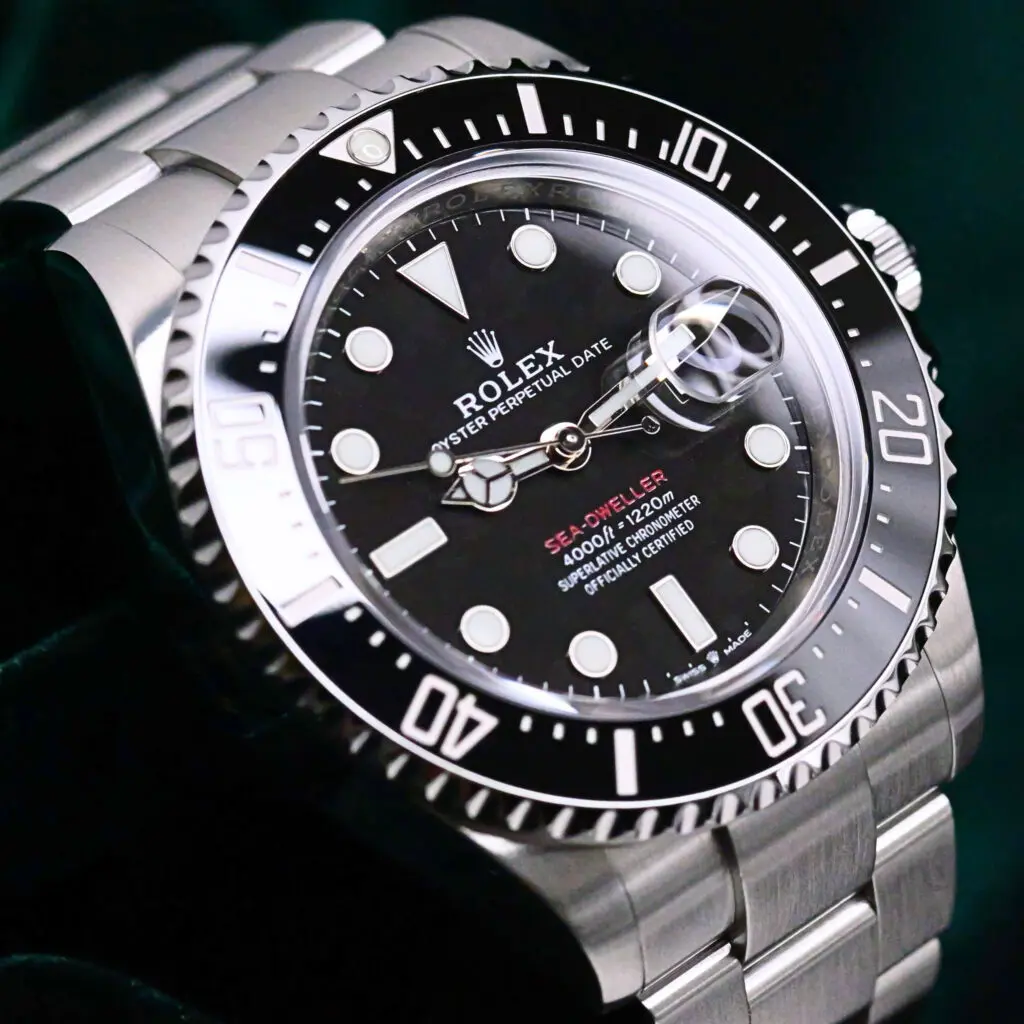
Rolex Sea-Dweller "Red Letter" Black Dial Black Cerachrom Bezel Oyster Bracelet Stainless Steel 43mm MINT CONDITION COMPLETE SET 126600
Watches
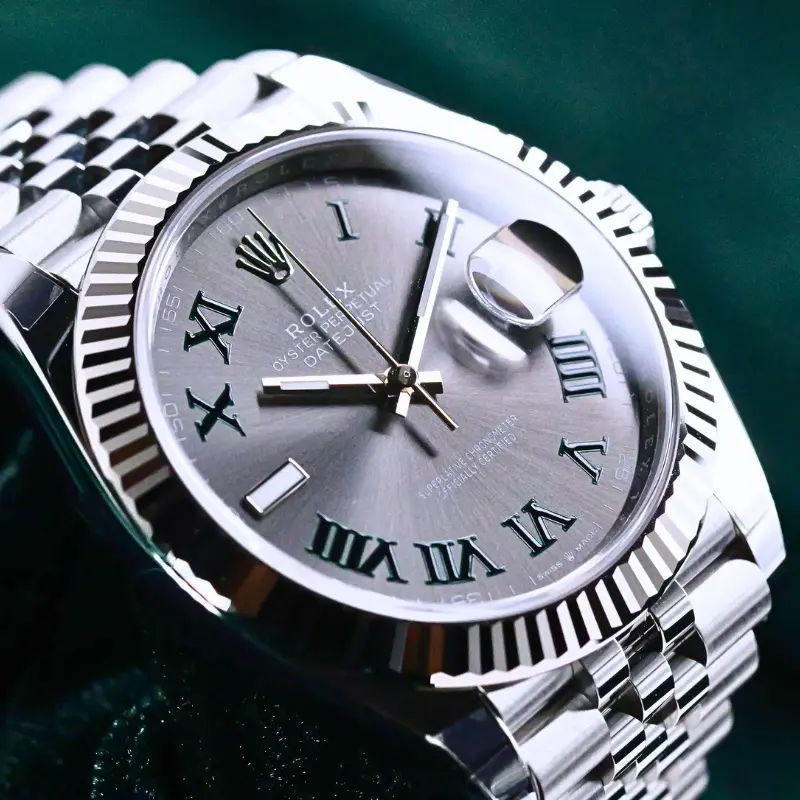
2026 NEW UNWORN Rolex Datejust 41 "Wimbledon" Slate Grey Dial Fluted Bezel Jubilee Bracelet Stainless Steel 18K White Gold 41mm COMPLETE SET 126334-0022
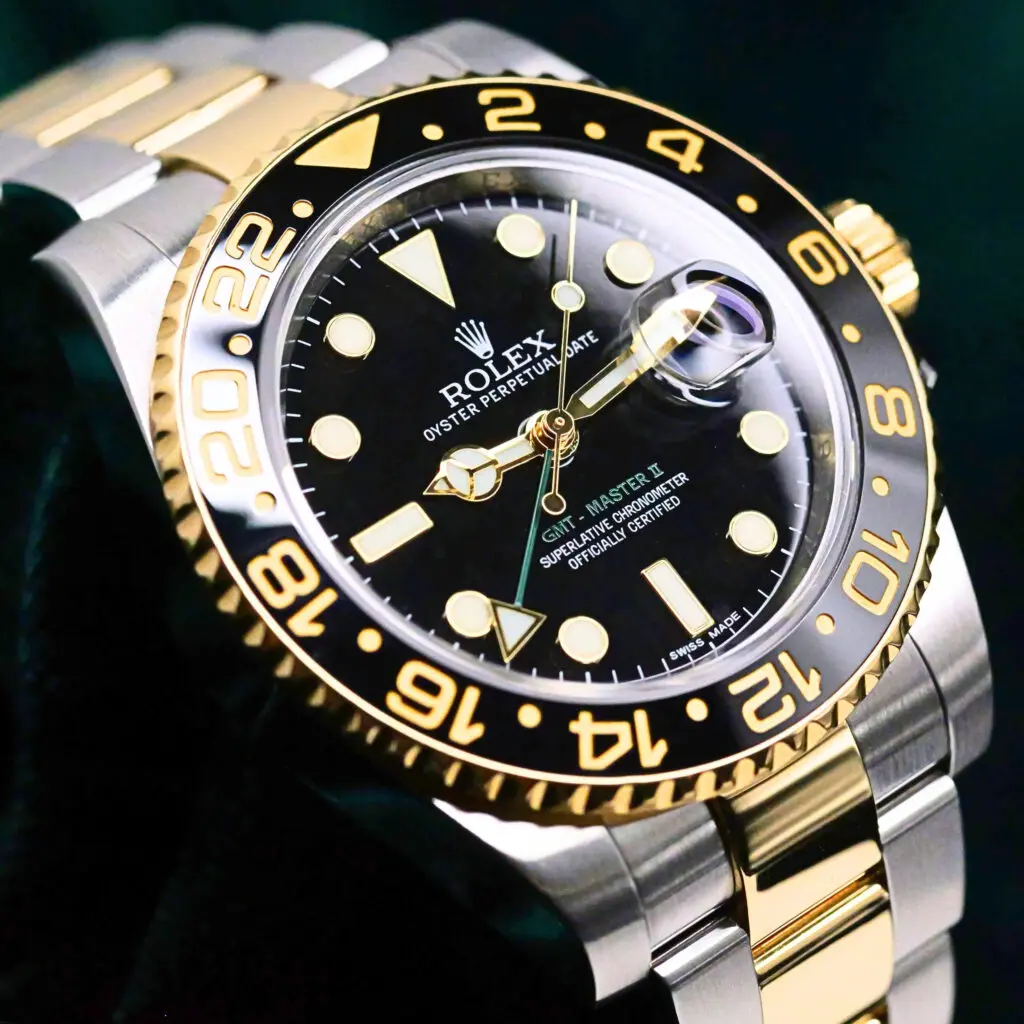
Rolex GMT-Master II “Green Arrow” Black Dial Black Ceramic Bezel Oyster Bracelet Two-Tone 18K Yellow Gold Stainless Steel 40mm MINT CONDITION COMPLETE SET 116713LN
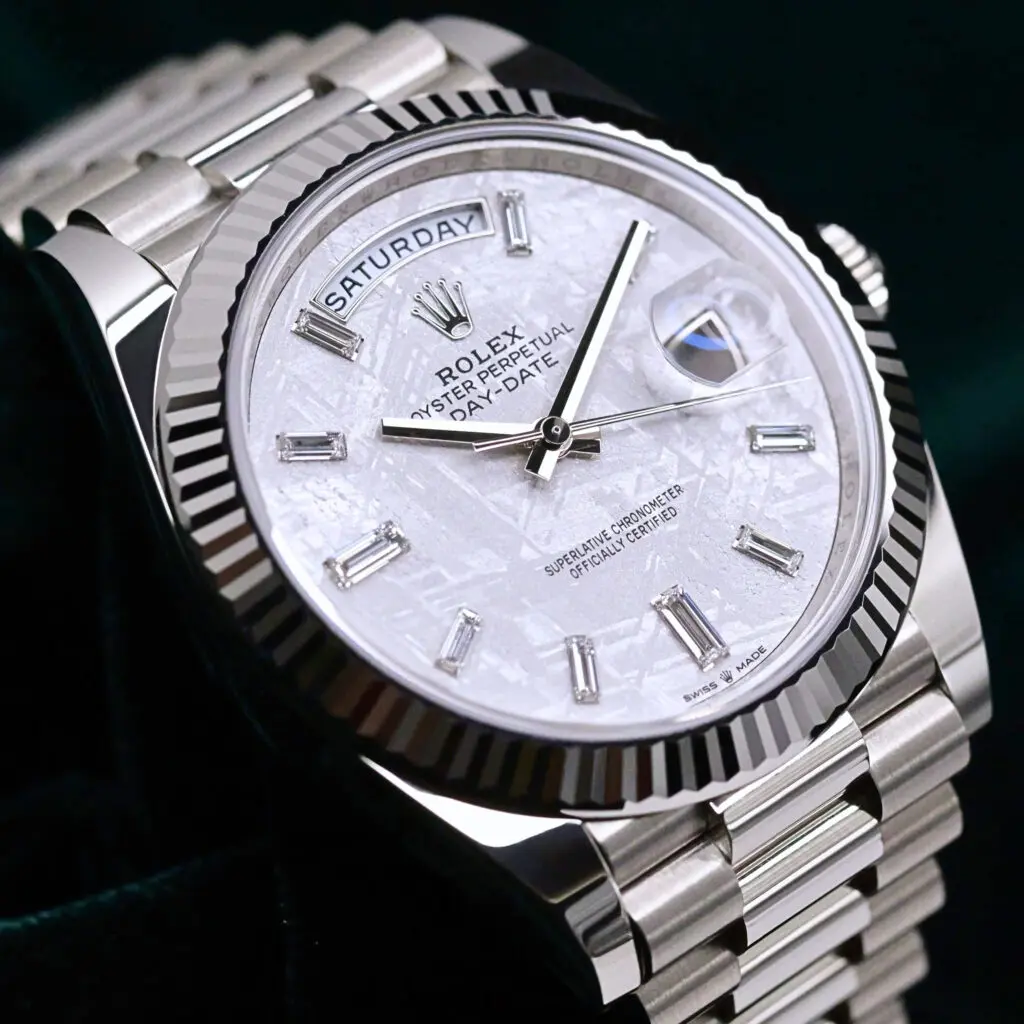
Rolex Day-Date Meteorite Baguette Diamond Dial Fluted Bezel President 18K White Gold 40mm MINT CONDITION COMPLETE SET 228239
Rolex Explorer 2 Polar vs Black FAQ
Is the Rolex Explorer II a true GMT?
Yes, from the 16550 onward. Those references have an independently adjustable 24-hour hand, so you can track a second time zone. If you want the steps, here’s how to set the Explorer II. The one exception is the original 1655, whose 24-hour hand is synced to the main hand and only works as a day/night indicator.
Does the polar dial turn yellow?
It can, and collectors often love it. On vintage Polars, the tritium hour plots can warm to a rich yellow nicknamed “Chicchi di Mais” (corn kernels), prized when the color is deep and even. That’s separate from the 16550 cream dials mentioned earlier. Neither is damage, and honest, even aging usually adds value rather than hurting it. For how pros sort clean from tired, see our guide to watch condition grading.
Which reference holds value best?
The vintage transitional 16550 Polar, then the neo-vintage 16570. Cream-dial 16550s sit at the top of the line, and clean tritium 16570 Polars have the strongest track record among the more attainable references. On the current 226570, both dials trade close to retail, so you’re buying it to wear, not to flip. For the bigger picture, we look at whether Rolex holds its value across the catalog.
Is the Rolex Explorer II discontinued?
No. The 226570 is current production in both Polar and black. The discontinued Rolex people are talking about in 2026 is the GMT-Master II “Pepsi,” which is a different model.
Where to Buy an Authentic Rolex Explorer II Online
A few legitimate channels handle Explorer II sales well. Chrono24 aggregates dealer and private listings worldwide and holds payment in escrow until you confirm the watch. eBay covers higher-value watches under its Authenticity Guarantee, which routes the watch through a check before it reaches you.
Grailzee runs enthusiast-focused watch auctions if you’d rather bid than buy outright. Forums like Rolex Forums and WatchUSeek are also worth a look for private sales, though authentication is on you there, so it helps to know how to spot a fake Rolex before you wire anything.
We also buy, sell, and trade luxury watches. The reason clients come to us instead of a big marketplace is the back-and-forth before you commit. We send tour videos of the real watch, not stock photos, plus honest condition notes and a conversation with someone who has had the piece in hand.
On a Polar especially, where dial condition drives value, seeing the exact dial up close before you pay is the difference between a good buy and a regret.
That shows up in our 4.9-star Google rating, which comes from buyers who wanted to understand a watch before wiring money for it.
If you want that kind of walkthrough on a specific Polar or black Explorer II, reach out and we can help you source one that matches what you’re after.
Final Thoughts on Rolex Explorer 2 Polar vs Black
Strip away the specs and this is really about how you want to show up. The Polar is the extrovert: it catches light, fills the wrist, and says you picked the version most buyers skip. The black is the quiet operator that slides under a cuff and gets on with the job. Neither is the smart pick. They’re two honest answers to two different temperaments.
Live with your gut ready for a day before you buy. Two quick tips to close. Try both in real daylight, since photos flatten the difference. And on a vintage Polar, budget extra for a genuinely clean dial, because that’s the part you’ll stare at every day.
999+ Timepieces Available
Explore Our Timepieces
Authenticated, unworn, and ready to ship worldwide.
Rolex · Audemars Piguet · Patek Philippe · Omega · Cartier · Richard Mille · Hublot · Tudor
Newly Listed

Vacheron Constantin Overseas Perpetual Calendar Ultra-Thin Silver Dial 18K Rose Gold Bracelet 41.5mm MINT CONDITION COMPLETE SET 4300V/120R-B064
$115,385.00
2026 Rolex GMT-Master II “Batgirl” Black Dial Blue Black Ceramic Bezel Jubilee Bracelet Stainless Steel 40mm MINT CONDITION COMPLETE SET 126710BLNR
$22,034.00
Vacheron Constantin Overseas Perpetual Calendar Ultra-Thin Silver Dial Blue Leather Strap 18K Rose Gold 41.5mm MINT CONDITION COMPLETE SET 4300V/120R-B064
$115,385.00
2026 NEW UNWORN Vacheron Constantin Historiques 222 Blue Dial Stainless Steel 37mm COMPLETE SET 4200H/222A-B934
$58,795.00
Rolex Yacht-Master Rolesium Platinum Dial Platinum Bezel Oyster Stainless Steel 40mm MINT CONDITION COMPLETE SET 16622
$14,690.00

Audemars Piguet Royal Oak Offshore Chronograph “Vampire” Black Dial Red Accents Black Ceramic Bezel Stainless Steel 42mm MINT CONDITION 26470SO.OO.A002CA.01
$34,649.00
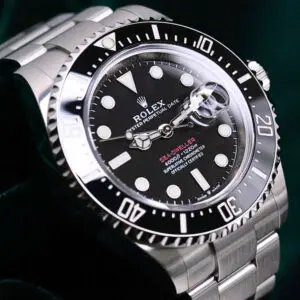
Rolex Sea-Dweller "Red Letter" Black Dial Black Cerachrom Bezel Oyster Bracelet Stainless Steel 43mm MINT CONDITION COMPLETE SET 126600
$13,120.00
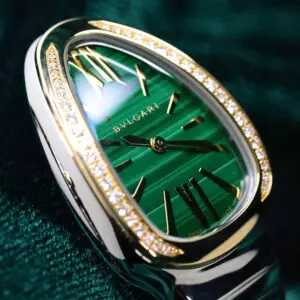
2026 NEW UNWORN Bvlgari Serpenti Tubogas Studs Capsule Limited Edition Green Dial Diamond Bezel Steel & 18k Yellow Gold 35mm COMPLETE SET 104360
$24,255.00
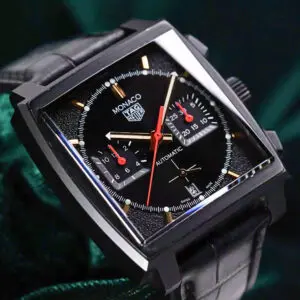
Tag Heuer Monaco Chronograph “Dark Lord” Special Edition Black Dial Black Leather Strap DLC Titanium 39mm MINT CONDITION COMPLETE SET CBL2180.FC6497
$8,135.00
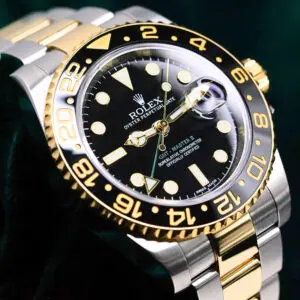
Rolex GMT-Master II “Green Arrow” Black Dial Black Ceramic Bezel Oyster Bracelet Two-Tone 18K Yellow Gold Stainless Steel 40mm MINT CONDITION COMPLETE SET 116713LN
$15,740.00
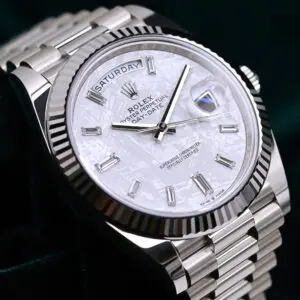
Rolex Day-Date Meteorite Baguette Diamond Dial Fluted Bezel President 18K White Gold 40mm MINT CONDITION COMPLETE SET 228239
$78,629.00
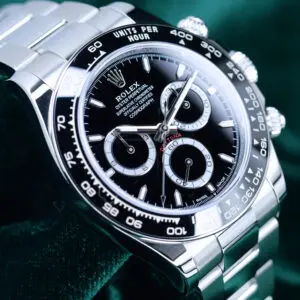
2026 Rolex Cosmograph Daytona Black Dial Black Ceramic Bezel Oyster Bracelet Stainless Steel 40mm MINT CONDITION COMPLETE SET 126500LN
$33,594.00