
Read our detailed Omega watch reviews that go beyond surface impressions to reveal the depth of craftsmanship, precision, and technical innovation behind one of Switzerland’s most enduring watch brands. For over 175 years, Omega has blended traditional watchmaking with advanced research and materials science, earning its place among the world’s leading horological manufacturers.
- Explore All Our In-Depth Watch Reviews
Be informed on how Omega balances engineering and aesthetics. The brand’s reputation is built not on marketing alone but on measurable performance — proven through its roles in Olympic timekeeping, space exploration, and scientific advancement.
Omega History and Legacy
Omega SA, founded in 1848 by Louis Brandt in La Chaux-de-Fonds, Switzerland, began as a small workshop assembling pocket watches before evolving into a full-scale manufacturer in Bienne, where it still operates today. By the late 19th century, Omega pioneered industrial precision watchmaking with the 1894 “Omega” caliber, setting new standards for accuracy and interchangeability.
Throughout the 20th century, Omega achieved global recognition for chronometric excellence, earning top observatory awards and becoming the official Olympic timekeeper in 1932. Its timepieces accompanied explorers, aviators, divers, and astronauts, establishing a reputation for reliability in demanding environments.
Now part of the Swatch Group, Omega remains one of the few fully vertically integrated luxury watchmakers, combining research, design, and manufacturing under one roof — a model that sustains its leadership in Swiss horology.
Omega’s Design & Build Quality
Omega’s watches combine precision engineering with timeless design. The Omega Seamaster Diver 300M and Speedmaster Moonwatch showcase the brand’s signature blend of function and style. Cases use stainless steel, titanium, ceramic, or 18K Sedna™ gold, with brushed and polished finishes that emphasize durability and refinement. Every element reflects Omega’s dedication to quality Swiss craftsmanship and enduring aesthetics.
Built for longevity, Omega watches deliver comfort and resilience. Ergonomic cases ensure a secure fit, while sapphire crystal glass and anti-magnetic technology enhance protection. The Seamaster offers water resistance up to 300 meters, while the Constellation and De Ville highlight elegant, everyday luxury. Across all collections, Omega’s design and construction stand out for precision, durability, and lasting appeal.
Popular Omega Models
1. Omega Seamaster
The Omega Seamaster is one of the brand’s oldest and most celebrated collections, originally introduced in 1948. It embodies Omega’s maritime heritage and technical innovation, offering exceptional water resistance, durability, and elegant versatility.
- Features: Robust stainless-steel or titanium case, helium-escape valve, ceramic bezel, chronometer-certified movement, water resistance up to 300 m or more.
- Known for: Its iconic role in the James Bond franchise and reliability as a true diver’s watch.
- Popular models: Seamaster Diver 300M, Seamaster Planet Ocean 600M, Aqua Terra 150M.
- Why it stands out: Combines sporty toughness with refined detailing, suitable for diving, business, and casual wear.
- Audience: Divers, explorers, and professionals who want a luxury sports watch with real-world capability.
Featured Reviews:
2. Omega Speedmaster
The Omega Speedmaster is arguably the brand’s most iconic watch, earning the title of “Moonwatch” after accompanying NASA astronauts during the Apollo missions. Since its debut in 1957, it has symbolized precision, endurance, and adventure, remaining a benchmark among chronographs.
- Features: Mechanical chronograph, tachymeter bezel, manual or automatic movements, superior legibility, durable case design.
- Known for: Being the first watch worn on the Moon and NASA’s official choice for space missions.
- Popular models: Speedmaster Professional Moonwatch, Speedmaster ’57, Speedmaster Dark Side of the Moon.
- Why it stands out: Merges heritage, technical excellence, and timeless design — a true icon in watchmaking.
- Audience: Collectors, space enthusiasts, and those who value authentic chronograph craftsmanship.
Featured Review:
3. Omega Constellation
The Omega Constellation line represents elegance, precision, and prestige. First launched in 1952, it was designed to highlight Omega’s mastery of chronometer accuracy. With its distinctive “Griffes” (claws) and integrated bracelet, the Constellation remains a hallmark of refined style.
- Features: Polished bezel with “Griffes” design, integrated bracelet, Co-Axial Master Chronometer movement, date display.
- Known for: Its signature star emblem at 6 o’clock and legacy of exceptional accuracy.
- Popular models: Constellation Co-Axial Master Chronometer, Constellation Manhattan, Constellation Globemaster.
- Why it stands out: Fuses timeless elegance with Omega’s high-precision movement technology.
- Audience: Professionals and those who appreciate a distinguished, formal aesthetic in a luxury watch.
4. Omega De Ville
The Omega De Ville collection focuses on classic elegance and refined simplicity. Introduced in the 1960s, it quickly became known for clean design, modern proportions, and outstanding mechanical innovation, making it Omega’s go-to line for sophisticated dress watches.
- Features: Slim case profiles, minimalist dials, Co-Axial Master Chronometer calibers, premium finishing.
- Known for: Winning design awards and representing the refined side of Omega craftsmanship.
- Popular models: De Ville Prestige, De Ville Hour Vision, De Ville Trésor.
- Why it stands out: Offers timeless elegance combined with cutting-edge Omega movement technology.
- Audience: Watch enthusiasts and professionals seeking a refined, understated timepiece for formal or business wear.
What Makes Omega Special?
Omega is popularly known for its precision engineering, enduring reliability, and iconic watch collections that have defined Swiss horology for generations. The brand’s most recognized lines including the Speedmaster, Seamaster, Aqua Terra, and Constellation — embody its ability to merge technical innovation with timeless design.
Omega earned global recognition for developing chronometer-certified movements and pioneering large-scale precision testing long before it became an industry norm. Its close association with Olympic timekeeping, aviation, and space exploration reinforces its reputation for measurable accuracy and professional-grade performance.
The company’s philosophy prioritizes engineering integrity and functional elegance over exclusivity. Omega produces watches that can be worn in real life — reliable enough for divers and astronauts, yet refined enough for formal occasions.
Is an Omega Watch Worth Your Money?
Absolutely! An Omega watch offers strong value in today’s luxury market. Sitting between Rolex and brands like Tudor, Breitling, and Tag Heuer, Omega provides Swiss precision and heritage at a more attainable cost.
Most new models retail between $5,000–$10,000 USD, positioning Omega below Rolex’s entry range of $9,000–$12,000 USD but above mid-tier competitors. Resale trends show steady long-term stability, with limited and vintage releases gaining gradual appreciation.
Rather than relying on scarcity or hype, Omega builds value through consistent quality, technical innovation, and timeless design. For most buyers, it represents a practical luxury investment — a watch to wear, enjoy, and rely on for decades.
Comparison: Omega vs. Competitors
Omega ranks among the elite Swiss watchmakers, often measured against Rolex, TAG Heuer, and Breitling. Its blend of innovation, heritage, and precision keeps it competitive in 2025, supported by milestones such as the Apollo missions, the Olympic Games, and its enduring link with James Bond.
Omega vs. Rolex
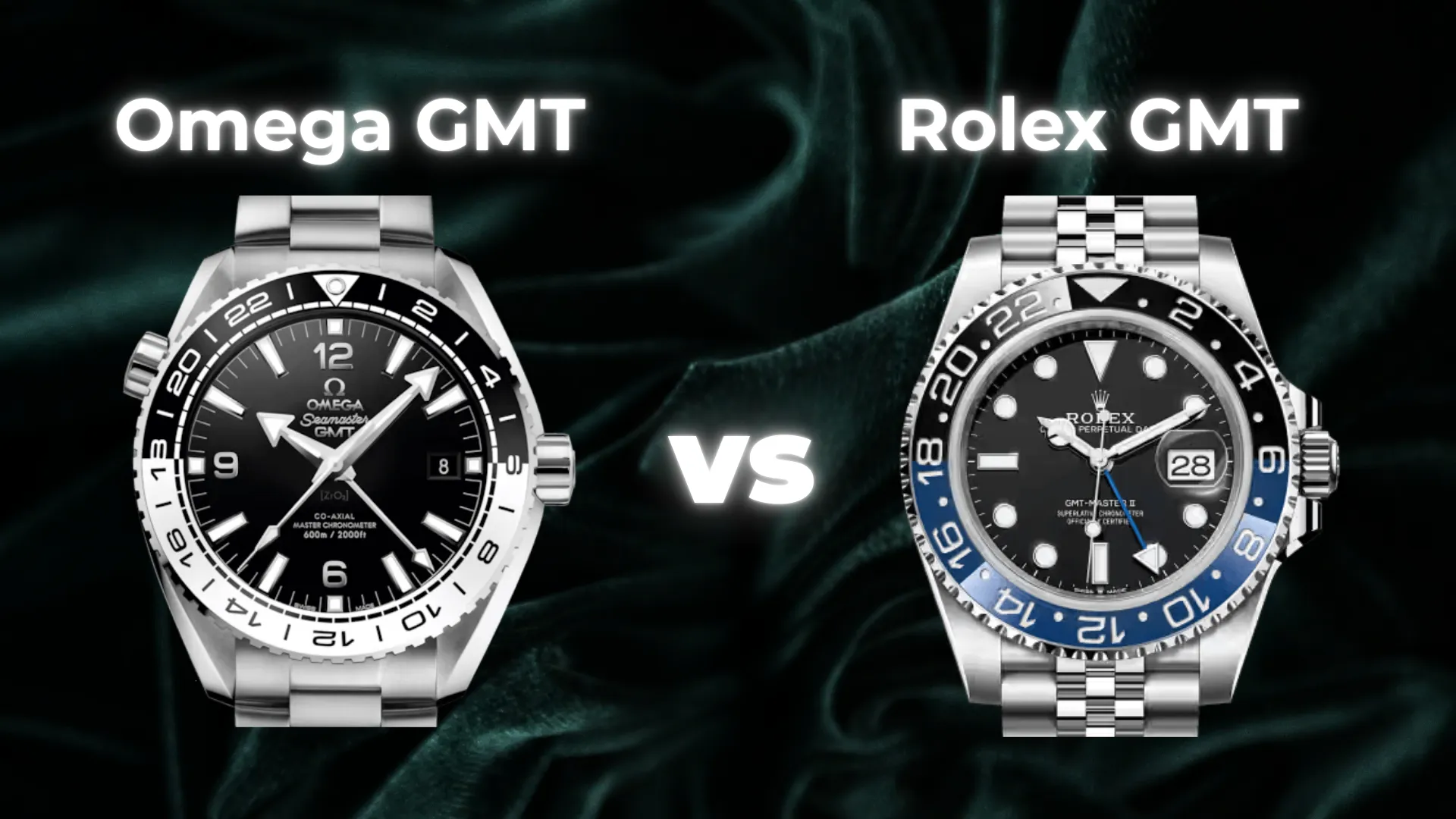
Omega and Rolex represent two philosophies in fine watchmaking. Omega champions technology and accessibility, powered by its Co-Axial escapement and Master Chronometer certification, which provide magnetic resistance up to 15,000 gauss. Rolex, renowned for prestige and refinement, prioritizes timeless design and brand exclusivity with movements like the Calibre 3235 offering a 70-hour power reserve.
While Rolex dominates in resale and symbolic status, Omega delivers superior technical value and a broader range of accessible models. The Speedmaster Moonwatch and Seamaster Diver 300M remain benchmarks of innovation and heritage, attracting collectors and professionals alike.
Aspect | Omega | Rolex |
Entry Price Range | $5,000–$8,000 | $7,000–$15,000+ |
Movement | Co-Axial Master Chronometer (COSC + METAS) | In-house Calibre 3235/3255 |
Magnetic Resistance | Up to 15,000 gauss | Minimal |
Water Resistance | Up to 600 m (Seamaster) | Up to 1,220 m (Sea-Dweller) |
Resale Value | Strong | Industry-leading |
Brand Focus | Innovation & precision | Prestige & exclusivity |
Omega vs. TAG Heuer
Both Omega and TAG Heuer embody Swiss performance, but occupy different tiers. Omega emphasizes high-end mechanical mastery with the Caliber 8800 and Master Chronometer certification. TAG Heuer’s strength lies in motorsport-inspired design, championed by models like the Carrera and Monaco.
TAG Heuer is more accessible in price and appeal, while Omega commands higher craftsmanship and long-term value. In 2025, Omega stands as the more advanced and collectible choice, whereas TAG remains ideal for entry-level enthusiasts seeking modern, sporty aesthetics.
Aspect | Omega | TAG Heuer |
Entry Price Range | $5,000–$8,000 | $3,000–$5,000 |
Movement Certification | Master Chronometer (COSC + METAS) | COSC (select models) |
Magnetic Resistance | Up to 15,000 gauss | Limited |
Design Focus | Timeless luxury & innovation | Motorsport-inspired, youthful |
Resale Value | Higher | Moderate |
Best For | Collectors & professionals | Entry-level luxury buyers |
Omega vs. Breitling
Omega and Breitling share a legacy of precision and rugged reliability but target different audiences. Omega blends elegance and technology across its Speedmaster, Seamaster, and Constellation lines, powered by proprietary Co-Axial Master Chronometer movements. Breitling centers on aviation heritage, with tool watches like the Navitimer and Avenger featuring pilot-friendly functions.
Both deliver strong build quality, yet Omega’s in-house innovation, anti-magnetic engineering, and NASA associations give it an edge in versatility and prestige. Breitling’s bold designs and technical pilot appeal remain unmatched for aviation enthusiasts.
Aspect | Omega | Breitling |
Entry Price Range | $5,000–$8,000 | $4,000–$7,000 |
Movement | In-house Co-Axial Master Chronometer | In-house & ETA-based calibers |
Design Focus | Balanced: dive, dress, chronograph | Aviation & chronograph tools |
Heritage Strength | NASA, James Bond, Olympics | Aviation & pilot legacy |
Resale Value | Strong | Moderate |
Best For | All-round luxury enthusiasts | Aviation and tool-watch fans |
Omega Watch Pricing & Value for Money
Omega offers a wide pricing spectrum across its collections, making it one of the most versatile names in Swiss luxury watchmaking. Each range caters to different tastes, functions, and budgets while maintaining the brand’s hallmark craftsmanship and innovation.
Price Range by Collection:
- Constellation – Entry-level quartz models start around $3,200, rising to $8,900 for pieces with diamond bezels or mother-of-pearl dials.
- Railmaster & Aqua Terra – Mid-tier mechanical watches priced between $5,400 and $40,000, featuring materials like bronze gold and meteorite dials.
- Speedmaster – Iconic chronographs such as the Dark Side and Grey Side of the Moon editions range from $15,000 to $16,500, offering advanced ceramic cases and Co-Axial chronometer movements.
- Seamaster Planet Ocean Worldtimer – High-end diver models start around $14,800 and above, reflecting Omega’s expertise in sports and adventure timepieces.
Omega watches offer strong value through exceptional craftsmanship and advanced technology. While they may not reach Rolex’s peak resale levels, they consistently outperform many other luxury brands in long-term value retention. On average, Omega timepieces maintain around 60–80% of their original retail price on the secondary market, reflecting their lasting appeal and reliability.
Final Verdict
Omega stands out as a brand that bridges technical innovation and timeless design, offering exceptional quality across a wide range of collections. Its commitment to precision through Co-Axial Master Chronometer movements, refined craftsmanship, and versatile styling ensures lasting appeal among professionals and enthusiasts alike. While not reaching Rolex’s status in resale or exclusivity, Omega offers greater accessibility without compromising on luxury or reliability.
Overall Rating: 9/10 – Highly Recommended
Omega offers outstanding value in luxury watchmaking, blending technical excellence, design sophistication, and enduring legacy. For buyers seeking a versatile, high-quality Swiss watch without overpaying for brand prestige, Omega stands among the best choices in 2025.
FAQs
Are Omega watches a good investment?
Omega watches, especially the Speedmaster Moonwatch and limited-edition Seamaster models, are solid investments thanks to their enduring demand, craftsmanship, and historical value. While they don’t appreciate as rapidly as Rolex, most Omega pieces retain about 60–80% of their original price. For collectors and enthusiasts, Omega offers long-term reliability and one of the strongest value propositions in Swiss luxury watchmaking.
How often should an Omega watch be serviced?
Omega recommends servicing every five to eight years to maintain accuracy and performance. Routine maintenance includes inspection, lubrication, and water-resistance testing. The brand’s Co-Axial escapement reduces friction and extends service intervals compared to traditional movements. Having your watch serviced at an authorized Omega service center ensures lasting precision, durability, and full warranty protection.
Is Omega better than Rolex?
Omega outperforms many rivals in innovation, technology, and value, while Rolex leads in prestige and resale strength. Omega’s Co-Axial Master Chronometer movements deliver superior magnetic resistance and long-term accuracy. Rolex remains the symbol of exclusivity, but Omega provides greater accessibility and variety. Ultimately, Omega suits those who value engineering excellence and everyday versatility over pure brand status.