
Choosing between the Omega Constellation and Seamaster is one of the most common dilemmas for first-time luxury watch buyers. Both carry the Omega name and sit in a similar price range. But they were built for completely different lives.
The Constellation is a dress watch first. It was made for the office, formal occasions, and anyone who wants elegance on the wrist without shouting about it. The Seamaster was built for the sea. Active, versatile, and capable enough to go anywhere without a second thought.
This guide breaks down the real differences between the two. Design, water resistance, movement, and price. Everything a buyer needs to make a confident call in 2026.
Omega Constellation Background

The Omega Constellation launched in 1952 as Omega’s first collection built specifically around chronometer certification and precision timekeeping. The name was intentional. Omega chose Constellation to reflect the precision of celestial navigation, the same standard they held their chronometers to.
The Ref. 2853, one of the earliest Constellation references from the 1950s, was among the first watches to earn a chronometer certificate from the Geneva Observatory. That level of certified accuracy was rare at the time. It gave the Constellation immediate credibility that Omega’s other collections did not yet have.
Over the decades the collection became Omega’s definitive dress watch. It was never built for the water, the field, or the wrist of a diver. It was built for professionals who wanted a refined, elegant timepiece. One that works as well in a boardroom as it does at a formal dinner.
That puts it in the same lane as the Rolex Datejust, and we cover how the two compare in a separate guide.
Related Models from Majestix
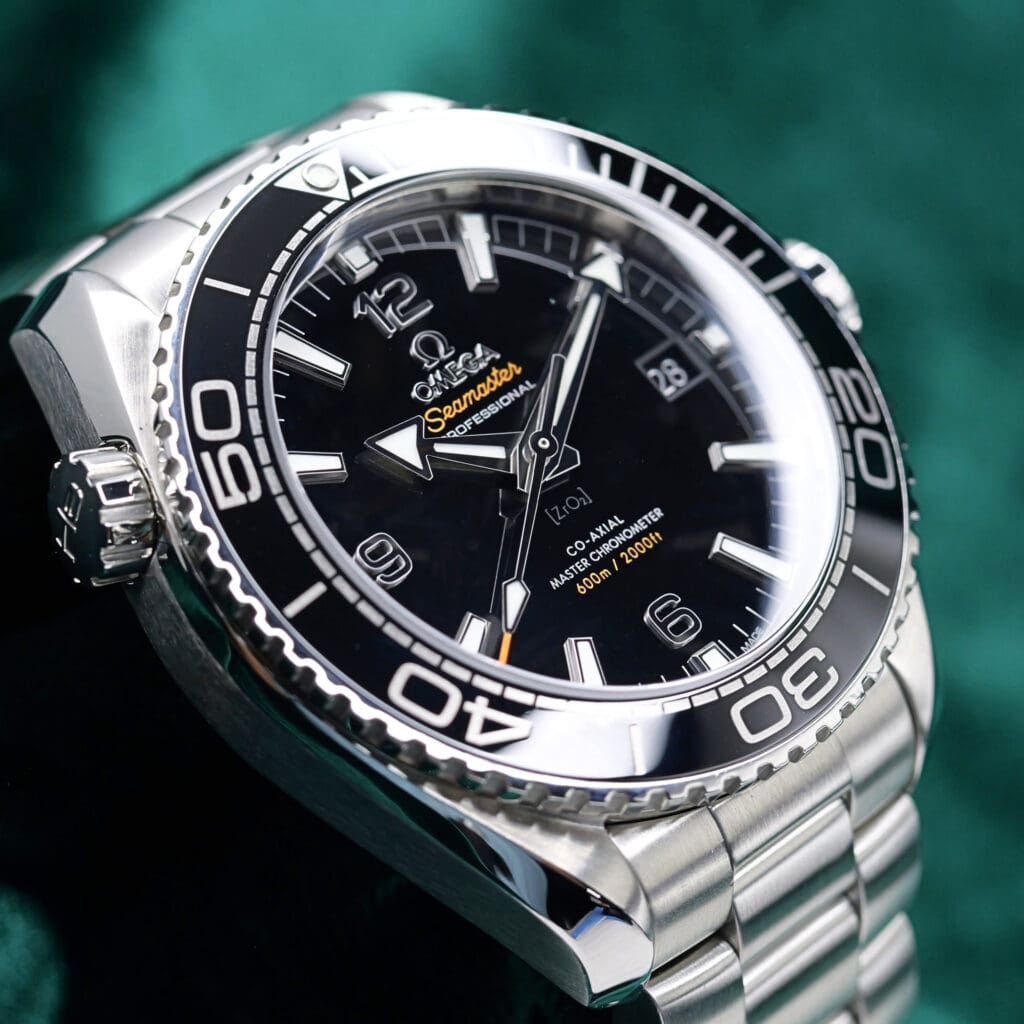
Omega Seamaster Planet Ocean 600M Black Dial Stainless Steel 43.5mm MINT CONDITION COMPLETE SET 215.30.44.21.01.001
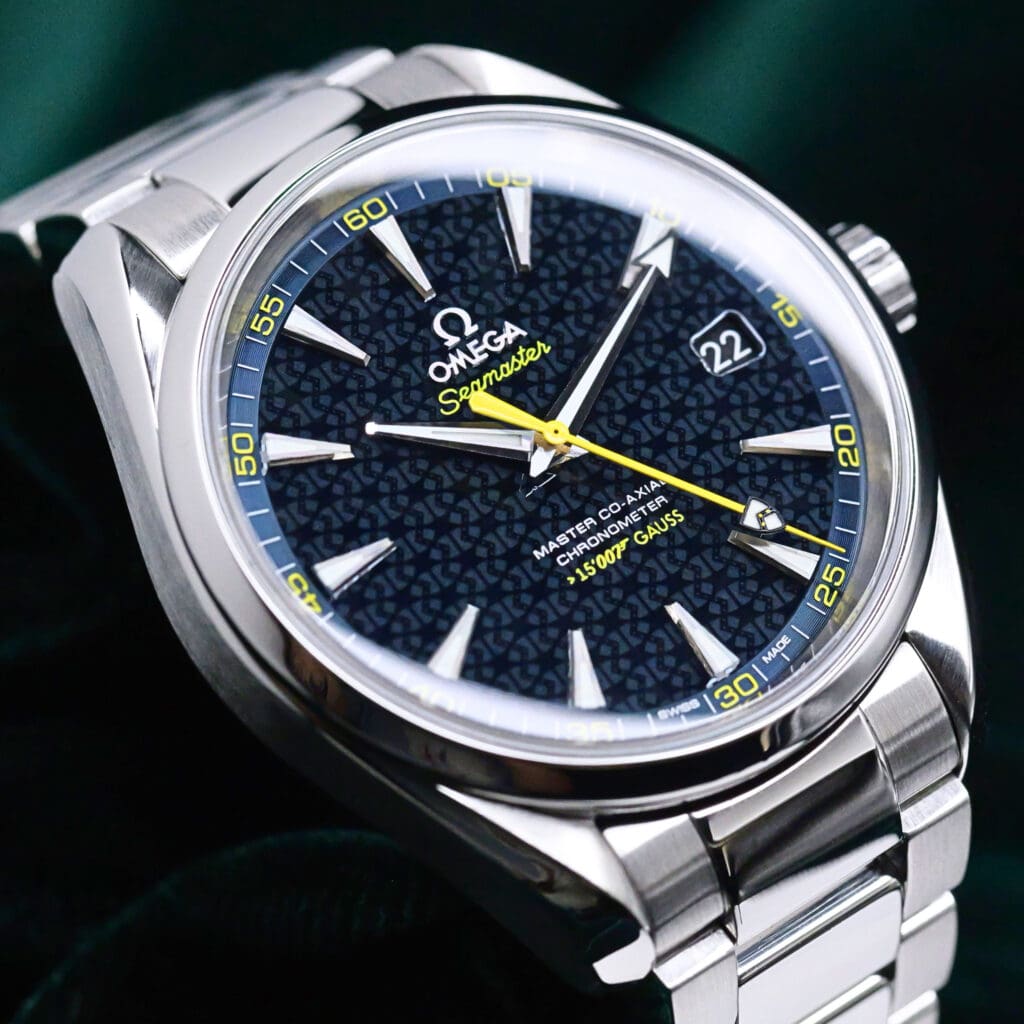
Omega Seamaster Aqua Terra 150M "James Bond Spectre" Blue Dial Yellow Accents Stainless Steel 41.5mm MINT CONDITION COMPLETE SET 231.10.42.21.03.004

Omega Seamaster Diver 300M "James Bond 007 Commander's Watch" Limited Edition White Dial Blue Ceramic Bezel Stainless Steel 41mm MINT CONDITION COMPLETE SET 212.32.41.20.04.001
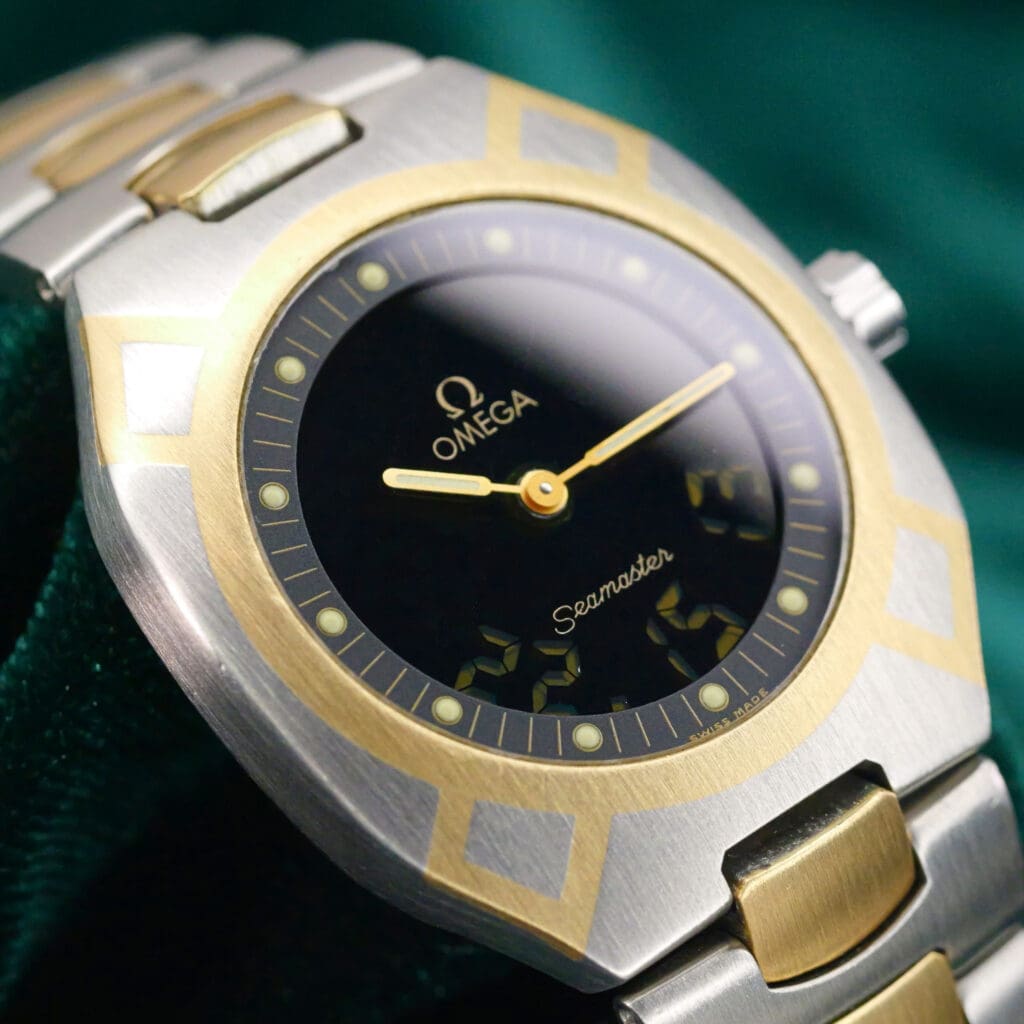
Omega Seamaster Polaris Multifunction Black Dial Two-Tone Stainless Steel & Yellow Gold 32mm Excellent 386.0822
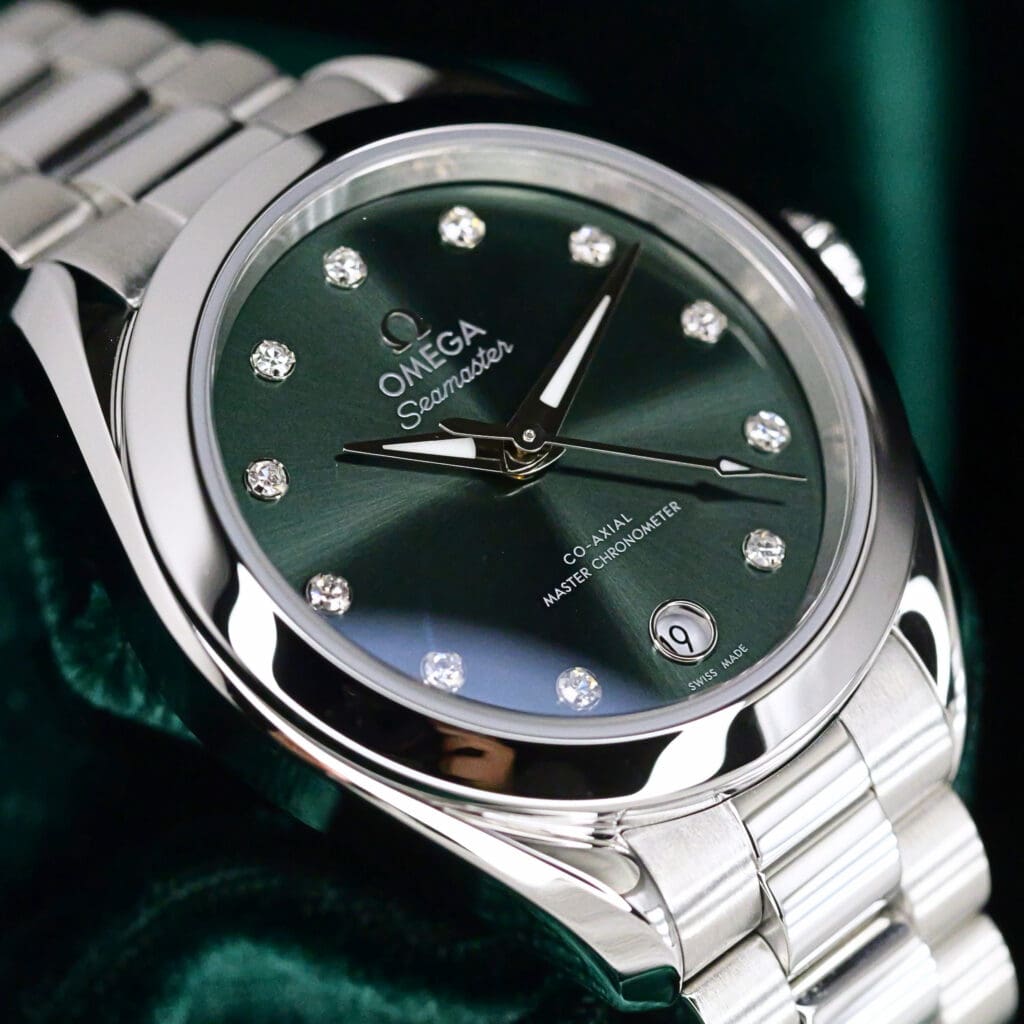
2026 NEW UNWORN Omega Seamaster Aqua Terra Green Sunburst Dial Diamond Markers Stainless Steel 30mm . COMPLETE SET 220.10.30.20.60.001
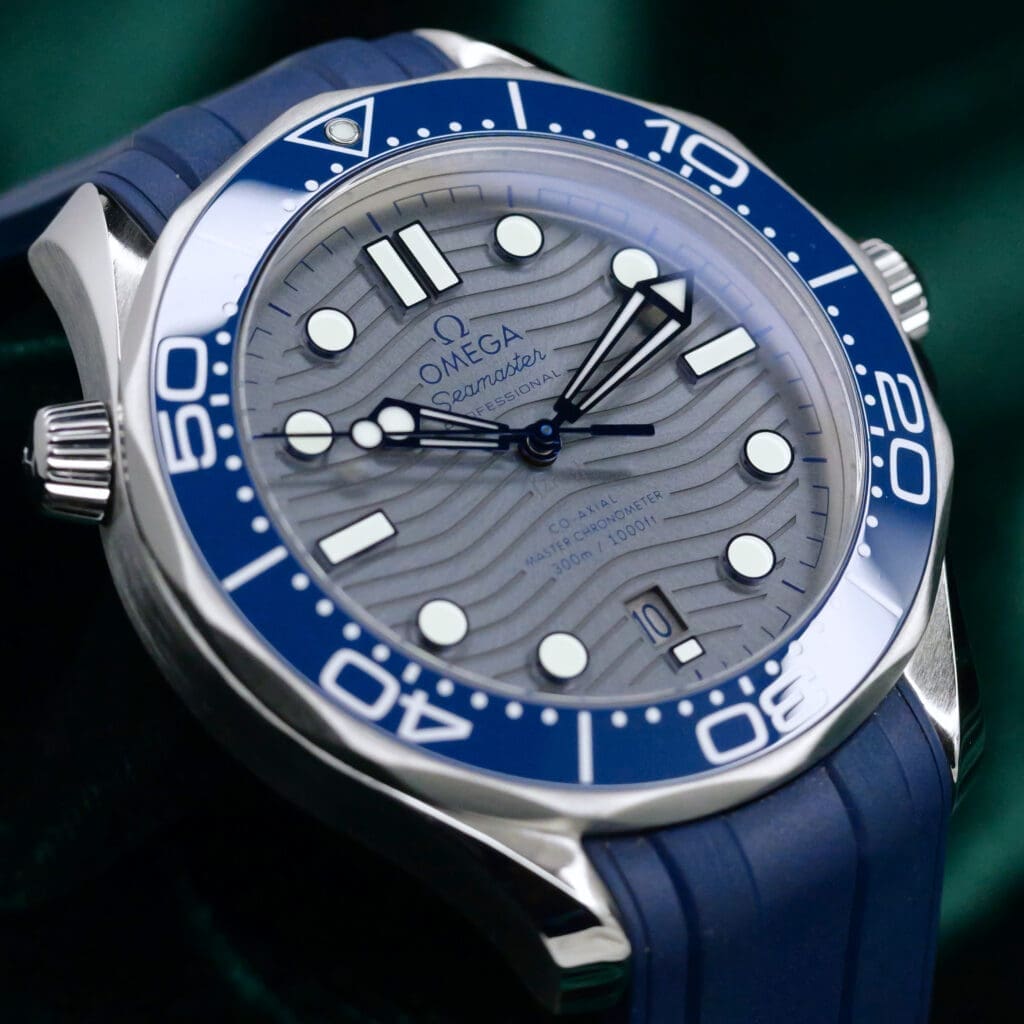
2025 Omega Seamaster Diver 300M Grey Wave Dial Blue Ceramic Bezel Stainless Steel 42mm MINT CONDITION COMPLETE SET 210.32.42.20.06.001
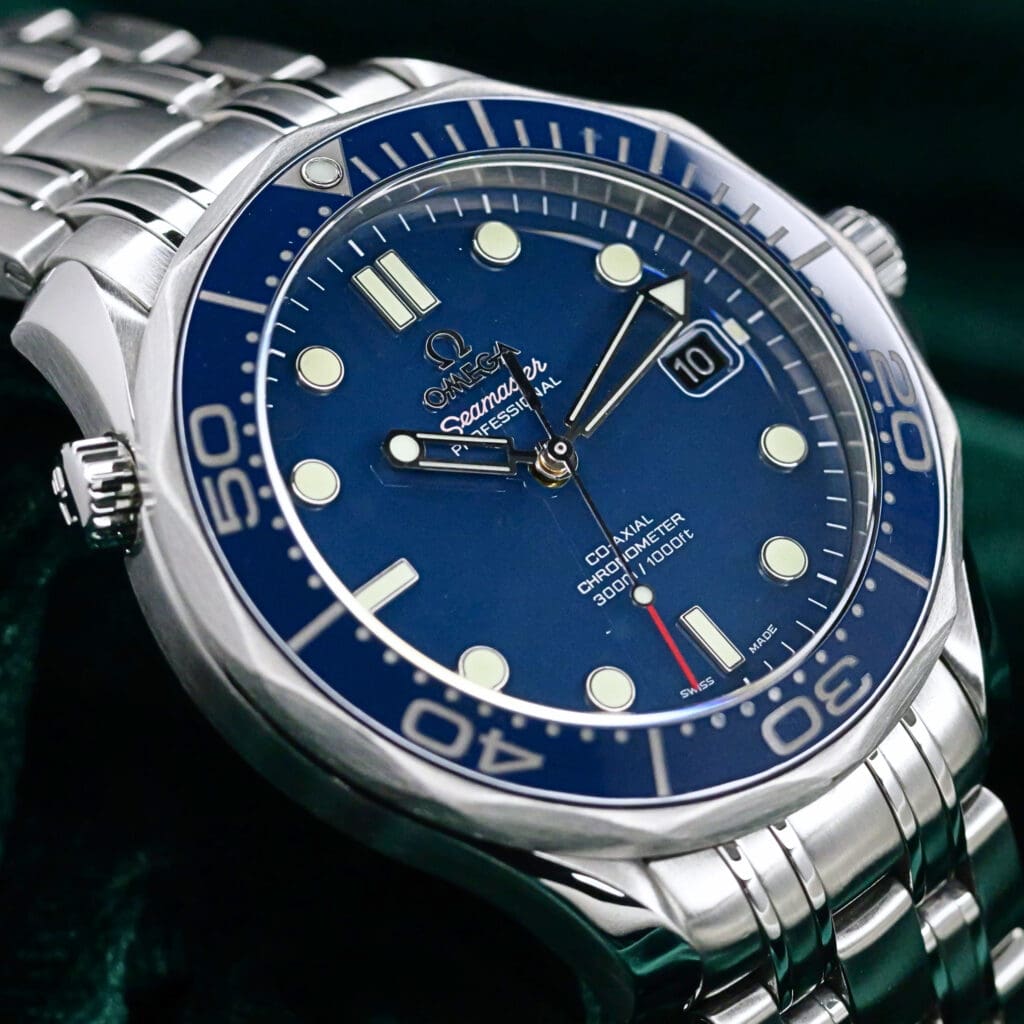
Omega Seamaster Diver 300M Blue Dial Blue Ceramic Bezel Stainless Steel 41mm MINT CONDITION COMPLETE SET 212.30.41.20.03.001
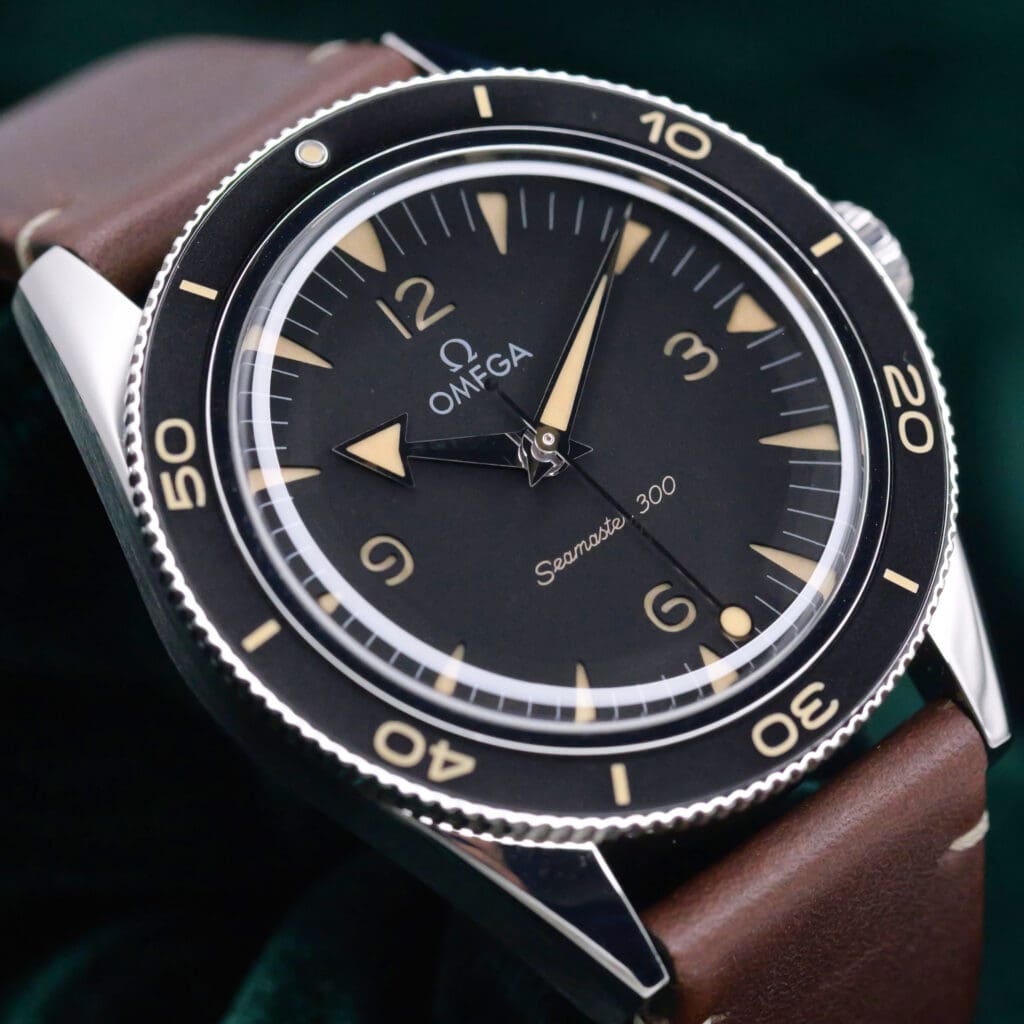
Omega Seamaster 300 Heritage Black Dial Brown Leather Strap Stainless Steel 41mm NEAR MINT CONDITION COMPLETE SET 234.32.41.21.01.001
The design most buyers recognize today came in 1982 with the Manhattan generation. That’s when Omega added the signature claws, or griffes, on the case. The integrated bracelet locks the watch and strap into one piece. Those two elements are what make a Constellation instantly recognizable.
There’s a fresh reason to know the Constellation name in 2026. This past March, Omega launched the Constellation Observatory: a nine-piece collection at 39.4mm, and the first two-hand watch ever to earn Master Chronometer certification.
It starts around $10,900 in steel and climbs into the tens of thousands in gold and platinum. That pushes the Constellation badge upmarket. It also leaves the classic 39mm steel model as the accessible, everyday way into the line, which is where most buyers cross-shopping the Seamaster will land.
For where each reference sits in the range, our Omega Constellation buying guide lays out the full lineup.
Omega Constellation Notable References:
- Omega Constellation Ref. 123.10.35.20.01.001
- Omega Constellation Ref. 131.10.39.20.01.001
- Omega Constellation Ref. 131.23.41.21.06.001
Omega Seamaster Background

The Omega Seamaster launched in 1948 as Omega’s first water-resistant collection. It was designed for British military divers and post-war professionals who needed a watch that could handle serious water exposure. From the start, the Seamaster was built around one idea: function over form.
Over the decades it grew into Omega’s most commercially successful collection. A big part of that is James Bond. Since Pierce Brosnan strapped on the Seamaster Diver 300M in GoldenEye in 1995, the watch became one of the most recognizable luxury timepieces in the world.
That fame invites the obvious rivalry with the Rolex Submariner, which we settle in our Submariner vs Seamaster breakdown.
That Bond association did more than boost sales. It gave the Seamaster a cultural identity no marketing campaign could replicate. It became the watch people recognized before they even knew what Omega was. The line stays active, too: Omega added a new 007-themed Diver 300M Chronograph, the “First Light,” in 2026.

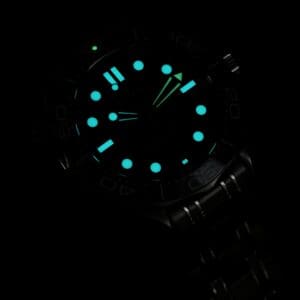

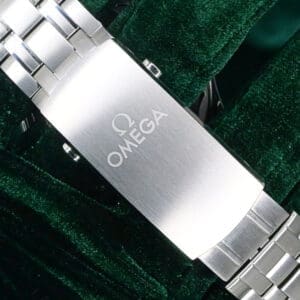

The Seamaster is not a single watch. It’s a family built for different levels of water use and lifestyle. The 300M is the core diver for serious underwater use. The Planet Ocean pushes that further with depth ratings up to 600 meters. The Aqua Terra sits at the other end, refined enough for the office but happy on the weekend.
Our Omega Seamaster buying guide walks through the full lineup if you want to see how the models stack up.
That range is what makes the Seamaster the stronger choice for everyday use. It doesn’t ask you to choose between looking good and being capable.
Omega Seamaster Notable References:
- Omega Seamaster Ref. 210.30.42.20.01.001
- Omega Seamaster Ref. 220.10.41.21.03.001
- Omega Seamaster Ref. 215.30.44.21.01.001
Omega Constellation vs Seamaster: Most Notable Differences

The Constellation and Seamaster share the same brand and a similar price range. But they were built for completely different purposes. One was built to be worn. The other was built to perform.
1. Design and Case Construction
The Constellation has a fixed, polished bezel with engraved Roman numerals. It’s purely decorative. The Seamaster 300M has a uni-directional rotating bezel with a ceramic insert and dive scale. It’s built for timing underwater.
The Seamaster dial is made to be read. High-contrast markers, luminous hands, and the wave pattern put legibility first. The Constellation dial is made to be admired. Sunburst finishes, sword-shaped hands, and jewelry-forward indices give it an instant dress-watch read.
The cases differ just as much. The Constellation is polished and seamless, with griffes and an integrated bracelet that lock into one silhouette. The Seamaster is brushed and built for use, with a screw-down crown, helium escape valve, and a thicker case that shrugs off daily wear.
The Constellation suits someone dressing for the room. The Seamaster suits someone who wants the watch to keep up with whatever the day throws at it.
2. Water Resistance
The Constellation’s current 39mm steel generation is rated at 50 meters. That covers rain and handwashing. If water is never a real factor in your day, that’s enough.
The Seamaster 300M is rated at 300 meters and the Planet Ocean goes up to 600 meters. Both are tougher, better sealed, and built to get wet.
If you swim, surf, or just want a watch you never think about near water, the Seamaster is the obvious call. If your watch lives between a cuff and a keyboard, the Constellation’s rating is a non-issue.
3. Movement
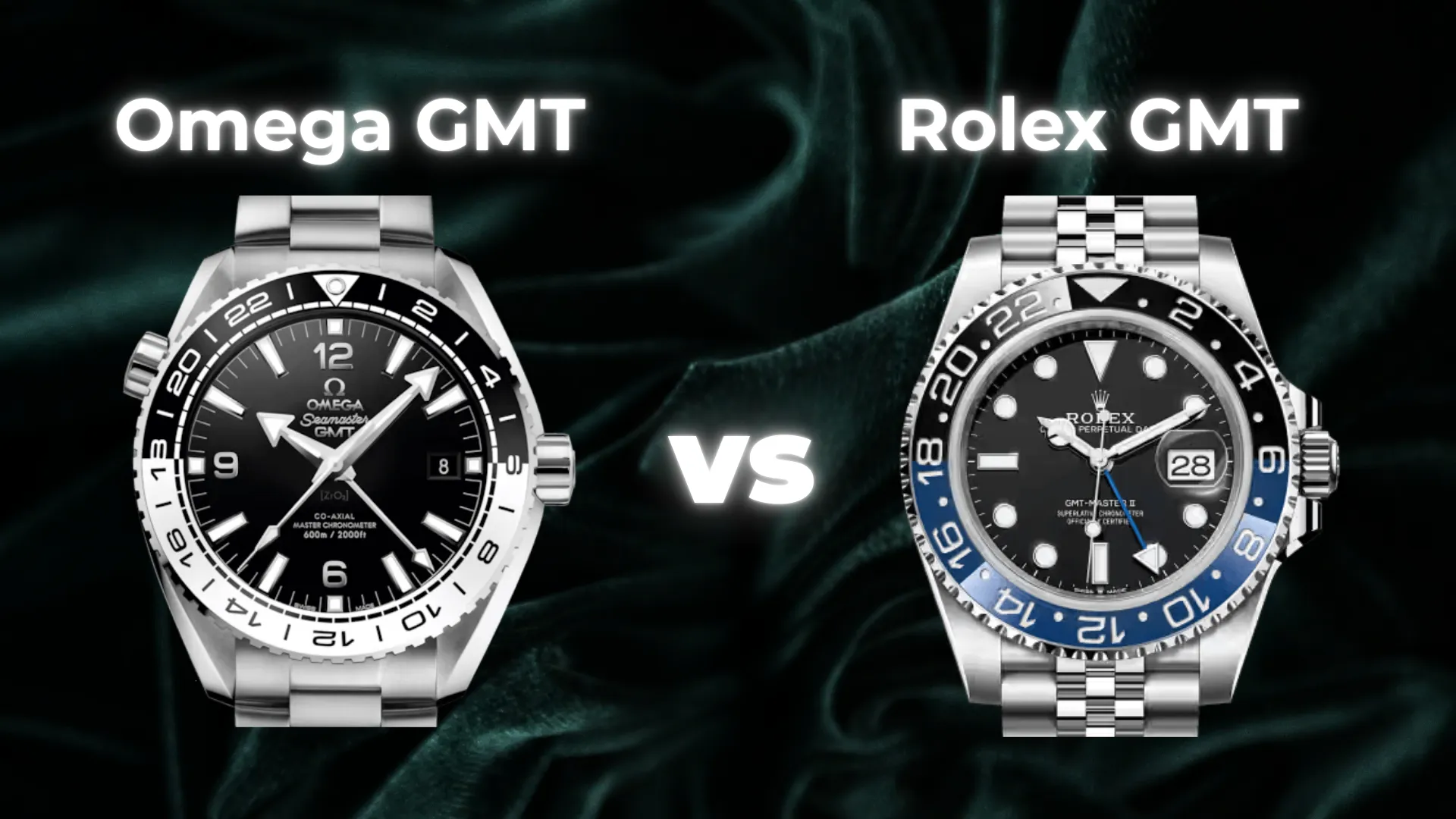
Both lines carry METAS Master Chronometer certification. Both meet the same accuracy standards and resist magnetic fields up to 15,000 gauss. On that front, they’re equal.
The real difference isn’t Constellation versus Seamaster. It’s which reference you pick inside either line. The entry steel pieces in both collections, the 39mm Constellation and the Diver 300M, run the Caliber 8800 with a 55-hour reserve. Step up in either line, to the two-tone Constellation, the Aqua Terra, or the Planet Ocean, and you get the Caliber 8900.
The 8900 adds five hours of reserve and an independent hour hand. That hour hand is the one worth caring about. It lets you jump the hour forward or back without stopping the watch, which helps if you cross time zones often.
If you travel, the 8900’s hour hand is genuinely useful, and both lines offer it. If you don’t, the extra reserve matters more, especially if the watch sits a few days a week. Either way, movement is a reason to pick a higher-tier reference, not a reason to pick one collection over the other.
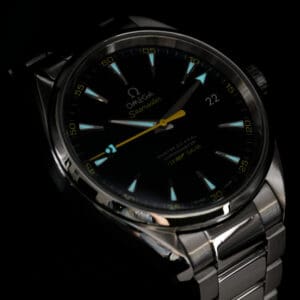
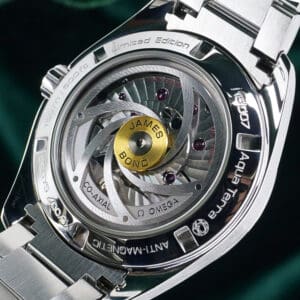


Price and Market Demand
Here’s where the two lines separate for real: the pre-owned market. Both collections shed a big chunk off retail once they leave the boutique. But how much, and how easily they resell, isn’t the same.
Start at the bottom. The 35mm Constellation (Ref. 123.10.35.20.01.001) is the cheapest way in, trading around $2,200–$2,500 as of 2026 against a $4,400 retail. That’s roughly half off the sticker. The current 39mm steel Constellation (Ref. 131.10.39.20.01.001) sits near $3,700–$4,000 against $7,400 retail, close to 48% below.
The Seamaster tells a different story. The Diver 300M (Ref. 210.30.42.20.01.001) trades around $4,170 against $6,700 retail, roughly 37% below. Move up to a Planet Ocean or a full-set Aqua Terra and you’re in the low-to-mid $4,000s.
The Constellation’s steeper discount doesn’t mean it’s a worse watch. It means fewer people shop it second-hand, so sellers drop more to move it.
The Seamaster holds a tighter discount because demand is deeper and steadier. Bond, dive heritage, everyday wearability. That’s the Seamaster’s quiet advantage: it’s the easier watch to resell, and it tends to sell faster. Recent WatchCharts data has the Diver 300M changing hands in about two weeks, quicker than most watches on the market.
Browse Our Omega Collection
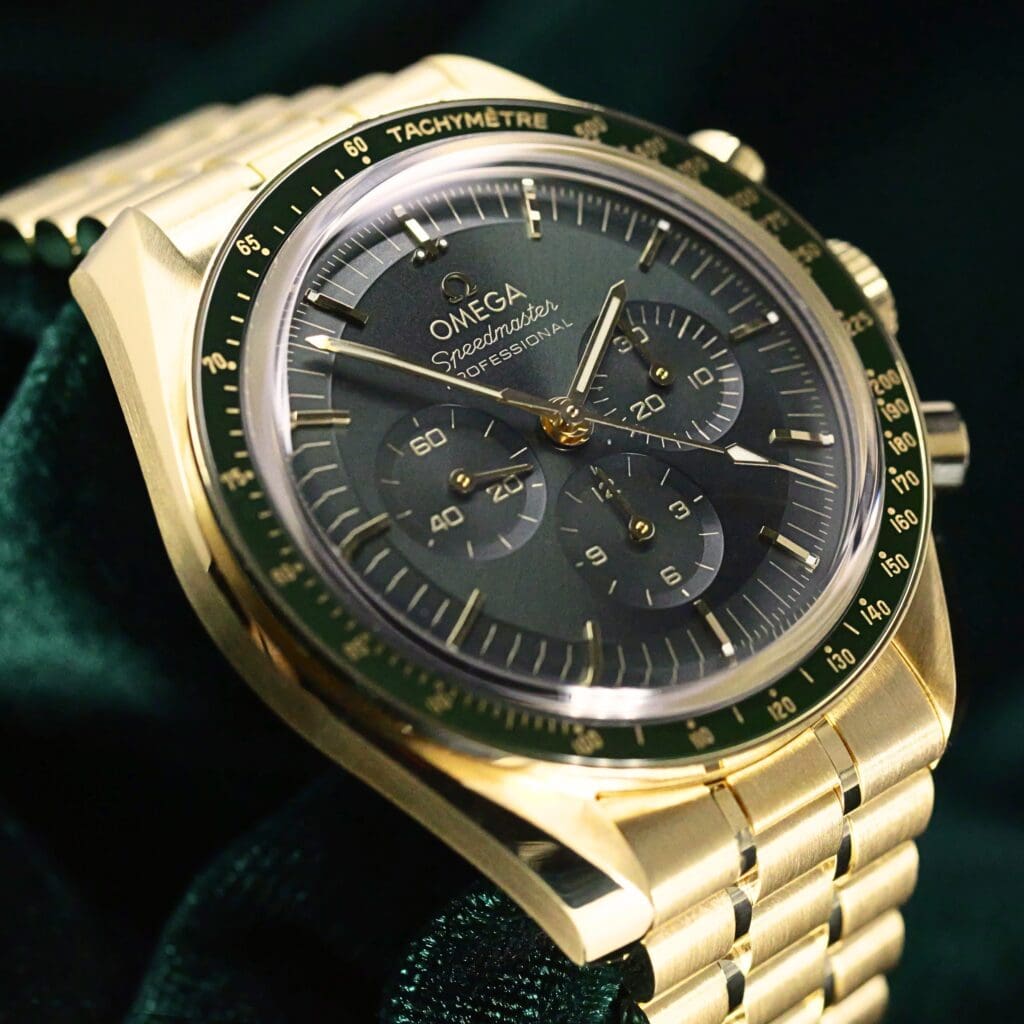
Omega Speedmaster Professional Moonwatch "Moonshine" Green Dial 18K Yellow Gold 42mm MINT CONDITION COMPLETE SET 310.60.42.50.10.001
Omega Seamaster Aqua Terra 150M "James Bond Spectre" Blue Dial Yellow Accents Stainless Steel 41.5mm MINT CONDITION COMPLETE SET 231.10.42.21.03.004
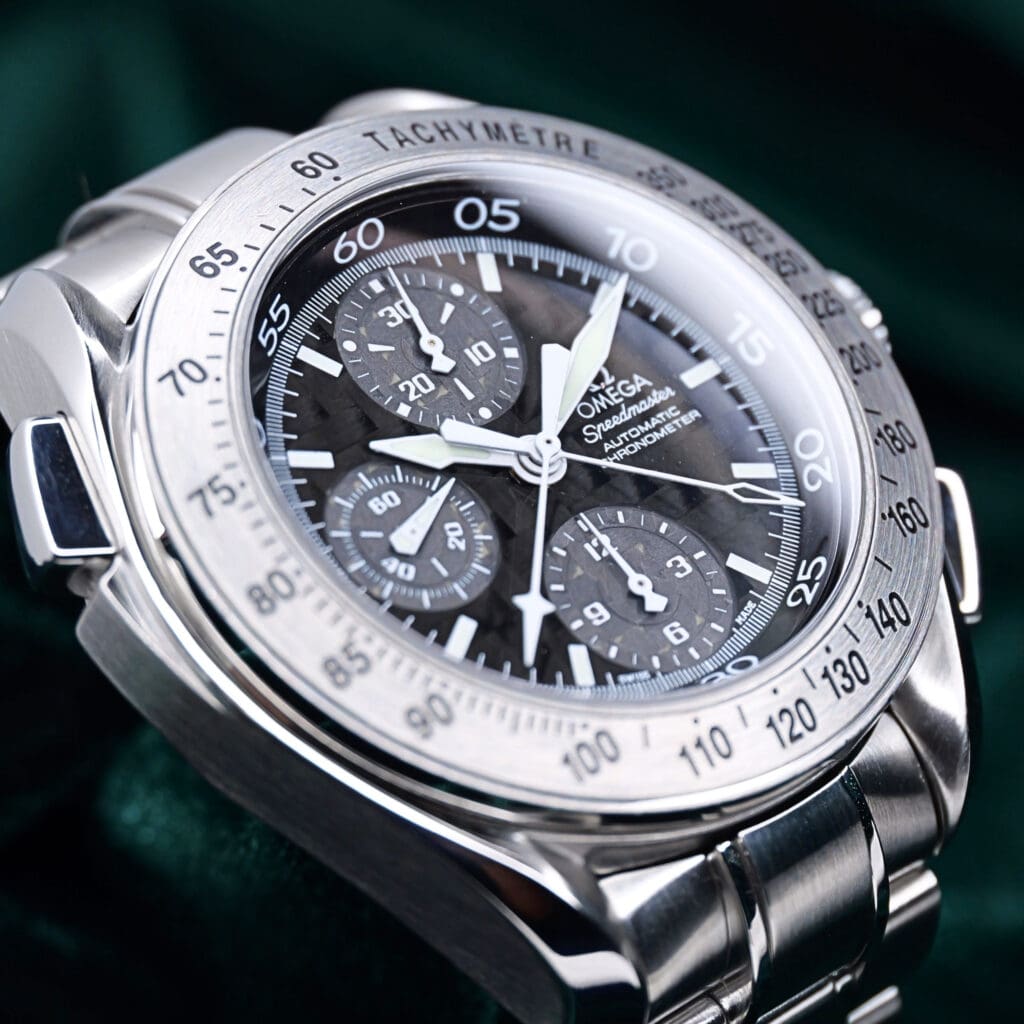
Omega Speedmaster Split-Seconds "Rattrapante" Black Carbon Fiber Dial Stainless Steel 42mm Mint Condition 3540.50
Omega Seamaster Diver 300M "James Bond 007 Commander's Watch" Limited Edition White Dial Blue Ceramic Bezel Stainless Steel 41mm MINT CONDITION COMPLETE SET 212.32.41.20.04.001
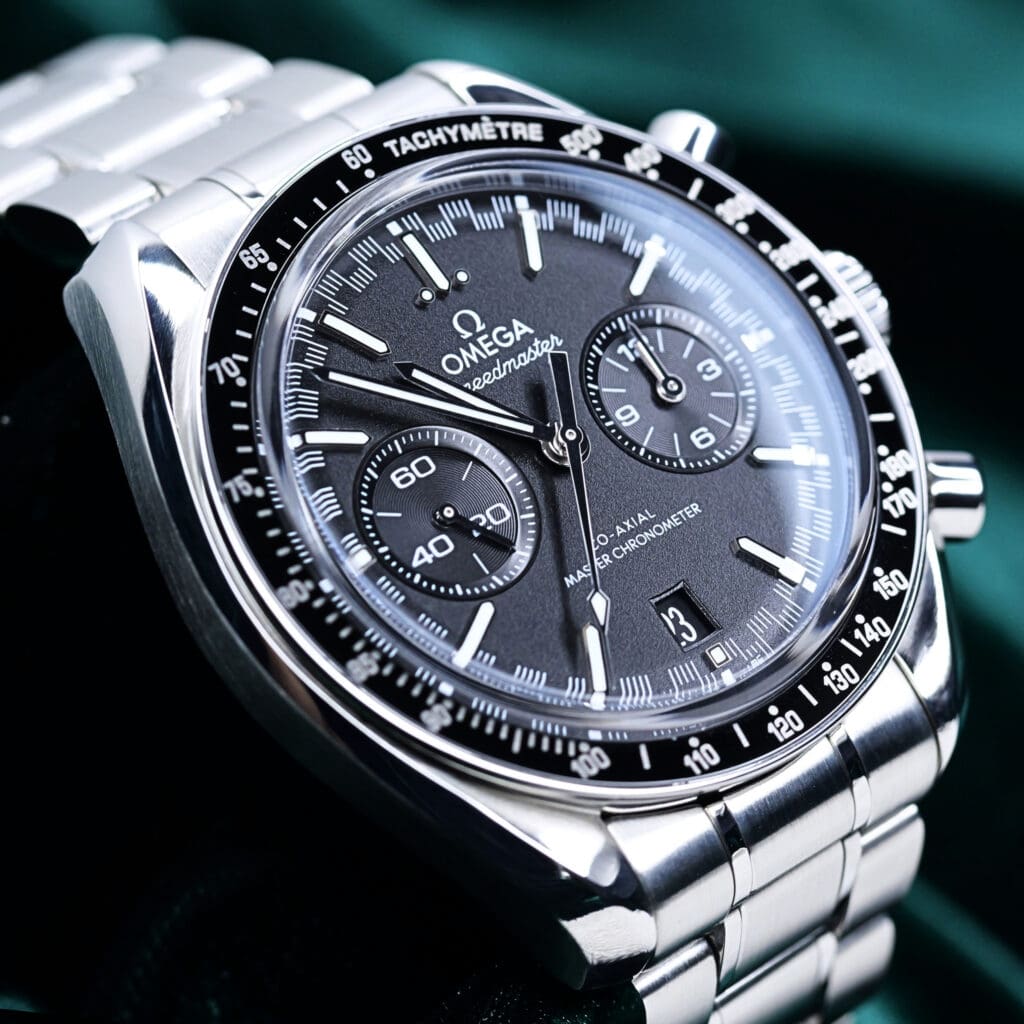
Omega Speedmaster Racing Co-Axial Master Chronometer Black Dial Stainless Steel 44.25mm MINT CONDITION COMPLETE SET 329.30.44.51.01.001
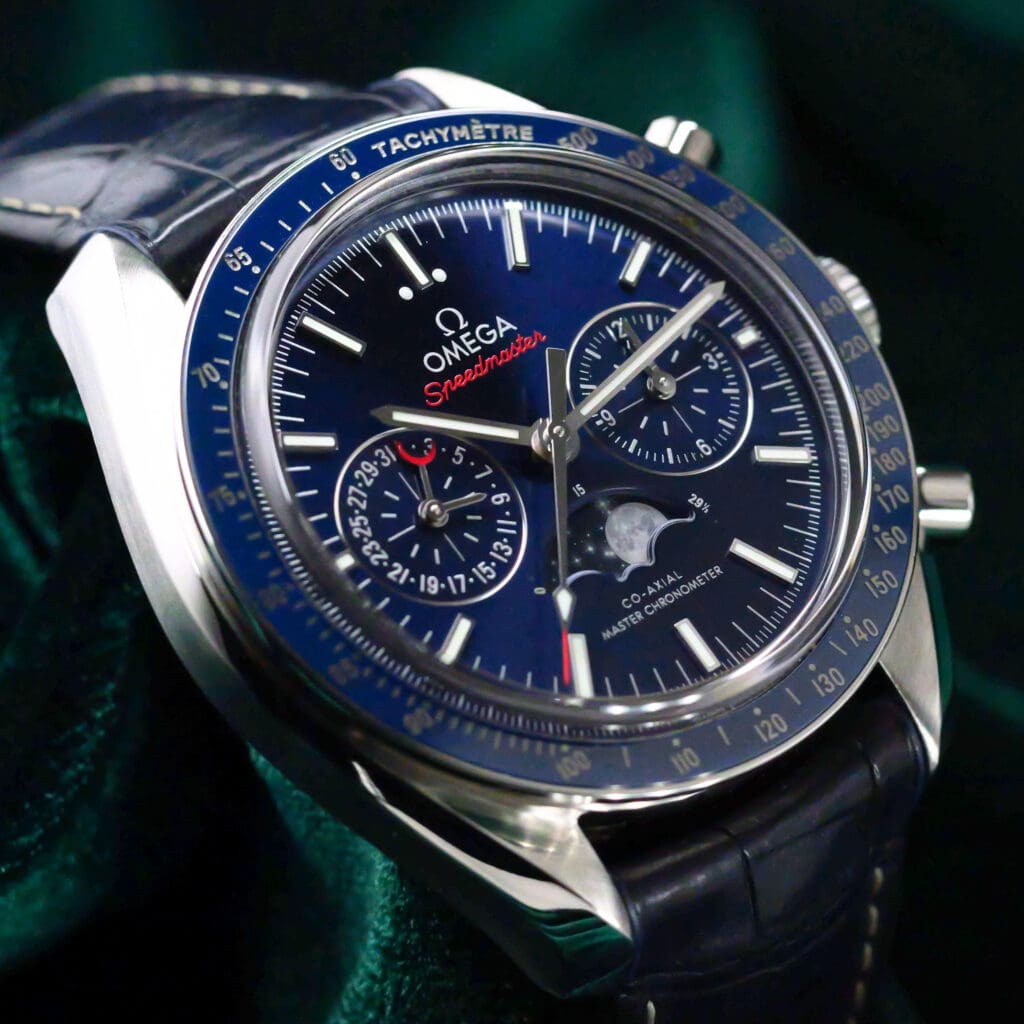
Omega Speedmaster Moonphase Blue Dial Blue Ceramic Bezel Blue Leather Strap Stainless Steel 44.25mm MINT CONDITION COMPLETE SET 304.33.44.52.03.001
So the buyer signal is simple. If liquidity matters, lean Seamaster. If you’re buying to keep, the Constellation’s bigger discount is money in your pocket on day one, and resale speed stops mattering.
Configuration moves these numbers as much as the model does. A two-tone Constellation like the steel-and-Sedna-gold Ref. 131.23.41.21.06.001 trades near $6,200, well above the steel pieces. On the Seamaster side, ceramic-bezel dive models and complete sets with box and papers sit at the top of each range.
Condition, year, and a full set swing the final price more than most buyers expect.
Shopping either line pre-owned? Message us with the reference you’re eyeing and you’ll hear back from someone who’s actually handled that watch, not a listing bot, before you spend a cent.
Notable Omega Constellation References

These three cover the most important configurations buyers run into when actively shopping today.
1. Omega Constellation Ref. 123.10.35.20.01.001
This reference marked the Constellation’s return to automatic Co-Axial movements. At 35mm it suits smaller wrists and comes in at a friendlier price than the current generation.
- Case Size: 35mm
- Case Material: Stainless steel
- Dial Color: Black
- Bezel: Fixed stainless steel bezel with engraved Roman numerals
- Bracelet: Integrated stainless steel bracelet
- Movement / Caliber: Omega Caliber 2500, Co-Axial automatic chronometer
- Power Reserve: ~48 hours
- Water Resistance: 100 meters
- Typical Market Value: ~$2,200–$2,500 (2026)
2. Omega Constellation Ref. 131.10.39.20.01.001
The current-generation Constellation in its most practical steel configuration. At 39mm it fits modern wrists well and runs the Caliber 8800, the same movement found in the Seamaster Diver 300M. This is the reference most buyers price first when cross-shopping against the Seamaster.
- Case Size: 39mm
- Case Material: Stainless steel
- Dial Color: Black
- Bezel: Fixed stainless steel bezel with engraved Roman numerals
- Bracelet: Integrated stainless steel bracelet
- Movement / Caliber: Omega Caliber 8800, Co-Axial Master Chronometer
- Power Reserve: 55 hours
- Water Resistance: 50 meters
- Typical Market Value: ~$3,700–$4,000 (2026)
999+ Timepieces Available
Explore Our Timepieces
Authenticated, unworn, and ready to ship worldwide.
Rolex · Audemars Piguet · Patek Philippe · Omega · Cartier · Richard Mille · Hublot · Tudor
Newly Listed
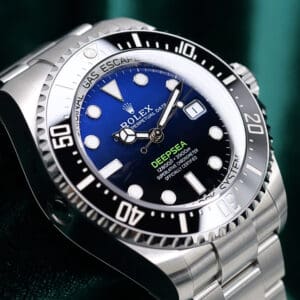
2026 NEW UNWORN Rolex Deepsea "James Cameron" D-Blue Black and Blue Dial Black Ceramic Bezel Stainless Steel 44mm COMPLETE SET 136660-0005
$20,208.00
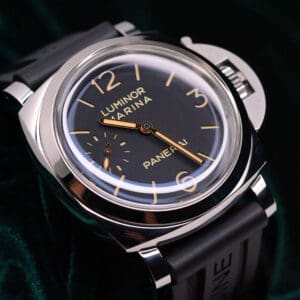
Panerai Luminor Marina 1950 3 Days Limited Edition Black Sandwich Dial Stainless Steel Black Rubber Strap 47mm MINT COMPLETE SET PAM00422
$7,503.00
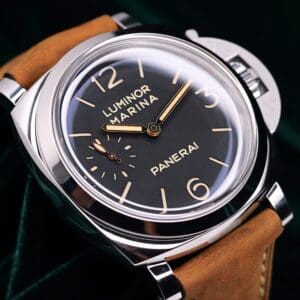
Panerai Luminor Marina 1950 3 Days Black Dial Stainless Steel Brown Leather Strap 47mm LIMITED EDITION MINT CONDITION COMPLETE SET PAM00422
$7,503.00

Cartier Santos-Dumont Micro-Rotor Skeleton Dial Black Alligator Strap 18k Rose Gold 43.5 x 31mm MINT CONDITION COMPLETE SET WHSA0030
$40,425.00
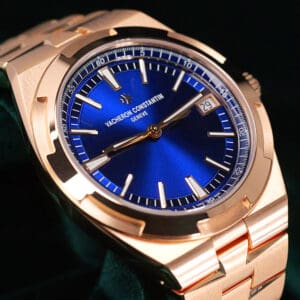
2026 Vacheron Constantin Overseas Blue Dial 18k Rose Gold 41mm MINT CONDITION COMPLETE SET 4520V/210R-B705
$72,764.00
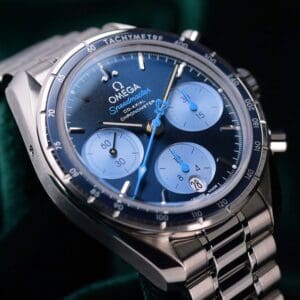
Omega Speedmaster 38 Orbis Edition Blue Dial Stainless Steel 38mm MINT CONDITION COMPLETE SET 324.30.38.50.03.002
$6,599.00
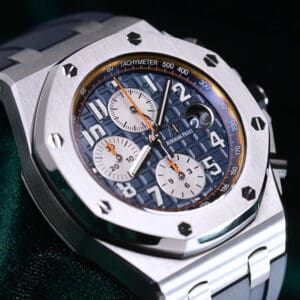
Audemars Piguet Royal Oak Offshore Chronograph “Navy” Blue Dial Orange Accents Blue Rubber Strap Stainless Steel 42mm MINT CONDITION COMPLETE SET 26470ST.OO.A027CA.01
$22,245.00

Cartier Santos-Dumont Micro-Rotor Skeleton Dial 18K Rose Gold Burgundy Alligator Strap 31mm MINT CONDITION COMPLETE SET WHSA0030
$40,425.00
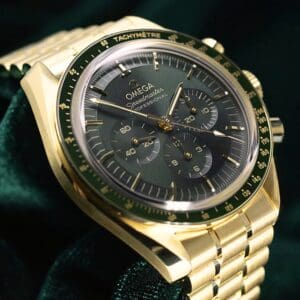
Omega Speedmaster Professional Moonwatch "Moonshine" Green Dial 18K Yellow Gold 42mm MINT CONDITION COMPLETE SET 310.60.42.50.10.001
$35,695.00
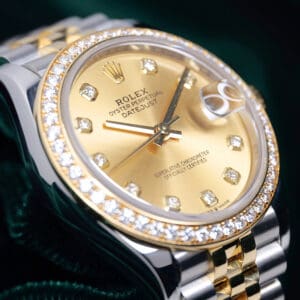
Rolex Datejust 31 Champagne Diamond Dial Diamond Bezel Jubilee Yellow Gold & Stainless Steel 31mm MINT CONDITION COMPLETE SET 278383RBR
$31,990.00
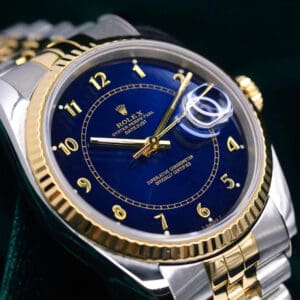
Rolex Datejust Blue Arabic Numeral Refinished Dial Fluted Bezel Jubilee Bracelet 18k Yellow Gold Stainless Steel 36mm MINT CONDITION 16233
$7,975.00
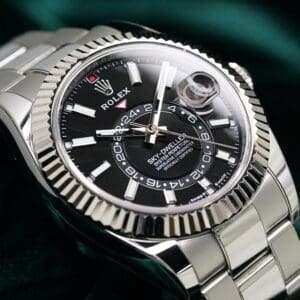
2025 Rolex Sky-Dweller Bright Black Dial 18k White Gold Fluted Bezel Stainless Steel Oyster Bracelet 42mm MINT CONDITION COMPLETE SET 336934
$22,895.00
3. Omega Constellation Ref. 131.23.41.21.06.001
The two-tone configuration on the more luxurious end of the lineup. The steel and 18k Sedna gold combination runs the Caliber 8900, which adds the independent hour hand.
- Case Size: 41mm
- Case Material: Stainless steel and 18k Sedna gold
- Dial Color: Grey
- Bezel: Polished black ceramic bezel with Roman numerals in Ceragold
- Bracelet: Grey leather strap with rubber lining
- Movement / Caliber: Omega Caliber 8900, Co-Axial Master Chronometer
- Power Reserve: 60 hours
- Water Resistance: 50 meters
- Typical Market Value: ~$6,000–$6,400 (2026)
Notable Omega Seamaster References

These cover the range from entry diver to dress-sport crossover to professional tool watch.
1. Omega Seamaster Ref. 210.30.42.20.01.001
The current Seamaster Diver 300M in its most accessible steel configuration. It runs the Caliber 8800 and brings ceramic-bezel technology and 300 meters of water resistance to the entry point of the lineup.
- Case Size: 42mm
- Case Material: Stainless steel
- Dial Color: Black ceramic wave dial
- Bezel: Uni-directional rotating, black ceramic insert with enamel diving scale
- Bracelet: Stainless steel bracelet with diver extension
- Movement / Caliber: Omega Caliber 8800, Co-Axial Master Chronometer
- Power Reserve: 55 hours
- Water Resistance: 300 meters
- Typical Market Value: ~$4,000–$4,300 (2026)
2. Omega Seamaster Ref. 220.10.41.21.03.001
The Aqua Terra in its most popular everyday configuration. The blue teak-pattern dial and fixed bezel give it a dress-adjacent look that works across casual and formal settings. It runs the Caliber 8900 with the time-zone function, a strong pick for travelers who want a Seamaster that doesn’t look like a dive watch.
If the Aqua Terra is the one pulling you, our Aqua Terra buying guide covers the sizes and dials in full.
- Case Size: 41mm
- Case Material: Stainless steel
- Dial Color: Blue teak-pattern dial
- Bezel: Fixed stainless steel bezel
- Bracelet: Stainless steel bracelet with polished and brushed links
- Movement / Caliber: Omega Caliber 8900, Co-Axial Master Chronometer
- Power Reserve: 60 hours
- Water Resistance: 150 meters
- Typical Market Value: ~$4,000–$4,300 (2026)


3. Omega Seamaster Ref. 215.30.44.21.01.001
The Planet Ocean in its core steel configuration. At 43.5mm with 600 meters of water resistance, it sits at the professional end of the Seamaster lineup, built for diving capability well beyond what the Diver 300M offers.
- Case Size: 43.5mm
- Case Material: Stainless steel
- Dial Color: Black
- Bezel: Uni-directional rotating, black ceramic insert with Liquidmetal diving scale
- Bracelet: Stainless steel bracelet with diver extension
- Movement / Caliber: Omega Caliber 8900, Co-Axial Master Chronometer
- Power Reserve: 60 hours
- Water Resistance: 600 meters
- Typical Market Value: ~$4,000–$4,400 (2026)
Which Omega Is Right for You?
The right choice comes down to one thing: how you actually live, and where you plan to wear it.
Choose the Omega Constellation if:
- Your style leans formal and elegant over sporty and versatile
- Your primary use is the office or formal occasions
- Decorative dial aesthetics matter more to you than functional legibility
- You prefer a quieter, less-recognized watch over a mainstream icon
- You’re shopping on a tighter budget or plan to buy pre-owned
Choose the Omega Seamaster if:
- Your style leans versatile and sporty over formal and elegant
- Your primary use is everyday wear, travel, or anything near water
- Water resistance is a genuine consideration
- You travel across time zones regularly
- Resale value and liquidity matter to you
If you’re still torn, use this tie-breaker: buy the Seamaster if the watch has to do more than one job, and the Constellation if its one job is to look right with a shirt cuff.
Where to Buy Authentic Watches Online
There are a few legitimate online channels for either watch. Chrono24 aggregates dealer and private listings worldwide with buyer protection on escrow orders. eBay covers many of the same references, and its Authenticity Guarantee has a watch inspected before it reaches you. Grailzee runs enthusiast-focused auctions if you’d rather bid than buy outright.
New to the first of those, our guide to buying on Chrono24 covers the escrow and fee details.
We also sell, buy, and trade luxury watches, and the reason clients pick us over a big marketplace is the conversation before the sale. On a specific Constellation or Seamaster, we walk you through it: tour videos of the actual watch, honest condition notes, and a real person who has had the piece in hand answering your questions. You’re not buying blind off a listing photo.
That shows up in our 4.9-star Google rating, which comes from buyers who wanted to understand exactly what they were getting before they committed.
If you want that kind of walkthrough on a Constellation or Seamaster you’re weighing, see what we currently have or reach out and we’ll line up options that match what you’re after.
Final Thoughts on Omega Constellation vs Seamaster
The choice between these two comes down to who you are and how you live. One was born for the stars, the other for the sea. Once you know which pull is stronger, the reference almost picks itself. If you’re still weighing the brand as a whole, our Omega buying guide maps the rest of the catalog.
Try both on if you can, and pay attention to how each wears after a few minutes, not just the first glance. A dress watch you never dress up for gets left in the box, and a dive watch bought for looks alone starts to feel like more watch than you need.
Buy the one you’ll actually reach for, and the resale math takes care of itself. The right Omega is the one you put on without thinking twice.