
The Omega Constellation and the Cartier Tank are two of the most recognized names in luxury watches, and for good reason. Both sit comfortably in the dress watch category, both carry decades of heritage, and both command serious respect on the wrist. It’s no surprise they’re so often compared.
But spend a little time with each and you’ll notice they represent two very different philosophies. The Omega Constellation is built around Swiss watchmaking engineering: precision movements, technical certifications, and a modern sport-luxury look.
The Cartier Tank is a design icon first, rooted in quiet elegance and a Parisian sensibility that has barely changed since 1917.
So which one is right for you? This guide compares their design, movement, wrist feel, heritage, and 2026 pricing to help you decide which watch fits your style and daily wear.
Omega Constellation Overview
Introduced in 1952 as Omega’s chronometer flagship, the Constellation was built to compete in observatory timing competitions. Today it’s anchored by the Manhattan design, a sport-luxury watch that moves easily from formal to everyday wear. Our full Constellation buying guide walks through the current lineup if you want the complete picture.
Signature details include the “griffes” (four decorative claws gripping the bezel), a Roman numeral bezel, and an integrated bracelet. Modern models run Omega’s Co-Axial Master Chronometer movements, which are METAS-certified for precision and magnetic resistance.
Most popular Omega Constellation models:
- Constellation Manhattan
- Constellation Globemaster
- Constellation Quartz models
- Constellation Meteorite (2024)
- Constellation Observatory (2026)
Cartier Tank Overview
Cartier introduced the Tank in 1917, drawing on the aerial silhouette of the Renault FT military tank. Louis Cartier turned that geometric shape into one of the most enduring watch designs ever made. Over a century later, almost nothing has changed.
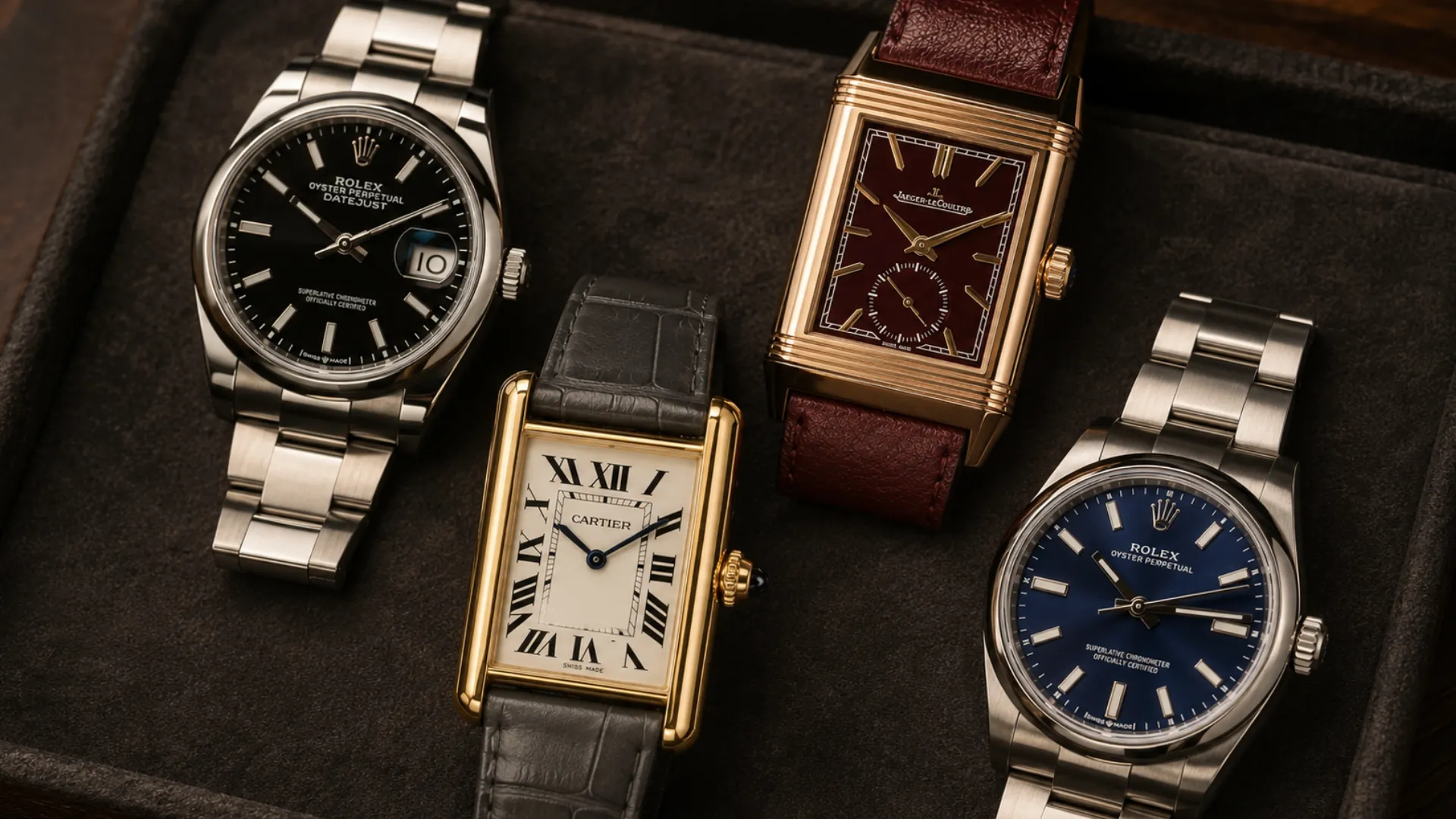
The rectangular case is instantly recognizable. The dial is a template for dress watch design: Roman numerals, a cream or white face, blued steel sword hands, and a domed cabochon crown. Andy Warhol wore one daily. Princess Diana, Jackie Kennedy, and Michelle Obama all chose the Tank.
Cartier hasn’t left the collection to sit still, either. The brand brought the automatic Tank Louis Cartier back in 2025 and used its Privé line to revisit the original Tank Normale and Tank Cintrée in 2025 and 2026. A century-old design still gets careful attention. If you’re mapping the whole family, our full Tank buying guide breaks down every reference.
Most popular Cartier Tank models:
- Tank Louis Cartier
- Tank Must
- Tank Française
- Tank Américaine
999+ Timepieces Available
Explore Our Timepieces
Authenticated, unworn, and ready to ship worldwide.
Rolex · Audemars Piguet · Patek Philippe · Omega · Cartier · Richard Mille · Hublot · Tudor
Newly Listed
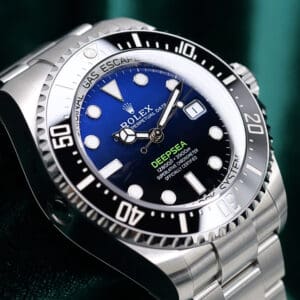
2026 NEW UNWORN Rolex Deepsea "James Cameron" D-Blue Black and Blue Dial Black Ceramic Bezel Stainless Steel 44mm COMPLETE SET 136660-0005
$20,208.00
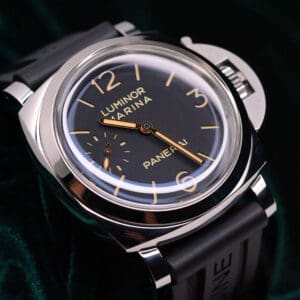
Panerai Luminor Marina 1950 3 Days Limited Edition Black Sandwich Dial Stainless Steel Black Rubber Strap 47mm MINT COMPLETE SET PAM00422
$7,503.00
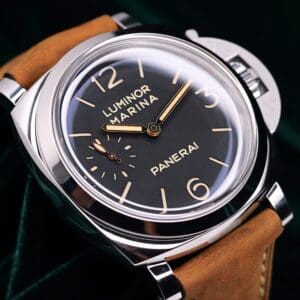
Panerai Luminor Marina 1950 3 Days Black Dial Stainless Steel Brown Leather Strap 47mm LIMITED EDITION MINT CONDITION COMPLETE SET PAM00422
$7,503.00
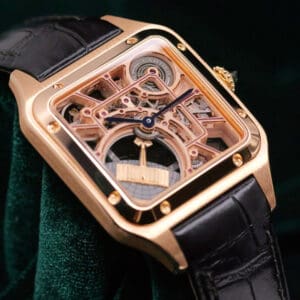
Cartier Santos-Dumont Micro-Rotor Skeleton Dial Black Alligator Strap 18k Rose Gold 43.5 x 31mm MINT CONDITION COMPLETE SET WHSA0030
$40,425.00
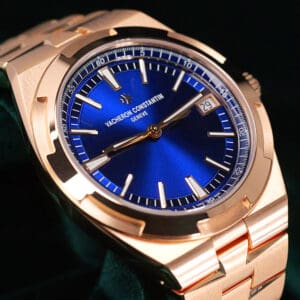
2026 Vacheron Constantin Overseas Blue Dial 18k Rose Gold 41mm MINT CONDITION COMPLETE SET 4520V/210R-B705
$72,764.00
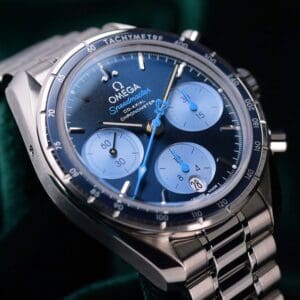
Omega Speedmaster 38 Orbis Edition Blue Dial Stainless Steel 38mm MINT CONDITION COMPLETE SET 324.30.38.50.03.002
$6,599.00
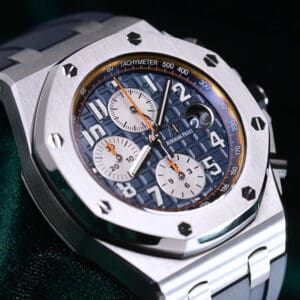
Audemars Piguet Royal Oak Offshore Chronograph “Navy” Blue Dial Orange Accents Blue Rubber Strap Stainless Steel 42mm MINT CONDITION COMPLETE SET 26470ST.OO.A027CA.01
$22,245.00
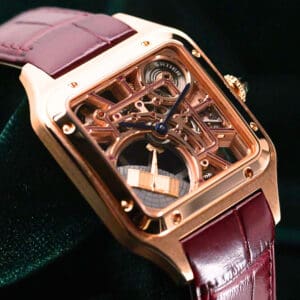
Cartier Santos-Dumont Micro-Rotor Skeleton Dial 18K Rose Gold Burgundy Alligator Strap 31mm MINT CONDITION COMPLETE SET WHSA0030
$40,425.00
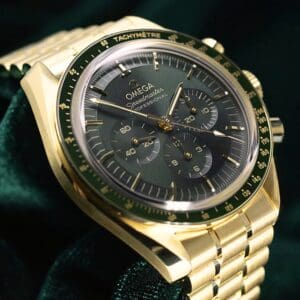
Omega Speedmaster Professional Moonwatch "Moonshine" Green Dial 18K Yellow Gold 42mm MINT CONDITION COMPLETE SET 310.60.42.50.10.001
$35,695.00
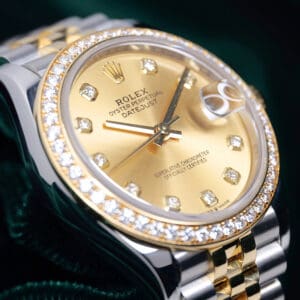
Rolex Datejust 31 Champagne Diamond Dial Diamond Bezel Jubilee Yellow Gold & Stainless Steel 31mm MINT CONDITION COMPLETE SET 278383RBR
$31,990.00
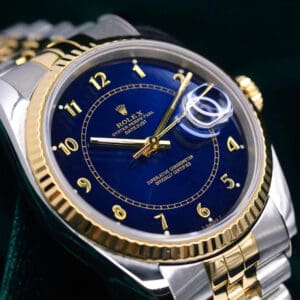
Rolex Datejust Blue Arabic Numeral Refinished Dial Fluted Bezel Jubilee Bracelet 18k Yellow Gold Stainless Steel 36mm MINT CONDITION 16233
$7,975.00
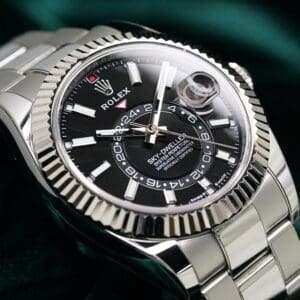
2025 Rolex Sky-Dweller Bright Black Dial 18k White Gold Fluted Bezel Stainless Steel Oyster Bracelet 42mm MINT CONDITION COMPLETE SET 336934
$22,895.00
Omega Constellation vs Cartier Tank: Most Notable Differences
Both watches occupy the luxury dress watch space, but they approach it from entirely different directions. One is engineered for precision and built for modern life. The other is a design artifact refined over a century. Here’s how they compare across the details that matter most.
1. Complication
The Constellation is built around performance. Most automatic references are METAS-certified Master Chronometers, meaning they meet strict standards for accuracy and magnetic resistance. Many also carry a date, a practical touch that fits the Constellation’s identity as a modern everyday watch.
The Tank takes the opposite approach. The vast majority of Tank references are time-only: hours, minutes, nothing else. No date, no chronograph. For Cartier, restraint is the point. The dial is there to be read at a glance and admired the rest of the time.
2. Movement
Inside the Constellation sits one of the most accomplished movements in Swiss watchmaking. Omega’s Co-Axial Master Chronometer calibers are METAS-certified, resist magnetic fields up to 15,000 gauss, and are engineered for long-term precision. For enthusiasts, the movement alone justifies the price.
Cartier handles movement differently. Many Tanks, including the entry-level Must, run on quartz, and even the automatic references favor reliability over technical complexity. That isn’t a weakness so much as a choice. At Cartier, the movement serves the design rather than competing with it.
Related Models from Majestix

2025 Cartier Tank Must Small Model Silver Roman Dial Stainless Steel 29.5mm MINT CONDITION COMPLETE SET WSTA0107
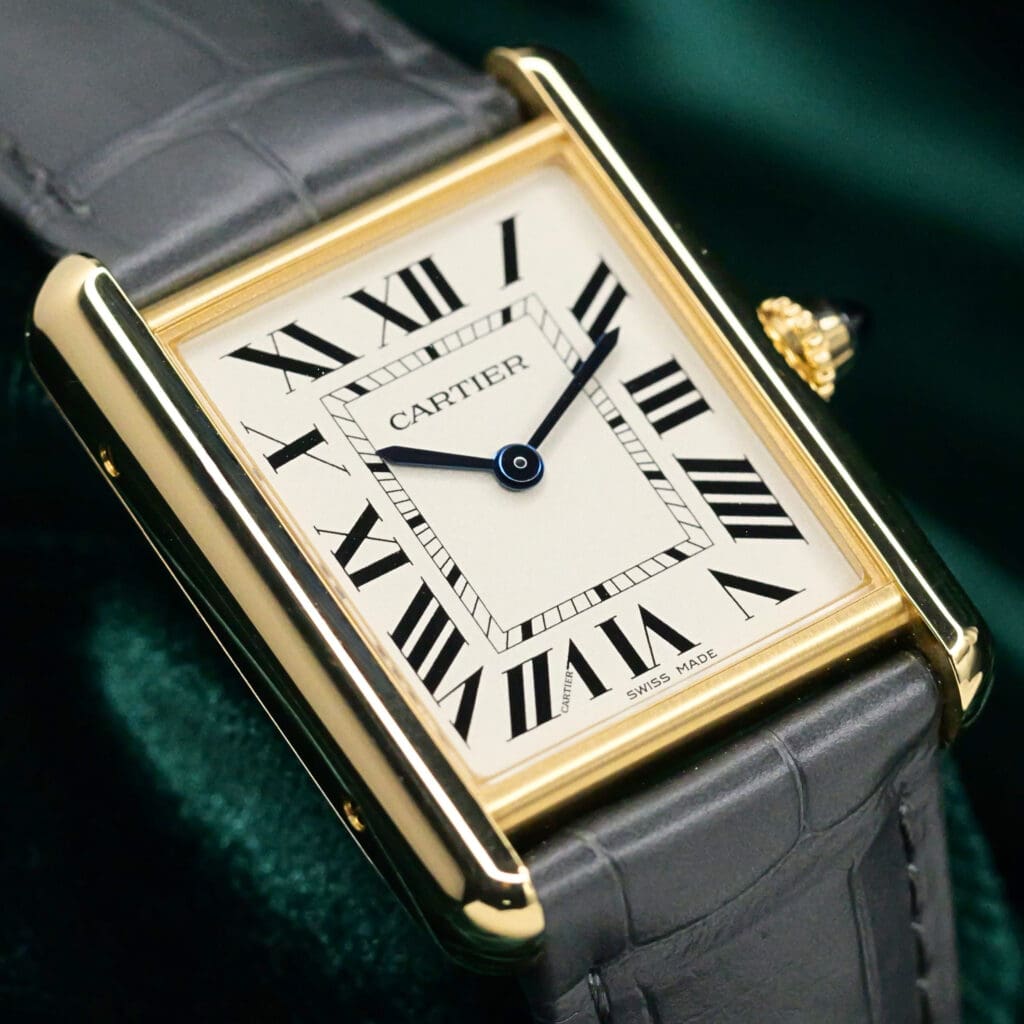
2025 Cartier Tank Louis Cartier Silver Dial Gray Alligator Strap 18K Yellow Gold 25.5mm MINT CONDITION COMPLETE SET WGTA0343

Cartier Tank Must “Cordes de Marseille” 26MM Green Dial Green Alligator Strap Stainless Steel COMPLETE SET MINT CONDITION WSTA0056

Cartier Tank Must "Cordes de Marseille" 26MM Burgundy Red Dial Stainless Steel COMPLETE SET MINT CONDITION WSTA0054
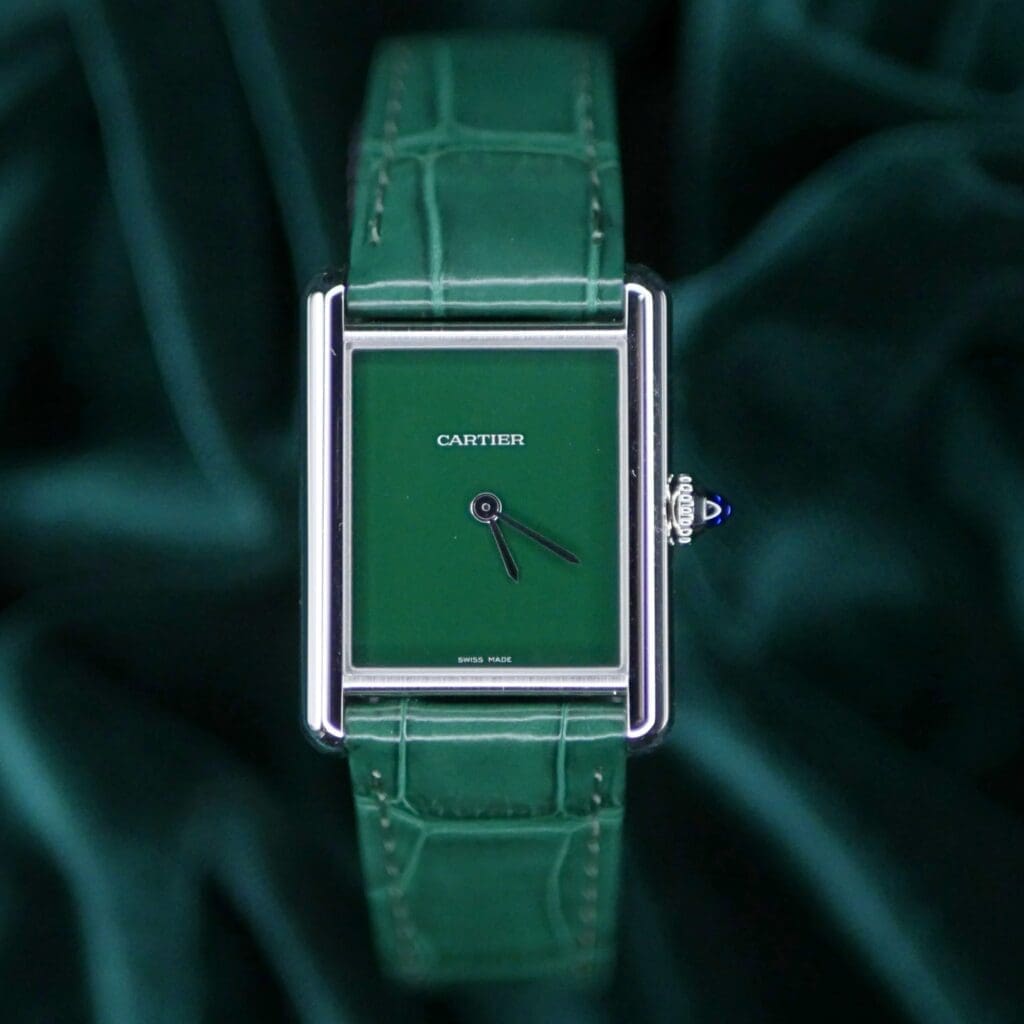
Cartier Tank Must "Cordes de Marseille" 26mm Green Stainless Steel COMPLETE SET MINT CONDITION WSTA0056
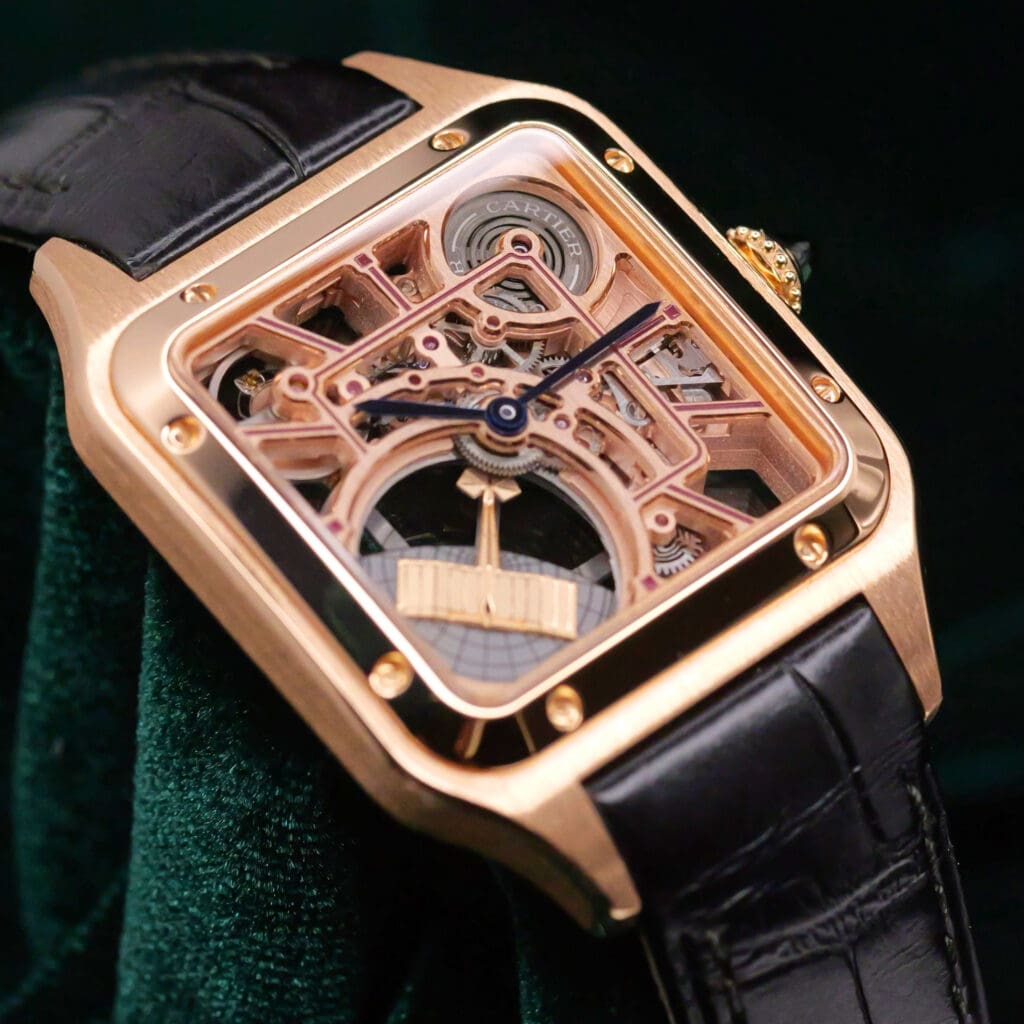
Cartier Santos-Dumont Micro-Rotor Skeleton Dial Black Alligator Strap 18k Rose Gold 43.5 x 31mm MINT CONDITION COMPLETE SET WHSA0030
3. Case
The Constellation wears its presence confidently. A round case from 36mm to 41mm, an integrated bracelet, and mixed polished and brushed finishing give it a solid, modern feel. It commands attention without demanding it.
The Tank is the opposite of substantial. Its rectangular case is slim, light, and almost architectural against the wrist. Fully polished and precisely proportioned, it wears more like a piece of jewelry than a traditional watch: refined, quiet, and impossible to mistake for anything else.
4. Dial Design
The Constellation dial rewards a closer look. Depending on the reference, you get sunburst or patterned dials that shift in the light, applied indices that add depth, and the Roman numeral bezel finishing the classic look. There’s real visual complexity built in.
The Tank dial does more with less: Roman numerals, a railroad minute track, and blued steel sword hands on a clean cream or white background. Nothing extraneous, nothing competing for attention. Every element earns its place.
5. Bracelet Design

The Constellation has an integrated steel bracelet that flows straight out of the case lugs. It gives the watch a cohesive, modern sport-dress identity that works with a suit or a weekend outfit. The extra weight and wrist presence reinforce its contemporary character.
The Tank wears a leather strap as standard, and that choice says everything about its identity. Slim, elegant, and inherently formal, the strap keeps the profile lean and the personality firmly in dress watch territory. It pairs naturally with tailored clothing and formal occasions.
Price Range and Market Demand
Both watches belong to the luxury category, but the value behind each one works differently. Here’s where each collection sits in 2026.
Omega Constellation Price Range
The Constellation is one of the more accessible entry points into Swiss luxury at this level. Quartz models start between $2,500 and $4,000, which makes them a good first step for buyers who want genuine Omega quality without paying the automatic-movement premium. It’s one of the more affordable ways into the brand.
Automatic Co-Axial Master Chronometer references now run from roughly $4,500 to $7,600 new in 2026, where you’re getting some of the most advanced movements available at the price. Precious metal versions in yellow gold, Sedna gold, or two-tone push past $10,000, and the new Observatory line reaches beyond $50,000 (Chrono24, WatchCharts).
Cartier Tank Price Range
The Tank’s pricing reflects its status as much as its materials. The Tank Must, Cartier’s entry-level steel reference, runs from about $3,000 to $6,800 depending on size and configuration.
The Tank Louis Cartier, the purest expression of the original design, ranges from $12,000 to $25,000 in gold, though medium steel and vermeil examples sit lower. Precious metal and diamond-set references climb past $30,000, moving firmly into fine jewelry territory (Chrono24, WatchCharts).
Which Offers Better Value?
Both collections have strong demand, but for different reasons. Collectors value the Tank for its design and cultural history, and vintage or precious-metal examples often sell at a premium on the secondary market.
The Constellation draws buyers who want a technically superior everyday watch, and its wide range of sizes, dials, and movement tiers gives it steady demand across buyer types. Its resale holds up well next to Rolex, too.
The wider market backs this up. WatchCharts’ Q1 2026 report shows the secondary market up 1.9% in its fifth straight quarter of growth, with Cartier among the standout performers and Tank and Santos holding value better than most non-Rolex brands. Both watches, in short, tend to hold up well against many luxury timepieces.
If you’re weighing one against the other and want to see real examples before deciding, we can send tour videos and condition notes on the exact pieces we have in stock. Just reach out and tell us which way you’re leaning.
Notable Omega Constellation References

The Constellation spans more than seven decades and hundreds of references. These five stand out as the most significant, whether you’re buying new, shopping the secondary market, or just trying to understand the collection.
1. Constellation Manhattan
The Manhattan is the heart of the modern lineup and the reference most buyers meet first. Omega introduced it in 1982 and has refined it ever since. Its claws, integrated bracelet, polished sport-luxury finish, and detailed dial define the modern Constellation, and it works equally well as a daily wearer or a dress watch.
- Case size: 36mm, 39mm, 41mm
- Movement: Co-Axial Master Chronometer automatic or quartz
- Water resistance: 100 meters
- Market range (2026): $4,000 – $10,000 new; $2,500 – $7,000 pre-owned
2. Constellation Globemaster
The Globemaster is the purest expression of Constellation heritage in the current lineup. Omega revived it in 2015 with the 1950s pie-pan dial, fluted bezel, and C-shaped case, paired with modern materials. It was also the first watch ever to earn METAS Master Chronometer certification, a landmark in both design and engineering.
We cover the references in a dedicated Globemaster buying guide.
- Case size: 39mm, 41mm
- Movement: Co-Axial Master Chronometer automatic (Calibre 8900)
- Water resistance: 100 meters
- Market range (2026): $6,000 – $15,000 new; $4,500 – $10,000 pre-owned
3. Constellation Quartz
The quartz references are the most accessible way into the family. They deliver the full design experience (claws, Roman numeral bezel, integrated bracelet) with no automatic-movement premium. They’re especially strong across smaller case sizes and in the women’s lineup.
- Case size: 25mm, 28mm, 29mm, 36mm
- Movement: Quartz (Calibre 4061)
- Water resistance: 100 meters
- Market range (2026): $2,500 – $5,500 new; $1,500 – $3,500 pre-owned
Related Models from Majestix

Omega Speedmaster 38 Orbis Edition Blue Dial Stainless Steel 38mm MINT CONDITION COMPLETE SET 324.30.38.50.03.002
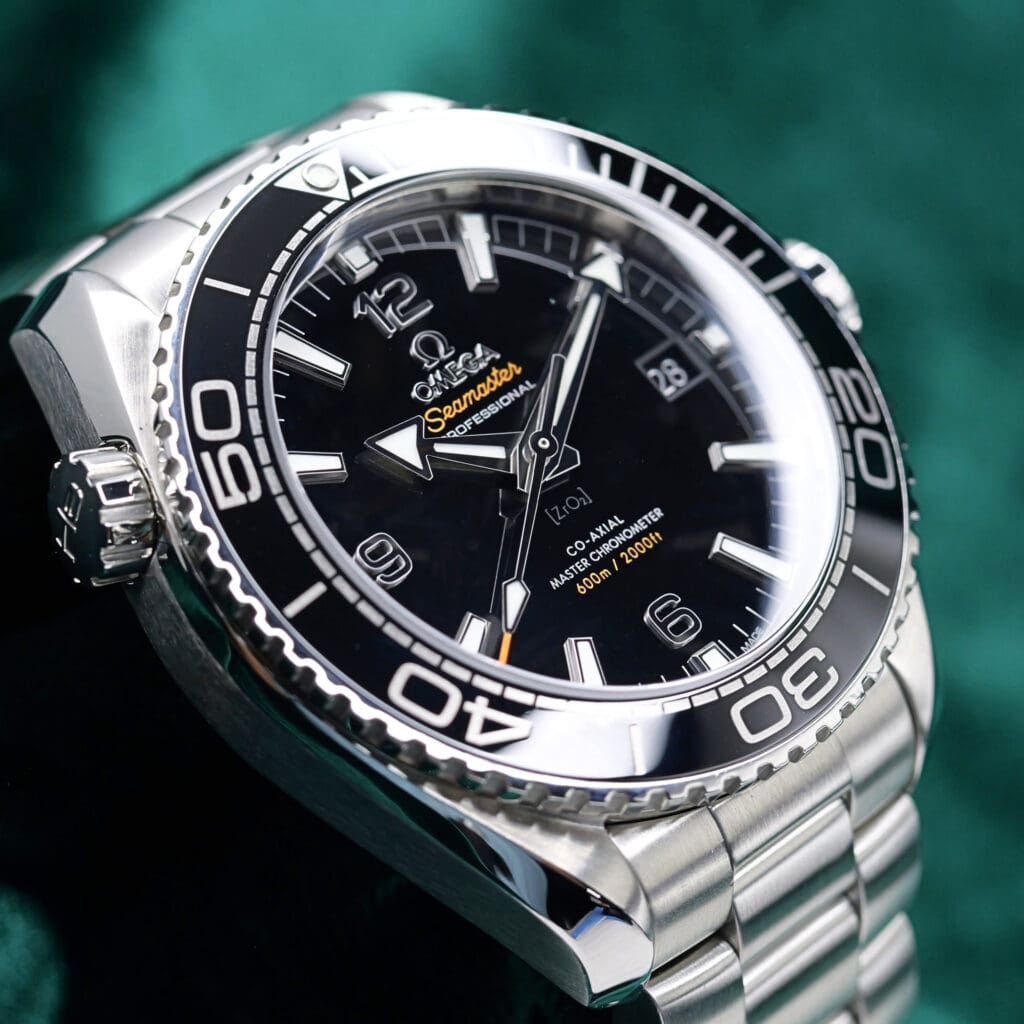
Omega Seamaster Planet Ocean 600M Black Dial Stainless Steel 43.5mm MINT CONDITION COMPLETE SET 215.30.44.21.01.001
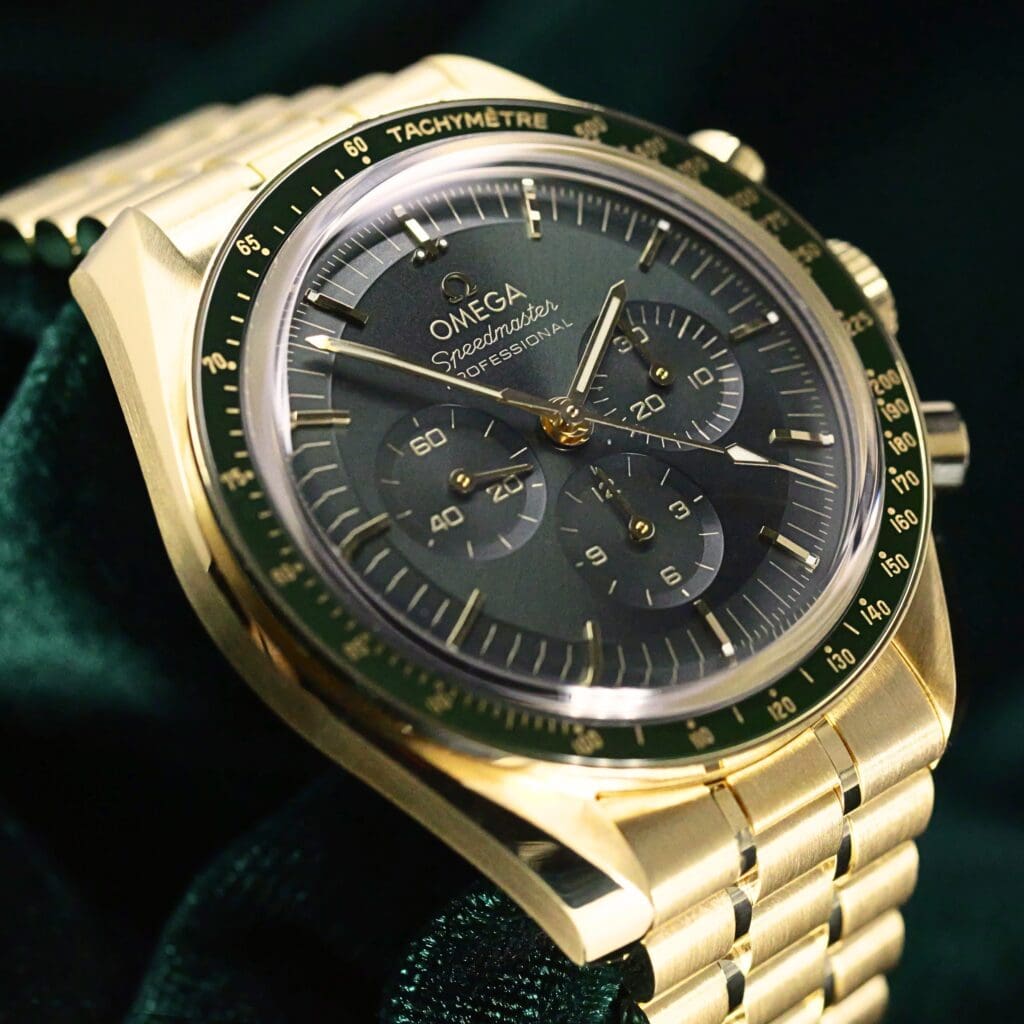
Omega Speedmaster Professional Moonwatch "Moonshine" Green Dial 18K Yellow Gold 42mm MINT CONDITION COMPLETE SET 310.60.42.50.10.001
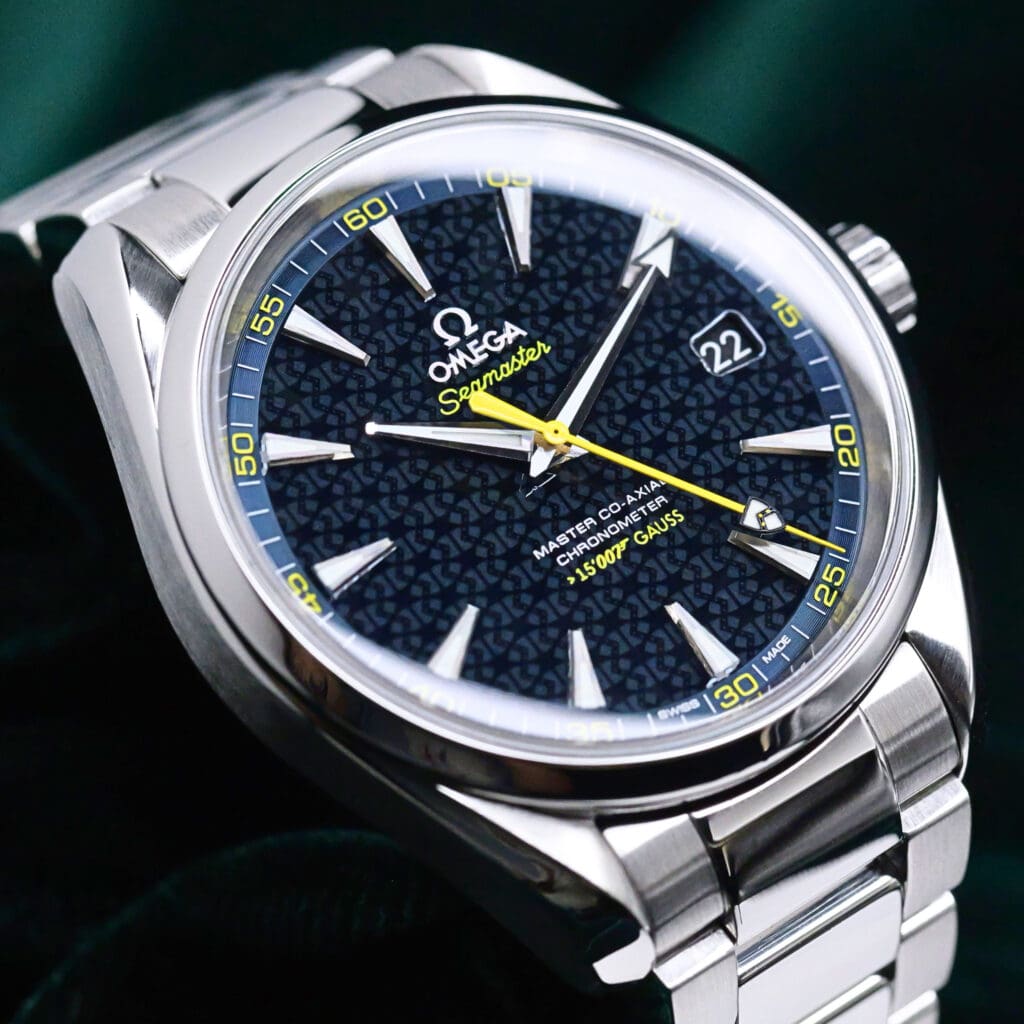
Omega Seamaster Aqua Terra 150M "James Bond Spectre" Blue Dial Yellow Accents Stainless Steel 41.5mm MINT CONDITION COMPLETE SET 231.10.42.21.03.004
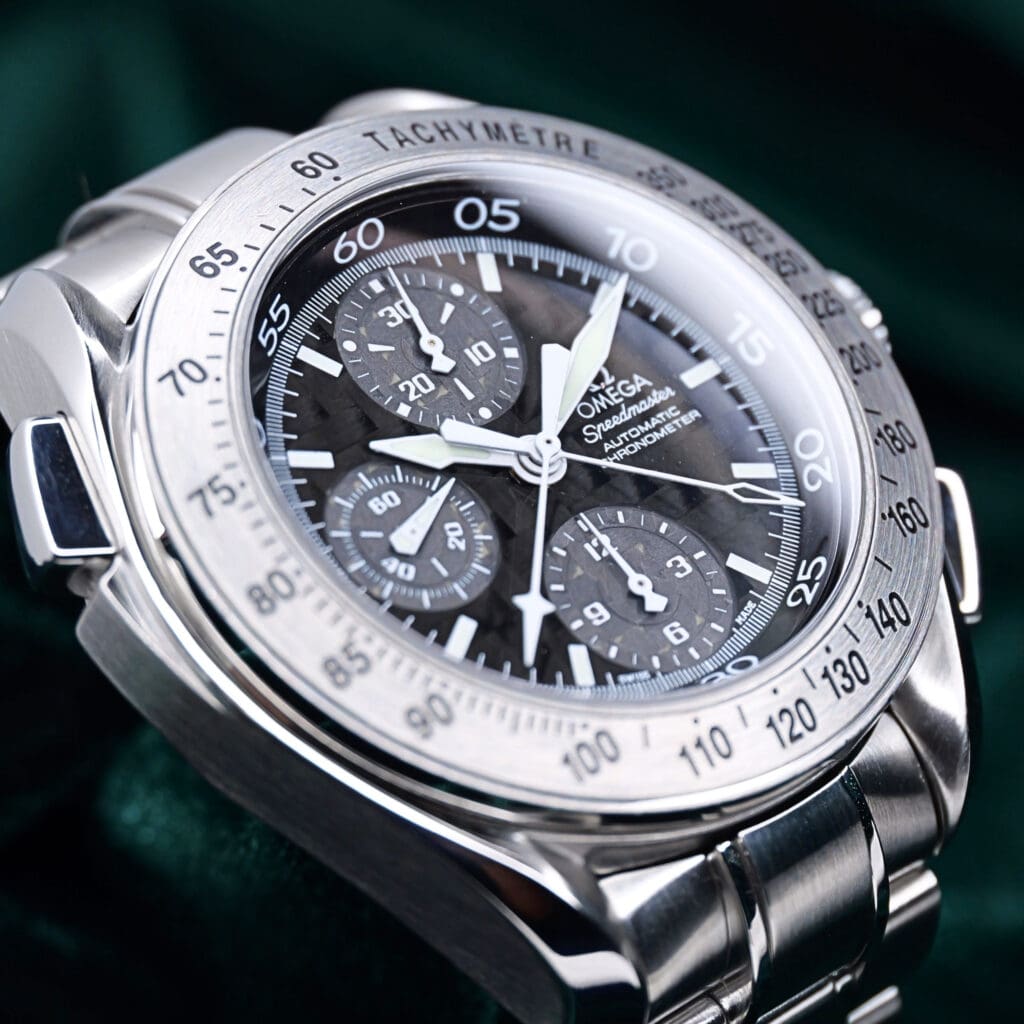
Omega Speedmaster Split-Seconds "Rattrapante" Black Carbon Fiber Dial Stainless Steel 42mm Mint Condition 3540.50
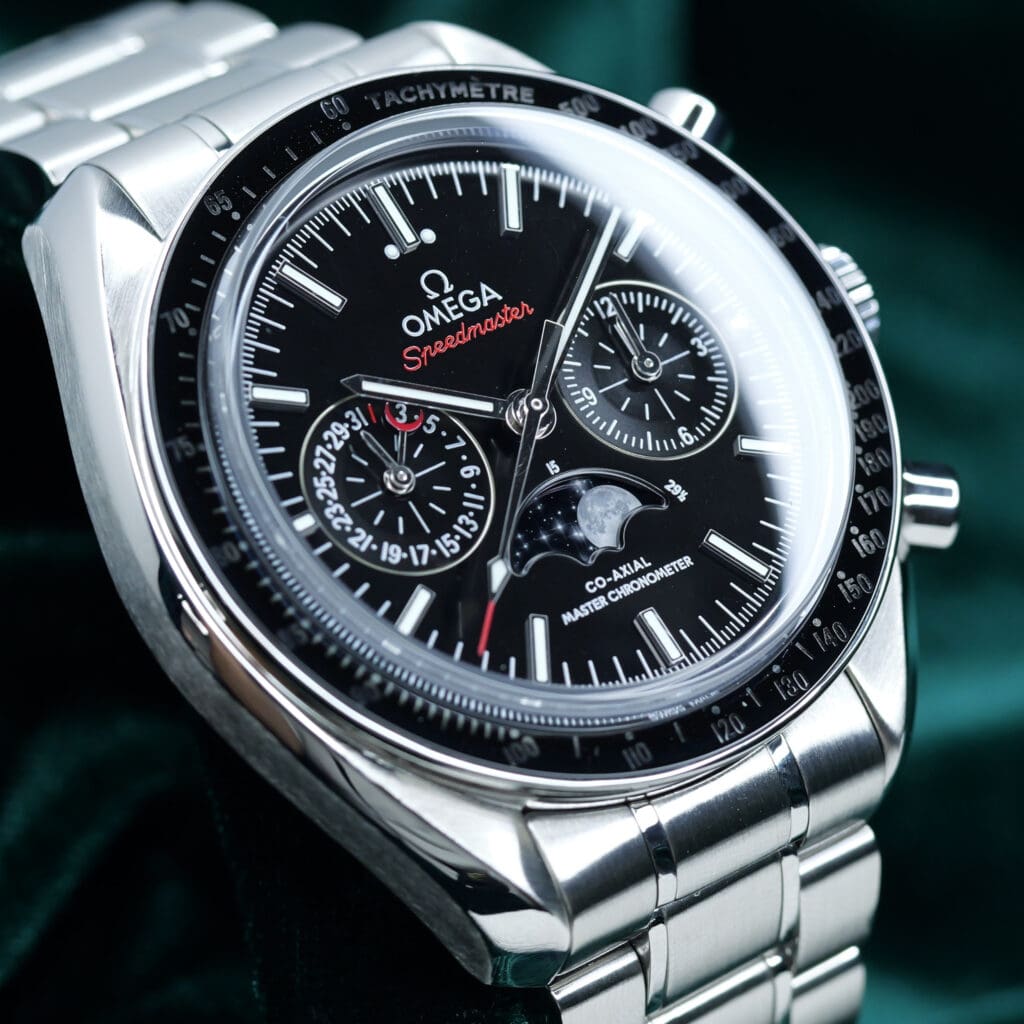
Omega Speedmaster Moonphase Co-Axial Master Chronometer Chronograph Black Dial Stainless Steel 44.25mm MINT CONDITION COMPLETE SET 304.30.44.52.01.001
4. Constellation Meteorite (2024)
The Meteorite is one of the most striking Constellation releases in recent memory. Omega launched it in 2024 across 20 references, each with a dial cut from the Muonionalusta meteorite, estimated at over 4.5 billion years old. Sizes and finishes vary, including diamond-set bezels and colored galvanic dials.
- Case size: 25mm, 28mm, 29mm, 41mm
- Movement: Co-Axial Master Chronometer automatic (41mm); quartz (smaller sizes)
- Water resistance: 100 meters
- Market range (2026): $7,000 – $42,400 new
5. Constellation Observatory (2026)
The Observatory is the newest and most technically important Constellation in years. Omega announced it on March 26, 2026 as a new sub-collection, with a fresh case shape, dog-leg lugs, and an integrated tapered bracelet.
Its headline feat: it’s the first two-hand watch ever to earn METAS Master Chronometer certification, made possible by a new acoustic testing method. Nine references launched at once, from steel to solid gold.
- Case size: 39.4mm
- Movement: Co-Axial Master Chronometer (Calibre 8915 time-only; 8914 with date)
- Water resistance: varies by reference
- Market range (2026): $10,900 – $59,100 new
Notable Cartier Tank References

The Tank is one corner of Cartier’s wider catalog, and it spans over a century, with dozens of variations built on the same foundation. These four stand out as the most significant, whether you’re buying new, shopping pre-owned, or trying to understand why the collection has lasted.
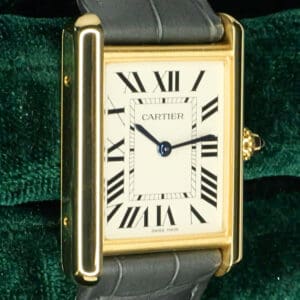
1. Tank Louis Cartier
The Louis Cartier is the quintessential Tank, the reference every other variation is measured against. Louis Cartier introduced it in the early 1920s, refining the original Normale with a slightly longer case, rounded brancards, and a rectangular dial for a softer, more elegant character.
It has stayed in production ever since, and Cartier brought the automatic version back in 2025. Available mainly in precious metals with hand-wound in-house calibers, it sits at the top of the Tank hierarchy in both prestige and price.
- Case size: Small (29.5 x 22mm), Large (33.7 x 25.5mm), XL (36.7 x 28.4mm)
- Movement: Hand-wound in-house (Calibre 430 MC), automatic, or quartz
- Water resistance: 30 meters
- Market range (2026): $12,000 – $25,000 new (gold); $8,000 – $20,000 pre-owned



2. Tank Must
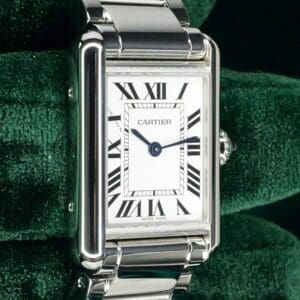
The Must is the most accessible and most recognizable way into the Tank family. Cartier introduced it in the 1970s during the quartz crisis as a cheaper alternative to the Louis Cartier, and it grew into a core model. Most versions are stainless steel but keep the classic Tank details: Roman numerals, blued sword hands, and a cabochon crown.
- Case size: Small (29.5 x 22mm), Large (33.7 x 25.5mm)
- Movement: Quartz or automatic (SolarBeat available)
- Water resistance: 30 meters
- Market range (2026): $3,000 – $6,800 new; $2,500 – $5,500 pre-owned


3. Tank Française
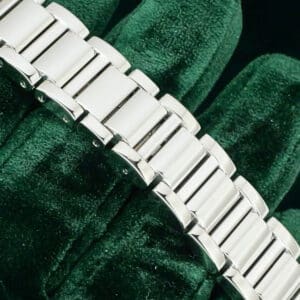
The Française is the Tank reimagined for modern daily wear. First launched in 1996 and revisited by Cartier in recent years, it departs from the classic template in two ways: a squarer case with sharper edges, and an integrated chain-link bracelet in place of the leather strap.
That bracelet, which recalls a tank’s treads seen from above, gives the Française a sportier, more contemporary presence than any other reference in the lineup. It comes in steel, two-tone, and gold.
- Case size: Small (28 x 23mm), Medium (30 x 25mm), Large (36 x 30mm)
- Movement: Quartz (smaller sizes); automatic in-house (larger sizes)
- Water resistance: 30 meters
- Market range (2026): $4,000 – $9,000 new; $3,000 – $7,000 pre-owned
4. Tank Américaine
The Américaine holds a distinct place in the family, with an elongated, curved case that reads as unmistakably elegant. Cartier introduced it in 1989 as a modern take on the 1920s Tank Cintrée. The longer, curved case follows the wrist, staying comfortable while keeping the Tank style, and it suits buyers who find the standard case too compact.
- Case size: Small (34.8 x 21.4mm), Large (44.6 x 26.2mm)
- Movement: Quartz or automatic in-house
- Water resistance: 30 meters
- Market range (2026): $5,500 – $14,000 new; $3,500 – $9,000 pre-owned
Which Watch Should You Choose?
Both watches are exceptional, but they’re built for different buyers with different priorities. Here’s a simple way to think about it.
Choose the Omega Constellation if:
- You want Swiss mechanical watchmaking at its best
- You prefer a round case
- You want a bracelet sport-dress watch
- You value movement technology
Choose the Cartier Tank if:
- You want a true dress watch
- You like rectangular design
- You value iconic design history
- You want a watch that works with formal wear
Still not sure? Try both on. The Constellation announces itself. The Tank simply is. And if your shortlist also includes a Rolex Datejust, we compare the Constellation and the Datejust head-to-head separately.
Browse Our Cartier Collection
Cartier Santos-Dumont Micro-Rotor Skeleton Dial Black Alligator Strap 18k Rose Gold 43.5 x 31mm MINT CONDITION COMPLETE SET WHSA0030
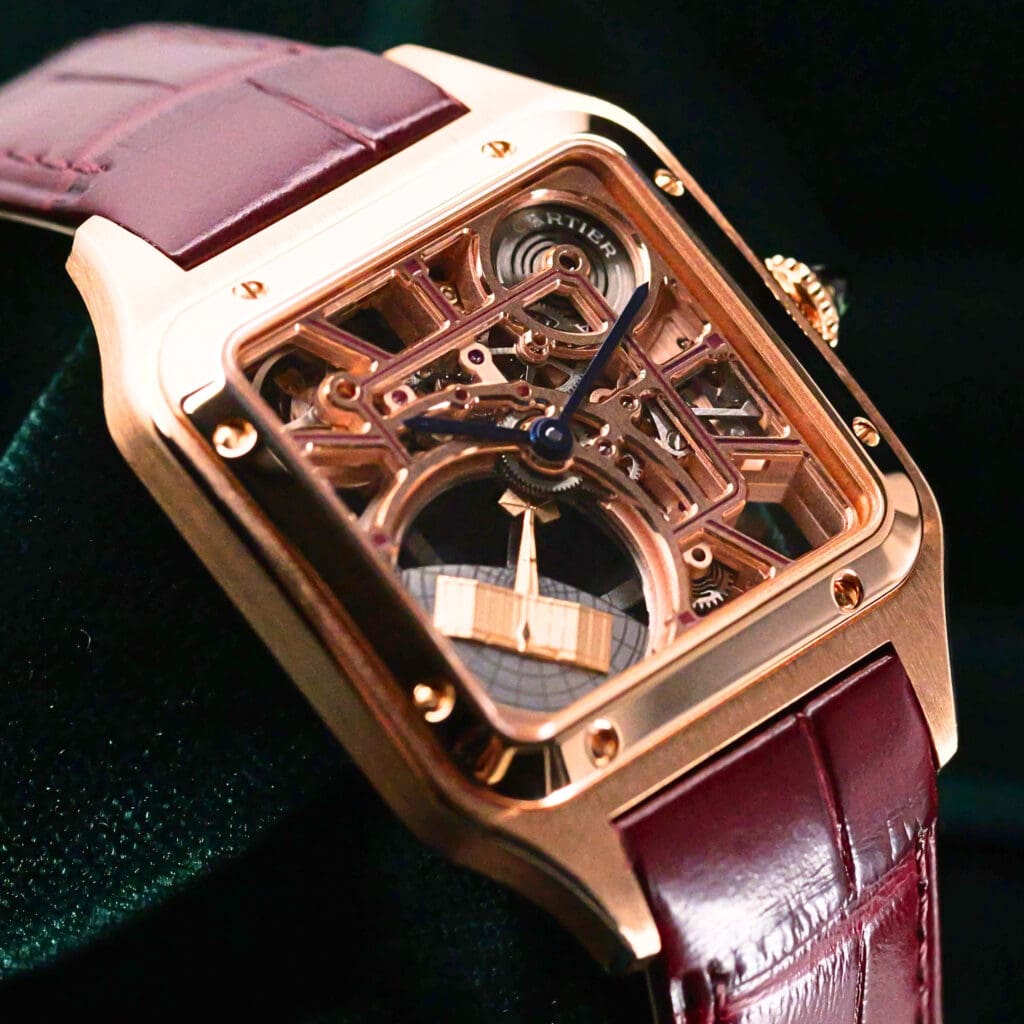
Cartier Santos-Dumont Micro-Rotor Skeleton Dial 18K Rose Gold Burgundy Alligator Strap 31mm MINT CONDITION COMPLETE SET WHSA0030

2025 Cartier Santos de Cartier Large Model Green Dial Stainless Steel 39.8mm MINT CONDITION COMPLETE SET WSSA0062
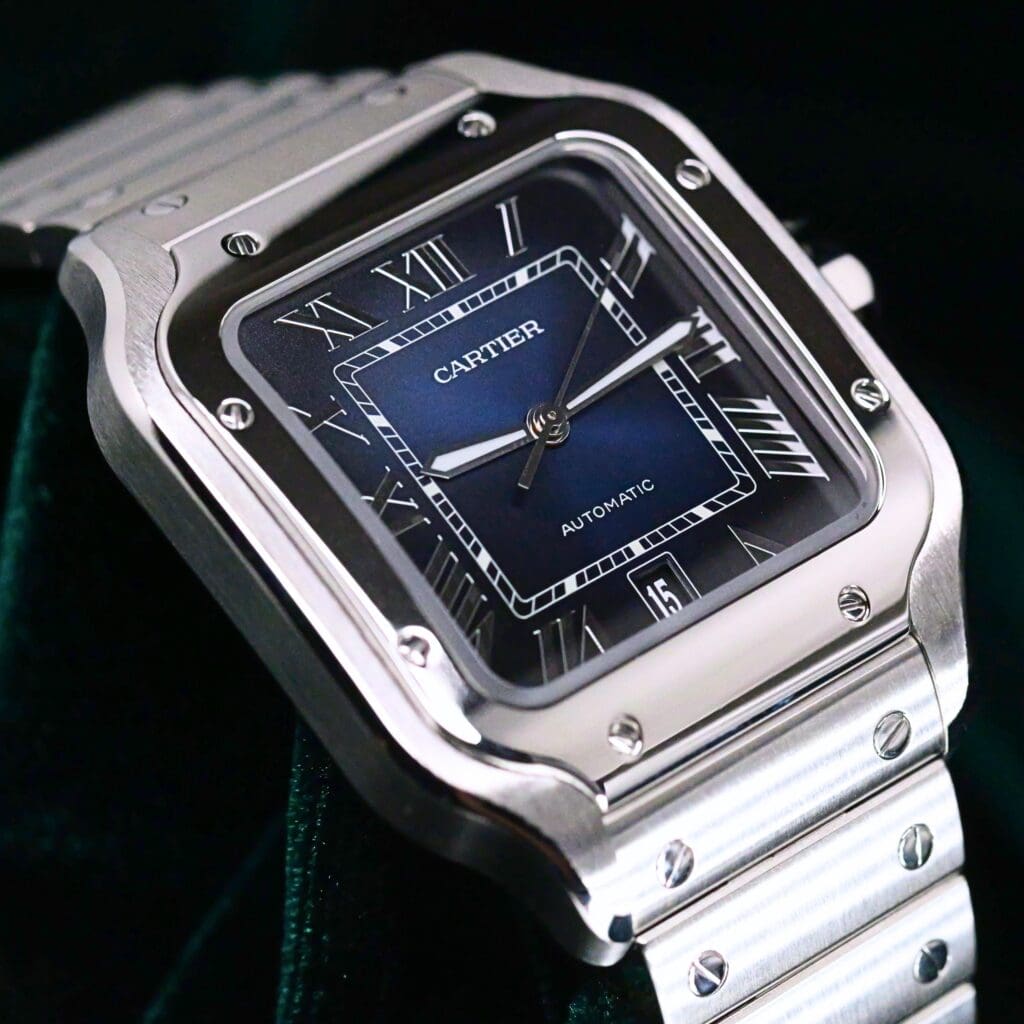
Cartier Santos de Cartier Large Blue Dial Stainless Steel 39.8mm MINT CONDITION COMPLETE SET WSSA0030

2026 NEW UNWORN Cartier Santos De Cartier White Dial 18K Rose Gold Blue Leather Strap 39.8mm COMPLETE SET WGSA0019
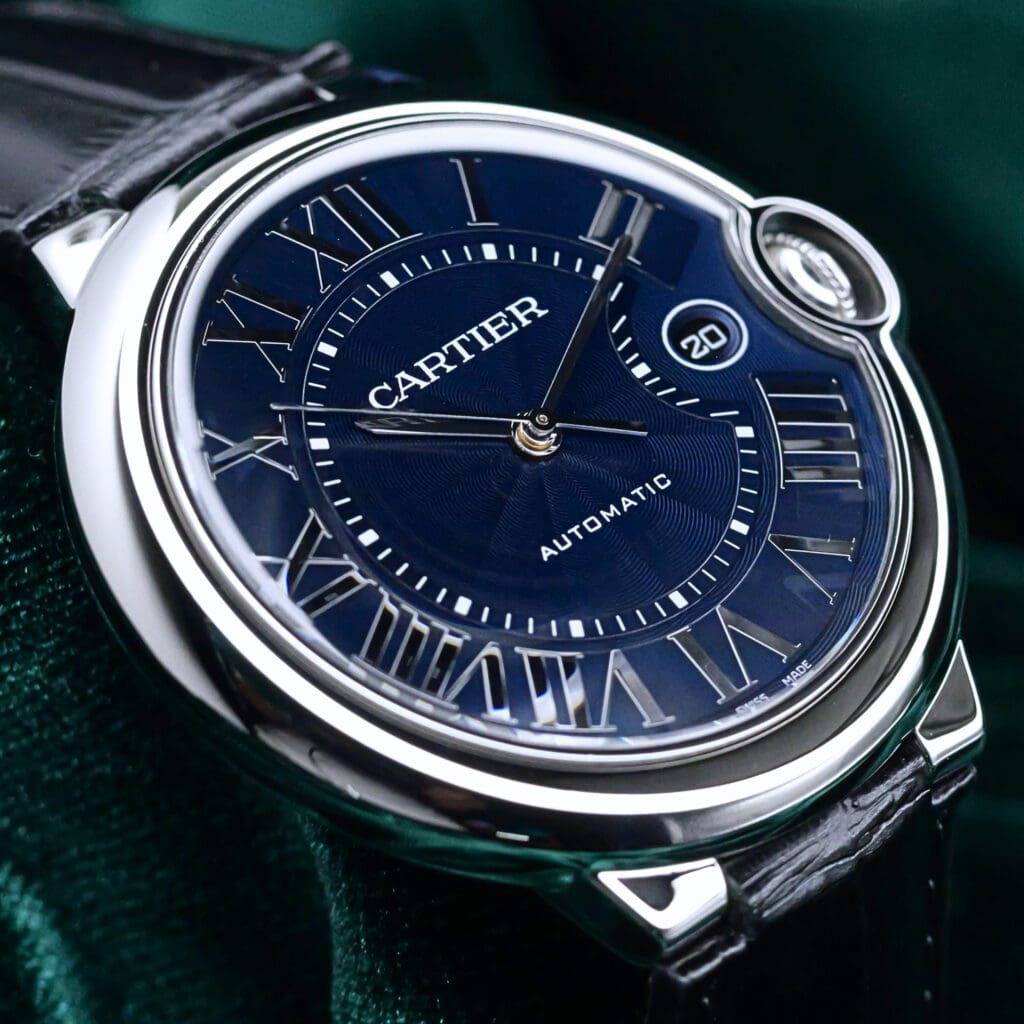
Cartier Ballon Bleu Blue Dial Stainless Steel Black Alligator Strap 42mm MINT CONDITION COMPLETE SET WSBB0027
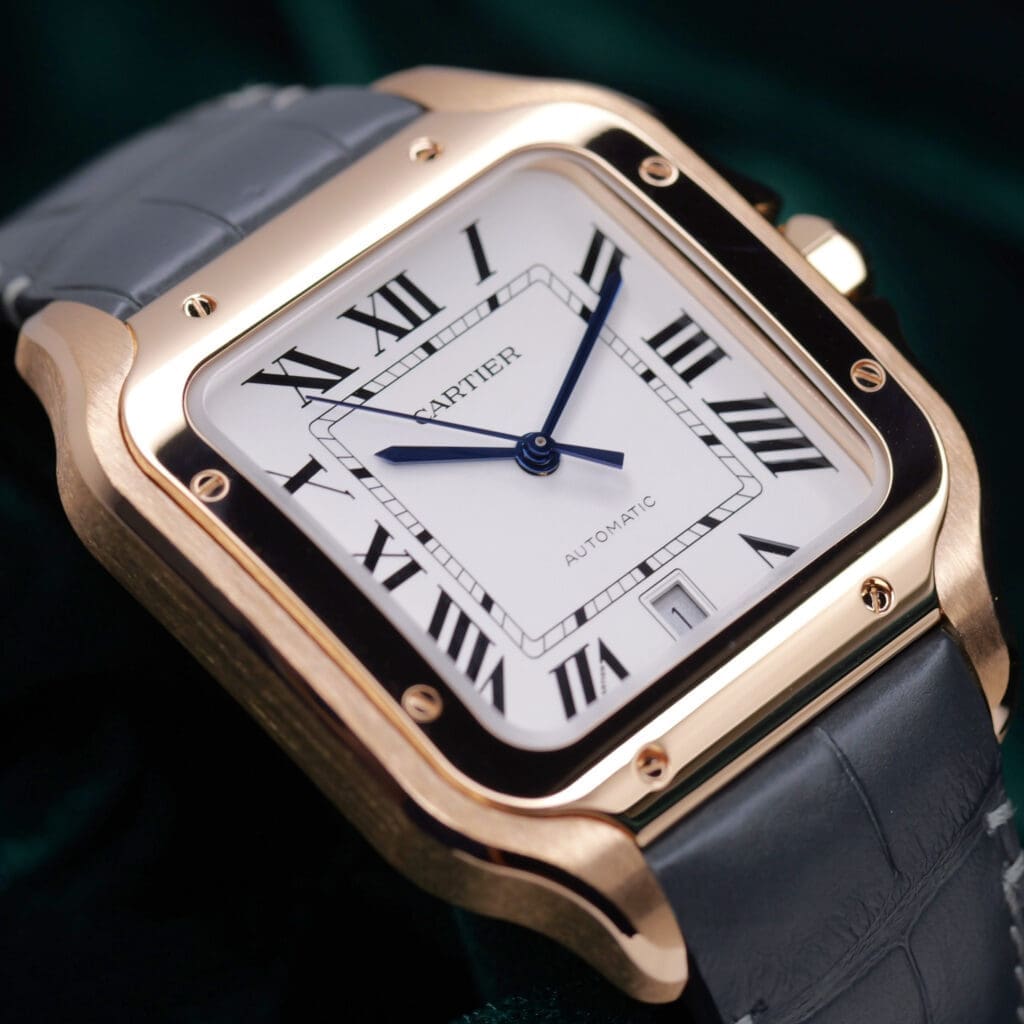
2026 Cartier Santos de Cartier White Dial Roman Markers 18K Rose Gold Grey Leather Strap 39.8mm MINT CONDITION COMPLETE SET WGSA0019
2025 Cartier Tank Must Small Model Silver Roman Dial Stainless Steel 29.5mm MINT CONDITION COMPLETE SET WSTA0107
Where to Buy Authentic Watches Online
There are a few legitimate online channels for buying either watch. Chrono24 is the largest global marketplace, with dealer ratings and an escrow option that holds your payment until the watch arrives.
eBay’s Authenticity Guarantee program has a third party inspect eligible watches before they reach you. Grailzee runs enthusiast-focused auctions if you’d rather bid than buy outright. Our full guide on where to source a pre-owned watch covers the channels in more depth.
We also sell, buy, and trade luxury watches, and the reason clients come to us instead of a big marketplace is the walkthrough before the decision. Ask about a Constellation or a Tank and we’ll send tour videos of the actual watch, detailed condition notes, and a straight conversation with someone who has handled the piece. You’re not buying blind off a listing photo.
That approach is reflected in our 4.9-star Google rating, which comes from buyers who wanted to understand exactly what they were getting before they committed.
You can see what’s currently in stock, or if you want that kind of walkthrough on a specific Constellation or Tank, reach out and we’ll line up a few options that match what you’re after.
Final Thoughts on Omega Constellation vs Cartier Tank
The Omega Constellation and the Cartier Tank are two of the finest dress watches you can buy, and they reach that point from opposite directions. The Constellation is Swiss engineering on show, led by precision and a modern sport-luxury feel. The Tank is a design icon refined over a century, led by elegance and Parisian restraint.
Neither is the wrong pick. The right one depends on you. A couple of things worth checking before you buy: try each on a strap and a bracelet, since that changes the character more than the price does, and if resale matters, the gold Tank tends to hold value more predictably than steel. The answer usually shows up the moment one of them feels like it belongs on your wrist.