
Put a Milgauss and an Explorer side by side and they feel like cousins. Both are steel, both tell the time and nothing else, and both wear with that quiet Rolex confidence. Then you live with them for a few weeks and the gap shows up fast.
One was built to survive a magnet lab. The other was built to survive everything else. And in 2026, one of them is discontinued and climbing while the other sits calmly near retail. That shift changes the buying math more than any spec sheet does.
Here’s the honest breakdown of how these two Rolex tool watches differ, what they cost now, and which one belongs on your wrist.
Rolex Milgauss Overview

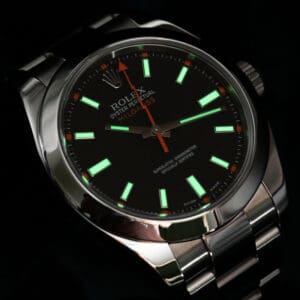


Rolex launched the Milgauss in 1956 to solve one problem: magnetic fields in labs and industrial sites threw off mechanical timekeeping. The watch was rated to handle 1,000 gauss, which is where the name comes from (mille is French for thousand). Rolex revived the line in 2007, and those modern references are the ones collectors chase today.
The target buyer was always specific: engineers, technicians, and scientists working near magnetic equipment. Think power stations, research facilities, and medical imaging rooms. The job never changed: keep accurate time when magnets are close enough to ruin a normal movement.
Protection comes from a soft-iron inner shield, a Faraday cage that wraps the movement and redirects magnetic fields before they reach the balance and escapement. It works on its own, with nothing for the wearer to do.
If you want the mechanics behind it, our breakdown of how Rolex movements work goes deeper on the balance and escapement.
Collectors gravitate to the Milgauss for a different reason than most Rolex sports watches. Production stayed limited, the concept stayed niche, and then Rolex pulled the plug in 2023. Sharp cases, clean dials, and full sets carry the value now.
Two details give the Milgauss its personality. The orange lightning-bolt seconds hand is unmistakable, and the 116400GV adds a green-tinted sapphire crystal that no other Rolex has ever used. The Z-Blue dial pushes it even further from the usual restrained Rolex look; the Z-Blue vs black breakdown covers the choice.

Popular references:
- Reference 6541
- Reference 116400
- Reference 116400GV
Rolex Explorer Overview
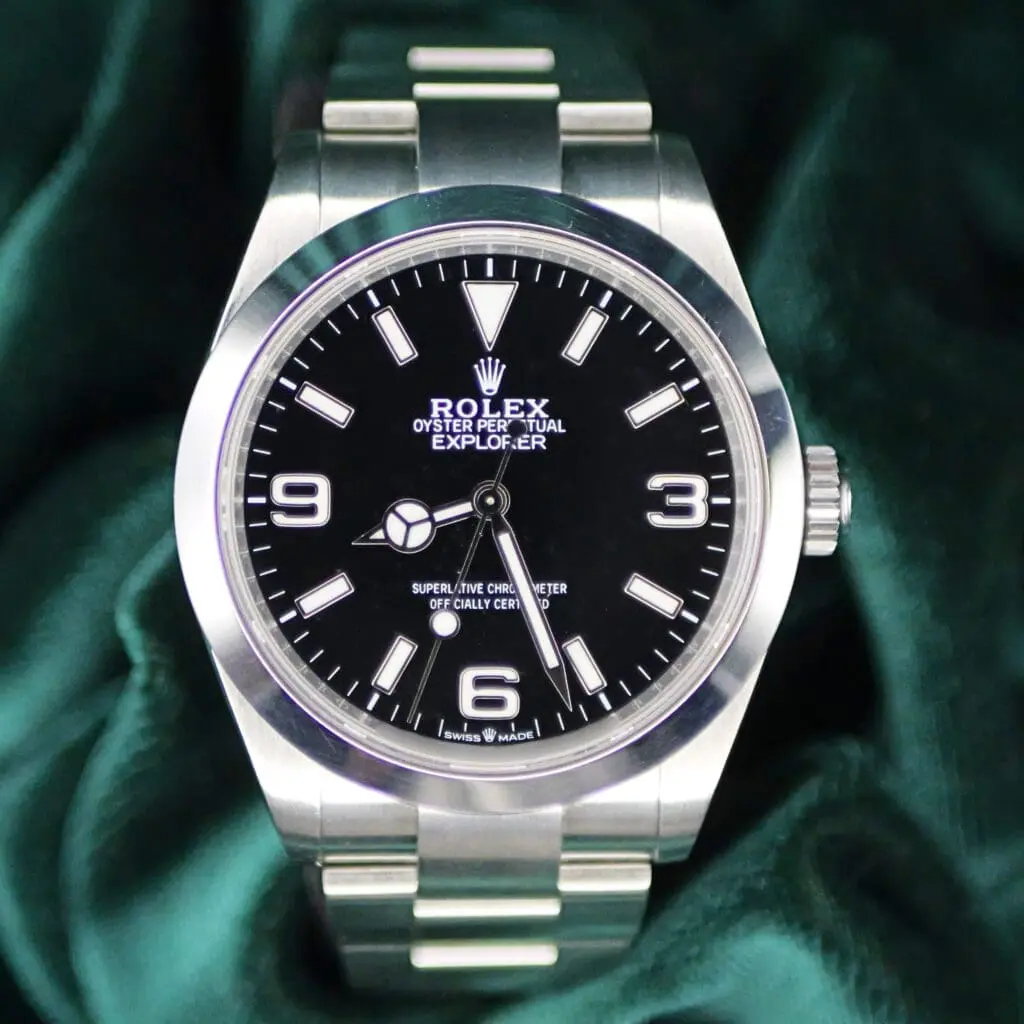
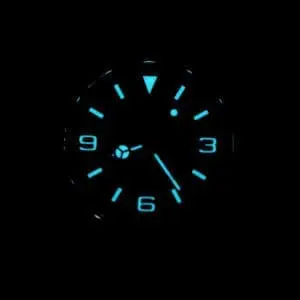
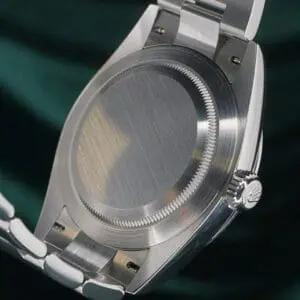
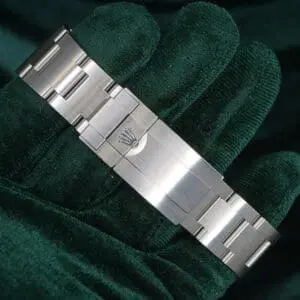
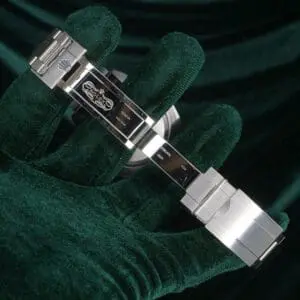
The Explorer started in the early 1950s as a no-nonsense Oyster watch built around one idea: legibility above all. Rolex has refined that idea for 70 years rather than reinventing it. Modern Explorers keep the same face but bring the case, lume, and movement up to current standards.
It suits the buyer who wants the simplest Rolex tool watch with zero complications. You get a high-contrast dial, a tough Oyster case, and 100 m of water resistance for daily wear. The whole point is a watch you never have to think about.
The Explorer earns its daily-driver reputation honestly. The case stays slim, the dial stays readable, and the movement meets Rolex’s Superlative Chronometer standard for accuracy. Strong lume handles low light, and the smooth bezel shrugs off scuffs and grit.
For collectors, the appeal is stability. Rolex keeps the formula consistent, so prices track the broader market instead of spiking like Submariners and GMTs. That predictability is exactly why people wear theirs hard instead of babying it.
The signature cues are easy to spot: the 3-6-9 dial, the Mercedes hands, and the smooth bezel. It looks purposeful without asking for attention, and it fits almost any setting.

Popular references:
- Reference 1016
- Reference 114270
- Reference 224270 (Explorer 40)
Milgauss vs Explorer: Core Differences

The Milgauss protects the movement from magnetism. The Explorer chases simple toughness and instant legibility. Everything else flows from those two missions.
Here are the differences that actually shape how each one wears and who it fits.
1. Magnetic Resistance
Rolex built the Milgauss for rooms full of magnets. It withstands up to 1,000 gauss thanks to that soft-iron shield around the movement, which steers magnetic fields away from the parts that keep time. No input needed from the wearer.
The Explorer takes the lighter, modern route. It runs a paramagnetic blue Parachrom hairspring that resists the everyday stuff: phones, laptops, speakers, magnetic clasps. Plenty for normal life, but Rolex never pitched it as a lab watch.
It’s worth knowing this difference is also why the Milgauss is gone. By 2023, anti-magnetic materials like Parachrom and silicon had become standard across Rolex movements, so a dedicated 1,000-gauss watch no longer solved a problem only it could solve. The niche that justified the Milgauss in 1956 had quietly closed.
2. Movement Architecture
The Milgauss uses calibre 3131, built around stability and shielding rather than headline specs. It offers roughly 48 hours of power reserve and is designed to work with the inner cage. The architecture is older, but it’s reliable and straightforward to service.
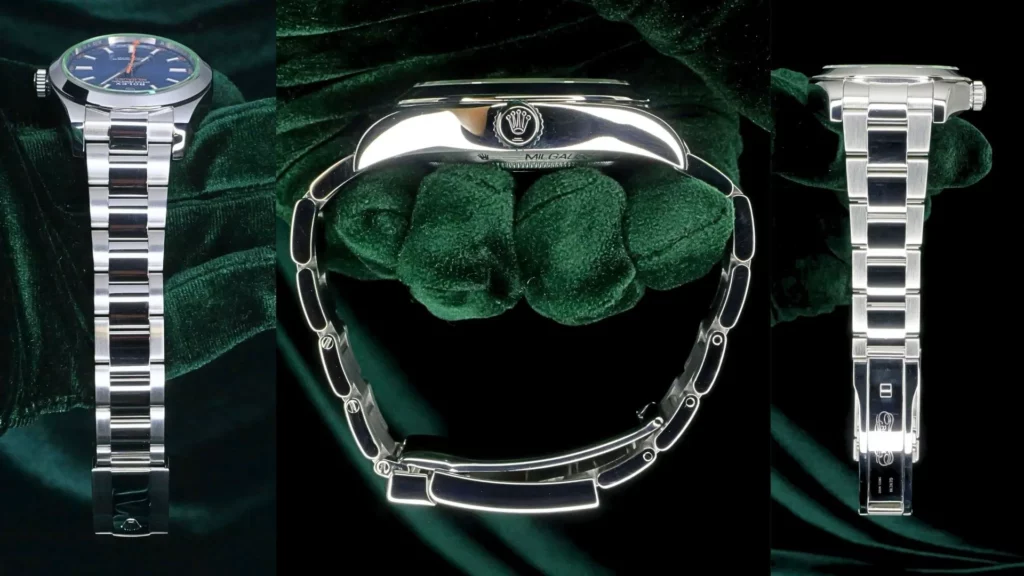
The Explorer runs the calibre 3230, Rolex’s current time-only movement. It delivers around 70 hours of reserve, which matters if you rotate watches or set it down for the weekend. It adds a stop-seconds function for precise setting and Paraflex shock protection for daily knocks. It’s the more modern engine, plain and simple.
3. Case and Crystal Design
The modern Milgauss comes in a 40 mm Oystersteel case with a smooth bezel. The headline version is the 116400GV and its green-tinted sapphire crystal, a Rolex first in 2007 and still unique to this watch. Pair that with the lightning seconds hand and it reads as a technical piece at a glance.
The Explorer keeps things plain on purpose. A flat sapphire crystal sits over a high-contrast dial, and Rolex rates it to 100 m. The big practical difference is choice of size: the Explorer comes in 36 mm (ref. 124270) and 40 mm (ref. 224270), so it fits a wider range of wrists than the one-size Milgauss.
Price and Market Demand
This is where the comparison has shifted most since this article first ran. Since the 2023 discontinuation, the Milgauss has climbed while the Explorer has drifted back toward retail.
As of 2026, the standard 116400 with a black or white dial trades roughly $9,000 to $11,000, and the 116400GV (green crystal, Z-Blue or black dial) sits higher at around $10,000 to $14,000 for clean examples. Both jumped 20 to 30 percent after Rolex stopped making them, with the GV carrying the stronger premium. Figures here reflect grey-market data on Chrono24 and WatchCharts.
The Explorer tells the opposite story. The current 40 mm 224270 retails around $8,350 and trades near or just below that on the secondary market, while the 36 mm 124270 retails around $7,900 and trades close to $7,500.
Vintage is where the upside lives. The 114270 runs roughly $5,000 to $7,000, and the legendary 1016 spans about $12,000 to $25,000-plus depending on dial, condition, and provenance.
The pattern is simple. A modern in-production Explorer is one of the few Rolex sports watches you can buy at or below retail right now. The Milgauss asks a premium because supply is fixed and the demand never went away.
For how this fits the wider catalog, our Rolex pricing guide tracks retail against market across the range.
Which One Holds Value Better
The Milgauss has the clearer near-term upside, but it costs more to get in. Discontinued Rolex sports models tend to appreciate as supply dries up, and the Milgauss is already doing that, with the GV leading the way.
The Explorer is the steadier play. In-production references trading near retail have little room to fall and little reason to spike, so you’re buying a watch to wear, not to flip. The vintage Explorers (especially the 1016) are the exception, but those are collector decisions driven by condition and originality, not everyday value.
Neither is a guaranteed investment, and both should be bought because you want to wear them. But if “will this hold its value” is keeping you up at night, the discontinued Milgauss carries the momentum and the modern Explorer carries the downside protection.
For the bigger picture, we round up the Rolex models that hold value best in a separate guide.
Browse Our Rolex Collection
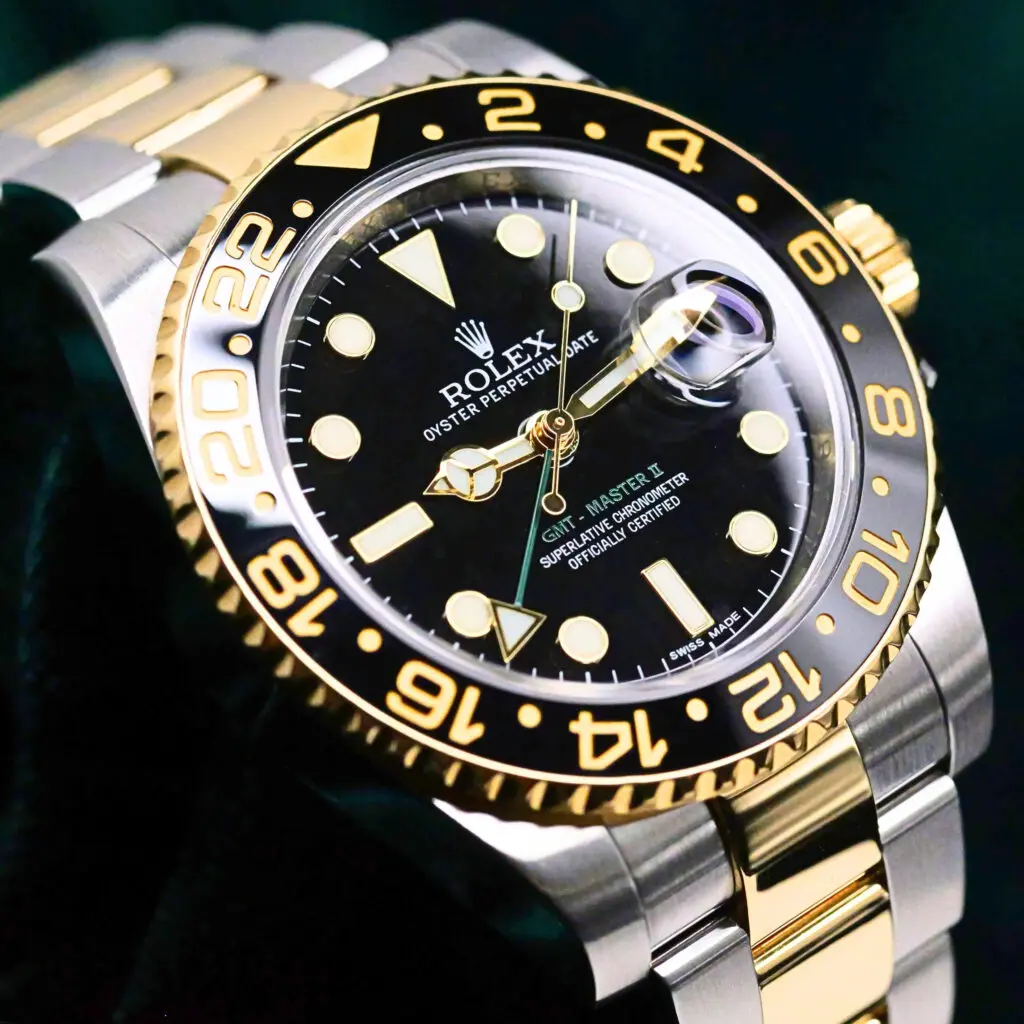
Rolex GMT-Master II “Green Arrow” Black Dial Black Ceramic Bezel Oyster Bracelet Two-Tone 18K Yellow Gold Stainless Steel 40mm MINT CONDITION COMPLETE SET 116713LN
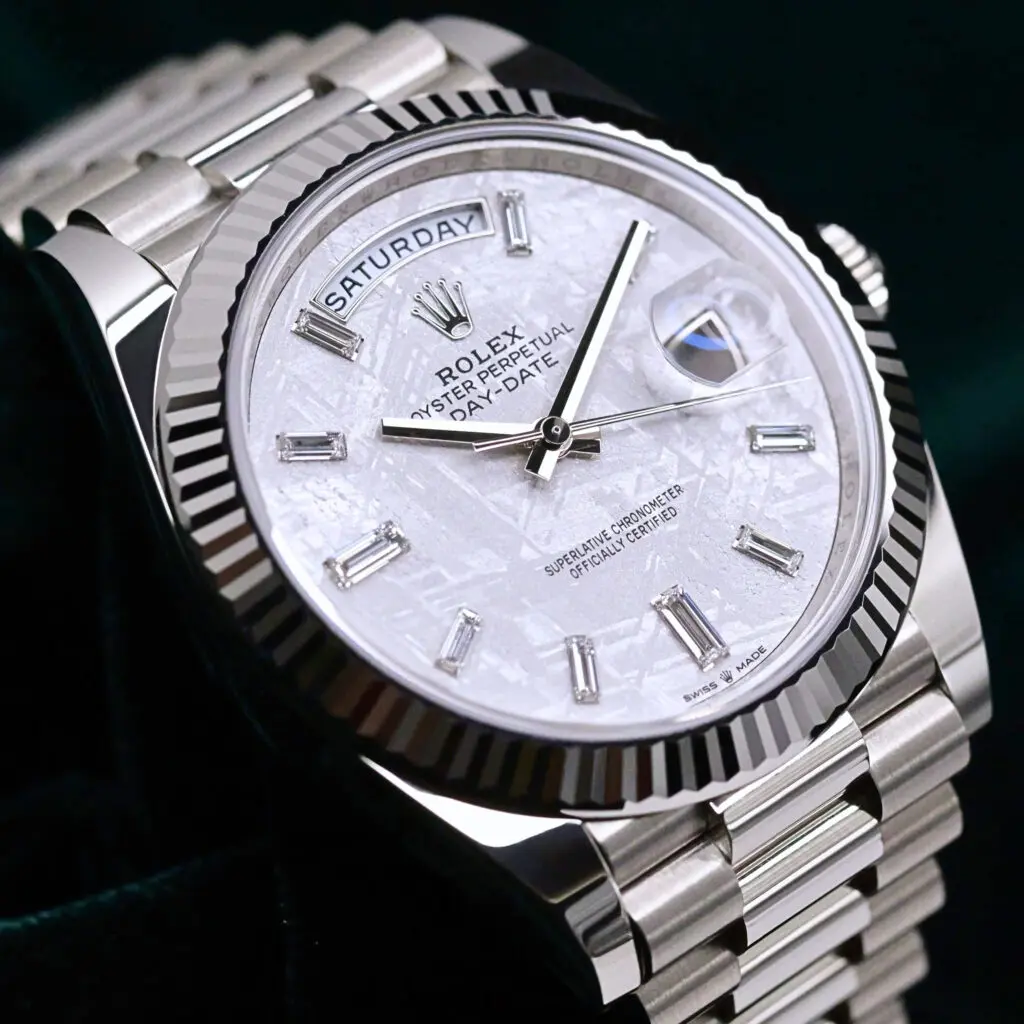
Rolex Day-Date Meteorite Baguette Diamond Dial Fluted Bezel President 18K White Gold 40mm MINT CONDITION COMPLETE SET 228239
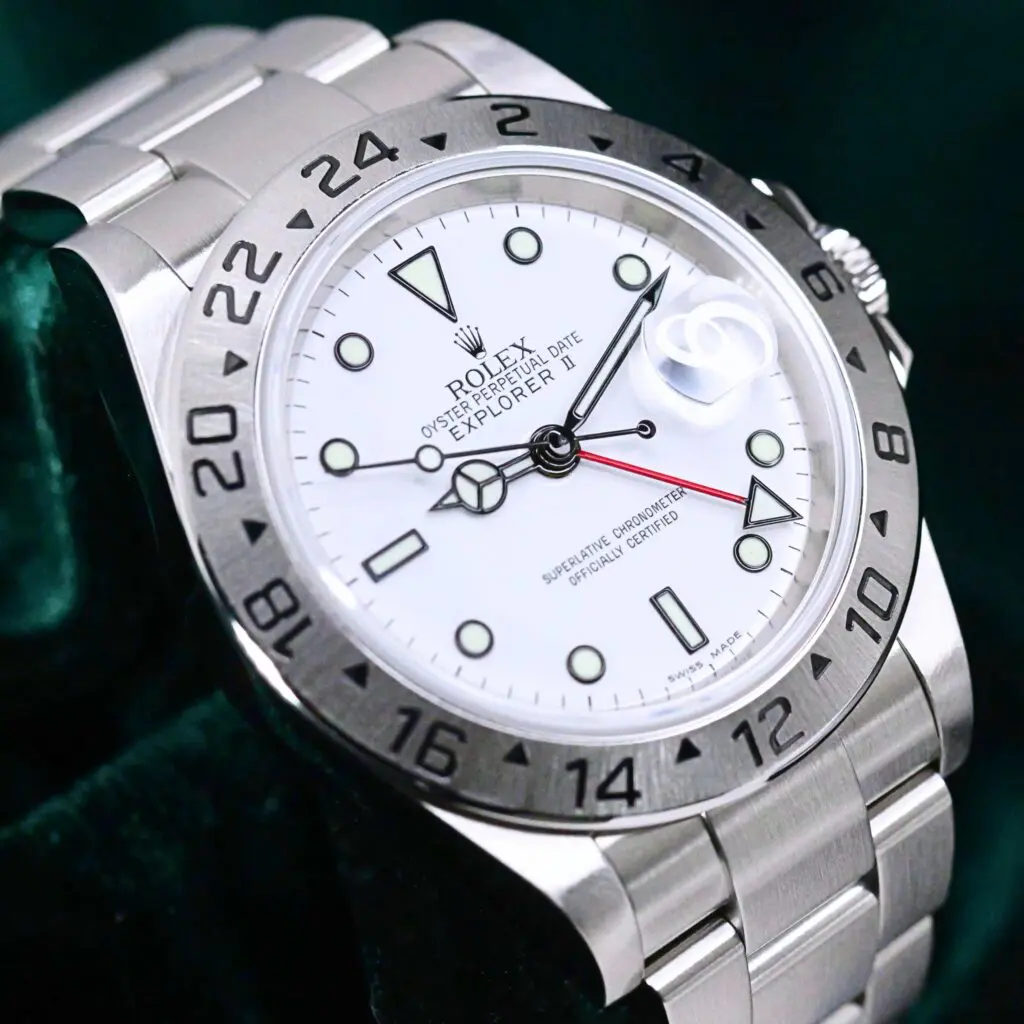
Rolex Explorer II "Polar" White Dial Oyster Bracelet Stainless Steel 40mm MINT CONDITION COMPLETE SET 16570
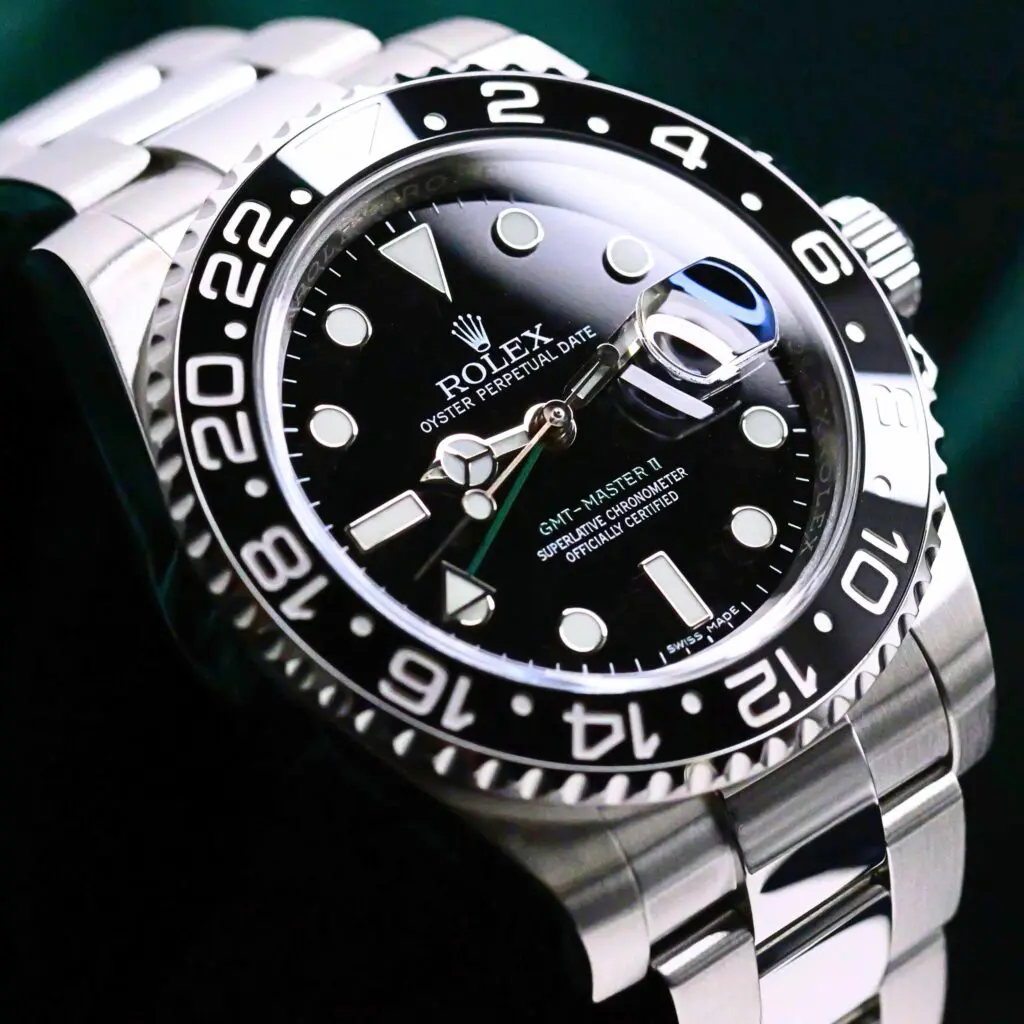
Rolex GMT-Master II "Green Arrow" Black Dial Black Ceramic Bezel Oyster Bracelet Stainless Steel 40mm MINT CONDITION COMPLETE SET 116710LN
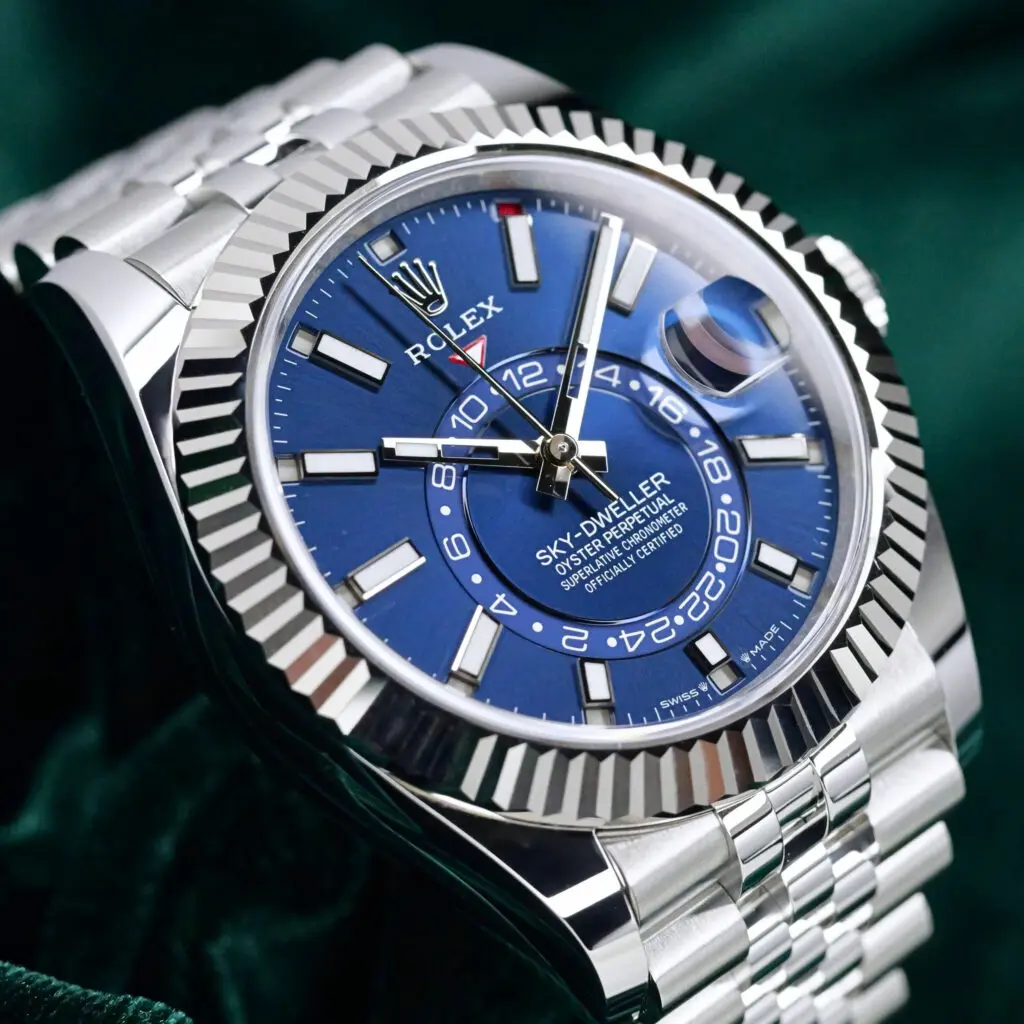
2026 NEW UNWORN Rolex Sky-Dweller Bright Blue Dial 18K White Gold Fluted Bezel Jubilee Bracelet Stainless Steel 42mm COMPLETE SET 336934-0006
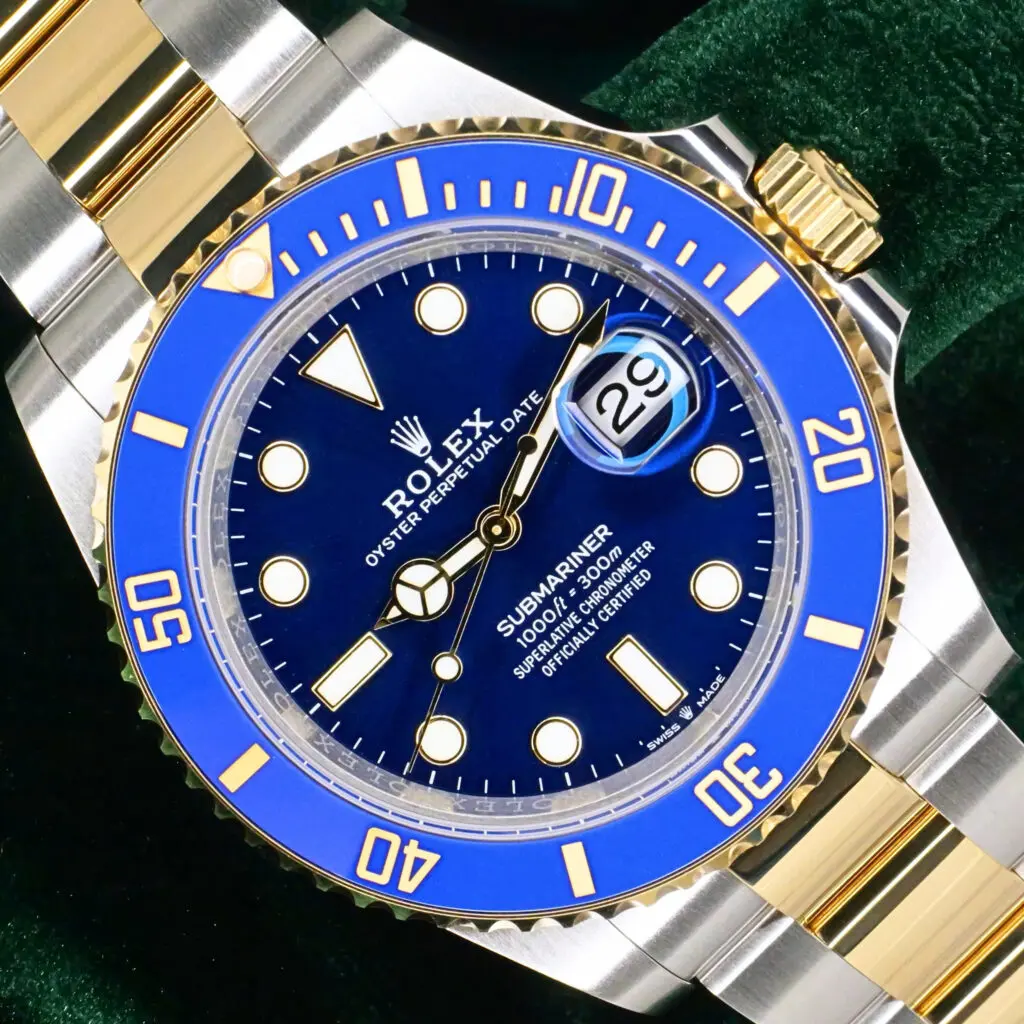
Rolex Submariner Date "Bluesy" Royal Blue Dial Blue Ceramic Bezel Oyster Bracelet Two-Tone 18K Yellow Gold Stainless Steel 41mm MINT CONDITION COMPLETE SET 126613LB
Iconic Milgauss References
The Milgauss has a clear job: protect mechanical timekeeping from magnetism, and look like nothing else doing it. These are the references that define the line, and our Rolex Milgauss buying guide walks through the full lineup if you’re deciding between them.
Reference 6541
The 6541 is the first true Milgauss and the foundation of everything that followed. Rolex built it in the 1950s to shield timekeeping from magnetic interference in scientific and industrial work, and it introduced both the lightning seconds hand and the internal anti-magnetic cage. Original examples are scarce, and value hinges on originality and provenance.
Key specifications:
- Case: 38 mm Oystersteel
- Movement: Vintage Rolex automatic, 1030 family era
- Anti-magnetic design: Soft-iron inner shield
- Crystal: Acrylic
- Water resistance: ~50 m (rated for the era)
- Dial detail: Lightning seconds hand
- Market value: around $60,000+

Reference 116400
The 116400 brought the Milgauss back in 2007. Rolex grew the case to 40 mm and modernized both the movement and the shielding. The lightning hand returned with cleaner dial accents, and this reference keeps a more restrained look than the GV.
Key specifications:
- Case: 40 mm Oystersteel
- Movement: Rolex calibre 3131
- Anti-magnetic rating: 1,000 gauss class
- Crystal: Sapphire
- Water resistance: 100 m
- Functions: Time only with hacking seconds
- Market value (2026): around $9,000 to $11,000
Reference 116400GV
The 116400GV adds the green-tinted sapphire crystal that became the modern Milgauss signature. Rolex treated the crystal as both a technical flex and a visual marker, and on the Z-Blue dial it’s one of the most distinctive watches the brand has ever sold. Mechanically it matches the 116400, but demand runs hotter because of the crystal and the dial.
Key specifications:
- Case: 40 mm Oystersteel
- Movement: Rolex calibre 3131
- Anti-magnetic rating: 1,000 gauss class
- Crystal: Green-tinted sapphire
- Water resistance: 100 m
- Signature detail: Lightning seconds hand
- Market value (2026): around $10,000 to $14,000
Iconic Explorer References

The Explorer follows one formula across every generation: legibility, durability, and balance for daily wear. The 3-6-9 dial and clean case layout barely change. These are the references that define it, and the Rolex Explorer buying guide breaks down the lineup reference by reference.
Reference 1016
The 1016 shaped the Explorer for decades and is the reference most collectors picture first. A long production run and a stable design gave it lasting identity, and today it’s treated as a historical piece rather than a daily beater. Original parts and condition drive the value far more than wearability.
Key specifications:
- Case diameter: 36 mm
- Bracelet: Oyster
- Movement: Rolex calibre 1570
- Power reserve: 48 hours
- Water resistance: 100 m
- Crystal: Plexiglass
- Market value (2026): around $12,000 to $25,000+ depending on dial and condition
Reference 114270
The 114270 brought the Explorer into the modern era while keeping the classic 36 mm size. Buyers liked the familiar proportions paired with a sapphire crystal and updated build quality, and many still see it as the low-risk way into a Rolex. Pricing stays steady rather than chasing spikes.
Key specifications:
- Case diameter: 36 mm
- Bracelet: Oyster
- Movement: Rolex calibre 3130
- Power reserve: 48 hours
- Water resistance: 100 m
- Crystal: Sapphire
- Market value (2026): around $5,000 to $7,000
Reference 224270 (Explorer 40)
The 224270 is the Explorer sized for current tastes. Rolex added the 40 mm option in 2023 after years of buyers asking for a bigger case. People choose it for current production, warranty coverage, and predictable ownership, and the market treats it as a stable, liquid pick.
Key specifications:
- Case diameter: 40 mm
- Bracelet: Oyster with Easylink
- Movement: Rolex calibre 3230
- Power reserve: 70 hours
- Accuracy: -2 / +2 seconds per day
- Water resistance: 100 m
- Crystal: Sapphire
- Pricing (2026): around $8,350 retail, trading near or just below on the secondary market
Which Rolex Matches Your Needs?
It comes down to how you want the watch to behave on your wrist. The Milgauss leans into technical character and visual identity. The Explorer leans into clarity, balance, and ease. Both are excellent; they just want different owners, and both sit within the wider Rolex buying guide if you’re still mapping the range.
Choose the Milgauss if:
- You want the unmistakable details: the orange lightning hand and the green sapphire crystal on the 116400GV.
- You work near magnets, or you just like a watch built for that fight.
- You want a Rolex sports watch that’s less common than the usual suspects.
- You’re comfortable buying pre-owned and paying a premium, since Rolex discontinued it in 2023.
Choose the Explorer if:
- You want a clean, classic Rolex that works in nearly any setting.
- You value modern specs like the calibre 3230 and its 70-hour reserve.
- You want a safe one-watch option you can buy at or near retail.
- You prefer current production and the choice between 36 mm (124270) and 40 mm (224270).
Where to Buy Authentic Watches Online
A discontinued Milgauss and a current Explorer call for slightly different sourcing, but the legitimate channels are the same. Chrono24 is the largest grey-market platform, with an escrow option that holds your payment until the watch is verified.
eBay covers higher-value watches under its Authenticity Guarantee program, which inspects the watch before it reaches you.
Grailzee runs enthusiast-focused auctions if you’d rather bid than buy outright. Watch forums like Rolex Forums and WatchUSeek are also worth reading for private sales and honest condition talk.
We also buy, sell, and trade luxury watches, and the reason clients work with us instead of a faceless listing is the conversation before the purchase. Before you commit, we walk you through the actual watch: tour videos of the exact piece, real condition notes, and a straight answer from someone who has handled it.
You’re not guessing from stock photos and a one-line description. That matters more on a Milgauss, where dial color and the completeness of the set swing the price by thousands.
That approach is reflected in our 4.9-star Google rating, which comes from people who wanted a real walkthrough before spending real money. You can see what’s currently available any time.
Still deciding which one to buy? If you’re weighing a specific Milgauss against a specific Explorer, reach out and we’ll line up options in your budget and send tour videos of each, so you’re comparing the actual watches instead of guessing from listings.
999+ Timepieces Available
Explore Our Timepieces
Authenticated, unworn, and ready to ship worldwide.
Rolex · Audemars Piguet · Patek Philippe · Omega · Cartier · Richard Mille · Hublot · Tudor
Newly Listed
Rolex GMT-Master II “Green Arrow” Black Dial Black Ceramic Bezel Oyster Bracelet Two-Tone 18K Yellow Gold Stainless Steel 40mm MINT CONDITION COMPLETE SET 116713LN
$15,740.00
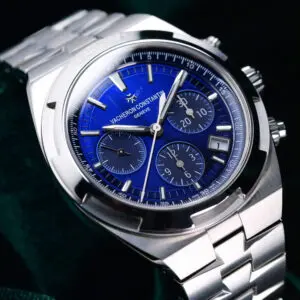
Vacheron Constantin Overseas Chronograph Blue Dial Stainless Steel 42.5mm MINT CONDITION COMPLETE SET 5500V/110A-B148
$37,793.00
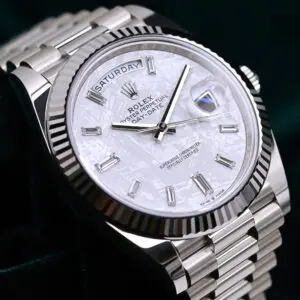
Rolex Day-Date Meteorite Baguette Diamond Dial Fluted Bezel President 18K White Gold 40mm MINT CONDITION COMPLETE SET 228239
$78,629.00
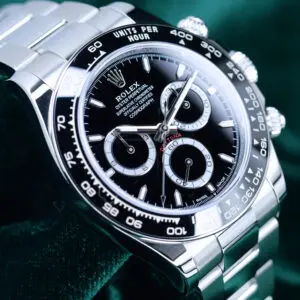
2026 Rolex Cosmograph Daytona Black Dial Black Ceramic Bezel Oyster Bracelet Stainless Steel 40mm MINT CONDITION COMPLETE SET 126500LN
$33,594.00
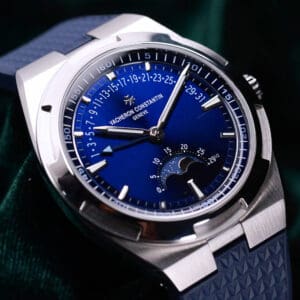
2025 Vacheron Constantin Overseas Moonphase Retrograde Date Blue Dial Blue Rubber Strap Stainless Steel 41mm MINT CONDITION COMPLETE SET 4000V/210A-B911
$52,800.00
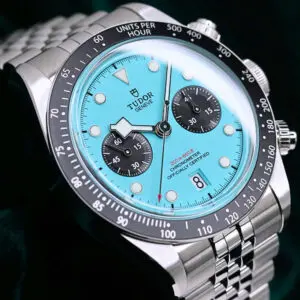
2025 Tudor Black Bay Chrono "Flamingo Blue" Turquoise Dial Black Bezel Stainless Steel 41mm MINT CONDITION COMPLETE SET 79360N-0024
$10,494.00
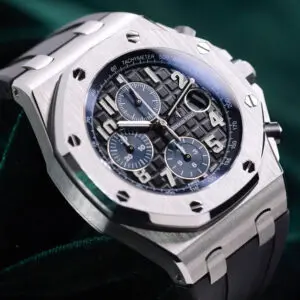
Audemars Piguet Royal Oak Offshore Chronograph "Batman" Black Dial Blue Accents Black Rubber Strap Stainless Steel 42mm MINT CONDITION COMPLETE SET 26470ST.OO.A028CR.01
$25,715.00
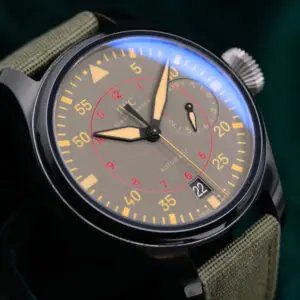
IWC Big Pilot's Watch Top Gun Miramar Grey Dial Green Textile Strap Black Ceramic 48mm MINT CONDITION COMPLETE SET IW501902
$7,240.00
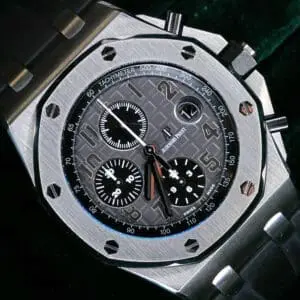
Audemars Piguet Royal Oak Offshore Chronograph "Elephant" Gray Dial Stainless Steel Rubber Strap 42mm 26470ST.OO.A104CR.01
$23,974.50
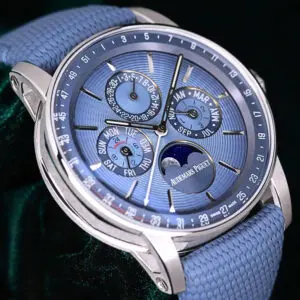
Audemars Piguet Code 11.59 Perpetual Calendar Smoked Blue Dial Blue Rubber Strap 18K White Gold 41mm MINT CONDITION COMPLETE SET 26494BC.OO.D350KB.01
$179,025.00
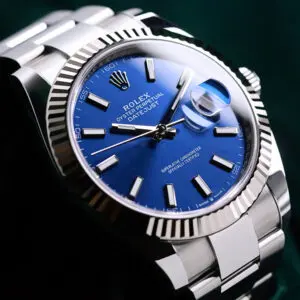
2026 NEW UNWORN Rolex Datejust Blue Dial 18K White Gold Fluted Bezel Oyster Bracelet Stainless Steel 41mm COMPLETE SET 126334
$16,892.00
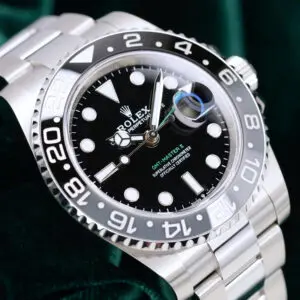
2026 NEW UNWORN Rolex GMT-Master II Bruce Wayne Black Dial Grey and Black Ceramic Bezel Stainless Steel Oyster Bracelet 40mm COMPLETE SET 126710GRNR-0004
$21,851.00
Final Thoughts on Milgauss vs Explorer
Milgauss vs Explorer isn’t a ranking, it’s a question of intent. The Milgauss is the discontinued, anti-magnetic piece with markers you can spot across a room, and it wins if you want personality every time you check the time, especially in 116400GV form.
The Explorer is the current-production daily watch built around legibility and easy ownership, often at or below retail. It’s the cleaner choice if you want something quiet and dependable for years.
Two quick tips before you buy. On the Milgauss, prioritize a full set with box and papers; the premium for completeness is real and growing now that supply is fixed, and it’s worth knowing what a Rolex without papers is really worth before you decide.
On the Explorer, compare the 36 mm and 40 mm in person if you can, because the size difference reads bigger on the wrist than the 4 mm suggests.