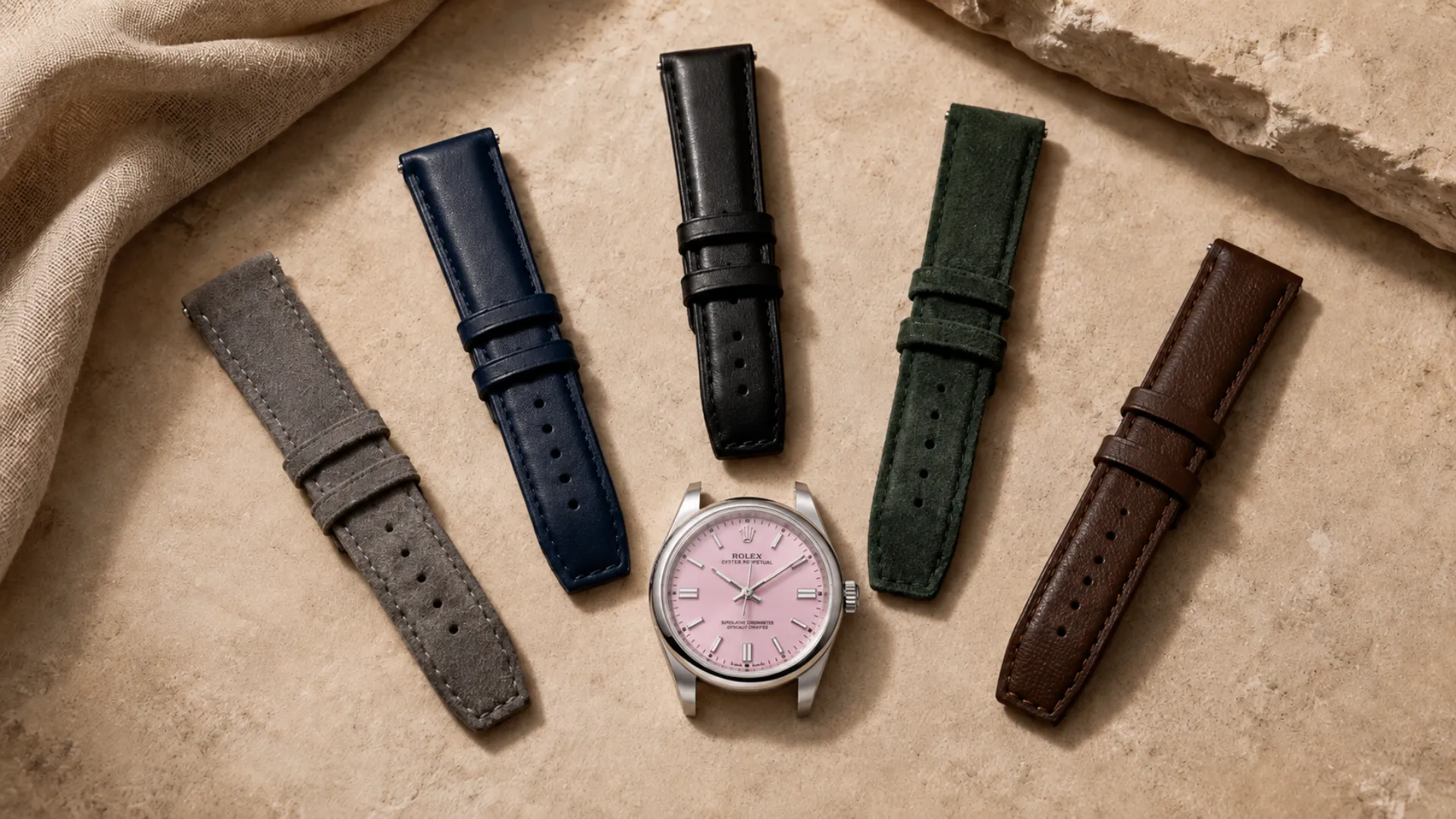

Many owners look up how to wind a Rolex Submariner when the watch has stopped after several days off the wrist or when they want to restore full power before wearing it again. The Submariner uses a mechanical movement that depends on stored energy from both wrist motion and manual winding, so a proper wind helps it regain stable accuracy.
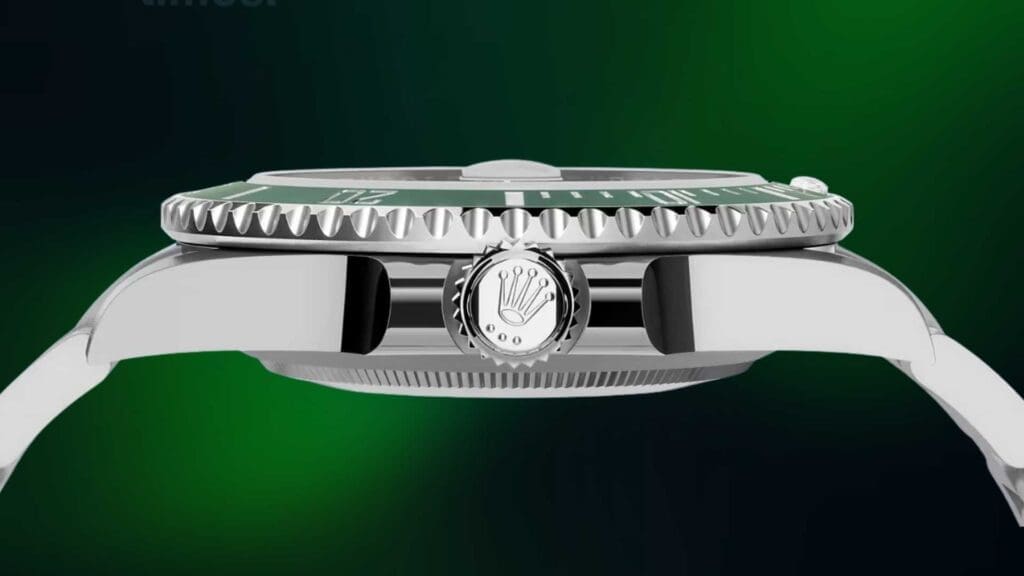
Because the Submariner uses a Triplock crown and reinforced sealing system, handling the crown correctly is essential for protecting the gaskets and preventing strain on the crown tube. The next section will walk you through the precise winding steps, timing guidance, and key precautions that help a Submariner maintain consistent performance.
Rolex Submariner Movement Overview
The Rolex Submariner runs on an automatic movement such as the Caliber 3230 or the earlier Caliber 3135, both designed for durability, accuracy, and long-term stability. These calibers use a bidirectional rotor, a paramagnetic balance spring, and an efficient gear train that maintains amplitude during daily wear.
Because the Submariner is built for diving, the movement is paired with the Triplock crown system, reinforced case construction, and multiple sealing points. These features make proper winding technique important, since clean crown handling helps preserve water resistance while giving the mainspring a steady supply of power.
How to Wind a Rolex Submariner (Manual Winding)
Manual winding restores clean, even power to the Submariner’s movement, especially when the watch has stopped or has not been worn long enough for the rotor to maintain the reserve. Follow each step carefully to protect the Triplock crown and its sealing system.
1. Make Sure the Submariner Is Completely Dry
Check that the crown area and your hands are completely dry before opening the Triplock crown. Any moisture from swimming, sweat, or rinsing can enter the case once the crown is unscrewed. A quick wipe with a soft cloth keeps the seals protected and prevents humidity from reaching the movement.
2. Unscrew the Triplock Crown by Turning Counterclockwise
Hold the case firmly and turn the crown counterclockwise with slow, steady pressure. The Triplock system releases in stages, so let the crown lift on its own. Avoid pulling outward abruptly, as sudden movement can place tension on the stem or shift the crown into the wrong position.
3. Pull the Crown to the First Position (Winding Position)
After the crown is free, pull it outward gently until it sits in the first winding position. The seconds hand should continue running, confirming you are not in the time-setting mode. If the seconds stop, push the crown back slightly. This ensures the correct gears engage before winding.
4. Turn the Crown Forward (Clockwise) 20–40 Times
Rotate the crown clockwise using smooth, controlled turns. Most Submariner movements regain strong power after about 30 turns, while 40 brings the mainspring near a full wind. Avoid fast twisting or jerky motions, since consistent rotation delivers cleaner tension to the mainspring.
5. Stop Winding When You Feel Smooth, Natural Resistance
As the mainspring tightens, the crown will feel slightly firmer. This is normal and signals that winding is complete. Stop immediately when you feel this resistance. Forcing past this point adds unnecessary stress to the winding gears, even though the movement has a slipping clutch.
6. Press the Crown Back Toward the Case
Once winding is finished, press the crown inward slowly until it sits flush against the case. Avoid letting it spring back on its own, as sudden movement can strain the stem. Keeping the crown steady ensures the threads align correctly before sealing.
7. Screw the Triplock Crown Down Fully Until Snug
While applying light inward pressure, rotate the crown clockwise until the threads engage and the crown sits firmly against the case. It should feel smooth and secure. Stop once snug. This restores the Submariner’s full water resistance without compressing the gaskets too tightly.
How Often to Wind a Rolex Submariner
A Rolex Submariner only needs manual winding when the movement has stopped or when it has been off the wrist long enough for the power reserve to drop. Most modern Submariner calibers offer 48 to 70 hours of reserve, depending on whether the watch uses the 3135 or 3230 movement, so the watch may stop after two to three days of inactivity.
If you wear your Submariner daily and your routine involves regular wrist movement, the rotor typically keeps the mainspring charged without manual winding. However, lighter activity or desk-based work may not generate enough motion to maintain a full reserve.
In those cases, giving the watch 10 to 20 manual turns every couple of days keeps the movement stable and helps maintain consistent accuracy.
What Not to Do When Winding a Rolex Submariner
The Submariner’s Triplock crown, rotating bezel, and dive-ready sealing system require careful handling during winding. The cautions below focus on model-specific risks that can affect water resistance, crown integrity, or the winding mechanism.
Here are the key mistakes you need to avoid to keep your Submariner protected during winding:
1. Do Not Wind the Submariner While Holding the Rotating Bezel
The unidirectional bezel is designed to turn freely, which makes the case unstable when used for grip. This instability can twist the stem during winding and place uneven pressure on the winding pinion. Hold the case flanks instead to keep the crown aligned.
2. Do Not Wind the Watch After Saltwater Exposure Without Rinsing First
Salt crystals form quickly around the crown tube after sea water. Opening the crown before rinsing can introduce grit into the threads or seals. Always rinse the watch with fresh, lukewarm water and let it dry completely before touching the crown.
3. Do Not Unscrew the Crown Under Running Water or in the Shower
Running water directly over the Triplock crown while it is opening reduces the effectiveness of the sealing system. Even a brief moment of exposure creates a path for moisture. Always unscrew the crown in a dry, controlled environment.
4. Do Not Force the Triplock Crown Past Its Resistance Point
The Triplock system has multiple gaskets that create a firm, noticeable stop when fully sealed. Forcing past this point can strip the crown tube threads or compress the gaskets unevenly. Stop tightening once the crown feels securely seated.
5. Do Not Wind the Watch With Sand or Grit Near the Crown Tube
Beach use often traps fine grit around the crown guards. Opening or winding the crown with debris present can scratch the tube, damage the threads, or push particles inside the case. Clean the area first before unscrewing the crown.
6. Do Not Leave the Triplock Crown Loosely Threaded After Winding
A partially threaded crown breaks the Submariner’s water-resistant seal and exposes the movement to moisture, dust, and pressure changes. Even a small gap can allow humidity to enter the case, especially after swimming or temperature shifts. Always screw the crown down fully until it feels snug and stable to ensure the Triplock system is properly sealed.

Closing Tips for Keeping Your Submariner Powered
Winding your Rolex Submariner is simple once you get used to the feel of the Triplock crown and the natural resistance of the mainspring. When you take a few seconds to dry the watch, guide the crown gently, and screw it down until snug, you’re protecting both the movement and the water-resistant seals.
Make these steps part of your routine, and your Submariner will stay accurate, powered, and ready whenever you reach for it; no guessing, no stress, just smooth performance every time.
FAQ About Winding a Rolex Submariner
How many turns does a Rolex Submariner need to wind fully?
A Submariner usually needs 30 to 40 clockwise turns for a near-full wind. Around 20 turns is enough to restart the movement, but a full wind keeps the power reserve stable and the accuracy more consistent throughout the day.
Do I need to wind my Submariner if I wear it every day?
If you’re active throughout the day, the rotor normally keeps the movement powered. If your routine is mostly desk work or low movement, giving the watch 10 to 15 turns every couple of days helps maintain a stronger reserve.
Why did my Submariner stop even though I wore it yesterday?
Light wrist movement may not generate enough motion to keep the rotor spinning. If the power reserve drops too low, the watch can stop overnight. A full manual wind usually brings it back to normal and keeps the movement stable.
Is it safe to wind the Submariner after swimming?
Yes, as long as the watch is rinsed and fully dry before you open the crown. Unscrewing the Triplock crown while saltwater, chlorine, or moisture is still around the crown tube can let contaminants enter the threads or affect the seals.